1. Search Result
Search Result
Results for "

PPARγ Agonist

" in MedChemExpress (MCE) Product Catalog:

240

Inhibitors & Agonists

1

Peptides

33

Natural
Products

25

Isotope-Labeled Compounds

1

Click Chemistry

Targets Recommended:
Cat. No. Product Name Target Research Areas Chemical Structure
  • HY-13956
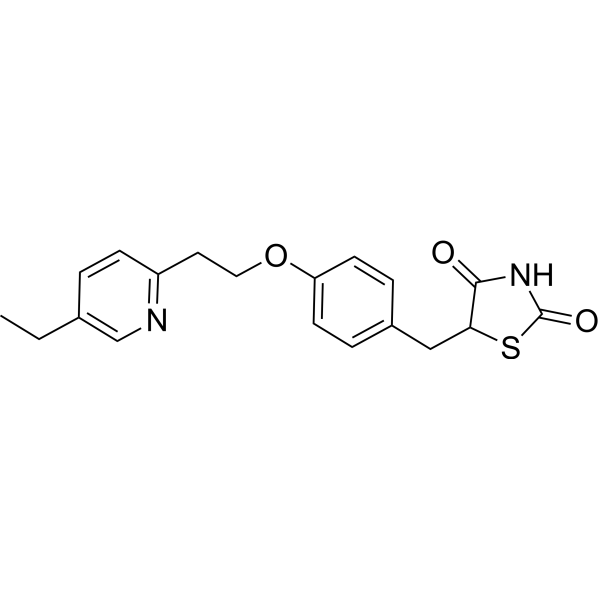
    Pioglitazone
    45+ Cited Publications

    U 72107

    PPAR Ferroptosis Metabolic Disease Cancer
    Pioglitazone (U 72107) is an orally active and selective PPARγ (peroxisome proliferator-activated receptor) agonist with high affinity binding to the PPARγ ligand-binding domain with EC50 of 0.93 and 0.99 μM for human and mouse PPARγ, respectively. Pioglitazone can be used in diabetes research .
    Pioglitazone
  • HY-50935
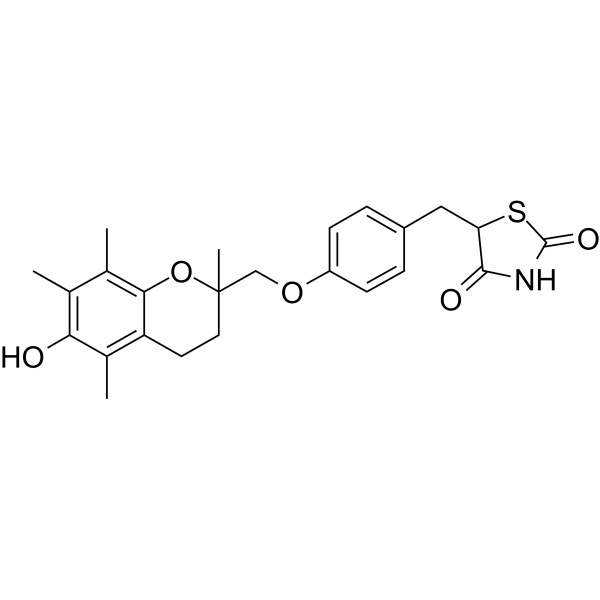
    Troglitazone
    30+ Cited Publications

    CS-045

    PPAR Autophagy Apoptosis Ferroptosis Metabolic Disease Cancer
    Troglitazone is an orally active PPARγ agonist, with EC50s of 550 nM and 780 nM for human and murine PPARγ receptor, respectively. Troglitazone has anticancer activity, prevents and inhibits the development of type 2 diabetes.
    Troglitazone
  • HY-16995
    Pirinixic acid
    30+ Cited Publications

    Wy-14643

    PPAR Metabolic Disease Inflammation/Immunology
    Pirinixic acid (Wy-14643) is a potent agonist of PPARα, with EC50s of 0.63 μM, 32 μM for murine PPARα and PPARγ, and 5.0 μM, 60 μM, 35 μM for human PPARα, PPARγ and PPARδ, respectively.
    Pirinixic acid
  • HY-13861
    GW7647
    20+ Cited Publications

    PPAR Cardiovascular Disease
    GW7647 is a potent PPARα agonist, with EC50s of 6 nM, 1.1 μM, and 6.2 μM for human PPARα, PPARγ and PPARδ, respectively.
    GW7647
  • HY-14601
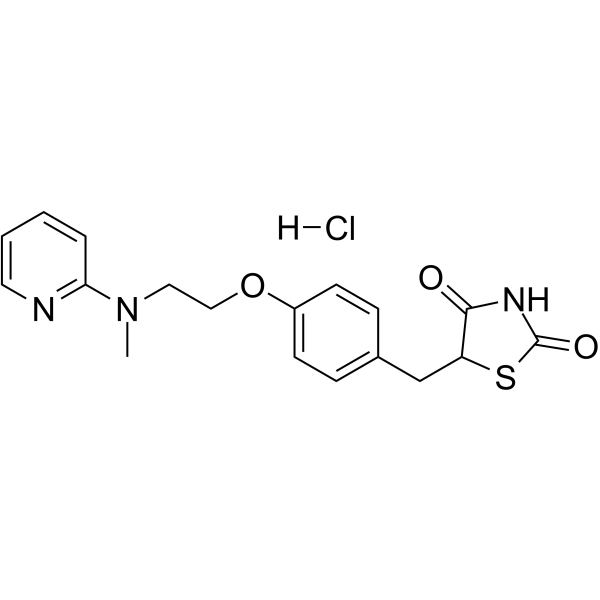
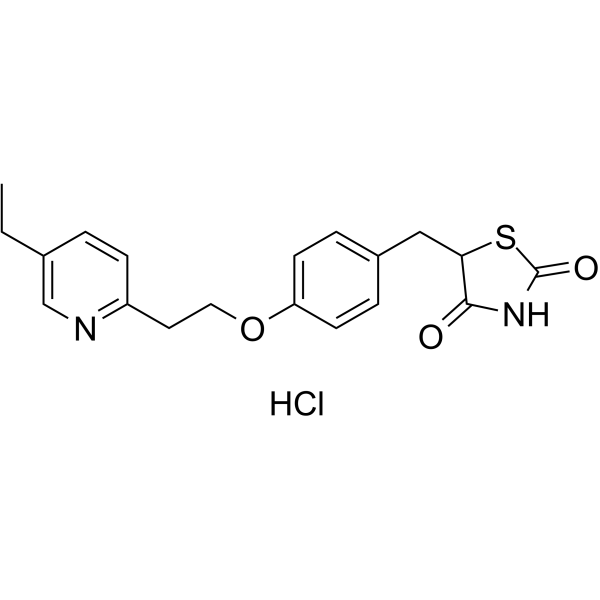
    Pioglitazone hydrochloride
    45+ Cited Publications

    U 72107A; AD 4833

    PPAR Ferroptosis Metabolic Disease Cancer
    Pioglitazone hydrochloride is a potent and selective PPARγ agonist with EC50s of 0.93 and 0.99 μM for human and mouse PPARγ, respectively.
    Pioglitazone hydrochloride
  • HY-15655
    GW1929
    10+ Cited Publications

    PPAR Neurological Disease Metabolic Disease
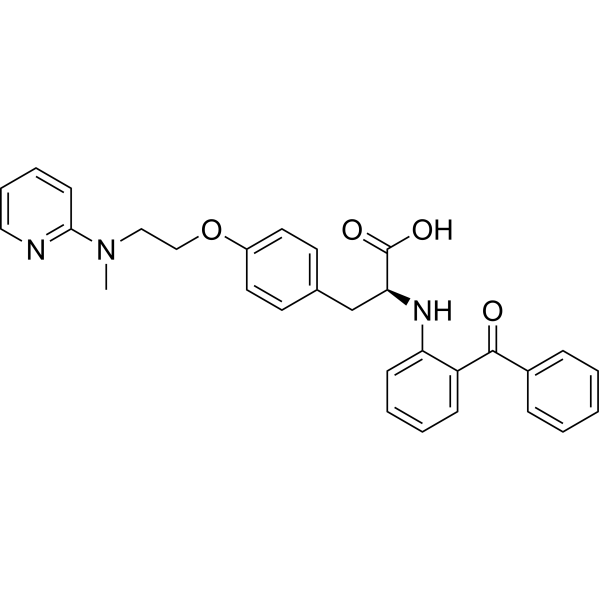
    GW 1929 is an orally active peroxisome proliferator-activated receptor-γ (PPARγ) agonist with a pKi of 8.84 for human PPAR-γ, and pEC50s of 8.56 and 8.27 for human PPAR-γ and murine PPAR-γ, respectively. GW 1929 (hydrochloride) has antidiabetic efficacy and neuroprotective potential .
    GW1929
  • HY-B0637
    Bezafibrate
    10+ Cited Publications

    BM15075

    PPAR Cardiovascular Disease Metabolic Disease
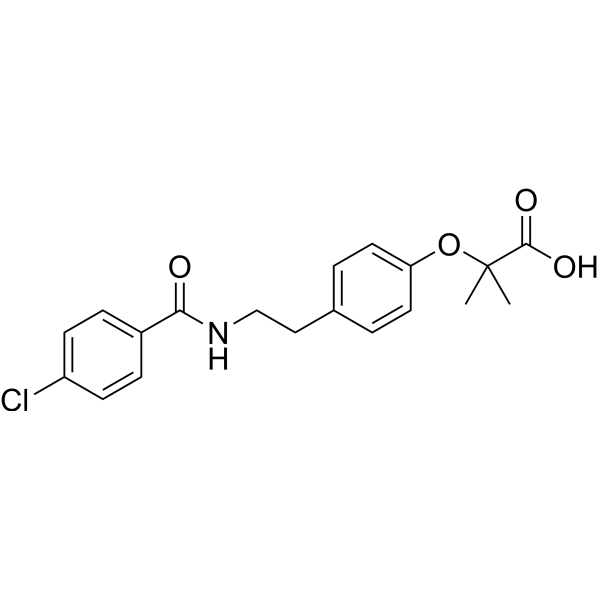
    Bezafibrate is an agonist of PPAR, with EC50s of 50 μM, 60 μM, 20 μM for human PPARα, PPARγ and PPARδ, and 90 μM, 55 μM, 110 μM for murine PPARα, PPARγ and PPARδ, respectively; Bezafibrate is used as an hypolipidemic agent.
    Bezafibrate
  • HY-N0246
    Saikosaponin A
    5 Publications Verification

    LXR Bacterial Inflammation/Immunology Cancer
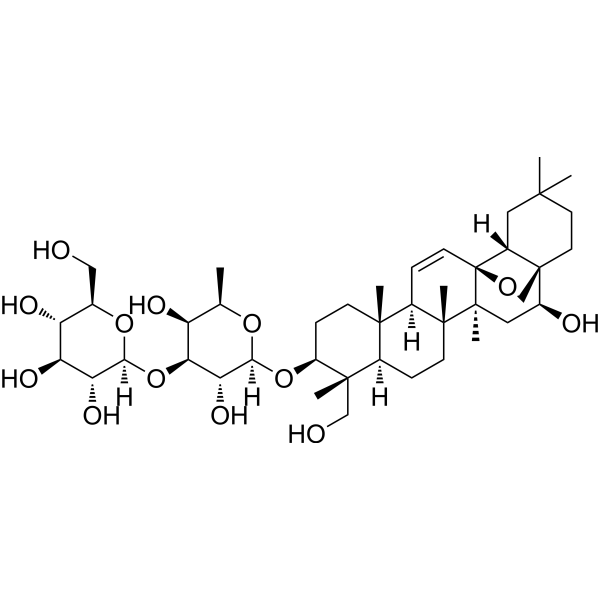
    Saikosaponin A is the main active ingredient in Bupleurum chinense, which can regulate lipid metabolism and promote cholesterol efflux in early atherosclerosis. In addition, Saikosaponin A may also serve as a potential peroxisome proliferator-activated receptor γ (PPAR-γ) agonist, significantly promoting the expression of PPAR-γ. Saikosaponin A can be used in the study of hyperlipidemic pancreatitis .
    Saikosaponin A
  • HY-B0287
    Clofibrate
    4 Publications Verification

    PPAR Metabolic Disease
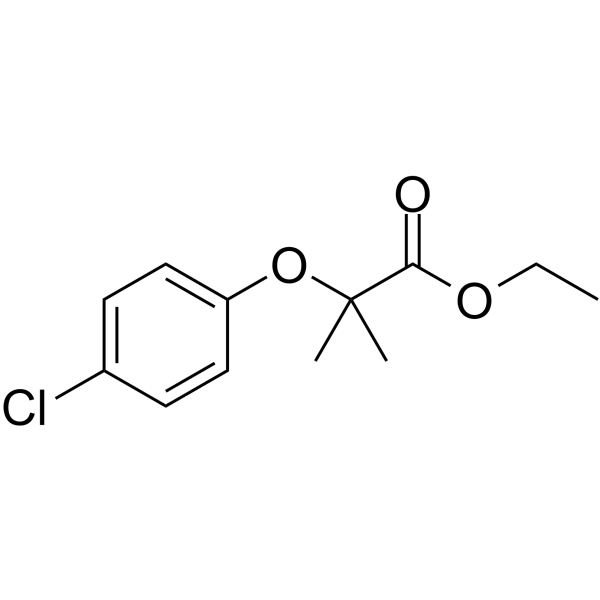
    Clofibrate is an agonist of PPAR, with EC50s of 50 μM, ~500 μM for murine PPARα and PPARγ, and 55 μM, ~500 μM for human PPARα and PPARγ, respectively.
    Clofibrate
  • HY-N2025
    Oroxin A
    4 Publications Verification

    PPAR Glycosidase Metabolic Disease
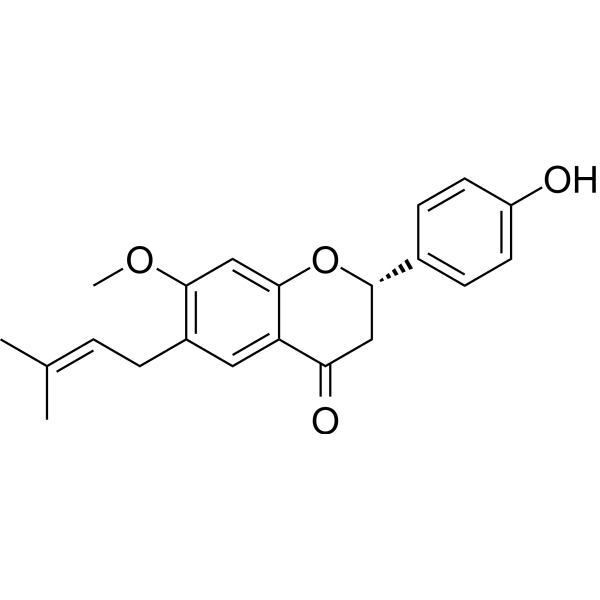
    Oroxin A is the major component of an ethanol-water Oroxylum indicum (L.) Kurz (Bignoniaceae) seed extract (OISE). Oroxin A acts as a partial PPARγ agonist that can activate PPARγ transcriptional activation. Oroxin A activates PPARγ by docking into the PPARγ protein ligand-binding domain. Oroxin A also exhibits an inhibitory activity against α-glucosidase and an antioxidant capacity . Oroxin A exerts anti-breast cancer effects by inducing ER stress-mediated senescence .
    Oroxin A
  • HY-16086
    Balaglitazone
    1 Publications Verification

    DRF 2593; NN 2344

    PPAR Metabolic Disease
    Balaglitazone is a selective partial PPARγ agonist with an EC50 of 1.351 μM for human PPARγ.
    Balaglitazone
  • HY-14817

    PPM 204

    PPAR Metabolic Disease
    Indeglitazar (PPM 204) is an orally available PPAR pan-agonist for all three PPARα, PPARδ and PPARγ .
    Indeglitazar
  • HY-148351

    PPAR Cancer
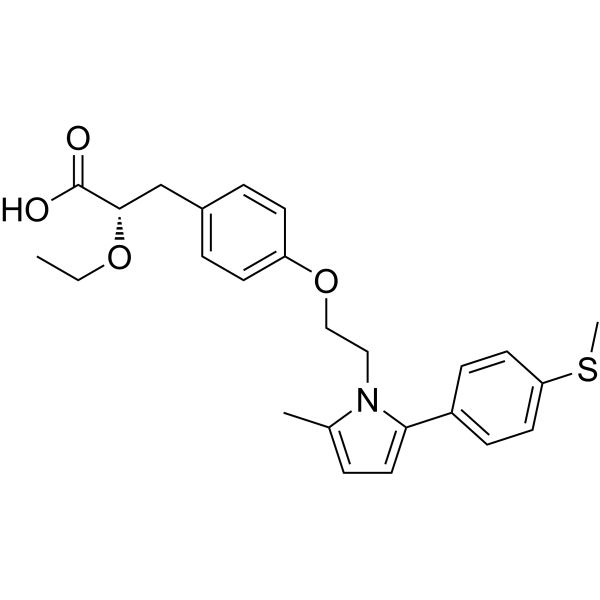
    BAY-0069 is a potent and selective PPARγ inverse agonist with an IC50 value of 6.3 nM and 24 nM for human PPARγ and mouse PPARγ. BAY-0069 can be used to research cancer .
    BAY-0069
  • HY-U00450

    PPAR NF-κB Inflammation/Immunology Cancer
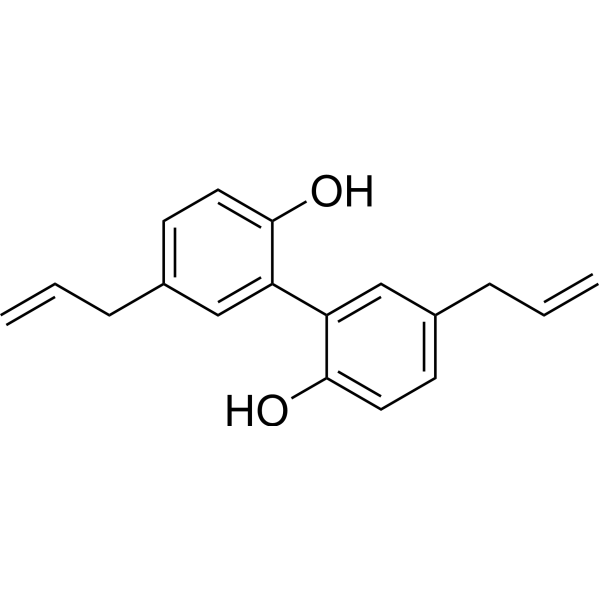
    4-O-Methyl honokiol is a natural neolignan isolated from Magnolia officinalis, acts as a PPARγ agonist, and inhibtis NF-κB activity, used for cancer and inflammation research.
    4-O-Methyl honokiol
  • HY-14792B
    Inolitazone dihydrochloride
    5 Publications Verification

    Efatutazone dihydrochloride; CS-7017 dihydrochloride; RS5444 dihydrochloride

    PPAR Cancer
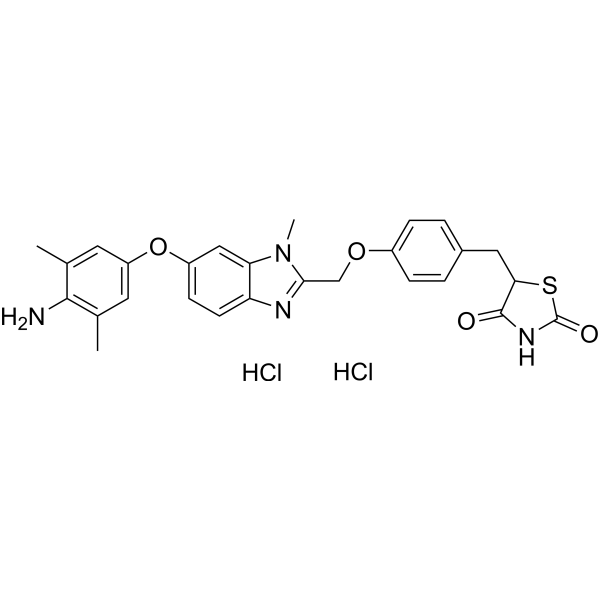
    Inolitazone dihydrochloride (Efatutazone dihydrochloride) is a novel high-affinity PPARγ agonist that is dependent upon PPARγ for its biological activity with IC50 of 0.8 nM for growth inhibition.
    Inolitazone dihydrochloride
  • HY-148352
    BAY-4931
    1 Publications Verification

    PPAR Cancer
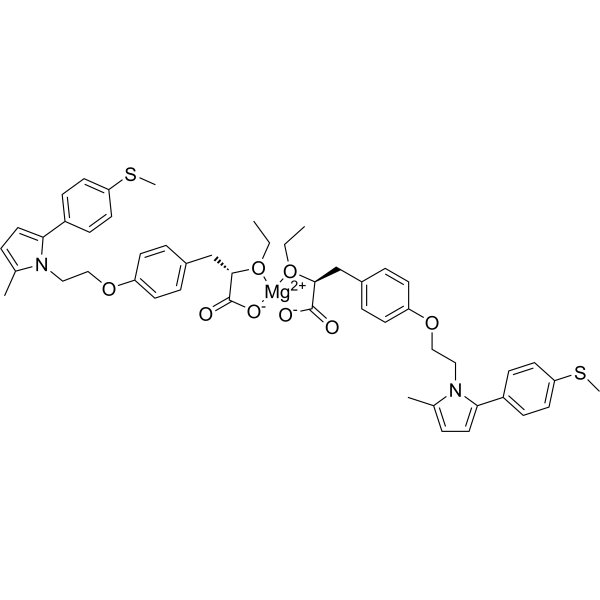
    BAY-4931 is a potent, covalent and selective PPARγ inverse-agonist with an IC50 of 0.17 nM .
    BAY-4931
  • HY-16421

    (-)-DRF 2725; NNC 61-0029

    PPAR Metabolic Disease
    Ragaglitazar is a PPARα and PPARγ agonist with potent lipid-lowering and insulin-sensitizing efficacy in animal models. Ragaglitazar improves glycemic control and lipid profile in type 2 diabetic.
    Ragaglitazar
  • HY-14601R

    U 72107A (Standard); AD 4833 (Standard)

    Reference Standards PPAR Ferroptosis Metabolic Disease Cancer
    Pioglitazone (hydrochloride) (Standard) is the analytical standard of Pioglitazone (hydrochloride). This product is intended for research and analytical applications. Pioglitazone hydrochloride is a potent and selective PPARγ agonist with EC50s of 0.93 and 0.99 μM for human and mouse PPARγ, respectively.
    Pioglitazone hydrochloride (Standard)
  • HY-110118

    PPAR Metabolic Disease
    Edaglitazone is a potent, selective and orally active PPARγ agonist, with EC50s of 35.6 nM and 1053 nM for PPARα and PPARγ, respectively. Edaglitazone displays antiplatelet, antidiabetic and anti-hyperglycemic activity .
    Edaglitazone
  • HY-N9333

    PPAR Metabolic Disease Cancer
    Wistin, isolated from Caragana sinica roots, is a PPARα and PPARγ agonist .
    Wistin
  • HY-122235

    PPAR Cardiovascular Disease
    MRL-24 is a PPARγ agonist. MRL-24 can be used in metabolic disease related research .
    MRL-24
  • HY-146480

    PPAR Cancer
    PPARγ agonist 5 (Compound 1) is a potent and selective agonist of PPARγ. PPARγ agonist 5 has the potential for the research of cancer diseases .
    PPARγ agonist 5
  • HY-116468

    PPAR Metabolic Disease
    PPARγ agonist 11 (compound 20) is a selective agonist of PPARγ (EC50: 0.1 μM) .
    PPARγ agonist 11
  • HY-159944

    PPAR Neurological Disease Metabolic Disease Inflammation/Immunology
    PPARγ agonist 14 (compound 3) is a PPARy agonist (EC50=2.4 μM) with anti-diabetic activity. PPARγ agonist 14 can improve intracellular glucose uptake, promote insulin release, and lower blood sugar. In addition, PPARγ agonist 14 also improves mitochondrial function, reduces oxidative stress, and inhibits inflammatory factors. PPARγ agonist 14 can be used in the study of neurodegenerative diseases, neuroinflammatory diseases, and other diseases .
    PPARγ agonist 14
  • HY-150308

    PPAR Cancer
    SR10221, a noncovalent inverse agonist of PPARγ, represses downstream PPARγ target genes leading to growth inhibition in bladder cancer cell lines .
    SR10221
  • HY-13956S1

    Isotope-Labeled Compounds PPAR Ferroptosis Metabolic Disease Cancer
    Pioglitazone-d4 (alkyl) (U 72107-d4 (alkyl)) is the deuterium labeled Pioglitazone. Pioglitazone (U 72107) is a potent and selective PPARγ agonist with high affinity binding to the PPARγ ligand-binding domain with EC50 of 0.93 and 0.99 μM for human and mouse PPARγ, respectively .
    Pioglitazone-d4 (alkyl)
  • HY-144111

    PPAR Inflammation/Immunology
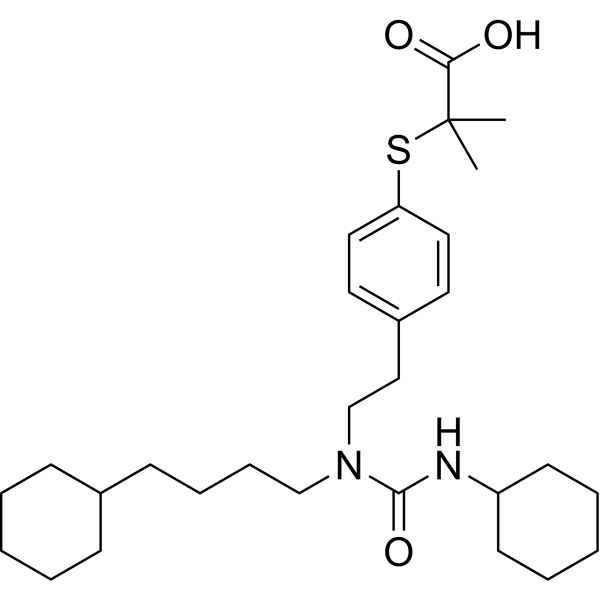
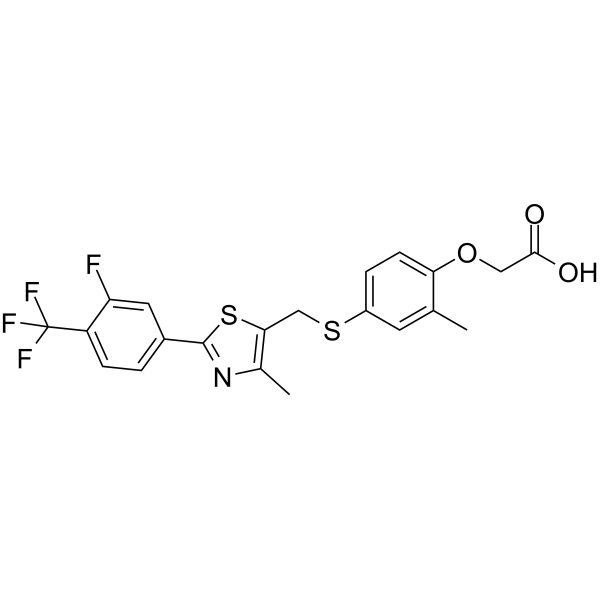
    PPARα/δ agonist 1 is a potent PPARα/PPARδ dual agonist (PPARα EC50=7.0 nM; PPARδ EC50=8.4 nM). PPARα/δ agonist 1 is a high selectivity over PPARγ (PPARγ EC50=1316.1 nM). PPARα/δ agonist 1 has the potential for the research of nonalcoholic steatohepatitis .
    PPARα/δ agonist 1
  • HY-17386S

    Isotope-Labeled Compounds PPAR TRP Channel Autophagy Ferroptosis Neurological Disease Metabolic Disease Inflammation/Immunology Cancer
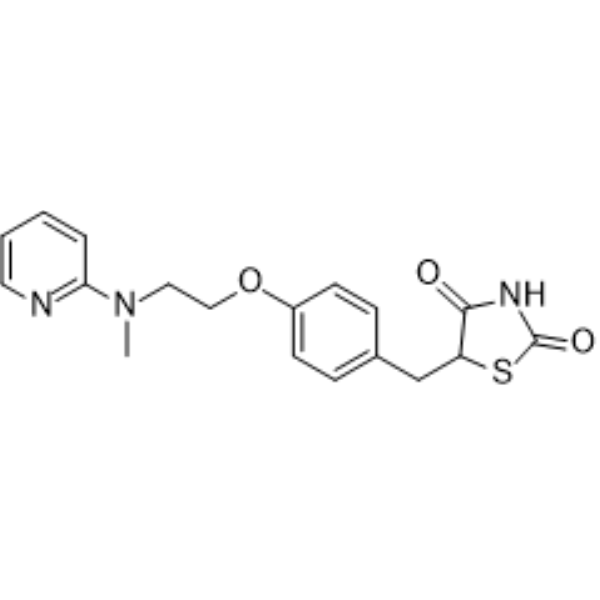
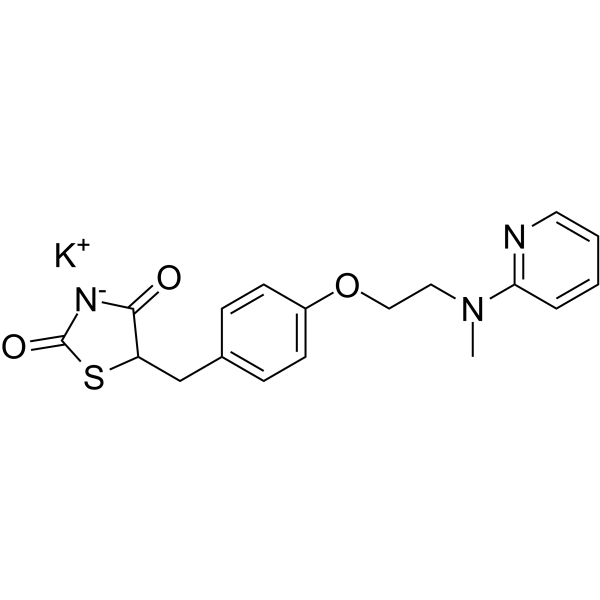
    Rosiglitazone-d3 is the deuterium labeled Rosiglitazone. Rosiglitazone (BRL 49653) is a selective, orally active PPARγ agonist with EC50s of 30 nM, 100 nM and 60 nM for PPARγ1, PPARγ2, and PPARγ, respectively. Rosiglitazone binds to PPARγ with a Kd of approximately 40 nM. Rosiglitazone is also an activator of TRPC5 (EC50=~30 μM) and an inhibitor of TRPM3 .
    Rosiglitazone-d3
  • HY-14831
    Arhalofenate
    1 Publications Verification

    MBX 102; JNJ 39659100

    PPAR Metabolic Disease
    Arhalofenate (MBX 102) is a selective partial agonist of peroxisome proliferator-activated receptor (PPAR)-γ, used for the treatment of type 2 diabetes.
    Arhalofenate
  • HY-B0637S

    PPAR Cardiovascular Disease Metabolic Disease
    Bezafibrate-d6 is the deuterium labeled Bezafibrate. Bezafibrate is an agonist of PPAR, with EC50s of 50 μM, 60 μM, 20 μM for human PPARα, PPARγ and PPARδ, and 90 μM, 55 μM, 110 μM for murine PPARα, PPARγ and PPARδ, respectively; Bezafibrate is used as an hypolipidemic agent.
    Bezafibrate-d6
  • HY-W341997

    PPAR Metabolic Disease
    9-Octadecynoic acid is a DNA binding agent with a dissociation constant of 1.8 mM. 9-Octadecynoic acid is also an agonist for peroxisome proliferator-activated receptor γ (PPARγ) .
    9-Octadecynoic acid
  • HY-146482

    PPAR Cancer
    PPARγ agonist 6 (Compound 12) is a potent and selective agonist of PPARγ. PPARγ agonist 6 has the potential for the research of cancer diseases .
    PPARγ agonist 6
  • HY-162320

    PPAR Metabolic Disease
    PPARγ agonist 12 (compound 9i) is a potent and selective PPARγ agonist with EC50s of 3.98 and 15.42 μM against PPARγ and PPARδ, respectively. PPARγ agonist 12 improves insulin secretion and has anti-diabetic effect .
    PPARγ agonist 12
  • HY-178447

    PPAR Glutathione Peroxidase SOD TNF Receptor Interleukin Related NF-κB Infection Metabolic Disease Endocrinology
    PPARγ agonist 20 is a potent, orally active PPAR-γ agonist. PPARγ agonist 20 effectively increases antioxidant defenses (SOD, GSH) and reduces lipid peroxidation. PPARγ agonist 20 can upregulate of Pparg, Glut4, and AdipoQ, suppresses of TNF-α, IL-6, and NF-κB p65. PPARγ agonist 20 significantly lowers fasting blood glucose, improving glucose tolerance, and restoring metabolic balance in Streptozotocin (HY-13753)-Nicotinamide (HY-B0150)-induced diabetic rats. PPARγ agonist 20 can be used for the study of type 2 diabetes .
    PPARγ agonist 20
  • HY-14792

    Efatutazone; CS-7017; RS5444

    PPAR Cancer
    Inolitazone a novel high-affinity PPARγ agonist that is dependent upon PPARγ for its biological activity with IC50 of 0.8 nM for growth inhibition.
    Inolitazone
  • HY-138007

    ROR PPAR LXR Metabolic Disease Inflammation/Immunology
    SR-1903 is an inverse agonist of RORγ and PPARγ (IC50 of ∼100 nM and 209 nM for RORγ and PPARγ, respectively) and a LXR agonist. SR-1903 exhibits anti-inflammatory and anti-diabetic efficacy in collagen-induced arthritis and diet-induced obesity mouse models .
    SR-1903
  • HY-101292

    PPAR Metabolic Disease
    FK614 is an orally active, non-thiazolidinedione (TZD) type, and selective PPARγ modulator (SPPARM). FK614 functions as a PPARγ agonist with potent anti-diabetic activity in vivo. FK614 has different effects on the activation of PPARγ at each stage of adipocyte differentiation. FK614 can be used for the research of hyperglycemia, hypertriglyceridemia, glucose intolerance and type 2 diabetes .
    FK614
  • HY-B0287R
    Clofibrate (Standard)
    4 Publications Verification

    Reference Standards PPAR Metabolic Disease
    Clofibrate (Standard) is the analytical standard of Clofibrate. This product is intended for research and analytical applications. Clofibrate is an agonist of PPAR, with EC50s of 50 μM, ~500 μM for murine PPARα and PPARγ, and 55 μM, ~500 μM for human PPARα and PPARγ, respectively.
    Clofibrate (Standard)
  • HY-160003

    PPAR Metabolic Disease
    PPARγ agonist 9 is an agonist of PPARγ. PPARγ agonist 9 is the analogue of lysophosphatidic acid with an EC50 more than 10 μM for LPA3 receptor .
    PPARγ agonist 9
  • HY-N7624

    3-Oxoolean-12-en-28-oic acid methyl ester

    PPAR Cancer
    Methyl oleanonate is a natural triterpene PPARγ agonist isolated from the species of Pistacia lentiscus var. Chia . Methyl oleanonate is a modified oleanolic acid derivative with anti-cancer effects .
    Methyl oleanonate
  • HY-146438

    PPAR Cancer
    PPARγ agonist 3 (Compound 18a) is a potent and selective agonist of PPARγ. PPARγ agonist 3 is not cytotoxic neither on non-resistant nor on resistant cells. PPARγ agonist 3 exerts antitumor potency only in combination with Imatinib .
    PPARγ agonist 3
  • HY-146439

    PPAR Cancer
    PPARγ agonist 4 (Compound 18b) is a potent and selective agonist of PPARγ. PPARγ agonist 4 is not cytotoxic neither on non-resistant nor on resistant cells. PPARγ agonist 4 exerts antitumor potency only in combination with Imatinib .
    PPARγ agonist 4
  • HY-147511

    PPAR Others
    PPARγ agonist 7 (Compound 3a) is a potent and selective agonist of PPARγ. PPARγ agonist 7 promotes adiponectin production in human bone marrow mesenchymal stem cells (hBM-MSCs) as a novel PPARγ full agonist (EC50, 4.34 μM) .
    PPARγ agonist 7
  • HY-153982

    PPAR Metabolic Disease
    PPARγ agonist 8 is an agonist of PPARγ. PPARγ agonist 8 induces peroxisome proliferator response element (PPRE)-luciferase activity with an EC50 of 0.2 μM .
    PPARγ agonist 8
  • HY-146731

    PPAR Cardiovascular Disease Metabolic Disease
    PPARγ agonist 1 (compound 15) is a potent agonist of PPARγ. PPARγ agonist 1 shows high efficacy to activate hPPARγ without raising a full agonism and probably avoiding adverse effects. PPARγ agonist 1 has the potential for the research of cardiovascular diseases associated with metabolic disorders .
    PPARγ agonist 1
  • HY-168719

    PPAR Inflammation/Immunology
    PPARγ agonist 16 (Compound 4G) is the agonist for PPARγ, that competitively binds to LBD domain of PPARγ with IC50 of 1790 nM. PPARγ agonist 16 inhibits the ear swelling in mouse model, and exhibits anti-hyperglycemic in Streptozotocin (HY-13753)-induced mouse diabetes mellitus model .
    PPARγ agonist 16
  • HY-146742

    PPAR Metabolic Disease
    PPARγ agonist 2 is a potent PPARγ partial agonist and can be used for metabolic disease research .
    PPARγ agonist 2
  • HY-169404

    PPAR Metabolic Disease
    PPARγ agonist 15 (Compound 7c) is an agonist for PPARγ. PPARγ agonist 15 inhibits the expression of alpha-amylase (HPA) and alpha-glucosidase (HLAG) with IC50 of 28.35 µM and 26.21 µM. PPARγ agonist 15 enhances glucose uptake in the L6 myotube cell. PPARγ agonist 15 improves glucose homeostasis, insulin sensitivity, and lipid metabolism in rat Streptozotocin (HY-13753)-induced diabetes model .
    PPARγ agonist 15
  • HY-176214

    PPAR COX Metabolic Disease
    PPARγ agonist 19 (Compound 5e) is a PPARγ agonist. PPARγ agonist 19 has an IC50 of 11.27 μM against COX-1 and an IC50 of 0.05 μM against COX-1. PPARγ agonist 19 increases glucose uptake in rat hemidiaphragm assay and is superior to pioglitazone (HY-13956). PPARγ agonist 19 alleviates hyperglycemia and insulin resistance in an in vivo model of type 2 diabetes in rats and protects against renal and lipidemia damage caused by metabolic dysfunction .
    PPARγ agonist 19
  • HY-163294

    PPAR Metabolic Disease
    PPARγ agonist 10 (compound 33g) is a PPARγ agonist, and stimulats the insulin secretion, glucose uptake and insulin Sensitivity in βTC6 Cells .
    PPARγ agonist 10

Inquiry Online

Your information is safe with us. * Required Fields.

Salutation


Country or Region *

Applicant Name *


Organization Name *

Department *


Email Address *


Product Name *

Cat. No.


Requested quantity *

Phone Number *


Remarks

Inquiry Online

Inquiry Information

Product Name:
Cat. No.:
Quantity:
MCE Japan Authorized Agent:

