256 Results for "

RNA binding

" in MedChemExpress (MCE) Product Catalog:
Products (256)

256 Results for "RNA binding" in MCE Product Catalog:

64
64 Publications Verification
Cat. No.: HY-135748A
Poly (I:C):Kanamycin (1:1) sodium is an isometric complex of Poly (I:C) (HY-135748) and Kanamycin (HY-16566). Poly(I:C) sodium, a synthetic analog of double-stranded RNA, is a TLR3 and retinoic acid-inducible gene I receptor (RIG-I and MDA5) agonist. Poly(I:C) sodium can be used as a vaccine adjuvant to enhance innate and adaptive immune responses and induce apoptosis in cancer cells . Kanamycin is an orally active antibacterial agent (Gram-negative/positive bacteria) that inhibits translocation and causes miscoding by binding to the 70S ribosomal subunit. Kanamycin shows good inhibitory activity against Mycobacterium tuberculosis (susceptible and drug-resistant) and Klebsiella pneumoniae, and can be used in the research of tuberculosis and pneumonia .
loading...
    loading...
20
20 Cited Publications
Cat. No.: HY-14855
CAS No.: 856866-72-3
Purity:  99.03%
Synonyms: TR 700; Torezolid; DA-7157
Target:  

Bacterial Antibiotic

Research Areas:  

Infection

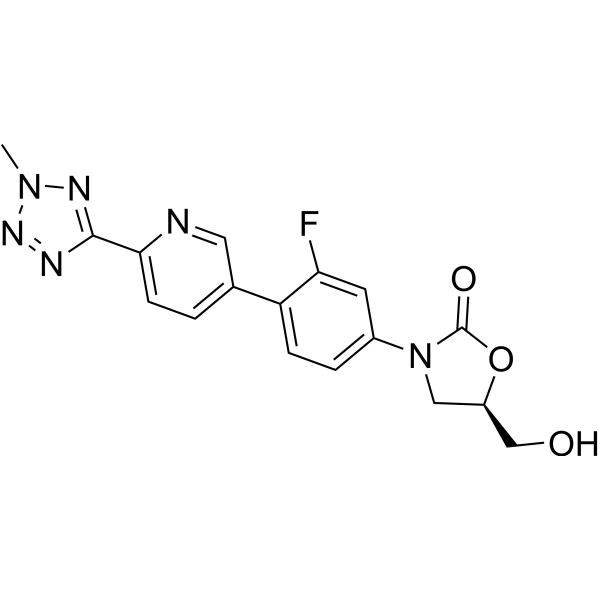
Tedizolid (TR 700; Torezolid; DA-7157) is a novel oxazolidinone, acting through inhibition of bacterial protein synthesis by binding to 23S ribosomal RNA (rRNA) of the 50S subunit of the ribosome.
loading...
    loading...
11
11 Cited Publications
Cat. No.: HY-134539
CAS No.: 2304621-31-4
Purity:  98.13%
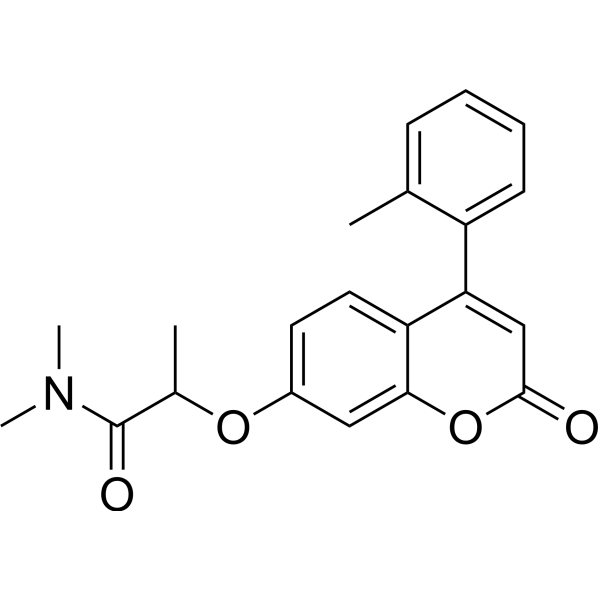
IMT1 is a first-in-class specific and noncompetitive human mitochondrial RNA polymerase (POLRMT) inhibitor. IMT1 causes a conformational change of POLRMT, which blocks substrate binding and transcription in a dose-dependent way in vitro. IMT1 reduces deoxynucleoside triphosphate levels and citric acid cycle intermediates, resulting in a marked depletion of cellular amino acid levels. IMT1 has the potential for mitochondrial transcription disorders related diseases .
loading...
    loading...
10
10 Cited Publications
Cat. No.: HY-B0275
CAS No.: 79-57-2
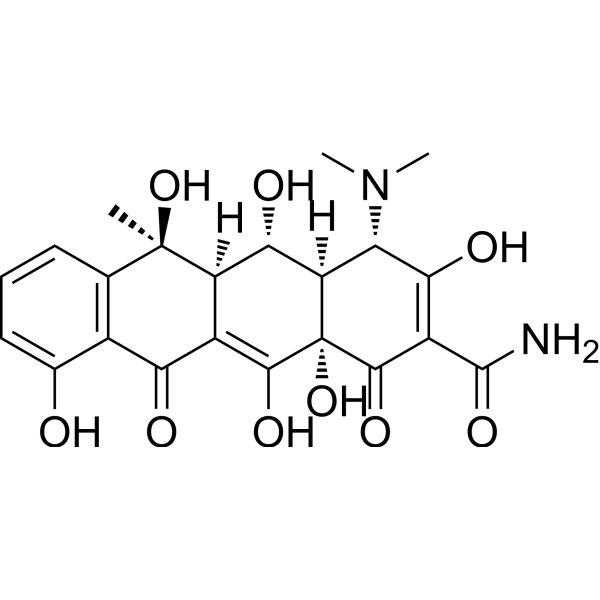
Oxytetracycline is an antibiotic belonging to the tetracycline class. Oxytetracycline potent inhibits Gram-negative and Gram-positive bacteria. Oxytetracycline is a protein synthesis inhibitor and prevents the binding from aminoacil-tRNA to the complex m-ribosomal RNA. Oxytetracycline also possesses anti-HSV-1 activity .
loading...
    loading...
10
10 Cited Publications
Cat. No.: HY-B0275A
CAS No.: 2058-46-0
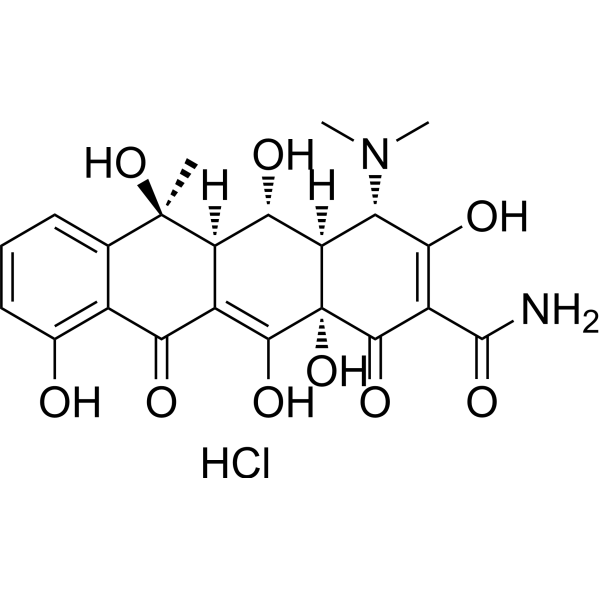
Oxytetracycline hydrochloride is an antibiotic belonging to the tetracycline class. Oxytetracycline hydrochloride potent inhibits Gram-negative and Gram-positive bacteria. Oxytetracycline hydrochloride is a protein synthesis inhibitor and prevents the binding from aminoacil-tRNA to the complex m-ribosomal RNA. Oxytetracycline hydrochloride also possesses anti-HSV-1 activity .
loading...
    loading...
10
10 Cited Publications
Cat. No.: HY-B0275B
CAS No.: 6153-64-6
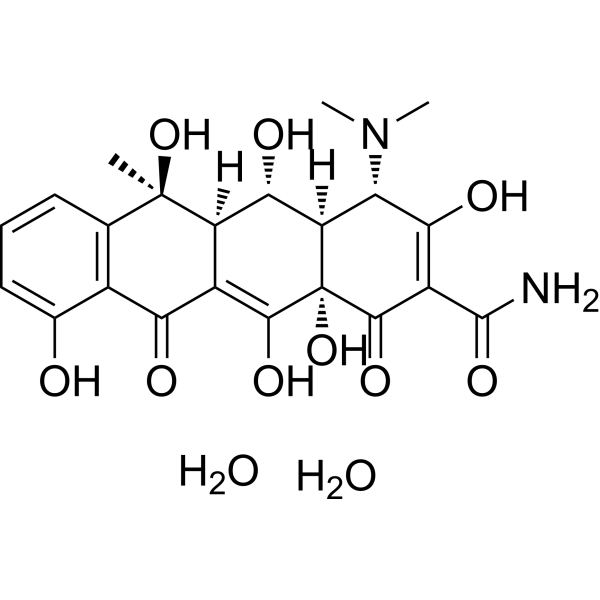
Oxytetracycline dihydrate is an antibiotic belonging to the tetracycline class. Oxytetracycline dihydrate potent inhibits Gram-negative and Gram-positive bacteria. Oxytetracycline dihydrate is a protein synthesis inhibitor and prevents the binding from aminoacil-tRNA to the complex m-ribosomal RNA. Oxytetracycline dihydrate also possesses anti-HSV-1 activity .
loading...
    loading...
9
9 Cited Publications
Cat. No.: HY-122903
CAS No.: 1903783-48-1
Purity:  99.84%
Target:  

DNA/RNA Synthesis

Research Areas:  

Cancer

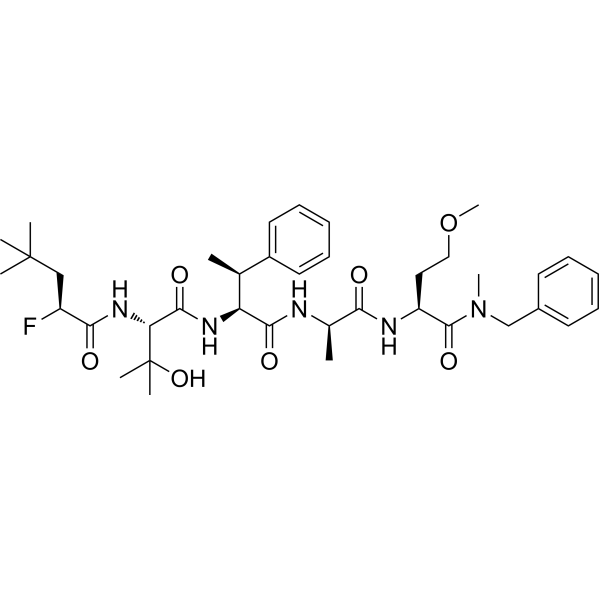
TK216 is an orally active and potent E26 transformation specific (ETS) inhibitor . TK216 directly binds EWS-FLI1 and inhibits EWS-FLI1 protein interactions. TK216 blocks the binding between EWS-FLI1 and RNA helicase A. TK216 has anticancer activity .
loading...
    loading...
9
9 Cited Publications
Cat. No.: HY-162288
CAS No.: 3036029-72-5
Target:  

DNA/RNA Synthesis

Research Areas:  

Cancer

FAZ-3532 is a G3BP inhibitor (Kd = 0.54 μM) which binds to the NTF2L nsP3 binding pocket in G3BP1. FAZ-3532 disrupts the co-condensation of RNA, G3BP1, and caprin 1. FAZ-3532 inhibits G3BP-driven stress granule formation. FAZ-3532 can be studied as a powerful tool to probe the biology of stress granules and a promising interventions designed to modulate stress granule formation .
loading...
    loading...
7
7 Cited Publications
Cat. No.: HY-14507
CAS No.: 1037184-44-3
Purity:  99.91%
Research Areas:  

Cancer

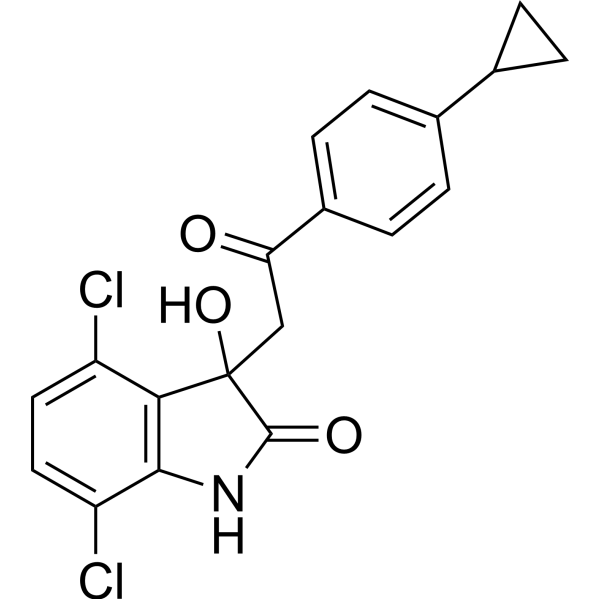
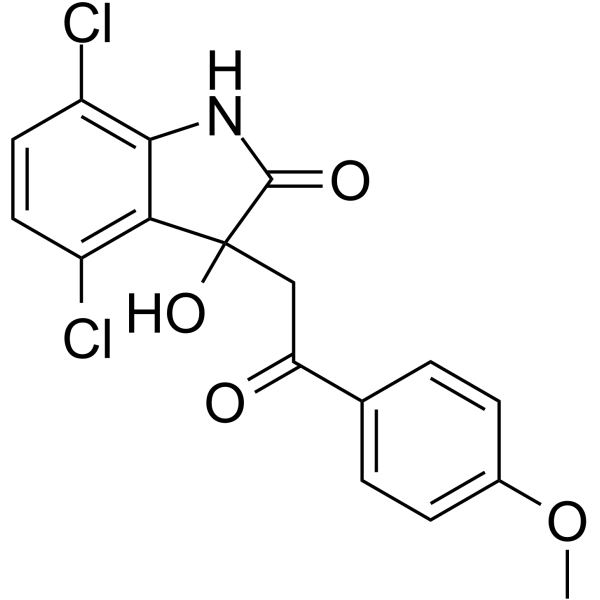
YK-4-279 blocks RNA Helicase A (RHA) binding with EWS-FLI1 (oncogenic protein). YK-4-279 induces apoptosis and shows anti-proliferation activities towards various cancer cells. YK-4-279 has a chiral center and it can be separated into two enantiomers. YK-4-279 can be used for the research of cancer .
loading...
    loading...
4
4 Cited Publications
Cat. No.: HY-108466
CAS No.: 37854-59-4
Purity:  98.63%
Target:  

Apoptosis

Research Areas:  

Neurological Disease Cancer

Ro 08-2750 is a non-peptide and reversible nerve growth factor (NGF) inhibitor which binds to NGF, and with an IC50 of ~ 1 μM. Ro 08-2750 inhibits NGF binding to p75 NTR selectively over TRKA . Ro 08-2750 is a selective MSI RNA-binding activity inhibitor, with an IC50 of 2.7 μM .
loading...
    loading...
4
4 Cited Publications
Cat. No.: HY-101513
CAS No.: 2095486-67-0
Purity:  99.96%
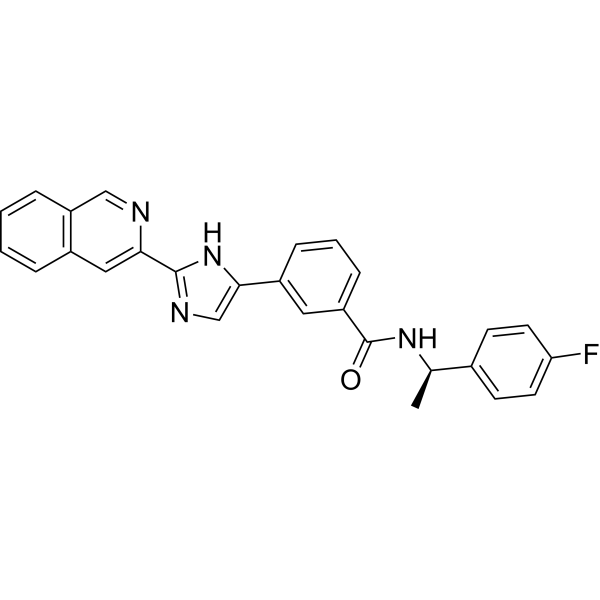
eIF4A3-IN-1 is a selective eIF4A3 inhibitor (IC50: 0.26 μM; Kd: 0.043 μM) with cellular nonsense-mediated RNA decay (NMD) inhibitory activity. eIF4A3-IN-1 can specifically bind to the non-ATP binding site of eIF4A3. eIF4A3-IN-1 has anti-tumor and analgesic activities .
loading...
    loading...
3
3 Cited Publications
Cat. No.: HY-128933
CAS No.: 72957-42-7
Purity:  ≥97.0%
Synonyms: Adenylyl-imidodiphosphate tetralithium
Target:  

Potassium Channel

Research Areas:  

Metabolic Disease

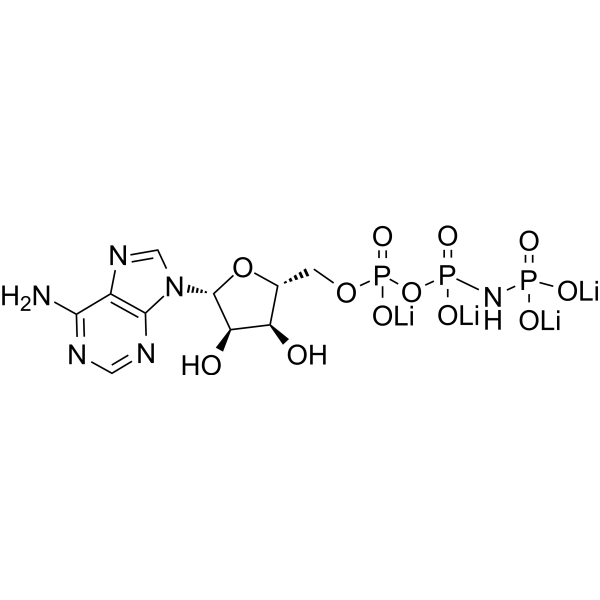
AMP-PNP (Adenylyl-imidodiphosphate) tetralithium is a non-hydrolyzable ATP analog. AMP-PNP tetralithium binds to ATP binding sites competely but is not hydrolyzed by enzymes, providing stable experimental conditions for studying ATP-dependent processes. AMP-PNP tetralithium can also be used to study enzyme activity, kinase regulation, DNA/RNA metabolism, ion channel function, and protein complex assembly .
loading...
    loading...
3
3 Cited Publications
Cat. No.: HY-130777A
Purity:  ≥94.0%
Synonyms: Adenylyl imidodiphosphate lithium hydrate
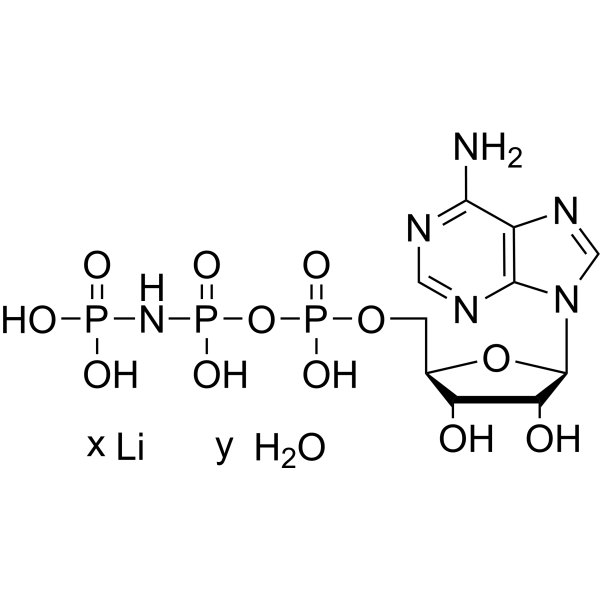
AMP-PNP (Adenylyl imidodiphosphate) lithium hydrate is a non-hydrolyzable ATP analog. AMP-PNP lithium hydrate binds to ATP binding sites competely but is not hydrolyzed by enzymes, providing stable experimental conditions for studying ATP-dependent processes. AMP-PNP lithium hydrate can also be used to study enzyme activity, kinase regulation, DNA/RNA metabolism, ion channel function, and protein complex assembly .
loading...
    loading...
3
3 Cited Publications
Cat. No.: HY-113225B
CAS No.: 103192-46-7
Synonyms: GTP tritris solution (100 mM)
Research Areas:  

Cancer

Guanosine triphosphate tritris (GTP tritris) (100 mM) serves as a vital enhancer of myogenic cell differentiation and plays a critical role in modulating miRNA-myogenic regulator factors. It also facilitates the release of exosomes enriched with guanosine and guanosine-derived molecules, and is regarded as an activated precursor for RNA synthesis. In mitochondrial function, GTP participates in the import of proteins into the matrix, which is essential for various regulated pathways, and is involved in initiating peptide synthesis through the binding of formylmethionyl-tRNA to the ribosome, as well as polypeptide chain elongation. Additionally, GTP acts as a phosphate and pyrophosphate carrier that channels chemical energy into specific biosynthetic pathways. It activates signal transducing G proteins that regulate cellular processes such as proliferation and differentiation, and its hydrolysis by small GTPases, including Ras and Rho, is integral to both proliferation and apoptosis. Furthermore, the small GTPase Rab is instrumental in vesicle docking, fusion, and formation. Beyond signal transduction, GTP is an energy-rich precursor in the enzymatic biosynthesis of DNA and RNA.
loading...
    loading...
2
2 Cited Publications
Cat. No.: HY-B1099
CAS No.: 3105-97-3
Research Areas:  

Infection

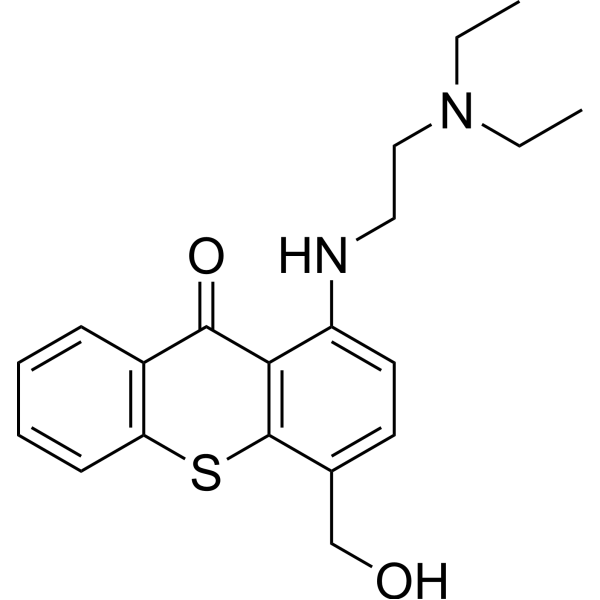
Hycanthone is a thioxanthenone DNA intercalator and inhibits RNA synthesis as well as the DNA topoisomerases I and II. Hycanthone inhibits nucleic acid biosynthesis and inhibits apurinic endonuclease-1 (APE1) by direct protein binding with a KD of 10 nM. Hycanthone is a bioactive metabolite of Lucanthone (HY-B2098) and has anti-schistosomal agent .
loading...
    loading...
2
2 Cited Publications
Cat. No.: HY-124806
CAS No.: 950225-08-8
Purity:  99.90%
Research Areas:  

Infection

TTP-8307 is a potent inhibitor of the replication of several rhino- and enteroviruses. TTP-8307 inhibits coxsackievirus B3 (CVB3; EC50=1.2 μM) and poliovirus by interfering with the synthesis of viral RNA. TTP-8307 exerts antiviral activity through oxysterol-binding protein (OSBP) .
loading...
    loading...
2
2 Cited Publications
Cat. No.: HY-129589
CAS No.: 1426953-21-0
Purity:  98.51%
Target:  

ADC Payloads

Research Areas:  

Cancer

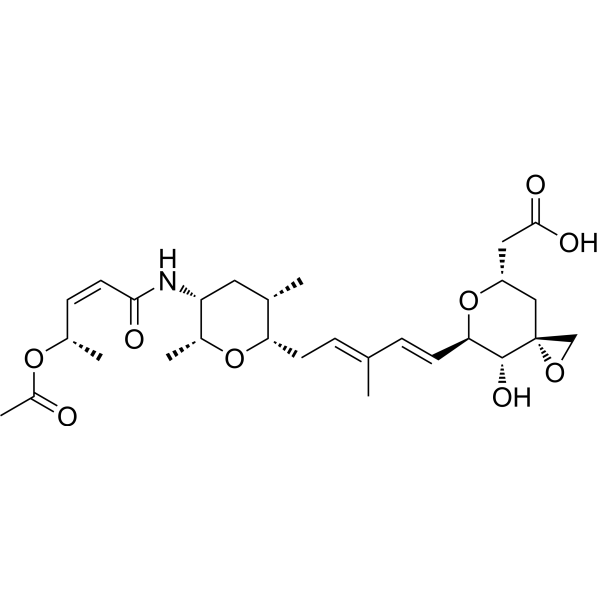
Thailanstatin A is an ultra-potent inhibitor of eukaryotic RNA splicing (IC50=650 nM). Thailanstatin A exerts effects via non-covalent binding to the SF3b subunit of the U2 snRNA subcomplex of the spliceosome and shows low-nM to sub-nM IC50s against multiple cancer cell lines. Thailanstatin A, a payload for ADCs, is conjugated to the lysines on trastuzumab yielding “linker-less” ADC .
loading...
    loading...
2
2 Cited Publications
Cat. No.: HY-124828
CAS No.: 958843-91-9
Purity:  98.66%
Target:  

HuR

Research Areas:  

Cancer

CMLD-2, an inhibitor of HuR-ARE interaction, competitively binds HuR protein disrupting its interaction with adenine-uridine rich elements (ARE)-containing mRNAs (Ki=350 nM). CMLD-2 induces apoptosis exhibits antitumor activity in different cancer cells as colon, pancreatic, thyroid and lung cancer cell lines. Hu antigen R (HuR) is an RNA binding protein, can regulate target mRNAs stability and translation .
loading...
    loading...
2
2 Cited Publications
Cat. No.: HY-B0268
CAS No.: 74011-58-8
Synonyms: AT 2266; CI 919
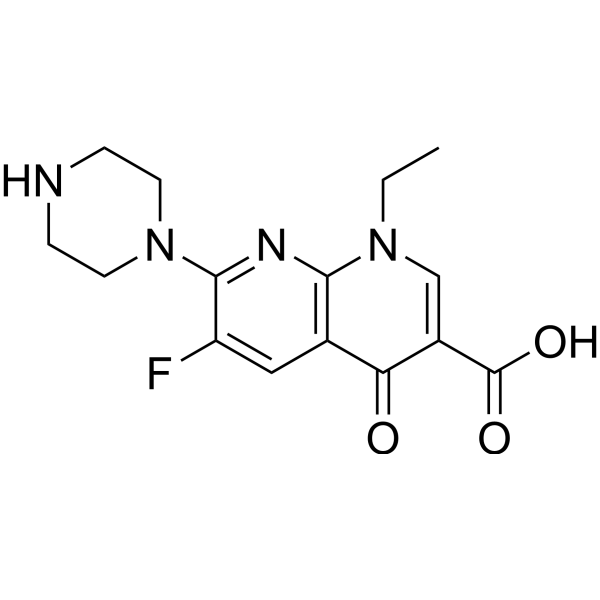
Enoxacin (AT 2266), a fluoroquinolone, interferes with DNA replication and inhibits bacterial DNA gyrase (IC50=126 µg/ml) and topoisomerase IV (IC50=26.5 µg/ml). Enoxacin is a miRNA processing activator and enhances siRNA-mediated mRNA degradation and promotes the biogenesis of endogenous miRNAs. Enoxacin has potent activities against gram-positive and -negative bacteria. Enoxacin is a cancer-specific growth inhibitor that acts by enhancing TAR RNA-binding protein 2 (TRBP)-mediated microRNA processing .
loading...
    loading...
2
2 Cited Publications
Cat. No.: HY-B0268A
CAS No.: 84294-96-2
Synonyms: Enoxacin sesquihydrate; AT-2266 hydrate; CI-919 hydrate
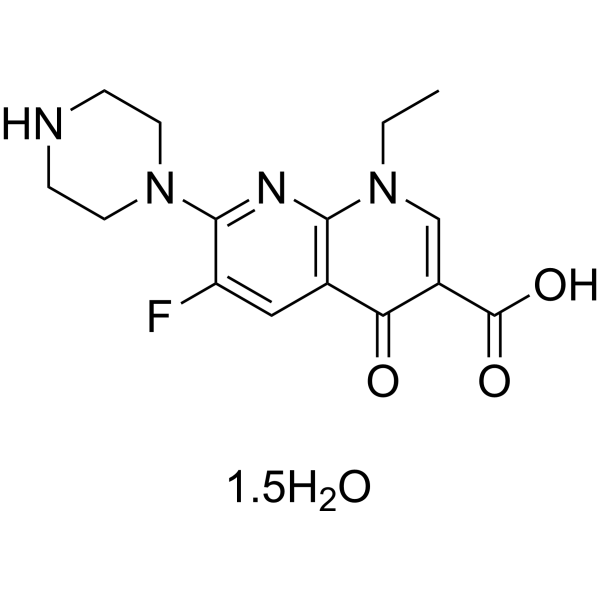
Enoxacin hydrate (Enoxacin sesquihydrate), a fluoroquinolone, interferes with DNA replication and inhibits bacterial DNA gyrase (IC50=126 µg/ml) and topoisomerase IV (IC50=26.5 µg/ml). Enoxacin hydrate is a miRNA processing activator and enhances siRNA-mediated mRNA degradation and promotes the biogenesis of endogenous miRNAs. Enoxacin hydrate has potent activities against gram-positive and -negative bacteria. Enoxacin hydrate is a cancer-specific growth inhibitor that acts by enhancing TAR RNA-binding protein 2 (TRBP)-mediated microRNA processing .
loading...
    loading...

