186 Results for "

Ubiquitination protein

" in MedChemExpress (MCE) Product Catalog:
Products (186)

186 Results for "Ubiquitination protein" in MCE Product Catalog:

96
96 Publications Verification
Cat. No.: HY-100487
CAS No.: 1450833-55-2
Purity:  98.38%
Synonyms: MLN7243
Research Areas:  

Cancer

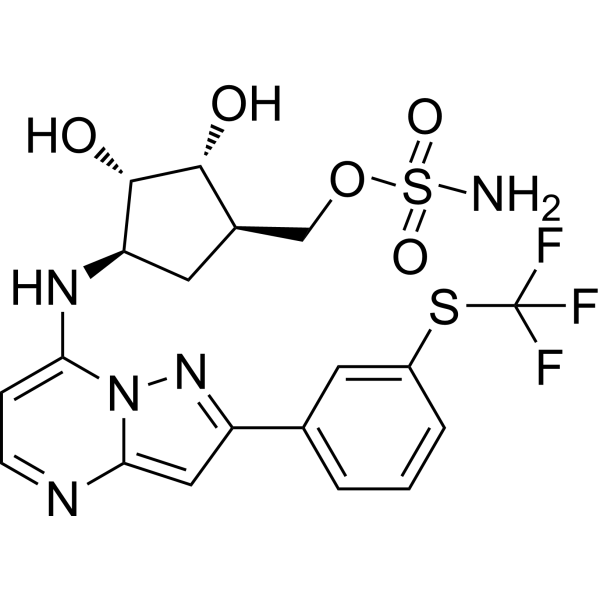
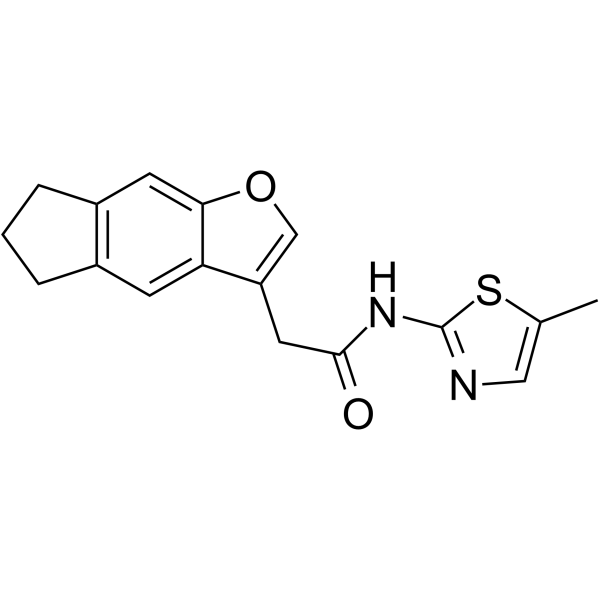
TAK-243 (MLN7243) is a first-in-class, selective ubiquitin activating enzyme, UAE (UBA1) inhibitor (IC50=1 nM), which blocks ubiquitin conjugation, disrupting monoubiquitin signaling as well as global protein ubiquitination. TAK-243 (MLN7243) induces endoplasmic reticulum (ER) stress, abrogates NF-κB pathway activation and promotes apoptosis .
loading...
    loading...
23
23 Cited Publications
Cat. No.: HY-101140
CAS No.: 1799974-70-1
Purity:  98.67%
Research Areas:  

Inflammation/Immunology

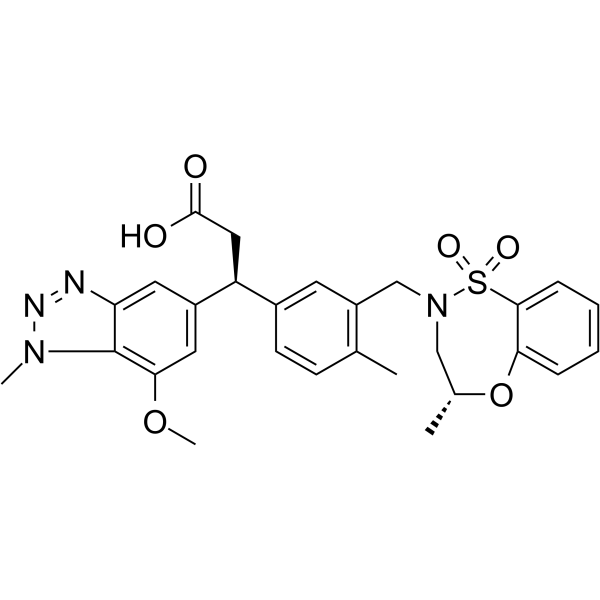
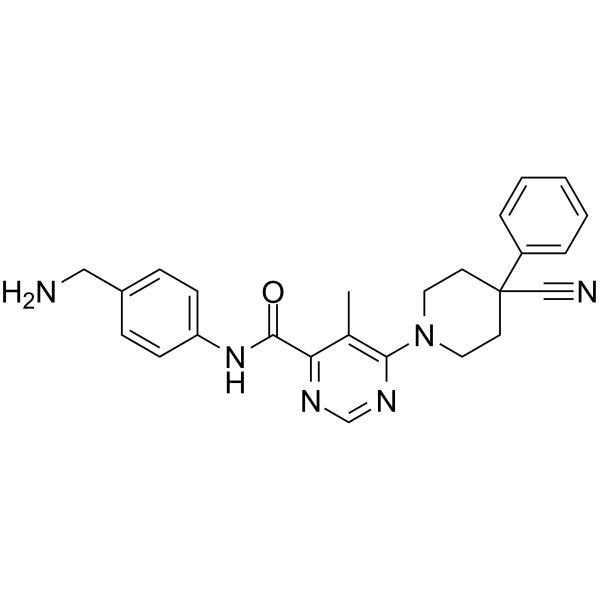
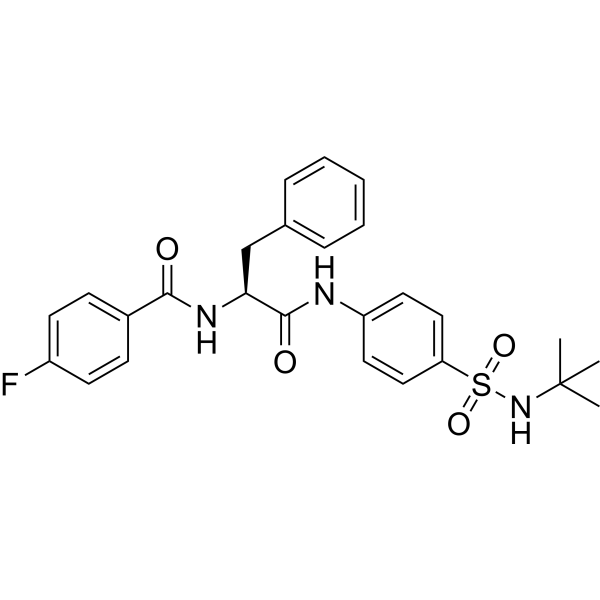
KI696 is a selective KEAP1/NRF2 protein-protein interaction inhibitor with a human Kd value of 1.3 nM. KI696 acts by competitively occupying the NRF2-binding pocket of the KEAP1 Kelch domain. KI696 blocks KEAP1-mediated ubiquitination and degradation of NRF2, promotes the translocation of NRF2 to the nucleus, activates the expression of downstream antioxidant genes, increases intracellular glutathione levels, and alleviates oxidative stress-induced cell damage and inflammatory cell infiltration in the lungs. KI696 reduces ozone-induced pulmonary oxidative damage and inflammatory cell accumulation in rats, and upregulates pulmonary antioxidant genes. KI696 can be used in research related to chronic obstructive pulmonary disease, oxidative stress and inflammation .
loading...
    loading...
11
11 Cited Publications
Cat. No.: HY-114421
CAS No.: 2064175-41-1
Purity:  99.89%
Synonyms: dTAG-13
Research Areas:  

Cancer

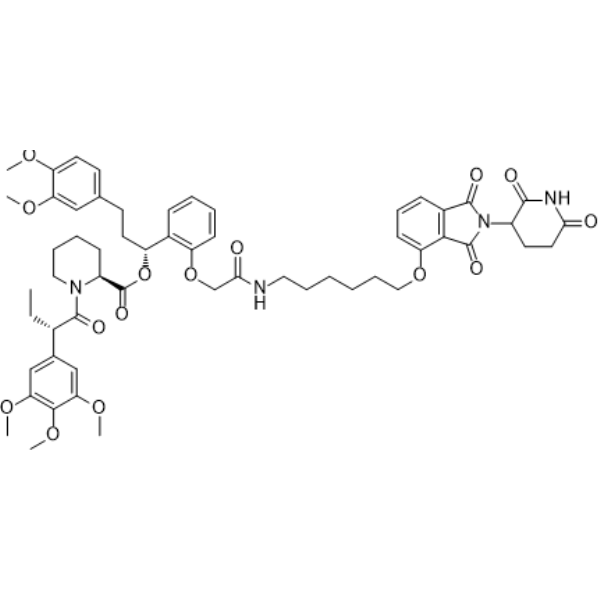
FKBP12 PROTAC dTAG-13 (dTAG-13) is a FKBP12 F36V PROTAC degrader and a PXR partial agonist. FKBP12 PROTAC dTAG-13 induces ubiquitination and proteasomal degradation of proteins tagged with FKBP12 F36V, without degrading wild-type FKBP12 or un-fused PXR. It weakly promotes the recruitment of SRC-1, strongly inhibits the interaction between NCoR and PXR, and upregulates the expression of CYP3A4 and other drug metabolism-related genes. FKBP12 PROTAC dTAG-13 is applicable to research related to breast cancer and leukemia [1] .
loading...
    loading...
9
9 Cited Publications
Cat. No.: HY-112438
CAS No.: 2241025-68-1
Purity:  99.75%
Target:  

Deubiquitinase

Research Areas:  

Cancer

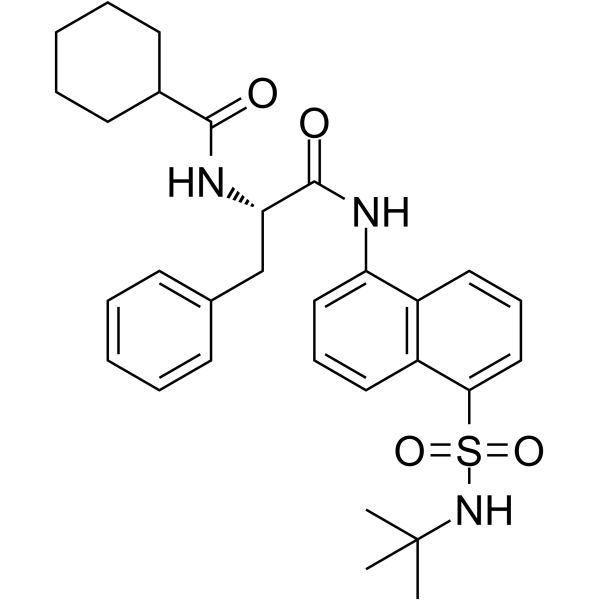
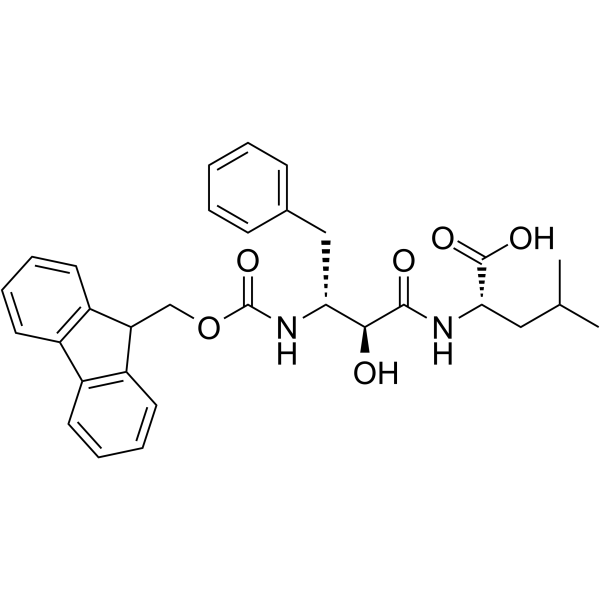
MF-094 is a potent and selective USP30 inhibitor with an IC50 of 120 nM. MF-094 increases protein ubiquitination and accelerates mitophagy .
loading...
    loading...
7
7 Cited Publications
Cat. No.: HY-130800
CAS No.: 1860875-51-9
Purity:  99.76%
Synonyms: CC-90009
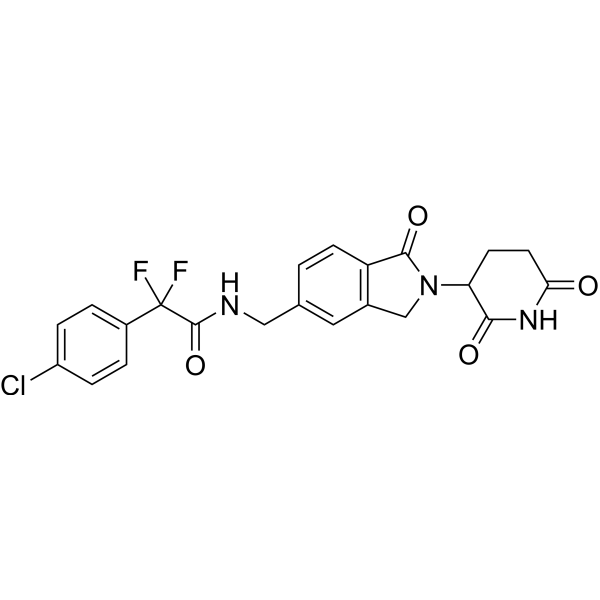
Eragidomide (CC-90009) is a GSPT1 Molecular Glue degrader. Eragidomide exhibits antiproliferative and pro-apoptotic (apoptosis) activities against acute myeloid leukemia cells. Eragidomide recruits the CRL4CRBN E3 ubiquitin ligase complex to selectively target GSPT1 for ubiquitination and proteasomal degradation. Eragidomide reduces leukemia cell engraftment and eliminates leukemia stem cells. Eragidomide promotes the activation of the GCN1/GCN2/ATF4 pathway and the integrated stress response pathway, inhibits global protein translation, promotes preferential translation of ATF4, and induces the accumulation of ATF4, CHOP and ATF3. The response to Eragidomide is regulated by the ILF2/ILF3 heterodimer complex, the mTOR signaling pathway and the integrated stress response. Eragidomide can be used in research related to acute myeloid leukemia and relapsed/refractory acute myeloid leukemia .
loading...
    loading...
4
4 Cited Publications
Cat. No.: HY-W020033
CAS No.: 79-63-0
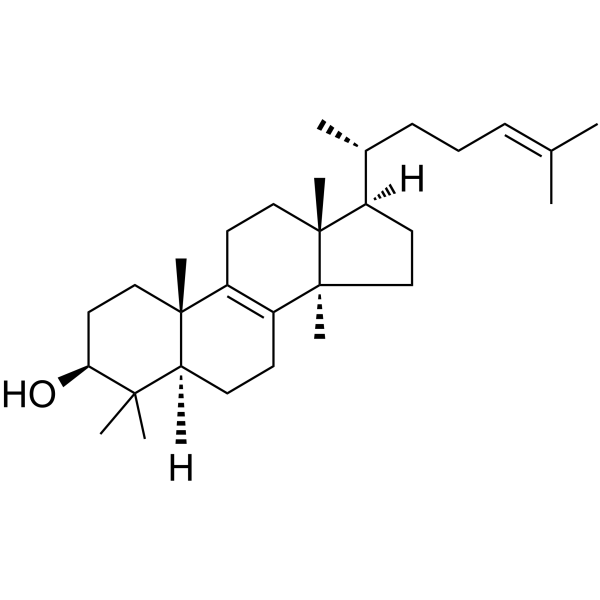
Lanosterol is an intermediate of cholesterol synthesis and use of lanosterol induces ubiquitination and degradation of a rate-controlling enzyme of cholesterol synthesis, i.e., HMG CoA reductase. Lanosterol suppresses the aggregation and cytotoxicity of misfolded proteins linked with neurodegenerative diseases .
loading...
    loading...
4
4 Cited Publications
Cat. No.: HY-120929
CAS No.: 1875036-74-0
Purity:  98.28%
Target:  

E1/E2/E3 Enzyme c-Myc

Research Areas:  

Inflammation/Immunology Cancer

BI8622 is a specific inhibitor of the ubiquitin ligase HUWE1 with an IC50 of 3.1 μM. BI8622 can decrease the protein expression levels of c-myc and glycolytic markers as well as immune modulatory markers after HUWE1 inhibition in triple-negative breast cancer (TNBC) cell lines. BI8622 significantly protects against cisplatin (HY-17394)-induced acute kidney injury (AKI). BI8622 significantly reduces the growth of multiple myeloma (MM) cell lines and induces cell cycle arrest. BI8622 can prevent HUWE1-dependent TTBK2 ubiquitination. BI8622 can be studied in research for various diseases including medulloblastoma, acute kidney injury, breast cancer and MM .
loading...
    loading...
3
3 Cited Publications
Cat. No.: HY-43961
CAS No.: 1225383-33-4
Target:  

Ligands for E3 Ligase

Research Areas:  

Cancer

E3 ligase Ligand 8 is a ligand for E3 ubiquitin ligase. E3 ligase Ligand 8 can be connected to the ligand for protein by a linker to form PROTACs. PROTACs are inducers of ubiquitination-mediated degradation of cancer-promoting proteins .
loading...
    loading...
3
3 Cited Publications
Cat. No.: HY-141659
CAS No.: 2242582-40-5
Purity:  99.74%
Research Areas:  

Neurological Disease

CMPD-39 is a selective non-covalent inhibitor of the ubiquitin-specific protease USP30 (IC50=~20 nM), with high selectivity over other DUB family members (1-100 μM). CMPD-39 inhibits the deubiquitinating activity of USP30, enhances the ubiquitination of mitochondrial proteins TOMM20 and SYNJ2BP; thus, CMPD-39 promotes phosphoubuitin accumulation, thereby accelerating mitochondrial autophagy (mitophagy) and peroxisomal autophagy (pexophagy). CMPD-39 significantly restores impaired mitochondrial function in dopaminergic neurons derived from Parkinson's disease patients .
loading...
    loading...
3
3 Cited Publications
Cat. No.: HY-N1431
CAS No.: 4429-63-4
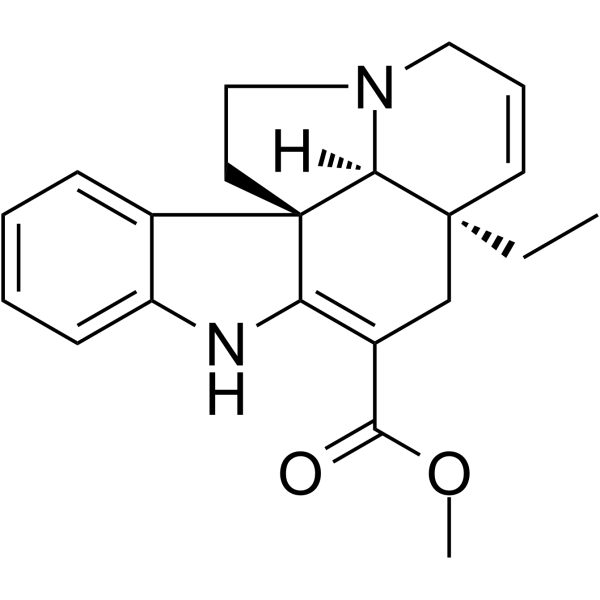
Tabersonine is a selective, orally active NLRP3 inhibitor. Tabersonine directly binds to the NACHT domain of NLRP3, inhibiting its ATPase activity and oligomerization, thereby blocking ASC spot formation and caspase-1 activation, and reducing the release of pro-inflammatory cytokines such as IL-1β. Tabersonine also inhibits K63-linked ubiquitination of TRAF6, blocking NF-κB, PI3K/Akt, and p38 MAPK signaling pathways. Tabersonine can inhibit inflammatory responses, induce apoptosis of liver cancer cells through mitochondrial pathways and death receptor pathways, reduce mitochondrial membrane potential, promote cytochrome c release, and activate caspase proteins. Tabersonine is mainly used in the study of NLRP3-driven inflammatory diseases (such as acute lung injury, sepsis, peritonitis) and tumors such as liver cancer .
loading...
    loading...
3
3 Cited Publications
Cat. No.: HY-N1431A
CAS No.: 29479-00-3
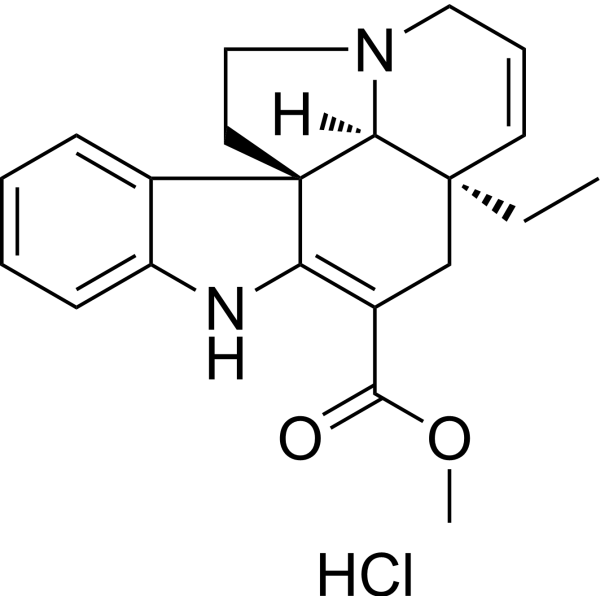
Tabersonine hydrochloride is a selective, orally active NLRP3 inhibitor. Tabersonine hydrochloride directly binds to the NACHT domain of NLRP3, inhibiting its ATPase activity and oligomerization, thereby blocking ASC spot formation and caspase-1 activation, and reducing the release of pro-inflammatory cytokines such as IL-1β. Tabersonine hydrochloride also inhibits K63-linked ubiquitination of TRAF6, blocking NF-κB, PI3K/Akt, and p38 MAPK signaling pathways. Tabersonine hydrochloride can inhibit inflammatory responses, induce apoptosis of liver cancer cells through mitochondrial pathways and death receptor pathways, reduce mitochondrial membrane potential, promote cytochrome c release, and activate caspase proteins. Tabersonine hydrochloride is mainly used in the study of NLRP3-driven inflammatory diseases (such as acute lung injury, sepsis, peritonitis) and tumors such as liver cancer .
loading...
    loading...
2
2 Cited Publications
Cat. No.: HY-145879
CAS No.: 2770448-53-6
Purity:  99.20%
Target:  

Keap1-Nrf2

Research Areas:  

Cancer

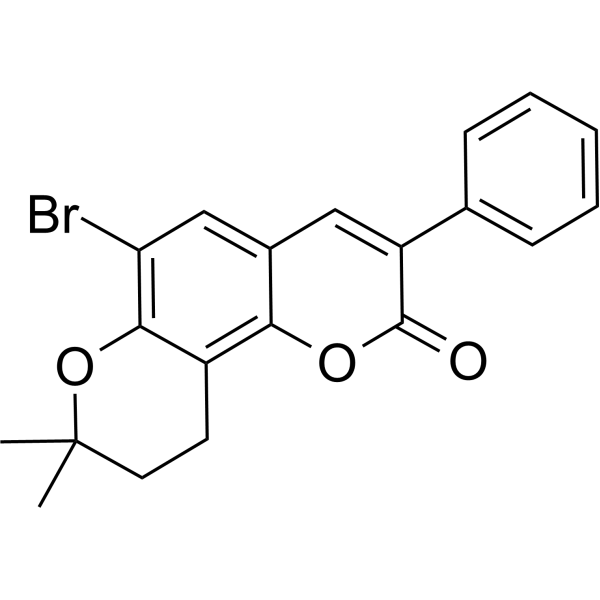
Nrf2 activator-2 is an Nrf2 activator with binding affinity for Keap1, with an EC50 of 2.9 μM. Nrf2 activator-2 binds to Keap1, stabilizes the protein, inhibits the Keap1-Nrf2 interaction, and reduces the ubiquitination level of Nrf2. Nrf2 activator-2 can be used in cancer-related research .
loading...
    loading...
2
2 Cited Publications
Cat. No.: HY-115568
CAS No.: 2140289-17-2
Purity:  98.34%
Research Areas:  

Cancer

BETd-246 is a BRD2/3/4 PROTAC degrader targeting the BET family. BETd-246 induces ubiquitination and proteasomal degradation of BRD2, BRD3 and BRD4 by recruiting the CUL4-RBX1-DDB1-CRBN E3 ubiquitin ligase complex; it also inhibits TRAT1 expression and depletes BET proteins. BETd-246 suppresses cancer cell proliferation and invasion, disrupts the cell cycle and induces apoptosis. BETd-246 is applicable to research related to triple-negative breast cancer and T-cell acute lymphoblastic leukemia .
loading...
    loading...
1
1 Cited Publications
Cat. No.: HY-145752
CAS No.: 2365478-58-4
Purity:  98.18%
Target:  

PROTACs SGK PI3K

Research Areas:  

Cancer

HaloPROTAC-E is a SGK3/VPS34 HaloPROTAC degrader that degrades Halo-tagged SGK3 and VPS34, with a DC50 of 3-10 nM in HEK293 cells. HaloPROTAC-E induces ubiquitination and proteasomal degradation of target proteins. HaloPROTAC-E blocks downstream phosphorylation of SGK3 substrate NDRG1. HaloPROTAC-E is applicable for cancer research .
loading...
    loading...
1
1 Cited Publications
Cat. No.: HY-153341
CAS No.: 2882165-79-7
Purity:  99.41%
Synonyms: CFT1946
Target:  

PROTACs Raf

Research Areas:  

Cancer

Tagarafdeg (CFT1946) is an orally active, blood-brain barrier-penetrant, and selective bifunctional BiDAC degrader of the BRAF V600E/K mutant protein, with a DC50 of 14 nM in A375 cells. Tagarafdeg mediates the ubiquitination and proteasomal degradation of BRAF mutant proteins. Tagarafdeg inhibits tumor progression in multiple models of BRAF V600E-mutant intracranial tumors, melanoma, and colorectal cancer. Tagarafdeg is applicable to tumor-related research .
loading...
    loading...
1
1 Cited Publications
Cat. No.: HY-128841
CAS No.: 2249944-99-6
Purity:  96.01%
Research Areas:  

Cancer

PROTAC MDM2 Degrader-2 is an MDM2 PROTAC degrader. PROTAC MDM2 Degrader-2 can induce the self-ubiquitination and degradation of MDM2, thereby upregulating the level of p53 protein. PROTAC MDM2 Degrader-2 has anti-tumor activity and can be used in the study of cancer .
loading...
    loading...
1
1 Cited Publications
Cat. No.: HY-W181530
CAS No.: 790245-61-3
Research Areas:  

Cancer

NCT02 is a molecular glue degrader based on the E3 ubiquitin ligase DDB1 that targets CDK12 and its binding partner CCNK. NCT02 triggers the ubiquitination and proteasomal degradation of CCNK, thereby downregulating CDK12 protein levels and inhibiting its downstream signaling pathways. NCT02 can induce tumor cell apoptosis, arrest the cell cycle, and selectively inhibit the proliferation of colorectal cancer cells carrying TP53 defects or belonging to the consensus molecular subtype CMS4. NCT02 has the potential to inhibit tumor growth in in vitro and in vivo models .
loading...
    loading...
1
1 Cited Publications
Cat. No.: HY-141877
CAS No.: 2375432-47-4
Purity:  99.14%
Synonyms: YS43-22
Research Areas:  

Cancer

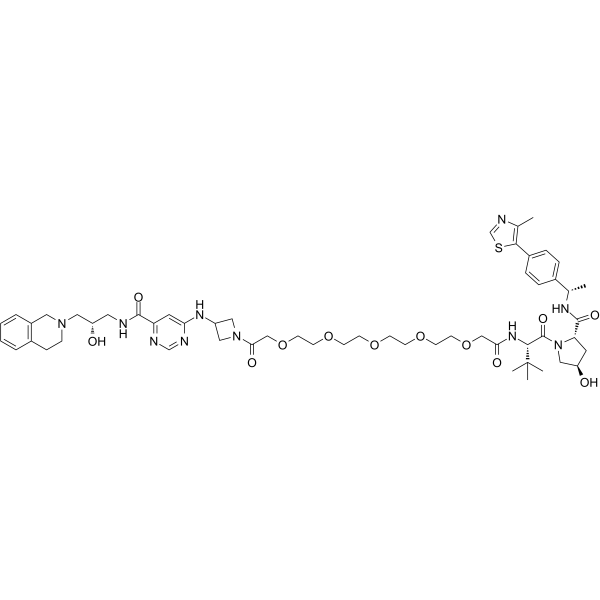
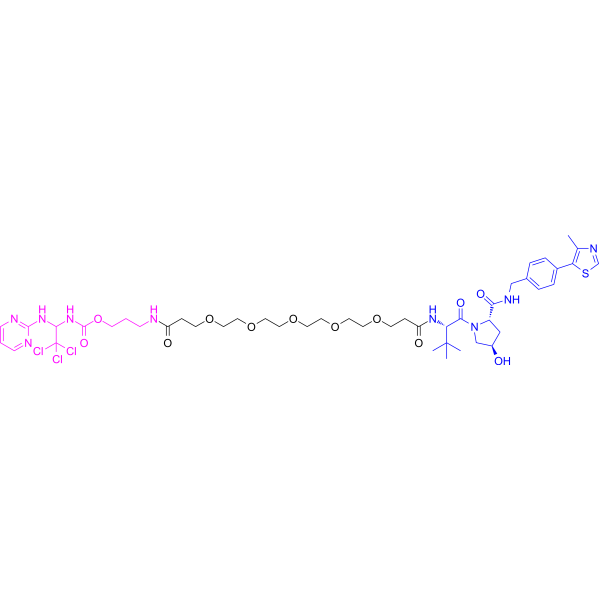
MS4322 (YS43-22) is a specific PRMT5 PROTAC degrader. MS4322 reduces the PRMT5 protein level with a DC50 of 1.1 μM in MCF-7 cells. MS4322 inhibits the methyltransferase activity of PRMT5 with an IC50 of 18 nM. MS4322 promotes ubiquitination and degradation of PRMT5. MS4322 can be used for the research of breast cancer, lung cancer, and hepatocellular cancer. (Pink: PRMT5 ligand (HY-173092); Blue: E3 ligase ligand HY-112078); Black: linker (HY-124780); E3+linker (HY-173093 )) .
loading...
    loading...
1
1 Cited Publications
Cat. No.: HY-N6929
CAS No.: 565-63-9
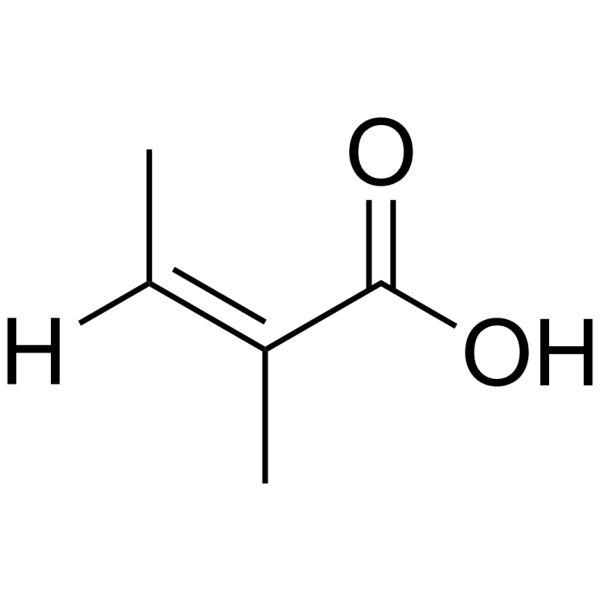
Angelic acid is a ferroptosis inducer, targeting NRF2 degradation. Angelic acid binds to NRF2 protein and promotes NRF2 degradation via ubiquitination-proteasome pathway, relieves the inhibitory effect of NRF2 on oxidative stress and lipid peroxidation. Then, Angelic acid induces ferroptosis in tumor cells. Angelic acid can enhance the accumulation of intracellular reactive oxygen species (ROS), upregulate ferroptosis-related markers CHAC1 and PTGS2, and synergize with ferroptosis inducers to enhance anti-tumor effects. Angelic acid also has the activity of scavenging UVA-induced ROS in vitro, inhibiting skin fibroblast senescence and extracellular matrix degradation. Angelic Acid helps wound healing with sedative activity .
loading...
    loading...
1
1 Cited Publications
Cat. No.: HY-130257
CAS No.: 2509359-75-3
Purity:  99.31%
Target:  

PROTACs APC Apoptosis

Research Areas:  

Cardiovascular Disease Cancer

CP5V is a Cdc20 PROTAC degrader with a DC50 of 1.6 μM and a Kd value of 12.4 μM. CP5V couples Cdc20 with the VHL/VBC complex, triggering its ubiquitination and proteasomal degradation, thereby reducing the protein levels of Cdc20 and securin. CP5V induces mitotic arrest, inhibits cell proliferation, resensitizes Paclitaxel-resistant breast cancer cells, and suppresses breast tumor progression in xenograft models. CP5V inhibits excessive proliferation and induces apoptosis in pulmonary arterial hypertension smooth muscle cells and fibroblasts. CP5V can be used in studies related to breast cancer and pulmonary arterial hypertension .
loading...
    loading...

