Search Result
Results for "
Vasodilator activity
" in MedChemExpress (MCE) Product Catalog:
5
Isotope-Labeled Compounds
| Cat. No. |
Product Name |
Target |
Research Areas |
Chemical Structure |
-
- HY-B0468
-
|
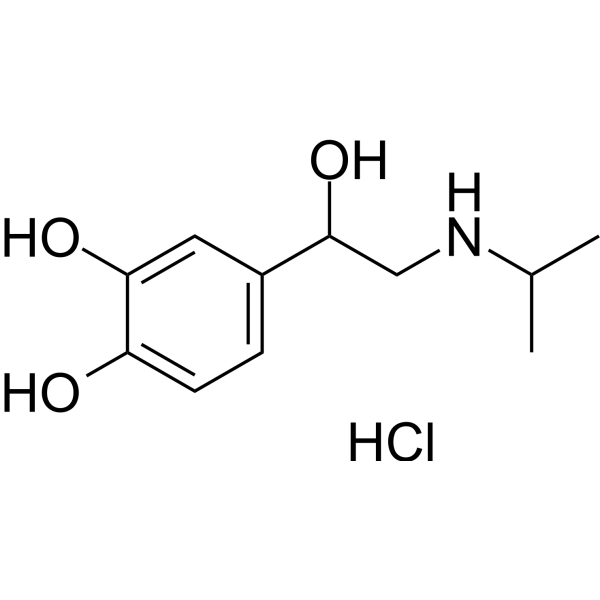
Isoproterenol hydrochloride
|
Adrenergic Receptor
Endogenous Metabolite
|
Cardiovascular Disease
Endocrinology
|
|
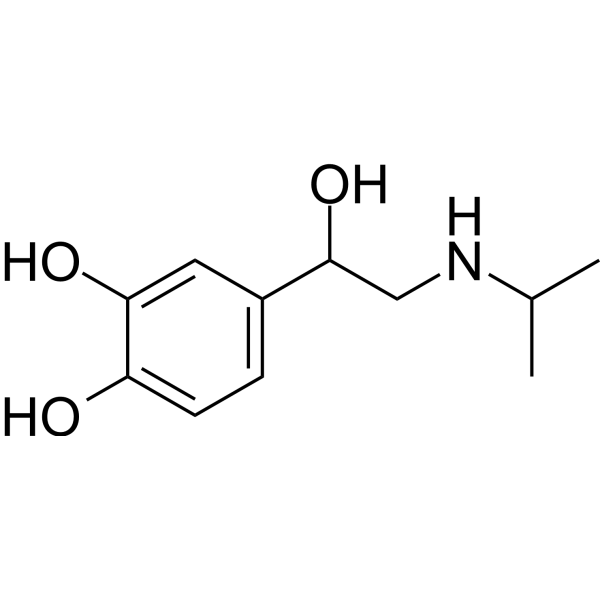
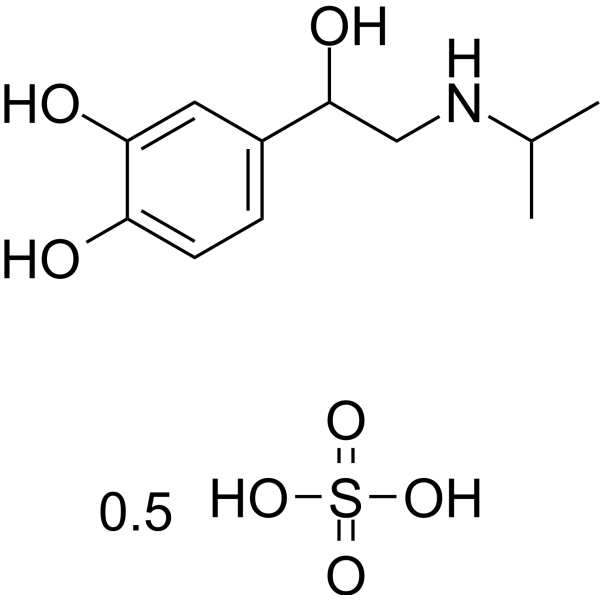
Isoprenaline (Isoproterenol) hydrochloride is a non-selective, orally active β-adrenergic receptor agonist. Isoprenaline has potent peripheral vasodilator, bronchodilator, and cardiac stimulating activities. Isoprenaline can be used for the research of bradycardia and bronchial asthma .
|
-
-
- HY-B1204
-
-
-
- HY-N1584
-
|
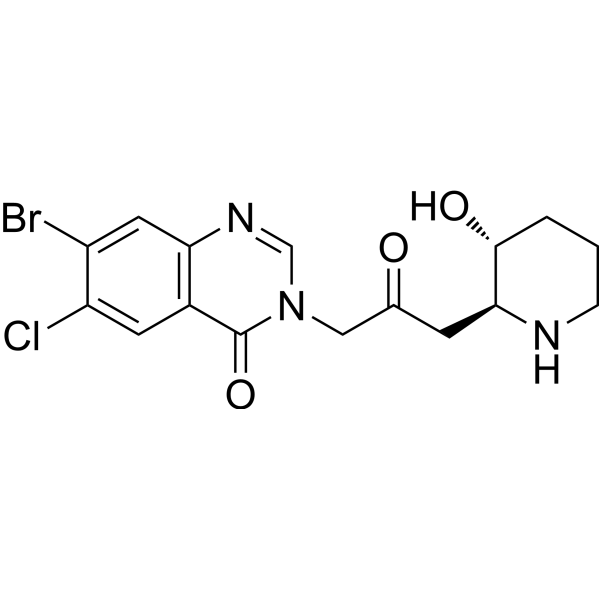
RU-19110
|
DNA/RNA Synthesis
TGF-beta/Smad
Parasite
Sodium Channel
Calcium Channel
|
Infection
Cardiovascular Disease
Inflammation/Immunology
Cancer
|
|
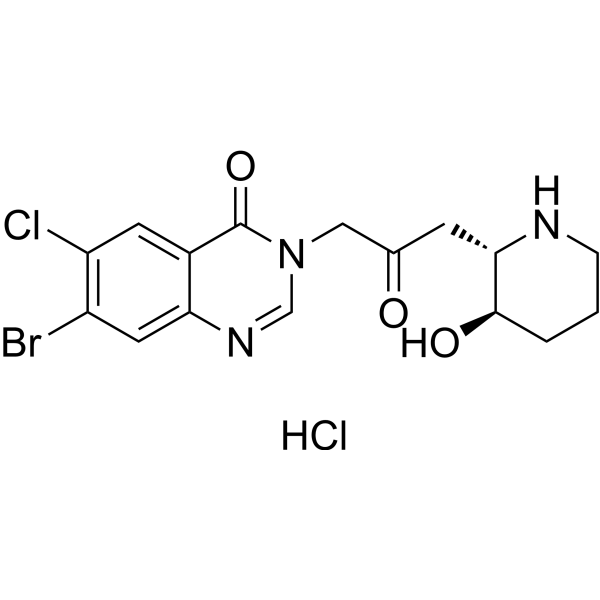
Halofuginone (RU-19110), a Febrifugine derivative, is a competitive prolyl-tRNA synthetase inhibitor with a Ki of 18.3 nM . Halofuginone is a specific inhibitor of type-I collagen synthesis and attenuates osteoarthritis (OA) by inhibition of TGF-β activity . Halofuginone is also a potent pulmonary vasodilator by activating Kv channels and blocking voltage-gated, receptor-operated and store-operated Ca 2+ channels. Halofuginone has anti-malaria, anti-inflammatory, anti-cancer, anti-fibrosis effects .
|
-
-
- HY-B0722
-
-
-
- HY-108353
-
-
-
- HY-A0129
-
-
-
- HY-B0358
-
-
-
- HY-N1584A
-
|
RU-19110 hydrobromide
|
DNA/RNA Synthesis
TGF-beta/Smad
Parasite
Sodium Channel
Calcium Channel
|
Infection
Cardiovascular Disease
Inflammation/Immunology
Cancer
|
|
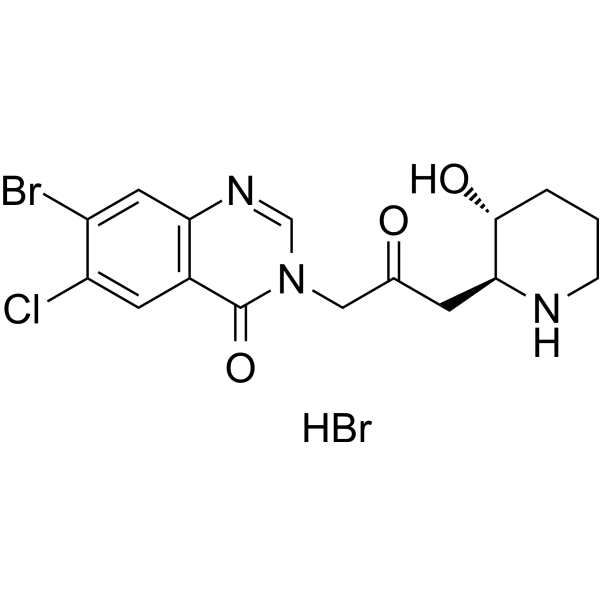
Halofuginone (RU-19110) hydrobromid, a Febrifugine derivative, is a competitive prolyl-tRNA synthetase inhibitor with a Ki of 18.3 nM . Halofuginone hydrobromid is a specific inhibitor of type-I collagen synthesis and attenuates osteoarthritis (OA) by inhibition of TGF-β activity . Halofuginone hydrobromid is also a potent pulmonary vasodilator by activating Kv channels and blocking voltage-gated, receptor-operated and store-operated Ca 2+ channels. Halofuginone hydrobromid has anti-malaria, anti-inflammatory, anti-cancer, anti-fibrosis effects .
|
-
-
- HY-12882A
-
|
NP-120 tartrate; RC-61-91 tartrate
|
iGluR
Adrenergic Receptor
Potassium Channel
Calcium Channel
Influenza Virus
|
Infection
Neurological Disease
|
|
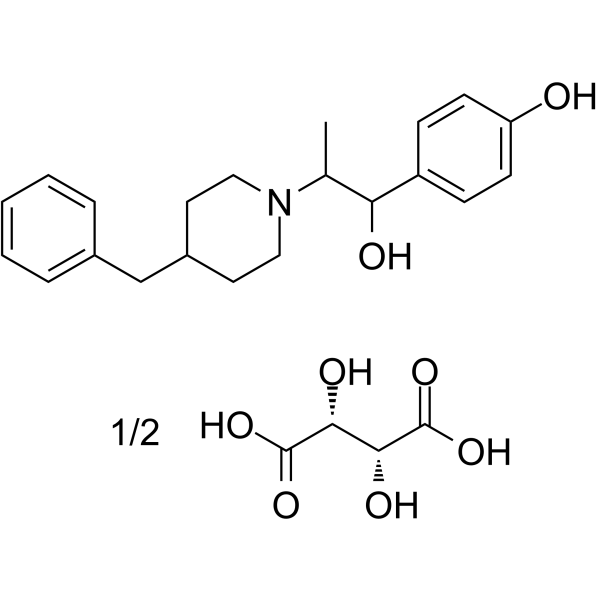
Ifenprodil (NP-120) tartrate, a cerebral vasodilator, is a noncompetitive NMDA receptor antagonist. Ifenprodil tartrate exerts high affinity at NR1A/NR2B receptors (IC50=0.34 μM) over 400-fold than at NR1A/NR2A receptors (IC50=146 μM) . Ifenprodil tartrate is an α1 adrenergic receptor antagonist. Ifenprodil tartrate inhibits GIRK (Kir3), reduces inward currents through the basal GIRK activity. Ifenprodil tartrate has reliable inhibitory effects against A/H1N1 strains (EC50 of 6.6 µM). Ifenprodil tartrate has neuroprotective, anticonvulsant and antinociceptive effects. Ifenprodil tartrate can be used for the study of cerebrovascular diseases and peripheral arterial obliterative disease .
|
-
-
- HY-B0358A
-
-
-
- HY-129440
-
|
|
NF-κB
Toll-like Receptor (TLR)
p38 MAPK
NO Synthase
COX
ERK
Caspase
PDGFR
MyD88
Reactive Oxygen Species (ROS)
Apoptosis
|
Neurological Disease
Metabolic Disease
Inflammation/Immunology
Cancer
|
|
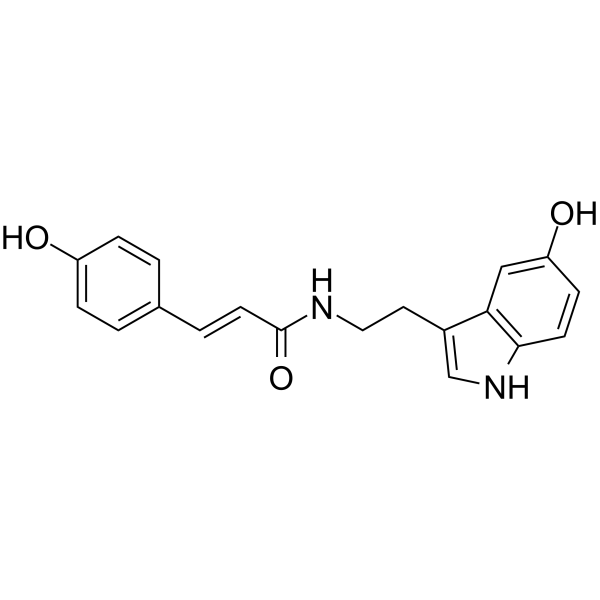
N-(p-Coumaroyl) Serotonin is an orally active polyphenol found in safflower seeds with potent anti-inflammatory, antioxidant, and antitumor activities. N-(p-Coumaroyl) Serotonin suppresses NF‑κB, TLR4/MyD88 and MAPK signaling, activates NQO1/HO‑1 pathways, and inhibits pro‑inflammatory cytokines, iNOS and COX‑2 and ROS production. N-(p-Coumaroyl) Serotonin induces S‑phase arrest and apoptosis in glioblastoma cells, reduces atherosclerotic lesions, and alleviates renal and vascular injuries. N-(p-Coumaroyl) Serotonin acts as a vasodilator, regulates calcium dynamics. N-(p-Coumaroyl) Serotonin can be used for the research of neurodegenerative diseases, atherosclerosis, glioblastoma, and acute renal failure .
|
-
-
- HY-B1695
-
|
Nicotinic acid methyl ester
|
Others
|
Cardiovascular Disease
Inflammation/Immunology
|
|
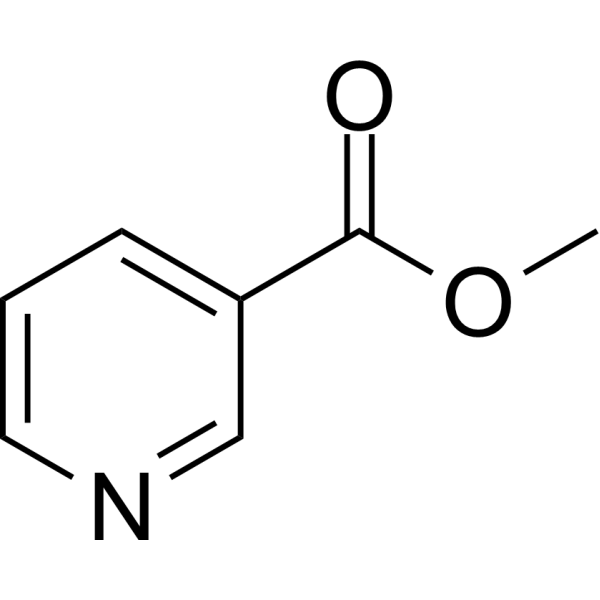
Methyl nicotinate (Nicotinic acid methyl ester) is an orally active vasodilator. Methyl nicotinate has analgesic activity. Methyl nicotinate causes local skin erythema when applied topically to the skin. Methyl nicotinate is used as an active ingredient in over-the-counter topical preparations for the study of muscle and joint pain .
|
-
-
- HY-12882
-
|
NP-120; RC-61-91
|
iGluR
Adrenergic Receptor
Potassium Channel
Calcium Channel
Influenza Virus
|
Infection
Neurological Disease
|
|
Ifenprodil (NP-120), a cerebral vasodilator, is a noncompetitive NMDA receptor antagonist. Ifenprodil exerts high affinity at NR1A/NR2B receptors (IC50=0.34 μM) over 400-fold than at NR1A/NR2A receptors (IC50=146 μM) . Ifenprodil is an α1 adrenergic receptor antagonist. Ifenprodil inhibits GIRK (Kir3), reduces inward currents through the basal GIRK activity. Ifenprodil has reliable inhibitory effects against A/H1N1 strains (EC50 of 6.6 µM). Ifenprodil has neuroprotective, anticonvulsant and antinociceptive effects. Ifenprodil can be used for the study of cerebrovascular diseases and peripheral arterial obliterative disease .
|
-
-
- HY-N6656
-
|
|
Fungal
Bacterial
|
Inflammation/Immunology
Cancer
|
|
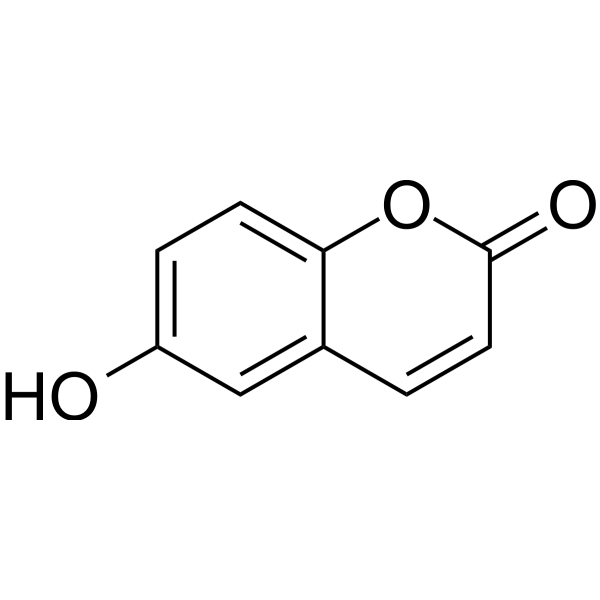
6-Hydroxycoumarin is a coumarin which has anti-inflammatory, anti-pyretic, anti-oxidant, vasodilator, anti-amoebic, anti-bacterial, anti-fungal, bacteriostatic and antitumor activity .
|
-
-
- HY-B1394
-
Khellin
2 Publications Verification
|
EGFR
|
Cardiovascular Disease
Cancer
|
|
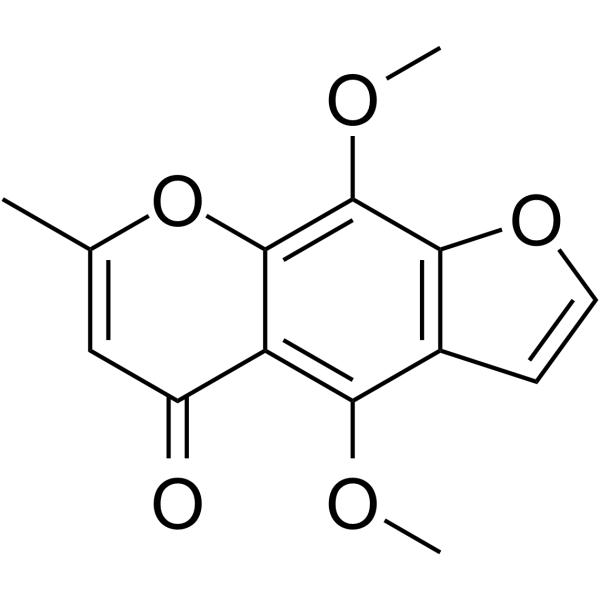
Khellin is a furochromone that can be isolated from Ammi visnuga L.. Khellin is an EGFR inhibitor with an IC50 of 0.15 µM. Khelline has anti-proliferative activity in vitro. Khellin has antispasmodic and coronary vasodilator effects .
|
-
-
- HY-B1035
-
|
l-Bunolol hydrochloride
|
Adrenergic Receptor
Calcium Channel
Casein Kinase
|
Cardiovascular Disease
|
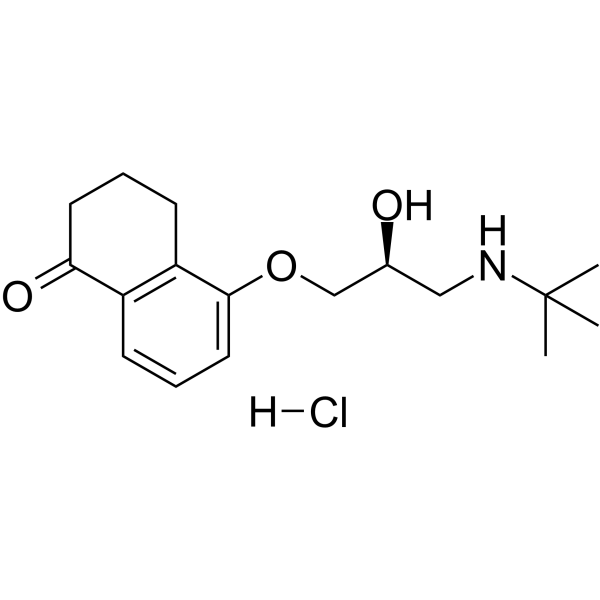
Levobunolol (l-Bunolol) hydrochloride is a non-selective β-adrenergic antagonist and vasodilator. By blocking calcium ion influx and reducing the sensitivity of vascular smooth muscle to calcium, Levobunolol hydrochloride effectively dilates the ciliary arteries and increases ocular blood flow, so it is widely used in research on glaucoma and ocular hypertension. Levobunolol hydrochloride inhibits the β-receptor signaling pathway and the expression of related proliferation markers (such as CK3, CK14, CK19, Ki67) in corneal cells. In rabbit models, Levobunolol hydrochloride not only does not inhibit corneal epithelial regeneration, but also accelerates the healing of mechanical injury without adverse effects. Levobunolol hydrochloride also inhibits histamine-induced vasoconstriction and intracellular calcium elevation, exhibiting unique vascular regulatory activity. Levobunolol hydrochloride protects ocular blood flow and promotes corneal repair .
|
-
-
- HY-W062836
-
|
|
Guanylate Cyclase
|
Cardiovascular Disease
|
|
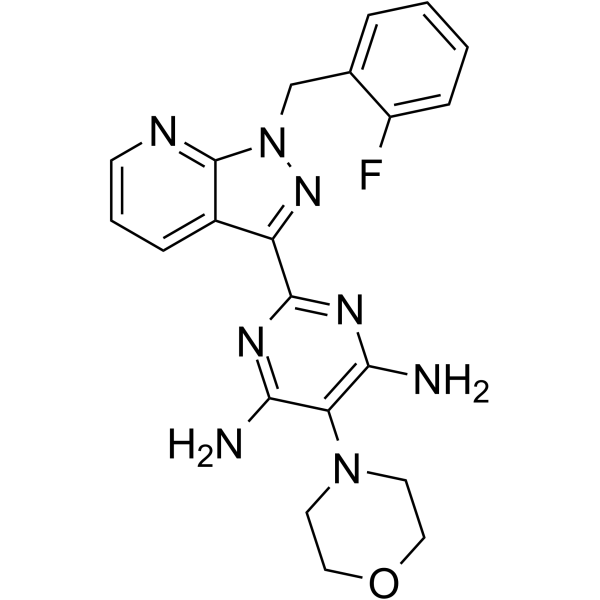
BAY 41-8543 is an orally active, nitric oxide (NO)-independent stimulator of soluble guanylyl cyclase (sGC). BAY 41-8543 has vasodilator activity in the pulmonary and systemic vascular beds in the rat. BAY 41-8543 has antiplatelet effects and has the potential for cardiovascular diseases research .
|
-
-
- HY-B1538A
-
|
DL-Bamethane hemisulfate
|
Endogenous Metabolite
|
Cardiovascular Disease
|
|
Bamethan (DL-Bamethane) hemisulfate is a vasodilator that exhibits significant activity in enhancing blood flow and reducing vascular resistance. Bamethan hemisulfate plays a crucial role in the treatment of cardiovascular conditions by improving oxygen delivery to tissues. Bamethan hemisulfate also aids in the management of hypertension through its relaxing effects on blood vessels.
|
-
-
- HY-N1584C
-
|
RU-19110 lactate
|
DNA/RNA Synthesis
TGF-beta/Smad
Parasite
Sodium Channel
Calcium Channel
|
Infection
Cardiovascular Disease
Inflammation/Immunology
Cancer
|
|
Halofuginone lactate, a Febrifugine derivative, is a competitive prolyl-tRNA synthetase inhibitor with a Ki of 18.3 nM . Halofuginone lactate is a specific inhibitor of type-I collagen synthesis and attenuates osteoarthritis (OA) by inhibition of TGF-β activity . Halofuginone lactate is also a potent pulmonary vasodilator by activating Kv channels and blocking voltage-gated, receptor-operated and store-operated Ca 2+ channels. Halofuginone lactate has anti-malaria, anti-inflammatory, anti-cancer, anti-fibrosis effects .
|
-
-
- HY-B1204R
-
-
-
- HY-B0722R
-
|
|
Reference Standards
Histamine Receptor
p38 MAPK
Akt
Reactive Oxygen Species (ROS)
Apoptosis
Endogenous Metabolite
|
Neurological Disease
Inflammation/Immunology
Endocrinology
Cancer
|
|
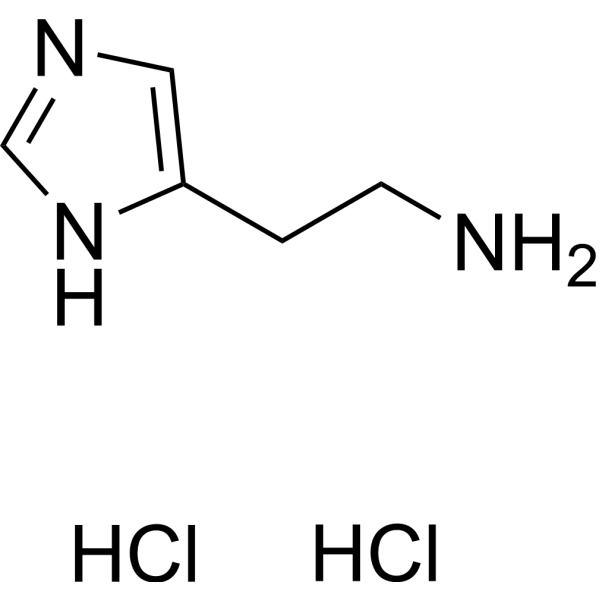
Histamine dihydrochloride (Standard) is the analytical standard of Histamine dihydrochloride (HY-B0722). This product is intended for research and analytical applications. Histamine dihydrochloride is the agonist for histamine receptor and a vasodilator. Histamine dihydrochloride is an organic nitrogen compound that participates in local immune responses, regulates intestinal physiological functions, and acts as a neurotransmitter. Histamine dihydrochloride affects p38 MAPK/Akt signaling pathway, exhibits antitumor, antioxidant and anti-inflammatory activities. Histamine dihydrochloride can be used in the research of acute myeloid leukemia, malignant melanoma, and renal cell carcinoma .
|
-
-
- HY-108353A
-
-
-
- HY-P3217A
-
|
|
Oxytocin Receptor
|
Endocrinology
|
|
[Asp5]-Oxytocin acetate is the first 5-position neurohypophyseal hormone analogue possessing significant biological activity. [Asp5]-Oxytocin acetate causes uterine contractions in vitro, enhanced by Mg 2+. [Asp5]-Oxytocin acetate has the ability of rat uteroconstrictor, avian vasodilator, and rat antidiuretic .
|
-
-
- HY-B1695R
-
|
Nicotinic acid methyl ester (Standard)
|
Reference Standards
Others
|
Cardiovascular Disease
Inflammation/Immunology
|
|
Methyl nicotinate (Standard) is the analytical standard of Methyl nicotinate. This product is intended for research and analytical applications. Methyl nicotinate (Nicotinic acid methyl ester) is an orally active vasodilator. Methyl nicotinate has analgesic activity. Methyl nicotinate causes local skin erythema when applied topically to the skin. Methyl nicotinate is used as an active ingredient in over-the-counter topical preparations for the study of muscle and joint pain .
|
-
-
- HY-B2198
-
|
Actinomin chloride
|
Cholinesterase (ChE)
|
Neurological Disease
|
|
Carpronium (Actinomin) chloride is an orally active cholinergic agonist, local vasodilator and parasympathomimetic agent. Carpronium chloride is structurally similar to acetylcholine. Carpronium chloride promotes hair growth, and oral overdose induces cholinergic crisis. Carpronium chloride is applicable to research related to alopecia areata .
|
-
-
- HY-B1204S1
-
-
-
- HY-N1584R
-
|
RU-19110 (Standard)
|
Reference Standards
DNA/RNA Synthesis
TGF-beta/Smad
Parasite
Sodium Channel
Calcium Channel
|
Infection
Cardiovascular Disease
Inflammation/Immunology
Cancer
|
|
Halofuginone (Standard) is the analytical standard of Halofuginone. This product is intended for research and analytical applications. Halofuginone (RU-19110), a Febrifugine derivative, is a competitive prolyl-tRNA synthetase inhibitor with a Ki of 18.3 nM . Halofuginone is a specific inhibitor of type-I collagen synthesis and attenuates osteoarthritis (OA) by inhibition of TGF-β activity . Halofuginone is also a potent pulmonary vasodilator by activating Kv channels and blocking voltage-gated, receptor-operated and store-operated Ca2+ channels. Halofuginone has anti-malaria, anti-inflammatory, anti-cancer, anti-fibrosis effects .
|
-
-
- HY-P3483
-
|
|
PACAP Receptor
Caspase
Apoptosis
PKA
Interleukin Related
TNF Receptor
|
Cardiovascular Disease
Neurological Disease
|
|
Maxadilan is a specific irreversible PAC1 receptor agonist and a potent vasodilator peptide present in the salivary glands of sand flies. Maxadilan exhibits anti-apoptotic activity in hADSCs. Maxadilan inhibits pro-inflammatory cytokines (TNF-α) and enhances anti-inflammatory mediators (IL-10). Maxadilan can activate leukocytes and inhibit vascular permeability through PAC1 receptors. Maxadilan promotes neural differentiation of human adipose-derived stem cells. Maxadilan can be used to study endotoxin shock, atherosclerosis, and neurodegenerative diseases [1] [2] [3] [4] [5].
|
-
-
- HY-N1584AR
-
|
RU-19110 hydrobromide (Standard)
|
Reference Standards
DNA/RNA Synthesis
TGF-beta/Smad
Parasite
Sodium Channel
Calcium Channel
|
Infection
Cardiovascular Disease
Inflammation/Immunology
Cancer
|
|
Halofuginone (hydrobromide) (Standard) is the analytical standard of Halofuginone (hydrobromide). This product is intended for research and analytical applications. Halofuginone (RU-19110) hydrobromid, a Febrifugine derivative, is a competitive prolyl-tRNA synthetase inhibitor with a Ki of 18.3 nM . Halofuginone hydrobromid is a specific inhibitor of type-I collagen synthesis and attenuates osteoarthritis (OA) by inhibition of TGF-β activity . Halofuginone hydrobromid is also a potent pulmonary vasodilator by activating Kv channels and blocking voltage-gated, receptor-operated and store-operated Ca 2+ channels. Halofuginone hydrobromid has anti-malaria, anti-inflammatory, anti-cancer, anti-fibrosis effects .
|
-
-
- HY-B0358AR
-
|
|
Reference Standards
Calcium Channel
Sodium Channel
Dopamine Receptor
|
Neurological Disease
|
|
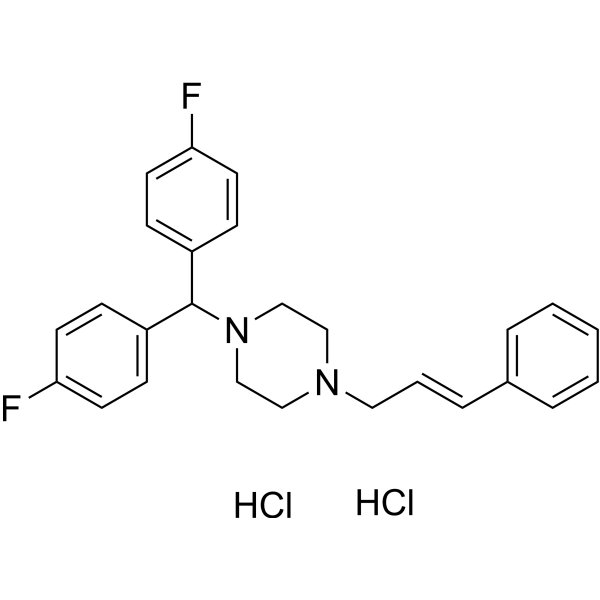
Flunarizine (dihydrochloride) (Standard) is the analytical standard of Flunarizine (dihydrochloride). This product is intended for research and analytical applications. Flunarizine dihydrochloride is a potent dual Na +/Ca 2+ channel (T-type) blocker. Flunarizine dihydrochloride is a D2 dopamine receptor antagonist. Flunarizine dihydrochloride shows anticonvulsive and antimigraine activity, and peripheral vasodilator effects .
|
-
-
- HY-W349178
-
-
-
- HY-U00172
-
|
C80-1324
|
Guanylate Cyclase
|
Cardiovascular Disease
|
|
Ipramidil (C80-1324) is a vasodilator with significant active dilation of coronary circulation in isolated hearts. Ipramidil can cause an increase in NO release and stimulate guanylate cyclase activity.
|
-
-
- HY-Z8176
-
|
|
Sodium Channel
|
Neurological Disease
|
|
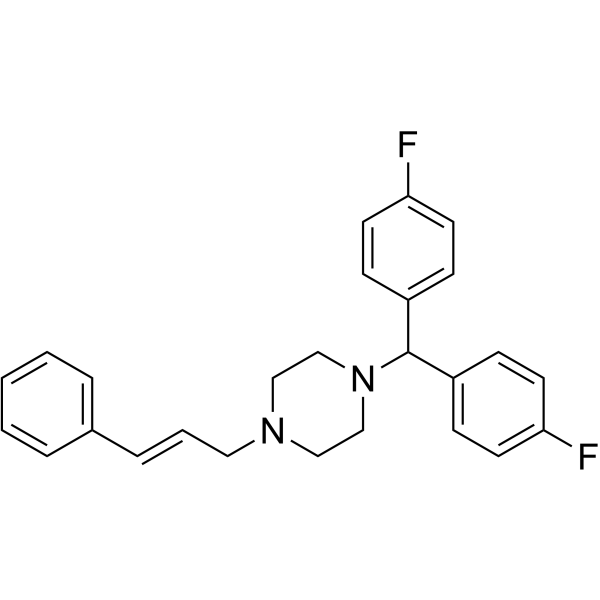
(Z)-Flunarizine is the (Z)-isomer of Flunarizine (HY-B0358). Flunarizine is a potent dual Na +/Ca 2+ channel (T-type) blocker. Flunarizine is a D2 dopamine receptor antagonist. Flunarizine shows anticonvulsive and antimigraine activity, and peripheral vasodilator effects .
|
-
-
- HY-106523
-
|
KT 210; K 351; Hypadil
|
Adrenergic Receptor
|
Cardiovascular Disease
|
|
Nipradolol (KT-210; K-351) is a potent blocker of alpha-1-adrenergic receptors. Nipradolol inhibits the increase of intraocular pressure (IOP) in an albino rabbit model induced by Phenylephrine (HY-B0769). Nipradolo suppresses the noradrenaline (NA)-induced muscles contraction, also exhibits vasodilator activity on the dog coronary artery .
|
-
-
- HY-N1584B
-
|
RU-19110 hydrochloride
|
Calcium Channel
DNA/RNA Synthesis
Parasite
Sodium Channel
TGF-beta/Smad
|
Infection
Cardiovascular Disease
Inflammation/Immunology
Cancer
|
|
Halofuginone (RU-19110) hydrobromid, a Febrifugine derivative, is a competitive prolyl-tRNA synthetase inhibitor with a Ki of 18.3 nM. Halofuginone hydrobromid is a specific inhibitor of type-I collagen synthesis and attenuates osteoarthritis (OA) by inhibition of TGF-β activity. Halofuginone hydrobromid is also a potent pulmonary vasodilator by activating Kv channels and blocking voltage-gated, receptor-operated and store-operated Ca 2+ channels. Halofuginone hydrobromid has anti-malaria, anti-inflammatory, anti-cancer, anti-fibrosis effects .
|
-
-
- HY-129440R
-
|
|
Reference Standards
PDGFR
ERK
Caspase
NF-κB
Toll-like Receptor (TLR)
p38 MAPK
NO Synthase
COX
MyD88
Reactive Oxygen Species (ROS)
Apoptosis
|
Neurological Disease
Metabolic Disease
Inflammation/Immunology
Cancer
|
|
N-(p-Coumaroyl) Serotonin (Standard) is the analytical standard of N-(p-Coumaroyl) Serotonin (HY-129440). This product is intended for research and analytical applications. N-(p-Coumaroyl) Serotonin is an orally active polyphenol found in safflower seeds with potent anti-inflammatory, antioxidant, and antitumor activities. N-(p-Coumaroyl) Serotonin suppresses NF‑κB, TLR4/MyD88 and MAPK signaling, activates NQO1/HO‑1 pathways, and inhibits pro‑inflammatory cytokines, iNOS and COX‑2 and ROS production. N-(p-Coumaroyl) Serotonin induces S‑phase arrest and apoptosis in glioblastoma cells, reduces atherosclerotic lesions, and alleviates renal and vascular injuries. N-(p-Coumaroyl) Serotonin acts as a vasodilator, regulates calcium dynamics. N-(p-Coumaroyl) Serotonin can be used for the research of neurodegenerative diseases, atherosclerosis, glioblastoma, and acute renal failure .
|
-
-
- HY-B0468R
-
|
Isoproterenol hydrochloride (Standard)
|
Reference Standards
Adrenergic Receptor
Endogenous Metabolite
|
Cardiovascular Disease
Endocrinology
|
|
Isoprenaline (hydrochloride) (Standard) is the analytical standard of Isoprenaline (hydrochloride). This product is intended for research and analytical applications. Isoprenaline (Isoproterenol) hydrochloride is a non-selective, orally active β-adrenergic receptor agonist. Isoprenaline has potent peripheral vasodilator, bronchodilator, and cardiac stimulating activities. Isoprenaline can be used for the research of bradycardia and bronchial asthma .
|
-
-
- HY-B0358AS
-
-
-
- HY-108982
-
-
-
- HY-105559A
-
|
Quinotoxine hydrochloride
|
Drug Isomer
|
Cardiovascular Disease
|
|
Viquidil hydrochloride (Quinotoxine hydrochloride), an isomer of Quinidine, is a cerebral vasodilator agent. Viquidil hydrochloride shows antithrombotic activity .
|
-
-
- HY-105559
-
-
-
- HY-W103372
-
|
|
Adrenergic Receptor
|
Cardiovascular Disease
|
|
Vasorelaxant agent-2 (Compound 8h) targets α1A-adrenergic receptor with an affinity of pD2=5.4. Vasorelaxant agent-2 exhibits vasodilator activity in rats aortic rings with an EC50 of 0.79 μM .
|
-
-
- HY-P3217
-
|
|
Oxytocin Receptor
|
Endocrinology
|
|
[Asp5]-Oxytocin is the first 5-position neurohypophyseal hormone analogue possessing significant biological activity. [Asp5]-Oxytocin causes uterine contractions in vitro, enhanced by Mg 2+. [Asp5]-Oxytocin has the ability of rat uteroconstrictor, avian vasodilator, and rat antidiuretic .
|
-
-
- HY-N15737
-
|
|
Calcium Channel
Enterovirus
|
Infection
Cardiovascular Disease
|
|
Fukinolic acid is a benzyltartaric acid ester, is a vasodilator with antiviral activity against enterovirus A71 (EV-A71) replication. Fukinolic acid is a receptor-operated Ca 2+ channels (ROC) inhibitor, suppressing extracellular Ca 2+ influx through ROC activated by Norepinephrine (HY-13715) without affecting voltage-dependent Ca 2+ channels .
|
-
-
- HY-B0919R
-
|
CI-337 (Standard); O-Diazoacetyl-L-serine (Standard); P-165 (Standard)
|
Reference Standards
Bacterial
Antibiotic
DNA/RNA Synthesis
|
Infection
Cancer
|
|
Bamethan (hemisulfate) (Standard) is the analytical standard of Bamethan (hemisulfate). This product is intended for research and analytical applications. Bamethan (DL-Bamethane) hemisulfate is a vasodilator that exhibits significant activity in enhancing blood flow and reducing vascular resistance. Bamethan hemisulfate plays a crucial role in the treatment of cardiovascular conditions by improving oxygen delivery to tissues. Bamethan hemisulfate also aids in the management of hypertension through its relaxing effects on blood vessels.
|
-
-
- HY-B1204S2
-
-
-
- HY-106499
-
-
-
- HY-106499A
-
-
-
- HY-B0358R
-
|
|
Reference Standards
Calcium Channel
Sodium Channel
Dopamine Receptor
|
Neurological Disease
|
|
Flunarizine (Standard) is the analytical standard of Flunarizine. This product is intended for research and analytical applications. Flunarizine is a potent dual Na +/Ca 2+ channel (T-type) blocker. Flunarizine is a D2 dopamine receptor antagonist. Flunarizine shows anticonvulsive and antimigraine activity, and peripheral vasodilator effects .
|
-
-
- HY-N12785
-
|
|
Others
|
Cardiovascular Disease
|
|
Methoxy-2,3-methylenedioxyxanthone (Compound 5) is a xanthone that can be isolated from the roots of Polygala caudata. Methoxy-2,3-methylenedioxyxanthone has antioxidant and vasodilatory effects .
|
-
- HY-N13714
-
-
- HY-B0284A
-
|
|
Sodium Channel
|
Cardiovascular Disease
|
|
Nifedipine hydrochloride is a potent vasodilator with calcium antagonist activity. Nifedipine hydrochloride is a useful antianginal compound that can also lower blood pressure. Nifedipine hydrochloride exhibits comparable antihypertensive properties to some new compounds, especially in calcium channel blockade. Nifedipine hydrochloride is used in biological activity studies to develop new antihypertensive and/or antianginal compounds .
|
-
- HY-105651A
-
|
|
Cholinesterase (ChE)
|
Cardiovascular Disease
|
|
Butalamine (hydrochloride) is a peripheral vasodilator with local anesthetic effects. :Butalamine (hydrochloride) can produce in animals coronary vasodilation, local anaesthesia, analgesia and a papaverine like action in duodenal preparations. Butalamine (hydrochloride) causes a slowing in rate of spontaneous activity, a decrease in amplitude and a reduction in isolated human smooth muscle .
|
-
- HY-126182
-
|
|
Endogenous Metabolite
|
Cardiovascular Disease
|
|
Deacetyldiltiazem is a metabolite with coronary vasodilator activity. Deacetyldiltiazem is present in the plasma of individuals taking Diltiazem. The deacetylase activity of deacetyldiltiazem is mainly catalyzed by the rat Ces2a enzyme. In vitro experiments of deacetyldiltiazem showed that its Km value was similar to that of rat liver microsomes, showing efficient deacetylase activity. The study of deacetyldiltiazem helps to understand the differences in the metabolic kinetics of compounds between different species .
|
-
- HY-B1394R
-
|
|
Reference Standards
EGFR
|
Cardiovascular Disease
Cancer
|
|
Khellin (Standard) is the analytical standard of Khellin. This product is intended for research and analytical applications. Khellin is a furochromone that can be isolated from Ammi visnuga L.. Khellin is an EGFR inhibitor with an IC50 of 0.15 μM. Khelline has anti-proliferative activity in vitro. Khellin has antispasmodic and coronary vasodilator effects .
|
-
- HY-B0468S
-
|
Isoproterenol-d7 hydrochloride
|
Isotope-Labeled Compounds
Endogenous Metabolite
Adrenergic Receptor
|
Cardiovascular Disease
|
|
Isoprenaline-d7 (hydrochloride) is a deuterated labeled Isoprenaline (hydrochloride) . Isoprenaline (Isoproterenol) hydrochloride is a non-selective, orally active β-adrenergic receptor agonist. Isoprenaline has potent peripheral vasodilator, bronchodilator, and cardiac stimulating activities. Isoprenaline can be used for the research of bradycardia and bronchial asthma .
|
-
- HY-105651AR
-
|
|
Cholinesterase (ChE)
Reference Standards
|
Cardiovascular Disease
|
|
Butalamine (hydrochloride) (Standard) is the analytical standard of Butalamine (hydrochloride). This product is intended for research and analytical applications. Butalamine (hydrochloride) is a peripheral vasodilator with local anesthetic effects. :Butalamine (hydrochloride) can produce in animals coronary vasodilation, local anaesthesia, analgesia and a papaverine like action in duodenal preparations. Butalamine (hydrochloride) causes a slowing in rate of spontaneous activity, a decrease in amplitude and a reduction in isolated human smooth muscle .
|
-
- HY-129670
-
-
- HY-B1538AR
-
|
DL-Bamethane hemisulfate (Standard)
|
Endogenous Metabolite
Reference Standards
|
Cardiovascular Disease
|
|
Bamethan (hemisulfate) (Standard) is the analytical standard of Bamethan (hemisulfate). This product is intended for research and analytical applications. Bamethan (DL-Bamethane) hemisulfate is a vasodilator that exhibits significant activity in enhancing blood flow and reducing vascular resistance. Bamethan hemisulfate plays a crucial role in the treatment of cardiovascular conditions by improving oxygen delivery to tissues. Bamethan hemisulfate also aids in the management of hypertension through its relaxing effects on blood vessels.
|
-
- HY-165067
-
|
14,15-Epoxyeicosa-8(Z)-enoic acid
|
Drug Derivative
|
Cardiovascular Disease
|
|
14,15-EE-8(Z)-E (14,15-Epoxyeicosa-8(Z)-enoic acid) has potent vasodilator agonist activity in bovine coronary arteries. 14,15-EE-8(Z)-E is a 14,15-EET (HY-113489) analog. EETs represent important mediators of coronary vascular tone .
|
-
- HY-A0129R
-
|
Histamine diphosphate (Standard)
|
Reference Standards
Histamine Receptor
p38 MAPK
Akt
Reactive Oxygen Species (ROS)
Apoptosis
Endogenous Metabolite
|
Neurological Disease
Inflammation/Immunology
Endocrinology
Cancer
|
|
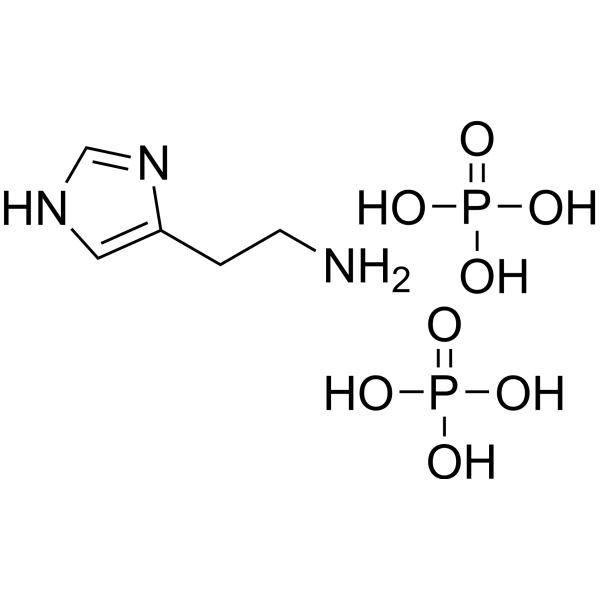
Histamine phosphate (Standard) is the analytical standard of Histamine phosphate (HY-A0129). This product is intended for research and analytical applications. Histamine phosphate is the agonist for histamine receptor and a vasodilator. Histamine phosphate is an organic nitrogen compound that participates in local immune responses, regulates intestinal physiological functions, and acts as a neurotransmitter. Histamine phosphate affects p38 MAPK/Akt signaling pathway, exhibits antitumor, antioxidant and anti-inflammatory activities. Histamine phosphate can be used in the research of acute myeloid leukemia, malignant melanoma, and renal cell carcinoma .
|
-
- HY-W105272R
-
|
|
Reference Standards
Endogenous Metabolite
|
Metabolic Disease
|
|
Halofuginone (Standard) is the analytical standard of Halofuginone. This product is intended for research and analytical applications. Halofuginone (RU-19110), a Febrifugine derivative, is a competitive prolyl-tRNA synthetase inhibitor with a Ki of 18.3 nM . Halofuginone is a specific inhibitor of type-I collagen synthesis and attenuates osteoarthritis (OA) by inhibition of TGF-β activity . Halofuginone is also a potent pulmonary vasodilator by activating Kv channels and blocking voltage-gated, receptor-operated and store-operated Ca2+ channels. Halofuginone has anti-malaria, anti-inflammatory, anti-cancer, anti-fibrosis effects .
|
-
- HY-B1204S4
-
-
- HY-N1584BR
-
|
RU-19110 hydrochloride (Standard)
|
Reference Standards
Calcium Channel
DNA/RNA Synthesis
Parasite
Sodium Channel
TGF-beta/Smad
|
Infection
Cardiovascular Disease
Inflammation/Immunology
Cancer
|
|
Halofuginone (hydrochloride) (Standard) is the analytical standard of Halofuginone (hydrochloride). This product is intended for research and analytical applications. Halofuginone (RU-19110) hydrobromid, a Febrifugine derivative, is a competitive prolyl-tRNA synthetase inhibitor with a Ki of 18.3 nM. Halofuginone hydrobromid is a specific inhibitor of type-I collagen synthesis and attenuates osteoarthritis (OA) by inhibition of TGF-β activity. Halofuginone hydrobromid is also a potent pulmonary vasodilator by activating Kv channels and blocking voltage-gated, receptor-operated and store-operated Ca2+ channels. Halofuginone hydrobromid has anti-malaria, anti-inflammatory, anti-cancer, anti-fibrosis effects [4] .
|
-
- HY-12882AR
-
|
NP-120 tartrate (Standard); RC-61-91 tartrate (Standard)
|
iGluR
Potassium Channel
Reference Standards
|
Neurological Disease
|
|
Ifenprodil (tartrate) (Standard) is the analytical standard of Ifenprodil (tartrate). This product is intended for research and analytical applications. Ifenprodil tartrate is a typical noncompetitive NMDA receptor antagonist. Ifenprodil tartrate exerts high affinity at NR1A/NR2B receptors (IC50=0.34 μM) over 400-fold than at NR1A/NR2A receptors (IC50=146 μM) . Ifenprodil tartrate inhibits GIRK (Kir3), reduces inward currents through the basal GIRK activity. Ifenprodil tartrate has the potential to be a cerebral vasodilator .
|
-
- HY-B1035A
-
|
l-Bunolol
|
Adrenergic Receptor
Casein Kinase
Calcium Channel
|
Others
|
Levobunolol (l-Bunolol) is a non-selective β-adrenergic antagonist and vasodilator. By blocking calcium ion influx and reducing the sensitivity of vascular smooth muscle to calcium, Levobunolol effectively dilates the ciliary arteries and increases ocular blood flow, so it is widely used in research on glaucoma and ocular hypertension. Levobunolol inhibits the β-receptor signaling pathway and the expression of related proliferation markers (such as CK3, CK14, CK19, Ki67) in corneal cells. In rabbit models, Levobunolol not only does not inhibit corneal epithelial regeneration, but also accelerates the healing of mechanical injury without adverse effects. Levobunolol also inhibits histamine-induced vasoconstriction and intracellular calcium elevation, exhibiting unique vascular regulatory activity. Levobunolol protects ocular blood flow and promotes corneal repair .
|
-
- HY-N9206
-
|
|
Others
|
Cardiovascular Disease
|
|
Kimcuongin (compound 1)is a coumarin that can be found in Murraya paniculata. Kimcuongin shows vasorelaxant activity with an IC50 value of 37.7 μM. Kimcuongin can be used as a vasodilator .
|
-
- HY-170392
-
|
|
Drug Derivative
|
Cardiovascular Disease
|
|
Vasorelaxant agent-1 (Compound 2j) is a BBB-penetrable vasodilator. Vasorelaxant agent-1 has excellent vasodilator activity with an EC50 of 0.02916 μM. Vasorelaxant agent-1 is non-carcinogenic and can be used in the study of hypertension .
|
-
- HY-N6656R
-
|
|
Fungal
Reference Standards
Bacterial
|
Inflammation/Immunology
Cancer
|
|
6-Hydroxycoumarin (Standard) is the analytical standard of 6-Hydroxycoumarin (HY-N6656). This product is intended for research and analytical applications. 6-Hydroxycoumarin is a coumarin which has anti-inflammatory, anti-pyretic, anti-oxidant, vasodilator, anti-amoebic, anti-bacterial, anti-fungal, bacteriostatic and antitumor activity .
|
-
- HY-N16779
-
|
|
Others
|
Cardiovascular Disease
Neurological Disease
|
|
Angustine is a monoterpene indole alkaloid vasodilator. Angustine exhibits potent vasodilatory activity on isolated rat aorta at a concentration of 10 μM (vasodilation rate exceeding 90%). Angustine can be used in the study of diseases such as hypertension, cerebral vasospasm, and peripheral circulatory disorders. Angustine can be naturally extracted from the bark of Nauclea officinalis and is also present in plants of the genera Mitragyna, Uncaria, and Strychnos .
|
-
- HY-167681
-
|
Ro 12-4713
|
Endogenous Metabolite
|
Cardiovascular Disease
|
|
Carprazidil (Ro 12-4713) is a potent vasodilator with activity in suppressing severe hypertension and mild heart failure. The use of carprazidil may lead to sodium retention and increased heart rate, requiring increased doses of diuretics or beta-blockers in some cases. Carprazidil and mecycline may both cause hirsutism, limiting their long-term use in women. Carprazidil did not cause adverse side effects on hematological parameters, liver, or kidney function .
|
-
- HY-183206
-
|
|
Potassium Channel
Calcium Channel
|
Cardiovascular Disease
Inflammation/Immunology
|
|
UR 8225 is an orally active ATP-sensitive K + channel activator with vasodilator, smooth muscle relaxant, antihypertensive, and bronchodilator activities. UR 8225 induces membrane hyperpolarization by increasing outward K + conductance and reduces Ca 2+ influx through voltage-gated L-type Ca 2+ channels. UR 8225 reduces total peripheral vascular resistance, shortens cardiac action potential duration, inhibits agonist-induced Ca 2+ influx, and stimulates renin release. UR 8225 induces reflex tachycardia but lacks β-adrenergic receptor blocking activity. UR 8225 is widely applicable to research in fields related to hypertension, myocardial ischemia, ventricular fibrillation, and other conditions .
|
-
| Cat. No. |
Product Name |
Target |
Research Area |
-
- HY-P3217A
-
|
|
Oxytocin Receptor
|
Endocrinology
|
|
[Asp5]-Oxytocin acetate is the first 5-position neurohypophyseal hormone analogue possessing significant biological activity. [Asp5]-Oxytocin acetate causes uterine contractions in vitro, enhanced by Mg 2+. [Asp5]-Oxytocin acetate has the ability of rat uteroconstrictor, avian vasodilator, and rat antidiuretic .
|
-
- HY-P3483
-
|
|
PACAP Receptor
Caspase
Apoptosis
PKA
Interleukin Related
TNF Receptor
|
Cardiovascular Disease
Neurological Disease
|
|
Maxadilan is a specific irreversible PAC1 receptor agonist and a potent vasodilator peptide present in the salivary glands of sand flies. Maxadilan exhibits anti-apoptotic activity in hADSCs. Maxadilan inhibits pro-inflammatory cytokines (TNF-α) and enhances anti-inflammatory mediators (IL-10). Maxadilan can activate leukocytes and inhibit vascular permeability through PAC1 receptors. Maxadilan promotes neural differentiation of human adipose-derived stem cells. Maxadilan can be used to study endotoxin shock, atherosclerosis, and neurodegenerative diseases [1] [2] [3] [4] [5].
|
-
- HY-P3217
-
|
|
Oxytocin Receptor
|
Endocrinology
|
|
[Asp5]-Oxytocin is the first 5-position neurohypophyseal hormone analogue possessing significant biological activity. [Asp5]-Oxytocin causes uterine contractions in vitro, enhanced by Mg 2+. [Asp5]-Oxytocin has the ability of rat uteroconstrictor, avian vasodilator, and rat antidiuretic .
|
| Cat. No. |
Product Name |
Category |
Target |
Chemical Structure |
-
- HY-B0468
-
-
-
- HY-B1204
-
-
-
- HY-N1584
-
-
-
- HY-B0722
-
-
-
- HY-108353
-
-
-
- HY-A0129
-
-
-
- HY-N1584A
-
-
-
- HY-12882A
-
-
-
- HY-129440
-
|
|
Structural Classification
Classification of Application Fields
Carthamus tinctorius L.
Phenols
Polyphenols
Plants
Compositae
Inflammation/Immunology
Disease Research Fields
Source Classification
|
NF-κB
Toll-like Receptor (TLR)
p38 MAPK
NO Synthase
COX
ERK
Caspase
PDGFR
MyD88
Reactive Oxygen Species (ROS)
Apoptosis
|
|
N-(p-Coumaroyl) Serotonin is an orally active polyphenol found in safflower seeds with potent anti-inflammatory, antioxidant, and antitumor activities. N-(p-Coumaroyl) Serotonin suppresses NF‑κB, TLR4/MyD88 and MAPK signaling, activates NQO1/HO‑1 pathways, and inhibits pro‑inflammatory cytokines, iNOS and COX‑2 and ROS production. N-(p-Coumaroyl) Serotonin induces S‑phase arrest and apoptosis in glioblastoma cells, reduces atherosclerotic lesions, and alleviates renal and vascular injuries. N-(p-Coumaroyl) Serotonin acts as a vasodilator, regulates calcium dynamics. N-(p-Coumaroyl) Serotonin can be used for the research of neurodegenerative diseases, atherosclerosis, glioblastoma, and acute renal failure .
|
-
-
- HY-B1695
-
-
-
- HY-N6656
-
-
-
- HY-B1394
-
-
-
- HY-B1204R
-
-
-
- HY-B0722R
-
-
-
- HY-108353A
-
-
-
- HY-B1695R
-
|
Nicotinic acid methyl ester (Standard)
|
Structural Classification
Natural Products
Microorganisms
Source Classification
|
Reference Standards
Others
|
|
Methyl nicotinate (Standard) is the analytical standard of Methyl nicotinate. This product is intended for research and analytical applications. Methyl nicotinate (Nicotinic acid methyl ester) is an orally active vasodilator. Methyl nicotinate has analgesic activity. Methyl nicotinate causes local skin erythema when applied topically to the skin. Methyl nicotinate is used as an active ingredient in over-the-counter topical preparations for the study of muscle and joint pain .
|
-
-
- HY-N1584R
-
-
-
- HY-N1584AR
-
-
-
- HY-129440R
-
|
|
Structural Classification
Carthamus tinctorius L.
Phenols
Polyphenols
Plants
Compositae
Source Classification
|
Reference Standards
PDGFR
ERK
Caspase
NF-κB
Toll-like Receptor (TLR)
p38 MAPK
NO Synthase
COX
MyD88
Reactive Oxygen Species (ROS)
Apoptosis
|
|
N-(p-Coumaroyl) Serotonin (Standard) is the analytical standard of N-(p-Coumaroyl) Serotonin (HY-129440). This product is intended for research and analytical applications. N-(p-Coumaroyl) Serotonin is an orally active polyphenol found in safflower seeds with potent anti-inflammatory, antioxidant, and antitumor activities. N-(p-Coumaroyl) Serotonin suppresses NF‑κB, TLR4/MyD88 and MAPK signaling, activates NQO1/HO‑1 pathways, and inhibits pro‑inflammatory cytokines, iNOS and COX‑2 and ROS production. N-(p-Coumaroyl) Serotonin induces S‑phase arrest and apoptosis in glioblastoma cells, reduces atherosclerotic lesions, and alleviates renal and vascular injuries. N-(p-Coumaroyl) Serotonin acts as a vasodilator, regulates calcium dynamics. N-(p-Coumaroyl) Serotonin can be used for the research of neurodegenerative diseases, atherosclerosis, glioblastoma, and acute renal failure .
|
-
-
- HY-B0468R
-
-
-
- HY-N15737
-
-
-
- HY-N12785
-
-
-
- HY-N13714
-
-
-
- HY-B1394R
-
-
-
- HY-A0129R
-
-
-
- HY-W105272R
-
|
|
Structural Classification
Natural Products
Endogenous metabolite
Source Classification
|
Reference Standards
Endogenous Metabolite
|
|
Halofuginone (Standard) is the analytical standard of Halofuginone. This product is intended for research and analytical applications. Halofuginone (RU-19110), a Febrifugine derivative, is a competitive prolyl-tRNA synthetase inhibitor with a Ki of 18.3 nM . Halofuginone is a specific inhibitor of type-I collagen synthesis and attenuates osteoarthritis (OA) by inhibition of TGF-β activity . Halofuginone is also a potent pulmonary vasodilator by activating Kv channels and blocking voltage-gated, receptor-operated and store-operated Ca2+ channels. Halofuginone has anti-malaria, anti-inflammatory, anti-cancer, anti-fibrosis effects .
|
-
-
- HY-12882AR
-
|
NP-120 tartrate (Standard); RC-61-91 tartrate (Standard)
|
Alkaloids
Piperidine Alkaloids
Crassulaceae
Sedum sarmentosum Bunge
Plants
Source Classification
|
iGluR
Potassium Channel
Reference Standards
|
|
Ifenprodil (tartrate) (Standard) is the analytical standard of Ifenprodil (tartrate). This product is intended for research and analytical applications. Ifenprodil tartrate is a typical noncompetitive NMDA receptor antagonist. Ifenprodil tartrate exerts high affinity at NR1A/NR2B receptors (IC50=0.34 μM) over 400-fold than at NR1A/NR2A receptors (IC50=146 μM) . Ifenprodil tartrate inhibits GIRK (Kir3), reduces inward currents through the basal GIRK activity. Ifenprodil tartrate has the potential to be a cerebral vasodilator .
|
-
-
- HY-N9206
-
-
-
- HY-N6656R
-
-
-
- HY-N16779
-
-
| Cat. No. |
Product Name |
Chemical Structure |
-
- HY-B1204S1
-
|
|
|
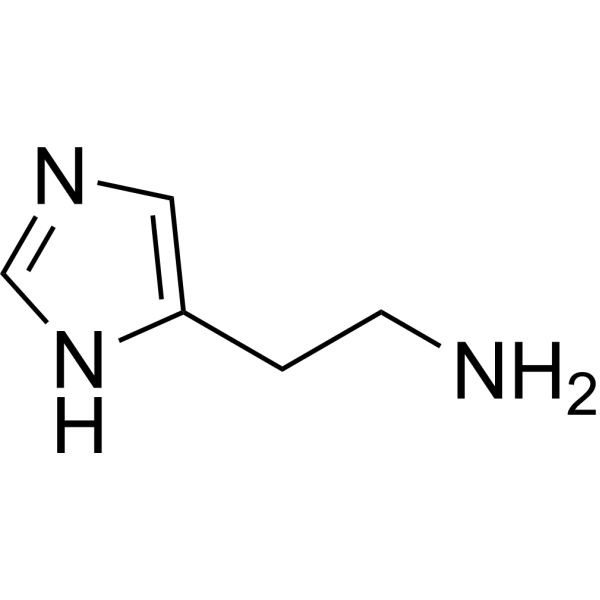
Histamine-d4 (Ergamine-d4) is deuterium labeled Histamine (HY-B1204). Histamine is the agonist for histamine receptor and a vasodilator. Histamine is an organic nitrogen compound that participates in local immune responses, regulates intestinal physiological functions, and acts as a neurotransmitter. Histamine affects p38 MAPK/Akt signaling pathway, exhibits antitumor, antioxidant and anti-inflammatory activities. Histamine can be used in the research of acute myeloid leukemia, malignant melanoma, and renal cell carcinoma .
|
-
-
- HY-B0358AS
-
|
|
|
Flunarizine-d8 dihydrochloride is deuterated labeled Flunarizine dihydrochloride (HY-B0358A). Flunarizine dihydrochloride is a potent dual Na +/Ca 2+ channel (T-type) blocker. Flunarizine dihydrochloride is a D2 dopamine receptor antagonist. Flunarizine dihydrochloride shows anticonvulsive and antimigraine activity, and peripheral vasodilator effects .
|
-
-
- HY-B1204S2
-
|
|
|
Histamine- 13C5, 15N3 (Ergamine- 13C5, 15N3) is the 13C and 15N labeled isotope of Histamine (HY-B1204). Histamine is the agonist for histamine receptor and a vasodilator. Histamine is an organic nitrogen compound that participates in local immune responses, regulates intestinal physiological functions, and acts as a neurotransmitter. Histamine affects p38 MAPK/Akt signaling pathway, exhibits antitumor, antioxidant and anti-inflammatory activities. Histamine can be used in the research of acute myeloid leukemia, malignant melanoma, and renal cell carcinoma .
|
-
-
- HY-B0468S
-
|
|
|
Isoprenaline-d7 (hydrochloride) is a deuterated labeled Isoprenaline (hydrochloride) . Isoprenaline (Isoproterenol) hydrochloride is a non-selective, orally active β-adrenergic receptor agonist. Isoprenaline has potent peripheral vasodilator, bronchodilator, and cardiac stimulating activities. Isoprenaline can be used for the research of bradycardia and bronchial asthma .
|
-
-
- HY-B1204S4
-
|
|
|
Histamine- 15N3 is the 15N3-labeled Histamine (HY-B1204). Histamine is the agonist for histamine receptor and a vasodilator. Histamine is an organic nitrogen compound that participates in local immune responses, regulates intestinal physiological functions, and acts as a neurotransmitter. Histamine affects p38 MAPK/Akt signaling pathway, exhibits antitumor, antioxidant and anti-inflammatory activities. Histamine can be used in the research of acute myeloid leukemia, malignant melanoma, and renal cell carcinoma .
|
-
Your information is safe with us. * Required Fields.
Inquiry Information
- Product Name:
- Cat. No.:
- Quantity:
- MCE Japan Authorized Agent:

