133 Results for "

Wnt β-catenin signaling pathway

" in MedChemExpress (MCE) Product Catalog:
Products (133)

133 Results for "Wnt β-catenin signaling pathway" in MCE Product Catalog:

321
321 Publications Verification
Cat. No.: HY-10182
CAS No.: 252917-06-9
Purity:  99.43%
Synonyms: CHIR-99021; CT99021
Research Areas:  

Metabolic Disease Cancer

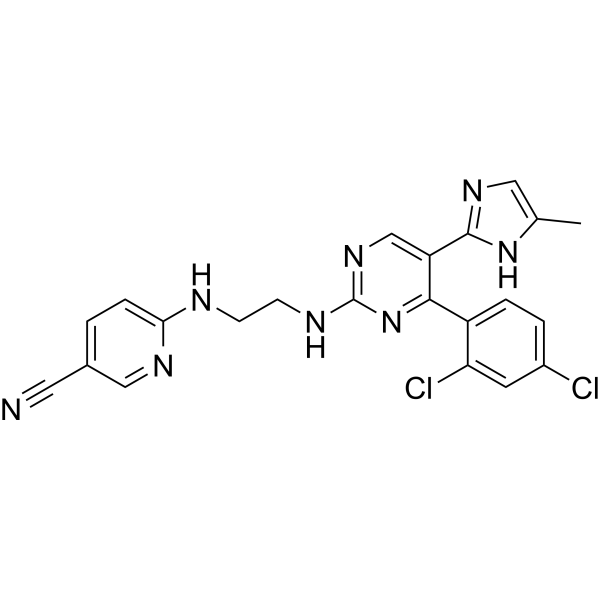
Laduviglusib (CHIR-99021) is a potent, selective and orally active GSK-3α/β inhibitor with IC50s of 10 nM and 6.7 nM. Laduviglusib shows >500-fold selectivity for GSK-3 over CDC2, ERK2 and other protein kinases. Laduviglusib is also a potent Wnt/β-catenin signaling pathway activator. Laduviglusib enhances mouse and human embryonic stem cells self-renewal. Laduviglusib induces autophagy .
loading...
    loading...
321
321 Publications Verification
Cat. No.: HY-10182B
CAS No.: 1782235-14-6
Purity:  99.07%
Synonyms: CHIR-99021 trihydrochloride; CT99021 trihydrochloride
Research Areas:  

Cancer

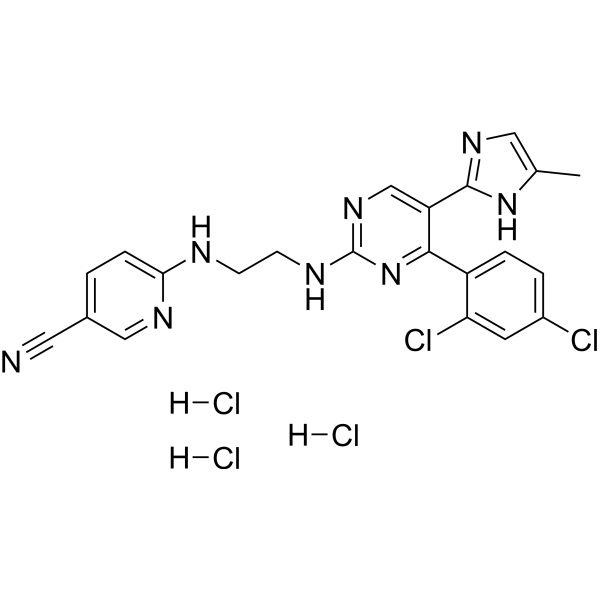
Laduviglusib (CHIR-99021) trihydrochloride is a potent and selective GSK-3α/β inhibitor with IC50s of 10 nM and 6.7 nM. Laduviglusib trihydrochloride shows >500-fold selectivity for GSK-3 over CDC2, ERK2 and other protein kinases. Laduviglusib trihydrochloride is also a potent Wnt/β-catenin signaling pathway activator. Laduviglusib trihydrochloride enhances mouse and human embryonic stem cells self-renewal. Laduviglusib trihydrochloride induces autophagy .
loading...
    loading...
321
321 Publications Verification
Cat. No.: HY-10182A
CAS No.: 1797989-42-4
Purity:  99.93%
Synonyms: CHIR-99021 monohydrochloride; CT99021 monohydrochloride
Research Areas:  

Cancer

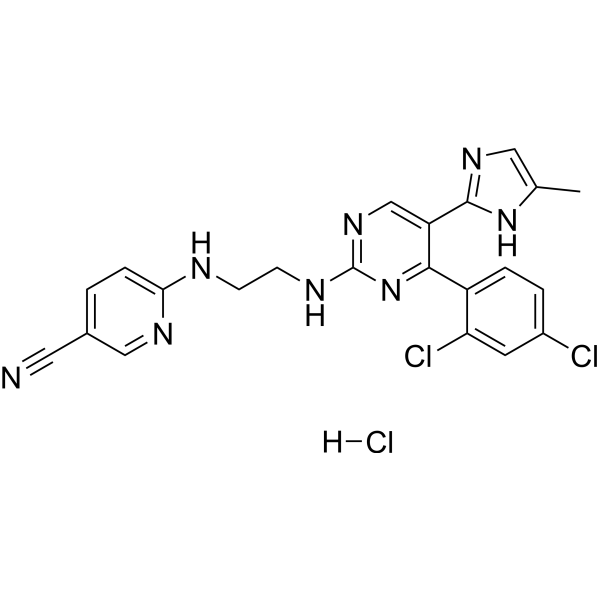
Laduviglusib (CHIR-99021) monohydrochloride is a potent and selective GSK-3α/β inhibitor with IC50s of 10 nM and 6.7 nM. Laduviglusib monohydrochloride shows >500-fold selectivity for GSK-3 over CDC2, ERK2 and other protein kinases. Laduviglusib monohydrochloride is also a potent Wnt/β-catenin signaling pathway activator. Laduviglusib monohydrochloride enhances mouse and human embryonic stem cells self-renewal. Laduviglusib monohydrochloride induces autophagy .
loading...
    loading...
21
21 Cited Publications
Cat. No.: HY-N0020
CAS No.: 82854-37-3
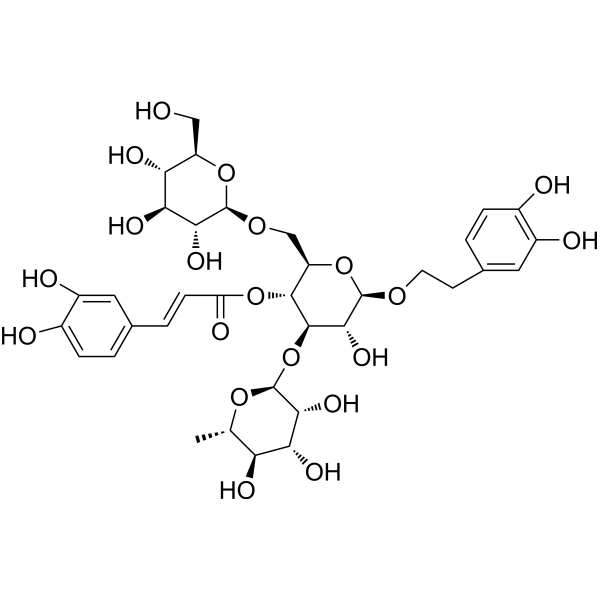
Echinacoside, one of the phenylethanoids isolated from the stems of Cistanche deserticola, effectively inhibits Wnt/β-catenin signaling. Echinacoside elicits neuroprotection by activating Trk receptors and their downstream signal pathways. Antiosteoporotic activity .
loading...
    loading...
16
16 Cited Publications
Cat. No.: HY-122816
CAS No.: 854847-61-3
Purity:  98.44%
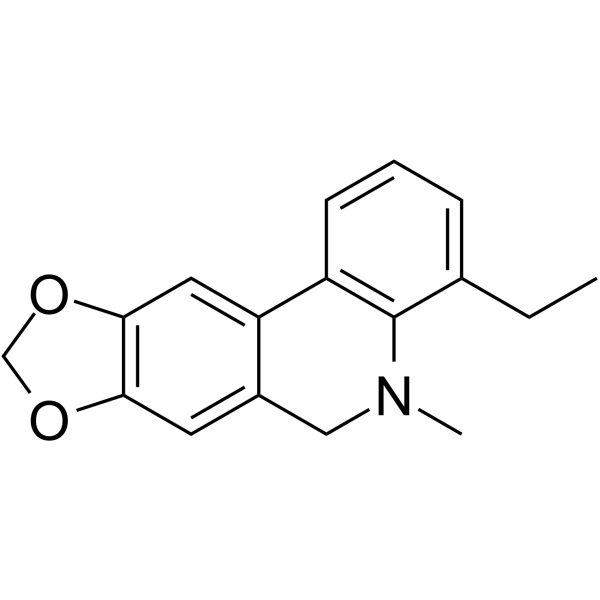
HLY78, a Lycorine (HY-N0288) derivative, is a potent activator of the Wnt/β-catenin signaling pathway. HLY78 targets the DIX domain of Axin and promotes the Axin-LRP6 (lipoprotein receptor-related protein 6) association, thus promoting LRP6 phosphorylation and Wnt signal transduction. HLY78 can be used for subarachnoid hemorrhage (SAH) research .
loading...
    loading...
10
10 Cited Publications
Cat. No.: HY-114321
CAS No.: 2305372-67-0
Purity:  99.72%
Target:  

Wnt

Research Areas:  

Cancer

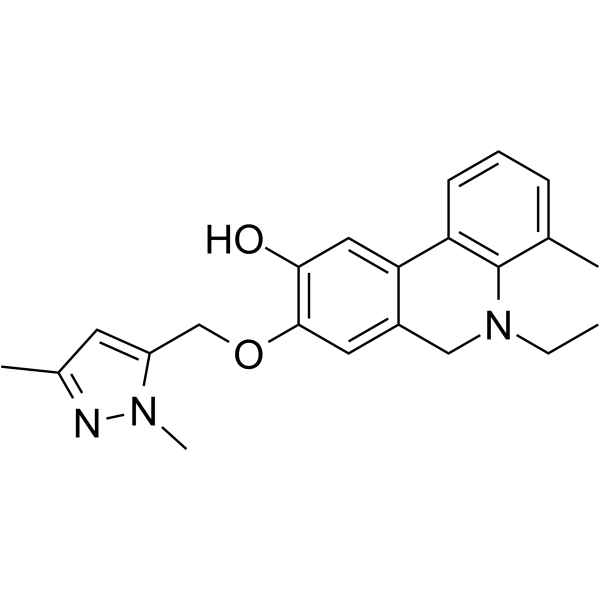
Wnt/β-catenin agonist 1 (compound 3f) is a Wnt/β-catenin signalling pathway agonist, with an EC50 of 0.27 μM .
loading...
    loading...
9
9 Cited Publications
Cat. No.: HY-N0101
CAS No.: 13241-33-3
Synonyms: Hesperetin 7-O-neohesperidoside
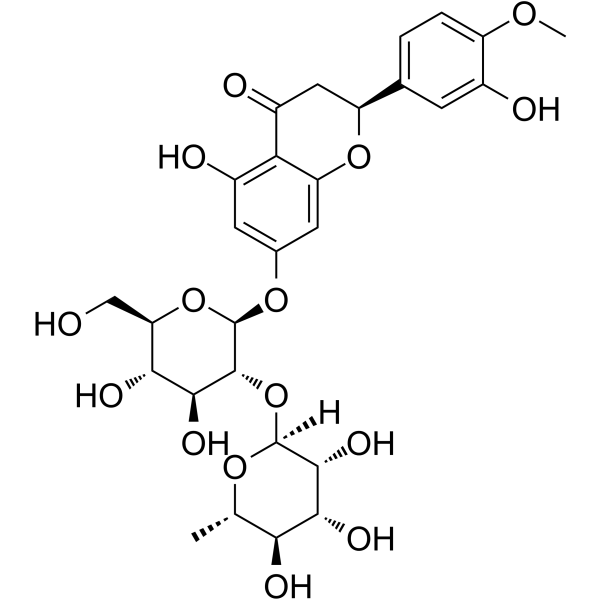
Neohesperidin is a flavonoid compound abundant in citrus plants with antioxidant and anti-inflammatory effects. Neohesperidin can upregulate the Wnt/β-catenin signaling pathway, enhance the nuclear translocation of β-catenin and the differentiation of bone marrow stromal cells .
loading...
    loading...
8
8 Cited Publications
Cat. No.: HY-145669
CAS No.: 113411-17-9
Purity:  99.84%
Target:  

Wnt CDK GSK-3

Research Areas:  

Infection Cancer

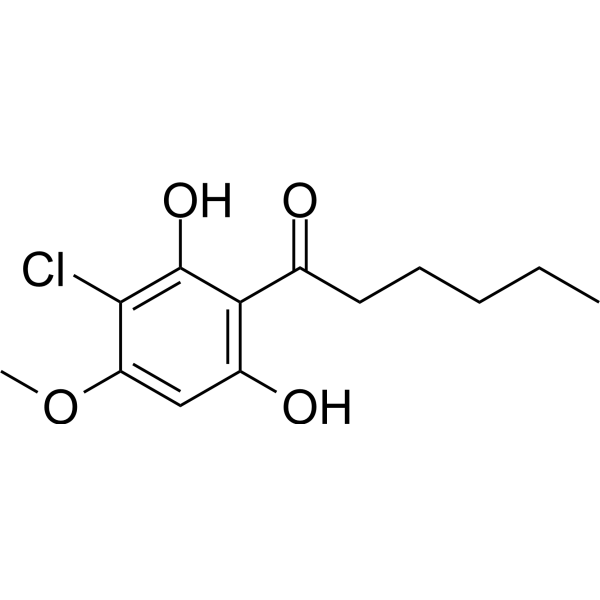
DIF-3 is an orally active anticancer agent. DIF-3 reduces the expression levels of cyclin D1 and c-Myc by facilitating their degradation via activation of GSK-3β. DIF-3 inhibits Wnt/β-catenin signaling pathway-related proteins in cells. DIF-3 induces reactive oxygen species (ROS) and autophagy. DIF suppresses the growth of Trypanosoma. cruzi in HT1080 cells. DIF-3 exerts antitumor effects both in vitro and in vivo .
loading...
    loading...
4
4 Cited Publications
Cat. No.: HY-14933
CAS No.: 524684-52-4
Purity:  98.05%
Synonyms: ERB-041
Research Areas:  

Cancer

Prinaberel (ERB-041) is a potent and selective estrogen receptor (ER) β agonist with IC50s of 5.4, 3.1 and 3.7 nM for human, rat and mouse ERβ, respectively. Prinaberel displays >200-fold selectivity for ERβ over ERα. Prinaberel is a potent skin cancer chemopreventive agent that acts by dampening the WNT/β-catenin signaling pathway. Prinaberel induces ovarian cancer apoptosis .
loading...
    loading...
4
4 Cited Publications
Cat. No.: HY-12170
CAS No.: 192329-42-3
Purity:  99.27%
Synonyms: AG3340; KB-R9896
Target:  

MMP Apoptosis

Research Areas:  

Cancer

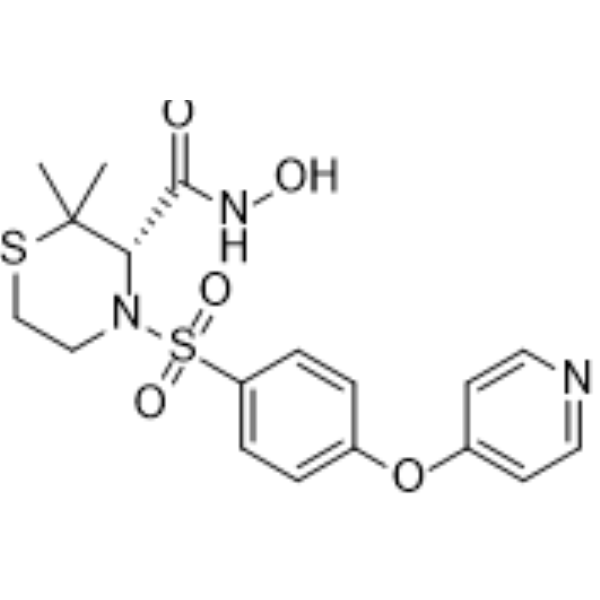
Prinomastat (AG3340) is a broad spectrum, potent, orally active metalloproteinase (MMP) inhibitor with IC50s of 79, 6.3 and 5.0 nM for MMP-1, MMP-3 and MMP-9, respectively. Prinomastat inhibits MMP-2, MMP-3, MMP-13 and MMP-9 with Kis of 0.05 nM, 0.3 nM, 0.03 nM and 0.26 nM, respectively. Prinomastat crosses blood-brain barrier. Antitumor avtivity .
loading...
    loading...
4
4 Cited Publications
Cat. No.: HY-12170A
CAS No.: 1435779-45-5
Purity:  98.18%
Synonyms: AG3340 hydrochloride; KB-R9896 hydrochloride
Target:  

MMP Apoptosis

Research Areas:  

Cancer

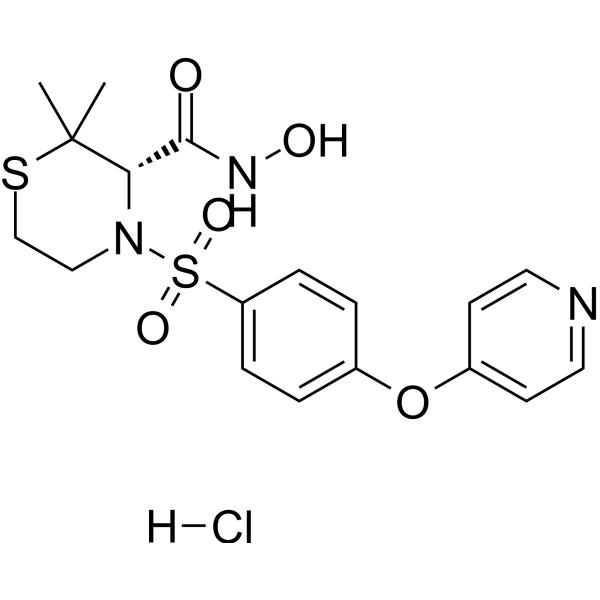
Prinomastat hydrochloride (AG3340 hydrochloride) is a broad spectrum, potent, orally active metalloproteinase (MMP) inhibitor with IC50s of 79, 6.3 and 5.0 nM for MMP-1, MMP-3 and MMP-9, respectively. Prinomastat hydrochloride inhibits MMP-2, MMP-3, MMP-13 and MMP-9 with Kis of 0.05 nM, 0.3 nM, 0.03 nM and 0.26 nM, respectively. Prinomastat hydrochloride can cross blood-brain barrier. Antitumor avtivity .
loading...
    loading...
3
3 Cited Publications
Cat. No.: HY-P5819
Target:  

Wnt PROTACs β-catenin

Research Areas:  

Cancer

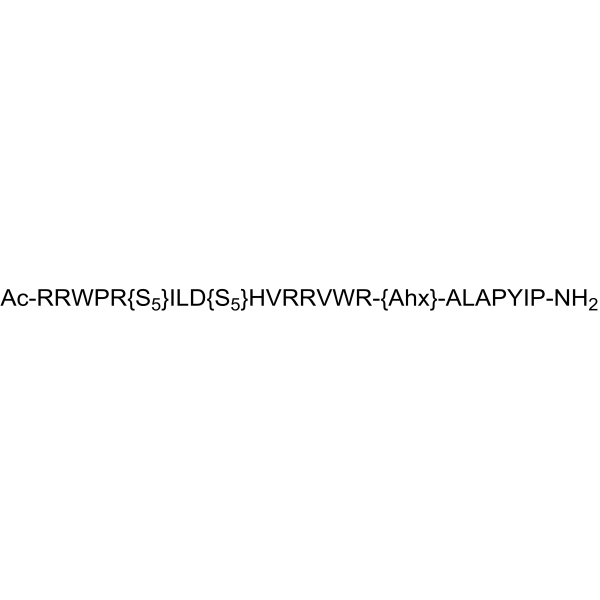
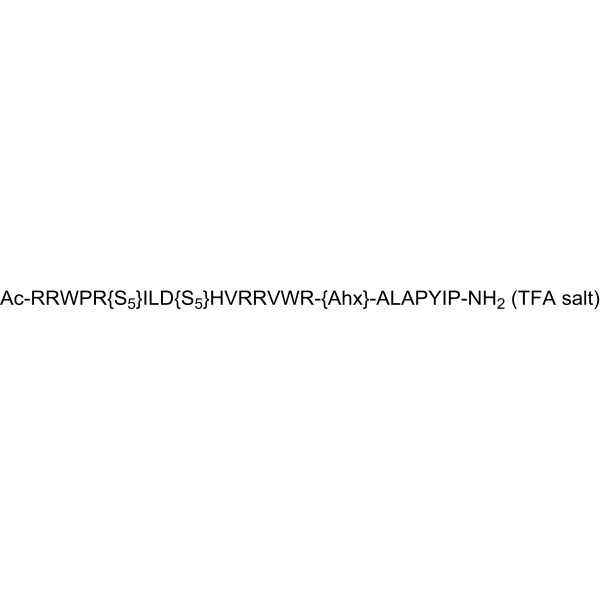
xStAx-VHLL is a β-catenin PROTAC degrader that promotes ubiquitination and proteasome degradation of β-catenin. xStAx-VHLL inhibits the Wnt/β-catenin signaling pathway. xStAx-VHLL can inhibit the proliferation of colon cancer cells and has anti-tumor activity .
loading...
    loading...
3
3 Cited Publications
Cat. No.: HY-70005
CAS No.: 223532-02-3
Synonyms: Carboxypeptidase inhibitor
Research Areas:  

Inflammation/Immunology

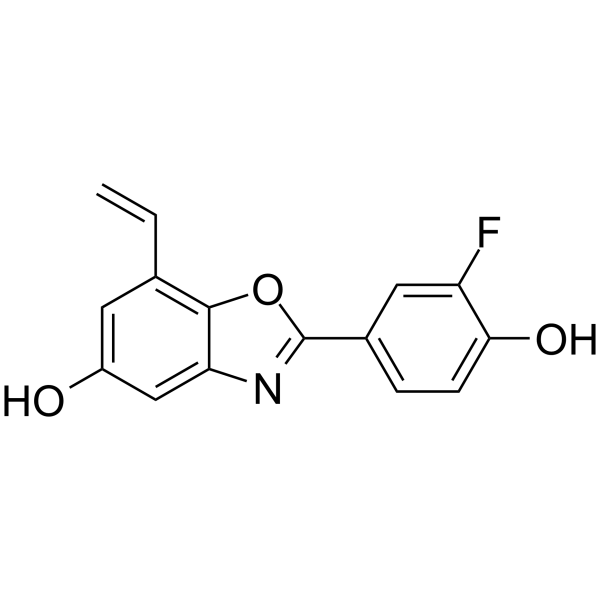
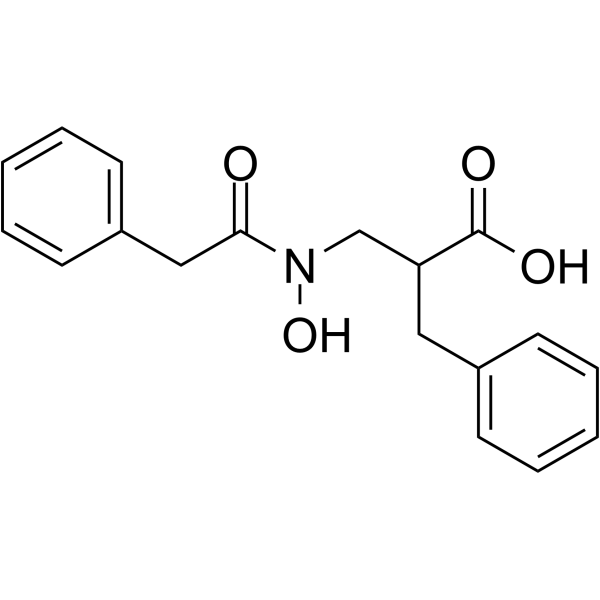
CPA inhibitor (Compound 5) (Carboxypeptidase inhibitor) is an orally active competitive carboxypeptidase A (CPA) inhibitor with a Ki value of 0.32 μM. CPA inhibitor blocks the activity of carboxypeptidase A3 (CPA3). CPA activator activates the Wnt/Lrp6/β-catenin signaling pathway. CPA inhibitor reduces epithelial damage. CPA inhibitor is applicable to research related to inflammatory bowel disease, including ulcerative colitis and Crohn's disease .
loading...
    loading...
3
3 Cited Publications
Cat. No.: HY-138301
CAS No.: 2494198-61-5
Purity:  99.48%
Synonyms: DS37262926
Target:  

Wnt β-catenin Apoptosis

Research Areas:  

Cancer

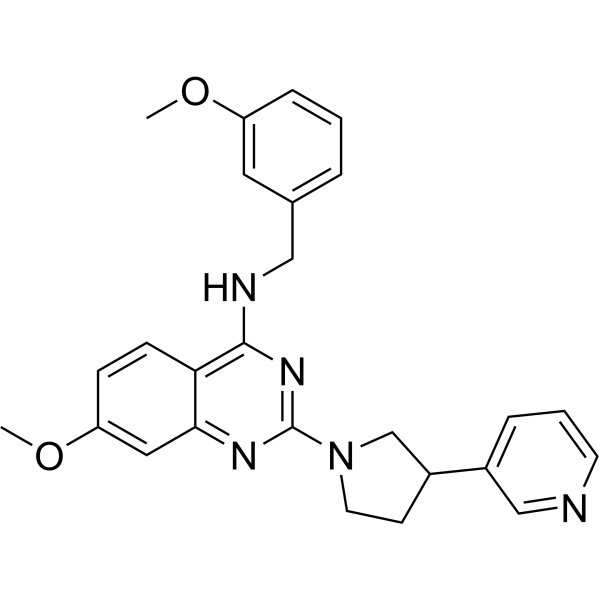
Miclxin (DS37262926) is a potent inhibitor of mutant β-catenin, involving in Wnt signaling pathway. Miclxin induces β-catenin-dependent apoptosis, leads to severe mitochondrial damage with the loss of mitochondrial membrane. Miclxin kills tumor via targeting to MIC60, a major components of the mitochondrial contact site and cristae organizing system (MICOS) complex .
loading...
    loading...
3
3 Cited Publications
Cat. No.: HY-P5819A
Target:  

PROTACs β-catenin Wnt

Research Areas:  

Cancer

xStAx-VHLL TFA is a β-catenin PROTAC degrader that promotes ubiquitination and proteasome degradation of β-catenin. xStAx-VHLL TFA inhibits the Wnt/β-catenin signaling pathway. xStAx-VHLL TFA can inhibit the proliferation of colon cancer cells and has anti-tumor activity .
loading...
    loading...
3
3 Cited Publications
Cat. No.: HY-137454
CAS No.: 1428064-91-8
Purity:  98.01%
Target:  

Wnt β-catenin

Research Areas:  

Inflammation/Immunology

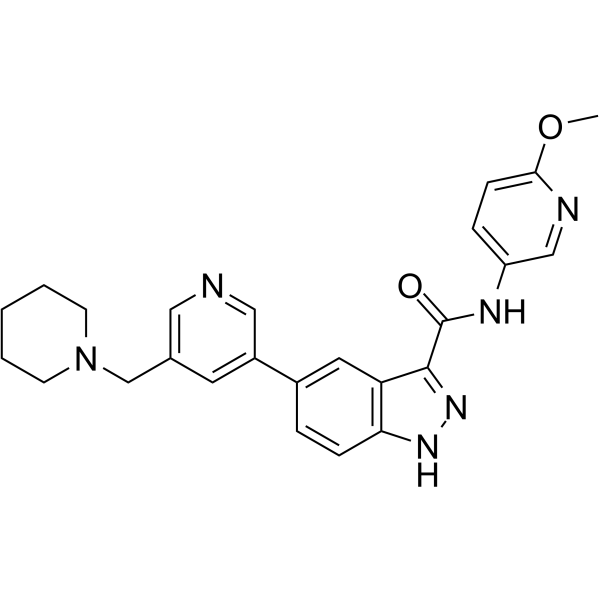
Teplinovivint is a potent wnt/β-catenin signaling pathway inhibitor. Teplinovivint has anti-inflammatory activity and has the potential for tendinopathy research .
loading...
    loading...
2
2 Cited Publications
Cat. No.: HY-117163
CAS No.: 2204290-85-5
Purity:  98.93%
Target:  

Wnt β-catenin PI3K Akt c-Myc CDK

Research Areas:  

Cancer

FzM1.8 is a Wnt/β-catenin signaling pathway agonist and an allosteric agonist of Frizzled 4 (FZD4), with a pEC50 of 6.4 for FZD4 . FzM1.8 stabilizes a conformation with increased affinity for heterotrimeric G proteins, promoting Gβγ release and subsequent PI3K activation. FzM1.8 activates the AKT pathway downstream of FZD4. FzM1.8 does not affect FZD4 maturation or plasma membrane localization and does not induce FZD4 endocytosis. FzM1.8 upregulates the WNT-responsive genes C-myc and Cyclin D1, while leaving lgr5 expression unchanged. FzM1.8 can be used for colon cancer research .
loading...
    loading...
2
2 Cited Publications
Cat. No.: HY-N0113
CAS No.: 539-15-1
Synonyms: Ordenina; Peyocactine
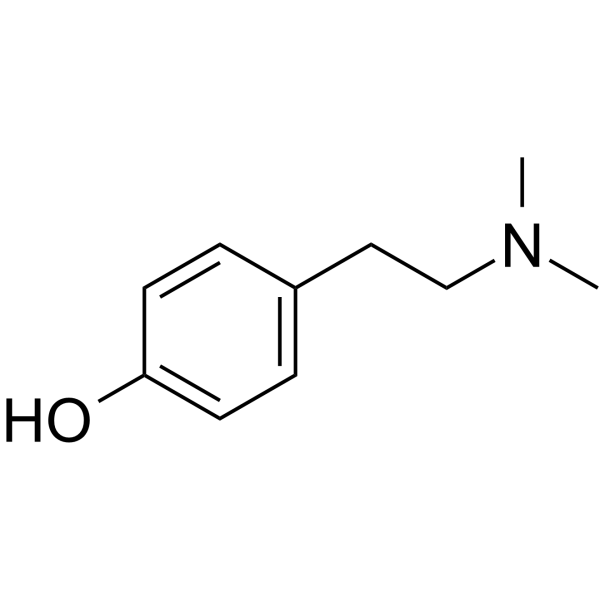
Hordenine (Ordenina; Peyocactine) is a multifunctional alkaloid with oral activity and blood-brain barrier penetration. Hordenine inhibits LPS-induced phosphorylation of p38, JNK, ERK1/2, p65, IκB, and AKT, prevents p65 nuclear translocation, and suppresses inflammatory cytokines and mediators. Hordenine promotes M2 macrophage polarization, restores blood-milk barrier integrity, alleviates oxidative stress by reducing ROS and MDA, and attenuates LPS-induced lung injury and pulmonary edema. Hordenine inhibits cAMP production, CREB phosphorylation, and MITF expression, thereby suppressing melanin synthesis in melanocytes and reconstructed epidermis. Hordenine activates the Wnt/β-catenin signaling pathway, promotes dermal papilla cell proliferation and hair shaft elongation, and accelerates hair regeneration. Hordenine activates DRD2, acts as a D3R partial agonist, α2A-AR full agonist, and 5-HT2A-R antagonist, and inhibits SERT and DAT. Hordenine inhibits α-synuclein accumulation and ameliorates motor deficits in Parkinson's disease models. Hordenine limits alcohol intake, reduces relapse drinking behavior, and modulates alcohol-induced conditioned place preference. Hordenine can be used for research on mastitis, skin pigmentation, acute lung injury, foodborne diseases, hair loss, Parkinson's disease, bacterial infections, and alcohol use disorder .
loading...
    loading...
2
2 Cited Publications
Cat. No.: HY-N0113B
CAS No.: 6027-23-2
Synonyms: Ordenina hydrochloride; Peyocactine hydrochloride
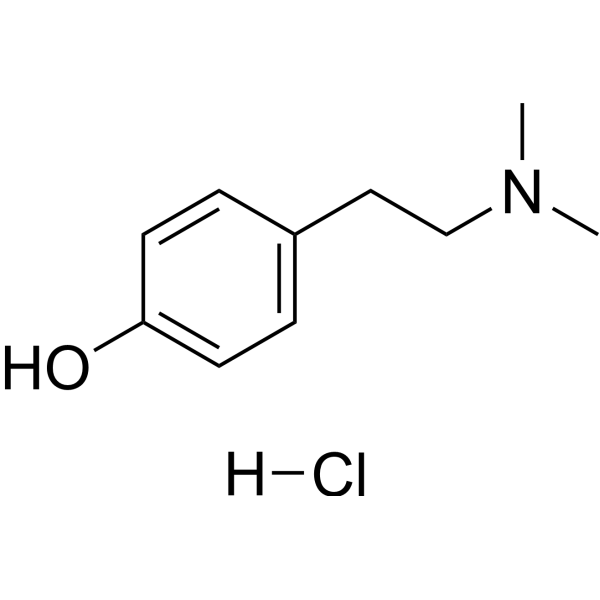
Hordenine hydrochloride (Ordenina hydrochloride; Peyocactine hydrochloride) is a multifunctional alkaloid with oral activity and blood-brain barrier penetration. Hordenine hydrochloride inhibits LPS-induced phosphorylation of p38, JNK, ERK1/2, p65, IκB, and AKT, prevents p65 nuclear translocation, and suppresses inflammatory cytokines and mediators. Hordenine hydrochloride promotes M2 macrophage polarization, restores blood-milk barrier integrity, alleviates oxidative stress by reducing ROS and MDA, and attenuates LPS-induced lung injury and pulmonary edema. Hordenine hydrochloride inhibits cAMP production, CREB phosphorylation, and MITF expression, thereby suppressing melanin synthesis in melanocytes and reconstructed epidermis. Hordenine hydrochloride activates the Wnt/β-catenin signaling pathway, promotes dermal papilla cell proliferation and hair shaft elongation, and accelerates hair regeneration. Hordenine hydrochloride activates DRD2, acts as a D3R partial agonist, α2A-AR full agonist, and 5-HT2A-R antagonist, and inhibits SERT and DAT. Hordenine hydrochloride inhibits α-synuclein accumulation and ameliorates motor deficits in Parkinson's disease models. Hordenine hydrochloride limits alcohol intake, reduces relapse drinking behavior, and modulates alcohol-induced conditioned place preference. Hordenine hydrochloride can be used for research on mastitis, skin pigmentation, acute lung injury, foodborne diseases, hair loss, Parkinson's disease, bacterial infections, and alcohol use disorder .
loading...
    loading...
1
1 Cited Publications
Cat. No.: HY-N1499
CAS No.: 13133-07-8
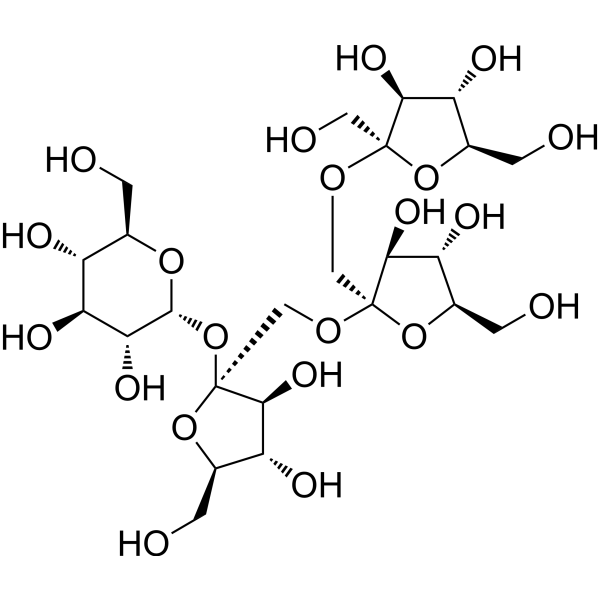
Nystose is a tetrasaccharide with two fructose molecules linked via beta (1→2) bonds to the fructosyl moiety of sucrose. Nystose exhibits prebiotic, immunomodulatory, and metabolism regulating activities. Nystose promotes the bone mineralization by activating the Wnt/β-catenin signaling pathway .
loading...
    loading...

