
1. Search Result
Search Result
Results for "

antioxidant effect

" in MedChemExpress (MCE) Product Catalog:

154

Inhibitors & Agonists

2

Screening Libraries

1

Fluorescent Dyes

5

Biochemical Assay Reagents

3

Peptides

79

Natural
Products

8

Isotope-Labeled Compounds

1

Oligonucleotides

1

GMP Molecules

Cat. No. Product Name Target Research Areas Chemical Structure
  • HY-101445
    Trolox
    30+ Cited Publications

    Reactive Oxygen Species (ROS) Ferroptosis Apoptosis Cancer
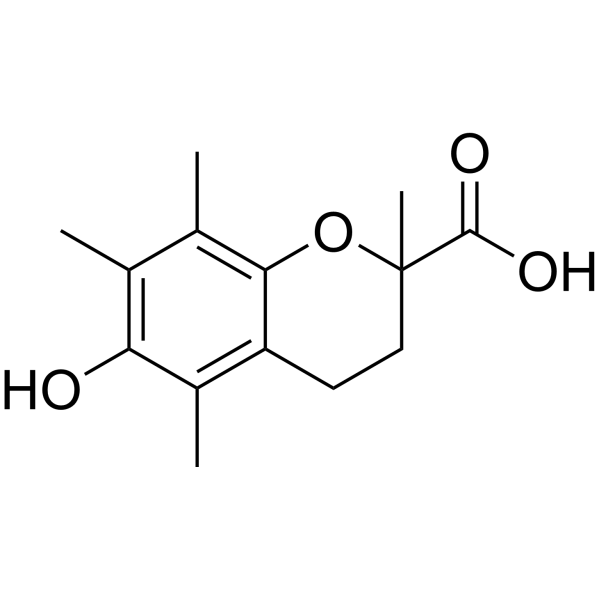
    Trolox is an analogue of vitamin E with a powerful antioxidant effect. Trolox is also a powerful inhibitor of membrane damage .
    Trolox
  • HY-N1438
    Hydroxygenkwanin
    2 Publications Verification

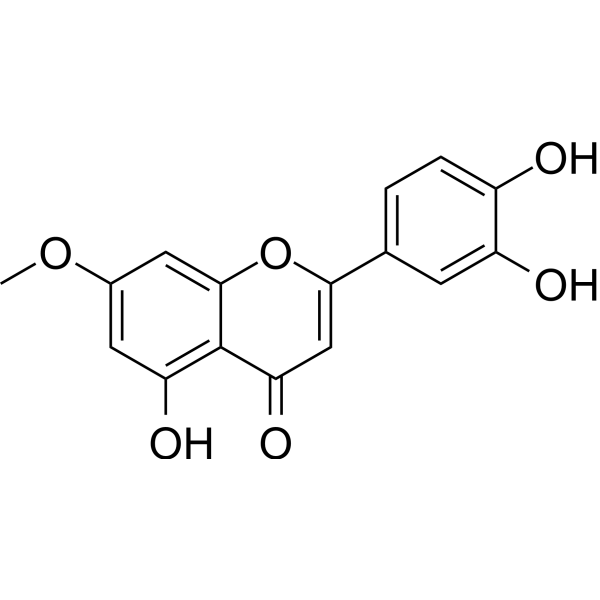
    7-O-Methylluteolin

    Others Cancer
    Hydroxygenkwanin (7-O-Methylluteolin), a natural flavonoid compound, is one of the main components of Lilac Daphne. Hydroxygenkwanin has anti-oxidant ability, anti-glioma ability and anticancer effect .
    Hydroxygenkwanin
  • HY-B1041
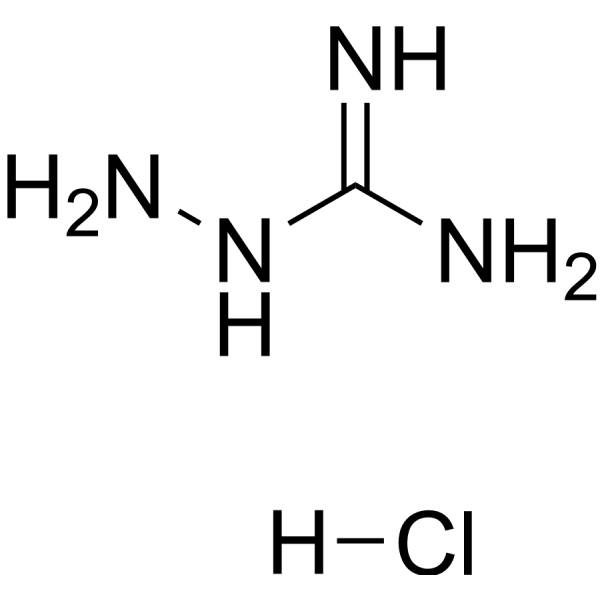
    Aminoguanidine hydrochloride
    5+ Cited Publications

    Pimagedine hydrochloride; GER-11; Aminoguanidinium chloride

    NO Synthase Apoptosis ERK Neurological Disease Metabolic Disease Inflammation/Immunology
    Aminoguanidine (Pimagedine) hydrochloride is an inhibitor of diamine oxidase (DAO) and nitric oxide synthase (NOS). Aminoguanidine hydrochloride can reduce the formation of advanced glycation end products (AGEs). Aminoguanidine hydrochloride has a dose-dependent inhibitory effect on Doxorubicin (HY-15142)-induced cell apoptosis. Aminoguanidine hydrochloride has antioxidant properties. Aminoguanidine hydrochloride can be used in the research of diabetic nephropathy .
    Aminoguanidine hydrochloride
  • HY-13315
    Montelukast sodium
    10+ Cited Publications

    MK0476

    Leukotriene Receptor Inflammation/Immunology Cancer
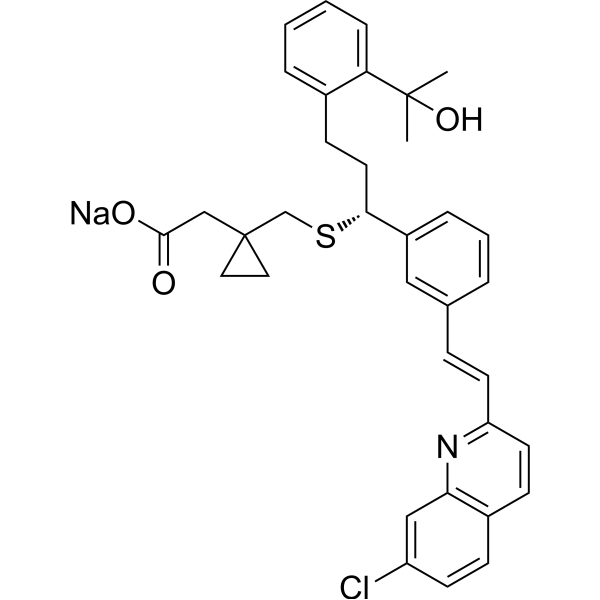
    Montelukast sodium (MK0476) is a potent, selective and orally active antagonist of cysteinyl leukotriene receptor 1 (CysLT1). Montelukast sodium can be used for the reseach of asthma and liver injury. Montelukast sodium also has an antioxidant effect in intestinal ischemia-reperfusion injury, and could reduce cardiac damage. Montelukast sodium decreases eosinophil infiltration into the asthmatic airways. Montelukast sodium can also be used for COVID-19 research .
    Montelukast sodium
  • HY-113556
    Sappanone A
    5+ Cited Publications

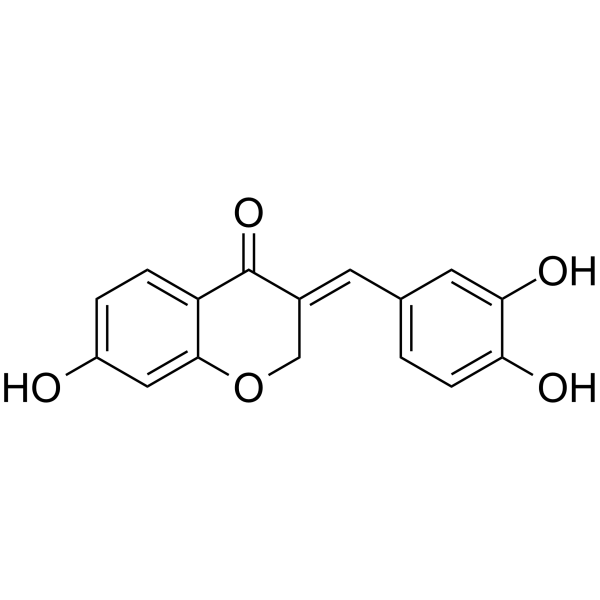
    Phosphodiesterase (PDE) NF-κB Keap1-Nrf2 Reactive Oxygen Species (ROS) TNF Receptor Nuclear Factor of activated T Cells (NFAT) Akt ERK p38 MAPK NO Synthase Interleukin Related COX JNK Cardiovascular Disease Inflammation/Immunology
    Sappanone A is an orally active homoisoflavone found in sappan L. Sappanone A is a PDE4 and NF-κB inhibitor with anti-inflammatory and antioxidant effect. Sappanone A induces HO-1 expression through activation of Nrf2 pathway. Sappanone A also inhibits RANKL-induced osteoclastogenesis. Sappanone A has great potential in the research of inflammation-related and cardiovascular .
    Sappanone A
  • HY-13315A
    Montelukast
    10+ Cited Publications

    MK0476 free base

    Leukotriene Receptor Inflammation/Immunology Cancer
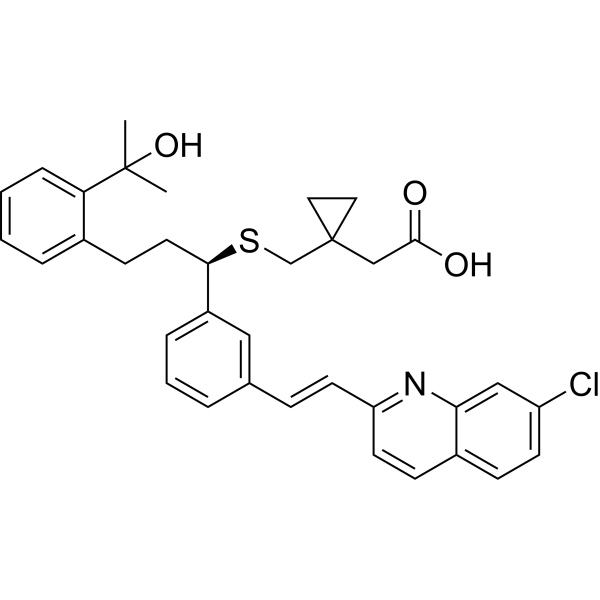
    Montelukast (MK0476 free base) is a potent, selective and orally active antagonist of cysteinyl leukotriene receptor 1 (CysLT1). Montelukast can be used for the reseach of asthma and liver injury. Montelukast also has an antioxidant effect in intestinal ischemia-reperfusion injury, and could reduce cardiac damage. Montelukast decreases eosinophil infiltration into the asthmatic airways. Montelukast can also be used for COVID-19 research .
    Montelukast
  • HY-116807
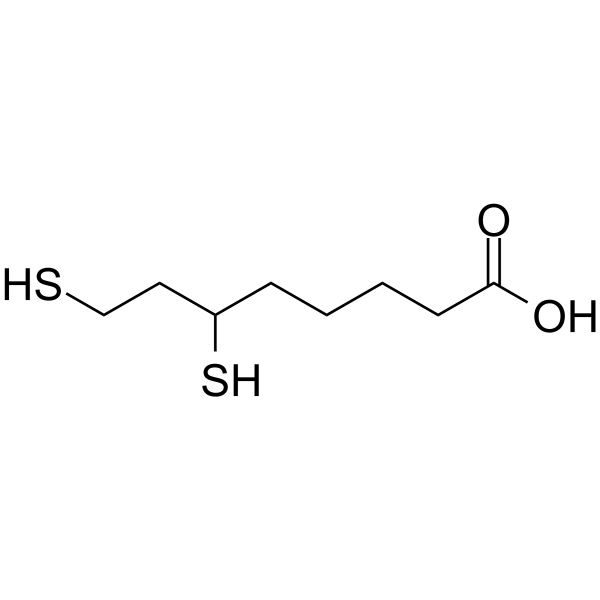
    Dihydrolipoic Acid
    2 Publications Verification

    DHLA

    Reactive Oxygen Species (ROS) Neurological Disease Inflammation/Immunology
    Dihydrolipoic Acid (DHLA) is an excellent antioxidant capable of scavenging almost any oxygen-centered radical . Dihydrolipoic acid exhibits anti-inflammatory properties in various diseases. Dihydrolipoic Acid exerts a preventive effect via ERK/Nrf2/HO-1/ROS/NLRP3 pathway in LPS-induced sickness behavior rats. Dihydrolipoic Acid can be used for the reaserch of depression .
    Dihydrolipoic Acid
  • HY-B0612A
    Lercanidipine hydrochloride
    1 Publications Verification

    Calcium Channel Apoptosis Reactive Oxygen Species (ROS) p38 MAPK NF-κB Cardiovascular Disease Neurological Disease
    Lercanidipine is a third-generation, lipophilic, brain-penetrant, vascular-selective and orally active dihydropyridine-calcium channel blocker with a pIC50 of 7.74 (converts from μM). Lercanidipine has long lasting antihypertensive action as well as reno- and neuro-protective effect. Lercanidipine also shows anti-oxidant, anti-inflammatory and anti-apoptotic properties. Lercanidipine can be used in cardiovascular and neurological research .
    Lercanidipine hydrochloride
  • HY-Z0548

    Protocatechuic acid methyl ester; Methyl protocatechuate

    Keap1-Nrf2 Apoptosis Inflammation/Immunology Cancer
    Methyl 3,4-dihydroxybenzoate (Protocatechuic acid methyl ester; Methyl protocatechuate) is a major metabolite of antioxidant polyphenols found in green tea. Antioxidant and anti-inflammatory effect .
    Methyl 3,4-dihydroxybenzoate
  • HY-Y0892
    4-Hydroxybenzyl alcohol
    1 Publications Verification

    Apoptosis Endogenous Metabolite Neurological Disease Inflammation/Immunology Cancer
    4-Hydroxybenzyl alcohol is a phenolic compound widely distributed in various kinds of plants. Anti-inflammatory, anti-oxidant, anti-nociceptive activity. Neuroprotective effect. Inhibitor of tumor angiogenesis and growth .
    4-Hydroxybenzyl alcohol
  • HY-B0612
    Lercanidipine
    1 Publications Verification

    Calcium Channel Apoptosis Reactive Oxygen Species (ROS) p38 MAPK NF-κB Cardiovascular Disease Neurological Disease
    Lercanidipine is a third-generation, lipophilic, brain-penetrant, vascular-selective and orally active dihydropyridine-calcium channel blocker with a pIC50 of 7.74 (converts from μM). Lercanidipine has long lasting antihypertensive action as well as reno- and neuro-protective effect. Lercanidipine also shows anti-oxidant, anti-inflammatory and anti-apoptotic properties. Lercanidipine can be used in cardiovascular and neurological research .
    Lercanidipine
  • HY-112578

    Others Metabolic Disease Inflammation/Immunology
    Betanin has potent antioxidant and anti-inflammatory effect, that could inhibit peroxynitrite (ONOO -), with an IC50 of 19.2 μM. Betanin is a red glycoside obtained from beets that can be used as colorant.
    Betanin
  • HY-N0594

    SOD Interleukin Related TNF Receptor Inflammation/Immunology
    Deacetylasperulosidic Acid is an orally active antioxidant. Deacetylasperulosidic Acid exerts a definite in vivo antioxidant effect and alleviates oxidative stress injury by enhancing SOD activity. In atopic dermatitis models, Deacetylasperulosidic Acid corrects Th2-skewed immune imbalance and reduces allergy-related factors; in immunosuppression models, it activates cellular immunity, enhances NK cell activity and IL-2 production. Deacetylasperulosidic Acid can be used in the research of atopic dermatitis .
    Deacetylasperulosidic Acid
  • HY-N8015
    Octanal
    1 Publications Verification

    Environmental Pollutants Endogenous Metabolite Fungal Bacterial Infection Cancer
    Octanal is a fragrant aldehyde with antioxidant and antibacterial activity. Its antifungal effect against G. citri-aurantii may be related to the disruption of cell membrane integrity and the leakage of cellular components. Additionally, Octanal exhibits cytotoxicity towards HeLa cells, with an IC50 value of 3.5 μg/mL .
    Octanal
  • HY-N2011
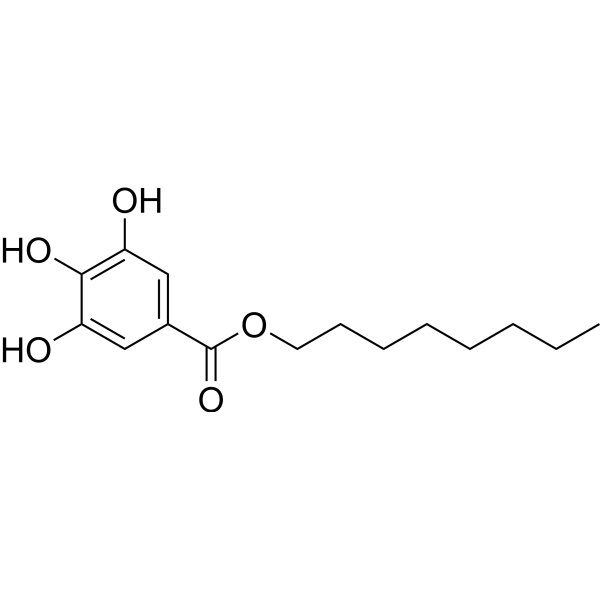
    Octyl gallate
    3 Publications Verification

    n-Octyl gallate; Stabilizer GA 8

    VSV Bacterial HSV Influenza Virus Reactive Oxygen Species (ROS) Infection
    Octyl gallate (Progallin O) is widely used as a food additive, with antimicrobial and antioxidant activity . Octyl gallate (Progallin O) shows selective and sensitive fluorescent property . Octyl gallate shows a marked antiviral effect against HSV-1, vesicular stomatitis virus (VSV) and poliovirus .
    Octyl gallate
  • HY-Y1282

    Environmental Pollutants Biochemical Assay Reagents SOD Cardiovascular Disease Infection Neurological Disease
    Sodium tetraborate decahydrate is an orally active biochemical reagent and antibacterial agent. Sodium tetraborate decahydrate leads to an increase in the activity of Catalase, Superoxide dismutase. Sodium tetraborate decahydrate reduces Hydrogen sulfide and the sulfate-reducing bacteria population of swine manure. Sodium tetraborate decahydrate serves as flame suppressant for wood cellulose. Sodium tetraborate decahydrate is a triglyceride transesterification catalyst. Sodium tetraborate decahydrate suppresses the formation of chlorinated by-products in Cl -containing water. Sodium tetraborate decahydrate has a neuroprotective effect against chromium poisoning. Sodium tetraborate decahydrate can protect the heart from chromium damage at low doses. Sodium tetraborate in a low dose with an isolated application shows an antioxidant effect .
    Sodium tetraborate decahydrate
  • HY-Y1314
    Dimethyl sulfone
    3 Publications Verification

    Bacterial Metabolic Disease
    Dimethyl sulfone (Methyl Sulfonyl Methane) is a metabolic product of endogenous methanethiol metabolism and intestinal bacterial metabolism. Dimethyl sulfone inhibits choriocapillary endothelial (CCE) cell proliferation, also has many biological effects, including antiinflammatory, antioxidant, and local anesthetic effects that could be neuroprotective .
    Dimethyl sulfone
  • HY-113486
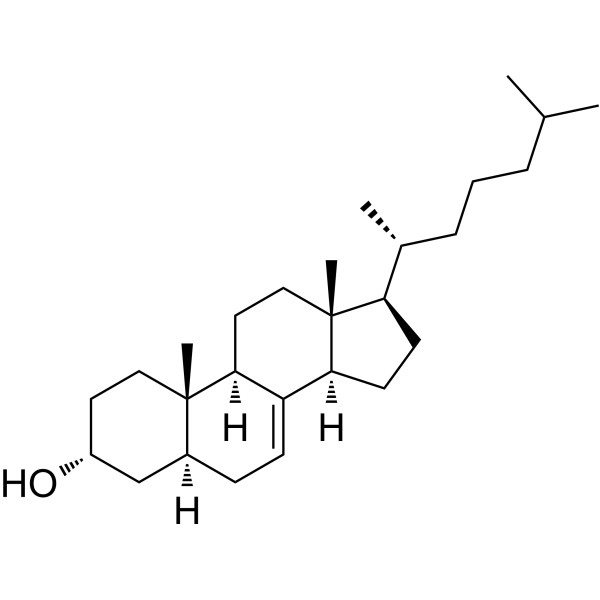
    Lathosterol
    2 Publications Verification

    Endogenous Metabolite SOD Lactate Dehydrogenase Metabolic Disease
    Lathosterol is a plant sterol and cholesterol-like molecule. Lathosterol increases antioxidant enzymes (such as SOD, CAT, and GSH) and decreases LDH. Lathosterol has a hepatoprotective effect on mice with acetaminophen (HY-66005)-induced liver injury [1] .
    Lathosterol
  • HY-N5092

    Reactive Oxygen Species (ROS) Cytochrome P450 Metabolic Disease
    7-Methylcoumarin is a coumarin derivative with potent hepatoprotective and antioxidant properties. 7-Methylcoumarin is a mechanism-based inhibitor for CYP2A6. 7-Methylcoumarin significantly decreases alanine aminotransferase (ALT), aspartate aminotransferase (AST), and serum bilirubin (TB) in rats with CCl4-induced liver damage, whilst restoring total protein (TP) and albumin (TA) levels in serum as well as preventing oxidative stress. 7-Methylcoumarin can decline mitotic activity of A. sativum promeristem .
    7-Methylcoumarin
  • HY-N6642

    PPAR Apoptosis Inflammation/Immunology Cancer
    Ankaflavin, isolated from Monascus-Fermented red rice, is an orally active PPARγ agonist. Ankaflavin exhibits selective cytotoxic effect and induces cell death through apoptosis on cancer cells. Ankaflavin has anti-inflammatory, anti-cancer, antiatherosclerotic, and hypolipidemic effects .
    Ankaflavin
  • HY-N2440
    Gypenoside A
    1 Publications Verification

    Interleukin Related Reactive Oxygen Species (ROS) AMPK FOXO COX Apoptosis Cardiovascular Disease Metabolic Disease Inflammation/Immunology
    Gypenoside A is an orally active triterpenoid compound that can be isolated from Gynostemma pentaphyllum. Gypenoside A has anti-inflammatory and antioxidant activities. Gypenoside A also has a certain protective effect on cardiomyocytes and can inhibit apoptosis. Gypenoside A can be used in the research of cardiovascular diseases and inflammation-related diseases .
    Gypenoside A
  • HY-N6613

    Galacturonic acid polymer

    Others Infection Inflammation/Immunology
    Polygalacturonic acid (Galacturonic acid polymer) is transparent colloid, is a major component of the cell wall. Polygalacturonic acid can be used to prepare silver nanoparticles (AgNPs), as an antioxidant and anti-inflammatory that protect cells from destructive effect of elevated ROS and accelerate wound healing. Polygalacturonic acid nanoparticles also displays anti-bacterial activity .
    Polygalacturonic acid
  • HY-159062

    Biochemical Assay Reagents NO Synthase Neurological Disease
    Goji Extract is a natural product with anti-aging, antioxidant, and neuroprotective effects. The antioxidant effect of Goji Extract has a positive impact on erectile dysfunction and can be used in research to improve erectile function .
    Goji Extract
  • HY-113314

    Endogenous Metabolite Cancer
    AFMK, antioxidant metabolite of Melatonin, attenuates X-ray-induced oxidative damage to DNA, proteins and lipids in mice. AFMK is a poorer scavenger. The pKa of AFMK at physiological pH is 8.7. Antioxidant capacity . AFMK improves the anti-tumor effect of Gemcitabine in PANC-1 cells through the modulation of apoptotic pathway .
    AFMK
  • HY-119152

    Insulin Receptor Tyrosinase Akt Others
    CMX-2043 is a novel analogue of α-Lipoic Acid (HY-N0492). CMX-2043 is effective in antioxidant effect, activation of insulin receptor kinase, soluble tyrosine kinase, and Akt phosphorylation. CMX-2043 shows protection against ischemia-reperfusion injury (IRI) in rat model .
    CMX-2043
  • HY-122311

    SMTP-7

    Reactive Oxygen Species (ROS) Neurological Disease Inflammation/Immunology
    Orniplabin (SMTP-7) is a low-molecular-weight compound that enhances plasminogen–fibrin binding, urokinase-catalyzed activation of plasminogen, and urokinase and plasminogen-mediated fibrin degradation. Orniplabin shows potential thrombolytic and anti-inflammatory effects. Orniplabin inhibits ROS .
    Orniplabin
  • HY-W130442

    SOD Inflammation/Immunology
    N-Isopropyl-N'-phenyl-p-phenylenediamine is an antioxidant used in rubber manufacturing to reduce the detrimental effect of oxygen. N-Isopropyl-N'-phenyl-p-phenylenediamine can cause contact allergy .
    N-Isopropyl-N'-phenyl-p-phenylenediamine
  • HY-P2920

    Biochemical Assay Reagents Thrombin Bacterial Infection Cardiovascular Disease
    Protamine from salmon is a biochemical agent with antioxidant, antiheparin and antimicrobial activities. Protamine from salmon neutralizes the anticoagulant effect of heparin, thereby preventing the formation of antithrombin complexes in canine samples pretreated with heparin in vitro .
    Protamine from salmon
  • HY-B1041A

    Pimagedine; GER-11free base ; Aminoguanidinium

    NO Synthase Apoptosis Endocrinology
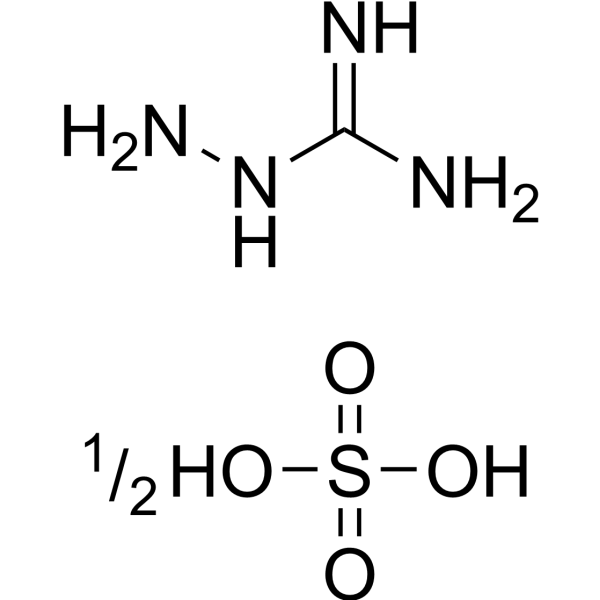
    Aminoguanidine (Pimagedine hydrochloride) is an inhibitor of diamine oxidase and nitric oxide synthase. Aminoguanidine has a dose-dependent inhibitory effect on apoptosis induced by Doxorubicin (HY-15142). Aminoguanidine has antioxidant properties. Aminoguanidine can be used in diabetic nephropathy research .
    Aminoguanidine
  • HY-W013494R

    Reference Standards Endogenous Metabolite Metabolic Disease Cancer
    L-Carnosine (Standard) is the analytical standard of L-Carnosine. This product is intended for research and analytical applications. L-Carnosine is a dipeptide of the amino acids beta-alanine and histidine and has the potential to suppress many of the biochemical changes that accompany aging. In Vitro: L-Carnosine is a dipeptide of the amino acids beta-alanine and histidine and has the potential to suppress many of the biochemical changes that accompany aging .
    L-Carnosine also exhibits some antioxidant effects. The antioxidant mechanism of L-Carnosine is attributed to its chelating effect against metal ions, superoxide dismutase (SOD)-like activity, and ROS and free radicals scavenging ability .
    L-Carnosine (Standard)
  • HY-N6669
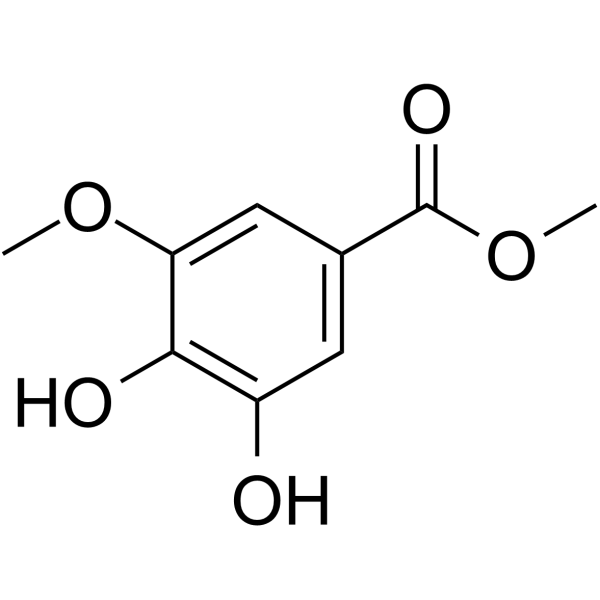
    Methyl 3-O-methylgallate
    2 Publications Verification

    M3OMG

    Others Neurological Disease
    Methyl 3-O-methylgallate (M3OMG) possesses antioxidant effect and can protect neuronal cells from oxidative damage .
    Methyl 3-O-methylgallate
  • HY-N9536

    GLP Receptor Metabolic Disease
    Cinnamtannin A2, a tetrameric procyanidin, can increases GLP-1 and insulin secretion in mice. Cinnamtannin A2 could upregulate the expression of corticotrophin releasing hormone. Cinnamtannin A2 exhibits antioxidant, anti-diabetic and nephroprotective effect .
    Cinnamtannin A2
  • HY-W015229R

    Indole-3-propionic acid (Standard); 3-IPA (Standard)

    Reference Standards Endogenous Metabolite Reactive Oxygen Species (ROS) Neurological Disease Metabolic Disease
    3-Indolepropionic acid (Standard) is the analytical standard of 3-Indolepropionic acid. This product is intended for research and analytical applications. 3-Indolepropionic acid is shown to be a powerful antioxidant and has potential in the treatment for Alzheimer’s disease. In Vitro: 3-Indolepropionic acid is shown to be a powerful antioxidant and has potential in the treatment for Alzheimer’s disease . 3-Indolepropionic acid is a more potent scavenger of hydroxyl radicals than melatonin. Similar to melatonin but unlike other antioxidants, 3-Indolepropionic acid scavenges radicals without subsequently generating reactive and pro-oxidant intermediate compounds . It is also suggested that indolepropionic acid, a gut microbiota-produced metabolite, is a potential biomarker for the development of type 2 diabetes (T2D) that may mediate its protective effect by preservation of β-cell function .
    3-Indolepropionic acid (Standard)
  • HY-N2011R

    n-Octyl gallate (Standard); Stabilizer GA 8 (Standard)

    VSV Reference Standards Bacterial HSV Influenza Virus Reactive Oxygen Species (ROS) Infection
    Octyl gallate (Standard) is the analytical standard of Octyl gallate. This product is intended for research and analytical applications. Octyl gallate (Progallin O) is widely used as a food additive, with antimicrobial and antioxidant activity . Octyl gallate (Progallin O) shows selective and sensitive fluorescent property . Octyl gallate shows a marked antiviral effect against HSV-1, vesicular stomatitis virus (VSV) and poliovirus .
    Octyl gallate (Standard)
  • HY-P0100

    Reactive Oxygen Species (ROS) Inflammation/Immunology
    AHK is a bioactive peptide with antioxidant effect and has been reported used as a cosmetic ingredient .
    AHK
  • HY-N1449

    Others Others
    Neonuezhenide exhibits strong antioxidant effect against hemolysis of red blood cells induced by free radicals .
    Neonuezhenide
  • HY-N3102

    p-Hydroxycinnamyl alcohol

    Others Others
    p-Coumaryl alcohol is an antioxidant that can be isolated from Alpinia officinarum Hance. p-Coumaryl alcohol has inhibitory effect during the autoxidation of methyl linoleate .
    p-Coumaryl alcohol
  • HY-N7031

    (±)​-Peganine

    Proton Pump Inflammation/Immunology
    (±)-Vasicine is the racemate of Vasicine. Vasicine (Peganine) significantly inhibits H +-K +-ATPase activity in vitro with an IC50 of 73.47 μg/mL. Anti-ulcer activity. Vasicine shows significant anti-secretory, antioxidant and cytoprotective effect .
    (±)​-​Vasicine
  • HY-N8015S

    Isotope-Labeled Compounds Bacterial Endogenous Metabolite Fungal Infection Cancer
    Octanal-d16 is the deuterium labeled Octanal. Octanal is a fragrant aldehyde with antioxidant and antibacterial activity. Its antifungal effect against G. citri-aurantii may be related to the disruption of cell membrane integrity and the leakage of cellular components. Additionally, Octanal exhibits cytotoxicity towards HeLa cells, with an IC50 value of 3.5 μg/mL .
    Octanal-d16
  • HY-N0521R

    Reference Standards Reactive Oxygen Species (ROS) Metabolic Disease Cancer
    (-)-Gallocatechin (Standard) is the analytical standard of (-)-Gallocatechin. This product is intended for research and analytical applications. (-)-Gallocatechin, an epimer of (-)-Epigallocatechin (EGC), is contained in various tea products. (-)-Gallocatechin has antioxidant activities. (-)-Gallocatechin is the main active component in green tea extract (HTP-GTE) responsible for its effect of improving age-related cognitive impairments involving protein kinase A (PKA) pathway .
    (-)-Gallocatechin (Standard)
  • HY-N0408R

    Reference Standards NF-κB Reactive Oxygen Species (ROS) Apoptosis Influenza Virus Infection Neurological Disease Inflammation/Immunology Cancer
    Picroside II (Standard) is the analytical standard of Picroside II. This product is intended for research and analytical applications. Picroside II, an iridoid compound extracted from Picrorhiza, exhibits anti-inflammatory and anti-apoptotic activities. picroside II alleviates the inflammatory response in sepsis and enhances immune function by inhibiting the activation of NLRP3 inflammasome and NF-κB pathways . Picroside II is an antioxidant, exhibits a significant neuroprotective effect through reducing ROS production and protects the blood-brain barrier (BBB) after cerebral ischemia-reperfusion (CI/R) injury. Picroside II has antioxidant, anti-inflammatory, immune regulatory, anti-virus and other pharmacological activities .
    Picroside II (Standard)
  • HY-149820

    Monoamine Oxidase Neurological Disease
    MAO-B-IN-22 (compound 6h) is a potent MAO-B inhibitor with an IC50 of 0.014 μM. MAO-B-IN-22 has high antioxidant activity, good metal chelating ability, proper BBB permeability and significant neuroprotective effect .
    MAO-B-IN-22
  • HY-Y0892R

    Reference Standards Apoptosis Endogenous Metabolite Neurological Disease Inflammation/Immunology Cancer
    4-Hydroxybenzyl alcohol (Standard) is the analytical standard of 4-Hydroxybenzyl alcohol. This product is intended for research and analytical applications. 4-Hydroxybenzyl alcohol is a phenolic compound widely distributed in various kinds of plants. Anti-inflammatory, anti-oxidant, anti-nociceptive activity. Neuroprotective effect. Inhibitor of tumor angiogenesis and growth [4].
    4-Hydroxybenzyl alcohol (Standard)
  • HY-19105A

    Histamine Receptor Inflammation/Immunology
    IT 066 hydrochloride is a Histamine H2 receptor antagonist. IT 066 hydrochloride possesses antioxidant activity and can protect rats against acute gastric mucosal injury induced by ischemia-reperfusion. IT 066 hydrochloride can also inhibit secretagogue-induced gastric acid secretion in rats and exert a long-acting anti-lesion effect on experimental gastric and duodenal lesions in rats. IT 066 hydrochloride is applicable for the research of gastrointestinal diseases .
    IT 066 hydrochloride
  • HY-N10020

    Lipoxygenase Inflammation/Immunology
    Patulitrin has scavenging effect in the DPPH radical. Patulitrin inhibits soybean lipoxygenase. Patulitrin also has antihypertensive effect. Patulitrin is an antioxidant flavonoid that can be isolated from Anthemis tinctoria .
    Patulitrin
  • HY-W129230

    2-Hydroxybenzoic acid diethylamine

    Reactive Oxygen Species (ROS) Others
    Salicylic acid diethylamine (2-Hydroxybenzoic acid diethylamine) is a hormone involved in plant signaling. Salicylic acid diethylamine antagonizes the oxidative damaging effect of metal toxicity directly by acting as an antioxidant to scavenge the ROS and by activating the antioxidant systems of plants and indirectly by reducing uptake of metals from their medium of growth .
    Salicylic acid diethylamine
  • HY-N2267

    Reactive Oxygen Species (ROS) Inflammation/Immunology
    (+)-Schisandrin B is an enantiomer of Schisandrin B. Schisandrin B is an active dibenzocyclooctadiene derivative isolated from the fruit of Schisandra chinensis, has antioxidant effect on rodent liver and heart .
    (+)-Schisandrin B
  • HY-112554

    Phosphatase Others
    PDM11 is a derivative of antioxidant resveratrol. PDM11 do not exhibit any significant protective effect against oxidation of linoleate micelles initiated by radiolysis-generated hydroxyl radicals. PDM11 is inactive in resveratrol activity assays .
    PDM11
  • HY-101445G

    Reactive Oxygen Species (ROS) Ferroptosis Apoptosis Cancer
    Trolox (GMP) is Trolox (HY-101445) produced by using GMP guidelines. GMP small molecules works appropriately as an auxiliary reagent for cell therapy manufacture. Trolox is an analogue of vitamin E with a powerful antioxidant effect. Trolox is also a powerful inhibitor of membrane damage .
    Trolox
  • HY-W780130

    Mitochondrial Metabolism GSK-3 Inflammation/Immunology
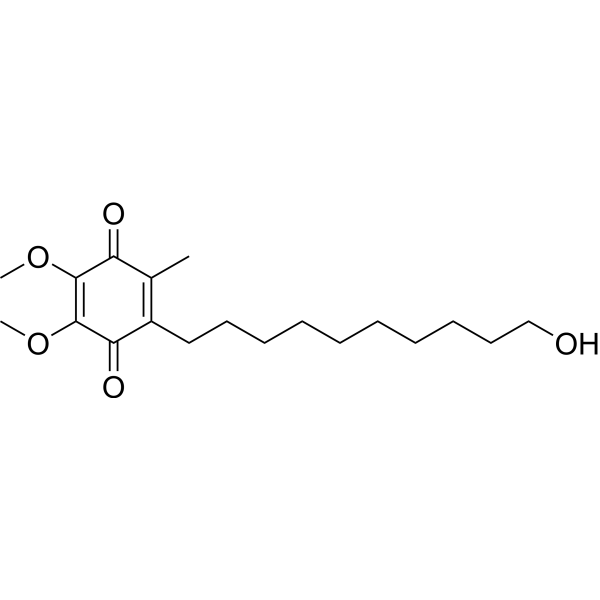
    SkQR1 hydroxide is a mitochondrial targeted antioxidant. SkQR1 hydroxide can inhibit glycogen synthase kinase 3β (GSK3β) in the brain. SkQR1 hydroxide has a significant memory promoting effect. SkQR1 hydroxide can be used for research related to brain memory .
    SkQR1 hydroxide

Inquiry Online

Your information is safe with us. * Required Fields.

Salutation


Country or Region *

Applicant Name *


Organization Name *

Department *


Email Address *


Product Name *

Cat. No.


Requested quantity *

Phone Number *


Remarks

Inquiry Online

Inquiry Information

Product Name:
Cat. No.:
Quantity:
MCE Japan Authorized Agent:

