
1. Search Result
Search Result
Results for "

bacterial resistance

" in MedChemExpress (MCE) Product Catalog:

108

Inhibitors & Agonists

2

Screening Libraries

6

Biochemical Assay Reagents

17

Peptides

21

Natural
Products

4

Isotope-Labeled Compounds

1

Click Chemistry

1

Oligonucleotides

Cat. No. Product Name Target Research Areas Chemical Structure
  • HY-B1329
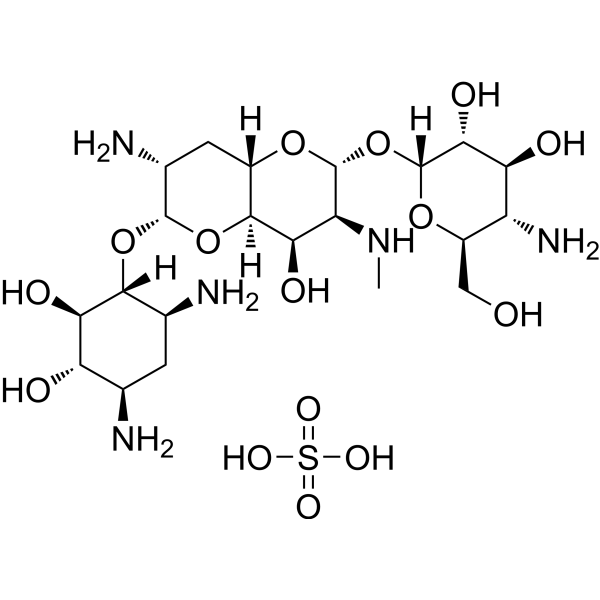
    Apramycin sulfate
    4 Publications Verification

    Nebramycin II sulfate

    Bacterial Antibiotic Infection
    Apramycin (EBL 1003) sulfate is an orally active, acidic pH tolerant and aminoglycoside-modifying-enzymes-tolerant aminoglycoside antibiotic which inhibits protein biosynthesis by targeting the bacterial ribosome. Apramycin sulfate is a potential anti-drug-resistance antibiotic .
    Apramycin sulfate
  • HY-B1455
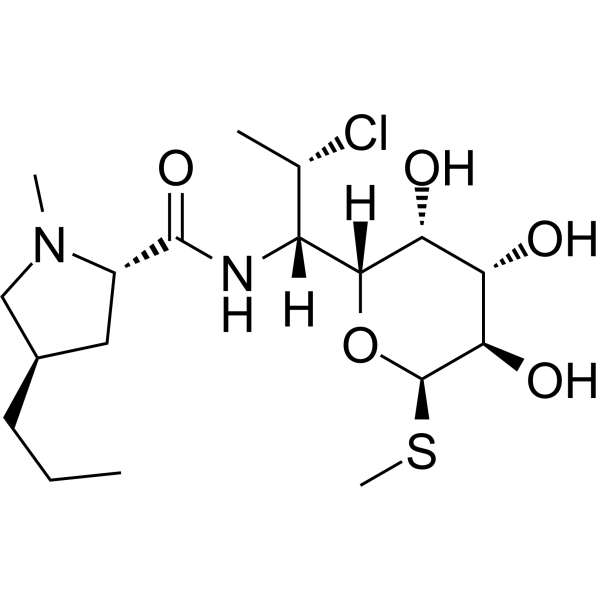
    Clindamycin
    10+ Cited Publications

    Bacterial Antibiotic Parasite Infection Cancer
    Clindamycin is an orally active and broad-spectrum bacteriostatic lincosamide antibiotic. Clindamycin can inhibit bacterial protein synthesis, possessing the ability to suppress the expression of virulence factors in Staphylococcus aureus at sub-inhibitory concentrations (sub-MICs). Clindamycin resistance results from enzymatic methylation of the antibiotic binding site in the 50S ribosomal subunit (23S rRNA). Clindamycin decreases the production of Panton-Valentine leucocidin (PVL), toxic-shock-staphylococcal toxin (TSST-1) or alpha-haemolysin (Hla). Clindamycin also can be used for researching malaria .
    Clindamycin
  • HY-B0887
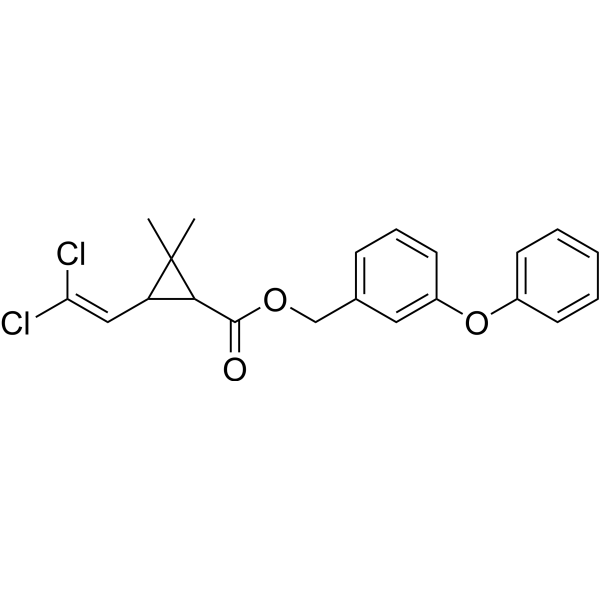
    Permethrin
    1 Publications Verification

    NRDC-143

    Environmental Pollutants Parasite Mitochondrial Metabolism Sodium Channel Infection Neurological Disease
    Permethrin (NRDC-143) is an insecticide, acaricide and a high selectively inhibitor of the Mitochondrial complex I, found in sediment and water samples. Permethrin shows estrogenic in vivo and anti-estrogenic activity in vitro. Permethrin also acts as a neurotoxin affecting neuron membranes by prolonging Sodium channel activation. Permethrin decreases resistance to bacterial infections in medaka (Oryzias latipes) .
    Permethrin
  • HY-N7378
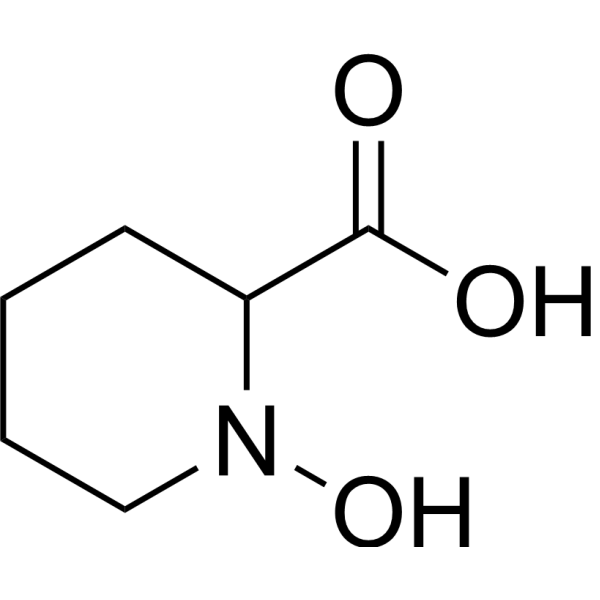
    N-Hydroxypipecolic acid
    5 Publications Verification

    1-Hydroxy-2-piperidinecarboxylic acid; NHP

    Bacterial Inflammation/Immunology
    N-Hydroxypipecolic acid (1-Hydroxy-2-piperidinecarboxylic acid), a plant metabolite and a systemic acquired resistance (SAR) regulator, orchestrates SAR establishment in concert with the immune signal salicylic acid. N-Hydroxypipecolic acid accumulates systemically in the plant foliage in response to pathogen attack. N-Hydroxypipecolic acid induces SAR to bacterial and oomycete infection .
    N-Hydroxypipecolic acid
  • HY-W001132
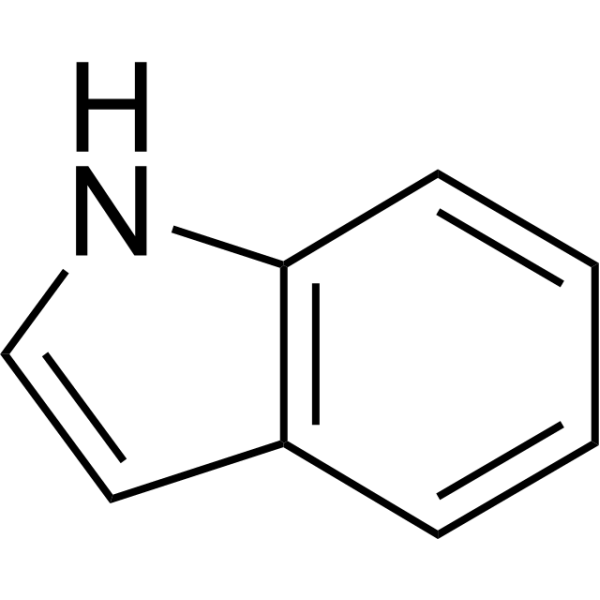
    Indole
    2 Publications Verification

    Environmental Pollutants Endogenous Metabolite Infection
    Indole is an aromatic, heterocyclic, organic compound which widely distributed in the natural environment and can be produced by a variety of bacteria. Indole regulates various aspects of bacterial physiology, including spore formation, plasmid stability, resistance to drugs, biofilm formation, and virulence as an intercellular signal molecule .
    Indole
  • HY-Y0079

    Endogenous Metabolite Infection
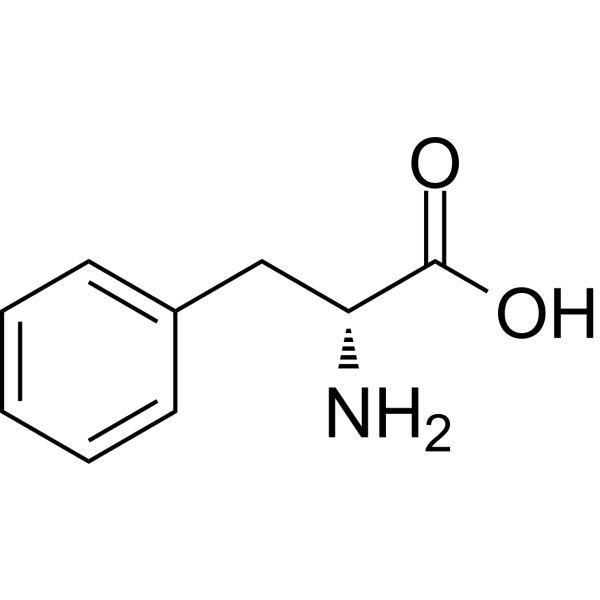
    D-Phenylalanine is an atypical D-amino acid and an inhibitor of bacterial biofilm formation. D-Phenylalanine mainly replaces D-alanine (D-Ala) by incorporating into the fourth and fifth positions of bacterial peptidoglycan (PG), changing the cell wall structure, enhancing bacterial acid resistance and affecting biofilm formation. D-Phenylalanine may promote the secretion of peptide tyrosine tyrosine (PYY) in mammals by activating the intestinal GPR109B receptor. D-Phenylalanine can inhibit the maturation of microbial biofilms and promote the release of specific hormones. It can be used for antibacterial preservation, improving the yield of probiotics in the food industry, and studying appetite regulation and blood sugar control in metabolic diseases such as diabetes .
    D-Phenylalanine
  • HY-N9497

    Galectin Fungal Infection
    Galactinol is a disaccharide carbohydrate serving as a galactosyl donor, which belongs to the raffinose family oligosaccharide pathway and acts as an important osmoprotectant. Galactinol not only induces disease resistance in plants against fungal and bacterial pathogens, but also significantly enhances plant tolerance to abiotic stresses such as drought, high salinity, low temperature and oxidative damage. In addition, Galactinol has the ability to scavenge hydroxyl radicals, can act as a signaling component for root colonization-induced systemic resistance, and is positively correlated with seed longevity in various crops, making it a potential biomarker for evaluating seed vigor. Therefore, Galactinol can be used in the research of various plant diseases including fungal leaf spot, bacterial angular leaf spot, gray mold and soft rot .
    Galactinol
  • HY-17028

    Bacterial Antibiotic DNA/RNA Synthesis Topoisomerase Infection Inflammation/Immunology
    Besifloxacin Hydrochloride is a fourth generation fluoroquinolone antibiotic. Besifloxacin Hydrochloride is a DNA gyrase and topoisomerase IV inhibitor. Besifloxacin Hydrochloride has broad-spectrum antibacterial activity, it is effective against Gram-negative and Gram-positive aerobic and anaerobic strains and reduces the incidence of drug resistance. Besifloxacin Hydrochloride has anti-inflammatory activity. Besifloxacin Hydrochloride can be used in bacterial conjunctivitis research .
    Besifloxacin Hydrochloride
  • HY-P1934
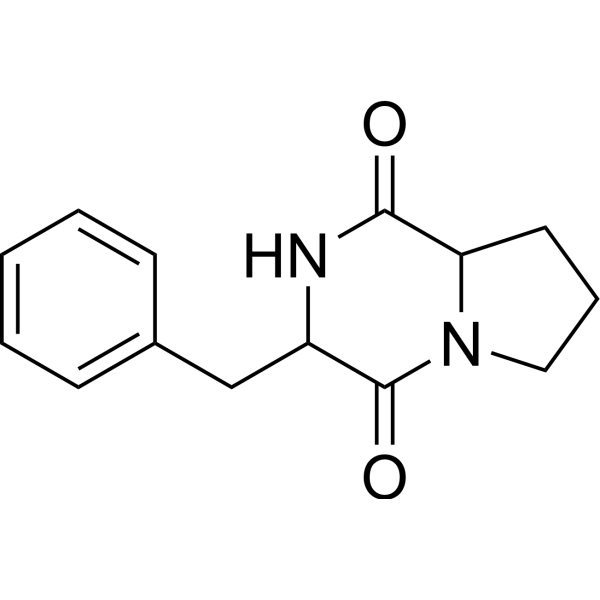
    Cyclo(Phe-Pro)
    Maximum Cited Publications
    7 Publications Verification

    Cyclo(phenylalanylprolyl); A-64863

    HCV Bacterial Antibiotic Reactive Oxygen Species (ROS) Infection
    Cyclo(Phe-Pro) (Cyclo(phenylalanylprolyl)) is a quorum-sensing molecule of Vibrio vulnificus that specifically interacts with RIG-I, inhibiting RIG-I polyubiquitination, suppressing IRF-3 activation, and reducing type I interferon production. Cyclo(Phe-Pro) enhances susceptibility to HCV and influenza virus and also alleviates plant aluminum toxicity stress. The mechanism of Cyclo(Phe-Pro) involves the regulation of host immune signaling pathways, bacterial virulence gene expression, and plant antioxidant systems, making it a promising candidate for research in viral infections, bacterial virulence regulation, and agricultural stress resistance .
    Cyclo(Phe-Pro)
  • HY-P2036A
    FSL-1 TFA
    4 Publications Verification

    Toll-like Receptor (TLR) MMP HSV Antibiotic Infection
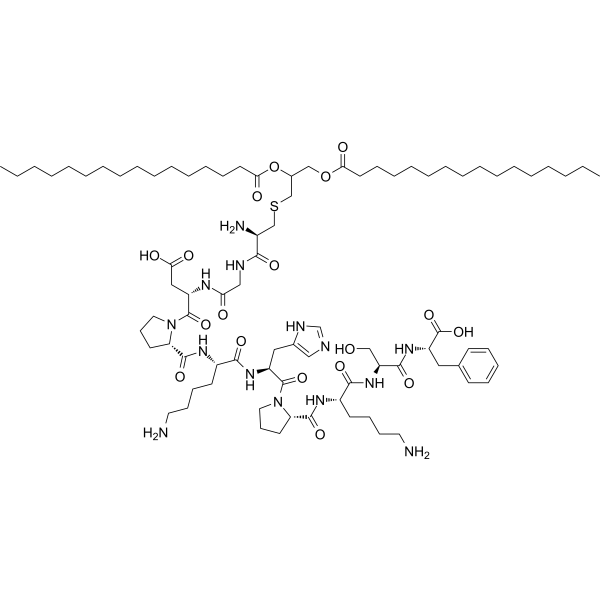
    FSL-1 TFA, a bacterial-derived toll-like receptor 2/6 (TLR2/6) agonist, enhances resistance to experimental HSV-2 infection . FSL-1 TFA induces MMP-9 production through TLR2 and NF-κB/AP-1 signaling pathways in monocytic THP-1 cells .
    FSL-1 TFA
  • HY-D0180

    18C6; 1,4,7,10,13,16-Hexaoxacyclooctadecane

    Bacterial Infection
    18-Crown-6-ether is a type of crown ether compound and a specific structure dissociating agent. 18-Crown-6-ether can compete with K + for binding to G-quadruplexes, disrupting their stable structure to regulate the functions of related systems. 18-Crown-6-ether combines with K + and other metal ions to achieve precise ion transmembrane transport. 18-Crown-6-ether can act as an "susceptibility substrate" for the multi-drug efflux pump EmrE (a bacterial multidrug resistance transporter), ultimately inhibiting bacterial growth. 18-Crown-6-ether can be used in microcapsule controlled release and the research on developing antibacterial enhancers .
    18-Crown-6-ether
  • HY-B1325

    Bacterial Antibiotic Infection Inflammation/Immunology
    Cefuroxime axetil is an orally effective broad-spectrum β-lactam antibiotic that targets bacterial penicillin-binding proteins (PBPs, such as PBP3 and PBP1). Cefuroxime axetil inhibits cell wall synthesis, leading to bacterial lysis and death, with a minimum inhibitory concentration (MIC) of 0.12-4 mg/L for non-typeable Haemophilus influenzae (NTHi). Cefuroxime axetil is hydrolyzed by esterase to the active ingredient Cefuroxime (HY-B1256A) after oral absorption. Topical administration of Cefuroxime via bioadhesive nanoparticles (BNPs) can prolong the drug's retention time in the middle ear (≥7 days). Cefuroxime axetil can be used in the study of otitis media (especially NTHi infection). Cefuroxime axetil can achieve precise antibacterial effects through oral or topical nano-delivery systems, reducing systemic exposure and the risk of antibiotic resistance .
    Cefuroxime axetil
  • HY-D1056B3

    LPS, from bacterial (Klebsiella pneumoniae)

    Toll-like Receptor (TLR) Inflammation/Immunology
    Lipopolysaccharides, from Klebsiella pneumoniae (LPS, from bacterial (Klebsiella pneumoniae)) are lipopolysaccharide endotoxins and TLR4 activators derived from Klebsiella pneumoniae, and are classified as S-type LPS. Lipopolysaccharides, from Klebsiella pneumoniae exhibit a typical three-part structure: O-antigen, core oligosaccharide, and lipid A. Lipopolysaccharides, from Klebsiella pneumoniae may participate in bacterial immune evasion by inhibiting complement-mediated killing and suppressing the host's secretion of antimicrobial peptides, thereby allowing the bacteria to escape immune defenses. Lipopolysaccharides, from Klebsiella pneumoniae possess high viscosity and resistance to serum-mediated killing, which may lead to sepsis. Lipopolysaccharides, from Klebsiella pneumoniae can be used to construct Acute Lung Injury Model .
    It is recommended to prepare a solution with concentration ≥2 mg/mL. Vortex thoroughly for more than 10 minutes. Due to the adsorption characteristics of LPS, silanized container or low adsorption centrifuge tubes should be used for aliquoting and storage, and mix thoroughly before use.
    Lipopolysaccharides, from Klebsiella pneumoniae
  • HY-P2036
    FSL-1
    4 Publications Verification

    Toll-like Receptor (TLR) Antibiotic Infection
    FSL-1, a bacterial-derived toll-like receptor 2/6 (TLR2/6) agonist, enhances resistance to experimental HSV-2 infection .
    FSL-1
  • HY-N6869
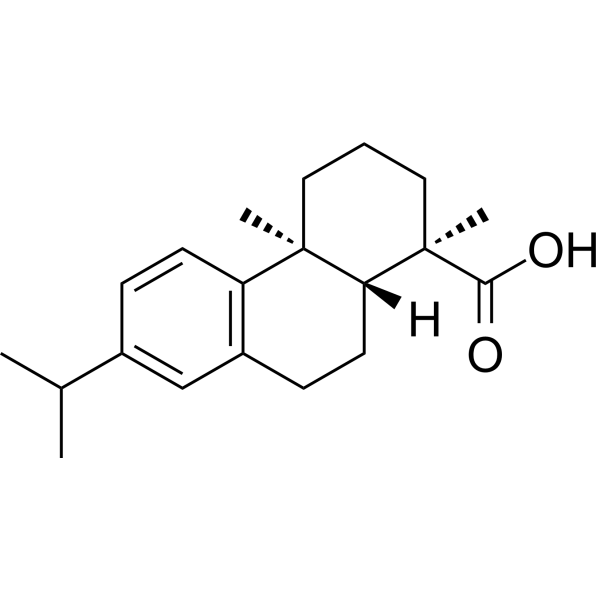
    Dehydroabietic acid
    1 Publications Verification

    Antibiotic PPAR Bacterial Fungal Infection Metabolic Disease Inflammation/Immunology Cancer
    Dehydroabietic acid is a diterpene resin acid that can be isolated from Pinus and Picea. Dehydroabietic acid has anti-bacterial, anti-fungal, anti-inflammatory, and anticancer activities. Dehydroabietic acid is a dual PPAR-α/γ agonist and PPAR-γ partial agonist, which can attenuate insulin resistance (IR) and hepatic steatosis induced by HFD-consumption in mice .
    Dehydroabietic acid
  • HY-N8393

    Bacterial Fungal Infection
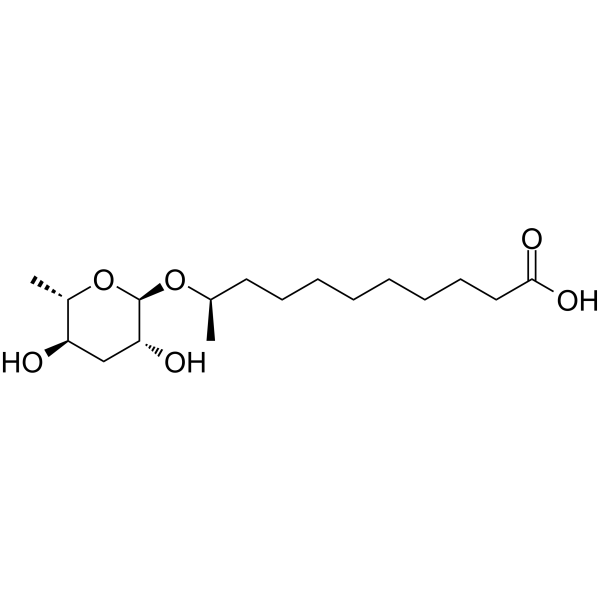
    Ascr#18, an ascaroside, is a hormone of nematodes. Ascr#18 is expressed during nematode development. Ascr#18 increases resistance in Arabidopsis, tomato, potato and barley to viral, bacterial, oomycete, fungal and nematode infections .
    Ascr#18
  • HY-P3078

    Bacterial Antibiotic Infection
    Amphomycin is a lipopeptide antibiotic that inhibits peptidoglycan synthesis and blocks cell wall development. Amphomycin exhibits potent antibacterial activities against methicillin-resistant S. aureus (MRSA), vancomycin-resistant enterococci (VRE), penicillin-gentamicin-erythromycin-resistant S. pneumonia, and linezolid-quinupristin-dalfopristin-resistant enterococci .
    Amphomycin
  • HY-W016477

    Bacterial Infection
    Phenazine is an electron shuttles, which modulates the redox state of cells and the downstream gene expression related to biofilm formation and bacterial survival. Phenazines is a biocontrol agents, which affects the growth of plants and induces the systemic resistance in plants. Phenazine maintains NAD+/NADH balance .
    Phenazine
  • HY-P10396

    Bacterial Infection Inflammation/Immunology
    Elf18 is a peptide fragment of bacterial translation elongation factor Tu (EF-Tu). Elf18 can be recognized by plant pattern recognition receptors, thereby inducing an immune response. Elf18 can enhance plants' resistance to pathogens and can be used in research related to plant immune responses .
    Elf18
  • HY-N4314
    Scutellarein tetramethyl ether
    4 Publications Verification

    4',5,6,7-Tetramethoxyflavone

    Bacterial COX NO Synthase NF-κB Infection Inflammation/Immunology Cancer
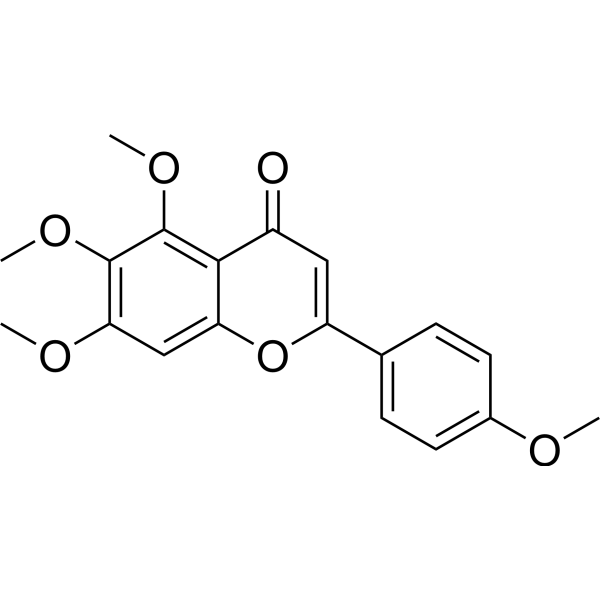
    Scutellarein tetramethyl ether (4',5,6,7-Tetramethoxyflavone) is a bioactive compound extracted from Eupatorium odoratum. Scutellarein tetramethyl ether exhibits anti-inflammatory, antibacterial, pro-coagulant, and anti-tumor activities. Scutellarein tetramethyl ether exerts its anti-inflammatory effects by modulating the NF-κB pathway and regulates bacterial resistance through the inhibition of efflux pumps. Additionally, Scutellarein tetramethyl ether accelerates coagulation time via the endogenous coagulation pathway. Studies have shown that Scutellarein tetramethyl ether can effectively inhibit the growth of the liver cancer cell line HepG2 (IC50= 20.08 μg/mL) .
    Scutellarein tetramethyl ether
  • HY-152296

    Nucleoside Antimetabolite/Analog Bacterial Infection
    8-Methyladenosine is a modified adenosine nucleoside. Through methylation at the 8-position, 8-Methyladenosine confers bacterial resistance to five classes of antibiotics that bind to the ribosomal peptidyl transferase center. 8-Methyladenosine can be used in studies of antibiotic-resistant bacterial infections .
    8-Methyladenosine
  • HY-P1674A
    Murepavadin TFA
    3 Publications Verification

    POL7080 TFA

    Bacterial Antibiotic Infection
    Murepavadin (POL7080) (TFA), a 14-amino-acid cyclic peptide, is a highly potent, specific antibiotic. Murepavadin exhibits a potent antimicrobial activity for P. aeruginosa with MIC50 and MIC90 values both of 0.12 mg/L. Murepavadin also can target the lipopolysaccharide transport portin D. Murepavadin can be used for the research of bacterial resistance .
    Murepavadin TFA
  • HY-P1674

    POL7080

    Bacterial Antibiotic Infection
    Murepavadin (POL7080), a 14-amino-acid cyclic peptide, is a highly potent, specific antibiotic. Murepavadin exhibits a potent antimicrobial activity for P. aeruginosa with both MIC50 and MIC90 values of 0.12 mg/L. Murepavadin also can target the lipopolysaccharide transport portin D. Murepavadin can be used for the research of bacterial resistance .
    Murepavadin
  • HY-W001959

    Endogenous Metabolite Metabolic Disease
    D-Allothreonine is the D stereoisomer of Allothreonine. D-Allallreonine is a peptide lipid derived from bacteria. D-Allothreonine can be specifically oxidized by D-amino acid oxidase, while the L configuration has no reaction. D-Allallreonine is also a component of bacterial polysaccharides. D-Allallreonine can be used for researching bacterial pathogenicity, antigenic diversity and drug resistance .
    D-Allothreonine
  • HY-W001132R
    Indole (standard)
    2 Publications Verification

    Reference Standards Endogenous Metabolite Infection
    Indole (Standard) is the analytical standard of Indole. This product is intended for research and analytical applications. Indole is an aromatic, heterocyclic, organic compound which widely distributed in the natural environment and can be produced by a variety of bacteria. Indole regulates various aspects of bacterial physiology, including spore formation, plasmid stability, resistance to drugs, biofilm formation, and virulence as an intercellular signal molecule .
    Indole (standard)
  • HY-149734

    Bacterial Infection
    MA220607 is a FtsZ protein inhibitor with activity against both Gram-positive and Gram-negative bacteria. MA220607 inhibits bacterial growth and shows low bacterial resistance frequency. MA220607 increases bacterial membrane permeability and alters proton gradients. MA220607 blocks the formation of bacterial biofilms. MA220607 can be used in studies of bacterial infections .
    MA220607
  • HY-149809

    Bacterial Infection
    AcrB-IN-1 (Compound H6) is a potent AcrB inhibitor. AcrB-IN-1 can be used for the reversal of bacterial multidrug resistance .
    AcrB-IN-1
  • HY-135258

    Galectin Fungal Others
    Galactinol dihydrate is a disaccharide carbohydrate serving as a galactosyl donor, which belongs to the raffinose family oligosaccharide pathway and acts as an important osmoprotectant. Galactinol dihydrate not only induces disease resistance in plants against fungal and bacterial pathogens, but also significantly enhances plant tolerance to abiotic stresses such as drought, high salinity, low temperature and oxidative damage. In addition, Galactinol dihydrate has the ability to scavenge hydroxyl radicals, can act as a signaling component for root colonization-induced systemic resistance, and is positively correlated with seed longevity in various crops, making it a potential biomarker for evaluating seed vigor. Therefore, Galactinol dihydrate can be used in the research of various plant diseases including fungal leaf spot, bacterial angular leaf spot, gray mold and soft rot .
    Galactinol dihydrate
  • HY-B1329R

    Nebramycin II sulfate (Standard)

    Reference Standards Bacterial Antibiotic Infection
    Apramycin (sulfate) (Standard) is the analytical standard of Apramycin (sulfate). This product is intended for research and analytical applications. Apramycin (EBL 1003) is an orally active, acidic pH tolerant and aminoglycoside-modifying-enzymes-tolerant aminoglycoside antibiotic which inhibits protein biosynthesis by targeting the bacterial ribosome. Apramycin is a potential anti-drug-resistance antibiotic .
    Apramycin sulfate (Standard)
  • HY-153335

    Phosphodiesterase (PDE) Infection Cardiovascular Disease Metabolic Disease Inflammation/Immunology Cancer
    Enpp-1-IN-16 (compound 54) is an ENPP1 inhibitor. Enpp-1-IN-16 has the potential to study cancer, especially in cases of high ENPP1 expression or elevated cytoplasmic DNA levels. Enpp-1-IN-16 can also be used in other diseases mediated by ENPP1, such as bacterial or viral infections, insulin resistance and type II diabetes, chondrocalcinosis and osteoarthritis, calcium pyrophosphate deposition disorder (CPPD), low Phosphatase disease and soft tissue calcification disorders .
    Enpp-1-IN-16
  • HY-170028

    Bacterial Infection
    NL3 is a bacterial cystathionine γ-lyase inhibitor, with IC50s of 0.7 μM (bCSE) and 3.4 μM (hCSE) respectively. NL3 can be used for antimicrobial and circumventing bacterial resistance research .
    NL3
  • HY-155048

    Bacterial Infection
    BDM91270 (compound 29) is an E. coli AcrAB-TolC efflux pump inhibitor with an EC90 of 0.6 μM for wild-type E. coli AcrB. BDM91270 can be used in the study of Escherichia coli drug resistance .
    BDM91270
  • HY-P10027

    Antibiotic Bacterial Infection
    Clovibactin is an antibiotic for drug-resistant bacterial pathogens without detectable resistance. Clovibactin TFA inihibits cell wall synthesis by targeting pyrophosphate of peptidoglycan precursors .
    Clovibactin
  • HY-17558
    Apramycin
    4 Publications Verification

    Nebramycin II

    Bacterial Antibiotic Infection
    Apramycin (Nebramycin II) is an orally active, acidic pH tolerant and aminoglycoside-modifying-enzymes-tolerant aminoglycoside antibiotic which inhibits protein biosynthesis by targeting the bacterial ribosome. Apramycin is a potential anti-drug-resistance antibiotic .
    Apramycin
  • HY-P10027A

    Antibiotic Bacterial Infection
    Clovibactin TFA is the TFA salt form of Clovibactin (HY-P10027). Clovibactin TFA is an antibiotic for drug-resistant bacterial pathogens without detectable resistance. Clovibactin TFA inihibits cell wall synthesis by targeting pyrophosphate of peptidoglycan precursors .
    Clovibactin TFA
  • HY-12826

    Beta-lactamase Bcl-2 Family Bacterial Cancer
    IMB-XH1 is an inhibitor of myeloid cell factor 1 (Mcl-1) . IMB-XH1 is a non-competitive Delhi metallo-β-lactamase (NDM-1) inhibitor. The IC50s of IMB-XH1 against metallo-β-lactamases NDM-1, IMP-4, ImiS and L1 are 0.4637 μM, 3.980 μM, 0.2287 μM and 1.158 μM, respectively .
    IMB-XH1
  • HY-130337

    Antibiotic Bacterial Infection
    Teicoplanin A2-2 is a glycopeptide antibiotic. Teicoplanin A2-2 exhibits antibacterial activity, particularly against coagulase-negative staphylococci (CNS). Teicoplanin A2-2 inhibits bacterial cell wall synthesis by competitively binding to the terminal D-Ala-D-Ala peptide bonds in the cell wall synthesis process, leading to bacterial death. Teicoplanin A2-2 can be used for research into bacterial resistance mechanisms and the development of new antibiotics .
    Teicoplanin A2-2
  • HY-N9680

    Ubiquinone 8

    Endogenous Metabolite Bacterial Infection Inflammation/Immunology
    Coenzyme Q8 (Ubiquinone 8) is an isoprenoid quinone that mediates electron transfer within the aerobic respiratory chain and reduces oxidative stress. Coenzyme Q8 maintains bacterial respiratory function and enhances host resistance to bacterial infection. Coenzyme Q8 stimulates macrophage phagocytosis and increases antibody-producing cells. Coenzyme Q8 can be used in infectious disease research .
    Coenzyme Q8
  • HY-178952

    Bacterial Infection
    Anti-infective agent 12 (Compound A09) is a competitive inhibitor of type I signal peptidease (SPase I), with an IC50 of 4.475 μM and a Kd of 16.3 μM. Anti-infective agent 12 has the ability to disrupt bacterial membranes and remove biofilms. Anti-infective agent 12 exhibits potent bactericidal activity against Gram-positive bacteria, with MIC values of 4, 4, 8, and 8 μg/mL for Staphylococcus aureus, Enterococcus faecalis, Enterococcus faecium, and Streptococcus suis, respectively. Anti-infective agent 12 remains effective against multi-drug resistant strains, but has weaker activity against Gram-negative bacteria (such as Escherichia coli and Salmonella), with MIC values > 64 μg/mL. Anti-infective agent 12 has low hemolytic activity and shows significant efficacy in mouse skin infection models .
    Anti-infective agent 12
  • HY-106998

    Bacterial Antibiotic Infection
    DC-756 is a fluoroquinolone antibiotic. DC-756 possesses potent activity against Gram-positive and Gram-negative pathogens comparable to Trovafloxacin (HY-A0170), with MIC, against Ofloxacin (HY-B0125)-resistant strains 16-fold better than Trovafloxacin. DC-756 is well absorbed orally in rats and found to have good photostability. DC-756 can be used to study bacterial resistance .
    DC-756
  • HY-178476

    Bacterial Reactive Oxygen Species (ROS) Infection
    Anti-MRSA agent 36 (Compound III13) is an antibacterial agent with strong anti MRSA activity (MIC = 1 μg/mL). Anti-MRSA agent 36 targets phosphatidylglycerol (PG) on bacterial membranes, disrupting membrane integrity, leading to DNA leakage and increased ROS. Anti-MRSA agent 36 has advantages such as low cytotoxicity, low hemolysis, difficulty in inducing drug resistance, and good plasma stability. Anti-MRSA agent 36 can be used for the study of skin abscess and systemic infection models .
    Anti-MRSA agent 36
  • HY-122699

    Beta-lactamase Bacterial Infection
    LN-1-255 sodium is a β-lactamase inhibitor. LN-1-255 sodium has broad-spectrum inhibitory effect on type D carbapenemases (CHDLs) with an IC50 for OXA-48 of 3 nM, and it also has strong activity against OXA-23, OXA-24/40, etc. LN-1-255 sodium combined with carbapenem antibiotics has a synergistic effect. LN-1-255 sodium can be used to study the bacterial resistance crisis caused by CHDLs .
    LN-1-255 sodium
  • HY-P11004

    Bacterial Antibiotic Infection
    A3-APO is an antimicrobial peptide. A3-APO has a significant antimicrobial activity by a dual mode of action with both membrane disintegration and intracellular target inhibition. A3-APO can deactivate bacterial toxins and increase the expression of anti-inflammatory cytokines (such as IL-4 and IL-10), without antimicrobial resistance. A3-APO accelerates burn wounds healing in mice infection model of Acinetobacter baumannii and Staphylococcus aureus .
    A3-APO
  • HY-178504

    Bacterial Infection
    Lug-15 is a rapid bactericidal agent. Lug-15 exhibits strong antibacterial activity against both Gram-positive and Gram-negative bacteria, including drug-resistant strains. Lug-15 rapidly kills bacteria primarily through membrane disruption and had a very low propensity to induce bacterial resistance. Lug-15 demonstrates low hemolytic toxicity and significant therapeutic potential in various infection models. Lug-15 can be used for research on combating infections caused by multi-drug resistant bacteria .
    Lug-15
  • HY-172264

    Antibiotic Bacterial DNA/RNA Synthesis Infection
    XT17 is an anthrone compound with broad-spectrum antibacterial activity. It exerts its antibacterial effect by disrupting the cell wall and inhibiting DNA synthesis. XT17 exhibits weak hemolytic activity, low cytotoxicity against mammalian cell lines, and a low frequency of drug resistance. Meanwhile, XT17 shows in vivo efficacy in a mouse corneal infection model induced by Staphylococcus aureus or Pseudomonas aeruginosa. Further docking studies have confirmed that XT17 can form a stable complex with bacterial gyrase. XT17 can be used in the research of the anti - infection field .
    XT17
  • HY-P11064

    Bacterial Infection
    G(IIKK)3I-NH2 is an antimicrobial peptide. G(IIKK)3I-NH2 exhibits potent antibacterial activity against both Gram-negative and Gram-positive bacteria. G(IIKK)3I-NH2 has low toxicity to primary cells and mice, and G(IIKK)3I-NH2 is not easy to induce bacterial resistance. G(IIKK)3I-NH2 can be used in the research of anti-infection agents .
    G(IIKK)3I-NH2
  • HY-B1455S

    Bacterial Antibiotic Parasite Infection
    Clindamycin-d3 (hydrochloride) is the deuterium labeled Clindamycin. Clindamycin is an orally active and broad-spectrum bacteriostatic lincosamide antibiotic. Clindamycin can inhibit bacterial protein synthesis, possessing the ability to suppress the expression of virulence factors in Staphylococcus aureus at sub-inhibitory concentrations (sub-MICs). Clindamycin resistance results from enzymatic methylation of the antibiotic binding site in the 50S ribosomal subunit (23S rRNA). Clindamycin decreases the production of Panton-Valentine leucocidin (PVL), toxic-shock-staphylococcal toxin (TSST-1) or alpha-haemolysin (Hla). Clindamycin also can be used for researching malaria .
    Clindamycin-d3 hydrochloride
  • HY-B0013

    (-)-Ofloxacin lactate

    Bacterial DNA/RNA Synthesis Infection
    Lavofloxacin lactate ((-)-ofloxacin lactate) is a class of broad-spectrum antimicrobials that can kill or inhibit a variety of bacteria. Lavofloxacin lactate binds to DNA rotase and topoisomerase IV, resulting in blocked DNA replication and repair, thus inhibiting bacterial growth. Lavofloxacin lactate can be used to study resistance mechanisms in bacteria, including studying resistance genes and mutations .
    Lavofloxacin lactate
  • HY-155504

    Beta-lactamase Bacterial Infection
    Metallo-β-lactamase-IN-11 (compound 5f) is a Metallo-β-lactamases (MBLs) inhibitor, potent against bacterial metallophyllactamase CphA (IC50=45 µM). Metallo-β-lactamase-IN-11 (10 µM) inhibits NDM-1 by 49% and AIM-1 by 61%. Metallo-β-lactamase-IN-11 can be used in the research of inhibiting antibiotic resistance .
    Metallo-β-lactamase-IN-11
  • HY-P5924A

    Bacterial Infection
    D-K6L9 shows antimicrobial and antibiofilm activities against P. aeruginosa from cystic fibrosis patients. D-K6L9 is stable and resistant to degradation by cystic fibrosis sputum proteases and will not induce bacterial resistance .
    D-K6L9

Inquiry Online

Your information is safe with us. * Required Fields.

Salutation


Country or Region *

Applicant Name *


Organization Name *

Department *


Email Address *


Product Name *

Cat. No.


Requested quantity *

Phone Number *


Remarks

Inquiry Online

Inquiry Information

Product Name:
Cat. No.:
Quantity:
MCE Japan Authorized Agent:

