

73 Results for "

biological responses

" in MedChemExpress (MCE) Product Catalog:
Products (73)

73 Results for "biological responses" in MCE Product Catalog:

30
30 Publications Verification
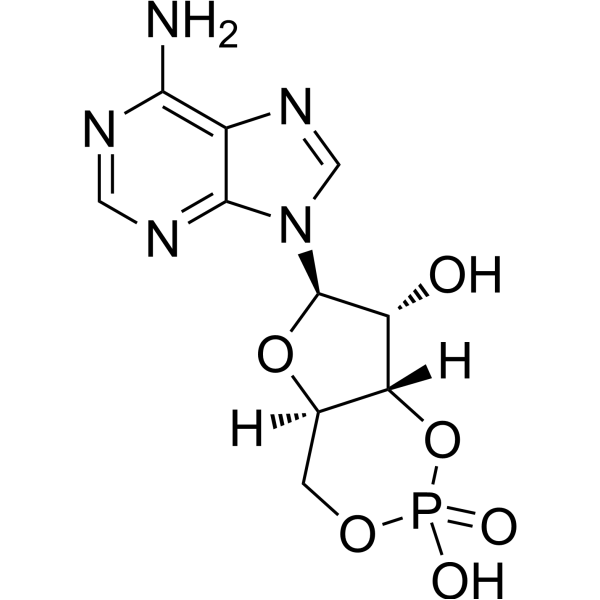
Cat. No.: HY-B1511
CAS No.: 60-92-4
Synonyms: Cyclic adenosine monophosphate; Adenosine cyclic 3', 5'-monophosphate; cAMP
Cyclic AMP (Cyclic adenosine monophosphate), adenosine triphosphate derivative, is an intracellular signaling molecule responsible for directing cellular responses to extracellular signals. Cyclic AMP is an important second messenger in many biological processes .
loading...
    loading...
30
30 Publications Verification
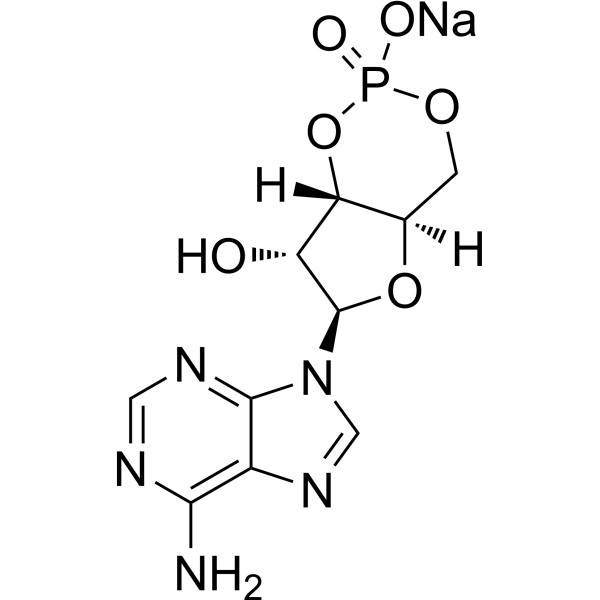
Cat. No.: HY-B1511A
CAS No.: 37839-81-9
Synonyms: Cyclic adenosine monophosphate sodium; Adenosine cyclic 3', 5'-monophosphate sodium; cAMP sodium
Cyclic AMP (Cyclic adenosine monophosphate) sodium, adenosine triphosphate derivative, is an intracellular signaling molecule responsible for directing cellular responses to extracellular signals. Cyclic AMP sodium is an important second messenger in many biological processes .
loading...
    loading...
13
13 Cited Publications
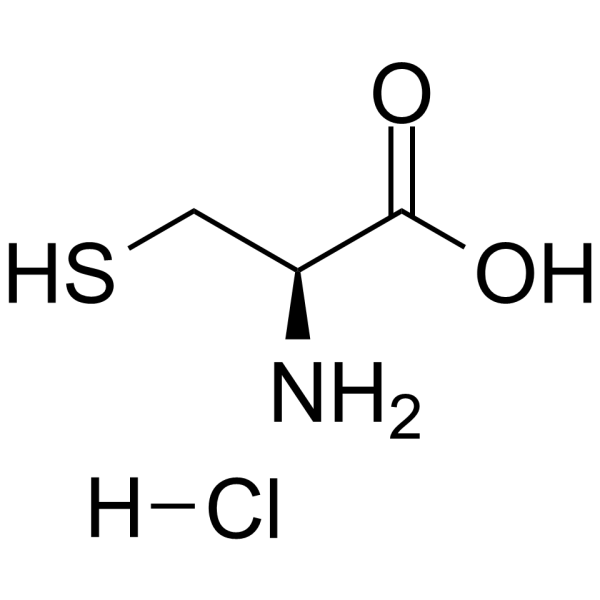
Cat. No.: HY-Y0337A
CAS No.: 52-89-1
L-Cysteine hydrochloride is an orally active conditionally essential amino acid, which acts as a precursor for biologically active molecules such as hydrogen sulphide (H2S), glutathione and taurine. L-Cysteine hydrochloride suppresses ghrelin and reduces appetite in rodents. L-Cysteine hydrochloride inhibits Aspergillus flavus growth and AFB synthesis by disrupting cell structure and antioxidant system balance. L-Cysteine hydrochloride enhances relaxant responses of rat aortic rings to NO and reduces responses to endothelium-derived relaxing factor (EDRF) .
loading...
    loading...
3
3 Cited Publications
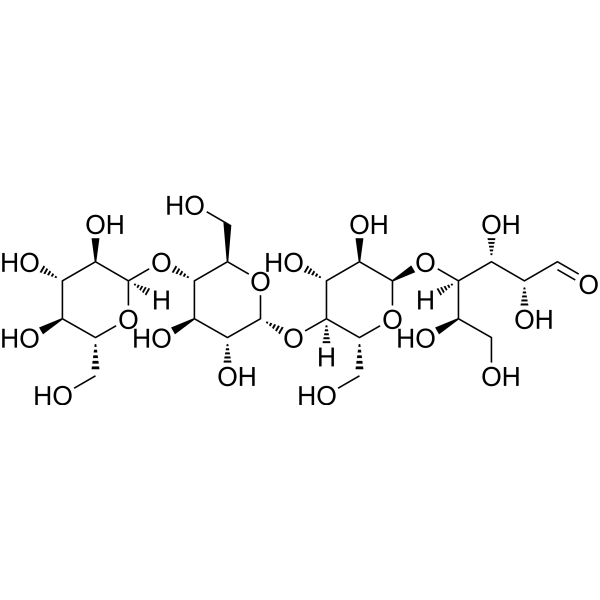
Cat. No.: HY-N2464
CAS No.: 34612-38-9
Synonyms: Amylotetraose; Fujioligo 450; α-1,4-Tetraglucose
Maltotetraose can serve as a substrate for enzyme-linked assays to measure amylase activity in biological fluids. Maltotetraose has oral active, and reduces TNF-α-induced inflammatory responses by inhibiting NF-κB activity and decreasing ICAM-1 expression. Maltotetraose also inhibits PDGF-induced vascular smooth muscle cell migration and neovascularization. Additionally, Maltotetraose derivatives can function as probes for detecting bacterial infections by targeting the maltodextrin transporter. With good long-term safety, Maltotetraose holds promise for research in atherosclerosis-related diseases .
loading...
    loading...
3
3 Cited Publications
Cat. No.: HY-K0225

MCE Carboxyl Magnetic beads (200 nm, 10 mg/mL) are characterized by superparamagnetism, fast magnetic response, abundant carboxyl functional groups, monodispersity, and submicron scale particle size. Biological ligands (proteins, peptides, oligonucleotides, drug molecules, etc.) can be covalently coupled to the surface of microspheres under the action of special chemical reagents (such as EDC).

loading...
    loading...
1
1 Cited Publications
Cat. No.: HY-N0732
CAS No.: 37905-08-1
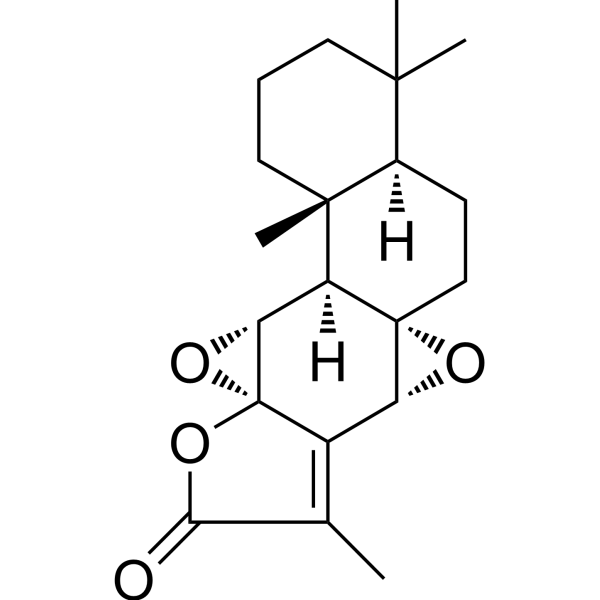
Jolkinolide B is a bioactive diterpene isolated from the roots of Euphorbia fischeriana Steud with oral activity. Jolkinolide B downregulates XIAP, cIAP1, cIAP2, and phosphorylated Akt, upregulates Smac, activates caspase-3 and caspase-9, and inhibits NF-κB, TGFβ/smad3 and JAK/STAT3 pathways. Jolkinolide B exerts comprehensive biological effects including inducing cancer cell apoptosis, suppressing inflammatory responses, improving lung function, alleviating hepatic steatosis and eliminating intracellular Mycobacterium tuberculosis. Jolkinolide B can be used for the research of leukemia, histiocytic lymphoma, asthma, metabolic dysfunction-associated steatotic liver disease and tuberculosis .
loading...
    loading...
1
1 Cited Publications
Cat. No.: HY-N0805A
CAS No.: 18649-93-9
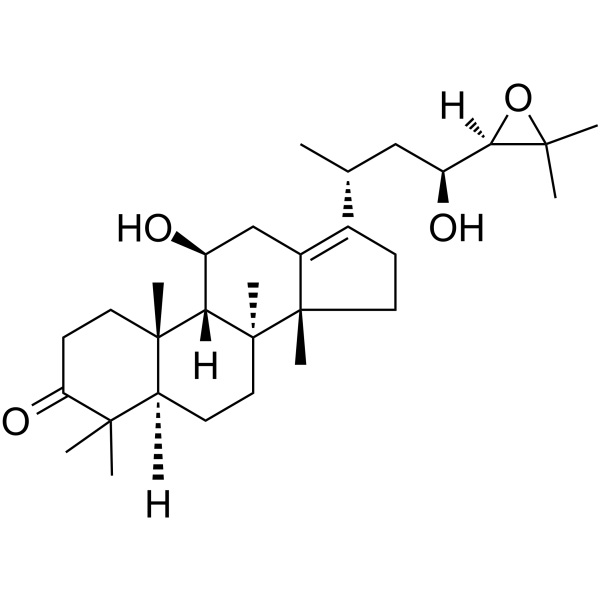
Alisol B is a triterpene with diverse biological activities. Alisol B binds human soluble epoxide hydrolase (sEH) with a Ki of 5.97 μM and reduces sEH activity. Alisol B inhibits RANKL-induced JNK phosphorylation, NFATc1 and c-Fos expression, osteoclast formation, mature osteoclast pit-forming and actin ring activity, and SERCA pump activity. Alisol B induces calcium mobilization, CaMKK-AMPK-mTOR pathway activation, autophagic flux, autophagosome formation, G1 phase cell cycle arrest, endoplasmic reticulum stress, unfolded protein responses, and cancer cell apoptosis. Alisol B can be used for the research of hypercalcemia, osteoporosis, rheumatoid arthritis, periodontitis, acute kidney injury, and breast cancer .
loading...
    loading...
1
1 Cited Publications
Cat. No.: HY-D1601
CAS No.: 98907-26-7
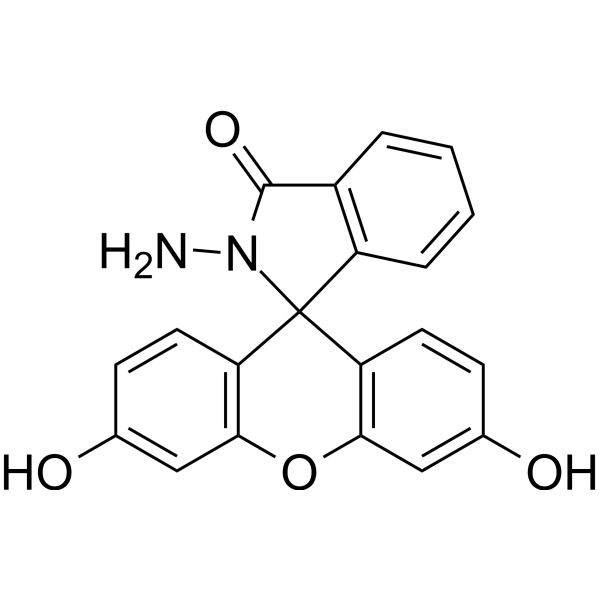
N-Aminofluorescein is a fluorescein hydrazide with spiro form, a highly selective and sensitive fluorescence probe for Cu 2+. N-Aminofluorescein has no selective fluorescence response to other common metal ions, can be used for direct detection of Cu 2+ in biological systems with λex/em=495/516 nm . N-Aminofluorescein can be used to measure the concentration of copper ions in cells .
loading...
    loading...
1
1 Cited Publications
Cat. No.: HY-N6924
CAS No.: 80930-74-1
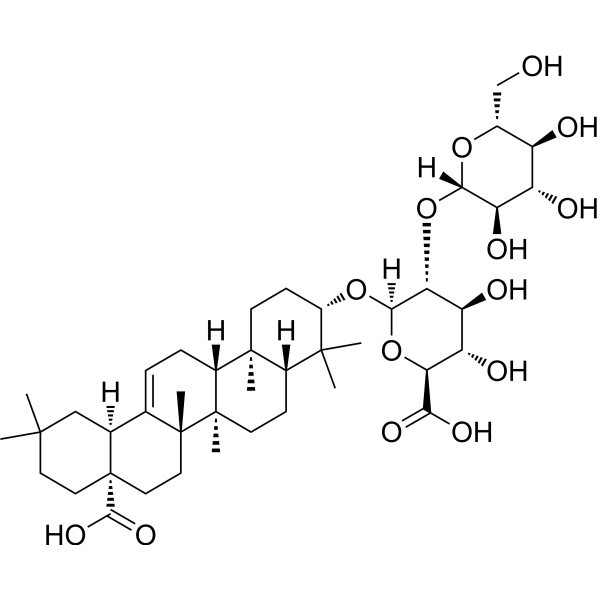
Zingibroside R1 is an orally active triterpene saponin with multiple biological activities including antioxidant, anti-inflammatory, antiviral, and metabolic regulatory properties. Zingibroside R1 reduces the expression of PIN family members, inhibits the expression of PLT1/PLT2, WOX5, SHR, and SCR, disrupts auxin transport and distribution, triggers plant ROS responses, and inhibits root growth. Zingibroside R1 extends the lifespan of Caenorhabditis elegans, enhances its heat stress resistance, and improves its motor ability. Hydrogel derivatives of Zingibroside R1 inhibit the proliferation of Candida albicans by binding to its β-1,3-glucan and exhibit antifungal activity. Zingibroside R1 inhibits GLUT1-mediated uptake and alleviates liver injury. Zingibroside R1 can be used in research related to neurodegenerative diseases, vulvovaginal candidiasis, acute liver injury, Ehrlich ascites tumor and HIV-1 infection .
loading...
    loading...
1
1 Cited Publications
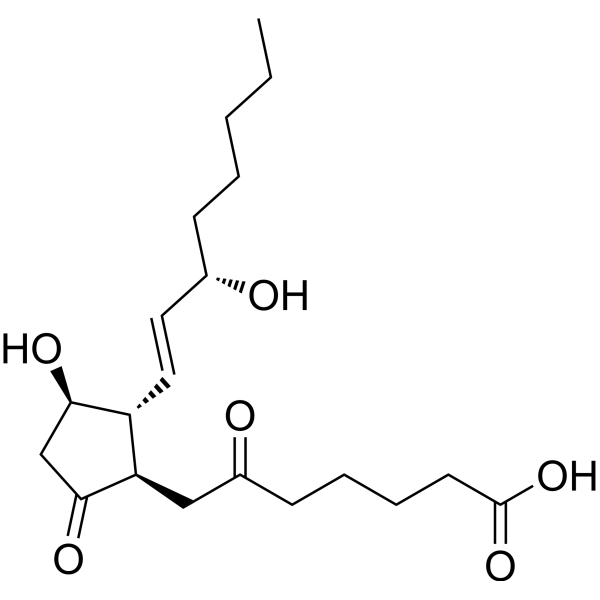
Cat. No.: HY-114986
CAS No.: 67786-53-2
Purity:  ≥99.0%
Synonyms: 6-keto-Prostaglandin E1
Target:  

β-glucuronidase

Research Areas:  

Cardiovascular Disease

6-Keto-PGE1 (6-keto-Prostaglandin E1) is a biologically active derivative of PGE1. 6-Keto-PGE1 inhibits adenosine diphosphate-induced platelet aggregation. 6-Keto-PGE1 reduces cardiac afterload, decreases the accumulation of plasma myocardial depressant factor (MDF), lowers arterial blood pressure, dilates vascular beds, inhibits the vasoconstrictive response of vascular smooth muscle, and increases pulmonary compliance. 6-Keto-PGE1 directly stabilizes isolated cat liver lysosomes and significantly reduces the release of β-glucuronidase and cathepsin D. 6-Keto-PGE1 prolongs the survival time of traumatized rats and exerts protective effects through hemodynamic and cytoprotective actions. 6-Keto-PGE1 reduces central airway resistance. 6-Keto-PGE1 can be used in studies related to traumatic shock .
loading...
    loading...
Cat. No.: HY-142006A
Synonyms: (±)-JA-L-Ile
Target:  

Phytohormone

Research Areas:  

Others

(±)-Jasmonic-L-isoleucine ((±)-JA-L-Ile) is a mixture of (±)-Jasmonic acid (HY-122464) and isoleucine isomers. (±)-Jasmonic-L-isoleucine is a phytohormone that participates in the jasmonic acid signaling pathway. (±)-Jasmonic-L-isoleucine regulates biological processes in plants, including defense responses, growth and development, and stress tolerance .
loading...
    loading...
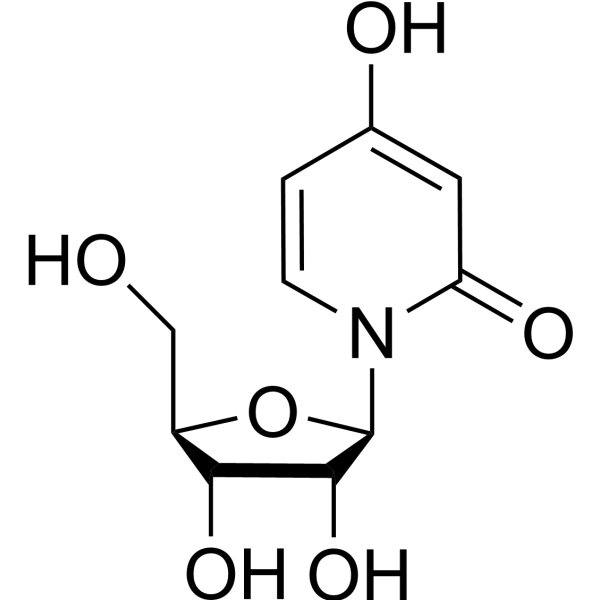
Cat. No.: HY-105336
CAS No.: 23205-42-7
Purity:  99.67%
Synonyms: NSC 126849
3-Deazauridine (NSC 126849) is a uridine analogue. 3-Deazauridine competitively inhibits cytidine triphosphate synthase to inhibit the biosynthesis of cytidine-5'-triphosphate. 3-Deazauridine acts synergistically with several antineoplastic agents, acting as a biological response modifier .
loading...
    loading...
Cat. No.: HY-W145665
CAS No.: 9005-82-7
Amylose is not a typical small-molecule ligand with a specific traditional receptor-binding target. It is a polysaccharide. In food science and biological systems, amylose can interact with proteins and free fatty acids through non-covalent forces like hydrophobic interactions and electrostatic interactions. For example, it can form a ternary complex with them, which is related to the structure and digestion of starch. It is widely studied in the fields of food science, carbohydrate metabolism, and is also relevant in research on controlling glycemic responses, as it affects starch digestion rate .
loading...
    loading...
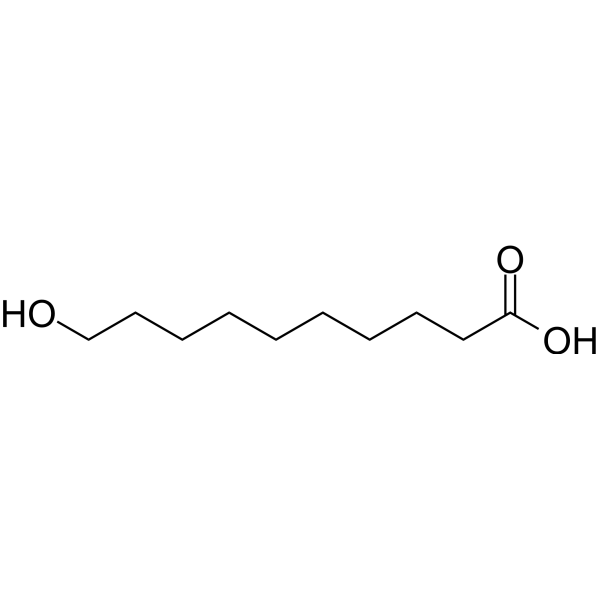
Cat. No.: HY-Y0148
CAS No.: 1679-53-4
Synonyms: NSC 15139; 10-HDAA
10-Hydroxydecanoic acid (10-HDAA) is a saturated fatty acid derived from 10-hydroxy-trans-2-decenoic acid, which can be isolated from royal jelly. 10-Hydroxydecanoic acid exhibits various biological activities, including anti-inflammatory, insecticidal, anti-malarial, and anti-Leishmania properties, as well as enhancing antigen-specific immune responses. The anti-inflammatory effects of 10-Hydroxydecanoic acid are primarily mediated by inhibiting the activation of NF-κB and the translation of interferon regulatory factor 1 (IRF-1), which reduces the production of interleukin 6 (IL-6) and nitric oxide (NO) in inflammatory cells. Additionally, 10-Hydroxydecanoic acid alleviates neuroinflammatory responses through the p53-autophagy pathway and the p53-NLRP3 pathway. Finally, 10-Hydroxydecanoic acid enhances antigen-specific immune responses by promoting the effective uptake of antigens by microfold cells .
loading...
    loading...
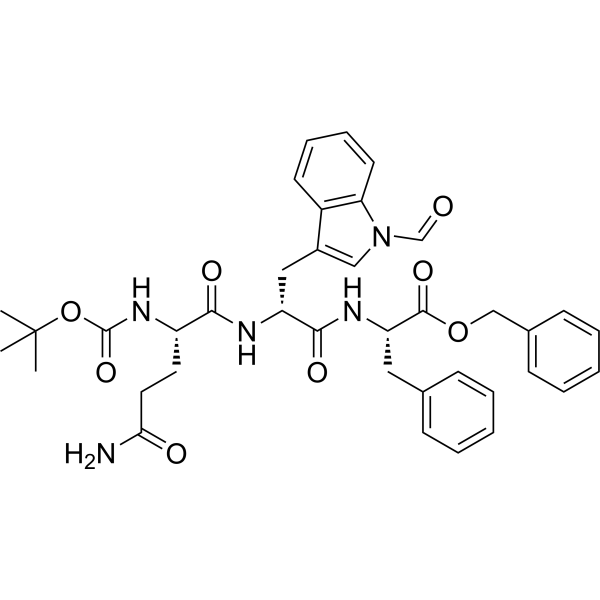
Cat. No.: HY-135108
CAS No.: 126088-82-2
Purity:  98.15%
Target:  

Neurokinin Receptor

Research Areas:  

Inflammation/Immunology

QWF Peptide is a substance P (SP) antagonist. QWF Peptide inhibits SP-induced biological responses and also suppresses SP-induced contraction of isolated guinea pig tracheal strips. QWF Peptide can be used for asthma-related research .
loading...
    loading...
Cat. No.: HY-B1511R
CAS No.: 60-92-4
Synonyms: Cyclic adenosine monophosphate (Standard); Adenosine cyclic 3', 5'-monophosphate (Standard); cAMP (Standard)
Research Areas:  

Cancer

Cyclic AMP (Standard) is the analytical standard of Cyclic AMP. Cyclic AMP (Cyclic adenosine monophosphate), adenosine triphosphate derivative, is an intracellular signaling molecule responsible for directing cellular responses to extracellular signals. Cyclic AMP is an important second messenger in many biological processes .
loading...
    loading...
Cat. No.: HY-N7513
CAS No.: 2380-78-1
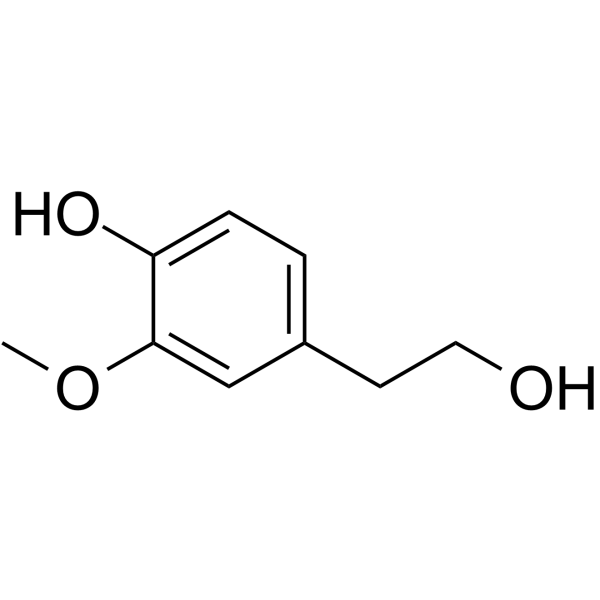
Homovanillyl alcohol is a biological metabolite of Hydroxytyrosol, and belongs to the class of phenolic organic compounds. Homovanillyl alcohol alleviates cellular oxidative stress and inflammatory responses by scavenging free radicals, inhibiting the phosphorylation of the p38 and JNK MAP kinase pathways, as well as suppressing NF-κB-driven transcription and nuclear translocation. It can be used in studies related to cardiovascular diseases and allergic asthma .
loading...
    loading...
Cat. No.: HY-P5425A
Research Areas:  

Cancer

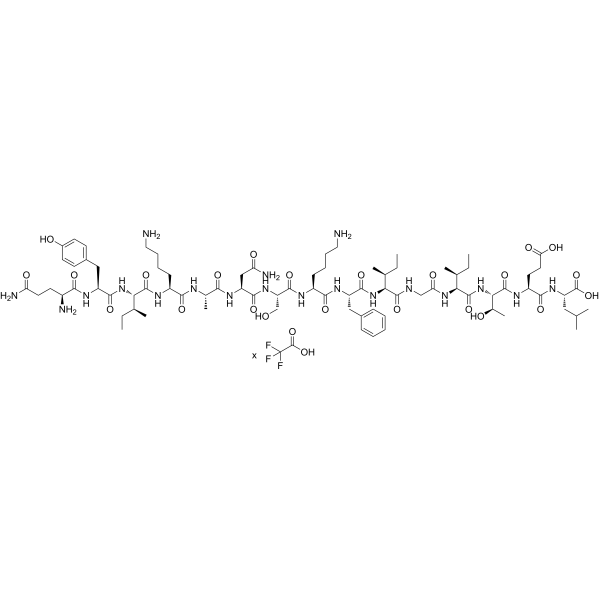
Tetanus Toxin (830–844) TFA is a biological active peptide. (tetanus toxin-derived peptide TT830–844 CD4 + T-cell epitope. This promiscuous CD4 + T-cell epitope can bind to a wide range of HLA–DRB molecules and is thus expected to activate CD4 + T-cell responses in a large part of the human population) .
loading...
    loading...
Cat. No.: HY-P5412
CAS No.: 331941-87-8
Synonyms: Listeriolysin O 190 peptide
Target:  

Inhibitory Antibodies

Research Areas:  

Others

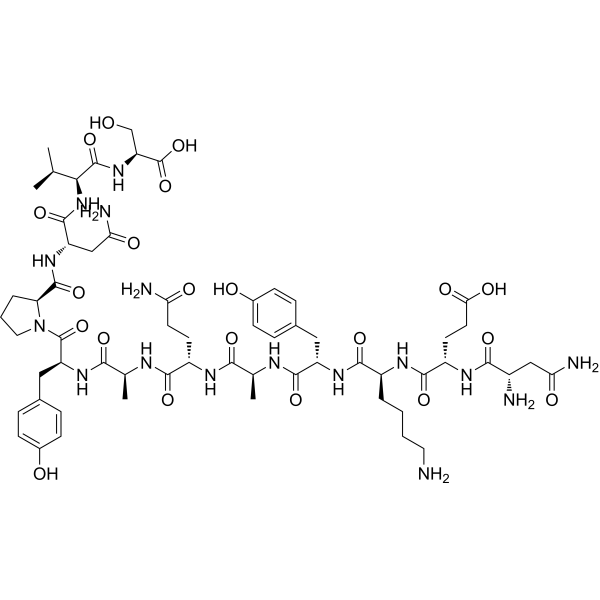
LLO (190-201) (Listeriolysin O 190 peptide) is a biological active peptide. (This peptide is a major histocompatibility complex class II (MHC-II)-restricted peptide, LLO190 (NEKYAQAYPNVS), from the listeriolysin O protein of Listeria monocytogenes, which generates an LLO190-specific Th response. This peptide subsequently challenge recombinant L. monocytogenes expressing the MHC-I-restricted epitope of ovalbumin (Ova257, SIINFEKL).)
loading...
    loading...
Cat. No.: HY-W127502
CAS No.: 52603-03-9
Synonyms: 1-Hexadecyl LPA; 1-Palmityl LPA; LPA O-16:0
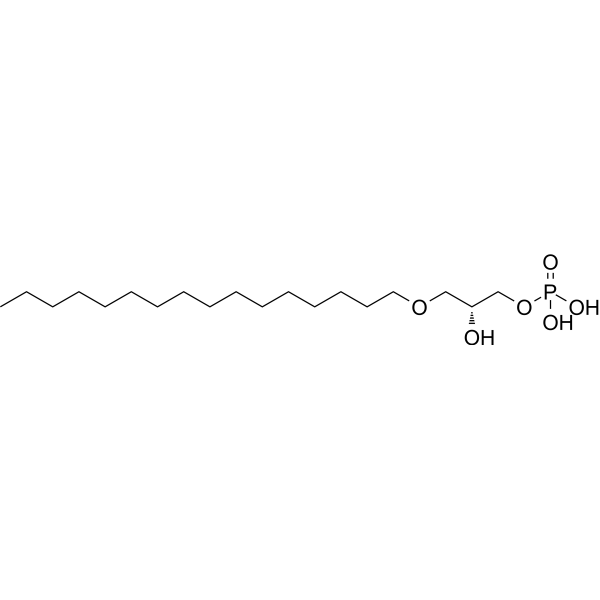
1-Hexadecyl lysophosphatidic acid is an ether analog of lysophosphatidic acid (LPA) containing a hexadecyl group in the sn-1 position. LPA binds to five different G protein-coupled receptors and mediates a variety of biological responses, including cell proliferation, smooth muscle contraction, platelet aggregation, neurite contraction, and cell motility.
loading...
    loading...

