1. Search Result
Search Result
Results for "

bone disease

" in MedChemExpress (MCE) Product Catalog:

136

Inhibitors & Agonists

8

Screening Libraries

2

Fluorescent Dyes

4

Biochemical Assay Reagents

9

Peptides

8

Inhibitory Antibodies

40

Natural
Products

1

Recombinant Proteins

2

Isotope-Labeled Compounds

1

Oligonucleotides

2

GMP Molecules

Cat. No. Product Name Target Research Areas Chemical Structure
  • HY-15147
    XAV-939
    Maximum Cited Publications
    190 Publications Verification

    β-catenin PARP Cancer
    XAV-939 is a Tankyrase inhibitor. XAV-939 has inhibitory activity for TNKS1 and TNKS2 with IC50 values of 5 nM and 2 nM, respectively. XAV-939 also is an enhancer of osteoblastic differentiation of hMSCs. XAV-939 can be used for the research of conditions associated with activated Wnt signaling, such as cancer, fibrotic diseases and conditions associated with low bone formation .
    XAV-939
  • HY-N0528
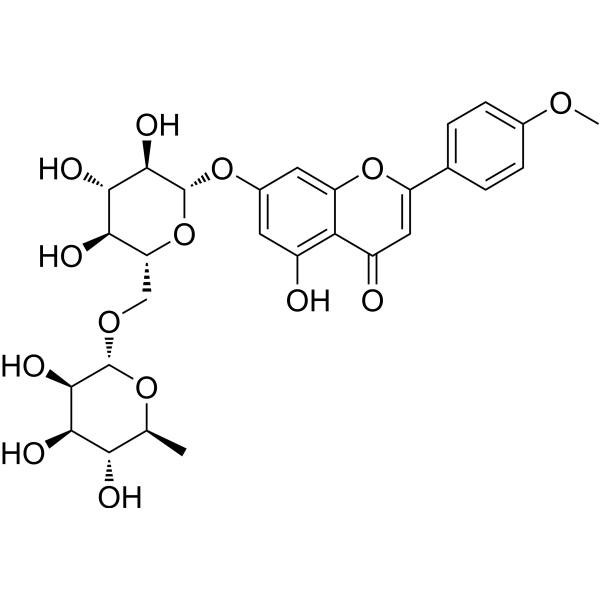
    Linarin
    4 Publications Verification

    Buddleoside; Linarine

    TNF Receptor Cholinesterase (ChE) PKA Apoptosis Bacterial HIV Influenza Virus Infection Neurological Disease Inflammation/Immunology Cancer
    Linarin (Buddleoside) is an orally active and selective inhibitor of acetylcholinesterase (AChE). Linarin has many activities, such as anti-inflammatory, antioxidant, sleep aid and sedation, bone differentiation, anti-tumor, antibacterial and antiviral. Linarin can be used to study diseases such as the nervous system, osteoporosis and cancer .
    Linarin
  • HY-B0388
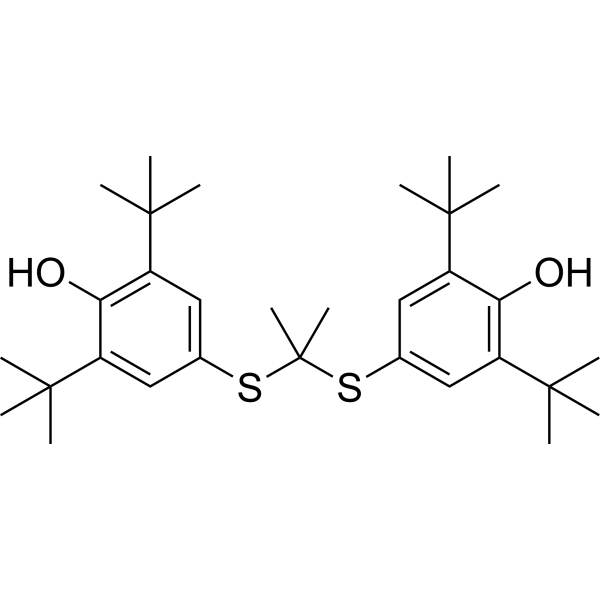
    Probucol
    2 Publications Verification

    DH-581

    Virus Protease Apoptosis Reactive Oxygen Species (ROS) Glutathione Peroxidase Caspase Infection Neurological Disease Metabolic Disease Inflammation/Immunology Cancer
    Probucol (DH-581) is an anti-hyperlipidemic agent. Probucol activates glutathione peroxidase. Probucol promotes low density lipoprotein (LDL) catabolism, inhibits ABCA1-dependent cholesterol efflux, and decreases HDL-C levels. Probucol also has anti-inflammatory, antioxidant and neuroprotective properties. Probucol can be used for researches on bone, cardiovascular, cancer, neurological, and metabolism-related diseases .
    Probucol
  • HY-112904
    XRK3F2
    5+ Cited Publications

    p62 Autophagy Cancer
    XRK3F2 is a p62 (sequestosome-1) ZZ domain inhibitor that has specificity for the p62-ZZ domain over other p62 signaling domains. XRK3F2 blocks TNFα effects and upregulation in bone marrow stromal cells, and induces multiple myeloma cell apoptosis. XRK3F2 can be used for the research of multiple myeloma bone disease, acute myeloid leukemia, and multiple myeloma .
    XRK3F2
  • HY-128754
    Monoolein
    1 Publications Verification

    Environmental Pollutants Endogenous Metabolite NO Synthase Interleukin Related TNF Receptor Inflammation/Immunology
    Monoolein is a biocompatible lipid molecule that can be used as a carrier for bone repair. Monoolein exhibits anti-inflammatory activity by inhibiting the immune response induced by LPS (HY-D1056). It exerts its anti-inflammatory effects by reducing the production of immune response factors such as IL-12 p40, IL-6, and TNF-α, and inhibiting the generation of NO. Monoolein can be used in drug delivery and research in the field of inflammatory diseases .
    Monoolein
  • HY-B0657A
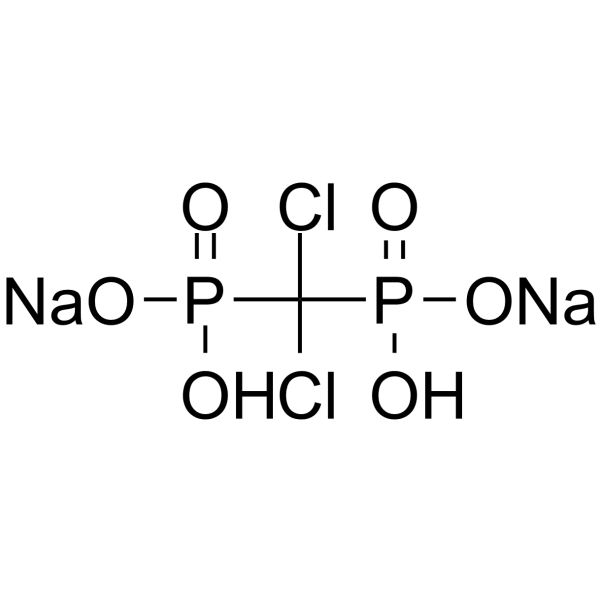
    Clodronic acid disodium salt
    4 Publications Verification

    Clodronate disodium salt

    Apoptosis Metabolic Disease Cancer
    Clodronic acid (Clodronate) disodium salt is an orally active bisphosphonate. Clodronic acid disodium salt inhibits osteoclast-mediated bone resorption. Clodronic acid disodium salt reduces skeletal event risk in malignant bone disease, impairs malignant osteolysis, blocks bone matrix growth-factor release, induces apoptosis in osteoclasts and macrophages. Clodronic acid disodium salt is effective in the maintenance or improvement of bone mineral density. Clodronic acid disodium salt can be used for the research of multiple myeloma and postmenopausal osteoporosis .
    Clodronic acid disodium salt
  • HY-129098
    DMHCA
    1 Publications Verification

    LXR Metabolic Disease
    DMHCA, a potent and selective LXR agonist, specifically activates the cholesterol efflux arm of the LXR pathway without stimulating triglyceride synthesis. DMHCA has anti-inflammatory effects?and can be used for the research of cholesterol homeostasis diabetes .
    DMHCA
  • HY-W193545A
    ERG240
    5 Publications Verification

    Aminotransferases (Transaminases) Inflammation/Immunology Cancer
    ERG240 is an oral active branched-chain amino acid aminotransferase 1 (BCAT1) inhibitor. ERG240 can be used for the research of cancer, rheumatoid arthritis, and bone disease .
    ERG240
  • HY-P99590A
    Sotatercept (mIgG2a)
    1 Publications Verification

    RAP-011

    TGF-β Receptor TGF-beta/Smad Cardiovascular Disease Metabolic Disease
    Sotatercept (mIgG2a) (RAP-011), the murine homolog of Sotatercept (ACE-011) (HY-P99590), is a soluble activin receptor type IIA (ActRIIA) ligand trap. Sotatercept (mIgG2a) inhibits the binding of activin A and other members of the TGF-β superfamily (such as Activin A/B, GDF11 and BMP9/10) to their receptors by combining and neutralizing them, thereby regulating cell proliferation and differentiation. Sotatercept (mIgG2a) mainly inhibits the SMAD2/3 signaling pathway, and can be used in various diseases such as chronic kidney disease. Sotatercept (mIgG2a) reduces the expression of erythropoietic hepcidin (ERFE), regulates iron metabolism, and promotes red blood cell production. Sotatercept (mIgG2a) has a dual effect of promoting bone formation (anabolic) and inhibiting bone resorption (catabolic) .
    Sotatercept (mIgG2a)
  • HY-P99111

    CNTO-148

    TNF Receptor Apoptosis Interleukin Related Caspase Inflammation/Immunology Cancer
    Golimumab (CNTO-148) is a potent human IgG1 TNFα antagonist monoclonal antibody. Golimumab has anti-inflammation activitity and inhibits IL-6 and IL-1β production. Golimumab acts via targeting and neutralizing TNF to prevent inflammation and destruction of cartilage and bone. Golimumab has the anticancer activity and induces cell apoptosis. Golimumab can be used for rheumatoid arthritis, Crohn's disease and cancer research .
    Golimumab
  • HY-123606
    GSK484
    45+ Cited Publications

    Protein Arginine Deiminase MHC Cardiovascular Disease Inflammation/Immunology
    GSK484 is a PAD4 inhibitor that effectively inhibits protein citrullination and the formation of neutrophil extracellular traps (NETs) by blocking the catalytic activity of PAD4. GSK484 suppresses the production of histone H3, MHC-I expression, CD8 + T cell activation, proliferation and inflammatory cytokine release. GSK484 reduces inflammation and bone destruction in collagen-induced rheumatoid arthritis, alleviates pain and mast cell activation in sickle cell disease, and improves myocardial ischemia-reperfusion injury and experimental colitis. In addition, GSK484 restores intestinal microbial homeostasis by reversing ferroptosis-induced dysbiosis. GSK484 can be used to study the disease mechanisms of rheumatoid arthritis, sickle cell disease, thrombosis, myocardial injury, colitis and other conditions .
    GSK484
  • HY-N2532
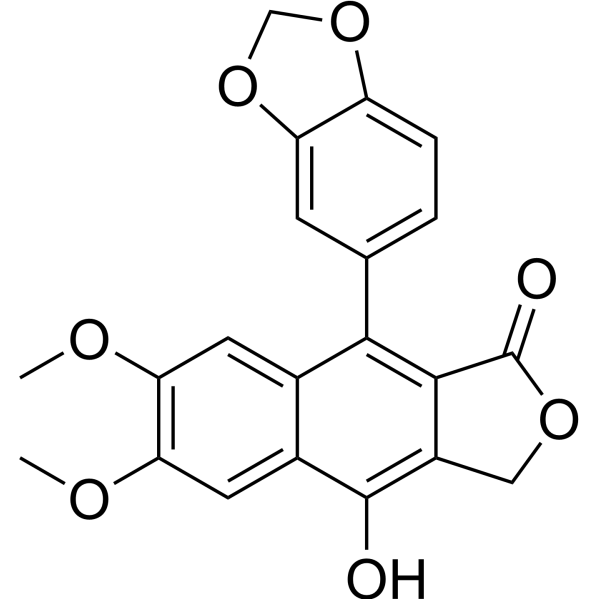
    Diphyllin
    3 Publications Verification

    VSV HIV Proton Pump Influenza Virus Infection Inflammation/Immunology Cancer
    Diphyllin is an orally active V-ATPase inhibitor (IC50=17 nM) and HIV-1 inhibitor (IC50=0.38 μM). Diphyllin blocks the acidification of osteoclast lysosomes and bone resorption lacunas (IC50=0.6 nM for acid influx inhibition), thereby inhibiting bone resorption. Diphyllin can effectively inhibit osteoclast-mediated bone resorption and has no effect on osteoblastic bone formation. Diphyllin can be used in the research of bone metabolism-related diseases and has the potential to inhibit diseases related to excessive bone resorption .
    Diphyllin
  • HY-N0257
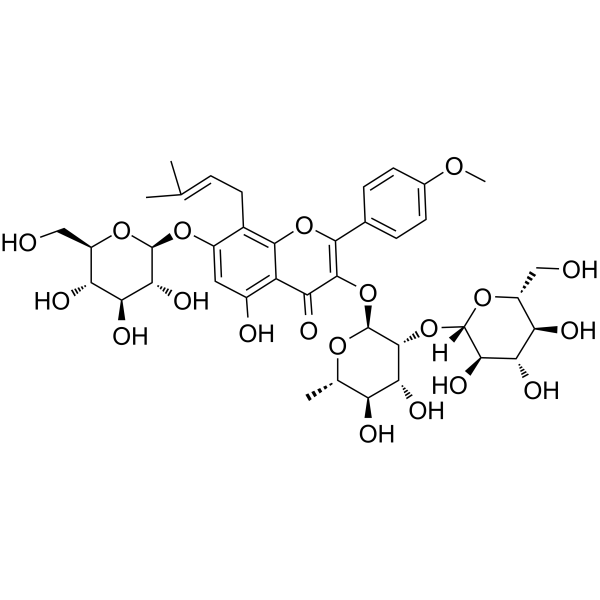
    Epimedin A
    4 Publications Verification

    PI3K Akt NF-κB NOD-like Receptor (NLR) Keap1-Nrf2 Heme Oxygenase (HO) SOD Caspase Interleukin Related Metabolic Disease Inflammation/Immunology
    Epimedin A, one of the main flavonoid active components in Herba Epimedii, is orally active. Epimedin A can inhibit osteoclastogenesis, differentiation, and bone resorption. Epimedin A also possesses anti-inflammatory activity. Epimedin A can be used in the research of osteoporosis and inflammatory diseases .
    Epimedin A
  • HY-N4288
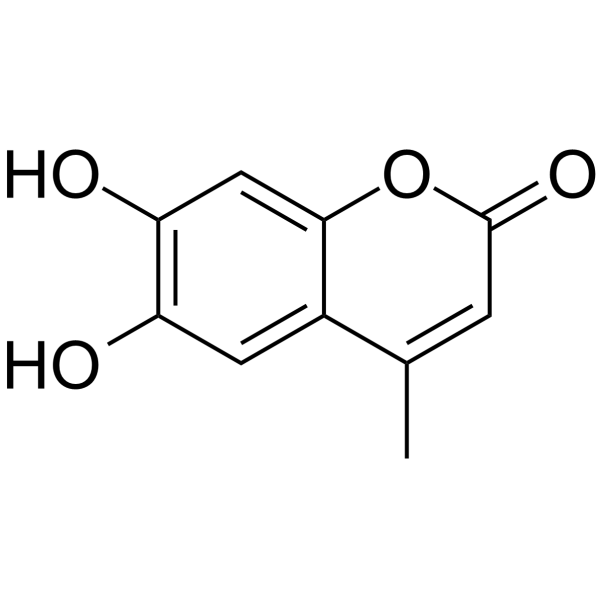
    4-Methylesculetin
    3 Publications Verification

    Glutathione Peroxidase Cathepsin Phosphatase Inflammation/Immunology Cancer
    4-Methylesculetin is an orally active coumarin derivative, with potent anti-oxidant and anti-inflammatory activities. 4-Methylesculetin inhibits myeloperoxidase activity. 4-Methylesculetin protects bone resorption by reducing the elevated levels of bone-joint exoglycosidases, cathepsin-D and tartrate resistant acid phosphatases. 4-Methylesculetin ameliorats the upregulated non-enzymatic inflammatory markers like TNF-α, IL-1β, IL-6, COX-2 and PGE2, which is promising for research of inflammatory diseases .
    4-Methylesculetin
  • HY-W110927

    Biochemical Assay Reagents Fluorescent Dye Others
    Alizarin red S indicator (C.I. 58005) is a reductively active (quinone-based) anthraquinone dye that forms complexes with metal ions (such as zirconium, calcium) or boric acid to label calcium deposition and perform electrochemical sensing functions. Alizarin Red S undergoes reversible redox reactions (for electrochemical detection) and irreversible chelation (for bone staining). Alizarin Red S is mainly used in bone metabolism research (labeling mineralized tissue), sugar detection (boric acid-sugar competition system) and metal ion sensing (such as zirconium ion detection), and can be used in osteoporosis and metabolic disease research .
    Alizarin Red S Indicator (4.3-6.3), IND
  • HY-12398
    TEI-9647
    2 Publications Verification

    VD/VDR Metabolic Disease Inflammation/Immunology
    TEI-9647, a Vitamin D3 Lactone analogue, is a potent and specific vitamin D receptor (VDR) antagonist. TEI-9647 inhibits VDR/VDRE-mediated genomic actions of 1α,25(OH)2D3. TEI-9647 inhibits bone resorption and HL-60 cell differentiation induced by of 1α,25(OH)2D3. TEI-9647 has the potential for suppressing the excessive bone resorption and osteoclast formation in Paget's disease .
    TEI-9647
  • HY-32337
    Tacalcitol
    3 Publications Verification

    1,24(R)-Dihydroxyvitamin D3; 1.alpha.,24R-Dihydroxyvitamin D3

    VD/VDR Interleukin Related Metabolic Disease Inflammation/Immunology Cancer
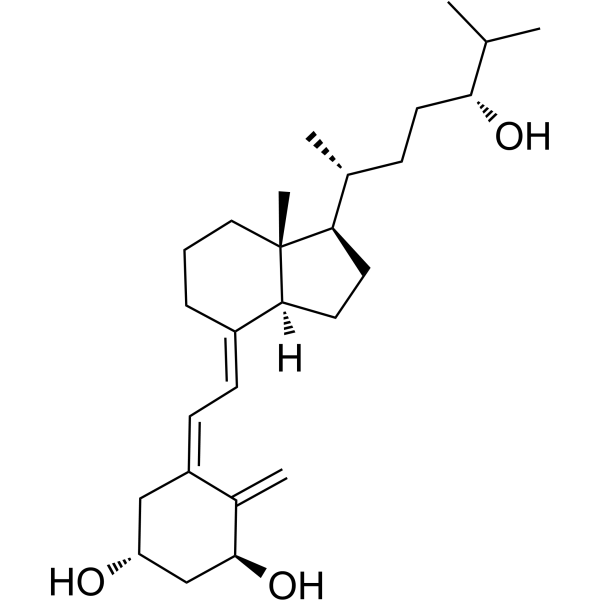
    Tacalcitol (1,24(R)-Dihydroxyvitamin D3; 1.alpha.,24R-Dihydroxyvitamin D3) can promote normal bone growth by regulating calcium ions. Tacalcitol inhibits cancer cell proliferation and migration. Tacalcitol can be used in the research of inflammation, cancer, and skin diseases .
    Tacalcitol
  • HY-10199A
    Ibutamoren
    5 Publications Verification

    MK-677 free base; MK-0677 free base

    GHSR Insulin Receptor Neurological Disease Metabolic Disease
    Ibutamoren (MK-677 free base; MK-0677 free base) is an orally active non-peptide growth hormone secretagogue receptor agonist. Ibutamoren activates signal cascades by mimicking endogenous ligands, triggers pulsatile release of growth hormone from the pituitary gland, and increases serum levels of IGF-1 and insulin-like growth factor-binding protein 3. Ibutamoren not only increases the frequency of growth hormone pulses in male individuals, but also promotes elevated bone formation markers in female individuals with postmenopausal osteoporosis. The combination of Ibutamoren with Alendronate sodium hydrate (HY-11101) significantly increases bone mineral density at the femoral neck. However, Ibutamoren may cause mild, reversible adverse reactions such as increased appetite, fluid retention, and elevated fasting blood glucose. Ibutamoren has been widely used in studies related to idiopathic growth hormone deficiency, sarcopenia, Alzheimer's disease, and osteoporosis .
    Ibutamoren
  • HY-N6588

    3,4,5-triCQA

    Akt NF-κB Inflammation/Immunology Cancer
    3,4,5-Tricaffeoylquinic acid (3,4,5-triCQA) inhibits tumor necrosis factor-α-stimulated production of inflammatory mediators in keratinocytes via suppression of Akt- and NF-κB-pathways. 3,4,5-Tricaffeoylquinic acid induces cell cycle arrest at G0/G1, actin cytoskeleton organization, chromatin remodeling, neuronal differentiation, and bone morphogenetic protein signaling in human neural stem cells. 3,4,5-Tricaffeoylquinic acid has the potential for the research of aging-associated diseases .
    3,4,5-Tricaffeoylquinic acid
  • HY-119443

    Phosphatase Metabolic Disease
    Neridronate is an aminobisphosphonate. Neridronate induces osteoblast differentiation, enhances alkaline phosphatase activity and mineralized nodule formation. Neridronate inhibits endothelial cell proliferation, fibroblast growth factor-2-induced capillary-like tube formation, and angiogenesis. Neridronate can be used for osteogenesis imperfecta and Paget’s disease of bone .
    Neridronate
  • HY-N8698
    Picein
    1 Publications Verification

    SOD Ferroptosis Keap1-Nrf2 Heme Oxygenase (HO) Glutathione Peroxidase Neurological Disease Metabolic Disease Inflammation/Immunology
    Picein is an antioxidant and anti-inflammatory agent. Picein can be isolated from the leaves of Picrorhiza kurroa. Picein reduces MDA levels and increases the levels of SOD, GPX and TAC. Picein alleviates oxidative stress and promotes bone regeneration in osteoporotic bone defects by inhibiting Ferroptosis (via activation of the Nrf2/HO-1/GPX4 pathway). Picein prevents scopolamine (HY-N0296)-induced passive avoidance memory impairment in rats. Picein can be used in research related to osteoporotic bone defects and Alzheimer's disease .
    Picein
  • HY-175232

    Nuclear Factor of activated T Cells (NFAT) Endogenous Metabolite Endocrinology
    GL64 is a selective agonist of ADGRD1 (EC50 = 3.98 μM). GL64 has low selectivity for ADGRD2, ADGRG5, ADGRG6, CELSR1, CELSR2, CELSR3, and ADGRG4 isoforms. GL64 activates ADGRD1 by mimicking the satchel sequence. GL64 regulates osteoclast maturation through the cAMP-PKA-NFATC1 pathway. GL64 effectively inhibits osteoclastogenesis and prevents bone loss both in vitro and in vivo. GL64 is useful in the study of osteoclast-related diseases .
    GL64
  • HY-B0657
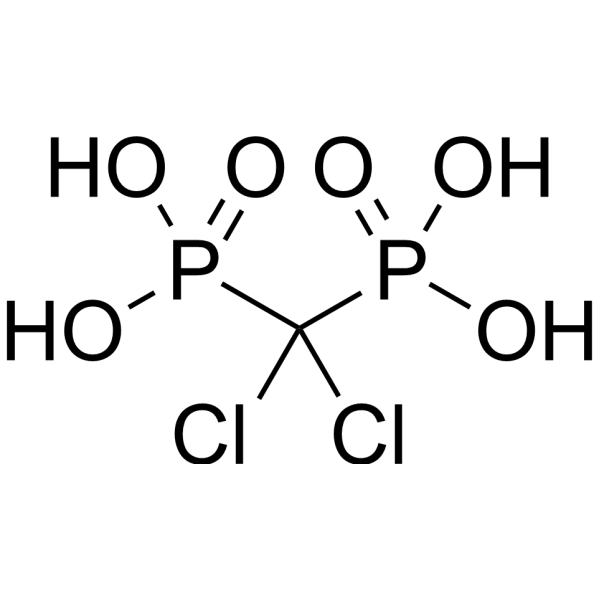
    Clodronic acid
    4 Publications Verification

    Clodronate

    Apoptosis Metabolic Disease Cancer
    Clodronic acid (Clodronate) is an orally active bisphosphonate. Clodronic acid inhibits osteoclast-mediated bone resorption. Clodronic acid reduces skeletal event risk in malignant bone disease, impairs malignant osteolysis, blocks bone matrix growth-factor release, induces apoptosis in osteoclasts and macrophages. Clodronic acid is effective in the maintenance or improvement of bone mineral density. Clodronic acid can be used for the research of multiple myeloma and postmenopausal osteoporosis .
    Clodronic acid
  • HY-150793

    TGF-β Receptor Cardiovascular Disease Neurological Disease
    SY-LB-57 is a highly potent bone morphogenetic protein (BMP) receptor signaling agonist. SY-LB-57 can be used in studies of diseases such as fractures and pulmonary arterial hypertension .
    SY-LB-57
  • HY-109106A

    SK-1403; AJT240; PLS240

    CaSR Endocrinology
    Upacicalcet sodium is a non-peptide calcimimetic that acts as a CaSR agonist (EC50 = 10.8 nM). Upacicalcet sodium reduces serum intact parathyroid hormone (iPTH) and serum Ca 2+ levels, reducing hypocalcemia and gastrointestinal complications. Upacicalcet sodium sodium improves vascular calcification and bone disorders in the Adenine (HY-B0152)-induced secondary hyperparathyroidism (SHPT) rat model. Upacicalcet sodium sodium inhibits cortical pore formation and reduces bone fibrosis in rats with chronic kidney disease (CKD). Upacicalcet sodium is useful for studying SHPT .
    Upacicalcet sodium
  • HY-N1403

    Apoptosis Cardiovascular Disease Metabolic Disease Inflammation/Immunology Cancer
    Tigogenin is a steroidal sapogenins. Tigogenin can inhibit adipocytic differentiation and induce osteoblastic differentiation in mouse bone marrow stromal cells. Tigogenin can inhibit cells proliferation and induce apoptosis. Tigogenin can be used for the researches of cancer, inflammation, immunology, metabolic and cardiovascular disease, such as mammary gland carcinoma, rheumatoid arthritis, osteoporosis and atherosclerosis .
    Tigogenin
  • HY-P990552A

    PAI-1 Integrin Cancer
    huATN-658 is an inhibitor that specifically targets the DIII domain of human urokinase plasminogen activator receptor (uPAR). huATN-658 neutralizes uPAR function by blocking the interaction between uPAR and integrins, without interfering with the binding of uPA or vitronectin to uPAR. huATN-658 inhibits the proliferation and invasion of breast cancer cells, slows the growth of primary breast tumors, reduces breast cancer-induced bone lesions and decreases osteoclast activity. huATN-658 also alters the gene expression of the TGF-β receptor complex signaling pathway. huATN-658 exerts synergistic anticancer effects when combined with Zoledronic Acid (HY-13777), and does not cause physiological or behavioral abnormalities in immunodeficient mice. huATN-658 can be used in research related to breast cancer, metastatic breast cancer and breast cancer-induced bone disease .
    huATN-658
  • HY-108464A

    Sodium Channel TRP Channel Metabolic Disease Inflammation/Immunology
    Phenamil methanesulfonate, an analog of Amiloride (HY-B0285), is a more potent and less reversible epithelial sodium channel (ENaC) blocker with an IC50 of 400 nM . Phenamil methanesulfonate is also a competive inhibitor of TRPP3 and inhibits TRPP3-mediated Ca 2+ transport with an IC50 of 140 nM in a Ca 2+ uptake assay . Phenamil methanesulfonate is an intriguing small molecule to promote bone repair by strongly activating BMP signaling pathway . Phenamil methanesulfonate is used for the research of cystic fibrosis lung disease .
    Phenamil methanesulfonate
  • HY-146134

    Cannabinoid Receptor Neurological Disease Inflammation/Immunology
    PGN36 is a selective cannabinoid CB2 receptor (CB2R) antagonist with Kis of 0.09 µM and >40 µM for CB2R and CB1R, respectively. PGN36 abolishes the increase in collagen type I gene expression by the inducer of bone activity. PGN36 is able to cross the blood-brain barrier. PGN36 can be used for the study of frontotemporal dementia (FTD) .
    PGN36
  • HY-113033

    Others Biochemical Assay Reagents Neurological Disease Metabolic Disease Inflammation/Immunology
    Pentosidine is a fluorescent advanced glycation end product (AGE) and cross-linker. Pentosidine is a fluorescent cross-linked structure formed by lysine and arginine in sugar oxidation reactions, and it is commonly found in collagen, skin, bone, lens and plasma proteins . Pentosidine is used in research related to type 1 diabetes, brown cataracts, rheumatoid arthritis, atherosclerosis and neurodegenerative diseases .
    Pentosidine
  • HY-155773

    FAAH Epoxide Hydrolase Cardiovascular Disease
    VU534 is a NAPE-PLD activator, with an EC50 of 0.30 μM. VU534 is dual inhibitors of FAAH and sEH (IC50 of 1.2 μM). VU534 increases efferocytosis in a NAPE-PLD dependent manner. VU534 has the potential for cardiometabolic diseases study [1] .
    VU534
  • HY-P2612

    TNF Receptor RANKL/RANK Apoptosis Inflammation/Immunology
    WP9QY is an inhibitor targeting TNFα and RANKL, which blocks the TNFα-TNFR1 interaction and inhibits TNFα-mediated apoptosis, cytotoxicity and bone destruction. WP9QY inhibits osteoclastogenesis and promotes osteoblast differentiation, induces chondrocyte proliferation and glycosaminoglycan production, and synergizes with TGF-β3 to promote chondrogenesis. WP9QY effectively repairs full-thickness articular cartilage defects in rabbits via intra-articular injection, and inhibits methylmercury-induced reduction of NeuN-positive cells in mouse brain slices. WP9QY can be applied to the research of diseases related to methylmercury-induced neuronal death, cartilage injury, osteoarthritis and bone loss .
    WP9QY
  • HY-P2758

    DAO

    Biochemical Assay Reagents Metabolic Disease Inflammation/Immunology Cancer
    Diamine oxidase (DAO) is an orally active enzyme. Diamine oxidase catalyzes oxidative deamination of various polyamines. Diamine oxidase degrades histamine and polyamines to maintain the metabolic balance of amines in the body. Diamine oxidase is a key regulatory enzyme in rapidly proliferating tissues such as bone marrow and intestinal mucosa. Diamine oxidase can be used in research related to intestinal diseases, small bowel transplant rejection, histamine intolerance, and other conditions .
    Diamine oxidase
  • HY-P99720A

    RAP-536

    TGF-beta/Smad Metabolic Disease
    Luspatercept (mIgG2a) (RAP-536) is a fusion protein, consisting of a modified extracellular domain of human ActRIIB linked to the murine IgG2a Fc domain. Luspatercept (mIgG2a) inhibits Smad2/3 signaling, promotes differentiation of late-stage erythroid precursors and mitigates ineffective erythropoiesis (IE) in murine β-thalassemia. Luspatercept (mIgG2a) reduces anemia, α-globin aggregates, hemolysis, and disease complications of IE such as iron overload, splenomegaly, and bone defects .
    Luspatercept (mIgG2a)
  • HY-142026

    (+)-Vitisin A

    Caspase ERK NF-κB Influenza Virus PAK LDLR PPAR PCSK9 Androgen Receptor Keap1-Nrf2 Monoamine Oxidase Cholinesterase (ChE) IKK Wnt β-catenin Reactive Oxygen Species (ROS) Apoptosis Cuproptosis Infection Neurological Disease Metabolic Disease Inflammation/Immunology Cancer
    Vitisin A ((+)-Vitisin A) is an orally active natural product with multiple pharmacological activities including anti-inflammatory, anti-tumor, anti-oxidant, anti-pathogenic microorganism, hypoglycemic and lipid-regulating, anti-osteoporotic, neuroprotective and cardiovascular protective effects. Vitisin A exhibits inhibitory effects on human AChE and MAO-B with IC50 values of 1.29 µM and 4.94 µM, respectively. Vitisin A inhibits the ERK, MAPK, NF-κB, STAT1, HMGCR and TRAF6 pathways, downregulates the related phosphorylation and protein expression, while activates the Nrf2/HO-1 pathway and upregulates p21 expression. Vitisin A induces tumor cell apoptosis and cell cycle arrest, inhibits adipogenesis and lipid accumulation, while alleviates oxidative stress, suppresses inflammatory responses, blocks hepatic fibrosis, Cuproptosis and cholesterol synthesis, and increases the expression levels of central BDNF and TrkB. Vitisin A can be used in the research of tumors, infectious diseases, metabolic diseases, bone and joint diseases, liver diseases, skin injuries, as well as neurodegenerative and cognitive dysfunction-related diseases .
    Vitisin A
  • HY-N1098

    Tyrosinase p38 MAPK NF-κB Bacterial Infection Metabolic Disease Inflammation/Immunology
    Velutin is a flavonoid. Velutin can be extracted from mistletoe. Velutin inhibits mushroom Tyrosinase activity with an IC50 of 910.1 μM. Velutin inhibits p38 phosphorylation, the NF-κB pathway and the MAPK pathway. Velutin prevents articular cartilage degeneration and subchondral bone loss. Velutin slows down the progression of intervertebral disc degeneration. Velutin exhibits inhibitory effects on melanogenesis, skin whitening, anti-inflammatory, anti-allergic, anti-oxidant and antibacterial activities. Velutin can be used in studies related to pigmented diseases, osteoarthritis and intervertebral disc degeneration .
    Velutin
  • HY-N15723

    Others Others
    Dipsacus saponin A is an orally active triterpenoid saponin found in the roots of Dipsacus asper. Dipsacus saponin A promotes bone repair by regulating osteoblast activity and inhibiting osteoclast function. Dipsacus saponin A is promising for research of bone diseases such as fracture healing and osteoporosis .
    Dipsacus saponin A
  • HY-15893G

    Dimethyloxallyl Glycine

    Autophagy HIF/HIF Prolyl-Hydroxylase Cardiovascular Disease
    DMOG (GMP) is the GMP level of DMOG (HY-15893). GMP small molecules works appropriately as an auxiliary reagent for cell therapy manufacture. DMOG (GMP) is a HIF-1α stabilizer. DMOG (GMP) promotes the osteogenic, angiogenic, and chondrogenic differentiation of stem cells by stabilizing the expression of HIF-1α. DMOG (GMP) can enhance the osteogenic and angiogenic differentiation potential of stem cells, thereby improving bone regeneration in bone defects. DMOG (GMP) can be used in the research of bone defect repair, vascularized bone regeneration, and the treatment of bone-related diseases (such as osteoporosis and femoral head necrosis) .
    DMOG
  • HY-32338
    Tacalcitol monohydrate
    3 Publications Verification

    1,24(R)-Dihydroxyvitamin D3 monohydrate

    VD/VDR Interleukin Related Metabolic Disease Inflammation/Immunology Cancer
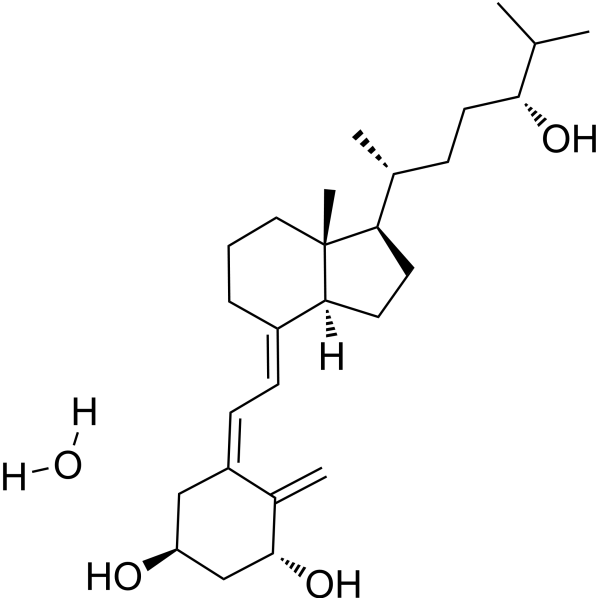
    Tacalcitol monohydrate (1,24(R)-Dihydroxyvitamin D3; 1.alpha.,24R-Dihydroxyvitamin D3 monohydrate) can promote normal bone growth by regulating calcium ions. Tacalcitol monohydrate inhibits cancer cell proliferation and migration. Tacalcitol monohydrate can be used in the research of inflammation, cancer, and skin diseases .
    Tacalcitol monohydrate
  • HY-P5522A
    TriDAP dihydrochloride
    1 Publications Verification

    L-Ala-γ-D-Glu-meso-diaminopimelic acid dihydrochloride

    NOD-like Receptor (NLR) NF-κB MAP3K MEK ERK p38 MAPK Interleukin Related SARS-CoV Infection Inflammation/Immunology
    TriDAP dihydrochloride (L-Ala-γ-D-Glu-meso-diaminopimelic acid dihydrochloride) is a NOD1 agonist with a Kd value of 34.5 μM. TriDAP dihydrochloride enhances the binding of NOD1-RICK, promotes RICK phosphorylation, and activates the NF-κB, TAK1, MEK/ERK, p38 and interferon response pathways. TriDAP dihydrochloride downregulates Runx2 via increasing ubiquitination and reduces trabecular bone parameters. TriDAP dihydrochloride decreases IκBα levels and increases p65 levels. TriDAP dihydrochloride induces the secretion of proinflammatory mediators IL-8 and prostaglandins, triggers tissue inflammation and innate immune activation, and inhibits SARS-CoV-2 replication in lung epithelial cells. TriDAP dihydrochloride increases the RANKL/OPG ratio in mice, reduces bone mass and enhances osteoclast activity, and inhibits new bone formation by decreasing the mineralization deposition rate in mice. TriDAP dihydrochloride can be used in research related to pulpitis, chronic ulcerative colitis, Crohn's disease and SARS-CoV-2 infection .
    TriDAP dihydrochloride
  • HY-10860

    sFRP-1 Wnt β-catenin Metabolic Disease
    WAY-362692 is a secreted frizzled-related protein (sFRP-1) inhibitor (IC50 of 0.02 μM), targeting the netrin domain of sFRP-1. WAY-362692 can competitively inhibit the interaction between sFRP-1 and Wnt proteins, and activate the Wnt/β-catenin signaling pathway (EC50 = 0.03 μM). WAY-362692 can activate osteoblasts and promote bone remodeling. WAY-362692 can be used for the research of metabolic disease, such as osteoporosis .
    WAY-362692
  • HY-126436D

    L-Ornithine homopolymer hydrochloride (MW 15000-30000)

    Biochemical Assay Reagents Metabolic Disease Endocrinology
    Poly-L-ornithine hydrochloride (MW 15000-30000) is a polycationic homopolymer composed of L-ornithine. Poly-L-ornithine hydrochloride (MW 15000-30000) adsorbs negatively charged species through electrostatic interactions. Poly-L-ornithine hydrochloride (MW 15000-30000) can be used as a key component of polyelectrolyte complexes to construct core-shell structure carriers to achieve controlled delivery of growth factors (such as rhBMP-2, FGF-1). Poly-L-ornithine hydrochloride (MW 15000-30000) is used in the study of diabetes and bone regeneration related diseases .
    Poly-L-ornithine hydrochloride (MW 15000-30000)
  • HY-107093

    Apoptosis Cancer
    MBC-11 is a first-in-class conjugate of the bone-targeting bisphosphonate etidronate covalently linked to the antimetabolite cytarabine (araC). MBC-11 has the potential for tumor-induced bone disease (TIBD) research .
    MBC-11
  • HY-116640

    AP-1 Nuclear Factor of activated T Cells (NFAT) AMPK Autophagy Metabolic Disease Inflammation/Immunology Endocrinology
    Amorphigenin is a trothotenone compound. Amorphigenin inhibits osteoclast differentiation by suppressing the expression of c-Fos and NFATc1 in activated T cells. Amorphigenin degrades melanosome proteins by activating the AMPK-dependent autophagy pathway, but not in dependence of the mTOR pathway. Amorphigenin significantly protects bone mass and reduces bone erosion in a mouse model of inflammatory bone loss. Amorphigenin can be used to study inflammatory bone diseases, postmenopausal osteoporosis, and skin pigmentation disorders .
    Amorphigenin
  • HY-147615

    c-Fms Cancer
    CSF1R-IN-12 (compound 1) is a potent inhibitor of CSF1R. Colony stimulating factor 1 (CSF-1, also known as macrophage colony stimulating factor, M-CSF) is an important growth factor that controls bone marrow progenitor cells, monocytes, macrophages, and giants. CSF1R-IN-12 has the potential for the research of cancer diseases .
    CSF1R-IN-12
  • HY-15147R

    β-catenin PARP Cancer
    XAV-939 (Standard) is the analytical standard of XAV-939. This product is intended for research and analytical applications. XAV-939 is a Tankyrase inhibitor. XAV-939 has inhibitory activity for TNKS1 and TNKS2 with IC50 values of 5 nM and 2 nM, respectively. XAV-939 also is an enhancer of osteoblastic differentiation of hMSCs. XAV-939 can be used for the research of conditions associated with activated Wnt signaling, such as cancer, fibrotic diseases and conditions associated with low bone formation .
    XAV-939 (Standard)
  • HY-U00358

    Drug Derivative Metabolic Disease Cancer
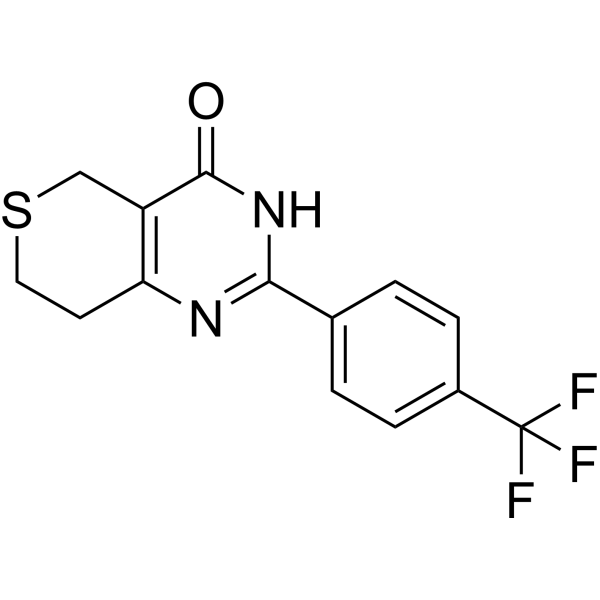
    Compound 2 is an active compound used for the research of metabolic bone diseases.
    Compound 2
  • HY-P1288

    PKC fragment (530-558)

    PKC Others
    Protein Kinase C (530-558), a peptide fragment of protein kinase C (PKC), is a potent PKC activator. Protein Kinase C (530-558) significantly inhibits osteoclastic bone resorption .
    Protein Kinase C (530-558)
  • HY-N8837

    MMP Metabolic Disease
    Trifloroside is a secoiridoid glycoside with antioxidant effects. Trifloroside induces osteogenic effects through osteoblast differentiation, adhesion, migration, and mineral apposition. Trifloroside has the potential for osteoblast-mediated bone diseases research .
    Trifloroside
  • HY-B0631S

    Isotope-Labeled Compounds Cancer
    Alendronic acid-d6 is the deuterium labeled Alendronic acid. Alendronic acid, a bisphosphonate, is a farnesyl diphosphate synthase (FDPS) inhibitor. Alendronic acid inhibits osteoclast-mediated bone resorption. Alendronic acid shows efficacy in postmenopausal osteoporosis, malignant hypercalcemia and Paget’s disease .
    Alendronic acid-d6

Inquiry Online

Your information is safe with us. * Required Fields.

Salutation


Country or Region *

Applicant Name *


Organization Name *

Department *


Email Address *


Product Name *

Cat. No.


Requested quantity *

Phone Number *


Remarks

Inquiry Online

Inquiry Information

Product Name:
Cat. No.:
Quantity:
MCE Japan Authorized Agent:

