Search Result
Results for "
caspases 9
" in MedChemExpress (MCE) Product Catalog:
9
Biochemical Assay Reagents
6
Isotope-Labeled Compounds
| Cat. No. |
Product Name |
Target |
Research Areas |
Chemical Structure |
-
- HY-N1423
-
|
|
P-glycoprotein
Bcl-2 Family
G protein-coupled Bile Acid Receptor 1
Endogenous Metabolite
Bacterial
Apoptosis
FXR
Caspase
MDM-2/p53
LPL Receptor
|
Metabolic Disease
Inflammation/Immunology
Cancer
|
|
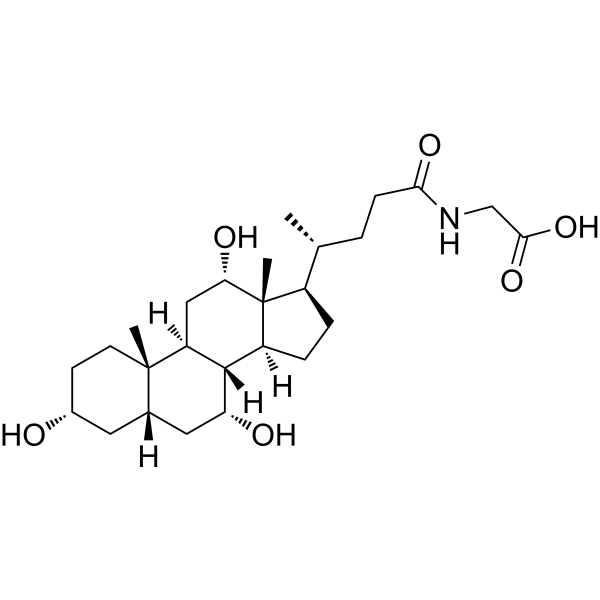
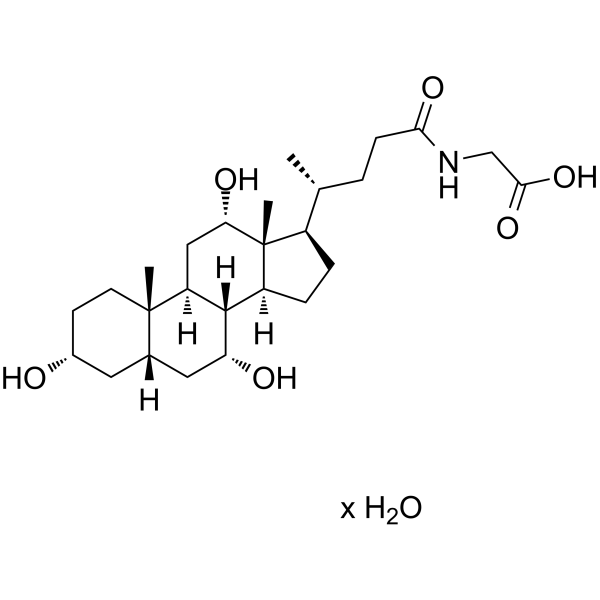
Glycocholic acid is a bile acid derivative. Glycocholic acid downregulates MDR1, Bcl-2, MRP1, MRP2 and FXR, upregulates Bax, p53, caspase-9, caspase-3, TGR5 and S1PR2. Glycocholic acid inhibits multidrug resistance and efflux pumps, induces mitochondrial apoptosis, and enhances chemosensitivity. Glycocholic acid modulates related bile acid receptor signaling. Glycocholic acid suppresses growth and conjugation of Enterobacteriaceae and increases their antibiotic susceptibility. Glycocholic acid can be used for the research of colon adenocarcinoma and cholangiocarcinoma (CCA) .
|
-
-
- HY-16046
-
Rimiducid
Maximum Cited Publications
54 Publications Verification
AP1903
|
FKBP
Apoptosis
|
Cancer
|
|
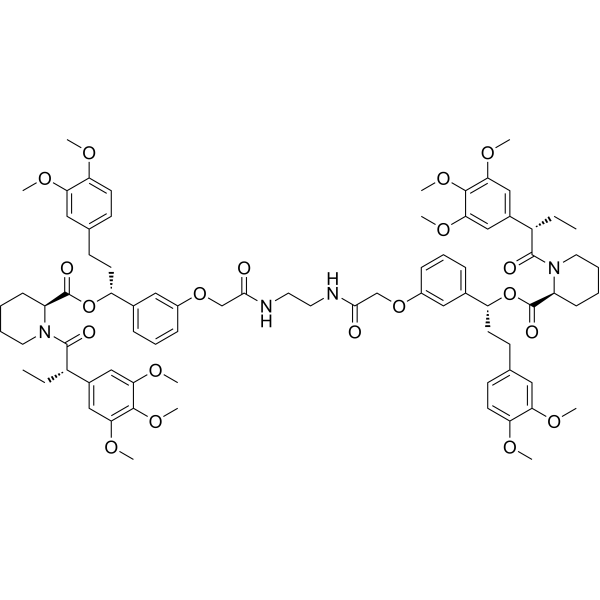
Rimiducid (AP1903) is a dimerizer agent that acts by cross-linking the FKBP domains. Rimiducid (AP1903) dimerizes the Caspase 9 suicide switch and rapidly induces apoptosis.
|
-
-
- HY-N0605
-
|
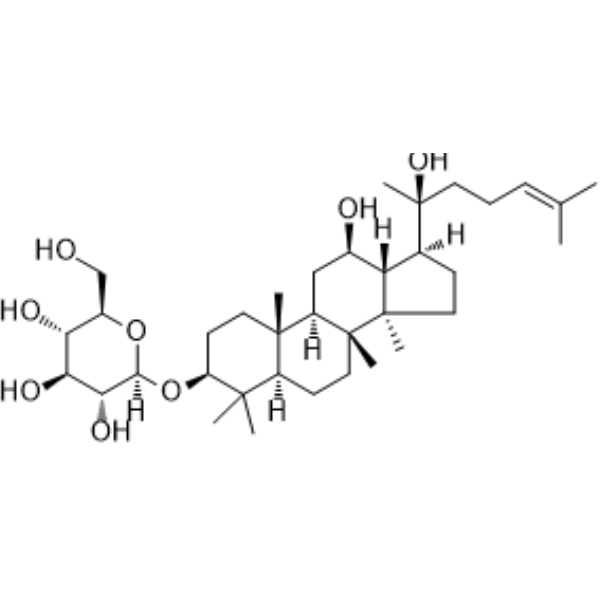
20(S)-Ginsenoside Rh2; 20(S)-Rh2
|
Caspase
Apoptosis
Endogenous Metabolite
|
Cancer
|
|
Ginsenoside Rh2 (20(S)-Ginsenoside Rh2) induces the activation of caspase-8 and caspase-9. Ginsenoside Rh2 induces cancer cell apoptosis in a multi-path manner.
|
-
-
- HY-Y1881B
-
|
|
Environmental Pollutants
Biochemical Assay Reagents
Reactive Oxygen Species (ROS)
Caspase
MyD88
SOD
|
Others
|
|
Copper sulfate pentahydrate, for cell culture, 98% is a biochemical reagent. Copper sulfate pentahydrate, for cell culture, 98% reduces the production of ROS and the expression levels of MyD88 as well as c-Rel genes. Copper sulfate pentahydrate, for cell culture, 98% decreases the activities of T-SOD, CAT, and GSH, increases the activities of caspase-3, caspase-8, and caspase-9. Copper sulfate pentahydrate, for cell culture, 98% is cytotoxic to various cells .
|
-
-
- HY-121320
-
|
|
Caspase
Apoptosis
|
Cancer
|
|
Raptinal, a agent that directly activates caspase-3, initiates intrinsic pathway caspase-dependent apoptosis. Raptinal is able to rapidly induce cancer cell death by directly activating the effector caspase-3, bypassing the activation of initiator caspase-8 and caspase-9 .
|
-
-
- HY-12290
-
|
RGDS peptide; Fibronectin tetrapeptide
|
Integrin
|
Inflammation/Immunology
|
|
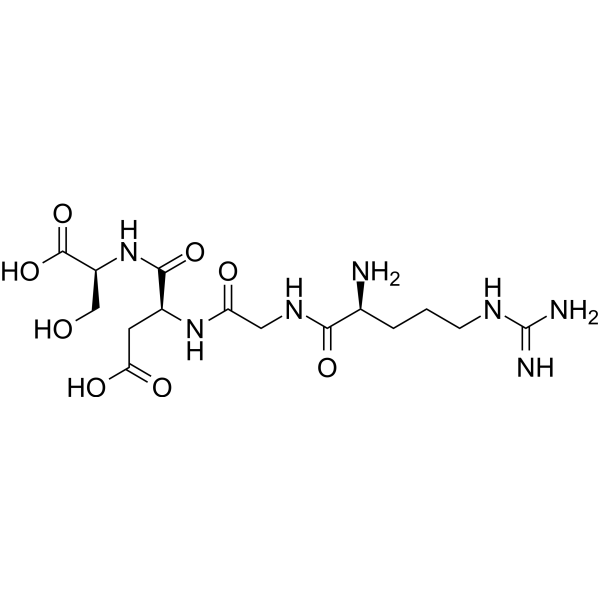
Arg-Gly-Asp-Ser is an integrin binding sequence that inhibits integrin receptor function. Arg-Gly-Asp-Ser directly and specifically bind pro-caspase-8, pro-caspase-9 and pro-caspase-3, while it does not bind pro-caspase-1.
|
-
-
- HY-P1010
-
|
|
Caspase
Apoptosis
|
Neurological Disease
Cancer
|
|
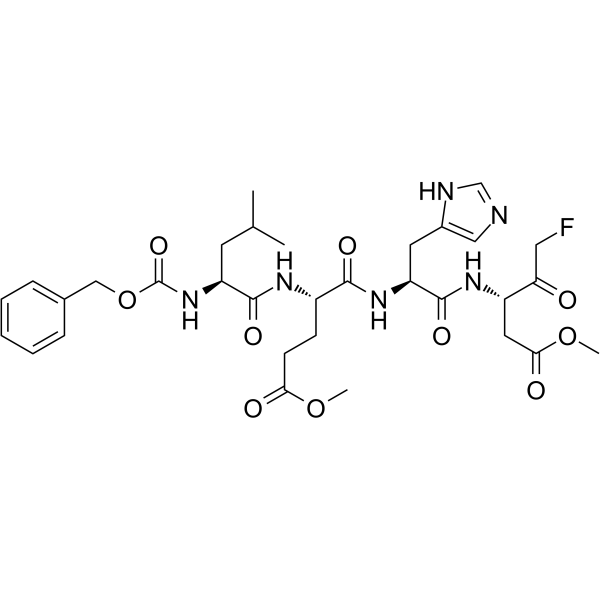
Z-LEHD-FMK is a selective and irreversible inhibitor of caspase-9, protects against lethal reperfusion injury and attenuates apoptosis. Z-LEHD-FMK exhibits the neuroprotective effect in a rat model of spinal cord trauma .
|
-
-
- HY-17473
-
|
Embelic acid; Emberine; NSC 91874
|
IAP
NF-κB
Apoptosis
Autophagy
|
Cancer
|
|
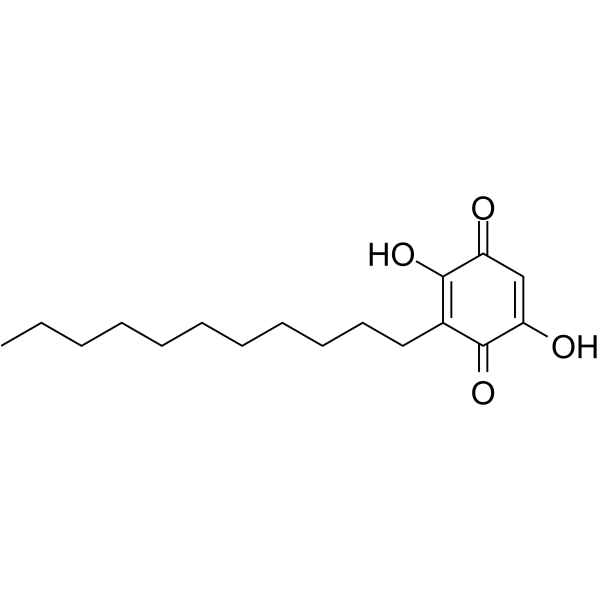
Embelin (Embelic acid), a potent, nonpeptidic XIAP inhibitor (IC50=4.1 μM), inhibits cell growth, induces apoptosis, and activates caspase-9 in prostate cancer cells with high levels of XIAP. Embelin blocks NF-kappaB signaling pathway leading to suppression of NF-kappaB-regulated antiapoptotic and metastatic gene products. Embelin also induces autophagic and apoptotic cell death in human oral squamous cell carcinoma cells .
|
-
-
- HY-N3584
-
|
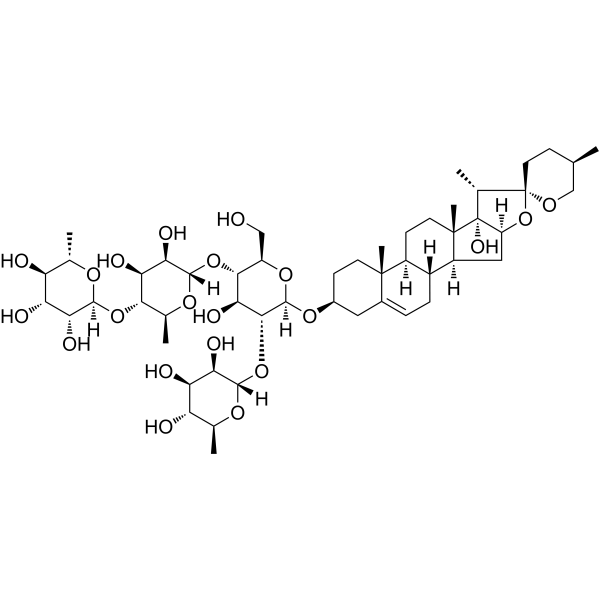
Chonglou Saponin VII
|
Akt
p38 MAPK
P-glycoprotein
Bcl-2 Family
Caspase
PARP
Autophagy
Apoptosis
|
Cancer
|
|
Paris saponin VII (Chonglou Saponin VII) is a steroidal saponin isolated from the roots and rhizomes of Trillium tschonoskii. Paris saponin VII-induced apoptosis in K562/ADR cells is associated with Akt/MAPK and the inhibition of P-gp. Paris saponin VII attenuates mitochondrial membrane potential, increases the expression of apoptosis-related proteins, such as Bax and cytochrome c, and decreases the protein expression levels of Bcl-2, caspase-9, caspase-3, PARP-1, and p-Akt. Paris saponin VII induces a robust autophagy in K562/ADR cells and provides a biochemical basis in the treatment of leukemia .
|
-
-
- HY-N0702
-
|
|
Beta-secretase
Cholinesterase (ChE)
|
Neurological Disease
|
|
Tenuifolin is effective and has a protective action. Tenuifolin inhibits β-secretase decreases Aβ protein secretion, suppresses Aβ25-35 secretion, and subsequently caspase-3 and caspase-9 become active. Tenuifolin's ability to lower AChE activity, increase at the same time, increase the ability of the upper glands, and improve the ability to read and remember. Research on tenuifolin's potential for use in urinary disease (AD).
|
-
-
- HY-N0763
-
|
Isopsoralen
|
Apoptosis
Virus Protease
NF-κB
p38 MAPK
JNK
Caspase
|
Infection
Inflammation/Immunology
Cancer
|
|
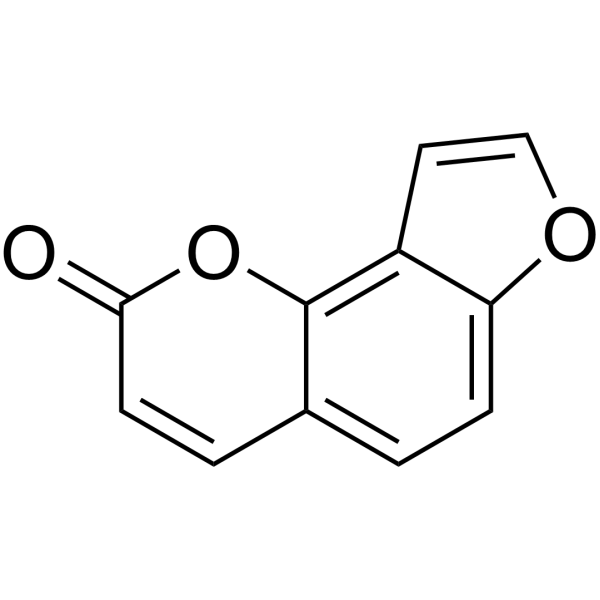
Angelicin is a furanocoumarin compound that functions as an inhibitor of NF-κB and MAPK signaling pathways, exhibiting anti-inflammatory, antiviral, and antitumor activities. It suppresses the lytic replication of γ-herpesviruses, such as MHV-68, early during viral infection, potentially inhibiting RTA gene expression (IC50=28.95 μM). Angelicin also mitigates inflammation by inhibiting the phosphorylation and nuclear translocation of NF-κB, and the phosphorylation of p38 and JNK. Furthermore, it induces apoptosis in neuroblastoma cells by downregulating anti-apoptotic proteins like Bcl-2, Bcl-xL, and Mcl-1, while activating caspase-9 and caspase-3.
|
-
-
- HY-N0732
-
|
|
IAP
Akt
Caspase
NF-κB
TGF-beta/Smad
JAK
Bacterial
Apoptosis
|
Infection
Metabolic Disease
Inflammation/Immunology
Cancer
|
|
Jolkinolide B is a bioactive diterpene isolated from the roots of Euphorbia fischeriana Steud with oral activity. Jolkinolide B downregulates XIAP, cIAP1, cIAP2, and phosphorylated Akt, upregulates Smac, activates caspase-3 and caspase-9, and inhibits NF-κB, TGFβ/smad3 and JAK/STAT3 pathways. Jolkinolide B exerts comprehensive biological effects including inducing cancer cell apoptosis, suppressing inflammatory responses, improving lung function, alleviating hepatic steatosis and eliminating intracellular Mycobacterium tuberculosis. Jolkinolide B can be used for the research of leukemia, histiocytic lymphoma, asthma, metabolic dysfunction-associated steatotic liver disease and tuberculosis .
|
-
-
- HY-13945
-
NVP 231
3 Publications Verification
|
Apoptosis
|
Cancer
|
|
NVP 231 is a potent, specific, and reversible ceramide kinase (CerK) inhibitor(IC50=12 nM) that competitively inhibits binding of ceramide to CerK . NVP 231 induces cell apoptosis by increasing DNA fragmentation and caspase-3 and caspase-9 cleavage .
|
-
-
- HY-N1423A
-
|
|
P-glycoprotein
Bcl-2 Family
G protein-coupled Bile Acid Receptor 1
Bacterial
Apoptosis
FXR
Caspase
MDM-2/p53
LPL Receptor
Endogenous Metabolite
|
Metabolic Disease
Cancer
|
|
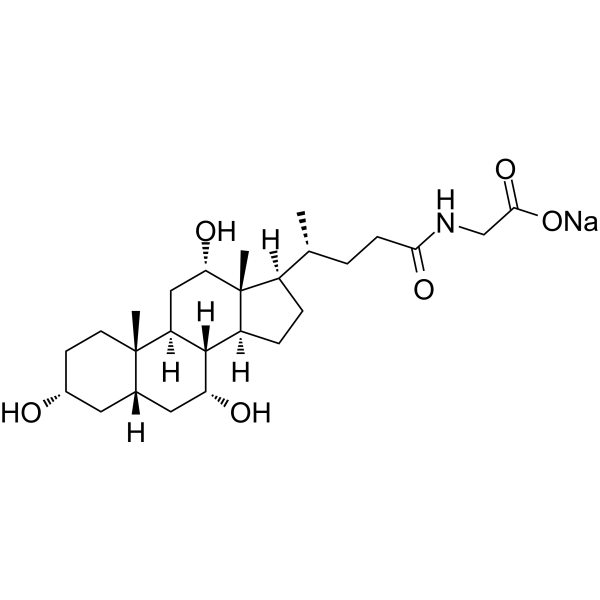
Glycocholic acid sodium is a bile acid derivative. Glycocholic acid downregulates MDR1, Bcl-2, MRP1, MRP2 and FXR, upregulates Bax, p53, caspase-9, caspase-3, TGR5 and S1PR2. Glycocholic acid sodium inhibits multidrug resistance and efflux pumps, induces mitochondrial apoptosis, and enhances chemosensitivity. Glycocholic acid sodium modulates related bile acid receptor signaling. Glycocholic acid sodium suppresses growth and conjugation of Enterobacteriaceae and increases their antibiotic susceptibility. Glycocholic acid sodium can be used for the research of colon adenocarcinoma and cholangiocarcinoma (CCA) .
|
-
-
- HY-N1423S
-
|
|
Isotope-Labeled Compounds
P-glycoprotein
Bcl-2 Family
G protein-coupled Bile Acid Receptor 1
Endogenous Metabolite
Bacterial
Apoptosis
FXR
Caspase
MDM-2/p53
LPL Receptor
|
Metabolic Disease
Cancer
|
|
Glycocholic acid-d4 is the deuterium labeled Glycocholic acid (HY-N1423). Glycocholic acid is a bile acid derivative. Glycocholic acid downregulates MDR1, Bcl-2, MRP1, MRP2 and FXR, upregulates Bax, p53, caspase-9, caspase-3, TGR5 and S1PR2. Glycocholic acid inhibits multidrug resistance and efflux pumps, induces mitochondrial apoptosis, and enhances chemosensitivity. Glycocholic acid modulates related bile acid receptor signaling. Glycocholic acid suppresses growth and conjugation of Enterobacteriaceae and increases their antibiotic susceptibility. Glycocholic acid can be used for the research of colon adenocarcinoma and cholangiocarcinoma (CCA).
|
-
-
- HY-Y1881A
-
|
|
Environmental Pollutants
Biochemical Assay Reagents
Reactive Oxygen Species (ROS)
Caspase
MyD88
SOD
|
Neurological Disease
Metabolic Disease
Cancer
|
|
Copper sulfate pentahydrate, 99% is a biochemical reagent. Copper sulfate pentahydrate, 99% reduces the production of ROS and the expression levels of MyD88 as well as c-Rel genes. Copper sulfate pentahydrate, 99% decreases the activities of T-SOD, CAT, and GSH, increases the activities of caspase-3, caspase-8, and caspase-9. Copper sulfate pentahydrate, 99% is cytotoxic to various cells. Copper sulfate pentahydrate, 99% has antioxidant activity. Copper sulfate pentahydrate, 99% can be used in the research of diabetes, Parkinson's disease and DMBA (HY-W011845)-induced tumors .
|
-
-
- HY-N3415
-
|
|
Apoptosis
Autophagy
Caspase
Ferroptosis
SARS-CoV
|
Neurological Disease
Inflammation/Immunology
Cancer
|
|
Kumatakenin is an orally active apoptosis inducer and autophagy inhibitor, with a Kd value of 2.94 μM for mouse ATG5. Kumatakenin increases the activities of caspase-3, caspase-8 and caspase-9, thereby inducing caspase-dependent apoptosis in ovarian cancer cells. Kumatakenin reduces the expression of chemokines and pro-oncogenic factors in ovarian cancer cells, and inhibits M2 macrophage polarization. Kumatakenin inactivates TRIM65 function, reduces the expression and stability of FASN, and thus inhibits the proliferation, migration, invasion and tumor progression of esophageal cancer cells. Kumatakenin interacts with ATG5 to reduce its protein level, decrease LC3 level, and reduce the number of autophagosomes in the hippocampus. Kumatakenin binds to Eno3 to upregulate its expression, reduce the stability and expression level of IRP1 mRNA, inhibit ferroptosis, alleviate intestinal inflammation, and restore epithelial barrier function. Kumatakenin enhances the efficacy of antibiotics against pathogenic bacteria, inhibits SARS-CoV-2 replication, and reduces cytokine production. Kumatakenin is applicable to research related to ovarian cancer, esophageal cancer, depression and colitis .
|
-
-
- HY-P1093
-
|
|
Caspase
|
Others
|
|
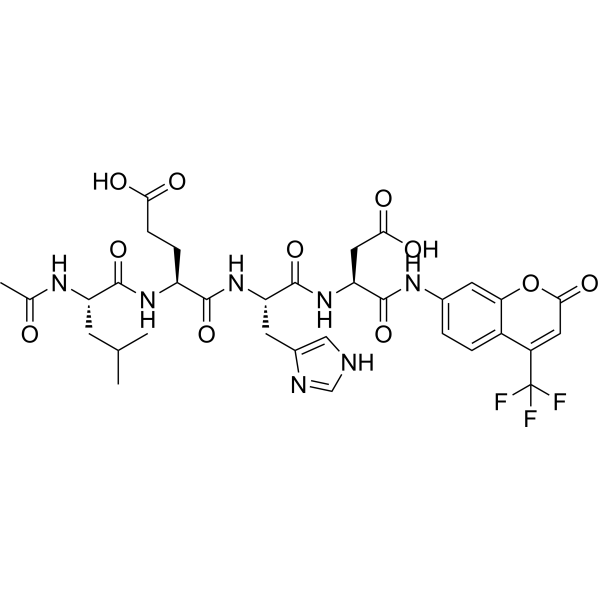
Ac-LEHD-AFC is a fluorescent substrate for caspase-9, can be used to assess the activity of caspase .
|
-
-
- HY-N3376
-
|
Spermatheridine; VLT045
|
Apoptosis
|
Cancer
|
|
Liriodenine (Spermatheridine; VLT045) is an aporphine alkaloid isolated from the plant?Mitrephora sirikitiae?and has anti-cancer activities . Liriodenine induces cell apoptosis, activates the intrinsic pathway by induction of caspase-3 and caspase-9 .
|
-
-
- HY-N7045
-
|
|
Androgen Receptor
Apoptosis
CDK
Caspase
PSMA
|
Cancer
|
|
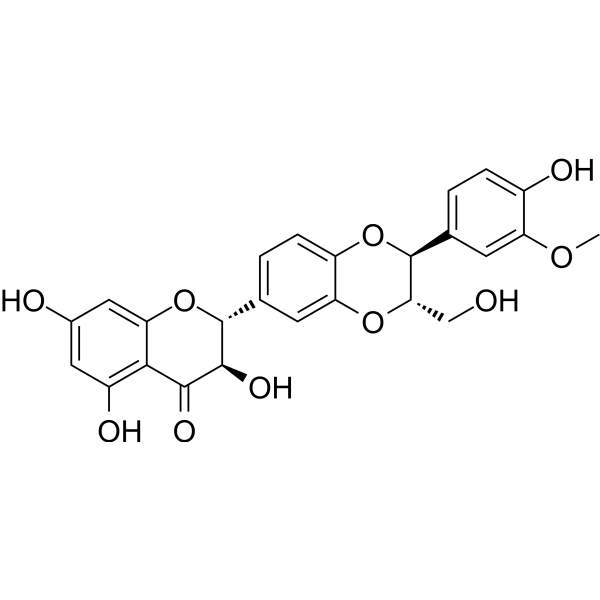
Isosilybin B is a flavonolignan. Isosilybin B can be isolated from Silybum marianum. Isosilybin B can regulate cell cycle-related proteins (e.g., reduce cyclins (D3, D1, A, E), Cdk4, Cdk2, Cdc25A), and activate Caspases (Caspase-9 and Caspase-3). Isosilybin B can promote Apoptosis, reduce androgen receptor (AR) and PSA. Isosilybin B has anticancer activity against prostate cancer .
|
-
-
- HY-12842
-
|
|
IAP
Survivin
Apoptosis
Caspase
|
Inflammation/Immunology
Cancer
|
|
UC-112 is a XIAP inhibitor with anticancer activity. UC-112 selectively downregulates and degrades survivin via the ubiquitin-mediated proteasomal degradation pathway. UC-112 reduces XIAP levels in in vivo tumor models. UC-112 activates caspase-3/7 and caspase-9, and induces cancer cell apoptosis. UC-112 is applicable to studies on melanoma, prostate cancer and cancer-related research .
|
-
-
- HY-N0905
-
-
-
- HY-N2132
-
-
-
- HY-136744
-
|
Ac-LEHD-cmk
|
Caspase
|
Cardiovascular Disease
|
|
Caspase-9 Inhibitor III (Ac-LEHD-cmk) is a caspase-9 inhibitor. Caspase-9 Inhibitor III exhibits protective effects on ischemia-reperfusion-induced myocardial injury .
|
-
-
- HY-129478
-
TC11
2 Publications Verification
|
Caspase
Bcl-2 Family
CDK
|
Cancer
|
|
TC11 is a MCL1 degrader and Caspase-9 and CDK1 activator. TC11 functions as a phenylacetylamide derivative and is structurally related to immunomodulatory active molecules. TC11 induces degradation of MCL1 leading to apoptotic death during prolonged mitotic arrest.
|
-
-
- HY-P1380A
-
|
|
Apoptosis
Bcl-2 Family
Caspase
|
Cancer
|
|
Difopein TFA is a 14-3-3 protein inhibitor. Difopein TFA acts as an apoptosis inducer, regulates apoptosis-related proteins, downregulates Bcl-2, upregulates Bax, activates caspase-9 and caspase-3, and induces nuclear fragmentation, membrane-enclosed apoptotic bodies and DNA ladder formation. Difopein TFA serves as a tumor growth inhibitor, which inhibits the proliferation of glioma cells and induces their apoptosis in in vivo nude mouse models. Difopein TFA is applicable to glioma-related research .
|
-
-
- HY-W013105
-
|
N-Cholylglycine sodium salt, 98%
|
Bcl-2 Family
Caspase
Endogenous Metabolite
Bacterial
MDM-2/p53
P-glycoprotein
LPL Receptor
FXR
G protein-coupled Bile Acid Receptor 1
Apoptosis
|
Others
|
|
Sodium glycocholate hydrate, 98% is a bile acid derivative. Sodium glycocholate hydrate, 98% downregulates MDR1, Bcl-2, MRP1, MRP2 and FXR, upregulates Bax, p53, caspase-9, caspase-3, TGR5 and S1PR2. Sodium glycocholate hydrate, 98% inhibits multidrug resistance and efflux pumps, induces mitochondrial apoptosis, and enhances chemosensitivity. Sodium glycocholate hydrate, 98% modulates related bile acid receptor signaling. Sodium glycocholate hydrate, 98% suppresses growth and conjugation of Enterobacteriaceae and increases their antibiotic susceptibility. Sodium glycocholate hydrate, 98% can be used for the research of colon adenocarcinoma and cholangiocarcinoma (CCA) .
|
-
-
- HY-D1652
-
|
|
Caspase
|
Others
|
|
Ac-LEHD-AMC is a fluorogenic substrate for caspase-9 (Excitation: 341 nm; Emission: 441 nm). Caspase-9 can induce hydrolysis of Ac-LEHD-AMC, resulting in the release of AMC fluorophore and its fluorescence can be used to quantify caspase-9 activity .
|
-
-
- HY-125018
-
|
SVT016426
|
Caspase
|
Cancer
|
|
QM31 (SVT016426), a cytoprotective agent, is a selective inhibitor of Apaf-1. QM31 inhibits the formation of the apoptosome (IC50=7.9μM), the caspase activation complex composed by Apaf-1, cytochrome c, dATP and caspase-9. QM31 exerts mitochondrioprotective functions and interferes with the intra-S-phase DNA damage checkpoint .
|
-
-
- HY-N1423B
-
|
|
Endogenous Metabolite
Caspase
G protein-coupled Bile Acid Receptor 1
LPL Receptor
MDM-2/p53
Bcl-2 Family
P-glycoprotein
FXR
Bacterial
Apoptosis
|
Metabolic Disease
Inflammation/Immunology
Cancer
|
|
Glycocholic acid hydrate is a bile acid derivative. Glycocholic acid hydrate downregulates MDR1, Bcl-2, MRP1, MRP2 and FXR, upregulates Bax, p53, caspase-9, caspase-3, TGR5 and S1PR2. Glycocholic acid hydrate inhibits multidrug resistance and efflux pumps, induces mitochondrial apoptosis, and enhances chemosensitivity. Glycocholic acid hydrate modulates related bile acid receptor signaling. Glycocholic acid hydrate suppresses growth and conjugation of Enterobacteriaceae and increases their antibiotic susceptibility. Glycocholic acid hydrate can be used for the research of colon adenocarcinoma and cholangiocarcinoma (CCA) .
|
-
-
- HY-N6861
-
|
|
Apoptosis
|
Cancer
|
|
Lucidenic acid B is a natural compound isolated from Ganoderma lucidum, induces apoptosis of cancer cells, and causes the activation of caspase-9 and caspase-3, and cleavage of PARP. Lucidenic acid B does not affect the cell cycle profile, or the number of necrotic cells .
|
-
-
- HY-126166
-
|
|
IAP
|
Cancer
|
|
NOC-5 is a diazeniumdiolate compound that belongs to the same family of NO donors. NOC-5 is able to increase intracellular XIAP and Aven levels, potentially leading to the inhibition of caspase-9 activity following increased mitochondrial permeability .
|
-
-
- HY-155552
-
|
|
Apoptosis
CDK
Caspase
|
Cancer
|
|
GSPT1 degrader-1 is a highly selective degrader targeting GSPT1. GSPT1 degrader-1 induces degradation via the ubiquitin-proteasome system. GSPT1 degrader-1 induces G0/G1 phase arrest, apoptosis (apoptosis) and inhibits proliferation in leukemia cells. GSPT1 degrader-1 reduces the levels of CDK6 and Cyclin B1, while increases the levels of activated caspase-3 and caspase-9 in leukemia cells. GSPT1 degrader-1 can be used in leukemia research .
|
-
-
- HY-106789
-
|
CS-684
|
Bacterial
|
Infection
Inflammation/Immunology
Cancer
|
|
Plaunotol is an orally active acyclic diterpene alcohol. Plaunotol has antibacterial activity against Helicobacter pylori which causes peptic ulcer . Plaunotol inhibits tumor angiogenesis and cell proliferation. Plaunotol induces apoptosis by activation of caspase 8 and caspase 9 pathways. Plaunotol is a potential anticancer agent against colon cancer .
|
-
-
- HY-N16483
-
|
|
Apoptosis
Caspase
Bcl-2 Family
PARP
Androgen Receptor
|
Cancer
|
|
Procyanidin B2-3'-O-gallate is a mono-gallate ester that can be isolated from grape seed extract. Procyanidin B2-3'-O-gallate has anti-cancer efficacy and reduces the viability of prostate carcinoma LNCaP cells. Furthermore, Procyanidin B2-3'-O-gallate induces apoptosis, and causes caspases-9 and -3 and PARP cleavage, and down-regulates Bcl-2, Bcl-Xl and androgen receptor levels .
|
-
-
- HY-16232
-
|
D 19575; Glucosylifosfamide mustard
|
Apoptosis
Caspase
Bcl-2 Family
|
Cancer
|
|
Glufosfamide is a glucose-conjugated alkylating cytotoxic agent and a derivative of Ifosfamide (HY-17419). Glufosfamide induces apoptosis frequency and increase the expression of caspase-9 and caspase-3 in cancer cells. Glufosfamide shows great anti-tumor activity in MiaPaCa-2-RFP mouse model. Glufosfamide can be used for the study of hepatocellular carcinoma, prostate cancer and pancreatic carcinoma .
|
-
-
- HY-109583
-
|
4-Oxo-4-HPR
|
Apoptosis
Reactive Oxygen Species (ROS)
Drug Metabolite
|
Cancer
|
|
4-Oxofenretinide (4-Oxo-4-HPR) is a metabolite of Fenretinide (HY-15373). 4-Oxofenretinide induces cell growth inhibition in ovarian, breast, and neuroblastoma tumor cell lines. 4-Oxofenretinide causes a marked accumulation of cells in G2-M. 4-Oxofenretinide induces cancer cell apoptosis through caspase-9 .
|
-
-
- HY-N12999
-
|
|
Apoptosis
Bcl-2 Family
Caspase
MDM-2/p53
PARP
Amylases
|
Metabolic Disease
Endocrinology
Cancer
|
|
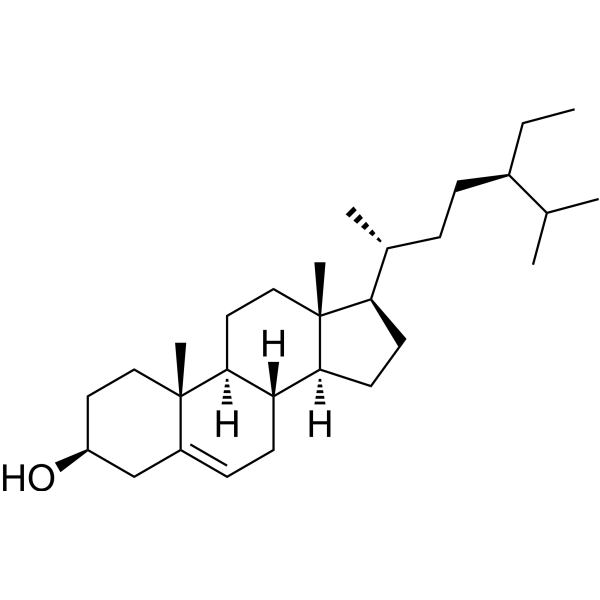
Stigmast-5-en-3-ol induces cancer cell apoptosis and inhibits proliferation by increasing the production of Bax, Caspase-9, p53, and PARP cleavage and reducing Bcl-xl expression. Stigmast-5-en-3-ol exhibits potent inhibitory activity against glucoamylase and α-amylase and possesses high antioxidant activity. Stigmast-5-en-3-ol can be used in the research of diseases such as leukemia, breast cancer, type 2 diabetes, and obesity .
|
-
-
- HY-130326
-
|
Ru(η6-p-cymene)Cl2(pta)
|
Apoptosis
Caspase
|
Cardiovascular Disease
Cancer
|
|
RAPTA-C (Ru(η6-p-cymene)Cl2(pta)) acts as an anti-cancer and anti-angiogenic agent. RAPTA-C exhibits anti-metastatic, anti-angiogenic, and anti-tumoral activities through protein and histone-deoxyribonucleic acid alterations. RAPTA-C exhibits cell growth inhibition by triggering G(2)/M phase arrest in cancer cells. RAPTA-C also enhances the levels of p53 and triggers the mitochondrial Apoptotic pathway, resulting in cytochrome C release and caspase-9 activation. RAPTA-C reduces the growth of tumors with the inhibition of angiogenesis in a ovarian carcinoma model .
|
-
-
- HY-P1010A
-
|
|
Caspase
Apoptosis
|
Neurological Disease
Cancer
|
|
Z-LEHD-FMK TFA is a selective and irreversible inhibitor of caspase-9, protects against lethal reperfusion injury and attenuates apoptosis. Z-LEHD-FMK TFA exhibits the neuroprotective effect in a rat model of spinal cord trauma .
|
-
-
- HY-157343A
-
|
|
Apoptosis
Mitochondrial Metabolism
Caspase
|
Neurological Disease
Cancer
|
|
GD3 Ganglioside sodium is an Apoptosis inducer and biomarker for mouse neural stem cells. GD3 Ganglioside sodium expresses in neural stem cells and the subventricular zone of the adult mouse brain. GD3 Ganglioside sodium targets the mitochondrial permeability transition pore complex, induces pore opening, dissipates mitochondrial transmembrane potential, triggers Mitochondrial swelling, releases pro-apoptotic factors, and activates Caspase-9. GD3 Ganglioside sodium is applicable to research related to glioblastoma .
|
-
-
- HY-157343
-
|
|
Apoptosis
Mitochondrial Metabolism
Caspase
|
Neurological Disease
Cancer
|
|
GD3 Ganglioside is an Apoptosis inducer and a biomarker for mouse neural stem cells. GD3 Ganglioside expresses in neural stem cells and the subventricular zone of the adult mouse brain. GD3 Ganglioside targets the mitochondrial permeability transition pore complex, induces pore opening, dissipates mitochondrial transmembrane potential, triggers Mitochondrial swelling, releases pro-apoptotic factors, and activates Caspase-9. GD3 Ganglioside is applicable to research related to glioblastoma .
|
-
-
- HY-157343B
-
|
|
Apoptosis
Mitochondrial Metabolism
Caspase
|
Neurological Disease
Cancer
|
|
GD3 Ganglioside ammonium is an Apoptosis inducer and biomarker for mouse neural stem cells. GD3 Ganglioside ammonium expresses in neural stem cells and the subventricular zone of the adult mouse brain. GD3 Ganglioside ammonium targets the mitochondrial permeability transition pore complex, induces pore opening, dissipates mitochondrial transmembrane potential, triggers Mitochondrial swelling, releases pro-apoptotic factors, and activates Caspase-9. GD3 Ganglioside ammonium is applicable to research related to glioblastoma .
|
-
-
- HY-178955
-
|
|
EGFR
HSP
PI3K
Caspase
Apoptosis
CDK
ERK
Akt
|
Cancer
|
|
EGFR-IN-182 (Compound 4) is an EGFR inhibitor with an IC50 value of 199 nM. EGFR-IN-182 inhibits HSP90 and PI3K, with IC50 values of 5.007 and 13.596 μM respectively. EGFR-IN-182 exhibits strong anti-proliferative activity against MCF-7 and MDA-MB-231 cells. EGFR-IN-182 downregulates Cyclin D1, inducing cell cycle arrest; it enhances the activity of caspase-9, inducing cell apoptosis. EGFR-IN-182 downregulates the expressions of ERK and AKT. EGFR-IN-182 can be used for research on breast cancer .
|
-
-
- HY-174377
-
|
|
Androgen Receptor
p38 MAPK
Caspase
Cytochrome P450
Calcium Channel
Reactive Oxygen Species (ROS)
Apoptosis
Mitochondrial Metabolism
GLUT
|
Cancer
|
|
PeS-9 is an Androgen Receptor (AR) degrader that induces androgen receptor degradation PeS-9 induces mitochondrial and ER stress by promoting cytotoxic ROS production, leading to the release of mitochondrial cytochrome C and AIF. PeS-9 subsequently activates caspases-9 and -3, causing DNA fragmentation and apoptotic cell death. PeS-9 has anticancer activity against prostate cancer and exerts in vivo antitumor and antimetastatic activity with minor side effects. PeS-9 can be used for the study of targeting monotherapy against GLUT-1-overexpressing tumors .
|
-
-
- HY-P10326
-
|
|
Caspase
Apoptosis
|
Cancer
|
|
Z-ATAD-FMK is an inhibitor of caspase-12. Z-ATAD-FMK is an inhibitor of caspase-12. Z-ATAD-FMK prevents endoplasmic reticulum stress-mediated apoptosis by inhibiting the activity of caspase-12 and reducing the activity of caspase-9 .
|
-
-
- HY-N2632
-
|
|
Apoptosis
|
Cancer
|
|
Uvarigrin, isolated from the roots of Uvaria calamistrata, induces tumor multidrug resistance cell apoptosis and triggers Caspase-9 activation .
|
-
-
- HY-178099
-
|
|
Apoptosis
Caspase
PARP
Bcl-2 Family
|
Cancer
|
|
Apoptosis inducer 45 is an apoptosis inducer. Apoptosis inducer 45 is cytotoxically active against the MCF-7 cell line. Apoptosis inducer 45 elicits MCF-7 cell apoptosis via the mitochondrial pathway (increases the Bax/Bcl-2 ratio) by activating cleavage of caspase-9, thereby inducing the fragmentation of DNA repair protein PARP. Apoptosis inducer 45 also can induce caspase-8 cleavage, subsequently initiating cleavage of caspase-3 and its downstream protein PARP to culminate in the extrinsic apoptosis. Apoptosis inducer 45 can be used in the research of breast cancer .
|
-
-
- HY-167825
-
-
-
- HY-N1423S1
-
|
|
Isotope-Labeled Compounds
P-glycoprotein
Bcl-2 Family
G protein-coupled Bile Acid Receptor 1
Endogenous Metabolite
Bacterial
Apoptosis
FXR
Caspase
MDM-2/p53
LPL Receptor
|
Metabolic Disease
Cancer
|
|
Glycocholic acid-d5 is the deuterium labeled Glycocholic acid (HY-N1423). Glycocholic acid is a bile acid derivative. Glycocholic acid downregulates MDR1, Bcl-2, MRP1, MRP2 and FXR, upregulates Bax, p53, caspase-9, caspase-3, TGR5 and S1PR2. Glycocholic acid inhibits multidrug resistance and efflux pumps, induces mitochondrial apoptosis, and enhances chemosensitivity. Glycocholic acid modulates related bile acid receptor signaling. Glycocholic acid suppresses growth and conjugation of Enterobacteriaceae and increases their antibiotic susceptibility. Glycocholic acid can be used for the research of colon adenocarcinoma and cholangiocarcinoma (CCA).
|
-
- HY-17473R
-
|
Embelic acid (Standard); Emberine (Standard); NSC 91874 (Standard)
|
Reference Standards
IAP
NF-κB
Apoptosis
Autophagy
|
Cancer
|
|
Embelin (Standard) is the analytical standard of Embelin. This product is intended for research and analytical applications. Embelin (Embelic acid), a potent, nonpeptidic XIAP inhibitor (IC50=4.1 μM), inhibits cell growth, induces apoptosis, and activates caspase-9 in prostate cancer cells with high levels of XIAP. Embelin blocks NF-kappaB signaling pathway leading to suppression of NF-kappaB-regulated antiapoptotic and metastatic gene products. Embelin also induces autophagic and apoptotic cell death in human oral squamous cell carcinoma cells .
|
-
- HY-D1433
-
|
|
Fluorescent Dye
|
Cancer
|
|
FITC-C6-LEHD-FMK, a fluorescently labeled caspase-9 inhibitor, can be used for detection of active caspase-9 in mammalian cells undergoing apoptosis. FITC-C6-LEHD-FMK provides a convenient means for sensitive detection of activated caspase-9 in living cells. Z-LEHD-FMK is a specific caspase-9 inhibitor .
|
-
- HY-P4392
-
-
- HY-N0605R
-
|
20(S)-Ginsenoside Rh2(Standard); 20(S)-Rh2(Standard)
|
Reference Standards
Caspase
Apoptosis
Endogenous Metabolite
|
Cancer
|
|
Ginsenoside Rh2 (Standard) is the analytical standard of Ginsenoside Rh2. This product is intended for research and analytical applications. Ginsenoside Rh2 induces the activation of caspase-8 and caspase-9. Ginsenoside Rh2 induces cancer cell apoptosis in a multi-path manner.
|
-
- HY-N13123
-
|
|
Apoptosis
|
Cancer
|
|
Tenacissoside C is an anti-cancer compound that inhibits angiogenesis. Tenacissoside C induces apoptosis in cancer cells by down-regulating the expression of anti-apoptotic factors and activating caspase-9 and caspase-3. Tenacissoside C also causes cell cycle arrest in cancer cells and induces apoptosis through the mitochondrial pathway.
|
-
- HY-116204
-
|
|
Caspase
CDK
Apoptosis
Bcl-2 Family
PARP
|
Others
|
|
SKLB70326 is a small molecule inhibitor of cell cycle progression that induces cell cycle arrest and apoptosis in human hepatocellular carcinoma cells. SKLB70326 is involved in downregulating cyclin-dependent kinase (CDK) 2, CDK4, and CDK6, while also activating PARP, caspase-3, caspase-9, and Bax, and downregulating Bcl-2.
|
-
- HY-136602
-
|
|
Apoptosis
JNK
Caspase
|
Cancer
|
|
MT-21 is an Apoptosis inducer and adenine nucleotide translocase inhibitor. MT-21 induces Apoptosis by activating JNK via the Krs/MST protein. MT-21 activates caspase-3 via caspase-9. MT-21 induces the release of cytochrome c. MT-21 can be used in the research of tumors .
|
-
- HY-N11648
-
|
|
Apoptosis
Caspase
|
Inflammation/Immunology
Cancer
|
|
Ganoderic acid T1 is a deacetylated derivative of Ganoderic acid T. Ganoderic acid T1 attenuates antioxidant defense system and induces apoptosis of cancer cells. Ganoderic acid T1 decreases mitochondrial membrane potential and activates caspase-9 and caspase-3, to trigger apoptosis. Ganoderic acid T1 also increases the generation of intracellular ROS to produce pro-oxidant activities and cytotoxicity .
|
-
- HY-W838814
-
|
|
ERK
|
Cancer
|
|
ERK1/2 inhibitor 12 (compound 76.3) is a ERK1/2 inhibitor which inhibits ERK-mediated phosphorylation of caspase-9 and the p90Rsk-1 kinase. ERK1/2 inhibitor 12 exhibits anti-cancer activity and can be utilized in cancer research .
|
-
- HY-N0702R
-
|
|
Reference Standards
Beta-secretase
Cholinesterase (ChE)
|
Neurological Disease
|
|
Tenuifolin (Standard) is the analytical standard of Tenuifolin. This product is intended for research and analytical applications. Tenuifolin is effective and has a protective action. Tenuifolin inhibits β-secretase decreases Aβ protein secretion, suppresses Aβ25-35 secretion, and subsequently caspase-3 and caspase-9 become active. Tenuifolin's ability to lower AChE activity, increase at the same time, increase the ability of the upper glands, and improve the ability to read and remember. Research on tenuifolin's potential for use in urinary disease (AD) .
|
-
- HY-172393
-
|
|
β-catenin
Apoptosis
Caspase
MDM-2/p53
Bcl-2 Family
Cytochrome P450
|
Cancer
|
|
TCF4/β-catenin-IN-1 (Compound 8b) is an inhibitor of TCF4/β-catenin, and induces apoptosis. TCF4/β-catenin-IN-1 up-regulates p53, caspase-3, caspase-8, caspase-9 levels and Bax protein expression as well as down-regulates Bcl-2 protein expression. TCF4/β-catenin-IN-1 can inhibit CYP3A4, CYP1A2, CYP2C19, and shows promising cytotoxic activity in cancer cells .
|
-
- HY-N7045R
-
|
|
Reference Standards
Androgen Receptor
Apoptosis
CDK
Caspase
PSMA
|
Cancer
|
|
Isosilybin B (Standard) is the analytical standard of Isosilybin B (HY-N7045). This product is intended for research and analytical applications. Isosilybin B is a flavonolignan. Isosilybin B can be isolated from Silybum marianum. Isosilybin B can regulate cell cycle-related proteins (e.g., reduce cyclins (D3, D1, A, E), Cdk4, Cdk2, Cdc25A), and activate Caspases (Caspase-9 and Caspase-3). Isosilybin B can promote Apoptosis, reduce androgen receptor (AR) and PSA. Isosilybin B has anticancer activity against prostate cancer .
|
-
- HY-117047
-
|
|
Apoptosis
Caspase
|
Cancer
|
|
ALC67 is a cytotoxic thiazolidine compound with an IC50 of approximately 5 μM against liver, breast cancer, colon cancer, and endometrial cancer cell lines. ALC67 induces apoptosis in cancer cells by activating caspase-9 and causing cell cycle arrest at the SubG1/G1 phase, via a pathway that is independent of death receptors. ALC67 can be used in cancer research .
|
-
- HY-12290A
-
|
RGDS peptide TFA; Fibronectin tetrapeptide TFA
|
Integrin
|
Inflammation/Immunology
|
|
Arg-Gly-Asp-Ser (TFA) is an integrin binding sequence that inhibits integrin receptor function. Arg-Gly-Asp-Ser (TFA) directly and specifically bind pro-caspase-8, pro-caspase-9 and pro-caspase-3, while it does not bind pro-caspase-1 .
|
-
- HY-116692
-
|
|
Apoptosis
Caspase
Mitochondrial Metabolism
PARP
DNA/RNA Synthesis
|
|
|
Apoptosis inducer 34 (Compound 4) is a small molecule compound that induces apoptosis by directly activating the intrinsic apoptotic pathway. Apoptosis inducer 34 promotes Apaf-1 oligomerization to form mature apoptosomes, thereby activating caspase-9 and caspase-3. It significantly activates the apoptotic pathway in Jurkat cells by enhancing the cytochrome c-dependent apoptotic signaling pathway, inducing PARP cleavage and chromosomal DNA fragmentation. Furthermore, Apoptosis inducer 34 exhibits low toxicity to normal cells, demonstrating potential for selective targeting of cancer cells. Apoptosis inducer 34 is a promising candidate for studying cancer related to apoptotic pathways .
|
-
- HY-N1423AR
-
|
|
Reference Standards
P-glycoprotein
Bcl-2 Family
G protein-coupled Bile Acid Receptor 1
Bacterial
Apoptosis
FXR
Caspase
MDM-2/p53
LPL Receptor
Endogenous Metabolite
|
Metabolic Disease
Cancer
|
|
Glycocholic acid (sodium) (Standard) is the analytical standard of Glycocholic acid sodium (HY-N1423A). This product is intended for research and analytical applications. Glycocholic acid sodium is a bile acid derivative. Glycocholic acid downregulates MDR1, Bcl-2, MRP1, MRP2 and FXR, upregulates Bax, p53, caspase-9, caspase-3, TGR5 and S1PR2. Glycocholic acid sodium inhibits multidrug resistance and efflux pumps, induces mitochondrial apoptosis, and enhances chemosensitivity. Glycocholic acid sodium modulates related bile acid receptor signaling. Glycocholic acid sodium suppresses growth and conjugation of Enterobacteriaceae and increases their antibiotic susceptibility. Glycocholic acid sodium can be used for the research of colon adenocarcinoma and cholangiocarcinoma (CCA).
|
-
- HY-149540
-
|
|
Fatty Acid Synthase (FASN)
|
Cancer
|
|
CTL-06 is an inhibitor of Fatty Acid Synthase (FASN) (IC50: 3 μM) and can induce apoptosis. CTL-12 blocks the cell cycle in the Sub-G1/S phase, upregulates the expression of caspase-9 and the apoptosis marker Bax, and downregulates the anti-apoptotic marker Bcl-xL. CTL-12 inhibits de novo lipogenesis, blocks the metabolic demands of tumor cells, and is commonly used in breast and colorectal cancer research .
|
-
- HY-162895
-
|
|
Polo-like Kinase (PLK)
Akt
CDK
Caspase
Apoptosis
|
Cancer
|
NL13 is a Polo-like kinase 4 (PLK4) inhibitor with an IC50 value of 2.32 μM. NL13 can inhibit the viability of PC3 and DU145 prostate cancer cells, with IC50 values of 3.51 μM and 2.53 μM, respectively. NL13 can lead to the inactivation of the AKT signaling pathway by downregulating CCNB1/CDK1, inducing G2/M cell cycle arrest, and triggering apoptosis through the cleavage of caspase-9/caspase-3. In prostate cancer mice, NL13 can inhibit tumor growth .
|
-
- HY-167707
-
|
|
Apoptosis
|
Cancer
|
|
Q-VD(OMe)-OPh is a broad-spectrum caspase inhibitor with high activity in inhibiting apoptosis. Q-VD(OMe)-OPh is not toxic to cells at high concentrations, demonstrating its safety. Q-VD(OMe)-OPh exhibits comparable effectiveness to other widely used inhibitors in preventing apoptosis mediated by caspase 9/3, caspase 8/10, and caspase 12 .
|
-
- HY-149541
-
|
|
Fatty Acid Synthase (FASN)
|
Cancer
|
|
CTL-12 is an inhibitor of fatty acid synthase (FASN) (IC50: 2.5 μM) and can induce apoptosis. CTL-12 blocks the cell cycle in the Sub-G1/S phase, upregulates the expression of caspase-9 and the apoptosis marker Bax, and downregulates the anti-apoptotic marker Bcl-xL. CTL-12 inhibits de novo lipogenesis, blocks the metabolic demands of tumor cells, and is commonly used in breast and colorectal cancer research .
|
-
- HY-W754548
-
|
|
Isotope-Labeled Compounds
Endogenous Metabolite
P-glycoprotein
Bcl-2 Family
G protein-coupled Bile Acid Receptor 1
Bacterial
Apoptosis
FXR
Caspase
MDM-2/p53
LPL Receptor
|
Metabolic Disease
Cancer
|
|
Glycocholic acid- 13C2,d4 is the deuterium labeled and 13C-labeled Glycocholic acid (HY-N1423). Glycocholic acid is a bile acid derivative. Glycocholic acid downregulates MDR1, Bcl-2, MRP1, MRP2 and FXR, upregulates Bax, p53, caspase-9, caspase-3, TGR5 and S1PR2. Glycocholic acid inhibits multidrug resistance and efflux pumps, induces mitochondrial apoptosis, and enhances chemosensitivity. Glycocholic acid modulates related bile acid receptor signaling. Glycocholic acid suppresses growth and conjugation of Enterobacteriaceae and increases their antibiotic susceptibility. Glycocholic acid can be used for the research of colon adenocarcinoma and cholangiocarcinoma (CCA).
|
-
- HY-101999
-
|
|
Bcl-2 Family
Caspase
Apoptosis
|
Cancer
|
|
EM20-25 is an inhibitor for Bcl-2, which interferes with the interaction between BCL-2 and BAX, activates caspase-9 and thus induces the apoptosis. EM20-25 affects the mitochondrial function, causes the open of permeability transition pore (PTP). EM20-25 enhances the sensitivity of cells to Staurosporine (HY-15141), and enhances the killing effect of BCL-2-expressing leukemia cells to Chlorambucil (HY-13593) and Fludarabine (HY-B0069) .
|
-
- HY-12290R
-
|
RGDS peptide (Standard); Fibronectin tetrapeptide (Standard)
|
Integrin
Reference Standards
|
Inflammation/Immunology
|
|
Arg-Gly-Asp-Ser (Standard) is the analytical standard of Arg-Gly-Asp-Ser. This product is intended for research and analytical applications. Arg-Gly-Asp-Ser is an integrin binding sequence that inhibits integrin receptor function. Arg-Gly-Asp-Ser directly and specifically bind pro-caspase-8, pro-caspase-9 and pro-caspase-3, while it does not bind pro-caspase-1.
|
-
- HY-176718
-
|
|
Caspase
CDK
Telomerase
VEGFR
|
Cancer
|
|
VEGFR-2-IN-69 (Compound 5A) is a dual inhibitor of VEGFR-2 and Telomerase, which upregulates the expression of caspase 3, caspase 8 and caspase 9, while downregulating CDK-2, CDK-4 and CDK-6. VEGFR-2-IN-69 exhibits an IC50 of 15.46 µM against HCT116 cells .
|
-
- HY-N3584R
-
|
Chonglou Saponin VII (Standard)
|
Reference Standards
Akt
p38 MAPK
P-glycoprotein
Bcl-2 Family
Caspase
PARP
Autophagy
Apoptosis
|
Cancer
|
|
Paris saponin VII (Standard) is the analytical standard of Paris saponin VII. This product is intended for research and analytical applications. Paris saponin VII (Chonglou Saponin VII) is a steroidal saponin isolated from the roots and rhizomes of Trillium tschonoskii. Paris saponin VII-induced apoptosis in K562/ADR cells is associated with Akt/MAPK and the inhibition of P-gp. Paris saponin VII attenuates mitochondrial membrane potential, increases the expression of apoptosis-related proteins, such as Bax and cytochrome c, and decreases the protein expression levels of Bcl-2, caspase-9, caspase-3, PARP-1, and p-Akt. Paris saponin VII induces a robust autophagy in K562/ADR cells and provides a biochemical basis in the treatment of leukemia .
|
-
- HY-16958R
-
|
|
Antibiotic
Dimethylargininase (DDAH)
Reference Standards
|
Inflammation/Immunology
|
|
Paris saponin VII (Standard) is the analytical standard of Paris saponin VII. This product is intended for research and analytical applications. Paris saponin VII (Chonglou Saponin VII) is a steroidal saponin isolated from the roots and rhizomes of Trillium tschonoskii. Paris saponin VII-induced apoptosis in K562/ADR cells is associated with Akt/MAPK and the inhibition of P-gp. Paris saponin VII attenuates mitochondrial membrane potential, increases the expression of apoptosis-related proteins, such as Bax and cytochrome c, and decreases the protein expression levels of Bcl-2, caspase-9, caspase-3, PARP-1, and p-Akt. Paris saponin VII induces a robust autophagy in K562/ADR cells and provides a biochemical basis in the treatment of leukemia .
|
-
- HY-109583S
-
|
4-Oxo-4-HPR-d4
|
Isotope-Labeled Compounds
Reactive Oxygen Species (ROS)
Drug Metabolite
Apoptosis
|
Cancer
|
|
4-Oxofenretinide-d4 (4-Oxo-4-HPR-d4) is deuterium labeled 4-Oxofenretinide. 4-Oxofenretinide (4-Oxo-4-HPR) is a metabolite of Fenretinide (HY-15373). 4-Oxofenretinide induces cell growth inhibition in ovarian, breast, and neuroblastoma tumor cell lines. 4-Oxofenretinide causes a marked accumulation of cells in G2-M. 4-Oxofenretinide induces cancer cell apoptosis through caspase-9 .
|
-
- HY-147897
-
|
|
Apoptosis
|
Cancer
|
|
Apoptosis inducer 9 induces apoptosis with IC50 value of 4.21 μM. Apoptosis inducer 9 induces apoptosis through the mitochondrial pathway and enhance the expression of Cl-caspase-3, Cl-caspase-9 and Cl-PARP. Apoptosis inducer 9 can be used the potential to develop new anti-proliferative agents .
|
-
- HY-N0732R
-
|
|
Reference Standards
IAP
Akt
Caspase
NF-κB
TGF-beta/Smad
JAK
Bacterial
Apoptosis
|
Infection
Inflammation/Immunology
Cancer
|
|
Jolkinolide B (Standard) is the analytical standard of Jolkinolide B (HY-N0732). This product is intended for research and analytical applications. Jolkinolide B is a bioactive diterpene isolated from the roots of Euphorbia fischeriana Steud with oral activity. Jolkinolide B downregulates XIAP, cIAP1, cIAP2, and phosphorylated Akt, upregulates Smac, activates caspase-3 and caspase-9, and inhibits NF-κB, TGFβ/smad3 and JAK/STAT3 pathways. Jolkinolide B exerts comprehensive biological effects including inducing cancer cell apoptosis, suppressing inflammatory responses, improving lung function, alleviating hepatic steatosis and eliminating intracellular Mycobacterium tuberculosis. Jolkinolide B can be used for the research of leukemia, histiocytic lymphoma, asthma, metabolic dysfunction-associated steatotic liver disease and tuberculosis .
|
-
- HY-169412
-
|
|
MDM-2/p53
CDK
Caspase
Bcl-2 Family
Reactive Oxygen Species (ROS)
p38 MAPK
ERK
JNK
|
Cancer
|
|
MAPK-IN-3 (Compound 4a) is an anti-proliferative agent that shows particularly strong inhibitory effects on KYSE 30, HCT 116, and HGC 27, with IC50 values of 0.57 μM, 3.27 μM, and 2.28 μM, respectively. MAPK-IN-3 blocks the cell cycle via a p53-dependent mechanism and induces cell apoptosis through a p53-independent mechanism. MAPK-IN-3 downregulates the expression of cell cycle-related proteins like Cyclin D1 and cyclin B1, upregulates pro-apoptotic proteins such as cleaved PARP, cleaved caspase-7, and cleaved caspase-9, and reduces the expression of anti-apoptotic proteins like Bcl-2. Additionally, MAPK-IN-3 increases the intracellular level of ROS in KYSE 30 cells and upregulates the expression of members of the MAPK signaling pathway associated with ROS, such as p-ERK, p-p38 and p-JNK .
|
-
- HY-N15466
-
|
|
Apoptosis
Caspase
Bcl-2 Family
|
Neurological Disease
|
|
Longan cerebroside II is a cerebroside found in Typhonium giganteum. Longan cerebroside II shows anti-apoptosis and neuroprotective activity. Longan cerebroside II reduces protein expression of caspase-9, caspase-3, and Bax, increases Bcl-2, cytochrome c levles .
|
-
- HY-167237
-
|
|
Apoptosis
Caspase
CDK
PARP
Bcl-2 Family
ERK
|
Cancer
|
|
Calactin is a glycoside that can be isolated from Asclepias curassavica L.. Calactin activates caspase-3, caspase-8, caspase-9, and phosphorylates ERK. Calactin induces DNA damage, apoptosis, PARP cleavage, G2/M phase cell cycle arrest, shifts Bax/Bcl-2 expression, and shows anti-proliferation effects in leukemia cells. Calactin can be used for the research of leukemia .
|
-
- HY-P11828
-
|
|
Survivin
Caspase
Apoptosis
|
Cancer
|
|
Anticancer agent 324 is a Survivin inhibitor. Anticancer agent 324 competitively binds to Survivin’s linker region and triggers proteasomal IAP degradation. Anticancer agent 324 blocks Borealin binding and chromosomal passenger complex formation, and inhibits Survivin-CRM1 nuclear-cytoplasmic transport. Anticancer agent 324 activates extrinsic (caspase-8) and intrinsic (caspase-9) apoptotic pathways, activates executioner caspases-3 and caspases-7, and arrests cell cycle. Anticancer agent 324 can be used for the research of breast cancer .
|
-
- HY-N17653
-
|
|
Apoptosis
Mitochondrial Metabolism
Reactive Oxygen Species (ROS)
Caspase
PARP
Drug Metabolite
|
Cancer
|
|
13'-Carboxy-δ-tocopherol is a metabolite of long-chain vitamin E.13'-Carboxy-δ-tocopherol exhibits antiproliferative properties in cancer cells. 13'-Carboxy-δ-tocopherol activates caspase-3, caspase-9, causes PARP-1 cleavage, reduces mitochondrial membrane potential, increases ROS formation, and drives apoptosis.13'-Carboxy-δ-tocopherol can be used for the research of hepatocellular carcinoma .
|
-
- HY-P1380
-
|
|
Apoptosis
Bcl-2 Family
Caspase
|
Cancer
|
|
Difopein is a 14-3-3 protein inhibitor. Difopein acts as an apoptosis inducer, regulates apoptosis-related proteins, downregulates Bcl-2, upregulates Bax, activates caspase-9 and caspase-3, and induces nuclear fragmentation, membrane-enclosed apoptotic bodies and DNA ladder formation. Difopein serves as a tumor growth inhibitor, which inhibits the proliferation of glioma cells and induces their apoptosis in in vivo nude mouse models. Difopein is applicable to glioma-related research .
|
-
- HY-16232R
-
|
D 19575 (Standard); Glucosylifosfamide mustard (Standard)
|
Reference Standards
Apoptosis
Bcl-2 Family
Caspase
|
Cancer
|
|
Glufosfamide (Standard) is the analytical standard of Glufosfamide. This product is intended for research and analytical applications. Glufosfamide is a glucose-conjugated alkylating cytotoxic agent and a derivative of Ifosfamide (HY-17419). Glufosfamide induces apoptosis frequency and increase the expression of caspase-9 and caspase-3 in cancer cells. Glufosfamide shows great anti-tumor activity in MiaPaCa-2-RFP mouse model. Glufosfamide can be used for the study of hepatocellular carcinoma, prostate cancer and pancreatic carcinoma .
|
-
- HY-181725
-
|
|
Topoisomerase
Apoptosis
MDM-2/p53
Caspase
Bcl-2 Family
Reactive Oxygen Species (ROS)
|
Cancer
|
|
Topoisomerase I-IN-20 is a Topoisomerase I inhibitor. Topoisomerase I-IN-20 disrupts DNA synthesis and transcription, thereby inhibiting the proliferation and migration of cancer cells. Topoisomerase I-IN-20 induces S-phase cell cycle arrest and mitochondria-mediated Apoptosis in cancer cells, which is characterized by upregulated expression of p53, Bax, caspase-3 and caspase-9, along with downregulated expression of Bcl-2. Topoisomerase I-IN-20 increases intracellular ROS levels. Topoisomerase I-IN-20 is applicable to lung cancer-related research .
|
-
- HY-N16771
-
|
|
Caspase
Apoptosis
Bcl-2 Family
Bacterial
VEGFR
|
Cancer
|
|
Clausenidin is a selective inhibitor targeting apoptosis-related pathways, including the mitochondrial pathway and death receptor pathway, and vascular endothelial growth factor (VEGF). Clausenidin induces mitochondrial membrane depolarization by activating caspase-3, caspase-8 and caspase-9, upregulating the pro-apoptotic protein Bax and downregulating the anti-apoptotic protein Bcl-2. Clausenidin also inhibits VEGF expression and blocks angiogenesis, exerting anti-tumor activity. Clausenidin has inhibitory effects against Mycobacterium tuberculosis (MIC=200 μg/mL). Clausenidin can induce apoptosis in liver cancer cells, arrest the cell cycle in the G2/M phase, and inhibit tumor angiogenesis. Clausenidin can be used in the research of malignant tumors such as liver cancer .
|
-
- HY-183317
-
|
|
Indoleamine 2,3-Dioxygenase (IDO)
Interleukin Related
Apoptosis
Caspase
PARP
|
Cancer
|
|
IDO1-IN-34 is a selective IDO1 inhibitor with an IC50 of 0.093 μM. IDO1-IN-34 exhibits cytotoxicity against various cancer cell lines. IDO1-IN-34 inhibits the kynurenine (kynurenine) pathway and activates IL-2. IDO1-IN-34 induces cell apoptosis via the endogenous mitochondrial pathway, while increasing the levels of cytochrome c, caspase-3, caspase-9 and PARP-1. IDO1-IN-34 can be used for research on liver cancer, lung cancer, breast cancer, prostate cancer, colon cancer and leukemia .
|
-
- HY-183330
-
|
|
Topoisomerase
Reactive Oxygen Species (ROS)
Apoptosis
MDM-2/p53
Caspase
Bcl-2 Family
|
Cancer
|
|
Topo I/II-IN-3 is a dual inhibitor of topoisomerase I/II (topoisomerase I/II), with an IC50 of 8.99 μM against Topo I and an IC50 of 26.92 μM against Topo II. Topo I/II-IN-3 induces DNA damage, elevates intracellular ROS levels, activates the mitochondrial apoptosis pathway, and exerts cytotoxicity against cancer cells. Topo I/II-IN-3 upregulates the expression of γ-H2AX, p53, activated caspase-9, Bax and activated caspase-3, while downregulating the expression of Bcl-2. Topo I/II-IN-3 can be used in research related to breast cancer, liver cancer and gastric cancer .
|
-
- HY-180820
-
|
|
Drug Derivative
MDM-2/p53
CDK
Reactive Oxygen Species (ROS)
Apoptosis
Bcl-2 Family
Caspase
|
Cancer
|
|
Dimethyl bisphenolate (Compound DMB) is a natural neolignan derivative with orally active anti-tumor activity. Dimethyl bisphenolate can inhibit cancer cells proliferation, invasion and migration. Dimethyl bisphenolate can activate the p53 signaling pathway, upregulate the expression of p21 protein, inhibit the activity of the CDK1-cyclin B1 complex, and cause cells to stall at the G2/M phase. Dimethyl bisphenolate can induce ROS production, upregulate pro-apoptotic proteins Noxa and Bim, downregulate anti-apoptotic protein Bcl-2, activate caspase-9 and caspase-3, and ultimately induce cell apoptosis. Dimethyl bisphenolate can be used for research of glioblastoma .
|
-
- HY-181675
-
|
|
Microtubule/Tubulin
Apoptosis
Bcl-2 Family
Caspase
|
Cancer
|
|
CHNQD-01522 is a microtubule inhibitor targeting the colchicine binding site on β-tubulin. CHNQD-01522 binds to the colchicine binding site on β-tubulin, inhibits microtubule polymerization, and evades P-glycoprotein transport in cancer cells. CHNQD-01522 inhibits proliferation, suppresses tumor cell colony formation, arrests cell cycle in G2/M phases, and induces apoptosis in cancer cells. CHNQD-01522 upregulates of Bax and activation of caspase-9 and caspase-3. CHNQD-01522 shows anti-tumor efficacy in subcutaneous and orthotopic hepatocellular carcinoma xenograft tumor models. CHNQD-01522 can be used for the research of hepatocellular carcinoma .
|
-
- HY-181587
-
|
|
PDGFR
Carbonic Anhydrase
STAT
Akt
ERK
Apoptosis
Caspase
|
Cancer
|
|
PDGFRA/CAIX/XII-IN-1 is an inhibitor of PDGFRA, CA IX and CA XII, with an IC50 of 20 nM against PDGFRA, a Ki of 93.3 nM against CA IX, and a Ki of 80.0 nM against CA XII. PDGFRA/CAIX/XII-IN-1 binds to the ATP-binding pocket of PDGFRA and blocks the downstream STAT3, AKT and ERK1/2 signaling pathways. PDGFRA/CAIX/XII-IN-1 induces G0/G1 cell cycle arrest and endogenous apoptosis (Apoptosis), including cleavage of PARP-1, caspase-9 and caspase-3, activation of caspase 3/7, and down-regulation of Mcl-1. PDGFRA/CAIX/XII-IN-1 exhibits antiproliferative activity in eosinophilic leukemia cells. PDGFRA/CAIX/XII-IN-1 can be used for the research of leukemia .
|
-
- HY-136893
-
|
|
Microtubule/Tubulin
Apoptosis
Caspase
Bcl-2 Family
|
Cancer
|
|
SP-6-27 is a tubulin depolymerizing agent that binds to the colchicine site of β-tubulin. SP-6-27 induces G2/M cell cycle arrest in ovarian cancer cells. SP-6-27 enhances intrinsic apoptosis in ovarian cancer cells through upregulation of Bax, Apaf-1, caspase-6, caspase-9, and caspase-3. SP-6-27 reduces ovarian cancer cell migration. SP-6-27 inhibits capillary tube formation by human umbilical vein endothelial cells. SP-6-27 shows minimum cytotoxicity to normal ovarian epithelia. SP-6-27 shows enhanced cytotoxicity in chemo-sensitive/resistant ovarian cancer cells when combined with Cisplatin (HY-17394). SP-6-27 can be used for the research of ovarian cancer .
|
-
- HY-N17440
-
|
|
Apoptosis
Caspase
Bcl-2 Family
DNA/RNA Synthesis
Bacterial
Fungal
|
Infection
Inflammation/Immunology
Cancer
|
|
2-Methoxyjuglone, a naphthoquinone, is an apoptosis inducer. 2-Methoxyjuglone activates caspase-9 and caspase-3 via the mitochondrial cytochrome c-dependent intrinsic apoptosis cascade. 2-Methoxyjuglone increases pro-apoptotic Bax levels, decreases anti-apoptotic Bcl-2 levels, and promotes mitochondrial cytochrome c release. 2-Methoxyjuglone induces apoptosis morphological features, early apoptosis, S-phase and G2/M-phase cell cycle arrest, and DNA double-strand breaks. 2-Methoxyjuglone exerts activity against Gram-positive bacteria, pathogenic fungi, and phytopathogenic fungi. 2-Methoxyjuglone can be used for the research of hepatocellular carcinoma, osteosarcoma, colon adenocarcinoma, breast cancer, fungal infection, bacterial infection .
|
-
- HY-181720
-
|
|
Caspase
PARP
Apoptosis
|
Cancer
|
|
Antitumor agent-214 is a chalcone analogue with anti-tumor activity. Antitumor agent-214 induces cell cycle arrest and apoptosis in tumor cells, disrupts mitochondrial metabolism, and upregulates the expression of caspase 3, caspase 7 and caspase 9, downregulates PARP1. Antitumor agent-214 can be used for anti-tumor research related to colorectal cancer, breast cancer, lung cancer, and cervical cancer .
|
-
- HY-N17816
-
|
|
Apoptosis
Reactive Oxygen Species (ROS)
α-synuclein
Succinate Dehydrogenase
Bcl-2 Family
Caspase
|
Cardiovascular Disease
Neurological Disease
Metabolic Disease
Inflammation/Immunology
Cancer
|
|
Tambulin is an orally active flavonol compound found in Zanthoxylum armatum. Tambulin can inhibit cell proliferation, induce apoptosis and inhibit ROS production. Tambulin upregulates cleaved caspase-3, cleaved caspase-9, and Bax, downregulates Bcl-2 levels. Tambulin can stimulate glucose-dependent insulin secretion and induce endothelium-independent vasorelaxation. Tambulin binds to succinate dehydrogenase (SDH) (Ki = 11.02 μM) and shows significant ferric reducing power. Tambulin can enhances oxidative stress resistance, reduces, lipofuscin deposits, lipid levels, α-synuclein levels, improves locomotary behavior, and dopamine levels in in age-synchronized L1 hermaphrodite Caenorhabditis elegans models of ageing and Parkinson's disease. Tambulin can be used for the researches of Parkinson's disease, lung squamous cell carcinoma, and diabetes .
|
-
- HY-179485
-
|
|
EGFR
VEGFR
COX
Caspase
Apoptosis
Bcl-2 Family
|
Cancer
|
|
EGFR/VEGFR2-IN-10 is a selective EGFR, VEGFR2 and COX2 inhibitor with IC50s of 8.5, 68 and 158 nM, respectively. EGFR/VEGFR2-IN-10 induces G1-phase cell cycle arrest in MCF-7 cells. EGFR/VEGFR2-IN-10 increases the Bax/Bcl-2 ratio, upregulates caspase-8, and elevates caspase-9 protein levels, confirming activation of the intrinsic apoptotic pathway. EGFR/VEGFR2-IN-10 demonstrates exceptional therapeutic potential by simultaneously inhibiting tumor proliferation, angiogenesis, and inflammation pathways while maintaining a favorable selectivity profile. EGFR/VEGFR2-IN-10 can be used as a research tool for cervical, liver, colon, and breast cancer studies .
|
-
- HY-N10342
-
|
|
Apoptosis
Bcl-2 Family
Caspase
PARP
Reactive Oxygen Species (ROS)
Bacterial
PI3K
Akt
NF-κB
P-glycoprotein
|
Infection
Cancer
|
|
Cajanol is an isoflavanone that can be isolated from the roots of Cajanus cajan (L.) Millsp. . Cajanol inhibits cancer cell proliferation and induces cancer cell apoptosis. Cajanol promotes the expression of Bax, inhibits the expression of Bcl-2, activates caspase-9 and caspase-3, induces PARP cleavage, arrests the cell cycle at the G2/M phase, generates ROS, disrupts mitochondrial membrane potential and triggers cytochrome c release. Cajanol induces bacterial DNA damage, disrupts bacterial cell membranes, and exerts antibacterial activity in vitro. Cajanol reduces the expression of PI3K, inhibits the phosphorylation of Akt and NF-κB, downregulates the expression and transport function of P-gp, restores the sensitivity of drug-resistant cancer cells to Paclitaxel, and inhibits the growth of Paclitaxel-resistant metastatic ovarian tumors. Cajanol is applicable to research related to breast cancer, ovarian cancer and bacterial infections .
|
-
- HY-N11846
-
|
|
Apoptosis
Caspase
|
Inflammation/Immunology
Cancer
|
|
4′-O-Methylglabridin is an apoptosis inducer with antioxidant, cell cycle-disrupting and anticancer cytotoxic activities. 4′-O-Methylglabridin inhibits various cancer cell lines including liver cancer, breast cancer and colorectal cancer cell lines. By reducing the expression levels of phosphorylated Rb (Ser807/811) and p21 proteins, 4′-O-Methylglabridin promotes cell accumulation at the subG1 and G2/M phases, and triggers caspase-dependent apoptosis via cytochrome C release and caspase-9 activation. 4′-O-Methylglabridin also exerts antioxidant effects by inhibiting lipid peroxide levels and reducing β-carotene consumption, thereby blocking LDL oxidation. 4′-O-Methylglabridin can be used in the research of various cancers and atherosclerotic diseases .
|
-
- HY-N1970
-
|
|
Keap1-Nrf2
Caspase
PARP
Fungal
|
Infection
Neurological Disease
Metabolic Disease
Inflammation/Immunology
Cancer
|
|
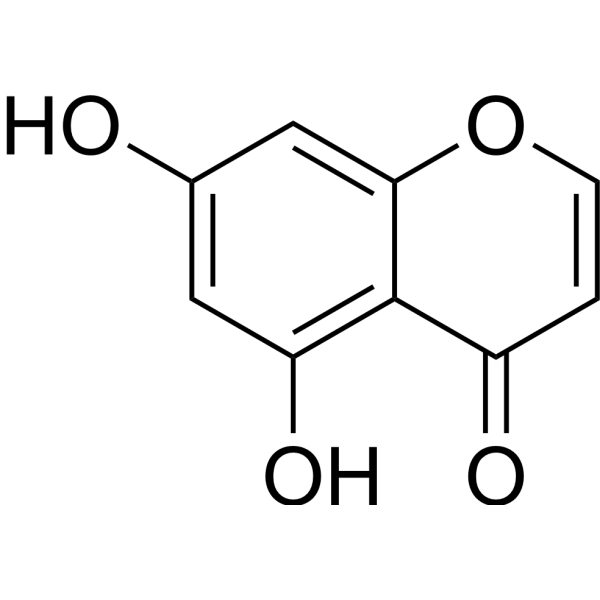
5,7-Dihydroxychromone is a flavonoid compound with antioxidant properties. 5,7-Dihydroxychromone induces Nrf2 nuclear translocation, increases Nrf2/ARE binding activity, and up-regulates Nrf2-dependent antioxidant genes HO-1, NQO1, GCLc. 5,7-Dihydroxychromone attenuates excessive ROS generation, inhibits activated caspase-3, caspase-9, cleaved PARP expression, and prevents neuronal apoptosis and cell death. 5,7-Dihydroxychromone increases LXRα and PPARγ mRNA expression, induces preadipocyte differentiation, and regulates blood glucose levels. 5,7-Dihydroxychromone inhibits radial growth of soil pathogenic fungi, radicle elongation of select seedlings, and transiently inhibits Bradyrhizobium sp. growth in high mannitol medium. 5,7-Dihydroxychromone can be used for the research of Parkinson’s disease, type 2 diabetes mellitus and pathogenic fungal infection .
|
-
- HY-16046S
-
|
AP1903-d4
|
Isotope-Labeled Compounds
FKBP
Apoptosis
|
Cancer
|
|
Rimiducid-d4 (AP1903-d4) is the deuterium labeled Rimiducid (HY-16046). Rimiducid (AP1903) is a dimerizer agent that acts by cross-linking the FKBP domains. Rimiducid (AP1903) dimerizes the Caspase 9 suicide switch and rapidly induces apoptosis.
|
-
- HY-182284
-
-
- HY-N0171A
-
|
β-Sitosterol (purity>98%); 22,23-Dihydrostigmasterol (purity>98%)
|
Bacterial
Apoptosis
Reactive Oxygen Species (ROS)
MDM-2/p53
Caspase
PARP
MMP
Bcl-2 Family
HIF/HIF Prolyl-Hydroxylase
TNF Receptor
Interleukin Related
NF-κB
mTOR
Lactate Dehydrogenase
CDK
Glutathione Peroxidase
SOD
|
Infection
Cardiovascular Disease
Inflammation/Immunology
Cancer
|
|
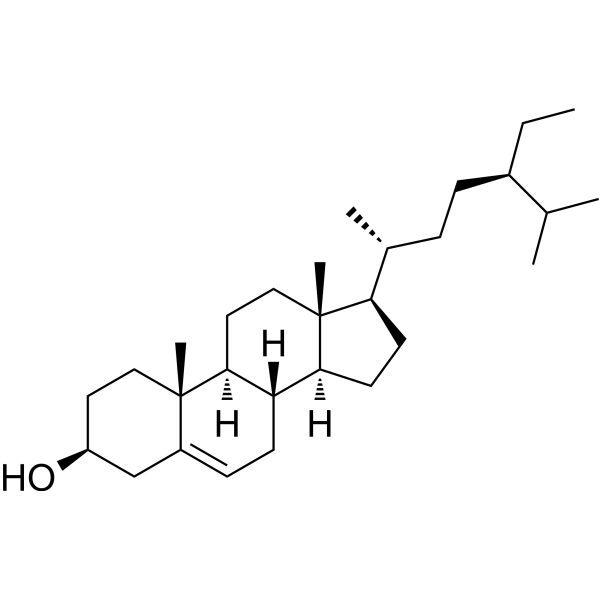
Beta-Sitosterol (purity>98%) is orally active. Beta-Sitosterol exhibits multiple activities, including anti-inflammatory, anticancer, antioxidant, antimicrobial, antidiabetic, antioxidant enzyme, and analgesic. Beta-Sitosterol inhibits inflammation and impaired adipogenesis in bovine mammary epithelial cells by reducing levels of ROS, TNF-α, IL-1β, and NF-κB p65 and restoring the activity of the HIF-1α/mTOR signaling pathway. Beta-Sitosterol induces apoptosis in cancer cells through ROS-mediated mitochondrial dysregulation and p53 activation. Beta-Sitosterol exerts its anticancer effects in cancer cells by activating caspase-3, caspase-8, and caspase-9, mediating PARP inactivation, MMP loss, altered Bcl-2-Bax ratio, and cytochrome c release. Beta-Sitosterol modulates macrophage polarization and reduces rheumatoid inflammation in mice. Beta-Sitosterol inhibits tumor growth in multiple mouse cancer models. Beta-Sitosterol can be used in the research of arthritis, lung cancer, breast cancer and other cancers, diabetes, etc .
|
-
- HY-N0171R
-
|
β-Sitosterol (Standard); 22,23-Dihydrostigmasterol (Standard))
|
Reference Standards
Apoptosis
Endogenous Metabolite
|
Cardiovascular Disease
Inflammation/Immunology
Cancer
|
|
Beta-Sitosterol (Standard) is the analytical standard of Beta-Sitosterol. This product is intended for research and analytical applications. Beta-Sitosterol (purity≥80%) is orally active. Beta-Sitosterol exhibits multiple activities, including anti-inflammatory, anticancer, antioxidant, antimicrobial, antidiabetic, antioxidant enzyme, and analgesic. Beta-Sitosterol inhibits inflammation and impaired adipogenesis in bovine mammary epithelial cells by reducing levels of ROS, TNF-α, IL-1β, and NF-κB p65 and restoring the activity of the HIF-1α/mTOR signaling pathway. Beta-Sitosterol induces apoptosis in cancer cells through ROS-mediated mitochondrial dysregulation and p53 activation. Beta-Sitosterol exerts its anticancer effects in cancer cells by activating caspase-3, caspase-8, and caspase-9, mediating PARP inactivation, MMP loss, altered Bcl-2-Bax ratio, and cytochrome c release. Beta-Sitosterol modulates macrophage polarization and reduces rheumatoid inflammation in mice. Beta-Sitosterol inhibits tumor growth in multiple mouse cancer models. Beta-Sitosterol can be used in the research of arthritis, lung cancer, breast cancer and other cancers, diabetes, etc.
|
-
- HY-N0171
-
|
|
Apoptosis
Endogenous Metabolite
|
Cardiovascular Disease
Inflammation/Immunology
Cancer
|
|
Beta-Sitosterol (purity≥80%) is orally active. Beta-Sitosterol exhibits multiple activities, including anti-inflammatory, anticancer, antioxidant, antimicrobial, antidiabetic, antioxidant enzyme, and analgesic. Beta-Sitosterol inhibits inflammation and impaired adipogenesis in bovine mammary epithelial cells by reducing levels of ROS, TNF-α, IL-1β, and NF-κB p65 and restoring the activity of the HIF-1α/mTOR signaling pathway. Beta-Sitosterol induces apoptosis in cancer cells through ROS-mediated mitochondrial dysregulation and p53 activation. Beta-Sitosterol exerts its anticancer effects in cancer cells by activating caspase-3, caspase-8, and caspase-9, mediating PARP inactivation, MMP loss, altered Bcl-2-Bax ratio, and cytochrome c release. Beta-Sitosterol modulates macrophage polarization and reduces rheumatoid inflammation in mice. Beta-Sitosterol inhibits tumor growth in multiple mouse cancer models. Beta-Sitosterol can be used in the research of arthritis, lung cancer, breast cancer and other cancers, diabetes, etc .
|
-
- HY-Y0396
-
|
|
Biochemical Assay Reagents
Survivin
Bcl-2 Family
Caspase
Apoptosis
mTOR
Akt
|
Cancer
|
|
N-Hydroxyphthalimide is a blocking agent and catalyst. N-Hydroxyphthalimide promotes oxidation reactions by generating PINO free radicals and activating hydrogen atom transfer processes. N-Hydroxyphthalimide reduces the expression of anti-apoptotic proteins Survivin and Bcl-xL and activates caspase 9 and caspase 3. N-Hydroxyphthalimide induces Apoptosis. N-Hydroxyphthalimide inhibits the phosphorylation of mTOR (Ser2448, Ser2481) and Akt (Ser473). N-Hydroxyphthalimide has anticancer effects against breast and colon cancer .
|
-
- HY-N1970R
-
|
|
Reference Standards
Keap1-Nrf2
Caspase
PARP
Fungal
|
Infection
Neurological Disease
Metabolic Disease
Inflammation/Immunology
Cancer
|
|
5,7-Dihydroxychromone (Standard) is the analytical standard of 5,7-Dihydroxychromone (HY-N1970). This product is intended for research and analytical applications. 5,7-Dihydroxychromone is a flavonoid compound with antioxidant properties. 5,7-Dihydroxychromone induces Nrf2 nuclear translocation, increases Nrf2/ARE binding activity, and up-regulates Nrf2-dependent antioxidant genes HO-1, NQO1, GCLc. 5,7-Dihydroxychromone attenuates excessive ROS generation, inhibits activated caspase-3, caspase-9, cleaved PARP expression, and prevents neuronal apoptosis and cell death. 5,7-Dihydroxychromone increases LXRα and PPARγ mRNA expression, induces preadipocyte differentiation, and regulates blood glucose levels. 5,7-Dihydroxychromone inhibits radial growth of soil pathogenic fungi, radicle elongation of select seedlings, and transiently inhibits Bradyrhizobium sp. growth in high mannitol medium. 5,7-Dihydroxychromone can be used for the research of Parkinson’s disease, type 2 diabetes mellitus and pathogenic fungal infection .
|
-
- HY-101597
-
|
|
Apoptosis
|
Cancer
|
|
NVX-207, a Betulinic acid-derived anti-cancer compound, shows anti-tumor activity (mean IC50=3.5 μM) against various human and canine cell lines. NVX-207-induced apoptosis is associated with activation of the intrinsic apoptotic pathway via cleavage of caspases -9, -3, -7 and of PARP .
|
-
- HY-124083
-
|
|
Microtubule/Tubulin
Apoptosis
Caspase
Mitochondrial Metabolism
|
Cancer
|
MPT0B214 is a microtubule inhibitor that strongly binds to the colchicine binding site of tubulin, preventing tubulin polymerization. MPT0B214 induces apoptosis through a mitochondrial/caspase 9 dependent pathway and shows cytotoxicity across various human tumor cell lines. MPT0B214 can be used for cancer research .
|
-
- HY-179052
-
|
|
Apoptosis
Autophagy
Bcl-2 Family
Caspase
Atg8/LC3
Atg7
CDK
Reactive Oxygen Species (ROS)
|
Cancer
|
|
Apoptosis inducer 50 (Compound 5e) is an apoptosis inducer as well as an autophagy inducer agent. Apoptosis inducer 50 exhibits potent and selective anti-cancer activity against triple-negative breast cancer cells and metastatic colon cancer cells. Apoptosis inducer 50 upregulates the expression of pro-apoptotic proteins (Bax, Bim, cleaved Caspase-9) and downregulates the expression of the anti-apoptotic protein (BCL-XL). Apoptosis inducer 50 upregulates key autophagy markers such as Beclin-1 and ATG5, and enhances the conversion of LC3-I to LC3-II., Apoptosis inducer 50 arrests cancer cells in the G1/S phase by upregulating the expression of p21 and p27 while downregulating Cyclin D1. Apoptosis inducer 50 increases the level of ROS .
|
-
- HY-N0566
-
|
Anemosapogenin
|
Apoptosis
Autophagy
Bcl-2 Family
Caspase
Survivin
p38 MAPK
MMP
|
Cancer
|
|
23-Hydroxybetulinic acid (Anemosapogenin) is an orally active triterpenoid with broad-spectrum anticancer activity. 23-Hydroxybetulinic acid reduces the levels of Bcl-2 and survivin, elevates the level of Bax, promotes the cleavage/activation of caspase-3 and caspase-9, and induces apoptosis via the endogenous mitochondrial pathway involving cytochrome C release and mitochondrial membrane potential disruption. 23-Hydroxybetulinic acid arrests the cell cycle at S and G1 phases, inhibits cancer cell proliferation, blocks the MAPK signaling pathway, regulates MMP2, and induces autophagic apoptosis by upregulating beclin-1. 23-Hydroxybetulinic acid inhibits the activity and efflux function of P-gp, increases the intracellular accumulation of chemotherapeutic drugs, and synergistically enhances cytotoxicity with Doxorubicin (HY-15142). 23-Hydroxybetulinic acid inhibits the phosphorylation and nuclear translocation of STAT6, blocks M2 macrophage polarization, and reduces M2 macrophage-mediated apoptosis resistance of colon cancer cells. 23-Hydroxybetulinic acid can be used in related studies on chronic myeloid leukemia, hepatocellular carcinoma, sarcoma 180, multidrug-resistant breast cancer, leukemia, Doxorubicin-induced cardiotoxicity, and colorectal cancer .
|
-
- HY-N0566R
-
|
Anemosapogenin (Standard)
|
Reference Standards
Apoptosis
Autophagy
Bcl-2 Family
Caspase
Survivin
p38 MAPK
MMP
|
Cancer
|
|
23-Hydroxybetulinic acid (Standard) is the analytical standard of 23-Hydroxybetulinic acid (HY-N0566). This product is intended for research and analytical applications. 23-Hydroxybetulinic acid (Anemosapogenin) is an orally active triterpenoid with broad-spectrum anticancer activity. 23-Hydroxybetulinic acid reduces the levels of Bcl-2 and survivin, elevates the level of Bax, promotes the cleavage/activation of caspase-3 and caspase-9, and induces apoptosis via the endogenous mitochondrial pathway involving cytochrome C release and mitochondrial membrane potential disruption. 23-Hydroxybetulinic acid arrests the cell cycle at S and G1 phases, inhibits cancer cell proliferation, blocks the MAPK signaling pathway, regulates MMP2, and induces autophagic apoptosis by upregulating beclin-1. 23-Hydroxybetulinic acid inhibits the activity and efflux function of P-gp, increases the intracellular accumulation of chemotherapeutic drugs, and synergistically enhances cytotoxicity with Doxorubicin (HY-15142). 23-Hydroxybetulinic acid inhibits the phosphorylation and nuclear translocation of STAT6, blocks M2 macrophage polarization, and reduces M2 macrophage-mediated apoptosis resistance of colon cancer cells. 23-Hydroxybetulinic acid can be used in related studies on chronic myeloid leukemia, hepatocellular carcinoma, sarcoma 180, multidrug-resistant breast cancer, leukemia, Doxorubicin-induced cardiotoxicity, and colorectal cancer.
|
-
- HY-180782
-
|
|
DNA/RNA Synthesis
Reactive Oxygen Species (ROS)
Caspase
Apoptosis
|
Cancer
|
|
Triphenyltin(IV) diisopropyl dithiocarbamate (Compound OC2) is an anti-leukemia agent. Triphenyltin(IV) diisopropyl dithiocarbamate exhibits extremely strong cytotoxicity towards Jurkat cells, with an IC₅₀ value of 0.1 μM. Triphenyltin(IV) diisopropyl dithiocarbamate causes DNA damage, which subsequently leads to mitochondrial dysfunction, a large amount of ROS production, and ultimately results in the activation of the mitochondrial apoptosis pathway (involving the activation of Caspase-9/-3) and the G0/G1 phase cell cycle arrest, all of which jointly lead to the death of leukemia cells .
|
-
- HY-N15378
-
|
|
IAP
Bcl-2 Family
COX
TNF Receptor
Caspase
Apoptosis
|
Inflammation/Immunology
Cancer
|
|
β-carotene-15,15ʹ-epoxide is a XIAP antagonist with apoptosis-inducing and antitumor activity, found in the leaves of Spondias mombin. In a DMBA (HY-W011845)-induced rat model of breast cancer, β-carotene-15,15ʹ-epoxide binds to the BIR3 domain of the anti-apoptotic protein XIAP, blocking its interaction with caspase-9 and thereby promoting tumor cell apoptosis. In addition, β-carotene-15,15ʹ-epoxide significantly downregulates the expression of BCL-2, COX-2, and TNF-α in tumor tissues, reduces MDA levels, increases catalase activity, and modulates serum levels of LDH, ALP, and ALT, demonstrating strong antioxidant, anti-inflammatory, and metabolic protective effects. β-carotene-15,15ʹ-epoxide may be used in research on inflammation-related conditions and cancers such as breast cancer .
|
-
- HY-170929
-
|
|
Bcl-2 Family
Cytochrome P450
Apoptosis
Caspase
|
Cancer
|
|
EMT inhibitor-3 (compound 11i) is a epithelial-mesenchymal transition (EMT) inhibitor. EMT inhibitor-3 inhibits neuroblastoma SK-N-SH cells with an IC50 of 2.5 μM. EMT inhibitor-3 inhibits SK-N-SH cell proliferation, migration, and invasion. EMT inhibitor-3 increases the Bax/Bcl-2 protein expression ratio, promotes Cytochrome C ( HY-125857) release from mitochondria, and activates caspases 9 and caspases 3, inducing mitochondria-mediated endogenous tumor cell Apoptosis. EMT inhibitor-3 is potential for cancer research .
|
-
- HY-Y0396R
-
|
|
Biochemical Assay Reagents
Reference Standards
Survivin
Bcl-2 Family
Caspase
Apoptosis
mTOR
Akt
|
Others
|
|
N-Hydroxyphthalimide (Standard) is the analytical standard of N-Hydroxyphthalimide (HY-Y0396). This product is intended for research and analytical applications. N-Hydroxyphthalimide is a blocking agent and catalyst. N-Hydroxyphthalimide promotes oxidation reactions by generating PINO free radicals and activating hydrogen atom transfer processes. N-Hydroxyphthalimide reduces the expression of anti-apoptotic proteins Survivin and Bcl-xL and activates caspase 9 and caspase 3. N-Hydroxyphthalimide induces Apoptosis. N-Hydroxyphthalimide inhibits the phosphorylation of mTOR (Ser2448, Ser2481) and Akt (Ser473). N-Hydroxyphthalimide has anticancer effects against breast and colon cancer .
|
-
- HY-101597R
-
|
|
Reference Standards
Apoptosis
|
Cancer
|
|
NVX-207 (Standard) is the analytical standard of NVX-207 (HY-101597). This product is intended for research and analytical applications. NVX-207, a Betulinic acid-derived anti-cancer compound, shows anti-tumor activity (mean IC50=3.5 μM) against various human and canine cell lines. NVX-207-induced apoptosis is associated with activation of the intrinsic apoptotic pathway via cleavage of caspases -9, -3, -7 and of PARP .
|
-
- HY-P2970
-
|
|
Apoptosis
PARP
Caspase
Bcl-2 Family
Bacterial
Interleukin Related
|
Infection
Inflammation/Immunology
Cancer
|
|
Stem bromelain (EC 3.4.22.32) is a cysteine protease and antibacterial agent. Stem bromelain can be isolated from the stem of the pineapple (Ananas comosus). Stem bromelain induces dose-dependent secretion of IL-12p70, and IL-6, induces Apoptosis, causes cleavage of full-length PARP protein, Caspase 3, and Caspase 9, increases Bax, and decreases Bcl-2. Stem bromelain possesses various fibrinolytic, antiedema, antithrombotic, and anti-inflammatory activities. Stem bromelain also exhibits in vivo antitumor and antileukemic activities, as well as antimetastatic effects. Stem bromelain has antimycobacterial activity. Stem bromelain provides protection against lead poisoning .
|
-
- HY-Y1325H
-
|
|
Environmental Pollutants
Fungal
Endogenous Metabolite
Caspase
PPAR
AMPK
Reactive Oxygen Species (ROS)
|
Neurological Disease
Metabolic Disease
Inflammation/Immunology
Cancer
|
|
Sodium acetate trihydrate is a carboxylic acid and short-chain fatty acid (SCFAs). Sodium acetate trihydrate activates AMPK, increases ROS, cleaved caspase 9, PPARα, downregulates SREBP-1c, ChREBP expression. Sodium acetate trihydrate exhibits antifungal activity against Saccharomyces cerevisiae W303-1A. Sodium acetate trihydrate regulates energy metabolism. Sodium acetate trihydrate has anticancer activity against gastric cancer. Sodium acetate trihydrate induces writhing reaction and ulcerative colitis. Sodium acetate trihydrate can be used in the researches for gastric cancer, ulcerative colitis, hepatic steatosis, and pain .
|
-
- HY-W006398S
-
|
Anhydrous sodium acetate-d3
|
Isotope-Labeled Compounds
|
Neurological Disease
Inflammation/Immunology
Cancer
|
|
Acetic acid-d3 sodium is the deuterium labeled Acetic acid (HY-Y0319) . Acetic acid is a carboxylic acid and short-chain fatty acid (SCFAs). Acetic acid activates AMPK, increases ROS, cleaved caspase 9, PPARα, downregulates SREBP-1c, ChREBP expression. Acetic acid exhibits antifungal activity against Saccharomyces cerevisiae W303-1A. Acetic acid regulates energy metabolism. Acetic acid has anticancer activity against gastric cancer. Acetic acid induces writhing reaction and ulcerative colitis. Acetic acid can be used in the researches for gastric cancer, ulcerative colitis, hepatic steatosis, and pain.
|
-
- HY-Y0319G
-
|
|
Endogenous Metabolite
AMPK
Reactive Oxygen Species (ROS)
Caspase
Fungal
PPAR
|
Infection
Neurological Disease
Metabolic Disease
Inflammation/Immunology
Cancer
|
|
Magnesium acetate tetrahydrate is a carboxylic acid and short-chain fatty acid (SCFAs). Magnesium acetate tetrahydrate activates AMPK, increases ROS, cleaved caspase 9, PPARα, downregulates SREBP-1c, ChREBP expression. Magnesium acetate tetrahydrate exhibits antifungal activity against Saccharomyces cerevisiae W303-1A. Magnesium acetate tetrahydrate regulates energy metabolism. Magnesium acetate tetrahydrate has anticancer activity against gastric cancer. Magnesium acetate tetrahydrate induces writhing reaction and ulcerative colitis. Magnesium acetate tetrahydrate can be used in the researches for gastric cancer, ulcerative colitis, hepatic steatosis, and pain .
|
-
- HY-Y0319D
-
|
|
Endogenous Metabolite
AMPK
Reactive Oxygen Species (ROS)
Caspase
Fungal
PPAR
|
Infection
Neurological Disease
Metabolic Disease
Inflammation/Immunology
Cancer
|
|
Acetic acid lead is a carboxylic acid and short-chain fatty acid (SCFAs). Magnesium acetate tetrahydrate activates AMPK, increases ROS, cleaved caspase 9, PPARα, downregulates SREBP-1c, ChREBP expression. Acetic acid lead exhibits antifungal activity against Saccharomyces cerevisiae W303-1A. Acetic acid lead regulates energy metabolism. Acetic acid lead has anticancer activity against gastric cancer. Acetic acid lead induces writhing reaction and ulcerative colitis. Acetic acid lead can be used in the researches for gastric cancer, ulcerative colitis, hepatic steatosis, and pain .
|
-
- HY-181673
-
|
|
Microtubule/Tubulin
Apoptosis
Bcl-2 Family
Caspase
PARP
|
Cancer
|
|
ICD inducer-2 is a immunogenic cell death inducer. ICD inducer-2 binds to the colchicine binding site on tubulin to inhibit tubulin polymerization. ICD inducer-2 exhibits broad-spectrum antiproliferative activity across multiple cancer cell lines. ICD inducer-2 inhibits cells migration, causes G2/M phase and induces apoptosis. ICD inducer-2 promotes infiltration of CD4+ and CD8+ T cells into the tumor microenvironment. ICD inducer-2 downregulates antiapoptotic protein Bcl-2, upregulates proapoptotic proteins Bax and Bim-1, and increases cleaved caspase 3, cleaved caspase 9, and cleaved PARP levels. ICD inducer-2 overcomes paclitaxel resistance in xenograft models and achieves tumor growth inhibition. ICD inducer-2 can be used for the research of cancer, such as lung carcinoma .
|
-
- HY-Y0817R
-
|
Anhydrous sodium acetate (Standard)
|
Reference Standards
|
Cancer
|
|
Acetic acid sodium (Standard) (Anhydrous sodium acetate (Standard) is the analytical standard of Anhydrous sodium acetate. This product is intended for research and analytical applications. Acetic acid is a carboxylic acid and short-chain fatty acid (SCFAs). Acetic acid activates AMPK, increases ROS, cleaved caspase 9, PPARα, downregulates SREBP-1c, ChREBP expression. Acetic acid exhibits antifungal activity against Saccharomyces cerevisiae W303-1A. Acetic acid regulates energy metabolism. Acetic acid has anticancer activity against gastric cancer. Acetic acid induces writhing reaction and ulcerative colitis. Acetic acid can be used in the researches for gastric cancer, ulcerative colitis, hepatic steatosis, and pain .
|
-
- HY-170944
-
|
|
HSP
Apoptosis
Caspase
|
Cancer
|
|
BAG3/HSP70-IN-1 (compound 16) is the first-in-class BAG3 and HSP70 dual inhibitor. BAG3/HSP70-IN-1 binds to BAG3 full-length, BAG3-BD, and HSP70 proteins with Kds of 33.10 μM, 27.90 μM, and 33.80 μM, respectively. BAG3/HSP70-IN-1 inhibits HeLa cells with an IC50 of 49.46 μM. BAG3/HSP70-IN-1 induces apoptosis by activating caspase 3 and caspase 9 levels in HeLa cells. BAG3/HSP70-IN-1 elevates p21 levels while reduces FOXM1 expression in HeLa cells. BAG3/HSP70-IN-1 decreases ATPase activity .
|
-
- HY-Y0319G1
-
|
|
Biochemical Assay Reagents
|
Others
|
|
Magnesium acetate tetrahydrate, for molecular biology is a carboxylic acid and short-chain fatty acid (SCFAs). Magnesium acetate tetrahydrate, for molecular biology activates AMPK, increases ROS, cleaved caspase 9, PPARα, downregulates SREBP-1c, ChREBP expression. Magnesium acetate tetrahydrate, for molecular biology exhibits antifungal activity against Saccharomyces cerevisiae W303-1A. Magnesium acetate tetrahydrate, for molecular biology regulates energy metabolism. Magnesium acetate tetrahydrate, for molecular biology has anticancer activity against gastric cancer. Magnesium acetate tetrahydrate, for molecular biology induces writhing reaction and ulcerative colitis. Magnesium acetate tetrahydrate, for molecular biology can be used in the researches for gastric cancer, ulcerative colitis, hepatic steatosis, and pain .
|
-
- HY-178351
-
|
|
HDAC
Microtubule/Tubulin
Apoptosis
Caspase
Bcl-2 Family
|
Cancer
|
|
HDAC6-IN-67 is a selective HDAC6 inhibitor (IC50 = 17.15 nM) that exhibits 19-fold selectivity over HDAC1. HDAC6-IN-67 selectively inhibits HDAC6 by interacting with Ser531 and His614. HDAC6-IN-67 induces apoptosis by inducing the cleavage of caspases 9, 8, 3, and PARP, upregulating Bax expression, and downregulating Bcl-2 expression. HDAC6-IN-67 effectively induces the acetylation of α-tubulin, without affecting histone H3 acetylation in MCF-7/ADR cells. HDAC6-IN-67 can be used for the study of breast cancer .
|
-
- HY-179439
-
|
|
COX
VEGFR
HIF/HIF Prolyl-Hydroxylase
Caspase
Bcl-2 Family
Apoptosis
MMP
|
Cancer
|
|
Multi-kinase-IN-8 is a muti-kinase inhibitor. Multi-kinase-IN-8 inhibits COX-1 (IC50 of 12.6 μM), COX-2 (IC50 of 0.05 μM) and VEGFR-2 (IC50 of 0.12 nM). Multi-kinase-IN-8 inhibits tumor-associated carbonic anhydrases (CA IX and CA XII with Ki of 31.5 nM and 386.9 nM, respectively). Multi-kinase-IN-8 triggers cell cycle arrest and apoptosis through upregulation of Caspase 9 and Bax along with downregulation of Bcl 2. Multi-kinase-IN-8 suppresses PGE2, p-VEGFR-2, MMP-9 and HIF-1α and exhibits growth-inhibitory activity against breast cancer, lung cancer, and colorectal adenocarcinoma .
|
-
| Cat. No. |
Product Name |
Type |
-
- HY-P1093
-
|
|
Fluorescent Dyes
|
|
Ac-LEHD-AFC is a fluorescent substrate for caspase-9, can be used to assess the activity of caspase .
|
-
- HY-D1433
-
|
|
Fluorescent Dyes
|
|
FITC-C6-LEHD-FMK, a fluorescently labeled caspase-9 inhibitor, can be used for detection of active caspase-9 in mammalian cells undergoing apoptosis. FITC-C6-LEHD-FMK provides a convenient means for sensitive detection of activated caspase-9 in living cells. Z-LEHD-FMK is a specific caspase-9 inhibitor .
|
| Cat. No. |
Product Name |
Type |
-
- HY-Y1881B
-
|
|
Biochemical Assay Reagents
|
|
Copper sulfate pentahydrate, for cell culture, 98% is a biochemical reagent. Copper sulfate pentahydrate, for cell culture, 98% reduces the production of ROS and the expression levels of MyD88 as well as c-Rel genes. Copper sulfate pentahydrate, for cell culture, 98% decreases the activities of T-SOD, CAT, and GSH, increases the activities of caspase-3, caspase-8, and caspase-9. Copper sulfate pentahydrate, for cell culture, 98% is cytotoxic to various cells .
|
-
- HY-Y1325H
-
|
|
Biochemical Assay Reagents
|
|
Sodium acetate trihydrate is a carboxylic acid and short-chain fatty acid (SCFAs). Sodium acetate trihydrate activates AMPK, increases ROS, cleaved caspase 9, PPARα, downregulates SREBP-1c, ChREBP expression. Sodium acetate trihydrate exhibits antifungal activity against Saccharomyces cerevisiae W303-1A. Sodium acetate trihydrate regulates energy metabolism. Sodium acetate trihydrate has anticancer activity against gastric cancer. Sodium acetate trihydrate induces writhing reaction and ulcerative colitis. Sodium acetate trihydrate can be used in the researches for gastric cancer, ulcerative colitis, hepatic steatosis, and pain .
|
-
- HY-Y1881A
-
|
|
Biochemical Assay Reagents
|
|
Copper sulfate pentahydrate, 99% is a biochemical reagent. Copper sulfate pentahydrate, 99% reduces the production of ROS and the expression levels of MyD88 as well as c-Rel genes. Copper sulfate pentahydrate, 99% decreases the activities of T-SOD, CAT, and GSH, increases the activities of caspase-3, caspase-8, and caspase-9. Copper sulfate pentahydrate, 99% is cytotoxic to various cells. Copper sulfate pentahydrate, 99% has antioxidant activity. Copper sulfate pentahydrate, 99% can be used in the research of diabetes, Parkinson's disease and DMBA (HY-W011845)-induced tumors .
|
-
- HY-Y0319G
-
|
|
Biochemical Assay Reagents
|
|
Magnesium acetate tetrahydrate is a carboxylic acid and short-chain fatty acid (SCFAs). Magnesium acetate tetrahydrate activates AMPK, increases ROS, cleaved caspase 9, PPARα, downregulates SREBP-1c, ChREBP expression. Magnesium acetate tetrahydrate exhibits antifungal activity against Saccharomyces cerevisiae W303-1A. Magnesium acetate tetrahydrate regulates energy metabolism. Magnesium acetate tetrahydrate has anticancer activity against gastric cancer. Magnesium acetate tetrahydrate induces writhing reaction and ulcerative colitis. Magnesium acetate tetrahydrate can be used in the researches for gastric cancer, ulcerative colitis, hepatic steatosis, and pain .
|
-
- HY-W013105
-
|
N-Cholylglycine sodium salt, 98%
|
Biochemical Assay Reagents
|
|
Sodium glycocholate hydrate, 98% is a bile acid derivative. Sodium glycocholate hydrate, 98% downregulates MDR1, Bcl-2, MRP1, MRP2 and FXR, upregulates Bax, p53, caspase-9, caspase-3, TGR5 and S1PR2. Sodium glycocholate hydrate, 98% inhibits multidrug resistance and efflux pumps, induces mitochondrial apoptosis, and enhances chemosensitivity. Sodium glycocholate hydrate, 98% modulates related bile acid receptor signaling. Sodium glycocholate hydrate, 98% suppresses growth and conjugation of Enterobacteriaceae and increases their antibiotic susceptibility. Sodium glycocholate hydrate, 98% can be used for the research of colon adenocarcinoma and cholangiocarcinoma (CCA) .
|
-
- HY-Y0319D
-
|
|
Biochemical Assay Reagents
|
|
Acetic acid lead is a carboxylic acid and short-chain fatty acid (SCFAs). Magnesium acetate tetrahydrate activates AMPK, increases ROS, cleaved caspase 9, PPARα, downregulates SREBP-1c, ChREBP expression. Acetic acid lead exhibits antifungal activity against Saccharomyces cerevisiae W303-1A. Acetic acid lead regulates energy metabolism. Acetic acid lead has anticancer activity against gastric cancer. Acetic acid lead induces writhing reaction and ulcerative colitis. Acetic acid lead can be used in the researches for gastric cancer, ulcerative colitis, hepatic steatosis, and pain .
|
-
- HY-Y0396
-
|
|
Biochemical Assay Reagents
|
|
N-Hydroxyphthalimide is a blocking agent and catalyst. N-Hydroxyphthalimide promotes oxidation reactions by generating PINO free radicals and activating hydrogen atom transfer processes. N-Hydroxyphthalimide reduces the expression of anti-apoptotic proteins Survivin and Bcl-xL and activates caspase 9 and caspase 3. N-Hydroxyphthalimide induces Apoptosis. N-Hydroxyphthalimide inhibits the phosphorylation of mTOR (Ser2448, Ser2481) and Akt (Ser473). N-Hydroxyphthalimide has anticancer effects against breast and colon cancer .
|
-
- HY-Y0319G1
-
|
|
Biochemical Assay Reagents
|
|
Magnesium acetate tetrahydrate, for molecular biology is a carboxylic acid and short-chain fatty acid (SCFAs). Magnesium acetate tetrahydrate, for molecular biology activates AMPK, increases ROS, cleaved caspase 9, PPARα, downregulates SREBP-1c, ChREBP expression. Magnesium acetate tetrahydrate, for molecular biology exhibits antifungal activity against Saccharomyces cerevisiae W303-1A. Magnesium acetate tetrahydrate, for molecular biology regulates energy metabolism. Magnesium acetate tetrahydrate, for molecular biology has anticancer activity against gastric cancer. Magnesium acetate tetrahydrate, for molecular biology induces writhing reaction and ulcerative colitis. Magnesium acetate tetrahydrate, for molecular biology can be used in the researches for gastric cancer, ulcerative colitis, hepatic steatosis, and pain .
|
-
- HY-Y0396R
-
|
|
Biochemical Assay Reagents
|
|
N-Hydroxyphthalimide (Standard) is the analytical standard of N-Hydroxyphthalimide (HY-Y0396). This product is intended for research and analytical applications. N-Hydroxyphthalimide is a blocking agent and catalyst. N-Hydroxyphthalimide promotes oxidation reactions by generating PINO free radicals and activating hydrogen atom transfer processes. N-Hydroxyphthalimide reduces the expression of anti-apoptotic proteins Survivin and Bcl-xL and activates caspase 9 and caspase 3. N-Hydroxyphthalimide induces Apoptosis. N-Hydroxyphthalimide inhibits the phosphorylation of mTOR (Ser2448, Ser2481) and Akt (Ser473). N-Hydroxyphthalimide has anticancer effects against breast and colon cancer .
|
| Cat. No. |
Product Name |
Target |
Research Area |
-
- HY-12290
-
|
RGDS peptide; Fibronectin tetrapeptide
|
Integrin
|
Inflammation/Immunology
|
|
Arg-Gly-Asp-Ser is an integrin binding sequence that inhibits integrin receptor function. Arg-Gly-Asp-Ser directly and specifically bind pro-caspase-8, pro-caspase-9 and pro-caspase-3, while it does not bind pro-caspase-1.
|
-
- HY-P1010
-
|
|
Caspase
Apoptosis
|
Neurological Disease
Cancer
|
|
Z-LEHD-FMK is a selective and irreversible inhibitor of caspase-9, protects against lethal reperfusion injury and attenuates apoptosis. Z-LEHD-FMK exhibits the neuroprotective effect in a rat model of spinal cord trauma .
|
-
- HY-P1380A
-
|
|
Apoptosis
Bcl-2 Family
Caspase
|
Cancer
|
|
Difopein TFA is a 14-3-3 protein inhibitor. Difopein TFA acts as an apoptosis inducer, regulates apoptosis-related proteins, downregulates Bcl-2, upregulates Bax, activates caspase-9 and caspase-3, and induces nuclear fragmentation, membrane-enclosed apoptotic bodies and DNA ladder formation. Difopein TFA serves as a tumor growth inhibitor, which inhibits the proliferation of glioma cells and induces their apoptosis in in vivo nude mouse models. Difopein TFA is applicable to glioma-related research .
|
-
- HY-P5348
-
|
|
Peptides
|
Others
|
|
Ac-LEHD-pNA is a biological active peptide. (Caspase-9 substrate; pNA (4-nitroaniline)-derived caspase substrates are widely used for the colorimetric detection of various caspase activities. Cleavage of pNA peptides by caspases generates pNA that is monitored colorimetrically at ~405 nm. pNA has maximum absorption around 408 nm.)
|
-
- HY-P1010A
-
|
|
Caspase
Apoptosis
|
Neurological Disease
Cancer
|
|
Z-LEHD-FMK TFA is a selective and irreversible inhibitor of caspase-9, protects against lethal reperfusion injury and attenuates apoptosis. Z-LEHD-FMK TFA exhibits the neuroprotective effect in a rat model of spinal cord trauma .
|
-
- HY-P10326
-
|
|
Caspase
Apoptosis
|
Cancer
|
|
Z-ATAD-FMK is an inhibitor of caspase-12. Z-ATAD-FMK is an inhibitor of caspase-12. Z-ATAD-FMK prevents endoplasmic reticulum stress-mediated apoptosis by inhibiting the activity of caspase-12 and reducing the activity of caspase-9 .
|
-
- HY-P4392
-
-
- HY-12290A
-
|
RGDS peptide TFA; Fibronectin tetrapeptide TFA
|
Integrin
|
Inflammation/Immunology
|
|
Arg-Gly-Asp-Ser (TFA) is an integrin binding sequence that inhibits integrin receptor function. Arg-Gly-Asp-Ser (TFA) directly and specifically bind pro-caspase-8, pro-caspase-9 and pro-caspase-3, while it does not bind pro-caspase-1 .
|
-
- HY-12290R
-
|
RGDS peptide (Standard); Fibronectin tetrapeptide (Standard)
|
Integrin
Reference Standards
|
Inflammation/Immunology
|
|
Arg-Gly-Asp-Ser (Standard) is the analytical standard of Arg-Gly-Asp-Ser. This product is intended for research and analytical applications. Arg-Gly-Asp-Ser is an integrin binding sequence that inhibits integrin receptor function. Arg-Gly-Asp-Ser directly and specifically bind pro-caspase-8, pro-caspase-9 and pro-caspase-3, while it does not bind pro-caspase-1.
|
-
- HY-P11828
-
|
|
Survivin
Caspase
Apoptosis
|
Cancer
|
|
Anticancer agent 324 is a Survivin inhibitor. Anticancer agent 324 competitively binds to Survivin’s linker region and triggers proteasomal IAP degradation. Anticancer agent 324 blocks Borealin binding and chromosomal passenger complex formation, and inhibits Survivin-CRM1 nuclear-cytoplasmic transport. Anticancer agent 324 activates extrinsic (caspase-8) and intrinsic (caspase-9) apoptotic pathways, activates executioner caspases-3 and caspases-7, and arrests cell cycle. Anticancer agent 324 can be used for the research of breast cancer .
|
-
- HY-P1380
-
|
|
Apoptosis
Bcl-2 Family
Caspase
|
Cancer
|
|
Difopein is a 14-3-3 protein inhibitor. Difopein acts as an apoptosis inducer, regulates apoptosis-related proteins, downregulates Bcl-2, upregulates Bax, activates caspase-9 and caspase-3, and induces nuclear fragmentation, membrane-enclosed apoptotic bodies and DNA ladder formation. Difopein serves as a tumor growth inhibitor, which inhibits the proliferation of glioma cells and induces their apoptosis in in vivo nude mouse models. Difopein is applicable to glioma-related research .
|
| Cat. No. |
Product Name |
Category |
Target |
Chemical Structure |
-
- HY-N0171A
-
|
β-Sitosterol (purity>98%); 22,23-Dihydrostigmasterol (purity>98%)
|
Cardiovascular Disease
Structural Classification
Classification of Application Fields
Leguminosae
Glycine max (L.) merr
Plants
Inflammation/Immunology
Disease Research Fields
Steroids
Source Classification
|
Bacterial
Apoptosis
Reactive Oxygen Species (ROS)
MDM-2/p53
Caspase
PARP
MMP
Bcl-2 Family
HIF/HIF Prolyl-Hydroxylase
TNF Receptor
Interleukin Related
NF-κB
mTOR
Lactate Dehydrogenase
CDK
Glutathione Peroxidase
SOD
|
|
Beta-Sitosterol (purity>98%) is orally active. Beta-Sitosterol exhibits multiple activities, including anti-inflammatory, anticancer, antioxidant, antimicrobial, antidiabetic, antioxidant enzyme, and analgesic. Beta-Sitosterol inhibits inflammation and impaired adipogenesis in bovine mammary epithelial cells by reducing levels of ROS, TNF-α, IL-1β, and NF-κB p65 and restoring the activity of the HIF-1α/mTOR signaling pathway. Beta-Sitosterol induces apoptosis in cancer cells through ROS-mediated mitochondrial dysregulation and p53 activation. Beta-Sitosterol exerts its anticancer effects in cancer cells by activating caspase-3, caspase-8, and caspase-9, mediating PARP inactivation, MMP loss, altered Bcl-2-Bax ratio, and cytochrome c release. Beta-Sitosterol modulates macrophage polarization and reduces rheumatoid inflammation in mice. Beta-Sitosterol inhibits tumor growth in multiple mouse cancer models. Beta-Sitosterol can be used in the research of arthritis, lung cancer, breast cancer and other cancers, diabetes, etc .
|
-
-
- HY-N1423
-
|
|
Structural Classification
Human Gut Microbiota Metabolites
Classification of Application Fields
Endogenous metabolite
Disease Research Fields
Steroids
Source Classification
Cancer
|
P-glycoprotein
Bcl-2 Family
G protein-coupled Bile Acid Receptor 1
Endogenous Metabolite
Bacterial
Apoptosis
FXR
Caspase
MDM-2/p53
LPL Receptor
|
|
Glycocholic acid is a bile acid derivative. Glycocholic acid downregulates MDR1, Bcl-2, MRP1, MRP2 and FXR, upregulates Bax, p53, caspase-9, caspase-3, TGR5 and S1PR2. Glycocholic acid inhibits multidrug resistance and efflux pumps, induces mitochondrial apoptosis, and enhances chemosensitivity. Glycocholic acid modulates related bile acid receptor signaling. Glycocholic acid suppresses growth and conjugation of Enterobacteriaceae and increases their antibiotic susceptibility. Glycocholic acid can be used for the research of colon adenocarcinoma and cholangiocarcinoma (CCA) .
|
-
-
- HY-N0171
-
|
|
Cardiovascular Disease
other families
Classification of Application Fields
Leguminosae
Plants
Endogenous metabolite
Glycyrrhiza uralensis Fisch.
Inflammation/Immunology
Disease Research Fields
Steroids
Source Classification
|
Apoptosis
Endogenous Metabolite
|
|
Beta-Sitosterol (purity≥80%) is orally active. Beta-Sitosterol exhibits multiple activities, including anti-inflammatory, anticancer, antioxidant, antimicrobial, antidiabetic, antioxidant enzyme, and analgesic. Beta-Sitosterol inhibits inflammation and impaired adipogenesis in bovine mammary epithelial cells by reducing levels of ROS, TNF-α, IL-1β, and NF-κB p65 and restoring the activity of the HIF-1α/mTOR signaling pathway. Beta-Sitosterol induces apoptosis in cancer cells through ROS-mediated mitochondrial dysregulation and p53 activation. Beta-Sitosterol exerts its anticancer effects in cancer cells by activating caspase-3, caspase-8, and caspase-9, mediating PARP inactivation, MMP loss, altered Bcl-2-Bax ratio, and cytochrome c release. Beta-Sitosterol modulates macrophage polarization and reduces rheumatoid inflammation in mice. Beta-Sitosterol inhibits tumor growth in multiple mouse cancer models. Beta-Sitosterol can be used in the research of arthritis, lung cancer, breast cancer and other cancers, diabetes, etc .
|
-
-
- HY-N0605
-
-
-
- HY-17473
-
-
-
- HY-N3584
-
-
-
- HY-N0702
-
-
-
- HY-N0763
-
|
Isopsoralen
|
Classification of Application Fields
Leguminosae
Coumarins
Phenylpropanoids
Psoralea corylifolia L.
Plants
Disease Research Fields
Source Classification
Cancer
|
Apoptosis
Virus Protease
NF-κB
p38 MAPK
JNK
Caspase
|
|
Angelicin is a furanocoumarin compound that functions as an inhibitor of NF-κB and MAPK signaling pathways, exhibiting anti-inflammatory, antiviral, and antitumor activities. It suppresses the lytic replication of γ-herpesviruses, such as MHV-68, early during viral infection, potentially inhibiting RTA gene expression (IC50=28.95 μM). Angelicin also mitigates inflammation by inhibiting the phosphorylation and nuclear translocation of NF-κB, and the phosphorylation of p38 and JNK. Furthermore, it induces apoptosis in neuroblastoma cells by downregulating anti-apoptotic proteins like Bcl-2, Bcl-xL, and Mcl-1, while activating caspase-9 and caspase-3.
|
-
-
- HY-N0732
-
|
|
Structural Classification
Euphorbia fischeriana Steud.
Classification of Application Fields
Terpenoids
Diterpenoids
Euphorbiaceae
Plants
Disease Research Fields
Cancer
|
IAP
Akt
Caspase
NF-κB
TGF-beta/Smad
JAK
Bacterial
Apoptosis
|
|
Jolkinolide B is a bioactive diterpene isolated from the roots of Euphorbia fischeriana Steud with oral activity. Jolkinolide B downregulates XIAP, cIAP1, cIAP2, and phosphorylated Akt, upregulates Smac, activates caspase-3 and caspase-9, and inhibits NF-κB, TGFβ/smad3 and JAK/STAT3 pathways. Jolkinolide B exerts comprehensive biological effects including inducing cancer cell apoptosis, suppressing inflammatory responses, improving lung function, alleviating hepatic steatosis and eliminating intracellular Mycobacterium tuberculosis. Jolkinolide B can be used for the research of leukemia, histiocytic lymphoma, asthma, metabolic dysfunction-associated steatotic liver disease and tuberculosis .
|
-
-
- HY-P2970
-
|
|
Ananas comosus(L.) Merr.
Structural Classification
Natural Products
Classification of Application Fields
Bromeliaceae
Plants
Inflammation/Immunology
Disease Research Fields
Cancer
|
Apoptosis
PARP
Caspase
Bcl-2 Family
Bacterial
Interleukin Related
|
|
Stem bromelain (EC 3.4.22.32) is a cysteine protease and antibacterial agent. Stem bromelain can be isolated from the stem of the pineapple (Ananas comosus). Stem bromelain induces dose-dependent secretion of IL-12p70, and IL-6, induces Apoptosis, causes cleavage of full-length PARP protein, Caspase 3, and Caspase 9, increases Bax, and decreases Bcl-2. Stem bromelain possesses various fibrinolytic, antiedema, antithrombotic, and anti-inflammatory activities. Stem bromelain also exhibits in vivo antitumor and antileukemic activities, as well as antimetastatic effects. Stem bromelain has antimycobacterial activity. Stem bromelain provides protection against lead poisoning .
|
-
-
- HY-N1423A
-
|
|
Triterpenes
Structural Classification
Terpenoids
Endogenous metabolite
Source Classification
|
P-glycoprotein
Bcl-2 Family
G protein-coupled Bile Acid Receptor 1
Bacterial
Apoptosis
FXR
Caspase
MDM-2/p53
LPL Receptor
Endogenous Metabolite
|
|
Glycocholic acid sodium is a bile acid derivative. Glycocholic acid downregulates MDR1, Bcl-2, MRP1, MRP2 and FXR, upregulates Bax, p53, caspase-9, caspase-3, TGR5 and S1PR2. Glycocholic acid sodium inhibits multidrug resistance and efflux pumps, induces mitochondrial apoptosis, and enhances chemosensitivity. Glycocholic acid sodium modulates related bile acid receptor signaling. Glycocholic acid sodium suppresses growth and conjugation of Enterobacteriaceae and increases their antibiotic susceptibility. Glycocholic acid sodium can be used for the research of colon adenocarcinoma and cholangiocarcinoma (CCA) .
|
-
-
- HY-N3415
-
|
|
Flavonols
Structural Classification
Flavonoids
Classification of Application Fields
Phenols
Polyphenols
Myrtaceae
Plants
Syzygium aromaticum
Disease Research Fields
Source Classification
Cancer
|
Apoptosis
Autophagy
Caspase
Ferroptosis
SARS-CoV
|
|
Kumatakenin is an orally active apoptosis inducer and autophagy inhibitor, with a Kd value of 2.94 μM for mouse ATG5. Kumatakenin increases the activities of caspase-3, caspase-8 and caspase-9, thereby inducing caspase-dependent apoptosis in ovarian cancer cells. Kumatakenin reduces the expression of chemokines and pro-oncogenic factors in ovarian cancer cells, and inhibits M2 macrophage polarization. Kumatakenin inactivates TRIM65 function, reduces the expression and stability of FASN, and thus inhibits the proliferation, migration, invasion and tumor progression of esophageal cancer cells. Kumatakenin interacts with ATG5 to reduce its protein level, decrease LC3 level, and reduce the number of autophagosomes in the hippocampus. Kumatakenin binds to Eno3 to upregulate its expression, reduce the stability and expression level of IRP1 mRNA, inhibit ferroptosis, alleviate intestinal inflammation, and restore epithelial barrier function. Kumatakenin enhances the efficacy of antibiotics against pathogenic bacteria, inhibits SARS-CoV-2 replication, and reduces cytokine production. Kumatakenin is applicable to research related to ovarian cancer, esophageal cancer, depression and colitis .
|
-
-
- HY-N0171R
-
|
β-Sitosterol (Standard); 22,23-Dihydrostigmasterol (Standard))
|
Cardiovascular Disease
other families
Classification of Application Fields
Leguminosae
Plants
Endogenous metabolite
Glycyrrhiza uralensis Fisch.
Inflammation/Immunology
Disease Research Fields
Steroids
Source Classification
|
Reference Standards
Apoptosis
Endogenous Metabolite
|
|
Beta-Sitosterol (Standard) is the analytical standard of Beta-Sitosterol. This product is intended for research and analytical applications. Beta-Sitosterol (purity≥80%) is orally active. Beta-Sitosterol exhibits multiple activities, including anti-inflammatory, anticancer, antioxidant, antimicrobial, antidiabetic, antioxidant enzyme, and analgesic. Beta-Sitosterol inhibits inflammation and impaired adipogenesis in bovine mammary epithelial cells by reducing levels of ROS, TNF-α, IL-1β, and NF-κB p65 and restoring the activity of the HIF-1α/mTOR signaling pathway. Beta-Sitosterol induces apoptosis in cancer cells through ROS-mediated mitochondrial dysregulation and p53 activation. Beta-Sitosterol exerts its anticancer effects in cancer cells by activating caspase-3, caspase-8, and caspase-9, mediating PARP inactivation, MMP loss, altered Bcl-2-Bax ratio, and cytochrome c release. Beta-Sitosterol modulates macrophage polarization and reduces rheumatoid inflammation in mice. Beta-Sitosterol inhibits tumor growth in multiple mouse cancer models. Beta-Sitosterol can be used in the research of arthritis, lung cancer, breast cancer and other cancers, diabetes, etc.
|
-
-
- HY-N3376
-
-
-
- HY-N7045
-
-
-
- HY-N0905
-
-
-
- HY-N2132
-
-
-
- HY-N1970
-
|
|
Structural Classification
Flavonoids
other families
Phenols
Polyphenols
Plants
Isoflavones
Source Classification
|
Keap1-Nrf2
Caspase
PARP
Fungal
|
|
5,7-Dihydroxychromone is a flavonoid compound with antioxidant properties. 5,7-Dihydroxychromone induces Nrf2 nuclear translocation, increases Nrf2/ARE binding activity, and up-regulates Nrf2-dependent antioxidant genes HO-1, NQO1, GCLc. 5,7-Dihydroxychromone attenuates excessive ROS generation, inhibits activated caspase-3, caspase-9, cleaved PARP expression, and prevents neuronal apoptosis and cell death. 5,7-Dihydroxychromone increases LXRα and PPARγ mRNA expression, induces preadipocyte differentiation, and regulates blood glucose levels. 5,7-Dihydroxychromone inhibits radial growth of soil pathogenic fungi, radicle elongation of select seedlings, and transiently inhibits Bradyrhizobium sp. growth in high mannitol medium. 5,7-Dihydroxychromone can be used for the research of Parkinson’s disease, type 2 diabetes mellitus and pathogenic fungal infection .
|
-
-
- HY-N0566
-
|
Anemosapogenin
|
Triterpenes
Structural Classification
other families
Classification of Application Fields
Terpenoids
Plants
Disease Research Fields
Source Classification
Cancer
|
Apoptosis
Autophagy
Bcl-2 Family
Caspase
Survivin
p38 MAPK
MMP
|
|
23-Hydroxybetulinic acid (Anemosapogenin) is an orally active triterpenoid with broad-spectrum anticancer activity. 23-Hydroxybetulinic acid reduces the levels of Bcl-2 and survivin, elevates the level of Bax, promotes the cleavage/activation of caspase-3 and caspase-9, and induces apoptosis via the endogenous mitochondrial pathway involving cytochrome C release and mitochondrial membrane potential disruption. 23-Hydroxybetulinic acid arrests the cell cycle at S and G1 phases, inhibits cancer cell proliferation, blocks the MAPK signaling pathway, regulates MMP2, and induces autophagic apoptosis by upregulating beclin-1. 23-Hydroxybetulinic acid inhibits the activity and efflux function of P-gp, increases the intracellular accumulation of chemotherapeutic drugs, and synergistically enhances cytotoxicity with Doxorubicin (HY-15142). 23-Hydroxybetulinic acid inhibits the phosphorylation and nuclear translocation of STAT6, blocks M2 macrophage polarization, and reduces M2 macrophage-mediated apoptosis resistance of colon cancer cells. 23-Hydroxybetulinic acid can be used in related studies on chronic myeloid leukemia, hepatocellular carcinoma, sarcoma 180, multidrug-resistant breast cancer, leukemia, Doxorubicin-induced cardiotoxicity, and colorectal cancer .
|
-
-
- HY-N1423B
-
|
|
Structural Classification
Classification of Application Fields
Metabolic Disease
Endogenous metabolite
Disease Research Fields
Steroids
Source Classification
|
Endogenous Metabolite
Caspase
G protein-coupled Bile Acid Receptor 1
LPL Receptor
MDM-2/p53
Bcl-2 Family
P-glycoprotein
FXR
Bacterial
Apoptosis
|
|
Glycocholic acid hydrate is a bile acid derivative. Glycocholic acid hydrate downregulates MDR1, Bcl-2, MRP1, MRP2 and FXR, upregulates Bax, p53, caspase-9, caspase-3, TGR5 and S1PR2. Glycocholic acid hydrate inhibits multidrug resistance and efflux pumps, induces mitochondrial apoptosis, and enhances chemosensitivity. Glycocholic acid hydrate modulates related bile acid receptor signaling. Glycocholic acid hydrate suppresses growth and conjugation of Enterobacteriaceae and increases their antibiotic susceptibility. Glycocholic acid hydrate can be used for the research of colon adenocarcinoma and cholangiocarcinoma (CCA) .
|
-
-
- HY-N6861
-
-
-
- HY-Y0319D
-
|
|
Structural Classification
Classification of Application Fields
Ketones, Aldehydes, Acids
Other Diseases
Endogenous metabolite
Disease Research Fields
Source Classification
|
Endogenous Metabolite
AMPK
Reactive Oxygen Species (ROS)
Caspase
Fungal
PPAR
|
|
Acetic acid lead is a carboxylic acid and short-chain fatty acid (SCFAs). Magnesium acetate tetrahydrate activates AMPK, increases ROS, cleaved caspase 9, PPARα, downregulates SREBP-1c, ChREBP expression. Acetic acid lead exhibits antifungal activity against Saccharomyces cerevisiae W303-1A. Acetic acid lead regulates energy metabolism. Acetic acid lead has anticancer activity against gastric cancer. Acetic acid lead induces writhing reaction and ulcerative colitis. Acetic acid lead can be used in the researches for gastric cancer, ulcerative colitis, hepatic steatosis, and pain .
|
-
-
- HY-N16483
-
-
-
- HY-N12999
-
-
-
- HY-N2632
-
-
-
- HY-167825
-
-
-
- HY-17473R
-
|
Embelic acid (Standard); Emberine (Standard); NSC 91874 (Standard)
|
Quinones
Structural Classification
Benzene Quinones
Embelia laeta (Linn.) Mez
Plants
Myrsinaceae
Source Classification
|
Reference Standards
IAP
NF-κB
Apoptosis
Autophagy
|
|
Embelin (Standard) is the analytical standard of Embelin. This product is intended for research and analytical applications. Embelin (Embelic acid), a potent, nonpeptidic XIAP inhibitor (IC50=4.1 μM), inhibits cell growth, induces apoptosis, and activates caspase-9 in prostate cancer cells with high levels of XIAP. Embelin blocks NF-kappaB signaling pathway leading to suppression of NF-kappaB-regulated antiapoptotic and metastatic gene products. Embelin also induces autophagic and apoptotic cell death in human oral squamous cell carcinoma cells .
|
-
-
- HY-N1970R
-
|
|
Structural Classification
Flavonoids
other families
Phenols
Polyphenols
Plants
Isoflavones
Source Classification
|
Reference Standards
Keap1-Nrf2
Caspase
PARP
Fungal
|
|
5,7-Dihydroxychromone (Standard) is the analytical standard of 5,7-Dihydroxychromone (HY-N1970). This product is intended for research and analytical applications. 5,7-Dihydroxychromone is a flavonoid compound with antioxidant properties. 5,7-Dihydroxychromone induces Nrf2 nuclear translocation, increases Nrf2/ARE binding activity, and up-regulates Nrf2-dependent antioxidant genes HO-1, NQO1, GCLc. 5,7-Dihydroxychromone attenuates excessive ROS generation, inhibits activated caspase-3, caspase-9, cleaved PARP expression, and prevents neuronal apoptosis and cell death. 5,7-Dihydroxychromone increases LXRα and PPARγ mRNA expression, induces preadipocyte differentiation, and regulates blood glucose levels. 5,7-Dihydroxychromone inhibits radial growth of soil pathogenic fungi, radicle elongation of select seedlings, and transiently inhibits Bradyrhizobium sp. growth in high mannitol medium. 5,7-Dihydroxychromone can be used for the research of Parkinson’s disease, type 2 diabetes mellitus and pathogenic fungal infection .
|
-
-
- HY-N0605R
-
-
-
- HY-N13123
-
-
-
- HY-N11648
-
|
|
Triterpenes
Microorganisms
Terpenoids
Source Classification
|
Apoptosis
Caspase
|
|
Ganoderic acid T1 is a deacetylated derivative of Ganoderic acid T. Ganoderic acid T1 attenuates antioxidant defense system and induces apoptosis of cancer cells. Ganoderic acid T1 decreases mitochondrial membrane potential and activates caspase-9 and caspase-3, to trigger apoptosis. Ganoderic acid T1 also increases the generation of intracellular ROS to produce pro-oxidant activities and cytotoxicity .
|
-
-
- HY-N0702R
-
-
-
- HY-N7045R
-
-
-
- HY-N1423AR
-
|
|
Structural Classification
Endogenous metabolite
Steroids
Source Classification
|
Reference Standards
P-glycoprotein
Bcl-2 Family
G protein-coupled Bile Acid Receptor 1
Bacterial
Apoptosis
FXR
Caspase
MDM-2/p53
LPL Receptor
Endogenous Metabolite
|
|
Glycocholic acid (sodium) (Standard) is the analytical standard of Glycocholic acid sodium (HY-N1423A). This product is intended for research and analytical applications. Glycocholic acid sodium is a bile acid derivative. Glycocholic acid downregulates MDR1, Bcl-2, MRP1, MRP2 and FXR, upregulates Bax, p53, caspase-9, caspase-3, TGR5 and S1PR2. Glycocholic acid sodium inhibits multidrug resistance and efflux pumps, induces mitochondrial apoptosis, and enhances chemosensitivity. Glycocholic acid sodium modulates related bile acid receptor signaling. Glycocholic acid sodium suppresses growth and conjugation of Enterobacteriaceae and increases their antibiotic susceptibility. Glycocholic acid sodium can be used for the research of colon adenocarcinoma and cholangiocarcinoma (CCA).
|
-
-
- HY-N3584R
-
|
Chonglou Saponin VII (Standard)
|
Structural Classification
Liliaceae
Trillium tschonoskii Maxim.
Plants
Steroids
Source Classification
|
Reference Standards
Akt
p38 MAPK
P-glycoprotein
Bcl-2 Family
Caspase
PARP
Autophagy
Apoptosis
|
|
Paris saponin VII (Standard) is the analytical standard of Paris saponin VII. This product is intended for research and analytical applications. Paris saponin VII (Chonglou Saponin VII) is a steroidal saponin isolated from the roots and rhizomes of Trillium tschonoskii. Paris saponin VII-induced apoptosis in K562/ADR cells is associated with Akt/MAPK and the inhibition of P-gp. Paris saponin VII attenuates mitochondrial membrane potential, increases the expression of apoptosis-related proteins, such as Bax and cytochrome c, and decreases the protein expression levels of Bcl-2, caspase-9, caspase-3, PARP-1, and p-Akt. Paris saponin VII induces a robust autophagy in K562/ADR cells and provides a biochemical basis in the treatment of leukemia .
|
-
-
- HY-N0732R
-
|
|
Structural Classification
Euphorbia fischeriana Steud.
Terpenoids
Diterpenoids
Euphorbiaceae
Plants
|
Reference Standards
IAP
Akt
Caspase
NF-κB
TGF-beta/Smad
JAK
Bacterial
Apoptosis
|
|
Jolkinolide B (Standard) is the analytical standard of Jolkinolide B (HY-N0732). This product is intended for research and analytical applications. Jolkinolide B is a bioactive diterpene isolated from the roots of Euphorbia fischeriana Steud with oral activity. Jolkinolide B downregulates XIAP, cIAP1, cIAP2, and phosphorylated Akt, upregulates Smac, activates caspase-3 and caspase-9, and inhibits NF-κB, TGFβ/smad3 and JAK/STAT3 pathways. Jolkinolide B exerts comprehensive biological effects including inducing cancer cell apoptosis, suppressing inflammatory responses, improving lung function, alleviating hepatic steatosis and eliminating intracellular Mycobacterium tuberculosis. Jolkinolide B can be used for the research of leukemia, histiocytic lymphoma, asthma, metabolic dysfunction-associated steatotic liver disease and tuberculosis .
|
-
-
- HY-N0566R
-
|
Anemosapogenin (Standard)
|
Triterpenes
Structural Classification
other families
Terpenoids
Plants
Source Classification
|
Reference Standards
Apoptosis
Autophagy
Bcl-2 Family
Caspase
Survivin
p38 MAPK
MMP
|
|
23-Hydroxybetulinic acid (Standard) is the analytical standard of 23-Hydroxybetulinic acid (HY-N0566). This product is intended for research and analytical applications. 23-Hydroxybetulinic acid (Anemosapogenin) is an orally active triterpenoid with broad-spectrum anticancer activity. 23-Hydroxybetulinic acid reduces the levels of Bcl-2 and survivin, elevates the level of Bax, promotes the cleavage/activation of caspase-3 and caspase-9, and induces apoptosis via the endogenous mitochondrial pathway involving cytochrome C release and mitochondrial membrane potential disruption. 23-Hydroxybetulinic acid arrests the cell cycle at S and G1 phases, inhibits cancer cell proliferation, blocks the MAPK signaling pathway, regulates MMP2, and induces autophagic apoptosis by upregulating beclin-1. 23-Hydroxybetulinic acid inhibits the activity and efflux function of P-gp, increases the intracellular accumulation of chemotherapeutic drugs, and synergistically enhances cytotoxicity with Doxorubicin (HY-15142). 23-Hydroxybetulinic acid inhibits the phosphorylation and nuclear translocation of STAT6, blocks M2 macrophage polarization, and reduces M2 macrophage-mediated apoptosis resistance of colon cancer cells. 23-Hydroxybetulinic acid can be used in related studies on chronic myeloid leukemia, hepatocellular carcinoma, sarcoma 180, multidrug-resistant breast cancer, leukemia, Doxorubicin-induced cardiotoxicity, and colorectal cancer.
|
-
-
- HY-N15378
-
|
|
Structural Classification
Natural Products
Spondias mombin L.
Plants
Anacardiaceae
Source Classification
|
IAP
Bcl-2 Family
COX
TNF Receptor
Caspase
Apoptosis
|
|
β-carotene-15,15ʹ-epoxide is a XIAP antagonist with apoptosis-inducing and antitumor activity, found in the leaves of Spondias mombin. In a DMBA (HY-W011845)-induced rat model of breast cancer, β-carotene-15,15ʹ-epoxide binds to the BIR3 domain of the anti-apoptotic protein XIAP, blocking its interaction with caspase-9 and thereby promoting tumor cell apoptosis. In addition, β-carotene-15,15ʹ-epoxide significantly downregulates the expression of BCL-2, COX-2, and TNF-α in tumor tissues, reduces MDA levels, increases catalase activity, and modulates serum levels of LDH, ALP, and ALT, demonstrating strong antioxidant, anti-inflammatory, and metabolic protective effects. β-carotene-15,15ʹ-epoxide may be used in research on inflammation-related conditions and cancers such as breast cancer .
|
-
-
- HY-N15466
-
-
-
- HY-167237
-
-
-
- HY-N17653
-
-
-
- HY-N16771
-
|
|
Structural Classification
Rutaceae
Coumarins
Phenylpropanoids
Plants
Clausena excavata N. L. Burman
Source Classification
|
Caspase
Apoptosis
Bcl-2 Family
Bacterial
VEGFR
|
|
Clausenidin is a selective inhibitor targeting apoptosis-related pathways, including the mitochondrial pathway and death receptor pathway, and vascular endothelial growth factor (VEGF). Clausenidin induces mitochondrial membrane depolarization by activating caspase-3, caspase-8 and caspase-9, upregulating the pro-apoptotic protein Bax and downregulating the anti-apoptotic protein Bcl-2. Clausenidin also inhibits VEGF expression and blocks angiogenesis, exerting anti-tumor activity. Clausenidin has inhibitory effects against Mycobacterium tuberculosis (MIC=200 μg/mL). Clausenidin can induce apoptosis in liver cancer cells, arrest the cell cycle in the G2/M phase, and inhibit tumor angiogenesis. Clausenidin can be used in the research of malignant tumors such as liver cancer .
|
-
-
- HY-N17440
-
|
|
Quinones
Structural Classification
Juglandaceae
Phenols
Plants
Naphthalene Quinones
Juglans mandshurica
Source Classification
|
Apoptosis
Caspase
Bcl-2 Family
DNA/RNA Synthesis
Bacterial
Fungal
|
|
2-Methoxyjuglone, a naphthoquinone, is an apoptosis inducer. 2-Methoxyjuglone activates caspase-9 and caspase-3 via the mitochondrial cytochrome c-dependent intrinsic apoptosis cascade. 2-Methoxyjuglone increases pro-apoptotic Bax levels, decreases anti-apoptotic Bcl-2 levels, and promotes mitochondrial cytochrome c release. 2-Methoxyjuglone induces apoptosis morphological features, early apoptosis, S-phase and G2/M-phase cell cycle arrest, and DNA double-strand breaks. 2-Methoxyjuglone exerts activity against Gram-positive bacteria, pathogenic fungi, and phytopathogenic fungi. 2-Methoxyjuglone can be used for the research of hepatocellular carcinoma, osteosarcoma, colon adenocarcinoma, breast cancer, fungal infection, bacterial infection .
|
-
-
- HY-N17816
-
|
|
Structural Classification
Flavonoids
Flavones
Rutaceae
Plants
Zanthoxylum armatum DC.
Source Classification
|
Apoptosis
Reactive Oxygen Species (ROS)
α-synuclein
Succinate Dehydrogenase
Bcl-2 Family
Caspase
|
|
Tambulin is an orally active flavonol compound found in Zanthoxylum armatum. Tambulin can inhibit cell proliferation, induce apoptosis and inhibit ROS production. Tambulin upregulates cleaved caspase-3, cleaved caspase-9, and Bax, downregulates Bcl-2 levels. Tambulin can stimulate glucose-dependent insulin secretion and induce endothelium-independent vasorelaxation. Tambulin binds to succinate dehydrogenase (SDH) (Ki = 11.02 μM) and shows significant ferric reducing power. Tambulin can enhances oxidative stress resistance, reduces, lipofuscin deposits, lipid levels, α-synuclein levels, improves locomotary behavior, and dopamine levels in in age-synchronized L1 hermaphrodite Caenorhabditis elegans models of ageing and Parkinson's disease. Tambulin can be used for the researches of Parkinson's disease, lung squamous cell carcinoma, and diabetes .
|
-
-
- HY-N10342
-
|
|
Structural Classification
Flavonoids
Leguminosae
Phenols
Polyphenols
Plants
Isoflavones
Cajanus cajan (L.) Millsp.
Source Classification
|
Apoptosis
Bcl-2 Family
Caspase
PARP
Reactive Oxygen Species (ROS)
Bacterial
PI3K
Akt
NF-κB
P-glycoprotein
|
|
Cajanol is an isoflavanone that can be isolated from the roots of Cajanus cajan (L.) Millsp. . Cajanol inhibits cancer cell proliferation and induces cancer cell apoptosis. Cajanol promotes the expression of Bax, inhibits the expression of Bcl-2, activates caspase-9 and caspase-3, induces PARP cleavage, arrests the cell cycle at the G2/M phase, generates ROS, disrupts mitochondrial membrane potential and triggers cytochrome c release. Cajanol induces bacterial DNA damage, disrupts bacterial cell membranes, and exerts antibacterial activity in vitro. Cajanol reduces the expression of PI3K, inhibits the phosphorylation of Akt and NF-κB, downregulates the expression and transport function of P-gp, restores the sensitivity of drug-resistant cancer cells to Paclitaxel, and inhibits the growth of Paclitaxel-resistant metastatic ovarian tumors. Cajanol is applicable to research related to breast cancer, ovarian cancer and bacterial infections .
|
-
-
- HY-N11846
-
|
|
Structural Classification
Natural Products
Glycyrrhiza glabra Linn.
Leguminosae
Plants
Source Classification
|
Apoptosis
Caspase
|
|
4′-O-Methylglabridin is an apoptosis inducer with antioxidant, cell cycle-disrupting and anticancer cytotoxic activities. 4′-O-Methylglabridin inhibits various cancer cell lines including liver cancer, breast cancer and colorectal cancer cell lines. By reducing the expression levels of phosphorylated Rb (Ser807/811) and p21 proteins, 4′-O-Methylglabridin promotes cell accumulation at the subG1 and G2/M phases, and triggers caspase-dependent apoptosis via cytochrome C release and caspase-9 activation. 4′-O-Methylglabridin also exerts antioxidant effects by inhibiting lipid peroxide levels and reducing β-carotene consumption, thereby blocking LDL oxidation. 4′-O-Methylglabridin can be used in the research of various cancers and atherosclerotic diseases .
|
-
| Cat. No. |
Product Name |
Chemical Structure |
-
- HY-N1423S
-
|
|
|
Glycocholic acid-d4 is the deuterium labeled Glycocholic acid (HY-N1423). Glycocholic acid is a bile acid derivative. Glycocholic acid downregulates MDR1, Bcl-2, MRP1, MRP2 and FXR, upregulates Bax, p53, caspase-9, caspase-3, TGR5 and S1PR2. Glycocholic acid inhibits multidrug resistance and efflux pumps, induces mitochondrial apoptosis, and enhances chemosensitivity. Glycocholic acid modulates related bile acid receptor signaling. Glycocholic acid suppresses growth and conjugation of Enterobacteriaceae and increases their antibiotic susceptibility. Glycocholic acid can be used for the research of colon adenocarcinoma and cholangiocarcinoma (CCA).
|
-
-
- HY-W006398S
-
|
|
|
Acetic acid-d3 sodium is the deuterium labeled Acetic acid (HY-Y0319) . Acetic acid is a carboxylic acid and short-chain fatty acid (SCFAs). Acetic acid activates AMPK, increases ROS, cleaved caspase 9, PPARα, downregulates SREBP-1c, ChREBP expression. Acetic acid exhibits antifungal activity against Saccharomyces cerevisiae W303-1A. Acetic acid regulates energy metabolism. Acetic acid has anticancer activity against gastric cancer. Acetic acid induces writhing reaction and ulcerative colitis. Acetic acid can be used in the researches for gastric cancer, ulcerative colitis, hepatic steatosis, and pain.
|
-
-
- HY-N1423S1
-
|
|
|
Glycocholic acid-d5 is the deuterium labeled Glycocholic acid (HY-N1423). Glycocholic acid is a bile acid derivative. Glycocholic acid downregulates MDR1, Bcl-2, MRP1, MRP2 and FXR, upregulates Bax, p53, caspase-9, caspase-3, TGR5 and S1PR2. Glycocholic acid inhibits multidrug resistance and efflux pumps, induces mitochondrial apoptosis, and enhances chemosensitivity. Glycocholic acid modulates related bile acid receptor signaling. Glycocholic acid suppresses growth and conjugation of Enterobacteriaceae and increases their antibiotic susceptibility. Glycocholic acid can be used for the research of colon adenocarcinoma and cholangiocarcinoma (CCA).
|
-
-
- HY-W754548
-
|
|
|
Glycocholic acid- 13C2,d4 is the deuterium labeled and 13C-labeled Glycocholic acid (HY-N1423). Glycocholic acid is a bile acid derivative. Glycocholic acid downregulates MDR1, Bcl-2, MRP1, MRP2 and FXR, upregulates Bax, p53, caspase-9, caspase-3, TGR5 and S1PR2. Glycocholic acid inhibits multidrug resistance and efflux pumps, induces mitochondrial apoptosis, and enhances chemosensitivity. Glycocholic acid modulates related bile acid receptor signaling. Glycocholic acid suppresses growth and conjugation of Enterobacteriaceae and increases their antibiotic susceptibility. Glycocholic acid can be used for the research of colon adenocarcinoma and cholangiocarcinoma (CCA).
|
-
-
- HY-109583S
-
|
|
|
4-Oxofenretinide-d4 (4-Oxo-4-HPR-d4) is deuterium labeled 4-Oxofenretinide. 4-Oxofenretinide (4-Oxo-4-HPR) is a metabolite of Fenretinide (HY-15373). 4-Oxofenretinide induces cell growth inhibition in ovarian, breast, and neuroblastoma tumor cell lines. 4-Oxofenretinide causes a marked accumulation of cells in G2-M. 4-Oxofenretinide induces cancer cell apoptosis through caspase-9 .
|
-
-
- HY-16046S
-
|
|
|
Rimiducid-d4 (AP1903-d4) is the deuterium labeled Rimiducid (HY-16046). Rimiducid (AP1903) is a dimerizer agent that acts by cross-linking the FKBP domains. Rimiducid (AP1903) dimerizes the Caspase 9 suicide switch and rapidly induces apoptosis.
|
-
| Cat. No. |
Product Name |
|
Classification |
-
- HY-N0171A
-
|
β-Sitosterol (purity>98%); 22,23-Dihydrostigmasterol (purity>98%)
|
|
Cholesterol
|
|
Beta-Sitosterol (purity>98%) is orally active. Beta-Sitosterol exhibits multiple activities, including anti-inflammatory, anticancer, antioxidant, antimicrobial, antidiabetic, antioxidant enzyme, and analgesic. Beta-Sitosterol inhibits inflammation and impaired adipogenesis in bovine mammary epithelial cells by reducing levels of ROS, TNF-α, IL-1β, and NF-κB p65 and restoring the activity of the HIF-1α/mTOR signaling pathway. Beta-Sitosterol induces apoptosis in cancer cells through ROS-mediated mitochondrial dysregulation and p53 activation. Beta-Sitosterol exerts its anticancer effects in cancer cells by activating caspase-3, caspase-8, and caspase-9, mediating PARP inactivation, MMP loss, altered Bcl-2-Bax ratio, and cytochrome c release. Beta-Sitosterol modulates macrophage polarization and reduces rheumatoid inflammation in mice. Beta-Sitosterol inhibits tumor growth in multiple mouse cancer models. Beta-Sitosterol can be used in the research of arthritis, lung cancer, breast cancer and other cancers, diabetes, etc .
|
-
- HY-N0171
-
|
|
|
Cholesterol
|
|
Beta-Sitosterol (purity≥80%) is orally active. Beta-Sitosterol exhibits multiple activities, including anti-inflammatory, anticancer, antioxidant, antimicrobial, antidiabetic, antioxidant enzyme, and analgesic. Beta-Sitosterol inhibits inflammation and impaired adipogenesis in bovine mammary epithelial cells by reducing levels of ROS, TNF-α, IL-1β, and NF-κB p65 and restoring the activity of the HIF-1α/mTOR signaling pathway. Beta-Sitosterol induces apoptosis in cancer cells through ROS-mediated mitochondrial dysregulation and p53 activation. Beta-Sitosterol exerts its anticancer effects in cancer cells by activating caspase-3, caspase-8, and caspase-9, mediating PARP inactivation, MMP loss, altered Bcl-2-Bax ratio, and cytochrome c release. Beta-Sitosterol modulates macrophage polarization and reduces rheumatoid inflammation in mice. Beta-Sitosterol inhibits tumor growth in multiple mouse cancer models. Beta-Sitosterol can be used in the research of arthritis, lung cancer, breast cancer and other cancers, diabetes, etc .
|
Your information is safe with us. * Required Fields.
Inquiry Information
- Product Name:
- Cat. No.:
- Quantity:
- MCE Japan Authorized Agent:

