Search Result
Results for "
cell-free assay
" in MedChemExpress (MCE) Product Catalog:
1
Biochemical Assay Reagents
3
Isotope-Labeled Compounds
| Cat. No. |
Product Name |
Target |
Research Areas |
Chemical Structure |
-
- HY-50856
-
Ruxolitinib
Maximum Cited Publications
259 Publications Verification
INCB18424
|
JAK
Autophagy
Mitophagy
Apoptosis
|
Cancer
|
|
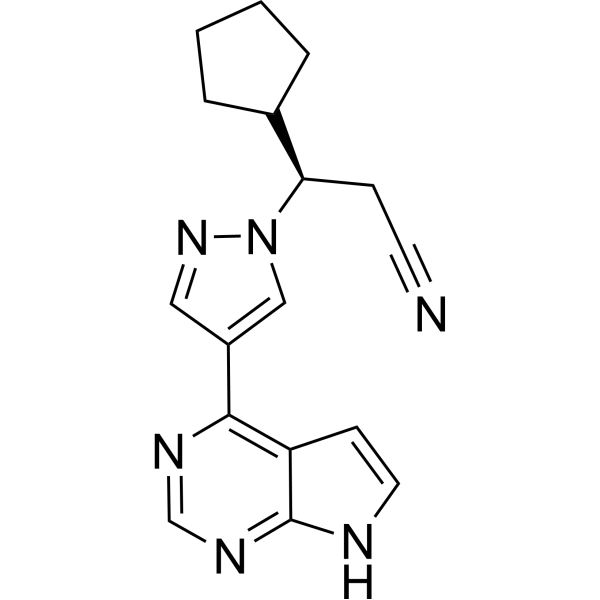
Ruxolitinib (INCB18424) is an orally active and selective JAK1/2 inhibitor with IC50s of 3.3 nM and 2.8 nM in cell-free assays, and has 130-fold selectivity for JAK1/2 over JAK3 . Ruxolitinib induces autophagy and kills tumor cells through toxic mitophagy .
|
-
-
- HY-18950
-
-
-
- HY-13271A
-
|
|
Beta-lactamase
HDAC
Autophagy
Apoptosis
|
Cancer
|
|
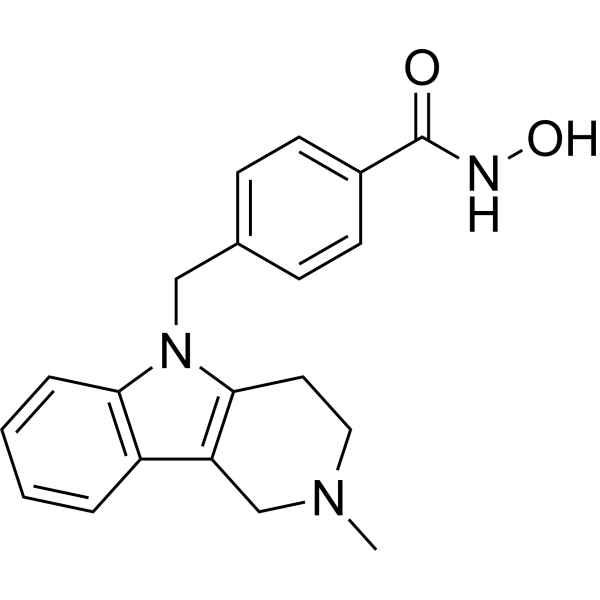
Tubastatin A is a potent and selective HDAC6 inhibitor with an IC50 of 15 nM in a cell-free assay, and is selective (1000-fold more) against all other isozymes except HDAC8 (57-fold more). Tubastatin A also inhibits HDAC10 and metallo-β-lactamase domain-containing protein 2 (MBLAC2).
|
-
-
- HY-13002
-
|
|
mTOR
DNA-PK
Autophagy
Apoptosis
|
Cancer
|
|
Torin 2 is an mTOR inhibitor with EC50 of 0.25 nM for inhibiting cellular mTOR activity, and exhibits 800-fold selectivity over PI3K (EC50: 200 nM). Torin 2 also inhibits DNA-PK with an IC50 of 0.5 nM in the cell free assay. Torin 2 can suppress both mTORC1 and mTORC2.
|
-
-
- HY-17353
-
|
|
Telomerase
Apoptosis
|
Cancer
|
|
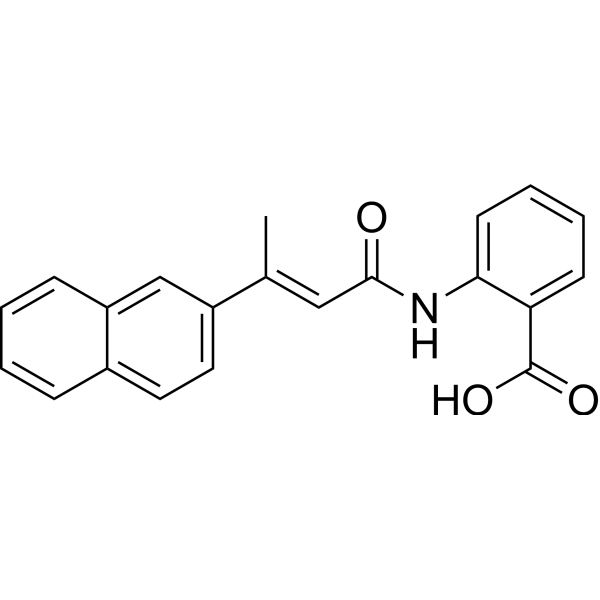
BIBR 1532 is a potent, selective and non-competitive telomerase inhibitor with IC50 of 100 nM in a cell-free assay.
|
-
-
- HY-10127
-
|
AZD1152
|
Aurora Kinase
Apoptosis
|
Cancer
|
|
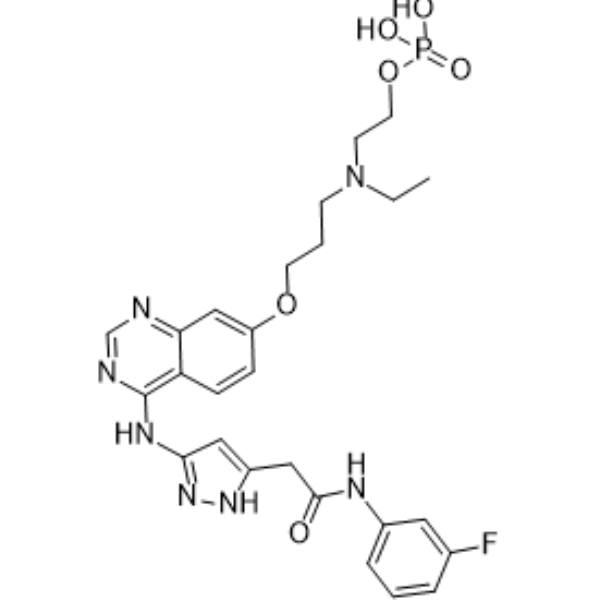
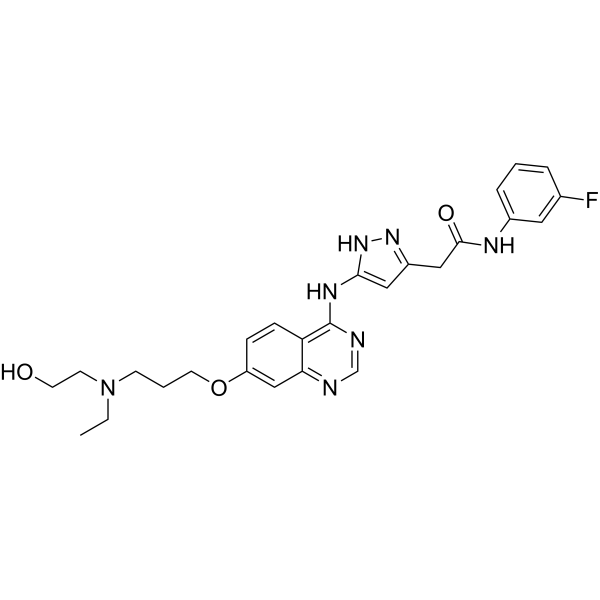
Barasertib (AZD1152), a pro-drug of Barasertib-hQPA, is a highly selective Aurora B inhibitor with an IC50 of 0.37 nM in a cell-free assay. Barasertib (AZD1152) induces growth arrest and apoptosis in cancer cells .
|
-
-
- HY-10012
-
|
|
CDK
|
Cancer
|
|
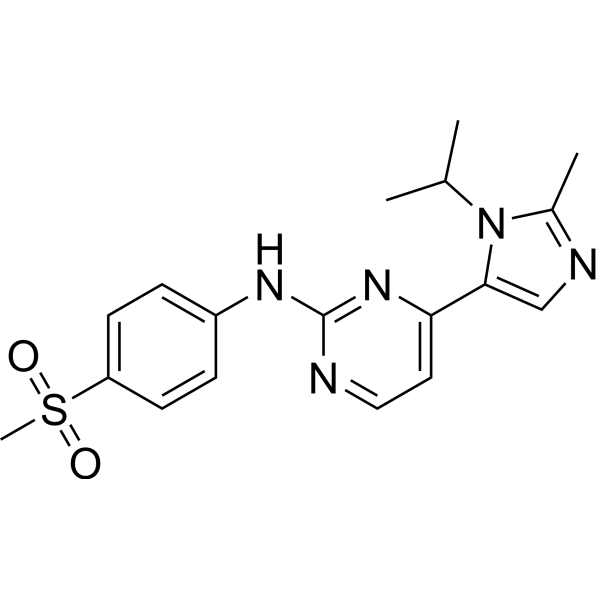
AZD-5438 is a potent CDK1, CDK2, and CDK9 inhibitor, with IC50s of 16 nM, 6 nM, and 20 nM in cell-free assays, respectively. AZD-5438 shows less inhibition activity against GSK3β, CDK5 and CDK6
.
|
-
-
- HY-P1934A
-
|
|
Fungal
Bacterial
IFNAR
Reactive Oxygen Species (ROS)
|
Infection
Inflammation/Immunology
Cancer
|
|
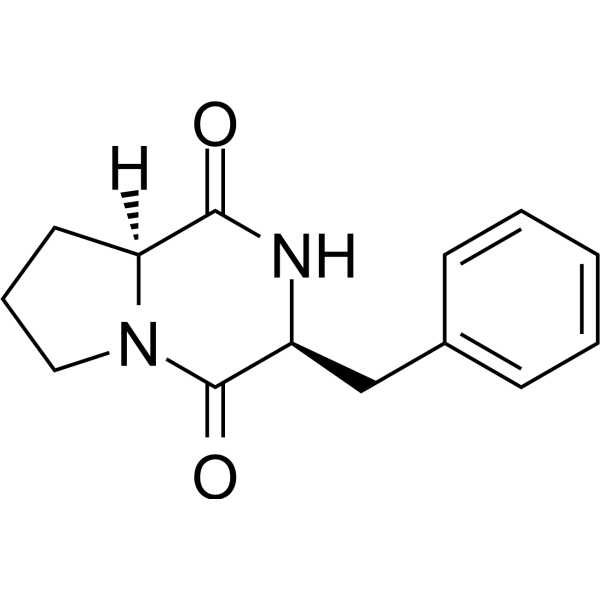
Cyclo(L-Phe-L-Pro), isolated from Pseudomonas fluorescens and Pseudomonas alcaligenes cell-free culture supernatants is an antifungal cyclic dipeptide . Cyclo(L-Phe-L-Pro) inhibits IFN-β production by interfering with retinoic-acid-inducible gene-I (RIG-I) activation . Cyclo(L-Phe-L-Pro) exhibits free-radical scavenging activity with the IC50 of 24 µM in the DPPH assay .
|
-
-
- HY-114778
-
|
SHR3162; Fuzuloparib
|
PARP
|
Cancer
|
|
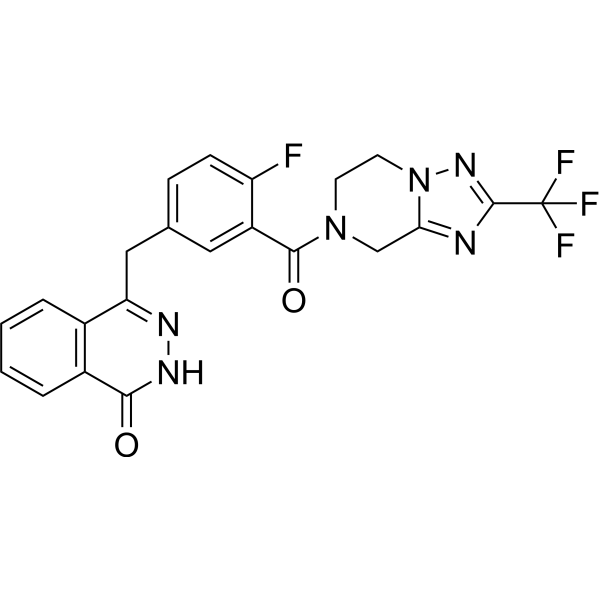
Fluzoparib (SHR3162) is a potent and orally active PARP1 inhibitor (IC50=1.46±0.72 nM, a cell-free enzymatic assay) with superior antitumor activity. Fluzoparib selectively inhibits the proliferation of homologous recombination repair (HR)-deficient cells, and sensitizes both HR-deficient and HR-proficient cells to cytotoxic agents. Fluzoparib exhibits good pharmacokinetic properties in vivo and can be used for BRCA1/2-mutant relapsed ovarian cancer research .
|
-
-
- HY-10126
-
|
AZD2811; INH-34; AZD1152-HQPA
|
Aurora Kinase
Apoptosis
|
Cancer
|
|
Barasertib-HQPA (AZD2811) is a highly selective Aurora B inhibitor with an IC50 of 0.37 nM in a cell-free assay. Barasertib-HQPA (AZD2811) induces growth arrest and apoptosis in cancer cells .
|
-
-
- HY-51424
-
|
|
Raf
|
Cancer
|
|
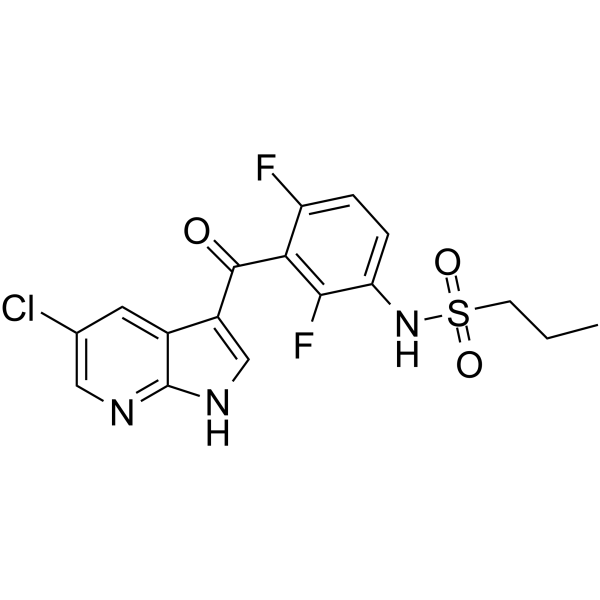
PLX-4720 is a potent and selective inhibitor of B-Raf V600E with IC50 of 13 nM in a cell-free assay, equally potent to c-Raf-1(Y340D and Y341D mutations), and 10-fold selectivity for B-Raf V600E than wild-type B-Raf.
|
-
-
- HY-13271
-
|
Tubastatin A HCl; TSA HCl
|
Beta-lactamase
HDAC
Autophagy
Apoptosis
|
Cancer
|
|
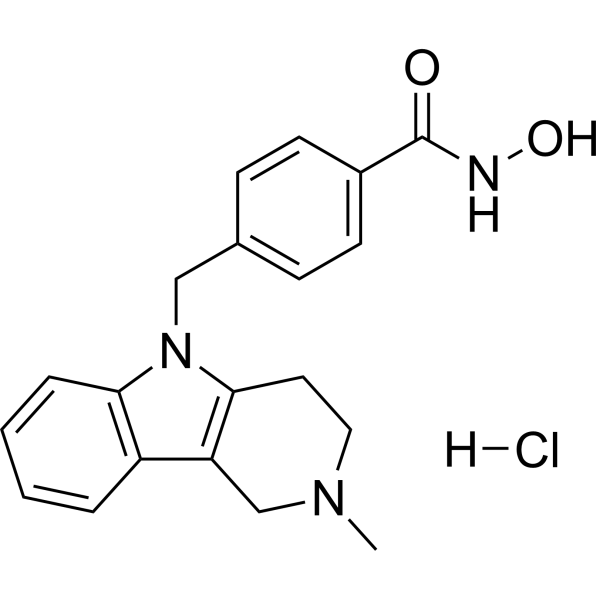
Tubastatin A Hydrochloride (Tubastatin A HCl) is a potent and selective HDAC6 inhibitor with IC50 of 15 nM in a cell-free assay, and is selective (1000-fold more) against all other isozymes except HDAC8 (57-fold more). Tubastatin A Hydrochloride also inhibits HDAC10 and metallo-β-lactamase domain-containing protein 2 (MBLAC2).
|
-
-
- HY-13668
-
|
PaTrin-2
|
DNA Methyltransferase
|
Cancer
|
|
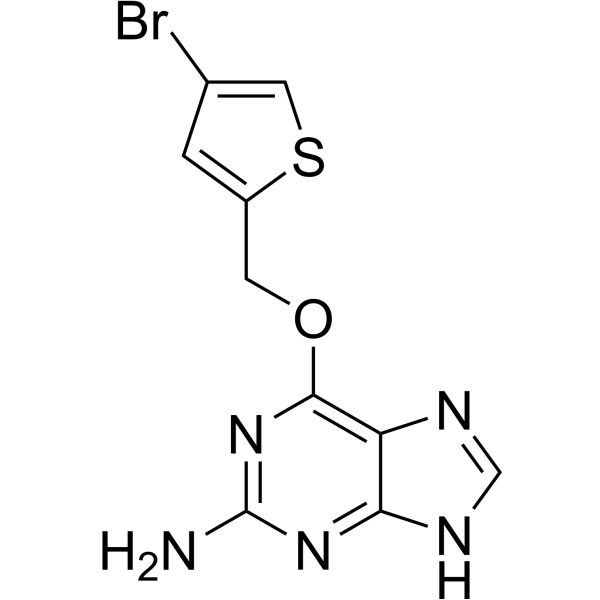
Lomeguatrib is a O 6-methylguanine-DNA methyltransferase (MGMT) inhibitor, with IC50s of 9 nM in cell-free assay and ~6?nM in MCF-7 cells.
|
-
-
- HY-13208
-
|
AT-406 hydrochloride; Debio 1143 hydrochloride; SM-406 hydrochloride
|
IAP
Apoptosis
|
Cancer
|
|
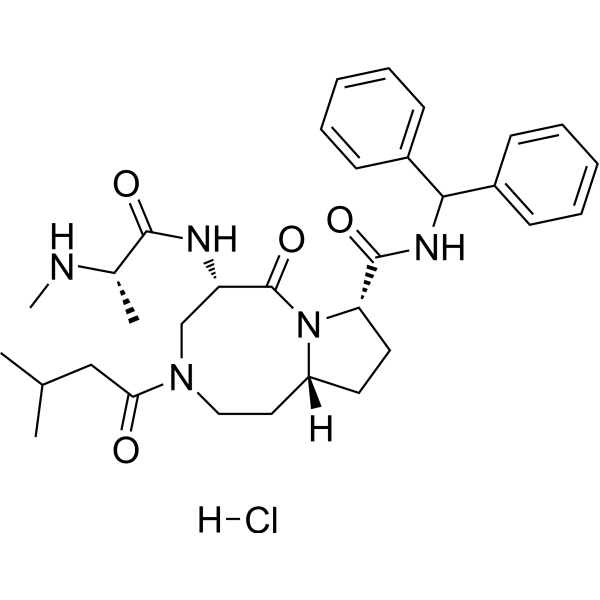
Xevinapant (AT-406) hydrochloride is a potent and orally bioavailable Smac mimetic and an antagonist of the inhibitor of apoptosis proteins (IAPs). Xevinapant hydrochloride binds to XIAP, cIAP1, and cIAP2 proteins with Kis of 66.4, 1.9, and 5.1 nM, respectively. Xevinapant hydrochloride effectively antagonizes XIAP BIR3 protein in a cell-free functional assay, induces rapid degradation of cellular cIAP1 protein, and inhibits cancer cell growth in various human cancer cell lines. Xevinapant hydrochloride is highly effective in induction of apoptosis in xenograft tumors .
|
-
-
- HY-16586
-
-
-
- HY-50856R
-
|
INCB18424 (Standard)
|
Reference Standards
JAK
Autophagy
Mitophagy
Apoptosis
|
Cancer
|
|
Ruxolitinib (Standard) is the analytical standard of Ruxolitinib. This product is intended for research and analytical applications. Ruxolitinib (INCB18424) is a potent and selective JAK1/2 inhibitor with IC50s of 3.3 nM and 2.8 nM in cell-free assays, and has 130-fold selectivity for JAK1/2 over JAK3 . Ruxolitinib induces autophagy and kills tumor cells through toxic mitophagy .
|
-
-
- HY-10130
-
|
ABT-888 dihydrochloride
|
PARP
Autophagy
|
Cancer
|
|
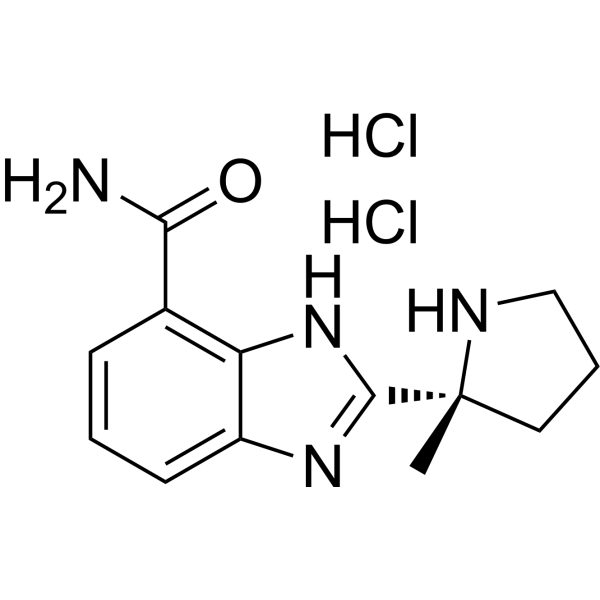
Veliparib (dihydrochloride) is a potent inhibitor of PARP1 and PARP2 with Kis of 5.2 nM and 2.9 nM in cell-free assays, respectively.
|
-
-
- HY-13297
-
|
|
E1/E2/E3 Enzyme
|
Cancer
|
|
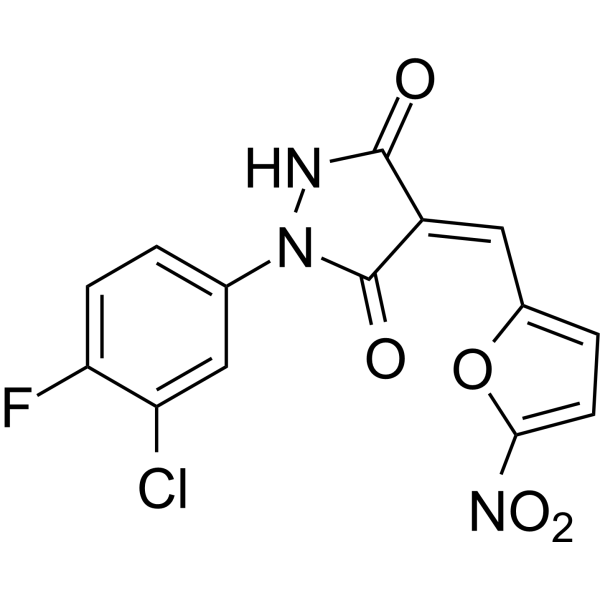
PYZD-4409 is a specific inhibitor of the ubiquitin-activating enzyme UBA1 with an IC50 of 20 μM (cell-free enzymatic assay). PYZD-4409 induces cell death in malignant cells and preferentially inhibits the clonogenic growth of primary acute myeloid leukemia cells .
|
-
-
- HY-115510
-
|
SPRi3
|
Carbonyl Reductase
|
Inflammation/Immunology
|
|
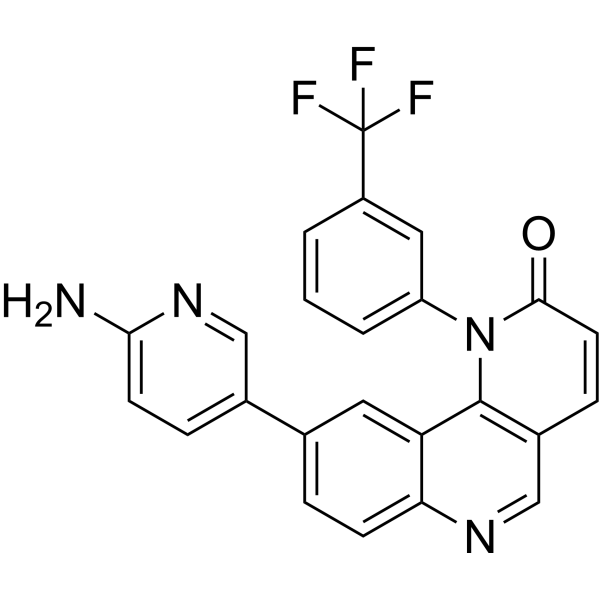
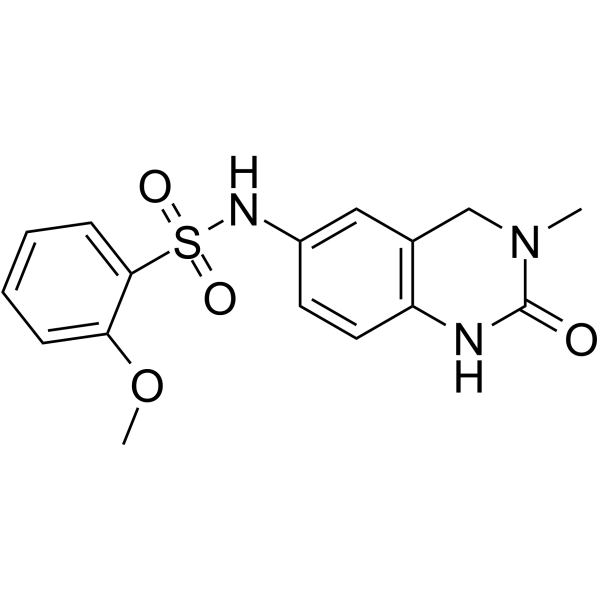
SPR inhibitor 3 (SPRi3) is a potent sepiapterin reductase (SPR) inhibitor. SPR inhibitor 3 (SPRi3) displays high binding affinity to human SPR in a cell-free assay (IC50=74 nM) and efficiently reduces biopterin levels in a cell-based assay (IC50=5.2 μM). SPR inhibitor 3 (SPRi3) reduces neuropathic and inflammatory pain through a reduction of BH4 levels .
|
-
-
- HY-13454
-
|
|
PKD
|
Cancer
|
|
CID 2011756 is an ATP competitive PKD inhibitor, with an IC50 of 3.2 µM for PKD1 in cell free assay, and also shows cellular pan-PKD inhibitory activity against PKD2 and PKD3 (IC50, 0.6 and 0.7 µM, respectively). CID 2011756 also has antitumor activity.
|
-
-
- HY-P4202
-
|
Suc-AEPF-pNA
|
Biochemical Assay Reagents
|
Others
|
|
Suc-Ala-Glu-Pro-Phe-pNA (Suc-AEPF-pNA) is a chromogenic substrate for the peptidyl-prolyl isomerase Pin1. Suc-Ala-Glu-Pro-Phe-pNA is used to evaluate the inhibitory effect of target compounds on Pin1, the catalytic activity of Pin1, and other related assays .
|
-
-
- HY-100013A1
-
|
|
GPR88
|
Neurological Disease
|
|
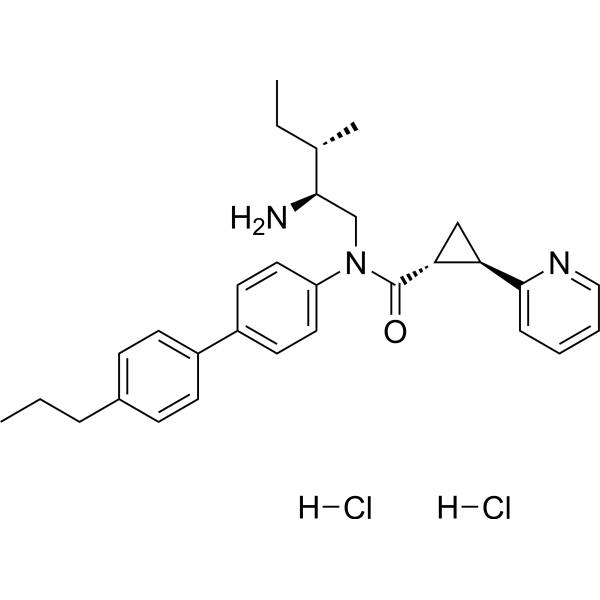
(1R,2R)-2-PCCA hydrochloride is a diastereomer of 2-PCCA, and acts as a potent GPR88 receptor agonist, with an EC50 of 3 nM in cell-free assay, and 603 nM in cell assay.
|
-
-
- HY-W003486
-
|
|
Phosphodiesterase (PDE)
|
Neurological Disease
Cancer
|
|
5,7-Dichloropyrazolo[1,5-a]pyrimidine is a PDE10A inhibitor with a Ki of 24 μM. 5,7-Dichloropyrazolo[1,5-a]pyrimidine serves as a key intermediate in the synthesis of 5,7-disubstituted pyrazolo[1,5-a]pyrimidine derivatives (HIV-1 non-nucleoside reverse transcriptase inhibitors). 5,7-Dichloropyrazolo[1,5-a]pyrimidine can be used for the research of schizophrenia .
|
-
-
- HY-151193
-
|
|
Amine N-methyltransferase
|
Metabolic Disease
Cancer
|
|
NNMT-IN-3 (Compound 14) is a potent and selective nicotinamide N-methyltransferase (NNMT) inhibitor, with IC50 values of 1.1 nM and 0.4 μM in cell-free and cell-based assays, respectively. NNMT-IN-3 can be used in the research of diseases such as obesity, type 2 diabetes and cancer .
|
-
-
- HY-145749
-
|
|
PARP
|
Cancer
|
|
PARPYnD is a PARP enzyme photoaffinity probe (AfBP) based on the triple PARP1/2/6 inhibitor AZ9482 (HY-119653), which induces breast cancer Formation of multipolar spindles (MPS) in cells. PARPYnD inhibits PAPR wih IC50 of 38 nM (PARP1), 6 nM (PARP2), 230 nM (PARP6), respectively. PARPYnD enriches recombinant PARP6 incorporated into cell lysates and inhibits PARP6 in cell-free assays, but it does not label PARP6 in intact cells .
|
-
-
- HY-W755033
-
-
-
- HY-157698
-
|
C18(plasm)-20:4-PC; 18:0p/20:4-PC; PC(P-18:0/20:4)
|
Endogenous Metabolite
|
Metabolic Disease
|
|
1-1(Z)-Octadecenyl-2-arachidonoyl-sn-glycero-3-PC is a plasmalogen that contains 1(Z)-octadecenoic acid and arachidonic acid (HY-109590) at the sn-1 and sn-2 positions, respectively. It scavenges singlet oxygen in a cell-free assay.
|
-
-
- HY-10127A
-
|
AZD1152 dihydrochloride
|
Aurora Kinase
Apoptosis
|
Cancer
|
|
Barasertib (AZD1152 dihydrochloride), a pro-drug of Barasertib-hQPA, is a highly selective Aurora B inhibitor with an IC50 of 0.37 nM in a cell-free assay. Barasertib (AZD1152 dihydrochloride) induces growth arrest and apoptosis in cancer cells .
|
-
-
- HY-119402
-
TP-021
1 Publications Verification
BCL6-IN-8c
|
Bcl-2 Family
|
Cancer
|
|
TP-021 (BCL6-IN-8c), a chemical probe, is a potent and orally active B-cell lymphoma 6 (BCL6)-corepressor interaction inhibitor with an IC50 of 0.10 μM in cell-free enzyme-linked immunosorbent assay .
|
-
-
- HY-B0497S1
-
|
BAY2353-13C6
|
Isotope-Labeled Compounds
STAT
Parasite
Antibiotic
|
Infection
Cancer
|
|
Niclosamide- 13C6 is the 13C6 labeled Niclosamide. Niclosamide (BAY2353) is an orally bioavailable chlorinated salicylanilide, with anthelmintic and potential antineoplastic activity. Niclosamide (BAY2353) inhibits STAT3 with IC50 of 0.25 μM in HeLa cells and inhibits DNA replication in a cell-free assay.
|
-
-
- HY-134811
-
|
|
Ras
PERK
|
Cancer
|
|
KRAS G12D inhibitor 1 is a KRAS G12D inhibitor with an IC50 value of 0.4 nM. KRAS G12D inhibitor 1 inhibits KRas G12D-mediated ERK phosphorylation. KRAS G12D inhibitor 1 can be used for cancer research .
|
-
-
- HY-W587784
-
|
|
PPAR
|
Metabolic Disease
|
|
Norbixin is a carotenoid that has been found in B. orellana.It binds to PPARγ in a cell-free assay (Ki = 1.15 μM) . Norbixin attenuates hyperglycemia, hyperinsulinemia, and insulin resistance, as well as decreases serum lipid levels and cardiac levels of thiobarbituric acid reactive substances (TBARS) and glutathione (GSH) in a rat model of cardio-metabolic syndrome .
|
-
-
- HY-13271B
-
|
TSA TFA
|
HDAC
Autophagy
Apoptosis
|
Cancer
|
|
Tubastatin A (TSA) TFA is a potent and selective?HDAC6?inhibitor with?IC50?of 15 nM in a cell-free assay, and is selective (1000-fold more) against all other isozymes except HDAC8 (57-fold more). Tubastatin A TFA also inhibits HDAC10 and metallo-β-lactamase domain-containing protein?2 (MBLAC2).
|
-
-
- HY-50856S2
-
|
INCB18424-d9
|
Isotope-Labeled Compounds
Apoptosis
JAK
Autophagy
Mitophagy
|
Cancer
|
|
Ruxolitinib-d9 (INCB18424-d9) is deuterium labeled Ruxolitinib. Ruxolitinib (INCB18424) is an orally active and selective JAK1/2 inhibitor with IC50s of 3.3 nM and 2.8 nM in cell-free assays, and has 130-fold selectivity for JAK1/2 over JAK3 . Ruxolitinib induces autophagy and kills tumor cells through toxic mitophagy .
|
-
-
- HY-51424R
-
|
|
Raf
|
Cancer
|
|
PLX-4720 (Standard) is the analytical standard of PLX-4720. This product is intended for research and analytical applications. PLX-4720 is a potent and selective inhibitor of B-RafV600E with IC50 of 13 nM in a cell-free assay, equally potent to c-Raf-1(Y340D and Y341D mutations), and 10-fold selectivity for B-RafV600E than wild-type B-Raf.
|
-
-
- HY-51424S
-
|
|
Isotope-Labeled Compounds
Raf
|
Cancer
|
|
PLX-4720-d7 is the deuterium labeled PLX-4720. PLX-4720 is a potent and selective inhibitor of?B-RafV600E?with?an IC50?of 13 nM in a cell-free assay, equally potent to c-Raf-1(Y340D and Y341D mutations), and 10-fold selectivity for B-RafV600E than wild-type B-Raf .
|
-
-
- HY-W741557
-
|
(±)-Griseofulvic acid
|
Fungal
|
Infection
|
|
Griseofulvic acid is a metabolite of the antifungal Griseofulvin (HY-17583). It induces protein aggregation and tubulin polymerization in cell-free assays.
|
-
-
- HY-10127R
-
|
AZD1152 (Standard)
|
Reference Standards
Aurora Kinase
Apoptosis
|
Cancer
|
|
Barasertib (Standard) is the analytical standard of Barasertib. This product is intended for research and analytical applications. Barasertib (AZD1152), a pro-drug of Barasertib-hQPA, is a highly selective Aurora B inhibitor with an IC50 of 0.37 nM in a cell-free assay. Barasertib (AZD1152) induces growth arrest and apoptosis in cancer cells .
|
-
-
- HY-139052
-
|
|
γ-secretase
|
Neurological Disease
|
|
III-31-C is a (hydroxyethyl)urea γ-secretase inhibitor. III-31-C inhibits Aऔ production with an IC50 of 10 nM in the cell-free γ-secretase assay and 200 nM in APP-transfected cells. III-31-C can be used in Alzheimer's disease research .
|
-
-
- HY-138241
-
|
|
Fluorescent Dye
|
Others
|
|
PBD-BODIPY is a probe for the spectrophotometric measurement of autoxidation reactions. Co-autoxidation of the PBD-BODIPY signal carrier and a hydrocarbon co-substrate can be quantified by monitoring loss of absorbance at 591 nm. PBD-BODIPY has been used to measure the activity of radical-trapping antioxidants in cell-free assays. It has also been used as a fluorescent probe for the detection of epoxidation activity.
|
-
-
- HY-13271AR
-
|
|
Beta-lactamase
HDAC
Autophagy
Apoptosis
|
Cancer
|
|
Tubastatin A (Standard) is the analytical standard of Tubastatin A. This product is intended for research and analytical applications. Tubastatin A is a potent and selective HDAC6 inhibitor with an IC50 of 15 nM in a cell-free assay, and is selective (1000-fold more) against all other isozymes except HDAC8 (57-fold more). Tubastatin A also inhibits HDAC10 and metallo-β-lactamase domain-containing protein 2 (MBLAC2).
|
-
-
- HY-10012R
-
|
|
Reference Standards
CDK
|
Cancer
|
|
AZD-5438 (Standard) is the analytical standard of AZD-5438. This product is intended for research and analytical applications. AZD-5438 is a potent CDK1, CDK2, and CDK9 inhibitor, with IC50s of 16 nM, 6 nM, and 20 nM in cell-free assays, respectively. AZD-5438 shows less inhibition activity against GSK3β, CDK5 and CDK6
.
|
-
-
- HY-13271R
-
|
Tubastatin A HCl (Standard); TSA HCl (Standard)
|
Beta-lactamase
HDAC
Autophagy
Apoptosis
Reference Standards
|
Cancer
|
|
Tubastatin A (Hydrochloride) (Standard) is the analytical standard of Tubastatin A (Hydrochloride). This product is intended for research and analytical applications. Tubastatin A Hydrochloride (Tubastatin A HCl) is a potent and selective HDAC6 inhibitor with IC50 of 15 nM in a cell-free assay, and is selective (1000-fold more) against all other isozymes except HDAC8 (57-fold more). Tubastatin A Hydrochloride also inhibits HDAC10 and metallo-β-lactamase domain-containing protein 2 (MBLAC2).
|
-
-
- HY-P1934AR
-
|
|
Reference Standards
Fungal
Bacterial
IFNAR
Reactive Oxygen Species (ROS)
|
Infection
Inflammation/Immunology
Cancer
|
|
Gallic acid (hydrate) (Standard) is the analytical standard of Gallic acid (hydrate). This product is intended for research and analytical applications. Cyclo(L-Phe-L-Pro), isolated from Pseudomonas fluorescens and Pseudomonas alcaligenes cell-free culture supernatants is an antifungal cyclic dipeptide . Cyclo(L-Phe-L-Pro) inhibits IFN-β production by interfering with retinoic-acid-inducible gene-I (RIG-I) activation . Cyclo(L-Phe-L-Pro) exhibits free-radical scavenging activity with the IC50 of 24 µM in the DPPH assay .
|
-
-
- HY-13271AG
-
|
|
HDAC
Beta-lactamase
Autophagy
Apoptosis
|
Cancer
|
|
Tubastatin A (GMP) is the Tubastatin A (HY-13271A) produced by using GMP guidelines. GMP small molecules work appropriately as an auxiliary reagent for cell therapy manufacture. Tubastatin A is a potent and selective HDAC6 inhibitor with an IC50 of 15 nM in a cell-free assay, and is selective (1000-fold more) against all other isozymes except HDAC8 (57-fold more). Tubastatin A also inhibits HDAC10 and metallo-β-lactamase domain-containing protein 2 (MBLAC2).
|
-
-
- HY-130743
-
|
Bis-eugenol; Dehydrodieugenol
|
Parasite
|
Infection
|
|
Dieugenol is a neolignan that has been found in N. leucantha and has antioxidative and antiprotozoal activities. It inhibits the formation of thiobarbituric acid reactive substances (TBARS) and scavenges superoxide anions, but not hydroxyl radicals, in cell-free assays. It has anti-trypanosomal activity against T. cruzi amastigotes and trypomastigotes (IC50s=15.1 and 11.5 μM, respectively) but is cytotoxic to NCTC L-929 fibroblasts with a 50% cytotoxic concentration (CC50) value of 58.2 μM.2 Dieugenol (15 μM) disrupts the integrity of the T. cruzi trypomastigote plasma membrane but does not induce the production of reactive oxygen species (ROS) in trypomastigotes or LPS-stimulated and unstimulated isolated mouse peritoneal macrophages.
|
-
-
- HY-U00326
-
|
|
PI3K
mTOR
|
Cancer
|
|
PI3Kα/mTOR-IN-1 is a potent PI3Kα/mTOR dual inhibitor, with an IC50 of 7 nM for PI3Kα in a cell assay, and Kis of 10.6 nM and 12.5 nM for mTOR and PI3Kα in a cell free assay , respectively.
|
-
-
- HY-123597
-
|
DDUG; NCI C04808
|
Autophagy
Checkpoint Kinase (Chk)
|
Cancer
|
|
NSC 109555 is an ATP-competitive inhibitor of checkpoint kinase 2 (Chk2; IC50=200 nM in a cell-free kinase assay). It is selective for Chk2 over Chk1 and 16 kinases in a panel but does inhibit Brk, c-Met, IGFR, and LCK with IC50 values of 210, 6,000, 7,400, and 7,100 nM, respectively. NSC 109555 inhibits Chk2 autophosphorylation and phosphorylation of the Chk2 substrate histone H1 in vitro (IC50=240 nM). It inhibits the growth of, and induces autophagy in, L1210 leukemia cells in vitro.2 NSC 109555 (1,250 nM) potentiates gemcitabine-induced cytotoxicity in MIA PaCa-2, CFPAC-1, PANC-1, and BxPC-3 pancreatic cancer cells, as well as reduces gemcitabine-induced increases in Chk2 phosphorylation and enhances gemcitabine-induced production of reactive oxygen species (ROS) in MIA PaCa-2 cells.
|
-
-
- HY-121364
-
|
|
Histamine Receptor
Fluorescent Dye
|
Others
|
|
Bodilisant is a histamine H3 receptor (hH3R) ligand and imaging/labeling agent, with a Ki value of 6.51 nM for hH3R. Bodilisant binds to hH3R to produce strong green fluorescence, localizes to the extracellular membrane without internalization, and generates clear, displaceable fluorescent labeling of hH3R in native human brain tissues. Bodilisant serves as a pharmacological tool to visualize the distribution of hH3R via fluorescence confocal laser scanning microscopy .
|
-
-
- HY-10130R
-
|
ABT-888 dihydrochloride (Standard)
|
PARP
Reference Standards
Autophagy
|
Cancer
|
|
Veliparib (dihydrochloride) (Standard) is the analytical standard of Veliparib (dihydrochloride) (HY-10130). This product is intended for research and analytical applications. Veliparib (dihydrochloride) is a potent inhibitor of PARP1 and PARP2 with Kis of 5.2 nM and 2.9 nM in cell-free assays, respectively.
|
-
- HY-10126R
-
|
AZD2811 (Standard); INH-34 (Standard); AZD1152-HQPA (Standard)
|
Aurora Kinase
Reference Standards
Apoptosis
|
Cancer
|
|
Barasertib-HQPA (Standard) is the analytical standard of Barasertib-HQPA (HY-10126). This product is intended for research and analytical applications. Barasertib-HQPA (AZD2811) is a highly selective Aurora B inhibitor with an IC50 of 0.37 nM in a cell-free assay. Barasertib-HQPA (AZD2811) induces growth arrest and apoptosis in cancer cells .
|
-
- HY-100013A1R
-
|
|
GPR88
Reference Standards
|
Neurological Disease
|
|
(1R,2R)-2-PCCA (hydrochloride) (Standard) is the analytical standard of (1R,2R)-2-PCCA (hydrochloride) (HY-100013A1). This product is intended for research and analytical applications. (1R,2R)-2-PCCA hydrochloride is a diastereomer of 2-PCCA, and acts as a potent GPR88 receptor agonist, with an EC50 of 3 nM in cell-free assay, and 603 nM in cell assay.
|
-
- HY-116153
-
|
|
Cholinesterase (ChE)
|
Neurological Disease
|
|
HUHS2002 is a free fatty acid derivative with the ability to enhance α7 cholinergic receptor activity. HUHS2002 enhances whole-cell membrane currents of α7 ACh receptors expressed in Xenopus oocytes in a concentration-dependent manner. The effects of HUHS2002 were blocked in the presence of the Ca2 /calmodulin-dependent protein kinase II (CaMKII) inhibitor KN-93. HUHS2002 activated CaMKII in cultured rodent hippocampal neurons, and this activation was abolished by KN-93. HUHS2002 also partially inhibited the activity of protein phosphatase 1 (PP1) in a cell-free PP1 activity assay .
|
-
- HY-181530
-
|
|
IAP
|
Cancer
|
|
IAP ligand 6 (A250) is an IAP ligand with a Ka value of 0.1 μM for the human XIAP BIR3 domain. IAP ligand 6 binds to the XIAP BIR3 domain and serves as an alkynylpyridine scaffold for the preparation of TEAD degraders that recruit IAP. IAP ligand 6 is applicable to research related to mesothelioma .
|
-
- HY-P11621
-
|
|
E1/E2/E3 Enzyme
|
Cancer
|
|
JWP24 is the first cell membrane-permeable peptide inhibitor of MAGE-A4, with an IC50 of 200 nM against human MAGE-A4. JWP24 binds to intracellular targets while retaining binding activity, disrupts the interaction between MAGE-A4 and RAD18, and does not induce cytotoxicity at effective concentrations. JWP24 is applicable for cancer-related research .
|
-
- HY-183534
-
|
|
CDK
|
Cancer
|
|
CDK2-IN-58 is a selective cyclin-dependent kinase 2 (CDK2) inhibitor with an IC50 of 0.21 μM. CDK2-IN-58 can be used for cancer research .
|
-
- HY-N18048
-
|
|
Sirtuin
|
Others
|
|
Gypenoside CII is a dammarane-type triterpene saponin that can be isolated from Gynostemma pentaphyllum. Gypenoside CII exerts no significant activating effect on recombinant human Sirt1, while its congeners are potent Sirt1 agonists .
|
-
- HY-N18243
-
|
|
Drug Derivative
|
Inflammation/Immunology
|
|
O-(E)-p-Coumaroylquinic acid methyl ester is a coumaric acid derivative found in the flowers of Vaccinium corymbosum. O-(E)-p-Coumaroylquinic acid methyl ester shows antioxidant effects and can be used for nutraceutical and functional food applications .
|
-
- HY-114921
-
|
|
Phytohormone
|
Endocrinology
|
|
α-(2-Carboxycyclopropyl)glycine is a male sterilant. α-(2-Carboxycyclopropyl)glycine does not affect IAA (HY-18569B)-induced ethylene formation, does not induce ethylene biosynthesis, and resists conversion to ethylene in vitro or in wheat coleoptile segments .
|
-
- HY-181334
-
|
|
PROTACs
Histone Methyltransferase
|
Cancer
|
|
PROTAC EZH2 Degrader-39 (compound 18) is a PROTAC protein degrader targeting EZH2 with a target IC50 of 61.00 nM. PROTAC EZH2 Degrader-39 functionally inhibits EZH2 methyltransferase activity .
|
-
- HY-182278
-
|
|
Fungal
Succinate Dehydrogenase
|
Infection
|
|
Flubeneteram is a succinate dehydrogenase inhibitor with an IC50 of 0.0484 μM. Flubeneteram disrupts succinate dehydrogenase activity. Flubeneteram demonstrates protective effects against Rhizoctonia solani and Sphaerotheca fuliginea in preclinical models. Flubeneteram can be used for research related to fungal infections .
|
-
- HY-179400
-
|
|
Anaplastic lymphoma kinase (ALK)
TGF-beta/Smad
|
Others
|
LDN-193688 (Compound 26) is a ALK2 inhibitor, with IC₅₀ values of 104, 18, 235, 1530, and 1080 nM against ALK1, ALK2, ALK3, ALK4, and ALK5, respectively. LDN-193688 inhibits bone morphogenetic protein 4 (BMP4)-induced phosphorylation of SMAD1/5/8, with an IC₅₀ of 2.6 μM .
|
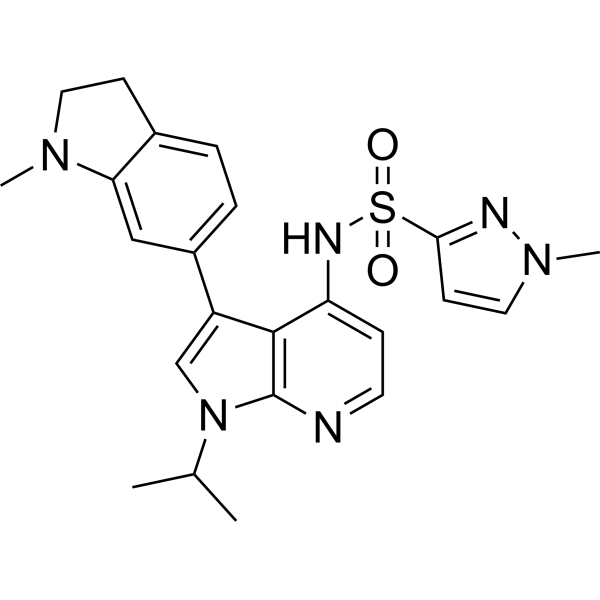
-
- HY-N17982
-
|
|
HIV Integrase
|
Infection
|
|
Vanillic acid 4-O-β-D-glucopyranoside is a vanillic acid glycoside with moderate antioxidant activity. Vanillic acid 4-O-β-D-glucopyranoside scavenges DPPH free radicals and superoxide anion radicals, and inhibits AAPH-induced lipid peroxidation in the linoleic acid system. The IC50 value of Vanillic acid 4-O-β-D-glucopyranoside against HIV-1 integrase is >100 μg/mL, indicating that it is not an effective HIV-1 integrase inhibitor. Vanillic acid 4-O-β-D-glucopyranoside is isolable from the ethyl acetate extract of Gardeniae Fructus.
|
-
| Cat. No. |
Product Name |
Type |
-
- HY-P4202
-
|
Suc-AEPF-pNA
|
Fluorescent Dyes
|
|
Suc-Ala-Glu-Pro-Phe-pNA (Suc-AEPF-pNA) is a chromogenic substrate for the peptidyl-prolyl isomerase Pin1. Suc-Ala-Glu-Pro-Phe-pNA is used to evaluate the inhibitory effect of target compounds on Pin1, the catalytic activity of Pin1, and other related assays .
|
-
- HY-13271AG
-
|
|
Fluorescent Dyes
|
|
Tubastatin A (GMP) is the Tubastatin A (HY-13271A) produced by using GMP guidelines. GMP small molecules work appropriately as an auxiliary reagent for cell therapy manufacture. Tubastatin A is a potent and selective HDAC6 inhibitor with an IC50 of 15 nM in a cell-free assay, and is selective (1000-fold more) against all other isozymes except HDAC8 (57-fold more). Tubastatin A also inhibits HDAC10 and metallo-β-lactamase domain-containing protein 2 (MBLAC2).
|
| Cat. No. |
Product Name |
Type |
-
- HY-13271AG
-
|
|
Biochemical Assay Reagents
|
|
Tubastatin A (GMP) is the Tubastatin A (HY-13271A) produced by using GMP guidelines. GMP small molecules work appropriately as an auxiliary reagent for cell therapy manufacture. Tubastatin A is a potent and selective HDAC6 inhibitor with an IC50 of 15 nM in a cell-free assay, and is selective (1000-fold more) against all other isozymes except HDAC8 (57-fold more). Tubastatin A also inhibits HDAC10 and metallo-β-lactamase domain-containing protein 2 (MBLAC2).
|
| Cat. No. |
Product Name |
Target |
Research Area |
-
- HY-P1934A
-
|
|
Fungal
Bacterial
IFNAR
Reactive Oxygen Species (ROS)
|
Infection
Inflammation/Immunology
Cancer
|
|
Cyclo(L-Phe-L-Pro), isolated from Pseudomonas fluorescens and Pseudomonas alcaligenes cell-free culture supernatants is an antifungal cyclic dipeptide . Cyclo(L-Phe-L-Pro) inhibits IFN-β production by interfering with retinoic-acid-inducible gene-I (RIG-I) activation . Cyclo(L-Phe-L-Pro) exhibits free-radical scavenging activity with the IC50 of 24 µM in the DPPH assay .
|
-
- HY-P4202
-
|
Suc-AEPF-pNA
|
Biochemical Assay Reagents
|
Others
|
|
Suc-Ala-Glu-Pro-Phe-pNA (Suc-AEPF-pNA) is a chromogenic substrate for the peptidyl-prolyl isomerase Pin1. Suc-Ala-Glu-Pro-Phe-pNA is used to evaluate the inhibitory effect of target compounds on Pin1, the catalytic activity of Pin1, and other related assays .
|
-
- HY-P1934AR
-
|
|
Reference Standards
Fungal
Bacterial
IFNAR
Reactive Oxygen Species (ROS)
|
Infection
Inflammation/Immunology
Cancer
|
|
Gallic acid (hydrate) (Standard) is the analytical standard of Gallic acid (hydrate). This product is intended for research and analytical applications. Cyclo(L-Phe-L-Pro), isolated from Pseudomonas fluorescens and Pseudomonas alcaligenes cell-free culture supernatants is an antifungal cyclic dipeptide . Cyclo(L-Phe-L-Pro) inhibits IFN-β production by interfering with retinoic-acid-inducible gene-I (RIG-I) activation . Cyclo(L-Phe-L-Pro) exhibits free-radical scavenging activity with the IC50 of 24 µM in the DPPH assay .
|
-
- HY-P11621
-
|
|
E1/E2/E3 Enzyme
|
Cancer
|
|
JWP24 is the first cell membrane-permeable peptide inhibitor of MAGE-A4, with an IC50 of 200 nM against human MAGE-A4. JWP24 binds to intracellular targets while retaining binding activity, disrupts the interaction between MAGE-A4 and RAD18, and does not induce cytotoxicity at effective concentrations. JWP24 is applicable for cancer-related research .
|
| Cat. No. |
Product Name |
Category |
Target |
Chemical Structure |
| Cat. No. |
Product Name |
Chemical Structure |
-
- HY-B0497S1
-
|
|
|
Niclosamide- 13C6 is the 13C6 labeled Niclosamide. Niclosamide (BAY2353) is an orally bioavailable chlorinated salicylanilide, with anthelmintic and potential antineoplastic activity. Niclosamide (BAY2353) inhibits STAT3 with IC50 of 0.25 μM in HeLa cells and inhibits DNA replication in a cell-free assay.
|
-
-
- HY-50856S2
-
|
|
|
Ruxolitinib-d9 (INCB18424-d9) is deuterium labeled Ruxolitinib. Ruxolitinib (INCB18424) is an orally active and selective JAK1/2 inhibitor with IC50s of 3.3 nM and 2.8 nM in cell-free assays, and has 130-fold selectivity for JAK1/2 over JAK3 . Ruxolitinib induces autophagy and kills tumor cells through toxic mitophagy .
|
-
-
- HY-51424S
-
|
|
|
PLX-4720-d7 is the deuterium labeled PLX-4720. PLX-4720 is a potent and selective inhibitor of?B-RafV600E?with?an IC50?of 13 nM in a cell-free assay, equally potent to c-Raf-1(Y340D and Y341D mutations), and 10-fold selectivity for B-RafV600E than wild-type B-Raf .
|
-
| Cat. No. |
Product Name |
|
Classification |
-
- HY-145749
-
|
|
|
Alkynes
|
|
PARPYnD is a PARP enzyme photoaffinity probe (AfBP) based on the triple PARP1/2/6 inhibitor AZ9482 (HY-119653), which induces breast cancer Formation of multipolar spindles (MPS) in cells. PARPYnD inhibits PAPR wih IC50 of 38 nM (PARP1), 6 nM (PARP2), 230 nM (PARP6), respectively. PARPYnD enriches recombinant PARP6 incorporated into cell lysates and inhibits PARP6 in cell-free assays, but it does not label PARP6 in intact cells .
|
-
- HY-134811
-
|
|
|
Alkynes
|
|
KRAS G12D inhibitor 1 is a KRAS G12D inhibitor with an IC50 value of 0.4 nM. KRAS G12D inhibitor 1 inhibits KRas G12D-mediated ERK phosphorylation. KRAS G12D inhibitor 1 can be used for cancer research .
|
-
- HY-181530
-
|
|
|
PROTAC Synthesis
|
|
IAP ligand 6 (A250) is an IAP ligand with a Ka value of 0.1 μM for the human XIAP BIR3 domain. IAP ligand 6 binds to the XIAP BIR3 domain and serves as an alkynylpyridine scaffold for the preparation of TEAD degraders that recruit IAP. IAP ligand 6 is applicable to research related to mesothelioma .
|
| Cat. No. |
Product Name |
|
Classification |
-
- HY-157698
-
|
C18(plasm)-20:4-PC; 18:0p/20:4-PC; PC(P-18:0/20:4)
|
|
Phospholipids
|
|
1-1(Z)-Octadecenyl-2-arachidonoyl-sn-glycero-3-PC is a plasmalogen that contains 1(Z)-octadecenoic acid and arachidonic acid (HY-109590) at the sn-1 and sn-2 positions, respectively. It scavenges singlet oxygen in a cell-free assay.
|
| Cat. No. |
Product Name |
Target |
Research Areas |
Chemical Structure |
-
- HY-13271AG
-
|
|
HDAC
Beta-lactamase
Autophagy
Apoptosis
|
Cancer
|
|
Tubastatin A (GMP) is the Tubastatin A (HY-13271A) produced by using GMP guidelines. GMP small molecules work appropriately as an auxiliary reagent for cell therapy manufacture. Tubastatin A is a potent and selective HDAC6 inhibitor with an IC50 of 15 nM in a cell-free assay, and is selective (1000-fold more) against all other isozymes except HDAC8 (57-fold more). Tubastatin A also inhibits HDAC10 and metallo-β-lactamase domain-containing protein 2 (MBLAC2).
|
-
Your information is safe with us. * Required Fields.
Inquiry Information
- Product Name:
- Cat. No.:
- Quantity:
- MCE Japan Authorized Agent:

