164 Results for "

cellular metabolism

" in MedChemExpress (MCE) Product Catalog:
Products (164)

164 Results for "cellular metabolism" in MCE Product Catalog:

61
61 Publications Verification
Cat. No.: HY-B0389
CAS No.: 50-99-7
Synonyms: Glucose; D-(+)-Glucose; Dextrose
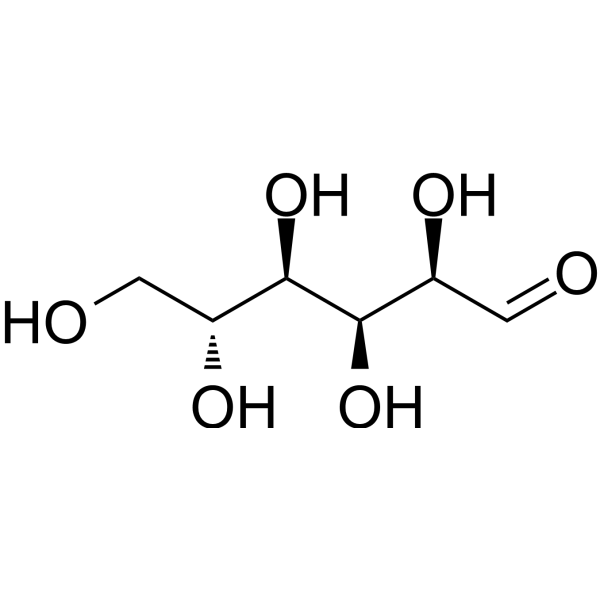
D-Glucose is the naturally occurring form of glucose and the most abundant monosaccharide. D-Glucose is a critical components of the general metabolism, and serve as critical signaling molecules in relation to both cellular metabolic status and biotic or abiotic stress response .
loading...
    loading...
59
59 Cited Publications
Cat. No.: HY-100017
CAS No.: 1799753-84-6
Purity:  99.67%
Target:  

GLUT Disulfidptosis

Research Areas:  

Cancer

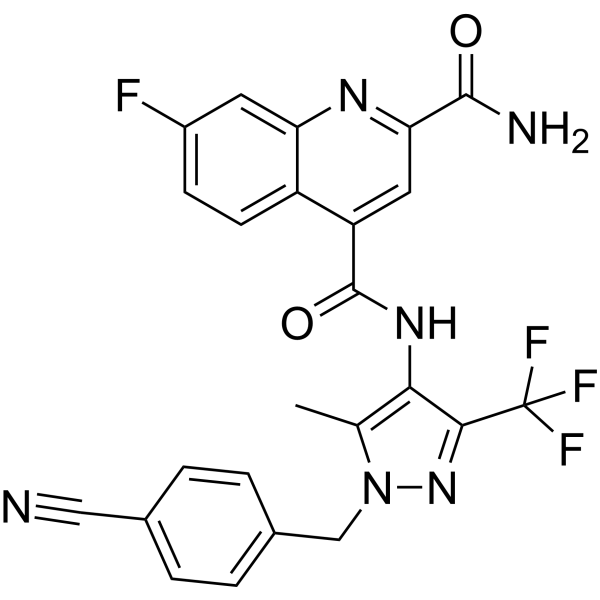
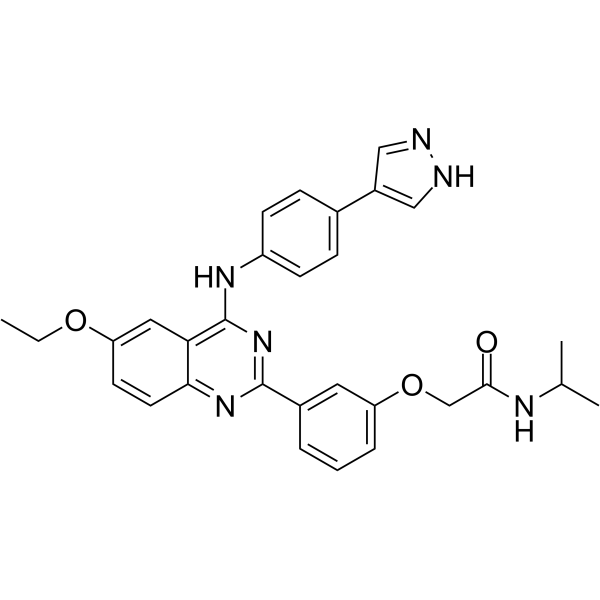
BAY-876, a chemical probe, is an orally active and selective glucose transporter 1 (GLUT1) inhibitor with an IC50 of 2 nM. BAY-876 is >130-fold more selective for GLUT1 than GLUT2, GLUT3, and GLUT4. BAY-876 is also a potent blocker of glycolytic metabolism and ovarian cancer growth. In addition, BAY-876 can induce the formation of disulfide bonds in actin cytoskeletal proteins, leading to the occurrence of cellular disulfidptosis .
loading...
    loading...
12
12 Cited Publications
Cat. No.: HY-N0390S1
CAS No.: 184161-19-1
Synonyms: L-Glutamic acid 5-amide-13C5
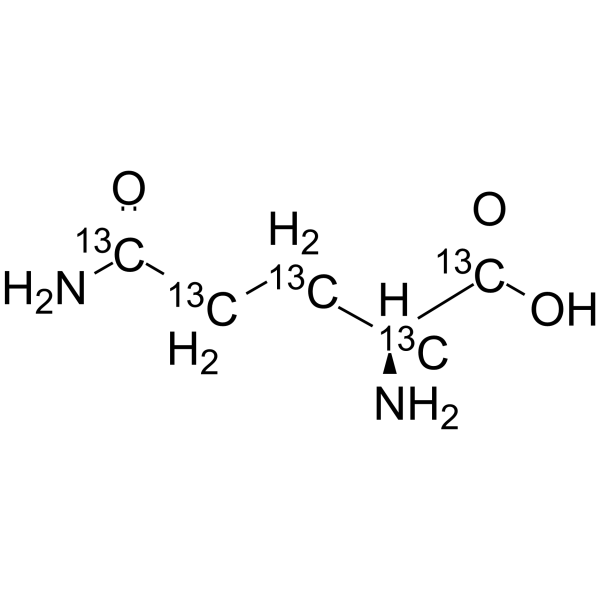
L-Glutamine- 13C5 is the 13C-labeled L-Glutamine (HY-N0390). L-Glutamine is an orally active nutritional agent and cellular metabolism regulator. L-Glutamine is taken up in a Na +-dependent manner and targets multiple key molecules including glutaminase, mTORC1, NF-κB, STAT-3 and HIF-1α. L-Glutamine enhances glutaminolytic catabolism, drives the conversion of glutamate to α-ketoglutarate, thereby regulating gene expression, integrating metabolic signals, mediating glutamine flux and maintaining redox homeostasis. L-Glutamine also promotes cell proliferation, osteogenic differentiation and fracture healing, exerts neuroprotective and cardioprotective effects, and inhibits osteoarthritis. L-Glutamine can be applied to research related to osteoporosis, osteoarthritis, ischemic stroke and acute cantharidin-induced cardiotoxicity .
loading...
    loading...
10
10 Cited Publications
Cat. No.: HY-F0001
CAS No.: 606-68-8
Synonyms: Disodium NADH
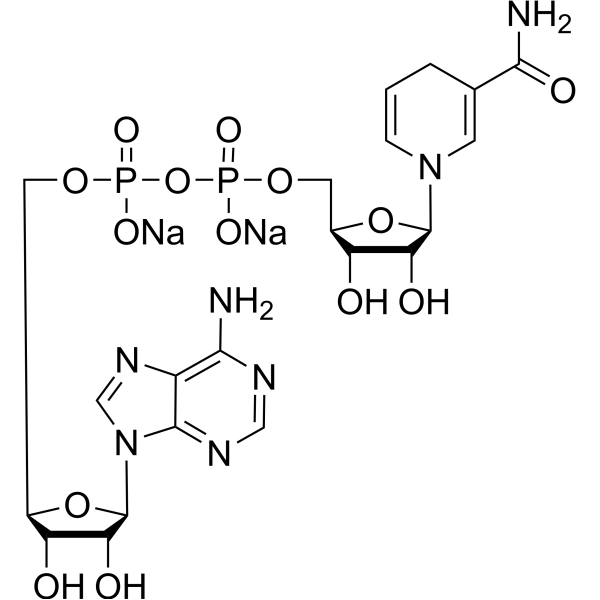
NADH disodium salt (Disodium NADH) is an orally active reduced coenzyme. NADH disodium salt is a donor of ADP-ribose units in ADP-ribosylaton reactions and a precursor of cyclic ADP-ribose. NADH disodium salt plays a role as a regenerative electron donor in cellular energy metabolism, including glycolysis, β-oxidation and the tricarboxylic acid (TCA) cycle .
loading...
    loading...
7
7 Cited Publications
Cat. No.: HY-113596
CAS No.: 102029-73-2
Purity:  99.22%
Synonyms: Acetyl-CoA trisodium
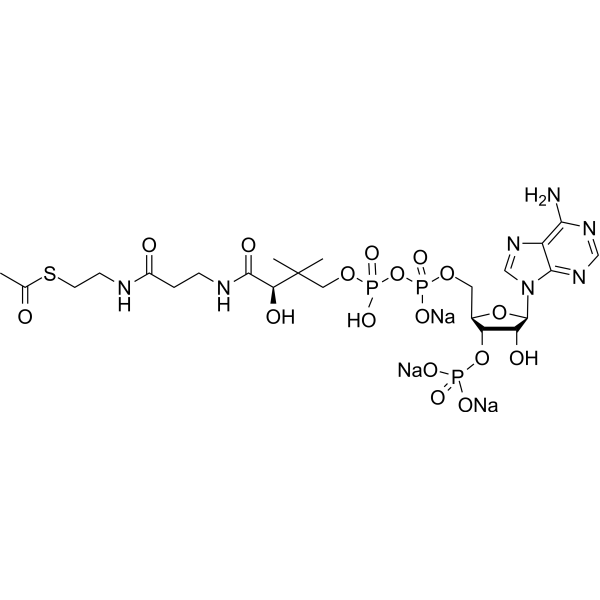
Acetyl-coenzyme A (Acetyl-CoA) trisodium is a membrane-impermeant central metabolic intermediate, participates in the TCA cycle and oxidative phosphorylation metabolism. Acetyl-coenzyme A trisodium, regulates various cellular mechanisms by providing (sole donor) acetyl groups to target amino acid residues for post-translational acetylation reactions of proteins. Acetyl Coenzyme A trisodium is also a key precursor of lipid synthesis .
loading...
    loading...
7
7 Cited Publications
Cat. No.: HY-F0002
CAS No.: 1184-16-3
Synonyms: Sodium NADP
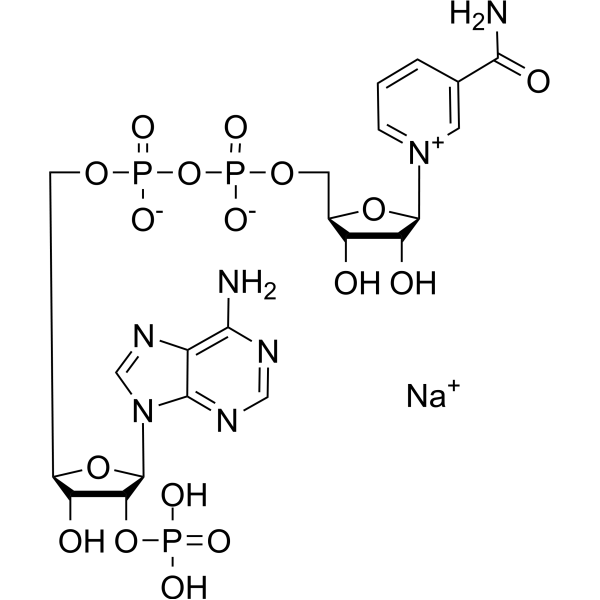
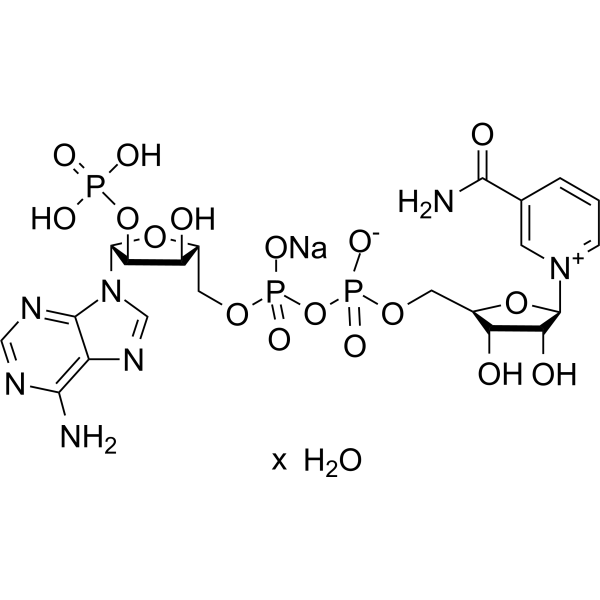
NADP sodium salt is the sodium salt form of NADP (HY-113325). NADP is a coenzyme involved in cellular electron transfer reactions in biological metabolism, which is alternately oxidized (NADP+) and reduced (NADPH), and can maintain cellular redox homeostasis and regulate many biological events, including cellular metabolism. NADPH is a universal electron donor that provides reducing ability for synthetic metabolic reactions and redox balance. NADPH plays a multifunctional role in regulating inflammation, redox homeostasis, and synthetic metabolism processes .
loading...
    loading...
7
7 Cited Publications
Cat. No.: HY-F0002A
CAS No.: 24292-60-2
Synonyms: Disodium NADP
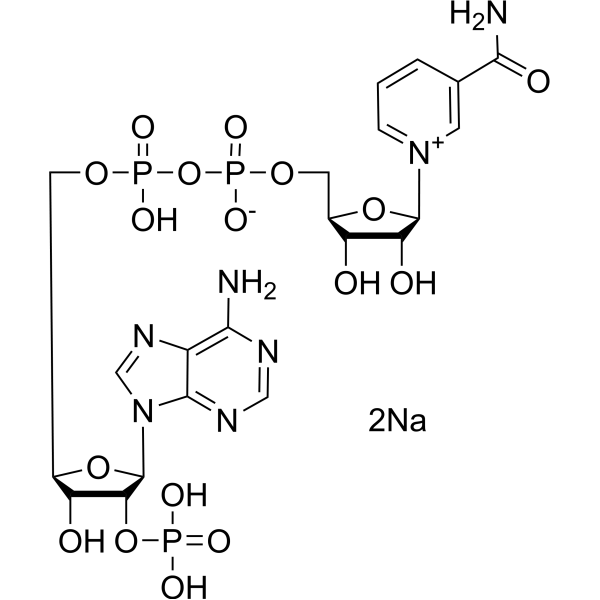
NADP disodium salt is the disodium salt form of NADP (HY-113325). NADP is a coenzyme involved in cellular electron transfer reactions in biological metabolism, which is alternately oxidized (NADP+) and reduced (NADPH), and can maintain cellular redox homeostasis and regulate many biological events, including cellular metabolism. NADPH is a universal electron donor that provides reducing ability for synthetic metabolic reactions and redox balance. NADPH plays a multifunctional role in regulating inflammation, redox homeostasis, and synthetic metabolism processes .
loading...
    loading...
7
7 Cited Publications
Cat. No.: HY-113325
CAS No.: 53-59-8
Purity:  99.70%
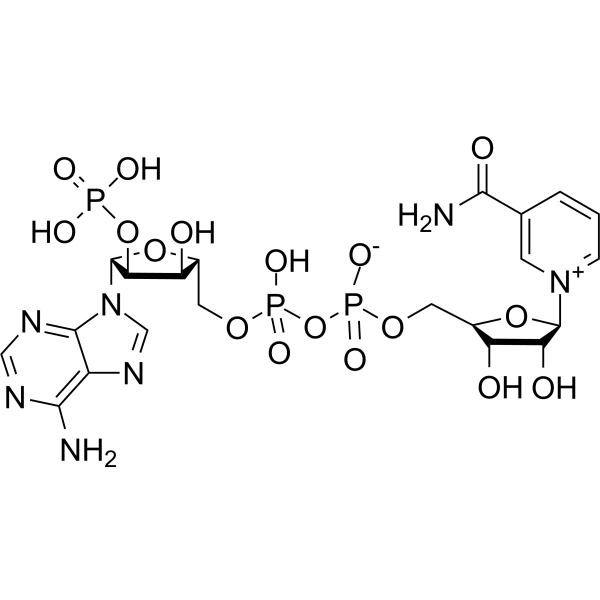
NADP is a coenzyme involved in cellular electron transfer reactions in biological metabolism, which is alternately oxidized (NADP+) and reduced (NADPH), and can maintain cellular redox homeostasis and regulate many biological events, including cellular metabolism. NADPH is a universal electron donor that provides reducing ability for synthetic metabolic reactions and redox balance. NADPH plays a multifunctional role in regulating inflammation, redox homeostasis, and synthetic metabolism processes .
loading...
    loading...
7
7 Cited Publications
Cat. No.: HY-113325A
CAS No.: 698999-85-8
Purity:  99.03%
NADP sodium hydrate is the sodium salt hydrate form of NADP (HY-113325). NADP is a coenzyme involved in cellular electron transfer reactions in biological metabolism, which is alternately oxidized (NADP+) and reduced (NADPH), and can maintain cellular redox homeostasis and regulate many biological events, including cellular metabolism. NADPH is a universal electron donor that provides reducing ability for synthetic metabolic reactions and redox balance. NADPH plays a multifunctional role in regulating inflammation, redox homeostasis, and synthetic metabolism processes .
loading...
    loading...
7
7 Cited Publications
Cat. No.: HY-113596A
CAS No.: 32140-51-5
Purity:  97%
Synonyms: Acetyl-CoA lithium
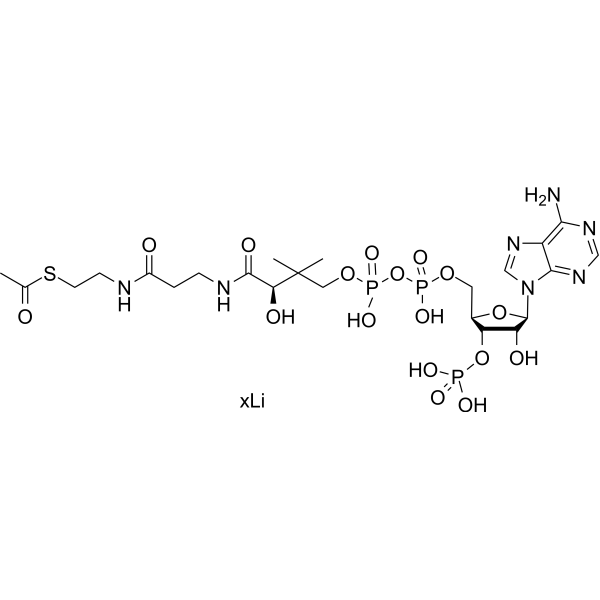
Acetyl-coenzyme A (Acetyl-CoA) lithium is a membrane-impermeant central metabolic intermediate, participates in the TCA cycle and oxidative phosphorylation metabolism. Acetyl-coenzyme A lithium, regulates various cellular mechanisms by providing (sole donor) acetyl groups to target amino acid residues for post-translational acetylation reactions of proteins. Acetyl Coenzyme A lithium is also a key precursor of lipid synthesis .
loading...
    loading...
6
6 Cited Publications
Cat. No.: HY-145597
CAS No.: 1369452-53-8
Purity:  99.40%
Target:  

GLUT Disulfidptosis

Research Areas:  

Metabolic Disease Cancer

KL-11743 is a potent, orally active, and glucose-competitive inhibitor of the class I glucose transporters, with IC50s of 115, 137, 90, and 68 nM for GLUT1, GLUT2, GLUT3, and GLUT4, respectively. KL-11743 specifically blocks glucose metabolism. KL-11743 can synergize with electron transport inhibitors to induce cell death. In addition, KL-11743 can induce the formation of disulfide bonds in actin cytoskeletal proteins, leading to the occurrence of cellular disulfidptosis .
loading...
    loading...
4
4 Cited Publications
Cat. No.: HY-N0390S9
CAS No.: 59681-32-2
Synonyms: L-Glutamic acid 5-amide-15N-1
L-Glutamine- 15N-1 is the 15N-labeled L-Glutamine (HY-N0390). L-Glutamine is an orally active nutritional agent and cellular metabolism regulator. L-Glutamine is taken up in a Na +-dependent manner and targets multiple key molecules including glutaminase, mTORC1, NF-κB, STAT-3 and HIF-1α. L-Glutamine enhances glutaminolytic catabolism, drives the conversion of glutamate to α-ketoglutarate, thereby regulating gene expression, integrating metabolic signals, mediating glutamine flux and maintaining redox homeostasis. L-Glutamine also promotes cell proliferation, osteogenic differentiation and fracture healing, exerts neuroprotective and cardioprotective effects, and inhibits osteoarthritis. L-Glutamine can be applied to research related to osteoporosis, osteoarthritis, ischemic stroke and acute cantharidin-induced cardiotoxicity .
loading...
    loading...
3
3 Cited Publications
Cat. No.: HY-126741
CAS No.: 11141-17-6
Purity:  99.06%
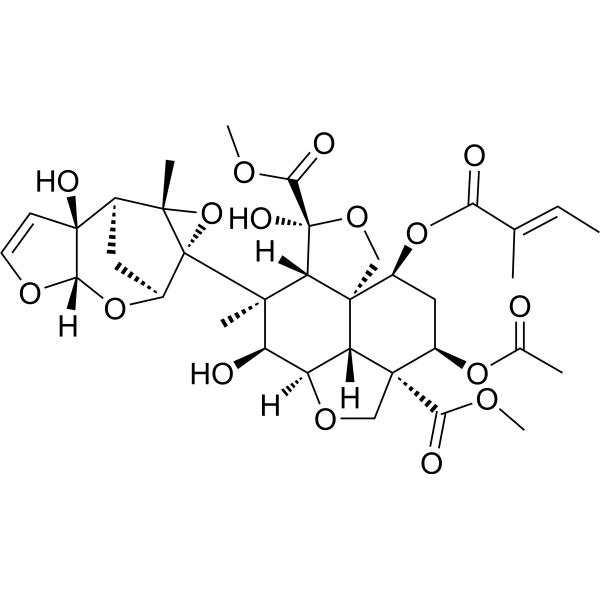
Azadirachtin is an oral active triterpenoid compound with anticancer, antimalarial, anti-inflammatory, and insecticidal activities. Azadirachtin induces cell apoptosis through the mitochondrial pathway (by inhibiting Bcl-2/Bax ratio or activating Apaf-1 and caspase-3) or through death receptors (by inhibiting TNFR activation). Additionally, Azadirachtin exerts its anti-inflammatory effects by inhibiting NF-кB signaling pathway activation, and it exhibits insecticidal activity by inducing apoptosis in insect cells .
loading...
    loading...
3
3 Cited Publications
Cat. No.: HY-N0390S
CAS No.: 80143-57-3
Synonyms: L-Glutamic acid 5-amide-15N
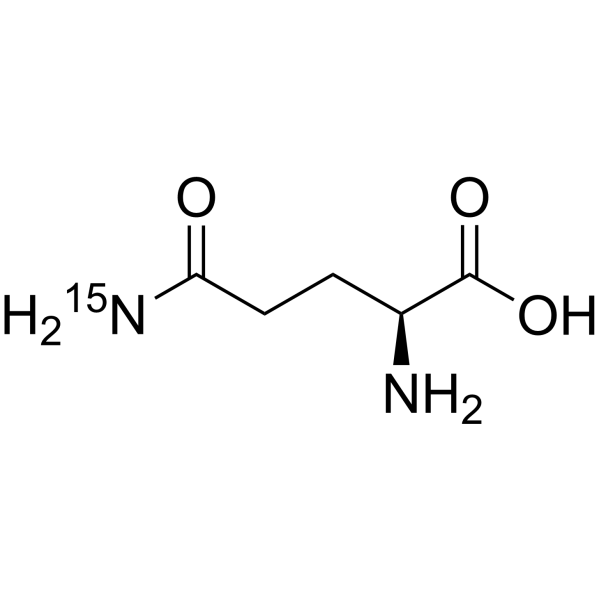
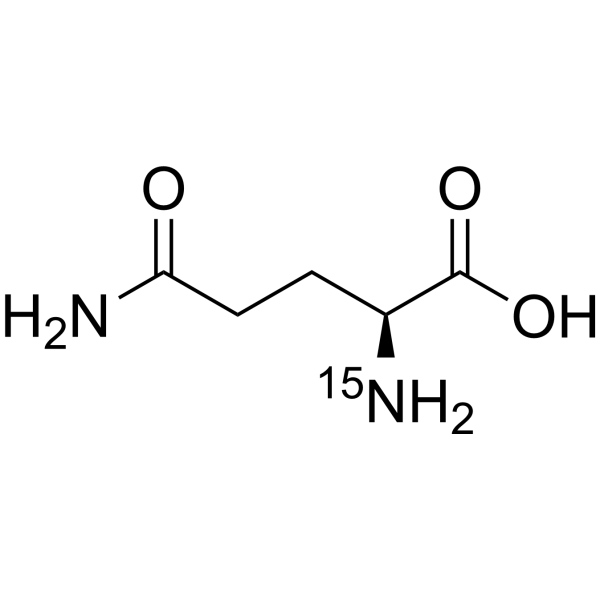
L-Glutamine- 15N is the 15N-labeled L-Glutamine (HY-N0390). L-Glutamine is an orally active nutritional agent and cellular metabolism regulator. L-Glutamine is taken up in a Na +-dependent manner and targets multiple key molecules including glutaminase, mTORC1, NF-κB, STAT-3 and HIF-1α. L-Glutamine enhances glutaminolytic catabolism, drives the conversion of glutamate to α-ketoglutarate, thereby regulating gene expression, integrating metabolic signals, mediating glutamine flux and maintaining redox homeostasis. L-Glutamine also promotes cell proliferation, osteogenic differentiation and fracture healing, exerts neuroprotective and cardioprotective effects, and inhibits osteoarthritis. L-Glutamine can be applied to research related to osteoporosis, osteoarthritis, ischemic stroke and acute cantharidin-induced cardiotoxicity .
loading...
    loading...
2
2 Cited Publications
Cat. No.: HY-P6306
CAS No.: 1627911-44-7
CS-6253 is an agonist of ABCA1. CS-6253 can regulate lipoprotein metabolism, promote high-density lipoprotein biogenesis, and cellular cholesterol efflux. CS-6253 also has certain neuroprotective effects and can clear from the brain. CS-6253 can be used for research on cholesterol metabolism and diseases such as Alzheimer’s disease .
loading...
    loading...
2
2 Cited Publications
Cat. No.: HY-151705
CAS No.: 1631985-09-5
Purity:  ≥95.0%
Target:  

Liposome

Research Areas:  

Metabolic Disease

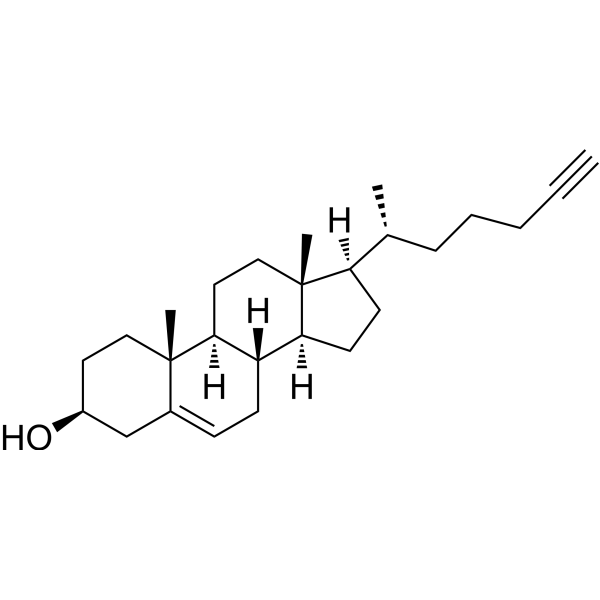
Alkyne Cholesterol, a modified lipid, is a click chemistry reagent containing an alkyne group. The terminal alkyne group can be used in a highly specific linking reaction with azide-containing reagents in the presence of a copper (Cu)-containing catalyst. Alkyne Cholesterol can be used for tracking cellular cholesterol metabolism and localization .
loading...
    loading...
2
2 Cited Publications
Cat. No.: HY-W176629
CAS No.: 550-10-7
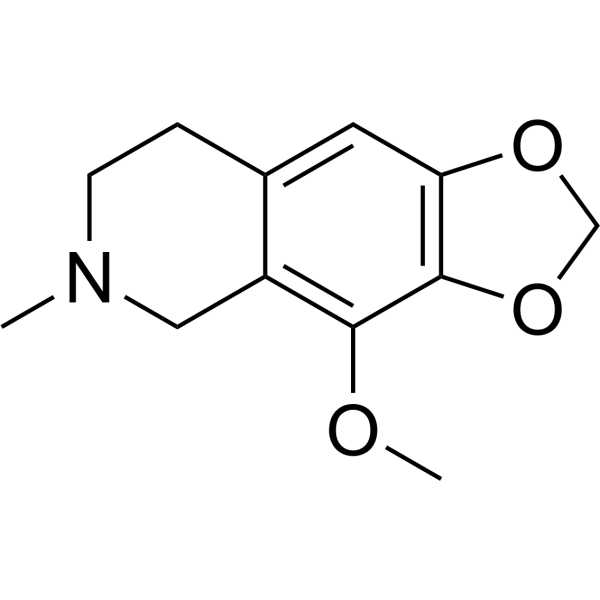
Hydrocotarnine is a Cbl inhibitor, and results in inflammasome-mediated IL-18 secretion in colitis. Hydrocotarnine increases expression of GLUT1 and cellular glucose uptake in glycolytic metabolism. Hydrocotarnine acts as an agent that provides analgesic effect in cancer research .
loading...
    loading...
2
2 Cited Publications
Cat. No.: HY-157395
CAS No.: 2361327-06-0
Purity:  98.59%
Target:  

Pyruvate Kinase

Research Areas:  

Cancer

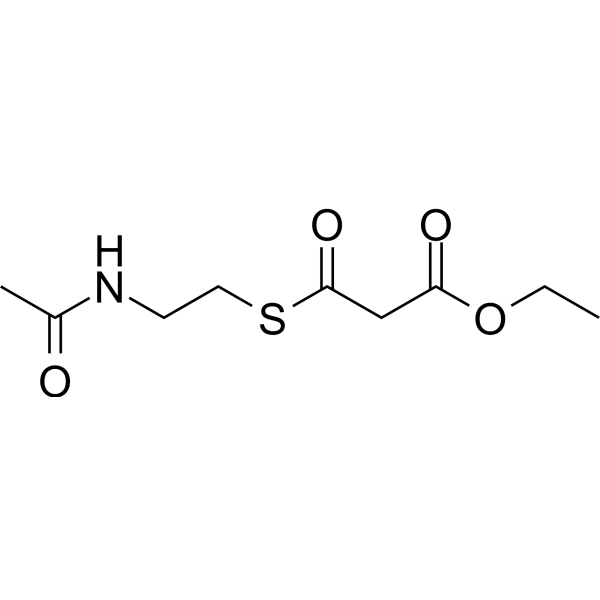
malonyl-NAC increases cellular propylation, resulting in reduced endogenous GAPDH activity. malonyl-NAC increases GAPDH malonylation in cells and inhibits pyruvate kinase activity. In addition, malonyl-NAC limits the metabolism and proliferation of a highly glycolytic kidney cancer cell line harboring a tricarboxylic acid cycle mutation .
loading...
    loading...
2
2 Cited Publications
Cat. No.: HY-P6306A
CS-6253 TFA is an agonist of ABCA1. CS-6253 TFA can regulate lipoprotein metabolism, promote high-density lipoprotein biogenesis, and cellular cholesterol efflux. CS-6253 TFA also has certain neuroprotective effects and can clear from the brain. CS-6253 TFA can be used for research on cholesterol metabolism and diseases such as Alzheimer’s disease .
loading...
    loading...
2
2 Cited Publications
Cat. No.: HY-P2733C
CAS No.: 9046-28-0
Synonyms: GPO, microorganism
Target:  

Endogenous Metabolite

Research Areas:  

Metabolic Disease

Glycerol-3-phosphate oxidase, microorganism is an enzyme that catalyzes the oxidation of glycerol-3-phosphate to dihydroxyacetone phosphate, producing hydrogen peroxide in the process. Glycerol-3-phosphate oxidase is located in the mitochondria of microorganisms and is involved in the glycerol-3-phosphate cycle, regulating cellular energy metabolism. Glycerol-3-phosphate oxidase, microorganism can be used in conjunction with Lipoprotein Lipase and Glycerol Kinase to determine triglyceride levels .
loading...
    loading...

