1. Search Result
Search Result
Results for "

chondrocyte

" in MedChemExpress (MCE) Product Catalog:

87

Inhibitors & Agonists

12

Fluorescent Dyes

7

Biochemical Assay Reagents

16

Peptides

1

MCE Kits

24

Natural
Products

5

Recombinant Proteins

2

Isotope-Labeled Compounds

2

Antibodies

1

Oligonucleotides

2

GMP Molecules

Cat. No. Product Name Target Research Areas Chemical Structure
  • HY-B1125
    Glucosamine
    Maximum Cited Publications
    11 Publications Verification

    D-Glucosamine; Chitosamine

    CFTR Endogenous Metabolite Reactive Oxygen Species (ROS) HIF/HIF Prolyl-Hydroxylase Autophagy Inflammation/Immunology Cancer
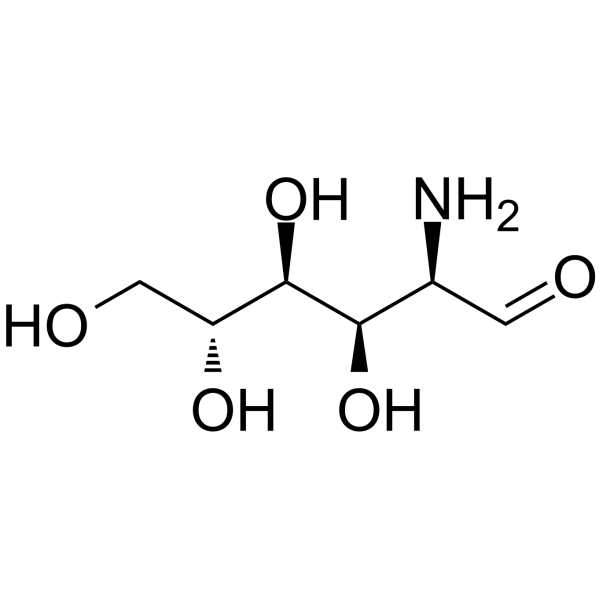
    Glucosamine (D-Glucosamine) is an amino sugar and a prominent precursor in the biochemical synthesis of glycosylated proteins and lipids, is used as a dietary supplement. Glucosamine also is a natural constituent of glycosaminoglycans in the cartilage matrix and synovial fluid, which when administered exogenously, exerts pharmacological effects on osteoarthritic cartilage and chondrocytes .
    Glucosamine
  • HY-B0636
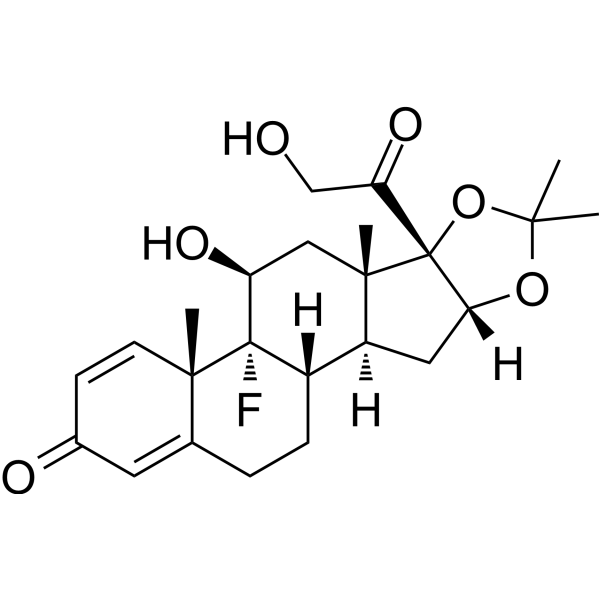
    Triamcinolone acetonide
    5+ Cited Publications

    Glucocorticoid Receptor FGFR Cardiovascular Disease Inflammation/Immunology Endocrinology Cancer
    Triamcinolone acetonide inhibits basic fibroblast growth factor (bFGF) induced proliferation of retinal endothelial cells. Triamcinolone acetonide reduces chondrocyte viability and leads to cartilage destruction. Triamcinolone acetonide activates macrophage with anti-inflammatory characteristics. Triamcinolone acetonide can be used in the study of diseases such as atopic dermatitis .
    Triamcinolone acetonide
  • HY-16268
    Kartogenin
    30+ Cited Publications

    KGN

    TGF-beta/Smad Inflammation/Immunology
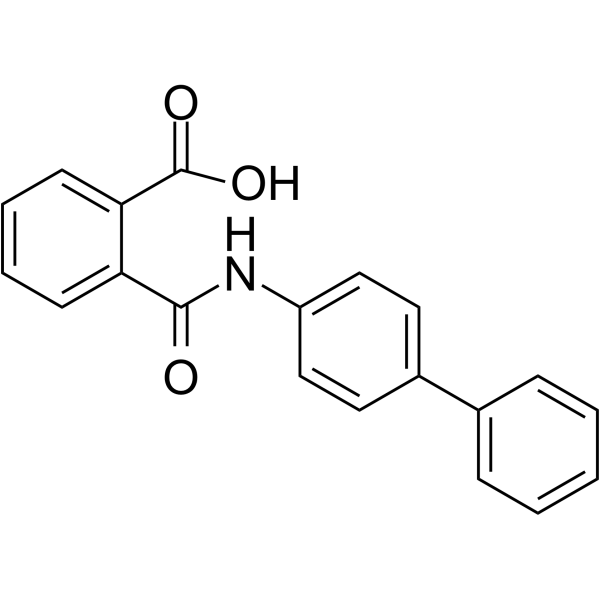
    Kartogenin (KGN) is an inducer of chondrogenic tissue formation (EC50: 100 nM). Kartogenin induces chondrogenesis by binding to fibrin A, disrupting its interaction with the transcription factor core binding factor beta subunit (CBFβ), and by modulating the CBFβ-RUNX1 transcriptional program. Kartogenin also promotes tendon-bone junction (TBJ) wound healing by stimulating collagen synthesis. Kartogenin is widely used in cell-free therapy in the field of regeneration for cartilage regeneration and protection, tendon-bone healing, wound healing and limb development. Kartogenin promotes cartilage repair, coordinates limb development, and is also used in osteoarthritis (OA) research .
    Kartogenin
  • HY-101200

    SIN-1 chloride

    Apoptosis Autophagy Reactive Oxygen Species (ROS) Annexin A NF-κB Cardiovascular Disease Neurological Disease Inflammation/Immunology Cancer
    Linsidomine hydrochloride (SIN-1 chloride) is a spontaneous ROS/RNS generator and peroxynitrite donor. Linsidomine hydrochloride is a vasodilator and platelet aggregation inhibitor. Linsidomine hydrochloride induces oxidative stress-induced chondrocyte apoptosis and necrosis. Linsidomine hydrochloride inhibits the migration, proliferation and neointima formation of vascular smooth muscle cells by inhibiting the expression of annexin A2. In addition, low doses of Linsidomine hydrochloride shows protective effects on Zn 2+ treated nerve cells .
    Linsidomine hydrochloride
  • HY-N0733
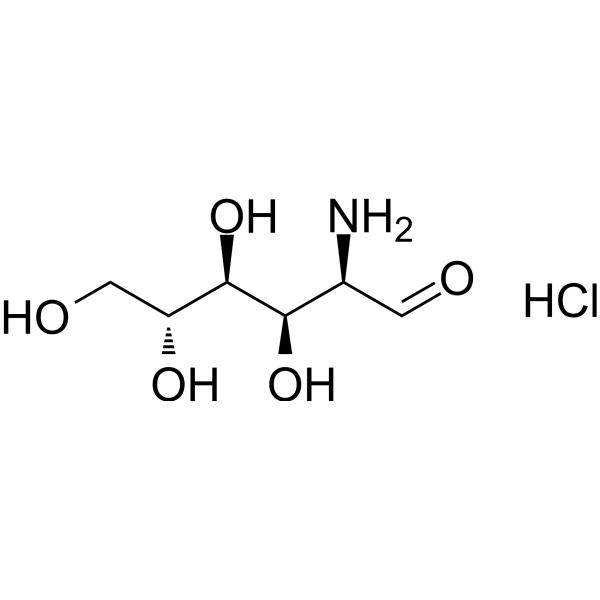
    Glucosamine hydrochloride
    Maximum Cited Publications
    11 Publications Verification

    D-(+)-Glucosamine hydrochloride; Chitosamine hydrochloride

    Endogenous Metabolite Reactive Oxygen Species (ROS) HIF/HIF Prolyl-Hydroxylase Autophagy Inflammation/Immunology Cancer
    Glucosamine hydrochloride (D-Glucosamine hydrochloride) is an amino sugar and a prominent precursor in the biochemical synthesis of glycosylated proteins and lipids, is used as a dietary supplement. Glucosamine hydrochloride also is a natural constituent of glycosaminoglycans in the cartilage matrix and synovial fluid, which when administered exogenously, exerts pharmacological effects on osteoarthritic cartilage and chondrocytes .
    Glucosamine hydrochloride
  • HY-D0220
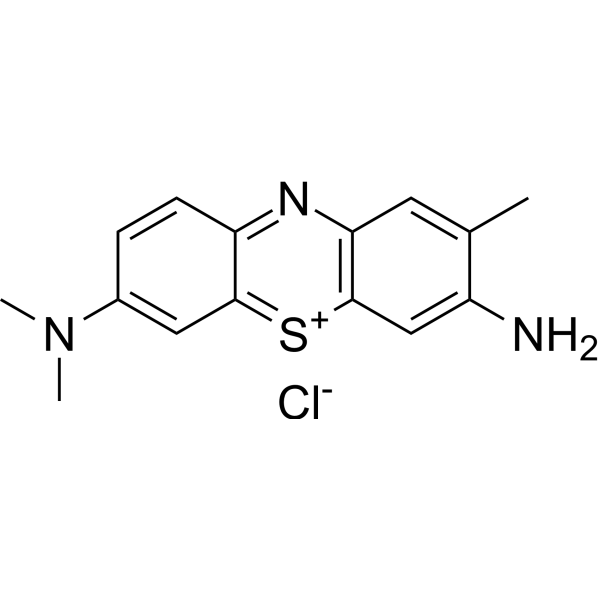
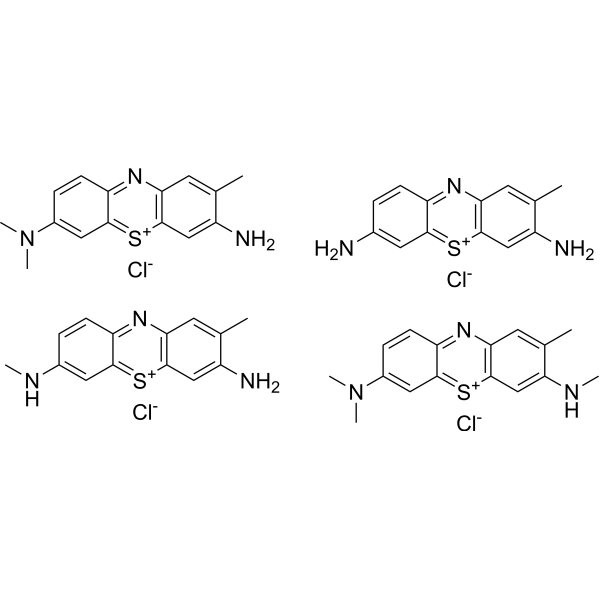
    Toluidine Blue
    3 Publications Verification

    Toluidine Blue O

    Fluorescent Dye Cancer
    Toluidine Blue (Toluidine Blue O) is an alkaline quinonimine dye (vivo dye) with high affinity for acidic tissue components, staining nuclei blue and polysaccharides purple. Toluidine Blue shows heterostaining properties for mast cells, mucins and chondrocytes. Toluidine Blue can stain different components of plant tissues and cells in different colours. Toluidine Blue is also used as a diagnostic aid to identify malignant lesions, such as cancer .
    Toluidine Blue
  • HY-P3503

    BMN 111

    FGFR Others
    Vosoritide (BMN 111) is a modified recombinant CNP (C-type natriuretic peptide) analogue, binds to NPR-B (natriuretic peptide receptor type B) and reduces the activity of FGFR3 (fibroblast growth factor receptor 3). Vosoritide can be used in achondroplasia and dwarfism research .
    Vosoritide
  • HY-W592871

    10-HDA; Queen Bee Acid

    mTOR Apoptosis ERK MDM-2/p53 GSK-3 AMPK Interleukin Related TNF Receptor Caspase NF-κB Bacterial Fungal Cardiovascular Disease Neurological Disease Inflammation/Immunology Cancer
    10-Hydroxy-2-decenoic acid (10-HDA) is an orally active unsaturated medium-chain fatty acid with various physiological activities. 10-Hydroxy-2-decenoic acid induces ROS-mediated apoptosis in A549 cells. 10-Hydroxy-2-decenoic acid inhibits VEGF-induced angiogenesis in human venous endothelial cells. 10-Hydroxy-2-decenoic acid alleviates non-alcoholic fatty liver disease (NAFLD) by activating the AMPK-α signaling pathway. 10-Hydroxy-2-decenoic acid protects against bone loss by inhibiting NF-κB signaling downstream of FFAR4. 10-Hydroxy-2-decenoic acid is an antibiotic against many bacteria and fungi, such as Neurospora sitophila, molds and Staphylococcus aureus. 10-Hydroxy-2-decenoic acid has longevity-promoting effects in C. elegans. 10-Hydroxy-2-decenoic acid prevents osteoarthritis by targeting aspartyl β hydroxylase and inhibiting chondrocyte senescence .
    10-Hydroxy-2-decenoic acid
  • HY-159642

    TYRA-300

    FGFR ERK Metabolic Disease Cancer
    Dabogratinib (TYRA-300) is an orally active, selective FGFR3 inhibitor with an IC50 of 11 nM. Dabogratinib exhibits antitumor activity against urothelial carcinoma and solid tumors. Dabogratinib downregulates the FGFR3 and ERK1/2 signaling pathways, and induces tumor growth inhibition and regression in FGFR3-altered xenograft models. Dabogratinib promotes chondrocyte proliferation and differentiation, drives endochondral bone formation and overall body growth, partially restores long bone proportions, and improves craniofacial and spinal morphology. Dabogratinib can be used for the research of metastatic urothelial carcinoma, achondroplasia and hypochondroplasia .
    Dabogratinib
  • HY-P3503A

    BMN 111 acetate

    FGFR Others
    Vosoritide (BMN 111) acetate is a natriuretic peptide receptor 2 (NPR2) agonist that acts on the proliferation and differentiation of chondrocytes to promote bone growth .
    Vosoritide acetate
  • HY-N7030
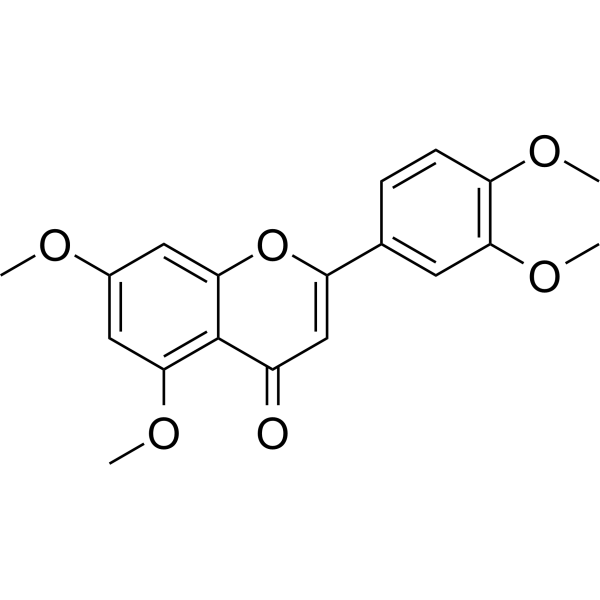
    5,7,3',4'-Tetramethoxyflavone
    2 Publications Verification

    Fungal Parasite Bacterial Infection
    5,7,3',4'-Tetramethoxyflavone, an orally active polymethoxyflavones (PMFs) that can be isolated from M. exotica, possesses various bioactivities, including anti-fungal, anti-malarial, anti-mycobacterial, and anti-inflammatory activities. 5,7,3',4'-Tetramethoxyflavone exhibits chondroprotective activity by targeting β-catenin signaling .
    5,7,3',4'-Tetramethoxyflavone
  • HY-N0699
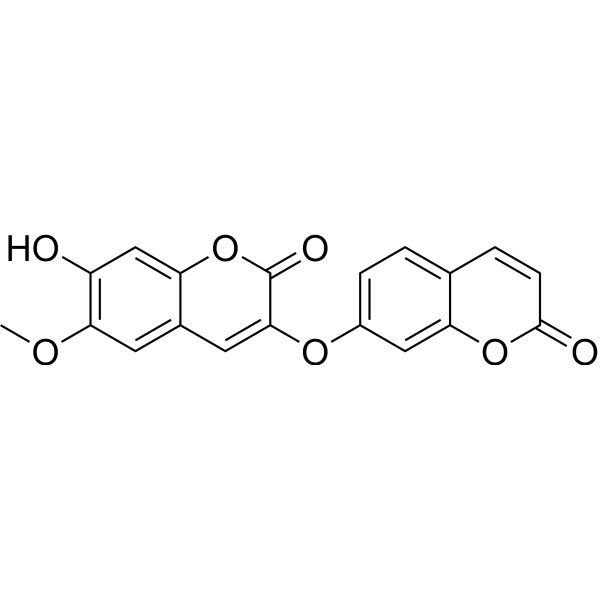
    Daphnoretin
    3 Publications Verification

    Dephnoretin; Thymelol

    PKC Influenza Virus NOD-like Receptor (NLR) Apoptosis HBV JNK PI3K Akt CDK Caspase Bcl-2 Family Infection Inflammation/Immunology Cancer
    Daphnoretin (Dephnoretin; Thymelol) is a protein kinase C (PKC) activator that inhibits the expression of hepatitis B virus (HBV) surface antigen (HBsAg) and exhibits antiviral activity. Daphnoretin exerts its antitumor effects by inhibiting the activation of the PI3K/AKT signaling pathway and triggers the mitochondrial apoptosis pathway. Daphnoretin alleviates chondrocyte apoptosis and inflammatory responses by inhibiting endoplasmic reticulum stress and activation of the NLRP3 inflammasome. Daphnoretin regulates the differentiation and maturation of dendritic cells, inhibits their immunostimulatory function by downregulating the phosphorylation level of JNK, and thus exerts a protective effect in skin graft rejection .
    Daphnoretin
  • HY-W048825

    Amino Acid Derivatives Others
    Fmoc-Ala-Ala-OH is a self-assembling fluorenylmethoxycarbonyl dipeptide, a small amphiphilic building block composed of a dipeptide linked to a fluorenylmethoxycarbonyl (Fmoc) group. Under conditions of pH < 4, Fmoc-Ala-Ala-OH spontaneously assembles to form a nanofiber network, constructing a hydrogel scaffold with a water content exceeding 99% (w/w). The fibers have a diameter of approximately 22 nm, matching the size of extracellular matrix (ECM) components. Fmoc-Ala-Ala-OH supports cell adhesion, proliferation, and maintains of cell phenotype. Fmoc-Ala-Ala-OH's function is to mimic the ECM, providing a 3D growth microenvironment for cells, and Fmoc-Ala-Ala-OH is primarily used in tissue engineering and 3D cell culture, particularly suitable for in vitro culture studies of cells such as chondrocytes[1] .
    Fmoc-Ala-Ala-OH
  • HY-110135
    NBI-31772
    3 Publications Verification

    IGF-1R Neurological Disease Inflammation/Immunology
    NBI-31772 is a non-selective IGFBP inhibitor (Ki=47 nM). NBI-31772 has neuroprotective effects and reduces infarct volume during cerebral ischemia. NBI-31772 can also restore or enhance proteoglycan synthesis in osteoarticular chondrocytes. In addition, NBI-31772 also increases the effect of IGF3 on zebrafish oocyte maturation .
    NBI-31772
  • HY-N0743
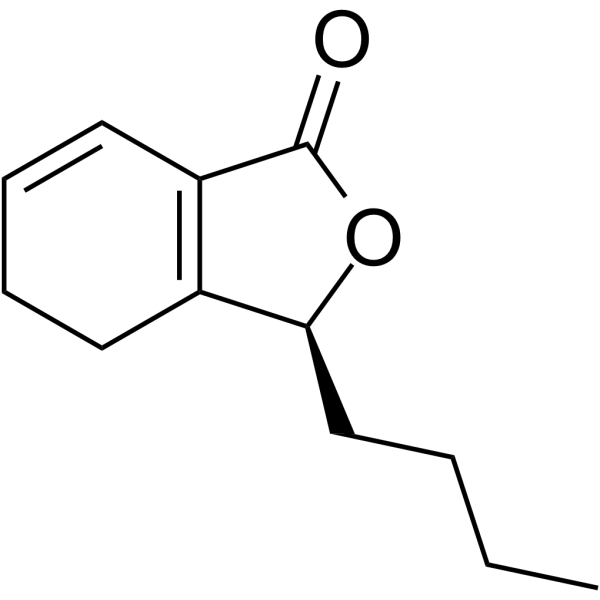
    Senkyunolide A
    4 Publications Verification

    α-synuclein Neurological Disease Inflammation/Immunology Cancer
    Senkyunolide A is a phthalide, anti-tumor cell proliferation agent with anticancer activity. Senkyunolide A protects neurons from corticosterone (HY-B1618)-induced apoptosis by decreasing protein phosphatase PP2A and α-synuclein phosphorylation and protein level. Senkyunolide A also inhibits osteoarthritis through the NLRP3 signaling pathway and suppresses the expression of CD137, a diagnostic biomarker for atherosclerosis .
    Senkyunolide A
  • HY-N2420
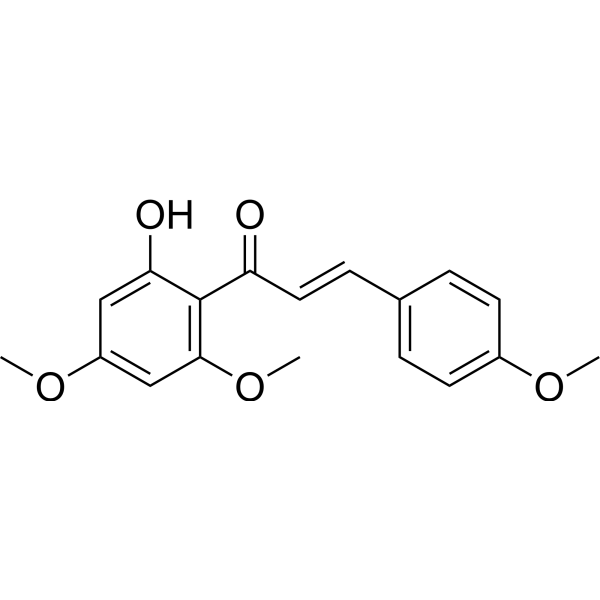
    Flavokawain A
    2 Publications Verification

    Apoptosis Histone Methyltransferase Cytochrome P450 Caspase Survivin IAP p38 MAPK PI3K NO Synthase COX JNK ERK Akt Inflammation/Immunology Cancer
    Flavokawain A is a chalcone compound and an orally active inhibitor of PRMT5 and cytochrome P450. Flavokawain A has anti-inflammatory, anti-tumor, and immunomodulatory effects. Flavokawain A can inhibit the proliferation of tumor cells and induce apoptosis. Flavokawain A can be used in the research of diseases such as bladder cancer .
    Flavokawain A
  • HY-P4198

    Fmoc-Sar10

    Biochemical Assay Reagents Others
    Fmoc-N(Me)-Sar10 (Fmoc-Sar10) is an Fmoc-protected derivative of a methylated sarcosine decamer, which supports cell adhesion, proliferation, and maintenance of cell phenotype. Fmoc-N(Me)-Sar10 is primarily used in peptide synthesis to introduce enzymatically stable spacer sequences. By mimicking the extracellular matrix (ECM), Fmoc-N(Me)-Sar10 provides a 3D growth microenvironment for cells and is mainly used in tissue engineering and 3D cell culture, particularly suitable for in vitro culture studies of cells such as chondrocytes .
    Fmoc-N(Me)-Sar10
  • HY-139254

    IDR3O; I3O

    CDK GSK-3 JNK Wnt Neurological Disease
    Indirubin-3′-oxime (IDR3O), a synthetic derivative of indirubin, is a potent inhibitor of cyclin-dependent kinases (CDKs) and glycogen synthase kinase 3β (GSK3β). Indirubin-3′-oxime directly inhibits the activity of all three isoforms of JNK (JNK1, JNK2, and JNK3), with IC50s of 0.8 μM, 1.4 μM, and 1.0 μM, respectively. Indirubin-3′-oxime can enhance height growth via activation of Wnt/β-catenin signaling in chondrocytes .
    Indirubin-3′-oxime
  • HY-N0487
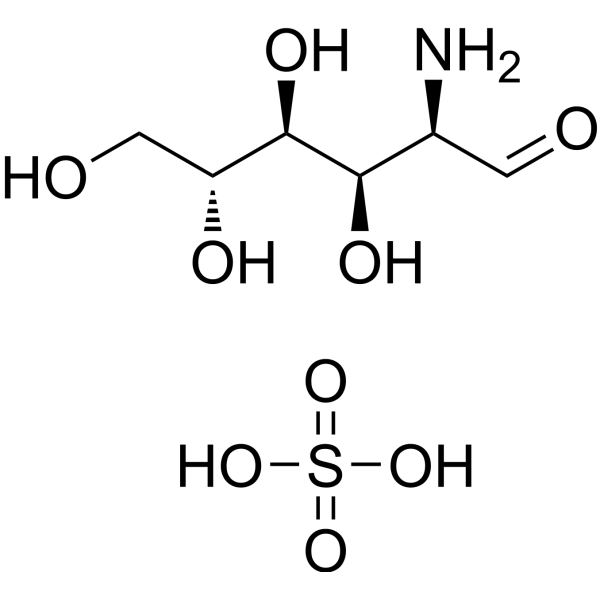
    Glucosamine sulfate
    Maximum Cited Publications
    11 Publications Verification

    D-Glucosamine sulfate

    Endogenous Metabolite Reactive Oxygen Species (ROS) HIF/HIF Prolyl-Hydroxylase Autophagy Inflammation/Immunology Cancer
    Glucosamine sulfate (D-Glucosamine sulfate) is an amino sugar and a prominent precursor in the biochemical synthesis of glycosylated proteins and lipids, is used as a dietary supplement. Glucosamine sulfate also is a natural constituent of glycosaminoglycans in the cartilage matrix and synovial fluid, which when administered exogenously, exerts pharmacological effects on osteoarthritic cartilage and chondrocytes .
    Glucosamine sulfate
  • HY-P10739

    Exosomes Collagen Inflammation/Immunology
    WYRGRL is a selective, high-affinity collagen type II-binding peptide with a IC50 of 140 nM. Collagen type II is the most abundant and specific structural protein in the extracellular matrix of articular cartilage. WYRGRL can precisely target small-molecule compounds such as Dexamethasone (HY-14648) and nanocarrier-engineered exosomes to cartilage, significantly enhancing their therapeutic effects on osteoarthritis .
    WYRGRL
  • HY-N0648
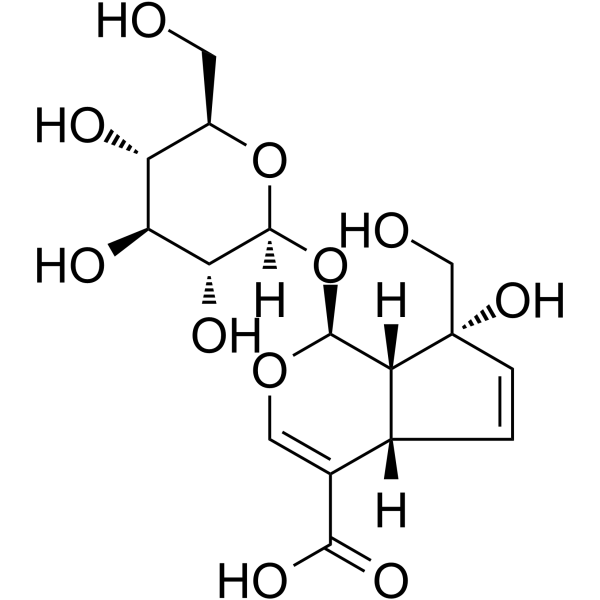
    Monotropein
    2 Publications Verification

    Interleukin Related Keap1-Nrf2 Heme Oxygenase (HO) NF-κB Apoptosis Inflammation/Immunology
    Monotropein is an iridoid glycoside that can be isolated from the roots of Morinda officinalis. Monotropein inhibits the expression of inflammatory mediators in dextran sulfate sodium (DSS)-induced colitis mouse model. Monotropein exerts protective effects against IL-1β-induced apoptosis and catabolic responses on osteoarthritis chondrocytes. Monotropein has cartilage protective activity. Monotropein can alleviate Cisplatin (HY-17394)-induced acute kidney injury by inhibiting oxidative damage, inflammation and apoptosis through activation of Nrf2/HO-1 pathway and inhibition of NF-κB signaling. Monotropein can be studied in research for osteoarthritis, acute kidney injury and acute lung injury .
    Monotropein
  • HY-D2836

    FITC-Hyaluronate (MW 1000000)

    Fluorescent Dye Others
    FITC-HA (MW 1000000) is hyaluronic acid (HA) (HY-B0633A) labeled with FITC (HY-66019). FITC-HA retains the ability of HA to bind to receptors (such as CD44) and form extracellular matrices, while it can be detected by fluorescence microscopy or flow cytometry for tracing the localization, binding, internalization and metabolic pathways of HA in cells, tissues or living organisms (Ex/Em ≈ 490/520 nM) .
    FITC-HA (MW 1000000)
  • HY-N1570

    Salt-inducible Kinase (SIK) KLF Amyloid-β Cardiovascular Disease Neurological Disease Metabolic Disease Inflammation/Immunology Endocrinology
    Pterosin B is an orally active indanone. Pterosin B can be obtained from Pteridium aquilinum. Pterosin B is a Sik3 signaling inhibitor. Pterosin B inhibits Klf5 expression and reduces β-amyloid deposition. Pterosin B prevents chondrocyte hypertrophy and osteoarthritis in mice. Pterosin B inhibits cardiomyocyte hypertrophy, improves cognitive impairment, and lowers blood glucose. Pterosin B can be used in research on arthritis, Alzheimer's disease, pathological cardiac hypertrophy and diabetes .
    Pterosin B
  • HY-B2162D

    Chondroitin polysulfate (from chicken)

    ERK p38 MAPK Interleukin Related TNF Receptor Prostaglandin Receptor MMP Endogenous Metabolite Inflammation/Immunology
    Chondroitin sulfate (from chicken) (Chondroitin polysulfate (from chicken)) is an orally active, sulfated linear polysaccharide extracted from chickens, which belongs to glycosaminoglycans. Chondroitin sulfate (from chicken) reduces the phosphorylation levels of ERK1/2 and p38MAPK, inhibits the expression of inflammatory cytokines and MMP, and downregulates the levels of IL-1β, IL-6, TNF-α and PGE2. Chondroitin sulfate (from chicken) improves motor function, protects cartilage tissue, reverses chondrocyte aggregation, and regulates the structure of intestinal flora. Chondroitin sulfate (from chicken) can be used in research related to osteoarthritis .
    Chondroitin sulfate (from chicken)
  • HY-18306
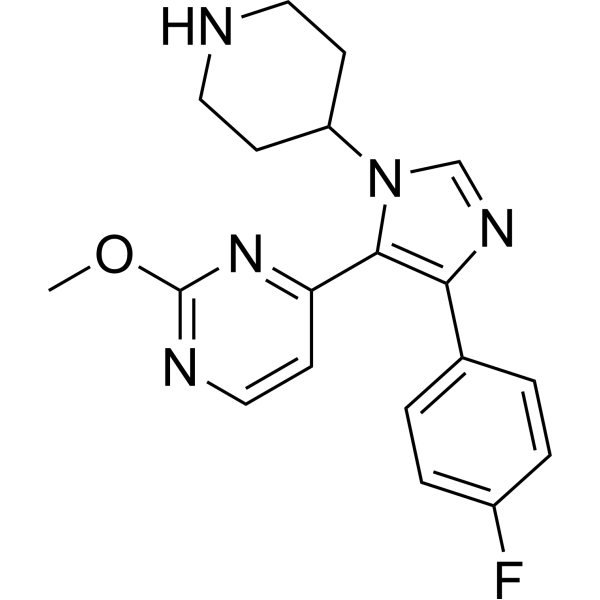
    SB 242235
    2 Publications Verification

    p38 MAPK Autophagy Cancer
    SB-242235 is a potent and selective p38 MAP kinase inhibitor, with an IC50 of 1.0 μM in primary human chondrocytes .
    SB 242235
  • HY-105028

    CP-66248

    COX Lipoxygenase Potassium Channel MMP Inflammation/Immunology
    Tenidap (CP-66248) is an orally active dual inhibitor of 5-LOX and COX with anti-inflammatory and immunomodulatory properties. Tenidap downregulates the expression of IL-1 receptors in chondrocytes, reduces the release of pro-inflammatory cytokines such as IL-1, IL-6 and TNF-α, and inhibits MMP production and cartilage degradation. Tenidap also blocks bone resorption and leukocyte adhesion to vascular endothelium, interferes with ion and pH changes associated with mouse sperm capacitation, and selectively enhances the activity of hKir2.3 channels (EC50=1.3 μM). Tenidap is applicable to research related to rheumatoid arthritis .
    Tenidap
  • HY-N0665
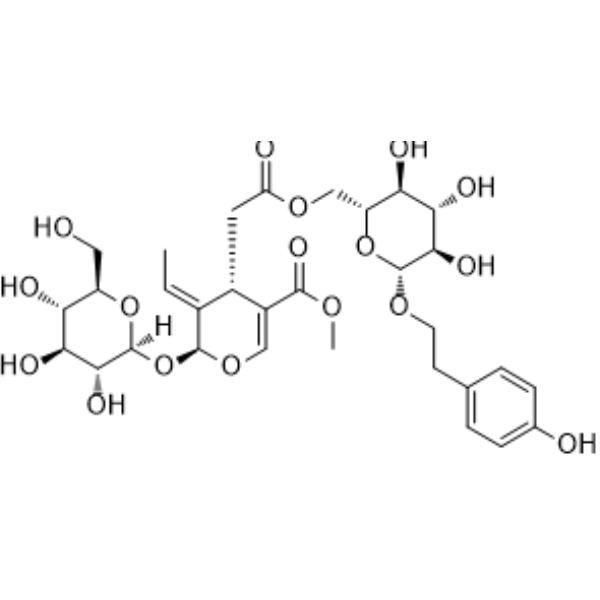
    Specnuezhenide
    1 Publications Verification

    (8E)-Nuezhenide

    NF-κB Wnt Inflammation/Immunology
    Specnuezhenide ((8E)-Nuezhenide) is isolated from the fruits of Ligustrum lucidum. Specnuezhenide ((8E)-Nuezhenide) can inhibit IL-1β-induced inflammation in chondrocytes via inhibition of NF-κB and wnt/β-catenin signaling. Specnuezhenide ((8E)-Nuezhenide) exerts anti-inflammatory effects in a rat model of osteoarthritis (OA) .
    Specnuezhenide
  • HY-N8307

    NO Synthase NF-κB Akt AMPK Calcium Channel Inflammation/Immunology
    Syringaresinol is a lignan-type phytochemical with anti-inflammatory activities. Syringaresinol inhibits the NF-κB and AKT signaling pathway in IL-1β-activated mouse chondrocytes. Syringaresinol increases phosphorylation of AMPK, eNOS, and intracellular Ca 2+ levels in HUVECs. Syringaresinol attenuates osteoarthritis progression in mice with Destabilization of the Medial Meniscus (DMM)-induced osteoarthritis. Syringaresinol can be used for the study of osteoarthritis (OA) .
    Syringaresinol
  • HY-N4090

    Angiotensin-converting Enzyme (ACE) ERK MMP ADAMTS p38 MAPK Cardiovascular Disease
    Vicenin 3 is an angiotensin-converting enzyme (ACE) inhibitor (IC50 = 46.91 μM) that can be isolated from the aerial parts of Desmodium styracifolium. Vicenin 3 ameliorates IL-1β-induced extracellular matrix degradation in SW1353 chondrocytes by regulating the MAPK pathway. Vicenin 3 can be used for the study of osteoarthritis (OA) and hypertension .
    Vicenin 3
  • HY-D0220A
    Toluidine Blue (purity 36%)
    3 Publications Verification

    Toluidine Blue O (purity 36%)

    Fluorescent Dye Others Cancer
    Toluidine Blue (Toluidine Blue O) purity 36% is an alkaline quinonimine dye (vivo dye) with high affinity for acidic tissue components, staining nuclei blue and polysaccharides purple. Toluidine Blue purity 36% shows heterostaining properties for mast cells, mucins and chondrocytes. Toluidine Blue purity 36% can stain different components of plant tissues and cells in different colours. Toluidine Blue purity 36% is also used as a diagnostic aid to identify malignant lesions, such as cancer .
    Toluidine Blue (purity 36%)
  • HY-P6022

    Integrin Others
    G4RGDSP, Integrin-binding peptide is a cell integrin-binding peptide that targets integrin receptors. G4RGDSP, integrin-binding peptide is coupled to alginate to increase the viability of cells in the scaffold. G4RGDSP, integrin-binding peptide can be used as an extrudable carrier for chondrocyte delivery for the study of 3D printing technology
    G4RGDSP, integrin-binding peptide
  • HY-P10710

    IFNAR Interleukin Related COX NO Synthase Inflammation/Immunology
    BMP-4 (15-24) is a cell-penetrating heparin-binding peptide with the sequence RKKNPNCRRH. BMP-4 (15-24) exhibits anti-inflammatory and anti-chondrogenic activities. BMP-4 (15-24) can be used in the research of arthritis .
    BMP-4 (15-24)
  • HY-136651

    Reactive Oxygen Species (ROS) Inflammation/Immunology
    BNTA, a potent extracellular matrix (ECM) modulator, facilitates cartilage structural molecule synthesis on chondrocytes by activating superoxide dismutase 3 (SOD3). BNTA shows a promising potential for osteoarthritis alleviation by modulating cartilage generation .
    BNTA
  • HY-N12540

    MGDG

    DNA/RNA Synthesis Apoptosis Others
    Monogalactosyldiacylglycerol (MGDG) is a galactolipid with anti-inflammatory and anticancer activities, which is found in photosynthetic organisms. Monogalactosyldiacylglycerol is a potent DNA polymerase inhibitor with pro-apoptotic activity. Monogalactosyldiacylglycerol inhibits the synthesis of LPS (HY-D1056)-induced inflammation-related proteins (Ex-FABP, Avidin, Serum Amyloid A). Monogalactosyldiacylglycerol exerts an anti-proliferative effect on chicken articular chondrocytes . Monogalactosyldiacylglycerol can be used in research related to osteoarthritis, cancer and inflammatory diseases .
    Monogalactosyldiacylglycerol
  • HY-N2503

    Apoptosis MMP Inflammation/Immunology
    Ginsenoside F4 (GF4), ginseng saponinis, isolated from notoginseng or red ginseng. Ginsenoside F4 (GF4) has inhibitory effect on human lymphocytoma JK cell by inducing its apoptosis . Ginsenoside F4 (GF4) inhibits matrix metalloproteinase 13 (MMP 13) expression in IL-1β-treated chondrocytes and blocks cartilage breakdown in rabbit cartilage tissue culture, shows therapeutic potential for preventing cartilage collagen matrix breakdown in diseased tissues .
    Ginsenoside F4
  • HY-P10710A
    BMP-4 (15-24) acetate
    1 Publications Verification

    IFNAR Interleukin Related COX NO Synthase Inflammation/Immunology
    BMP-4 (15-24) acetate is a cell-penetrating heparin-binding peptide with the sequence RKKNPNCRRH. BMP-4 (15-24) acetate exhibits anti-inflammatory and anti-chondrogenic activities. BMP-4 (15-24) acetate can be used in the research of arthritis .
    BMP-4 (15-24) acetate
  • HY-P2612

    TNF Receptor RANKL/RANK Apoptosis Inflammation/Immunology
    WP9QY is an inhibitor targeting TNFα and RANKL, which blocks the TNFα-TNFR1 interaction and inhibits TNFα-mediated apoptosis, cytotoxicity and bone destruction. WP9QY inhibits osteoclastogenesis and promotes osteoblast differentiation, induces chondrocyte proliferation and glycosaminoglycan production, and synergizes with TGF-β3 to promote chondrogenesis. WP9QY effectively repairs full-thickness articular cartilage defects in rabbits via intra-articular injection, and inhibits methylmercury-induced reduction of NeuN-positive cells in mouse brain slices. WP9QY can be applied to the research of diseases related to methylmercury-induced neuronal death, cartilage injury, osteoarthritis and bone loss .
    WP9QY
  • HY-169949

    MAP3K NF-κB MMP Leukotriene Receptor Inflammation/Immunology
    TAK-756 is a selective transforming growth factor β-activated kinase 1 (TAK1) inhibitor with a target pIC50 of 8.6. TAK-756 can inhibit TAK1 autophosphorylation and downstream NF-κB phosphorylation, suppress the production of inflammatory and catabolic factors such as MMP-3 and IL-6. TAK-756 exhibits anti-inflammatory effects in a rat joint inflammation model. TAK-756 can be used for the research of inflammatory joint disease, osteoarthritis .
    TAK-756
  • HY-W134423B

    Biochemical Assay Reagents Others
    Agar, meets USP testing specifications is a high-quality selective growth support and substrate for non-adherent cells. Agar, meets USP testing specifications effectively supports the growth, colony formation and metachromatic matrix production of chondrocytes, and also facilitates the isolation and differentiation of pure chondrocyte strains by restricting the proliferation of fibroblast-like cells. Chondrocytes grown in Agar, meets USP testing specifications can be successfully transferred to a liquid suspension culture system, where they continue to proliferate while retaining the characteristics exhibited during growth in agar .
    Agar, meets USP testing specifications
  • HY-164826

    Interleukin Related Reactive Oxygen Species (ROS) MMP Pyroptosis Ferroptosis Notch Keap1-Nrf2 PINK1/Parkin Mitophagy Caspase Apoptosis Inflammation/Immunology Cancer
    Acetyl zingerone is an analog of Zingerone (HY-14621). Acetyl zingerone downregulates the expression of ROS metabolism-related genes, fibroblast senescence-related genes, keratinocyte differentiation-related genes, and IL-17A target genes. Acetyl zingerone inhibits the activities of MMP-1, MMP-3, and MMP-12, as well as the activation of NLRP3 inflammasome, pyroptosis (pyroptosis), ferroptosis (ferroptosis), cartilage destruction, and UVA-induced cyclobutane pyrimidine dimer formation. Acetyl zingerone upregulates the expression of collagen, proteoglycan, extracellular matrix glycoprotein, Notch pathway, and GPX4 gene, activates Nrf2 and HO-1, induces extracellular matrix synthesis and PINK1/Parkin-mediated mitophagy (mitophagy), and promotes chondrocyte survival. Acetyl zingerone alleviates the progression of osteoarthritis in mice . Acetyl zingerone can be used in research related to skin aging, inflammatory skin diseases, osteoarthritis, melanoma, and non-melanoma skin cancer .
    Acetyl zingerone
  • HY-Y0850U5

    Polyvinyl alcohol (Mw 27000, 98-99% hydrolyzed, ~600 polymerization); Poly(Ethenol) (Mw 27000, 98-99% hydrolyzed, ~600 polymerization)

    Biochemical Assay Reagents Fungal Infection
    PVA (Polyvinyl alcohol) (Mw 27000, 98-99% hydrolyzed, ~600 polymerization) is a nonionic ethanol homopolymer with hydrophilicity, water solubility and biodegradability. PVA (Mw 27000, 98-99% hydrolyzed, ~600 polymerization) exhibits biocompatibility, non-toxicity and non-carcinogenicity, as well as antibacterial activity against Gram-positive bacteria, Gram-negative bacteria and fungal strains. PVA (Mw 27000, 98-99% hydrolyzed, ~600 polymerization) can serve as a solubilizer, stabilizer, mucoadhesive agent and sustained-release agent, and has a synergistic solubilizing effect on voriconazole/sulfobutyl ether β-cyclodextrin complexes. By stabilizing such complexes, PVA (Mw 27000, 98-99% hydrolyzed, ~600 polymerization) forms freeze-thaw hydrogels with high mucoadhesion, sustained drug release and ex vivo corneal permeability. When compounded with hyaluronic acid hydrogels, PVA (Mw 27000, 98-99% hydrolyzed, ~600 polymerization) supports chondrocyte growth in vitro, and also forms complexes with Cu 2+, Co 2+, Ni 2+ and Zn 2+ ions. PVA (Mw 27000, 98-99% hydrolyzed, ~600 polymerization) can be used in studies related to fungal keratitis, bacterial infections and fungal infections .
    PVA (Mw 27000, 98-99% hydrolyzed, ~600 polymerization)
  • HY-N0733R

    D-(+)-Glucosamine hydrochloride (Standard); Chitosamine hydrochloride (Standard)

    Reference Standards Endogenous Metabolite Reactive Oxygen Species (ROS) HIF/HIF Prolyl-Hydroxylase Autophagy Inflammation/Immunology Cancer
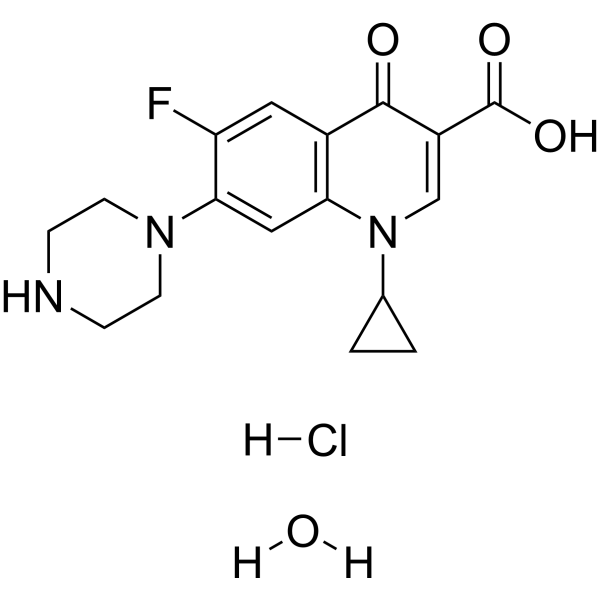
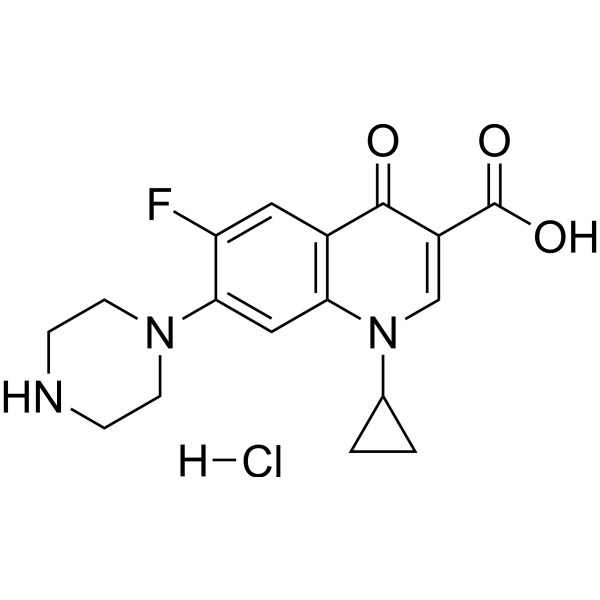
    Glucosamine (hydrochloride) (Standard) is the analytical standard of Glucosamine (hydrochloride). This product is intended for research and analytical applications. Glucosamine hydrochloride (D-Glucosamine hydrochloride) is an amino sugar and a prominent precursor in the biochemical synthesis of glycosylated proteins and lipids, is used as a dietary supplement. Glucosamine hydrochloride also is a natural constituent of glycosaminoglycans in the cartilage matrix and synovial fluid, which when administered exogenously, exerts pharmacological effects on osteoarthritic cartilage and chondrocytes .
    Glucosamine hydrochloride (Standard)
  • HY-169804

    Phosphodiesterase (PDE) Cancer
    ENPP3 Inhibitor 1 is a selective inhibitor of ENPP3, with IC50s of 0.15 µM (ENPP3) and 41.4 µM (ENPP1) respectively. ENPP3 Inhibitor 1 shows anti-tumor activities against breast cancer and cervical cancer .
    ENPP3 Inhibitor 1
  • HY-120793

    TRB-N0224

    Ras Apoptosis MMP Inflammation/Immunology Cancer
    CMC2.24 (TRB-N0224), an orally active tricarbonylmethane agent, is effective against pancreatic tumor in mice by inhibiting Ras activation and its downstream effector ERK1/2 pathway. CMC2.24 is also a potent inhibitor of zinc-dependent MMPs with IC50s ranging from 2.0-69 μM. CMC2.24 alleviates osteoarthritis progression by restoring cartilage homeostasis and inhibiting chondrocyte apoptosis via the NF-κB/HIF-2α axis .
    CMC2.24
  • HY-W033813

    Caspase Apoptosis Cancer
    Caspase-3/7 inhibitor I is a potent and reversible inhibitor of caspase-3 and caspase-7, with Kis of 60 and 170 nM, respectively. Caspase-3/7 inhibitor I can inhibit apoptosis in Camptothecin (HY-16560)-treated Jurkat cells and in chondrocytes .
    Caspase-3/7 Inhibitor I
  • HY-110067

    PTEN Apoptosis Autophagy Ferroptosis Reactive Oxygen Species (ROS) Interleukin Related Akt Keap1-Nrf2 Cardiovascular Disease Inflammation/Immunology Cancer
    VO-OHPic is a reversible, noncompetitive PTEN inhibitor with an human IC50 value of 46 nM. VO-OHPic inhibits PTEN signaling, activates Akt-GSK3β and Nrf-2/HO-1 pathways, induces apoptosis resistance and elevates IL-10 levels. VO-OHPic inhibits autophagy, ferroptosis and oxidative stress. VO-OHPic can be used for the research of acute myocardial infarction, intervertebral disc degeneration, cardiomyopathy and cancer .
    VO-OHPic
  • HY-120505

    ERK p38 MAPK Inflammation/Immunology
    ITZ-1 is an orally active and selective extracellular signal-regulated kinase (ERK)-mitogen-activated protein kinase (MAPK) pathway inhibitor with an IC50 of 0.51 μM for inhibiting interleukin-1β (IL-1β)-induced matrix metalloproteinase-13 (MMP-13) production. ITZ-1 reduces MMP-13 expression and suppresses nitric oxide (NO)-induced chondrocyte apoptosi. ITZ-1 is promising for research of osteoarticular diseases .
    ITZ-1
  • HY-159642G

    TYRA-300

    FGFR ERK Metabolic Disease Cancer
    Dabogratinib (TYRA-300) (GMP) is Dabogratinib (HY-159642) produced by using GMP guidelines. GMP small molecules work appropriately as an auxiliary reagent for cell therapy manufacture. Dabogratinib is an orally active, selective FGFR3 inhibitor with an IC50 of 11 nM. Dabogratinib exhibits antitumor activity against urothelial carcinoma and solid tumors. Dabogratinib downregulates the FGFR3 and ERK1/2 signaling pathways, and induces tumor growth inhibition and regression in FGFR3-altered xenograft models. Dabogratinib promotes chondrocyte proliferation and differentiation, drives endochondral bone formation and overall body growth, partially restores long bone proportions, and improves craniofacial and spinal morphology. Dabogratinib can be used for the research of metastatic urothelial carcinoma, achondroplasia and hypochondroplasia .
    Dabogratinib
  • HY-P10462

    Synthetic anti-inflammatory peptide 15

    HDAC NF-κB Inflammation/Immunology
    SAP15 (Synthetic anti-inflammatory peptide 15) is a synthetic anti-inflammatory peptide consisting of 15 amino acids designed from human beta-defensin 3. SAP15 has the ability to penetrate cells and is able to induce downregulation of intracellular inflammation. SAP15 inhibits inflammation by inhibiting the phosphorylation of HDAC5 and thereby reducing the phosphorylation of NF-κB p65. SAP15 inhibits HDAC5 and NF-κB p65 phosphorylation in LPS (HY-D1056)-induced macrophages. SAP15 increases the expression of aggrecan and type II collagen and decreases the expression of osteocalcin in LPS-induced chondrocytes. SAP15 can be used in the study of inflammation regulation and anti-inflammatory therapy of biomaterials .
    SAP15
  • HY-D2836I

    FITC-Hyaluronate (MW 5000)

    Fluorescent Dye Others
    FITC-HA (MW 5000) is hyaluronic acid (HA) (HY-B0633A) labeled with FITC (HY-66019). FITC-HA retains the ability of HA to bind to receptors (such as CD44) and form extracellular matrices, while it can be detected by fluorescence microscopy or flow cytometry for tracing the localization, binding, internalization and metabolic pathways of HA in cells, tissues or living organisms (Ex/Em ≈ 490/520 nM) .
    FITC-HA (MW 5000)

Inquiry Online

Your information is safe with us. * Required Fields.

Salutation


Country or Region *

Applicant Name *


Organization Name *

Department *


Email Address *


Product Name *

Cat. No.


Requested quantity *

Phone Number *


Remarks

Inquiry Online

Inquiry Information

Product Name:
Cat. No.:
Quantity:
MCE Japan Authorized Agent:

