1. Search Result
Search Result
Results for "

coactivator

" in MedChemExpress (MCE) Product Catalog:

58

Inhibitors & Agonists

4

Peptides

2

Natural
Products

5

Recombinant Proteins

2

Isotope-Labeled Compounds

21

Antibodies

Targets Recommended:
Cat. No. Product Name Target Research Areas Chemical Structure
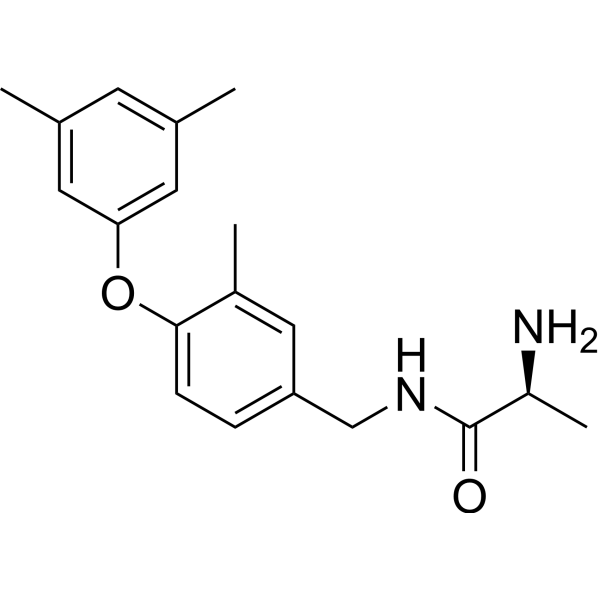
  • HY-17538
    ZLN005
    45+ Cited Publications

    PGC-1α Autophagy Metabolic Disease
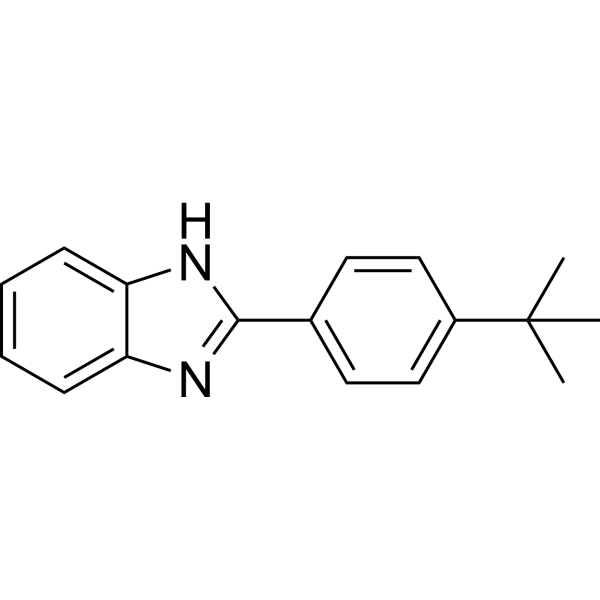
    ZLN005 is a potent activator of peroxisome proliferator-activated receptor-γ coactivator-1α (PGC-1α) .
    ZLN005
  • HY-N0010
    Geniposidic acid
    5+ Cited Publications

    FXR Sirtuin TNF Receptor Interleukin Related Metabolic Disease
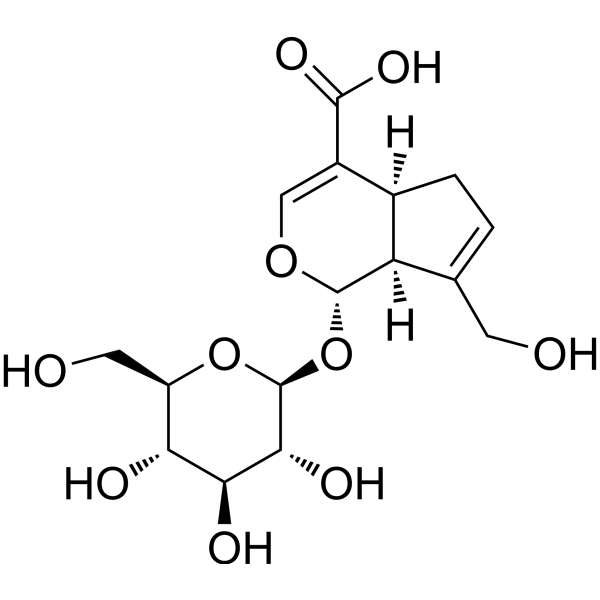
    Geniposidic acid is an orally active FXR modulator and SIRT6 activator. Geniposidic acid binds to the Ser332 and His447 sites on the FXR ligand-binding domain, thereby driving nuclear translocation, coactivator recruitment, and transcription of downstream bile acid and cholesterol metabolism-related genes. Geniposidic acid improves metabolic dysfunction-related fatty liver disease by activating the SIRT6 signaling pathway. Geniposidic acid inhibits inflammation and modulates gut microbiota to alleviate colitis. Geniposidic acid can be used in research on drug-induced liver injury, inflammatory bowel disease, metabolic dysfunction-related fatty liver disease, and metabolic dysfunction-related steatohepatitis .
    Geniposidic acid
  • HY-147105

    Orphan Nuclear Receptor Interleukin Related Inflammation/Immunology
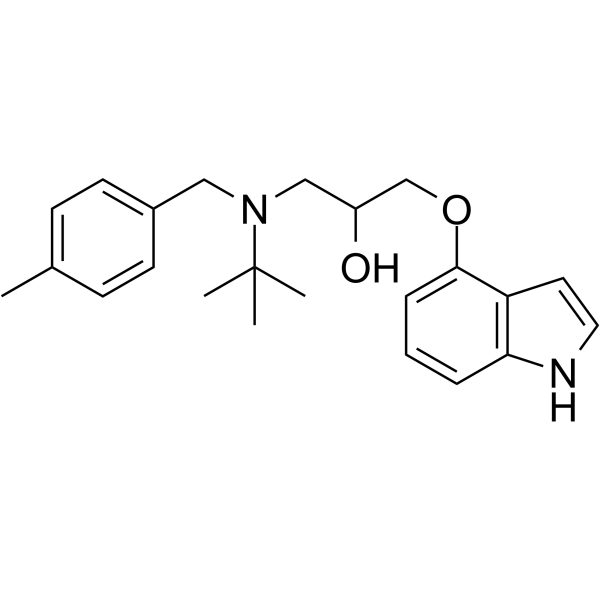
    LRH-1 agonist-2 (Compound 6N) is a selective, full LRH-1 agonist with an EC50 of 15.7 nM. LRH-1 agonist-2 directly interacts with the Thr352 and His390 residues in the LRH-1 binding pocket, promotes allosteric signaling to the activation function surface (AFS), stabilizes the AFS and enhances coactivator recruitment. LRH-1 agonist-2 induces the anti-inflammatory cytokine IL-10, and reduces the pro-inflammatory cytokines IL-1β and TNFα. LRH-1 modulator-1 exerts anti-inflammatory effects in intestinal organoids. LRH-1 modulator-1 can be used in studies related to inflammatory bowel disease .
    LRH-1 agonist-2
  • HY-101491
    SR-18292
    Maximum Cited Publications
    61 Publications Verification

    PGC-1α Autophagy Metabolic Disease
    SR-18292 is a PPAR gamma coactivator-1α (PGC-1α) inhibitor, which increases PGC-1α acetylation, suppresses gluconeogenic gene expression and reduces glucose production in hepatocytes.
    SR-18292
  • HY-19625

    Reactive Oxygen Species (ROS) Paraptosis Cancer
    MCB-613 is a potent Steroid receptor coactivator SRC small molecule ‘stimulator’ (SMS), super-stimulates SRCs’ transcriptional activity. MCB-613 increases SRCs’ interactions with other coactivators and markedly induces ER stress coupled to the generation of reactive oxygen species (ROS). MCB-613 is a SMS that target oncogenes can be exploited as anti-cancer agents by over-stimulating the SRC oncogenic program .
    MCB-613
  • HY-100565
    SGC2085
    1 Publications Verification

    Histone Methyltransferase Cancer
    SGC2085 is a potent and selective inhibitor of coactivator associated arginine methyltransferase 1 (CARM1) with an IC50 of 50 nM. SGC2085 also selectively inhibits PRMT6 with an IC50 value of 5.2 μM, but not other PRMT proteins .
    SGC2085
  • HY-12407
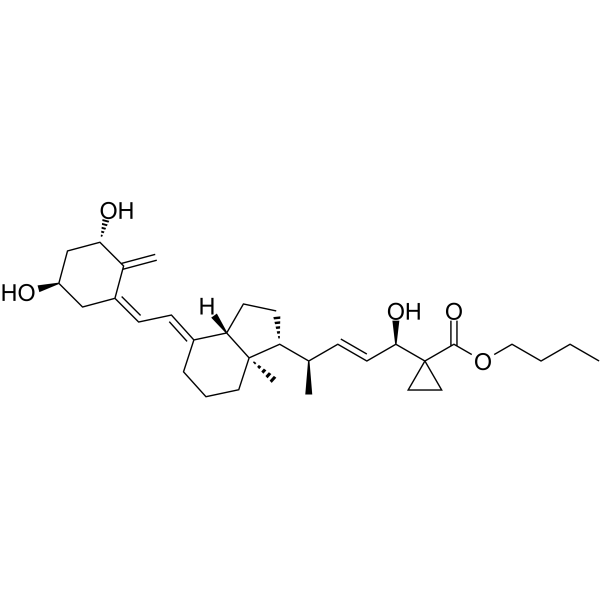
    ZK168281
    1 Publications Verification

    VD/VDR Metabolic Disease
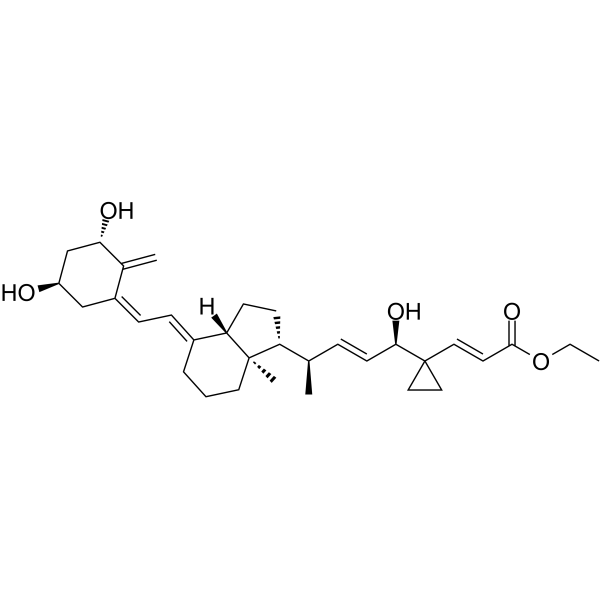
    ZK168281 is a 25-carboxylic ester 1α,25(OH)2D3 analog and a pure VDR antagonist with a Kd value of 0.1 nM. ZK168281 is an effective inhibitor of the coactivator (CoA) interaction of its receptor .
    ZK168281
  • HY-12397
    ZK159222
    1 Publications Verification

    VD/VDR Endocrinology
    ZK159222, a 25-carboxylic ester analogue of 1α,25-(OH)2D3, is a potent 1α,25-(OH)2D3 receptor (VDR) antagonist. The mechanism of ZK159222 antagonistic action is mediated by a lack of ligand-induced vitamin D receptor interaction with coactivators. ZK159222 has a partial agonistic character .
    ZK159222
  • HY-112920

    YAP Metabolic Disease
    TM-25659 is a transcriptional co-activator with PDZ-binding motif (TAZ) modulator. Anti-osteoporotic and anti-obesity activities .
    TM-25659
  • HY-113960

    Estrogen Receptor/ERR Cancer
    ERRα antagonist-1 (Compound A) is a selective and high affinity agonist for estrogen-related receptor α (ERRα). ERRα antagonist-1 inhibits interaction of ERRα with Proliferator-activated Receptor γ Coactivator-1α (PGC-1α) and PGC-1β, the IC50 values are 170 nM and 180 nM, respectively .
    ERRα antagonist-1
  • HY-15606
    Tanaproget
    1 Publications Verification

    NSP-989

    Progesterone Receptor Endocrinology
    Tanaproget is an orally effective, selective nonsteroidal progesterone receptor (PR) agonist targeting human PR with an IC50 of 1.7 nM. Tanaproget promotes the interaction between PR receptors and coactivators (such as SRC-1), thereby inhibiting the secretion of matrix metalloproteinases (MMP-3/MMP-7) and reducing endometrial tissue invasion and angiogenesis. Tanaproget can be used for contraception and endometriosis inhibition research .
    Tanaproget
  • HY-43515

    Endogenous Metabolite Metabolic Disease
    ESI1 is a small molecule epigenetic silencing inhibitor. ESI1 can trigger the formation of nuclear condensates of key lipid metabolism regulators SREBP1/2, concentrating transcriptional co-activators to drive lipid/cholesterol biosynthesis. ESI1 can promote myelin regeneration in demyelinated animal models and facilitate de novo myelination on regenerating CNS axons, reversing age-related declines in cognitive abilities .
    ESI1
  • HY-112247

    PPAR TGF-beta/Smad Metabolic Disease Inflammation/Immunology
    SR 16832 is a dual-site covalent, orthosteric and allosteric PPARγ antagonist. SR 16832 activates the TGF-β signaling pathway and upregulates the expression of Vimentin and Fibronectin (Fibronectin). SR 16832 is toxic to bronchial epithelium. SR 16832 can be used in research related to type 2 diabetes and pulmonary fibrosis .
    SR 16832
  • HY-152093

    Ferroptosis Cancer
    YL-939 is a potent ferroptosis inhibitor. YL-939 inhibits ferroptosis by targeting the PHB2/ferritin/iron axis .
    YL-939
  • HY-130479

    Adiponectin Receptor PPAR PGC-1α Sirtuin AMPK Metabolic Disease
    AdipoR agonist 1 (Compound 112254) is an agonist for adiponectin receptor (AdipoR), which activates the transcriptional regulators like peroxisome proliferator-activated receptors (PPARs), peroxisome proliferator-activated receptor gamma coactivator 1α (PGC-1α), sirtuin 1 (SIRT1), and adenylate-activated protein kinase (AMPK). AdipoR agonist 1 is utilized in preventive doping research .
    AdipoR agonist 1
  • HY-127024

    Thyroid Hormone Receptor Metabolic Disease
    Thyroid hormone receptor antagonist (1-850) is a competitive, selective and high-affinity thyroid hormone receptor (TR) antagonist with an IC50 of 1.5 μM for antagonizing the effect of T3 on TR. Thyroid hormone receptor antagonist (1-850) blocks T3-mediated interaction of TRα and TRβ with nuclear receptor coactivator. Thyroid hormone receptor antagonist (1-850) has no effect on the activity of RARα .
    Thyroid hormone receptor antagonist (1-850)
  • HY-127024A

    Thyroid Hormone Receptor Metabolic Disease
    TR antagonist 2 (Compound 10a) is a competitive thyroid hormone receptors (TRα/β) antagonist (IC50=47 nM). TR antagonist 2 competes with triiodothyronine (T3) for binding to the ligand-binding domain of TR to block receptor-coactivator complex formation and inhibit target gene transcription, reducing thyroid hormone-mediated hypermetabolic effects. TR antagonist 2 is promising for research of hyperthyroidism (e.g., Graves' disease) and thyrotoxicosis .
    TR antagonist 2
  • HY-122041
    Ethacridine
    2 Publications Verification

    Apoptosis Poly(ADP-ribose) Glycohydrolase (PARG) Cancer
    Ethacridine is a poly(ADP-ribose) glycohydrolase (PARG) inhibitor and an activator of the transcriptional coactivator. Ethacridine induces thyroid cancer cells apoptosis and promotes differentiation in thyroid follicular cells .
    Ethacridine
  • HY-163469

    Src Cancer
    SRC-3-IN-2 (SI-12 6c)is an orally active steroid receptor coactivator 3 (SRC-3) inhibitor. SRC-3-IN-2 has antitumor activity .
    SRC-3-IN-2
  • HY-179433

    PROTACs Androgen Receptor Estrogen Receptor/ERR Src Cancer
    PROTAC AR Degrader-12 is a highly efficient PROTAC targeting AR coactivator binding site (AR-CBS). PROTAC AR Degrader-12 induces AR degradation in a ubiquitin proteasome system (UPS) pathway-dependent manner. PROTAC AR Degrader-12 inhibits tumor cell growth by affecting DNA replication and cell division PROTAC AR Degrader-12 could not only effectively degrade AR, but also potently inhibit the proliferation of MCF-7 and multiple mutant or resistant BC cells. PROTAC AR Degrader-12 effectively blocked estrogen receptor α (ERα) signaling through a dual mechanism involving ERα protein downregulation and suppression of its transcriptional activity. PROTAC AR Degrader-12 significantly inhibits the mRNA expression of FOXA1, GREB1, SRC, and PELP1. PROTAC AR Degrader-12 can be used for the study of breast cancer .
    PROTAC AR Degrader-12
  • HY-17538S

    PGC-1α Autophagy Metabolic Disease
    ZLN005-d4 is deuterium labeled ZLN005. ZLN005 is a potent activator of peroxisome proliferator-activated receptor-γ coactivator-1α (PGC-1α) .
    ZLN005-d4
  • HY-15214A

    Histone Methyltransferase Cancer
    CARM1-IN-3 dihydrochloride (compound 17b) is a potent and selective co-activator associated arginine methyltransferase (CARM1) inhibitor with IC50 values of 0.07, >25 µM for CARM1 and CARM3, respectively .
    CARM1-IN-3 dihydrochloride
  • HY-100565A

    Histone Methyltransferase Cancer
    SGC2085 hydrochloride is a potent and selective inhibitor of coactivator associated arginine methyltransferase 1 (CARM1) with an IC50 of 50 nM. SGC2085 hydrochloride also selectively inhibits PRMT6 with an IC50 value of 5.2 μM, but not other PRMT proteins .
    SGC2085 hydrochloride
  • HY-173631

    PROTACs Cancer
    (S)-dHTC1 is a molecular glue degrader targeting the transcriptional co-activator ENL. (S)-dHTC1 binds the ligase with high affinity only after forming the ENL:dHTC1 complex with an IC50 value of 93 nM. (S)-dHTC1 degrades ENL in MV4;11 cells with a DC50 value of 26 nM. (S)-dHTC1 can be used for acute myeloid leukemia study .
    (S)-dHTC1
  • HY-175869

    Ferroptosis Metabolic Disease Inflammation/Immunology
    Ferroptosis-IN-22 is a selective ferroptosis inhibitor by targeting NCOA4 and disrupting its interaction with ferritin with an EC50 of 520 nM and a Kd of 0.78 μM. Ferroptosis-IN-22 has a strong inhibitory activity against ferroptosis induced by multiple ferroptosis inducers (RSL3 (HY-100218A), Erastin (HY-15763), ML210 (HY-100003), FIN56 (HY-103087)), but does not inhibit necrosis induced by H2O2 or apoptosis induced by STS (HY-15141). Ferroptosis-IN-22 effectively ameliorates Concanavalin A (HY-P2149)-induced acute liver injury. Ferroptosis-IN-22 can be used for the study of ferroptosis-related diseases .
    Ferroptosis-IN-22
  • HY-101447

    EPH 116

    Src Apoptosis Cancer
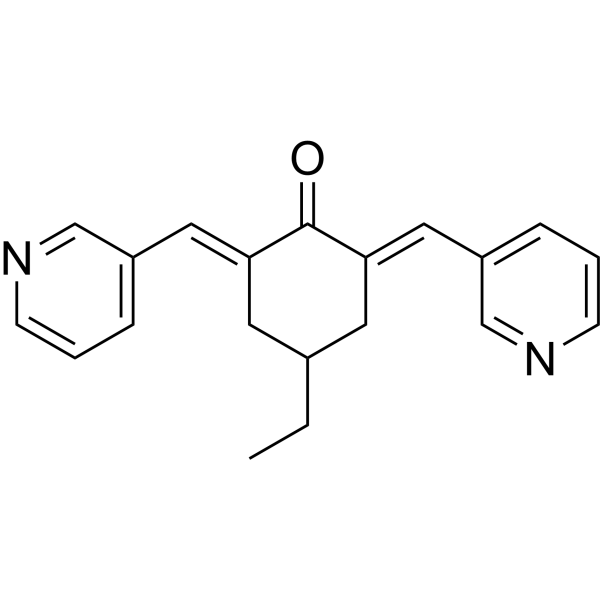
    SI-2 (EPH 116) is an inhibitor for steroid receptor coactivator-3 (SRC-3), which reduces the transcriptional activity and protein concentration of SRC-3 in cells, exhibits cytotoxicity in cancer cell, inhibits migration of MDA-MB-468, induces apoptosis of MDA-MB-468. SI-2 inhibits the tumor growth in mouse models, without significant toxicity for heart and other major organs (20 mg/kg) .
    SI-2
  • HY-P11443

    Androgen Receptor Cancer
    SRC2-2 peptide is a a coactivator-derived mimic targeting androgen receptor (AR) ligand. SRC2-2 peptide is promising for research of prostate cancer .
    SRC2-2 peptide
  • HY-117927

    GSK3536023

    Histone Methyltransferase Cancer
    EPZ0025654 (GSK3536023) is an inhibitor for protein arginine methyltransferases 4 (PRMT4) (which is also known as coactivator associated arginine methyltransferase 1 CARM1), with IC50 of 3 nM .
    EPZ0025654
  • HY-17538A

    PGC-1α Metabolic Disease
    ZLN005 (hydrochloride) is a peroxisome proliferator-activated receptor-g coactivator-1a (PGC-1α) activator. ZLN005 (hydrochloride) can stimulate the expression of PGC-1α and downstream genes in skeletal muscle cells, improve glucose utilization and fatty acid oxidation. ZLN005 (hydrochloride) can increase the transcription of PGC-1α and downstream genes in skeletal muscle of diabetic db/db mice, increase fat oxidation and improve glucose tolerance, pyruvate tolerance and insulin sensitivity .
    ZLN005 hydrochloride
  • HY-146288

    LXR Metabolic Disease
    LXR agonist 2 (compound 18rr) is a potent LXR (liver X receptor) agonist. LXR agonist 2 can stabilize NCOA1 (co-activator), leading to LXR agonism .
    LXR agonist 2
  • HY-W012248

    Aryl Hydrocarbon Receptor Others
    KG-655 is a small molecule compound that binds to the β-folded surface and internal cavity of ARNT PAS-B and interferes with its binding to the transcriptional coactivator TACC3. KG-655 can promote the homodimerization of ARNT PAS-B and has the potential to regulate multiple ARNT-mediated signaling pathways .
    KG-655
  • HY-163468

    Src Cancer
    SRC-3-IN-1 (compound SI-10) is a steroid receptor coactivator 3 (SRC-3) inhibitor (IC50=3.3 μM). SRC-3-IN-1 has good water solubility, oral bioavailability, and improved selectivity profile. SRC-3-IN-1 can be used in prostate cancer research .
    SRC-3-IN-1
  • HY-175264

    Pregnane X Receptor (PXR) Cytochrome P450 Metabolic Disease
    MI891 is a highly selective PXR antagonist (IC50 = 3.76 μM, Kd = 1.7 μM) and inverse agonist (IC50 = 6.1 μM). MI891 selectively disrupts the interaction between PXR and its coactivator SRC1. MI891 effectively inhibits Rifampicin (HY-B0272)-induced PXR activation. MI891 is useful for the study of metabolic diseases and other diseases .
    MI891
  • HY-156153

    Histone Methyltransferase Cancer
    PROTAC CARM1 degrader-2 (compound 3e) is a degrader (DC50=8.8 nM) of co-activator associated argininemethyltransferase (CARM1). PROTAC CARM1 degrader-2 degrades CARM1 in a VHL- and proteasome-dependent manner. Thus, PROTAC CARM1 degrader-2 inhibits methylation of CARM1 substrates such as poly(A)-binding protein PABP1 and BGR1-associated factor BAF155 and inhibits breast cancer cell migration .
    CARM1 degrader-2
  • HY-W722556

    3α,5α-Androstanol

    GABA Receptor Constitutive Androstane Receptor Metabolic Disease
    5α-Androstan-3α-ol is a γ-aminobutyric acid (GABA) receptor agonist. 5α-Androstan-3α-ol can inhibit the transcriptional activity of the orphan nuclear receptor CAR (constitutive androstane receptor). 5α-Androstan-3α-ol negatively regulates the activity of CAR by binding to CAR and promoting its dissociation from coactivator proteins. 5α-Androstan-3α-ol can be used to study nuclear receptor-mediated hormone metabolism and drug detoxification mechanisms .
    5α-Androstan-3α-ol
  • HY-159912

    YAP Cancer
    pan-TEAD-IN-1 (Compound 3) is an orally active pan-TEAD inhibitor targeting the palmitoylation site of TEAD, disrupting its interaction with the coactivators YAP/TAZ, thereby suppressing the transcriptional upregulation of oncogenes (e.g., Ctgf and Cyr61) in the Hippo signaling pathway. pan-TEAD-IN-1 exhibits excellent activity with a luciferase IC50 of 0.36 nM and an H226 cell IC50 of 1.52 nM. It also shows favorable pharmacokinetics (AUC0–∞ = 228.7 μg/mL·min, T1/2 = 183.9 min). In TEAD-dependent xenograft mouse models, pan-TEAD-IN-1 significantly inhibited tumor growth, showing promise for research in TEAD-dependent cancers .
    pan-TEAD-IN-1
  • HY-171591

    Salt-inducible Kinase (SIK) Interleukin Related TNF Receptor Infection
    SIK2-IN-4 (Compound 4) is a highly selective SIK1/2 inhibitor (IC50s 0.143 and 0.076 μM, respectively). SIK2-IN-4 reduces the phosphorylation of transcription coactivator 3 (CRTC3) by targeting SIK1/2, thereby regulating cAMP response element binding protein (CREB)-dependent transcriptional activity. SIK2-IN-4 inhibits the production of pro-inflammatory cytokines such as TNF (IC50: 0.11 µM), IL-12/23 p40 (IC50: 0.25 µM), and IL-23 (IC50: 0.47 µM), while inducing the expression of the anti-inflammatory cytokine IL-10. SIK2-IN-4 can be used to study intestinal inflammation and other chronic inflammatory diseases .
    SIK2-IN-4
  • HY-P2515

    Histone Acetyltransferase Others
    Transcriptional Intermediary Factor 2 (TIF2) (740-753) is a TIF-2 coactivator peptide composed of 14 amino acids and covers the residue range 740-753 of TIF-2 protein .
    Transcriptional Intermediary Factor 2 (TIF2) (740-753)
  • HY-P5458

    Mineralocorticoid Receptor Others
    SRC-1 (686-700) is a biological active peptide. (This peptide is amino acids 686 to 700 fragment containing the second LXXLL motif, derived from NR box II of steroid receptor coactivator (SRC1). Coactivator proteins interact with nuclear receptors in a ligand-dependent manner and augment transcription.)
    SRC-1 (686-700)
  • HY-101491S

    Isotope-Labeled Compounds PGC-1α Autophagy Metabolic Disease
    SR-18292-d9 is the deuterium labeled SR-18292 (HY-101491). SR-18292 is a PPAR gamma coactivator-1α (PGC-1α) inhibitor, which increases PGC-1α acetylation, suppresses gluconeogenic gene expression and reduces glucose production in hepatocytes .
    SR-18292-d9
  • HY-125787

    Thyroid Hormone Receptor Metabolic Disease
    MLS000389544 is a selective and potent methylsulfonylnitrobenzoate thyroid hormone receptor β (TRβ) antagonist that blocks the association of TRβ with steroid receptor coactivator 2 (SRC2) .
    MLS000389544
  • HY-15214

    Histone Methyltransferase Cancer
    CARM1-IN-3 (compound 17b) is a potent and selective co-activator associated arginine methyltransferase (CARM1) inhibitor with IC50 values of 0.07, >25 µM for CARM1 and CARM3, respectively .
    CARM1-IN-3
  • HY-121582

    (E)-EPH 116

    Drug Isomer Cancer
    (E)-SI-2 is an isomer of SI-2, an inhibitor of the steroid receptor coactivator SRC-3. SI-2 has anticancer activity and increases the number of cytotoxic immune cells in mice with breast cancer .
    (E)-SI-2
  • HY-100855

    Histone Methyltransferase Cancer
    DC_C66 is a cell-permeable, selective coactivator associated arginine methyltransferase 1 (CARM1) inhibitor with an IC50 of 1.8 μM. DC_C66 has a good selectivity for CARM1 against PRMT1 (IC50=21 μM), PRMT6 (IC50= 47μM), and PRMT5 .
    DC_C66
  • HY-P10843

    Estrogen Receptor/ERR Cancer
    R4K1 is a cell-permeable stapled peptide. R4K1 binds to the estrogen receptor (ER) α with high affinity and inhibits its interaction with coactivators. R4K1 can enter breast cancer cells to regulate gene transcription and inhibit cell proliferation. R4K1 can be used in the study of cancer .
    R4K1
  • HY-19625A

    Reactive Oxygen Species (ROS) Paraptosis Cancer
    (E/Z)-MCB-613 is a pan-Steroid Receptor Coactivator (SRC) stimulator. (E/Z)-MCB-613 overstimulates SRC activity in cancer cells resulting in excessive generation of reactive oxygen species (ROS), leading to cell stress and death by a process called paraptosis. (E/Z)-MCB-613 is a cytotoxic molecule that plays an important role in cancer .
    (E/Z)-MCB-613
  • HY-117182

    Apoptosis VD/VDR RAR/RXR Metabolic Disease Inflammation/Immunology Cancer
    LG190178 is a non-steroidal vitamin D receptor (VDR) ligand that can induce the formation of heterodimer complexes between VDR and retinoid X receptor (RXR), stabilizing the agonistic conformation of the VDR ligand-binding domain and promoting its interaction with co-activators. LG190178 has functions in regulating calcium homeostasis, bone mineralization, as well as cell proliferation, differentiation, and apoptosis, making it useful for research in psoriasis, osteoporosis, and cancer .
    LG190178
  • HY-131445A

    Orphan Nuclear Receptor Metabolic Disease Inflammation/Immunology
    SS-RJW100 is a enantiomer of RJW100, which is a racemic agonist of nuclear receptor liver receptor homolog 1 (LRH-1) and steroidogenic factor 1 (SF-1). SS-RJW100 promotes recruitment of coregulator protein fragments in vitro, recruits the transcriptional intermediary factor 2 (Tif2) coactivator to LRH-1. SS-RJW100 diminishes LRH-1 allosteric activation networks, shows poor thermal stability .
    SS-RJW100
  • HY-116028

    15-Deoxy-Δ12,14-PGD2

    Endogenous Metabolite Prostaglandin Receptor PPAR Src Cardiovascular Disease
    15-deoxy-Δ12,14-Prostaglandin D2 (15-Deoxy-Δ12,14-PGD2), a metabolite of PGD2 (HY-101988), is an agonist of prostaglandin receptor 2 (DP2). 15-deoxy-Δ12,14-Prostaglandin D2 binds to DP2 (Ki=50 nM) and induces eosinophil activation (EC50=8 nM). 15-deoxy-Δ12,14-Prostaglandin D2 also stimulates the recruitment of steroid receptor coactivator-1 (SRC-1) to peroxisome proliferator-activated receptor γ (PPARγ), inducing PPARγ-mediated transcription. 15-deoxy-Δ12,14-Prostaglandin D2 (15-Deoxy-Δ12,14-PGD2) is cytotoxic to L1210 murine leukemia cells (IC50=0.3 μg/ml) and inhibits ADP-induced platelet aggregation (IC50=320 ng/mL).
    15-deoxy-Δ12,14-Prostaglandin D2
  • HY-14863

    CTA-018

    VD/VDR Cytochrome P450 Others Endocrinology
    Lunacalcipol (CTA-018), as a vitamin D analogue, has a dual role in the pathogenesis of Chronic Kidney Disease (CKD), as an agonist of vitamin D receptor and an antagonist of cytochrome P450 enzyme 24-hydroxylase. Lunacalcipol binds to VDR and regulates transcriptional activity of VDR by influencing ligand binding affinity, ligand-dependent coactivator recruitment or inhibitory factor dissociation, efficiency of ligand entry into target cells, tissue specificity and different metabolism of ligand. Lunacalcipol can be used in the study of CKD, especially Secondary Hyperparathyroidism (sHPT) .
    Lunacalcipol

Inquiry Online

Your information is safe with us. * Required Fields.

Salutation


Country or Region *

Applicant Name *


Organization Name *

Department *


Email Address *


Product Name *

Cat. No.


Requested quantity *

Phone Number *


Remarks

Inquiry Online

Inquiry Information

Product Name:
Cat. No.:
Quantity:
MCE Japan Authorized Agent:

