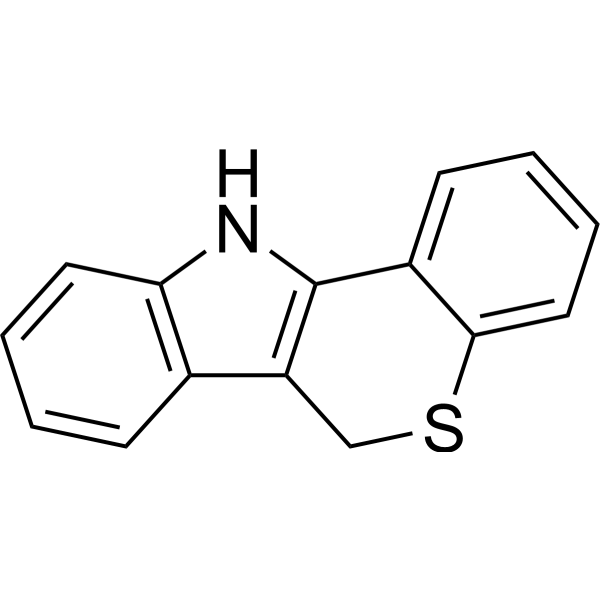
1. Search Result
Search Result
Results for "

cognitive ,impairment

" in MedChemExpress (MCE) Product Catalog:

190

Inhibitors & Agonists

2

Fluorescent Dyes

2

Biochemical Assay Reagents

1

Peptides

1

Inhibitory Antibodies

30

Natural
Products

10

Isotope-Labeled Compounds

1

Oligonucleotides

Cat. No. Product Name Target Research Areas Chemical Structure
  • HY-N0045
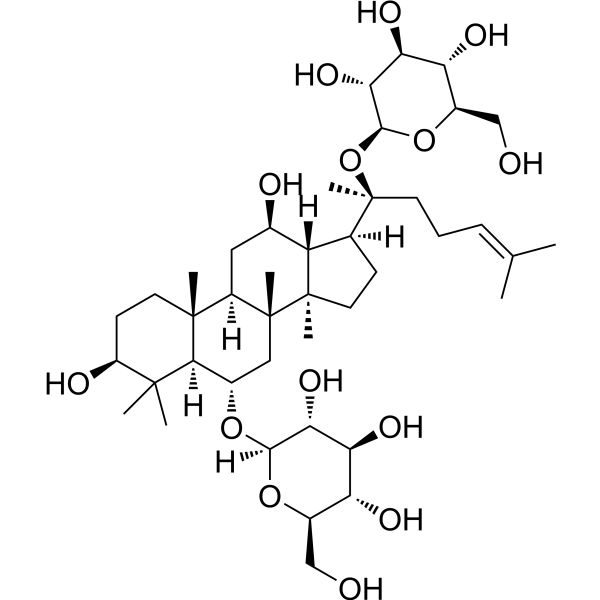
    Ginsenoside Rg1
    Maximum Cited Publications
    15 Publications Verification

    Panaxoside A; Panaxoside Rg1

    Amyloid-β NF-κB Apoptosis Neurological Disease Inflammation/Immunology Cancer
    Ginsenoside Rg1 is one of the major active components of Panax ginseng. Ginsenoside Rg1 ameliorates the impaired cognitive function, displays promising effects by reducing cerebral levels. Ginsenoside Rg1 also reduces NF-κB nuclear translocation.
    Ginsenoside Rg1
  • HY-W004260
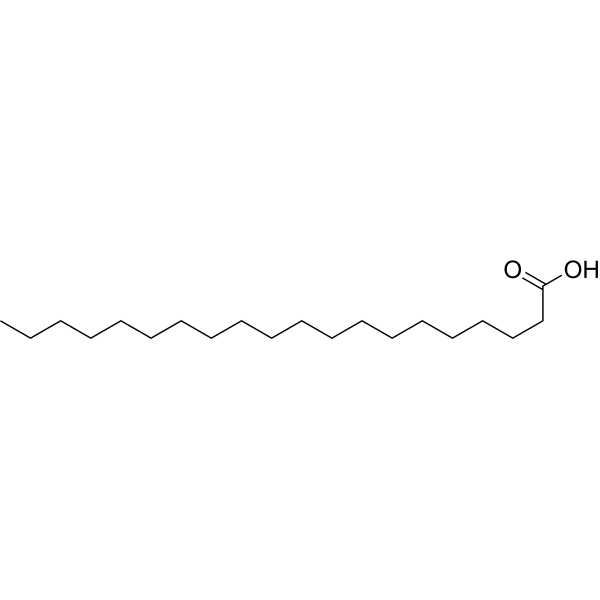
    Arachidic acid
    3 Publications Verification

    Eicosanoic acid

    Endogenous Metabolite Neurological Disease
    Arachidic acid is an orally bioavailable membrane fluidity modulator and receptor/ion channel effector. Arachidic acid does not activate arachidonic acid-sensitive K + channels in rat midbrain and hypothalamic neurons. Arachidic acid alleviates age-related spatial cognitive impairment. Arachidic acid is applicable for research related to age-related spatial cognitive impairment .
    Arachidic acid
  • HY-W019894
    Manganese chloride
    1 Publications Verification

    Manganese dichloride

    Biochemical Assay Reagents Apoptosis mTOR Cardiovascular Disease Neurological Disease
    Manganese chloride is an orally active MRI liver contrast agent. Manganese chloride induces Apoptosis and activates the mTOR signaling pathway. Manganese chloride induces cognitive impairment, promotes hematopoietic recovery, and reduces radiation-induced bone marrow and brain damage. It can be used for the study of renal impairment .
    Manganese chloride
  • HY-B0463
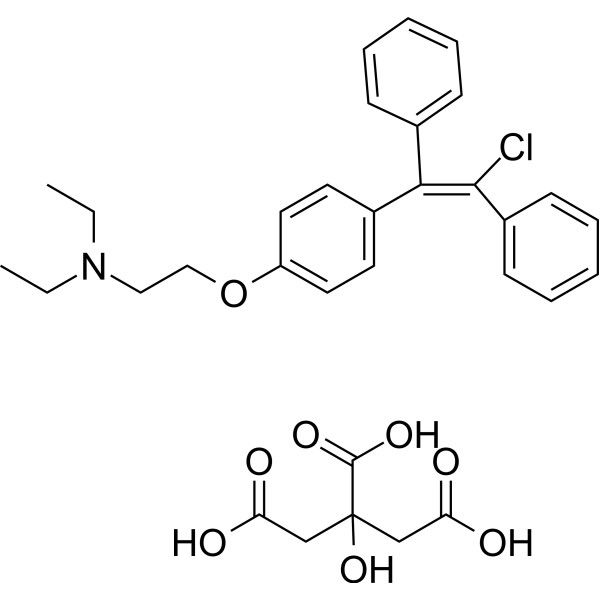
    Clomiphene citrate
    5 Publications Verification

    Clomifene citrate

    Estrogen Receptor/ERR Neurological Disease Endocrinology Cancer
    Clomiphene citrate (Clomifene citrate) is an orally active estrogen-receptor modulator. Clomiphene citrate has anti-cancer actixity, induces perturbations during meiotic maturation and cytogenetic abnormalities and ameliorates in managing psychiatric and cognitive impairment .
    Clomiphene citrate
  • HY-N7109
    Erucic acid
    2 Publications Verification

    PI3K Endogenous Metabolite Neurological Disease
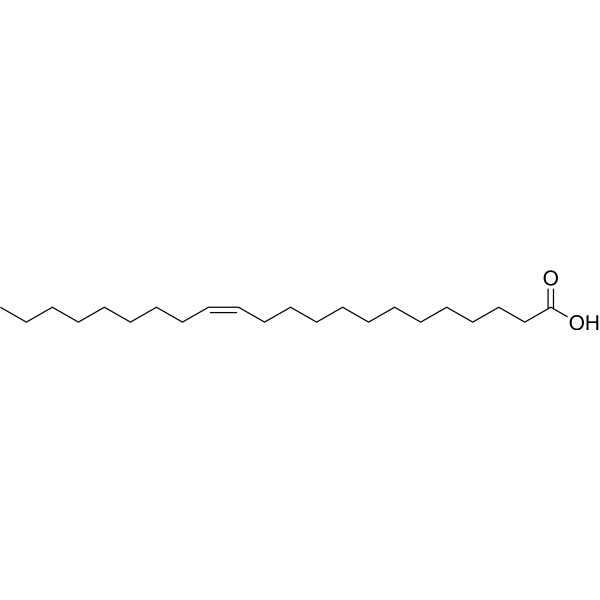
    Erucic acid, a monounsaturated fatty acid (MUFA), is isolated from the seed of Raphanus sativus L. Erucic acid can readily cross the blood-brain barrier (BBB), it has been reported to normalize the accumulation of very long-chain fatty acids in the brain. Erucic acid can improve cognitive impairment and be effective against dementia .
    Erucic acid
  • HY-103157
    PD146176
    5+ Cited Publications

    NSC168807

    Autophagy Ferroptosis Cardiovascular Disease
    PD146176 (NSC168807), a 15-Lipoxygenase (15-LO) inhibitor, inhibits rabbit reticulocyte 15-LO (Ki=197 nM, IC50=0.54 μM). PD146176 reverses cognitive impairment, brain amyloidosis, and tau pathology by stimulating autophagy in aged triple transgenic mice .
    PD146176
  • HY-N0188
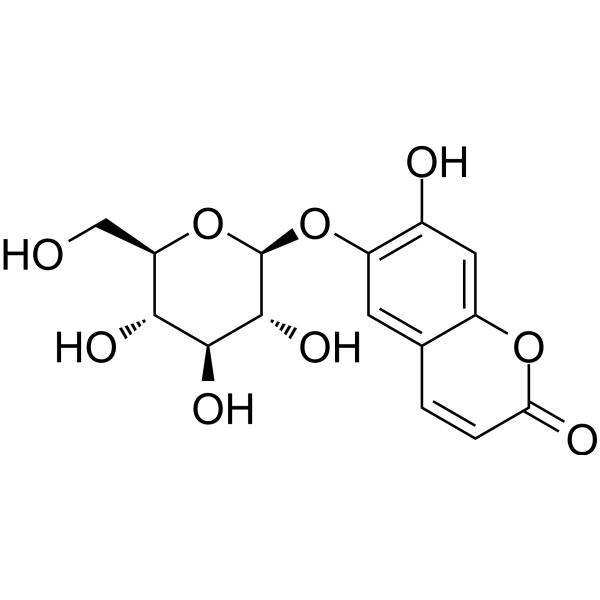
    Esculin
    5 Publications Verification

    p38 MAPK Inflammation/Immunology Cancer
    Esculin is a fluorescent coumarin glucoside, the active ingredient in ash bark. Esculin has antidiabetic effects, improves cognitive impairment in experimental diabetic nephropathy (DN) via the MAPK signaling pathway, and exerts antioxidant stress and anti-inflammatory effects. Esculin also has anticancer, antibacterial, antiviral, neuroprotective, antithrombotic, and therapeutic properties for eye diseases .
    Esculin
  • HY-101484A
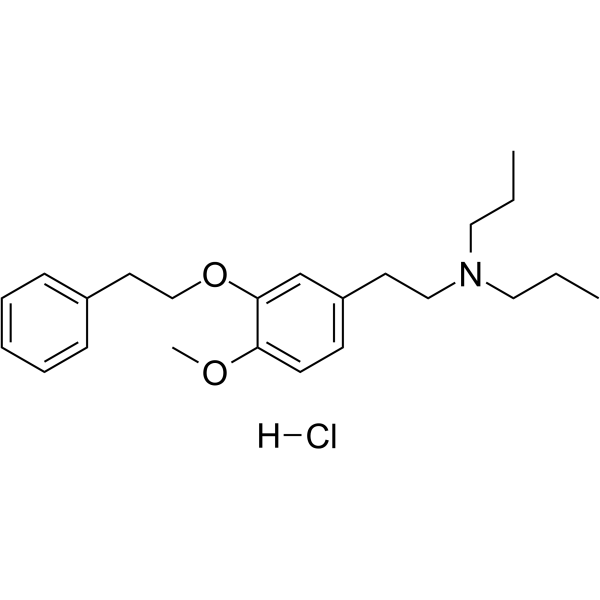
    NE-100 hydrochloride
    1 Publications Verification

    Sigma Receptor ATF6 Neurological Disease
    NE-100 hydrochloride is an orally active and selective sigma-1 receptor antagonist with an IC50 of 4.16 nM. NE-100 hydrochloride can improve cognitive impairment and has neuroprotective and antipsychotic activities. NE-100 hydrochloride can be used for research on nervous system diseases .
    NE-100 hydrochloride
  • HY-14569
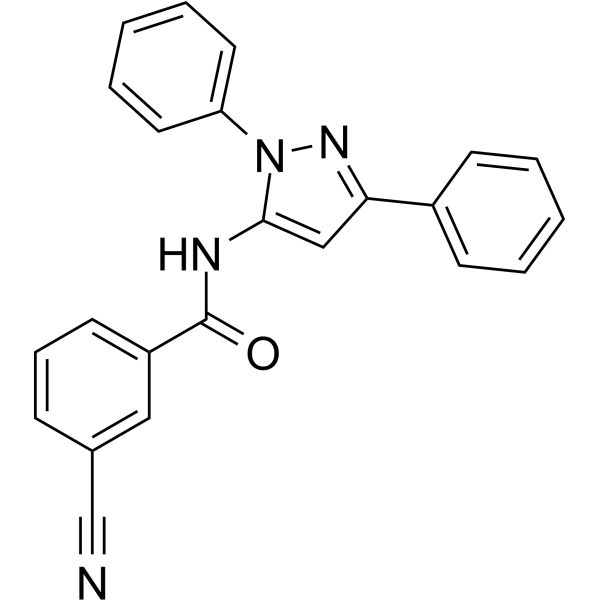
    CDPPB
    1 Publications Verification

    mGluR Akt ERK Caspase Mitochondrial Metabolism Neurological Disease Inflammation/Immunology Cancer
    CDPPB is a selective, orally active and brain-penetrant mGluR5 allosteric modulator. CDPPB increases AKT and ERK1/2 activation and augments the BDNF mRNA. CDPPB inhibits caspase-3 activation and mitochondrial dysfunction. CDPPB improves cognitive impairment, depression, and Huntington's disease .
    CDPPB
  • HY-10933
    CX516
    2 Publications Verification

    BDP 12

    iGluR Neurological Disease
    CX516 (BDP 12) is an ampakine and acts as an AMPA receptor positive allosteric modulator for the research of Alzheimer's disease, schizophrenia and mild cognitive impairment (MCI) .
    CX516
  • HY-N2195
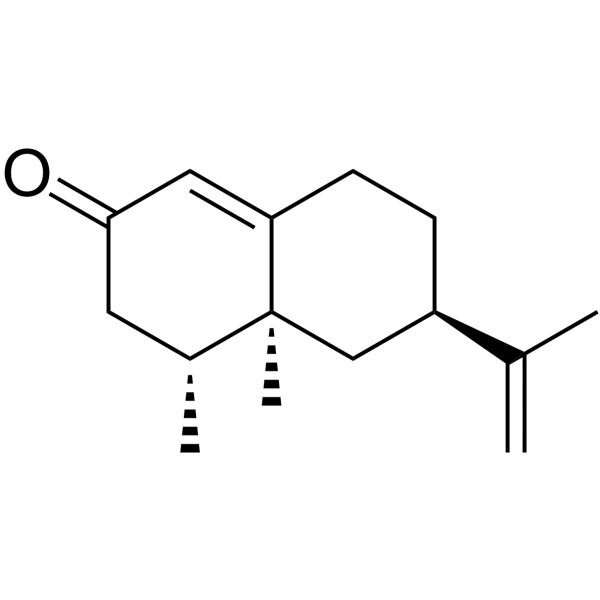
    Nootkatone
    4 Publications Verification

    (+)-Nootkatone

    Environmental Pollutants Interleukin Related TNF Receptor Neurological Disease
    Nootkatone, a neuroprotective agent from Vitis vinifera, has antioxidant and anti-inflammatory effects . Nootkatone improves cognitive impairment in lipopolysaccharide-induced mouse model of Alzheimer's disease .
    Nootkatone
  • HY-N2189
    Swertisin
    2 Publications Verification

    Adenosine Receptor HBV SGLT Infection Neurological Disease Inflammation/Immunology
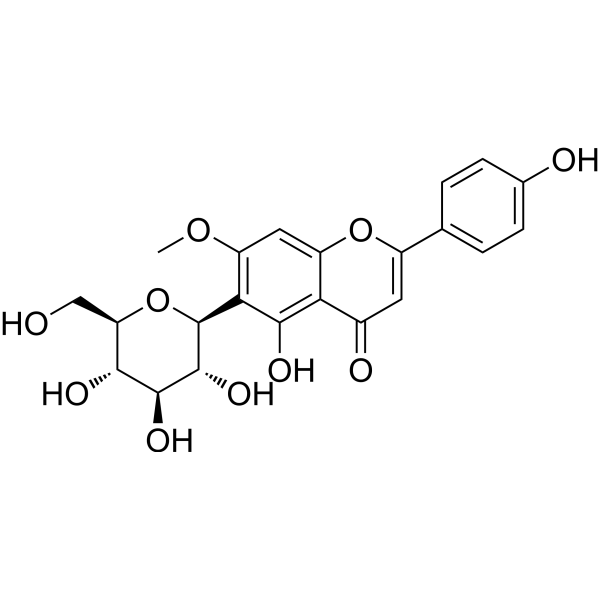
    Swertisin is an oral adenosine A1 receptor antagonist and an SGLT2 inhibitor. Swertisin has anti-diabetic, antioxidant properties, inhibits HBV, and improves cognitive and memory impairments in mice .
    Swertisin
  • HY-W250122
    Glutamic acid sodium salt
    1 Publications Verification

    Monosodium glutamate

    Biochemical Assay Reagents Reactive Oxygen Species (ROS) Mitochondrial Metabolism Apoptosis HSP Bcl-2 Family Neurological Disease Metabolic Disease Inflammation/Immunology
    Glutamic acid sodium salt (Monosodium glutamate) is an orally active food flavor enhancer. Glutamic acid sodium salt causes ROS generation, mitochondrial dysfunction, and Apoptosis. Glutamic acid sodium salt upregulates CHOP, Grp78, and Bcl-2. Glutamic acid sodium salt impairs cognition, induces depressive-like behavior, induces hyperalgesia, and induces obesity and insulin resistance. Glutamic acid sodium salt can be used to study neurotoxicity (e.g., brain damage, cognitive impairment), metabolic disorders (e.g., obesity, insulin resistance), hepatotoxicity, and renal toxicity, as well as pain-related disorders .
    Glutamic acid sodium salt
  • HY-Y1117
    Melamine
    1 Publications Verification

    Environmental Pollutants Drug Metabolite Apoptosis COX NADPH Oxidase NF-κB ROS Kinase TGF-β Receptor Neurological Disease Inflammation/Immunology Cancer
    Melamine is an orally active inducer of Apoptosis. Melamine induces animal disease models. Melamine affects the activity of Sertoli cell and can be used for research on male reproductive function. Melamine also has neurotoxicity and nephrotoxicity. Melamine induces cognitive impairment and acute kidney injury models. Melamine can also be used to induce bladder cancer and urinary stone models .
    Melamine
  • HY-N7981
    Pratensein
    1 Publications Verification

    NF-κB Neurological Disease
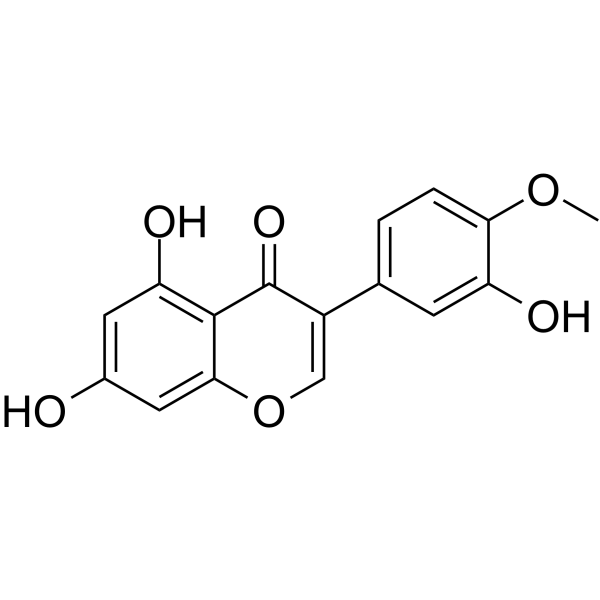
    Pratensein, a flavonoid, ameliorates β-amyloid-induced cognitive impairment in rats via reducing oxidative damage and restoring synapse and BDNF levels .
    Pratensein
  • HY-17550

    DM-235

    iGluR Neurological Disease
    Sunifiram (DM-235) is an ampakine-like compound and an agonist of AMPA receptor with oral activity. Sunifiram can increase the release of acetylcholine in the rat cerebral cortex and exhibits potent cognitive enhancement effects with better nootropic activity compared to piracetam (HY-B0585). Sunifiram is promising for research in neurodegenerative diseases such as mild cognitive impairment (MCI) and Alzheimer's disease (AD) .
    Sunifiram
  • HY-17553
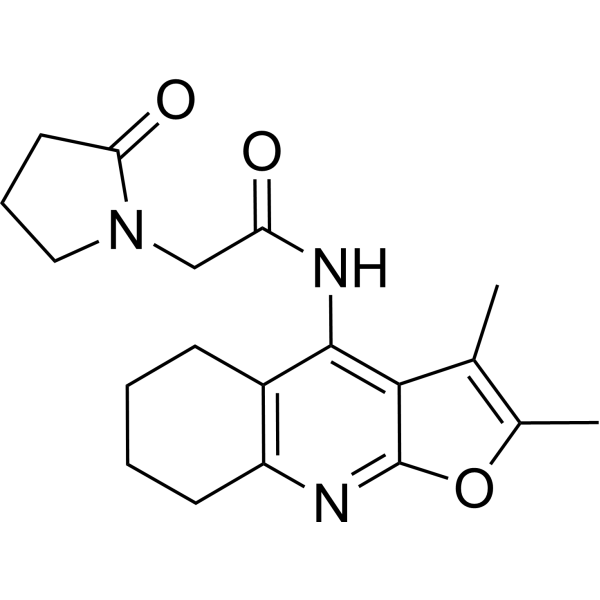
    Coluracetam
    3 Publications Verification

    MKC-231

    iGluR Neurological Disease
    Coluracetam (MKC-231) is an orally taken choline uptake enhancer. Coluracetam can improve the reduced acetylcholine levels in the hippocampus of rats and mice, enhancing learning difficulties, memory deficits, and cognitive impairments. Coluracetam induces a lower degree of hepatic venous hyperglycemia .
    Coluracetam
  • HY-132806

    RG-7816; RO-7017773

    GABA Receptor Neurological Disease
    Alogabat is a positive allosteric modulator (PAM) and agonist (Ki <100 nM) of the GABAA α5 receptor, targeting the α5β3γ2 subunit with a Ki of 8.7 nM. Alogabat increases the expression level of α5β3γ2 in oocytes (1.97-fold). GABAA has been implicated in cognitive impairment associated with central nervous system (CNS) disorders, brain cancer (including brain tumors such as medulloblastoma), and can be used in the study of mild cognitive impairment (MCI), amnestic MCI (aMCI), age-associated memory impairment (AAMI), age-related cognitive decline (ARCD), dementia, Alzheimer's disease (AD), prodromal AD, post-traumatic stress disorder (PTSD), schizophrenia, bipolar disorder, amyotrophic lateral sclerosis (ALS), cognitive impairment associated with cancer treatment, mental retardation, Parkinson's disease (PD), autism spectrum disorder, fragile X, Rett syndrome, obsessive-compulsive behavior, and substance addiction .
    Alogabat
  • HY-17455

    CI-879 free base

    Prolyl Endopeptidase (PREP) Neurological Disease
    Pramiracetam (CI-879 free base) is a PREP (prolyl endopeptidase) inhibitor. Pramiracetam improves cognitive impairment caused by traumatic brain injury. Pramiracetam can be used in the study of neurodegenerative diseases .
    Pramiracetam
  • HY-107111

    mAChR Neurological Disease
    GSK1034702 is an orally active and allosteric agonist of M1 mAChR (pEC50=8.1) that can cross the blood-brain barrier. GSK1034702 activates the Gq/11 protein-mediated signaling pathway, enhancing neuronal firing and long-term potentiation (LTP) in the CA1 region of the hippocampus. GSK1034702 can modulate hippocampal function, improve memory encoding in the nicotine withdrawal cognitive dysfunction model, and show pro-cognitive effects in rodents. GSK1034702 can be used for the study of the mechanisms of cognitive impairment diseases such as Alzheimer's disease, and has certain peripheral M receptor activation-related side effects (such as gastrointestinal reactions) .
    GSK1034702
  • HY-168894

    Ferroptosis JAK STAT p38 MAPK AMPK GSK-3 Apoptosis HSP TNF Receptor Cardiovascular Disease Neurological Disease Metabolic Disease Cancer
    CT-1 is a secreted protein belonging to the IL-6 cytokine family. Overexpression of CT-1 enhances cell proliferation, migration and angiogenesis via the ADMA/DDAH pathway. CT-1 inhibits the growth of triple-negative breast cancer cells by simultaneously inducing Ferroptosis in N2-type tumor-associated neutrophils and cancer cells. CT-1 activates the Jak/STAT-3, p42/p44 MAPK and AMPK pathways, and inhibits GSK-3β activity through phosphorylation to induce cardiomyocyte hypertrophy. CT-1 enhances the viability of cardiomyocytes and neurons, reduces cell Apoptosis, induces the expression of heat shock proteins (HSP) and BNP, and inhibits TNF levels. CT-1 exerts anti-tumor activity in mouse models of triple-negative breast cancer. CT-1 improves cognitive impairment in mice. CT-1 is applicable to the research of ischemic heart disease, triple-negative breast cancer, myocardial hypertrophy, Parkinson's disease, hypertensive heart disease, myocardial infarction, acute Chagas cardiomyopathy, high-fat diet-induced cognitive impairment and diabetes-related cognitive impairment .
    CT-1
  • HY-N8903

    Integrin NF-κB Toll-like Receptor (TLR) TNF Receptor Cardiovascular Disease Neurological Disease
    Mumefural is a bioactive component of the processed fruit of Prunus mume Sieb. Mumefural inhibits platelet aggregation. Mumefural shows anti-thrombotic effects and ameliorates cognitive impairment .
    Mumefural
  • HY-14759

    PAZ-417

    PAI-1 Amyloid-β Neurological Disease
    Aleplastinin (PAZ-417) is an orally active, blood-brain barrier permeable, selective SERPINE1 (PAI-1) inhibitor (IC50=655 nM). Aleplastinin activates the tissue type plasminogen activator (tPA)/fibrinolysis cascade by inhibiting PAI-1, thereby promoting the degradation of amyloid-β (Aβ) oligomers and monomers. Aleplastinin can significantly reduce plasma and brain Aβ levels, improve memory impairment, and reverse cognitive impairment. Aleplastinin can be used for research on Alzheimer's disease .
    Aleplasinin
  • HY-121035

    7-Bromoindirubin-3-Oxime

    CDK GSK-3 Neurological Disease
    7BIO (7-Bromoindirubin-3-Oxime) is the derivate of indirubin. 7BIO (7-Bromoindirubin-3-Oxime) has inhibitory effects against cyclin-dependent kinase-5 (CDK5) and glycogen synthase kinase-3β (GSK3β). 7BIO (7-Bromoindirubin-3-Oxime) inhibits Aβ oligomer-induced neuroinflammation, synaptic impairments, tau hyper-phosphorylation, activation of astrocytes and microglia, and attenuates Aβ oligomer-induced cognitive impairments in mice [1].
    7BIO
  • HY-W166297
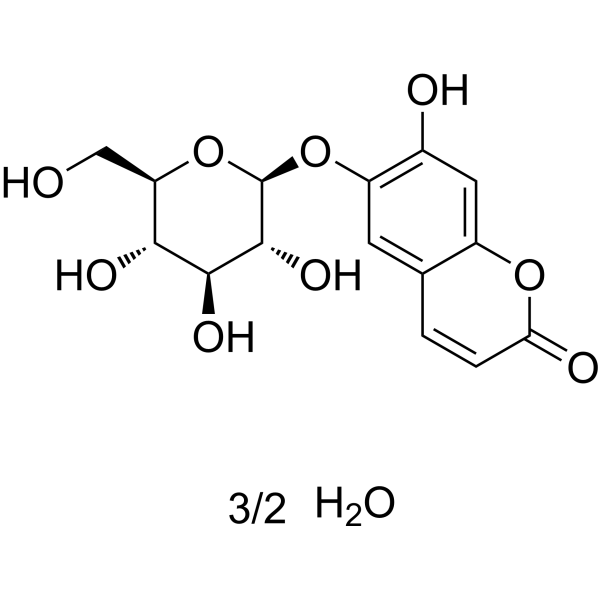
    Esculin sesquihydrate
    5 Publications Verification

    p38 MAPK Cancer
    Esculin sesquihydrate, a fluorescent coumarin glucoside, is an active ingredient of ash bark. Esculin sesquihydrate ameliorates cognitive impairment in experimental diabetic nephropathy (DN), and exerts anti?oxidative stress and anti?inflammatory effects, via the MAPK signaling pathway .
    Esculin sesquihydrate
  • HY-P99959

    MT-3921; rH116A3

    TGF-β Receptor Neurological Disease
    Unasnemab (MT-3921) is a humanised IgG1 monoclonal antibody that binds to repulsive guidance molecule A (RGMa). Unasnemab improves locomotor function and promotes neuroregeneration. Unasnemab exerts ameliorative effects on hippocampal neurogenesis impairment and cognitive decline in db/db mice, Streptozotocin (STZ) (HY-13753)-induced type 1 diabetic and bilateral common carotid artery stenosis (BCAS)-induced mice. Unasnemab can be used for the research of spinal cord injury, diabetes-induced neurological impairments .
    Unasnemab
  • HY-15114
    S 17092
    1 Publications Verification

    S 17092-1

    Prolyl Endopeptidase (PREP) Apoptosis Neurological Disease
    S 17092 (S 17092-1) is an orally active cerebral prolyl-endopeptidase (PEP) inhibitor with an IC50 of 1.2 nM. S 17092 inhibits cell apoptosis. S 17092 mechanism of action is to inhibit the activity of PEP, slowing down the degradation of neuroactive peptides and thus enhancing memory function. S 17092 can be used for the research of memory impairment and cognitive disorders associated with cerebral aging .
    S 17092
  • HY-148867

    Dopamine Receptor Neurological Disease
    UCM-1306 is a potent and orally active human dopamine D1 receptor allosteric modulator (PAM). UCM-1306 increases the endogenous dopamine (DA) maximal effect both in human and mouse D1 receptors. UCM-1306 is not only for improving motor symptoms but also for addressing the key comorbid cognitive impairment associated with long-term Parkinson’s disease (PD) .
    UCM-1306
  • HY-153763

    Amino acid Transporter Neurological Disease
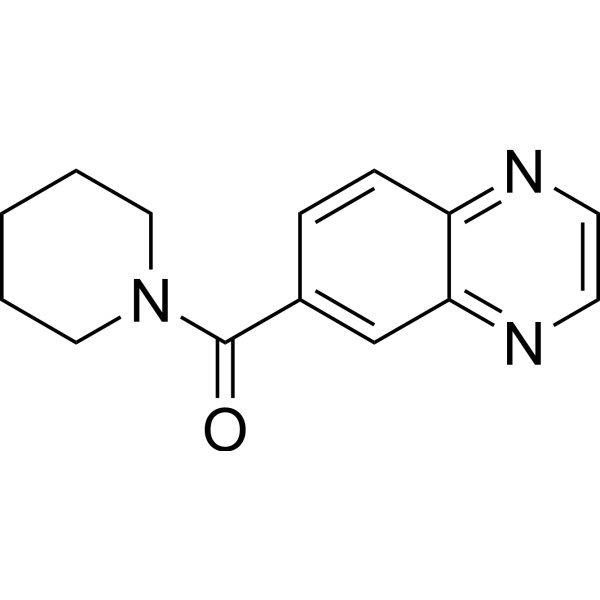
    PROT-IN-1 is a PROT inhibitor (IC50: 1.48 μM). PROT-IN-1 is applicable to research related to cognitive impairment .
    PROT-IN-1
  • HY-102083

    HDAC Neurological Disease
    BRD4884 is a potent and brain-penetrant HDAC inhibitor with IC50 values of 29 nM, 62 nM, and 1090 nM for HDAC1, HDAC2, and HDAC3, respectively. BRD4884 can be used for the study of cognitive impairment .
    BRD4884
  • HY-N4268

    Others Neurological Disease
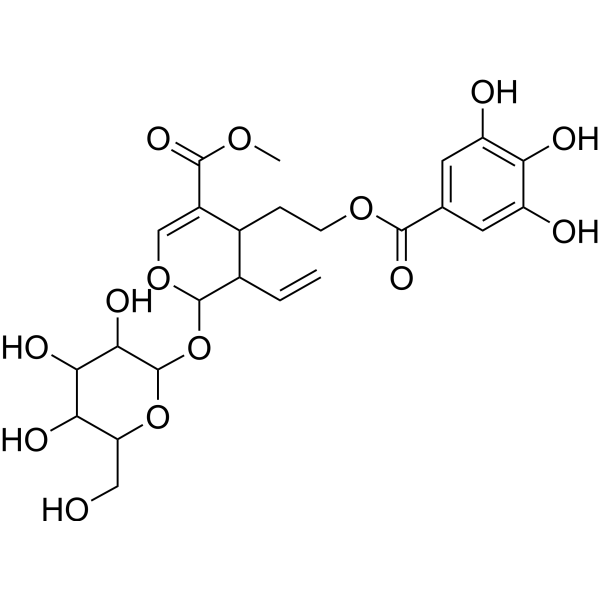
    Tenuifoliside B, a component isolated from Polygalae Radix, inhibits potassium cyanide (KCN)-induced hypoxia and scopolamine-induced memory impairment. Tenuifoliside B shows potential cognitive improvement and cerebral protective effects. Tenuifoliside B has potential to become an anti-AD lead compound .
    Tenuifoliside B
  • HY-13340
    VU0152100
    1 Publications Verification

    VU152100

    mAChR Neurological Disease
    VU0152100 (VU152100) is a highly selective mAChR positive allosteric modulator (permeable to the blood-brain barrier). VU0152100 reverses Amphetamine-induced hypermotility in rats and increased levels of extracellular dopamine in nucleus accumbens and caudate-putamen. VU0152100 has good research potential in psychosis and cognitive impairment associated with mental disorders such as schizophrenia .
    VU0152100
  • HY-N0801

    MMP Cholinesterase (ChE) Neurological Disease Inflammation/Immunology
    Polygalacic acid, is a triterpene, isolated from the root of Polygala tenuifolia Willd. Polygalacic acid inhibits MMP expression. Polygalacic acid may have a therapeutic effect in Osteoarthritis (OA) treatment . Polygalacic acid exerts a significant neuroprotective effect on cognitive impairment, PA improves cholinergic system reactivity by inhibiting acetylcholinesterase (AChE) activity, increasing choline acetyltransferase (ChAT) activity, and elevating levels of acetylcholine (Ach) in the hippocampus and frontal cortex .
    Polygalacic acid
  • HY-113970A

    WEB 1881 FU hydrochloride

    mAChR Calcium Channel Neurological Disease
    Nebracetam (WEB 1881 FU) hydrochloride is an orally active M1 muscarinic receptor agonist. Nebracetam hydrochloride can induce an increase in intracellular Ca 2+ concentration, with an EC50 value of 1.59 mM. Nebracetam hydrochloride exhibits neuroprotective activity and the ability to improve cognitive impairment. Nebracetam hydrochloride can be used in the research of neurological diseases such as Alzheimer's disease .
    Nebracetam hydrochloride
  • HY-139973

    Amyloid-β Neurological Disease
    OAB-14, is a Bexarotene (HY-14171) derivative, improves Alzheimer's disease-related pathologies and cognitive impairments by increasing β-amyloid clearance in APP/PS1 mice. OAB-14 effectively ameliorates the dysfunction of the endosomal-autophagic-lysosomal pathway in APP/PS1 transgenic mice .
    OAB-14
  • HY-B0463R

    Clomifene citrate (Standard)

    Reference Standards Estrogen Receptor/ERR Neurological Disease Endocrinology Cancer
    Clomiphene (citrate) (Standard) is the analytical standard of Clomiphene (citrate). This product is intended for research and analytical applications. Clomiphene citrate (Clomifene citrate) is an orally active estrogen-receptor modulator. Clomiphene citrate has anti-cancer actixity, induces perturbations during meiotic maturation and cytogenetic abnormalities and ameliorates in managing psychiatric and cognitive impairment .
    Clomiphene citrate (Standard)
  • HY-113155A

    Drug Intermediate Neurological Disease
    17-Hydroxypregnenolone sulfate sodium is a key intermediate in adrenal and gonadal steroidogenesis. 17-Hydroxypregnenolone sulfate sodium acts as a precursor in the biosynthesis of steroid hormones (e.g., glucocorticoids, sex hormones). 17-Hydroxypregnenolone sulfate sodium is promising for research of adrenal function development and neurosteroid-related diseases (e.g., cognitive impairment, neurodegenerative diseases) .
    17-Hydroxypregnenolone sulfate sodium
  • HY-N0521R

    Reference Standards Reactive Oxygen Species (ROS) Metabolic Disease Cancer
    (-)-Gallocatechin (Standard) is the analytical standard of (-)-Gallocatechin. This product is intended for research and analytical applications. (-)-Gallocatechin, an epimer of (-)-Epigallocatechin (EGC), is contained in various tea products. (-)-Gallocatechin has antioxidant activities. (-)-Gallocatechin is the main active component in green tea extract (HTP-GTE) responsible for its effect of improving age-related cognitive impairments involving protein kinase A (PKA) pathway .
    (-)-Gallocatechin (Standard)
  • HY-123280

    Drug Metabolite Neurological Disease
    SCH 54388 is an orally active metabolite of Felbamate (HY-B0184). SCH 54388 significantly attenuates the functional impairment effects induced by Scopolamine (HY-N0296) or Dizocilpine (HY-15084B). SCH 54388 can be used in research related to cognitive impairment .
    SCH 54388
  • HY-W001273

    CI-879 sulfate

    Prolyl Endopeptidase (PREP) Neurological Disease
    Pramiracetam (CI-879) sulfate Pramiracetam is a PREP (prolyl endopeptidase) inhibitor. Pramiracetam sulfate improves cognitive impairment caused by traumatic brain injury. Pramiracetam sulfate can be used in the study of neurodegenerative diseases .
    Pramiracetam sulfate
  • HY-110176

    GlyT Neurological Disease
    ASP2535 is a potent, orally bioavailable, selective, brain permeable and centrally-active glycine transporter-1 (GlyT1) inhibitor. ASP2535 can improve cognitive impairment in animal models of schizophrenia and Alzheimer's disease .
    ASP2535
  • HY-13225A

    RJR-2403; (E)-Metanicotine

    nAChR Neurological Disease
    Rivanicline (RJR-2403) is a neuronal nicotinic receptor agonist. Rivanicline is highly selective for the rat brain cortex nAChRs (Ki = 26 nM, EC50 of 732 nM) and α4β2 subtype (Ki = 26 nM, EC50 = 16 μM). Rivanicline can significantly restore the learning impairment and cognitive dysfunction. Rivanicline can be used for the study of neurodegenerative diseases (such as schizophrenia or Alzheimer's disease) .
    Rivanicline
  • HY-156634

    NYX-783

    iGluR Neurological Disease
    Risevistinel (NYX-783) is a positive allosteric modulator of N-methyl-D-aspartate (NMDA) receptor. Nevadistinel can be used to inhibit cognitive impairment associated with neurodegenerative diseases, such as mild cognitive impairment, mild Alzheimer's disease, Parkinson's disease, Lewy body disease .
    Risevistinel
  • HY-19092

    mAChR Neurological Disease
    YM-796 dihydroxybutanedioate is a selective muscarinic M1 receptor agonist. YM-796 dihydroxybutanedioate can improve cognitive impairment and reduce amyloid plaque deposition. YM-796 dihydroxybutanedioate can be used in the research of cognitive impairment diseases such as Alzheimer's disease .
    YM-796 dihydroxybutanedioate
  • HY-156626

    NYX-458; NYX-3054

    iGluR Neurological Disease
    Nevadistinel (NYX-458; NYX-3054) is a positive allosteric modulator of N-methyl-D-aspartate (NMDA) receptor. Nevadistinel can be used to inhibit cognitive impairment associated with neurodegenerative diseases, such as mild cognitive impairment, mild Alzheimer's disease, Parkinson's disease, Lewy body disease .
    Nevadistinel
  • HY-113745

    Amino acid Transporter Neurological Disease
    LX-6171 is an orally active SLC6A7 inhibitor. LX-6171 can be used to study diseases characterized by cognitive impairment, such as Alzheimer's disease, schizophrenia or vascular dementia .
    LX-6171
  • HY-19668

    5-HT Receptor Neurological Disease
    SGS-518 is a selective 5-HT6R antagonist. SGS518 can be used for the research of cognitive impairments such as amnesia, anxiety and depression, and it is effective in protecting mouse retina at high doses .
    SGS-518
  • HY-120641

    mGluR Neurological Disease
    BMS-955829 is an orally active and selective mGluR5 positive allosteric modulator with an EC50 of 2.6 nM. BMS-955829 has no intrinsic agonist activity and a low glutamate fold shift (2.4). BMS-955829 can effectively improve cognitive and executive function deficits in rodents. BMS-955829 can be used in the research of cognitive impairment diseases such as schizophrenia .
    BMS-955829
  • HY-N2195R

    (+)-Nootkatone (Standard)

    Reference Standards Interleukin Related TNF Receptor Neurological Disease
    Nootkatone (Standard) is the analytical standard of Nootkatone. This product is intended for research and analytical applications. Nootkatone, a neuroprotective agent from Vitis vinifera, has antioxidant and anti-inflammatory effects[1]. Nootkatone improves cognitive impairment in lipopolysaccharide-induced mouse model of Alzheimer's disease[2].
    Nootkatone (Standard)
  • HY-14555

    Dopamine Receptor Neurological Disease
    S33138 is a D3 receptor antagonist. S33138 inhibits addiction in animal models of addiction. S33138 reduces cognitive impairment in rodent and primate models of schizophrenia and Parkinson's disease. S33138 can be used in research on neurological disorders such as schizophrenia and Parkinson's disease .
    S 33138

Inquiry Online

Your information is safe with us. * Required Fields.

Salutation


Country or Region *

Applicant Name *


Organization Name *

Department *


Email Address *


Product Name *

Cat. No.


Requested quantity *

Phone Number *


Remarks

Inquiry Online

Inquiry Information

Product Name:
Cat. No.:
Quantity:
MCE Japan Authorized Agent:

