Search Result
Results for "
cyclin-dependent kinase inhibitors
" in MedChemExpress (MCE) Product Catalog:
| Cat. No. |
Product Name |
Target |
Research Areas |
Chemical Structure |
-
- HY-114177
-
|
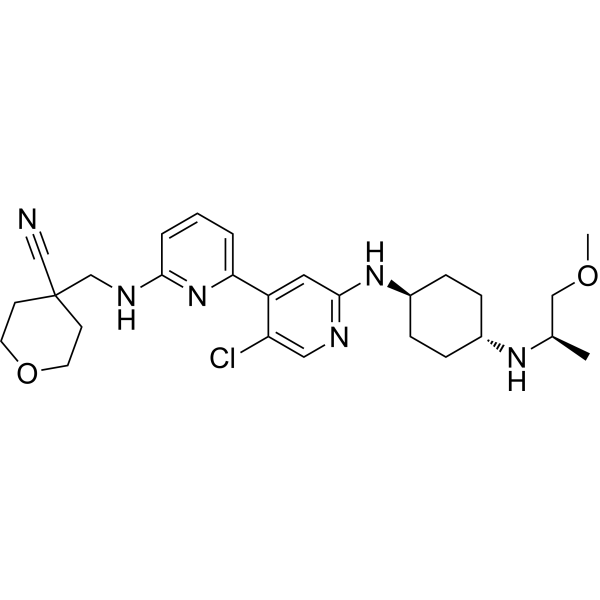
PF-06873600
|
CDK
|
Cancer
|
|
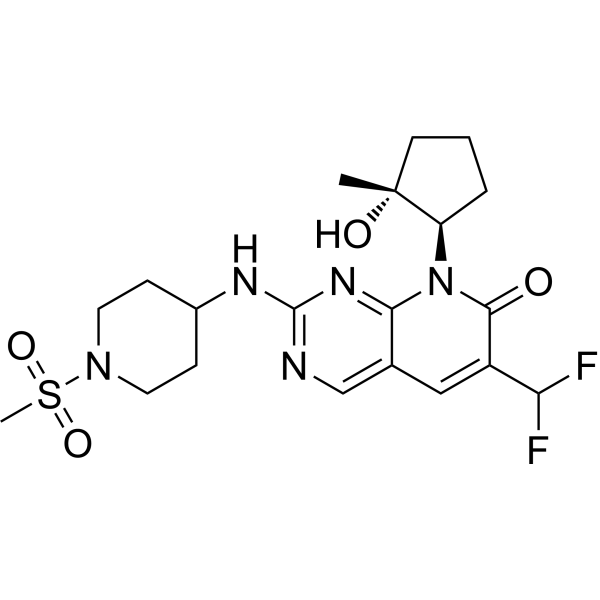
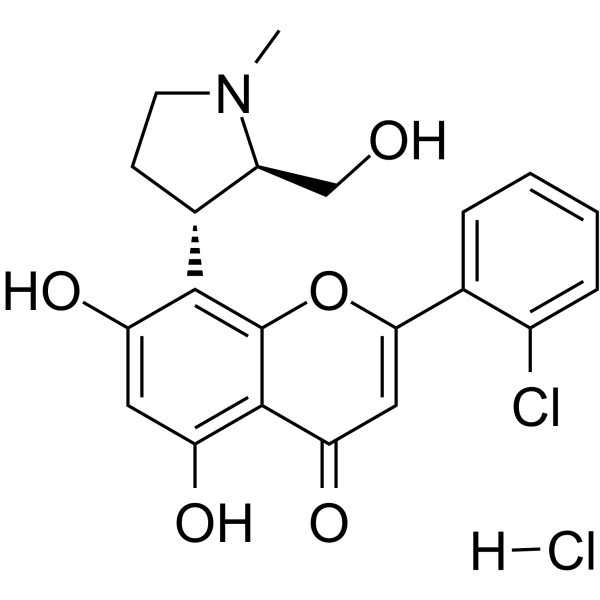
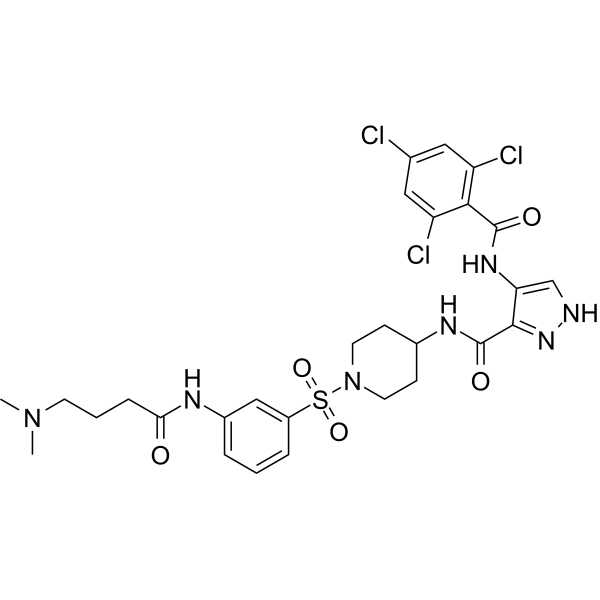
PF-06873600 is a selective and orally bioavailable inhibitor of cyclin-dependent kinase (CDK), with Ki values of 0.09 nM, 0.13 nM and 0.16 nM for CDK2, CDK4 and CDK6, respectively. PF-06873600 has potential antineoplastic activity .
|
-
-
- HY-12467
-
|
|
TOPK
CDK
Apoptosis
|
Cancer
|
|
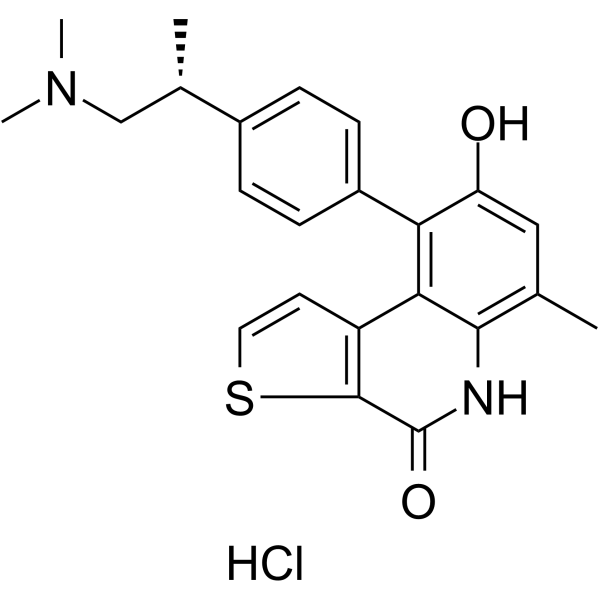
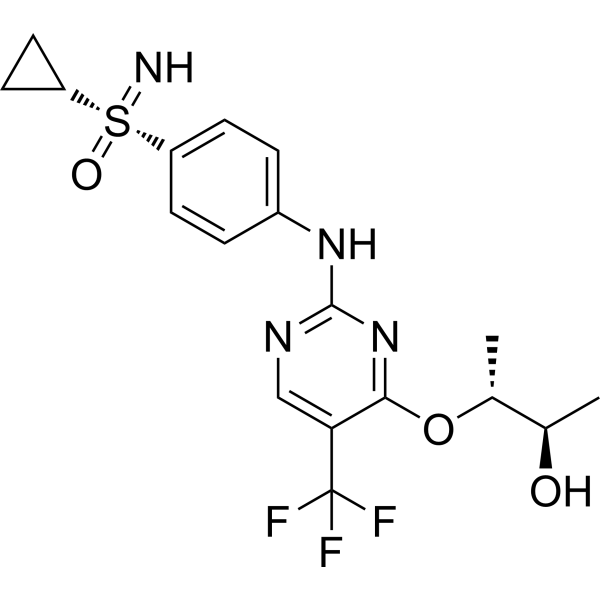
OTS964 hydrochloride is an orally active, high affinity and selective TOPK (T-lymphokine-activated killer cell-originated protein kinase) inhibitor with an IC50 of 28 nM . OTS964 hydrochloride is also a potent inhibitor of the cyclin-dependent kinase CDK11, which binds to CDK11B with a Kd of 40 nM .
|
-
-
- HY-13914
-
|
BAY 1000394
|
CDK
|
Cancer
|
|
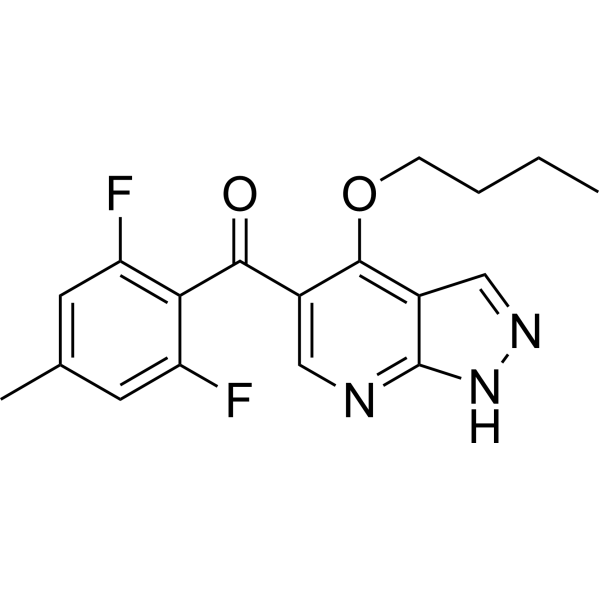
Roniciclib is an orally bioavailable pan-cyclin dependent kinase (CDK) inhibitor, with IC50s of 5-25 nM for CDK1, CDK2, CDK3, CDK4, CDK7 and CDK9.
|
-
-
- HY-12214A
-
NVP-2
Maximum Cited Publications
41 Publications Verification
|
CDK
Apoptosis
|
Cancer
|
|
NVP-2 is a potent and selective ATP-competitive cyclin dependent kinase 9 (CDK9) probe, inhibits CDK9/CycT activity with an IC50 of 0.514 nM. NVP-2 displays inhibitory effcts on CDK1/CycB, CDK2/CycA and CDK16/CycY kinases with IC50 values of 0.584 μM, 0.706 μM, and 0.605 μM, respectively. NVP-2 induces cell apoptosis.
|
-
-
- HY-126675A
-
|
|
CDK
STAT
|
Inflammation/Immunology
|
|
AS2863619 enables conversion of antigen-specific effector/memory T cells into Foxp3 + regulatory T (Treg) cells for the treatment of various immunological diseases. AS2863619 is a potent, orally active cyclin-dependent kinase 8 (CDK8) and CDK19 inhibitor with IC50s of 0.61 nM and 4.28 nM, respectively. STAT5 activation enhanced by AS2863619 inhibition of CDK8/19, which consequently activates the Foxp3 gene .
|
-
-
- HY-15275
-
|
|
CDK
Angiotensin-converting Enzyme (ACE)
|
Infection
Cardiovascular Disease
Cancer
|
|
BMS-265246 is a potent and selective cyclin-dependent kinase CDK1 and CDK2 inhibitor, with IC50 values of 6 and 9 nM, respectively. BMS-265246 inhibits CHI3L1 (chitinase 3-like-1) stimulation of ACE2 (angiotensin converting enzyme 2) and SPP (viral spike protein priming proteases). BMS-265246 can be used for ovarian cancer and COVID-19 research .
|
-
-
- HY-137432
-
|
BEY1107
|
CDK
Apoptosis
|
Cancer
|
|
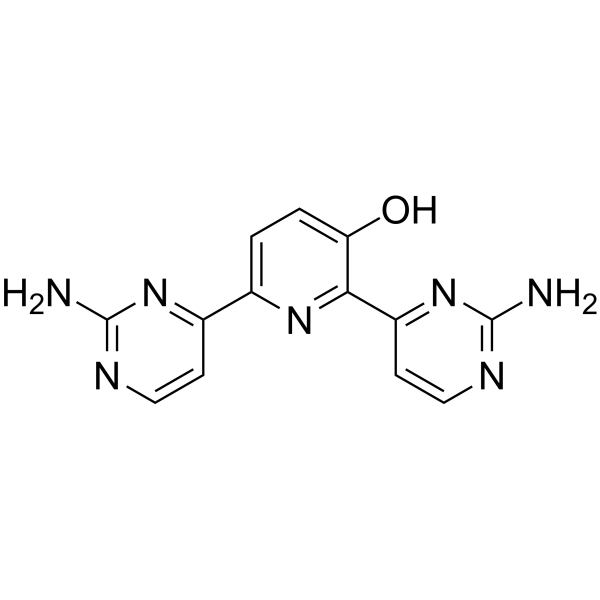
Avotaciclib (BEY1107) is an orally active cyclin-dependent kinase 1 (CDK1) inhibitor. Avotaciclib can inhibit the proliferation and induce apoptosis of tumor cells. Avotaciclib can be used in the research of cancer such as pancreatic cancer and lung cancer .
|
-
-
- HY-139254
-
|
IDR3O; I3O
|
CDK
GSK-3
JNK
Wnt
|
Neurological Disease
|
|
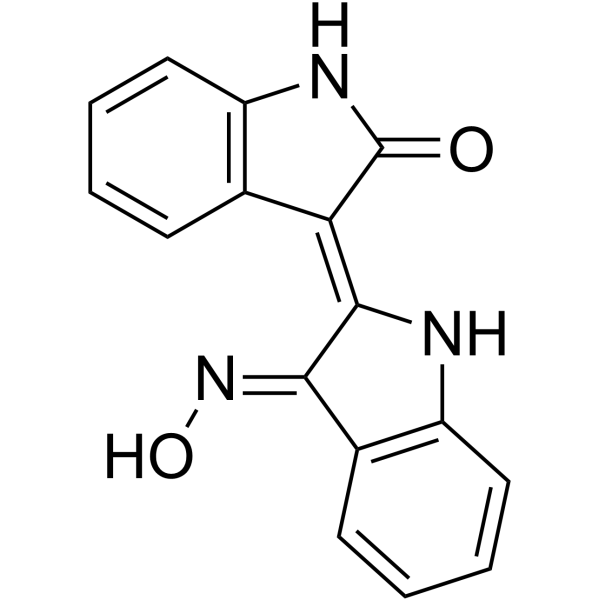
Indirubin-3′-oxime (IDR3O), a synthetic derivative of indirubin, is a potent inhibitor of cyclin-dependent kinases (CDKs) and glycogen synthase kinase 3β (GSK3β). Indirubin-3′-oxime directly inhibits the activity of all three isoforms of JNK (JNK1, JNK2, and JNK3), with IC50s of 0.8 μM, 1.4 μM, and 1.0 μM, respectively. Indirubin-3′-oxime can enhance height growth via activation of Wnt/β-catenin signaling in chondrocytes .
|
-
-
- HY-11009
-
|
|
CDK
PKC
|
Cancer
|
|
CGP60474, a highly potent anti-endotoxemic agent, is a potent cyclin-dependent kinase (CDK) inhibitor (IC50 values are 26, 3, 4, 216, 10, 200 and 13 nM for CDK1/B, CDK2/E, CDK2/A, CDK4/D, CDK5/p25, CDK7/H and CDK9/T, respectively). CGP60474 is a selective and ATP-competitive PKC inhibitor .
|
-
-
- HY-112358
-
|
|
CDK
|
Neurological Disease
Cancer
|
|
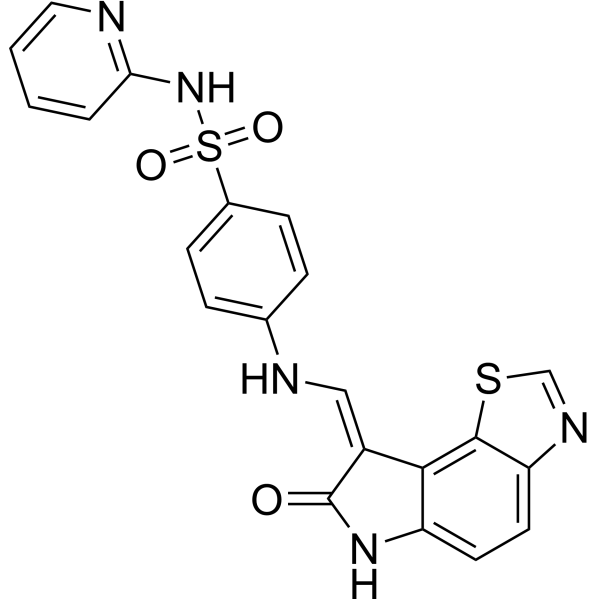
GW8510 is a potent cyclin-dependent kinase-2 (CDK2) inhibitor. GW8510 is also a ribonucleotide reductase M2 (RRM2) inhibitor. GW8510 exhibits neuroprotective and anticancer activities .
|
-
-
- HY-16559
-
|
P276-00
|
CDK
Apoptosis
|
Cancer
|
|
Riviciclib hydrochloride (P276-00) is a potent cyclin-dependent kinase (CDK) inhibitor, which inhibits CDK9-cyclinT1, CDK4-cyclin D1, and CDK1-cyclinB with IC50s of 20 nM, 63 nM, and 79 nM, respectively .
Riviciclib hydrochloride (P276-00) shows antitumor activity on cisplatin-resistant cells .
|
-
-
- HY-108136A
-
|
BIM-X hydrochloride; Ro31-8425 hydrochloride
|
PKC
CDK
|
Cardiovascular Disease
Inflammation/Immunology
Cancer
|
|
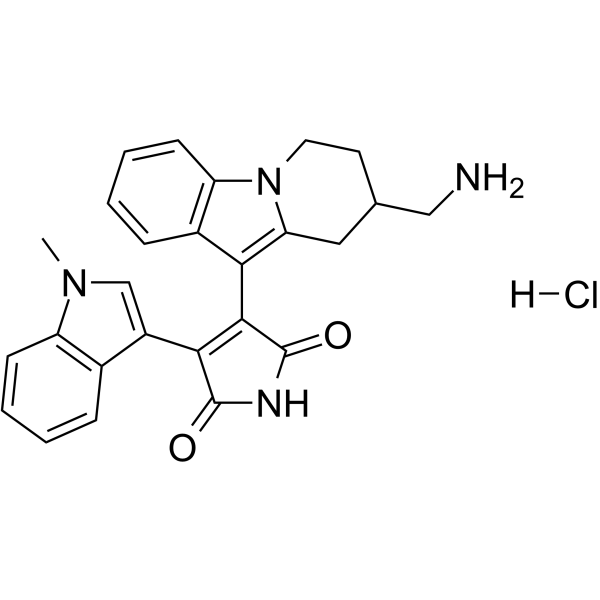
Bisindolylmaleimide X hydrochloride(Ro 31-8425 hydrochloride, BIM-X hydrochloride) is a cell-penetrating PKC inhibitor. Bisindolylmaleimide X hydrochloride is a potent cyclin-dependent kinase 2 (CDK2) antagonist with an IC50 of 200 nM. Bisindolylmaleimide X hydrochloride inhibits the proliferation of CD4 T cells in vitro. Bisindolylmaleimide X hydrochloride inhibits eNOS-Ser1177 phosphorylation in human embryonic vein endothelial cells. Bisindolylmaleimide X hydrochloride can be used for research on the immune system and cardiovascular diseases .
|
-
-
- HY-172245
-
|
|
CDK
|
Cancer
|
|
Zeltociclib is a cyclin-dependent kinase inhibitor with antitumor effects .
|
-
-
- HY-163170
-
|
|
CDK
|
Cancer
|
|
FMF-04-159-R is a cyclin-dependent kinase CDK14 and CDK16 inhibitor with IC50 values of 5.9 and 139.1 nM .
|
-
-
- HY-108348
-
|
|
CDK
|
Neurological Disease
|
|
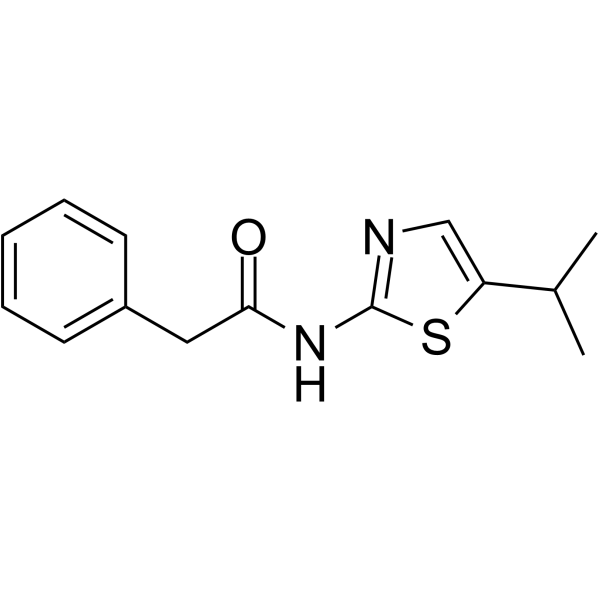
BML-259 is a potent cyclin-dependent kinase 5 (Cdk5) inhibitor, with IC50s of 64 and 98 nM for Cdk5 and Cdk2, respectively .
|
-
-
- HY-141687
-
|
|
CDK
Apoptosis
|
Cancer
|
|
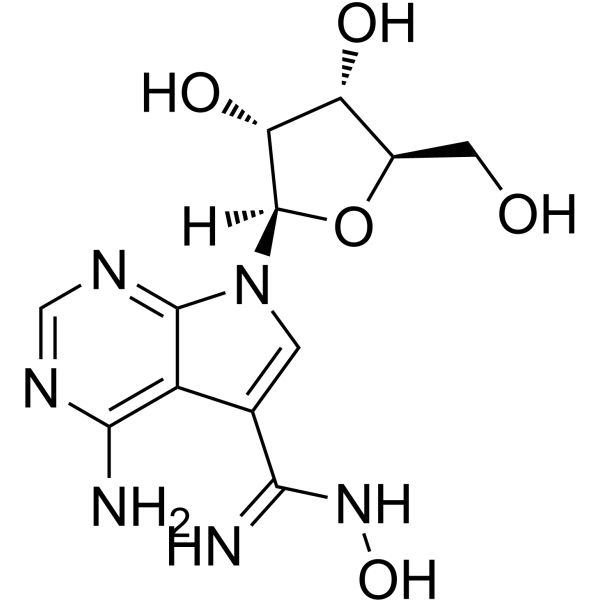
NSC 107512 is a potent inhibitor of cyclin-dependent kinase 9 (CDK9). NSC 107512 is a class of sangivamycin-like molecules (SLM). NSC 107512 inhibits growth and induces apoptosis of multiple myeloma tumors .
|
-
-
- HY-115565
-
|
|
CDK
Apoptosis
|
Cancer
|
|
CGP-74514 (Compound 13) is a highly selective cyclin-dependent kinase 1 (CDK1) inhibitor (IC50=25 nM). CGP-74514 inhibits CDK1/cyclin B complex activity, arrests the cell cycle at G2/M phase and induces tumor cell apoptosis. CGP-74514 is promising for research of bladder cancer .
|
-
-
- HY-121035
-
|
7-Bromoindirubin-3-Oxime
|
CDK
GSK-3
|
Neurological Disease
|
|
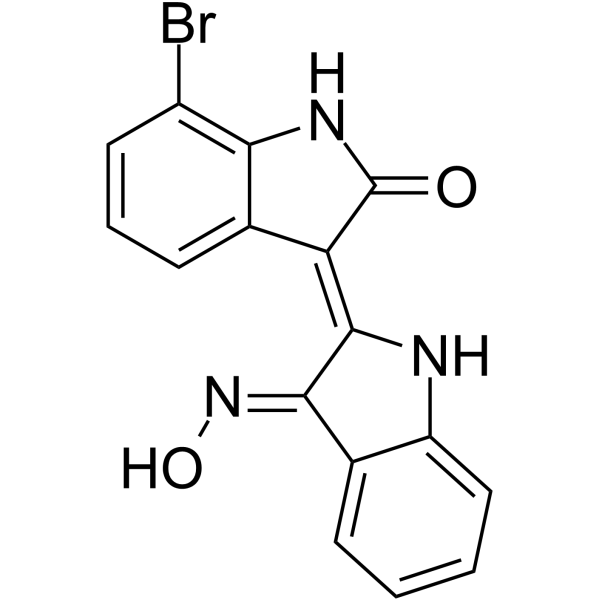
7BIO (7-Bromoindirubin-3-Oxime) is the derivate of indirubin. 7BIO (7-Bromoindirubin-3-Oxime) has inhibitory effects against cyclin-dependent kinase-5 (CDK5) and glycogen synthase kinase-3β (GSK3β). 7BIO (7-Bromoindirubin-3-Oxime) inhibits Aβ oligomer-induced neuroinflammation, synaptic impairments, tau hyper-phosphorylation, activation of astrocytes and microglia, and attenuates Aβ oligomer-induced cognitive impairments in mice [1].
|
-
-
- HY-164129
-
|
|
CDK
Apoptosis
|
Cancer
|
|
CDK4-IN-3 (Compound 389) is a potent irreversible cyclin-dependent kinase 4 (CDK4) inhibitor (IC50=25 nM, >10-fold selective over CDK6). CDK4-IN-3 arrests the cell cycle at G₁ phase, and induces tumor cell apoptosis. CDK4-IN-3 is promising for research of solid tumors such as breast and lung cancers .
|
-
-
- HY-126675
-
|
|
CDK
STAT
|
Inflammation/Immunology
|
|
AS2863619 free base enables conversion of antigen-specific effector/memory T cells into Foxp3 + regulatory T (Treg) cells for the treatment of various immunological diseases. AS2863619 free base is a potent, orally active cyclin-dependent kinase 8 (CDK8) and CDK19 inhibitor with IC50s of 0.61 nM and 4.28 nM, respectively. STAT5 activation enhanced by AS2863619 free base inhibition of CDK8/19, which consequently activates the Foxp3 gene .
|
-
-
- HY-114779
-
|
|
CDK
|
Cancer
|
|
N9-Isopropylolomoucine is a mitotic cyclin dependent kinase (CDK) inhibitor. N9-Isopropylolomoucine targets CCNB 1/CDK1 and can be used for cancer research .
|
-
-
- HY-137432A
-
|
BEY1107 trihydrochloride
|
CDK
Apoptosis
|
Cancer
|
|
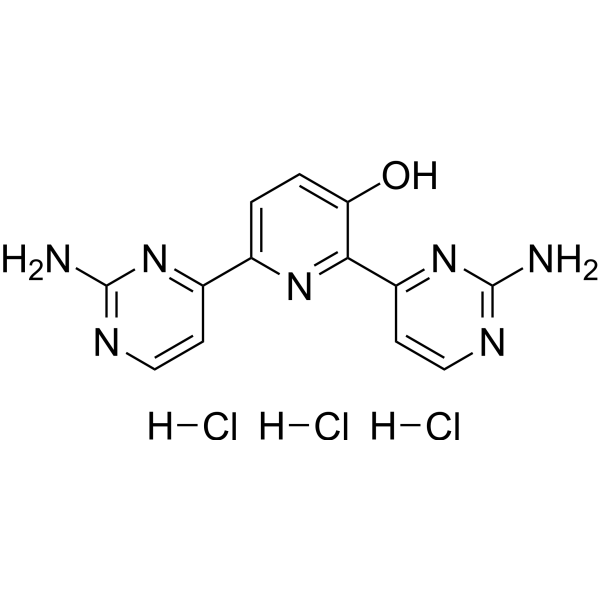
Avotaciclib (BEY1107) trihydrochloride is an orally active cyclin-dependent kinase 1 (CDK1) inhibitor. Avotaciclib trihydrochloride can inhibit the proliferation and induce apoptosis of tumor cells. Avotaciclib trihydrochloride can be used in the research of cancer such as pancreatic cancer and lung cancer .
|
-
-
- HY-139342
-
|
|
CDK
|
Cancer
|
|
CDK7-IN-4 (compound I) is a potent CDK7 (Cyclin-dependent kinase 7) inhibitor. CDK7-IN-4 shows anticancer activity. CDK7-IN-4 inhibits the in vitro growth of cancer cell lines from a variety of histologies including colon , breast , lung , ovary and stomach , in a dose dependent manner .
|
-
-
- HY-157647
-
|
PC(18:0/22:4)
|
CDK
Apoptosis
|
Cancer
|
|
1-Stearoyl-2-Adrenoyl-sn-glycero-3-PC (PC(18:0/22:4)) is an inhibitor of cyclin-dependent kinases (CDKs). 1-Stearoyl-2-Adrenoyl-sn-glycero-3-PC induces apoptosis and inhibits the growth of various cancer cell lines .
|
-
-
- HY-16462
-
|
|
CDK
|
Cancer
|
|
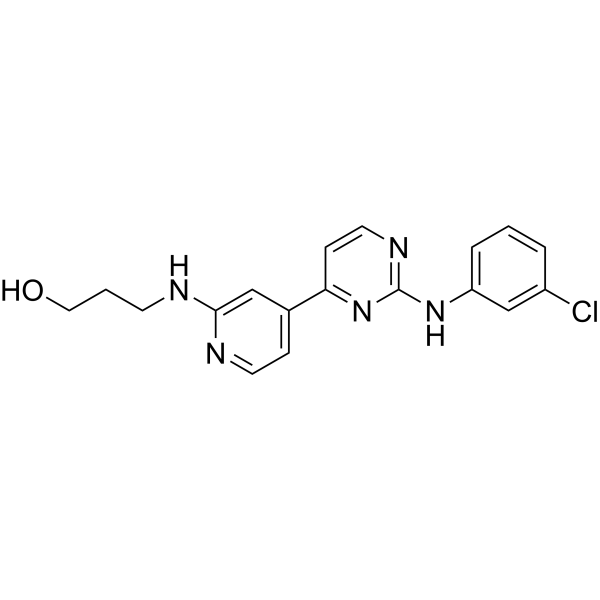
CDK9-IN-2 is a special cyclin-dependent kinase 9 (CDK9) inhibitor, extracted from patent WO/2012131594A1, compound CDKI(8), has an IC50 of 5 nM and 7 nM in H929 multiple myeloma(MM) cell line (72 hours) and A2058 skin cell line (72 hours), respectively.
|
-
-
- HY-153244
-
MFH290
1 Publications Verification
|
CDK
|
Cancer
|
|
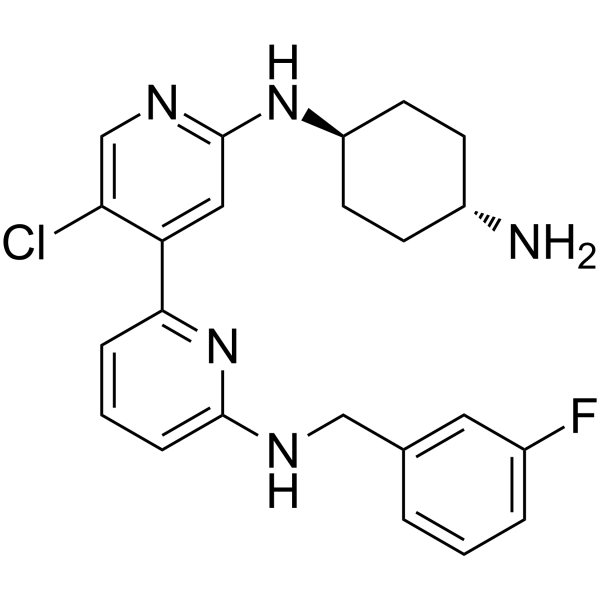
MFH290 is a potent and highly selective cyclin-dependent kinase 12/13 (CDK12/13) covalent inhibitor. MFH290 forms a covalent bond with Cys-1039 of CDK12 and exhibits excellent kinome selectivity and inhibits the phosphorylation of serine-2 in the C-terminal domain (CTD) of RNA-polymerase II (Pol II). MFH290 is used for cancer research .
|
-
-
- HY-114177A
-
|
(S)-PF-06873600
|
CDK
|
Cancer
|
|
(S)-PF-06873600 it the S enantiomer of PF-06873600. PF-06873600 is a selective and orally bioavailable inhibitor of cyclin-dependent kinase (CDK).
|
-
-
- HY-124321
-
|
|
CDK
|
Cancer
|
|
Metralindole hydrochloride is an inhibitor of human cyclin-dependent kinase CDK2 and human protein kinase CK2 holoenzyme. Metralindole hydrochloride shows good potential as a non-small cell lung cancer inhibitor .
|
-
-
- HY-145599
-
|
|
CDK
|
Cancer
|
|
Tanuxiciclib is a cyclin dependent kinase (CDK) inhibitor .
|
-
-
- HY-145563
-
|
|
CDK
|
Cancer
|
|
Eciruciclib is an antineoplastic and potent cyclin dependent kinase (CDK) inhibitor .
|
-
-
- HY-146213
-
|
|
CDK
|
Cancer
|
|
CDK4/6-IN-12 is a potent cyclin-dependent kinase 4/6 (CDK4/6) inhibitor. CDK4/6-IN-12 has enzymatic inhibitory activity for CDK4 and CDK6 with IC50 of 592.3 nM and 3090 nM, respectively. CDK4/6-IN-12 can be used for the research of cancer .
|
-
-
- HY-170897
-
|
|
CDK
|
Cancer
|
|
CDK2-IN-40 is a CDK2 (Cyclin dependent kinase 2) inhibitor, extracted from patent WO 2024/254245 A1 (Example 1). CDK2-IN-40 inhibits CDK2/Cyclin E1 with an IC50 of ≤ 10 nM .
|
-
-
- HY-19718
-
|
|
TOPK
CDK
Apoptosis
|
Cancer
|
|
OTS964 is an orally active, high affinity and selective TOPK inhibitor with an IC50 of 28 nM . OTS964 is also a potent inhibitor of the cyclin-dependent kinase CDK11, which binds to CDK11B with a Kd of 40 nM .
|
-
-
- HY-137432B
-
|
BEY1107 hydrochloride
|
CDK
Apoptosis
|
Cancer
|
|
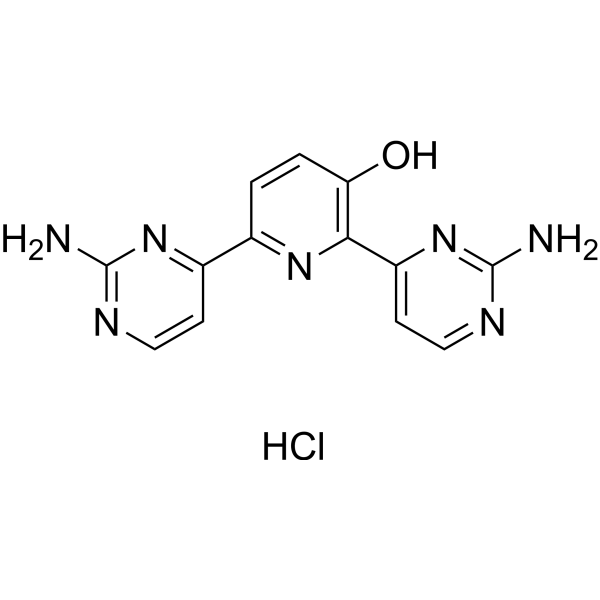
Avotaciclib (BEY1107) hydrochloride is an orally active cyclin-dependent kinase 1 (CDK1) inhibitor. Avotaciclib hydrochloride can inhibit the proliferation and induce apoptosis of tumor cells. Avotaciclib hydrochloride can be used in the research of cancer such as pancreatic cancer and lung cancer .
|
-
-
- HY-171787A
-
|
|
CDK
|
Cancer
|
|
PPA-037 TFA is an orally active, highly potent and selective inhibitor of cyclin-dependent kinase 12 (CDK12). PPA-037 TFA induces the degradation of cyclin K (Cyclin K), enhancing antiproliferative effects on tumor cells. PPA-037 TFA is promising for research of cancers .
|
-
-
- HY-162653
-
|
|
|
Others
|
|
SGC-CDKL2/AAK1/BMP2K-1 (Compound 9) is a potent and selective CDKL2 (Cyclin-dependent kinase-like 2) inhibitor with an IC50 value of 460 nM. CDKL2 is involved in various biological processes such as tumorigenesis, development, and viral infections. SGC-CDKL2/AAK1/BMP2K-1 serves as a powerful tool for studying the biological functions of CDKL2 and holds promise for research in fields related to cancer, infections, and other diseases .
|
-
-
- HY-158377
-
|
|
CDK
STAT
|
Cancer
|
|
CDK8/19-IN-2 (compound 12) is an orally active and potent cyclin-dependent kinase 8/19 (CDK8 and CDK19) inhibitor, with IC50 values of 2.08 and 2.49 nM, respectively. CDK8/19-IN-2 can be used for acute myeloid leukemia (AML), breast cancer, and lymphoma research .
|
-
-
- HY-118976
-
|
CGP-74514A
|
CDK
Apoptosis
|
Cancer
|
|
CGP-74514 hydrochloride is a highly selective cyclin-dependent kinase 1 (CDK1) inhibitor (IC50: 25 nM). CGP-74514 hydrochloride inhibits CDK1/cyclin B complex activity, arrests the cell cycle at G2/M phase and induces tumor cell apoptosis. CGP-74514 hydrochloride is promising for research of bladder cancer .
|
-
-
- HY-16559A
-
|
P276-00 free base
|
CDK
|
Cancer
|
|
Riviciclib (P276-00 free base) is a potent cyclin-dependent kinase (CDK) inhibitor, which inhibits CDK9-cyclinT1, CDK4-cyclin D1, and CDK1-cyclinB with IC50s of 20 nM, 63 nM, and 79 nM, respectively .
Riviciclib shows antitumor activity on cisplatin-resistant cells .
|
-
-
- HY-147409
-
|
|
CDK
|
Cancer
|
|
Ulecaciclib is an orally activitive inhibitor of cyclin-dependent kinase (CDK), with Ki values of 0.62 μM (CDK2/Cyclin A), 0.2 nM (CDK4/Cyclin D1), 3 nM (CDK6/Cyclin D3), and 0.63 μM (CDK7/Cyclin H), respectively. Ulecaciclib can cross blood brain barrier and has good pharmacokinetic characteristics .
|
-
-
- HY-112363
-
|
RP107
|
CDK
GSK-3
ERK
JNK
CFTR
|
Inflammation/Immunology
Cancer
|
|
Aloisine A (RP107) is a a potent cyclin-dependent kinase (CDK) inhibitor with IC50s of 0.15 μM, 0.12 μM, 0.4 μM, 0.16 μM for CDK1/cyclin B, CDK2/cyclin A, CDK2/cyclin E, CDK5/p35, respectively. Aloisine A ininhibits GSK-3α (IC50=0.5 μM) and GSK-3β (IC50=1.5 μM). Aloisine A stimulates wild-type CFTR and mutated CFTR, with submicromolar affinity by a cAMP-independent mechanism. Aloisine A has the potential for CFTR-related diseases, including cystic fibrosis research .
|
-
-
- HY-134303
-
|
PROTAC CDK4/6 degrader 34
|
PROTACs
CDK
|
Cancer
|
|
CST651 (PROTAC CDK4/6 degrader 34) is a selective cyclin dependent kinase CDK4/6 PROTAC degrader. CST651 can degrade CDK4 and CDK6 in MM.1S cells with DC50 values of 20 and 5.1 nM. CST651 can inhibit cancer cells proliferation and migration. CST651 can be used for the research of cancer, such as acute lymphoblastic leukemia . (Structure Note: Pink: CDK4/6 ligand (HY-50767); Blue: VHL ligand (HY-125905); Black: linker (HY-W017440))
|
-
-
- HY-114248
-
|
|
CDK
|
Cancer
|
|
AGM-130 is a cyclin-dependent kinase (CDK) inhibitor. AGM-130 exhibits antitumor activity .
|
-
-
- HY-162785
-
|
|
CDK
|
Infection
|
|
XC219 (compound 43) is a cyclin-dependent kinase CDK) inhibitor, that covalently binds to CDK active site Lys. XC219 can be used in antifungal research .
|
-
-
- HY-123369
-
|
|
CDK
Apoptosis
|
Cancer
|
|
BMI-1026 is a cyclin-dependent kinase 1 (Cdk1) inhibitor with IC50 of 2.3 nM. BMI-1026 induces apoptosis by arresting the G2-M phase .
|
-
-
- HY-101257A
-
|
|
CDK
|
Cancer
|
|
CDK7-IN-1, an analog of YKL-5-124, is a cyclin-dependent kinase 7 (cdk7) inhibitor, with an IC50 of less than 100 nM, extracted from patent WO 2016105528 A2, Compound 215 .
|
-
-
- HY-N12625
-
|
|
CDK
DYRK
GSK-3
|
Cancer
|
|
(R)-(+)-O-Demethylbuchenavianine is an inhibitor for Cyclin-dependent kinases (CDK). (R)-(+)-O-Demethylbuchenavianine inhibits CDK1, CDK5, glycogen synthase kinase-3 (GSK3), cdc2-like kinase (CLK1) and dual specificity tyrosine-phosphorylation-regulated kinase 1A (DYRK1A), with IC50s of 1.1, 0.95, >10, >10 and >10 μM, respectively .
|
-
-
- HY-171787
-
|
|
CDK
|
Cancer
|
|
PPA-037 is an orally active, highly potent and selective inhibitor of cyclin-dependent kinase 12 (CDK12). PPA-037 induces the degradation of cyclin K (Cyclin K), enhancing antiproliferative effects on tumor cells. PPA-037 is promising for research of cancers .
|
-
-
- HY-168057
-
|
|
PROTACs
CDK
|
Cancer
|
|
PROTAC CDK2 Degrader-1 (Compound 41) is a PROTAC degrader for cyclin-dependent kinase 2 (CDK2). PROTAC CDK2 Degrader-1 inhibits the phosphorylation of RB protein in CDK2 dependent cell line OVCAR3 with an IC50 of 100-500 nM .
|
-
-
- HY-176484
-
|
|
CDK
Apoptosis
|
Cancer
|
|
CDK9-IN-39 (1-7a-B1) is an orally active cyclin-dependent kinase 9 (CDK9) inhibitor with an IC50 of 6.51 nM. CDK9-IN-39 induces cell apoptosis by inhibiting the phosphorylation of RNA polymerase II at Ser2 and can be used for study of colorectal cancer .
|
-
- HY-148868
-
|
|
Akt
PKA
CDK
|
Others
|
|
Akt1&PKA-IN-1 is a potent dual Akt/PKA inhibitor with IC50 values of 0.03 , 0.11 μM, and 9.8 μM for PKAa, Akt, and CDK2, respectively. Akt1&PKA-IN-1 is selective for cyclin-dependent kinase 2 (CDK2) .
|
-
- HY-159535
-
|
Fovinaciclib
|
CDK
|
Cancer
|
|
Fovinaciclibum (Fovinaciclib) is a cyclin dependent kinase inhibitor, with antineoplastic effect .
|
-
- HY-110359
-
|
|
CDK
Apoptosis
|
Cancer
|
|
CGP-74514 dihydrochloride is a highly selective cyclin-dependent kinase 1 (CDK1) inhibitor (IC50=25 nM). CGP-74514 dihydrochloride inhibits CDK1/cyclin B complex activity, arrests the cell cycle at G2/M phase and induces tumor cell apoptosis. CGP-74514 dihydrochloride is promising for research of bladder cancer .
|
-
- HY-147386
-
|
|
CDK
|
Cancer
|
|
CDK-IN-10 (example 54) is a cyclin dependent kinase (CDK) inhibitor that can be used in cancer research .
|
-
- HY-145394
-
|
|
CDK
|
Cancer
|
|
CDK7-IN-6 is a potent and selective cyclin-dependent kinase (CDK7) inhibitor (IC50≤100 nM), extracted from patent WO2019197549 A1, compound 210. CDK7-IN-6 is > 200-fold selective for CDK7 over CDK1, CDK2, and CDK5. CDK7-IN-6 can be used for the research of cancer .
|
-
- HY-111932
-
|
|
CDK
GSK-3
|
Cancer
|
|
Indirubin-5-sulfonate is a cyclin-dependent kinase (CDK) inhibitor, with IC50 values of 55 nM, 35 nM, 150 nM, 300 nM and 65 nM for CDK1/cyclin B, CDK2/cyclin A, CDK2/cyclin E, CDK4/cyclin D1, and CDK5/p35, respectively . Indirubin-5-sulfonate also shows inhibitory activity against GSK-3β .
|
-
- HY-171786
-
|
|
CDK
|
Cancer
|
|
CDK12-IN-8 (Compound Cpd143) is an orally active and highly selective inhibitor of cyclin-dependent kinase 12 (CDK12). CDK12-IN-8 inhibits CDK12-mediated phosphorylation of the C-terminal domain (CTD) serine 2 of RNA polymerase II, interfering with gene transcription elongation and DNA damage repair pathways. CDK12-IN-8 is promising for research of cancers with high CDK12 expression such as small cell lung cancer and triple-negative breast cancer .
|
-
- HY-145408
-
|
|
CDK
|
Cancer
|
|
CDK7/9-IN-1 is a cyclin-dependent kinases 7/9 (CDK7/9) inhibitor. CDK7/9-IN-1 selectively inhibits CDK7 over CDK9. CDK7/9-IN-1 inhibits CDK7 with IC50s of 0.0656 μM and 0.00574 μM without pre-incubation and after 3 hours pre-incubation, respectively. CDK7/9-IN-1 inhibits CDK9 with an IC50 of 2.14 μM after 3 hours pre-incubation. CDK7/9-IN-1 can be used for the research of cancer .
|
-
- HY-161708
-
|
|
PROTACs
CDK
FLT3
|
Cancer
|
|
PROTAC FLT3/CDKs degrader-1 (Compound C3) is a degrader for cyclin-dependent kinases (DC50 is 18.73 nM for CDK2) and the FMS-like tyrosine kinase 3 (FLT3). PROTAC FLT3/CDKs degrader-1 induces differentation of HL-60 (72.77% differentation at 6.25 nM), inhibits proliferation of AML cells, with IC50s of 2.9-37 nM. PROTAC FLT3/CDKs degrader-1 is potential for ameliorating acute myeloid leukemia. (Pink: ligand for target protein FLT3/CDKs ligand-1 (HY-161709); Black: linker (HY-W012935); Black: ligand for E3 ligase Thalidomide 5-fluoride (HY-W087383))
|
-
- HY-18299B
-
|
(S)-NG 95
|
Drug Isomer
|
Others
|
|
(S)-Purvalanol B is the S enantiomer of Purvalanol B. Purvalanol B is a cyclin-dependent kinase inhibitor.
|
-
- HY-114093
-
|
|
CDK
|
Cancer
|
|
AG-12275 is a cyclin-dependent kinase (CDK) inhibitor. AG-12275 can be used for the research of cancer .
|
-
- HY-162270
-
|
|
CDK
|
Cancer
|
|
CDK2-IN-24 (compound 3f) is an inhibitor of cyclin-dependent kinase 2 with an elevated binding energy value .
|
-
- HY-124321A
-
|
|
CDK
|
Cancer
|
|
Metralindole is an inhibitor of human cyclin-dependent kinase CDK2 and human protein kinase CK2 holoenzyme. Metralindole shows good potential as a non-small cell lung cancer inhibitor .
|
-
- HY-153596
-
|
|
CDK
|
Cancer
|
|
SNX7 is a Cyclin-Dependent Kinase Inhibitor (CDKI) pathway inhibitor. SNX7 can be used for research of senescence-related and other CDKI-related diseases .
|
-
- HY-169557
-
|
|
CDK
|
Neurological Disease
|
|
CDKI-IN-1 (Compound SNX12) is a cyclin-dependent kinase inhibitor (CDKI) inhibitor that can be used for research into degenerative diseases of the central nervous system .
|
-
- HY-160941
-
|
|
CDK
|
Cancer
|
|
CDK2-IN-29 (Compound 13q) is an inhibitor for cyclin-dependent kinase (CDK), with IC50 of 96 nM and 360 nM, for CDK 2 and CDK 4, respectively .
|
-
- HY-118902
-
|
|
CDK
|
Others
|
|
Aloisine B (compound 9) is a cyclin-dependent kinase (CDK) inhibitor. Aloisine B inhibits cell proliferation by arresting cells in both G1 and G2 via competing with ATP-binding pocket .
|
-
- HY-151371
-
|
|
CDK
|
Cancer
|
|
CDK8-IN-10 (compound 2) is a potent, selective cyclin-dependent kinase (CDK8) inhibitor with an IC50 value of 8.25 nM. CDK8-IN-10 can be used for research of cancer .
|
-
- HY-169344
-
|
|
CDK
|
Cancer
|
|
CDK7-IN-31 (compound 13) is a potent and orally active cyclin-dependent kinase 7 (CDK7) inhibitor with a Kd value of 0.18 nM. CDK7-IN-31 shows anticancer activity .
|
-
- HY-161847
-
|
|
Ser/Thr Protease
|
Cancer
|
|
HZ1 is an orally active first-in-class cyclin-dependent kinase like 3 (CDKL3)-specific inhibitor. HZ1 shows a strong tumor-suppressing effect, and has the potential to overcome the resistance of CDK4/6 inhibitor .
|
-
- HY-137432D
-
|
BEY1107 sulfate
|
CDK
Apoptosis
|
Cancer
|
|
Avotaciclib (BEY1107) sulfate is an orally active cyclin-dependent kinase 1 (CDK1) inhibitor. Avotaciclib sulfate can inhibit the proliferation and induce apoptosis of tumor cells. Avotaciclib sulfate can be used in the research of cancer such as pancreatic cancer and lung cancer .
|
-
- HY-162416
-
|
|
CDK
|
Cancer
|
|
CDK7-IN-27 (Compound 37) is a selective inhibitor for cyclin-dependent kinase 7 (CDK7), with Ki of 3 nM. CDK7-IN-27 arrests the cell cycle at G0/G1 phase .
|
-
- HY-133956
-
|
NSC 680434
|
Apoptosis
CDK
|
Neurological Disease
Cancer
|
|
3-ATA (NSC 680434) is a selective inhibitor of cyclin-dependent kinase 4 (CDK4) with neuroprotective and antitumor effects. 3-ATA can alleviate kainic acid (HY-N2309)-induced apoptosis in cerebellar granule neurons, which can be used in the study of neurodegenerative diseases .
|
-
- HY-145599A
-
|
|
CDK
|
Cancer
|
|
Tanuxiciclib trihydrochloride is a cyclin dependent kinase (CDK) inhibitor .
|
-
- HY-116204
-
|
|
Caspase
CDK
Apoptosis
Bcl-2 Family
PARP
|
Others
|
|
SKLB70326 is a small molecule inhibitor of cell cycle progression that induces cell cycle arrest and apoptosis in human hepatocellular carcinoma cells. SKLB70326 is involved in downregulating cyclin-dependent kinase (CDK) 2, CDK4, and CDK6, while also activating PARP, caspase-3, caspase-9, and Bax, and downregulating Bcl-2.
|
-
- HY-50892
-
|
(Rac)-Seliciclib; (Rac)-CYC202
|
CDK
Apoptosis
|
Infection
Cardiovascular Disease
Neurological Disease
Inflammation/Immunology
Cancer
|
|
(Rac)-Roscovitine ((Rac)-Seliciclib) is a selective cyclin-dependent kinases (CDKs) inhibitor. (Rac)-Roscovitine binds to the active sites of CDKs competitively with ATP, inhibiting the phosphorylation activity of CDKs. (Rac)-Roscovitine induces apoptosis in cancer cells. (Rac)-Roscovitine is promising for research of cancers or other diseases associated with CDK dysregulation, such as neurodegenerative diseases, cardiac disorders, viral and protozoan infections, glomerulonephritis, and chronic inflammation .
|
-
- HY-179022
-
|
|
Carbonic Anhydrase
CDK
Apoptosis
MDM-2/p53
Caspase
Bcl-2 Family
|
Cancer
|
|
CAIX/CDK-2-IN-1 is a dual-acting inhibitor of carbonic anhydrase IX (CA IX) and cyclin-dependent kinase-2 (CDK-2) with IC50 values of 0.29 μM and 0.32 μM. The zein nanoparticls of CAIX/CDK-2-IN-1 can induce cancer cells apoptosis. CAIX/CDK-2-IN-1 can be used for the research of cancer, such as lung cancer .
|
-
- HY-10424A
-
|
PHA-848125 maleate
|
Ser/Thr Kinase
|
Cancer
|
|
Milciclib (PHA-848125) maleate is a cyclin-dependent kinase inhibitor that impairs melanoma cell growth and modulates gene expression involved in cell cycle regulation. Milciclib maleate has been shown to significantly affect the expression of various genes, including down-regulating PTTG1, contributing to its antiproliferative activity. Milciclib maleate enhances sensitivity to treatment in p53 mutated melanoma cells when combined with PTTG1 silencing.
|
-
- HY-173310
-
|
|
CDK
|
Cancer
|
|
CDK2-IN-44 (Compound 46) is an inhibitor of cyclin-dependent kinase 2 (CDK2). CDK2-IN-44 can effectively inhibit the proliferation of cancer cells and exert its activity in inhibiting cancer cell growth by arresting the cell cycle, promoting Apoptosis, and inducing cellular senescence. CDK2-IN-44 holds promise for use in the research of ovarian cancer and breast cancer .
|
-
- HY-15163A
-
|
|
FLT3
JAK
CDK
|
Cancer
|
|
Zotiraciclib hydrochloride is a novel small molecule multi-target enzyme inhibitor with activity in inhibiting tumor growth. Zotiraciclib hydrochloride exerts its anti-tumor effect by reducing the level of Myc through inhibiting cyclin-dependent kinase 9 (CDK9). Zotiraciclib hydrochloride may be useful for inhibiting cancers that cross the blood-brain barrier. The high protein level of MCL-1 of Zotiraciclib hydrochloride is associated with survival, suggesting that it may serve as a prognostic factor and inhibitory target in further studies .
|
-
- HY-161776
-
|
|
P-glycoprotein
CDK
|
Cancer
|
|
P-gp/CDK2-IN-1 (Compound 4j) is an inhibitor for is inhibitor for P-glycoprotein (P-gp) and for cyclin-dependent kinase-2 (CDK2). P-gp/CDK2-IN-1 inhibits the proliferation of cancer cells SW-480 and MCF-7 wit IC50 of 38.6 μM and 26.6 μM. P-gp/CDK2-IN-1 exhibits antioxidant efficacy with EC50 of 580 μM in DPPH experiment .
|
-
- HY-161709
-
|
|
Ligands for Target Protein for PROTAC
FLT3
CDK
|
Cancer
|
|
FLT3/CDKs ligand-1 (Compound 14) is a ligand for target protein, which promotes the degradation of cyclin-dependent kinase (CDK) and the FMS-like tyrosine kinase 3 (FLT3), inhibits FLT3/CDK related proliferations and survivals of leukemia cells. LT3/CDKs ligand-1 can be used for synthesis of PROTAC FLT3/CDKs degrader-1 (HY-161708) .
|
-
- HY-158049
-
|
|
Apoptosis
Ferroptosis
|
Cancer
|
|
Anticancer agent 199 (Compound G-4) induces apoptosis in triple negative breast cancer (TNBC) cells via the mitochondrial pathway through inhibiting EGFR, AKT and MAPK pathways. Anticancer agent 199 also induces Ferroptosis by down-regulating LCN2. Anticancer agent 199 inhibits TNBC cell viability and migration, and induces S phase cell cycle arrest. Anticancer agent 199 is a derivate of cyclin-dependent kinase inhibitor Rocovitine .
|
-
- HY-147716
-
|
|
CDK
|
Cancer
|
|
CDK8-IN-6 (compound 9) is a potent cyclin-dependent kinase 8 (CDK8) inhibitor with an Kd of 13 nM. CDK8-IN-6 shows cytotoxicity for MOLM-13, OCI-AML3, MV4-11, NRK and H9c2 cells with IC50s of 11.2, 7.5, 8.6, 20.5, 12.5-25 µM, respectively. CDK8-IN-6 has the potential for the research of AML-cancer .
|
-
- HY-169075
-
|
|
HDAC
CDK
Apoptosis
|
Cancer
|
|
CDK/HDAC-IN-4 is a high selective dual cyclin-dependent kinase (CDK)/histone deacetylase (HDAC) inhibitor with IC50 values of 88.4 and 168.9 nM, respectively. CDK/HDAC-IN-4 exhibits antiproliferative capacities against hematological and solid tumor cells. CDK/HDAC-IN-4 also induces MV-4-11 cell Apoptosis and S cell cycle arrests. CDK/HDAC-IN-4 possesses a significant antitumor potency in the MV-4-11 xenograft model .
|
-
- HY-147717
-
|
|
CDK
|
Cancer
|
|
CDK8-IN-7 (compound 12) is a potent and selective cyclin-dependent kinase 8 (CDK8) inhibitor with an Kd of 3.5 nM. CDK8-IN-7 shows cytotoxicity for MOLM-13, OCI-AML3, MV4-11, NRK and H9c2 cells with IC50s of 5.9, 4.8, 5.4, 16.2, 12.5-25 µM, respectively. CDK8-IN-7 has the potential for the research of AML-cancer .
|
-
- HY-155843
-
|
|
CDK
SARS-CoV
Virus Protease
|
Infection
|
|
CDK9-IN-25 (compound 4a) is an imidazopyrazine CDK9 inhibitor (IC50: 0.24 μM). CDK9-IN-25 has good affinity to the main protease of COVID-19 and has antiviral activity against human coronavirus 229E (IC50: 63.28 μM) .
|
-
- HY-155844
-
|
|
CDK
|
Cancer
|
|
CDK9-IN-26 (compound 1is a CDK9 inhibitor (IC50=0.18 μM). .
|
-
- HY-141685
-
|
|
CDK
GSK-3
VEGFR
FGFR
|
Cancer
|
|
3-Methylthienyl-carbonyl-JNJ-7706621 is a potent and selective inhibitor of cyclin-dependent kinase (CDK), with IC50s of 6.4 nM and 2 nM for CDK1/cyclin B and CDK2/cyclin A, respectively. 3-Methylthienyl-carbonyl-JNJ-7706621 also shows potent inhibition of GSK-3 (IC50=0.041 μM) and modest potency against CDK4, VEGF-R2, and FGF-R2 (IC50=0.11, 0.13, 0.22 μM, respectively). 3-Methylthienyl-carbonyl-JNJ-7706621 can be used for the research of cancer .
|
-
- HY-161768
-
|
|
CDK
Apoptosis
|
Cancer
|
|
VCC972839:01 is an inhibitor for cyclin dependent kinase (CDK9), with IC50 of 7 nM. VCC972839:01 inhibits the cell viability of SCLC cells in nanomolar levels. VCC972839:01 induces apoptosis through an intrinsic pathway. VCC972839:01 exhibits antitumor activity in mouse model .
|
-
- HY-161463
-
|
|
CDK
|
Cancer
|
|
CDK2-IN-28 (compound 22) is a CDK2 inhibitor with good selectivity and cellular effects against other CDKs. CDK2-IN-28 has anti-proliferative effects on MKN1 cells (EC50: 0.31 μM) .
|
-
- HY-185289
-
|
|
Adrenergic Receptor
Akt
|
Cancer
|
|
Methoxyfenoterol is a β2-adrenergic receptor agonist. Methoxyfenoterol stimulates intracellular cAMP accumulation, inhibits tumor cell proliferation, induces G1 cell cycle arrest, upregulates cyclin-dependent kinase inhibitor p27, downregulates cyclin D1 and cyclin A, and inhibits Akt phosphorylation. Methoxyfenoterol crosses the blood-brain barrier and inhibits growth of astrocytoma xenografts. Methoxyfenoterol can be used for the research of astrocytoma, glioblastoma .
|
-
- HY-183534
-
|
|
CDK
|
Cancer
|
|
CDK2-IN-58 is a selective cyclin-dependent kinase 2 (CDK2) inhibitor with an IC50 of 0.21 μM. CDK2-IN-58 can be used for cancer research .
|
-
- HY-160185
-
|
|
CDK
|
Cancer
|
|
CDK2-IN-21 (example 30) is a potent cyclin-dependent kinase 2 (CDK2) inhibitor with an IC50 of 0.24 µM. CDK2-IN-21 can be used for cancer research .
|
-
- HY-108348R
-
|
|
Reference Standards
CDK
|
Neurological Disease
|
|
BML-259 (Standard) is the analytical standard of BML-259 (HY-108348). This product is intended for research and analytical applications. BML-259 is a potent cyclin-dependent Kinase 5 (Cdk5) inhibitor, with IC50s of 64 and 98 nM for Cdk5 and Cdk2, respectively .
|
-
- HY-177957
-
|
|
CDK
|
Cancer
|
|
CDK2-IN-52 (Compound Cpb No 39) is a selective cyclin-dependent kinase 2 (CDK2) inhibitor with a DC50 value of 1-10 nM. CDK2-IN-52 induces cell cycle arrest and suppresses tumor cell proliferation. CDK2-IN-52 is promising for research of CDK2-overexpressing malignancies such as breast and ovarian cancers .
|
-
- HY-108136
-
|
BIM-X; Ro31-8425
|
PKC
CDK
|
Cardiovascular Disease
Inflammation/Immunology
|
|
Bisindolylmaleimide X (Ro 31-8425, BIM-X) is a cell-penetrating PKC inhibitor. Bisindolylmaleimide X is a potent cyclin-dependent kinase 2 (CDK2) antagonist with an IC50 of 200 nM. Bisindolylmaleimide X inhibits the proliferation of CD4 T cells in vitro. Bisindolylmaleimide X inhibits eNOS-Ser1177 phosphorylation in human embryonic vein endothelial cells. Bisindolylmaleimide X can be used for research on the immune system and cardiovascular diseases .
|
-
- HY-180355
-
|
|
CDK
Ser/Thr Kinase
c-Myc
Apoptosis
|
Cancer
|
|
SY-5102 is a potent, selective and orally active cyclin-dependent kinase (CDK7) inhibitor with a Kd of 0.03 nM. SY-5102 shows anti-proliferative activity against HCC70 cells with an EC50 of 9 nM. SY-5102 can inhibit CDK7-mediated CAK function (downregulate CDK2 Thr160 phosphorylation) and TFIIH transcription function (downregulate RNA polymerase II Ser5 phosphorylation). SY-5102 can induce G2/M cell cycle arrest, downregulate the expression of the oncogene c-Myc, and ultimately trigger cancer cell apoptosis. SY-5102 can be used for the research of triple-negative breast cancer (TNBC) .
|
-
- HY-182383
-
|
|
CDK
Apoptosis
|
Cancer
|
|
VMY-1-101 is a fluorescent cyclin-dependent kinase (CDK) inhibitor, with an excitation of 410 nm and emission of 512 nm. VMY-1-101 competitively inhibits ATP binding to CDKs. VMY-1-101 induces G2/M cell cycle arrest in human breast cancer cells. VMY-1-101 induces modest apoptosis in human breast cancer cells. VMY-1-101 blocks proliferation of human breast cancer cells, including multidrug resistance-positive cells, and is not a substrate for p-glycoprotein. VMY-1-101 localizes to the cytoplasm of human breast cancer cells. VMY-1-101 shows increased binding to human breast cancer tissue compared to fluorophore alone. VMY-1-101 can be used for the research of breast cancer .
|
-
- HY-181923
-
|
|
EGFR
CDK
Cytochrome P450
|
Cancer
|
|
IMP-Zn is a pyrazole-hydrazone Schiff base zinc (II) complex. IMP-Zn exhibits significant antiproliferative activity against human colorectal cancer cells and induces cell cycle arrest. IMP-Zn shows stronger binding affinity than its free ligand IMP towards three cancer-related protein targets: EGFR kinase 1M17, cytochrome P450 3RUK, and CDK inhibitor 6GUE. IMP-Zn can be used in studies related to colorectal cancer .
|
-
| Cat. No. |
Product Name |
Category |
Target |
Chemical Structure |
| Cat. No. |
Product Name |
|
Classification |
-
- HY-157647
-
|
PC(18:0/22:4)
|
|
Phospholipids
|
|
1-Stearoyl-2-Adrenoyl-sn-glycero-3-PC (PC(18:0/22:4)) is an inhibitor of cyclin-dependent kinases (CDKs). 1-Stearoyl-2-Adrenoyl-sn-glycero-3-PC induces apoptosis and inhibits the growth of various cancer cell lines .
|
Your information is safe with us. * Required Fields.
Inquiry Information
- Product Name:
- Cat. No.:
- Quantity:
- MCE Japan Authorized Agent:

