





1. Search Result
Search Result
Results for "

digestive

" in MedChemExpress (MCE) Product Catalog:

76

Inhibitors & Agonists

2

Screening Libraries

13

Biochemical Assay Reagents

7

Peptides

3

Inhibitory Antibodies

17

Natural
Products

3

Oligonucleotides

Cat. No. Product Name Target Research Areas Chemical Structure
  • HY-B0633A
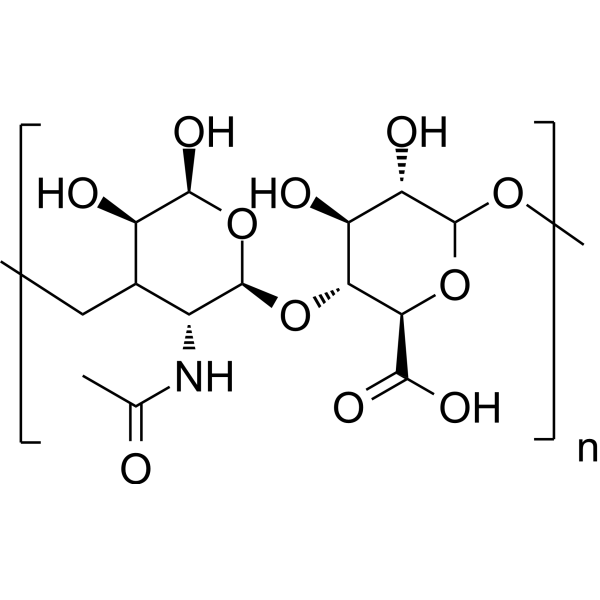
    Hyaluronic acid
    15+ Cited Publications

    Hyaluronan; Hyaluronate

    Endogenous Metabolite Bacterial Akt PI3K Infection Neurological Disease Inflammation/Immunology Cancer
    Hyaluronic acid is a biopolymer composed of repeating units of disaccharides with various applications. Hyaluronic acid is a major component of the extracellular matrix (ECM). Hyaluronic acid is synthesized at the plasma membrane. Increased hyaluronic acid levels are associated with tumor cell growth, adhesion, migration, invasion and angiogenesis in digestive cancers. Hyaluronic acid participates in tissue remodeling and rapid cell proliferation in some physiological processes including embryonic morphogenesis and wound-healing. Hyaluronic acid activates the PI3K-Akt signaling. Hyaluronic acid acts as a regulator of cancer-associated lymphangiogenesis. Hyaluronic acid also enhances cell invasion and angiogenesis by promoting proteolytic MMP-9 binding to cell surface or stimulating MMP-9 binding to cell surface. Hyaluronic acid can be used as drug delivery for sodium butyrate to improve the anti-proliferative activity on breast cancer cell line. Hyaluronic acid can be studied in joint diseases, wound healing and cancer .
    Hyaluronic acid
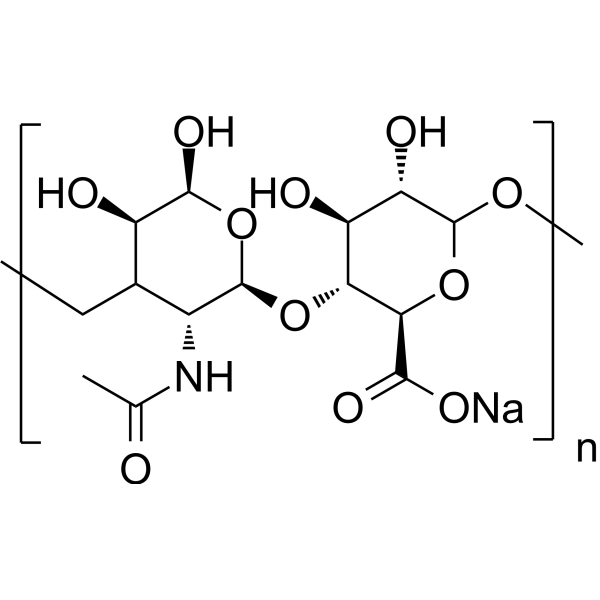
  • HY-B0633
    Hyaluronic acid sodium
    15+ Cited Publications

    Sodium hyaluronate

    Endogenous Metabolite Bacterial PI3K Akt Inflammation/Immunology Cancer
    Hyaluronic acid sodium (Sodium hyaluronate) is a biopolymer composed of repeating units of disaccharides with various applications. Hyaluronic acid sodium is a major component of the extracellular matrix (ECM). Hyaluronic acid sodium is synthesized at the plasma membrane. Increased hyaluronic acid sodium levels are associated with tumor cell growth, adhesion, migration, invasion and angiogenesis in digestive cancers. Hyaluronic acid sodium participates in tissue remodeling and rapid cell proliferation in some physiological processes including embryonic morphogenesis and wound-healing. Hyaluronic acid sodium activates the PI3K-Akt signaling. Hyaluronic acid sodium acts as a regulator of cancer-associated lymphangiogenesis. Hyaluronic acid sodium also enhances cell invasion and angiogenesis by promoting proteolytic MMP-9 binding to cell surface or stimulating MMP-9 binding to cell surface. Hyaluronic acid sodium can be used as drug delivery for sodium butyrate to improve the anti-proliferative activity on breast cancer cell line. Hyaluronic acid sodium can be studied in joint diseases, wound healing and cancer .
    Hyaluronic acid sodium
  • HY-B2118
    Pancreatin
    5+ Cited Publications

    Biochemical Assay Reagents Metabolic Disease
    Pancreatin is the porcine pancreas extract (PPE) which contains the main pancreatic digestive enzymes .
    Pancreatin
  • HY-P9978

    JS-001

    PD-1/PD-L1 Cancer
    Toripalimab is a selective, recombinant, humanized monoclonal antibody against PD-1. Toripalimab is able to bind to PD-1 and block the interaction with its ligands. Toripalimab has exhibited primary anti-tumor effects in tumors such as melanoma, lung cancer, digestive tract tumors, hepatobiliary and pancreatic tumors, neuroendocrine neoplasms, nasopharyngeal carcinoma and urothelial carcinoma .
    Toripalimab
  • HY-131160

    Serratia marcescens nuclease

    Biochemical Assay Reagents Inflammation/Immunology
    Serratia marcescens nuclease (EC 3.1.30.2) is a nonspecific nuclease. Serratia marcescens nuclease has broad utility due to its potent digestive activity toward both DNA and RNA .
    Nuclease, Serratia marcescens
  • HY-W587530

    6-Ketolithocholic acid

    Endogenous Metabolite Apoptosis Endocrinology
    6-Oxolithocholic acid is a bile acid metabolite derived from Lithocholic acid (HY-B0172). 6-Oxolithocholic acid has high cytotoxicity and can induce apoptosis, especially in hepatocytes. 6-Oxolithocholic acid can participate in the regulation of bile acid metabolism and synthesis and affect the metabolic pathway of cholesterol. 6-Oxolithocholic acid can be used to study the role of bile acids in health and disease, especially in the context of digestive and liver diseases .
    6-Oxolithocholic acid
  • HY-Y0850L

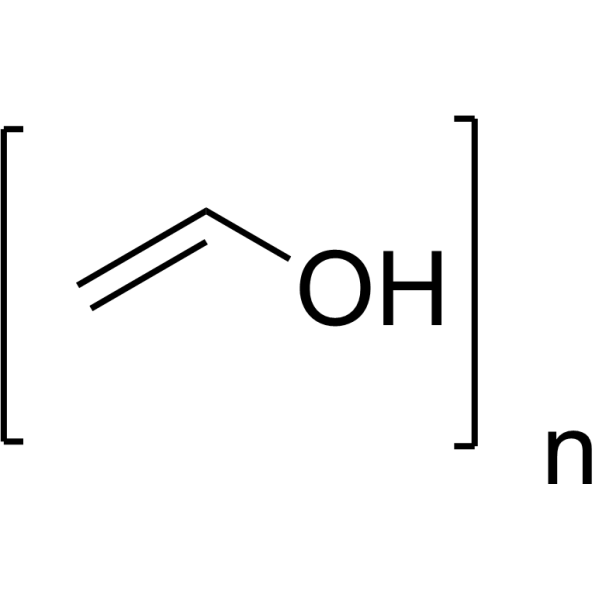
    PVA (Mw 85000-124000, 99+% hydrolyzed); Poly(Ethenol) (Mw 85000-124000, 99+% hydrolyzed)

    Environmental Pollutants Biochemical Assay Reagents Cancer
    Polyvinyl alcohol (Mw 85000-124000, 99+% hydrolyzed) is a polyvinyl alcohol with a molecular weight of 85000-124000 and hydrolytic properties. Polyvinyl alcohol (Mw 85000-124000, 99+% hydrolyzed) forms hydrogels that can be used to simulate digestive organs and lesion models for the training of endoscopic ultrasound (EUS) and endoscopic ultrasound elastography (EUS-E). Polyvinyl alcohol with different degrees of hydrolysis can be used to self-crosslink to form cryogel, which can be used as biological excipients .
    Polyvinyl alcohol (Mw 85000-124000, 99+% hydrolyzed)
  • HY-B0633D

    CD44 Endogenous Metabolite Bacterial Akt PI3K Neurological Disease Metabolic Disease Inflammation/Immunology Cancer
    Hyaluronic acid sodium (MW 200-1560) is a biopolymer composed of repeating disaccharide units, with a molecular weight of 200-1560. Hyaluronic acid sodium is a major component of the extracellular matrix (ECM). It is synthesized on the plasma membrane. Hyaluronic acid sodium exerts its effects by binding to receptors CD44 and RHAMM. Hyaluronic acid sodium activates PI3K-Akt signaling. Hyaluronic acid sodium also enhances cell invasion and angiogenesis by promoting or stimulating the binding of proteolytic MMP-9 to the cell surface. Elevated hyaluronic acid levels are associated with tumor cell growth, adhesion, migration, invasion, and angiogenesis in digestive system cancers. Hyaluronic acid sodium is involved in tissue remodeling and rapid cell proliferation in several physiological processes, including embryonic morphogenesis and wound healing. Hyaluronic acid sodium can be used as a regulator of cancer-associated lymphangiogenesis. Hyaluronic acid sodium can be used as a drug delivery carrier for sodium butyrate, enhancing its anti-proliferative activity against breast cancer cell lines. Hyaluronic acid sodium can lubricate the corneal endothelium. Hyaluronic acid sodium can improve tissue hydration and enhance the resistance of cells to mechanical damage. Hyaluronic acid sodium has been conjugated with antibodies to ensure that the active compound continues to exert its effects at the site of inflammation. Hyaluronic acid sodium can be used in research in the fields of osteoarthritis, ophthalmology, cosmetic dermatology, oncology, and liver diseases .
    Hyaluronic acid sodium (MW 200-1560)
  • HY-B0633E

    Hyaluronan, low endotoxin; Hyaluronate, low endotoxin

    Endogenous Metabolite CD44 Bacterial Akt PI3K Neurological Disease Metabolic Disease Inflammation/Immunology Cancer
    Hyaluronic acid, low endotoxin (Hyaluronan, low endotoxin) is a biopolymer composed of repeating disaccharide units containing low levels of endotoxin. Hyaluronic acid is a major component of the extracellular matrix (ECM). It is synthesized on the plasma membrane. Hyaluronic acid exerts its effects by binding to receptors CD44 and RHAMM. Hyaluronic acid activates PI3K-Akt signaling. Hyaluronic acid also enhances cell invasion and angiogenesis by promoting or stimulating the binding of proteolytic MMP-9 to the cell surface. Elevated hyaluronic acid levels are associated with tumor cell growth, adhesion, migration, invasion, and angiogenesis in digestive system cancers. Hyaluronic acid is involved in tissue remodeling and rapid cell proliferation in several physiological processes, including embryonic morphogenesis and wound healing. Hyaluronic acid can be used as a regulator of cancer-associated lymphangiogenesis. Hyaluronic acid can be used as a drug delivery carrier for sodium butyrate, enhancing its anti-proliferative activity against breast cancer cell lines. Hyaluronic acid can lubricate the corneal endothelium. Hyaluronic acid can improve tissue hydration and enhance the resistance of cells to mechanical damage. Hyaluronic acid has been conjugated with antibodies to ensure that the active compound continues to exert its effects at the site of inflammation. Hyaluronic acid can be used in research in the fields of osteoarthritis, ophthalmology, cosmetic dermatology, oncology, and liver diseases .
    Hyaluronic acid, low endotoxin
  • HY-E70130

    Others Others
    Snailase, Snail gastrointestinal is an enzyme mixture composed of more than 20 enzymes, which is often used for enzymatic hydrolysis of purified flavonoid glycosides. Snailase can be obtained from the digestive tract and includes cellulase, sucrase, hemicellulase, pectinase, polygalacturonase, protease, etc .
    Snailase, Snail gastrointestinal
  • HY-161949
    AP-6
    1 Publications Verification

    Potassium Channel Neurological Disease
    AP-6 is a selective inhibitor of TMEM175 with activity in modulating lysosomal function. Acute inhibition of TMEM175 by AP-6 increases lysosomal macromolecular catabolism, thereby accelerating macrophage and other digestive processes. AP-6 may be used in Parkinson's disease research .
    AP-6
  • HY-107863

    Oligolevulose

    Biochemical Assay Reagents Bacterial Infection Metabolic Disease
    Fructooligosaccharides (Oligolevulose) are a class of orally active dietary fibers and prebiotics. Fructooligosaccharides exist in foods such as breast milk, wheat, honey, onions, garlic and bananas. Fructooligosaccharides resist hydrolysis by the body's digestive enzymes and stimulate the growth of beneficial intestinal bacteria through colonic fermentation. Fructooligosaccharides significantly prevent bone loss in the femur and lumbar spine .
    Fructooligosaccharides
  • HY-108882C

    DNA/RNA Synthesis Inflammation/Immunology
    DNase I is an enzyme that degrades DNA. DNase I is mainly produced by digestive system organs, such as the pancreas and parotid gland. Three types of DNase I are known in mammals: pancreatic type, parotid type, and pancreatico-parotid type. DNase I plays a key role in the cleavage of extracellular DNA, and is critical for limiting inflammatory responses and maintaining homeostasis. DNase I is responsible for digesting extracellular nucleoproteins, which may be essential for preventing autoimmune reactions. Decreased DNase I activity may be associated with the occurrence and development of systemic lupus erythematosus (SLE). DNase I (filtered) is filtered through a 0.22 μM membrane and is not tested for pyrogenicity .
    DNase I (filtered)
  • HY-108882B
    DNase I RNase & Protease free
    Maximum Cited Publications
    29 Publications Verification

    DNA/RNA Synthesis Inflammation/Immunology
    DNase I is an enzyme that degrades DNA. DNase I is mainly produced by digestive system organs, such as the pancreas and parotid gland. Three types of DNase I are known in mammals: pancreatic type, parotid type, and pancreatico-parotid type. DNase I plays a key role in the cleavage of extracellular DNA, and is critical for limiting inflammatory responses and maintaining homeostasis. DNase I is responsible for digesting extracellular nucleoproteins, which may be essential for preventing autoimmune responses. Decreased DNase I activity may be associated with the onset and progression of systemic lupus erythematosus (SLE). DNase I (RNase & Protease free) is a molecular biology-grade DNase I purified by chromatography to remove RNase and protease .
    DNase I RNase & Protease free
  • HY-B1136
    Menbutone
    1 Publications Verification

    Genabilic acid

    Drug Derivative Metabolic Disease
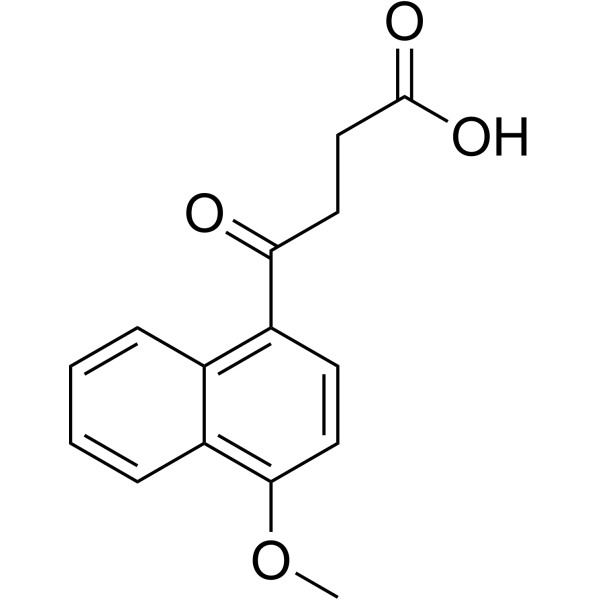
    Menbutone (Genabilic acid), an oxobutyric acid derivative, is a choleretic. Menbutone can be used to treat digestive upsets (loss of appetite, indigestion, toxemia, or hepatic and pancreatic insufficiencies) in a variety of animal species, including different farm animals (cattle, sheep, goats, pigs), as well as in dogs .
    Menbutone
  • HY-B0326

    Drug Derivative Endocrinology
    Alibendol can be taken orally. It has anti-spasmodic properties and promotes bile secretion, making it useful for research on digestive system issues like indigestion, nausea, vomiting, and constipation .
    Alibendol
  • HY-P1465

    Secretin (28-54), (human)

    Secretin Receptor Metabolic Disease Cancer
    Human secretin is a 27-amino acid residue C-terminally amidated peptide, which acts on human secretin receptors .
    Human secretin
  • HY-B1113
    Diazinon
    2 Publications Verification

    Dimpylate

    Environmental Pollutants Parasite Infection
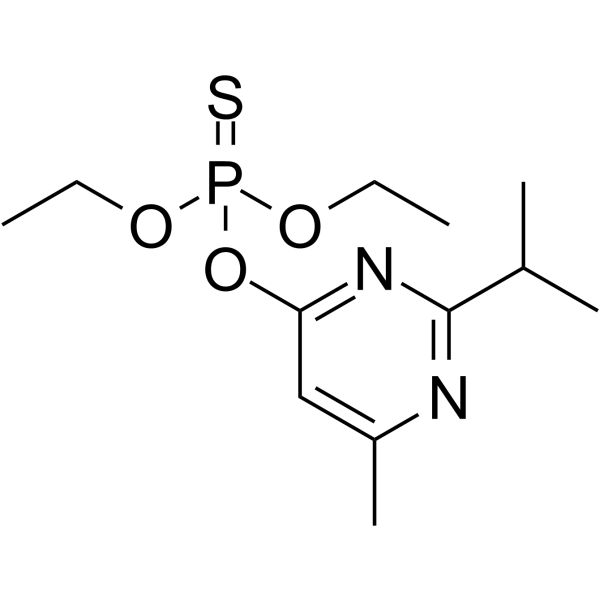
    Diazinon is an orally active, irreversible AChE inhibitor and insecticide that can be absorbed through the digestive system, skin or respiratory tract. Diazinon inhibits AChE, leading to accumulation of acetylcholine, which in turn overstimulates ACh receptors and affects the nervous system. Diazinon also produces reactive oxygen species (ROS), which induce oxidative stress in various tissues. Diazinon is mainly used in the agricultural field as an insecticide and may have potential effects on human and animal health .
    Diazinon
  • HY-W041608

    NF-κB Toll-like Receptor (TLR) Bacterial Infection Inflammation/Immunology
    Methylchloroisothiazolinone is a widely used fungicide and also an aquatic pollutant with pro-inflammatory activity and neurotoxicity. Methylchloroisothiazolinone induces the production of pro-inflammatory cytokines (such as IL-1β, TNF-α, IL-6) by activating the NF-κB signaling pathway and upregulating TLR4 expression, thereby triggering allergic contact dermatitis. Methylchloroisothiazolinone reduces cholinesterase activity and exacerbates oxidative stress by impairing catalase activity and disrupting redox balance. Methylchloroisothiazolinone poses significant harm to Mediterranean mussels, reducing the viability of hemocytes and digestive gland cells, inhibiting immune phagocytic function, and disrupting osmoregulatory capacity. Methylchloroisothiazolinone is used in studies on allergic contact dermatitis and related immunotoxicity mechanisms .
    Methylchloroisothiazolinone
  • HY-B0633I

    Endogenous Metabolite Bacterial PI3K Akt Inflammation/Immunology Cancer
    Hyaluronic acid sodium (MW 800kDa) is a biopolymer composed of repeating units of disaccharides with various applications. Hyaluronic acid sodium is a major component of the extracellular matrix (ECM). Hyaluronic acid sodium is synthesized at the plasma membrane. Increased hyaluronic acid sodium levels are associated with tumor cell growth, adhesion, migration, invasion and angiogenesis in digestive cancers. Hyaluronic acid sodium participates in tissue remodeling and rapid cell proliferation in some physiological processes including embryonic morphogenesis and wound-healing. Hyaluronic acid sodium activates the PI3K-Akt signaling. Hyaluronic acid sodium acts as a regulator of cancer-associated lymphangiogenesis. Hyaluronic acid sodium also enhances cell invasion and angiogenesis by promoting proteolytic MMP-9 binding to cell surface or stimulating MMP-9 binding to cell surface. Hyaluronic acid sodium can be used as drug delivery for sodium butyrate to improve the anti-proliferative activity on breast cancer cell line. Hyaluronic acid sodium can be studied in joint diseases, wound healing and cancer .
    Hyaluronic acid sodium (MW 800kDa)
  • HY-Y0850U3

    Polyvinyl alcohol (Mw 125000, 98-99% hydrolyzed, ~2800 polymerization); Poly(Ethenol) (Mw 125000, 98-99% hydrolyzed, ~2800 polymerization)

    Biochemical Assay Reagents Others
    PVA (Polyvinyl alcohol) (Mw 125000, 98-99% hydrolyzed, ~2800 polymerization) is a water-soluble, biodegradable, biocompatible and non-immunogenic polymer. PVA (Mw 125000, 98-99% hydrolyzed, ~2800 polymerization) causes no irritation to rabbit eyes, no skin sensitization in guinea pigs, promotes the proliferation of human skin keratinocytes, and reduces the loss of corneal endothelial cells. The LD50 of PVA (Mw 125000, 98-99% hydrolyzed, ~2800 polymerization) in rats and dogs is greater than 10 g/kg. PVA (Mw 125000, 98-99% hydrolyzed, ~2800 polymerization) is hardly absorbed by the digestive system, causes no adverse effects upon long-term oral administration, and shows no mutagenicity or carcinogenicity. However, repeated intravenous or portal vein injection of PVA (Mw 125000, 98-99% hydrolyzed, ~2800 polymerization) may induce pathological changes such as glomerular lesions, anemia, hypertension or liver fibrosis in rats or dogs. Crosslinked nanofibers prepared by modifying PVA (Mw 125000, 98-99% hydrolyzed, ~2800 polymerization) can be used in studies related to wound dressings and other applications .
    PVA (Mw 125000, 98-99% hydrolyzed, ~2800 polymerization)
  • HY-A0125A

    Dopamine Receptor Neurological Disease Cancer
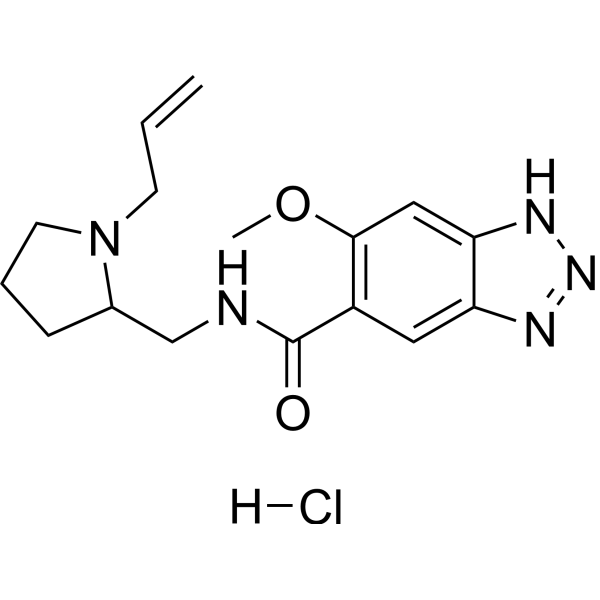
    Alizapride is a potent antiemetic, acting as a dopamine receptor antagonist. Alizapride also used in human digestive disorders .
    Alizapride hydrochloride
  • HY-N2252

    (+)-Licarin A

    TNF Receptor Prostaglandin Receptor COX Neurological Disease Metabolic Disease Inflammation/Immunology
    Licarin A ((+)-Licarin A), a neolignan, significantly and dose-dependently reduces TNF-α production (IC50=12.6 μM) in dinitrophenyl-human serum albumin (DNP-HSA)-stimulated RBL-2H3 cells. Anti-allergic effects. Licarin A reduces TNF-α and PGD2 production, and COX-2 expression .
    Licarin A
  • HY-W423191

    4-O-α-D-Glucopyranosyl-D-gluconic acid

    Nuclear Factor of activated T Cells (NFAT) Bacterial Infection Metabolic Disease
    Maltobionic acid (4-O-α-D-Glucopyranosyl-D-gluconic acid) is an orally active oligosaccharide and iron chelator with antibacterial activity. Maltobionic acid inhibits the expression of NFATc1, suppresses osteoclast differentiation, inhibits bone resorption, and increases serum calcitonin levels. Maltobionic acid protects mammalian cells from hydrogen peroxide (H2O2)-induced oxidative damage; resists fermentation by the gut microbiota; and exhibits anti-digestive and anti-fermentative properties. Maltobionic acid can be used in research related to osteoporosis, bacterial infections, and constipation .
    Maltobionic acid
  • HY-B1647

    Insecticide Others
    Ferric phosphate is used as food and feed supplement, particularly in bread enrichment. Ferric phosphate is also used as a fertilizer and as a molluscicide for a variety of slugs and snails including Deroceras reticulatum, D.laeve, Arion subfuscus .
    Ferric phosphate
  • HY-109538

    Secretin Receptor Neurological Disease Metabolic Disease
    Secretin (swine), a neuroendocrine hormone, is the first hormone to be identifie and is secreted by S cells that are localized primarily in the mucosa of the duodenum. Secretin also is a 27-amino acid peptide, which acts on secretin receptors. Secretin is expressed by cells in all mature enteroendocrine cell subsets and can be prompted by fatty acids. Secretin stimulates the secretion of pancreatic water and bicarbonate. Secretin exerts various effects in organs, can be used for the research of digestive system, central nervous system and energy metabolism .
    Secretin (swine)
  • HY-B1164
    Bromopride
    2 Publications Verification

    Dopamine Receptor Neurological Disease
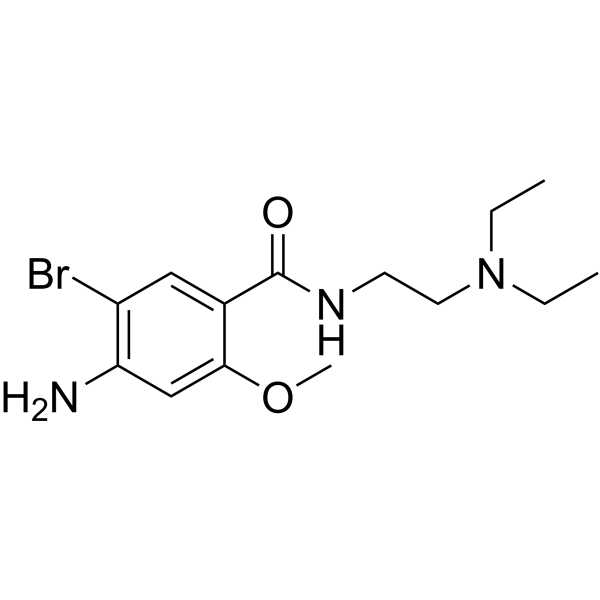
    Bromopride is a selective, irreversible, competitive, and orally effective dopamine D2 receptor antagonist. Bromopride can pass through the blood-brain barrier, inhibit the vomiting center, and enhance gastrointestinal motility, exerting antiemetic and gastrointestinal motility effects. Bromopride antagonizes dopamine-mediated vomiting reflexes and promotes gastrointestinal smooth muscle contraction, and has no adverse effects on abdominal wall healing in rats with postoperative abdominal infection. Bromopride can be used for the study of digestive system diseases (such as gastric hypomotility, nausea and vomiting) .
    Bromopride
  • HY-P1465A

    Secretin (28-54), (human) TFA

    Secretin Receptor Metabolic Disease Cancer
    Human secretin TFA is a 27-amino acid residue C-terminally amidated peptide, which acts on human secretin receptors .
    Human secretin TFA
  • HY-N12851

    (E)-4-Oxo-2-hexenal

    Bacterial Apoptosis Infection
    4-OHE ((E)-4-Oxo-2-hexenal) is a mutagen formed by omega-3 lipid peroxidation. 4-OHE reacts with deoxyguanosine, deoxycytidine and 5-methyldeoxycytidine to form covalent adducts. 4-OHE induces apoptosis and exhibits genotoxicity. 4-OHE inhibits the growth of Gram-positive and Gram-negative bacteria, which correlates with its electrophilic reactivity towards nucleophilic biomolecules. 4-OHE is a chemical defense component of Dolycoris baccarum (sloe bug), and acts as a deterrent and toxin against insect predators .
    4-OHE
  • HY-W014226

    Drug Intermediate Ser/Thr Protease Others
    4,4'-Dihydroxybenzophenone is a type of phenolic ultraviolet absorber and a drug intermediate for synthesis of various anticancer active compounds (such as Sivifene (HY-14801)). 4,4'-Dihydroxybenzophenone binds to the active site of trypsin with binding constants (KA = 7.59 x 10 5 L/moL) and leads to abnormal structure of trypsin, suggesting that long-term intake may affect the digestive function of the human body. 4,4’-dihydroxybenzophenone has a relatively low toxicity to Chlorella vulgaris and a moderate toxicity to Daphnia magna .
    4,4'-Dihydroxybenzophenone
  • HY-122086

    mAChR Neurological Disease
    Prifinium bromide is an anticholinergic drug with anticholinergic and antispasmodic activities, and it exhibits oral activity. Prifinium bromide competitively antagonizes cholinergic receptors and relieves symptoms of spasm or hypermotility in the digestive and urinary tracts, with its anticholinergic activity representing the core mechanism underlying the inhibition of bladder smooth muscle contraction. Prifinium bromide can be used in research related to spasms and diverticular disease .
    Prifinium bromide
  • HY-177850

    ACSL Family Metabolic Disease Endocrinology Cancer
    ACSL5-IN-3 (page 115 line 11) is an ACSL5 inhibitor. ACSL5-IN-3 can be used for research of tumours, digestive system diseases, and endocrine and metabolic diseases .
    ACSL5-IN-3
  • HY-N7504

    Bacterial Infection Metabolic Disease Cancer
    Isopsoralenoside is a benzofuran glycoside from Psoralea corylifolia. Isopsoralenoside can be quickly metabolized to Psoralen (HY-N0053) in digestive tract contents. Isopsoralenoside show estrogen-like activity, osteoblastic proliferation accelerating activity, antitumor effects and antibacterial activity .
    Isopsoralenoside
  • HY-P991277

    HS-20137

    Interleukin Related Inflammation/Immunology
    QX-004N (HS-20137) is a monoclonal antibody inhibitor targeting the p19 subunit of interleukin-23 (IL-23). QX-004N is promising for research of immune system diseases and diseases of digestive system .
    QX-004N
  • HY-A0125

    Dopamine Receptor Neurological Disease
    Alizapride is a potent antiemetic, acting as a dopamine receptor antagonist. Alizapride also used in human digestive disorders .
    Alizapride
  • HY-119722

    Endogenous Metabolite Others
    Butafosfan is a phosphate containing compound, which is used as active ingredient of veterinary drug. Butafosfan can stimulate the appetite, immune system and digestive function, improves liver and muscle function of dogs. Butafosfan can mitigate the adverse effects of Dexamethasone (HY-14648) on liver and pancreatic function in dogs .
    Butafosfan
  • HY-Z2667

    (R)-Omeprazole; (+)-Omeprazole

    Cytochrome P450 Metabolic Disease Inflammation/Immunology
    (R)-Esomeprazole ((R)-Omeprazole; (+)-Omeprazole) is an orally active cytochrome P450 2C19, CYP3A4, and CYP2C9-related metabolic modulator. (R)-Esomeprazole can be used in studies of digestive system diseases and compound metabolic interactions .
    (R)-Esomeprazole
  • HY-P10220

    Radionuclide-Drug Conjugates (RDCs) TREM receptor Cancer
    NOTA-COG1410 forms triggering receptor expressed on myeloid cells 2 (TREM2) targeting ligand. NOTA-COG1410 is capable of being labelled with 68Gallium ( 68Ga) for discovery and diagnosis of digestive system tumors through positron emission tomography/computed tomography (PET/CT). NOTA-COG1410 can be used for the synthesis/research of Radionuclide-Drug Conjugates (RDCs) .
    NOTA-COG1410
  • HY-E70560

    Biochemical Assay Reagents Others
    Cellular digestive enzyme is often used as an alternative to trypsin for detaching adherent cells from a culture dish .
    Cellular digestive enzyme
  • HY-149516

    Enteropeptidase Others
    Human enteropeptidase-IN-3 is an enteropeptidase inhibitor. Human enteropeptidase-IN-3 exhibits enteropeptidase activity and long duration of inhibitory state. Human enteropeptidase-IN-3 can be used for intetinal digestive related diseases research .
    Human enteropeptidase-IN-3
  • HY-105524

    5-HT Receptor Dopamine Receptor Inflammation/Immunology
    Lirexapride is a 5-HT4/Dopamine D2 receptor agonist. Lirexapride stimulants gastrointestinal motor. Lirexapride can be used for research on digestive system disorders .
    Lirexapride
  • HY-109538R

    Secretin Receptor Reference Standards Neurological Disease Metabolic Disease
    Secretin (swine) (Standard) is the analytical standard of Secretin (swine). This product is intended for research and analytical applications. Secretin (swine), a neuroendocrine hormone, is the first hormone to be identifie and is secreted by S cells that are localized primarily in the mucosa of the duodenum. Secretin also is a 27-amino acid peptide, which acts on secretin receptors. Secretin is expressed by cells in all mature enteroendocrine cell subsets and can be prompted by fatty acids. Secretin stimulates the secretion of pancreatic water and bicarbonate. Secretin exerts various effects in organs, can be used for the research of digestive system, central nervous system and energy metabolism .
    Secretin (swine) (Standard)
  • HY-P2433

    Biochemical Assay Reagents Others
    SNF-8814 is a cholecystokinin analog. SNF-8814 can be used in digestive system related research .
    SNF-8814
  • HY-N7762

    Others Others
    Chrysanthellin A is the main saponin-based compound from the extract of Chrysanthellum americanum. Chrysanthellin A can be used in the reserach of digestive impairments .
    Chrysanthellin A
  • HY-142090

    SK&F 93574

    Histamine Receptor Others
    Donetidine (SK&F 93574) is an antagonist for histamine H2 receptor, that promotes histamine release in beagle dog models .
    Donetidine
  • HY-148035

    Parasite Infection
    Plm IV inhibitor-2 (compound 3) is a potent digestive vacuole plasmepsins IV (Plm IV) inhibitor with IC50 values of 24 nM, 70 nM and 0.3 μM for Plm IV, II and I, respectively. Plm IV inhibitor-2 can be used to research malaria caused by Plasmodium parasites .
    Plm IV inhibitor-2
  • HY-105854

    Apoptosis Reactive Oxygen Species (ROS) JNK p38 MAPK MMP Cancer
    Pipoxolan hydrochloride is an anti-spasmotic agent. Pipoxolan hydrochloride induces Apoptosis, increases intracellular ROS. Pipoxolan hydrochloride down-regulates phosphorylation JNK and p38, and then, MMP-2 and -9. Pipoxolan hydrochloride relieves smooth muscle spasms in the digestive, urinary, and gynecological systems. Pipoxolan hydrochloride also exhibits anticancer activity against leukemia, oral squamous cell carcinoma, and lung adenocarcinoma .
    Pipoxolan hydrochloride
  • HY-162390

    Amylases Glycosidase Endocrinology
    α-Amylase/α-Glucosidase-IN-11 (Compound 5d) is a isoxazolidine-isatin hybrid with significant antidiabetic activity. α-Amylase/α-Glucosidase-IN-11 competitively inhibits α-amylase (IC50 = 30.39 μM) and α-glucosidase (IC50 = 65.1 μM), two key digestive enzymes. α-Amylase/α-Glucosidase-IN-11 does not cross the blood-brain barrier .
    α-Amylase/α-Glucosidase-IN-11
  • HY-W127485

    Biochemical Assay Reagents Others
    cis-9,10-Methyleneoctadecanoic acid is a cyclopropane fatty acid that has been found in bacteria and in the digestive glands of P. globosa. It is a component of the cell membrane of Staphylococcus aureus, and levels were reduced after treatment with carvacrol. cis-9,10-Methyleneoctadecanoic acid is secreted by H. pylori and enhances histamine- and dibutyryl cAMP-stimulated acid secretion in isolated guinea pig parietal cells. It also activates protein kinase C (PKC) in a calcium-dependent manner.
    cis-9,10-Methyleneoctadecanoic Acid
  • HY-B1164A

    Dopamine Receptor Neurological Disease
    Bromopride hydrochloride is a selective, irreversible, competitive, and orally active dopamine D2 receptor antagonist. Bromopride hydrochloride can pass through the blood-brain barrier, inhibit the vomiting center, and enhance gastrointestinal motility, exerting antiemetic and gastrointestinal motility effects. Bromopride hydrochloride antagonizes dopamine-mediated vomiting reflexes and promotes gastrointestinal smooth muscle contraction, and has no adverse effects on abdominal wall healing in rats with postoperative abdominal infection. Bromopride hydrochloride can be used for the study of digestive system diseases (such as gastric hypomotility, nausea and vomiting) .
    Bromopride hydrochloride

Inquiry Online

Your information is safe with us. * Required Fields.

Salutation


Country or Region *

Applicant Name *


Organization Name *

Department *


Email Address *


Product Name *

Cat. No.


Requested quantity *

Phone Number *


Remarks

Inquiry Online

Inquiry Information

Product Name:
Cat. No.:
Quantity:
MCE Japan Authorized Agent:

