1. Search Result
Search Result
Results for "

doping

" in MedChemExpress (MCE) Product Catalog:

88

Inhibitors & Agonists

3

Fluorescent Dyes

60

Biochemical Assay Reagents

7

Natural
Products

3

Isotope-Labeled Compounds

2

Click Chemistry

48

Oligonucleotides

2

GMP Molecules

Cat. No. Product Name Target Research Areas Chemical Structure
  • HY-112005
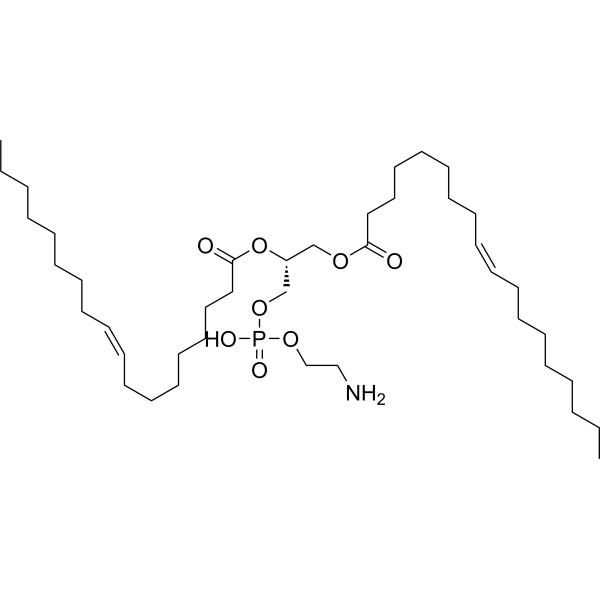
    DOPE
    5+ Cited Publications

    Dioleoylphosphatidylethanolamine; 1,2-Dioleoyl-sn-glycero-3-phosphoethanolamine

    Liposome Endogenous Metabolite Inflammation/Immunology
    DOPE (Dioleoylphosphatidylethanolamine) is a neutral helper lipid for cationic liposome and combines with cationic phospholipids to improve transfection efficiency of naked siRNA .
    DOPE
  • HY-141613

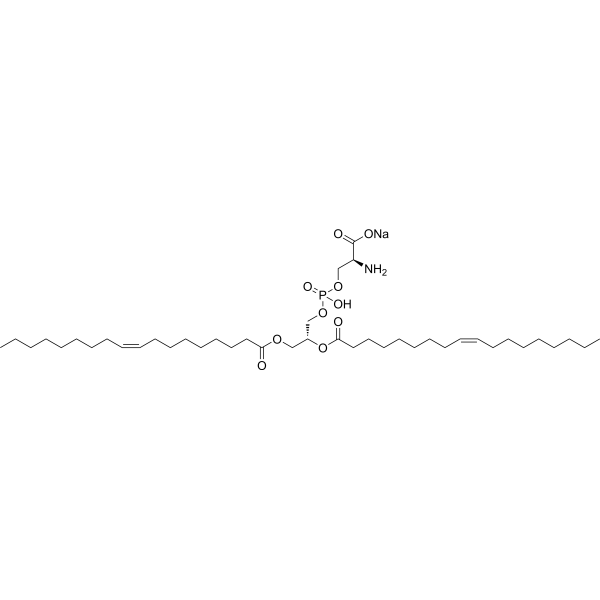
    DOPS-NA

    Liposome Others
    1,2-Dioleoyl-sn-glycero-3-phospho-L-serine sodium (DOPS-NA) is a ubstitute for Phosphoserine/phosphatidylserine. 1,2-Dioleoyl-sn-glycero-3-phospho-L-serine sodium can be used together with DOPC and DOPE in lipid mixtures for the synthesis of liposomes. 1,2-Dioleoyl-sn-glycero-3-phospho-L-serine sodium can self-assemble into single-layer or double-layer membrane structures, similar to cell membranes, and possesses high membrane fluidity and flexibility. 1,2-Dioleoyl-sn-glycero-3-phospho-L-serine is widely applied in membrane biology, cell membrane research, lipid preparation, and drug delivery systems .
    1,2-Dioleoyl-sn-glycero-3-phospho-L-serine sodium
  • HY-121252

    α-synuclein Apoptosis Drug Metabolite Neurological Disease
    Dopal is a metabolite and aldehyde neurotoxin of Dopamine (HY-B0451). Dopal exhibits cytotoxicity, induces α-synuclein oligomerization and aggregation, and is closely associated with the pathogenesis of Parkinson's disease. Dopal can be used in research related to Parkinson's disease .
    Dopal
  • HY-150241

    Exosomes Biochemical Assay Reagents Liposome Others
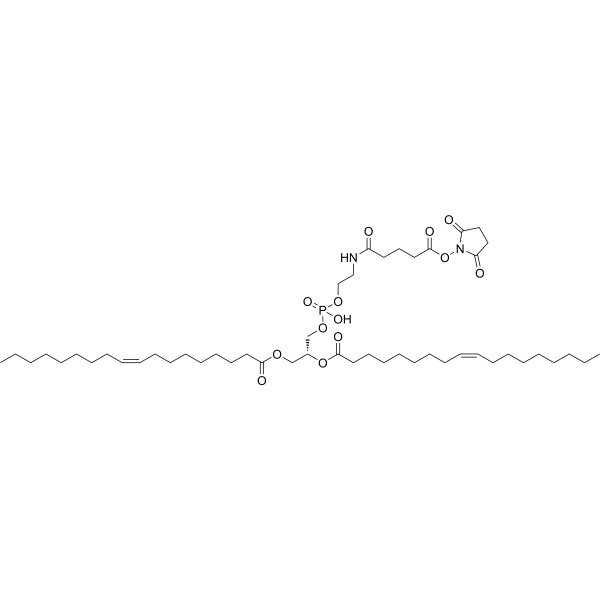
    DOPE-NHS is a linker. DOPE-NHS can be used for peptides to be conjugated to exosomes and possibly other membrane-based nanoparticles. DOPE-NHS can be used for drug delivery .
    DOPE-NHS
  • HY-W416291

    Poly(A)

    Biochemical Assay Reagents Cancer
    Polyadenylic acid potassium, also known as Poly(A), is enzymatically added to messenger RNA (mRNA) in eukaryotic cells to stabilize mRNAs. Poly(A) is used to evaluate binding on cationic liposomes doped with non-ionic nucleolipids. Poly(A) is used in small molecule mRNA targeted drug development to evaluate the binding of potential therapeutic agents such as the Isoquinoline group of alkaloids. Small molecules that could bind to this poly(A) tail could influence and possibly inhibit mRNA function and subsequent protein production in the cell leading to the development of new type of therapeutic agents.
    Polyadenylic acid potassium
  • HY-144010

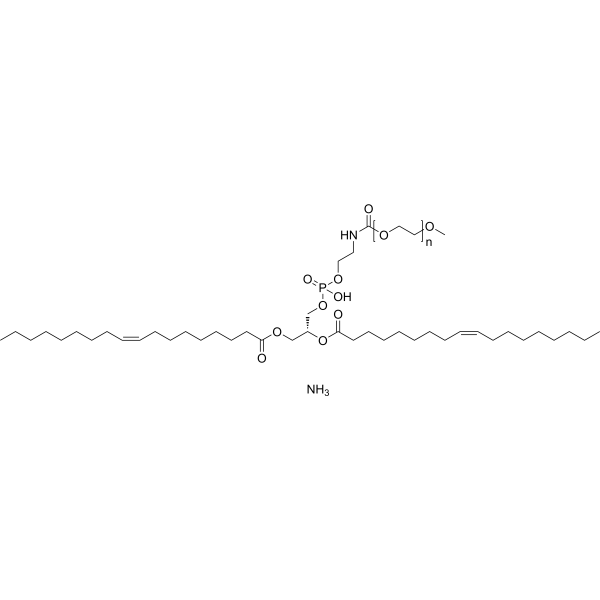
    DOPE-PEG2000 ammonium; 1,2-Dioleoyl-sn-glycero-3-phosphoethanolamine-N-[methoxy(polyethylene glycol)-2000] ammonium

    Liposome Others
    18:1 PEG2000 PE ammonium (DOPE-PEG2000 ammonium) is a polyethyleneglycol/phosphatidyl-ethanolamine conjugate. 18:1 PEG2000 PE ammonium (DOPE-PEG2000 ammonium) can be used for drug delivery .
    18:1 PEG2000 PE ammonium
  • HY-142997

    Liposome Cancer
    DOSPA is a cationic lipid. DOSPA can form lipid nanoparticles with DOPE (HY-112005) to serve as a carrier for nucleic acid transfection. DOSPA is applicable in research related to drug delivery .
    DOSPA
  • HY-130479

    Adiponectin Receptor PPAR PGC-1α Sirtuin AMPK Metabolic Disease
    AdipoR agonist 1 (Compound 112254) is an agonist for adiponectin receptor (AdipoR), which activates the transcriptional regulators like peroxisome proliferator-activated receptors (PPARs), peroxisome proliferator-activated receptor gamma coactivator 1α (PGC-1α), sirtuin 1 (SIRT1), and adenylate-activated protein kinase (AMPK). AdipoR agonist 1 is utilized in preventive doping research .
    AdipoR agonist 1
  • HY-W440988

    Liposome Others
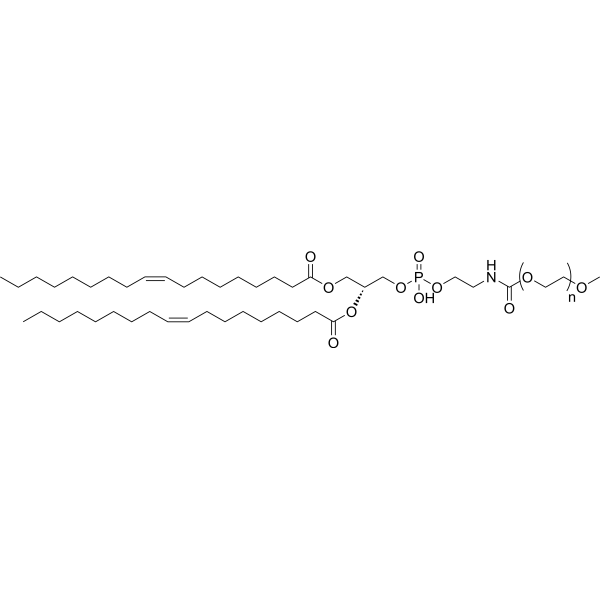
    DOPE-mPEG2000 is a phospholipid polydisperse PEG (or DOPE liposome), can be used for preparation of targeted delivery of liposomal drug and giant unilamellar vesicles (GUVs). DOPE-mPEG2000 significantly reduces the pH-sensitivity of the liposome in a concentration dependent manner .
    DOPE-mPEG2000
  • HY-N16025

    Liposome Biochemical Assay Reagents Others
    DOPE-PEG(2000) Amine ammonium is a polydisperse PEG covalently attached to a phospholipid. The polymer is an amphiphilic molecule with hydrophobic fatty acid chains and hydrophilic PEG head which enables lipid bilayer or micelle formation in water. The phospholipid PEG can be used to prepare liposome or nanoparticles for targeted agent delivery and is reactive with alkyne to form a triazole ring .
    DOPE-PEG(2000) Amine ammonium
  • HY-W440827
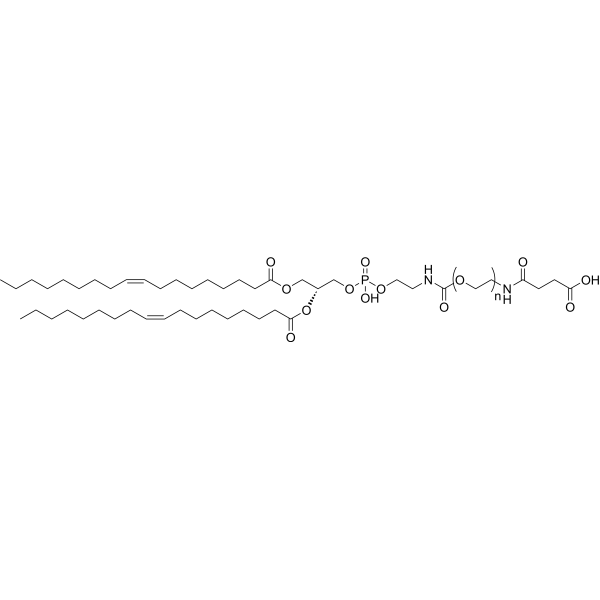
    DOPE-PEG2000-COOH
    1 Publications Verification

    Liposome Others
    DOPE-PEG2000-COOH is a PEG polymer containing unsaturated DOPE phospholipids and carboxylic acids. DOPE-PEG2000-COOH can be used to prepare liposomes or other nanoparticles for drug delivery .
    DOPE-PEG2000-COOH
  • HY-164035

    Biochemical Assay Reagents Others
    DOPE-PEG2000-DBCO is a PEG lipid with a DOPE and a DBCO as functional groups. DOPE can be used as a helper lipid in gene transfection. PEG is used in drug delivery system. DBCO can be used for click chemistry .
    DOPE-PEG2000-DBCO
  • HY-166883

    Biochemical Assay Reagents Others
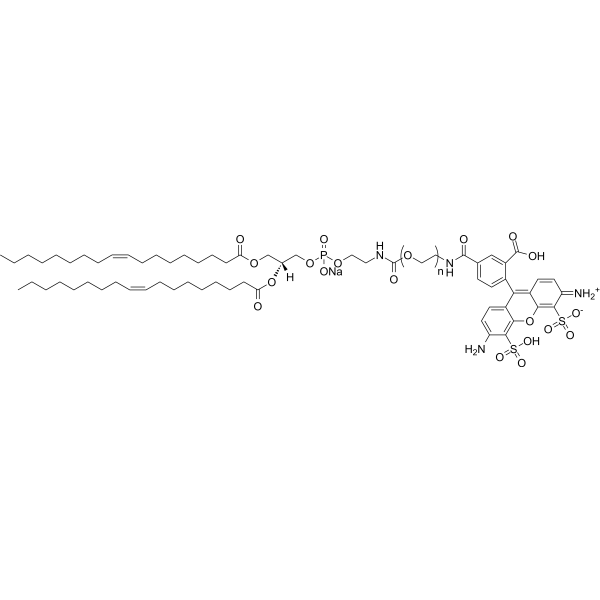
    DOPE-PEG2000-Rhodamine B is a fluorescent lipid that can be used for drug delivery .
    DOPE-PEG2000-Rhodamine B
  • HY-21170B

    Triflate lithium; Trifluoromethylsulfonate lithium; Trifluoromethanesulphonic acid lithium

    Biochemical Assay Reagents Herbicide Others
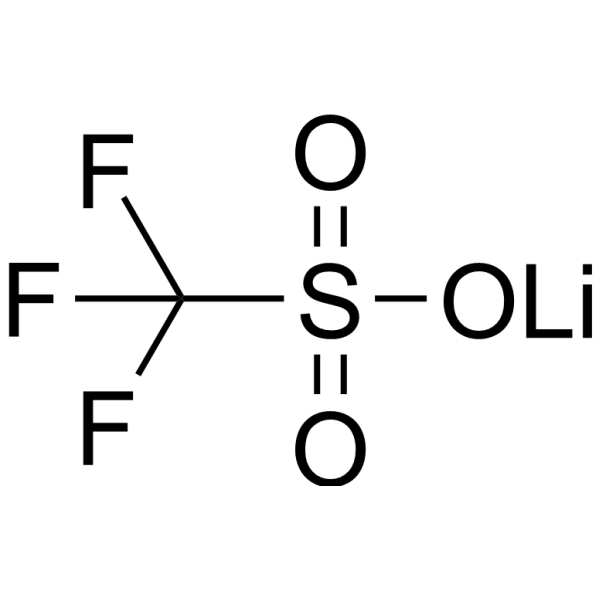
    Trifluoromethanesulfonate (Triflate;Trifluoromethylsulfonate) lithium is a stable lithium salt and dopant with four resonance states, which is commonly used as an electrolyte component in polymer light-emitting electrochemical cells and primary lithium batteries. Trifluoromethanesulfonate lithiumalso acts as a catalyst for the preparation of the herbicide Imazapyr. In MEH-PPV-based light-emitting electrochemical cells, Trifluoromethanesulfonate lithium promotes electrochemical p-type doping at the anode interface under applied bias, thereby facilitating the formation of p-i-n junctions, exciton generation, and light emission. Trifluoromethanesulfonate lithiumexhibits strong ion pairing in non-aqueous electrolytes, but its electrochemical stability window is narrower than that of lithium bistrifluoromethylsulfonyl imidee .
    Trifluoromethanesulfonate lithium
  • HY-N12762

    Liposome Others
    DGTS, as described, is a structural isomer of DGTA and one of the most common betaine lipids found in microalgae, particularly abundant in Chlorophyceae . DGTS is a helper lipid that is structurally similar to DSPE or DOPE.
    DGTS
  • HY-W800805

    Liposome Cancer
    DOPE-Mal is a synthetic analog of naturally-occurring PE containing 18:1 fatty acids at the sn-1 and sn-2 positions with a terminal maliemide group. The maleimide group will react with a thiol group to form a covalent bond. The hydrophilic PEG spacer increases solubility in aqueous media.
    DOPE-Mal
  • HY-D0948

    Fluorescent Dye Infection
    Celestine Blue is a electroactive indicator in DNA biosensors. Celestine Blue is strongly adsorbed on the spinel phases and CNT (carbon nanotubes), facilitates dispersion, acts as a capping agent and allows for the fabrication of spinel decorated CNT. Celestine Blue is an efficient charge transfer mediator, which allows for significant improvement of capacitive behavior. TiO2 nanoparticles doped with Celestine Blue can be used as a label in a sandwich immunoassay for the hepatitis C virus (HCV) core antigen .
    Celestine Blue
  • HY-137499

    Liposome Endogenous Metabolite Neurological Disease
    NT1-O12B, an endogenous chemical and a neurotransmitter-derived lipidoid (NT-lipidoid), is an effective carrier for enhanced brain delivery of several blood-brain barrier (BBB)-impermeable cargos. Doping NT1-O12B into BBB-impermeable lipid nanoparticles (LNPs) gives the LNPs the ability to cross the BBB. NT-lipidoids formulation not only facilitate cargo crossing of the BBB, but also delivery of the cargo into neuronal cells for functional gene silencing or gene recombination .
    NT1-O12B
  • HY-W440987

    Biochemical Assay Reagents Others
    DOPE-mPEG1000 is a phospholipid. Phospholipids have good biocompatibility and significant amphiphilic characteristics, making them the main and suitable dosage form or excipient in drug formulations to achieve better therapeutic effects. DOPE-mPEG1000 can be used in drug delivery research .
    DOPE-mPEG1000
  • HY-W440995

    Liposome Cancer
    DOPE-PEG2000-Mal is a phospholipid polyPEG which can be used to prepare liposomes or nanoparticles. It is also reactive with thiol at pH 6.5 tp 7.5 to form a stable thioether bond.
    DOPE-PEG2000-Mal
  • HY-160272

    Fluorescent Dye Others
    DOPE-PEG2000-Fluor 488 is a PEG lipid, composed of a DOPE phospholipid and a Fluor 488 fluorophore. DOPE is an unsaturated phospholipid. Fluor 488 has excitation and emission maxima at 499 nm and 520 nm .
    DOPE-PEG2000-Fluor 488
  • HY-160280

    Liposome Fluorescent Dye Others
    DOPE-PEG2000-Fluor 647 is a PEG-lipid-dye conjugate. composed of a DOPE phospholipid and a Fluor 647 dye .
    DOPE-PEG2000-Fluor 647
  • HY-112005GL

    Dioleoylphosphatidylethanolamine (GMP Like); 1,2-Dioleoyl-sn-glycero-3-phosphoethanolamine (GMP Like)

    Liposome Endogenous Metabolite Inflammation/Immunology
    DOPE (GMP Like) is the GMP Like class DOPE (HY-112005), and can be used as pharmaceutical excipients. GMP small molecules works appropriately as an auxiliary reagent for cell therapy manufacture. DOPE is a neutral helper lipid for cationic liposome and combines with cationic phospholipids to improve transfection efficiency of naked siRNA .
    DOPE (GMP Like)
  • HY-121252A

    α-synuclein Apoptosis Drug Metabolite Neurological Disease
    Dopal (purity>80%) is a metabolite and aldehyde neurotoxin of Dopamine (HY-B0451). Dopal (purity>80%) exhibits cytotoxicity, induces α-synuclein oligomerization and aggregation, and is closely associated with the pathogenesis of Parkinson's disease. Dopal (purity>80%) can be used in research related to Parkinson's disease .
    Dopal (purity>80%)
  • HY-N15995

    Biochemical Assay Reagents Others
    DOPE-PEG(2000) Carboxylic acid sodium is a stabilizer. DOPE-PEG(2000) Carboxylic acid sodium produce a coating around the ferrofluid droplet chains which are dispersed in 5CB. DOPE-PEG(2000) Carboxylic acid sodium tends to fold, effectively shielding the surrounding LC molecules from the homeotropic anchoring at the droplet interface and leading to smaller deformations and thus also creating a more stable interface .
    DOPE-PEG(2000) Carboxylic acid sodium
  • HY-W591450

    Biochemical Assay Reagents Others
    DOPE-PEG3400-Azide is a phospholipid. Phospholipids have good biocompatibility and significant amphiphilic characteristics, making them the main and suitable dosage form or excipient in drug formulations, thereby achieving better therapeutic effects. DOPE-PEG3400-Azidecan be used in drug delivery research .
    DOPE-PEG3400-Azide
  • HY-W591448

    Biochemical Assay Reagents Others
    DOPE-PEG1000-Azide is a phospholipid. Phospholipids have good biocompatibility and significant amphiphilic characteristics, making them the main and suitable dosage form or excipient in drug formulations, thereby achieving better therapeutic effects. DOPE-PEG1000-Azidecan be used in drug delivery research .
    DOPE-PEG1000-Azide
  • HY-150240

    Liposome Cancer
    DOPE-GA can be used in the preparation of liposomes for research on drug delivery and other applications .
    DOPE-GA
  • HY-N15907

    Liposome Others
    DOPE PEG(2000)-N-Cyanine 5 is a phospholipid. Phospholipids have good biocompatibility and significant amphiphilic characteristics, making them the main and suitable dosage form or excipient in drug formulations, thereby achieving better therapeutic effects. DOPE PEG(2000)-N-Cyanine 5 can be used in drug delivery research.
    DOPE PEG(2000)-N-Cyanine 5
  • HY-155934

    DOPE-PEG5000 ammonium; 1,2-Dioleoyl-sn-glycero-3-phosphoethanolamine-N-[methoxy(polyethylene glycol)-5000] ammonium

    Liposome Others
    18:1 PEG5000 PE ammonium (DOPE-PEG5000 ammonium) is a PEG lipid functional end group used in the synthesis of liposomes (LPs) for the design of conjugated polymer nanoparticles. Through biotin modification and carboxyl terminus, lipid nanoparticles (LNPs) further coupling with other biomolecules can be achieved. Functionalized nanoparticles can be used for targeted labeling of specific cellular proteins. With streptavidin as a linker, biotinylated PEG lipid-conjugated polymer nanoparticles are able to bind to biotinylated antibodies on cell surface receptors, yielding the utility of fluorescence-based imaging and sensing.
    18:1 PEG5000 PE ammonium
  • HY-175410

    1,2-Dioloeoyl-sn-glycero-3-phosphoethanolamine-C8; 1,2-DOPE-C8

    Liposome Others
    DOPE-C8 (1,2-Dioloeoyl-sn-glycero-3-phosphoethanolamine-C8; 1,2-DOPE-C8) is a zwitterionic phospholipid derived from DOPE that has been used to generate lipid nanoparticles (LNPs) for in vivo delivery of mRNA .
    DOPE-C8
  • HY-N15803

    Biochemical Assay Reagents Cancer
    DOPE-RGD Lipid sodium is a lipid containing DOPE and RGD peptides that can be used to prepare lipid nanoparticles for drug delivery.
    DOPE-RGD Lipid sodium
  • HY-160273

    Fluorescent Dye Liposome Others
    DOPE-PEG5000-Fluor 488 is a PEG lipid, composed of a DOPE phospholipid and a Fluor 488 dye .
    DOPE-PEG5000-Fluor 488
  • HY-W440996

    Biochemical Assay Reagents Others
    DOPE-PEG3400-Mal is a phospholipid. Phospholipids have good biocompatibility and significant amphiphilic characteristics, making them the main and suitable dosage form or excipient in drug formulations, thereby achieving better therapeutic effects. DOPE-PEG3400-Malcan be used in drug delivery research .
    DOPE-PEG3400-Mal
  • HY-166852

    Biochemical Assay Reagents Others
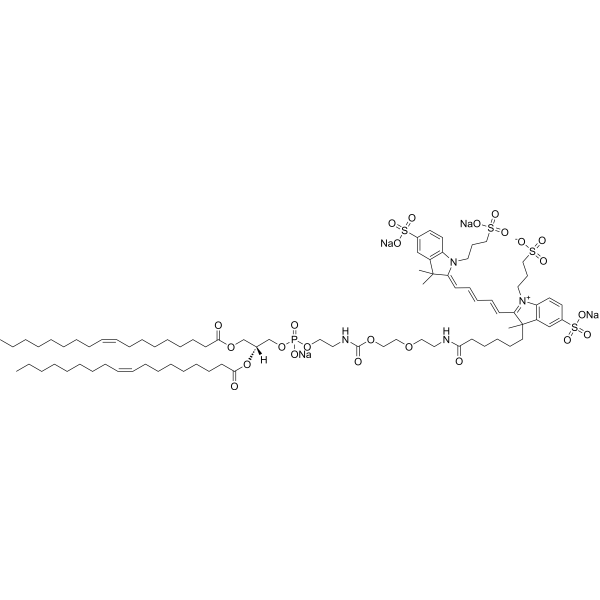
    DOPE-PEG2000-Cy5 is a phospholipid. Phospholipids have good biocompatibility and significant amphiphilic characteristics, making them the main and suitable dosage form or excipient in drug formulations, thereby achieving better therapeutic effects. DOPE-PEG2000-Cy5can be used in drug delivery research .
    DOPE-PEG2000-Cy5
  • HY-129990

    Liposome Cancer
    Dios-Arg diTFA, a cationic lipid with an arginine-bearing headgroup, shows obvious double bond proton signals at around 5.2-5.3 ppm. Dios-Arg diTFA is used, coupled to DOPE, to bind siRNA and plasmid to for cationic LNPs for intracellular transport .
    Dios-Arg diTFA
  • HY-158705

    Liposome Others
    SAINT-2 is a cationic lipid with gene transfection activity and is a pyridyl lipid analog. Molecular membranes prepared by SAINT-2 can interact with plasmids to form lipid complexes. After the complex is taken up by cells, the plasmid dissociates from the lipid complex under the action of DOPE and the plasmid translocates across the endosome and/or nuclear membrane. Thus, SAINT-2 effectively transfers small oligonucleotides into cells .
    SAINT-2
  • HY-W591449

    Liposome Cancer
    DOPE-PEG2000-Azide is a liposome to simulate biological phospholipid membrane. Liposomes are the main component of vesicles with concentric phospholipid bilayer membranes, which can be used to construct drug delivery systems for anti-cancer and anti-infection fields. Highly polar water-soluble payloads can be trapped in the internal aqueous space of liposomes, while lipophilic payloads can partition into and become part of the lipid bilayer. Especially for delivering antisense oligonucleotides, it can overcome problems such as inefficient cellular uptake and rapid loss in the body .
    DOPE-PEG2000-Azide
  • HY-155931

    DOPE-PEG550 ammonium; 1,2-Dioleoyl-sn-glycero-3-phosphoethanolamine-N-[methoxy(polyethylene glycol)-550] ammonium

    Liposome Others
    18:1 PEG550 PE ammonium (DOPE-PEG550 ammonium) is a PEG lipid functional end group used in the synthesis of liposomes (LPs) for the design of conjugated polymer nanoparticles. Through biotin modification and carboxyl terminus, lipid nanoparticles (LNPs) further coupling with other biomolecules can be achieved. Functionalized nanoparticles can be used for targeted labeling of specific cellular proteins. With streptavidin as a linker, biotinylated PEG lipid-conjugated polymer nanoparticles are able to bind to biotinylated antibodies on cell surface receptors, yielding the utility of fluorescence-based imaging and sensing.
    18:1 PEG550 PE ammonium
  • HY-155933

    DOPE-PEG3000 ammonium; 1,2-Dioleoyl-sn-glycero-3-phosphoethanolamine-N-[methoxy(polyethylene glycol)-3000] ammonium

    Liposome Others
    18:1 PEG3000 PE ammonium (DOPE-PEG3000 ammonium) is a PEG lipid functional end group used in the synthesis of liposomes (LPs) for the design of conjugated polymer nanoparticles. Through biotin modification and carboxyl terminus, lipid nanoparticles (LNPs) further coupling with other biomolecules can be achieved. Functionalized nanoparticles can be used for targeted labeling of specific cellular proteins. With streptavidin as a linker, biotinylated PEG lipid-conjugated polymer nanoparticles are able to bind to biotinylated antibodies on cell surface receptors, yielding the utility of fluorescence-based imaging and sensing.
    18:1 PEG3000 PE ammonium
  • HY-155932

    DOPE-PEG1000 ammonium; 1,2-Dioleoyl-sn-glycero-3-phosphoethanolamine-N-[methoxy(polyethylene glycol)-1000] ammonium

    Liposome Others
    18:1 PEG1000 PE ammonium (DOPE-PEG1000 ammonium) is a PEG lipid functional end group used in the synthesis of liposomes (LPs) for the design of conjugated polymer nanoparticles. Through biotin modification and carboxyl terminus, lipid nanoparticles (LNPs) further coupling with other biomolecules can be achieved. Functionalized nanoparticles can be used for targeted labeling of specific cellular proteins. With streptavidin as a linker, biotinylated PEG lipid-conjugated polymer nanoparticles are able to bind to biotinylated antibodies on cell surface receptors, yielding the utility of fluorescence-based imaging and sensing.
    18:1 PEG1000 PE ammonium
  • HY-155930

    DOPE-PEG350 ammonium; 1,2-Dioleoyl-sn-glycero-3-phosphoethanolamine-N-[methoxy(polyethylene glycol)-350] ammonium

    Liposome Others
    18:1 PEG350 PE ammonium (DOPE-PEG350 ammonium) is a PEG lipid functional end group used in the synthesis of liposomes (LPs) for the design of conjugated polymer nanoparticles. Through biotin modification and carboxyl terminus, lipid nanoparticles (LNPs) further coupling with other biomolecules can be achieved. Functionalized nanoparticles can be used for targeted labeling of specific cellular proteins. With streptavidin as a linker, biotinylated PEG lipid-conjugated polymer nanoparticles are able to bind to biotinylated antibodies on cell surface receptors, yielding the utility of fluorescence-based imaging and sensing.
    18:1 PEG350 PE ammonium
  • HY-160275

    Liposome Others
    DOPE-PEG2000-Fluor 555 is a PEG-lipid-dye conjugate featuring a DOPE phospholipid and a Fluor 555 dye. DOPE (HY-112005) is a neutral helper lipid for cationic liposome. Fluor 555 is a fluorescent dye .
    DOPE-PEG2000-Fluor 555
  • HY-160573

    Liposome Others
    cKK-E15 is a peptide-lipid that can be used to formulate LNP3 with C14PEG2000, unmodified cholesterol, and DOPE .
    cKK-E15
  • HY-121252S

    Isotope-Labeled Compounds α-synuclein Apoptosis Drug Metabolite Neurological Disease
    Dopal-d5 is the deuterium labeled Dopal (HY-121252). Dopal is a metabolite and aldehyde neurotoxin of Dopamine (HY-B0451). Dopal exhibits cytotoxicity, induces α-synuclein oligomerization and aggregation, and is closely associated with the pathogenesis of Parkinson's disease. Dopal can be used in research related to Parkinson's disease .
    Dopal-d5
  • HY-159004

    Reactive Oxygen Species (ROS) Metabolic Disease Inflammation/Immunology
    Se-DOPE is a phospholipid molecule with selenium. Se-DOPE can be used to synthesize the bifunctional Janus liposozyme. Se-DOPE promotes the production of ROS with induction of lights, scavenges the ROS with the presence of glutathione. Se-DOPE regulates redox and immune homeostasis in infected diabetic wounds .
    Se-DOPE
  • HY-N16036

    Biochemical Assay Reagents Others
    DOPE-PEG(2000)-HALO-TAG ammonium is a PEG polymer containing unsaturated DOPE phospholipids. DOPE-PEG(2000)-HALO-TAG ammonium can be used to prepare liposomes or other nanoparticles for drug delivery.
    DOPE-PEG(2000)-HALO-TAG ammonium
  • HY-166323

    Biochemical Assay Reagents Metabolic Disease
    DOPE-N-nonadecanoyl is an ester product.
    DOPE-N-nonadecanoyl
  • HY-167031

    Biochemical Assay Reagents Others
    DOPE-PEG5000-DBCO is a PEG lipid that can improve the delivery efficiency and tissue specificity of poorly soluble drugs. DOPE-PEG5000-DBCO can be used in drug delivery research .
    DOPE-PEG5000-DBCO
  • HY-160276

    Liposome Others
    DOPE-PEG5000-Fluor 555 is consist of a DOPE phospholipid which is an unsaturated phospholipid and a Fluor 555 dye which is a bright orange cyanine dye that can be used in fluorescence microscopy, FRET and other in vivo imaging techniques.
    DOPE-PEG5000-Fluor 555

Inquiry Online

Your information is safe with us. * Required Fields.

Salutation


Country or Region *

Applicant Name *


Organization Name *

Department *


Email Address *


Product Name *

Cat. No.


Requested quantity *

Phone Number *


Remarks

Inquiry Online

Inquiry Information

Product Name:
Cat. No.:
Quantity:
MCE Japan Authorized Agent:

