1. Search Result
Search Result
Results for "

gastrointestinal disorders

" in MedChemExpress (MCE) Product Catalog:

73

Inhibitors & Agonists

1

Screening Libraries

1

Biochemical Assay Reagents

2

Peptides

9

Natural
Products

9

Isotope-Labeled Compounds

Cat. No. Product Name Target Research Areas Chemical Structure
  • HY-B0113
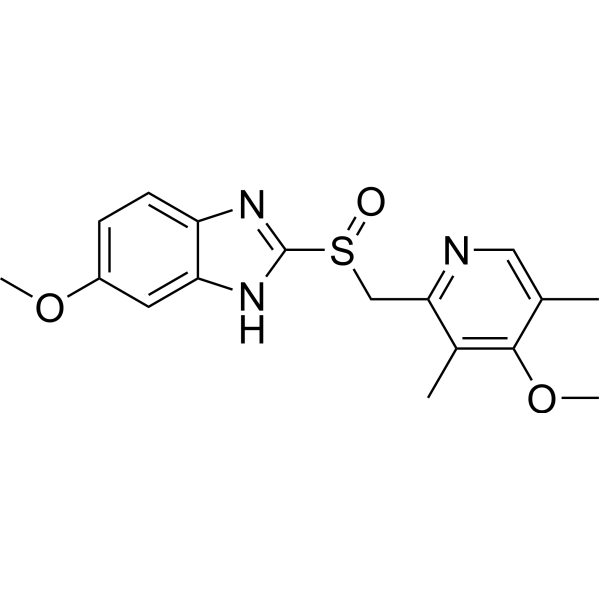
    Omeprazole
    Maximum Cited Publications
    8 Publications Verification

    H 16868

    Na+/K+ ATPase Proton Pump Bacterial Cytochrome P450 Apoptosis Autophagy Atg8/LC3 TNF Receptor Interleukin Related Infection Neurological Disease Inflammation/Immunology Cancer
    Omeprazole (H 16868) is an orally active H +,K +-ATPase inhibitor and a proton pump inhibitor. Omeprazole competitively inhibits CYP2C19, CYP3A4, and CYP2C9 activity. Omeprazole inhibits gastric acid secretion and can be used for acid-related gastrointestinal disorders. Omeprazole inhibits pancreatic cancer cell proliferation, induces apoptosis, autophagosome accumulation (elevated LC3-I and LC3-II levels), oxidative stress, and cytogenetic imbalance, modulates lysosomal transport, reduces inflammatory cytokines. Omeprazole alters small intestinal morphology and magnesium absorption, and induces gastric mucosa morphologic changes. Omeprazole aslo has neuroprotective and antibacterial effects .
    Omeprazole
  • HY-B2132
    Tryptamine
    1 Publications Verification

    3-(2-Aminoethyl)indole~2-(3-Indolyl)ethylamine

    Endogenous Metabolite 5-HT Receptor Aryl Hydrocarbon Receptor Neurological Disease Metabolic Disease
    Tryptamine is a selective, blood-brain-penetrating 5-HT4 receptor agonist (EC50=1-3 mM) and an endogenous ligand of the aryl hydrocarbon receptor (AHR) (Kd=10-50 nM). Tryptamine promotes intestinal anion secretion and fluid transport by activating G protein-coupled receptors (GPCRs) and accelerates gastrointestinal motility. Tryptamine regulates Th17/Treg balance to inhibit neuroinflammation, competitively binds to 5-HT receptors to regulate central nervous system activity, and participates in temperature regulation and spinal reflex regulation as a neuromodulator. Tryptamine can be used to study intestinal motility disorders such as functional constipation, and has shown significant efficacy in multiple sclerosis models .
    Tryptamine
  • HY-17638
    Mizagliflozin
    5 Publications Verification

    DSP-3235 free base; KGA-3235 free base; GSK-1614235 free base

    SGLT Metabolic Disease
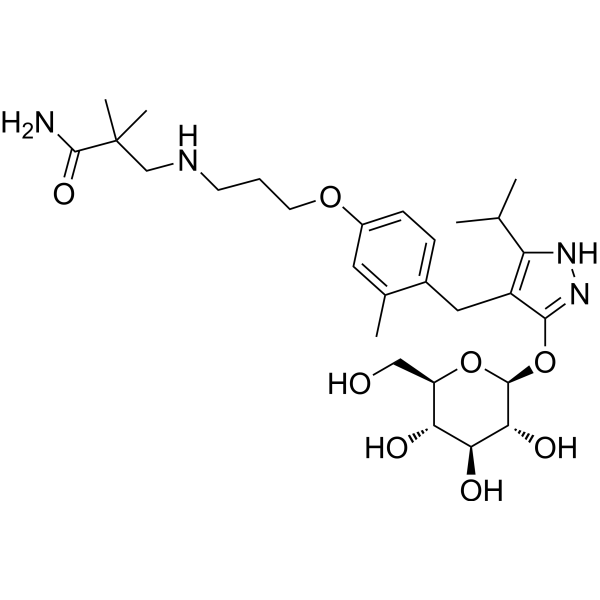
    Mizagliflozin (DSP-3235 free base) is a potent, orally active and selective SGLT1 inhibitor, with a Ki of 27 nM for human SGLT1. Mizagliflozin displays 303-fold selectivity over SGLT2. Mizagliflozin is used as an antidiabetic agent that can modify postprandial blood glucose excursion. Mizagliflozin also exhibits potential in the amelioration of chronic constipation .
    Mizagliflozin
  • HY-105174

    JAK FAK Inflammation/Immunology
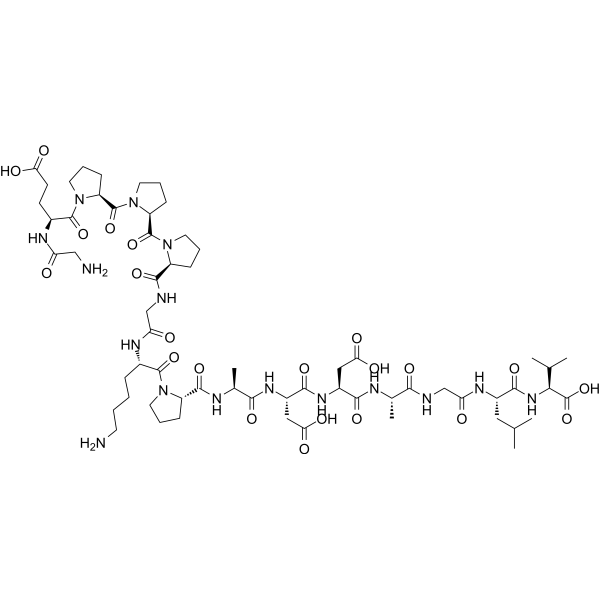
    BPC 157 is the 15-amino acide fragment of gastric peptide BPC. BPC 157 exhibits wound healing promoting and neuroprotective activity. BPC 157 maintains the integrity of the gastrointestinal mucosa without significant toxicity. BPC 157 acetate counteracts NSAIDs/insulin overdose/copper-induced toxicity. BPC 157 ameliorates specific (over)stimulated/damaged neurotransmitter systems-induced behavioral disorders through serotonergic and dopaminergic systems .
    BPC 157
  • HY-106301
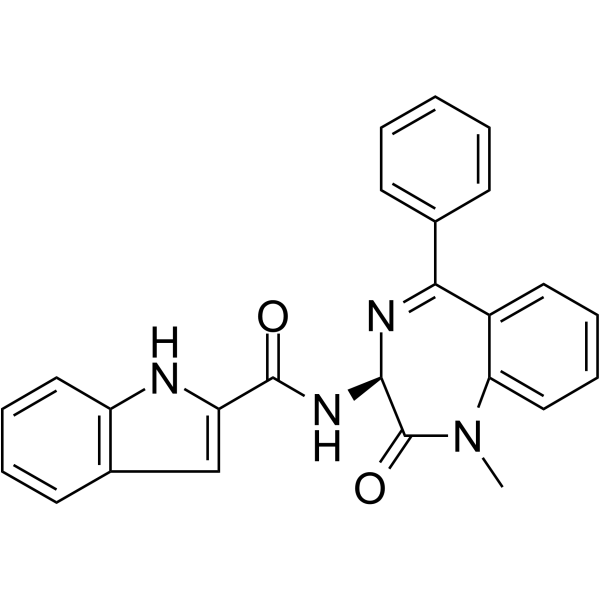
    Devazepide
    5+ Cited Publications

    L-364,718; MK-329

    Cholecystokinin Receptor Metabolic Disease
    Devazepide (L-364,718) is a potent, competitive, selective and orally active nonpeptide antagonist of cholecystokinin (CCK) receptor, with IC50s of 81 pM, 45 pM and 245 nM for rat pancreatic, bovine gallbladder and guinea pig brain CCK receptors, respectively. Devazepide (L-364,718) is effective for gastrointestinal disorders .
    Devazepide
  • HY-B0113A
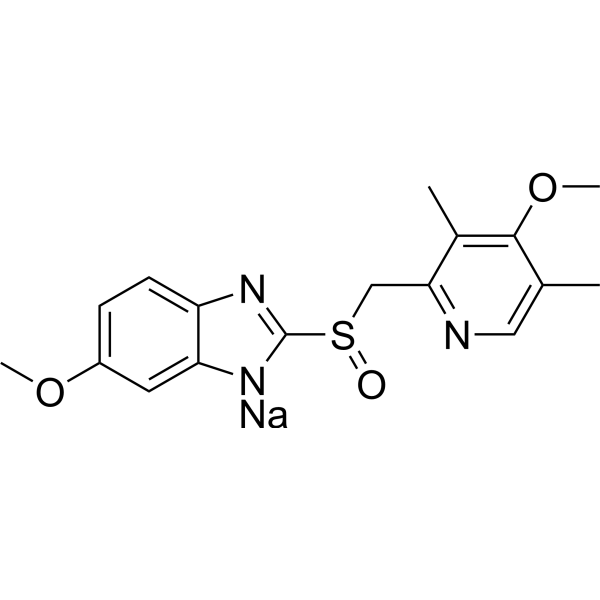
    Omeprazole sodium
    Maximum Cited Publications
    8 Publications Verification

    H 16868 sodium

    Na+/K+ ATPase Interleukin Related Proton Pump Cytochrome P450 Bacterial Apoptosis Autophagy TNF Receptor Atg8/LC3 Infection Inflammation/Immunology
    Omeprazole (H 16868) sodium is an orally active H +,K +-ATPase inhibitor and a proton pump inhibitor. Omeprazole sodium competitively inhibits CYP2C19, CYP3A4, and CYP2C9 activity. Omeprazole sodium inhibits gastric acid secretion and can be used for acid-related gastrointestinal disorders. Omeprazole sodium inhibits pancreatic cancer cell proliferation, induces apoptosis, autophagosome accumulation (elevated LC3-I and LC3-II levels), oxidative stress, and cytogenetic imbalance, modulates lysosomal transport, reduces inflammatory cytokines. Omeprazole sodium alters small intestinal morphology and magnesium absorption, and induces gastric mucosa morphologic changes. Omeprazole sodium aslo has neuroprotective and antibacterial effects .
    Omeprazole sodium
  • HY-156619

    EVT-8565072; THB335

    c-Kit PDGFR Metabolic Disease Inflammation/Immunology
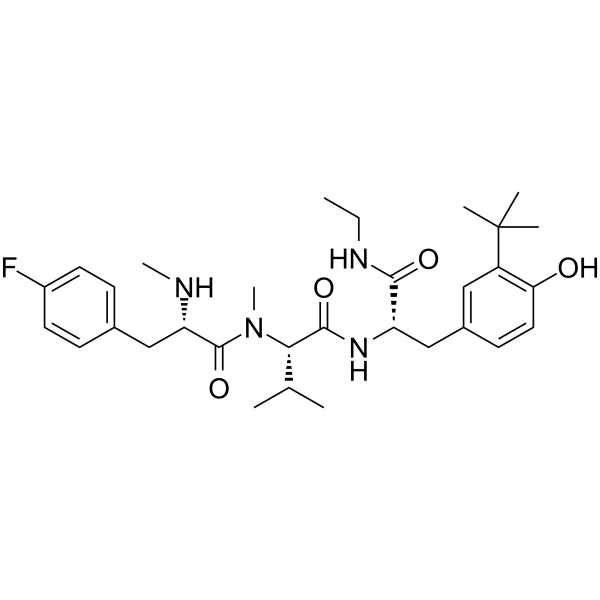
    Labuxtinib (EVT-8565072; THB335) is a potent dual inhibitor of c-Kit and PDGFR. Labuxtinib exhibits potent inhibitory activity against wild-type c-Kit (IC50 = 0.005 μM). Labuxtinib inhibits SCF-dependent and PDGF-dependent cell proliferation, and blocks the proliferation of cells dependent on c-Kit or PDGFR signaling pathways. In animal models of skin allergy, Labuxtinib depletes skin mast cells and significantly alleviates anaphylactic shock responses. Labuxtinib can be used in research on mast cell-related diseases, respiratory diseases, inflammatory diseases, fibrotic diseases, metabolic diseases, and other related conditions .
    Labuxtinib
  • HY-40294

    Monoamine Oxidase GSK-3 LRRK2 Cardiovascular Disease Neurological Disease Cancer
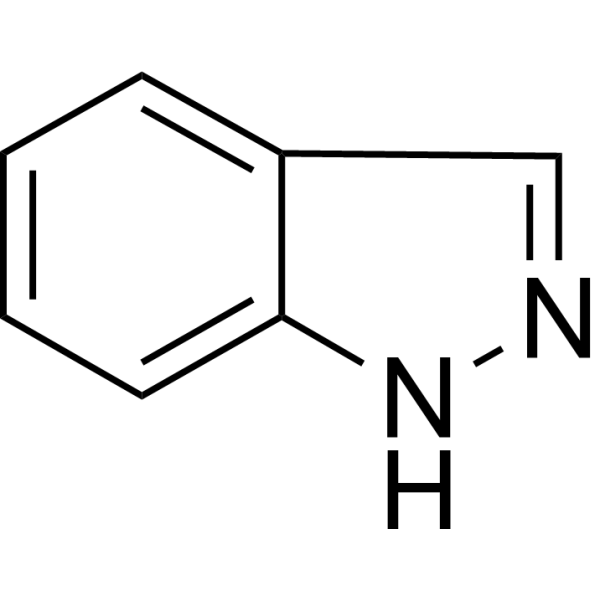
    Indazole, also called isoindazole, a heterocyclic aromatic organic compound. Its derivatives display a broad variety of biological activities including anti-inflammatory, antibacterial, anti-HIV, antiarrhythmic, antifungal and antitumour properties. Indazole and its derivatives can be used for research of cancer, neurological disorders, cardiovascular diseases, gastrointestinal diseases .
    Indazole
  • HY-B0380A

    Opioid Receptor Toll-like Receptor (TLR) Calcium Channel Potassium Channel IRAK ERK JNK NF-κB Akt Apoptosis Neurological Disease Metabolic Disease Inflammation/Immunology Cancer
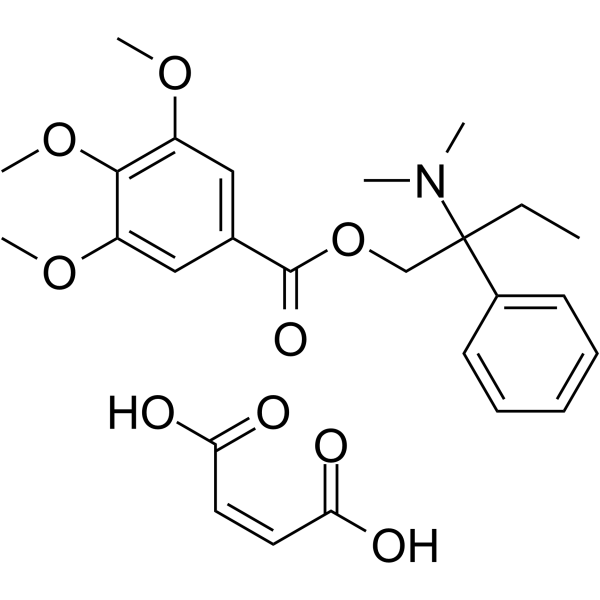
    Trimebutine maleate is a multi-target inhibitor and opioid receptor agonist with antimuscarinic activity. Trimebutine maleate inhibits L-type Ca 2+ channels and large-conductance calcium-activated potassium channels (BKCa channels), thereby inhibiting extracellular calcium influx and potassium ion efflux. Trimebutine maleate also targets Toll-like receptors, inhibits Toll-like receptor 2/4/7/8/9 signals, and inhibits LPS-induced IRAK1 activation, as well as ERK1/2, JNK and NF-κB activation, thereby exerting anti-inflammatory effects. Trimebutine maleate also induces tumor cell apoptosis by inhibiting the AKT/ERK pathway. Trimebutine maleate also inhibits excessive contraction of smooth muscle and can be used in the study of gastrointestinal disorders such as irritable bowel syndrome (IBS) .
    Trimebutine maleate
  • HY-B0380

    Opioid Receptor Toll-like Receptor (TLR) Calcium Channel Potassium Channel IRAK ERK JNK NF-κB Akt Apoptosis Neurological Disease Metabolic Disease Inflammation/Immunology Cancer
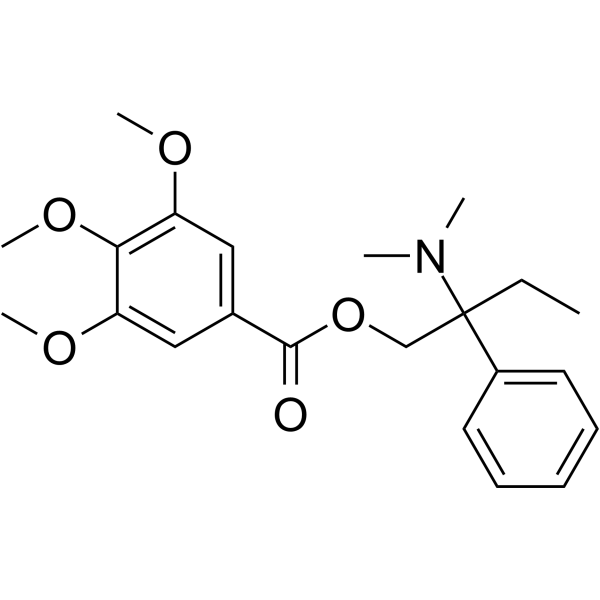
    Trimebutine is a multi-target inhibitor and opioid receptor agonist with antimuscarinic activity. Trimebutine inhibits L-type Ca 2+ channels and large-conductance calcium-activated potassium channels (BKCa channels), thereby inhibiting extracellular calcium influx and potassium ion efflux. Trimebutine also targets Toll-like receptors, inhibits Toll-like receptor 2/4/7/8/9 signals, and inhibits LPS-induced IRAK1 activation, as well as ERK1/2, JNK and NF-κB activation, thereby exerting anti-inflammatory effects. Trimebutine also induces tumor cell apoptosis by inhibiting the AKT/ERK pathway. Trimebutine also inhibits excessive contraction of smooth muscle and can be used in the study of gastrointestinal disorders such as irritable bowel syndrome (IBS) .
    Trimebutine
  • HY-B1613A
    Clebopride malate
    1 Publications Verification

    Dopamine Receptor Adrenergic Receptor Metabolic Disease
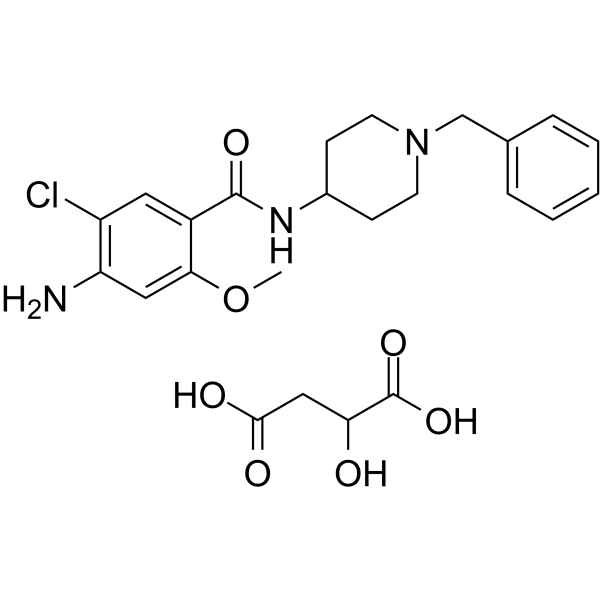
    Clebopride malate is an orally active dopamine Receptor antagonist. Clebopride malate acts on dopamine D2 receptors and has antiemetic and prokinetic effects. Clebopride malate can be used in the study of functional gastrointestinal disorders .
    Clebopride malate
  • HY-B0189B
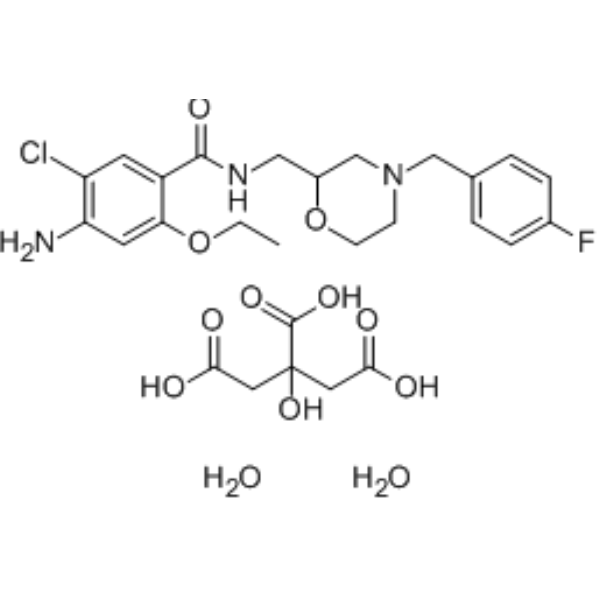
    Mosapride citrate dihydrate
    5+ Cited Publications

    TAK-370 citrate dihydrate; AS-4370 citrate dihydrate

    5-HT Receptor Potassium Channel Cytochrome P450 Metabolic Disease Cancer
    Mosapride (TAK-370) citrate dehydrate is a gastroprokinetic agent with 5-hydroxytryptamine4 receptor agonist activity and has been widely used in the research of a variety of gastrointestinal disorders. Mosapride citrate dihydrate potently inhibits Kv4.3 in a concentration-dependent manner with IC50 values of 15.2 μM . Mosapride citrate dihydrateselectively stimulates upper GI motility in vivo .
    Mosapride citrate dihydrate
  • HY-109106A

    SK-1403; AJT240; PLS240

    CaSR Endocrinology
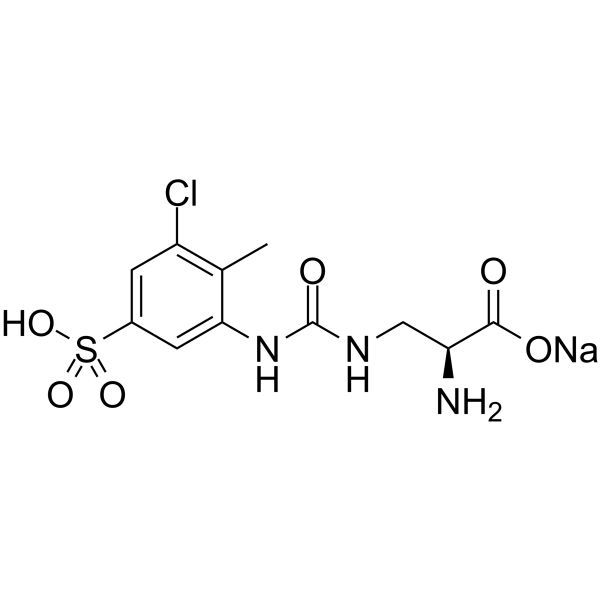
    Upacicalcet sodium is a non-peptide calcimimetic that acts as a CaSR agonist (EC50 = 10.8 nM). Upacicalcet sodium reduces serum intact parathyroid hormone (iPTH) and serum Ca 2+ levels, reducing hypocalcemia and gastrointestinal complications. Upacicalcet sodium sodium improves vascular calcification and bone disorders in the Adenine (HY-B0152)-induced secondary hyperparathyroidism (SHPT) rat model. Upacicalcet sodium sodium inhibits cortical pore formation and reduces bone fibrosis in rats with chronic kidney disease (CKD). Upacicalcet sodium is useful for studying SHPT .
    Upacicalcet sodium
  • HY-W094517

    Biochemical Assay Reagents Endocrinology
    Sodium phosphate dibasic heptahydrate is an orally active and osmotic laxative, often used as a component of over-the-counter gastrointestinal lavage drugs. Sodium phosphate dibasic heptahydrate draws water into the intestinal lumen, maintains electrical neutrality by retaining cations in the intestinal lumen, and thereby alters fecal volume, consistency and phosphate levels. Sodium phosphate dibasic heptahydrate can be used to generate self-assembled calcium phosphate tubular scaffolds, which support the adhesion, survival and elongation of mesenchymal stem cells. Sodium phosphate dibasic heptahydrate can be applied to research on factitious disorders and related fields .
    Sodium phosphate dibasic heptahydrate
  • HY-107642

    Motilin Receptor Metabolic Disease
    MA-2029 is a selective, orally active, and competitive motilin receptor antagonist (IC50=4.9 nM). MA-2029 is selective for the motilin receptor over various other receptors and ion channels. MA-2029 may be useful for gastrointestinal disorders associated with disturbed gastrointestinal motility .
    MA-2029
  • HY-14826

    AVE8112

    Phosphodiesterase (PDE) Neurological Disease
    Tilivapram (AVE8112) is an orally active PDE4 inhibitor with procognitive effects. Tilivapram exhibits in vivo efficacy and improves processing speed and psychomotor speed. Oral administration of tilivapram may induce dose-related adverse reactions such as nausea and dizziness, but transdermal delivery enables slow, controlled elevation of plasma concentrations, thereby significantly reducing gastrointestinal discomfort and dizziness. Tilivapram is applicable to research related to neuropsychiatric disorders .
    Tilivapram
  • HY-145453

    Interleukin Related Inflammation/Immunology
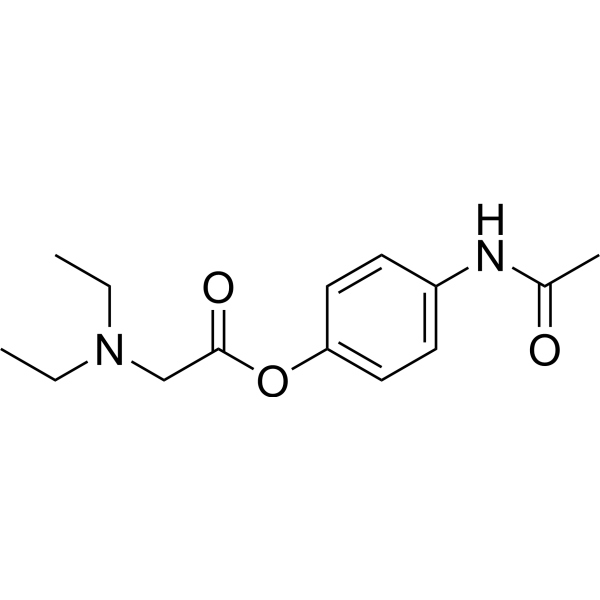
    Propacetamol is an orally active prodrug of Acetaminophen (HY-66005), which exerts antipyretic and analgesic effects after metabolism. Propacetamol reduces Aspirin (ASA) (HY-14654)-induced elevation of malondialdehyde (MDA) in gastric mucosa and plasma, regulates the levels of gastric mucosal glutathione (GSH and GSSG) to maintain cellular antioxidant defense, and increases gastric mucosal uric acid (UA) levels. Propacetamol exerts a dose-dependent protective effect against ASA-induced gastric mucosal damage in rats. Propacetamol can be used for the study of gastric mucosal injury by interfering with oxidative stress .
    Propacetamol
  • HY-B0113R

    H 16868 (Standard)

    Reference Standards Na+/K+ ATPase Interleukin Related Proton Pump Cytochrome P450 Bacterial Apoptosis Autophagy TNF Receptor Atg8/LC3 Infection Metabolic Disease Cancer
    Omeprazole (Standard) is the analytical standard of Omeprazole. This product is intended for research and analytical applications. Omeprazole (H 16868) is an orally active H +,K +-ATPase inhibitor and a proton pump inhibitor. Omeprazole competitively inhibits CYP2C19, CYP3A4, and CYP2C9 activity. Omeprazole inhibits gastric acid secretion and can be used for acid-related gastrointestinal disorders. Omeprazole inhibits pancreatic cancer cell proliferation, induces apoptosis, autophagosome accumulation (elevated LC3-I and LC3-II levels), oxidative stress, and cytogenetic imbalance, modulates lysosomal transport, reduces inflammatory cytokines. Omeprazole alters small intestinal morphology and magnesium absorption, and induces gastric mucosa morphologic changes. Omeprazole aslo has neuroprotective and antibacterial effects .
    Omeprazole (Standard)
  • HY-B0113S
    Omeprazole-d3
    1 Publications Verification

    H 16868-d3

    Na+/K+ ATPase Interleukin Related Proton Pump Cytochrome P450 Bacterial Apoptosis Autophagy TNF Receptor Atg8/LC3 Infection Metabolic Disease Cancer
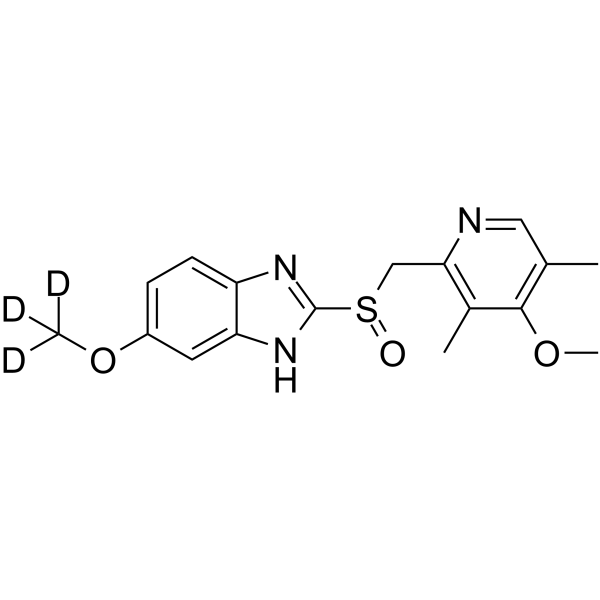
    Omeprazole-d3 (H 16868-d3) is deuterium labeled Omeprazole. Omeprazole (H 16868) is an orally active H +,K +-ATPase inhibitor and a proton pump inhibitor. Omeprazole competitively inhibits CYP2C19, CYP3A4, and CYP2C9 activity. Omeprazole inhibits gastric acid secretion and can be used for acid-related gastrointestinal disorders. Omeprazole inhibits pancreatic cancer cell proliferation, induces apoptosis, autophagosome accumulation (elevated LC3-I and LC3-II levels), oxidative stress, and cytogenetic imbalance, modulates lysosomal transport, reduces inflammatory cytokines. Omeprazole alters small intestinal morphology and magnesium absorption, and induces gastric mucosa morphologic changes. Omeprazole aslo has neuroprotective and antibacterial effects .
    Omeprazole-d3
  • HY-108283

    AA 149; Supacal

    Calcium Channel Inflammation/Immunology
    Trepibutone (AA 149) increases secretion of bile and pancreatic juice, and accelerates flaccidity of the smooth muscle in the gastrointestinal tract. Trepibutone can be used for the research of cholecystitis and functional gastrointestinal disorders .
    Trepibutone
  • HY-U00382

    Neurokinin Receptor Neurological Disease Inflammation/Immunology
    Substance P Receptor Antagonist 1 has the potential function in central nervous system disorders, respiratory, inflammatory diseases and gastrointestinal disorders.
    Substance P Receptor Antagonist 1
  • HY-B1667

    mAChR Metabolic Disease
    Isopropamide iodide is a long-acting quaternary anticholinergic agent. Isopropamide iodide is used in peptic ulcer and other gastrointestinal disorders marked by hyperacidity and hypermotility .
    Isopropamide iodide
  • HY-109546

    Na+/K+ ATPase Interleukin Related Proton Pump Cytochrome P450 Bacterial Apoptosis Autophagy TNF Receptor Atg8/LC3 Infection Metabolic Disease Cancer
    Omeprazole (H 16868) magnesium is an orally active H +,K +-ATPase inhibitor and a proton pump inhibitor. Omeprazole magnesium competitively inhibits CYP2C19, CYP3A4, and CYP2C9 activity. Omeprazole magnesium inhibits gastric acid secretion and can be used for acid-related gastrointestinal disorders. Omeprazole magnesium inhibits pancreatic cancer cell proliferation, induces apoptosis, autophagosome accumulation (elevated LC3-I and LC3-II levels), oxidative stress, and cytogenetic imbalance, modulates lysosomal transport, reduces inflammatory cytokines. Omeprazole magnesium alters small intestinal morphology and magnesium absorption, and induces gastric mucosa morphologic changes. Omeprazole magnesium aslo has neuroprotective and antibacterial effects .
    Omeprazole magnesium
  • HY-B0113S3

    H 16868-13C,d3

    Isotope-Labeled Compounds Na+/K+ ATPase Interleukin Related Proton Pump Cytochrome P450 Bacterial Apoptosis Autophagy TNF Receptor Atg8/LC3 Infection Metabolic Disease Cancer
    Omeprazole- 13C,d3 is a 13C-labeled and deuterium labeled Omeprazole. Omeprazole (H 16868) is an orally active H +,K +-ATPase inhibitor and a proton pump inhibitor. Omeprazole competitively inhibits CYP2C19, CYP3A4, and CYP2C9 activity. Omeprazole inhibits gastric acid secretion and can be used for acid-related gastrointestinal disorders. Omeprazole inhibits pancreatic cancer cell proliferation, induces apoptosis, autophagosome accumulation (elevated LC3-I and LC3-II levels), oxidative stress, and cytogenetic imbalance, modulates lysosomal transport, reduces inflammatory cytokines. Omeprazole alters small intestinal morphology and magnesium absorption, and induces gastric mucosa morphologic changes. Omeprazole aslo has neuroprotective and antibacterial effects .
    Omeprazole-13C,d3
  • HY-B2175

    Aluminum diacetylsalicylate

    Biochemical Assay Reagents Inflammation/Immunology
    Aspirin Aluminum is a novel intermolecular compound which can inhibit gastrointestinal mucosal disorders induced by NSAIDs (non-steroidal anti-inflammatory agents) extracted from patent WO 2010064441 A1.
    Aspirin Aluminum
  • HY-144401
    DS-3801b
    1 Publications Verification

    Motilin Receptor Metabolic Disease
    DS-3801b is a potent and non-macrolide agonist of GPR38. DS-3801b is expected to be novel gastrointestinal prokinetic agents for the research of functional gastrointestinal disorders such as gastroparesis and chronic constipation .
    DS-3801b
  • HY-106525

    Cholinesterase (ChE) Inflammation/Immunology
    Aclatonium napadisylate is a cholinergic agonist. Aclatonium napadisylate can increase amylase release and Ca 2+ efflux. Aclatonium napadisylate can stimulate pancreatic exocrine secretion and increase motility and peristalsis of the gastrointestinal tract. Aclatonium napadisylate can be used for the research of gastrointestinal disorders .
    Aclatonium napadisylate
  • HY-103146

    5-HT Receptor Neurological Disease
    GR125487 sulfamate is an orally active and selective antagonist of 5-HT4R. GR125487 sulfamate effectively blocks the cognition enhancing effect. GR125487 sulfamate can be used to study memory disorders, gastrointestinal disorders, mood disorders and urinary tract dysfunction .
    GR125487 sulfamate
  • HY-113365R

    4-Cholesten-3-one (Standard)

    Reference Standards Endogenous Metabolite Infection Metabolic Disease
    Clebopride (malate) (Standard) is the analytical standard of Clebopride (malate). This product is intended for research and analytical applications. Clebopride malate is a dopamine antagonist used in the study of functional gastrointestinal disorders.
    Cholestenone (Standard)
  • HY-40294R

    Monoamine Oxidase GSK-3 LRRK2 Cardiovascular Disease Neurological Disease Cancer
    Indazole (Standard) is the analytical standard of Indazole. This product is intended for research and analytical applications. Indazole, also called isoindazole, a heterocyclic aromatic organic compound. Its derivatives display a broad variety of biological activities including anti-inflammatory, antibacterial, anti-HIV, antiarrhythmic, antifungal and antitumour properties. Indazole and its derivatives can be used for research of cancer, neurological disorders, cardiovascular diseases, gastrointestinal diseases .
    Indazole (Standard)
  • HY-U00375

    Cholecystokinin Receptor Endocrinology
    Gastrin/CCK antagonist 1 is an antagonist of gastrin/CCK, used for the research of gastrointestinal disorders.
    Gastrin/CCK antagonist 1
  • HY-121020

    SARS-CoV Infection Others Inflammation/Immunology
    Arcapillin is a flavonoid that can be isolated from Artemisia capillaris Thunb. Arcapillin induces dose-dependent relaxation of ileum and pulmonary artery smooth muscle, causes slight urinary bladder smooth muscle contraction at highest tested concentrations. Arcapillin binds to the active site of SARS-CoV-2 Mpro via interactions with Gln139, His163, and His164, exhibits antiviral activity against SARS-CoV-2 and MERS-CoV. Arcapillin can be used for the research of gastrointestinal disorders, COVID-19, and Middle East respiratory syndrome (MERS) .
    Arcapillin
  • HY-U00286

    5-HT Receptor Cardiovascular Disease
    5-HT2A antagonist 1 is a 5-HT2A antagonist extracted from patent US5728835A and JP 1007727. 5-HT2A antagonist 1 may be useful in treatment of gastrointestinal disorders circulatory disorders.
    5-HT2A antagonist 1
  • HY-135111

    Drug Metabolite Infection Metabolic Disease Cancer
    4-Desmethoxy Omeprazole is the active metabolite of Omeprazole. Omeprazole, a proton pump inhibitor (PPI), is available for treatment of acid-related gastrointestinal disorders. Omeprazole shows competitive inhibition of CYP2C19 activity with a Ki of 2 to 6 μM . Omeprazole also inhibits growth of Gram-positive and Gram-negative bacteria .
    4-Desmethoxy Omeprazole
  • HY-W153897

    Adrenergic Receptor Metabolic Disease
    N-Methyltyramine is a protoalkaloid that can be isolated from various plant species. N-Methyltyramine is an α2-adrenoreceptor antagonist. N-Methyltyramine enhances appetite and digestion of foods by stimulating gastrin and pancreatic secretions. N-Methyltyramine can relax mouse small intestinal smooth muscle and inhibits small intestinal propulsion .
    N-Methyltyramine
  • HY-109106

    SK-1403 free acid; AJT240 free acid; PLS240 free acid

    CaSR Endocrinology
    Upacicalcet is a non-peptide calcimimetic that acts as a CaSR agonist (EC50 = 10.8 nM). Upacicalcet reduces serum intact parathyroid hormone (iPTH) and serum Ca2+ levels, reducing hypocalcemia and gastrointestinal complications. Upacicalcet improves vascular calcification and bone disorders in the Adenine (HY-B0152)-induced secondary hyperparathyroidism (SHPT) rat model. Upacicalcet inhibits cortical pore formation and reduces bone fibrosis in rats with chronic kidney disease (CKD). Upacicalcet is useful for studying SHPT .
    Upacicalcet
  • HY-B0380S1

    Isotope-Labeled Compounds Opioid Receptor Toll-like Receptor (TLR) Calcium Channel Potassium Channel IRAK ERK JNK NF-κB Akt Apoptosis Neurological Disease Metabolic Disease Inflammation/Immunology Cancer
    Trimebutine-d5 fumarate is deuterium labeled Trimebutine fumarate. Trimebutine fumarate is a multi-target inhibitor and opioid receptor agonist with antimuscarinic activity. Trimebutine fumarate inhibits L-type Ca 2+ channels and large-conductance calcium-activated potassium channels (BKCa channels), thereby inhibiting extracellular calcium influx and potassium ion efflux. Trimebutine fumarate also targets Toll-like receptors, inhibits Toll-like receptor 2/4/7/8/9 signals, and inhibits LPS-induced IRAK1 activation, as well as ERK1/2, JNK and NF-κB activation, thereby exerting anti-inflammatory effects. Trimebutine fumarate also induces tumor cell apoptosis by inhibiting the AKT/ERK pathway. Trimebutine fumarate also inhibits excessive contraction of smooth muscle and can be used in the study of gastrointestinal disorders such as irritable bowel syndrome (IBS) .
    Trimebutine-d5 fumarate
  • HY-B0380AR

    Reference Standards Opioid Receptor Apoptosis Potassium Channel NF-κB Akt IRAK JNK Toll-like Receptor (TLR) ERK Calcium Channel Neurological Disease Metabolic Disease Inflammation/Immunology Cancer
    Trimebutine maleate (Standard) is the analytical standard of Trimebutine maleate (HY-B0380A). This product is intended for research and analytical applications. Trimebutine maleate is a multi-target inhibitor and opioid receptor agonist with antimuscarinic activity. Trimebutine maleate inhibits L-type Ca 2+ channels and large-conductance calcium-activated potassium channels (BKCa channels), thereby inhibiting extracellular calcium influx and potassium ion efflux. Trimebutine maleate also targets Toll-like receptors, inhibits Toll-like receptor 2/4/7/8/9 signals, and inhibits LPS-induced IRAK1 activation, as well as ERK1/2, JNK and NF-κB activation, thereby exerting anti-inflammatory effects. Trimebutine maleate also induces tumor cell apoptosis by inhibiting the AKT/ERK pathway. Trimebutine maleate also inhibits excessive contraction of smooth muscle and can be used in the study of gastrointestinal disorders such as irritable bowel syndrome (IBS) .
    Trimebutine maleate (Standard)
  • HY-B1613

    Dopamine Receptor Adrenergic Receptor Metabolic Disease
    Clebopride is an orally active dopamine Receptor antagonist. Clebopride acts on dopamine D2 receptors and has antiemetic and prokinetic effects. Clebopride can be used in the study of functional gastrointestinal disorders .
    Clebopride
  • HY-B1613AR

    Reference Standards Dopamine Receptor Adrenergic Receptor Metabolic Disease
    Clebopride malate (Standard) is the analytical standard of Clebopride malate (HY-B1613A). This product is intended for research and analytical applications. Clebopride malate is an orally active dopamine Receptor antagonist. Clebopride malate acts on dopamine D2 receptors and has antiemetic and prokinetic effects. Clebopride malate can be used in the study of functional gastrointestinal disorders.
    Clebopride malate (Standard)
  • HY-105524

    5-HT Receptor Dopamine Receptor Inflammation/Immunology
    Lirexapride is a 5-HT4/Dopamine D2 receptor agonist. Lirexapride stimulants gastrointestinal motor. Lirexapride can be used for research on digestive system disorders .
    Lirexapride
  • HY-108283R

    AA 149 (Standard); Supacal (Standard)

    Calcium Channel Reference Standards Inflammation/Immunology
    Trepibutone (Standard) is the analytical standard of Trepibutone. This product is intended for research and analytical applications. Trepibutone (AA 149) increases secretion of bile and pancreatic juice, and accelerates flaccidity of the smooth muscle in the gastrointestinal tract. Trepibutone can be used for the research of cholecystitis and functional gastrointestinal disorders .
    Trepibutone (Standard)
  • HY-147563

    RET Cancer
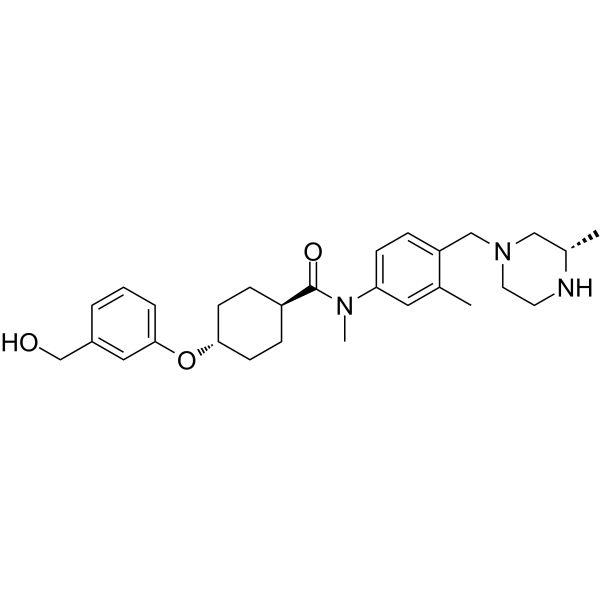
    RET-IN-17 is a potent inhibitor of RET. RET-IN-17 has the potential for the research of pain associated with IBS and other gastrointestinal disorders and for the research of cancers with constitutive RET kinase activity (extracted from patent WO2016038552A1, compound 1) .
    RET-IN-17
  • HY-147564

    RET Neurological Disease Cancer
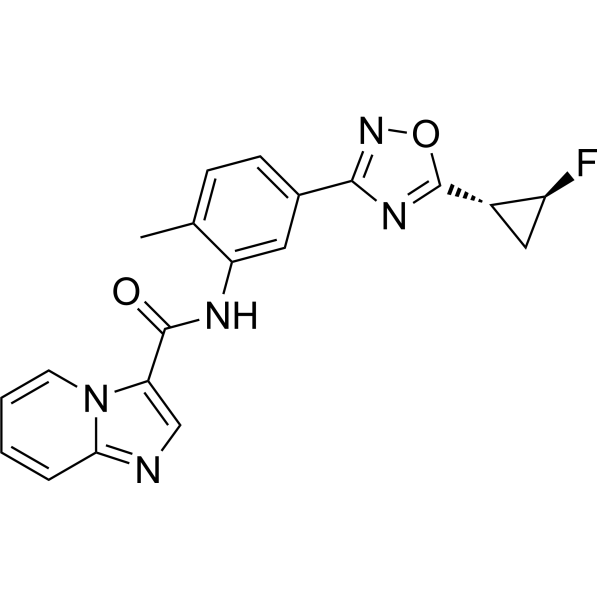
    RET-IN-18 is a pyridone compound. is a potent inhibitor of RET. RET-IN-18 is a potent inhibitor of RET. RET-IN-18 has the potential for the research of diseases related to irritable bowel syndrome (IBS) and other gastrointestinal disorders, as well as cancers, and neurodegenerative diseases (extracted from patent WO2022017524A1, compound 1) .
    RET-IN-18
  • HY-U00397

    Cannabinoid Receptor Cardiovascular Disease Neurological Disease Metabolic Disease Inflammation/Immunology
    CB1 antagonist 1 is an antagonist of CB1 receptor, used in the research of metabolic syndrome and obesity, neuroinflammatory disorders, cognitive disorders and psychosis, gastrointestinal disorders, and cardiovascular conditions.
    CB1 antagonist 1
  • HY-U00415

    Dopamine Receptor mAChR Neurological Disease
    Benzamide Derivative 1 is a benzamide derivative from patent EP0213775A1, compound 18. Benzamide Derivative 1 may be useful in treatment of gastrointestinal disorders.
    Benzamide Derivative 1
  • HY-14154

    5-HT Receptor Neurological Disease Endocrinology
    THRX-194556 is a 5-HT4 receptor agonist. THRX-194556 can be used to study gastrointestinal functional disorders and Alzheimer’s disease .
    THRX-194556
  • HY-N0584B

    6-Hydroxyhyoscyamine hydrochloride

    Adrenergic Receptor Inflammation/Immunology Cancer
    Anisodamine hydrochloride is an anticholinergic and α1 adrenergic receptor antagonist. Anisodamine hydrochloride can be used for improving blood flow in circulatory disorders such as septic shock, Anisodamine hydrochloride displays a spectrum of pharmacological effects similar to Atropine (HY-B1205) and Sopolamine (HY-B2065) including inhibition of salivation, gastrointestinal and sweat secretion, gastrointestinal motility, respiratory secretion and urinary bladder contraction in vivo .
    Anisodamine hydrochloride
  • HY-B1667R

    mAChR Reference Standards Metabolic Disease
    Isopropamide (iodide) (Standard) is the analytical standard of Isopropamide (iodide). This product is intended for research and analytical applications. Isopropamide iodide is a long-acting quaternary anticholinergic agent. Isopropamide iodide is used in peptic ulcer and other gastrointestinal disorders marked by hyperacidity and hypermotility .
    Isopropamide iodide (Standard)
  • HY-122991

    Histone Methyltransferase Neurological Disease
    Prospasmine hydrochloride is an anticholinergic drug that has the activity of inhibiting glandular secretions and relaxing smooth muscles. Prospasmine hydrochloride is mainly used to inhibit certain types of gastrointestinal disorders. Prospasmine hydrochloride helps relieve pain caused by smooth muscle spasms. Prospasmine hydrochloride is also used as an anesthetic adjuvant in some cases .
    Prospasmine hydrochloride

Inquiry Online

Your information is safe with us. * Required Fields.

Salutation


Country or Region *

Applicant Name *


Organization Name *

Department *


Email Address *


Product Name *

Cat. No.


Requested quantity *

Phone Number *


Remarks

Inquiry Online

Inquiry Information

Product Name:
Cat. No.:
Quantity:
MCE Japan Authorized Agent:

