251 Results for "

glutamic

" in MedChemExpress (MCE) Product Catalog:
Products (251)

251 Results for "glutamic" in MCE Product Catalog:

27
27 Cited Publications
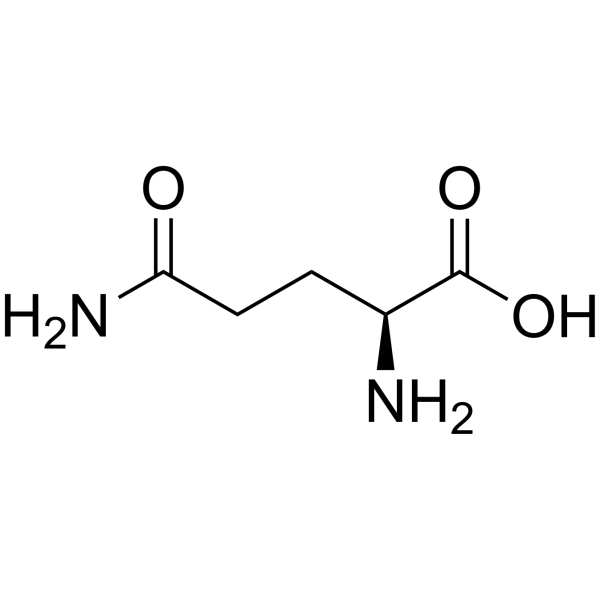
Cat. No.: HY-N0390
CAS No.: 56-85-9
Synonyms: L-glutamic acid 5-amide
L-Glutamine (L-Glutamic acid 5-amide) is a non-essential amino acid present abundantly throughout the body and involved in many metabolic processes. L-Glutamine provides a source of carbons for oxidation in some cells .
27
27 Cited Publications
Cat. No.: HY-N0390R
CAS No.: 56-85-9
Synonyms: L-glutamic acid 5-amide (Standard)
L-Glutamine (Standard) is the analytical standard of L-Glutamine (HY-N0390). This product is intended for research and analytical applications. L-Glutamine is an orally active nutritional agent and cellular metabolism regulator. L-Glutamine is taken up in a Na +-dependent manner and targets multiple key molecules including glutaminase, mTORC1, NF-κB, STAT-3 and HIF-1α. L-Glutamine enhances glutaminolytic catabolism, drives the conversion of glutamate to α-ketoglutarate, thereby regulating gene expression, integrating metabolic signals, mediating glutamine flux and maintaining redox homeostasis. L-Glutamine also promotes cell proliferation, osteogenic differentiation and fracture healing, exerts neuroprotective and cardioprotective effects, and inhibits osteoarthritis. L-Glutamine can be applied to research related to osteoporosis, osteoarthritis, ischemic stroke and acute cantharidin-induced cardiotoxicity .
15
15 Cited Publications
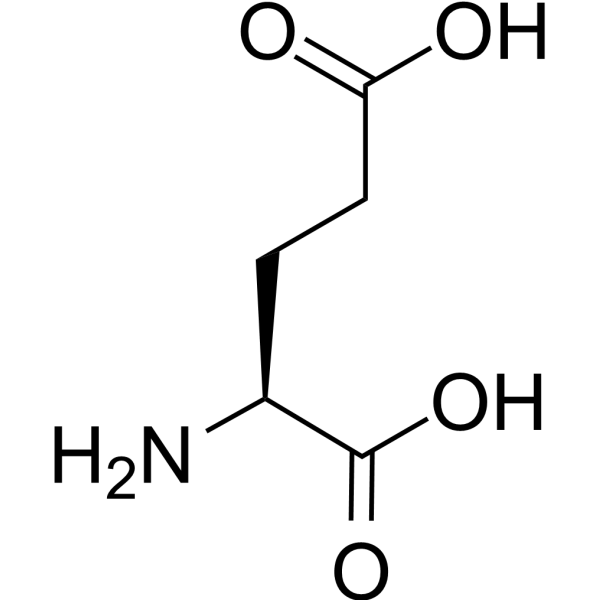
Cat. No.: HY-14608
CAS No.: 56-86-0
Purity:  99.81%
L-Glutamic acid is an excitatory amino acid neurotransmitter that acts as an agonist for all subtypes of glutamate receptors (metabolic rhodophylline, NMDA, and AMPA). L-Glutamic acid has an agonist effect on the release of DA from dopaminergic nerve endings. L-Glutamic acid can be used in the study of neurological diseases. L-Glutamic acid acts at ionotropic and metabotropic glutamate receptors .
14
14 Cited Publications
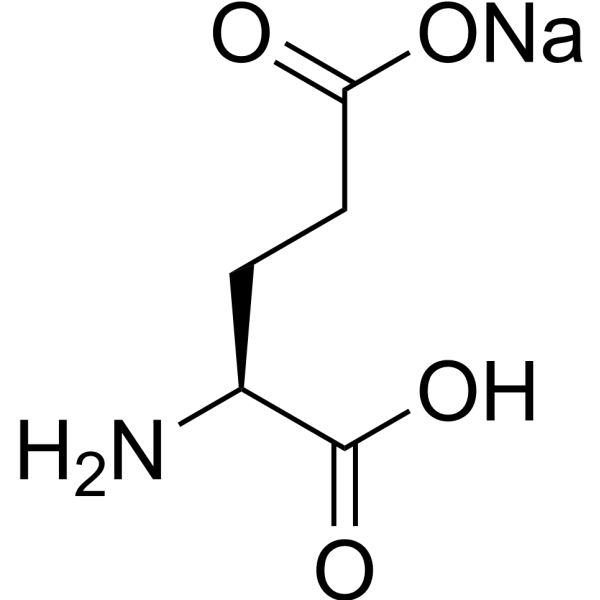
Cat. No.: HY-14608A
CAS No.: 142-47-2
Purity:  ≥98.0%
L-Glutamic acid monosodium salt is an excitatory amino acid neurotransmitter that acts as an agonist for all subtypes of glutamate receptors (metabolic rhodophylline, NMDA, and AMPA). L-Glutamic acid monosodium salt has an agonist effect on the release of DA from dopaminergic nerve endings. L-Glutamic acid monosodium salt can be used in the study of neurological diseases. L-Glutamic acid monosodium salt acts at ionotropic and metabotropic glutamate receptors .
13
13 Cited Publications
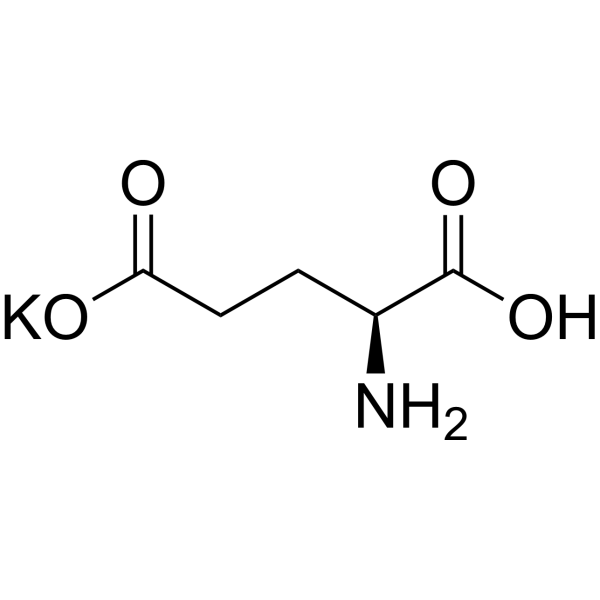
Cat. No.: HY-W337739
CAS No.: 19473-49-5
Synonyms: Monopotassium L-glutamate
Research Areas:  

Others

L-Glutamic acid monopotassium salt is a food additive and flavor enhancer that can reduce the harmful effects of lithium .
12
12 Cited Publications
Cat. No.: HY-W419700
CAS No.: 7558-63-6
L-Glutamic acid ammonium is an excitatory amino acid neurotransmitter that acts as an agonist for all subtypes of glutamate receptors (metabolic rhodophylline, NMDA, and AMPA). L-Glutamic acid ammonium has an agonist effect on the release of DA from dopaminergic nerve endings. L-Glutamic acid can be used in the study of neurological diseases. L-Glutamic acid ammonium acts at ionotropic and?metabotropic glutamate receptors .
12
12 Cited Publications
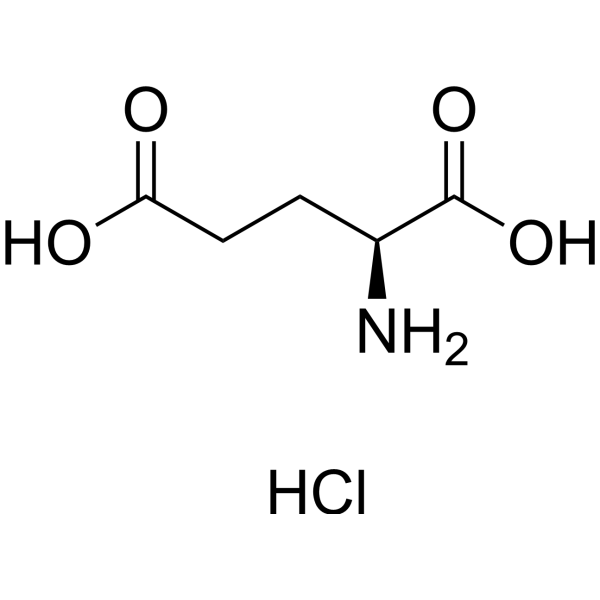
Cat. No.: HY-W016319
CAS No.: 138-15-8
Research Areas:  

Others

(S)-2-aminopentanedioic acid hydrochloride is a glutamic acid derivative .
10
10 Cited Publications
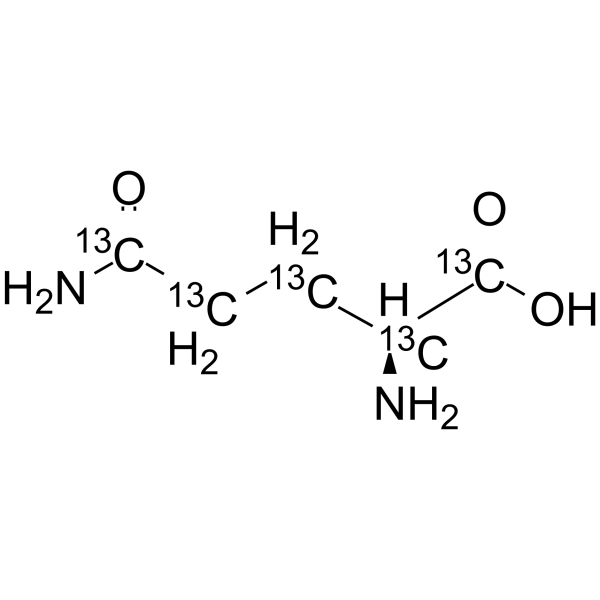
Cat. No.: HY-N0390S1
CAS No.: 184161-19-1
Synonyms: L-glutamic acid 5-amide-13C5
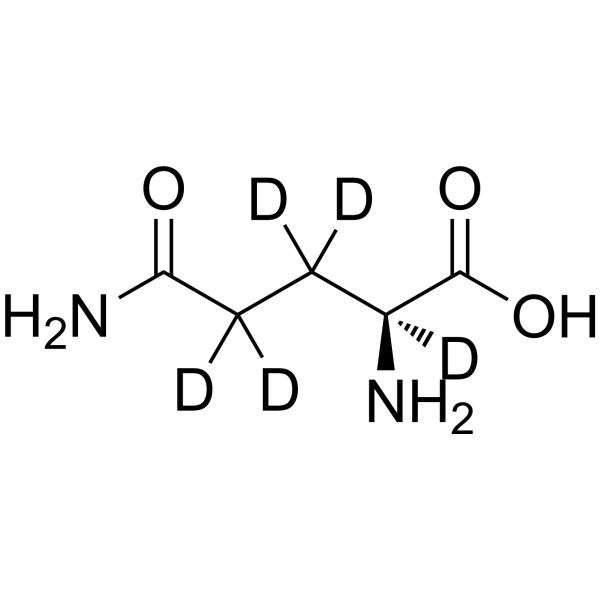
L-Glutamine- 13C5 is the 13C-labeled L-Glutamine (HY-N0390). L-Glutamine is an orally active nutritional agent and cellular metabolism regulator. L-Glutamine is taken up in a Na +-dependent manner and targets multiple key molecules including glutaminase, mTORC1, NF-κB, STAT-3 and HIF-1α. L-Glutamine enhances glutaminolytic catabolism, drives the conversion of glutamate to α-ketoglutarate, thereby regulating gene expression, integrating metabolic signals, mediating glutamine flux and maintaining redox homeostasis. L-Glutamine also promotes cell proliferation, osteogenic differentiation and fracture healing, exerts neuroprotective and cardioprotective effects, and inhibits osteoarthritis. L-Glutamine can be applied to research related to osteoporosis, osteoarthritis, ischemic stroke and acute cantharidin-induced cardiotoxicity .
7
7 Cited Publications
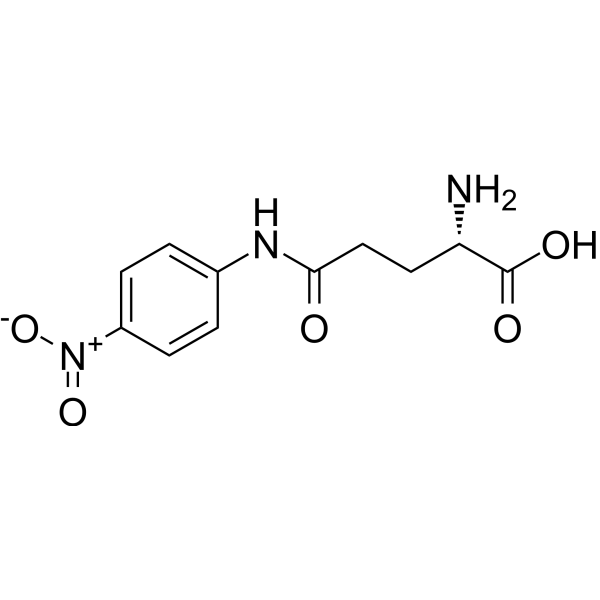
Cat. No.: HY-W011391A
CAS No.: 7300-59-6
Research Areas:  

Others

L-γ-Glutamyl-p-nitroanilide Monohydrate is a glutamic acid derivative .
5
5 Cited Publications
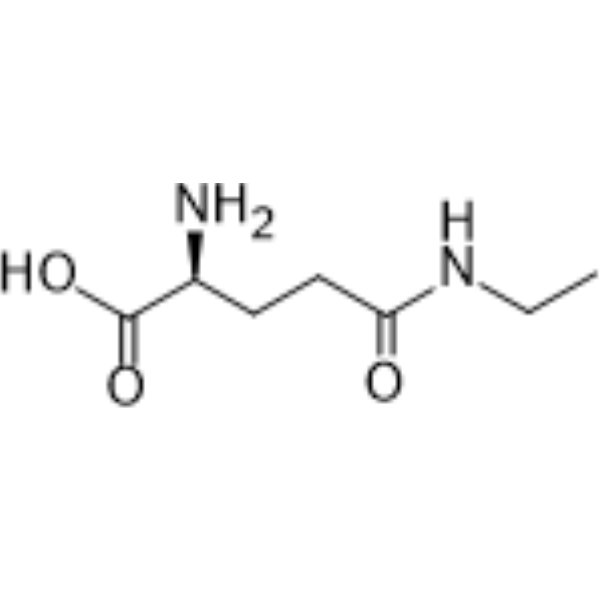
Cat. No.: HY-15121
CAS No.: 3081-61-6
Purity:  99.67%
Synonyms: L-glutamic Acid γ-ethyl amide; Nγ-Ethyl-L-glutamine
L-Theanine (L-Glutamic Acid γ-ethyl amide) is a non-protein amino acid contained in green tea leaves, which blocks the binding of L-glutamic acid to glutamate receptors in the brain, and with neuroprotective, anticancer and anti-oxidative activities. L-Theanine can pass through the blood–brain barrier and is orally active .
3
3 Cited Publications
Cat. No.: HY-N0390S
CAS No.: 80143-57-3
Synonyms: L-glutamic acid 5-amide-15N
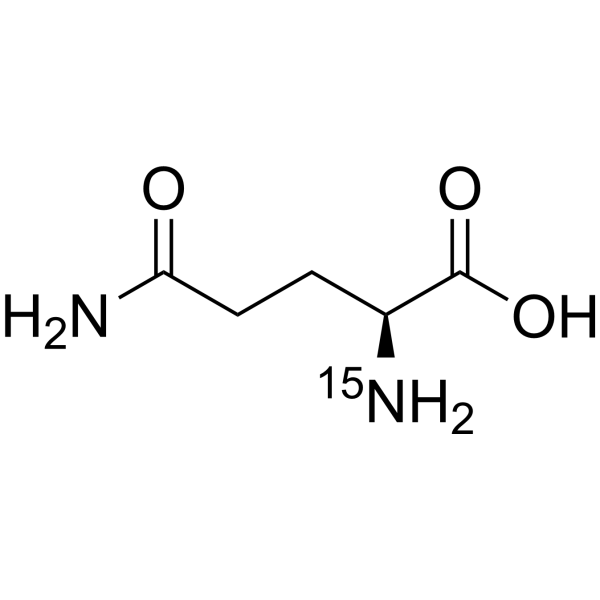
L-Glutamine- 15N is the 15N-labeled L-Glutamine (HY-N0390). L-Glutamine is an orally active nutritional agent and cellular metabolism regulator. L-Glutamine is taken up in a Na +-dependent manner and targets multiple key molecules including glutaminase, mTORC1, NF-κB, STAT-3 and HIF-1α. L-Glutamine enhances glutaminolytic catabolism, drives the conversion of glutamate to α-ketoglutarate, thereby regulating gene expression, integrating metabolic signals, mediating glutamine flux and maintaining redox homeostasis. L-Glutamine also promotes cell proliferation, osteogenic differentiation and fracture healing, exerts neuroprotective and cardioprotective effects, and inhibits osteoarthritis. L-Glutamine can be applied to research related to osteoporosis, osteoarthritis, ischemic stroke and acute cantharidin-induced cardiotoxicity .
3
3 Cited Publications
Cat. No.: HY-N0390S9
CAS No.: 59681-32-2
Synonyms: L-glutamic acid 5-amide-15N-1
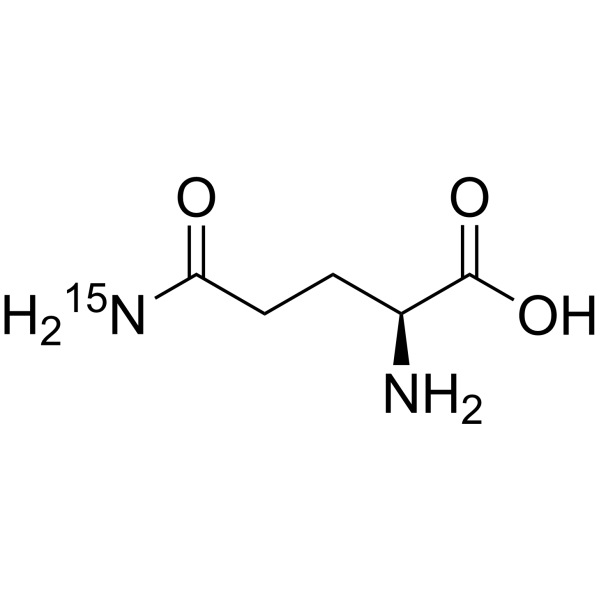
L-Glutamine- 15N-1 is the 15N-labeled L-Glutamine (HY-N0390). L-Glutamine is an orally active nutritional agent and cellular metabolism regulator. L-Glutamine is taken up in a Na +-dependent manner and targets multiple key molecules including glutaminase, mTORC1, NF-κB, STAT-3 and HIF-1α. L-Glutamine enhances glutaminolytic catabolism, drives the conversion of glutamate to α-ketoglutarate, thereby regulating gene expression, integrating metabolic signals, mediating glutamine flux and maintaining redox homeostasis. L-Glutamine also promotes cell proliferation, osteogenic differentiation and fracture healing, exerts neuroprotective and cardioprotective effects, and inhibits osteoarthritis. L-Glutamine can be applied to research related to osteoporosis, osteoarthritis, ischemic stroke and acute cantharidin-induced cardiotoxicity .
2
2 Cited Publications
Cat. No.: HY-B0711
CAS No.: 1188-38-1
Synonyms: N-Carbamyl-L-glutamic acid
Research Areas:  

Infection Cancer

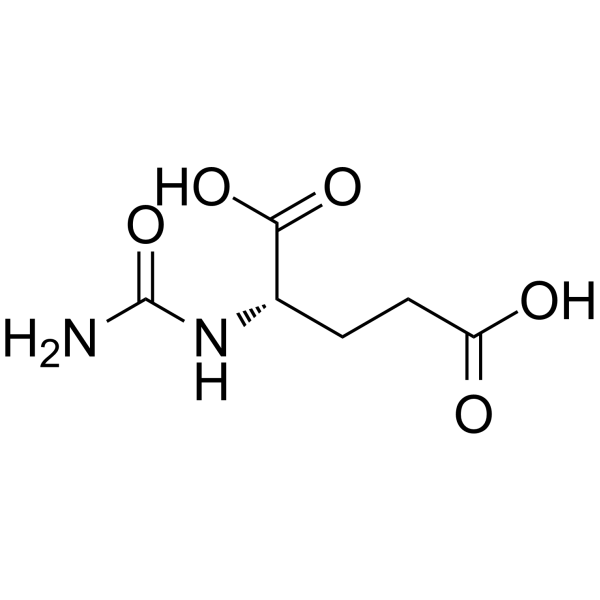
Carglumic acid (N-Carbamyl-L-glutamic acid), a functional analogue of N-acetylglutamate (NAG) and a carbamoyl phosphate synthetase 1 (CPS1) activator, is used to treat acute and chronic hyperammonemia associated with NAG synthase (NAGS) deficiency.
1
1 Cited Publications
Cat. No.: HY-14608S5
CAS No.: 55443-55-5
Purity:  ≥98.0%
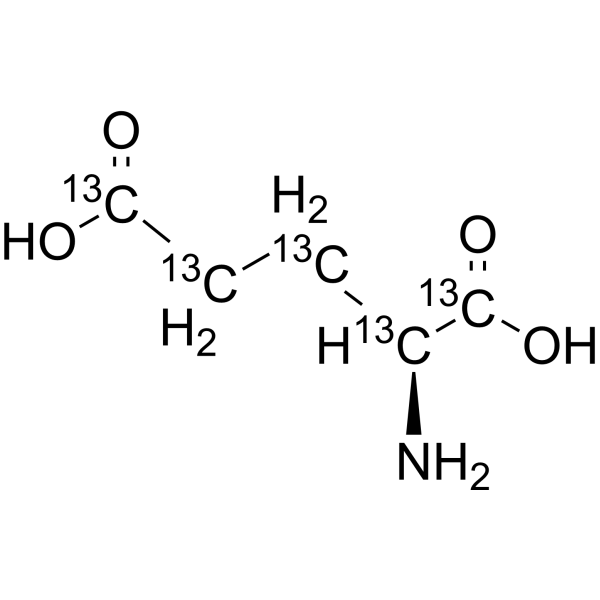
L-Glutamic acid- 13C5 is the 13C-labeled L-Glutamic acid. L-Glutamic acid acts as an excitatory transmitter and an agonist at all subtypes of glutamate receptors (metabotropic, kainate, NMDA, and AMPA). L-Glutamic acid shows a direct activating effect on the release of DA from dopaminergic terminals.
1
1 Cited Publications
Cat. No.: HY-100805
CAS No.: 6893-26-1
Purity:  ≥98.0%
Synonyms: (R)-glutamic acid
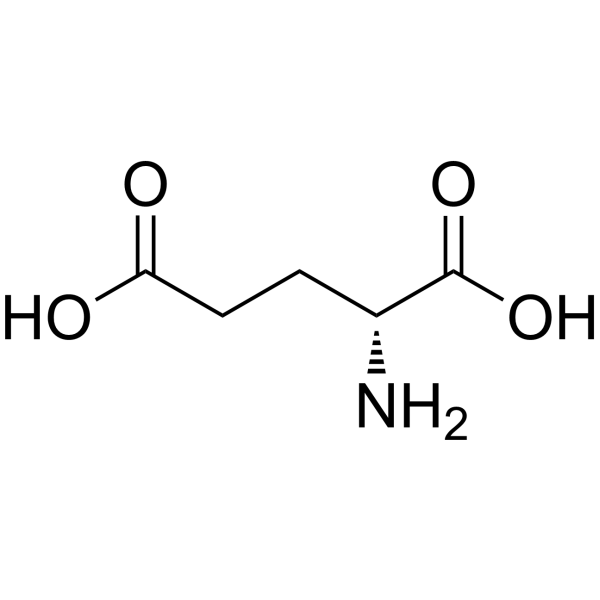
D-glutamic acid, an enantiomer of L- glutamic acid, is widely used in pharmaceuticals and foods.
1
1 Cited Publications
Cat. No.: HY-W250122
CAS No.: 32221-81-1
Synonyms: Monosodium glutamate
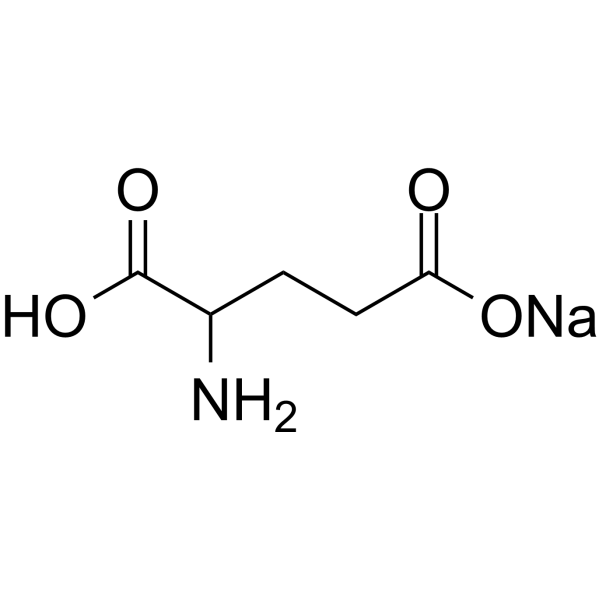
Glutamic acid sodium salt (Monosodium glutamate) is an orally active food flavor enhancer. Glutamic acid sodium salt causes ROS generation, mitochondrial dysfunction, and Apoptosis. Glutamic acid sodium salt upregulates CHOP, Grp78, and Bcl-2. Glutamic acid sodium salt impairs cognition, induces depressive-like behavior, induces hyperalgesia, and induces obesity and insulin resistance. Glutamic acid sodium salt can be used to study neurotoxicity (e.g., brain damage, cognitive impairment), metabolic disorders (e.g., obesity, insulin resistance), hepatotoxicity, and renal toxicity, as well as pain-related disorders .
1
1 Cited Publications
Cat. No.: HY-W141949
CAS No.: 6382-01-0
Research Areas:  

Others

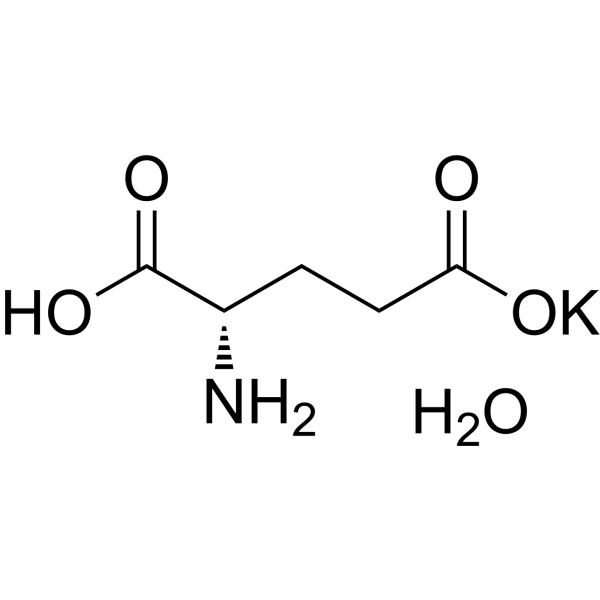
L-Glutamic acid potassium salt monohydrate is a glutamic acid derivative .
1
1 Cited Publications
Cat. No.: HY-W015424
CAS No.: 35989-16-3
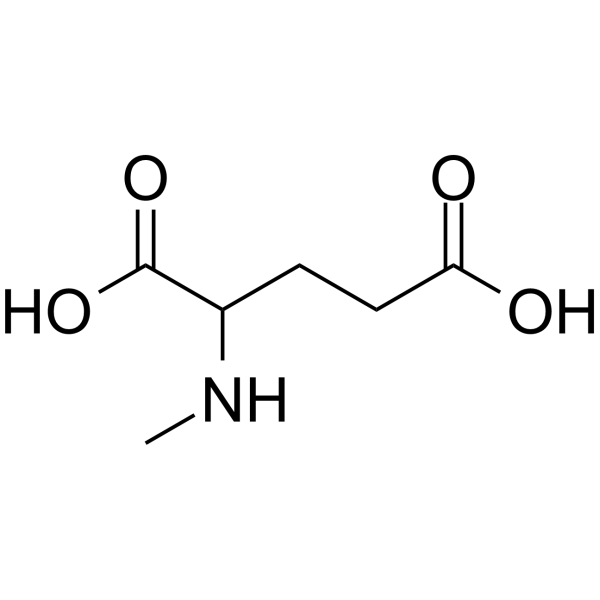
N-Methyl-DL-glutamic acid is a L-Glutamic acid (HY-14608) analog with cytotoxic effects .
1
1 Cited Publications
Cat. No.: HY-P4632
CAS No.: 2566-39-4
Synonyms: γ-Glu-Leu
Research Areas:  

Others

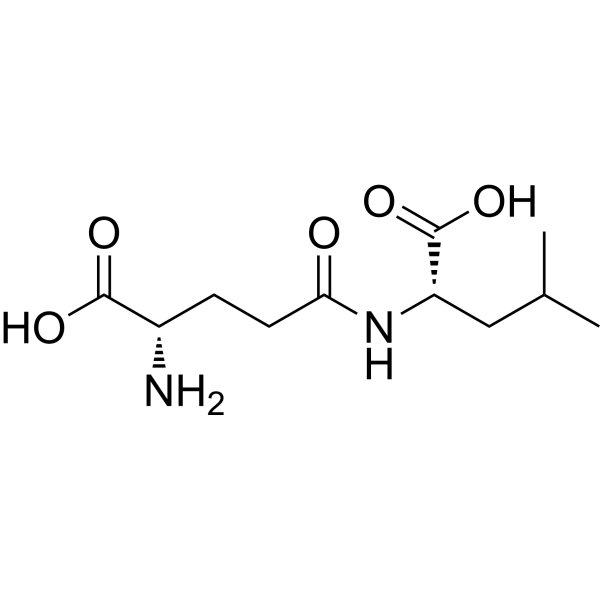
H-γ-Glu-Leu-OH (γ-Glu-Leu) is a dipeptide consisting of γ-glutamic acid and leucine, terminated by a hydroxyl group .
1
1 Cited Publications
Cat. No.: HY-W019870
CAS No.: 77182-82-2
Research Areas:  

Neurological Disease

Glufosinate ammonium, a phosphinic acid analogue of glutamic acid, is an herbicide which is converted by plant cells into PT (L-phosphinothricin). Glufosinate ammonium exerts neurotoxic activity .

