

68 Results for "

glycosphingolipid

" in MedChemExpress (MCE) Product Catalog:
Products (68)

68 Results for "glycosphingolipid" in MCE Product Catalog:

1
1 Cited Publications
Cat. No.: HY-141866
CAS No.: 2415225-30-6
Purity:  99.21%
Target:  

Ceramidase

Research Areas:  

Neurological Disease

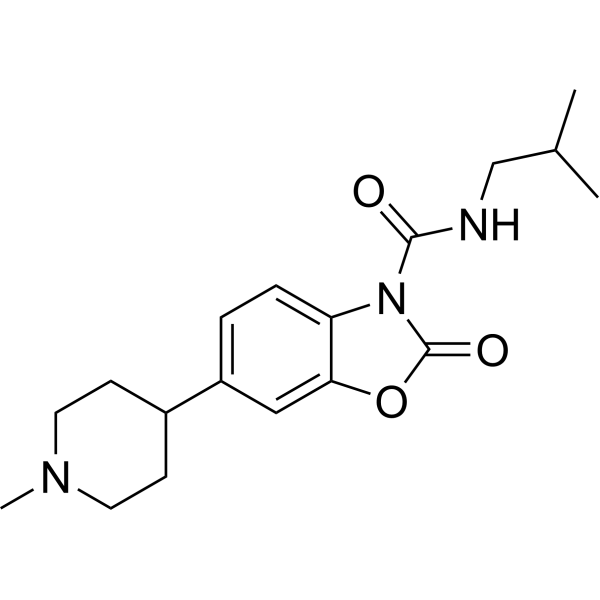
Acid Ceramidase-IN-1 is orally active and blood-brain barrier penetrant acid ceramidase (AC, ASAH-1) inhibitor (hAC IC50=0.166 μM). Acid Ceramidase-IN-1 reduces AC activity, accumulates ceramide species (Cer (d18:0/16:0), Cer (d18:1/16:0)), and decreases sphingosine levels. Acid Ceramidase-IN-1 can be used for the study of severe neurological lysosomal storage diseases (LSDs) such as Gaucher’s disease (GD) and Krabbe’s disease (KD) .
loading...
    loading...
Cat. No.: HY-N10546
CAS No.: 37758-47-7
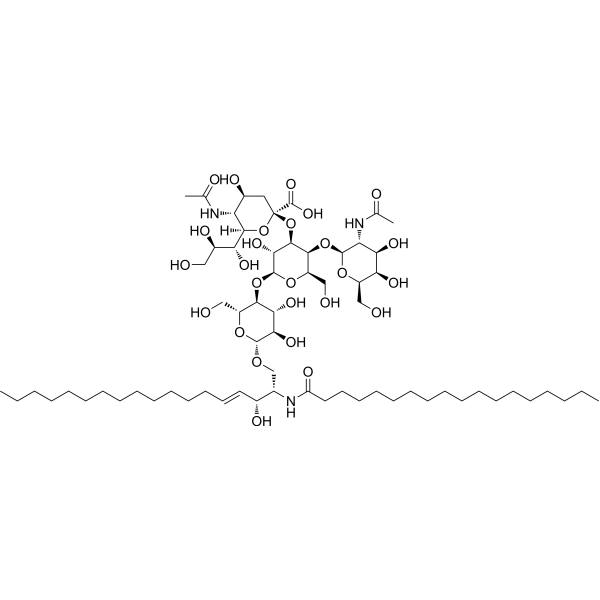
Ganglioside GM1 is a type of glycosphingolipid, mainly found on the cell membranes of the central nervous system of vertebrates. Ganglioside GM1 exerts neuroprotective effects by reducing excessive activation of NMDAR, activating TrkA and ERK1/2, and inhibiting oxidative stress and cell apoptosis and autophagy. Ganglioside GM1 can be used in the research of diseases such as traumatic brain injury, Parkinson's disease, Alzheimer's disease, and Huntington's disease .
loading...
    loading...
Cat. No.: HY-E70038
CAS No.: 2763216-34-6
Target:  

Glycosidase

Research Areas:  

Metabolic Disease

Endoglycoceramidase II (EGCase II) is an endo-β-glucosidase that releases intact glycans from ceramides in glycosphingolipids. Endoglycoceramidase II catalyzes the hydrolysis of β-glycosidic linkages between oligosaccharides and ceramides in various glycosphingolipids .
loading...
    loading...
Cat. No.: HY-148385
CAS No.: 127663-77-8
Purity:  98.0%
Ganglioside GM2 is a human tumor antigen predominantly found in human tumor cells and fetal brain tissue. As a sialylated glycosphingolipid, Ganglioside GM2 is involved in processes such as cell signaling, adhesion, and motility. Ganglioside GM2 abnormal expression and accumulation are associated with tumors and neurodegenerative disorders. Ganglioside GM2 promotes tumor cell migration and invasion by directly binding to the integrin β1 receptor, activating the FAK/Src/Erk-MAPK signaling pathway, and inducing actin cytoskeleton remodeling .
loading...
    loading...
Cat. No.: HY-164236
CAS No.: 119242-44-3
Target:  

Endogenous Metabolite

Research Areas:  

Metabolic Disease

C22 Glucosylceramide (d18:1/22:0) is a bioactive sphingolipid composed of a d18:1 sphingoid base and a 22:0 fatty acid chain. C22 Glucosylceramide (d18:1/22:0) specifically exists in Doxorubicin (HY-15142A)-sensitive cancer cells, and its circulating concentration is positively correlated with the incidence of cardiovascular events. C22 Glucosylceramide (d18:1/22:0) has been widely used in research related to cardiovascular diseases, hypercholesterolemia, metabolic syndrome, breast adenocarcinoma and other fields .
loading...
    loading...
Cat. No.: HY-N0899
CAS No.: 11088-09-8
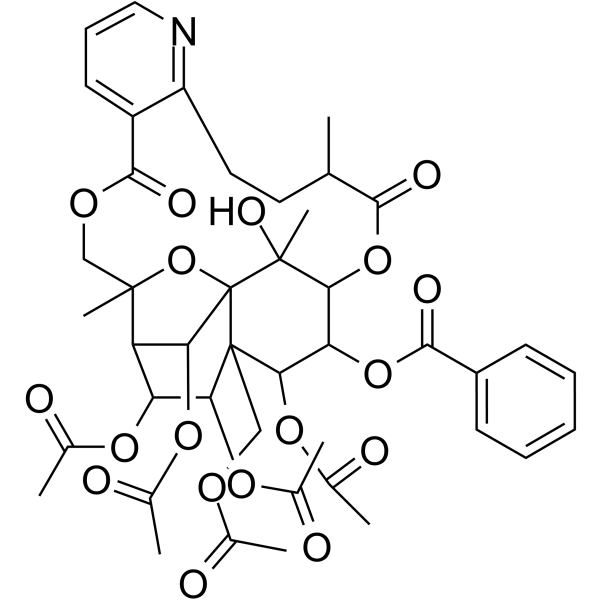
Wilforine is an orally active JAK-STAT pathway inhibitor with immunomodulatory effects and the ability to inhibit osteoclast fusion. Wilforine disrupts lipid raft integrity, reprograms cholesterol and glycosphingolipid metabolic pathways, regulates NF-κB and the complement system, and modulates the expression of various interleukins. Wilforine also inhibits the Wnt11/β-catenin signaling pathway and suppresses the proliferation of fibroblast-like synoviocytes. Wilforine can serve as a quality and pharmacokinetic marker for Tripterygium glycoside tablets, and can be applied to research on related diseases such as rheumatoid arthritis, inflammatory osteolysis, and SAPHO syndrome .
loading...
    loading...
Cat. No.: HY-W341625
CAS No.: 474943-80-1
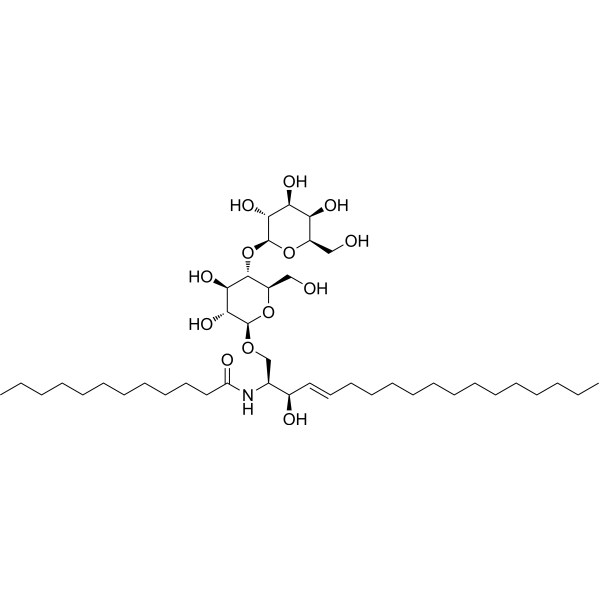
Trihexosylceramide (d18:1/12:0) is a glycosphingolipid and mood-related compound. Trihexosylceramide (d18:1/12:0) is characterized by elevated serum levels in Mus musculus fed a high-fat diet, and its levels are positively correlated with mood Z-scores. Accumulation of Trihexosylceramide (d18:1/12:0) in tissues is considered the etiology of angiokeratoma corporis diffusum. Trihexosylceramide (d18:1/12:0) can be used in studies related to high-fat diet-induced mood disorders .\n


loading...
    loading...
Cat. No.: HY-170035
CAS No.: 95119-86-1
Synonyms: C18 Glucosyl(β) ceramide (d18:1/18:0); D-glucosyl-β-1,1' N-stearoyl-D-erythro-sphingosine
Target:  

Fungal Wnt β-catenin

Research Areas:  

Infection Neurological Disease Cancer

GlcCer (d18:1/18:0) (C18 Glucosyl(β) ceramide (d18:1/18:0)) is a glycosphingolipids that activates the Wnt/β-catenin pathway by targeting LRP6. GlcCer (d18:1/18:0) drives EMT, migration, invasion and GBA1-mediated liver cancer metastasis. GlcCer (d18:1/18:0) accumulates to impair lysosomal function and induce toxic α-synuclein aggregation. GlcCer (d18:1/18:0) supports growth, sporulation, germination and virulence in Penicillium digitatum. GlcCer (d18:1/18:0) is reduced in demyelinated mouse corpus callosum. GlcCer (d18:1/18:0) can be used for the research of liver cancer, synucleinopathies, fungal, Parkinson’s disease and Gaucher disease .
loading...
    loading...
Cat. No.: HY-W747597
CAS No.: 19553-76-5
Synonyms: Disialoganglioside GD1b; Ganglioside C1; Ganglioside G2
Target:  

Endogenous Metabolite

Research Areas:  

Cancer

Ganglioside GD1b Disodium Salt (Bovine Brain) (Disialoganglioside GD1b; Ganglioside C1) is an acidic glycosphingolipid containing two sialic acid residues linked to an internal galactose unit. Ganglioside GD1b Disodium Salt tightly packs with cholesterol to form lipid microdomains that modulate intracellular and intercellular signaling events. Concentrations of Ganglioside GD1b Disodium Salt (Bovine Brain) in the human brain increase with age and are positively correlated with pilocytic astrocytoma tumor grade. Ganglioside GD1b Disodium Salt has been detected in various other gliomas, including primitive neuroectodermal tumors, glioblastomas, and anaplastic astrocytomas.
loading...
    loading...
Cat. No.: HY-116392E
CAS No.: 109836-82-0
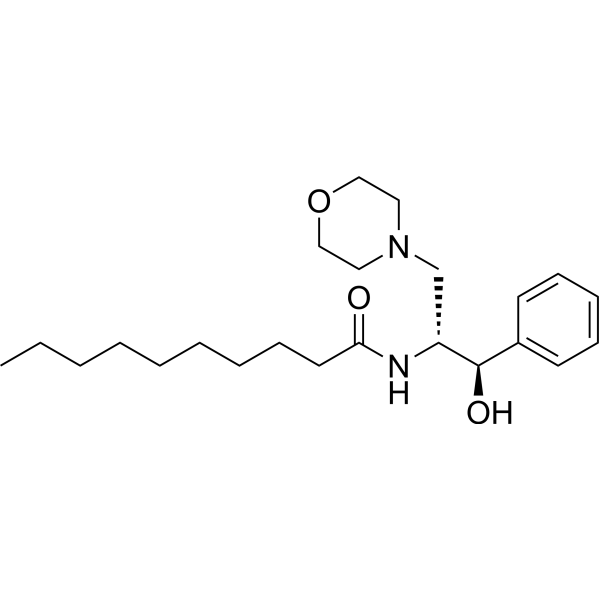
D-threo-PDMP is a potent glucoceramide synthase (GCS) inhibitor, which reduces the glycosphingolipids (such as GM3 and GD3) on the cell surface by inhibiting glycosylation, reduces the total length of the axon plexus and the number of axon branch points, and inhibits neurite growth. D-threo-PDMP inhibits the synthesis of GM3, thereby reducing the adhesion ability of B16 melanoma cells and mimicking the pathological effects of hyperglycemia/TGF-β1. D-threo-PDMP inhibits the synthesis of GD3, thereby protecting liver cells from apoptosis induced by TNF-α. D-threo-PDMP can be used to study diseases related to targeted glycosphingolipid metabolism .
loading...
    loading...
Cat. No.: HY-50055
CAS No.: 245329-78-6
Target:  

ERK

Research Areas:  

Cancer

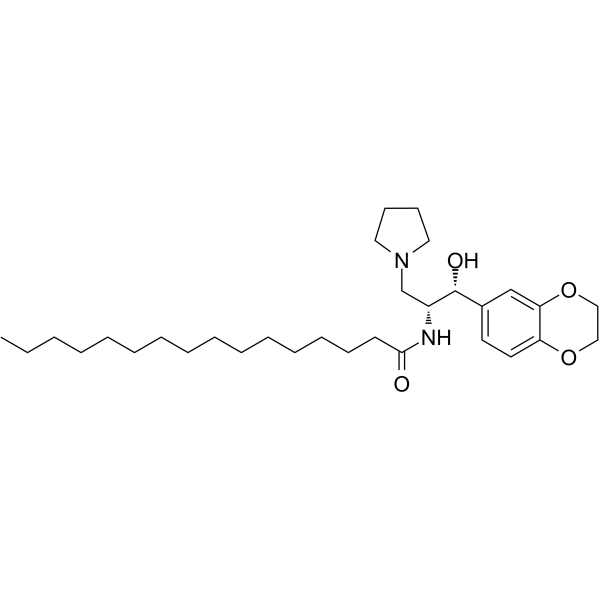
EtDO-P4 is a nanomolar inhibitor of glycosphingolipid (GSL) synthesis. EtDO-P4 suppresses activation of the EGFR-induced ERK pathway and various receptor tyrosine kinases (RTKs). EtDO-P4 can be used for various types of cancer, including Burkitt’s lymphoma .
loading...
    loading...
Cat. No.: HY-116392F
CAS No.: 139889-62-6
Purity:  ≥98.0%
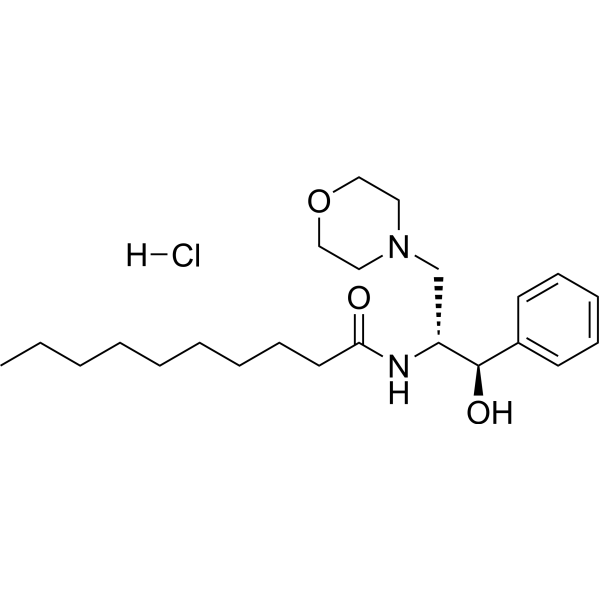
D-threo-PDMP hydrochloride is a potent glucoceramide synthase (GCS) inhibitor, which reduces the glycosphingolipids (such as GM3 and GD3) on the cell surface by inhibiting glycosylation, reduces the total length of the axon plexus and the number of axon branch points, and inhibits neurite growth. D-threo-PDMP hydrochloride inhibits the synthesis of GM3, thereby reducing the adhesion ability of B16 melanoma cells and mimicking the pathological effects of hyperglycemia/TGF-β1. D-threo-PDMP hydrochloride inhibits the synthesis of GD3, thereby protecting liver cells from apoptosis induced by TNF-α. D-threo-PDMP hydrochloride can be used to study diseases related to targeted glycosphingolipid metabolism .
loading...
    loading...
Cat. No.: HY-E70047
CAS No.: 52725-57-2
Synonyms: A4GALT
Target:  

Glycosyltransferase

Research Areas:  

Metabolic Disease

alpha-1,4-Galactosyltransferase (LgtC) (A4GALT) is a glycosphingolipid-specific glycosyltransferase. alpha-1,4-Galactosyltransferase (LgtC) transfers a galactose to the alpha-1,4 position of lactosylceramide to form globotriaosylceramide. alpha-1,4-Galactosyltransferase (LgtC) can be used for the synthesis of P1 blood group antigens .
loading...
    loading...
Cat. No.: HY-156209
CAS No.: 137896-85-6
Research Areas:  

Cardiovascular Disease Cancer

Gb3 (d18:1/16:0) (Compound 1) is the P k antigen of the P blood group system. Gb3 (d18:1/16:0) acts as a cell surface receptor. Gb3 (d18:1/16:0) is used for research on Burkitt's lymphoma, teratocarcinoma, embryonal carcinoma, and Fabry's disease .
loading...
    loading...
Cat. No.: HY-76981
CAS No.: 28315-93-7
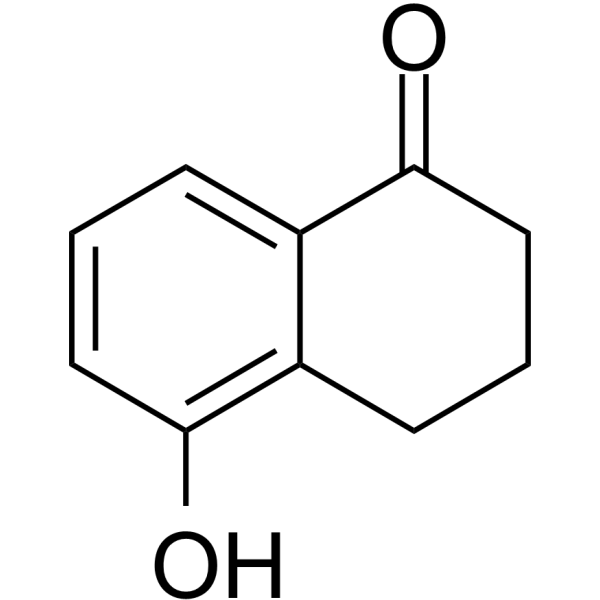
5-hydroxy-1-tetralone can be used as a fluorescent labeling reagent for the determination of glycosphingolipid from biological samples .
loading...
    loading...
Cat. No.: HY-N10546A
CAS No.: 1007119-81-4
Research Areas:  

Neurological Disease

Ganglioside GM1 (bovine) ammonium is a type of glycosphingolipid, mainly found on the cell membranes of the central nervous system of vertebrates. Ganglioside GM1 (bovine) ammonium exerts neuroprotective effects by reducing excessive activation of NMDAR, activating TrkA and ERK1/2, and inhibiting oxidative stress and cell apoptosis and autophagy. Ganglioside GM1 (bovine) ammonium can be used in the research of diseases such as traumatic brain injury, Parkinson's disease, Alzheimer's disease, and Huntington's disease .
loading...
    loading...
Cat. No.: HY-165035
CAS No.: 85305-87-9
Synonyms: Glucocerebrosides; Gaucher cerebroside; GluCers (gaucher's spleen)
Glucosylceramide (Glucocerebrosides) (gaucher's spleen) is a glycosphingolipid and primary substrate of acid β-glycosidase, suppresses tyrosine phosphorylation of insulin receptor and IRS-1, disrupts insulin signaling cascade and triggers pancreatic β-cell dysfunction. Glucosylceramide (Gaucher's spleen) accumulates in rodents and induces obesity and insulin resistance, restores systemic glucose homeostasis and insulin sensitivity when synthesis is suppressed. Glucosylceramide (Gaucher's spleen) accumulates in the brain of chronic neuronopathic Gaucher disease mice with age and can be applied for research on insulin resistance, type 2 diabetes mellitus and chronic neuronopathic Gaucher disease .
loading...
    loading...
Cat. No.: HY-N10526
CAS No.: 41744-59-6
Synonyms: Gala-3Galb-4Glc
Target:  

Others

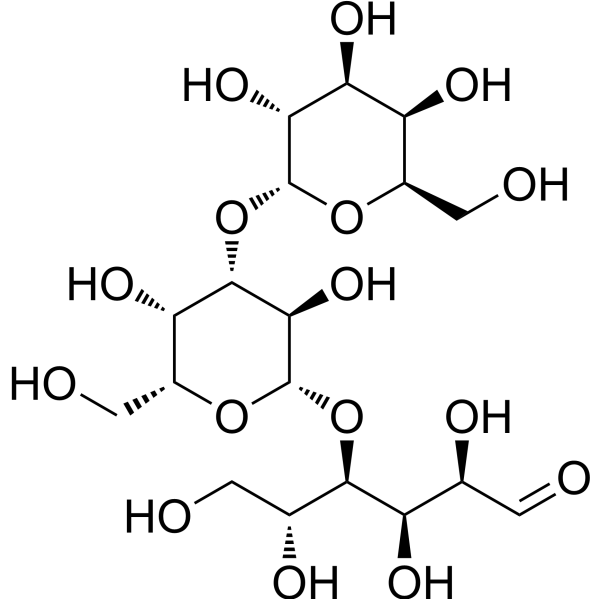
Isoglobotriaose (Gala-3Galb-4Glc) is a glycosphingolipid found in mammalian tissues. Isoglobotriaose is an analogue of Globotriaose, the ganglioside derivatives of them locate in difference position of small intestine, isoglobotriaosylceramide is restricted to the nonepithelial residue, while globotriaosylceramide is in both compartments .
loading...
    loading...
Cat. No.: HY-E70282
Synonyms: rEGCase I assisted by activator II
Research Areas:  

Neurological Disease

Recombinant endoglycoceramidase I assisted by activator II (rEGCase I assisted by Activator II) is a mixture-form of EGCase I and Activator II. EGCase I is a glycolipid-specific hydrolase that well-suited to a comprehensive analysis of glycosphingolipids (GSLs). Activator II is capable of inducing activity of EGCase without any detergent reagents .
loading...
    loading...
Cat. No.: HY-D1916A
ATTO 594 TEA is a highly hydrophilic fluorescent dye used to label the outermost position of the glycan moiety of glycosphingolipids to retain the biophysical and biochemical properties of native glycosphingolipids .
loading...
    loading...

