
1. Search Result
Search Result
Results for "

human erythrocyte

" in MedChemExpress (MCE) Product Catalog:

66

Inhibitors & Agonists

1

Fluorescent Dyes

4

Biochemical Assay Reagents

13

Peptides

2

Inhibitory Antibodies

9

Natural
Products

5

Recombinant Proteins

2

Isotope-Labeled Compounds

4

Antibodies

Cat. No. Product Name Target Research Areas Chemical Structure
  • HY-N0142
    Phloretin
    20+ Cited Publications

    NSC 407292; RJC 02792

    SGLT Endogenous Metabolite GLUT Metabolic Disease Cancer
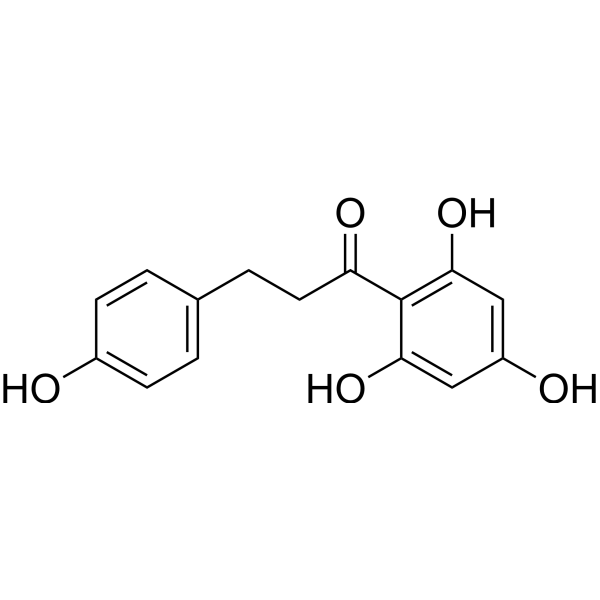
    Phloretin (NSC 407292; RJC 02792) is a flavonoid extracted from Malus pumila Mill.,has anti-inflammatory activities. Phloridzin is a specific,competitive and orally active inhibitor of sodium/glucose cotransporters in the intestine (SGLT1) and kidney (SGLT2). Phloretin inhibits Yeast-made GLUT1 as well as Human erythrocyte GLUT1 with IC50values of 49 μM and 61 μM,respectively .Phloretin has the potential for the treatment of rheumatoid arthritis (RA) and allergic airway inflammation .
    Phloretin
  • HY-123962
    G6PD activator AG1
    5+ Cited Publications

    NADPH Oxidase Metabolic Disease
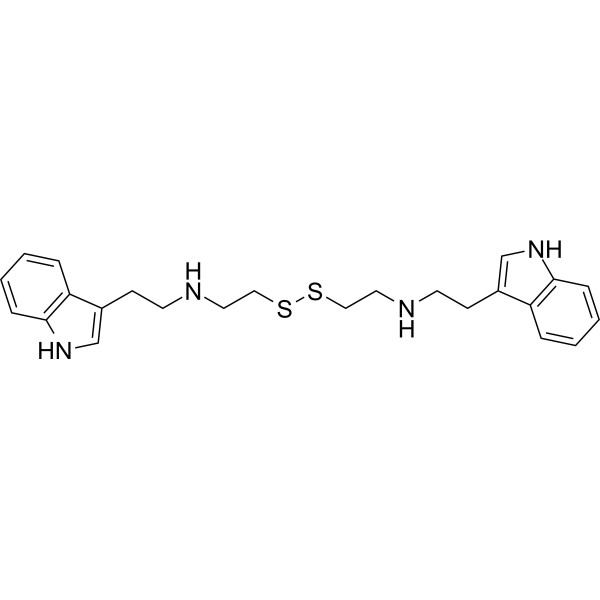
    G6PD activator AG1 is a potent and selective glucose-6-phosphate dehydrogenase (G6PD) agonist with an EC50 of 3 μM. G6PD is an oxidoreductase that catalyzes the oxidation of glucose-6-phosphate to 6-phosphogluconolactone and the simultaneous reduction of NAD phosphate (NADP) to reduced NADP (NADPH). G6PD activator AG1 can reduce hemolysis of human erythrocytes .
    G6PD activator AG1
  • HY-P1856
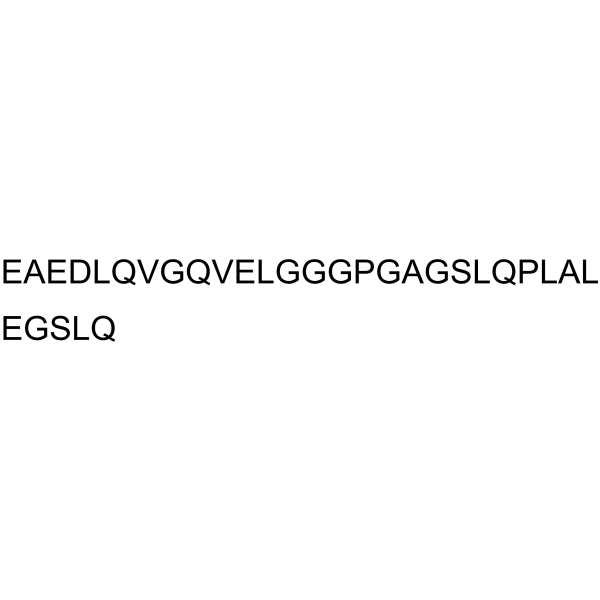
    Proinsulin C-peptide (human)
    1 Publications Verification

    Insulin Receptor PDGFR MAPKAPK2 (MK2) Cardiovascular Disease Metabolic Disease Inflammation/Immunology
    Proinsulin C-peptide (human) is a peptide consisting of 31 amino acids that links the A and B chains of proinsulin to ensure its correct folding. Proinsulin C-peptide (human) inhibits the high glucose-induced increase in PDGF-β receptor protein expression and the phosphorylation of p42/p44 MAP kinase. Proinsulin C-peptide (human) increases the deformability of erythrocytes derived from type 1 diabetes, inhibits insulin-induced neointimal thickening, and suppresses the proliferation of rat aortic smooth muscle cells cultured under high-glucose conditions .
    Proinsulin C-peptide (human)
  • HY-B0882

    Cholinesterase (ChE) Neurological Disease Inflammation/Immunology
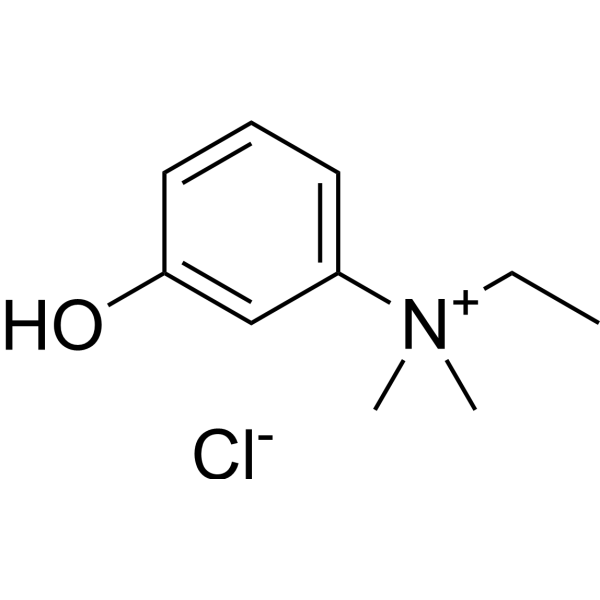
    Edrophonium chloride is a short-acting acetylcholinesterase (AChE) inhibitor. Edrophonium chloride has Ki values of 0.2, 0.2, and 0.4 μM and IC50 values of 0.2, 0.05, and 0.5 μM for AChE in human erythrocytes, purified calf forebrain, and purified octopus brain, respectively. Edrophonium chloride can be used to detect early digitalis toxicity and in the study of myasthenia gravis .
    Edrophonium chloride
  • HY-150350

    Biochemical Assay Reagents Others
    The 20 mM HEPES, 150 mM NaCl, 240 mM Sucrose, pH 7.2 buffer is a physiological buffer composed of 20 mM HEPES, 150 mM NaCl and 240 mM Sucrose, adjusted to pH 7.2, which is used to resuspend human erythrocyte ghost preparations .
    20 mM HEPES, 150 mM NaCl, 240 mM Sucrose, pH 7.2 buffer
  • HY-126073
    DFP00173
    5+ Cited Publications

    Aquaporin Inflammation/Immunology Cancer
    DFP00173 is a potent and selective aquaporin-3 (AQP3) inhibitor. DFP00173 inhibits mouse and human AQP3 with an IC50 of ~0.1-0.4 μM. DFP00173 is selective for AQP3 over the homologous AQP isoforms AQP7 and AQP9 .
    DFP00173
  • HY-P99232

    5F9 Monoclonal antibody; TAK-164 Antibody

    Guanylate Cyclase ADC Antibody Cardiovascular Disease Cancer
    Indusatumab (5F9 Monoclonal antibody) is a monoclonal antibody against human GUCY2C (Guanylate cyclase 2C). Indusatumab fails to bind to granulocytes or erythrocytes. Indusatumab can be used to synthesize ADCs, such as Indusatumab vedotin (HY-P99662). Indusatumab can be used in cancer research .
    Indusatumab
  • HY-W035091
    Tetrachloroauric acid
    1 Publications Verification

    Biochemical Assay Reagents Cardiovascular Disease Neurological Disease
    Tetrachloroauric acid is an Au (III) compound and bilayer disruptor that can be used to damage red blood cells. Tetrachloroauric acid specifically disrupts the bilayer structure of representative phospholipids (dimyristoylphosphatidylcholine and dimyristoylphosphatidylethanolamine) in human red blood cell membranes, and induces morphological changes in intact human red blood cells. Tetrachloroauric acid causes downregulation of MT I-II and GFAP expression in the mouse brain following chronic treatment. Tetrachloroauric acid is being used in studies related to neurotoxicity and hematotoxicity, including analyses of human red blood cells and molecular models of red blood cell membranes, as well as immunohistochemical evaluation of the mouse brain .
    Tetrachloroauric acid
  • HY-135072

    Bacterial Liposome Cardiovascular Disease Infection
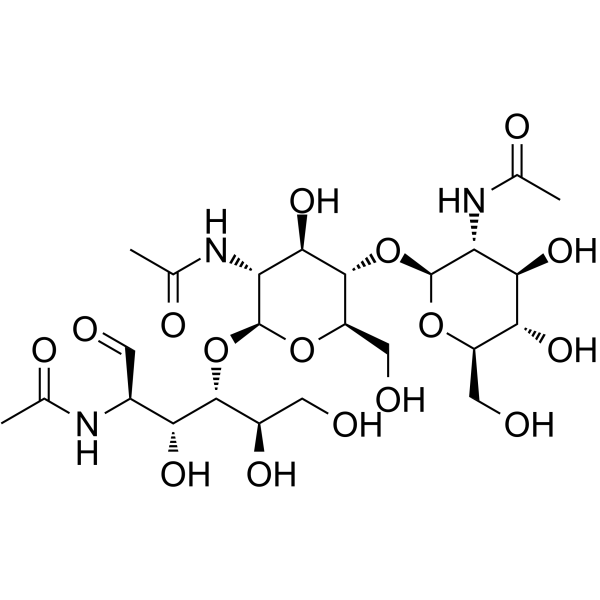
    N,N',N''-Triacetylchitotriose is a competitive Lysozyme inhibitor. N,N',N''-Triacetylchitotriose inhibits the activity of lysozyme. N,N',N''-Triacetylchitotriose reduces the fusion rate between lysozyme-conjugated liposomes and erythrocyte ghosts, and decreases the equilibrium fusion rate .
    N,N',N''-Triacetylchitotriose
  • HY-W008344

    Nucleoside Antimetabolite/Analog Apoptosis Infection Cardiovascular Disease Neurological Disease Inflammation/Immunology Cancer
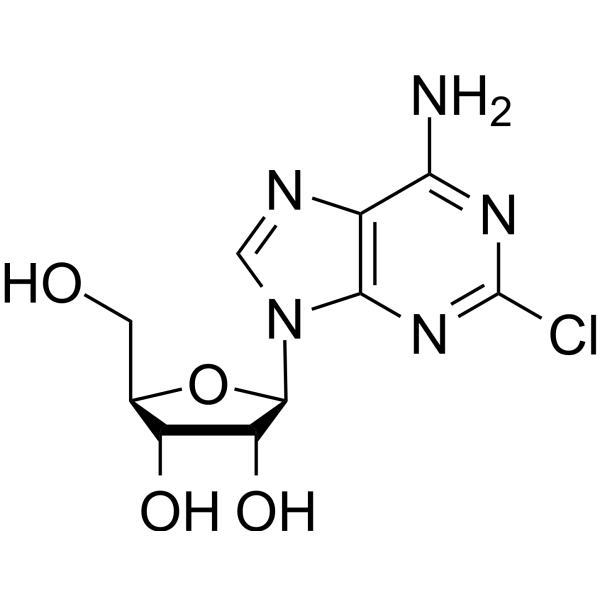
    2-Chloroadenosine is an adenosine analog, a transporter permeabilizer of nucleoside transporters, and a competitive uridine influx inhibitor (apparent Ki=33 μM). 2-Chloroadenosine binds to nitrobenzylthioinosine with high affinity (apparent Ki=0.18 mM). 2-Chloroadenosine promotes Apoptosis and increases cerebral blood flow. 2-Chloroadenosine has anticonvulsant properties. 2-Chloroadenosine is used to study infection, inflammatory diseases, cancer, blood-related diseases, lung injury, epilepsy, and kidney disease .
    2-Chloroadenosine
  • HY-12784A
    Cycloguanil hydrochloride
    3 Publications Verification

    Chlorguanide triazine hydrochloride

    Antifolate Parasite DNA/RNA Synthesis STAT Infection Cancer
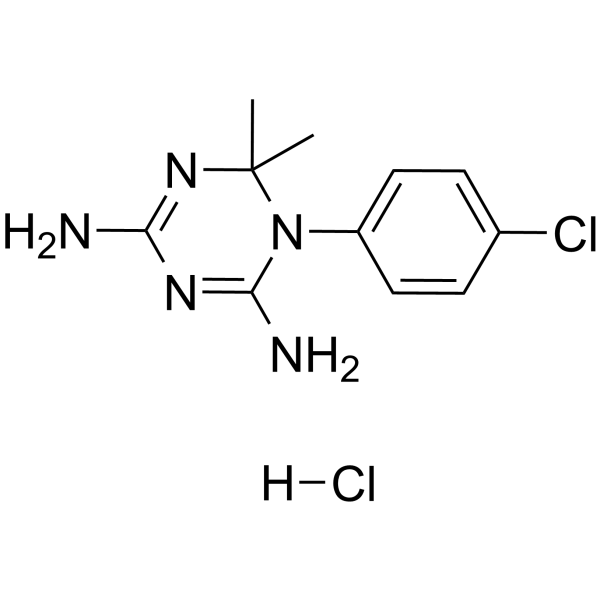
    Cycloguanil (Chlorguanide triazine) hydrochloride is a dihydrofolate reductase (DHFR) inhibitor with an IC50 of 10.8 μM against human DHFR. Cycloguanil hydrochloride blocks the folate metabolic pathway, thereby affecting nucleotide synthesis and interfering with DNA replication. Cycloguanil inhibits DHFR in Plasmodium and is thus used in malaria research. Cycloguanil hydrochloride also potently inhibits DHFR in human cancer cells and blocks the transcriptional activity of STAT3, thereby exhibiting anticancer activity .
    Cycloguanil hydrochloride
  • HY-P2460

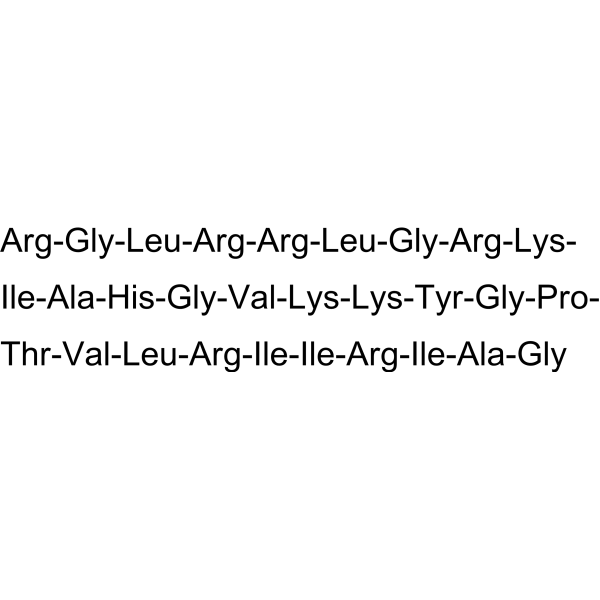
    Bacterial Fungal Interleukin Related TNF Receptor Infection Inflammation/Immunology
    SMAP‑29 is a cathelicidin antimicrobial peptide with LPS‑binding and anti‑inflammatory properties. SMAP‑29 exerts broad‑spectrum antimicrobial activity against bacteria, fungi and multidrug‑resistant isolates. SMAP‑29 kills pathogens by permeabilizing bacterial membranes, inducing depolarization and cell lysis, and also inhibits inflammatory cytokines while reducing lethality in septic shock and pneumonia models. SMAP-29 can be used for research on bacterial infections, drug-resistant infections, septic shock .
    SMAP-29
  • HY-B0881
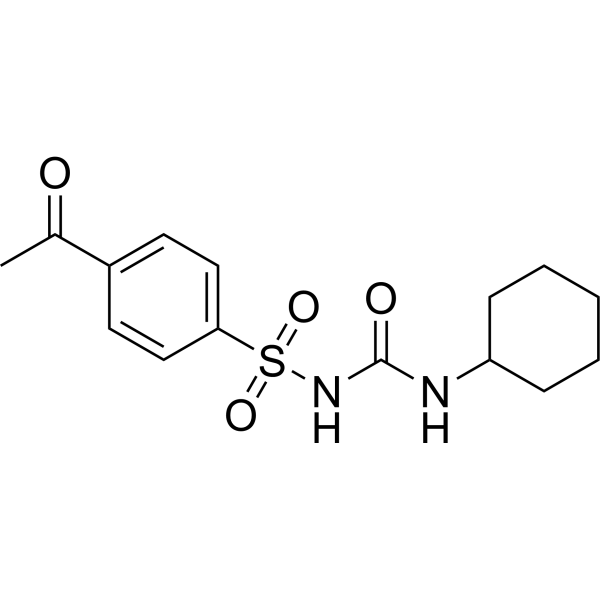
    Acetohexamide
    2 Publications Verification

    Potassium Channel Metabolic Disease Cancer
    Acetohexamide is an orally active first-generation sulfonylurea agent used in research related to type 2 diabetes and cancer. Acetohexamide exerts reductase activity in human erythrocytes. Acetohexamide stimulates the pancreas to secrete insulin. Acetohexamide inhibits ATP-sensitive potassium channels in the β cells of the pancreas. Acetohexamide can inhibit the formation of circular chemorepellent induced defects (CCIDs) in lymphendothelial cell (LEC) monolayers. Acetohexamide inhibits markers of epithelial-to-mesenchymal-transition and migration. Acetohexamide suppresses the synthesis of 12(S)-HETE. Acetohexamide can potentiate hypoglycaemic action .
    Acetohexamide
  • HY-138354A

    Drug Intermediate Infection
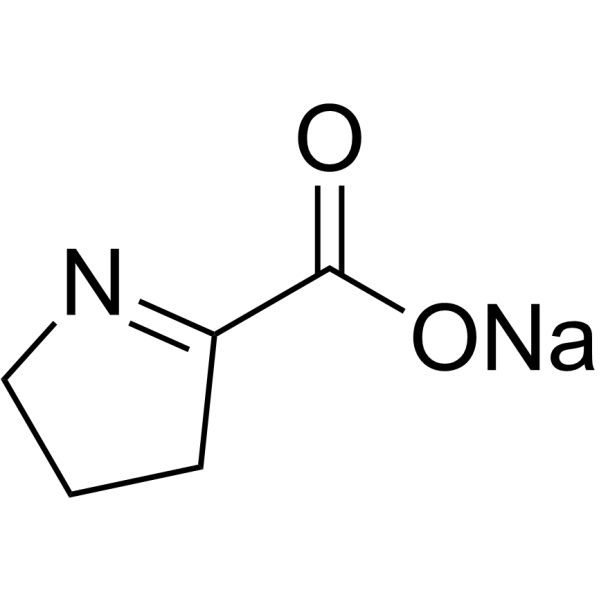
    Pyrroline-5-carboxylate sodium is a key intermediate in proline anabolism and catabolism. Pyrroline-5-carboxylate sodium plays important roles in plant defense against pathogen invasion, as well as in redox regulation, nucleotide synthesis and other processes in animal cells .
    Pyrroline-5-carboxylate sodium
  • HY-147168

    Biochemical Assay Reagents Others
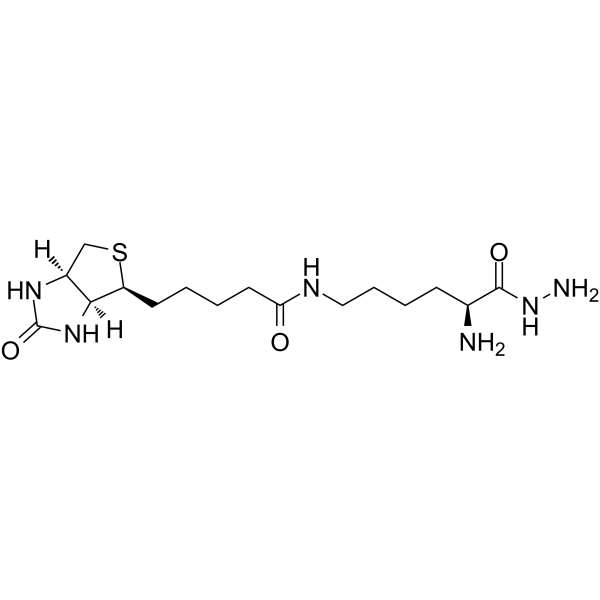
    Biocytin hydrazide is a long-chain biotin-containing hydrazide, serving as a biotin-derived active coupling reagent, selective labeling agent and biotinylating reagent. Biocytin hydrazide targets aldehyde, carboxyl, amino and guanidino groups to biotinylate glycoconjugates, K99 lectin, peptides and proteins through its hydrazide moiety, and achieves nonradioactive detection of sialic acid- and galactose-containing glycoconjugates via the avidin–biotin system .
    Biocytin hydrazide
  • HY-136933

    Na+/K+ ATPase Cardiovascular Disease
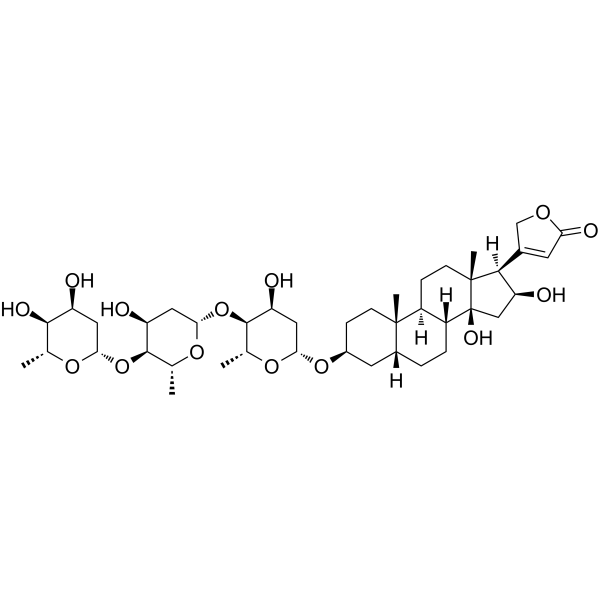
    Gitoxin is a degradation metabolite of Digitoxin (HY-B1357) and a non-competitive Na +/K +-ATPase inhibitor, with an IC50 of 1.18e-6 M against the porcine high-affinity subtype and an IC50 of 2.85e-5 M against the porcine low-affinity subtype. Gitoxin regulates atrial contractility and rhythmicity. Gitoxin is applicable to research related to congestive heart failure .
    Gitoxin
  • HY-113854
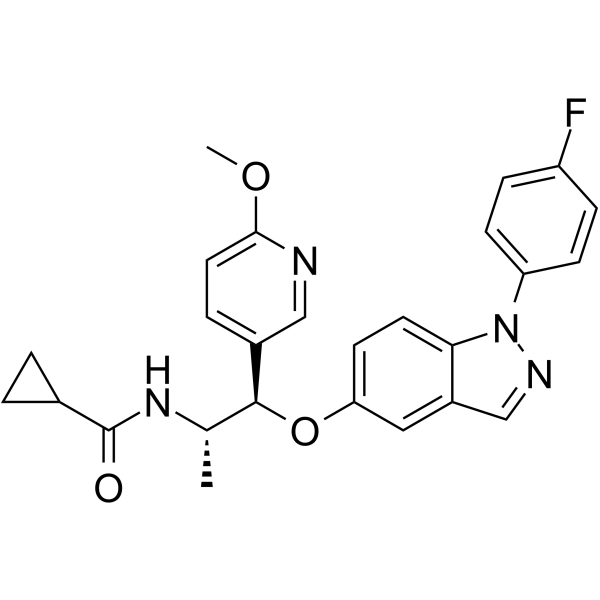
    AZD2906
    1 Publications Verification

    Glucocorticoid Receptor Cardiovascular Disease Endocrinology
    AZD2906 is a selective glucocorticoid receptor (GR) agonist, increases micronucleated immature erythrocytes in the bone marrow of rats. AZD2906 shows IC50s of 2.2, 0.3, 41.6 and 7.5 nM at GR in human, rat PBMC and human, rat whole blood, respectively .
    AZD2906
  • HY-P11292

    Calcium Channel Cardiovascular Disease
    Caloxin 1b3, a peptide, is a selective plasma membrane Ca 2+ pump 1 (PMCA1) inhibitor. Caloxin 1b3 significantly inhibits PMCA1 Ca 2+–Mg 2+-ATPase in the rabbit duodenal mucosa than the PMCA4 in the human erythrocyte ghosts. Caloxin 1b3 also increases cytosolic Ca 2+ concentration in endothelial cells. Caloxin 1b3 can be used for cardiovascular disorders research .
    Caloxin 1b3
  • HY-NP070

    LTL

    Inflammation/Immunology
    Lotus tetragonolobus lectin (LTL) is a plant lectin that specifically recognizes and binds to α-L-fucopyranosyl residues, a sugar structure serving as the key terminal glycosyl group of human blood type O antigen (H antigen). Lotus tetragonolobus lectin exerts macrophage migration inhibitory activity in monomeric form. Lotus tetragonolobus lectin labels and identifies renal proximal tubular epithelial cells to evaluate histopathological changes of sepsis-induced acute kidney injury. Lotus tetragonolobus lectin is applicable to studies in glycobiology, immunology and renal pathology .
    Lotus tetragonolobus lectin
  • HY-W130236

    Cholinesterase (ChE) Cancer
    Methylene Violet 3RAX is a phenazine dye to stain the mitochondria of cells. Methylene Violet 3RAX can change the molecular structure of DNA, undermine the module of DNA, and induce the generation of the reactive singlet oxygen. Methylene Violet 3RAX shows inhibition for human erythrocyte AChE and human plasma BChE with an Kis of 1.58, 0.51 μM, respectively. Methylene Violet 3RAX has the potential for the research of potential photosensitizers for mitochondrial targeting action in PDT (photodynamic therapy) .
    Methylene Violet 3RAX
  • HY-69085

    Carbonic Anhydrase Others
    4-Bromo-1H-indazole is a carbonic anhydrase inhibitor, with an IC50 of 0.403 mM and a Ki of 0.383 mM against hCA-I, as well as an IC50 of 0.700 mM and a Ki of 0.935 mM against hCA-II. 4-Bromo-1H-indazole reduces the catalytic activity of human I and II isoforms of carbonic anhydrase .
    4-Bromo-1H-indazole
  • HY-145996

    Biochemical Assay Reagents Cardiovascular Disease Infection
    STC314 is a histone-neutralizing agent. STC314 inhibits histone-mediated cytotoxicity, blocks histone-induced erythrocyte aggregation, reduces fragility, restores deformability and inhibits histone-induced aggregation and degranulation in human erythrocytes. STC314 reduces histone-mediated tissue damage, thrombocytopenia, anemia, and cell death, and improves survival in preclinical models. STC314 can be used for the research of sepsis, ischemia-reperfusion injury, and deep-vein thrombosis .
    STC314
  • HY-P4559

    Dipeptidyl Peptidase Drug Intermediate Others
    H-Pro-Met-OH is a dipeptide containing proline and methionine. H-Pro-Met-OH also serves as a substrate for prolinase and prolyl dipeptidase .
    H-Pro-Met-OH
  • HY-P4836A

    Parasite Infection
    LL-37 FK-13 TFA is the TFA salt form of LL-37 FK-13 (HY-P4836). LL-37 FK-13 TFA is an antimicrobial agent, that inhibits Trichomonas vaginalis. LL-37 FK-13 TFA exhibits minimal hemolytic effects on human erythrocytes and low cytotoxicity to human fibroblasts .
    LL-37 FK-13 TFA
  • HY-106395

    SC-52151

    HIV Protease HIV Infection
    Telinavir (SC-52151) is a potent and selective HIV protease inhibitor. Telinavir inhibits lymphotropic, monocytotropic strains and field isolates of HIV type 1 (HIV-1), HIV-2, and simian immunodeficiency virus with EC50s of 26 ng/mL (43 nM). Telinavir is highly protein bound in human plasma and exhibits low partitioning into erythrocytes .
    Telinavir
  • HY-134137

    Cholinesterase (ChE) Drug Metabolite Neurological Disease
    Donepezil N-oxide, a metabolite of Donepezil (HY-14566), is human erythrocyte acetylcholinesterase (AChE) inhibitor .
    Donepezil N-oxide
  • HY-106395A

    (Rac)-SC-52151

    HIV Protease HIV Infection
    (Rac)-Telinavir ((Rac)-SC-52151) is a racemate of Telinavir (HY-106395A). Telinavir (SC-52151) is a potent and selective HIV protease inhibitor. Telinavir inhibits lymphotropic, monocytotropic strains and field isolates of HIV type 1 (HIV-1), HIV-2, and simian immunodeficiency virus with EC50s of 26 ng/mL (43 nM). Telinavir is highly protein bound in human plasma and exhibits low partitioning into erythrocytes .
    (Rac)-Telinavir
  • HY-N0142R
    Phloretin (Standard)
    20+ Cited Publications

    NSC 407292 (Standard); RJC 02792 (Standard)

    Reference Standards SGLT Endogenous Metabolite GLUT Metabolic Disease Cancer
    Phloretin (Standard) is the analytical standard of Phloretin. This product is intended for research and analytical applications. Phloretin (NSC 407292; RJC 02792) is a flavonoid extracted from Malus pumila Mill., has anti-inflammatory activities. Phloridzin is a specific, competitive and orally active inhibitor of sodium/glucose cotransporters in the intestine (SGLT1) and kidney (SGLT2). Phloretin inhibits Yeast-made GLUT1 as well as Human erythrocyte GLUT1 with IC50values of 49 μM and 61 μM, respectively .Phloretin has the potential for the treatment of rheumatoid arthritis (RA) and allergic airway inflammation .
    Phloretin (Standard)
  • HY-138354

    Drug Intermediate Infection
    Pyrroline-5-carboxylate is a key intermediate in proline anabolism and catabolism. Pyrroline-5-carboxylate plays important roles in plant defense against pathogen invasion, as well as in redox regulation, nucleotide synthesis and other processes in animal cells .
    Pyrroline-5-carboxylate
  • HY-P4836

    Parasite Infection
    LL-37 FK-13 is an antimicrobial agent, that inhibits Trichomonas vaginalis. LL-37 FK-13 exhibits slight hemolytic effects on human erythrocytes and low cytotoxicity to human fibroblasts .
    LL-37 FK-13
  • HY-P5727

    Bacterial Infection
    HR1 is a mastoid protease. HR1 can increase the permeability of human erythrocyte membrane. HR1 can induce cytoplasmic membrane permeation in bacteria and mast cells .
    HR1
  • HY-P10508

    Bacterial Apoptosis Infection Cancer
    Pantinin-1 is an antimicrobial peptide found in the venom of the Pandinus imperator scorpion. Pantinin-1 has potent antimicrobial activity against Gram-positive bacteria and fungi, weak antimicrobial activity against Gram-negative bacteria, and very low hemolytic activity against human erythrocytes. Pantinin-1 also has anticancer activity and can induce apoptosis in tumor cells .
    Pantinin-1
  • HY-B0882S

    Isotope-Labeled Compounds Cholinesterase (ChE) Neurological Disease Inflammation/Immunology
    Edrophonium-d5 chloride is the deuterium labeled Edrophonium chloride (HY-B0882). Edrophonium chloride is a short-acting acetylcholinesterase (AChE) inhibitor. Edrophonium chloride has Ki values of 0.2, 0.2, and 0.4 μM and IC50 values of 0.2, 0.05, and 0.5 μM for AChE in human erythrocytes, purified calf forebrain, and purified octopus brain, respectively. Edrophonium chloride can be used to detect early digitalis toxicity and in the study of myasthenia gravis .
    Edrophonium-d5 chloride
  • HY-12784

    Chlorguanide triazine

    Antifolate DNA/RNA Synthesis STAT Parasite Infection Cancer
    Cycloguanil (Chlorguanide triazine) is a dihydrofolate reductase (DHFR) inhibitor with an IC50 of 10.8 μM against human DHFR. Cycloguanil blocks the folate metabolic pathway, thereby affecting nucleotide synthesis and interfering with DNA replication. Cycloguanil inhibits DHFR in Plasmodium and is thus used in malaria research. Cycloguanil also potently inhibits DHFR in human cancer cells and blocks the transcriptional activity of STAT3, thereby exhibiting anticancer activity .
    Cycloguanil
  • HY-P5446

    Bacterial Others
    BMAP-18 is a biological active peptide. (BMAP-18 is a truncated form of the antimicrobial peptide BMAP-27. Bovine myeloid antimicrobial peptide-27 (BMAP-27) belongs to the Cathelicidin family of peptides which displays rapid bactericidal activity against Staphylococcus aureus, Streptococcus uberis, and Escherichia coli. BMAP-27 is cytotoxic to human erythrocytes and neutrophils, although at higher than microbicidal concentrations. BMAP-18 displays much higher cell selectivity as compared to parental BMAP-27 because of its decreased hemolytic activity and retained antimicrobial activity.)
    BMAP-18
  • HY-116258

    Liposome Others
    C16 Ceramide (d16:1,C16:0) is a bioactive sphingolipid that induces ordered- and gel-phase formation and thermal stabilization of palmitoylsphingomyelin-rich domains in palmitoylphosphocholine (POPC) bilayers. C16 Ceramide (d16:1,C16:0) is found in sphingomyelins in human erythrocytes .
    C16 Ceramide (d16:1,C16:0)
  • HY-100322

    Chloride Channel Cardiovascular Disease
    H100 is a Cl - transport inhibitor, with partial effects against both the NaK2Cl cotransporter and the Band 3 anion exchanger, but no effect against KCl cotransporter, in human erythrocytes.
    H100
  • HY-119491

    Biochemical Assay Reagents Others
    Ethyl Tricosanoate is a long-chain saturated fatty acid ethyl ester, which exists in small amounts in C. conicum and C. conicum. Free acid reduces the hemolytic activity of Staphylococcus aureus delta toxin on human erythrocytes. Both ethyl ester and free acid can be used as standards for the analysis of lipid mixtures.
    Ethyl tricosanoate
  • HY-118050

    L-420

    Sodium Channel Endogenous Metabolite Cardiovascular Disease
    L589420-0-2 (L-420) is a sodium pump inhibitor with inhibitory activity in human erythrocytes. L589420-0-2 can regulate the concentration of intracellular sodium ions, thereby affecting the electrophysiological properties of cells. L589420-0-2 may also play an important role in the inhibition of cardiovascular diseases .
    L589420-0-2
  • HY-P10547

    MAC-1 peptide

    Bacterial Infection
    Macropin (MAC-1 peptide) is an antimicrobial peptide found in the venom of the solitary bee Macropis fulvipes. Macropin has antibacterial activity against both Gram-positive and Gram-negative bacteria, and also exhibits inhibitory activity against fungi and moderate hemolytic activity against human erythrocytes. Macropin can be used in research on anti-infective therapy .
    Macropin
  • HY-148034

    Parasite Infection
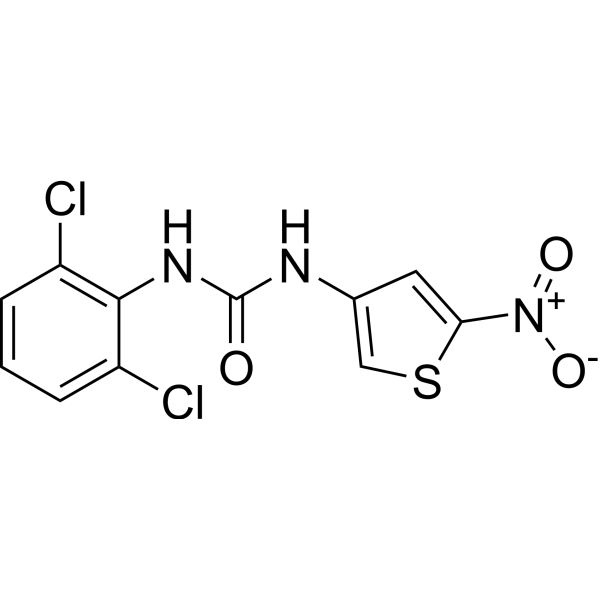
    Plm IV inhibitor-1 (compound 6) is a potent plasmepsin IV (Plm IV) inhibitor with IC50s of 4.1, 0.80, 0.25, 0.35 µM for Plm I, Plm II, Plm IV, Cat D, respectively .
    Plm IV inhibitor-1
  • HY-12542S

    F 368-13C3

    Isotope-Labeled Compounds Glutathione Reductase (GR) Neurological Disease Inflammation/Immunology
    Dantrolene- 13C3 is the 13C3 labeled Dantrolene. Dantrolene (F368), a muscle relaxant, non-competitively inhibits human erythrocyte glutathione reductase. Ki and IC50 values are 111.6 μM and 52.3 μM, respectively. Dantrolene is a ryanodine receptor antagonist and Ca2+ signaling stabilizer. Dantrolene can be used for the research of muscle spasticity, malignant hyperthermia, Huntington's disease and other neuroleptic malignant syndrome.
    Dantrolene-13C3
  • HY-P5344

    Fluorigenic PEXEL peptide

    Parasite Others
    Dabcyl-LNKRLLHETQ-Edans (Fluorigenic PEXEL peptide) is a biological active peptide. (This FRET substrate peptide for Plasmepsin V (PMV) is derived from the conserved Plasmodium Export Element (PEXEL) motif of Histidine-Rich Protein II (HRPII). PMV is an ER aspartic protease that recognizes and cleaves the RXL sequence within the PEXEL motif of proteins exported by human malaria parasite Plasmodium falciparum, allowing them to translocate into host erythrocytes.)
    Dabcyl-LNKRLLHETQ-Edans
  • HY-P990846

    Transmembrane Glycoprotein Metabolic Disease
    Anti-Fy3 Antibody (MIMA-29) is a kind of mouse IgG2a κ chimeric antibody inhibitor, targeting to human Fy3. Anti-Fy3 Antibody (MIMA-29) binds to erythrocytes and induces RBC (red blood cells) clearance. Anti-Fy3 Antibody (MIMA-29) can be used for the research of metabolic disease .
    Anti-Fy3 Antibody (MIMA-29)
  • HY-117569

    TNF Receptor Inflammation/Immunology
    KF24345 free base is an orally active adenosine uptake inhibitor. KF24345 free base inhibits adenosine uptake by human, mouse, rabbit and hamster erythrocytes with IC50 values of 59.5, 130.1, 104.2 and 30.9 nM, respectively. KF24345 free base has anti-inflammatory activity and can inhibit LPS-induced TNF-α production and leukopenia in mice .
    KF24345 free base
  • HY-B0882R

    Reference Standards Cholinesterase (ChE) Neurological Disease Inflammation/Immunology
    Edrophonium chloride (Standard) is the analytical standard of Edrophonium chloride (HY-B0882). This product is intended for research and analytical applications. Edrophonium chloride is a short-acting acetylcholinesterase (AChE) inhibitor. Edrophonium chloride has Ki values of 0.2, 0.2, and 0.4 μM and IC50 values of 0.2, 0.05, and 0.5 μM for AChE in human erythrocytes, purified calf forebrain, and purified octopus brain, respectively. Edrophonium chloride can be used to detect early digitalis toxicity and in the study of myasthenia gravis.
    Edrophonium chloride (Standard)
  • HY-P10540

    Bacterial Infection
    Pantinin-2 is a cysteine-free toxic peptide found in the emperor scorpion (paninus imperator). Pantinin-2 has high activity against Gram-positive bacteria but weak activity against Gram-negative bacteria. Pantinin-2 also exhibits activity against Candida tropicalis and has relatively mild hemolytic activity against human erythrocytes. Pantinin-2 can be used in the development of antimicrobial drugs for drug-resistant pathogens .
    Pantinin-2
  • HY-N7576

    Others Cardiovascular Disease
    Anemarrhenasaponin Ia is a steroidal saponin that can be isolated from the rhizomes of Anemarrhena asphodeloides Bunge. Anemarrhenasaponin Ia inhibits platelet aggregation. Anemarrhenasaponin Ia induces mild concentration-dependent hemolysis. Anemarrhenasaponin Ia inhibits fMLP- and AA-induced superoxide anion production, while enhancing PMA-induced superoxide anion production. Anemarrhenasaponin Ia can be used in studies related to thrombosis .
    Anemarrhenasaponin Ia
  • HY-B0881R

    Reference Standards Potassium Channel Metabolic Disease Cancer
    Acetohexamide (Standard) is the analytical standard of Acetohexamide. This product is intended for research and analytical applications. Acetohexamide is an orally active first-generation sulfonylurea agent used in research related to type 2 diabetes and cancer. Acetohexamide exerts reductase activity in human erythrocytes. Acetohexamide stimulates the pancreas to secrete insulin. Acetohexamide inhibits ATP-sensitive potassium channels in the β cells of the pancreas. Acetohexamide can inhibit the formation of circular chemorepellent induced defects (CCIDs) in lymphendothelial cell (LEC) monolayers. Acetohexamide inhibits markers of epithelial-to-mesenchymal-transition and migration. Acetohexamide suppresses the synthesis of 12(S)-HETE. Acetohexamide can potentiate hypoglycaemic action .
    Acetohexamide (Standard)
  • HY-163753

    Carbonic Anhydrase Others
    Carbonic anhydrase inhibitor 25 (compound 6a) is a potent carbonic anhydrase inhibitor. Carbonic anhydrase inhibitor 25 shows inhibition for hCA I and hCA II receptor .
    Carbonic anhydrase inhibitor 25

Inquiry Online

Your information is safe with us. * Required Fields.

Salutation


Country or Region *

Applicant Name *


Organization Name *

Department *


Email Address *


Product Name *

Cat. No.


Requested quantity *

Phone Number *


Remarks

Inquiry Online

Inquiry Information

Product Name:
Cat. No.:
Quantity:
MCE Japan Authorized Agent:

