1. Search Result
Search Result
Results for "

mitochondrial oxidative phosphorylation

" in MedChemExpress (MCE) Product Catalog:

49

阻害剤およびアゴニスト

1

ペプチド

13

天然物

1

同位体標識化合物

製品番号 製品名 Target 研究分野 構造式
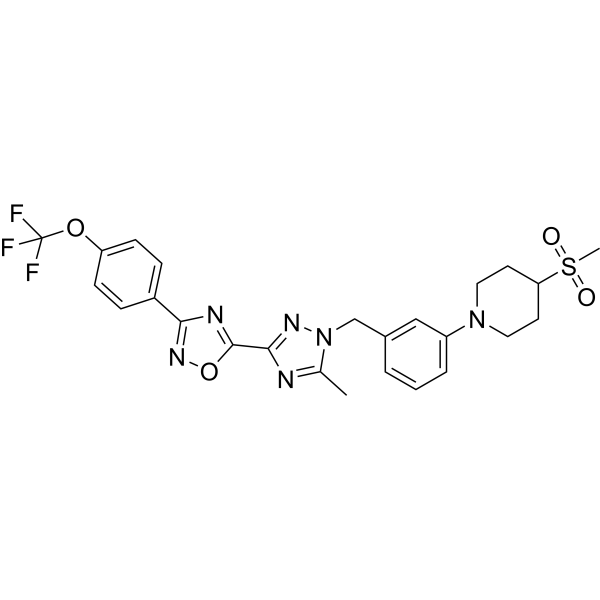
  • HY-112037
    IACS-010759
    Maximum Cited Publications
    26 Publications Verification

    IACS-10759

    Oxidative Phosphorylation Mitochondrial Metabolism Apoptosis Cancer
    IACS-010759 is an orally active, potent mitochondrial complex I of oxidative phosphorylation (OXPHOS) inhibitor. IACS-010759 inhibits proliferation and induces apoptosis in models of brain cancer and acute myeloid leukemia (AML) reliant on OXPHOS. IACS-010759 has the potential for relapsed/refractory AML and solid tumors research .
    IACS-010759
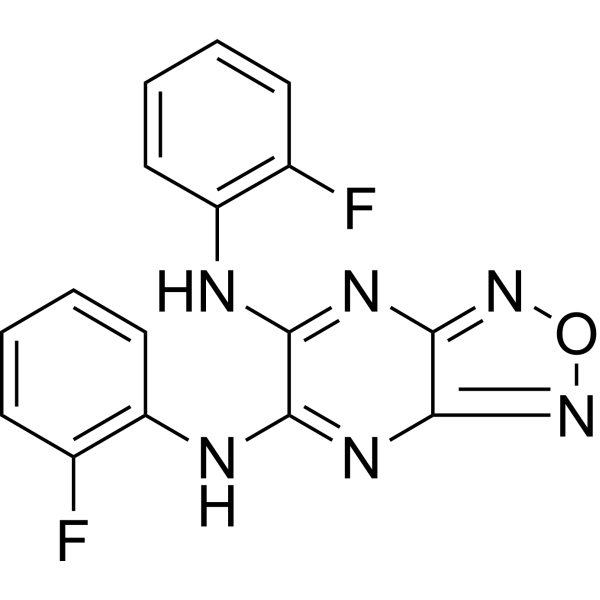
  • HY-110284
    BAM 15
    10+ Cited Publications

    Oxidative Phosphorylation Mitochondrial Metabolism Others
    BAM 15 is a mitochondrial protonophore uncoupler. BAM 15 is an oxidative phosphorylation (OXPHOS) uncoupler .
    BAM 15
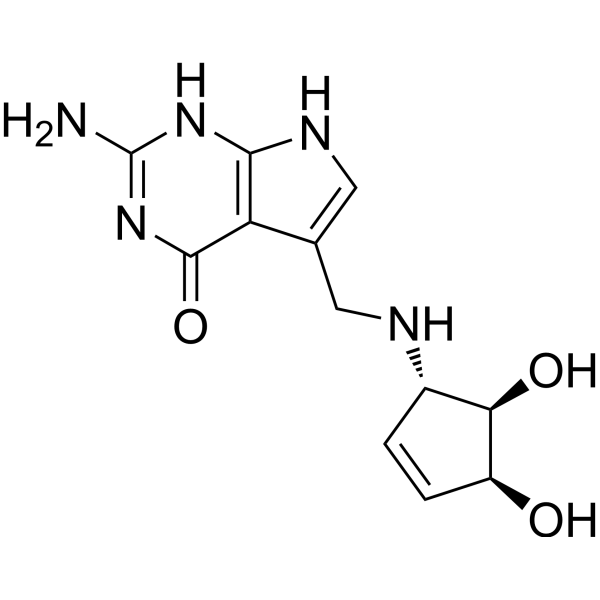
  • HY-N10574
    Queuine
    1 Publications Verification

    Bacterial Metabolic Disease Cancer
    Queuine is a selective substrate for tRNA guanine transglycosylase (TGT) and can be incorporated into eukaryotic tRNA. Queuine promotes tRNA modification, affecting mitochondrial function and Warburg metabolic phenotype. If Queuine is deficient, aerobic glycolysis can be enhanced, oxidative phosphorylation can be inhibited, and Warburg metabolism can be promoted, accompanied by increased ammonia and lactate production and increased lactate dehydrogenase activity. Queuine can be used for autoimmune diseases (such as experimental models of multiple sclerosis) and cancer metabolic regulation, and its deficiency is associated with low tRNA modification in tumor cells .
    Queuine
  • HY-110282

    Oxidative Phosphorylation Mitochondrial Metabolism Metabolic Disease
    S3QEL-2, a suppressor of superoxide production from mitochondrial complex III, potently and selectively suppresses site IIIQo superoxide production (IC50=1.7 μM). S3QEL-2 does not affect oxidative phosphorylation, and normal electron flux. S3QEL-2 inhibits HIF-1α accumulation .
    S3QEL-2
  • HY-137067
    IMT1B
    5+ Cited Publications

    LDC203974

    DNA/RNA Synthesis Cancer
    IMT1B (LDC203974) is an orally active, noncompetitive and specific allosteric inhibitor of mitochondrial RNA polymerase (POLRMT) and inhibits mitochondrial DNA (mtDNA) expression. IMT1B has anti-tumour effects .
    IMT1B
  • HY-N7056
    4'-Hydroxychalcone
    3 Publications Verification

    Oxidative Phosphorylation Proteasome Inflammation/Immunology Cancer
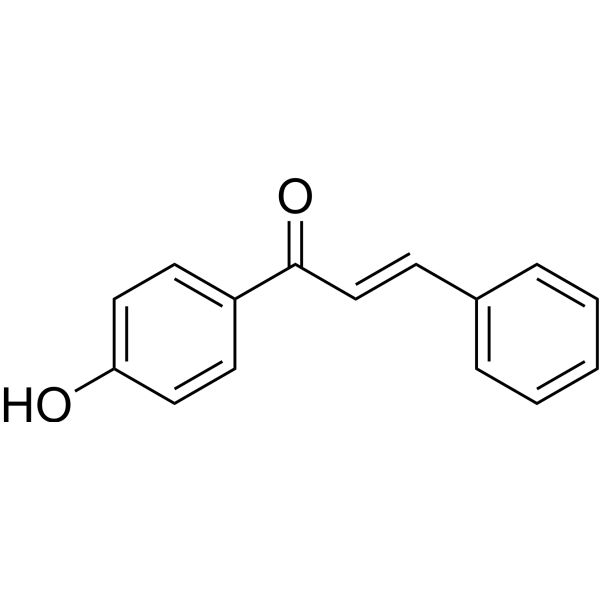
    4'-Hydroxychalcone is a chalcone isolated from licorice root, with hepatoprotective activity. 4'-Hydroxychalcone inhibits TNFα-induced NF-κB activation via proteasome inhibition. 4'-Hydroxychalcone induces a rapid potassium release from mitochondrial vesicles and causes deterioration of respiratory control and oxidative phosphorylation of isolated rat liver mitochondria .
    4'-Hydroxychalcone
  • HY-12406
    VLX600
    2 Publications Verification

    Oxidative Phosphorylation Mitochondrial Metabolism Autophagy Cancer
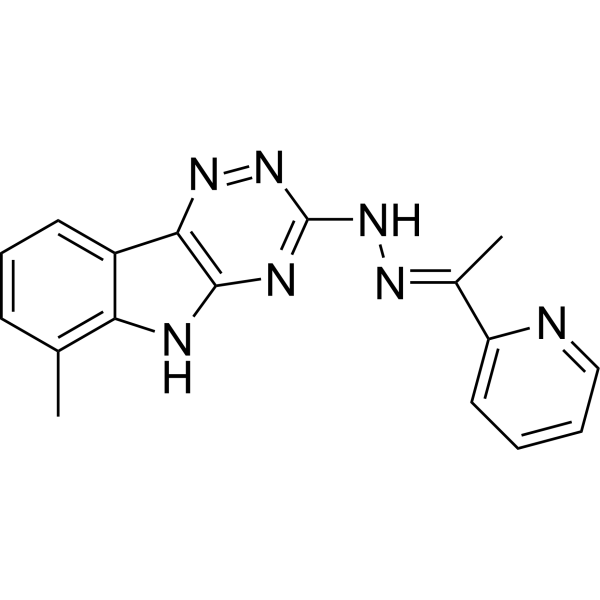
    VLX600 is an iron-chelating inhibitor of oxidative phosphorylation (OXPHOS). VLX600 causes mitochondrial dysfunction and induces a strong shift to glycolysis. VLX600 displays selective cytotoxic activity against malignant cell and induces autophagy. Anticancer activity .
    VLX600
  • HY-134832
    Mito-LND
    3 Publications Verification

    Mito-Lonidamine

    Oxidative Phosphorylation Mitochondrial Metabolism Reactive Oxygen Species (ROS) Autophagy Cancer
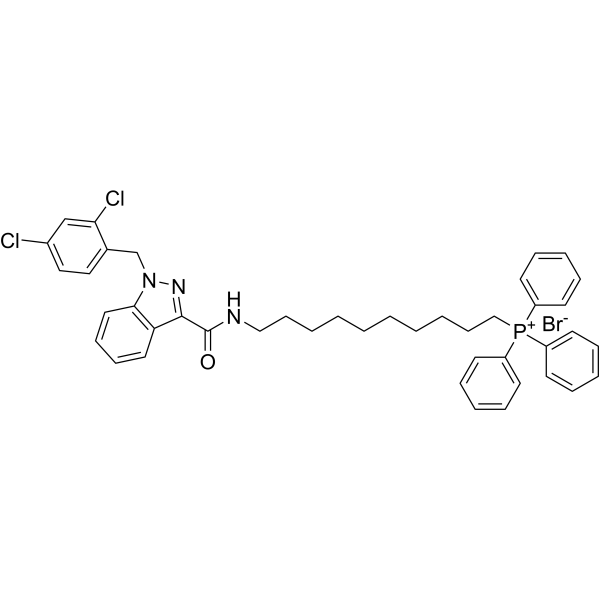
    Mito-LND (Mito-Lonidamine) is an orally active and mitochondria-targeted inhibitor of oxidative phosphorylation (OXPHOS). Mito-LND inhibits mitochondrial bioenergetics, stimulates the formation of reactive oxygen species, and induces autophagic cell death in lung cancer cells .
    Mito-LND
  • HY-174216

    DNA/RNA Synthesis Oxidative Phosphorylation Mitochondrial Metabolism Neurological Disease Metabolic Disease
    PZL-A is a activator of mitochondrial DNA (mtDNA) synthesis. PZL-A restores wild-type-like activity to mutant forms of polymerase γ (POLγ) with AC50 s of 160 and 20 nM for A467T and G848S. PZL-A activates mtDNA synthesis in cells, enhancing biogenesis of the oxidative phosphorylation machinery and cellular respiration. PZL-A is promising for relieving POLG disease and other severe conditions linked to depletion of mtDNA .
    PZL-A
  • HY-121362

    Bacterial Endogenous Metabolite TrxR Infection Neurological Disease Inflammation/Immunology Cancer
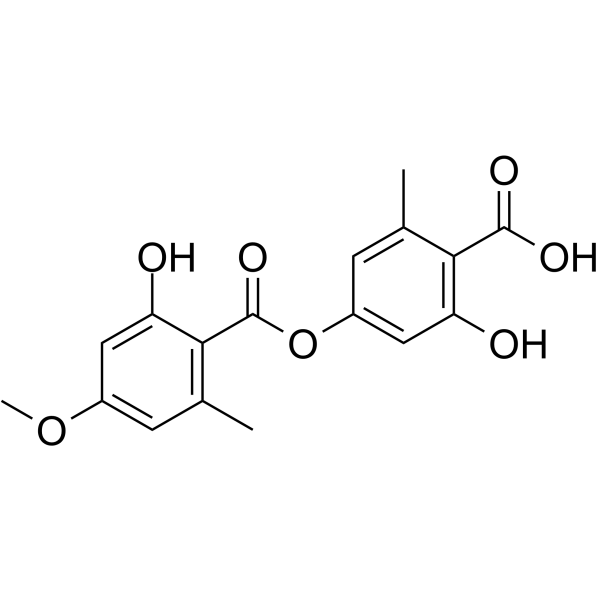
    Evernic Acid is an orally active thioredoxin reductase 1 (TrxR1) inhibitor and antiproliferative agent. Evernic Acid inhibits the proliferation and migration of human breast cancer cells. Evernic Acid blocks the NF-κB pathway by inhibiting p65 nuclear translocation and IκBα phosphorylation, thereby suppressing downstream inflammatory mediators. Evernic Acid acts as an antioxidant, anti-inflammatory agent and neuroprotective agent, protects neurons from cell death, mitochondrial dysfunction and oxidative stress damage, reduces astrocyte activation, and ameliorates dopaminergic neuron loss and neuroinflammation. Evernic Acid inhibits enoyl reductases FabI and FabZ of Plasmodium falciparum. Evernic Acid downregulates the expression of lasB and rhlA genes in Pseudomonas aeruginosa, inhibits quorum sensing and biofilm formation, and exerts antibacterial activity against Gram-positive bacteria, Gram-negative bacteria and fungi. Evernic Acid is applicable to research related to breast cancer, Parkinson's disease, bacterial infections and fungal infections .
    Evernic Acid
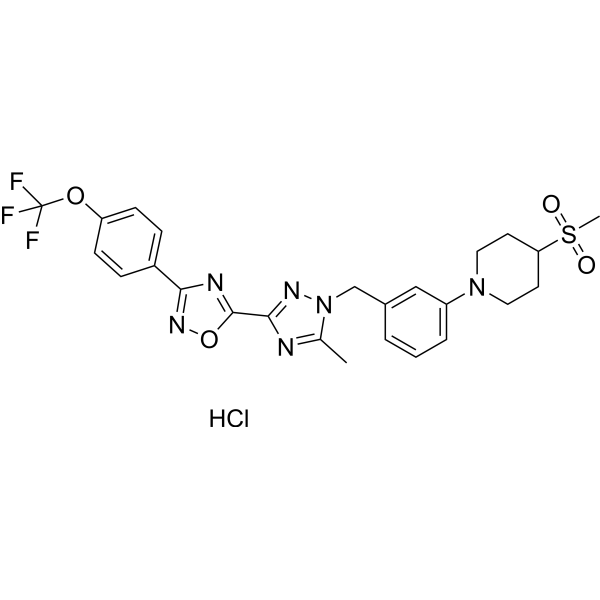
  • HY-112037A
    IACS-010759 hydrochloride
    Maximum Cited Publications
    26 Publications Verification

    IACS-10759 hydrochloride

    Oxidative Phosphorylation Mitochondrial Metabolism Apoptosis Cancer
    IACS-010759 hydrochlorideis an orally active, potent mitochondrial complex I of oxidative phosphorylation (OXPHOS) inhibitor. IACS-010759 hydrochlorideinhibits proliferation and induces apoptosis in models of brain cancer and acute myeloid leukemia (AML) reliant on OXPHOS. IACS-010759 hydrochloride has the potential for relapsed/refractory AML and solid tumors research .
    IACS-010759 hydrochloride
  • HY-W762011

    Apoptosis Reactive Oxygen Species (ROS) JNK Oxidative Phosphorylation Neurological Disease Cancer
    BDE 47 targets mitochondria, inhibits mitochondrial oxidative phosphorylation (OXPHOS), decreases mitochondrial membrane potential (MMP) and induces apoptosis in embryonic cell. BDE 47 induces the generation of ROS, and activates the JNK signaling pathway. BDE 47 exhibits embryonic developmental toxicity in zebrafish .
    BDE 47
  • HY-119725

    Environmental Pollutants Insecticide Infection
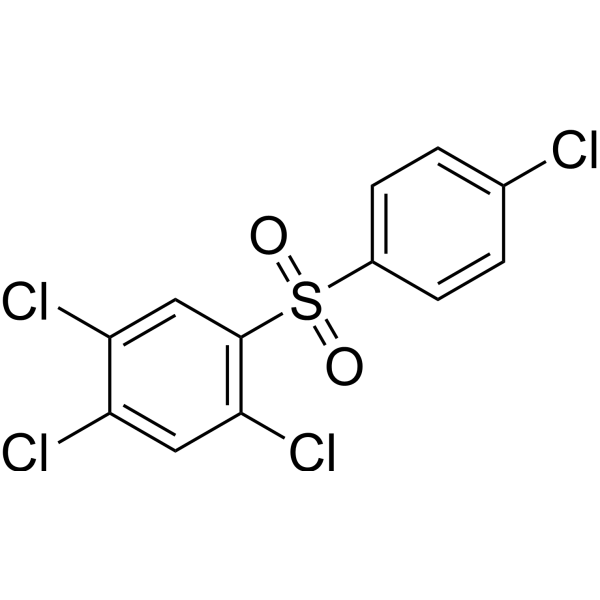
    Tetradifon is a broad-spectrum organochlorine insecticide and an inhibitor of the mitochondrial oligomycin sensitivity conferring protein (OSCP), which can be used to control a variety of mites. Tetradifon inhibits energy-related activities such as ADP-stimulated respiration, DNP and Mg 2+-stimulated ATPase, with an IC50 of 4.5-27 nmoL/mg mitochondrial protein. Tetradifon exerts oligomycin-like activity by inhibiting the oxidative phosphorylation process, inducing oxidative stress and interfering with bone metabolism. Tetradifon is currently mainly used in the research of mitochondrial function regulation, bone remodeling mechanism and nephrotoxicity of environmental pollutants .
    Tetradifon
  • HY-P3003

    Potassium Channel Apoptosis Autophagy Reactive Oxygen Species (ROS) Mitochondrial Metabolism Infection Neurological Disease Metabolic Disease Inflammation/Immunology
    Cereulide is an orally active, blood-brain barrier-permeable emetic toxin. Cereulide acts as a potassium ionophore that inserts into membranes, forms complexes with K +, and transports K + from the cytoplasm into the mitochondrial matrix. Cereulide disrupts the electrochemical gradient of the inner mitochondrial membrane, leading to mitochondrial swelling and dysfunction, uncoupling of oxidative phosphorylation, inhibition of ATP synthesis, ROS accumulation, and ultimately triggering apoptosis and autophagy. Cereulide exhibits multi-organ toxicity and can be used for research on emetic food poisoning .
    Cereulide
  • HY-N1677

    Akt mTOR Bacterial Fungal AMPK Infection Metabolic Disease Inflammation/Immunology Cancer
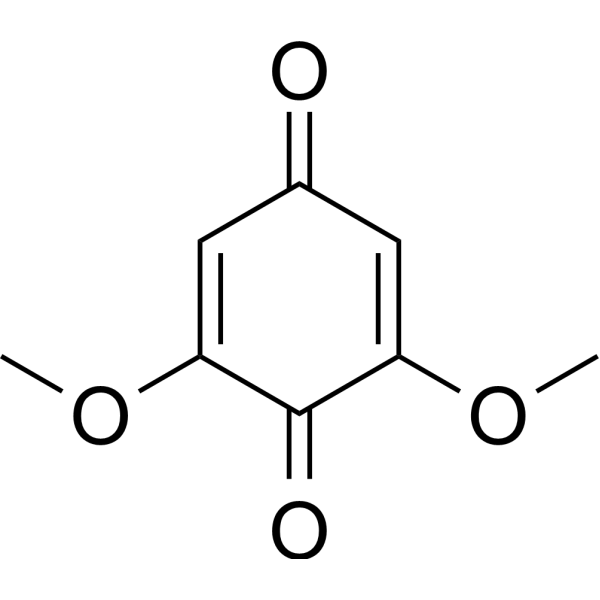
    2,6-Dimethoxy-1,4-benzoquinone is a 1,4-benzoquinone derivative. 2,6-Dimethoxy-1,4-benzoquinone promotes phosphorylation of AKT, S6K, mTOR, 4E-BP1, and AMPK, and attenuates mTORC1 activity as part of the AKT/mTOR pathway. 2,6-Dimethoxy-1,4-benzoquinone stimulates myoblast differentiation, increases myotube size, elevates MHC protein expression, enhances mitochondrial biogenesis, respiration, and DNA content, and increases skeletal muscle weights, fiber size, grip strength, and treadmill performance. 2,6-Dimethoxy-1,4-benzoquinone exerts anti-cancer, anti-inflammatory, anti-adipogenic, antibacterial, and antimutagenic effects, inhibits adipogenic transcription factors, nitric oxide production, skin tumor development, Magnaporthe oryzae growth, spore germination, appressorium formation, and growth of select bacterial species, induces H2O2 generation and rice defense gene expression, and reduces rice blast lesion formation. 2,6-Dimethoxy-1,4-benzoquinone can be used for the research of obesity, skin tumorigenesis, rice blast disease, and food-borne illness .
    2,6-Dimethoxy-1,4-benzoquinone
  • HY-172199

    ClpP Cancer
    THX6 is an hClpP activator with an EC50 of 1.18 μM. THX6 improves off-target profile with no affinity for hD2R and only weak affinity for hD3R (Ki = 51.1 µM) in HEK293 cells. THX6 shows good cytotoxicity in ONC201-resistant cells with an IC50 of 0.13 μM. THX6 changes the levels of fatty acids (PUFAs, MUFAs, and SFAs) in DIPG cells. THX6 decreases the level of proteins involved in oxidative phosphorylation, biogenesis, and mitophagy proteins, thereby resulting in a global collapse of mitochondrial integrity and function. THX6 can be used for diffuse intrinsic pontine glioma research .
    THX6
  • HY-155554

    Mitochondrial Metabolism Oxidative Phosphorylation Reactive Oxygen Species (ROS) MMP Cancer
    SCAL-255 is a potent mitochondrial complex I (CI) inhibitor with an IC50 of 1.14 μM. SCAL-255 blocks mitochondrial function, inhibits oxygen consumption rate (OCR), induces reactive oxygen species (ROS) production, and reduces MMP. SCAL-255 can be used in the research of oxidative phosphorylation (OXPHOS)-dependent cancers, such as colorectal cancer (CRC) and acute myeloid leukemia (AML), etc .
    SCAL-255
  • HY-136394
    Diafenthiuron
    2 Publications Verification

    Environmental Pollutants Mitochondrial Metabolism Oxidative Phosphorylation Parasite Others
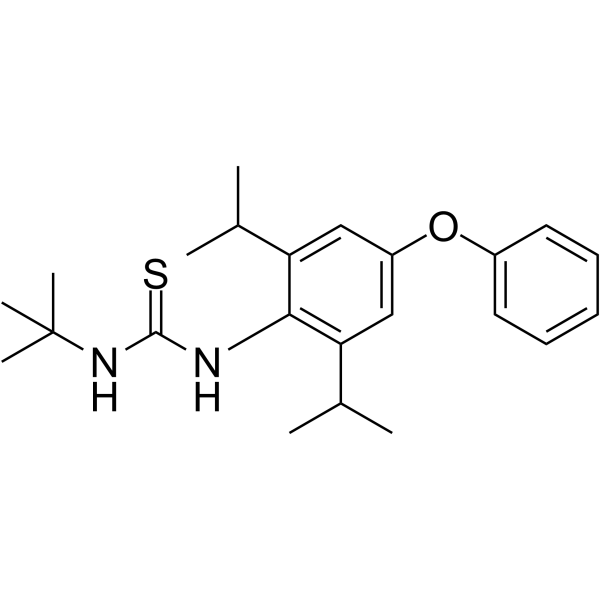
    Diafenthiuron is a thiourea compound commonly used a broad-spectrum insecticide and acaricide. Diafenthiuron disturbs the insect respiratory system by inhibiting the oxidative phosphorylation and mitochondrial ATP synthesis .
    Diafenthiuron
  • HY-155063

    HSP Mitochondrial Metabolism Cancer
    TRAP1-IN-1 (compound 35) is a potent and selective inhibitor of TRAP1,a mitochondrial isoform of Hsp90. TRAP1-IN-1 has >250-fold TRAP1 selectivity over Grp94,and disrupts TRAP1 tetramer stability,induces TRAP1 client protein degradation. TRAP1-IN-1 also inhibits mitochondrial complex I of oxidative phosphorylation OXPHOS,disrupts the mitochondrial membrane potential,and enhances glycolysis metabolism .
    TRAP1-IN-1
  • HY-160496

    STAT Cancer
    STAT3-IN-25 (Compound 2p) is a potent STAT3 inhibitor with a p-trifluoroethoxy benzyl substituent. STAT3-IN-25 shows STAT3 luciferase inhibition activity using HEK293T cells with an IC50 of 22.3 nM and ATP production inhibition activity using BxPC-3 cells with an IC50 of 32.5 nM. STAT3-IN-25 has the potential for pancreatic cancer research .
    STAT3-IN-25
  • HY-N10574A
    Queuine dihydrochloride
    1 Publications Verification

    Others Metabolic Disease Cancer
    Queuine dihydrochloride is a selective substrate for tRNA guanine transglycosylase (TGT) and can be incorporated into eukaryotic tRNA. Queuine dihydrochloride promotes tRNA modification, affecting mitochondrial function and Warburg metabolic phenotype. If Queuine dihydrochloride is deficient, aerobic glycolysis can be enhanced, oxidative phosphorylation can be inhibited, and Warburg metabolism can be promoted, accompanied by increased ammonia and lactate production and increased lactate dehydrogenase activity. Queuine dihydrochloride can be used for autoimmune diseases (such as experimental models of multiple sclerosis) and cancer metabolic regulation, and its deficiency is associated with low tRNA modification in tumor cells .
    Queuine dihydrochloride
  • HY-P3003S

    Isotope-Labeled Compounds Apoptosis Potassium Channel Mitochondrial Metabolism Autophagy Reactive Oxygen Species (ROS) Infection Neurological Disease Metabolic Disease Inflammation/Immunology
    Cereulide- 13C6 is a deuterated form of Cereulide. Cereulide is an orally active, blood-brain barrier-permeable emetic toxin. Cereulide acts as a potassium ionophore that inserts into membranes, forms complexes with K +, and transports K + from the cytoplasm into the mitochondrial matrix. Cereulide disrupts the electrochemical gradient of the inner mitochondrial membrane, leading to mitochondrial swelling and dysfunction, uncoupling of oxidative phosphorylation, inhibition of ATP synthesis, ROS accumulation, and ultimately triggering apoptosis and autophagy. Cereulide exhibits multi-organ toxicity and can be used for research on emetic food poisoning.
    Cereulide-13C6
  • HY-175673

    Carnitine Palmitoyltransferase (CPT) Apoptosis Oxidative Phosphorylation Mitochondrial Metabolism Reactive Oxygen Species (ROS) Cancer
    LCB-2151 (Compound 2), a nucleoside analogue, is an anticancer agent. LCB-2151 disrupts the two primary sources of ATP production (glycolysis and mitochondrial oxidative phosphorylation), reducing the bioenergetic capacity of KRAS-mutated pancreatic cancer cells and inducing ROS formation. LCB-2151 effectively inhibits key enzymes (such as CACT and CPT2) in glycolysis, the TCA cycle and fatty acid β-oxidation. LCB-2151 has significant cytotoxicity and induces cells apoptosis. LCB-2151 can be used for radiation therapy of cancers research .
    LCB-2151
  • HY-111321

    Oxidative Phosphorylation CCR HIV Bacterial Mitochondrial Metabolism Endogenous Metabolite Infection Metabolic Disease
    Fuscin, a fungal metabolite, CCR5 receptor antagonist with anti-HIV effects. Fuscin is a respiration and oxidative phosphorylation inhibitor, and also a mitochondrial SH-dependent transport-linked functions inhibitor .
    Fuscin
  • HY-N11262

    Phosphodiesterase (PDE) Sirtuin PGC-1α p38 MAPK HSP TNF Receptor NO Synthase Apoptosis Metabolic Disease Inflammation/Immunology
    Sudachitin is an orally active compound that potently inhibits mouse PDE1C and human PDE4B, with IC50 values of 5.0 μM and 15.0 μM, respectively. Sudachitin upregulates Sirt1 and PGC‑1α expression in skeletal muscle to regulate energy metabolism and promote mitochondrial biogenesis. Sudachitin improves lipid metabolism, glucose tolerance, insulin sensitivity, energy expenditure, and fatty acid β‑oxidation. Sudachitin activates p38MAPK signaling, induces HSP27 phosphorylation and caspase‑dependent apoptosis, and blocks EGF‑driven keratinocyte migration and proliferation. Sudachitin suppresses LPS‑induced TNF‑α, NO, and iNOS expression in macrophages and shows potent anti‑inflammatory activity. Sudachitin can be used for the research of metabolic syndrome, type 2 diabetes, and psoriasis. .
    Sudachitin
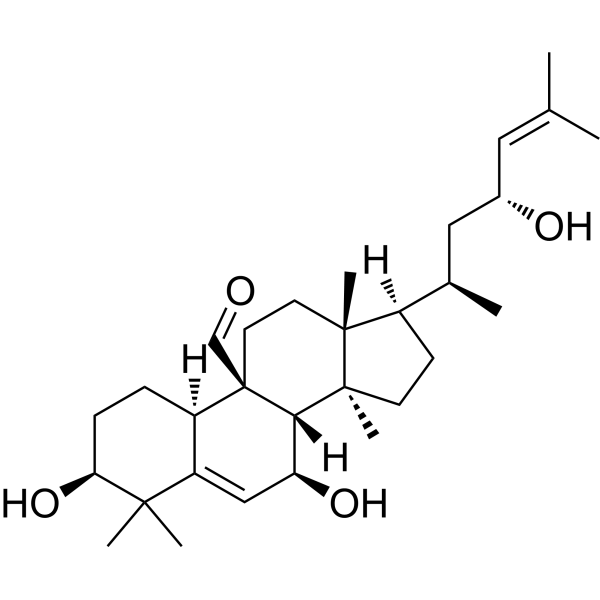
  • HY-122949
    Momordicine I
    2 Publications Verification

    Apoptosis Autophagy DGK Mitochondrial Metabolism NO Synthase PI3K Akt Interleukin Related Src AMPK mTOR NF-κB c-Met/HGFR STAT Keap1-Nrf2 Reactive Oxygen Species (ROS) Oxidative Phosphorylation Endogenous Metabolite Cardiovascular Disease Metabolic Disease Inflammation/Immunology Cancer
    Momordicine I is a cucurbitane-type triterpenoids. Momordicine I suppresses glioma growth by promoting apoptosis and impairing mitochondrial oxidative phosphorylation. Momordicine I inhibits glycolysis, lipid metabolism, induces autophagy in HNC cells to suppress head and neck cancer growth. Momordicine I alleviates isoproterenol-induced cardiomyocyte hypertrophy through suppression of PLA2G6 and DGK-ζ. Momordicine I exerts its cardiovascular benefits by upregulating nitric oxide, inhibiting the activity of angiotensin-converting enzyme (ACE), activating the PI3K/Akt pathway, reducing oxidative stress and inflammation. Momordicine I inhibits AKT1, IL-6, and SRC, suggesting its potential application in type 2 diabetes .
    Momordicine I
  • HY-179557

    Glutathione Peroxidase Reactive Oxygen Species (ROS) Apoptosis Ferroptosis PD-1/PD-L1 Cancer
    iMQT_020 is a selective allosteric SLC1A5_var inhibitor. iMQT_020 disrupts the trimeric assembly of SLC1A5_var, causing metabolic crisis in cancer cells and selectively suppressing their growth. iMQT_020 reduces glutamine anaplerosis and oxidative phosphorylation, resulting in a broad disruption of cancer metabolism. iMQT_020 reduces GSH levels and increases cellular ROS and mitochondrial ROS. iMQT_020 induces apoptosis and ferroptosis. iMQT_020 can epigenetically upregulate PD-L1 expression. iMQT_020 can be used for the study of pancreatic cancer, lung cancer, and colon cancer .
    iMQT_020
  • HY-154973

    Oxidative Phosphorylation Mitochondrial Metabolism AMPK Metabolic Disease Cancer
    AMPK activator 11 is an AMP-activated protein kinase (AMPK) activator with nanomolelevel antiproliferation activities against several CRCs. AMPK activator 11 selectively inhibits the RKO xenograft growth along by activating AMPK and upregulating oxidative phosphorylation (OXPHOS) ( mitochondrial metabolism ) and can be used for anti-tumor and metabolic disease research .
    AMPK activator 11
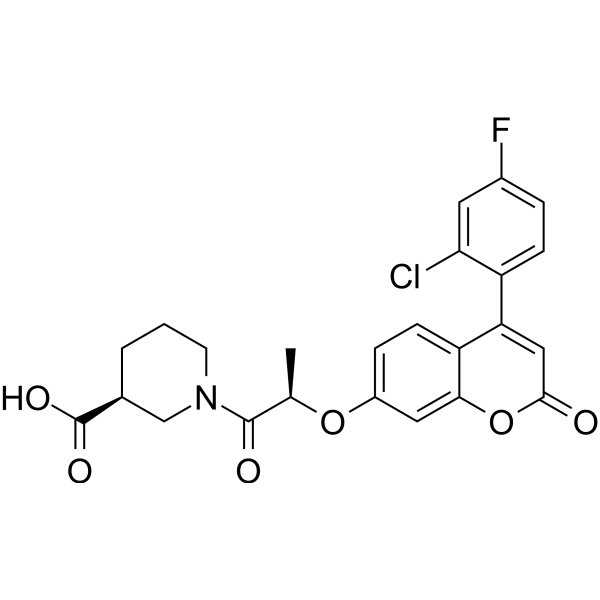
  • HY-164445

    STAT c-Myc CDK Cancer
    STAT3-IN-32 is an orally active, selective STAT3 SH2 domain inhibitor with a Kd of 21.3 nM, showing selectivity over STAT1/5. STAT3-IN-32 binds to the STAT3 SH2 domain, blocks Tyr705 and Ser727 phosphorylation, abrogates nuclear transcription and mitochondrial oxidative phosphorylation functions. STAT3-IN-32 suppresses pancreatic cancer cell proliferation. STAT3-IN-32 inhibits tumor growth in mouse pancreatic cancer xenograft models. STAT3-IN-32 can be used for the research of pancreatic cancer .
    STAT3-IN-32
  • HY-155555

    Oxidative Phosphorylation Mitochondrial Metabolism Cancer
    SCAL-266 is a potent mitochondrial complex I (CI) inhibitor with IC50 of 0.83 μM. SCAL-266 blocks mitochondrial function, inhibits OCR, induces ROS production, and reduces MMP. SCAL-266 displays a considerable antiproliferation effect against oxidative phosphorylation (OXPHOS)-dependent cancer cells .
    SCAL-266
  • HY-N8098

    STAT Autophagy JAK Cancer
    Pulchinenoside E2 is a triterpenoid saponin. Pulchinenoside E2 inhibits the phosphorylation of STAT3 and JAK2, blocks the nuclear translocation and transcriptional activity of STAT3, and suppresses STAT3-dependent mitochondrial oxidative phosphorylation. Pulchinenoside E2 inhibits invasion, migration and autophagy of triple-negative breast cancer cells. Pulchinenoside E2 can be used in research related to triple-negative breast cancer .
    Pulchinenoside E2
  • HY-W762011R

    Reference Standards Apoptosis Reactive Oxygen Species (ROS) JNK Oxidative Phosphorylation Neurological Disease Cancer
    BDE 47 (Standard) is the analytical standard of BDE 47. This product is intended for research and analytical applications. BDE 47 targets mitochondria, inhibits mitochondrial oxidative phosphorylation (OXPHOS), decreases mitochondrial membrane potential (MMP) and induces apoptosis in embryonic cell. BDE 47 induces the generation of ROS, and activates the JNK signaling pathway. BDE 47 exhibits embryonic developmental toxicity in zebrafish .
    BDE 47 (Standard)
  • HY-119725R

    Reference Standards Insecticide Infection
    Tetradifon (Standard) is the analytical standard of Tetradifon (HY-119725). This product is intended for research and analytical applications. Tetradifon is a broad-spectrum organochlorine insecticide and an inhibitor of the mitochondrial oligomycin sensitivity conferring protein (OSCP), which can be used to control a variety of mites. Tetradifon inhibits energy-related activities such as ADP-stimulated respiration, DNP and Mg 2+-stimulated ATPase, with an IC50 of 4.5-27 nmoL/mg mitochondrial protein. Tetradifon exerts oligomycin-like activity by inhibiting the oxidative phosphorylation process, inducing oxidative stress and interfering with bone metabolism. Tetradifon is currently mainly used in the research of mitochondrial function regulation, bone remodeling mechanism and nephrotoxicity of environmental pollutants .
    Tetradifon (Standard)
  • HY-176775

    Oxidative Phosphorylation Mitochondrial Metabolism Apoptosis Neurological Disease
    TPP-IOA is a cytochrome c peroxidase inhibitor. TPP-IOA inhibits apoptosis by preventing cardiolipin oxidation and cytochrome c release to the cytosol. TPP-IOA disrupts oxidative phosphorylation in isolated mitochondria. TPP-IOA inhibits cell death in SH-SY5Y cells grown in glucose, but not galactose. TPP-IOA causes mitochondrial depolarization and network fragmentation. TPP-lOA mitigates radiation induced death in mice .
    TPP-IOA
  • HY-115507A

    Oxidative Phosphorylation Mitochondrial Metabolism Cancer
    (Z)-NMac1 is an Nm23-H1 activator found in Zingiber cassumunar Roxb. (Z)-NMac1 has dual anti-metastatic and anti-proliferative biological activities. (Z)-NMac1 selectively inhibits cancer cell proliferation under glucose starvation conditions by inhibiting mitochondrial complex I activity, leading to ATP depletion and mitochondrial dysfunction. (Z)-NMac1 can be used to study tumors with high oxidative phosphorylation, especially in the glucose-restricted tumor microenvironment .
    (Z)-NMac1
  • HY-W782567

    Oxidative Phosphorylation Mitochondrial Metabolism Metabolic Disease Cancer
    5-Amino-6-(5-phospho-D-ribitylamino)uracil is a substance that enhances oxidative phosphorylation or mitochondrial respiration. 5-Amino-6-(5-phospho-D-ribitylamino)uracil can enhance mitochondrial oxidative function. 5-Amino-6-(5-phospho-D-ribitylamino)uracil can be used in the research of cancer .
    5-Amino-6-(5-phospho-D-ribitylamino)uracil
  • HY-W331198

    Insecticide Ferroptosis Infection
    Tralopyril is an orally active, blood-brain barrier-penetrating antifouling insecticide and endocrine disruptor. By interfering with the thyroid hormone system and mitochondrial oxidative phosphorylation, Tralopyril downregulates the transcription of genes such as TRHR, Nkx2.1, TRα and induces ferroptosis. Tralopyril disrupts amino acid, energy and lipid metabolism, exhibits significant skeletal and reproductive toxicity, and causes developmental damage. Tralopyril has a long half-life in vivo and wide tissue distribution, posing potential risks to aquatic organisms and human health. Tralopyril shows species specificity in in vitro liver microsomal metabolism, exerts lethal effects on target insects and laboratory animals, and is commonly used in studies of chlorfenapyr poisoning and related toxic mechanisms .
    Tralopyril
  • HY-N1677R

    Reference Standards Akt mTOR Bacterial Fungal AMPK Infection Metabolic Disease Inflammation/Immunology Cancer
    2,6-Dimethoxy-1,4-benzoquinone (Standard) is the analytical standard of 2,6-Dimethoxy-1,4-benzoquinone (HY-N1677). This product is intended for research and analytical applications. 2,6-Dimethoxy-1,4-benzoquinone is a 1,4-benzoquinone derivative. 2,6-Dimethoxy-1,4-benzoquinone promotes phosphorylation of AKT, S6K, mTOR, 4E-BP1, and AMPK, and attenuates mTORC1 activity as part of the AKT/mTOR pathway. 2,6-Dimethoxy-1,4-benzoquinone stimulates myoblast differentiation, increases myotube size, elevates MHC protein expression, enhances mitochondrial biogenesis, respiration, and DNA content, and increases skeletal muscle weights, fiber size, grip strength, and treadmill performance. 2,6-Dimethoxy-1,4-benzoquinone exerts anti-cancer, anti-inflammatory, anti-adipogenic, antibacterial, and antimutagenic effects, inhibits adipogenic transcription factors, nitric oxide production, skin tumor development, Magnaporthe oryzae growth, spore germination, appressorium formation, and growth of select bacterial species, induces H2O2 generation and rice defense gene expression, and reduces rice blast lesion formation. 2,6-Dimethoxy-1,4-benzoquinone can be used for the research of obesity, skin tumorigenesis, rice blast disease, and food-borne illness.
    2,6-Dimethoxy-1,4-benzoquinone (Standard)
  • HY-N7056R

    Reference Standards Proteasome Oxidative Phosphorylation Inflammation/Immunology Cancer
    4'-Hydroxychalcone (Standard) is the analytical standard of 4'-Hydroxychalcone (HY-N7056). This product is intended for research and analytical applications. 4'-Hydroxychalcone is a chalcone isolated from licorice root, with hepatoprotective activity. 4'-Hydroxychalcone inhibits TNFα-induced NF-κB activation via proteasome inhibition. 4'-Hydroxychalcone induces a rapid potassium release from mitochondrial vesicles and causes deterioration of respiratory control and oxidative phosphorylation of isolated rat liver mitochondria .
    4'-Hydroxychalcone (Standard)
  • HY-181072

    Mitochondrial Metabolism DNA/RNA Synthesis Oxidative Phosphorylation Cancer
    POLRMT-IN-4 is a photoactivated mitochondrial RNA polymerase (POLRMT) inhibitor. POLRMT-IN-4 can be liberated from the photoactivatable prodrug upon irradiation, enables spatiotemporally precise inhibition and localized tissue selectivity. POLRMT-IN-4 disrupts mitochondrial transcription, impairs oxidative phosphorylation, and suppresses cancer cell proliferation. POLRMT-IN-4 can be used in research on various cancers, such as pancreatic cancer .
    POLRMT-IN-4
  • HY-183972

    Oxidative Phosphorylation Infection Others
    Desaspidin is an oxidative phosphorylation inhibitor and photophosphorylation inhibitor. Desaspidin uncouples mitochondrial oxidative phosphorylation, multiple chloroplast photophosphorylation pathways, and ATP synthesis linked to non-cyclic NADP reduction. Desaspidin can be used for the research of anthelmintic agent .
    Desaspidin
  • HY-181525

    Reactive Oxygen Species (ROS) Apoptosis Mitochondrial Metabolism Cancer
    Mito-DHH chloride is a mitochondria-targeted catechol-type diphenylhexatriene. Mito-DHH chloride rapidly accumulates in mitochondria and undergoes auto-oxidation in the alkaline mitochondrial matrix to generate ROS. Mito-DHH chloride triggers ROS-dependent reduction of ATP levels via dual inhibition of mitochondrial oxidative phosphorylation and glycolytic metabolism, and induces selective apoptosis in cancer cells. Mito-DHH chloride can be used in research related to lung cancer, liver cancer, malignant melanoma, and colon cancer .
    Mito-DHH chloride
  • HY-131453

    Mitochondrial Metabolism Cardiovascular Disease Inflammation/Immunology
    Mitochondrial respiration-IN-1 is a mitochondrial respiratory inhibitor. Mitochondrial respiration-IN-1 reduces platelet aggregation, adhesion, and platelet-induced coagulation responses. Mitochondrial respiration-IN-1 induces adaptive glycolysis, decreases mitochondrial membrane potential, selectively reduces ATP production derived from oxidative phosphorylation, and exerts bidirectional regulatory effects on cell proliferation. Mitochondrial respiration-IN-1 activates UPRmt and upregulates the expression of SDHA-1 and MT-CO1. Mitochondrial respiration-IN-1 restores metabolic homeostasis in type 2 diabetic mice. Mitochondrial respiration-IN-1 can be used to investigate diseases mediated by inappropriate platelet activation/aggregation and type 2 diabetes .
    Mitochondrial respiration-IN-1
  • HY-19688

    WR 6026

    Parasite Succinate Dehydrogenase Apoptosis Calcium Channel Mitochondrial Metabolism Infection
    Sitamaquine (WR 6026) is an orally active Antileishmanial agent and Succinate dehydrogenase inhibitor. Sitamaquine accumulates in the acidocalcisomes of Leishmania, induces organelle alkalization, and crosses the plasma membrane of Leishmania via temperature- and energy-independent diffusion. Sitamaquine disrupts oxidative phosphorylation in Leishmania, induces mitochondrial depolarization, oxidative stress, elevated intracellular calcium, plasma membrane depolarization, and Apoptosis-like cell death. Sitamaquine can be used in the research of leishmaniasis .
    Sitamaquine
  • HY-181098

    Reactive Oxygen Species (ROS) Apoptosis p38 MAPK CDK Caspase Bcl-2 Family Cancer
    FKA-9i is an orally active anticancer agent. FKA-9i directly binds to and promotes the degradation of oncoproteins LRPPRC (kd: 7.387 μM), YBX1 (kd: 16.52 μM) and RPN1 (kd: 26.82 μM). FKA-9i inhibits the MAPK signaling pathway and mitochondrial oxidative phosphorylation. FKA-9i also induces cancer cell cycle arrest, apoptosis, mitochondrial dysfunction and ROS accumulation. FKA-9i can be used in the research of tumors such as gastric cancer .
    FKA-9i
  • HY-120825

    Apoptosis DNA/RNA Synthesis Reactive Oxygen Species (ROS) Keap1-Nrf2 Cancer
    QD 232 is a quinazolinedione-based ROS inducer and an apoptosis inducer with cytotoxicity and redox regulatory activity. QD 232 promotes ROS accumulation, activates the NRF2-mediated oxidative stress response and unfolded protein response pathways, and upregulates downstream antioxidant and stress response genes. QD 232 inhibits mtDNA transcription driven by HSP2 and LSP promoters, and impairs mitochondrial oxidative phosphorylation function. QD 232 induces apoptosis of pancreatic ductal adenocarcinoma cells and exerts cytotoxicity against gemcitabine (HY-17026)-resistant pancreatic ductal adenocarcinoma cells. QD 232 delays tumor growth in a mouse pancreatic cancer xenograft model .
    QD 232
  • HY-179501

    PDK-1 Reactive Oxygen Species (ROS) Apoptosis Oxidative Phosphorylation Cancer
    PDK1-IN-5 is a selective PDK1 inhibitor. PDK1-IN-5 activaties PDH by diminishing phosphorylation level via PDK1 inhibition. PDK1-IN-5 effectively reverses the Warburg effect and shifts cellular energy metabolism from glycolysis toward oxidative phosphorylation by increased acetyl-CoA, reduced lactate, elevated mitochondrial ROS, and subsequent induction of apoptosis. PDK1-IN-5 robustly inhibits tumor growth in vivo without inducing systemic toxicity. PDK1-IN-5 can be used for lung adenocarcinoma, human non-small cell lung adenocarcinoma and gastric colorectal .
    PDK1-IN-5
  • HY-182242

    c-Myc Cancer
    AGB-374 is an orally active NDUFS7 inhibitor. AGB-374 destabilizes NDUFS7 protein and inhibits oxidative phosphorylation by targeting mitochondrial complex I. AGB-374 reduces MYC protein levels in colon cancer cells in vivo and delays tumor growth in syngeneic mouse models of colon cancer. AGB-374 synergistically enhances the cytotoxicity of copper chelators against cancer cells. AGB-374 cooperates with copper chelators to downregulate MYC and NDUFS7 protein levels in cancer cells. AGB-374 can be used for the research of colon cancer .
    AGB-374
  • HY-181959

    Eukaryotic Initiation Factor (eIF) Cancer
    APL-4098 is an orally active, selective, ATP-competitive GCN2 inhibitor with a Ki of 4.39 nM and a Kd of 2.9 nM. APL-4098 reduces the phosphorylation level of eIF2α and the expression level of ATF4. APL-4098 impairs mitochondrial function and exerts cytotoxic effects on primary acute myeloid leukemia cells. APL-4098 is applicable to research related to acute myeloid leukemia .
    APL-4098

オンラインお問い合わせ

入力情報は安全に管理されます. 必須入力項目.

タイトル


国或いは地域 *

お名前 *


組纖名 *

デパートメント *


メールアドレス *


製品名 *

製品番号


カスタマ需要量 *

電話番号 *


必ず会社名を記載ください。個人への返信は行いません。

備考

バルクお問い合わせ

Inquiry Information

製品名:
製品番号:
数量:
MCE 日本正規代理店:

