212 Results for "

near-infrared

" in MedChemExpress (MCE) Product Catalog:
Products (212)

212 Results for "near-infrared" in MCE Product Catalog:

7
7 Publications Verification
Cat. No.: HY-112641A
CAS No.: 2558205-28-8
Purity:  99.92%
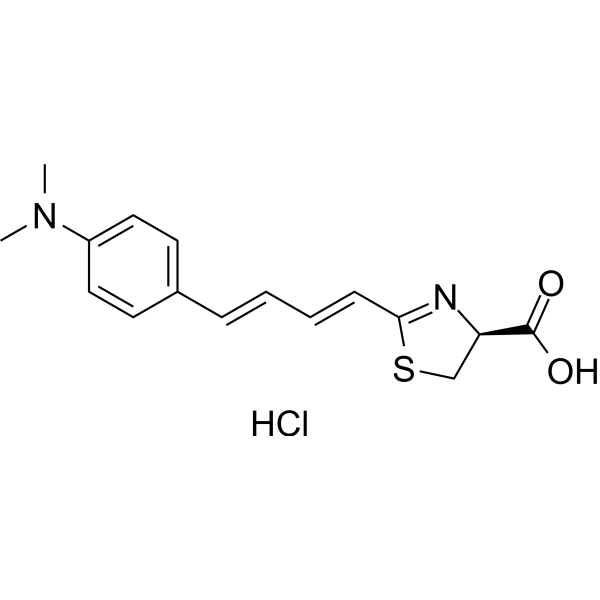
AkaLumine hydrochloride is a D-luciferin (HY-12591A) analogue with a Km of 2.06 μM for recombinant firefly luciferase (Fluc) protein. AkaLumine hydrochloride emits near-infrared (NIR) light (λmax=677 nm) in reactions with native Fluc. AkaLumine hydrochloride has high tissue-penetration and increases detection sensitivity from deep-tissue targets .
loading...
    loading...
7
7 Publications Verification
Cat. No.: HY-D1063
CAS No.: 207399-07-3
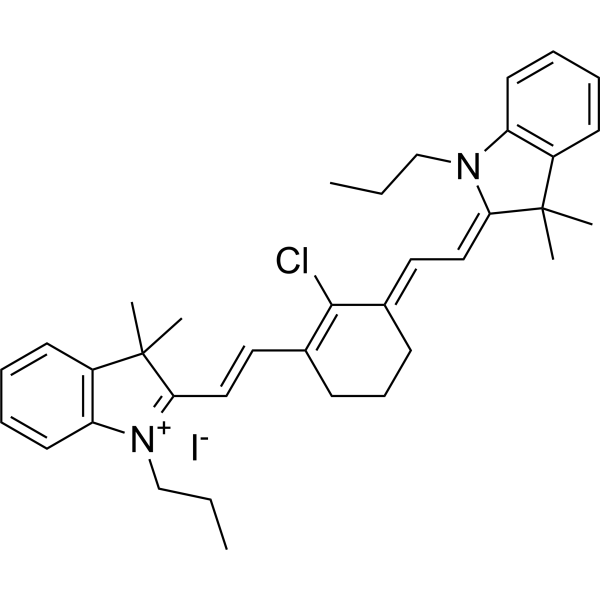
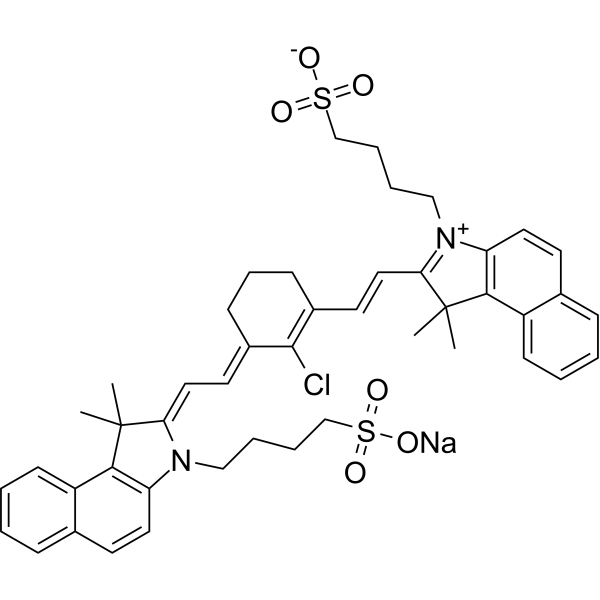
IR-780 is a near-infrared fluorescent probe for in vivo imaging of tumor cells. IR-780 is transported into tumor cells via OATPs and ABCB10, with uptake dependent on glycolytic activity and plasma membrane potential. IR-780 preferentially accumulates in tumor cell mitochondria, including those of drug-resistant cancer cells, without chemical conjugation. IR-780 generates reactive oxygen species (ROS), induces hyperthermia and apoptosis, inhibits tumor growth and recurrence, and modulates HSP70 expression upon ultrasound or 808 nm laser exposure. IR-780 acts as a sonosensitizer, photodynamic and photothermal agent, and drug delivery carrier, with low acute imaging-dose toxicity and rapid vital organ clearance. IR-780 can be used for the research of cancer, such as breast cancer, lung cancer, and non-small cell lung cancer (NSCLC) .
loading...
    loading...
4
4 Cited Publications
Cat. No.: HY-D1068
CAS No.: 1564286-24-3
Synonyms: DBCO-Sulfo-Cy5
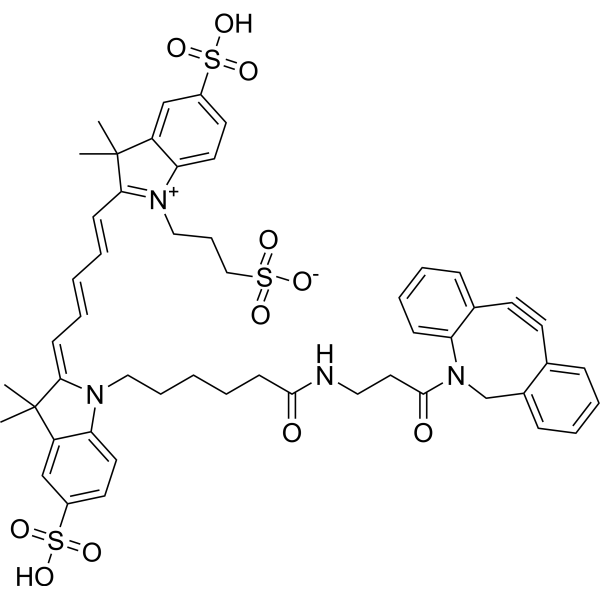
Cy5-DBCO (DBCO-Sulfo-Cy5) is a near-infrared (NIR)red fluorescent dye with λabsand λem of 646nm and 670 nm, respectively. Cy5-DBCO (DBCO-Sulfo-Cy5) is not suitable for staining intracellular components of permeabilezed cell, it may exhibits a high background. Cy5-DBCO is a click chemistry reagent, it contains a DBCO group that can undergo strain-promoted alkyne-azide cycloaddition (SPAAC) with molecules containing Azide groups.
loading...
    loading...
3
3 Cited Publications
Cat. No.: HY-111653
CAS No.: 1247879-16-8
Purity:  99.72%
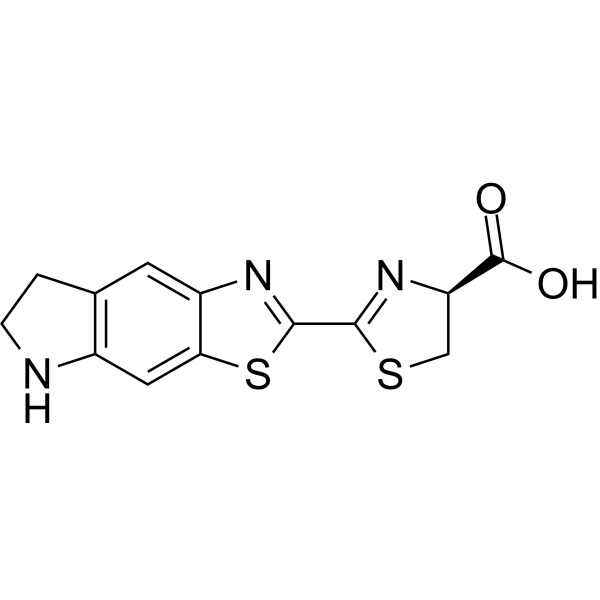
CycLuc1 is a blood-brain barrier permeable luciferase substrate that displays near-infrared (NIR) emission with a peak luminescence wavelength of 599 nm. CycLuc1 can be used for in vivo bioluminescence imaging .
loading...
    loading...
2
2 Cited Publications
Cat. No.: HY-136886
CAS No.: 172616-80-7
Purity:  96.36%
Synonyms: New Indocyanine Green
IR-820 (New Indocyanine Green) is an infrared blood pool contrast agent. IR-820 also is normally used as a laser and near-infrared dye to detect and quantify diseased tissue in live animals .
loading...
    loading...
2
2 Cited Publications
Cat. No.: HY-139579
CAS No.: 1628423-76-6
Purity:  98.59%
Synonyms: OTL 38
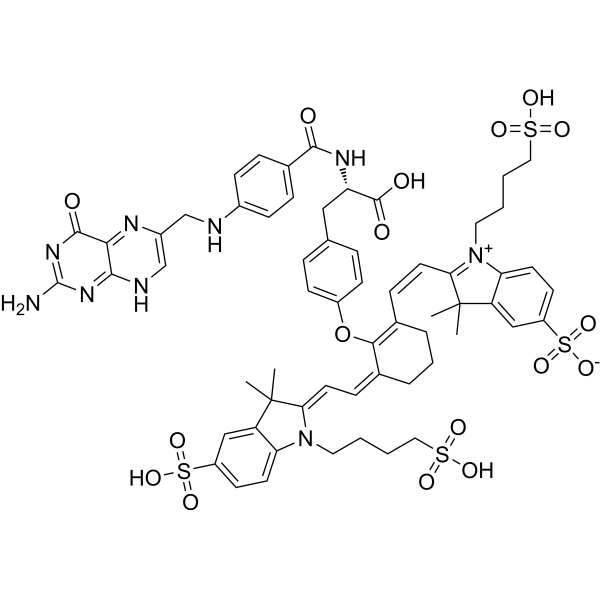
Pafolacianine (OTL 38) is a fluorescent imaging agent made of near-infrared dye used in detecting tumor lesions during surgical procedures. Pafolacianine excites at 774 to 775 nm and emits at 794 to 796 nm .
loading...
    loading...
2
2 Cited Publications
Cat. No.: HY-133884
CAS No.: 1686147-55-6
Purity:  99.91%
Target:  

Fluorescent Dye

Research Areas:  

Cancer

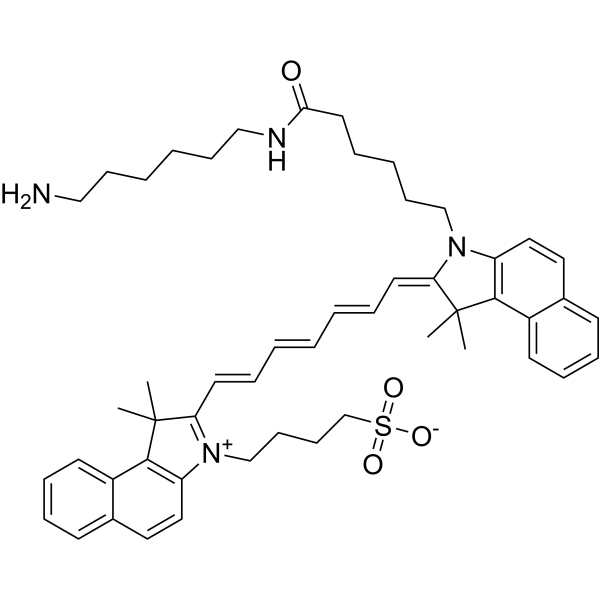
ICG amine, as a near-infrared fluorescent probe, binds to amino acid residues without condensing agents. ICG is a tricarbocyanine dye .
loading...
    loading...
2
2 Cited Publications
Cat. No.: HY-D1744
CAS No.: 2143933-81-5
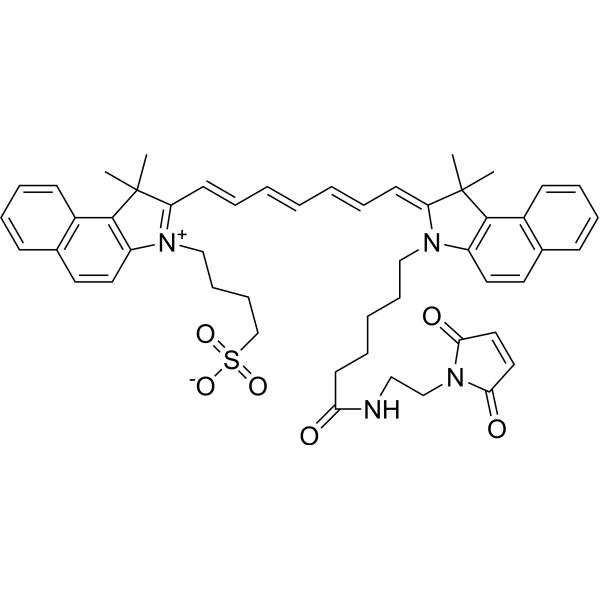
ICG Maleimide is thiol reactive near infrared (NIR) fluorescent dye and used to generate a stable fluorescence signal in bioimaging (Ex/Em = 789/813 nm).
loading...
    loading...
1
1 Cited Publications
Cat. No.: HY-D1041
CAS No.: 1622335-40-3
Synonyms: ICG-OSu
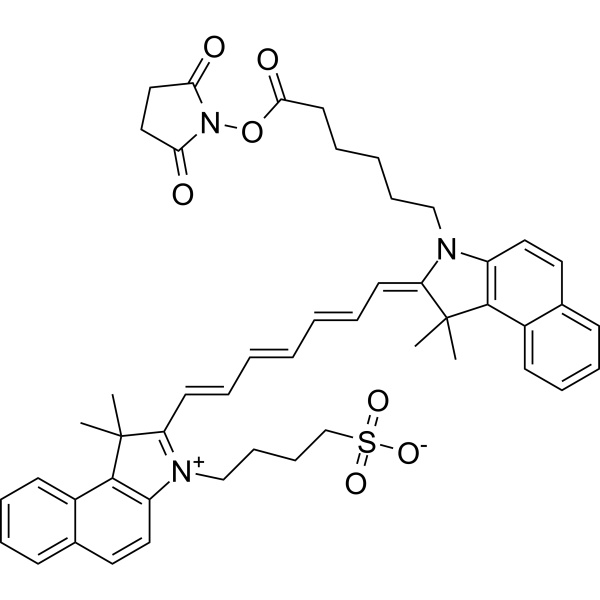
ICG NHS ester (ICG-OSu) is a near-infrared fluorescent agent ICG derivative. ICG NHS ester is amine-reactive and has been widely used to design in vivo imaging probes .
loading...
    loading...
1
1 Cited Publications
Cat. No.: HY-D1464
CAS No.: 1622250-38-7
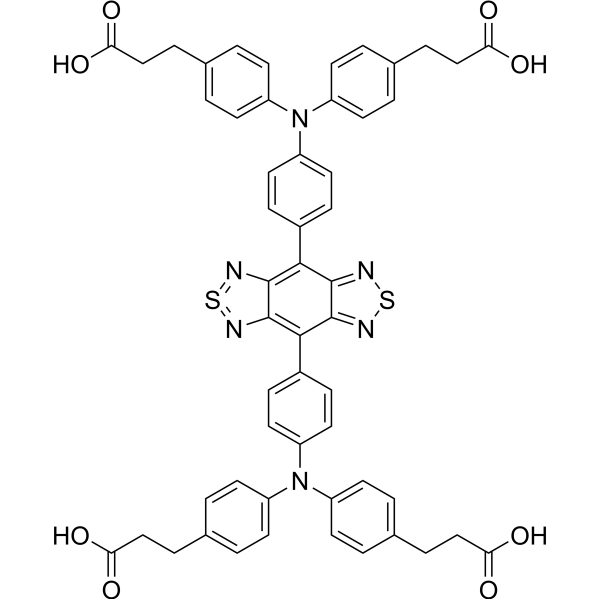
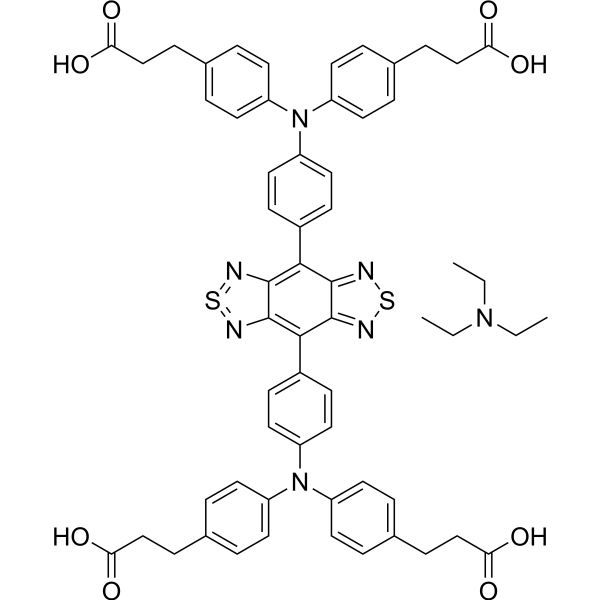
CH1055 is a near-infrared II (NIR-II) fluorescent dye that can be used as a fluorescent probe for in vivo imaging. CH1055 can be conjugated with antibodies or ligands for specific imaging (for example the tumor imaging) .
loading...
    loading...
1
1 Cited Publications
Cat. No.: HY-W088089
CAS No.: 181934-09-8
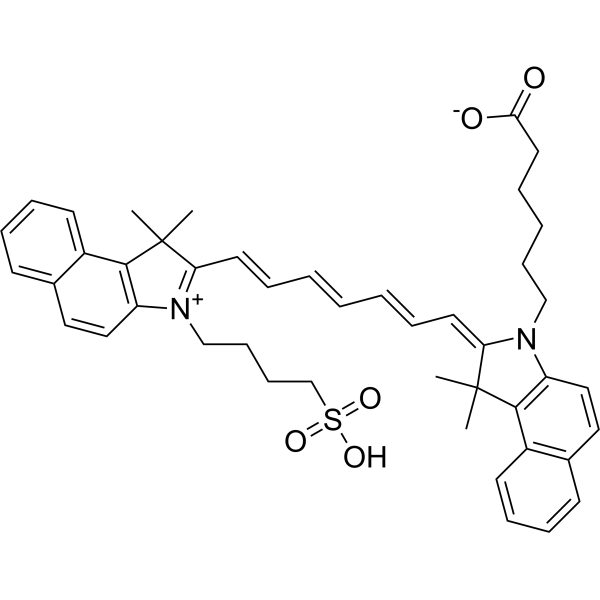
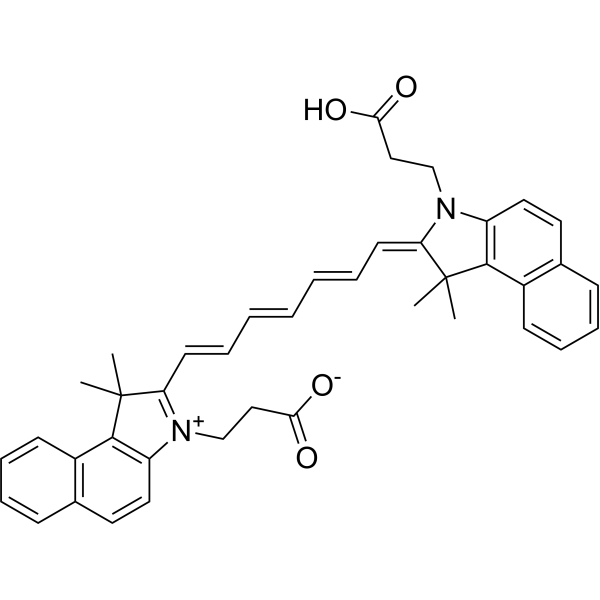
ICG-carboxylic acid is near-infrared (NIR) fluorescent probe. ICG is a fluorescent dye used in medical diagnostics. ICG has absorption peaking at 800 nm and can absorb the near IR laser energy and release heat in the dyed tissue (Ex/Em = 785/810 nm) .
loading...
    loading...
1
1 Cited Publications
Cat. No.: HY-D1719A
Target:  

Fluorescent Dye

Research Areas:  

Cancer

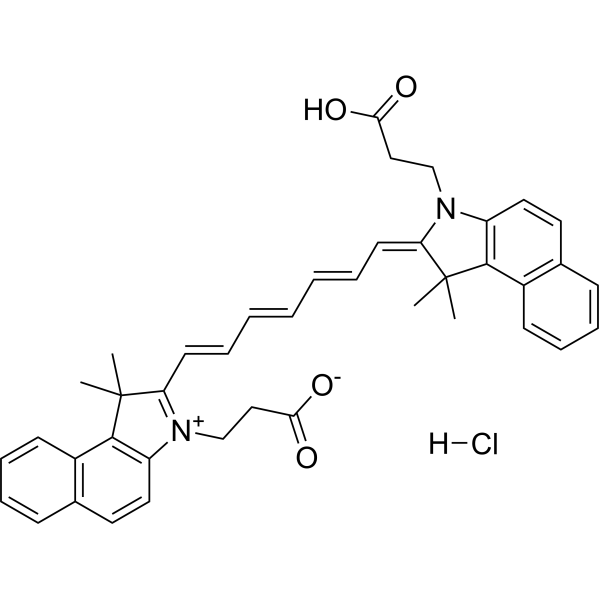
Cypate is a near-infrared fluorescent dye that belongs to the family of photosensitizers. Cypate has high photostability and optical properties, and is often used in near-infrared optical imaging, as well as optical imaging, tumor marking, and drug delivery. In addition, Cypate is also used as a molecular probe and combined with targeting molecules (such as CBT or small interfering RNA) to achieve efficient detection and imaging of specific cells or tissues .
loading...
    loading...
1
1 Cited Publications
Cat. No.: HY-P6083
CAS No.: 1995062-44-6
Research Areas:  

Others Cancer

RTSPSSR is synthesized peptide, which binds specifically to claudin-1 and visulizes the CRC tumor in mice, through near-infrared fluorescence imaging .
loading...
    loading...
1
1 Cited Publications
Cat. No.: HY-D1464A
CH1055 triethylamine is a near-infrared II (NIR-II) fluorescent dye that can be used as a fluorescent probe for in vivo imaging. CH1055 triethylamine can be conjugated with antibodies or ligands for specific imaging (for example the tumor imaging) .
loading...
    loading...
1
1 Cited Publications
Cat. No.: HY-114879
CAS No.: 118290-05-4
Purity:  98.43%
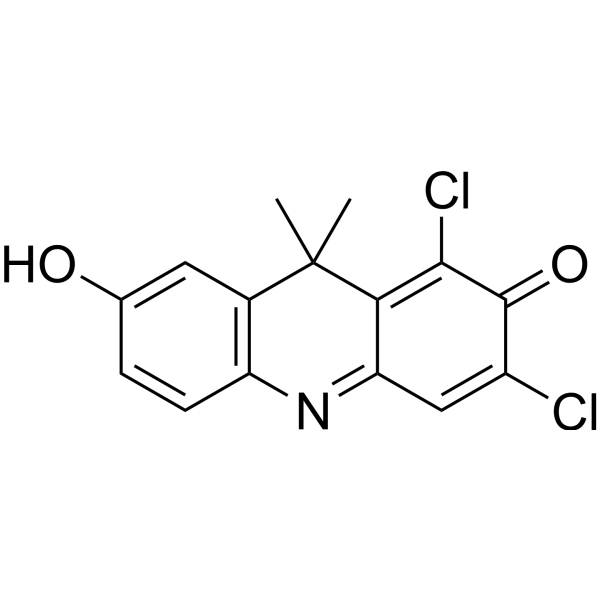
DDAO is a promising near-infrared (NIR) red fluorescent probewith tunable excitation wavelength (600-650nm) and longemission wavelength(λem=656nm). DDAO can de desiged for detection of the activities of different enzymes such asβ-galactosidase,sulfatase, proteinphosphatase2A,carboxylesterase 2, humanalbumin andesterases .
loading...
    loading...
1
1 Cited Publications
Cat. No.: HY-D1540
CAS No.: 2097714-45-7
Synonyms: Cy 5.5 amine; Lumiprobe Cy 5.5 amine
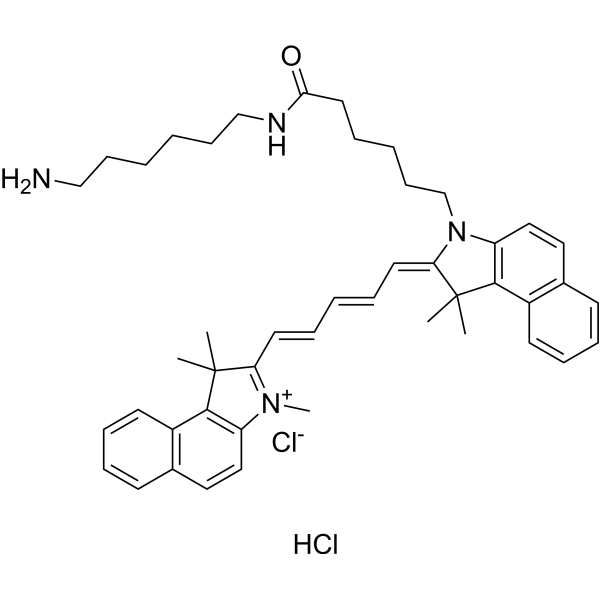
Cyanine5.5 amine (Cy 5.5 amine), a Cy5.5 Analogue, is a near-infrared (NIR) fluorescent dye (Ex=648 nm, Em=710 nm). Cyanine5.5 amine can be used in the preparation of Cy5.5-labeled nanoparticles, which can be tracked and imaged with low fluorescence background using confocal microscopy .
loading...
    loading...
1
1 Cited Publications
Cat. No.: HY-D1449
CAS No.: 155614-01-0
Target:  

Fluorescent Dye

Research Areas:  

Others

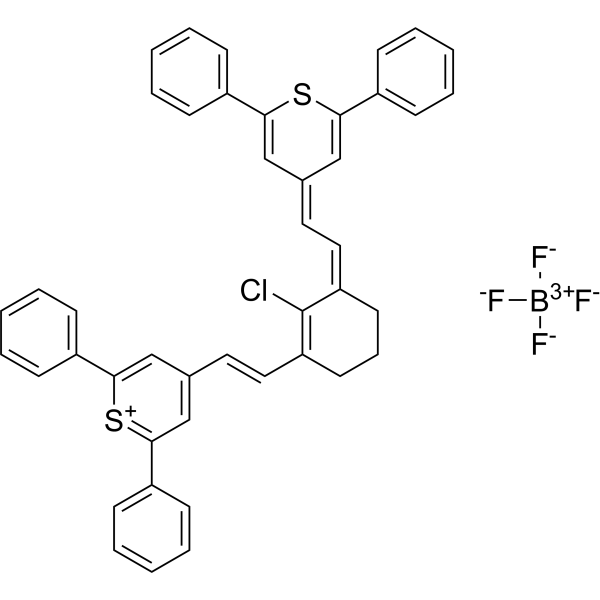
IR-1061 is a near infrared fluorescent organic dye for in vivo bimodal imaging .
loading...
    loading...
1
1 Cited Publications
Cat. No.: HY-D1719
CAS No.: 95837-47-1
Target:  

Fluorescent Dye

Research Areas:  

Others

Cypate, a cyanine dye, is a near infrared (NIR) fluorescent probe for in vivo tumor imaging .
loading...
    loading...
1
1 Cited Publications
Cat. No.: HY-Y0395
CAS No.: 25487-66-5
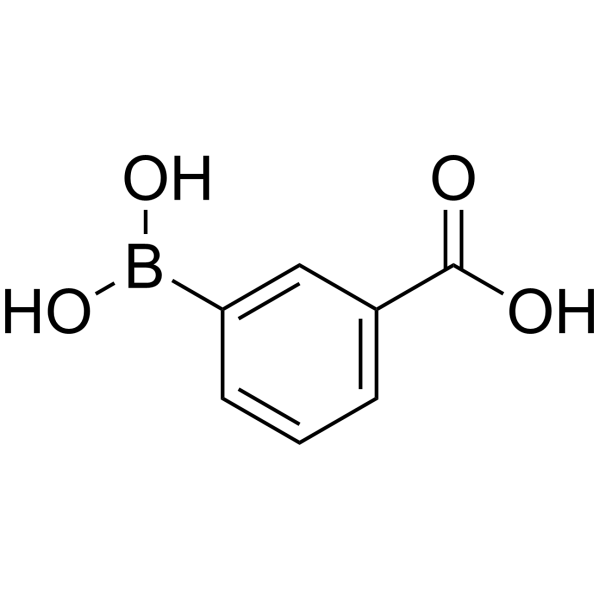
3-Carboxyphenylboronic acid is a biochemical reagent with multiple functions including nanoparticle enhancement, perovskite passivation, fluorescence quenching, and adhesion. 3-Carboxyphenylboronic acid improves tumor penetration and pulmonary retention of nanoparticles, and serves as a tumor-targeting ligand for carboxymethyl chitosan nanoparticles. 3-Carboxyphenylboronic acid optimizes film crystallization via coordinate chelation of free lead/iodide ions in perovskites. 3-Carboxyphenylboronic acid acts as an additive for n-i-p perovskite solar cells. Conjugation of 3-Carboxyphenylboronic acid with PPEG8 quenches the near-infrared fluorescence of single-walled carbon nanotubes, enabling aqueous dispersion of carbon nanotubes through binding to the diol structure of saccharides .
loading...
    loading...
1
1 Cited Publications
Cat. No.: HY-D1375
CAS No.: 2183440-44-8
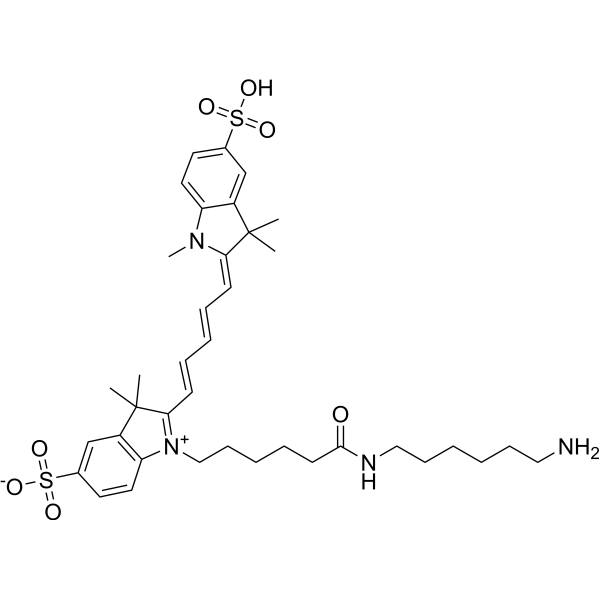
Sulfo-Cy5 amine is a Cyanine 5 (Cy5) (HY-D0821) dye derivative with an amine group. Sulfo-Cy5 amine can endow silica nanoparticles with fluorescent properties, be internalized by cancer cells, and exhibit enhanced photostability after being incorporated into silica nanoparticles. Its maximum excitation wavelength is approximately 646 nm, and maximum emission wavelength is approximately 662 nm .
loading...
    loading...

