1. Search Result
Search Result
Pathways Recommended: Cell Cycle/DNA Damage
Results for "

ovarian cycle

" in MedChemExpress (MCE) Product Catalog:

55

Inhibitors & Agonists

1

Biochemical Assay Reagents

2

Peptides

1

Inhibitory Antibodies

12

Natural
Products

1

Click Chemistry

1

Oligonucleotides

Cat. No. Product Name Target Research Areas Chemical Structure
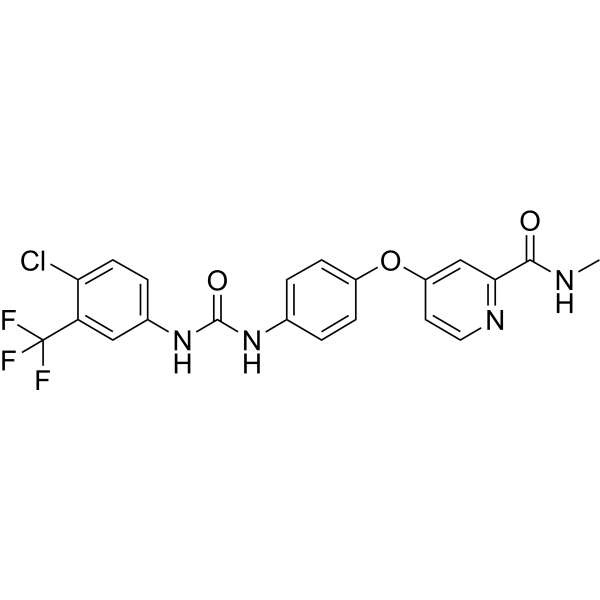
  • HY-10201
    Sorafenib
    Maximum Cited Publications
    283 Publications Verification

    Bay 43-9006

    Raf VEGFR FLT3 Autophagy Apoptosis STAT Akt MMP Cadherin p38 MAPK ERK MEK PI3K PARP Bcl-2 Family Infection Neurological Disease Metabolic Disease Inflammation/Immunology Cancer
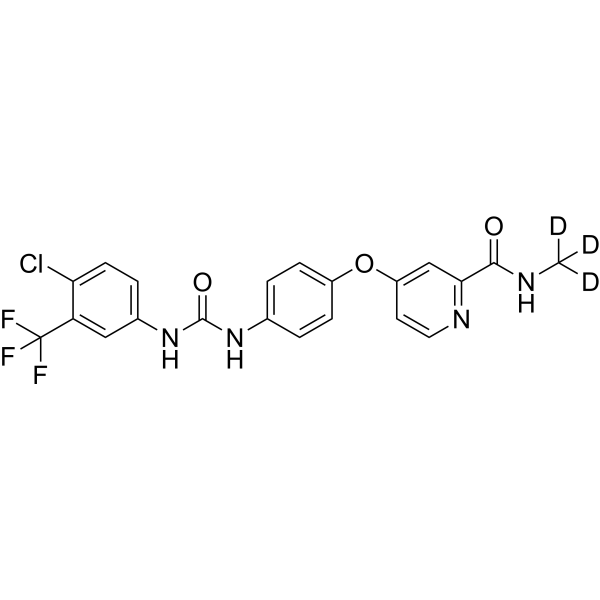
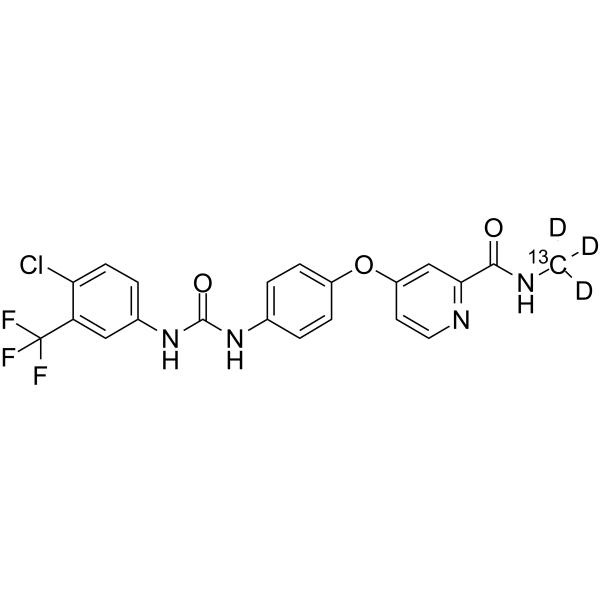
    Sorafenib (Bay 43-9006) is a potent oral active multikinase inhibitor. Sorafenib blocks autophosphorylation and activity of receptor tyrosine kinases (VEGFR-2, VEGFR-3) and RAF family kinases, thereby suppressing the RAF/MEK/ERK and PI3K/Akt pathways, inhibiting STAT3 phosphorylation, and selectively inhibiting the MAPK pathway in cancer cells. Sorafenib induces cell cycle arrest, autophagy, apoptosis, and PARP cleavage, reduces Bcl-2, Bcl-XL, cyclin D1 levels, and activates Bak and Bax. Sorafenib inhibits tumor growth and metastasis in mouse and rat models. Sorafenib can be used for cancer research, such as colon, breast, non-small-cell lung cancer (NSCLC), ovarian, pancreatic, melanoma, colorectal and hepatocellular carcinoma .
    Sorafenib
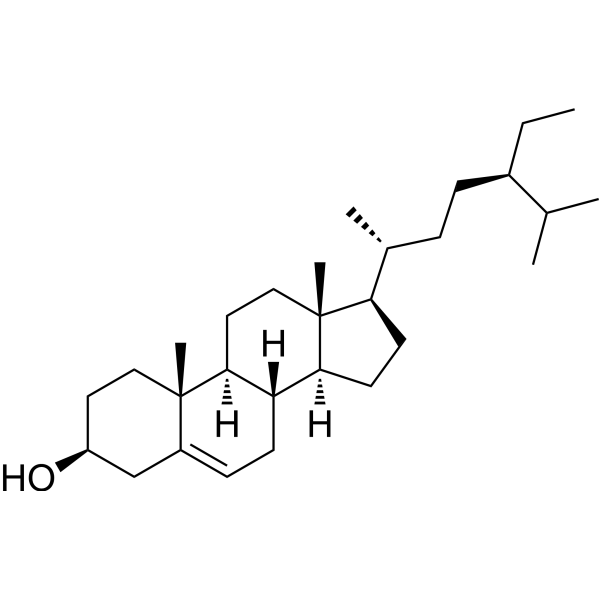
  • HY-N0171
    Beta-Sitosterol (purity>80%)
    20+ Cited Publications

    Apoptosis Endogenous Metabolite Cardiovascular Disease Inflammation/Immunology Cancer
    Beta-Sitosterol (purity≥80%) is orally active. Beta-Sitosterol exhibits multiple activities, including anti-inflammatory, anticancer, antioxidant, antimicrobial, antidiabetic, antioxidant enzyme, and analgesic. Beta-Sitosterol inhibits inflammation and impaired adipogenesis in bovine mammary epithelial cells by reducing levels of ROS, TNF-α, IL-1β, and NF-κB p65 and restoring the activity of the HIF-1α/mTOR signaling pathway. Beta-Sitosterol induces apoptosis in cancer cells through ROS-mediated mitochondrial dysregulation and p53 activation. Beta-Sitosterol exerts its anticancer effects in cancer cells by activating caspase-3, caspase-8, and caspase-9, mediating PARP inactivation, MMP loss, altered Bcl-2-Bax ratio, and cytochrome c release. Beta-Sitosterol modulates macrophage polarization and reduces rheumatoid inflammation in mice. Beta-Sitosterol inhibits tumor growth in multiple mouse cancer models. Beta-Sitosterol can be used in the research of arthritis, lung cancer, breast cancer and other cancers, diabetes, etc .
    Beta-Sitosterol (purity>80%)
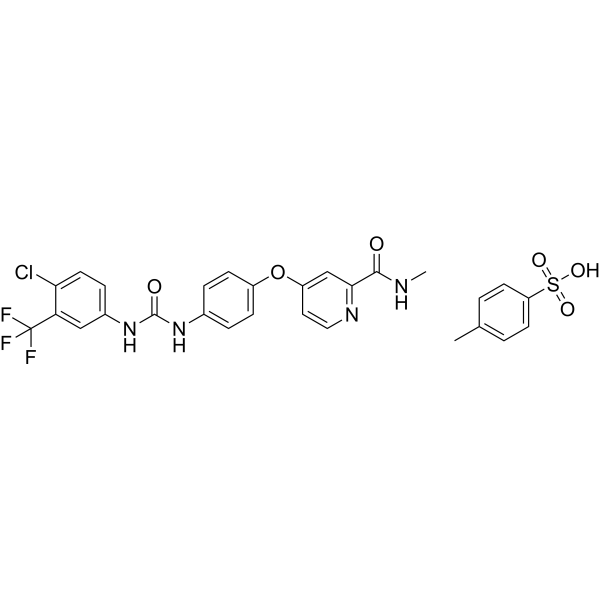
  • HY-10201A
    Sorafenib tosylate
    Maximum Cited Publications
    283 Publications Verification

    Bay 43-9006 tosylate

    Raf VEGFR FLT3 Autophagy Apoptosis STAT Akt MMP Cadherin p38 MAPK ERK MEK PI3K PARP Bcl-2 Family Infection Neurological Disease Metabolic Disease Inflammation/Immunology Cancer
    Sorafenib (Bay 43-9006) tosylate is a potent oral active multikinase inhibitor. Sorafenib blocks autophosphorylation and activity of receptor tyrosine kinases (VEGFR-2, VEGFR-3) and RAF family kinases, thereby suppressing the RAF/MEK/ERK and PI3K/Akt pathways, inhibiting STAT3 phosphorylation, and selectively inhibiting the MAPK pathway in cancer cells. Sorafenib tosylate induces cell cycle arrest, autophagy, apoptosis, and PARP cleavage, reduces Bcl-2, Bcl-XL, cyclin D1 levels, and activates Bak and Bax. Sorafenib tosylate inhibits tumor growth and metastasis in mouse and rat models. Sorafenib tosylate can be used for cancer research, such as colon, breast, non-small-cell lung cancer (NSCLC), ovarian, pancreatic, melanoma, colorectal and hepatocellular carcinoma .
    Sorafenib tosylate
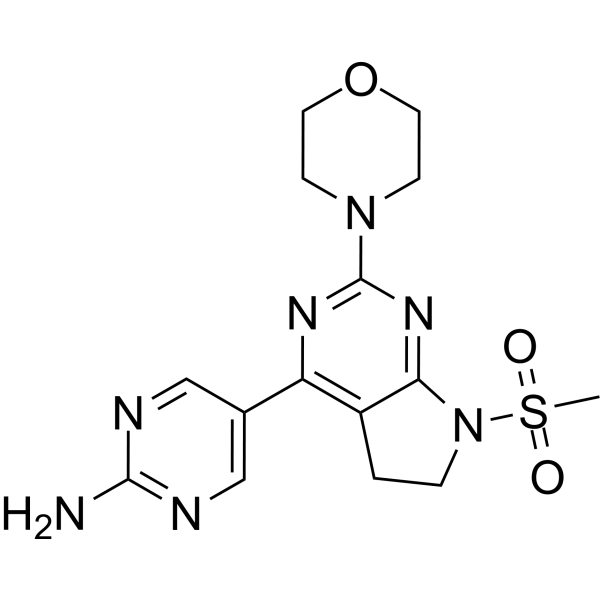
  • HY-150231
    SU056
    2 Publications Verification

    YB-1 Cancer
    SU056 is a YB-1 inhibitor. SU056 induces cell-cycle arrest, apoptosis, and inhibits cell migration in ovarian cancer cells. SU056 interacts with YB-1 and inhibits and its associated downstream proteins and pathways. SU056 can enhance the cytotoxic effects of Paclitaxel (HY-B0015) .
    SU056
  • HY-158106
    AZD8421
    1 Publications Verification

    CDK Cancer
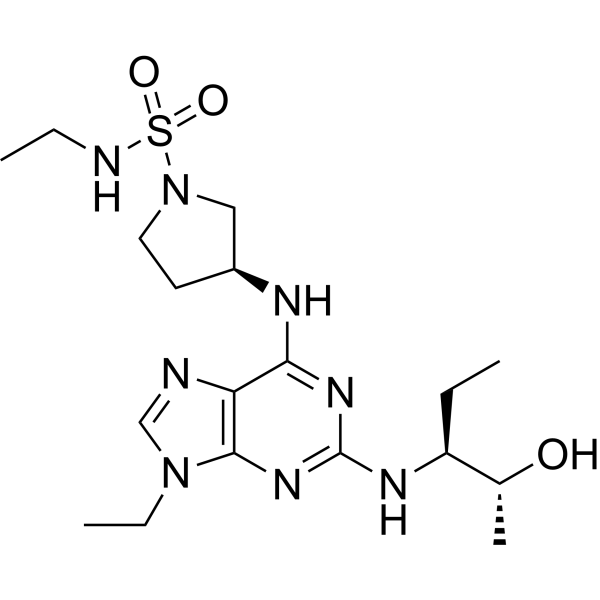
    AZD8421 is a selective CDK2 inhibitor (IC50 = 9 nM) as well as achieving CDK family selectivity in cells versus key off-targets (CDK1, CDK4/6, CDK9), AZD8421 had no significant kinase inhibition outside the CDK family. AZD8421 inhibits cancer cell proliferation by inhibiting pRB phosphorylation, inducing cell cycle arrest in G1/S phase and senescence. AZD8421 can be studied in research for breast cancer and ovarian cancer .
    AZD8421
  • HY-W007566
    5-Methoxyindole-3-acetic acid
    1 Publications Verification

    Endogenous Metabolite Endocrinology
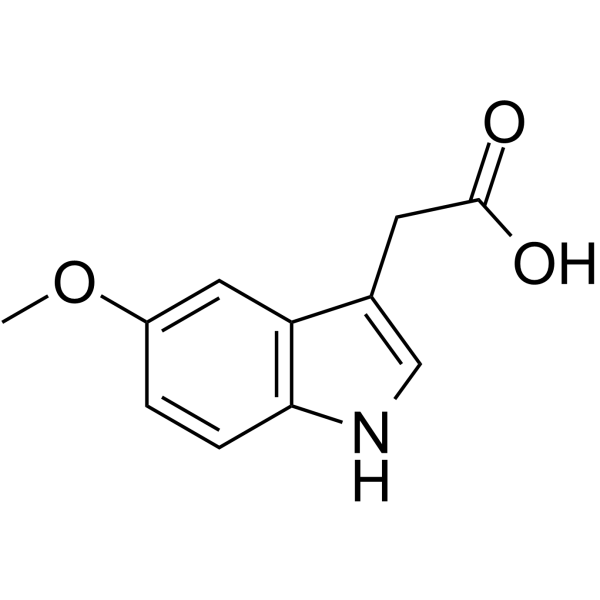
    5-Methoxyindole-3-acetic acid is a metabolite of Melatonin (HY-B0075). 5-Methoxyindole-3-acetic acid significantly prolongs the estrous cycle, increases uterine weight, and induces ovarian follicular cysts in female rats, while also regulating the levels of related hormones .
    5-Methoxyindole-3-acetic acid
  • HY-N0245

    Apoptosis MDM-2/p53 ATM/ATR Checkpoint Kinase (Chk) Cancer
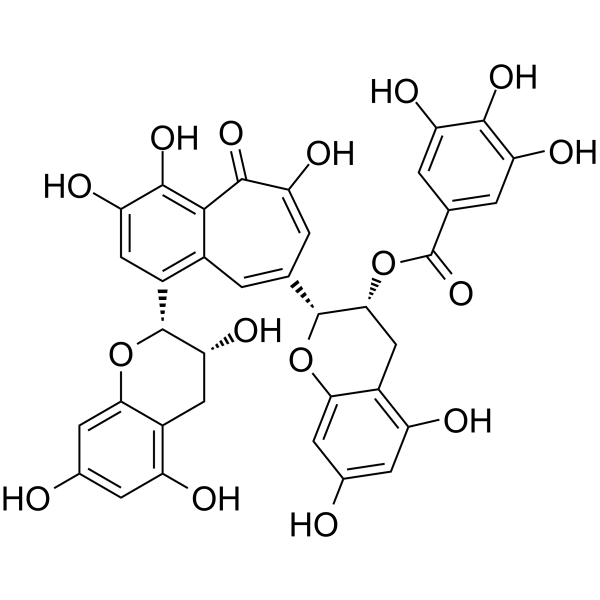
    Theaflavin-3-gallate, a black tea theaflavin monomer, is regarded as the biologically important active component of black tea and provides health benefits. Theaflavin-3-gallate acts as prooxidants and induces oxidative stress in the carcinoma cells. Theaflavin-3-gallate reacts directly with reduced glutathione (GSH) in a time- and concentration-dependent manner. Theaflavin-3-gallate induces apoptosis and G1 cell cycle arrest in ovarian cancer A2780/CP70 cells through p53-dependent pathways. Theaflavin-3-gallate induces DNA damage through ATM/Chk/p53 pathway .
    Theaflavin-3-gallate
  • HY-N1255

    (-)-Scoulerine; Discretamine

    Bcl-2 Family Apoptosis mTOR GABA Receptor PI3K Adrenergic Receptor Beta-secretase Akt Cancer
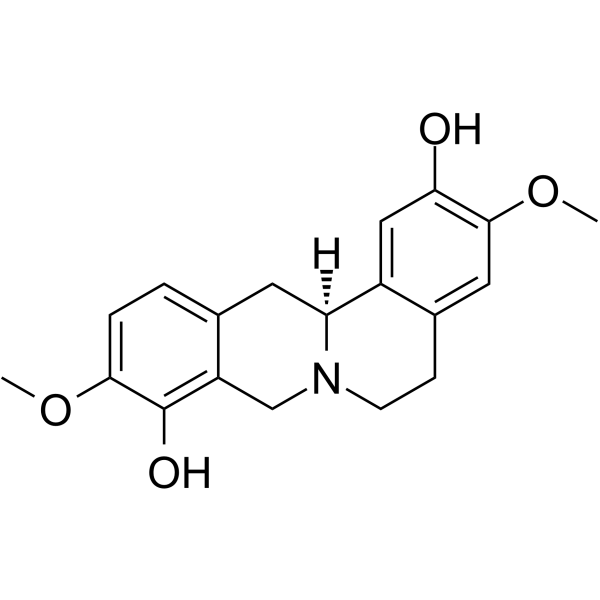
    Scoulerine ((-)-Scoulerine; Discretamine) hydrochloride is a multi-target inhibitor with anti-tumor and antioxidant activities. Scoulerine mainly targets the PI3K/Akt/mTOR signaling axis and α1D-adrenergic receptor, disrupts microtubule structure, and induces cell cycle arrest and apoptosis. Scoulerine effectively inhibits mitochondrial dehydrogenase activity, targets GABA receptors and BACE1, and suppresses the proliferation, migration, invasion, epithelial-mesenchymal transition and stem cell properties of cancer cells. Scoulerine also exhibits multiple pharmacological activities including anti-Plasmodium falciparum, antibacterial, antiemetic and antitussive effects, and regulates endoplasmic reticulum stress and mitochondrial function (modulates Bax, Bcl-2 and cytochrome c). Scoulerine is applicable to research related to leukemia, ovarian cancer, and colorectal cancer .
    Scoulerine
  • HY-124447

    IGF-1R c-Myc Apoptosis TGF-beta/Smad Cancer
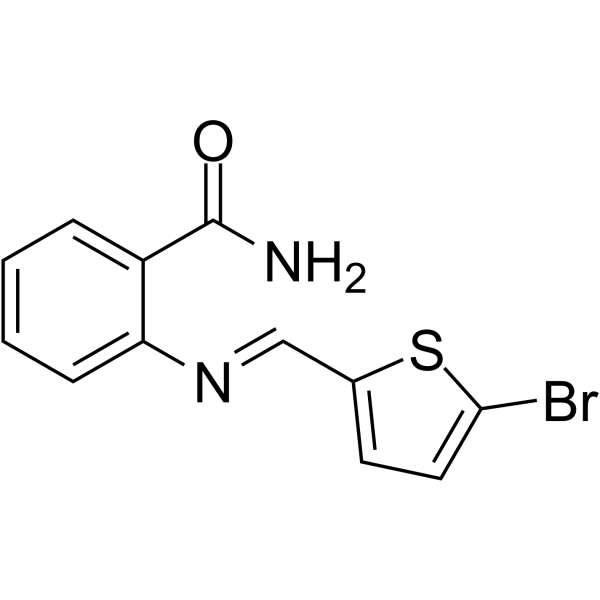
    BTYNB is a structure-specific nucleic acid binder and IGF2BP1 inhibitor (with an IC50 of 5 μM against hBTYNB). BTYNB disrupts the IGF2BP1-RNA interaction and blocks its binding to oncogenic mRNAs such as c-Myc, MDM2, PD-L1. BTYNB completely blocks the INHBA-Smad2/3 pathway, disrupts the MYCN/IGF2BP1 loop, and thereby induces apoptosis and cell cycle arrest, effectively inhibiting the proliferation and survival of cancer cells. In addition, BTYNB acts as an immune activator and tumor microenvironment modulator, enhances T cell-mediated tumor killing, and produces significant synergistic effects with inhibitors of PD-1, BRD and BIRC5. BTYNB can be used in relevant research on various malignant tumors including ovarian cancer, neuroblastoma, leukemia and melanoma .
    BTYNB
  • HY-164664

    CDK Cancer
    CDK2-IN-30 is a CDK2 inhibitor with an IC50 value ≤20 nM. CDK2-IN-30 modulates CDK2 activity to influence cell cycle regulation. CDK2-IN-30 can be used for the research of cancer .
    CDK2-IN-30
  • HY-157334
    DEG-77
    1 Publications Verification

    Molecular Glues Casein Kinase IKZF Family Bcl-2 Family CDK Apoptosis Cancer
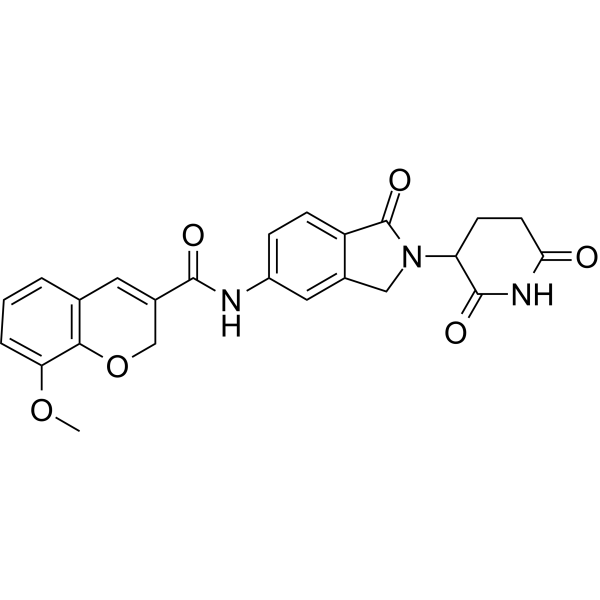
    DEG-77 is a molecular glue targeting IKZF2 and CK1α, with DC50 values of 15.3 nM and 10 nM, respectively. DEG-77 exhibits significant anti-tumor activity, inducing increased transcriptional levels of the pro-apoptotic protein Bax and the cell cycle arrest protein p21. DEG-77 is applicable to the research of acute myeloid leukemia (AmL), diffuse large B-cell lymphoma and ovarian cancer.
    DEG-77
  • HY-115625

    Progesterone Receptor Apoptosis Glycosyltransferase Cancer
    AG-205 is a progesterone receptor membrane component 1 (PGRMC1) antagonist and CGT inhibitor, with an IC50 of 50 μM against rat CGT. AG-205 exhibits antimitotic, antimigratory and anti-invasive activities. AG-205 increases the expression of genes encoding cholesterol biosynthesis pathway or steroidogenic enzymes. AG-205 promotes the regulation of cell cycle by apoptosis and reduces the migratory and invasive capacities of ovarian and breast cancer cells. AG-205 can be used in research related to renal cancer and breast cancer .
    AG-205
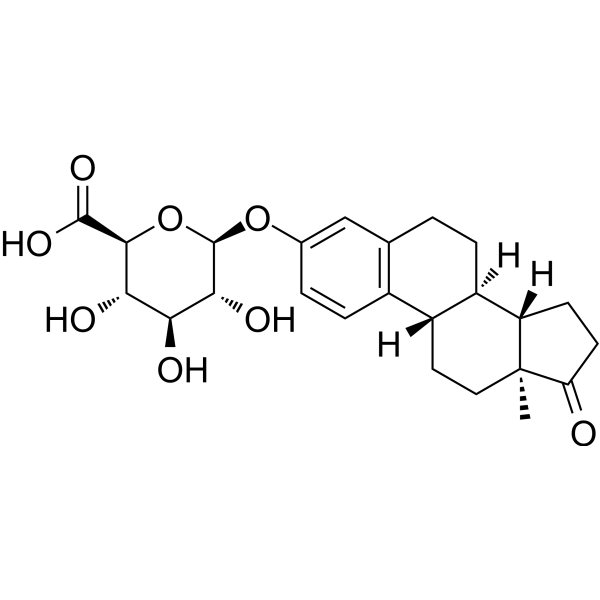
  • HY-113157

    Drug Metabolite Endogenous Metabolite Endocrinology
    Estrone 3-glucuronide is a dominant urinary metabolite of Estradiol (HY-B0141) and urinary marker for female fertile window prediction. Estrone 3-glucuronide can be used in combination with luteinizing hormone in ovulation prediction kits [2].
    Estrone 3-glucuronide
  • HY-N2110

    Akt Sirtuin Integrin STAT PI3K Apoptosis ERK PPAR PKC Toll-like Receptor (TLR) HIV Inflammation/Immunology
    Phellopterin, an orally active furocoumarin with multiple biological activities. Phellopterin is a partial agonist of the central benzodiazepine receptors. Phellopterin exerts anti-inflammatory effects by upregulating SIRT1, downregulating ICAM-1 (reducing chronic inflammation, aiding diabetic ulcer healing), inhibiting STAT3 phosphorylation (easing atopic dermatitis inflammation), regulating Akt/PKC pathways (lowering TNF-α-induced VCAM-1 to block monocyte adhesion), and inhibiting TLR4/NF-κB pathway and macrophage M2 polarization (alleviating colitis-related cancers). Phellopterin suppresses ovarian cancer progression via inhibiting the PU.1/CLEC5A/PI3K-AKT loop (inducing cell cycle arrest, apoptosis, DNA damage). Phellopterin alleviates murine diabetes by promoting adipocyte differentiation and increasing PPARγ. Phellopterin also has anti-HSV-1 activity. Phellopterin can be used for studying anti-inflammation, anti-cancer (e.g., ovarian cancer, colitis cancer), blood glucose lowering, anti-diabetes, and anti-virus .
    Phellopterin
  • HY-12929

    SU093

    Pim Apoptosis Cancer
    NSC756093 (SU093) is a GBP1:PIM1 interaction inhibitor. NSC756093 binds to GBP1-PIM1 with a Kd of 38 nM. NSC756093 suppresses proliferation, reduces migration, induces G1 phase cell-cycle arrest, and increases apoptotic cell death in ovarian cancer cells. NSC756093 reduces cellular proteasomal activity, induces accumulation of ubiquitinated proteins, and restrains tumor progression and lung metastasis in murine ovarian cancer xenograft models. NSC756093 increases sensitivity of prostate cancer cells to Docetaxel (HY-B0011) and sensitizes GBP1-overexpressing ovarian cancer cells to Paclitaxel (HY-B0015). NSC756093 can be used for the research of prostate cancer and ovarian cancer .
    NSC756093
  • HY-161138

    BCL6 Apoptosis Cancer
    WK369 is a novel BCL6 small molecule inhibitor, which exhibits excellent anti-ovarian cancer bioactivity, induces cell cycle arrest and causes apoptosis. WK369 can directly bind to the BCL6-BTB domain and block the interaction between BCL6 and SMRT, leading to the reactivation of p53, ATR and CDKN1A .
    WK369
  • HY-157396

    Aurora Kinase Apoptosis Caspase Cancer
    JAB-2485 is an orally active and selective Aurora kinase A (AURKA) inhibitor with an IC50 value of 0.327 nM. JAB-2485 exhibits inhibitory activity against various tumor cell lines such as neuroblastoma, triple-negative breast cancer, small cell lung cancer, and epithelial ovarian cancer. JAB-2485 can induce cell cycle arrest and apoptosis in tumor cells. JAB-2485 has antitumor activity .
    JAB-2485
  • HY-121314

    Prostaglandin Receptor Metabolic Disease
    Cloprostenol is a prostaglandin F-2α (PGF2α (HY-12956)) analogue. Cloprostenol induces luteolysis in marmoset monkeys. Cloprostenol can be used for the research of open-cervix pyometra .
    Cloprostenol
  • HY-155218

    PROTACs CDK Cancer
    TMX-2172 is a selective bivalent cereblon-recruiting PROTAC-based dual CDK2 and CDK5 degrader with IC50 values of 6.5 nM and 6.8 nM, respectively. TMX-2172 shows selectivity for CDK2 and CDK5 over other cell cycle CDKs (CDK1, CDK4, and CDK6) and transcriptional CDKs (CDK7 and CDK9). TMX-2172 inhibits CDK2/CDK5 enzymatic activity, induces their proteasomal degradation, reduces ASCL1 protein levels and half-life, induces cancer cell death, and exerts antiproliferative effects. TMX-2172 can be used for the research of ovarian cancer and small cell lung cancer .
    TMX-2172
  • HY-119715

    CDK Apoptosis Inflammation/Immunology Cancer
    AG-012986 is a pan-CDK inhibitor with Ki values of 44 nM (CDK1), 9.2 nM (CDK4), 94 nM (CDK2), and IC50 values of 22 nM (CDK5), 4 nM (CDK9). AG-012986 causes apoptosis of T-cells by targeting upstream kinases in the p38 Mitogen-activated protein kinase (MAPK) pathway and impairing cellular survival. AG-012986 induces cell cycle arrest, retinoblastoma protein hypophosphorylation, and reduces Ki-67 expression. AG-012986 exerts antiproliferative activity in tumor cells, demonstrates antitumor efficacy in human xenograft models, and causes retinal and peripheral neurotoxicity, plus immune cell toxicity. AG-012986 can be used for the research of colon carcinoma, non-small cell lung carcinoma, lung carcinoma, breast carcinoma, ovarian tumor, pancreatic carcinoma, osteosarcoma, lymphoma, leukemia, retinotoxicity .
    AG-012986
  • HY-N2026A
    Propylparaben sodium
    1 Publications Verification

    Propyl parahydroxybenzoate sodium; Propyl 4-hydroxybenzoate sodium

    Estrogen Receptor/ERR Cardiovascular Disease Neurological Disease
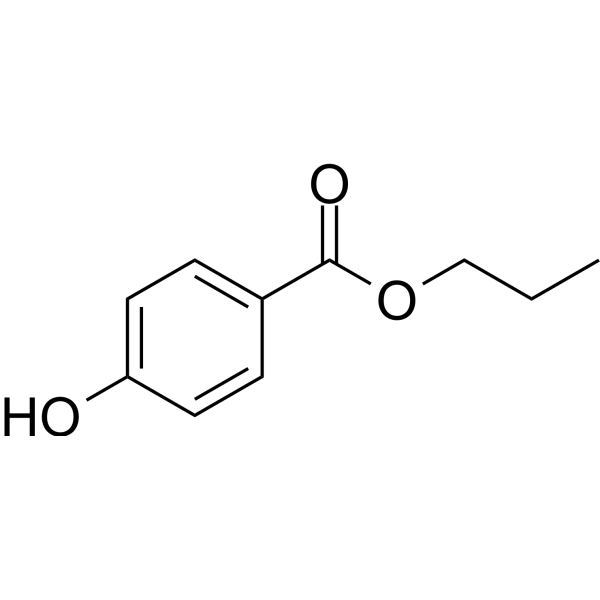
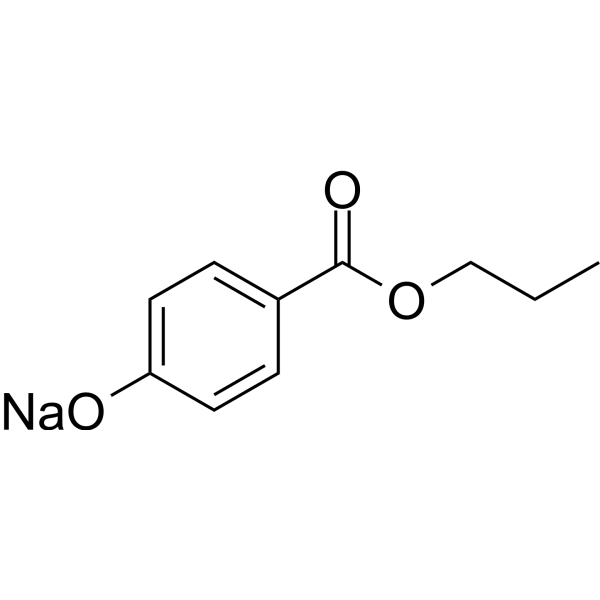
    Propylparaben sodium is an orally active weak estrogen receptor agonist. Propylparaben sodium regulates the PI3K-AKT and JNK signaling pathways, induces oxidative stress, and alters the estrous cycle, hormone levels and ovarian reserve function. Propylparaben sodium inhibits the growth of antral follicles and alters the accumulation of steroid hormones in follicle culture media. Propylparaben sodium can be used in studies related to ovarian aging and myocardial ischemia-reperfusion injury[1][2][3][4][5].
    Propylparaben sodium
  • HY-W020958

    Tris(acetylacetonato)ruthenium (III)

    Caspase Apoptosis Cancer
    Ru (acac) 3 (Tris (acetylacetonato) ruthenium (III)) is a caspase-3 activator and Apoptosis inducer. Ru (acac) 3 exerts growth inhibitory effects on various cell lines in vitro by inhibiting DNA/RNA synthesis and inducing mild reversible S-phase cell cycle arrest. Ru (acac) 3 is commonly used in research related to ovarian cancer, osteosarcoma, cervical cancer, melanoma, and other fields .
    Ru(acac)3
  • HY-149075

    Salt-inducible Kinase (SIK) Cancer
    MR22 is a potent pan-SIK (salt-inducible kinase) inhibitor. MR22 no longer exhibits activity on STE group kinases and displays excellent selectivity in a representative kinase panel. MR22-dependent SIK inhibition led to centrosome dissociation and subsequent cell-cycle arrest in ovarian cancer cells .
    MR22
  • HY-134061

    Apoptosis Mitosis Cancer
    Arecaidine propargyl ester hydrobromide is an agonist of M2 muscarinic acetylcholine receptors and has the activity of inhibiting tumor cell proliferation. The application of arecaidine propargyl ester hydrobromide has shown that it can reduce the number of ovarian cancer cells in vitro and induce apoptosis and the production of reactive oxygen species (ROS) at specific concentrations. Arecaidine propargyl ester hydrobromide can also arrest cells at the G2/M phase of the cell cycle and increase the percentage of abnormal mitosis. Arecaidine propargyl ester hydrobromide is more sensitizing to ovarian surface epithelial cells with higher M2 receptor levels than to cancer cells. Arecaidine propargyl ester hydrobromide exhibits the effect of lowering arterial blood pressure when interacting with the cardiovascular system in a natural physiological state, indicating its potential pharmacological application .
    Arecaidine propargyl ester hydrobromide
  • HY-108164

    Apoptosis Bcl-2 Family Caspase Cancer
    Aspidin BB is a phloroglucinol derivative, which can be isolated from the aerial part of Dryopteris championii. Aspidin BB has anticancer activity. Aspidin BB induces cell cycle arrest and apoptosis in human ovarian HO-8910 cells .
    Aspidin BB
  • HY-164906

    CDK PROTACs Cancer
    TMX-2138 is a CDKs PROTAC degrader, with IC50s of 8.7 nM, 10.9 nM, 7.0 nM and 25.7 nM for CDK1/cyclinB, CDK2/cyclinA, CDK5/p25 and CDK9/cyclinT1, respectively. TMX-2138 promotes ubiquitination and degradation of CDKs. TMX-2138 can be used for the research of ovarian cancer (Pink: CDKs ligand (HY-151071); Blue: E3 ligase CRBN ligand (HY-14658); Black: linker (HY-W008352)) .
    TMX-2138
  • HY-179406

    PARP DNA/RNA Synthesis Reactive Oxygen Species (ROS) Apoptosis Cancer
    PARP1-IN-49 is a selective PARP1 inhibitor with an IC50 of 23.56 nM and a Kd of 17.78 nM. PARP1-IN-49 shows a selectivity for PARP1 over PARP2. PARP1-IN-49 leads to the induction of DNA damage, cell cycle arrest, and apoptosis. PARP1-IN-49 also increases intracellular ROS levels and inhibits cell migration. PARP1-IN-49 can be used for the research of breast cancer and ovarian cancer .
    PARP1-IN-49
  • HY-123823

    NCX 4016

    COX Apoptosis Cancer
    Nitroaspirin (NCX 4016) is a nitric oxide (NO) donor and a nitro-derivative of Aspirin, which combines with Nitroaspirin to inhibit cyclooxygenase. Nitroaspirin (NCX 4016) has antithrombotic and anti-platelet properties and acts as a direct and irreversible inhibitor of COX-1. Nitroaspirin (NCX 4016) causes significant induction of cell cycle arrest and apoptosis in Cisplatin-resistant human ovarian cancer cells via down-regulation of EGFR/PI3K/STAT3 signaling and modulation of Bcl-2 family proteins .
    Nitroaspirin
  • HY-179129

    MDM-2/p53 Cancer
    AKT-100 is a p53 reactivation agent. AKT-100 significantly inhibits the proliferation of various ovarian and endometrial cancer cells at low concentrations. AKT-100 can upregulate cell cycle regulatory genes (such as p21, GADD45) and pro apoptotic genes (such as NOXA, DR5), and inhibit DNA repair pathways. AKT-100 is commonly used in cancer research .
    AKT-100
  • HY-175817

    Wee1 Apoptosis Cancer
    PKMYT1-IN-10 is a selective PKMYT1 inhibitor with an IC50 of 3 nM. PKMYT1-IN-10 inhibits colony formation, induces apoptosis, and induces S-phase cancer cell cycle arrest. PKMYT1-IN-10 exhibits liver microsomal stability, favorable plasma stability, minimal CYPs inhibition. PKMYT1-IN-10 can be used for the studies of ovarian cancer and breast cancer .
    PKMYT1-IN-10
  • HY-N2110R

    Reference Standards Akt Sirtuin Integrin STAT PI3K Apoptosis ERK PPAR PKC Toll-like Receptor (TLR) HIV Infection Cardiovascular Disease Neurological Disease Metabolic Disease Inflammation/Immunology Cancer
    Phellopterin (Standard) is the analytical standard of Phellopterin. Phellopterin, an orally active furocoumarin with multiple biological activities. Phellopterin is a partial agonist of the central benzodiazepine receptors. Phellopterin exerts anti-inflammatory effects by upregulating SIRT1, downregulating ICAM-1 (reducing chronic inflammation, aiding diabetic ulcer healing), inhibiting STAT3 phosphorylation (easing atopic dermatitis inflammation), regulating Akt/PKC pathways (lowering TNF-α-induced VCAM-1 to block monocyte adhesion), and inhibiting TLR4/NF-κB pathway and macrophage M2 polarization (alleviating colitis-related cancers). Phellopterin suppresses ovarian cancer progression via inhibiting the PU.1/CLEC5A/PI3K-AKT loop (inducing cell cycle arrest, apoptosis, DNA damage). Phellopterin alleviates murine diabetes by promoting adipocyte differentiation and increasing PPARγ. Phellopterin also has anti-HSV-1 activity. Phellopterin can be used for studying anti-inflammation, anti-cancer (e.g., ovarian cancer, colitis cancer), blood glucose lowering, anti-diabetes, and anti-virus.
    Phellopterin (Standard)
  • HY-179388

    PROTACs Sirtuin Apoptosis Akt mTOR Cancer
    PROTAC Sirt2 Degrader-2 is a highly efficient and selective PROTAC degrader targeting SIRT2. PROTAC Sirt2 Degrader-2 demonstrates the most potent anti-proliferative activity both in vitro and in vivo. PROTAC Sirt2 Degrader-2 leads to a marked increase in H4K16Ac levels. PROTAC Sirt2 Degrader-2 significantly suppresses clonogenic formation and migration, induces cell cycle arrest, and promotes apoptosis. PROTAC Sirt2 Degrader-2 inhibits the AKT/mTOR signaling pathway by indirectly degrading SIRT2 and blocking downstream protein phosphorylation, thereby disrupting the signaling cascade and suppressing tumor development. PROTAC Sirt2 Degrader-2 can be used for the study of ovarian cancer .
    PROTAC Sirt2 Degrader-2
  • HY-16483

    CDB-4124

    Progesterone Receptor Apoptosis PARP CDK Metabolic Disease Cancer
    Telapristone acetate (CDB-4124) is a potent progesterone receptor (PR) modulator. Telapristone acetate inhibits the proliferation of ovarian cancer cells by inducing cell cycle arrest and apoptosis. Telapristone effectively inhibits the occurrence and development of spontaneous and chemically induced mammary tumors in rats. Telapristone acetate can be used for breast and ovarian cancer research .
    Telapristone acetate
  • HY-173310

    CDK Cancer
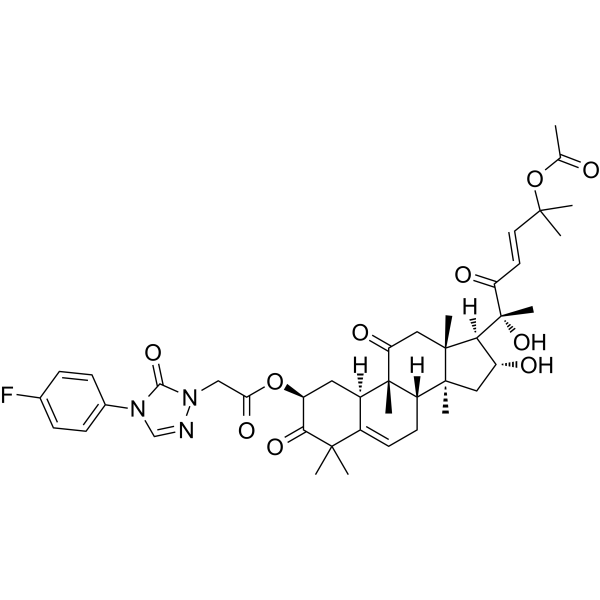
    CDK2-IN-44 (Compound 46) is an inhibitor of cyclin-dependent kinase 2 (CDK2). CDK2-IN-44 can effectively inhibit the proliferation of cancer cells and exert its activity in inhibiting cancer cell growth by arresting the cell cycle, promoting Apoptosis, and inducing cellular senescence. CDK2-IN-44 holds promise for use in the research of ovarian cancer and breast cancer .
    CDK2-IN-44
  • HY-172890

    Apoptosis Cancer
    Apoptosis inducer 37 (Derivative 10) is an apoptosis inducer. Apoptosis inducer 37 exerts anticancer effects by inducing S-G2/M cell cycle arrest and promoting cell apoptosis. Apoptosis inducer 37 has significant inhibitory activity against HCT116, SKOV3 and HepG2 cancer cells (IC50 values are 24.98 μM, 26.15 μM and 23.09 μM, respectively). Apoptosis inducer 37 has antitumor effects and can be used in ovarian cancer research .
    Apoptosis inducer 37
  • HY-P0037

    Org 30850ANT

    GnRH Receptor Endocrinology
    Org-30850 is a potent LHRH antagonist designed for treating hormone-dependent disorders. In animal studies, a single subcutaneous dose effectively inhibited ovulation in rats and significantly reduced testosterone levels in male rats for up to 48 hours post-administration. Daily doses of Org-30850 in female rats suppressed estrous cycles, decreased uterine and ovarian weights, and lowered estradiol and FSH serum levels. In male rats, prolonged treatment resulted in reversible reductions in gonadal function and testosterone levels, with almost complete recovery observed after cessation of treatment. Unlike comparable LHRH antagonists, Org-30850 exhibited minimal injection site irritation and no edematous reactions, suggesting a more favorable therapeutic profile .
    Org-30850
  • HY-N0245R

    Reference Standards Apoptosis MDM-2/p53 ATM/ATR Checkpoint Kinase (Chk) Cancer
    Theaflavin-3-gallate (Standard) is the analytical standard of Theaflavin-3-gallate. This product is intended for research and analytical applications. Theaflavin-3-gallate, a black tea theaflavin monomer, is regarded as the biologically important active component of black tea and provides health benefits. Theaflavin-3-gallate acts as prooxidants and induces oxidative stress in the carcinoma cells. Theaflavin-3-gallate reacts directly with reduced glutathione (GSH) in a time- and concentration-dependent manner. Theaflavin-3-gallate induces apoptosis and G1 cell cycle arrest in ovarian cancer A2780/CP70 cells through p53-dependent pathways. Theaflavin-3-gallate induces DNA damage through ATM/Chk/p53 pathway .
    Theaflavin-3-gallate (Standard)
  • HY-177957

    CDK Cancer
    CDK2-IN-52 (Compound Cpb No 39) is a selective cyclin-dependent kinase 2 (CDK2) inhibitor with a DC50 value of 1-10 nM. CDK2-IN-52 induces cell cycle arrest and suppresses tumor cell proliferation. CDK2-IN-52 is promising for research of CDK2-overexpressing malignancies such as breast and ovarian cancers .
    CDK2-IN-52
  • HY-136893

    Microtubule/Tubulin Apoptosis Caspase Bcl-2 Family Cancer
    SP-6-27 is a tubulin depolymerizing agent that binds to the colchicine site of β-tubulin. SP-6-27 induces G2/M cell cycle arrest in ovarian cancer cells. SP-6-27 enhances intrinsic apoptosis in ovarian cancer cells through upregulation of Bax, Apaf-1, caspase-6, caspase-9, and caspase-3. SP-6-27 reduces ovarian cancer cell migration. SP-6-27 inhibits capillary tube formation by human umbilical vein endothelial cells. SP-6-27 shows minimum cytotoxicity to normal ovarian epithelia. SP-6-27 shows enhanced cytotoxicity in chemo-sensitive/resistant ovarian cancer cells when combined with Cisplatin (HY-17394). SP-6-27 can be used for the research of ovarian cancer .
    SP-6-27
  • HY-116720

    Biochemical Assay Reagents Endocrinology
    J 2922 is a biochemical agent. J 2922 affects egg hatching and ovarian development in the fall fly (Musca domestica), manifesting as ovarian atrophy and the absence of respiratory columns within the eggs. J 2922-induced female sterility in the fall fly is reversible, with fertility restored during the third gonotrophic cycle .
    J 2922
  • HY-181688

    Reactive Oxygen Species (ROS) Cancer
    2α-Ferrocenylmethyl-DHT is a dihydrotestosterone-derived ferrocene-steroid conjugate. 2α-Ferrocenylmethyl-DHT inhibits the growth of various cancer cells. 2α-Ferrocenylmethyl-DHT induces S-phase cell cycle arrest in ovarian cancer cells, elevates intracellular iron levels, triggers ROS-dependent cell death, and disrupts the integrity of multicellular tumor spheroids of ovarian cancer cells. 2α-Ferrocenylmethyl-DHT can be used in the research of prostate cancer and ovarian cancer .
    2α-Ferrocenylmethyl-DHT
  • HY-182245

    Microtubule/Tubulin Carbonic Anhydrase Apoptosis MDM-2/p53 Cancer
    Anticancer agent 314 is a multi-target anticancer agent with tubulin polymerization inhibitory activity (IC50 = 6.35 μM) and human carbonic anhydrase IX (Ki = 27.1 nM) and XII (Ki 20.9 = nM) inhibitory activity. Anticancer agent 314 binds to the colchicine-binding pocket of tubulin and inhibits tumor-associated carbonic anhydrase isoforms via zinc coordination within enzyme active sites. Anticancer agent 314 induces G2/M phase cell cycle arrest, apoptosis via p53-dependent signaling, and broad-spectrum antiproliferative activity across multiple cancer cells. Anticancer agent 314 can be used for the research of cancer, such as leukemia, melanoma, ovarian cancer .
    Anticancer agent 314
  • HY-177988

    Microtubule/Tubulin Cancer
    Tubulin polymerization-IN-87 (Compound 9) is a tubulin polymerization inhibitor. Tubulin polymerization-IN-87 disrupts tubulin polymerization and induces G2/M cell cycle arrest. Tubulin polymerization-IN-87 exhibits anti-tubulin and anti-proliferative effects. Tubulin polymerization-IN-87 exhibits anticancer activity against ovarian cancer .
    Tubulin polymerization-IN-87
  • HY-P11716

    ERK Cancer
    HYD-1 is a D-amino acid tumor cell adhesion peptide. HYD-1 contains overlapping linear peptide elements required for adhesion, migration blocking, and ERK signaling activation. HYD-1 supports adhesion of breast, prostate, ovarian, and pancreatic tumor cells, and shows no effect on tumor cell cycle distribution. HYD-1 can be used for the research of prostate cancer .
    HYD-1
  • HY-123500

    Cytochrome P450 Cancer
    CGP-45688 is an orally active non-steroidal aromatase inhibitor with an ED50 of 30-100 μg/kg. CGP-45688 can reduce the level of estrogen in the body, thereby inhibiting the growth of estrogen-dependent tumors. CGP-45688 inhibits the growth of estrogen-dependent breast tumors in rat models. CGP-45688 disrupts the ovarian cycle and inhibits the weight of the uterus. CGP-45688 can be used for the study of breast cancer .
    CGP-45688
  • HY-179385

    Microtubule/Tubulin Phosphatase Apoptosis Cancer
    Tubulin-IN-62 is a tubulin inhibitor targeting the colchicine-binding site. Tubulin-IN-62 exhibits IC50 values of 17.2 nM and 19.3 nM against SKOV3 and HCC827 cells, respectively. Tubulin-IN-62 inhibits microtubule polymerization, arrests the cell cycle at the G2/M phase, and induces apoptosis. Tubulin-IN-62 demonstrates significant antitumor efficacy in vivo with good tolerability. Tubulin-IN-62 can be used in ovarian cancer and non-small cell lung cancer (NSCLC) research .
    Tubulin-IN-62
  • HY-N10342

    Apoptosis Bcl-2 Family Caspase PARP Reactive Oxygen Species (ROS) Bacterial PI3K Akt NF-κB P-glycoprotein Infection Cancer
    Cajanol is an isoflavanone that can be isolated from the roots of Cajanus cajan (L.) Millsp. . Cajanol inhibits cancer cell proliferation and induces cancer cell apoptosis. Cajanol promotes the expression of Bax, inhibits the expression of Bcl-2, activates caspase-9 and caspase-3, induces PARP cleavage, arrests the cell cycle at the G2/M phase, generates ROS, disrupts mitochondrial membrane potential and triggers cytochrome c release. Cajanol induces bacterial DNA damage, disrupts bacterial cell membranes, and exerts antibacterial activity in vitro. Cajanol reduces the expression of PI3K, inhibits the phosphorylation of Akt and NF-κB, downregulates the expression and transport function of P-gp, restores the sensitivity of drug-resistant cancer cells to Paclitaxel, and inhibits the growth of Paclitaxel-resistant metastatic ovarian tumors. Cajanol is applicable to research related to breast cancer, ovarian cancer and bacterial infections .
    Cajanol
  • HY-182758

    Topoisomerase Apoptosis Neurological Disease Inflammation/Immunology Cancer
    Topoisomerase I-IN-21 is a promising topoisomerase I inhibitor with an IC50 of 18.79 μM. Topoisomerase I-IN-21 shows higher selectivity toward cancer cells over normal CD8 + cells. Topoisomerase I-IN-21 induces G0/G1 cell cycle arrest and apoptosis. Topoisomerase I-IN-21 activates the cGAS-STING pathway, leading to enhanced immune gene expression. Topoisomerase I-IN-21 can be used for research on leukemia, non-small-cell lung, colon, central nervous system, melanoma, ovarian, renal, prostate, and breast cancers .
    Topoisomerase I-IN-21
  • HY-183329

    Microtubule/Tubulin Apoptosis Cancer
    Tubulin polymerization-IN-92, an analog of KX-01 (HY-10340), is a potent orally active tubulin polymerization inhibitor that binds tubulin with a Ka of 1.29 μM. Tubulin polymerization-IN-92 simultaneously occupies the colchicine site in β-tubulin and a cavity in α-tubulin. Tubulin polymerization-IN-92 exerts antiproliferative activity, induces G2/M cell cycle arrest and apoptosis in cancer cells. Tubulin polymerization-IN-92 inhibits tumor growth in mouse xenograft models. Tubulin polymerization-IN-92 can be used for the research of colon cancer, cervical cancer, and Paclitaxel (HY-B0015)-resistant ovarian cancer .
    Tubulin polymerization-IN-92
  • HY-N1255A

    (-)-Scoulerine hydrochloride; Discretamine hydrochloride

    Apoptosis PI3K Akt mTOR Adrenergic Receptor GABA Receptor Beta-secretase Bcl-2 Family Cancer
    Scoulerine ((-)-Scoulerine; Discretamine) hydrochloride is a multi-target inhibitor with anti-tumor and antioxidant activities. Scoulerine hydrochloride mainly targets the PI3K/Akt/mTOR signaling axis and α1D-adrenergic receptor, disrupts microtubule structure, and induces cell cycle arrest and apoptosis. Scoulerine hydrochloride effectively inhibits mitochondrial dehydrogenase activity, targets GABA receptors and BACE1, and suppresses the proliferation, migration, invasion, epithelial-mesenchymal transition and stem cell properties of cancer cells. Scoulerine hydrochloride also exhibits multiple pharmacological activities including anti-Plasmodium falciparum, antibacterial, antiemetic and antitussive effects, and regulates endoplasmic reticulum stress and mitochondrial function (modulates Bax, Bcl-2 and cytochrome c). Scoulerine hydrochloride is applicable to research related to leukemia, ovarian cancer, and colorectal cancer .
    Scoulerine hydrochloride

Inquiry Online

Your information is safe with us. * Required Fields.

Salutation


Country or Region *

Applicant Name *


Organization Name *

Department *


Email Address *


Product Name *

Cat. No.


Requested quantity *

Phone Number *


Remarks

Inquiry Online

Inquiry Information

Product Name:
Cat. No.:
Quantity:
MCE Japan Authorized Agent:

