
1468 Results for "

pain

" in MedChemExpress (MCE) Product Catalog:
Products (1468)

1468 Results for "pain" in MCE Product Catalog:

151
151 Publications Verification
Cat. No.: HY-D0814
CAS No.: 28718-90-3
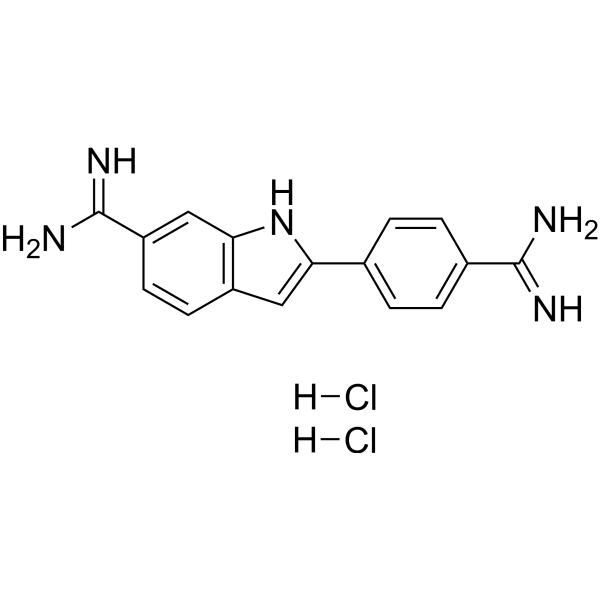
Synonyms: 4',6-Diamidino-2-phenylindole dihydrochloride
DAPI (4',6-Diamidino-2-phenylindole) dihydrochloride is a DAPI dye. DAPI is a fluorescent dye that binds strongly to DNA. It binds to the AT base pair of the double-stranded DNA minor groove, and one DAPI molecule can occupy three base pair positions. The fluorescence intensity of DAPI molecules bound to double-stranded DNA is increased by about 20 times, and it is commonly observed with fluorescence microscopy, and the amount of DNA can be determined based on the intensity of fluorescence. In addition, because DAPI can pass through intact cell membranes, it can be used to stain both live and fixed cells . DAPI (Compound 3) is an acid-sensing ion channel 3 (ASIC3) inhibitor. DAPI binds to ASIC3 and blocks the channel function. DAPI can be used in the study of chronic pain treatment (Ex/Em = 356/451 nm).
140
140 Cited Publications
Cat. No.: HY-D2868
CAS No.: 47165-04-8
Synonyms: 4',6-Diamidino-2-phenylindole
DAPI (4',6-Diamidino-2-phenylindole) is a DAPI dye. DAPI is a fluorescent dye that binds strongly to DNA. It binds to the AT base pair of the double-stranded DNA minor groove, and one DAPI molecule can occupy three base pair positions. The fluorescence intensity of DAPI molecules bound to double-stranded DNA is increased by about 20 times, and it is commonly observed with fluorescence microscopy, and the amount of DNA can be determined based on the intensity of fluorescence. In addition, because DAPI can pass through intact cell membranes, it can be used to stain both live and fixed cells . DAPI (Compound 3) is an acid-sensing ion channel 3 (ASIC3) inhibitor. DAPI binds to ASIC3 and blocks the channel function. DAPI can be used in the study of chronic pain treatment (Ex/Em = 356/451 nm).
118
118 Cited Publications
Cat. No.: HY-D1738
CAS No.: 28718-91-4
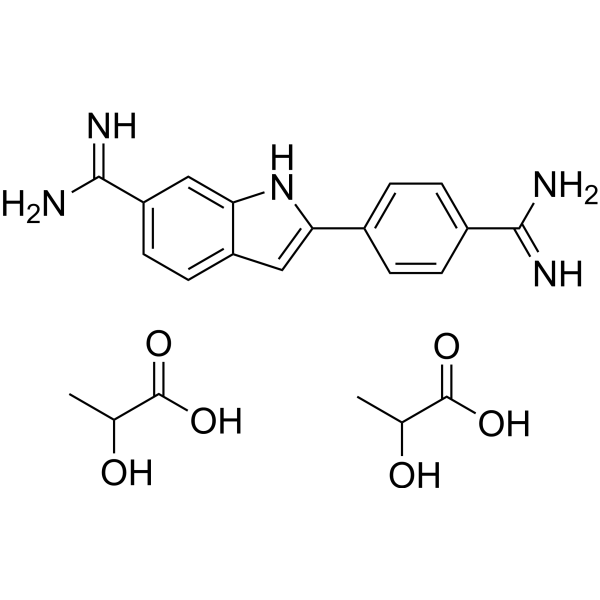
Synonyms: 4',6-Diamidino-2-phenylindole dilactate
DAPI (4',6-Diamidino-2-phenylindole) dilactate is a DAPI dye. DAPI is a fluorescent dye that binds strongly to DNA. It binds to the AT base pair of the double-stranded DNA minor groove, and one DAPI molecule can occupy three base pair positions. The fluorescence intensity of DAPI molecules bound to double-stranded DNA is increased by about 20 times, and it is commonly observed with fluorescence microscopy, and the amount of DNA can be determined based on the intensity of fluorescence. DAPI cannot penetrate intact cell membranes and is commonly used for staining both live and fixed cells . DAPI (Compound 3) is an acid-sensing ion channel 3 (ASIC3) inhibitor. DAPI binds to ASIC3 and blocks the channel function. DAPI can be used in the study of chronic pain treatment (Ex/Em = 356/451 nm) .
75
75 Cited Publications
Cat. No.: HY-N0488A
CAS No.: 57-22-7
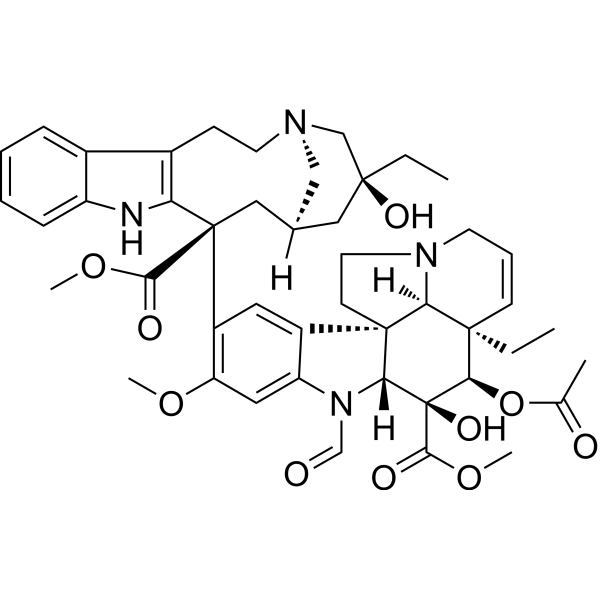
Synonyms: Leurocristine; NSC-67574; 22-Oxovincaleukoblastine
Vincristine (Leurocristine; NSC-67574; 22-Oxovincaleukoblastine) is a microtubule inhibitor that disrupts microtubule polymerization by binding to β-tubulin (with a Ki of 85 nM in bovine), arrests the cell cycle and induces apoptosis. Vincristine inhibits cell replication, tumor blood flow and the proliferation of various cancer cells, while triggering effects such as oxidative stress, inflammation, calcium overload, epithelial-mesenchymal transition and peripheral neuropathic pain. Vincristine upregulates the expression of various transporters and nuclear receptors, and enriches gastric cancer stem-like cells. Vincristine is used in research related to various tumors including acute lymphoblastic leukemia, lymphoma, melanoma, gastric cancer, solid tumors and sarcomas .
75
75 Cited Publications
Cat. No.: HY-N0488
CAS No.: 2068-78-2
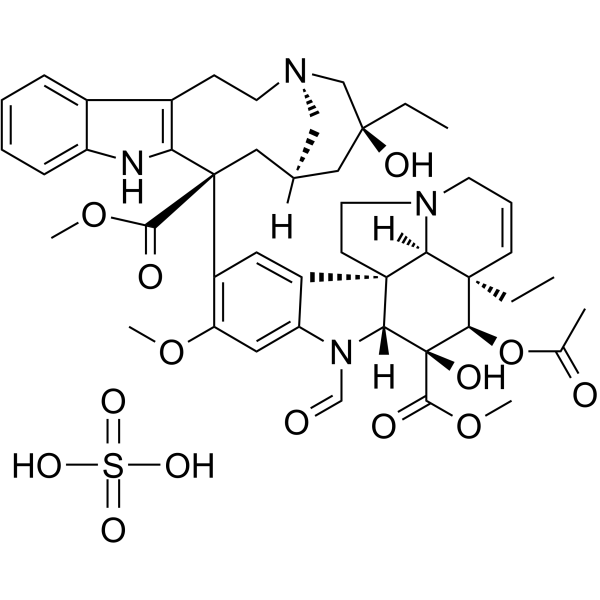
Synonyms: Leurocristine sulfate; NSC-67574 sulfate; 22-Oxovincaleukoblastine sulfate
Vincristine (Leurocristine; NSC-67574; 22-Oxovincaleukoblastine) sulfate is a microtubule inhibitor that disrupts microtubule polymerization by binding to β-tubulin (with a Ki of 85 nM in bovine), arrests the cell cycle and induces apoptosis. Vincristine sulfate inhibits cell replication, tumor blood flow and the proliferation of various cancer cells, while triggering effects such as oxidative stress, inflammation, calcium overload, epithelial-mesenchymal transition and peripheral neuropathic pain. Vincristine sulfate upregulates the expression of various transporters and nuclear receptors, and enriches gastric cancer stem-like cells. Vincristine sulfate is used in research related to various tumors including acute lymphoblastic leukemia, lymphoma, melanoma, gastric cancer, solid tumors and sarcomas .
49
49 Cited Publications
Cat. No.: HY-123606
CAS No.: 1652629-23-6
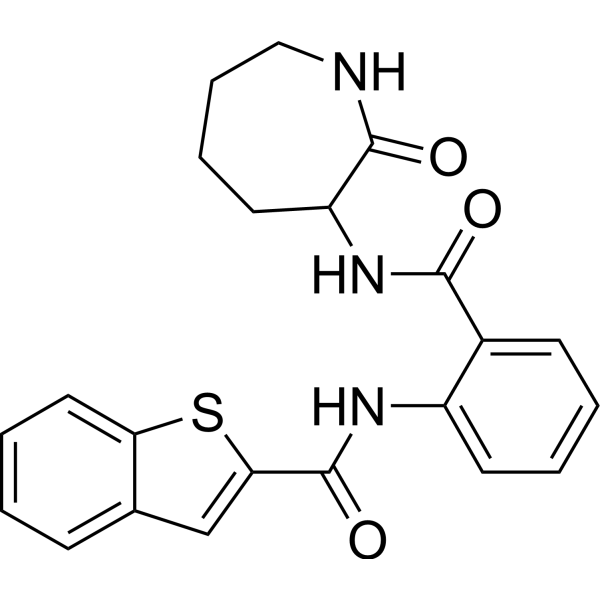
GSK484 is a PAD4 inhibitor that effectively inhibits protein citrullination and the formation of neutrophil extracellular traps (NETs) by blocking the catalytic activity of PAD4. GSK484 suppresses the production of histone H3, MHC-I expression, CD8 + T cell activation, proliferation and inflammatory cytokine release. GSK484 reduces inflammation and bone destruction in collagen-induced rheumatoid arthritis, alleviates pain and mast cell activation in sickle cell disease, and improves myocardial ischemia-reperfusion injury and experimental colitis. In addition, GSK484 restores intestinal microbial homeostasis by reversing ferroptosis-induced dysbiosis. GSK484 can be used to study the disease mechanisms of rheumatoid arthritis, sickle cell disease, thrombosis, myocardial injury, colitis and other conditions .
42
42 Cited Publications
Cat. No.: HY-13324
CAS No.: 218600-53-4
Purity:  98.92%
Synonyms: RTA 402; NSC 713200; CDDO Methyl ester
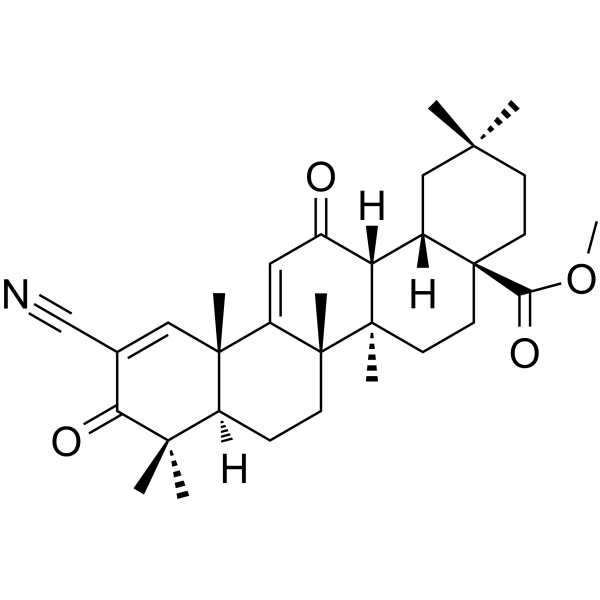
Bardoxolone methyl (RTA 402) is an orally active and blood-brain-barrier-penetrant activator of Nrf2 and an inhibitor of SARS-CoV-2 3CL protease. Bardoxolone methyl inhibits SARS-CoV-2 replication in Vero cells with an EC50 value of 0.29 μM. Bardoxolone methyl increases levels of pNrf2 and HO-1, inhibits inflammatory mediators like pNFκB and MCP-1. Bardoxolone methyl activates the Nrf2 pathway to enhance antioxidant and anti-inflammatory responses, inhibits viral replication, and improves mitochondrial function. Bardoxolone methyl can be used in research on chemotherapy-induced neuropathic pain (CINP), COVID-19, and chronic kidney disease (CKD) .
22
22 Cited Publications
Cat. No.: HY-78131C
CAS No.: 31121-93-4
Synonyms: (±)-Ibuprofen sodium
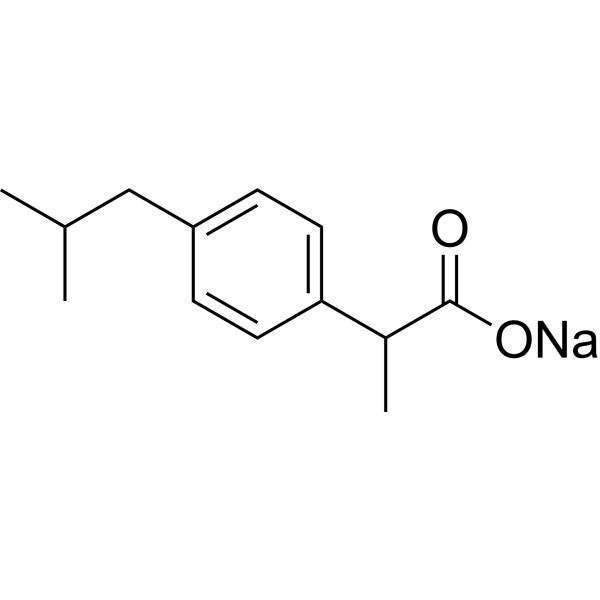
Ibuprofen ((±)-Ibuprofen) sodium is an orally active, selective COX-1 inhibitor with an IC50 value of 13 μM. Ibuprofen sodium inhibits cell proliferation, angiogenesis, and induces cell apoptosis. Ibuprofen sodium is a nonsteroidal anti-inflammatory agent and a nitric oxide (NO) donor. Ibuprofen sodium can be used in the research of pain, swelling, inflammation, infection, immunology, cancers .
22
22 Cited Publications
Cat. No.: HY-78131
CAS No.: 15687-27-1
Synonyms: (±)-Ibuprofen
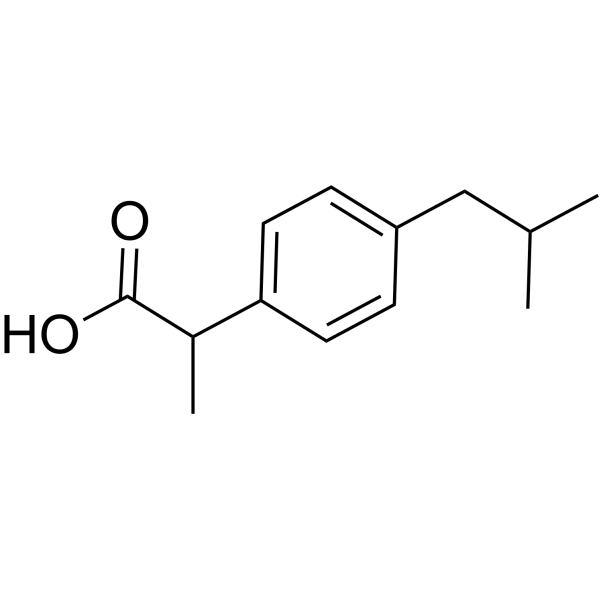
Ibuprofen ((±)-Ibuprofen) is a potent, orally active, selective COX-1 inhibitor with an IC50 value of 13 μM. Ibuprofen inhibits cell proliferation, angiogenesis, and induces cell apoptosis. Ibuprofen is a nonsteroidal anti-inflammatory agent and a nitric oxide (NO) donor. Ibuprofen ((±)-Ibuprofen) can be used in the research of pain, swelling, inflammation, infection, immunology, cancers .
22
22 Cited Publications
Cat. No.: HY-100586
CAS No.: 57469-77-9
Purity:  99.91%
Synonyms: (±)-Ibuprofen L-lysine
Target:  

COX Apoptosis Parasite

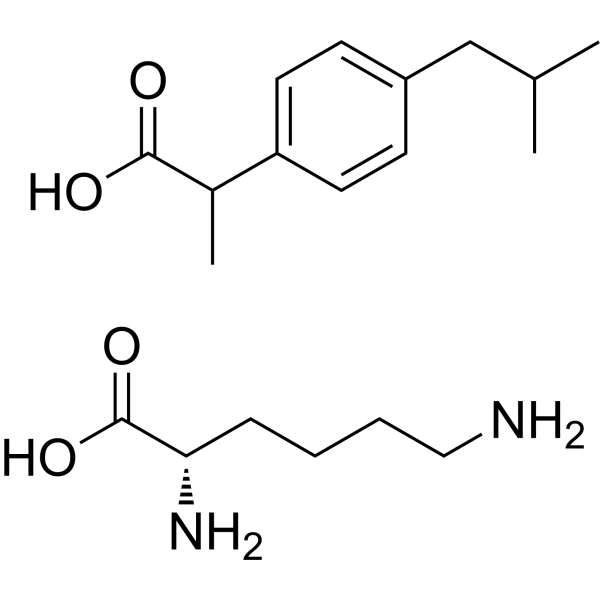
Ibuprofen ((±)-Ibuprofen) L-lysine is a potent orally active, selective COX-1 inhibitor with an IC50 value of 13 μM. Ibuprofen L-lysine inhibits cell proliferation, angiogenesis, and induces cell apoptosis. Ibuprofen L-lysine is a nonsteroidal anti-inflammatory agent and a nitric oxide (NO) donor. Ibuprofen L-lysine can be used in the research of pain, swelling, inflammation, infection, immunology, cancers .
18
18 Cited Publications
Cat. No.: HY-P0206
CAS No.: 58-82-2
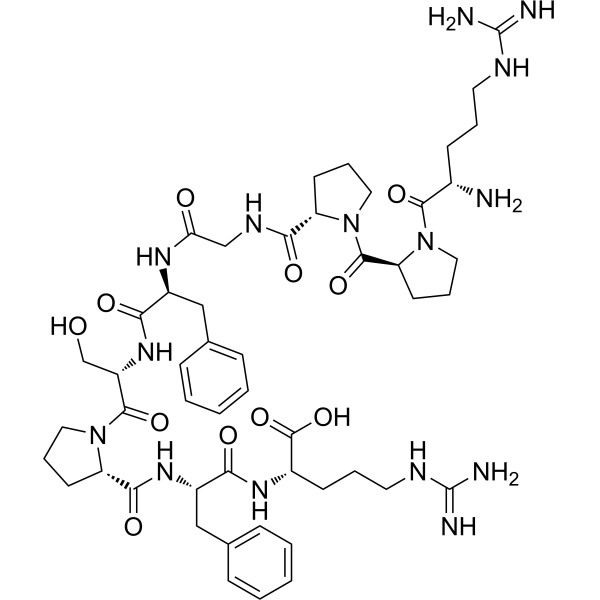
Bradykinin is an effective endothelium-dependent vasodilator that can lower blood pressure. Bradykinin can induce contraction of bronchial and intestinal non-vascular smooth muscle, increase vascular permeability, and participate in the mechanism of pain .
18
18 Cited Publications
Cat. No.: HY-P0206A
CAS No.: 6846-03-3
Bradykinin acetate is an effective endothelium-dependent vasodilator that can lower blood pressure. Bradykinin acetate can induce contraction of bronchial and intestinal non-vascular smooth muscle, increase vascular permeability, and participate in the mechanism of pain .
17
17 Cited Publications
Cat. No.: HY-B0246
CAS No.: 298-46-4
Synonyms: CBZ; NSC 169864
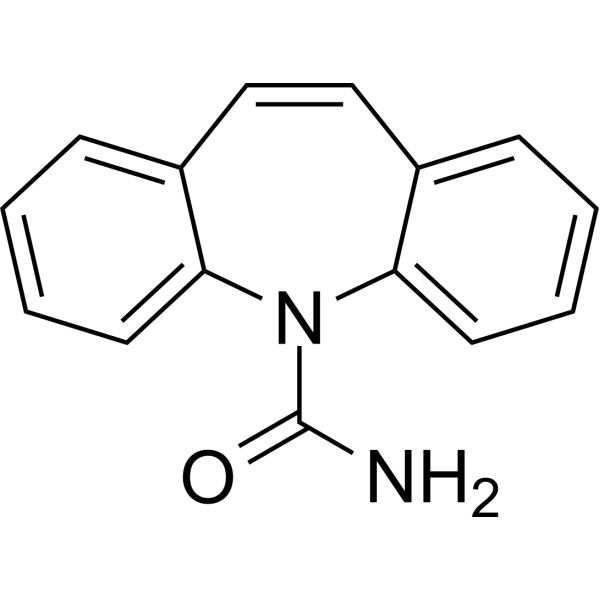
Carbamazepine is an orally active pressure-sensitive sodium ion channel blocker with an IC50 of 131 μM. Carbamazepine blocks voltage gated Na +, Ca 2+, and K + channels, and is also a HDAC inhibitor (IC50: 2 μM). Carbamazepine is an anticonvulsant and can be used for research of epilepsy and neuropathic pain .
17
17 Cited Publications
Cat. No.: HY-B0193
CAS No.: 19216-56-9
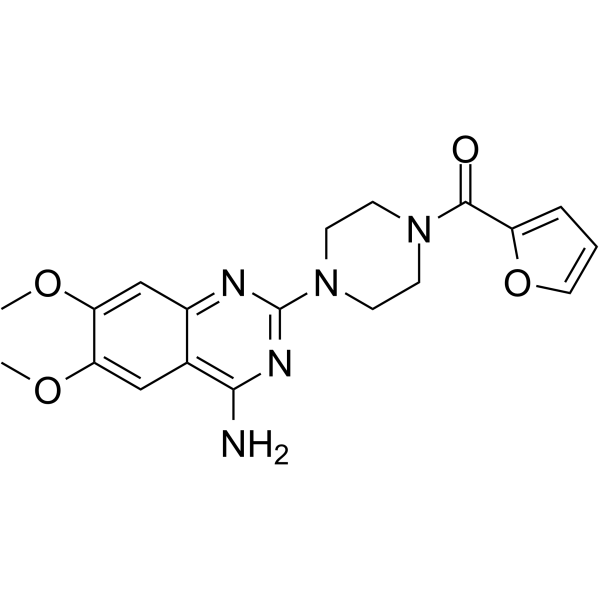
Prazosin is an α-adrenergic receptor antagonist. Prazosin can reduce inflammation, relieve anxiety, alleviate panic, prevent memory decline, and modulate the pain-relieving effects of opioids. Prazosin can be used in the study of hypertension and Alzheimer’s disease .
15
15 Cited Publications
Cat. No.: HY-N0021
CAS No.: 61276-17-3
Synonyms: Acteoside; Kusaginin; TJC160
Verbascoside is isolated from Acanthus mollis, acts as an ATP-competitive inhibitor of PKC, with an IC50 of 25 μM, and has antitumor, anti-inflammatory and antineuropathic pain activity.
15
15 Cited Publications
Cat. No.: HY-153808
CAS No.: 9007-81-2
Research Areas:  

Inflammation/Immunology

Complete Freund's adjuvant (CFA) is an immunoadjuvant emulsified with antigen by its discoverer Jules T. Freund to enhance an animal's immune response to an antigen. Complete Freund's adjuvant (CFA) is also an inducer of the Th1 immune response and a ligand of TLRs. Complete Freund's adjuvant (CFA) contains heat-killed inactive tuberculosis bacilli and consists of a paraffin oil-in-water emulsion. Complete Freund's adjuvant (CFA) stimulates a strong and durable immune response and can be used to induce persistent inflammatory pain models in mice, experimental autoimmune myocarditis (EAM) models, and more. Incomplete Freund's adjuvant (IFA) (HY-153808A) is another type of Freund's Adjuvant that stimulates a weaker immune response .
14
14 Cited Publications
Cat. No.: HY-A0057
CAS No.: 60142-96-3
Target:  

Calcium Channel

Research Areas:  

Neurological Disease Cancer

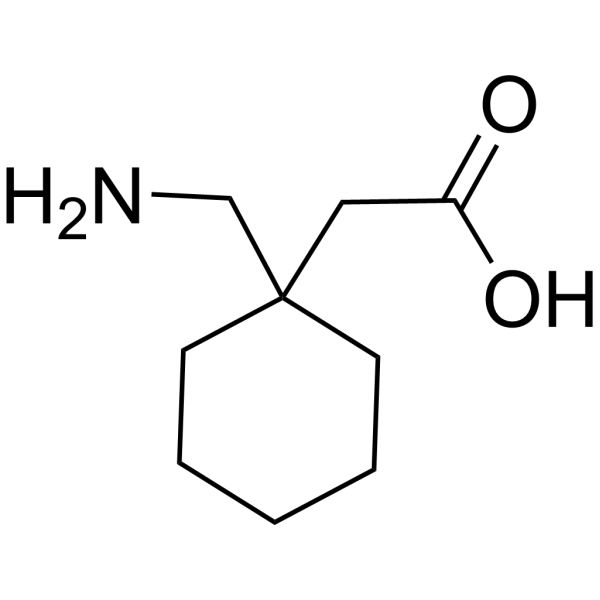
Gabapentin is a potent, orally active P/Q type Ca 2+ channel blocker. Gabapentin inhibits neuronal Ca 2+ influx and reduction of neurotransmitter release. Gabapentin is a GABA analog that can be used to relieve neuropathic pain .
14
14 Cited Publications
Cat. No.: HY-A0057A
CAS No.: 60142-95-2
Target:  

Calcium Channel

Research Areas:  

Neurological Disease Cancer

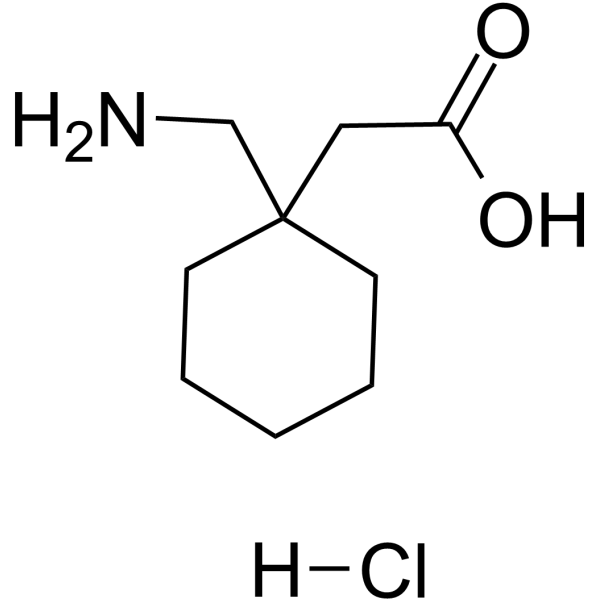
Gabapentin hydrochloride is a potent, orally active P/Q type Ca 2+ channel blocker. Gabapentin hydrochloride inhibits neuronal Ca 2+ influx and reduction of neurotransmitter release. Gabapentin hydrochloride is a GABA analog that can be used to relieve neuropathic pain .
14
14 Cited Publications
Cat. No.: HY-N0637
CAS No.: 552-58-9
Synonyms: Huazhongilexone
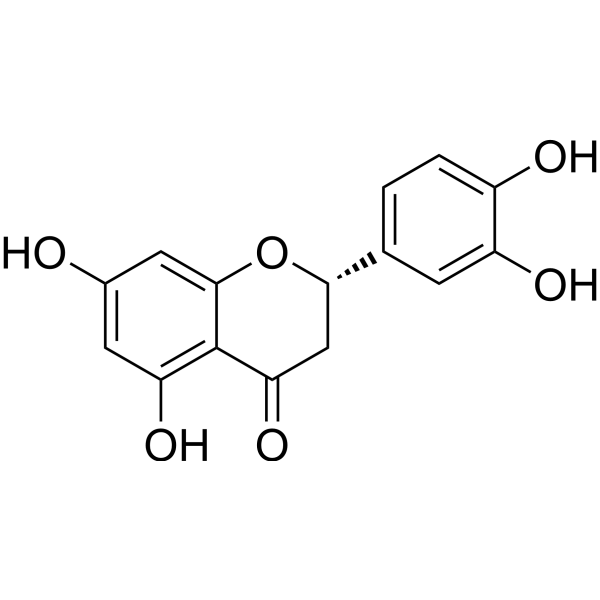
Eriodictyol ((±)-Huazhongilexone; Dihydroluteolin) is an orally active TRPV1 receptor antagonist (IC50=44-47 nM, rTRPV1) with antioxidant and anti-inflammatory activities. Eriodictyol effectively inhibits lipid peroxidation and the release of proinflammatory cytokines by specifically antagonizing the TRPV1 receptor and activating the Nrf2 signaling pathway. Eriodictyol reduces the levels of ICAM-1, VEGF, eNOS and TNF-α in the retina and maintains the integrity of the blood-retinal barrier. Eriodictyol alleviates oxidative stress-induced apoptosis and hyperalgesia, enhances the activity and cytotoxicity of immune cells (such as B lymphocytes, NK cells and macrophages), and increases the levels of antioxidant enzymes simultaneously. Eriodictyol can be used in the research of diabetic retinopathy, acute lung injury and various pain-related diseases .
13
13 Cited Publications
Cat. No.: HY-N0131
CAS No.: 83-48-7
Stigmasterol is an orally acitve, immunomodulatory agent with anti-inflammatory and neuroprotective effect, as well as able to cross the blood-brain barrier. Stigmasterol activates AMPK, which in turn inhibits NF-κB and NLRP3 signaling pathways, reduces microglia-mediated neuroinflammation, and alleviates cognitive impairment and Alzheimer's disease. Stigmasterol regulates M1/M2 polarization of microglia through the TLR4/ NF-κB pathway, thereby reducing neuropathic pain. Stigmasterol can be used for neurodegenerative diseases, inflammatory diseases, and pain management, among others .

