1. Search Result
Search Result
Pathways Recommended: Metabolic Enzyme/Protease
Results for "

peroxidase enzymes

" in MedChemExpress (MCE) Product Catalog:

28

Inhibitors & Agonists

6

Fluorescent Dyes

2

Biochemical Assay Reagents

5

Natural
Products

3

Isotope-Labeled Compounds

Cat. No. Product Name Target Research Areas Chemical Structure
  • HY-B0329
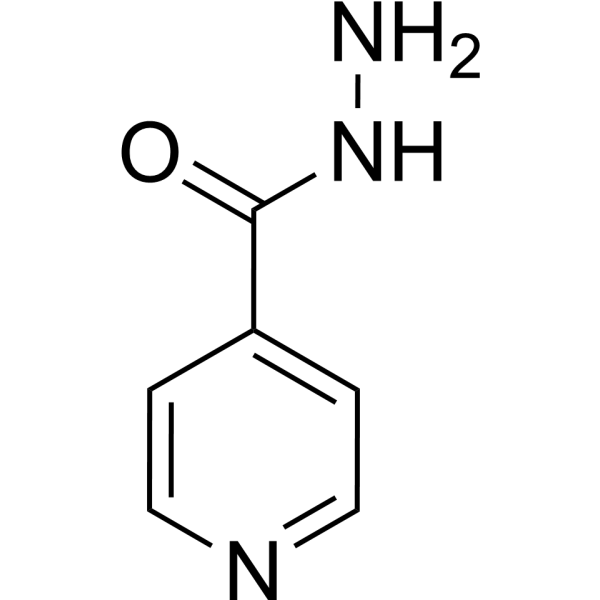
    Isoniazid
    Maximum Cited Publications
    14 Publications Verification

    INH; Isonicotinic acid hydrazide; Isonicotinic hydrazide

    Bacterial Autophagy Mitophagy Antibiotic Infection
    Isoniazid (INH) is a proagent and must be activated by a bacterial catalase-peroxidase enzyme KatG. Isoniazid is bactericidal to rapidly dividing mycobacteria and has anti-tuberculostatic activity .
    Isoniazid
  • HY-135849A

    Reactive Oxygen Species (ROS) Others Cancer
    Catalase, Bovine Liver is an enzyme widely found in various organisms, including animals, plants and microorganisms. Catalase, Bovine Liver mainly exists in the peroxisome of cells and is an important antioxidant enzyme. Catalase, Bovine Liver plays an important role in removing ROS and maintaining the balance of redox state. Catalase, Bovine Liver is closely related to the occurrence and development of tumors. Catalase, Bovine Liver has the potential to be used in tumor prevention research .
    Catalase, Bovine Liver
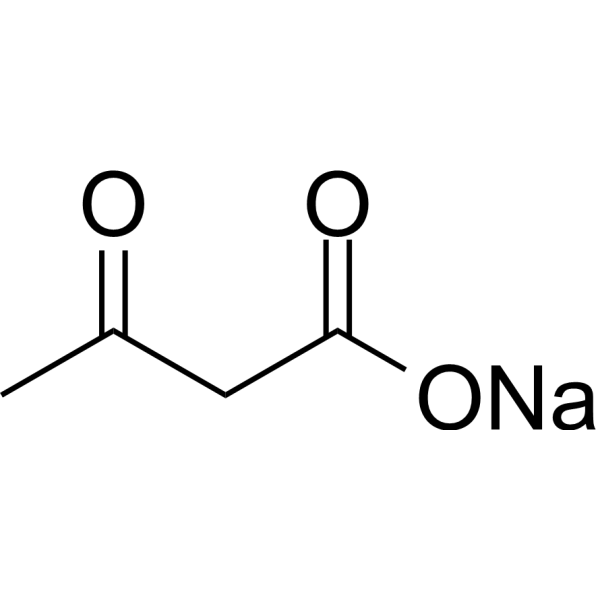
  • HY-112540B

    Endogenous Metabolite Metabolic Disease
    Acetoacetic acid sodium is an oxidative stress inducer that affects the antioxidant enzyme system and lipoprotein metabolism. Acetoacetic acid sodium induces oxidative stress by decreasing the mRNA expression and activity of superoxide dismutase (SOD), catalase (CAT), and glutathione peroxidase (GSH-Px), increasing MDA content, and inhibiting very low density lipoprotein (VLDL) assembly by downregulating apolipoprotein ApoB100, ApoE, and low density lipoprotein receptor (LDLR), leading to triglyceride (TG) accumulation in hepatocytes. Acetoacetic acid sodium can be used to study metabolic diseases .
    Acetoacetic acid sodium
  • HY-15930
    TMB
    Maximum Cited Publications
    6 Publications Verification

    BM blue; Sure Blue TMB

    Fluorescent Dye MOFs Reactive Oxygen Species (ROS) Others
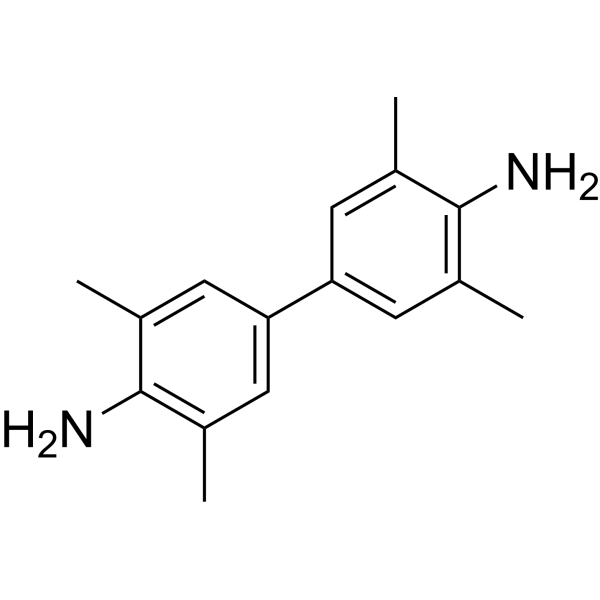
    TMB is a non-toxic, non-mutagenic, colorless dye that is also used as a chromogenic agent in enzyme detection systems based on horseradish peroxidase (HRP). TMB can function as a photoacoustic probe for reactive oxygen and nitrogen species (ROS/RNS), reacting with hypochlorite, hydrogen peroxide, singlet oxygen, and nitrogen dioxide to produce blue oxidation products. TMB can detect the singlet oxygen produced by the outer membrane of Escherichia coli ATCC 25922 .
    TMB
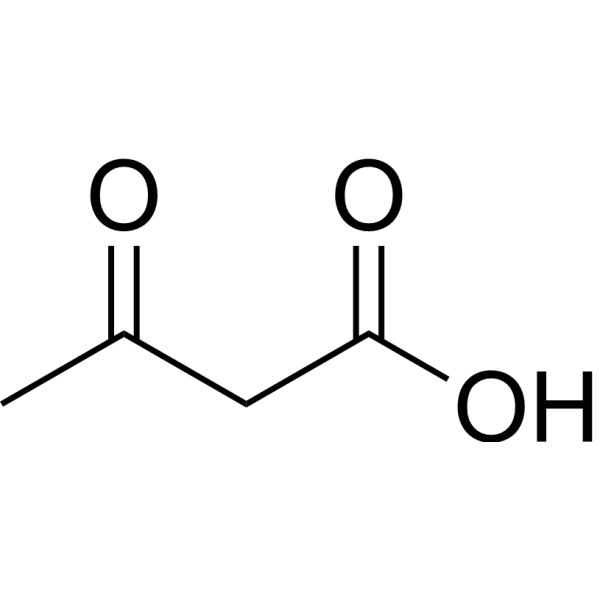
  • HY-112540
    Acetoacetic acid
    4 Publications Verification

    Endogenous Metabolite Metabolic Disease
    Acetoacetic acid is an oxidative stress inducer that affects the antioxidant enzyme system and lipoprotein metabolism. Acetoacetic acid induces oxidative stress by decreasing the mRNA expression and activity of superoxide dismutase (SOD), catalase (CAT), and glutathione peroxidase (GSH-Px), increasing MDA content, and inhibiting very low density lipoprotein (VLDL) assembly by downregulating apolipoprotein ApoB100, ApoE, and low density lipoprotein receptor (LDLR), leading to triglyceride (TG) accumulation in hepatocytes. Acetoacetic acid can be used to study metabolic diseases .
    Acetoacetic acid
  • HY-D2468
    HRP-Streptavidin
    1 Publications Verification

    Fluorescent Dye Others
    Sulfonylurea Receptor HRP-Streptavidin is a biotin-binding signal amplifier designed to bind tightly with biotinylated anti-TSH monoclonal antibodies, thereby constituting a key component of the signal amplification system in immunoassays. HRP-Streptavidin is formed by the covalent coupling of Horseradish Peroxidase (HRP) with Streptavidin; it combines the highly efficient catalytic activity of the enzyme with the high affinity of Streptavidin for biotin, making it a potent and sensitive tool for signal amplification. HRP-Streptavidin is suitable for use in Western Blotting, ELISA, and other detection techniques .
    HRP-Streptavidin
  • HY-E70336

    Endogenous Metabolite Others
    Peroxidase, Lignin is a biocatalyst and a key enzyme in new biocatalyst technology. Enzyme engineering focuses on enhancing enzyme reaction kinetics, substrate selectivity, and activity under harsh conditions such as low or high pH. By introducing stimulus responsiveness to these enzyme modifications, dynamic control of activity is also possible .
    Peroxidase, Lignin
  • HY-15930A
    TMB dihydrochloride
    Maximum Cited Publications
    6 Publications Verification

    BM blue dihydrochloride; Sure Blue TMB dihydrochloride

    Fluorescent Dye Reactive Oxygen Species (ROS) Others
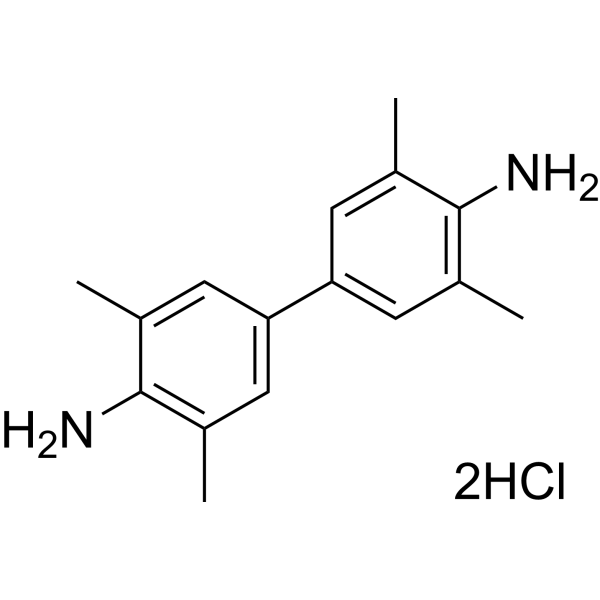
    TMB dihydrochloride is the dihydrochloride form of TMB (HY-15930). TMB dihydrochloride is a non-toxic, non-mutagenic, colorless dye that is also used as a chromogenic agent in enzyme detection systems based on horseradish peroxidase (HRP). TMB dihydrochloride can function as a photoacoustic probe for reactive oxygen and nitrogen species (ROS/RNS), reacting with hypochlorite, hydrogen peroxide, singlet oxygen, and nitrogen dioxide to produce blue oxidation products. TMB dihydrochloride can detect the singlet oxygen produced by the outer membrane of Escherichia coli ATCC 25922 .
    TMB dihydrochloride
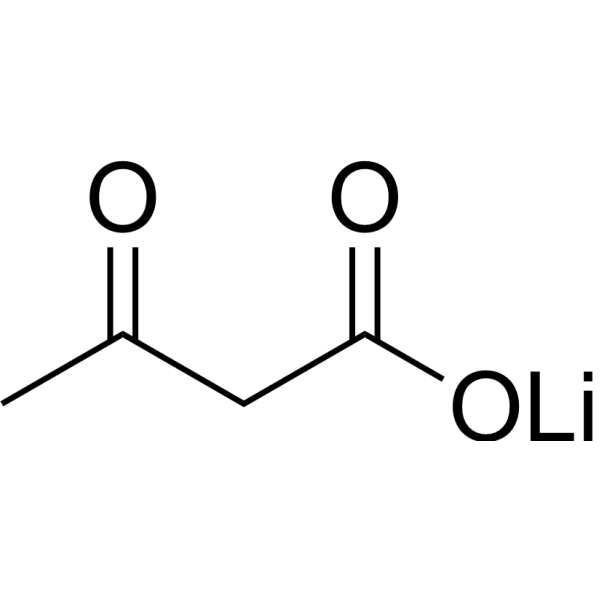
  • HY-112540A
    Acetoacetic acid lithium
    4 Publications Verification

    Endogenous Metabolite Metabolic Disease
    Acetoacetic acid lithium is an oxidative stress inducer that affects the antioxidant enzyme system and lipoprotein metabolism. Acetoacetic acid lithium induces oxidative stress by decreasing the mRNA expression and activity of superoxide dismutase (SOD), catalase (CAT), and glutathione peroxidase (GSH-Px), increasing MDA content, and inhibiting very low density lipoprotein (VLDL) assembly by downregulating apolipoprotein ApoB100, ApoE, and low density lipoprotein receptor (LDLR), leading to triglyceride (TG) accumulation in hepatocytes. Acetoacetic acid lithium can be used to study metabolic diseases .
    Acetoacetic acid lithium
  • HY-A0278

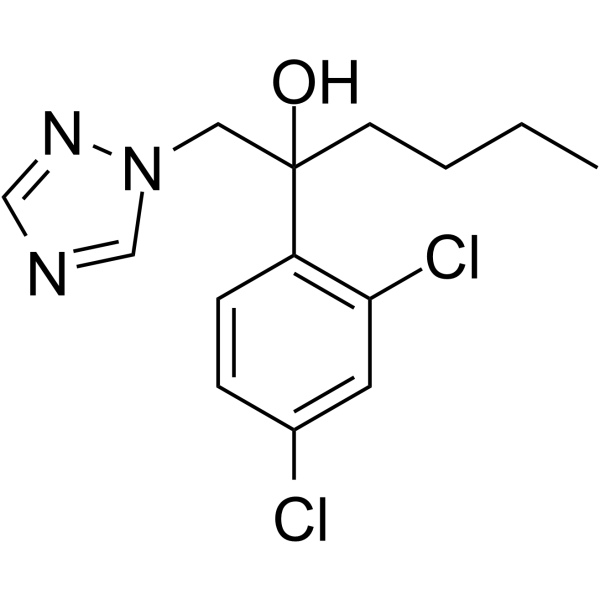
    (-)-Hexaconazol

    Environmental Pollutants Reactive Oxygen Species (ROS) Fungal SOD Infection Endocrinology
    Hexaconazole is a demethylation enzyme inhibitor and a synthetic fungicide that targets many fungi, especially ascomycetes and basidiomycetes, and it can enhance the activity of SOD and peroxidase. Hexaconazole causes endocrine disorders in zebrafish larvae .
    Hexaconazole
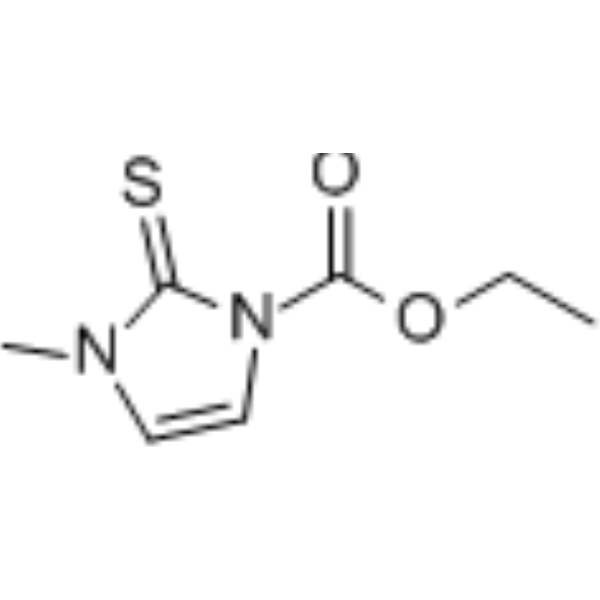
  • HY-B0558
    Carbimazole
    2 Publications Verification

    p38 MAPK Neurological Disease Endocrinology
    Carbimazole is an orally active antithyroid agent which rapidly converts to Methimazole after absorption and prevents thyroid peroxidase enzyme from iodinating and coupling the tyrosine residues on thyroglobulin, hence reducing the production of thyroxine. Carbimazole also displays anti-inflammatory and neuronal-protective activities, suggesting its application for hyperthyroidism and neurological research .
    Carbimazole
  • HY-B2235C

    Biochemical Assay Reagents Glutathione Peroxidase Metabolic Disease
    L-α-Lecithin (soybean) is an orally active phospholipid. L-α-Lecithin (soybean) increases the bioavailability of Lutein in plasma and eyes of Rattus norvegicus, enhances plasma Glutathione peroxidase activity, and regulates fatty acids in plasma and tissues .
    L-α-Lecithin (soybean)
  • HY-B0329S

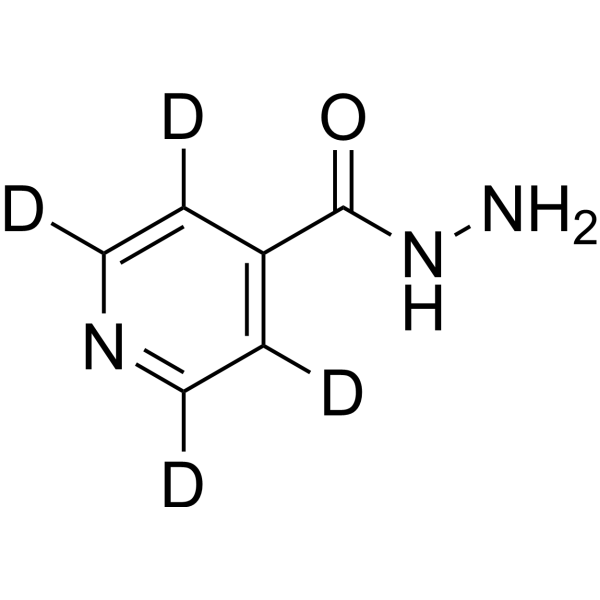
    INH-d4; Isonicotinic acid hydrazide-d4; Isonicotinic hydrazide-d4

    Bacterial Autophagy Mitophagy Antibiotic Infection
    Isoniazid-d4 is the deuterium labeled Isoniazid. Isoniazid (INH) is a proagent and must be activated by a bacterial catalase-peroxidase enzyme KatG. Isoniazid is bactericidal to rapidly dividing mycobacteria and has anti-tuberculostatic activity .
    Isoniazid-d4
  • HY-15930B
    TMB dihydrochloride x.hydrate
    5+ Cited Publications

    Sure Blue TMB dihydrochloride x.hydrate

    Fluorescent Dye Reactive Oxygen Species (ROS) Others
    TMB (dihydrochloride x.hydrate) is the dihydrochloride x hydrate form of TMB (HY-15930). TMB (dihydrochloride x.hydrate) is a non-toxic, non-mutagenic, colorless dye that is also used as a chromogenic agent in enzyme detection systems based on horseradish peroxidase (HRP). TMB (dihydrochloride x.hydrate) can function as a photoacoustic probe for reactive oxygen and nitrogen species (ROS/RNS), reacting with hypochlorite, hydrogen peroxide, singlet oxygen, and nitrogen dioxide to produce blue oxidation products. TMB (dihydrochloride x.hydrate) can detect the singlet oxygen produced by the outer membrane of Escherichia coli ATCC 25922 .
    TMB dihydrochloride x.hydrate
  • HY-145197

    Glutathione Peroxidase Cardiovascular Disease
    MPO-IN-3 is a potent myeloperoxidase (MPO) inhibitor (WO2013068875A1, example 191). Myeloperoxidase (MPO) is a heme-containing enzyme belonging to the peroxidase superfamily .
    MPO-IN-3
  • HY-B0329R

    INH (Standard); Isonicotinic acid hydrazide (Standard); Isonicotinic hydrazide (Standard)

    Reference Standards Bacterial Autophagy Mitophagy Antibiotic Infection
    Isoniazid (Standard) is the analytical standard of Isoniazid. This product is intended for research and analytical applications. Isoniazid (INH) is a proagent and must be activated by a bacterial catalase-peroxidase enzyme KatG. Isoniazid is bactericidal to rapidly dividing mycobacteria and has anti-tuberculostatic activity .
    Isoniazid (Standard)
  • HY-15930C
    TMB monosulfate
    Maximum Cited Publications
    6 Publications Verification

    BM blue monosulfate; Sure Blue TMB monosulfate

    Fluorescent Dye Reactive Oxygen Species (ROS) Others
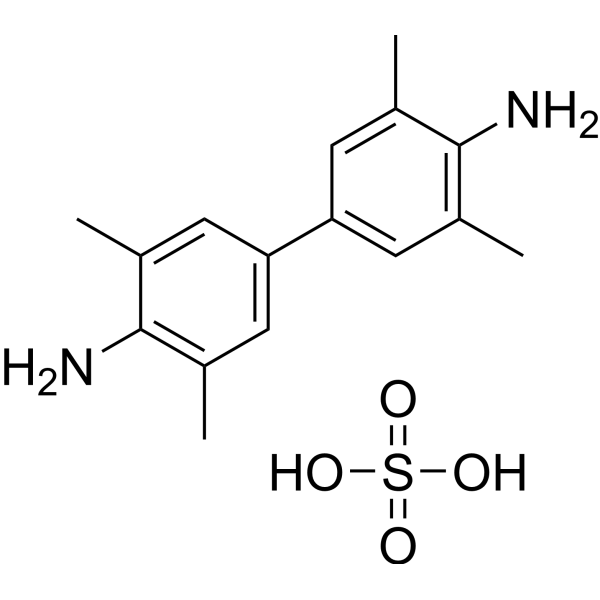
    TMB monosulfate is the monosulfate form of TMB (HY-15930). TMB monosulfate is a non-toxic, non-mutagenic, colorless dye that is also used as a chromogenic agent in enzyme detection systems based on horseradish peroxidase (HRP). TMB monosulfate can function as a photoacoustic probe for reactive oxygen and nitrogen species (ROS/RNS), reacting with hypochlorite, hydrogen peroxide, singlet oxygen, and nitrogen dioxide to produce blue oxidation products. TMB monosulfate can detect the singlet oxygen produced by the outer membrane of Escherichia coli ATCC 25922 .
    TMB monosulfate
  • HY-132183

    Endogenous Metabolite Metabolic Disease
    Chloride peroxidase is a monomeric, heme-containing enzyme. Chloride peroxidase is capable of electrophilic chlorinations through the umpolung of chloride by oxidation with hydrogen peroxide .
    Chloride peroxidase
  • HY-15930R

    BM blue (Standard); Sure Blue TMB (Standard)

    Fluorescent Dye Reactive Oxygen Species (ROS) Reference Standards Others
    TMB (Standard) is the analytical standard of TMB. This product is intended for research and analytical applications. TMB is a non-toxic, non-mutagenic, colorless dye that is also used as a chromogenic agent in enzyme detection systems based on horseradish peroxidase (HRP). TMB can function as a photoacoustic probe for reactive oxygen and nitrogen species (ROS/RNS), reacting with hypochlorite, hydrogen peroxide, singlet oxygen, and nitrogen dioxide to produce blue oxidation products. TMB can detect the singlet oxygen produced by the outer membrane of Escherichia coli ATCC 25922 .
    TMB (Standard)
  • HY-W411361

    PCNPH

    Fluorescent Dye Cancer
    Pyridine-2-carboxaldehyde 4-nitrophenylhydrazone (PCNPH) is a chromogenic substrate to peroxidase enzymes. Pyridine-2-carboxaldehyde 4-nitrophenylhydrazone can form a purple indamine dye with peroxidase enzymes and peroxides .
    Pyridine-2-carboxaldehyde 4-nitrophenylhydrazone
  • HY-130314

    COX Metabolic Disease
    PPHP is a substrate for the measurement of peroxidase enzymes. PPHP has been used to quantitate the peroxidase activity of COX-1 and COX-2.
    PPHP
  • HY-W744953

    Isotope-Labeled Compounds p38 MAPK Neurological Disease Endocrinology
    Carbimazole-d3 is deuterium labeled Carbimazole. Carbimazole is an orally active antithyroid agent which rapidly converts to Methimazole after absorption and prevents thyroid peroxidase enzyme from iodinating and coupling the tyrosine residues on thyroglobulin, hence reducing the production of thyroxine. Carbimazole also displays anti-inflammatory and neuronal-protective activities, suggesting its application for hyperthyroidism and neurological research .
    Carbimazole-d3
  • HY-B0558S

    Isotope-Labeled Compounds Neurological Disease Endocrinology
    Carbimazole-d5 is deuterium labeled Carbimazole. Carbimazole is an orally active antithyroid agent which rapidly converts to Methimazole after absorption and prevents thyroid peroxidase enzyme from iodinating and coupling the tyrosine residues on thyroglobulin, hence reducing the production of thyroxine. Carbimazole also displays anti-inflammatory and neuronal-protective activities, suggesting its application for hyperthyroidism and neurological research .
    Carbimazole-d5
  • HY-B0558R

    Reference Standards p38 MAPK Neurological Disease Endocrinology
    Carbimazole (Standard) is the analytical standard of Carbimazole. This product is intended for research and analytical applications. Carbimazole is an orally active antithyroid agent which rapidly converts to Methimazole after absorption and prevents thyroid peroxidase enzyme from iodinating and coupling the tyrosine residues on thyroglobulin, hence reducing the production of thyroxine. Carbimazole also displays anti-inflammatory and neuronal-protective activities, suggesting its application for hyperthyroidism and neurological research .
    Carbimazole (Standard)
  • HY-112540AR

    Endogenous Metabolite Reference Standards Metabolic Disease
    Acetoacetic acid (lithium) (Standard) is the analytical standard of Acetoacetic acid (lithium). This product is intended for research and analytical applications. Acetoacetic acid lithium is an oxidative stress inducer that affects the antioxidant enzyme system and lipoprotein metabolism. Acetoacetic acid lithium induces oxidative stress by decreasing the mRNA expression and activity of superoxide dismutase (SOD), catalase (CAT), and glutathione peroxidase (GSH-Px), increasing MDA content, and inhibiting very low density lipoprotein (VLDL) assembly by downregulating apolipoprotein ApoB100, ApoE, and low density lipoprotein receptor (LDLR), leading to triglyceride (TG) accumulation in hepatocytes. Acetoacetic acid lithium can be used to study metabolic diseases .
    Acetoacetic acid lithium (Standard)
  • HY-E70992

    Endogenous Metabolite Metabolic Disease
    Eosinophil Peroxidase, Human (EC 1.11.1.7) is an enzyme found in eosinophils (innate immune cells of humans and mammals). Eosinophil Peroxidase, Human (EC 1.11.1.7) is a heme peroxidase whose activities include oxidizing halide ions to reactive oxygen species with bactericidal effects, disrupting bacterial cell walls with cations, and performing post-translational modifications on protein amino acid residues.
    Eosinophil Peroxidase, Human
  • HY-186047

    Biochemical Assay Reagents Others
    ETE-S trimer is a conjugated trimer that undergoes polymerization under the action of plant cell wall peroxidases, forming an ion-electron hybrid conductive polymer suitable for bio-hybrid supercapacitors .
    ETE-S trimer
  • HY-E70987

    Biochemical Assay Reagents Metabolic Disease
    Chloroperoxidase, Caldariomyces fumago (EC 1.11.1.10) is an extracellular heme glycoenzyme containing ferriprotoporphyrin IX as the prosthetic group. Chloroperoxidase, Caldariomyces fumago (EC 1.11.1.10) is a peroxide-dependent chlorinating enzyme. It also catalyzes peroxidase-, catalase-and cytochrome P450-type reactions of dehydrogenation, H2O2 decomposition and oxygen insertion, respectively.
    Chloroperoxidase, Caldariomyces fumago

Inquiry Online

Your information is safe with us. * Required Fields.

Salutation


Country or Region *

Applicant Name *


Organization Name *

Department *


Email Address *


Product Name *

Cat. No.


Requested quantity *

Phone Number *


Remarks

Inquiry Online

Inquiry Information

Product Name:
Cat. No.:
Quantity:
MCE Japan Authorized Agent:

