1. Search Result
Search Result
Results for "

plant estrogen

" in MedChemExpress (MCE) Product Catalog:

16

Inhibitors & Agonists

12

Natural
Products

3

Isotope-Labeled Compounds

Targets Recommended:
Cat. No. 상품명 Target 연구분야 Chemical Structure
  • HY-14590
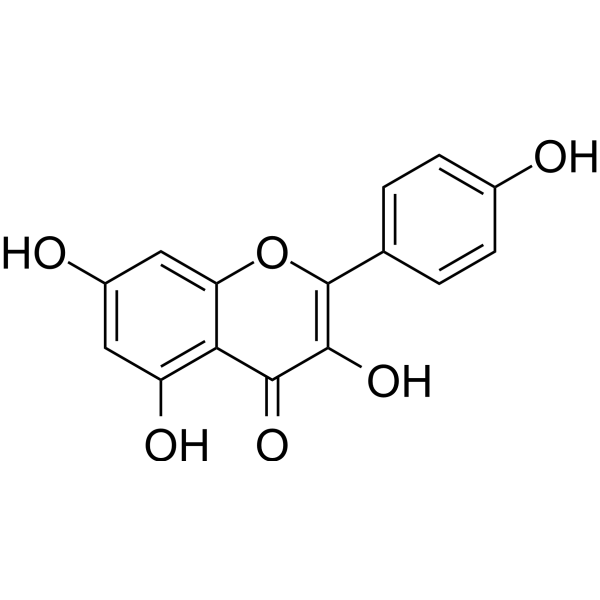
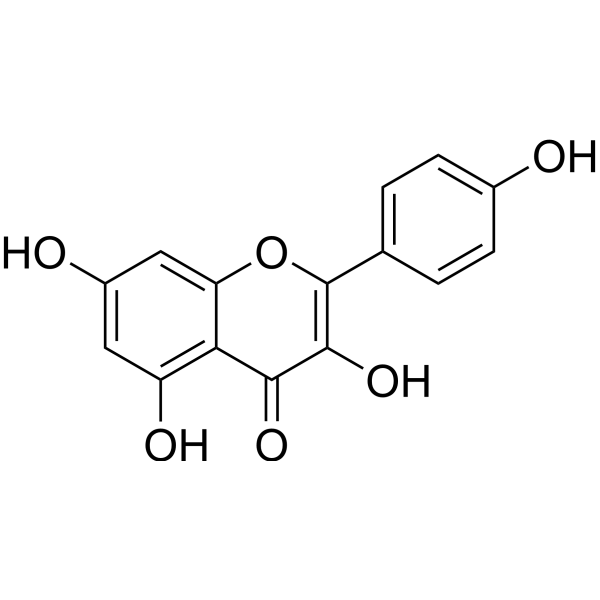
    Kaempferol
    Maximum Cited Publications
    76 Publications Verification

    Kempferol; Robigenin

    Estrogen Receptor/ERR Autophagy Mitophagy Apoptosis HIV Parasite Endogenous Metabolite Cancer
    Kaempferol (Kempferol), a flavonoid found in many edible plants, inhibits estrogen receptor α expression in breast cancer cells and induces apoptosis in glioblastoma cells and lung cancer cells by activation of MEK-MAPK. Kaempferol can be uesd for the research of breast cancer .
    Kaempferol
  • HY-N2026
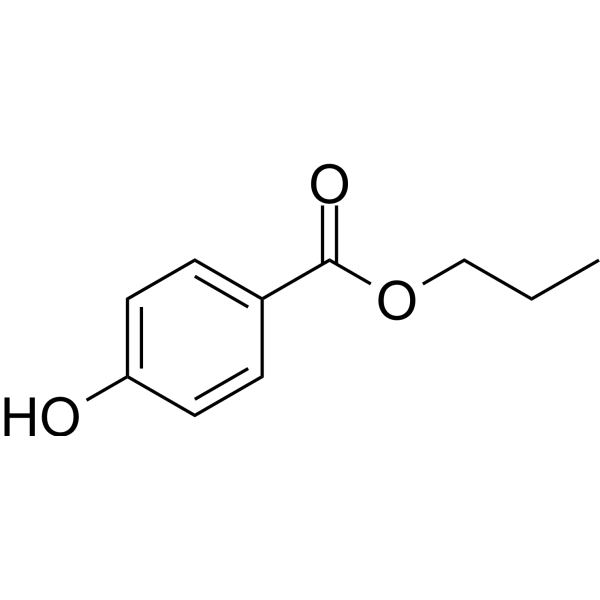
    Propylparaben
    1 Publications Verification

    Propyl parahydroxybenzoate; Propyl 4-hydroxybenzoate

    Bacterial Estrogen Receptor/ERR Sodium Channel PI3K JNK Akt Apoptosis Infection
    Propylparaben (Propyl parahydroxybenzoate) is an antibacterial preservative that can be produced by plants and bacteria. Propylparaben is an orally active weak estrogen receptor agonist. Propylparaben regulates the PI3K-AKT and JNK signaling pathways, and induces oxidative stress. Propylparaben is commonly used in cosmetics, pharmaceuticals and foods, and can be used in studies related to ovarian aging and myocardial ischemia-reperfusion injury .
    Propylparaben
  • HY-14590R
    Kaempferol (Standard)
    Maximum Cited Publications
    76 Publications Verification

    Kempferol(Standard); Robigenin (Standard)

    Reference Standards Estrogen Receptor/ERR Autophagy Mitophagy Apoptosis HIV Parasite Endogenous Metabolite Cancer
    Kaempferol (Standard) is the analytical standard of Kaempferol. This product is intended for research and analytical applications. Kaempferol (Kempferol), a flavonoid found in many edible plants, inhibits estrogen receptor α expression in breast cancer cells and induces apoptosis in glioblastoma cells and lung cancer cells by activation of MEK-MAPK. Kaempferol can be uesd for the research of breast cancer .
    Kaempferol (Standard)
  • HY-N0367
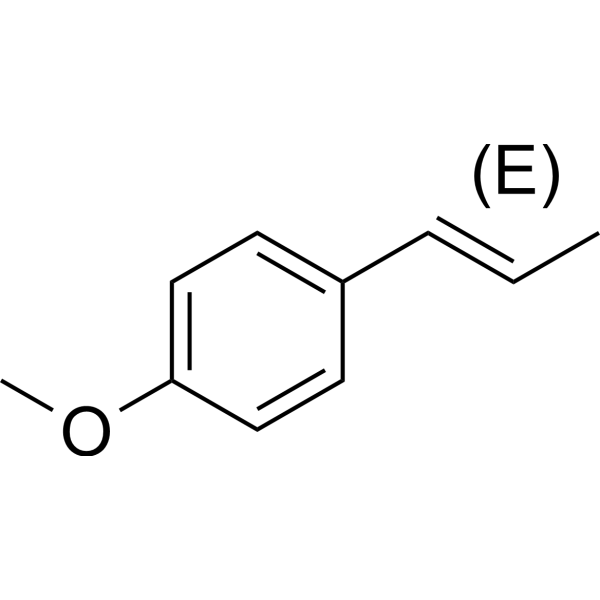
    Trans-Anethole
    2 Publications Verification

    (E)​-Anethole

    Environmental Pollutants Endogenous Metabolite Cardiovascular Disease Metabolic Disease Endocrinology Cancer
    Trans-Anethole ((E)-Anethole) is an orally active phenylpropene derivative found in Foeniculum vulgare that is estrogenic at low concentrations and cytotoxic at high concentrations in tumor cell lines. Trans-Anethole also has anti-aflatoxin, anti-thrombotic and anti-diabetic activities. Trans-Anethole is an important odor component in plants such as fennel, myrtle, liquorice, and camphor .
    Trans-Anethole
  • HY-N2026S1

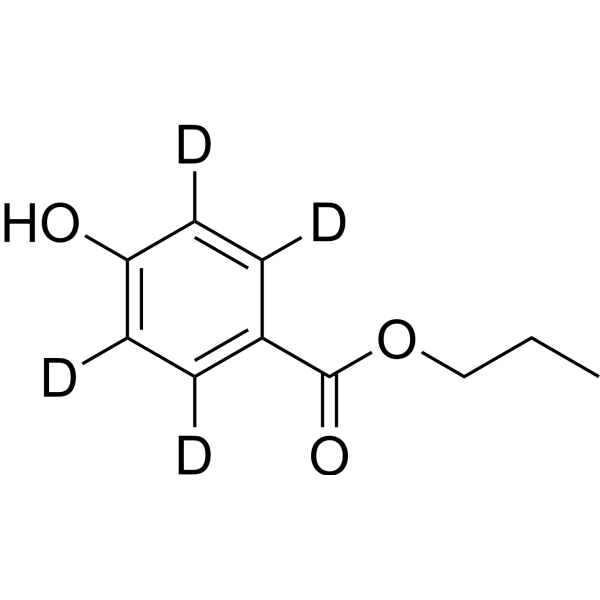
    Propyl parahydroxybenzoate-d4; Propyl 4-hydroxybenzoate-d4

    Isotope-Labeled Compounds Apoptosis Bacterial Estrogen Receptor/ERR Sodium Channel PI3K JNK Akt Cardiovascular Disease Infection Neurological Disease
    Propylparaben-d4 (Propyl parahydroxybenzoate-d4) is the deuterium labeled Propylparaben (HY-N2026). Propylparaben (Propyl parahydroxybenzoate) is an antibacterial preservative that can be produced by plants and bacteria. Propylparaben is an orally active weak estrogen receptor agonist. Propylparaben regulates the PI3K-AKT and JNK signaling pathways, and induces oxidative stress. Propylparaben is commonly used in cosmetics, pharmaceuticals and foods, and can be used in studies related to ovarian aging and myocardial ischemia-reperfusion injury .
    Propylparaben-d4
  • HY-N2026A
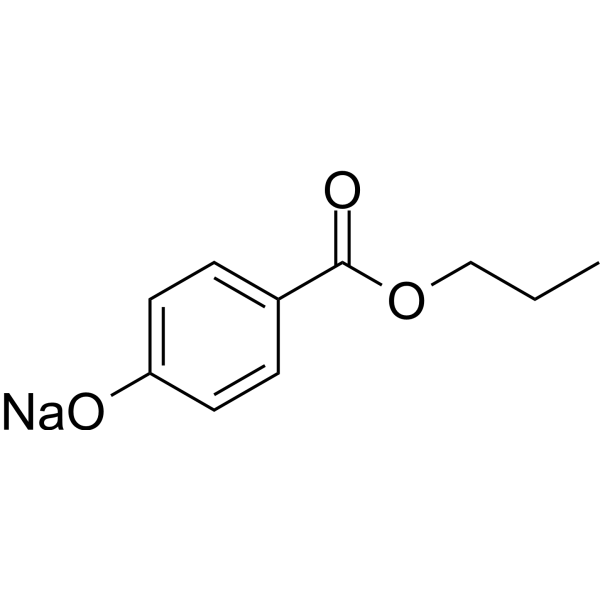
    Propylparaben sodium
    1 Publications Verification

    Propyl parahydroxybenzoate sodium; Propyl 4-hydroxybenzoate sodium

    Estrogen Receptor/ERR Bacterial Sodium Channel PI3K JNK Akt Apoptosis Cardiovascular Disease Infection Neurological Disease
    Propylparaben (Propyl parahydroxybenzoate) sodium is an antibacterial preservative that can be produced by plants and bacteria. Propylparaben sodium is an orally active weak estrogen receptor agonist. Propylparaben sodium regulates the PI3K-AKT and JNK signaling pathways, and induces oxidative stress. Propylparaben sodium is commonly used in cosmetics, pharmaceuticals and foods, and can be used in studies related to ovarian aging and myocardial ischemia-reperfusion injury .
    Propylparaben sodium
  • HY-121779

    2,4'-DDE; 2,4-Dichlorodiphenyldichloroethylene; 2,4'-DDE; o,p'-Dichlorodiphenyldichloroethylene

    Insecticide Endocrinology
    o,p'-DDE (2,4-Dichlorodiphenyldichloroethylene) is a metabolite and degradation product of the organochlorine pesticide DDT. It accumulates in smallmouth buffalo, channel catfish, and largemouth bass, and in sediments from DDT manufacturing plants around the Huntsville Spring Branch-Indian Creek tributary system, where it is considered a persistent organic pollutant (POP). o,p'-DDE inhibits estrogen binding to the rainbow trout estrogen receptor (rtER) with an IC50 value of 3.2 μM. It induces concentration-dependent estradiol secretion in co-cultures of granulosa and theca cells isolated from porcine follicles. In ovo exposure to o,p'-DDE increases follicular degeneration and reduces testis size in Japanese medaka (O. latipes).
    o,p'-DDE
  • HY-N2026R

    Propyl parahydroxybenzoate (Standard); Propyl 4-hydroxybenzoate (Standard)

    Reference Standards Bacterial Apoptosis Estrogen Receptor/ERR Sodium Channel PI3K JNK Akt Cardiovascular Disease Infection Neurological Disease
    Propylparaben (Propyl parahydroxybenzoate) (Standard) is the analytical standard of Propylparaben (HY-N2026). Propylparaben (Propyl parahydroxybenzoate) is an antibacterial preservative that can be produced by plants and bacteria. Propylparaben is an orally active weak estrogen receptor agonist. Propylparaben regulates the PI3K-AKT and JNK signaling pathways, and induces oxidative stress. Propylparaben is commonly used in cosmetics, pharmaceuticals and foods, and can be used in studies related to ovarian aging and myocardial ischemia-reperfusion injury .
    Propylparaben (Standard)
  • HY-N6052

    Estrogen Receptor/ERR Cancer
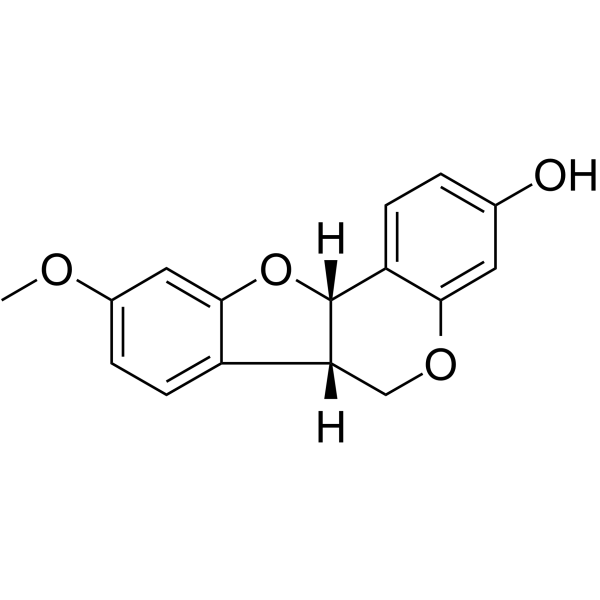
    (+)-Medicarpin, a pterocarpan, is a type of isoflavonoid isolated from several medicinal plant species with various biological effects, including Sophora japonica, Zollernia paraensis and Platymiscium yucatamun, Machaerium aristulatum, Platymiscium floribundum, and so on. (+)-Medicarpin potently inhibits osteoclastogenesis and promotes bone healing and increases bone mass by osteoblast differentiation with estrogen receptor (ER) β-mediated osteogenic action .
    (+)-Medicarpin
  • HY-N15531

    Estrogen Receptor/ERR Inflammation/Immunology Cancer
    Icariside D1 (Compound 9) is a flavonoid glycoside compound with antioxidant and anti-inflammatory activities, which is found in plants such as Epimedium. Icariside D1 is also a regulator of estrogen receptors. Icariside D1 is promising for research of osteoporosis, male infertility and female reproductive dysfunction and cancers .
    Icariside D1
  • HY-N0367R

    (E)​-Anethole (Standard)

    Reference Standards Endogenous Metabolite Cardiovascular Disease Metabolic Disease Endocrinology Cancer
    Trans-Anethole (Standard) is the analytical standard of Trans-Anethole. This product is intended for research and analytical applications. Trans-Anethole ((E)-Anethole) is an orally active phenylpropene derivative found in Foeniculum vulgare that is estrogenic at low concentrations and cytotoxic at high concentrations in tumor cell lines. Trans-Anethole also has anti-aflatoxin, anti-thrombotic and anti-diabetic activities. Trans-Anethole is an important odor component in plants such as fennel, myrtle, liquorice, and camphor .
    Trans-Anethole (Standard)
  • HY-N0367S

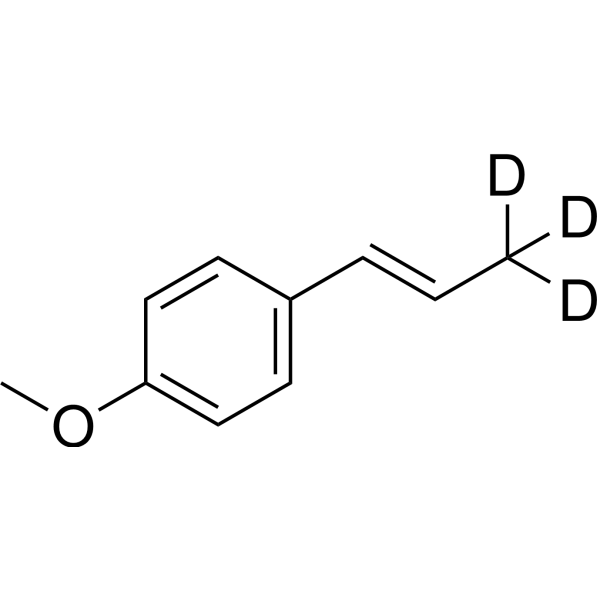
    (E)​-Anethole-d3

    Isotope-Labeled Compounds Endogenous Metabolite Endocrinology
    Trans-Anethole-d3 is deuterated labeled Trans-Anethole (HY-N0367). Trans-Anethole ((E)-Anethole) is an orally active phenylpropene derivative found in Foeniculum vulgare that is estrogenic at low concentrations and cytotoxic at high concentrations in tumor cell lines. Trans-Anethole also has anti-aflatoxin, anti-thrombotic and anti-diabetic activities. Trans-Anethole is an important odor component in plants such as fennel, myrtle, liquorice, and camphor .
    Trans-Anethole-d3
  • HY-N2026AR

    Propyl parahydroxybenzoate sodium (Standard); Propyl 4-hydroxybenzoate sodium (Standard)

    Reference Standards Bacterial Apoptosis Estrogen Receptor/ERR Sodium Channel PI3K Akt JNK Cardiovascular Disease Infection Neurological Disease
    Propylparaben (Propyl parahydroxybenzoate) sodium (Standard) is the analytical standard of Propylparaben sodium (HY-N2026A). Propylparaben (Propyl parahydroxybenzoate) sodium is an antibacterial preservative that can be produced by plants and bacteria. Propylparaben sodium is an orally active weak estrogen receptor agonist. Propylparaben sodium regulates the PI3K-AKT and JNK signaling pathways, and induces oxidative stress. Propylparaben sodium is commonly used in cosmetics, pharmaceuticals and foods, and can be used in studies related to ovarian aging and myocardial ischemia-reperfusion injury .
    Propylparaben sodium (Standard)
  • HY-N2026S

    Propyl parahydroxybenzoate-d7; Propyl 4-hydroxybenzoate-d7

    Isotope-Labeled Compounds Apoptosis Bacterial Estrogen Receptor/ERR Sodium Channel PI3K JNK Akt Cardiovascular Disease Infection Neurological Disease
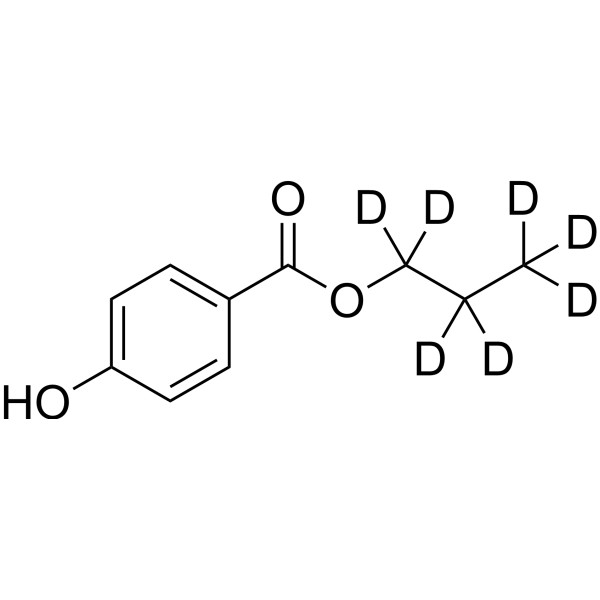
    Propylparaben-d7 (Propyl parahydroxybenzoate-d7) is the deuterium labeled Propylparaben (HY-N2026) . Propylparaben (Propyl parahydroxybenzoate) is an antibacterial preservative that can be produced by plants and bacteria. Propylparaben is an orally active weak estrogen receptor agonist. Propylparaben regulates the PI3K-AKT and JNK signaling pathways, and induces oxidative stress. Propylparaben is commonly used in cosmetics, pharmaceuticals and foods, and can be used in studies related to ovarian aging and myocardial ischemia-reperfusion injury .
    Propylparaben-d7
  • HY-N9935

    Drug Derivative Others
    Coumestrol dimethyl ether (compound 2) is a methylated derivative of the phytoestrogen Coumestrol (HY-N2335). Coumestrol dimethyl ether can be used as a model compound for studying the protonation and fluorescence properties of Coumestrol .
    Coumestrol dimethyl ether
  • HY-N17632

    Estrogen Receptor/ERR Akt MELK COX Apoptosis Inflammation/Immunology Cancer
    Moracin G is a plant-derived kinase modulator and receptor ligand that forms stable bindings with multiple key proteins (AKT1, COX2 and Estrogen receptor 1) and competitively inhibits the activity of specific kinases. By binding to MELK to disrupt cell cycle regulation, Moracin G impairs the survival and proliferation of cancer cells, induces cancer cell apoptosis, and thereby exerts anti-tumor potential. Moracin G can be used in research related to periodontitis and breast cancer .
    Moracin G

온라인 문의

Your information is safe with us. * Required Fields.

호칭


Country or Region *

고객명 *


회사명 *

Department *


메일주소 *


상품명 *

Cat. No.


Requested quantity *

전화번호 *


비고

온라인 문의

Inquiry Information

상품명:
Cat. No.:
수량:
MCE Japan Authorized Agent:

