


739 Results for "

proinflammatory

" in MedChemExpress (MCE) Product Catalog:
Products (739)

739 Results for "proinflammatory" in MCE Product Catalog:

225
225 Publications Verification
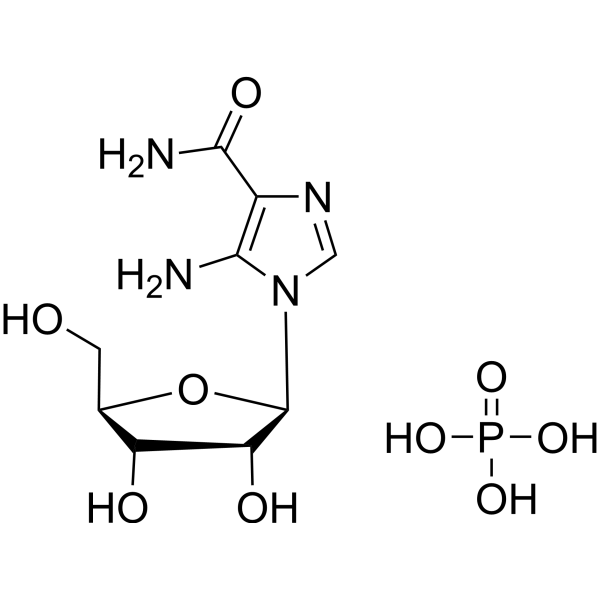
Cat. No.: HY-13417A
CAS No.: 681006-28-0
Purity:  99.98%
Synonyms: Acadesine phosphate; AICA Riboside phosphate
AICAR phosphate (Acadesine phosphate) is an adenosine analog and a AMPK activator. AICAR phosphate regulates the glucose and lipid metabolism, and inhibits proinflammatory cytokines and iNOS production. AICAR phosphate is also an autophagy, YAP and mitophagy inhibitor .
loading...
    loading...
225
225 Publications Verification
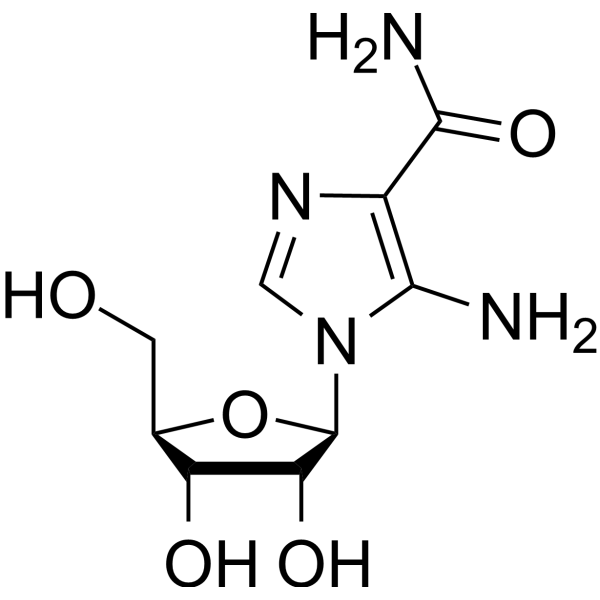
Cat. No.: HY-13417
CAS No.: 2627-69-2
Purity:  99.98%
Synonyms: Acadesine; AICA Riboside
AICAR (Acadesine) is an adenosine analog and a AMPK activator. AICAR is also an autophagy, YAP and mitophagy inhibitor. AICAR regulates the glucose and lipid metabolism, and inhibits proinflammatory cytokines and iNOS production. AICAR inhibits autophagy through a mechanism independent of AMPK activity .
loading...
    loading...
46
46 Cited Publications
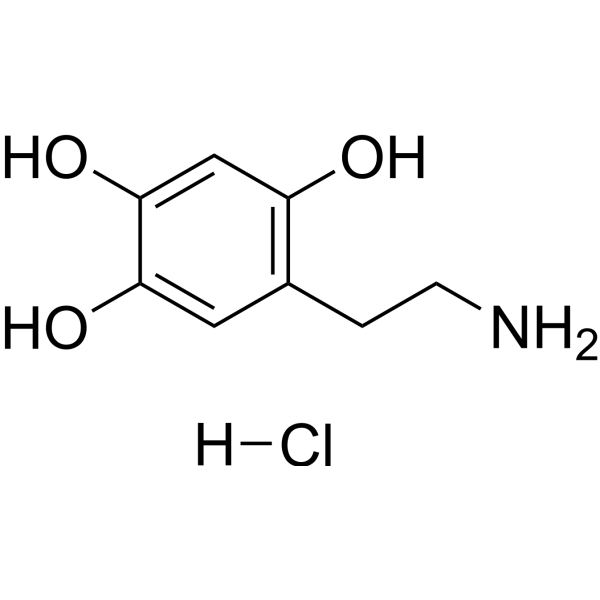
Cat. No.: HY-B1081
CAS No.: 28094-15-7
Synonyms: 6-Hydroxydopamine Hydrochloride
Oxidopamine (6-OHDA) hydrochloride is an antagonist of the neurotransmitter dopamine. Oxidopamine hydrochloride is a widely used neurotoxin and selectively destroys dopaminergic neurons. Oxidopamine hydrochloride promotes COX-2 activation, leading to PGE2 synthesis and pro-inflammatory cytokine IL-1β secretion. Oxidopamine hydrochloride can be used for the research of Parkinson’s disease (PD), attention-deficit hyperactivity disorder (ADHD), and Lesch-Nyhan syndrome .
loading...
    loading...
46
46 Cited Publications
Cat. No.: HY-B1081A
CAS No.: 636-00-0
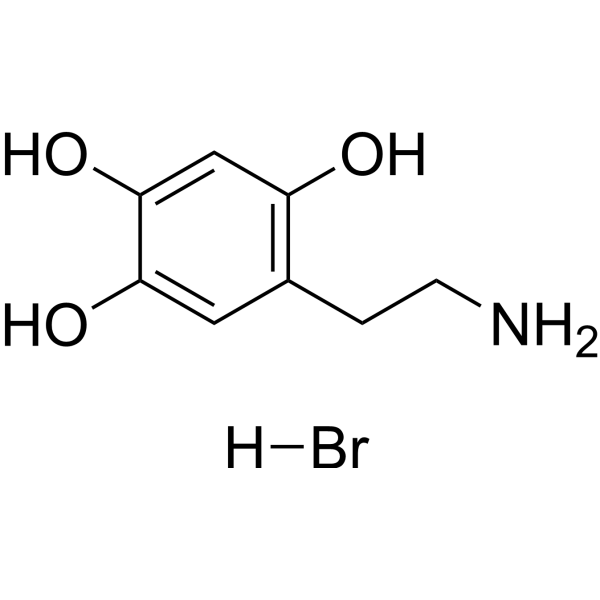
Synonyms: 6-Hydroxydopamine hydrobromide; 6-OHDA hydrobromide
Oxidopamine (6-OHDA) hydrobromide is an antagonist of the neurotransmitter dopamine. Oxidopamine hydrobromide is a widely used neurotoxin and selectively destroys dopaminergic neurons. Oxidopamine hydrobromide promotes COX-2 activation, leading to PGE2 synthesis and pro-inflammatory cytokine IL-1β secretion. Oxidopamine hydrobromide can be used for the research of Parkinson’s disease (PD), attention-deficit hyperactivity disorder (ADHD), and Lesch-Nyhan syndrome .
loading...
    loading...
33
33 Cited Publications
Cat. No.: HY-101563
CAS No.: 1616392-22-3
Purity:  99.51%
Synonyms: EPZ015938
GSK3326595 is a protein arginine methyltransferase 5 (PRMT5) inhibitor. GSK3326595 decreases SARS-CoV-2 infection, inhibits cancer cell proliferation and induces pro-inflammatory macrophage polarization and increases hepatic triglyceride levels without affecting atherosclerosis. GSK3326595 can be used for research of relapsed/refractory mantle cell lymphoma .
loading...
    loading...
24
24 Cited Publications
Cat. No.: HY-18204
CAS No.: 137862-53-4
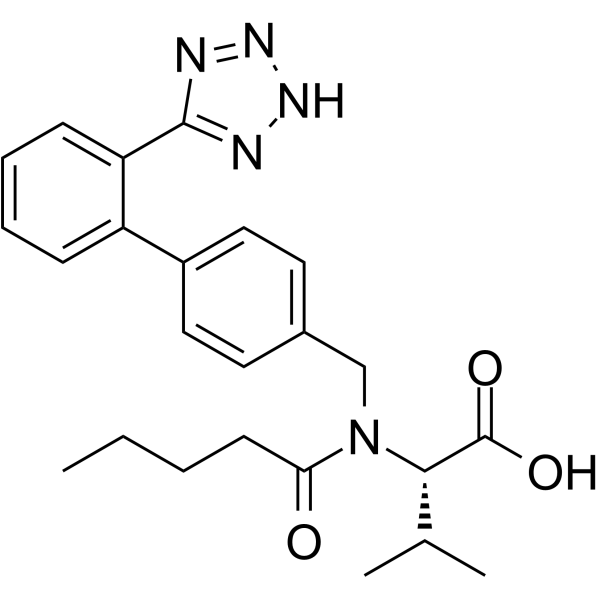
Synonyms: CGP 48933
Valsartan (CGP 48933) is an angiotensin II receptor antagonist and has the potential for high blood pressure and heart failure research .
loading...
    loading...
20
20 Cited Publications
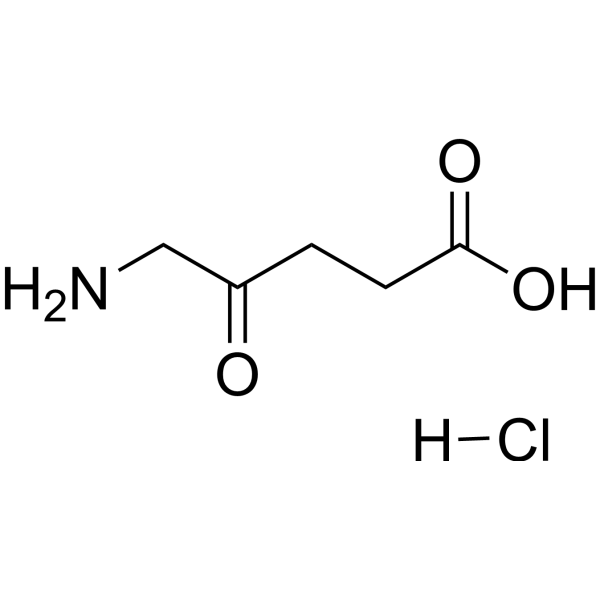
Cat. No.: HY-N0305
CAS No.: 5451-09-2
Synonyms: 5-ALA hydrochloride; δ-Aminolevulinic acid hydrochloride; 5-Amino-4-oxopentanoic acid hydrochloride
5-Aminolevulinic acid (5-ALA; δ-Aminolevulinic acid; 5-Amino-4-oxopentanoic acid) hydrochloride is an orally active heme precursor. 5-Aminolevulinic acid hydrochloride promotes aerobic energy metabolism and increases ATP levels by enhancing the activity of cytochrome c oxidase. 5-Aminolevulinic acid hydrochloride enhances LPS-induced proinflammatory cytokine production and gene activation, and restores the phagocytic activity and ROS generation capacity of neutrophils. 5-Aminolevulinic acid hydrochloride selectively accumulates protoporphyrin IX in tumor cells; as a photosensitizer and radiosensitizer, it induces ROS burst upon light or X-ray irradiation to inhibit tumor growth. 5-Aminolevulinic acid hydrochloride can be applied to the research of septic shock, melanoma, and cancer radiotherapy .
loading...
    loading...
20
20 Cited Publications
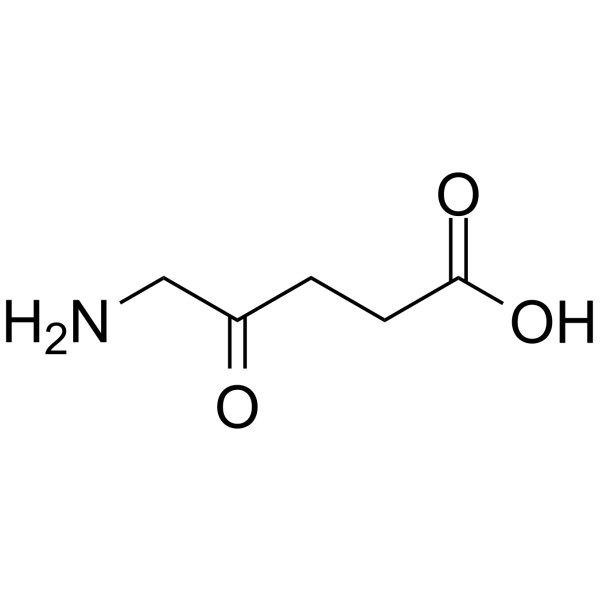
Cat. No.: HY-W000450
CAS No.: 106-60-5
Synonyms: 5-ALA; δ-Aminolevulinic acid; 5-Amino-4-oxopentanoic acid
5-Aminolevulinic acid (5-ALA; δ-Aminolevulinic acid; 5-Amino-4-oxopentanoic acid) is an orally active heme precursor. 5-Aminolevulinic acid promotes aerobic energy metabolism and increases ATP levels by enhancing the activity of cytochrome c oxidase. 5-Aminolevulinic acid enhances LPS-induced proinflammatory cytokine production and gene activation, and restores the phagocytic activity and ROS generation capacity of neutrophils. 5-Aminolevulinic acid selectively accumulates protoporphyrin IX in tumor cells; as a photosensitizer and radiosensitizer, it induces ROS burst upon light or X-ray irradiation to inhibit tumor growth. 5-Aminolevulinic acid can be applied to the research of septic shock, melanoma, and cancer radiotherapy .
loading...
    loading...
19
19 Cited Publications
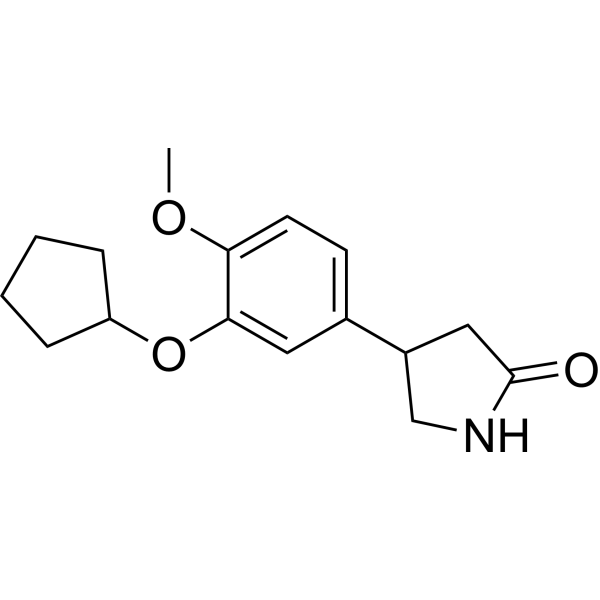
Cat. No.: HY-16900
CAS No.: 61413-54-5
Synonyms: (R,S)-Rolipram; (±)-Rolipram; ZK 62711
Rolipram is a PDE4 inhibitor, with blood-brain barrier permeability, that reverses β-amyloid-induced learning and memory impairment in rats. Rolipram elevates intracellular cAMP and clevels and regulates the cAMP/CREB signaling pathway, thereby alleviating neuroinflammation and apoptotic responses. Rolipram promotes neuronal differentiation of human bone marrow mesenchymal stem cells and inhibits Methamphetamine- and morphine-induced hyperlocomotion in mice. Rolipram also reduces the viability of glioblastoma stem-like cells and enhances Bevacizumab (HY-P9906)-induced cell death. Rolipram inhibits the expression of proinflammatory cytokines and enhances central noradrenergic transmission. Rolipram is mainly used in studies related to various central nervous system diseases including Alzheimer's disease, major depressive disorder, glioblastoma multiforme, and multiple sclerosis .
loading...
    loading...
16
16 Cited Publications
Cat. No.: HY-N0637
CAS No.: 552-58-9
Synonyms: Huazhongilexone
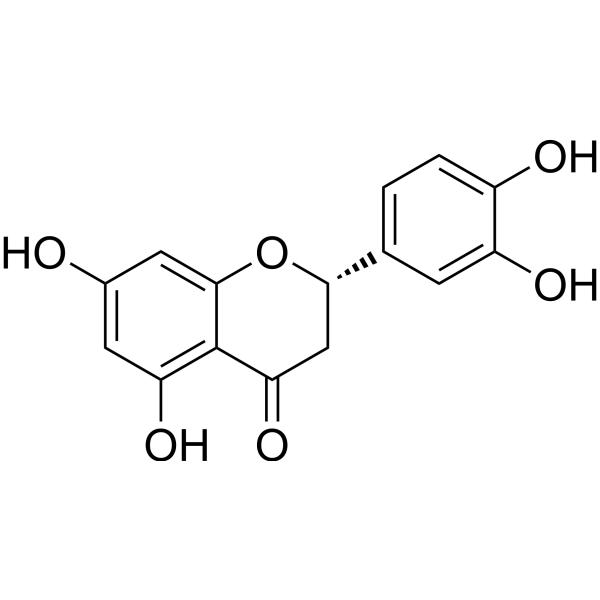
Eriodictyol ((±)-Huazhongilexone; Dihydroluteolin) is an orally active TRPV1 receptor antagonist (IC50=44-47 nM, rTRPV1) with antioxidant and anti-inflammatory activities. Eriodictyol effectively inhibits lipid peroxidation and the release of proinflammatory cytokines by specifically antagonizing the TRPV1 receptor and activating the Nrf2 signaling pathway. Eriodictyol reduces the levels of ICAM-1, VEGF, eNOS and TNF-α in the retina and maintains the integrity of the blood-retinal barrier. Eriodictyol alleviates oxidative stress-induced apoptosis and hyperalgesia, enhances the activity and cytotoxicity of immune cells (such as B lymphocytes, NK cells and macrophages), and increases the levels of antioxidant enzymes simultaneously. Eriodictyol can be used in the research of diabetic retinopathy, acute lung injury and various pain-related diseases .
loading...
    loading...
16
16 Cited Publications
Cat. No.: HY-16657
CAS No.: 163847-77-6
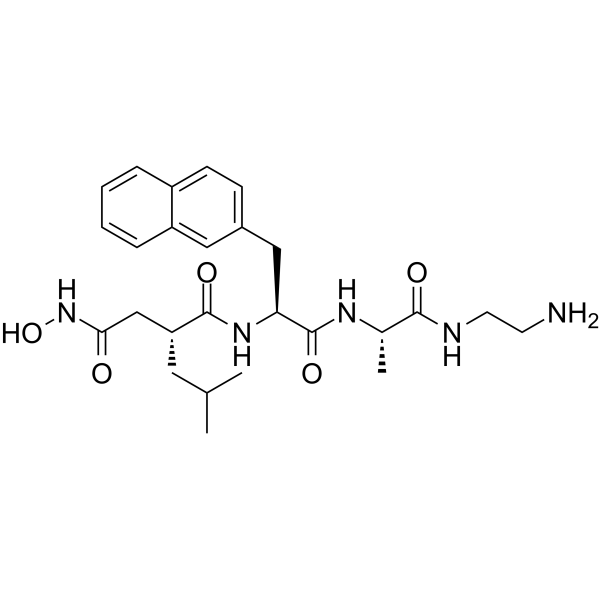
TAPI-1 is a broad-spectrum MMP inhibitor and NF-κB p65 inhibitor that targets ADAM17/TACE, ADAM10 and other proteins. TAPI-1 reduces the proteolytic cleavage of membrane-bound TNF-α, decreases TNF-α levels, inhibits NF-κB pathway activation, and downregulates profibrotic markers. TAPI-1 reduces the proportion of proinflammatory immune cells, alleviates cardiac and airway fibrosis, and improves cardiac function after myocardial infarction. Meanwhile, TAPI-1 inhibits the viability, migration and invasion of esophageal squamous cell carcinoma cells, enhances the chemosensitivity of Cisplatin (HY-17394), induces apoptosis, and shows low toxicity to normal esophageal epithelial cells. TAPI-1 can be widely used in studies related to myocardial infarction-induced heart failure, severe traumatic tracheal stenosis, esophageal squamous cell carcinoma and other conditions .
loading...
    loading...
15
15 Cited Publications
Cat. No.: HY-108847
CAS No.: 185243-69-0
Purity:  99.20%

Target:  

TNF Receptor Bacterial

Research Areas:  

Inflammation/Immunology Cancer

Etanercept, a dimeric fusion protein that binds TNF, acts as a TNF inhibitor. Etanercept competitively inhibits the binding of both TNF-α and TNF-β to cell surface TNF receptors, rendering TNF biologically inactive. Etanercept shows efficacy against rheumatoid arthritis, juvenile idiopathic arthritis, and plaque psoriasis .
loading...
    loading...
14
14 Cited Publications
Cat. No.: HY-12688A
CAS No.: 864167-45-3
Purity:  ≥98.0%
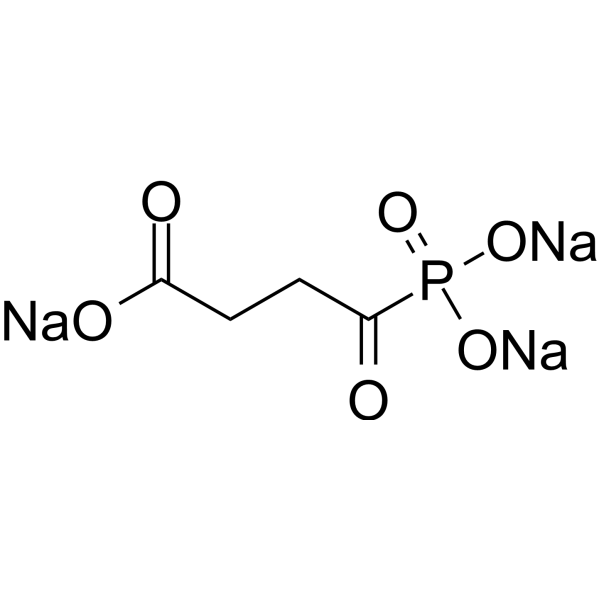
Succinyl phosphonate trisodium salt is a α-Ketoglutarate Dehydrogenase Complex (KGDHC) modulator with neuroprotective activity. Succinyl phosphonate trisodium salt protects this complex, reduces cellular succinyl-CoA concentration, downregulates protein succinylation levels, and inhibits the activity of the α-ketoglutarate dehydrogenase complex. Succinyl phosphonate trisodium salt corrects hypoxic or ethanol-induced behavioral impairments, modulates exploratory behavior and emotional stress responses, and improves hypoxia tolerance. Succinyl phosphonate trisodium salt reduces glutamate excitotoxicity, restores the activity of the α-ketoglutarate dehydrogenase complex, reverses the changes in glutamate dehydrogenase and glutamine synthetase activities induced by β-amyloid (Amyloid-β), modulates cognitive function, and prevents β-amyloid-induced neuronal damage. Succinyl phosphonate trisodium salt improves microglial senescence, alleviates neuroinflammation, reactive oxygen species (ROS) production, lipid peroxidation, and the expression of proinflammatory cytokines. Succinyl phosphonate trisodium salt can be used in the research of Alzheimer's disease, aging-related neuroinflammation, and Parkinson's disease .
loading...
    loading...
13
13 Cited Publications
Cat. No.: HY-P1860
CAS No.: 144796-71-4
Research Areas:  

Inflammation/Immunology Cancer

TNF-α (31-45), human is a potent NF-kB pathway activator. TNF-αis a proinflammatory cytokine that induces necrosis or apoptosis. TNF alpha stimulates NF-κB pathway via TNFR2 promotes cancer growth, invasion, and metastasis .
loading...
    loading...
13
13 Cited Publications
Cat. No.: HY-P1860A
Research Areas:  

Inflammation/Immunology

TNF-α (31-45), human TFA is a potent NF-kB pathway activator. TNF-αis a proinflammatory cytokine that induces necrosis or apoptosis. TNF alpha stimulates NF-κB pathway via TNFR2 promotes cancer growth, invasion, and metastasis .
loading...
    loading...
13
13 Cited Publications
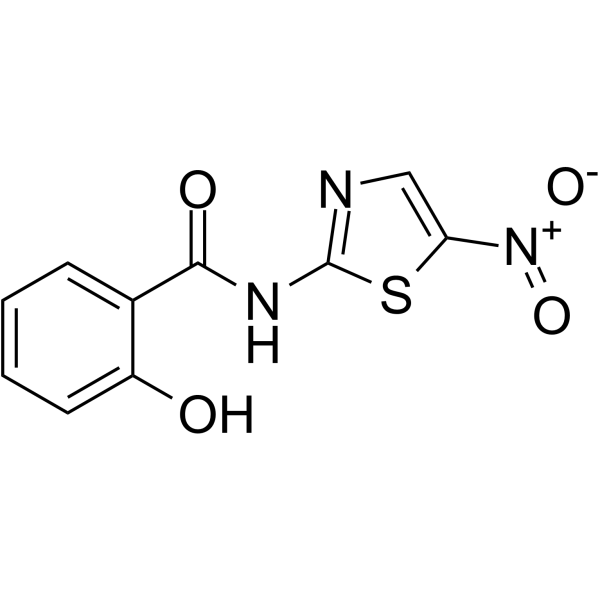
Cat. No.: HY-12687
CAS No.: 173903-47-4
Purity:  98.10%
Synonyms: TIZ
Tizoxanide (TIZ) is the active metabolite of Nitazoxanide, which is a thiazolide anti-infective compound against anaerobic bacteria, protozoa, and a range of viruses. Tizoxanide (TIZ) has anti-HIV-1 activities and potent inhibition of both HBV and HCV replication with values EC50 of 0.46μM and 0.15 μM, respectively. Tizoxanide also exerts anti-inflammatory effects by inhibiting the production of pro-inflammatory cytokines and suppressing of the activation of the NF-κB and the MAPK signaling pathways in LPS-treated macrophage cells .
loading...
    loading...
9
9 Cited Publications
Cat. No.: HY-P0203
CAS No.: 83651-90-5
Synonyms: CGRP (83-119), mouse, rat
α-CGRP (mouse, rat), a neuropeptide (calcitonin gene-related peptide (CGRP)) mainly expressed in neuromuscular junction, is a potent vasodilator. α-CGRP (mouse, rat) can lead to a fall in blood pressure and an increase in heart rate by peripheral administration, also relax colonie smooth muscle. α-CGRP (mouse, rat) has the potential in cardiovascular, pro-inflammatory, migraine and metabolic studies .
loading...
    loading...
9
9 Cited Publications
Cat. No.: HY-P0203A
Synonyms: CGRP (83-119), mouse, rat TFA
α-CGRP (mouse, rat) TFA, a neuropeptide (calcitonin gene-related peptide (CGRP)) mainly expressed in neuromuscular junction, is a potent vasodilator. α-CGRP (mouse, rat) TFA can lead to a fall in blood pressure and an increase in heart rate by peripheral administration, also relax colonie smooth muscle. α-CGRP (mouse, rat) TFA has the potential in cardiovascular, pro-inflammatory, migraine and metabolic studies .
loading...
    loading...
8
8 Cited Publications
Cat. No.: HY-N7032
CAS No.: 28053-08-9
Synonyms: UDP-D-Glucose disodium
Uridine 5’-diphosphoglucose (UDP-glucose) disodium, secreted by cardiomyocytes during ischemia and reperfu, is a potent agonist of the proinflammatory P2Y14 receptor. It acts an important role in the regulation of inflammation and neutrophil polarization in neutrophils. Uridine 5’-diphosphoglucose disodium is also the precursor of glucose-containing oligosaccharides, polysaccharides, glycoproteins, and glycolipids in animal tissues and in some microorganisms. Uridine 5’-diphosphoglucose disodium is promising for research in counteracting myocardial infarction/reperfusion (MIR)-induced inflammation in the heart tissue.
loading...
    loading...
8
8 Cited Publications
Cat. No.: HY-P3211
CAS No.: 2014384-91-7
Synonyms: LR12
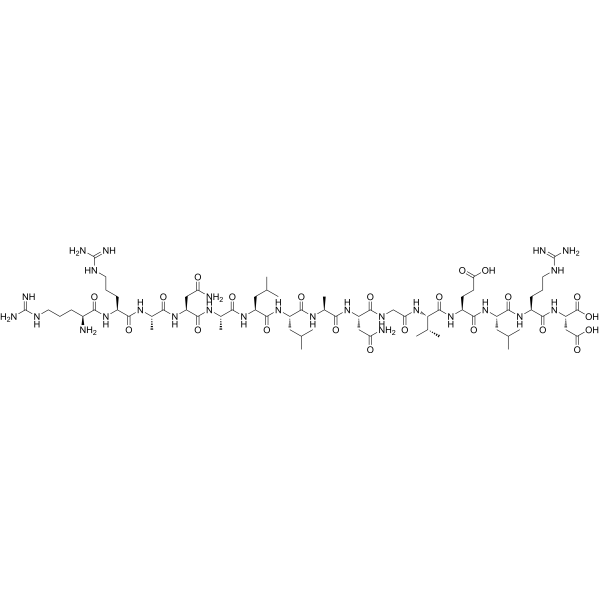
Nangibotide (LR12) is a synthetic peptide and TREM-1 receptor inhibitor. Nangibotide inhibits NF-κB and NLRP3 inflammasome activation and reduces the release of pro-inflammatory factors (such as IL-1β, IL-8). Nangibotide inhibits Apoptosis. Nangibotide reduces excessive inflammatory responses and protects tissues (liver, lung) from damage. Nangibotide can be used in the researches for myocardial ischemia-reperfusion injury, septic shock, acute lung injury, osteoarthritis, and acute liver failure .
loading...
    loading...

