220 Results for "

prostaglandin E

" in MedChemExpress (MCE) Product Catalog:
Products (220)

220 Results for "prostaglandin E" in MCE Product Catalog:

62
62 Publications Verification
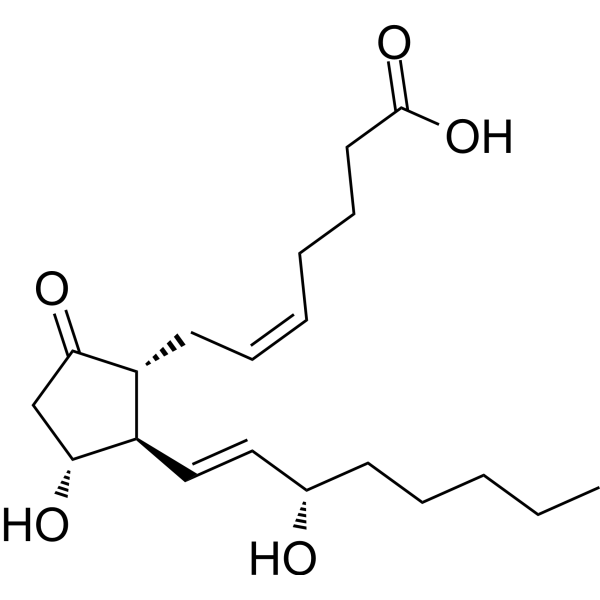
Cat. No.: HY-101952
CAS No.: 363-24-6
Purity:  99.74%
Synonyms: PGE2; Dinoprostone
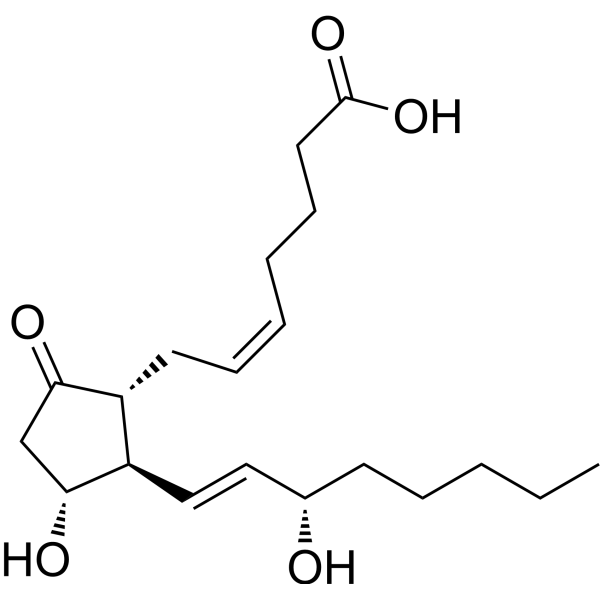
Prostaglandin E2 (PGE2) is a hormone-like substance that participate in a wide range of body functions such as the contraction and relaxation of smooth muscle, the dilation and constriction of blood vessels, control of blood pressure, and modulation of inflammation.
loading...
    loading...
22
22 Cited Publications
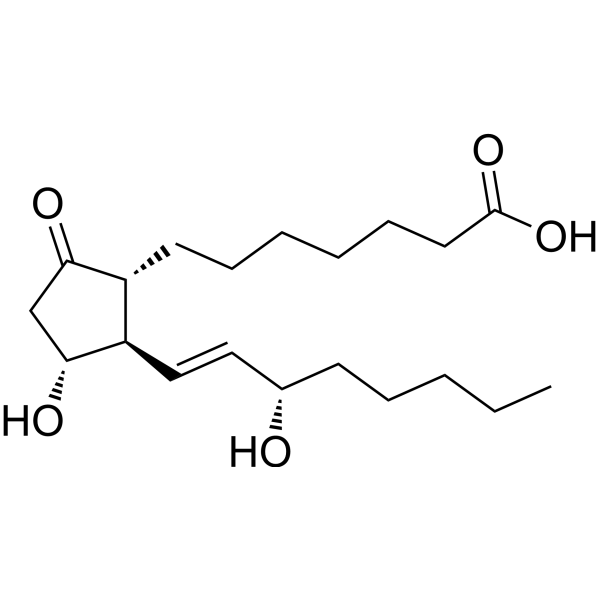
Cat. No.: HY-B0131
CAS No.: 745-65-3
Synonyms: Alprostadil; PGE1
Prostaglandin E1 (Alprostadil) is a prostanoid receptor ligand, with Kis of 1.1 nM, 2.1 nM, 10 nM, 33 nM and 36 nM for mouse EP3, EP4, EP2, IP and EP1, respectively. Prostaglandin E1 induces vasodilation and inhibits platelet aggregation. Prostaglandin E1 can be used as a vasodilator for the research of peripheral vascular diseases .
loading...
    loading...
5
5 Cited Publications
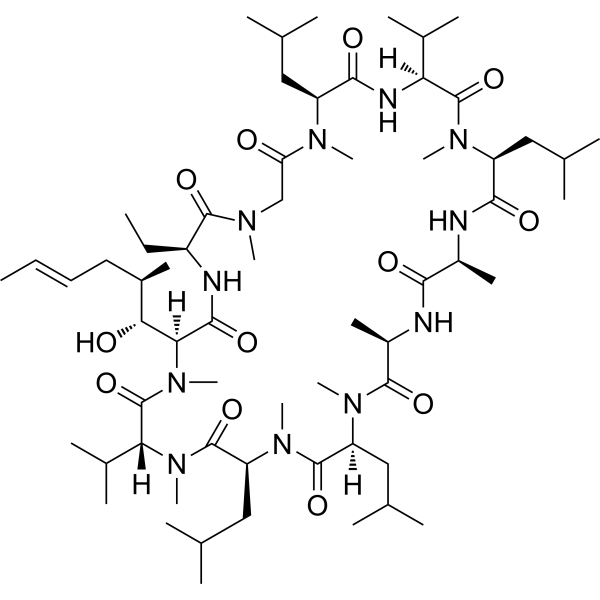
Cat. No.: HY-P1122
CAS No.: 83602-39-5
Cyclosporin H is a selective and potent inhibitor of FPR-1 (formyl peptide receptor 1). Cyclosporin H, a viral transduction enhancer, increases lentiviral transduction up to 10-fold in human cord blood-derived hematopoietic stem and progenitor cells (HSPCs). Cyclosporin H displays an additive effect when combined with Rapamycin (HY-10219) or Prostaglandin E2 (HY-101952). Cyclosporin H lacks immunosuppressant activity of Cyclosporin A.
loading...
    loading...
4
4 Cited Publications
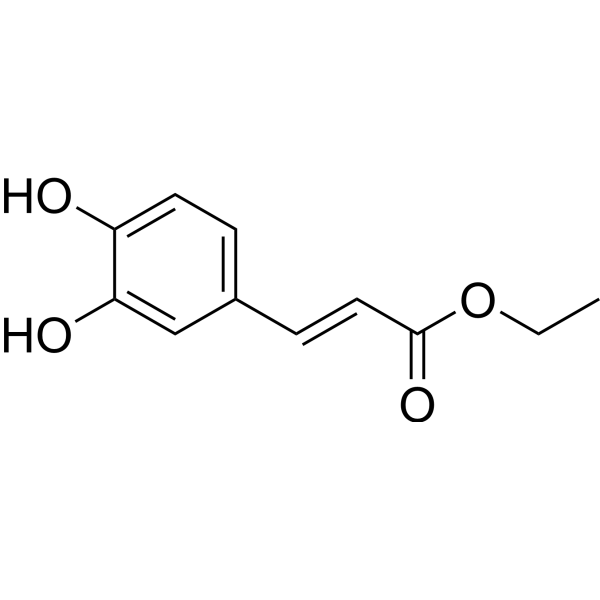
Cat. No.: HY-N6966
CAS No.: 102-37-4
Ethyl Caffeate is a natural phenolic compound isolated from Bidens pilosa. Ethyl caffeate suppresses NF-κB activation and its downstream inflammatory mediators, inducible nitric oxide synthase (iNOS), cyclooxygenase-2 (COX-2), and prostaglandin E2 (PGE2) in vitro or in mouse skin .
loading...
    loading...
4
4 Cited Publications
Cat. No.: HY-10797
CAS No.: 847728-01-2
Purity:  98.84%
Synonyms: CJ-042794
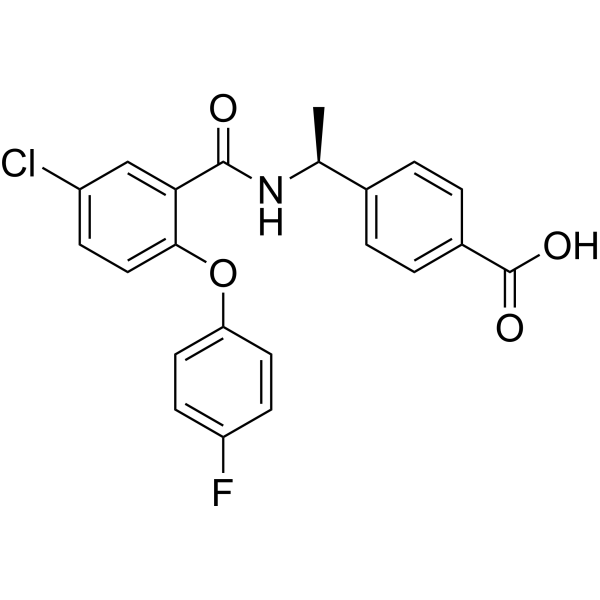
CJ-42794 (CJ-042794) is a potent, orally active, selective prostaglandin E receptor 4 (EP4) antagonist with an IC50 value of 10 nM, which is 200-fold more selective than EP1, EP2 and EP3. CJ-42794 can be used in research of gastric ulcers .
loading...
    loading...
4
4 Cited Publications
Cat. No.: HY-16781
CAS No.: 415903-37-6
Synonyms: CJ-023423; RQ-00000007; AAT-007
Grapiprant (CJ-023423) is a selective EP4 receptor antagonist whose physiological ligand is prostaglandin E2 (PGE2). Grapiprant displaces [ 3H]-PGE2 (1 nM) binding to dog recombinant EP4 receptor with IC50 value of 35 nM and Ki value of 24 nM. Grapiprant has the potential for osteoarthritic pain and inflammation treatment [3] .
loading...
    loading...
3
3 Cited Publications
Cat. No.: HY-108563
CAS No.: 146033-02-5
Research Areas:  

Neurological Disease

SC 51089 is a selective antagonist of prostaglandin E2 EP1 receptor, with Kis of 1.3, 11.2, 17.5, and 61.1 μM for EP1, TP, EP3, and FP receptors, respectively. SC 51089 exhibits neuroprotective activity .
loading...
    loading...
3
3 Cited Publications
Cat. No.: HY-108563A
CAS No.: 146033-03-6
Purity:  98.64%
Research Areas:  

Neurological Disease

SC 51089 free base is a selective antagonist of prostaglandin E2 EP1 receptor, with Kis of 1.3, 11.2, 17.5, and 61.1 μM for EP1, TP, EP3, and FP receptors, respectively. SC 51089 free base exhibits neuroprotective activity .
loading...
    loading...
3
3 Cited Publications
Cat. No.: HY-128686
CAS No.: 1215192-68-9
Purity:  98.62%
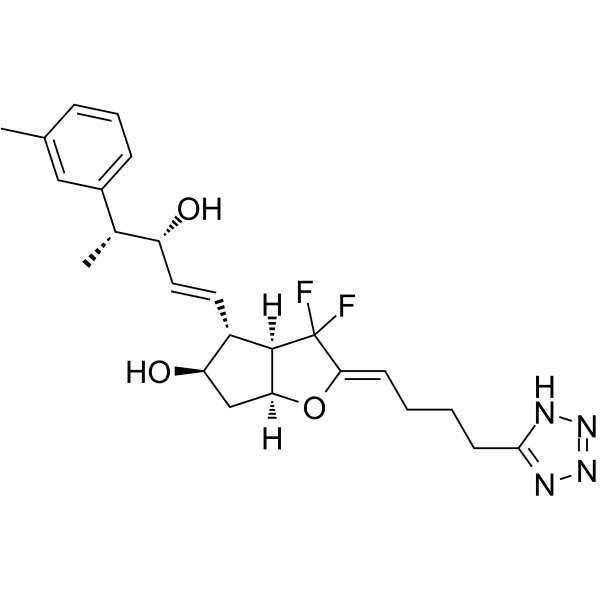
KAG-308 is a potent selective and orally active agonist of EP4 receptor (a prostaglandin E2 receptor subtype), suppresses colitis and promotes histological mucosal healing, potently inhibits TNF-α production. KAG-308 shows a Ki and an EC50 of 2.57 nM and 17 nM for human EP4 receptor, respectively, more selective over EP1, EP2, EP3 and IP receptor .
loading...
    loading...
2
2 Cited Publications
Cat. No.: HY-101952S
CAS No.: 34210-10-1
Purity:  99.90%
Synonyms: PGE2-d4; Dinoprostone-d4
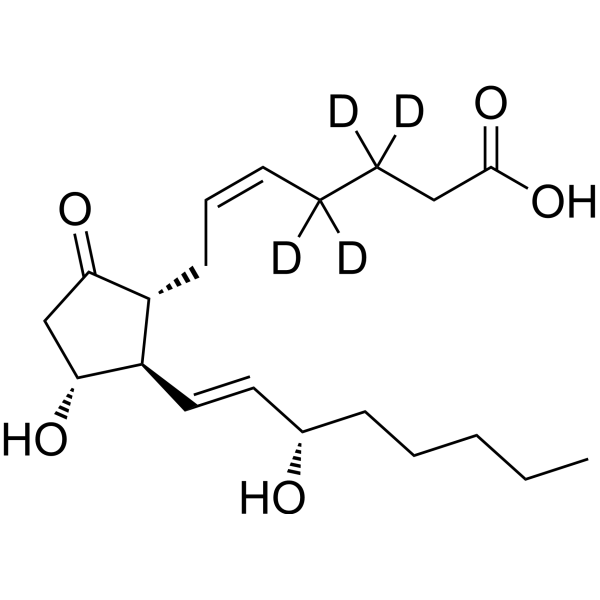
Prostaglandin E2-d4 is the deuterium labeled Prostaglandin E2. Prostaglandin E2 (PGE2) is a hormone-like substance that participate in a wide range of body functions such as the contraction and relaxation of smooth muscle, the dilation and constriction of blood vessels, control of blood pressure, and modulation of inflammation .
loading...
    loading...
2
2 Cited Publications
Cat. No.: HY-N3617
CAS No.: 531-29-3
Synonyms: Laricin
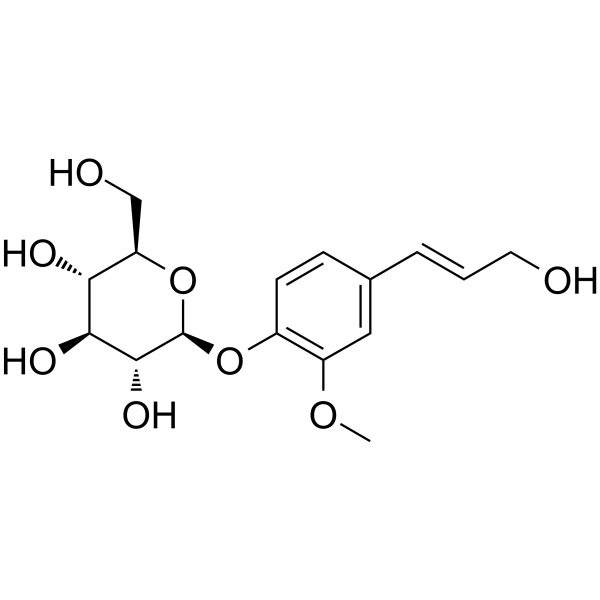
Coniferin (Laricin) is a glucoside of coniferyl alcohol. Coniferin inhibits fungal melanization. Coniferin inhibits the release of certain hormones from cells, including Prostaglandin E2 and Thromboxane B2 .
loading...
    loading...
2
2 Cited Publications
Cat. No.: HY-100448A
CAS No.: 69685-22-9
Purity:  99.2%
Research Areas:  

Endocrinology

Butaprost is a selective prostaglandin E receptor (EP2) agonist with an EC50 of 33 nM and a Ki of 2.4 μM for murine EP2 receptor. Butaprost is less activity against murine EP1, EP3 and EP4 receptors. Butaprost attenuates fibrosis by hampering TGF-β/Smad2 signalling .
loading...
    loading...
2
2 Cited Publications
Cat. No.: HY-118119
CAS No.: 938069-71-7
Purity:  99.12%
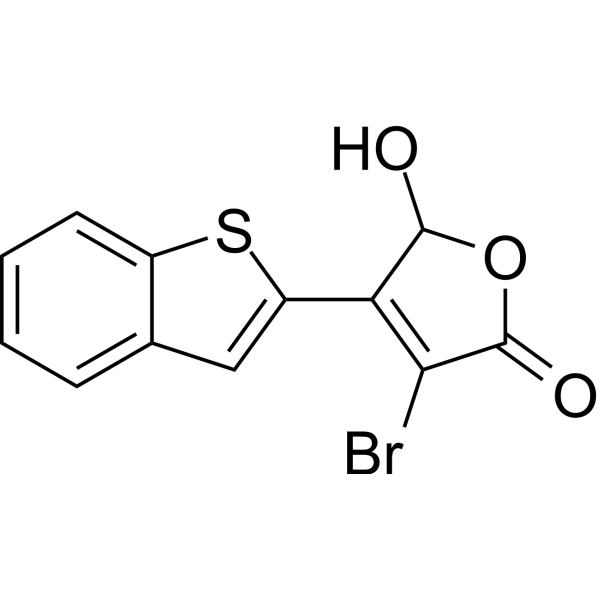
CAY10526 is an inhibitor of Y-box binding protein 1 (YB-1) and microsomal prostaglandin E2 synthase 1 (mPGES1). CAY10526 inhibits the production of PGE2 by suppressing YB-1 and mPGES1. CAY10526 induces cell apoptosis (apoptosis) and inhibits the JAK/STAT, TGF-β/Smad3 and PI3K/AKT signaling pathways. CAY10526 can be used in research related to melanoma, prostate cancer, esophageal adenocarcinoma, T-cell lymphoma, etc .
loading...
    loading...
2
2 Cited Publications
Cat. No.: HY-N0353
CAS No.: 13657-68-6
Synonyms: (+)-Curdione
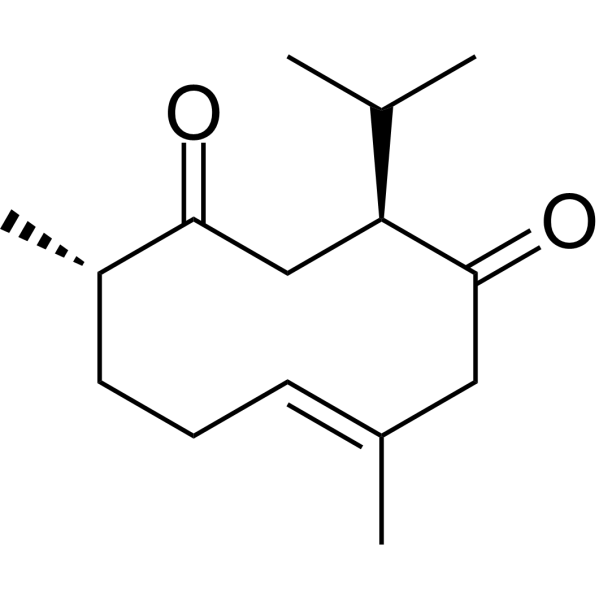
Curdione ((+)-Curdione) is an orally active sesquiterpenoid. Curdione inhibits platelet aggregation. Curdione induces ferroptosis in colorectal cancer via m6A methylation mediated by METTL14 and YTHDF2. Curdione inhibits ferroptosis in Isoproterenol (HY-B0468)-induced myocardial infarction by regulating the Keap1/Trx1/GPX4 signaling pathway, suppressing oxidative stress (ROS) and apoptosis. Curdione ameliorates Doxorubicin (HY-15142)-induced cardiotoxicity by inhibiting oxidative stress (ROS) and activating the Nrf2/HO-1 pathway. Curdione ameliorates sepsis-induced lung injury by inhibiting platelet-mediated neutrophil extracellular trap formation. Curdione ameliorates Bleomycin (HY-17565A)-induced pulmonary fibrosis by inhibiting TGF-β-induced fibroblast-to-myofibroblast differentiation. Curdione exhibits neuroprotective effects against focal cerebral ischemia-reperfusion injury in rats. Curdione exerts antiproliferative effects against human uterine leiomyosarcoma by targeting IDO1. Curdione protects vascular endothelial cells and atherosclerosis by regulating DNMT1-mediated ERBB4 promoter methylation. Curdione inhibits inducible prostaglandin E2 production (IC50 = 1.1 μM) and cyclooxygenase 2 expression .
loading...
    loading...
1
1 Cited Publications
Cat. No.: HY-101952R
CAS No.: 363-24-6
Synonyms: PGE2(Standard); Dinoprostone (Standard)
Prostaglandin E2 (Standard) is the analytical standard of Prostaglandin E2. This product is intended for research and analytical applications. Prostaglandin E2 (PGE2) is a hormone-like substance that participate in a wide range of body functions such as the contraction and relaxation of smooth muscle, the dilation and constriction of blood vessels, control of blood pressure, and modulation of inflammation.
loading...
    loading...
1
1 Cited Publications
Cat. No.: HY-114986
CAS No.: 67786-53-2
Purity:  ≥99.0%
Synonyms: 6-keto-prostaglandin E1
Target:  

β-glucuronidase

Research Areas:  

Cardiovascular Disease

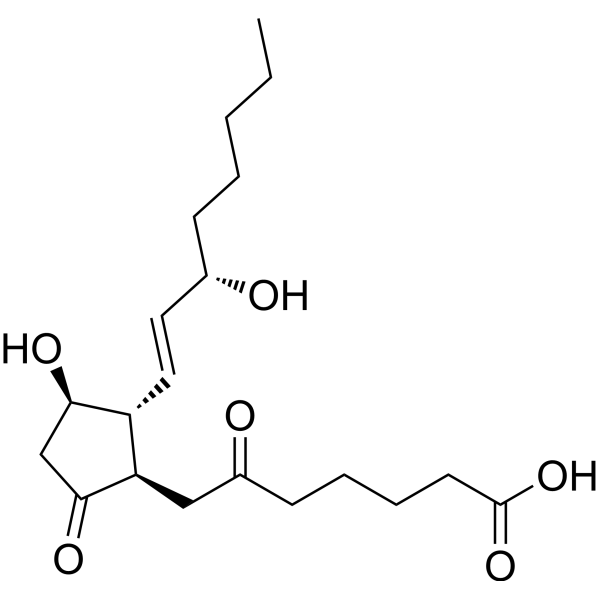
6-Keto-PGE1 (6-keto-Prostaglandin E1) is a biologically active derivative of PGE1. 6-Keto-PGE1 inhibits adenosine diphosphate-induced platelet aggregation. 6-Keto-PGE1 reduces cardiac afterload, decreases the accumulation of plasma myocardial depressant factor (MDF), lowers arterial blood pressure, dilates vascular beds, inhibits the vasoconstrictive response of vascular smooth muscle, and increases pulmonary compliance. 6-Keto-PGE1 directly stabilizes isolated cat liver lysosomes and significantly reduces the release of β-glucuronidase and cathepsin D. 6-Keto-PGE1 prolongs the survival time of traumatized rats and exerts protective effects through hemodynamic and cytoprotective actions. 6-Keto-PGE1 reduces central airway resistance. 6-Keto-PGE1 can be used in studies related to traumatic shock .
loading...
    loading...
1
1 Cited Publications
Cat. No.: HY-P83597
Synonyms: EP2; PGE2 receptor EP2 subtype; prostaglandin E receptor 2 subtype EP2 53kDa; prostaglandin E2 receptor EP2 subtype; Prostanoid EP2 receptor; Ptger2

Host:  

Rabbit

Application:  

WB, IHC-P, ICC/IF, FC

Reactivity:  

Human, Mouse, Rat, Cow

loading...
    loading...
1
1 Cited Publications
Cat. No.: HY-P4406
CAS No.: 100307-95-7
Target:  

Fluorescent Dye

Research Areas:  

Others

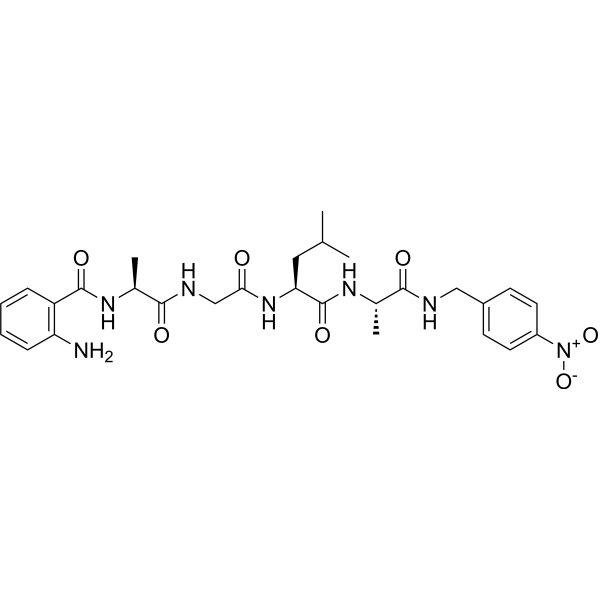
Abz-AGLA-Nba is a fluorogenic substrate for the determination of protease activity. Abz-AGLA-Nba is hydrolyzed to release aminoacyl benzimide (Abz-AGLA) and 2-naphthylaminoacyl (Nba). The product Abz-AGLA produced by this hydrolysis reaction is fluorescent under ultraviolet light and can emit a fluorescent signal .
loading...
    loading...
1
1 Cited Publications
Cat. No.: HY-118189
CAS No.: 112137-89-0
Research Areas:  

Inflammation/Immunology

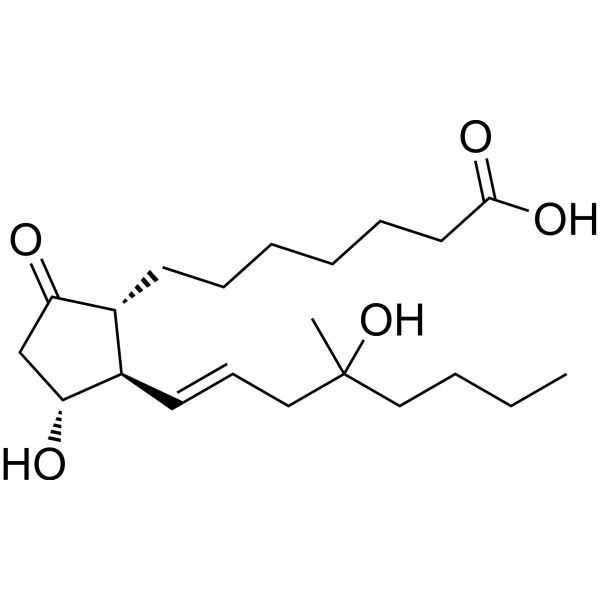
Misoprostol acid is an active metabolite of Misoprostol. Misoprostol is a synthetic analogue of prostaglandin E1 (PGE1), extensively absorbed, and undergoes rapid de-esterification to Misoprostol acid in the gastrointestinal tract after oral administration. Misoprostol can be used for non-steroidal anti-inflammatory drug-induced (NSAID) gastric ulcers . Misoprostol is an oral agent used to induce labor .
loading...
    loading...
1
1 Cited Publications
Cat. No.: HY-N4237
CAS No.: 5573-16-0
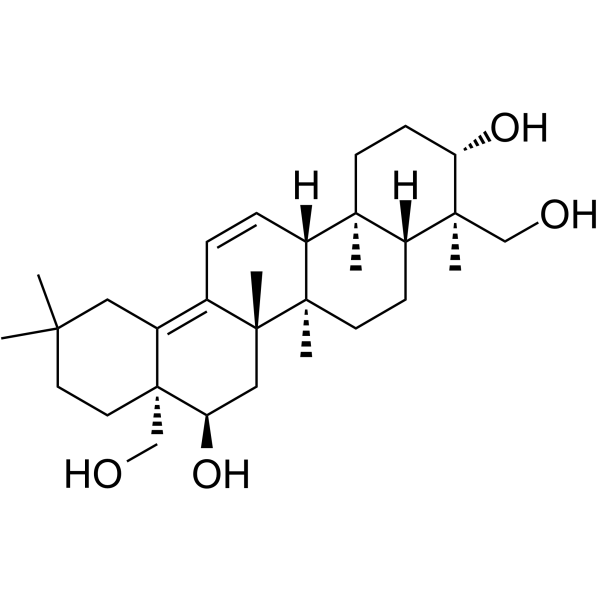
Saikogenin D is isolated from?Bupleurum chinense, has anti-inflammatory effects. Saikogenin D activates epoxygenases that converts arachidonic acid to epoxyeicosanoids and dihydroxyeicosatrienoic acids, and the metabolites secondarily inhibit prostaglandin E2 (PGE2) production. Saikogenin D results in an elevation of [Ca 2+]i due to Ca 2+ release from intracellular stores .
loading...
    loading...

