33 Results for "

pulmonary vascular remodeling

" in MedChemExpress (MCE) Product Catalog:
Products (33)

33 Results for "pulmonary vascular remodeling" in MCE Product Catalog:

12
12 Publications Verification
Cat. No.: HY-15651
CAS No.: 848141-11-7
Purity:  99.87%
Synonyms: AZD9668
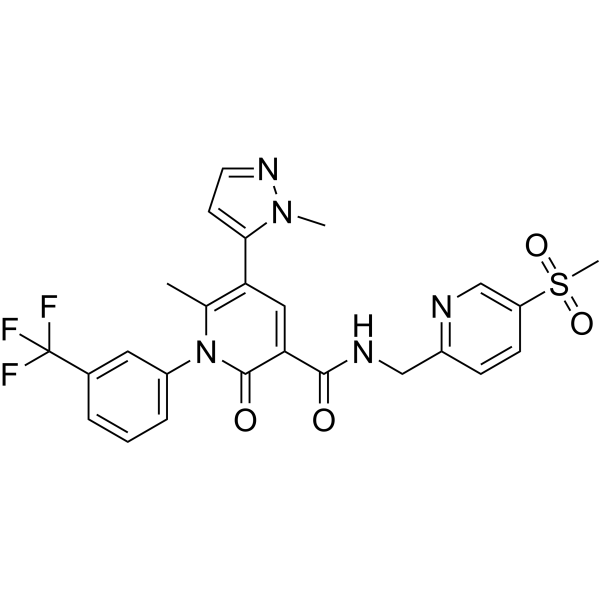
Alvelestat (AZD9668) is an orally active, selective inhibitor of neutrophil elastase. Alvelestat reduces elastase activity, myeloperoxidase release, neutrophil recruitment and activation, and calcium phosphate precipitation; promotes smooth muscle cell colonization and collagen deposition; and inhibits the formation of neutrophil extracellular traps (NETs) as well as NET-derived neutrophil elastase activity. Alvelestat restores endothelial dysfunction, regulates antioxidant factors, improves the expression of endothelial tight junctions, reduces vascular leakage, and accelerates wound healing. Alvelestat prevents pulmonary hemorrhage, matrix protein degradation, airspace enlargement, and small airway wall remodeling; and alleviates cigarette-induced inflammatory responses. Alvelestat inhibits the growth of abdominal aortic aneurysms exacerbated by Porphyromonas gingivalis. Alvelestat can be used in research related to chronic obstructive pulmonary disease, abdominal aortic aneurysm, radiation-induced skin injury, and bronchiectasis .
loading...
    loading...
3
3 Cited Publications
Cat. No.: HY-113252
CAS No.: 362-08-3
Purity:  96.25%
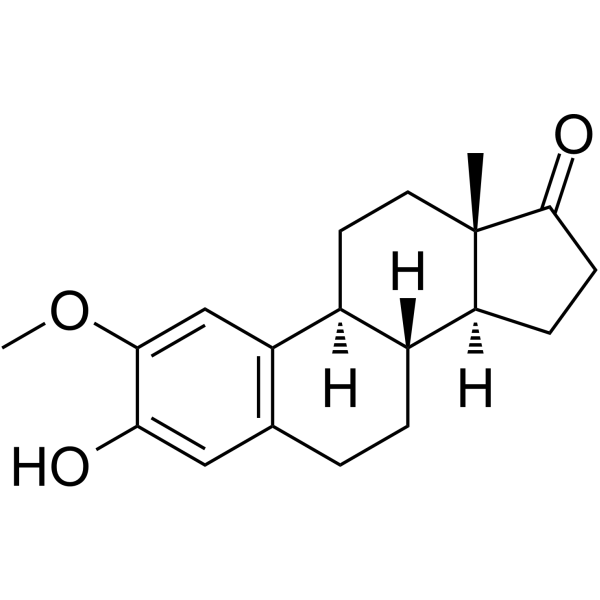
2-Methoxyestrone is an estrogen metabolite with antimitotic activity. 2-Methoxyestrone acts as a liver-specific prohormone that undergoes demethylation to form active 2-hydroxyestrogens, and it can also interconvert with 2-Methoxyestradiol (HY-12033) via the 17β-hydroxysteroid dehydrogenase pathway. In the presence of all-trans retinoic acid, 2-Methoxyestrone exerts a strong, concentration-dependent inhibitory effect on cell growth. 2-Methoxyestrone delays the progression of pulmonary hypertension in rats, alleviates right ventricular and pulmonary vascular remodeling, and relieves proliferative pulmonary hypertension in rats. 2-Methoxyestrone can be used in studies related to proliferative pulmonary hypertension .
loading...
    loading...
2
2 Cited Publications
Cat. No.: HY-11103
CAS No.: 210421-74-2
Purity:  98.83%
Synonyms: IPI 1040 sodium; TBC11251 sodium
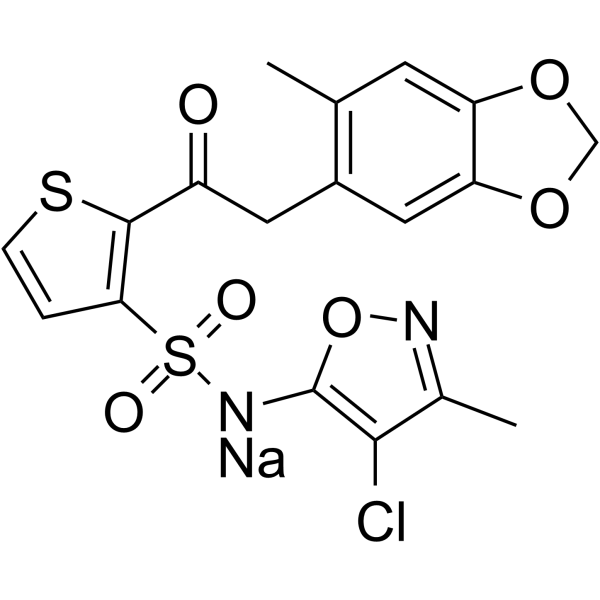
Sitaxsentan sodium (IPI 1040 sodium; TBC11251 sodium) is a potent, selective and orally active endothelin A receptor (ETA) antagonist with an IC50 of 1.4 nM and a Ki of 0.43 nM. Sitaxsentan sodium exhibits an IC50 for the ETB receptor of as high as 9800 nM. Sitaxsentan sodium is metabolized by CYP2C9 and CYP3A4, normalizes shunt-induced endothelial abnormalities, restores BMPR signaling, and suppresses pulmonary vascular remodeling and hemodynamic deterioration. Sitaxsentan sodium can be applied in the research of pulmonary arterial hypertension and portopulmonary hypertension .
loading...
    loading...
2
2 Cited Publications
Cat. No.: HY-76520
CAS No.: 184036-34-8
Synonyms: IPI 1040; TBC-11251
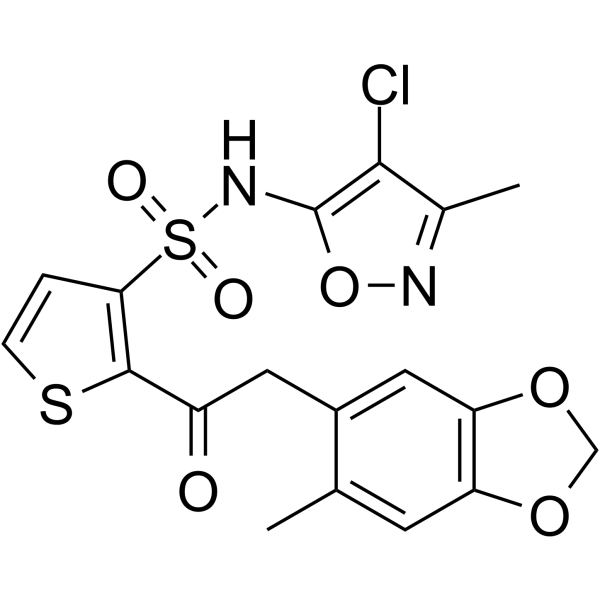
Sitaxsentan (IPI 1040 sodium; TBC11251 sodium) is a potent, selective and orally active endothelin A receptor (ETA) antagonist with an IC50 of 1.4 nM and a Ki of 0.43 nM. Sitaxsentan exhibits an IC50 for the ETB receptor of as high as 9800 nM. Sitaxsentan is metabolized by CYP2C9 and CYP3A4, normalizes shunt-induced endothelial abnormalities, restores BMPR signaling, and suppresses pulmonary vascular remodeling and hemodynamic deterioration. Sitaxsentan can be applied in the research of pulmonary arterial hypertension and portopulmonary hypertension .
loading...
    loading...
1
1 Cited Publications
Cat. No.: HY-N1437
CAS No.: 6205-14-7
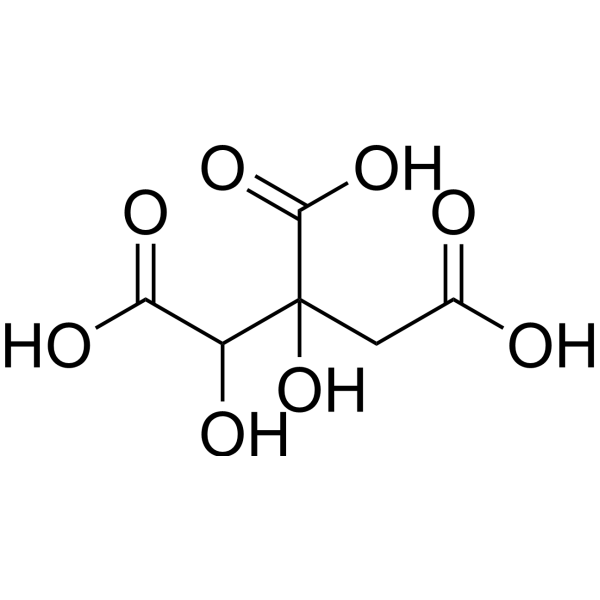
Hydroxycitric acid is an orally active, multi-target, multi-bioactive organic acid. activates Nrf2 and its downstream molecule GPX4, increases glutathione levels, and thereby inhibits ferroptosis. Hydroxycitric acid activates the Nrf2/Keap1 and ACLY/NF-κB signaling pathways, upregulates the activities of antioxidant enzymes such as superoxide dismutase, reduces MDA content, thereby alleviating oxidative stress and renal tubular epithelial cell apoptosis, and improves pulmonary vascular and right ventricular remodeling. Hydroxycitric acid activates both the AMPK and mTORC1/S6K pathways, triggers the unfolded protein response, arrests the cancer cell cycle, and induces DNA fragmentation .
loading...
    loading...
1
1 Cited Publications
Cat. No.: HY-W338584
CAS No.: 232281-44-6
Tripotassium hydroxycitrate is an orally active, multi-target, multi-bioactive organic acid. Tripotassium hydroxycitrate activates Nrf2 and its downstream molecule GPX4, increases glutathione levels, and thereby inhibits ferroptosis. Tripotassium hydroxycitrate activates the Nrf2/Keap1 and ACLY/NF-κB signaling pathways, upregulates the activities of antioxidant enzymes such as superoxide dismutase, reduces MDA content, thereby alleviating oxidative stress and renal tubular epithelial cell apoptosis, and improves pulmonary vascular and right ventricular remodeling. Tripotassium hydroxycitrate activates both the AMPK and mTORC1/S6K pathways, triggers the unfolded protein response, arrests the cancer cell cycle, and induces DNA fragmentation .
loading...
    loading...
Cat. No.: HY-109163
CAS No.: 1706528-83-7
Purity:  99.62%
Synonyms: INS-1009
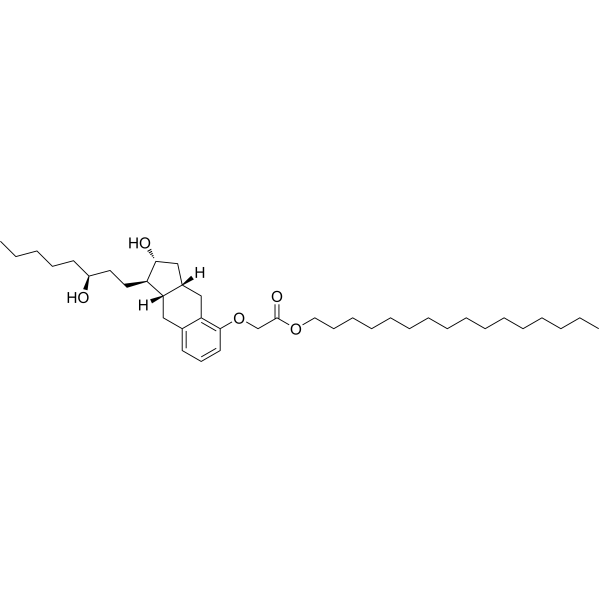
Treprostinil palmitil is a long-acting inhaled pulmonary vasodilator prodrug of Treprostinil (HY-100441), formulated in a lipid nanoparticle (LNP). Treprostinil palmitil can inhibit pulmonary vascular remodeling induced by Su/Hx challenge in rats. Treprostinil palmitil can induce cough. Treprostinil palmitil demonstrates a sustained presence in the lungs with reduced systemic exposure and prolonged inhibition of hypoxia-induced pulmonary vasoconstriction in vivo. Treprostinil palmitil can be studied in research for pulmonary arterial hypertension and interstitial lung disease .
loading...
    loading...
Cat. No.: HY-15472
CAS No.: 866206-54-4
Purity:  97.46%
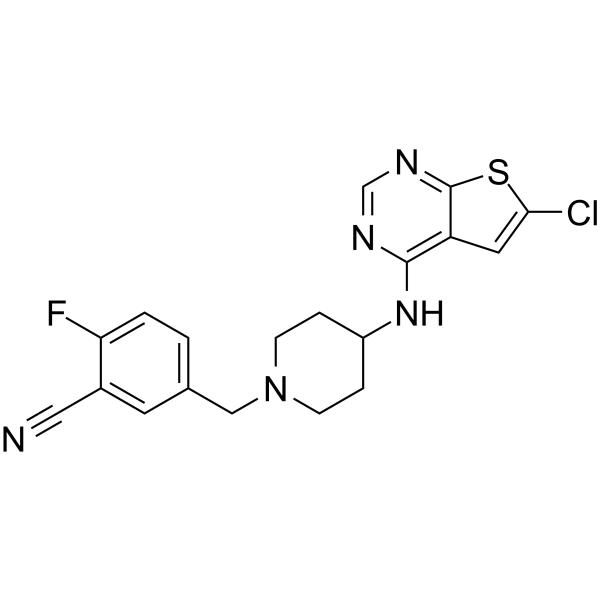
PRX-08066 is a selective and orally active 5-hydroxytryptamine receptor 2B (5-HT2BR) antagonist with a Ki of 3.4 nM. PRX-08066 inhibits the MAPK pathway, 5-HT release and fibrotic factor (TGFβ1, CTGF and FGF2) expression. PRX-08066 inhibits the proliferation of KRJ-I cells and induces apoptosis (caspase-3 activation). PRX-08066 inhibits pulmonary vascular remodeling. PRX-08066 can be used of pulmonary Arterial Hypertension (PAH) and neuroendocrine tumor (NET) .
loading...
    loading...
Cat. No.: HY-108649A
CAS No.: 2567869-47-8
Purity:  98.7%
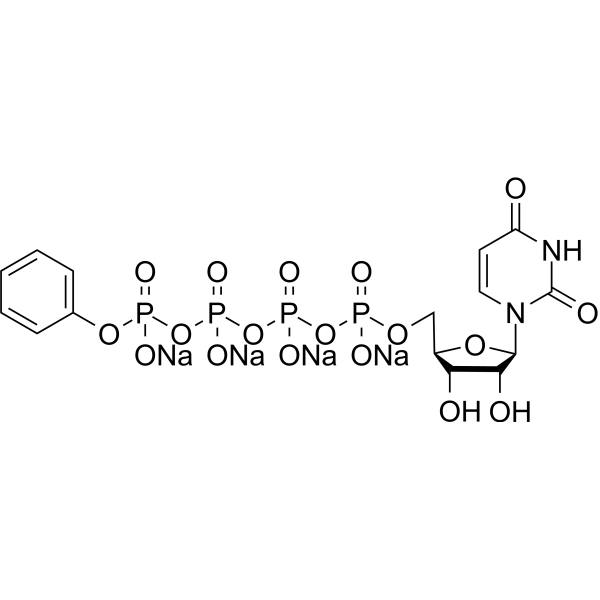
MRS2768 tetrasodium salt is a potent, selective, and metabolically stable P2Y2 receptor agonist with an EC50 of 1.89 μM for the human P2Y2 receptor. MRS2768 tetrasodium salt activates Gq/PLC/PKC signaling, leading to downstream phosphorylation of Akt, eNOS, and ERK, with effects varying by cell type. MRS2768 tetrasodium salt inhibits ENaC via Gq/PKC/Src/Akt to promote natriuresis and lower blood pressure in the kidney. MRS2768 tetrasodium salt activates eNOS to increase NO secretion in endothelial cells. MRS2768 tetrasodium salt drives proliferation via PI3K/Akt in fibroblasts and cancer cells. MRS2768 tetrasodium salt exerts anti-apoptotic effects through PKC/Src/Akt in cardiomyocytes. MRS2768 tetrasodium salt can be applied to investigate P2Y2-dependent pathological processes, including acute kidney injury, chronic kidney disease and renal fibrosis, DOCA-salt induced hypertension, myocardial infarction, pulmonary arterial hypertension, pancreatic cancer, cardiac fibrosis, dry eye disease, as well as shear stress-mediated vascular remodeling and atherosclerosis .
loading...
    loading...
Cat. No.: HY-162888
CAS No.: 2376694-72-1
Target:  

PDGFR ERK

Research Areas:  

Cardiovascular Disease

WQ-C-401 is an orally active platelet-derived growth factor receptor (PDGFR) inhibitor. WQ-C-401 inhibits cell proliferation by blocking PDGFR autophosphorylation in a concentration-dependent manner, with EC50 values of 3.5 nM for PDGFRα Y849 and 5.8 nM for PDGFRβ Y1021. Additionally, WQ-C-401 can inhibit PASMCs proliferation and migration by blocking PDGF-BB-induced ERK1/2 phosphorylation, reducing collagen I synthesis, and increasing α-SMA expression, thereby preventing pulmonary vascular remodeling. WQ-C-401 holds promise for research in the field of pulmonary arterial hypertension .
loading...
    loading...
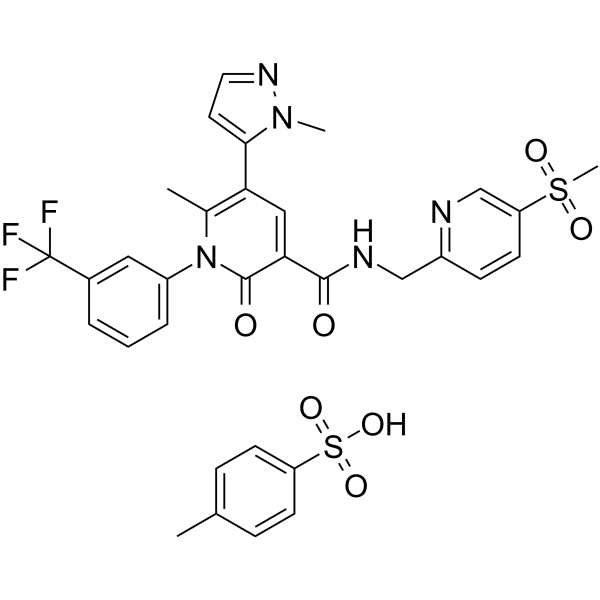
Cat. No.: HY-15651A
CAS No.: 1240425-05-1
Synonyms: AZD9668 tosylate
Alvelestat tosylate (AZD9668 tosylate) is an orally active, selective inhibitor of neutrophil elastase. Alvelestat tosylate reduces elastase activity, myeloperoxidase release, neutrophil recruitment and activation, and calcium phosphate precipitation; promotes smooth muscle cell colonization and collagen deposition; and inhibits the formation of neutrophil extracellular traps (NETs) as well as NET-derived neutrophil elastase activity. Alvelestat tosylate restores endothelial dysfunction, regulates antioxidant factors, improves the expression of endothelial tight junctions, reduces vascular leakage, and accelerates wound healing. Alvelestat tosylate prevents pulmonary hemorrhage, matrix protein degradation, airspace enlargement, and small airway wall remodeling; and alleviates cigarette-induced inflammatory responses. Alvelestat tosylate inhibits the growth of abdominal aortic aneurysms exacerbated by Porphyromonas gingivalis. Alvelestat tosylate can be used in research related to chronic obstructive pulmonary disease, abdominal aortic aneurysm, radiation-induced skin injury, and bronchiectasis .
loading...
    loading...
Cat. No.: HY-15651R
CAS No.: 848141-11-7
Synonyms: AZD9668 (Standard)
Alvelestat (Standard) (AZD9668 (Standard)) is the analytical standard of Alvelestat (HY-15651). This product is intended for research and analytical applications. Alvelestat (AZD9668) is an orally active, selective inhibitor of neutrophil elastase. Alvelestat reduces elastase activity, myeloperoxidase release, neutrophil recruitment and activation, and calcium phosphate precipitation; promotes smooth muscle cell colonization and collagen deposition; and inhibits the formation of neutrophil extracellular traps (NETs) as well as NET-derived neutrophil elastase activity. Alvelestat restores endothelial dysfunction, regulates antioxidant factors, improves the expression of endothelial tight junctions, reduces vascular leakage, and accelerates wound healing. Alvelestat prevents pulmonary hemorrhage, matrix protein degradation, airspace enlargement, and small airway wall remodeling; and alleviates cigarette-induced inflammatory responses. Alvelestat inhibits the growth of abdominal aortic aneurysms exacerbated by Porphyromonas gingivalis. Alvelestat can be used in research related to chronic obstructive pulmonary disease, abdominal aortic aneurysm, radiation-induced skin injury, and bronchiectasis .
loading...
    loading...
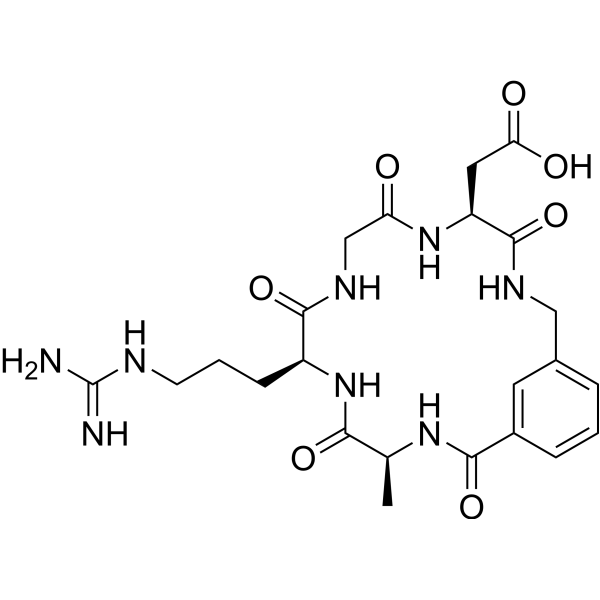
Cat. No.: HY-P3227
CAS No.: 153381-95-4
Synonyms: XJ735
Target:  

Integrin

Research Areas:  

Inflammation/Immunology

Cyclo(Ala-Arg-Gly-Asp-Mamb) is a selective RGD peptide antagonist and has the potential for Pulmonary arterial hypertension research .
loading...
    loading...
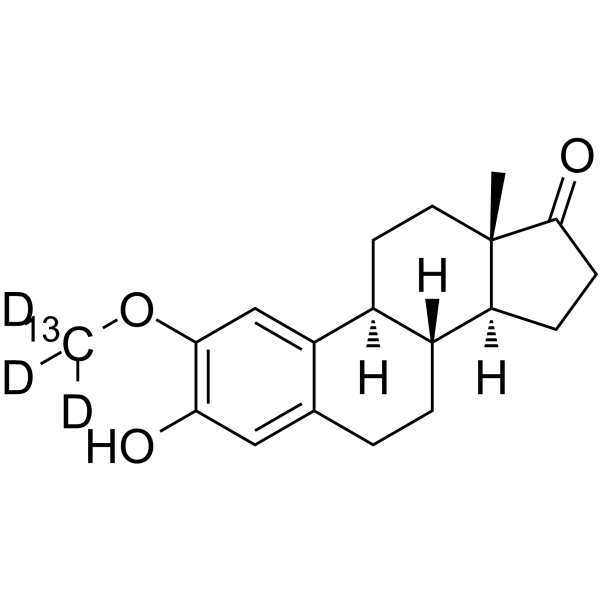
Cat. No.: HY-113252S
CAS No.: 1217460-84-8
2-Methoxyestrone- 13C,d3 is the deuterated, 13C-labeled 2-Methoxyestrone (HY-113252). 2-Methoxyestrone is an estrogen metabolite with antimitotic activity. 2-Methoxyestrone acts as a liver-specific prohormone that undergoes demethylation to form active 2-hydroxyestrogens, and it can also interconvert with 2-Methoxyestradiol (HY-12033) via the 17β-hydroxysteroid dehydrogenase pathway. In the presence of all-trans retinoic acid, 2-Methoxyestrone exerts a strong, concentration-dependent inhibitory effect on cell growth. 2-Methoxyestrone delays the progression of pulmonary hypertension in rats, alleviates right ventricular and pulmonary vascular remodeling, and relieves proliferative pulmonary hypertension in rats. 2-Methoxyestrone can be used in studies related to proliferative pulmonary hypertension .
loading...
    loading...
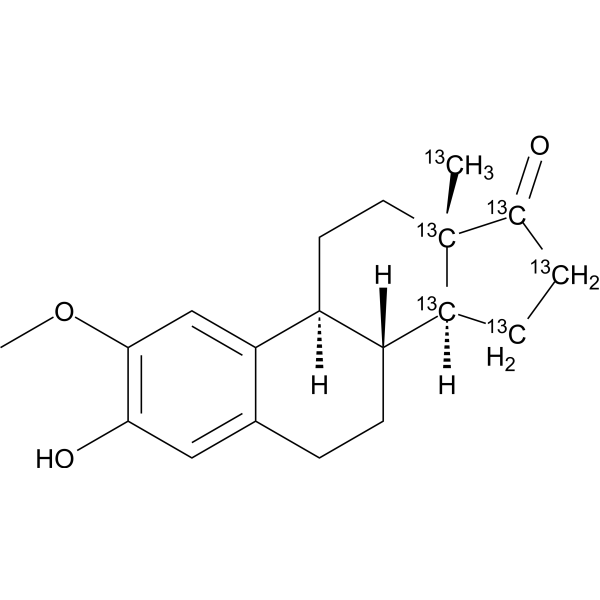
Cat. No.: HY-113252S1
2-Methoxyestrone- 13C6 is the 13C-labeled 2-Methoxyestrone (HY-113252). 2-Methoxyestrone is an estrogen metabolite with antimitotic activity. 2-Methoxyestrone acts as a liver-specific prohormone that undergoes demethylation to form active 2-hydroxyestrogens, and it can also interconvert with 2-Methoxyestradiol (HY-12033) via the 17β-hydroxysteroid dehydrogenase pathway. In the presence of all-trans retinoic acid, 2-Methoxyestrone exerts a strong, concentration-dependent inhibitory effect on cell growth. 2-Methoxyestrone delays the progression of pulmonary hypertension in rats, alleviates right ventricular and pulmonary vascular remodeling, and relieves proliferative pulmonary hypertension in rats. 2-Methoxyestrone can be used in studies related to proliferative pulmonary hypertension .
loading...
    loading...
Cat. No.: HY-173360
Research Areas:  

Cardiovascular Disease

PDE10A-IN-5 (Compound A30) is an inhibitor of phosphodiesterase 10A (PDE10A) with oral activity, and its IC50 value is 3.5 nM. PDE10A-IN-5 exerts the activity of inhibiting pulmonary vascular remodeling by inhibiting PDE10A and activating the cyclic adenosine monophosphate (cAMP)-associated signaling pathway, and can be used for research in the field of pulmonary arterial hypertension .
loading...
    loading...
Cat. No.: HY-W700639
CAS No.: 139308-65-9
Research Areas:  

Neurological Disease

Tolafentrine, a dual-selective phosphodiesterase 3/4 (PDE3/4) inhibitor, has been shown to have significant acute and chronic effects in a unilateral diacetamide-induced rat pulmonary hypertension model. Experiments show that long-term administration can significantly alleviate all unilateral bisacetamide-induced hemodynamic and gas exchange abnormalities, reduce right ventricular hypertrophy, and normalize pulmonary vascular remodeling changes .
loading...
    loading...
Cat. No.: HY-101682
CAS No.: 136511-43-8
Target:  

Neprilysin

Research Areas:  

Cardiovascular Disease

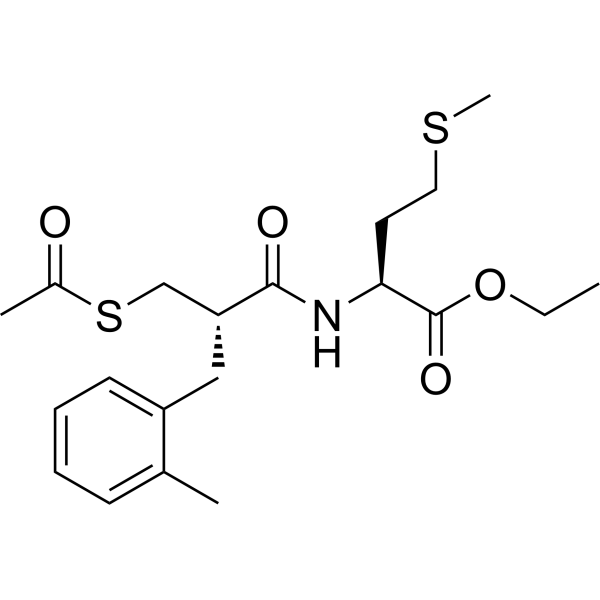
SCH 42495 is an orally active neutral metalloendopeptidase (NEP) inhibitor with antihypertensive effect. SCH 42495 is the orally active ethylester proagent of SCH 42354 .
loading...
    loading...
Cat. No.: HY-101682A
CAS No.: 145841-10-7
Target:  

Neprilysin

Research Areas:  

Cardiovascular Disease

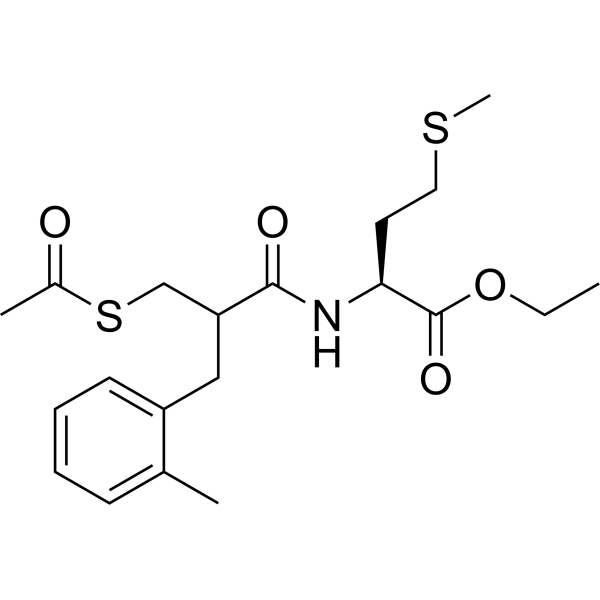
SCH 42495 racemate is the racemate of SCH 42495. SCH 42495 is an orally active neutral metalloendopeptidase (NEP) inhibitor with antihypertensive effect. SCH 42495 is the orally active ethylester proagent of SCH 42354 .
loading...
    loading...
Cat. No.: HY-11103R
CAS No.: 210421-74-2
Synonyms: IPI 1040 sodium (Standard); TBC11251 sodium (Standard)
Sitaxsentan (sodium) (Standard) is the analytical standard of Sitaxsentan sodium (IPI 1040 sodium; TBC11251 sodium) (HY-11103). This product is intended for research and analytical applications. Sitaxsentan sodium is a potent, selective and orally active endothelin A receptor (ETA) antagonist with an IC50 of 1.4 nM and a Ki of 0.43 nM. Sitaxsentan sodium exhibits an IC50 for the ETB receptor of as high as 9800 nM. Sitaxsentan sodium is metabolized by CYP2C9 and CYP3A4, normalizes shunt-induced endothelial abnormalities, restores BMPR signaling, and suppresses pulmonary vascular remodeling and hemodynamic deterioration. Sitaxsentan sodium can be applied in the research of pulmonary arterial hypertension and portopulmonary hypertension .
loading...
    loading...

