1. Search Result
Search Result
Results for "

rat brain homogenates

" in MedChemExpress (MCE) Product Catalog:

17

Inhibitors & Agonists

1

Biochemical Assay Reagents

4

Peptides

6

Natural
Products

Cat. No. Product Name Target Research Areas Chemical Structure
  • HY-W012530

    Endogenous Metabolite PDI Infection Metabolic Disease
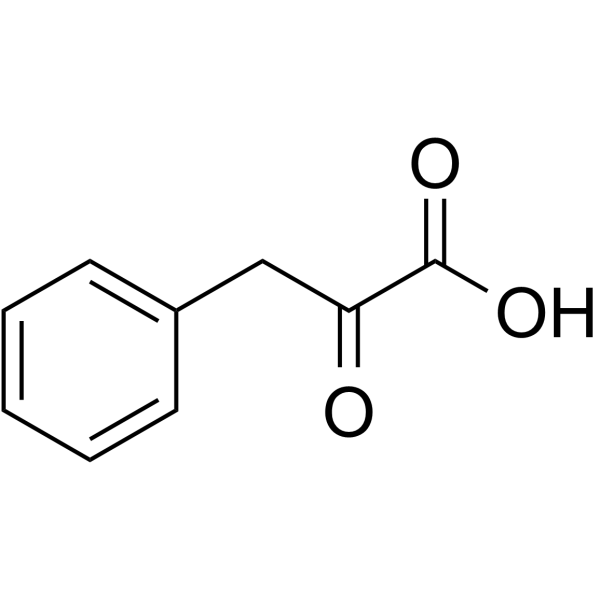
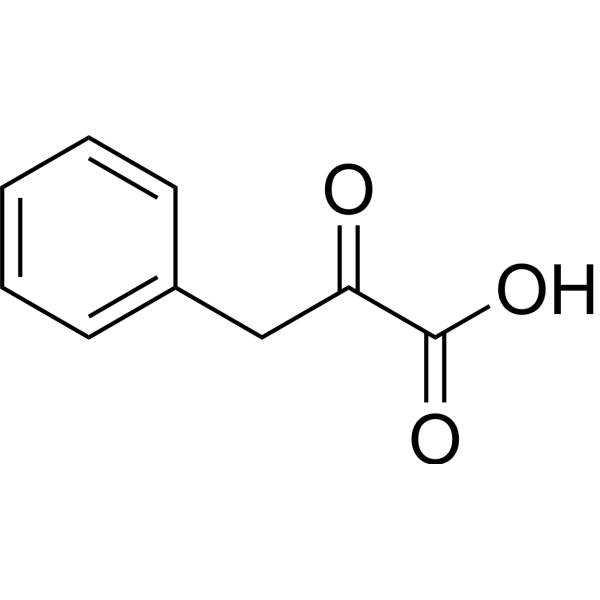
    Phenylpyruvic acid is a precursor of the antifungal compound phenyllactic acid. Phenylpyruvic acid can improve the antifungal activity of eight lactic acid bacterial strains through the addition into a dedined growth medium. Phenylpyruvic acid demonstrates improved inhibitory activity against fungal bread contaminants Aspergillus niger and Penicillium roqueforti. Phenylpyruvic acid affects enzyme activity of the pentose phosphate pathway involved in the oxidative phase in rat brain homogenates. Phenylpyruvic acid can reduce glucose-6-phosphate dehydrogenase activity .
    Phenylpyruvic acid
  • HY-Y0262
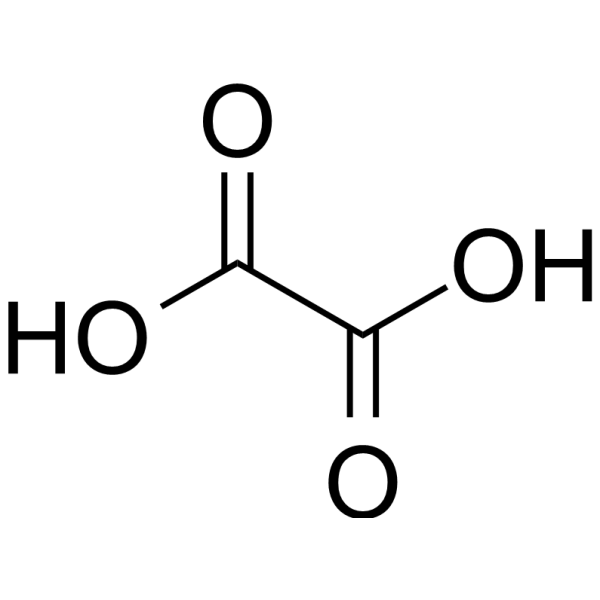
    Oxalic acid, 99%
    1 Publications Verification

    Ethanedioic acid

    Environmental Pollutants Endogenous Metabolite Infection Inflammation/Immunology
    Oxalic acid, 99% (Ethanedioic acid) is a dicarboxylic acid found in a wide variety of plants. Oxalic acid, 99% shows antioxidant acyivity and suppresses lipid peroxidation. Oxalic acid, 99% is a pathogenicity factor for sclerotinia sclerotiorum, and suppresses the oxidative burst of the host plant. Oxalic acid, 99% exerts acaricidal activity. Oxalic acid can be used for the researches of sclerotinia disease, varroatosis and inflammatory diseases .
    Oxalic acid, 99%
  • HY-145628

    Sigma Receptor Neurological Disease Inflammation/Immunology
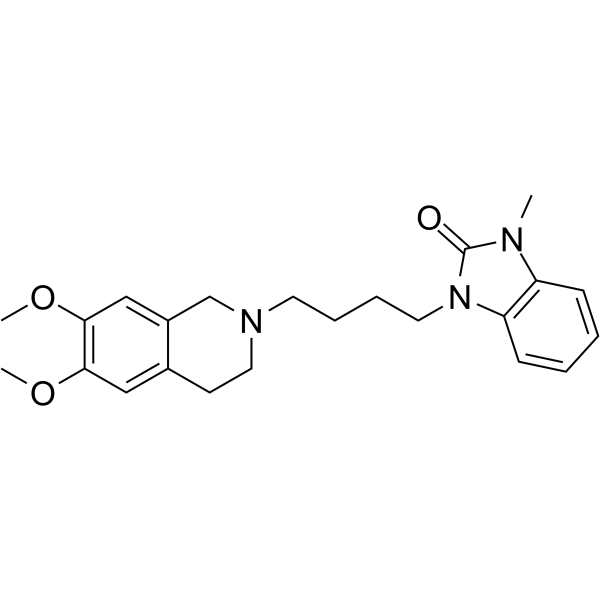
    CM398 is a highly selective, orally active Sigma-2 receptor ligand with a Ki value of 0.43 nM. CM398 ameliorates age-related macular degeneration. CM398 exerts analgesic effects on visceral pain, inflammatory pain and neuropathic pain. CM398 can be used in research related to age-related macular degeneration, neuropathic pain and inflammatory pain .
    CM398
  • HY-P1091

    Cannabinoid Receptor Neurological Disease
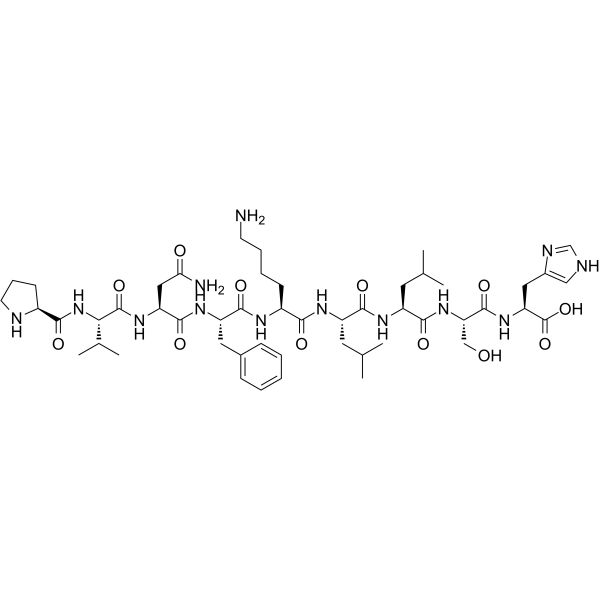
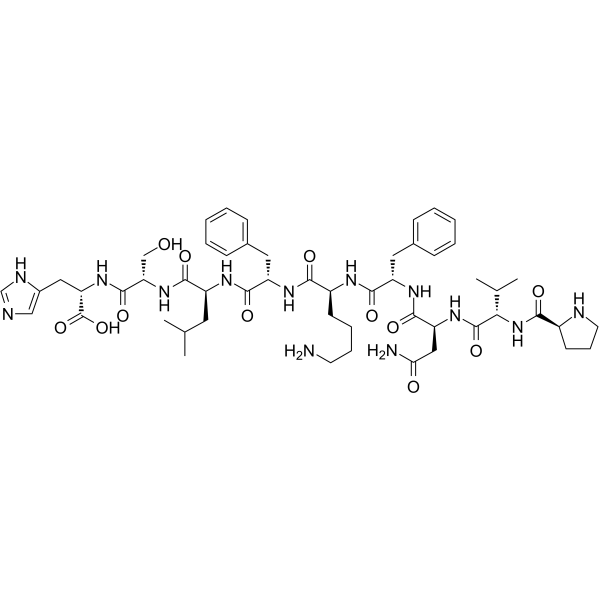
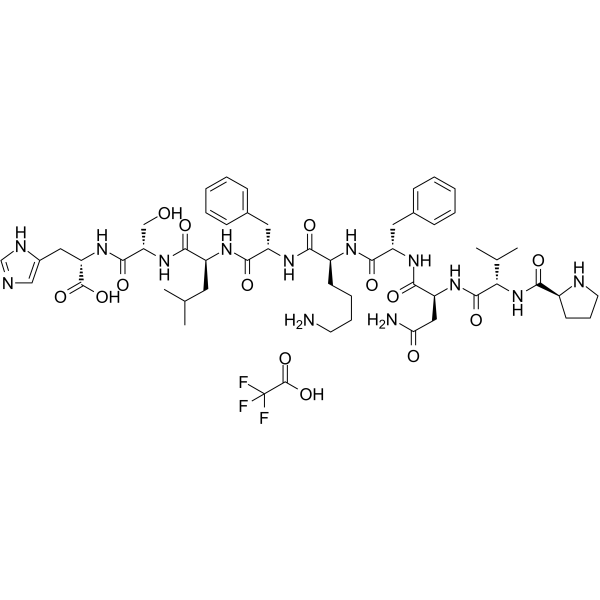
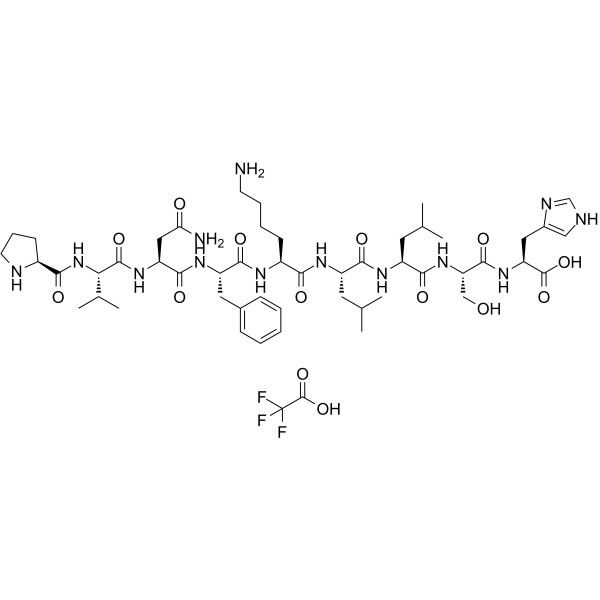
    Hemopressin is a nonapeptide derived from the α1-chain of hemoglobin, is originally isolated from rat brain homogenates. Hemopressin is orally active, selective and inverse agonist of CB1 cannabinoid receptors. Hemopressin exerts antinociceptive action in inflammatory pain models .
    Hemopressin (human, mouse)
  • HY-P1090

    Cannabinoid Receptor Neurological Disease
    Hemopressin(rat) is a nonapeptide derived from the α1-chain of hemoglobin, is originally isolated from rat brain homogenates. Hemopressin(rat) is orally active, selective and inverse agonist of CB1 cannabinoid receptors. Hemopressin(rat) exerts antinociceptive action in inflammatory pain models .
    Hemopressin(rat)
  • HY-W012530R

    Reference Standards Endogenous Metabolite PDI Infection Metabolic Disease
    Phenylpyruvic acid (Standard) is the analytical standard of Phenylpyruvic acid. This product is intended for research and analytical applications. Phenylpyruvic acid is a precursor of the antifungal compound phenyllactic acid. Phenylpyruvic acid can improve the antifungal activity of eight lactic acid bacterial strains through the addition into a dedined growth medium. Phenylpyruvic acid demonstrates improved inhibitory activity against fungal bread contaminants Aspergillus niger and Penicillium roqueforti. Phenylpyruvic acid affects enzyme activity of the pentose phosphate pathway involved in the oxidative phase in rat brain homogenates. Phenylpyruvic acid can reduce glucose-6-phosphate dehydrogenase activity .
    Phenylpyruvic acid (Standard)
  • HY-W016203

    Sodium phenylpyruvate

    Endogenous Metabolite PDI Infection Metabolic Disease
    Phenylpyruvic acid sodium is a endogenous metabolite that participates in the synthesis of 3-phenyllactic acid (PLA) by lactate dehydrogenase. Phenylpyruvic acid is a precursor of the antifungal compound phenyllactic acid. Phenylpyruvic acid can improve the antifungal activity of eight lactic acid bacterial strains through the addition into a dedined growth medium. Phenylpyruvic acid demonstrates improved inhibitory activity against fungal bread contaminants Aspergillus niger and Penicillium roqueforti. Phenylpyruvic acid affects enzyme activity of the pentose phosphate pathway involved in the oxidative phase in rat brain homogenates. Phenylpyruvic acid can reduce glucose-6-phosphate dehydrogenase activity .
    Phenylpyruvic acid sodium
  • HY-Y0262A
    Oxalic acid diammonium monohydrate
    1 Publications Verification

    Ethanedioic acid diammonium monohydrate

    Environmental Pollutants Endogenous Metabolite Infection Inflammation/Immunology
    Oxalic acid (Ethanedioic acid) diammonium monohydrate is a dicarboxylic acid found in a wide variety of plants.
    Oxalic acid diammonium monohydrate shows antioxidant acyivity and suppresses lipid peroxidation.
    Oxalic acid diammonium monohydrate is a pathogenicity factor for sclerotinia sclerotiorum, and suppresses the oxidative burst of the host plant. Oxalic acid diammonium monohydrate exerts acaricidal activity. Oxalic acid can be used for the researches of sclerotinia disease varroatosis and inflammatory diseases .
    Oxalic acid diammonium monohydrate
  • HY-116663

    (±)20-HDoHE

    Endogenous Metabolite Neurological Disease
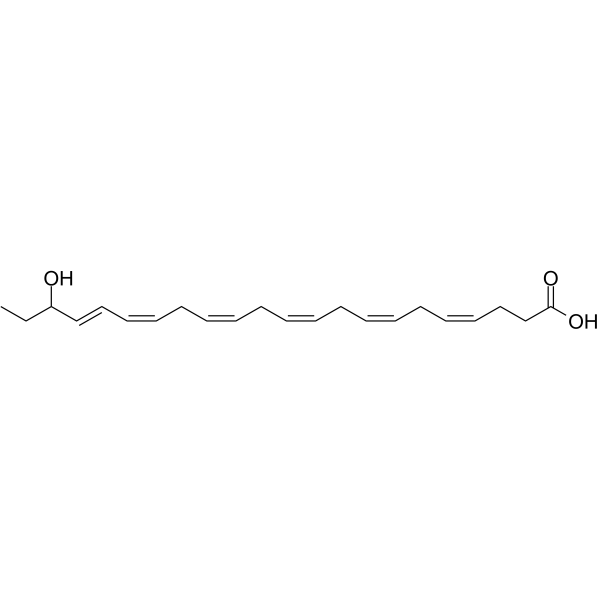
    (±)20-HDHA ((±)20-HDoHE) is a racemic mixture and is an autoxidation product of Docosahexaenoic acid (DHA). (±)20-HDHA is also formed by peroxidation process in human platelets and rat brain homogenate .
    (±)20-HDHA
  • HY-114651

    Others Cancer
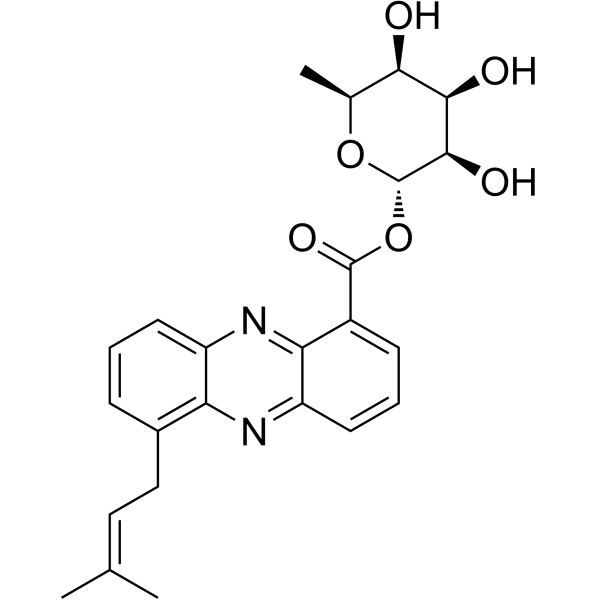
    Phenazoviridin is a free radical scavenger. Phenazoviridin shows strong inhibitory activity against lipid peroxidation in rat brain homogenate and exhibits antihypoxic activity in mice .
    Phenazoviridin
  • HY-100998

    iGluR Neurological Disease
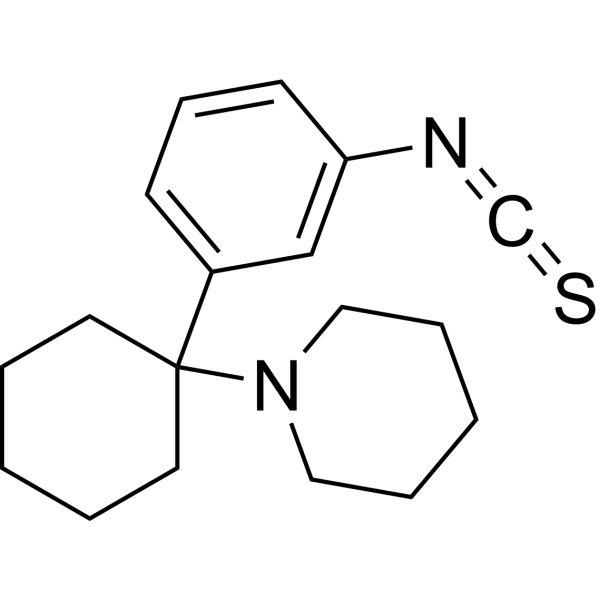
    Metaphit is a specific PCPantagonist and site-directed acylating agent of the [3H]phencyclidine binding site in rat brain homogenates . Metaphit prevents PCP-induced locomotor behavior through presynaptic mechanisms .
    Metaphit
  • HY-N15282

    Interleukin Related Cardiovascular Disease
    Broussoflavonol G is an active ingredient of Moraceae plants, which can be isolated from Broussonetia papyrifera. Broussoflavonol G can effectively inhibit Fe 2+-induced lipid oxidation in rat brain homogenate and significantly inhibit the proliferation of rat vascular smooth muscle cells .
    Broussoflavonol G
  • HY-P1090A

    Cannabinoid Receptor Neurological Disease
    Hemopressin(rat) TFA is a nonapeptide derived from the α1-chain of hemoglobin, is originally isolated from rat brain homogenates. Hemopressin(rat) TFA is orally active, selective and inverse agonist of CB1 cannabinoid receptors. Hemopressin(rat) TFA exerts antinociceptive action in inflammatory pain models .
    Hemopressin(rat) TFA
  • HY-P1091A

    Cannabinoid Receptor Neurological Disease
    Hemopressin TFA is a nonapeptide derived from the α1-chain of hemoglobin, is originally isolated from rat brain homogenates. Hemopressin TFA is orally active, selective and inverse agonist of CB1 cannabinoid receptors. Hemopressin TFA exerts antinociceptive action in inflammatory pain models .
    Hemopressin(human, mouse) TFA
  • HY-100125

    SR1368

    COX Inflammation/Immunology
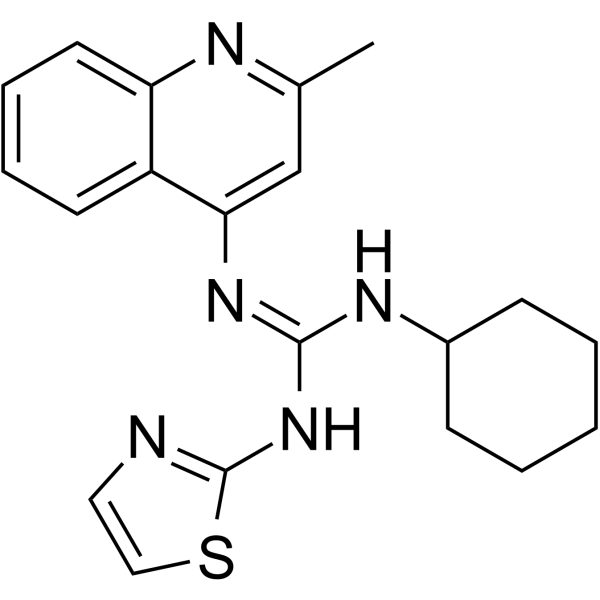
    Timegadine, a new antiinflammatory agent, is found to be a potent, competitive inhibitor of cyclo-oxygenase (COX) and lipo-oxygenase, with IC50s ranging from 5 nM (washed rabbit platelets) to 20 μM (rat brain) for COX and 100 μM for lipo-oxygenase both in the cytosol fraction of horse platelet homogenates, and in washed rabbit platelets.
    Timegadine
  • HY-W686216

    Dopamine Receptor Neurological Disease
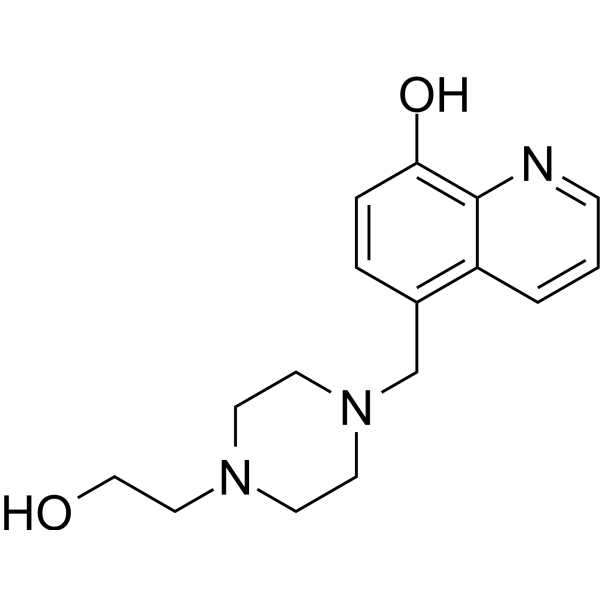
    VK-28 is a blood-brain barrier-permeable iron chelator. VK-28 inhibits mitochondrial membrane lipid peroxidation and the iron-dependent generation of reactive hydroxyl radicals. VK-28 exhibits neuroprotective activity and protects rats against 6-OHDA-induced striatal dopaminergic damage. VK-28 can be used in studies related to Parkinson's disease .
    VK-28
  • HY-183910

    GABA Receptor Glycine Receptor (GlyR) Neurological Disease
    Pitrazepin is a GABAA receptor antagonist and glycine receptor antagonist. Pitrazepin blocks synaptic GABA action, induces neuronal bursting and reduces inhibitory postsynaptic potentials. Pitrazepin can be used in research on depression and psychosis .
    Pitrazepin

Inquiry Online

Your information is safe with us. * Required Fields.

Salutation


Country or Region *

Applicant Name *


Organization Name *

Department *


Email Address *


Product Name *

Cat. No.


Requested quantity *

Phone Number *


Remarks

Inquiry Online

Inquiry Information

Product Name:
Cat. No.:
Quantity:
MCE Japan Authorized Agent:

