

Search Result
Results for "
rats model
" in MedChemExpress (MCE) Product Catalog:
3
Biochemical Assay Reagents
9
Isotope-Labeled Compounds
| Cat. No. |
Product Name |
Target |
Research Areas |
Chemical Structure |
-
- HY-Z0478
-
|
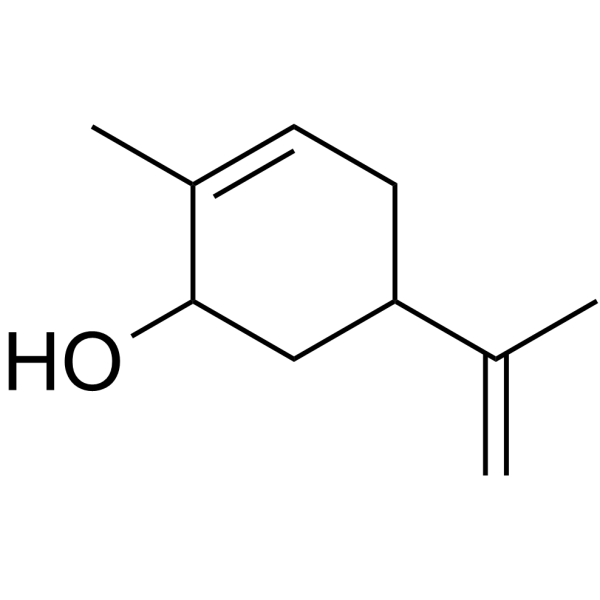
(S)-(-)-Limonene
|
Bacterial
Antibiotic
CaMK
|
Infection
Cardiovascular Disease
Metabolic Disease
|
|
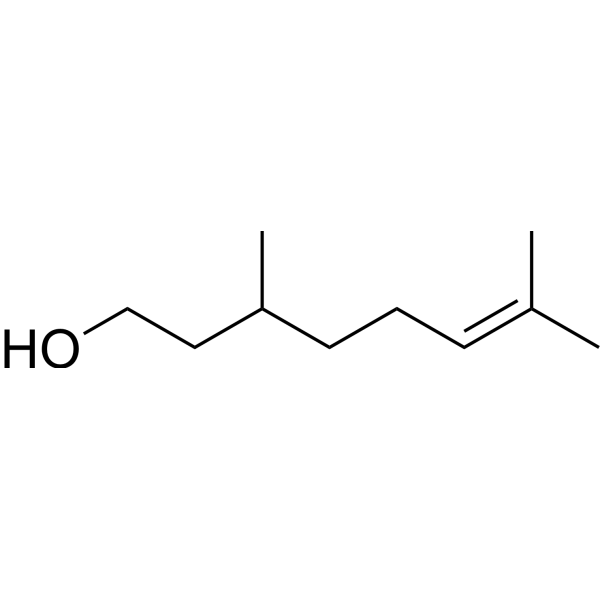
(-)-Limonene ((S)-(-)-Limonene) is orally active and can cause mild bronchoconstriction. (-)-Limonene alleviates cytosolic and mitochondrial oxidative stress by inhibiting the increase of calcium ions (Ca 2+) and Ca 2+/calmodulin-dependent protein kinase II (CaMKII). It also exerts anti-stress effects by inhibiting the activity of the hypothalamic-pituitary-adrenal (HPA) axis. Additionally, (-)-Limonene can be used as an antibacterial agent in aquaculture .
|
-
-
- HY-107661
-
|
ONO-2506; (R)-2-Propyloctanoic acid
|
ERK
Akt
NF-κB
EAAT
|
Cardiovascular Disease
Neurological Disease
|
|
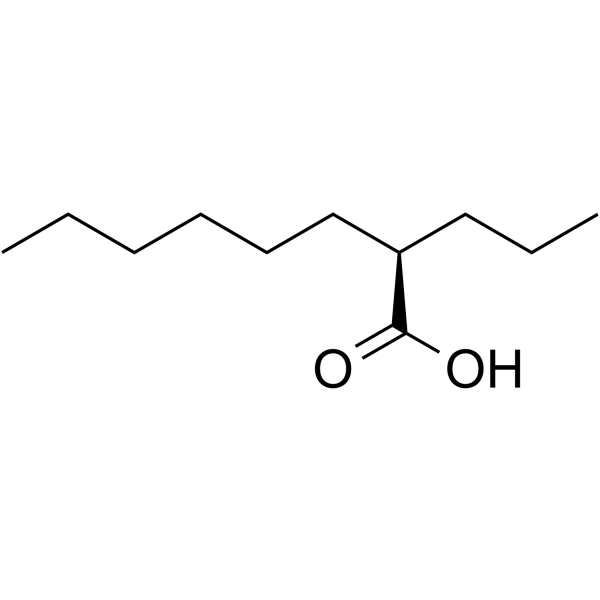
Arundic Acid is an orally effective astrocyte function modulator and neuroprotective agent. Arundic Acid increases the expression and function of the astrocytic glutamate transporter EAAT1 by activating the ERK, Akt and NF-κB pathways. Arundic Acid attenuates retinal ganglion cell death in a normal-tension glaucoma model. Arundic Acid exerts neuroprotective effects in a mouse model of Parkinson's disease. Arundic Acid is a S100β protein synthesis inhibitor that prevents neurological deficits and brain tissue damage after intracerebral hemorrhage in rats. Arundic Acid downregulates neuroinflammation and astrocytic dysfunction after status epilepticus in immature rats. Arundic Acid is applicable to research related to Parkinson's disease, cerebral ischemia, glaucoma, intracerebral hemorrhage and epilepsy .
|
-
-
- HY-N0745
-
|
|
Caspase
ERK
Keap1-Nrf2
Heme Oxygenase (HO)
Apoptosis
|
Neurological Disease
Inflammation/Immunology
|
|
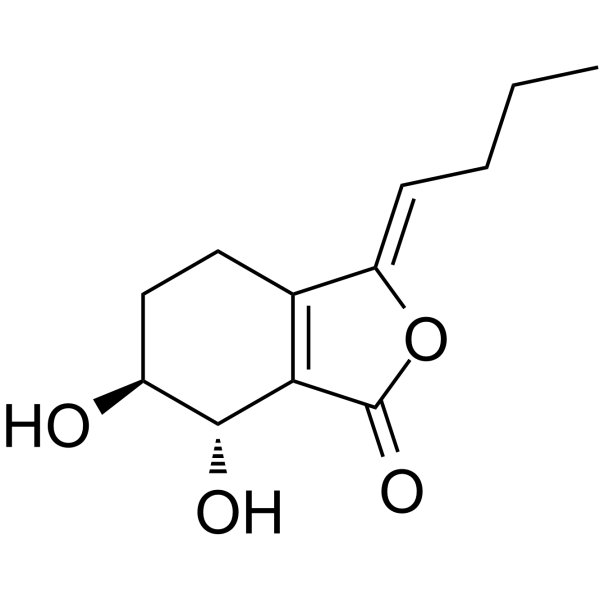
Senkyunolide I is an orally active, blood-brain barrier-permeable metabolite of Z-ligustilide (HY-N0401A) . Senkyunolide I is isolated from Ligusticum chuanxiong. Senkyunolide I upregulates p-Erk1/2 and Nrf2/HO-1, and inhibits Caspase 3. Senkyunolide I alleviates Apoptosis. Senkyunolide I increases the pain threshold in mice and reduces acetic acid-induced writhing responses in mice. Senkyunolide I improves neurological deficits, reduces infarct volume and alleviates cerebral edema in rats with focal cerebral ischemia-reperfusion injury. Senkyunolide I protects renal function and structural integrity in a mouse model of renal ischemia-reperfusion injury. Senkyunolide I is applicable to research related to focal cerebral ischemia-reperfusion injury, migraine, and renal ischemia-reperfusion injury .
|
-
-
- HY-156618
-
|
ABSK011
|
FGFR
|
Cancer
|
|
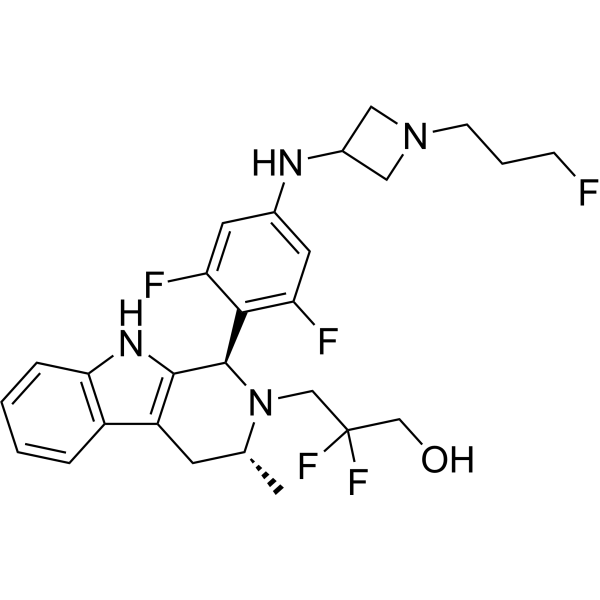
Irpagratinib (ABSK011) is an orally active FGFR4 inhibitor (IC50<10 nM). Irpagratinib inhibits FGFR4 autophosphorylation and blocks signaling from FGFR4 to downstream pathway activation. Irpagratinib has shown high exposure in PK studies in mice, rats, and dogs, and also demonstrated antitumor activity in a subcutaneous xenograft tumor model .
|
-
-
- HY-B2141
-
|
|
NO Synthase
HIF/HIF Prolyl-Hydroxylase
|
Cardiovascular Disease
Others
Metabolic Disease
|
|
Bendazol is an orally effective antihypertensive agent. Bendazol acts directly on vascular smooth muscle to dilate blood vessels and reduce peripheral resistance, thereby improving blood circulation. Bendazol significantly inhibits the development of myopia in rabbit models. Bendazol can regulate kidney function by increasing the activity of NO synthase in the rat model of nephrogenic hypertension. In addition, Bendazol has an effect on sexual behavior and spermatogenesis in male rats .
|
-
-
- HY-12119
-
|
|
NO Synthase
|
Neurological Disease
Inflammation/Immunology
|
|
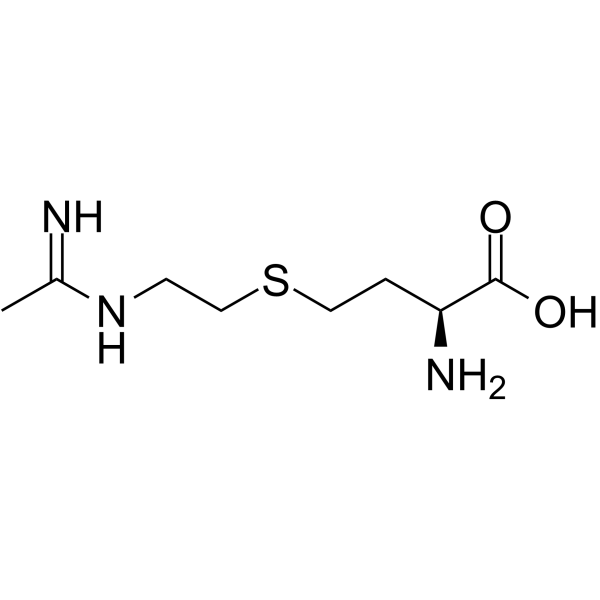
GW274150 is a potent, selective, orally active and NADPH-dependent inhibitor of human inducible nitric oxide synthase (iNOS) (IC50=2.19 μM; Kd=40 nM) and rat iNOS (ED50=1.15 μM). GW274150 also displays less potency for both humans or rats endothelial NOS (eNOS) and neuronal NOS (nNOS). GW274150 exerts a protective role in an acute model of lung injury inflammation .
|
-
-
- HY-P3662
-
|
|
Tyrosinase
|
Cancer
|
|
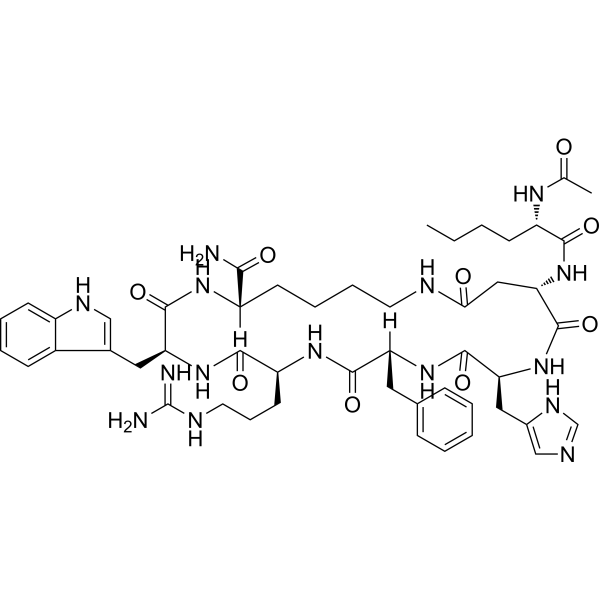
Ac-[Nle4,D-Phe7]-α-MSH (4-10)-NH2 is a melanotropin, a melanocyte-stimulating hormone. Ac-[Nle4,D-Phe7]-α-MSH (4-10)-NH2 stimulates tyrosinase and exhibits thermoregulatory effect in rats model .
|
-
-
- HY-107482
-
|
Nicotinoyl-GABA; Nicotinoyl-γ-aminobutyric acid
|
GABA Receptor
|
Neurological Disease
|
|
Picamilon is an orally active derivative of γ-aminobutyric acid that has nootropic effect. Picamilon improves the epilepsy model in rats and promotes correction of functional disorders of the pancreas during Alloxan (HY-W017227)-induced diabetes mellitus in rats .
|
-
-
- HY-B0235
-
|
|
Carbonic Anhydrase
|
Metabolic Disease
|
|
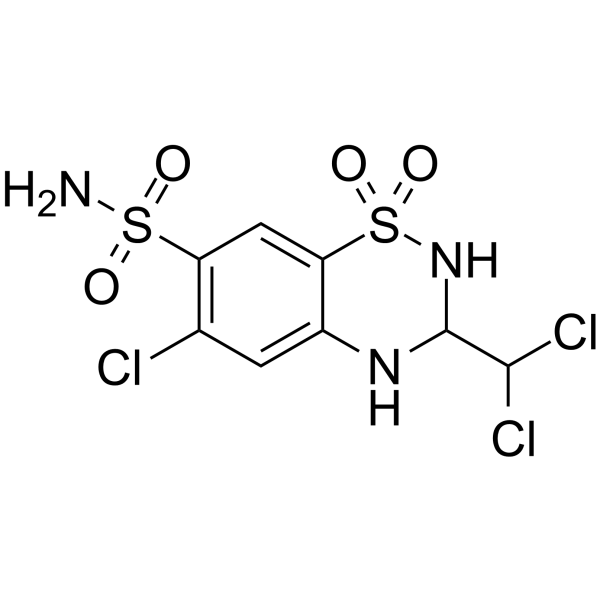
Trichlormethiazide is an orally active thiazide diuretic, with antihypertensive effect. Trichlormethiazide increases urine volume (UV), Na and K excretion and tends to improve the depressed creatinine clearance (CCRE) in acute renal failure rats model .
|
-
-
- HY-19636
-
|
|
FAAH
Autophagy
|
Neurological Disease
|
|
JNJ-42165279 is an orally active FAAH inhibitor, with IC50 values of 70 nM for hFAAH and 313 nM for rFAAH. JNJ-42165279 can be used in research related to the field of neuropathic pain .
|
-
-
- HY-160888
-
|
|
mAChR
|
Endocrinology
|
|
ASP8302 is a positive and allosteric muscarinic M3 receptor modulator. ASP8302 improves voiding efficiency and reduced residual urine volume in two voiding dysfunction models. ASP8302 can be used for research of underactive bladder .
|
-
-
- HY-12119A
-
|
|
NO Synthase
|
Neurological Disease
Inflammation/Immunology
|
|
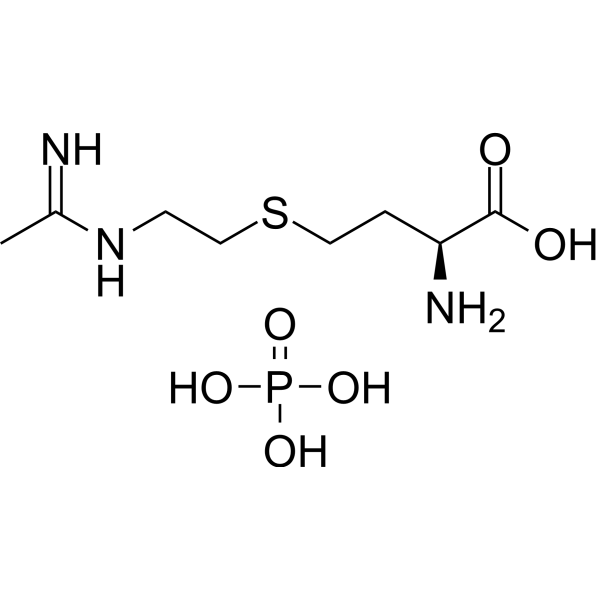
GW274150 phosphate is a potent, selective, orally active and NADPH-dependent inhibitor of human inducible nitric oxide synthase (iNOS) (IC50=2.19 μM; Kd=40 nM) and rat iNOS (ED50=1.15 μM). GW274150 phosphate displays less potency for both humans or rats endothelial NOS (eNOS) and neuronal NOS (nNOS). GW274150 phosphate exerts a protective role in an acute model of lung injury inflammation .
|
-
-
- HY-W116576
-
|
|
Drug Intermediate
|
Cancer
|
|
3-Methoxycatechol is intermediate for the antivascular agents combretastatin A-1 (HY-121993) and combretastatin B-1. 3-Methoxycatechol promotes esophageal carcinogenesis in rats models .
|
-
-
- HY-105495
-
-
-
- HY-W098792
-
|
|
Angiotensin Receptor
|
Cardiovascular Disease
|
|
Candesartan methyl ester (compound 14) is an antagonist for angiotensin II (AII) receptor with an IC50 of 66 nM. Candesartan methyl ester exhibits blood pressure lowering activity in rats models .
|
-
-
- HY-149316
-
|
|
E1/E2/E3 Enzyme
|
Cardiovascular Disease
|
|
Smurf1-IN-1 is an orally active and selective inhibitor of specific E3 ubiquitin protein ligase 1 (SMURF1) with an IC50 of 92 nM. Smurf1-IN-1 has significant efficacy in rats model of pulmonary hypertension .
|
-
-
- HY-164605
-
|
|
Aldehyde Dehydrogenase (ALDH)
|
Metabolic Disease
|
|
(6S)-CP-470711 (Compound 8) is an inhibitor for sorbitol dehydrogenase, that inhibits human and rat SDH with IC50 of 19 nM and 27 nM. (6S)-CP-470711 ameliorates the Streptozotocin (HY-13753)-induced diabetes in rats models .
|
-
-
- HY-118383
-
-
-
- HY-115597
-
|
|
Calcium Channel
|
Neurological Disease
|
|
BTT-266 is an antagonist forcalcium channel, through suppression of the CaVα1-AID-CaVβ3 interaction, with a Ki of 1.4 μM. BTT-266 modulates the activation of voltage-dependent CaV2.2. BTT-266 exhibits analgesic efficacy against neuropathic pain in rats model .
|
-
-
- HY-107482A
-
|
Nicotinoyl-GABA sodium; Nicotinoyl-γ-aminobutyric acid sodium; Sodium 4-(nicotinamido)butanoate
|
GABA Receptor
|
Neurological Disease
|
|
Picamilon sodium is an orally active derivative of γ-aminobutyric acid that has nootropic effect. Picamilon sodium improves the epilepsy model in rats and promotes correction of functional disorders of the pancreas during Alloxan (HY-W017227)-induced diabetes mellitus in rats .
|
-
-
- HY-W047156
-
|
|
Biochemical Assay Reagents
|
Metabolic Disease
|
|
Allantoxanamide is a uricase inhibitor. Allantoxanamide-induced rats serve as animal models for studying purine biosynthesis, drug-induced hyperuricemia and hyperuricosuria, and related nephropathy .
|
-
-
- HY-106915
-
|
SPR 210
|
Aldose Reductase
|
Neurological Disease
Metabolic Disease
|
|
SG-210 (SPR 210) is an orally active and selective aldose reductase (AR) inhibitor. SG-210 has IC50 values of 9.5 nM and 10 nM for AR from porcine lens and human placenta, respectively. SG-210 can inhibit sorbitol accumulation and ameliorate diabetic neuropathy and retinopathy in Streptozotocin (HY-13753)-induced diabetic rats. SG-210 can be used in the research of diseases such as diabetes-related complications .
|
-
-
- HY-103232
-
|
|
mGluR
|
Neurological Disease
|
IEM-1925 bromide is an orally active glutamate receptor antagonist, increases the latent period and decreases the duration of status epilepticus in rats in a lithium-pilocarpine model of epilepsy .
|
-
-
- HY-144289
-
|
|
Glucokinase
|
Metabolic Disease
|
|
BMS-820132 is an orally active and partial glucokinase (GK) activator with a AC50 of 29 nM. BMS-820132 decreases the glucose levels in glucose tolerance test (OGTT) model in normal rats, but not Zucker diabetic fatty (ZDF) rats. BMS-820132 exhibits pharmacological toxicity secondary to strong GK activation .
|
-
-
- HY-W116576R
-
|
|
Drug Intermediate
Reference Standards
|
Cancer
|
|
3-Methoxycatechol is intermediate for the antivascular agents combretastatin A-1 (HY-121993) and combretastatin B-1. 3-Methoxycatechol promotes esophageal carcinogenesis in rats models .
|
-
-
- HY-B0235R
-
|
|
Carbonic Anhydrase
Reference Standards
|
Metabolic Disease
|
|
Trichlormethiazide (Standard) is the analytical standard of Trichlormethiazide. This product is intended for research and analytical applications. Trichlormethiazide is an orally active thiazide diuretic, with antihypertensive effect. Trichlormethiazide increases urine volume (UV), Na and K excretion and tends to improve the depressed creatinine clearance (CCRE) in acute renal failure rats model .
|
-
-
- HY-153369
-
|
BAY 1165747
|
Guanylate Cyclase
|
Cardiovascular Disease
Neurological Disease
|
|
BAY-747 (BAY 1165747) is an orally active and brain-penetrant stimulator of soluble guanylate cyclase (sGC). BAY-747 reverses L-NAME induced memory impairments and enhances cognition of rats in the object location task (OLT). BAY-747 also decreases blood pressure in both conscious normotensive and spontaneously hypertensive rats (SHR). BAY-747 improves function of the skeletal muscle associated with Duchenne muscular dystrophy (DMD) in mdx/mTRG2 mice model .
|
-
-
- HY-103327
-
|
|
Cannabinoid Receptor
|
Metabolic Disease
|
|
MJ15 is a potent and selective CB1 receptor antagonist with a Ki of 27.2 pM and an IC50 of 118.9 pM for rat CB1 receptors. MJ15 exhibits potency in obesity and hyperlipidemia models. MJ15 inhibits food intake and increases in body weight in diet-induced obese rats and mice .
|
-
-
- HY-172419
-
|
GM-1020
|
iGluR
|
Neurological Disease
|
|
Blixeprodil (GM-1020) is the orally active antagonist for NMDA receptor with an affinity of Ki=3.25 µM in rat cortical tissue. Blixeprodil inhibits NR1/2A-NMDAR-mediated currents in HEK293 cell with IC50 of 1.192 µM. Blixeprodil exhibits antidepressant in rats models. Blixeprodil can cross blood-brain barrier .
|
-
-
- HY-15402
-
|
BMS 207940
|
Endothelin Receptor
|
Cardiovascular Disease
|
|
Edonentan (BMS 207940) is an antagonist for endothelin receptor (ETA receptor), with a Ki of 10 pM. Edonentan is metabolic stable, exhibits good pharmakokinetic characters in rats. Edonentan regulates the endothelin system, blocks the big Endothelin-induced pressor response in rats model .
|
-
-
- HY-127152
-
|
Pratorine
|
Endogenous Metabolite
|
Cardiovascular Disease
|
|
Hippadine (Pratorine) is an alkaloid, which can be isolated from the plant Crinum macowanii. Hippadine exhibits heart-rate lowering and blood-pressure lowering effects in rats models with spontaneously hypertensive .
|
-
-
- HY-107176A
-
|
HS-25
|
Others
|
Metabolic Disease
|
|
Hyzetimibe is a cholesterol absorption inhibitor. Hyzetimibe blocks the intestinal absorption of cholesterol and phytol. Hyzetimibe is well tolerated in animal models, with an LDmax 2000 mg/kg in rats and an LDmax 500 mg/kg in rhesus monkeys .
|
-
-
- HY-B0235A
-
|
|
Carbonic Anhydrase
|
Metabolic Disease
|
|
Trichlormethiazide sodium is an orally active thiazide diuretic, with antihypertensive effect. Trichlormethiazide sodium increases urine volume (UV), Na and K excretion and tends to improve the depressed creatinine clearance (CCRE) in acute renal failure rats model .
|
-
-
- HY-12192
-
|
|
Histamine Receptor
|
Metabolic Disease
|
|
A-423579 is an orally active non-imidazole histamine H3 receptor antagonist. A-423579 exhibits high affinity and good selectivity for human and rat H3 receptors, and possesses both antagonistic and inverse agonistic activities. A-423579 can effectively reduce body weight in obese rodents, with concomitant decreases in fat content, plasma leptin levels, and triglycerides. A-423579 possesses anti-obesity activity and can be used in the research of obesity and related metabolic disorders .
|
-
-
- HY-P10767
-
|
|
Neurotensin Receptor
|
Neurological Disease
|
|
MD01-67 is a selective macrocyclic compound targeting the neurotensin receptor type 2 (NTS2), with Ki of 2.9 nM. MD01-67 exhibits analgesic and tactile hypersensitivity reducing activity in rats acute/persistent/chronic inflammatory pain models .
|
-
-
- HY-19075
-
|
|
Leukotriene Receptor
|
Inflammation/Immunology
|
|
DS 4574 is an orally active peptidoleukotriene receptor antagonist and mast cell stabilizer. DS 4574 has antiulcer, gastroprotective and antisecretory effects. DS 4574 inhibits various types of experimental asthma models. DS 4574 protects rats from endotoxin-induced intestinal injury .
|
-
-
- HY-170499
-
|
BI02982816
|
mGluR
|
Neurological Disease
|
|
VU6024578 (BI02982816) is a selective, orally active positive allosteric modulator (PAM) for metabotropic glutamate receptor (mGluR1), that activates human mGluR1 and rat mGluR1 with EC50 of 54 nM and 46 nM. VU6024578 exhibits antipsychotic activity in rats amphetamine-induced hyperactivity models and MK-801 (HY-15084B)-induced novel object recognition (NOR) models. VU6024578 is blood brain barrier penetrable .
|
-
-
- HY-118497
-
|
|
Endothelin Receptor
|
Cardiovascular Disease
Metabolic Disease
|
|
BMS 182874 is an orallyactive, highly selective endothelin receptor (ETA receptor) antagonist, with IC50 value of 0.150 μM, Ki of 0.055 μM. BMS 182874 reduces the arterial pressure of Deoxycorticosterone acetate (HY-B1472) induced hypertension model in rats, and can be used for cardiovascular disease research .
|
-
-
- HY-129427
-
|
|
Adrenergic Receptor
|
Cardiovascular Disease
|
|
DC-015 is a selective and orally active alpha 1-adrenoceptor antagonist on plasma lipid and vascular reactivity in hyperlipidaemic rodent model. DC-015 is a synthesized quinazoline derivative. DC-015 decreases mean arterial pressure in rats. DC-015 has antihypertensive activity .
|
-
-
- HY-173083
-
|
|
Cannabinoid Receptor
|
Neurological Disease
|
|
MDA7 is the selective agonist for cannabinoid receptor 2 with EC50 of 128 nM and 67.4 nM in human CB2 receptor and rat CB2 receptor. MDA7 exhibits good affinity to human CB2 receptor and rat CB2 receptor with Ki of 422 nM and 238 nM. MDA7 exhibits analgesic activity in rats models .
|
-
-
- HY-14923
-
|
AVE 7688
|
Angiotensin-converting Enzyme (ACE)
|
Metabolic Disease
|
|
Ilepatril, a dual inhibitor of angiotensin-converting enzyme (ACE) and neutral endopeptidase, has inhibitory effects in the type 2 diabetic nephropathy model in obese Zucker diabetic fatty (ZDF) rats. Ilepatril significantly reduced albuminuria in a dose-dependent manner and may be a strategy distinct from metabolic control to inhibit type 2 diabetic nephropathy .
|
-
-
- HY-147384
-
|
|
Calcium Channel
|
Cardiovascular Disease
|
|
CXL-1020 is a hydroxylamine-based nitroxyl (HNO) donor. CXL-1020 improves cardiac inotropy/lusitropy and Ca 2+ cycling in rats with abnormal relaxation. CXL-1020 induces vasorelaxation and improves cardiac function in canine models. CXL-1020 has been used to research systolic heart failure and stable heart failure .
|
-
-
- HY-155822
-
|
|
Cholinesterase (ChE)
Apoptosis
Caspase
|
Neurological Disease
|
|
TZ3O is an anticholinergic agent with neuroprotective effects. TZ3O inhibits acetylcholinesterase (AChE) activity in human plasma with an IC50 of 304.5 μM. TZ3O can improve memory impairment and cognitive decline in rats in the Scopolamine (HY-N0296)-induced Alzheimer-type model. TZ3O could be used in Alzheimer’s research .
|
-
-
- HY-163378
-
|
|
Complement System
|
Inflammation/Immunology
|
|
C5aR1 antagonist 1 (Compound 7e) is an orally active C5a receptor 1 (C5aR1) antagonist. C5aR1 antagonist 1 is active in DISCO and migration assays, with IC50 values of 38 nM and 17 nM, respectively. C5aR1 antagonist 1 can be used for the research of acute and chronic inflammatory diseases .
|
-
-
- HY-160602
-
|
|
Free Fatty Acid Receptor
|
Metabolic Disease
|
|
CPL207280 is an orally active GPR40/FFA1 agonist with an antidiabetic effect. CPL207280 can effectively enhance glucose-stimulated insulin secretion and improve glucose tolerance in MIN6 pancreatic β-cells as well as in healthy Wistar Han rats and diabetic rat models. CPL207280 can be used for the research of type 2 diabetes .
|
-
-
- HY-119495
-
|
|
Thyroid Hormone Receptor
|
Neurological Disease
|
|
JTP 2942 is a thyrotropin-releasing hormone analogue. JTP 2942 can promote the release of Acetylcholine in the hippocampus and frontal cortex of rats. JTP 2942 possesses neuroprotective and cognitive-improving activities. JTP 2942 dose-dependently improves motor and neurological deficits in rat models of chronic focal cerebral ischemia. JTP 2942 can be used for the research of cerebral ischemia, motor neuron diseases, and other related conditions .
|
-
-
- HY-16525
-
|
|
Monoamine Transporter
Adrenergic Receptor
|
Neurological Disease
|
|
XEN-2174 is a noradrenaline transporter (NET) inhibitor. XEN-2174 inhibits the reuptake of noradrenaline through non-competitive inhibition, increasing the concentration of noradrenaline in the synaptic cleft, thereby activating α2-adrenergic receptor at the spinal level and exerting analgesic effects. XEN-2174 exhibits long-lasting analgesic effects in models of neuropathic pain and postoperative pain in rats. XEN-2174 can be used in pain research .
|
-
-
- HY-120481
-
|
|
FAAH
|
Neurological Disease
|
|
JNJ-40413269 is an inhibitor for FAAH, that inhibits human FAAH and rats FAAH with IC50 of 28 nM and 270 nM. JNJ-40413269 exhibits analgesic efficacy in rat spinal nerve ligation model and exhibits good pharmacokinetic characteristics in rats .
|
-
-
- HY-121080
-
|
|
TRP Channel
|
Neurological Disease
|
|
AMG8163 is an orally active antagonist for TRPV1. AMG8163 inhibits Capsaicin (HY-10448)-induced flinch in rats models, and exhibits anti-hyperalgesia effects in multiple pain models .
|
-
-
- HY-123904
-
|
|
iGluR
|
Neurological Disease
|
|
UoS12258 is a selective positive allosteric modulator of AMPA receptor. UoS12258 enhances AMPA receptor‐mediated synaptic transmission. UoS12258 improves performance in cognition rat models, including Scopolamine (HY-N0296)‐impaired rats and water maze learning and retention in aged rats .
|
-
- HY-155042
-
|
|
Angiotensin Receptor
|
Cardiovascular Disease
|
|
Antihypertensive agent 3 (compound 4a) is an antagonis of angiotensin II receptor 1. Antihypertensive agent 3 exhibits antihypertensive activity in a spontaneously hypertensive rats (SHRs) model .
|
-
- HY-136880
-
|
Sgd 195/78
|
5-HT Receptor
|
Cardiovascular Disease
|
|
Flufylline shows antihypertensive properties in spontaneously hypertensive rats and display antagonism towards 5-HT receptors in various animal models. Flufylline can be used for cardiovascular disease research .
|
-
- HY-123556
-
|
|
Monoamine Oxidase
|
Neurological Disease
|
|
SZV-558 is a potent and selective MAO-B inhibitor with IC50 values of 50 and 60 nM for rats and humans, respectively. SZV-558 can be used in studies of Parkinson's disease (PD) models .
|
-
- HY-114527
-
|
|
Apoptosis
Stearoyl-CoA Desaturase (SCD)
|
Cancer
|
|
TPMP-I-2 is an anticancer agent that induces cancer cell lines Apoptosis and decreases protein levels of stearoyl-CoA desaturase. TPMP-I-2 prolongs the survival time of nude rats in a simulated micrometastatic cervical cancer model and reduces tumor growth in a breast cancer model in nude mice combined with immunotoxins .
|
-
- HY-106424
-
|
|
Drug Intermediate
|
Neurological Disease
|
|
Soretolide is an antiepileptic agent. Soretolide is effective in maximal electroshock-induced seizure (MES) test in rodents. Soretolide inhibits metabolism of Phenytoin (HY-B0448). Soretolide exhibits a good pharmacokinetic character in rats model .
|
-
- HY-19078
-
|
|
Prostaglandin Receptor
|
Cardiovascular Disease
|
|
SQ-30741 is a thromboxane A2 receptor antagonist. SQ-30741 reduces vasoconstriction in a feline pulmonary vascular bed model. SQ-30741 increases relaxation of aortic endothelium and vascular smooth muscle in adult rats in a spontaneously hypertensive rat model. SQ-30741 can be used in research on cardiovascular diseases such as hypertension .
|
-
- HY-B1573A
-
|
AY-23,028; dl-Butaclamol hydrochloride
|
Adrenergic Receptor
Dopamine Receptor
|
Neurological Disease
|
|
(±)-Butaclamol hydrochloride (AY-23,028) is the antagonist for adrenergic receptor and dopamine receptor. (±)-Butaclamol hydrochloride antagonizes amphetamine or Apomorphine (HY-12723)-induced stereotyped behaviors and emesis, inhibits discriminative avoidance behavior, and induces catalepsy in rats models .
|
-
- HY-P1694
-
|
|
Bradykinin Receptor
|
Cardiovascular Disease
|
|
B4148 is a selective competitive bradykinin (BK) antagonist that significantly inhibits BK-induced hypotension in rats. In a rat model of endotoxin shock induced by Escherichia coli lipopolysaccharide, B4148 significantly attenuated the decrease in mean arterial blood pressure compared with the control group .
|
-
- HY-116500A
-
|
|
Calcium Channel
|
Cardiovascular Disease
|
|
AH-1058 is a newly synthesized antiarrhythmic agent that exhibits significant antiarrhythmic activity by delaying premature ventricular complexes and ventricular fibrillation in experimental arrhythmia models. AH-1058 effectively inhibits both ventricular tachycardia and ventricular fibrillation in the reperfusion-induced arrhythmia model in rats. AH-1058 demonstrates potent calcium channel-blocking effects, suppressing L-type Ca2+ currents in isolated cardiomyocytes.
|
-
- HY-161942
-
|
|
PCSK9
|
Metabolic Disease
|
|
PCSK9-IN-31 (Compound WX002) is an orally active PCSK9 inhibitor. PCSK9-IN-31 can lower low-density lipoprotein cholesterol (LDL-C) and total cholesterol (TC) in high cholesterol fed model rats .
|
-
- HY-14474
-
|
|
Endothelin-Converting Enzyme (ECE)
|
Cardiovascular Disease
|
|
CGS 26303 is an endothelin-converting enzyme (ECE) inhibitor. CGS 26303 increases the expression of endothelin-converting enzyme-1 in endothelial cells. CGS 26303 attenuates cerebral vasospasm in a rabbit subarachnoid hemorrhage model. CGS 26303 improves birth survival and alleviates pulmonary hypoplasia in newborn rats in a rat model of congenital diaphragmatic hernia. CGS 26303 can be used for research on cardiovascular and cerebrovascular diseases and congenital diaphragmatic hernia .
|
-
- HY-103458
-
|
|
Endothelin Receptor
|
Cardiovascular Disease
Metabolic Disease
|
|
BMS 182874 hydrochloride is an orallyactive, highly selective endothelin receptor (ETA receptor) antagonist, with IC50 value of 0.150 μM, Ki of 0.055 μM. BMS 182874 hydrochloride reduces the arterial pressure of Deoxycorticosterone acetate (HY-B1472) induced hypertension model in rats, and can be used for cardiovascular disease research .
|
-
- HY-170498
-
|
|
GABA Receptor
|
Neurological Disease
|
|
GABA-A Receptor Ligand-1 (Compound 4) is a ligand for GABA-A receptor with a pKi of 7.27. GABA-A Receptor Ligand-1 reduces mitochondrial dysfunction, promotes neurite outgrowth and neuronal regeneration. GABA-A Receptor Ligand-1 exhibits neuroprotective efficacy in rats ischemic stroke models .
|
-
- HY-158030
-
|
|
HDAC
|
Neurological Disease
|
|
HDAC6-IN-37 (compound W5) is an inhibitor of HDAC6 and has neuroprotective effects. HDAC6-IN-37 can restore the morphology of hippocampal neurons, reduce the expression of Aβ, Tau, and p-Tau proteins in the hippocampus of AD rats, and inhibit the formation of senile plaques and neurofibrillary tangles. Thus, HDAC6-IN-37 improves the Aβ/Cu 2+-induced AD model in rats, regulates oxidative stress status, and balances neurotransmitter disorders in brain tissue .
|
-
- HY-115357
-
|
|
PPAR
|
Metabolic Disease
|
|
BMS711939 is a selective agonist for peroxisome proliferator-activated receptor α (PPAR α), with EC50 of 4 nM and 4.5 μM, for human PPARα and human PPARγ. BMS711939 exhibits good pharmacokinetic characters in rats models. BMS711939 increases HDL cholesterol, reduces LDL cholesterol and triglycerides .
|
-
- HY-114565
-
|
|
Lipoxygenase
Enterovirus
|
Inflammation/Immunology
|
|
LY221068 is an anti-oxidant and an orally active, potent inhibitor of iron-dependent lipid peroxidation and 5-lipoxygenase with antiinflammatory properties. LY221068 inhibits bone damage and paw swelling in the Freund's Complete adjuvant (HY-153808) induced arthritis (FCA) model of rats. LY221068 is promising for research of arthritis .
|
-
- HY-144801A
-
|
|
Potassium Channel
|
Cardiovascular Disease
|
|
DDO-02005 is a potent Kv1.5 potassium channel inhibitor with an IC50 value of 0.72 μM. DDO-02005 has good anti-atrial fibrillation (AF) effect in CaCl2-ACh AF rats model and effective anti-arrhythmic activity caused by aconitine .
|
-
- HY-124668
-
|
|
CCR
|
Inflammation/Immunology
|
|
CCR1 antagonist 12 (Compound 12) is an antagonist for CCR1 with IC50 of 3 nM for human CCR1. CCR1 antagonist 12 inhibits CCL3-induced transwell chemotaxis with an IC50 of 0.009 µM. CCR1 antagonist 12 exhibits good pharmacokinetic characters in rats model .
|
-
- HY-162573
-
|
|
Monoamine Oxidase
|
Neurological Disease
|
|
Monoamine Oxidase B inhibitor 5 (Compound 16d) is a selective and reversible inhibitor for monoamine oxidase B (hMAO-B) with an IC50 of 67.3 nM and a Ki of 82.5 nM. Monoamine Oxidase B inhibitor 5 exhibits good pharmacokinetic characters and weak toxicity in rats model. Monoamine Oxidase B inhibitor 5 alleviates MPTP-induced (HY-15608) motor impairment in Parkinson’s mouse model. Monoamine Oxidase B inhibitor 5 is blood-brain barrier (BBB) penetrate .
|
-
- HY-119680
-
|
|
Thrombin
|
Cardiovascular Disease
|
|
AT-1459 is a selective and orally active direct Thrombin inhibitor with a Ki value of 4.9 nM. AT-1459 exhibits excellent antithrombotic activity in both rat models of venous and arterial thrombosis. AT-1459 can be used for research on thrombosis-related diseases .
|
-
- HY-155823
-
|
|
Cholinesterase (ChE)
|
Neurological Disease
|
|
TZ4M is a 2,4-thiazolidinedione (TZD)-based anti-ADV agent with neuroprotective effects. TZ4M exhibits AChE inhibition in human plasma. TZ4M improves memory and cognitive impairment in adult rats in a scopolamine (HY-N0296)-induced Alzheimer-type model .
|
-
- HY-144801
-
|
|
Potassium Channel
|
Cardiovascular Disease
|
|
DDO-02005 (free base) is a potent Kv1.5 potassium channel inhibitor with an IC50 value of 0.72 μM. DDO-02005 (free base) has good anti-atrial fibrillation (AF) effect in CaCl2-ACh AF rats model and effective anti-arrhythmic activity caused by aconitine .
|
-
- HY-122063
-
|
|
NO Synthase
|
Inflammation/Immunology
|
|
FR260330 is a selective, orally active inhibitor for inducible nitric oxide synthase (iNOS) through suppression of iNOS dimerization. FR260330 inhibits the NO accumulation in rat splenocytes and human DLD-110 cells, with IC50 of 27 and 10 nM. FR260330 ameliorates the Lipopolysaccharides (HY-D1056)-induced inflammatory diseases in rats model .
|
-
- HY-168068
-
|
|
Drug Derivative
|
Neurological Disease
|
|
Res-Glu3 is the derivative of Resveratrol (HY-16561). Res-Glu3 mitigates the ROS accumulation, and exhibits neuroprotective efficacy against H2O2-caused cellular damage in PC12. Res-Glu3 exhibits antioxidant activity in rats ischemia reperfusion models .
|
-
- HY-117712
-
|
|
Drug Derivative
|
Cardiovascular Disease
|
|
LG 6-101 is an orally active antiarrhythmic agent. LG 6-101 shows strong antiarrhythmic effects in a coronary-artery-ligation model of rats, better than Propafenone (HY-B0432). LG 6-101 also delays the occurence of ventricular premature beat (VPB)'s and has protective effects against cardiac arrest caused by aconitine .
|
-
- HY-163998
-
|
|
Toll-like Receptor (TLR)
|
Inflammation/Immunology
|
|
TLR4-IN-1 (compound 3k) inhibits the cell viability of RAW264.7 with an IC50 of 1.02 μM. TLR4-IN-1 inhibits the release of cytokine TNF-α, IL-1β and IL-6, and exhibits anti-inflammatory efficacy in rats rheumatoid arthritis models .
|
-
- HY-120355
-
|
|
Potassium Channel
|
Cardiovascular Disease
|
|
AP14145 is an inhibitor for small conductance calcium-activated potassium channel, inhibits KCa2.2 channel and KCa channel with IC50 of 1.1 μM and 1.1 μM. AP14145 prolongs atrial effective refractory period (AERP) in rats, causes the conversion of atrial fibrillation to sinus rhythum in porcine left ventricular dysfunction models, and exhibits antiarrhythmic effect .
|
-
- HY-12284
-
|
|
Prostaglandin Receptor
|
Inflammation/Immunology
|
|
NVP-QAV680 is a potent and selective CRTh2 receptor antagonist with low nanomolar (nM) functional potency to inhibit CRTh2-driven activation of human eosinophils and Th2 lymphocytes. NVP-QAV680 exhibits good oral bioavailability and demonstrates efficacy in CRTh2-dependent mechanisms and allergic disease models in rats .
|
-
- HY-B0377G
-
|
MK-208 (GMP)
|
Histamine Receptor
|
Inflammation/Immunology
Cancer
|
|
Famotidine GMP (MK-208 GMP) is Famotidine (HY-B0377) produced in GMP guideline. Famotidine GMP is a competitive histamine H2-receptor antagonist, inhibits gastric secretion, activates the gastric mucosal defensive mechanisms. Famotidine GMP ameliorates peptic ulcer disease (PUD) and gastroesophageal reflux disease (GERD/GORD) in rats model .
|
-
- HY-146421
-
|
|
NO Synthase
NF-κB
Reactive Oxygen Species (ROS)
|
Inflammation/Immunology
|
|
Anti-inflammatory agent 21 (compound 9o) is an orally active and low cytotoxic anti-inflammatory agent, with an IC50 value of 0.76 μM for NO. Anti-inflammatory agent 21 acts via accumulation ROS and blocks the NF-κB/MAPK signaling pathway. Anti-inflammatory agent 21 can ameliorate cartilage destruction and inflammatory cell infiltration in arthritis rats model .
|
-
- HY-118497R
-
|
|
Endothelin Receptor
|
Cardiovascular Disease
Metabolic Disease
|
|
BMS 182874 (Standard) is the analytical standard of BMS 182874. This product is intended for research and analytical applications. BMS 182874 is an orallyactive, highly selective endothelin receptor (ETA receptor) antagonist, with IC50 value of 0.150 μM, Ki of 0.055 μM. BMS 182874 reduces the arterial pressure of Deoxycorticosterone acetate (HY-B1472) induced hypertension model in rats, and can be used for cardiovascular disease research .
|
-
- HY-W931056
-
|
|
TRP Channel
|
Neurological Disease
|
|
AMG-628 is an orally active inhibitor for TRPV1, that inhibits Capsaicin (HY-10448) or acid (pH 5)-induced Ca 2+ influx into TRPV1- expressing CHO cell with IC50 of 4.9 and 3.1 nM. AMG-628 exhibits analgesic activity in Capsaicin (HY-10448)-induced rat model, and exhibits a half-life of 2.4 h in rats .
|
-
- HY-B0130R
-
|
S-9490 (Standard)
|
Angiotensin-converting Enzyme (ACE)
NF-κB
STAT
Sirtuin
Reference Standards
|
Cardiovascular Disease
Neurological Disease
Cancer
|
|
Perindopril (Standard) is the analytical standard of Perindopril. This product is intended for research and analytical applications. Perindopril (S-9490) is an orally available, long-acting angiotensin-converting enzyme (ACE) inhibitor. Perindopril inhibits inflammatory cell influx and intimal thickening, preserving elastin on the inside of the aorta. Perindopril effectively inhibits experimental abdominal aortic aneurysm (AAA) formation in a rat model and reduces pulmonary vasoconstriction in rats with pulmonary hypertension .
|
-
- HY-167715
-
|
|
Histamine Receptor
Phosphodiesterase (PDE)
|
Inflammation/Immunology
|
|
Traxanox is an orally available diuretic that enhances phagocytosis of yeast granules by mouse peritoneal macrophages and rat peritoneal polymorphonuclear leukocytes in vitro.
Traxanox inhibits IgE-mediated histamine release and cyclic AMP phosphodiesterase
activity.Traxanox exhibits anti-inflammatory activity, as it inhibits the anaphylactoid reaction and reduces pleural fluid accumulation in experimental models of inflammation. Traxanox also demonstrates a synergistic effect when combined with hydrocortisone or indomethacin in suppressing adjuvant arthritis in rats.
|
-
- HY-171472
-
|
|
Dopamine Receptor
|
Neurological Disease
|
|
A-86929 is a highly potent and selective dopamine D1 receptor agonist with a pKi value of 7.3. In the 6-OHDA (HY-B1081)-induced unilateral nigrostriatal lesion rat model, A-86929 significantly induces rotational behavior. It also improves motor function in the MPTP (HY-15608)-induced Parkinson's disease marmoset model. Additionally, A-86929 demonstrates potential therapeutic value in reducing cocaine-seeking behavior in rats and reversing Haloperidol (HY-14538)-induced cognitive deficits in rhesus monkeys. A-86929 can be used for research in neurological disorders .
|
-
- HY-12119B
-
|
|
NO Synthase
|
Neurological Disease
Inflammation/Immunology
|
|
GW274150 (dihydrochloride) is a potent, selective, orally active and NADPH-dependent inhibitor of human inducible nitric oxide synthase (iNOS) (IC50=2.19 μM; Kd=40 nM) and rat iNOS (ED50=1.15 μM). GW274150 (dihydrochloride) displays less potency for both humans or rats endothelial NOS (eNOS) and neuronal NOS (nNOS). GW274150 (dihydrochloride) exerts a protective role in an acute model of lung injury inflammation .
|
-
- HY-168340
-
|
|
COX
Lipoxygenase
|
Inflammation/Immunology
|
|
COX-2/15-LOX-IN-6 (Compound 5l) is the dual inhibitor for COX-2 and 15-LOX, with IC50 of 0.201 μM and 11.723 μM. COX-2/15-LOX-IN-6 inhibits the expression of PGE, TNF-α, IL-6 and iNOS in serum, and exhibits anti-inflammatory effect in Carrageenan (HY-125474)-induced rats edema model .
|
-
- HY-108327
-
|
|
Potassium Channel
|
Neurological Disease
|
|
PF-05020182 is an orally active opener for Kv7 channel, that activates human Kv7.2/7.3, Kv7.4 and Kv7.3/7.5 with EC50 of 334, 625 and 588 nM, respectively. PF-05020182 exhibits anticonvulsant activity in rats corneal electric shock-induced tonic seizure (MES) models. PF-05020182 is blood-brain barrier (BBB) penetrable .
|
-
- HY-119379
-
|
HOE-720 free acid
|
Angiotensin Receptor
|
Cardiovascular Disease
|
|
Fonsartan (HOE-720) free acid is an orally active angiotensin II receptor (AT1R) antagonist with an IC50 value of 0.48 nM, exhibiting potent antihypertensive activity. Fonsartan free acid dose-dependently inhibits angiotensin II-induced pressor response in rats (ID50 = 0.11 mg/kg) and shows significant long-lasting blood pressure-lowering effects in high-renin animal models. Fonsartan free acid is primarily used in research on hypertension and cardiovascular diseases .
|
-
- HY-B0130S1
-
-
- HY-160976
-
|
17α-Ethynylestradiol-3-sulfate; EE-3-SO4
|
Biochemical Assay Reagents
|
Cardiovascular Disease
|
|
Ethynyl estradiol 3-sulfate (17α-Ethynylestradiol-3-sulfate; EE-3-SO4) can prolong the median survival time of rats in an acute severe blood loss model by approximately 6 times, with a 6-hour survival rate of 80%.
|
-
- HY-107482R
-
|
Nicotinoyl-GABA (Standard); Nicotinoyl-γ-aminobutyric acid (Standard)
|
Reference Standards
GABA Receptor
|
Neurological Disease
|
|
Picamilon (Standard) is the analytical standard of Picamilon (HY-107482). This product is intended for research and analytical applications. Picamilon is an orally active derivative of γ-aminobutyric acid that has nootropic effect. Picamilon improves the epilepsy model in rats and promotes correction of functional disorders of the pancreas during Alloxan (HY-W017227)-induced diabetes mellitus in rats .
|
-
- HY-180354
-
|
MDL-899
|
Drug Derivative
|
Cardiovascular Disease
|
|
Mopidralazine hydrochloride (MDL-899) (Compound 30) is an orally active antihypertensive agent. Mopidralazine hydrochloride significantly reduces systolic blood pressure (ED50 = 1.94 mg/kg) in spontaneously hypertensive rats models. Mopidralazine hydrochloride has a slower onset of action but a longer duration of action and has a significantly smaller effect on increasing heart rate in canine model of renal hypertension. Mopidralazine hydrochloride can be used for the research of hypertension .
|
-
- HY-182506
-
|
BM 12.531
|
Biochemical Assay Reagents
|
Inflammation/Immunology
Cancer
|
|
Azimexon (BM 12.531) is an orally active immunomodulator with radioprotective and antitumor activities. Azimexon prolongs survival in multiple mouse models, enhances immunity and hematopoiesis, and alleviates radiation injury and tumor metastasis. Azimexon causes reversible hemolytic anemia in rats and dogs, and exerts therapeutic activity against adjuvant-induced arthritis in rats. Azimexon can be used for the research of lung carcinoma, leukemia, multiple myeloma, lung tumor, arthritis, breast cancer and AIDS‑related complex .
|
-
- HY-171296
-
|
|
p38 MAPK
JNK
|
Inflammation/Immunology
|
|
p38 Kinase inhibitor 8 (Compound CCLXXVIII) is the orally active inhibitor for p38β and JNK2α2 with IC50s of 6.3 nM and 53.6 nM. p38 Kinase inhibitor 8 exhibits anti-inflammatory effect in rats collagen-induced arthritis models .
|
-
- HY-181038
-
|
|
Bacterial
|
Infection
|
|
Rifabutin-vonoprazan conjugate 1 is an orally active acid-responsive bifunctional molecule. Rifabutin-vonoprazan conjugate 1 exhibits anti-Helicobacter pylori activity (MIC ≤ 0.125 μg/mL) and acid-suppressive effects (acid inhibition rate > 85% at a dose of 2 mg/kg). Rifabutin-vonoprazan conjugate 1 also demonstrates anti-ulcer activity. Rifabutin-vonoprazan conjugate 1 can be used in research related to Helicobacter pylori infection and gastric ulcer .
|
-
- HY-105514
-
|
|
Drug Derivative
|
Cardiovascular Disease
|
|
KP-10614 is a potent, orally active platelet aggregation inhibitor. KP-10614 inhibits platelet aggregation induced by ADP with IC50 of 1 nM. KP-10614 causes dose-dependent inhibition of ex vivo platelet aggregation in rats. KP-10614 shows antithrombotic effects in various thrombosis models. KP-10614 can be used for thrombotic diseases research .
|
-
- HY-175018
-
|
|
VEGFR
Microtubule/Tubulin
Apoptosis
|
Cardiovascular Disease
Cancer
|
|
VEGFR-2-IN-71 is a dual VEGFR2/tubulin inhibitor. VEGFR-2-IN-71 inhibits tumor cell proliferation and induces apoptosis and cell cycle arrest. VEGFR-2-IN-71 inhibits angiogenesis in the chick chorioallantoic membrane (CAM) model. VEGFR-2-IN-71 inhibits tumor growth in the HGC-27 xenograft model by inhibiting VEGFR2 and tubulin. VEGFR-2-IN-71 has low oral bioavailability in rats. VEGFR-2-IN-71 can be used in cancer research .
|
-
- HY-180921
-
|
|
Ketohexokinase
|
Metabolic Disease
Endocrinology
|
|
GS-1291269 is a potent and neutral ketohexokinase (KHK) inhibitor, with IC50s of 0.38 and 2.1 nM against KHK-C and KHK-A, respectively. GS-1291269 demonstrates liver and kidney fructose-1-phosphate (F1P) reduction in a fructose challenge model in rats. GS-1291269 can be used for kidney disease and metabolic-dysfunction-associated steatotic liver disease (MASLD) research .
|
-
- HY-103327R
-
|
|
Reference Standards
Cannabinoid Receptor
|
Metabolic Disease
|
|
MJ15 (Standard) is the analytical standard of MJ15 (HY-103327). This product is intended for research and analytical applications. MJ15 is a potent and selective CB1 receptor antagonist with a Ki of 27.2 pM and an IC50 of 118.9 pM for rat CB1 receptors. MJ15 exhibits potency in obesity and hyperlipidemia models. MJ15 inhibits food intake and increases in body weight in diet-induced obese rats and mice .
|
-
- HY-10932
-
|
Ro 13-5057
|
nAChR
iGluR
|
Neurological Disease
|
|
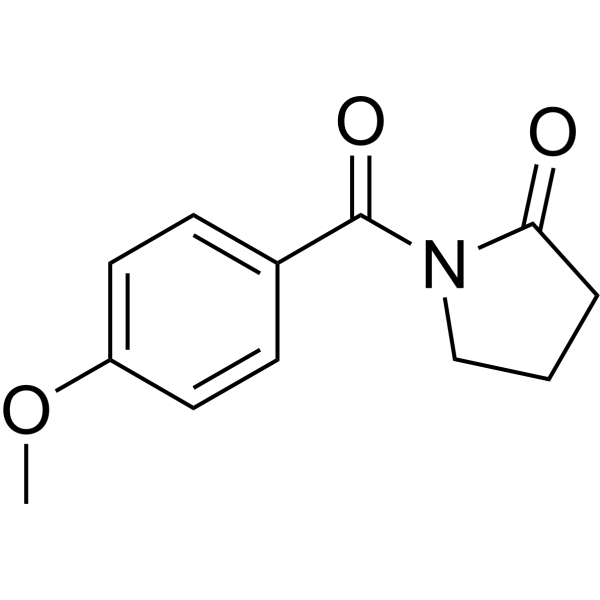
Aniracetam (Ro 13-5057) is an orally active neuroprotective agent, possessing nootropics effects. Aniracetam potentiates the ionotropic quisqualate (iQA) responses in the CA1 region of rat hippocampal slices. Aniracetam also potentiates the excitatory post synaptic potentials (EPSPs) in Schaffer collateral-commissural synapses. Aniracetam can prevents the CO2-induced impairment of acquisition in hypercapnia model rats. Aniracetam can be used to research cerebral dysfunctional disorders .
|
-
- HY-P1409
-
|
|
Potassium Channel
|
Inflammation/Immunology
|
|
ADWX 1 is a new peptide inhibitor that is potent and selective for Kv1.3 with an IC50 value of 1.89 pM. ADWX 1 inhibits Kv1.3 channel activity specifically to inhibit both the initial calcium signaling and NF-κB activation. ADWX 1 ameliorates the disease in rats of experimental autoimmune encephalomyelitis (EAE) models. ADWX 1 can be used to study T cell-mediated autoimmune diseases .
|
-
- HY-P1409A
-
|
|
Potassium Channel
|
Inflammation/Immunology
|
|
ADWX 1 TFA is a new peptide inhibitor that is potent and selective for Kv1.3 with an IC50 value of 1.89 pM. ADWX 1 inhibits Kv1.3 channel activity specifically to inhibit both the initial calcium signaling and NF-κB activation. ADWX 1 TFA ameliorates the disease in rats of experimental autoimmune encephalomyelitis (EAE) models. ADWX 1 TFA can be used to study T cell-mediated autoimmune diseases .
|
-
- HY-167706
-
|
|
GPR35
|
Inflammation/Immunology
|
|
Diethyl-Lodoxamide is a highly potent GPR35 agonist with potential to inhibit inflammatory bowel disease. Diethyl-Lodoxamide activates GPR35 in humans, mice and rats, showing similar EC50 values. Diethyl-Lodoxamide can alleviate the clinical symptoms of DSS-induced inflammatory bowel disease in mouse models, and the effect is better than the traditional drug 5-ASA. The pharmaceutical properties of Diethyl-Lodoxamide have been optimized to better meet the requirements of drug design .
|
-
- HY-101481
-
|
|
COX
Apoptosis
MEK
ERK
PPAR
AMPK
NF-κB
Interleukin Related
TNF Receptor
STAT
Wnt
|
Neurological Disease
Inflammation/Immunology
Cancer
|
|
Flurbiprofen axetil is a non-selective COX inhibitor and a nonsteroidal anti-inflammatory agent with anti-inflammatory and analgesic effects. Flurbiprofen axetil inhibits basal-like breast cancer metastasis by inhibiting the MEK/ERK signaling pathway. Flurbiprofen axetil can promote neuroprotection after focal cerebral ischemia in rats by partially activating PPAR-γ. Flurbiprofen axetil alleviates cerebral ischemia/reperfusion injury by reducing inflammation in a transient global cerebral ischemia/reperfusion rat model. Flurbiprofen axetil can alleviate inflammatory responses and cognitive function in a mild cognitive impairment (MCI) SD rat model through the AMPKα/NF-κB signaling pathway .
|
-
- HY-171888
-
|
|
Cathepsin
Elastase
|
Inflammation/Immunology
|
|
BI-9740 is an orally active and selective cathepsin C (CatC) inhibitor, with an IC50 of 0.6 nM in mice and 2.6 nM in rats. BI-9740 can inhibit the production of active neutrophil elastase. Additionally, BI-9740 is capable of reducing the activities of neutrophil elastase and cathepsin G in the bone marrow of rats, alleviating pathological damage to grafts after heart transplantation, shortening the reperfusion time, and improving left ventricular function. BI-9740 can be used in research related to organ transplantation .
|
-
- HY-N4202
-
|
|
Environmental Pollutants
Insecticide
Apoptosis
p38 MAPK
|
Neurological Disease
Inflammation/Immunology
Cancer
|
|
Dihydrorotenone is an insecticide and irreversible inhibitor of mitochondrial complex I. Dihydrorotenone may induce Parkinson's disease. Dihydrorotenone induces apoptosis in human plasma cells by triggering endoplasmic reticulum stress and activating the p38 signaling pathway. The oral LD50 of dihydrorotenone in rats is approximately 2.5 g/kg. Dihydrorotenone exhibits insecticide activity and cytotoxicity to plasma cells. Dihydrorotenone can be used to establish animal models of Parkinson's disease, safety assessment of natural pesticides, and potential cancer chemoprevention studies .
|
-
- HY-15048
-
|
|
PARP
|
Inflammation/Immunology
|
|
GPI 15427 is a potent inhibitor of the enzyme poly (ADP-ribose) polymerase-1 (PARP-1), which plays a harmful role during inflammation. In a rat model of gut injury and inflammation, including splanchnic artery occlusion (SAO) shock and dinitrobenzene sulfonic acid (DNBS)-induced colitis, GPI 15427 demonstrates strong anti-inflammatory effects that reduces inflammatory cell infiltration, histological injury. GPI 15427 also diminishes the accumulation of poly (ADP-ribose) in the ileum and colon of treated rats .
|
-
- HY-160921
-
|
SL65.0155 free base
|
5-HT Receptor
|
Neurological Disease
|
|
Capeserod (SL65.0155 free base) is an agonist for serotonin receptor (5-HT receptor), with a Ki of 0.6 nM for 5-HT4 receptor. Capeserod enhances expression of phopshorilated cAMP-response element binding protein (p-CREB), vascular endothelium growth factor (VEGF), brain-derived neurotrophic factor (BDNF) and B cell lymphoma-2 (Bcl-2) proteins in hippocampus, and exhibits antidepressant-like efficacy in Wistar rats models .
|
-
- HY-120355A
-
|
|
Potassium Channel
|
Cardiovascular Disease
|
|
AP14145 hydrochloride is a potent KCa2 (SK) channel negative allosteric modulator with an IC50 of 1.1 μM for KCa2.2 (SK2) and KCa2.3 (SK3) channels. AP14145 hydrochloride inhibition strongly depends on two amino acids, S508 and A533 in the channel. AP14145 hydrochloride prolonged atrial effective refractory period (AERP) in rats and demonstrates antiarrhythmic effects in a Vernakalant-resistant porcine model of atrial fibrillation (AF) .
|
-
- HY-12700
-
|
|
Trace Amine-associated Receptor (TAAR)
|
Neurological Disease
|
|
RO5256390 is an orally effective trace amine associated receptor 1 (TAAR1) agonist. RO5256390 exhibits pro-cognitive and antidepressant-like properties in rodent and primate models, showing similar brain activation patterns to Olanzapine (HY-14541). RO5256390 blocks compulsive overeating behavior in rats. RO5256390 can inhibit ATP (HY-B2176)-induced TNF secretion in mouse bone marrow-derived macrophages .
|
-
- HY-B1350A
-
|
Sodium fusidate; SQ-16360
|
Bacterial
Antibiotic
Interleukin Related
|
Infection
Inflammation/Immunology
|
|
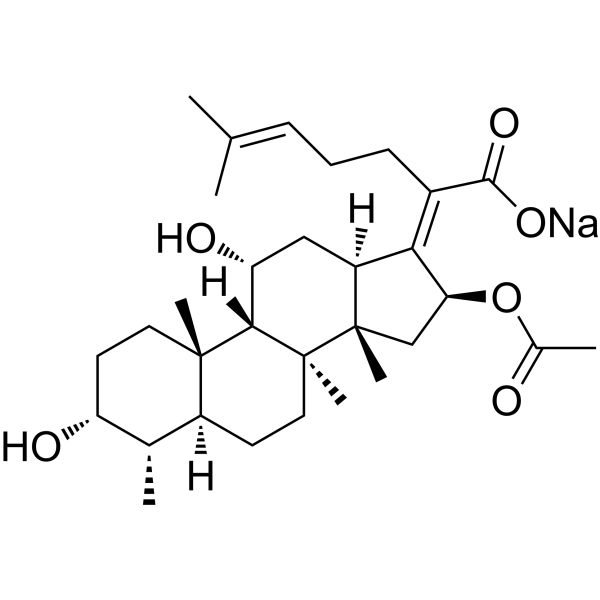
Fusidic acid sodium salt is an orally available antibacterial agent that inhibits bacterial protein synthesis by preventing the release of translation elongation factor G (EF-G) from ribosomes. Fusidic acid sodium salt inhibits the inhibitory and activating effects of interleukins IL-1 and IL-6 on glucose-induced insulin production and exhibits antidiabetic effects in a rat model. Fusidic acid sodium salt improves the symptoms of colitis in rats and inhibits the growth of Toxoplasma gondii and Listeria monocytogenes EGD in vitro, but not in mice .
|
-
- HY-111164
-
|
|
p38 MAPK
Phosphodiesterase (PDE)
|
Inflammation/Immunology
|
|
CBS-3595 is a dual inhibitor of p38 MAP kinase and phosphodiesterase 4 with anti-inflammatory and anti-allodynic activities. CBS-3595 reduces the production of the proinflammatory cytokine IL-6 and increases the levels of the anti-inflammatory cytokine IL-10 in rats. CBS-3595 reduces paw oedema formation in the Complete Freund’s adjuvant (CFA) (HY-153808)-induced arthritis rat model. CBS-3595 is promising for research of autoimmune diseases .
|
-
- HY-109106A
-
|
SK-1403; AJT240; PLS240
|
CaSR
|
Endocrinology
|
|
Upacicalcet sodium is a non-peptide calcimimetic that acts as a CaSR agonist (EC50 = 10.8 nM). Upacicalcet sodium reduces serum intact parathyroid hormone (iPTH) and serum Ca 2+ levels, reducing hypocalcemia and gastrointestinal complications. Upacicalcet sodium sodium improves vascular calcification and bone disorders in the Adenine (HY-B0152)-induced secondary hyperparathyroidism (SHPT) rat model. Upacicalcet sodium sodium inhibits cortical pore formation and reduces bone fibrosis in rats with chronic kidney disease (CKD). Upacicalcet sodium is useful for studying SHPT .
|
-
- HY-119221A
-
|
|
LPL Receptor
|
Neurological Disease
|
|
AUY 954 hydrochloride is a potent and selective sphingosine-1-phosphate (S1P(1)) receptor agonist, exhibiting significant immunomodulatory activity. AUY 954 hydrochloride induces a profound and reversible reduction of circulating lymphocytes upon oral administration. AUY 954 hydrochloride has demonstrated efficacy in prolonging cardiac allograft survival when used in combination with RAD001 in a stringent transplantation model. AUY 954 hydrochloride effectively prevents experimental autoimmune neuritis in rats, showcasing its therapeutic potential in autoimmune conditions.
|
-
- HY-169780
-
|
|
TRP Channel
|
Neurological Disease
Inflammation/Immunology
|
|
(S)-AMG-628 (Compound 16q) is the S-isomer of AMG-628 (HY-123374). (S)-AMG-628 is the orally active antagonist for TRPV1, that inhibits the Capsaicin (HY-10448)- and acid-induced Ca 2+-influx with IC50 of 7 nM and 5 nM in CHO cell. (S)-AMG-628 ameliorates Capsaicin-induced rats flinching, and reverses the thermal hypersensitivity in CFA-(HY-153808) induced inflammatory pain models .
|
-
- HY-109106
-
|
SK-1403 free acid; AJT240 free acid; PLS240 free acid
|
CaSR
|
Endocrinology
|
|
Upacicalcet is a non-peptide calcimimetic that acts as a CaSR agonist (EC50 = 10.8 nM). Upacicalcet reduces serum intact parathyroid hormone (iPTH) and serum Ca2+ levels, reducing hypocalcemia and gastrointestinal complications. Upacicalcet improves vascular calcification and bone disorders in the Adenine (HY-B0152)-induced secondary hyperparathyroidism (SHPT) rat model. Upacicalcet inhibits cortical pore formation and reduces bone fibrosis in rats with chronic kidney disease (CKD). Upacicalcet is useful for studying SHPT .
|
-
- HY-107387
-
|
|
PI3K
|
Metabolic Disease
Inflammation/Immunology
|
|
PF-376304 is an orally active non-specific class I phosphoinositide 3-kinase (PI3K) inhibitor with an IC50 of 0.197 μM against PI3Kγ. PF-376304 induces dose-dependent glucose and lipid metabolic disorders in rats, causes rapid death at high doses, and leads to metabolic abnormalities that are self-reversible at low doses. PF-376304 is applicable to the research of metabolic and inflammatory diseases .
|
-
- HY-155735
-
|
|
iGluR
Cholinesterase (ChE)
Amyloid-β
|
Neurological Disease
|
|
AChE/Aβ-IN-2 (compound 33) is a potent and orally active inhibitor of acetylcholinesterase (AChE) with IC50 of 135 nM, as well as an antagonist of NMDA receptor (GluN1-1b/GluN2B subunit combination) with IC50 of 5.054 μM. AChE/Aβ-IN-2 also inhibits Aβ aggregation and shows good blood-brain barrier permeability. AChE/Aβ-IN-2 improves cognitive and spatial memory impairment in rats model .
|
-
- HY-155733
-
|
|
iGluR
Cholinesterase (ChE)
Amyloid-β
|
Neurological Disease
|
|
AChE/Aβ-IN-1 (compound 32) is a potent and orally active inhibitor of acetylcholinesterase (AChE) with an IC50 of 86 nM, as well as an antagonist of NMDA receptor (GluN1-1b/GluN2B subunit combination) with IC50 of 3.876 μM. AChE/Aβ-IN-1 also inhibits Aβ aggregation and shows good blood-brain barrier permeability and neuroprotection. AChE/Aβ-IN-1 improves cognitive and spatial memory impairment in rats model .
|
-
- HY-168966
-
|
|
Phosphodiesterase (PDE)
iGluR
|
Neurological Disease
|
|
JNJ-54082730 (Compound 1) is the orally active inhibitor for phosphodiesterase (PDE) that inhibits PDE2A, PDE3B, and PDE10A2 with IC50s of 0.95 nM, 6.17 μM (pIC50=5.21) and 87.1 nM (pIC50=7.06), respectively. JNJ-54082730 modulates the activity of AMPA receptor, enhance the synaptic plasticity and promotes the learning and memory function in rats models. JNJ-54082730 can cross blood-brain barrier .
|
-
- HY-N0171B
-
|
β-Sitosterol (purity>75%); 22,23-Dihydrostigmasterol (purity>75%)
|
Apoptosis
|
Cardiovascular Disease
Inflammation/Immunology
Cancer
|
|
Beta-Sitosterol (purity>75%) is a phytosterol with oral activity. Beta-Sitosterol (purity>75%) interferes with a variety of cell signaling pathways, including the cell cycle, apoptosis and cell proliferation. Beta-Sitosterol (purity>75%) has anti-inflammatory, antioxidant, and antitumor activities .
|
-
- HY-N0378
-
D-Mannitol
Maximum Cited Publications
13 Publications Verification
Mannitol; Mannite
|
Environmental Pollutants
Endogenous Metabolite
Apoptosis
PGC-1α
PKA
Adrenergic Receptor
|
Cardiovascular Disease
Metabolic Disease
Cancer
|
|
D-Mannitol (Mannitol) is an oral, resistant sugar widely used in the food and pharmaceutical industries to promote the absorption and retention of calcium and magnesium through cecal fermentation, while acting as a osmotic diuretic to reduce tissue edema. D-Mannitol can enhance brown fat formation, improve insulin effect, reduce blood sugar levels, And through the start the β3-adrenergic receptor (β3-AR), PGC1α and PKA induced by means of white fat cells into brown fat cells . D-Mannitol is commonly used to maintain osmotic pressure between the plant cytoplasm and the culture medium and protect cells when the cell wall is weakened or even removed .
|
-
- HY-N0378R
-
|
Mannitol(Standard); Mannite (Standard)
|
Reference Standards
Endogenous Metabolite
Apoptosis
PGC-1α
Adrenergic Receptor
PKA
|
Cardiovascular Disease
Metabolic Disease
Cancer
|
|
D-Mannitol (Standard) is the analytical standard of D-Mannitol (HY-N0378). This product is intended for research and analytical applications. D-Mannitol (Mannitol) is an oral, resistant sugar widely used in the food and pharmaceutical industries to promote the absorption and retention of calcium and magnesium through cecal fermentation, while acting as a osmotic diuretic to reduce tissue edema. D-Mannitol can enhance brown fat formation, improve insulin effect, reduce blood sugar levels, And through the start the β3-adrenergic receptor (β3-AR), PGC1α and PKA induced by means of white fat cells into brown fat cells . D-Mannitol is commonly used to maintain osmotic pressure between the plant cytoplasm and the culture medium and protect cells when the cell wall is weakened or even removed .
|
-
- HY-101481R
-
|
|
Reference Standards
COX
Apoptosis
MEK
ERK
PPAR
AMPK
NF-κB
Interleukin Related
TNF Receptor
STAT
Wnt
|
Neurological Disease
Inflammation/Immunology
Cancer
|
|
Flurbiprofen axetil (Standard) is the analytical standard of Flurbiprofen axetil. This product is intended for research and analytical applications. Flurbiprofen axetil is a non-selective COX inhibitor and a nonsteroidal anti-inflammatory agent with anti-inflammatory and analgesic effects. Flurbiprofen axetil inhibits basal-like breast cancer metastasis by inhibiting the MEK/ERK signaling pathway. Flurbiprofen axetil can promote neuroprotection after focal cerebral ischemia in rats by partially activating PPAR-γ. Flurbiprofen axetil alleviates cerebral ischemia/reperfusion injury by reducing inflammation in a transient global cerebral ischemia/reperfusion rat model. Flurbiprofen axetil can alleviate inflammatory responses and cognitive function in a mild cognitive impairment (MCI) SD rat model through the AMPKα/NF-κB signaling pathway .
|
-
- HY-10932R
-
|
Ro 13-5057 (Standard)
|
Reference Standards
nAChR
iGluR
|
Neurological Disease
|
|
Aniracetam (Standard) is the analytical standard of Aniracetam. This product is intended for research and analytical applications. Aniracetam (Ro 13-5057) is an orally active neuroprotective agent, possessing nootropics effects. Aniracetam potentiates the ionotropic quisqualate (iQA) responses in the CA1 region of rat hippocampal slices. Aniracetam also potentiates the excitatory post synaptic potentials (EPSPs) in Schaffer collateral-commissural synapses. Aniracetam can prevents the CO2-induced impairment of acquisition in hypercapnia model rats. Aniracetam can be used to research cerebral dysfunctional disorders .
|
-
- HY-109106B
-
|
(Rac)-SK-1403 free acid; (Rac)-AJT240 free acid; (Rac)-PLS240 free acid
|
CaSR
|
Endocrinology
|
|
(Rac)-Upacicalcet is the racemate of Upacicalcet (HY-109106). Upacicalcet is a non-peptide calcimimetic that acts as a CaSR agonist (EC50 = 10.8 nM). Upacicalcet reduces serum intact parathyroid hormone (iPTH) and serum Ca2+ levels, reducing hypocalcemia and gastrointestinal complications. Upacicalcet improves vascular calcification and bone disorders in the Adenine (HY-B0152)-induced secondary hyperparathyroidism (SHPT) rat model. Upacicalcet inhibits cortical pore formation and reduces bone fibrosis in rats with chronic kidney disease (CKD). Upacicalcet is useful for studying SHPT .
|
-
- HY-18612
-
|
|
Bombesin Receptor
|
Metabolic Disease
|
|
MK-7725 is a selective, orally active, and blood-brain barrier-permeable agonist of the subtype 3 of the frog skin peptide receptor (BRS-3). MK-7725 has a high affinity for the human BRS-3 (hBRS-3), with an IC50 of 3 nM, and its functional activity in the mouse-derived BRS-3 (mBRS-3) model with an EC50 of 22 nM (105% agonistic). MK-7725 significantly reduces the body weight of obese rats and obese dogs. MK-7725 can be used for the treatment of obesity .
|
-
- HY-165607S
-
|
|
Piezo Channel
Isotope-Labeled Compounds
ERK
CaMK
|
Metabolic Disease
|
|
MCB-22-174 is a deuterated Piezo1 agonist, with an EC50 value of 6.28 μM. MCB-22-174 remarkably activates the CaMKII/ERK signaling pathway and initiates Ca 2+ influx in rMSCs. MCB-22-174 significantly decreases the expression of chondrogenesis markers (Comp, Acan) and adipogenesis markers (Lpl, Fabp4) in MSCs. MCB-22-174 can effectively improve bone quality in hind-limb unloading (HU) model rats. MCB-22-174 can be used for the study of disuse osteoporosis (OP) .
|
-
- HY-N0194
-
|
|
Apoptosis
Parasite
|
Inflammation/Immunology
Cancer
|
|
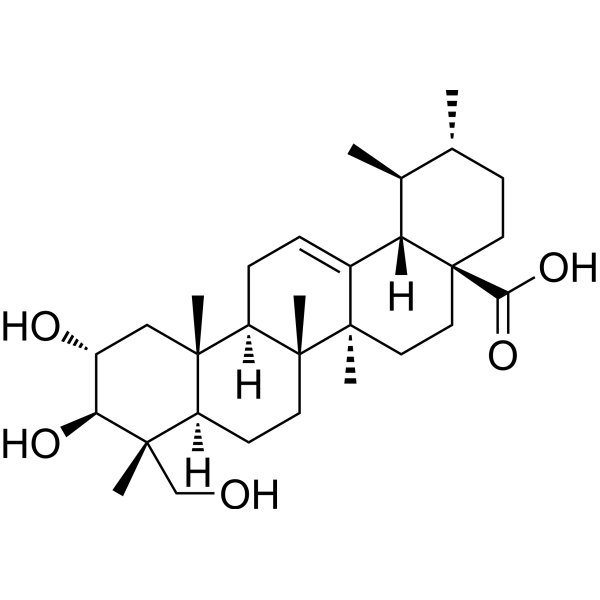
Asiatic acid, a pentacyclic triterpene found in Centella asiatica (Centella asiatica), has anticancer activity. Asiatic acid induces apoptosis in melanoma cells and has barrier protective effects on human aortic endothelial cells (HAEC). Asiatic acid also has anti-inflammatory activity and inhibits tumor necrosis factor (TNF)-α-induced endothelial barrier dysfunction. Asiatic acid also inhibits NLRP3 inflammasome activation and NF-κB pathway, effectively inhibits inflammation in rats, and has neuroprotective effects in rat spinal cord injury (SCI) model .
|
-
- HY-120380
-
|
|
MOFs
PARP
|
Neurological Disease
|
|
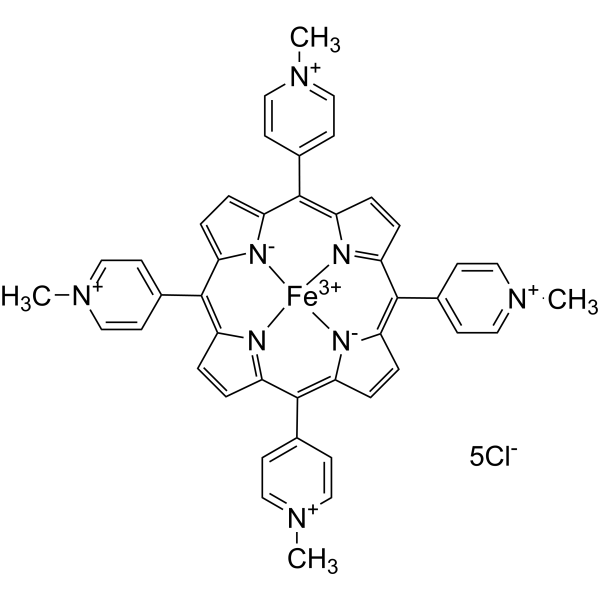
FeTMPyP is an orally active poly (ADP-ribose) polymerase (PARP) inhibitor. FeTMPyP inhibits cell death, nitrotyrosine formation, and depolarization of mitochondrial transmembrane potential. FeTMPyP reduces homocysteine-induced nitrosative stress and partially restores TFEB protein and mRNA levels. FeTMPyP improves functional and behavioral deficits caused by chronic constriction injury in rats. FeTMPyP alleviates acute cerebral infarction in a rat model of middle cerebral artery occlusion with mild hyperglycemia. FeTMPyP can be used in studies related to neuropathic pain, renal aging, ischemic penumbra, and hyperglycemic stroke .
|
-
- HY-P0165B
-
|
ITM077 acetate; R1583 acetate; BIM51077 acetate
|
GLP Receptor
|
Metabolic Disease
|
|
Taspoglutide (R1583) acetate is an agonist of the glucagon-like peptide 1 receptor (GLP-1R) with an Ki value of 1.1 nM. Taspoglutide acetate induces cAMP accumulation in CHO-K1 cells expressing human GLP-1R (EC50 = 0.06 nM). Taspoglutide acetate decreases blood levels of glucose and increases blood levels of insulin in a glucose tolerance test in Zucker diabetic obese rats. Taspoglutide acetate reduces blood levels of gastric inhibitory polypeptide (GIP), plasma levels of triglycerides, and body weight in the same model .
|
-
- HY-176214
-
|
|
PPAR
COX
|
Metabolic Disease
|
|
PPARγ agonist 19 (Compound 5e) is a PPARγ agonist. PPARγ agonist 19 has an IC50 of 11.27 μM against COX-1 and an IC50 of 0.05 μM against COX-1. PPARγ agonist 19 increases glucose uptake in rat hemidiaphragm assay and is superior to pioglitazone (HY-13956). PPARγ agonist 19 alleviates hyperglycemia and insulin resistance in an in vivo model of type 2 diabetes in rats and protects against renal and lipidemia damage caused by metabolic dysfunction .
|
-
- HY-19210
-
|
|
Endothelin Receptor
|
Cardiovascular Disease
|
|
SB-209670 is an extremely potent and highly specific non-peptide, subnanomolar endothelin (ET) receptor antagonist. SB 209670 selectively inhibits binding of 125I-labeled ET-1 to cloned human ET receptor subtypes ETA and ETB (Ki=0.2 and 18 nM, respectively). SB 209670 produces a dose-dependent reduction in blood pressure in hypertensive rats, protects from ischemia-induced neuronal degeneration in a gerbil stroke model, and attenuates neointima formation following rat carotid artery balloon angioplasty .
|
-
- HY-183918
-
|
|
COX
|
Inflammation/Immunology
|
|
Amfenac ethyl ester is an orally active cyclooxygenase (COX) inhibitor. Amfenac ethyl ester exhibits antiinflammatory activity in rodent models. Amfenac ethyl ester can be used for the research of inflammation .
|
-
- HY-15401
-
|
|
5-HT Receptor
|
Neurological Disease
Metabolic Disease
|
|
WAY 163909 is an orally active, blood-brain barrier permeable 5-HT2C receptor-selective agonist. WAY 163909 exhibits an EC50 of 8 nM and a Ki of 10.5 nM for h5-HT2C. Instead of triggering apoptosis, WAY 163909 induces anorectic, antipsychotic-like, antidepressant-like, anti-aggressive and anti-compulsive effects. WAY 163909 alleviates ketamine-induced hypothermia, but impairs sexual function at high doses. With rapid antidepressant-like properties, WAY 163909 can be used in research related to obesity, schizophrenia, depression, obsessive-compulsive disorder, and anesthesia-induced hypothermia .
|
-
- HY-161104
-
|
|
Potassium Channel
Apoptosis
|
Cardiovascular Disease
Neurological Disease
|
|
Kv2.1-IN-1 is an orally active and blood-brain barrier penetrant Kv2.1 inhibitor with an IC50 of 0.07 μM. Kv2.1-IN-1 exhibits a selectivity >130 fold over other K +, Na +, and Ca 2+ ion channels. Kv2.1-IN-1 decreases the apoptosis of HEK293 cells induced by H2O2. Kv2.1-IN-1 produces significant neuroprotection efficacy in middle cerebral artery occlusion (MCAO) rat. Kv2.1-IN-1 can be used for the study of ischemic stroke .
|
-
- HY-P99940
-
|
ABT-122
|
TNF Receptor
Interleukin Related
|
Inflammation/Immunology
|
|
Remtolumab is a bispecific variable domain immunoglobulin molecule with human affinities for TNFα and IL-17 in the low pM range of Kd. Remtolumab can be used in research related to rheumatoid arthritis, psoriatic arthritis, and moderate-to-severe plaque psoriasis .
|
-
- HY-19720A
-
|
ACU-4429 hydrochloride
|
RPE65
|
Metabolic Disease
|
|
Emixustat (ACU-4429) hydrochloride is an orally active RPE65 inhibitor with an IC50 value of 4.4 nM. Emixustat hydrochloride is also a visual cycle modulator, capable of regulating visual cycle activity by inhibiting retinol isomerization, and holds potential for studying vision disorders such as age-related macular degeneration (AMD) .
|
-
- HY-19720
-
|
ACU-4429
|
RPE65
|
Metabolic Disease
|
|
Emixustat is an orally active RPE65 inhibitor with an IC50 value of 4.4 nM. Emixustat is also a visual cycle modulator, capable of regulating visual cycle activity by inhibiting retinol isomerization, and holds potential for studying vision disorders such as age-related macular degeneration (AMD) .
|
-
- HY-178015
-
|
|
Thyroid Hormone Receptor
|
Metabolic Disease
Inflammation/Immunology
|
|
THR-β agonist 11 is an orally active and selective thyroid hormone receptor (THR-β) agonist. THR-β agonist 11 shows potent cholesterol-lowering activity in cholesterol-fed rats. THR-β agonist 11 significantly reduces serum total TG, LDL-cholesterol, liver total TC and TG levels, and alleviates hepatic steatosis, inflammation and fibrosis in HFD-CCl4-induced Metabolic dysfunction-associated steatohepatitis (MASH) model mice. THR-β agonist 11 can be used for the study of metabolic dysfunction-associated steatohepatitis (MASH) and other fibrotic diseases .
|
-
- HY-110268
-
|
|
CXCR
|
Inflammation/Immunology
|
|
NVP CXCR2 20 is a selective CXCR2 inhibitor with analgesic and antinociceptive activities. NVP CXCR2 20 selectively blocks CXCR2 signaling and attenuates mechanical and thermal hypersensitivity in rat chronic constriction injury (CCI) models. NVP CXCR2 20 inhibits CXCL3-induced hypersensitivity in naive mice and reduces elevated CXCL3 protein levels in the spinal cord and dorsal root ganglia (DRG) of CCI-exposed rats. NVP CXCR2 20 can be used for the research of neuropathic pain and chronic obstructive pulmonary disease (COPD) .
|
-
- HY-P5875A
-
|
|
Protease Activated Receptor (PAR)
|
Cardiovascular Disease
Inflammation/Immunology
|
|
P4pal10 TFA is the TFA salt form of P4pal10 (HY-P5875). P4pal10 TFA is an antagonist for protease-activated receptor 4 (PAR4). P4pal10 TFA inhibits the platelet aggregation, inhibits tissue factor (TF)-induced thrombin generation, and exhibits anticoagulant and antithrombotic activities. P4pal10 TFA reduces the oedema and the granulocyte infiltration induced by Carrageenan (HY-125474). P4pal10 TFA ameliorates the injury in rats myocardial ischemia/reperfusion (I/R) models .
|
-
- HY-145549
-
|
N-eicosanoyl-D-erythro-Sphingosylphosphorylcholine; SM(d18:1/20:0)
|
Endogenous Metabolite
|
Endocrinology
|
|
C20 Sphingomyelin (d18:1/20:0) (N-eicosanoyl-D-erythro-Sphingosylphosphorylcholine; SM(d18:1/20:0)) is a naturally occurring sphingolipid. C20 Sphingomyelin (d18:1/20:0) levels are upregulated in the hippocampus of streptozotocin (HY-13753)-induced diabetic rats and in human plasma, positively correlating with insulin resistance in obese humans. C20 Sphingomyelin (d18:1/20:0) is also upregulated in the liver of a mouse model of Niemann-Pick C1 disease, a neurodegenerative cholesterol sphingolipid lysosomal storage disorder.
|
-
- HY-119468
-
|
|
Dopamine Transporter
|
Neurological Disease
|
|
Medifoxamine is an orally active monoamine reuptake inhibitor and antidepressant. Medifoxamine preferentially inhibits presynaptic dopamine reuptake. Medifoxamine acts as an intraocular pressure-lowering agent to reduce intraocular pressure, and also functions as a miotic agent to decrease pupil diameter. Medifoxamine exhibits characteristic properties of antidepressant compounds, including preventing hypothermia induced by Reserpine (HY-N0480) or Apomorphine (HY-12723), potentiating the toxic effects of Yohimbine (HY-N0127) in mice, and reducing immobility behavior in mice and rats in the "behavioral despair" model. Medifoxamine has no anticholinergic activity. Medifoxamine can be used in research related to depression .
|
-
- HY-P3247
-
|
|
Insulin Receptor
|
Neurological Disease
Metabolic Disease
|
|
[D-Ala2]-GIP (human) is a GIP receptor agonist (EC50 = 630 pM). [D-Ala2]-GIP (human) improves glucose tolerance. [D-Ala2]-GIP (human) shows neuroprotective activity in MPTP (HY-W114750)-induced Parkinson's disease model. [D-Ala2]-GIP (human) also improves cognitive function and hippocampal synaptic plasticity in obese diabetic rats. [D-Ala2]-GIP (human) can be used for research of type 2 diabetes, Parkinson's disease, etc
|
-
- HY-B0531
-
|
|
COX
Phosphodiesterase (PDE)
NF-κB
NO Synthase
Prostaglandin Receptor
|
Infection
Neurological Disease
Inflammation/Immunology
Cancer
|
|
Triflusal is an orally bioavailable, blood-brain barrier-permeable dual Cyclooxygenase-1 (COX-1)/cAMP phosphodiesterase inhibitor. Triflusal inhibits platelet aggregation, NF-κB activation, iNOS activity, and prostaglandin synthesis in ischaemic tissue. Triflusal stimulates neutrophil nitric oxide production, eNOS protein expression, and cNOS activity. Triflusal alleviates cerebral ischemic injury in rats and ameliorates pathological lesions and related gene expression in transgenic Alzheimer’s disease models. Triflusal can be used for the research of thromboembolic/ischemic cardiovascular and cerebrovascular diseases, and Alzheimer’s disease .
|
-
- HY-N0507
-
|
|
TNF Receptor
Interleukin Related
|
Neurological Disease
Inflammation/Immunology
|
|
Rosavin, an orally bioactive phenylpropanoid from Rhodiola rosea L. (RRL), is an adaptogen that enhances the body’s response to environmental stress. Rosavin significantly influences bone tissue metabolism by inhibiting osteoclastogenesis and promoting osteoblast differentiation, also impacts various diseases, demonstrating antidepressant, adaptogenic, and anxiolytic effects in mouse models. Additionally, Rosavin improves survival, reducing intestinal damage in irradiated rats and Ischemia-reperfusion(I/R)-induced cerebral injury in vivo by regulating inflammation and oxidative stress, making it a promising candidate for research in radiation-induced intestinal injury, I/R-induced cerebral injury and osteoporosis .
|
-
- HY-168366
-
|
|
Opioid Receptor
|
Neurological Disease
|
|
R-6890 is a Brorphine-related opioid receptor antagonist that exhibits differential binding activities toward rat opioid receptors (IC50=4.6 nM (0.05 M Tris; pH 7.4) and 170 nM (0.05 M Tris+0.1 M NaCl)). R-6890 displaces bound labeled opioids from receptors, and its binding affinity is affected by environmental factors, decreasing in the presence of NaCl. R-6890 crosses the blood-brain barrier (BBB) and exerts analgesic effects in the warm water-induced tail-flick reflex model of male Wistar rats .
|
-
- HY-N0194R
-
|
|
Reference Standards
Apoptosis
Parasite
|
Inflammation/Immunology
Cancer
|
|
Asiatic acid (Standard) is the analytical standard of Asiatic acid. This product is intended for research and analytical applications. Asiatic acid, a pentacyclic triterpene found in Centella asiatica (Centella asiatica), has anticancer activity. Asiatic acid induces apoptosis in melanoma cells and has barrier protective effects on human aortic endothelial cells (HAEC). Asiatic acid also has anti-inflammatory activity and inhibits tumor necrosis factor (TNF)-α-induced endothelial barrier dysfunction. Asiatic acid also inhibits NLRP3 inflammasome activation and NF-κB pathway, effectively inhibits inflammation in rats, and has neuroprotective effects in rat spinal cord injury (SCI) model .
|
-
- HY-N5074
-
|
|
Apoptosis
|
Inflammation/Immunology
Cancer
|
|
Terrestrosin D is an orally active apoptosis inducer. Terrestrosin D induces cell cycle arrest at the G1 and S phases, reduces mitochondrial membrane potential, and inhibits the growth of cancer cells and endothelial cells. Terrestrosin D is studied in castration-resistant prostate cancer and pulmonary fibrosis .
|
-
- HY-163537
-
|
|
Cholinesterase (ChE)
|
Neurological Disease
|
|
AChE/BuChE-IN-5 (compound 5a) is a dual target inhibitor. AChE/BuChE-IN-5 has excellent nanomolar inhibitory activity on acetylcholinesterase (AChE) (IC50=46.9 nM) and butyryl cholinesterase (BuChE) (IC50=3.5 nM). AChE/BuChE-IN-5 can be used for Alzheimer's Disease research .
|
-
- HY-121935
-
|
|
Environmental Pollutants
Fungal
|
Infection
|
|
Tecnazene is a dinitroaromatic fungicide and plant growth regulator. Tecnazene binds irreversibly to human skin tissues and exhibits acute toxicity in Rattus norvegicus (brown rat). Tecnazene exerts sprouting-inhibiting and antifungal activities by inhibiting the sprouting of potato tuber buds and blocking the growth and reproduction of fungi that cause dry rot. Tecnazene has significant antifungal and sprouting-inhibiting activities, and shows high toxicity to aquatic organisms such as freshwater fish and crustaceans. Tecnazene is used for sprouting inhibition and dry rot control during potato storage .
|
-
- HY-B0869
-
|
|
Acetolactate Synthase (ALS)
Herbicide
|
Others
|
|
Bispyribac is an acetolactate synthase inhibitor that can be used as a systemic post-emergence herbicide for control of weeds in agriculture. Bispyribac blocks the amino acid synthesis. Bispyribac has low acute toxicity in animal models .
|
-
- HY-120714
-
-
- HY-183101
-
|
|
iGluR
NADPH Oxidase
|
Neurological Disease
|
|
AMPAR modulator-12 is a blood-brain barrier-permeable AMPAR positive allosteric modulator. AMPAR modulator-12 reduces NOX-1 expression, enhances AMPAR-mediated currents, promotes excitatory postsynaptic transmission and restores AMPAR function. AMPAR modulator-12 enhances excitatory and inhibitory synaptic transmission, reduces burst firing in the lateral habenula after withdrawal, and produces rapid and sustained antidepressant-like effects. AMPAR modulator-12 is applicable for the research of depression .
|
-
- HY-181136
-
|
|
Estrogen Receptor/ERR
|
Metabolic Disease
Cancer
|
|
Antiestrogenic agent-1, an organophosphorus 13α-estrone derivative, is an antiestrogenic agent. Antiestrogenic agent-1 can disrupt estrogen signaling by inhibiting estrogen-mediated transcriptional activity. Antiestrogenic agent-1 can inhibit cancer cells proliferation, migration, invasion and induce G1-phase arrest. Antiestrogenic agent-1 mitigates estrogen-induced uterine growth in immature rats and inhibits tumor growth in a murine triple-negative breast cancer mice model. Antiestrogenic agent-1 can be used for the researches of cancer and endocrinology,such as breast cancer, oropharyngeal squamous cell carcinoma .
|
-
- HY-P10405
-
|
|
Dopamine Receptor
|
Neurological Disease
|
|
TAT-D1 peptide is a dopamine D1-D2 receptor heterodimer inhibitor. TAT-D1 peptide disrupts the function of dopamine D1-D2 receptor heteromers, enhances subchronic amphetamine-induced locomotor activity, and exacerbates the expression of amphetamine-induced locomotor sensitization. TAT-D1 peptide produces rapid anxiolytic and antidepressant-like effects in rat models of depression and anxiety, and inhibits c-fos expression in the nucleus accumbens of rats. TAT-D1 peptide can be used in the research of psychostimulant addiction, depression and anxiety disorders .
|
-
- HY-P10405A
-
|
|
Dopamine Receptor
|
Neurological Disease
|
|
TAT-D1 peptide acetate is a dopamine D1-D2 receptor heterodimer inhibitor. TAT-D1 peptide acetate disrupts the function of dopamine D1-D2 receptor heteromers, enhances subchronic amphetamine-induced locomotor activity, and exacerbates the expression of amphetamine-induced locomotor sensitization. TAT-D1 peptide acetate produces rapid anxiolytic and antidepressant-like effects in rat models of depression and anxiety, and inhibits c-fos expression in the nucleus accumbens of rats. TAT-D1 peptide acetate can be used in the research of psychostimulant addiction, depression and anxiety disorders .
|
-
- HY-B0531S
-
|
|
Isotope-Labeled Compounds
COX
NF-κB
Phosphodiesterase (PDE)
NO Synthase
Prostaglandin Receptor
|
Infection
Neurological Disease
Inflammation/Immunology
Cancer
|
|
Triflusal-d3 is deuterium labeled Triflusal (HY-B0531). Triflusal is an orally bioavailable, blood-brain barrier-permeable dual Cyclooxygenase-1 (COX-1)/cAMP phosphodiesterase inhibitor. Triflusal inhibits platelet aggregation, NF-κB activation, iNOS activity, and prostaglandin synthesis in ischaemic tissue. Triflusal stimulates neutrophil nitric oxide production, eNOS protein expression, and cNOS activity. Triflusal alleviates cerebral ischemic injury in rats and ameliorates pathological lesions and related gene expression in transgenic Alzheimer’s disease models. Triflusal can be used for the research of thromboembolic/ischemic cardiovascular and cerebrovascular diseases, and Alzheimer’s disease .
|
-
- HY-N0108
-
|
Parietin; Rheochrysidin
|
Bacterial
Toll-like Receptor (TLR)
NF-κB
Apoptosis
Autophagy
Antibiotic
|
Infection
Inflammation/Immunology
Cancer
|
|
Physcion (Parietin), an anthraquinone derivative derived from the traditional Chinese medicine rhubarb, is an effective oral active 6-phosphogluconate dehydrogenase inhibitor with blood-brain barrier permeability, with IC50 and Kd values of 38.5 μM and 26.0 μM, respectively. Additionally, Physcion is an inhibitor of the <>bTLR4/NF-κB signaling pathway, exhibiting anti-inflammatory, antibacterial, and anticancer effects, and can induce Apoptosis and Autophagy in cancer cells .
|
-
- HY-163514
-
|
|
Cholinesterase (ChE)
DYRK
|
Neurological Disease
|
|
hAChE-IN-8 (Compound S-12) is a orally effective and selective inhibitor of hAChE (IC50=0.486 μM). hAChE-IN-8 also inhibits BACE-1 (IC50=0.542 μM), and does not inhibit Dyrk1A (IC50>10 μM). hAChE-IN-8 can reduce Aβ aggregation, has good blood-brain barrier penetration. hAChE-IN-8 is mainly used in Alzheimer's disease research .
|
-
- HY-W017540
-
|
|
ATP Synthase
|
Cardiovascular Disease
Neurological Disease
Metabolic Disease
Cancer
|
|
Cyclocreatine, a creatine analogue, acts as a brain-penetrant and potent bioenergetic protective agent by providing high levels of ATP. Cyclocreatine can be phosphorylated and dephosphorylated by creatine kinases. Cyclocreatine suppresses creatine metabolism ameliorating the cognitive, autistic and epileptic phenotype in a mouse model of creatine transporter defciency. Cyclocreatine protects against ischemic injury and enhances cardiac recovery during early reperfusion in dogs and rats. Cyclocreatine decreases plaque-adjacent neuronal dystrophy in TREM2-deficient mice with amyloid-β pathology. Cyclocreatine is proming for research of ischemic heart disease, cardiovascular diseases, Alzheimer’s disease and other neurodegenerative diseases associated with microglial dysfunction, prostate cancer .
|
-
- HY-W008150
-
|
α-Hydroxyisovaleric acid
|
Endogenous Metabolite
|
Metabolic Disease
|
|
2-Hydroxy-3-methylbutanoic acid (α-Hydroxyisovaleric acid) is an α-hydroxy analogue of valine and a valine precursor that reduces urea excretion. 2-Hydroxy-3-methylbutanoic acid can promote the growth of chickens and rats, and is converted into valine in the body, participating in protein synthesis and maintaining nitrogen balance, thereby supporting animal growth and development. 2-Hydroxy-3-methylbutanoic acid has a more significant effect on the valine-deficient dietary model. 2-Hydroxy-3-methylbutanoic acid is mainly used in animal nutrition research to evaluate its potential application as a nitrogen source substitute in feed .
|
-
- HY-B0531R
-
|
|
Reference Standards
COX
Phosphodiesterase (PDE)
NF-κB
NO Synthase
Prostaglandin Receptor
|
Infection
Neurological Disease
Inflammation/Immunology
Cancer
|
|
Triflusal (Standard) is the analytical standard of Triflusal (HY-B0531). This product is intended for research and analytical applications. Triflusal is an orally bioavailable, blood-brain barrier-permeable dual Cyclooxygenase-1 (COX-1)/cAMP phosphodiesterase inhibitor. Triflusal inhibits platelet aggregation, NF-κB activation, iNOS activity, and prostaglandin synthesis in ischaemic tissue. Triflusal stimulates neutrophil nitric oxide production, eNOS protein expression, and cNOS activity. Triflusal alleviates cerebral ischemic injury in rats and ameliorates pathological lesions and related gene expression in transgenic Alzheimer’s disease models. Triflusal can be used for the research of thromboembolic/ischemic cardiovascular and cerebrovascular diseases, and Alzheimer’s disease .
|
-
- HY-W142432
-
|
|
Biochemical Assay Reagents
β-catenin
Wnt
Arginase
TGF-beta/Smad
mTOR
Akt
ERK
Atg8/LC3
p62
Autophagy
|
Metabolic Disease
Inflammation/Immunology
Cancer
|
|
Perfluoroundecanoic acid is a perfluoroalkyl substance (PFAS). Perfluoroundecanoic acid is an orally active oxidative stress inducer. Perfluoroundecanoic acid promotes macrophage M2 polarization, activates Wnt/β-catenin signaling and enhances β-catenin nuclear accumulation. Perfluoroundecanoic acid -induced M2 phenotype macrophage accelerates tumor progression in vitro and in vivo. Perfluoroundecanoic acid induces DNA damage, reproductive and pathophysiological dysfunctions via oxidative stress in male Swiss mice. Perfluoroundecanoic acid inhibits Leydig cell development in pubertal male rats via inducing oxidative stress and autophagy. Perfluoroundecanoic acid accelerates insulitis development in a mouse model of type 1 diabetes. Perfluoroundecanoic acid can be used for the study of ovarian cancer, type 1 diabetes and inflammation .
|
-
- HY-N0507R
-
|
|
Reference Standards
TNF Receptor
Interleukin Related
|
Neurological Disease
Inflammation/Immunology
|
|
Rosavin (Standard) is the analytical standard of Rosavin. This product is intended for research and analytical applications. Rosavin, an orally bioactive phenylpropanoid from Rhodiola rosea L. (RRL), is an adaptogen that enhances the body’s response to environmental stress. Rosavin significantly influences bone tissue metabolism by inhibiting osteoclastogenesis and promoting osteoblast differentiation, also impacts various diseases, demonstrating antidepressant, adaptogenic, and anxiolytic effects in mouse models. Additionally, Rosavin improves survival, reducing intestinal damage in irradiated rats and Ischemia-reperfusion(I/R)-induced cerebral injury in vivo by regulating inflammation and oxidative stress, making it a promising candidate for research in radiation-induced intestinal injury, I/R-induced cerebral injury and osteoporosis .
|
-
- HY-W017540R
-
|
|
Reference Standards
ATP Synthase
|
Cardiovascular Disease
Neurological Disease
Metabolic Disease
Cancer
|
|
Cyclocreatine, a creatine analogue, acts as a brain-penetrant and potent bioenergetic protective agent by providing high levels of ATP. Cyclocreatine can be phosphorylated and dephosphorylated by creatine kinases. Cyclocreatine suppresses creatine metabolism ameliorating the cognitive, autistic and epileptic phenotype in a mouse model of creatine transporter defciency. Cyclocreatine protects against ischemic injury and enhances cardiac recovery during early reperfusion in dogs and rats. Cyclocreatine decreases plaque-adjacent neuronal dystrophy in TREM2-deficient mice with amyloid-β pathology. Cyclocreatine is proming for research of ischemic heart disease, cardiovascular diseases, Alzheimer’s disease and other neurodegenerative diseases associated with microglial dysfunction, prostate cancer .
|
-
- HY-180422
-
|
|
Dopamine Receptor
|
Neurological Disease
|
|
(-)-UH 232 is a central dopamine (DA) receptor agonist. (-)-UH 232 weakly decreases 3, 4-dihydroxyphenylalanine (DOPA) formation in striatal and limbic brain regions in rats. (-)-UH 232 can be used for the research of neurological diseases including parkinson's disease and schizophrenia .
|
-
- HY-W663179
-
|
|
Parasite
Cytochrome P450
|
Infection
|
|
DNDI-VL-2098 is an orally active antileishmanial agent. DNDI-VL-2098 exhibits high permeability, in vitro metabolic stability, and selective inhibition of CYP2C19 (IC50=0.47 μM). DNDI-VL-2098 does not affect the activities of other major CYP enzymes (CYP1A2, CYP2C9, CYP2D6 and CYP3A4) at concentrations up to 12.5 μM. It shows favorable pharmacokinetic properties in multiple animal models including mice, hamsters, rats and dogs. DNDI-VL-2098 is characterized by moderate to high plasma protein binding and can be used for the research of visceral leishmaniasis .
|
-
- HY-W088065
-
|
|
Environmental Pollutants
DNA/RNA Synthesis
|
Others
|
Sodium formate acts as a key promoter for heterogeneous nucleation of ZIF crystals and thin film synthesis. It is also recognized as a GRAS substance by the FDA, and serves as a cosmetic preservative and food additive. Sodium formate has low acute oral toxicity (acute oral LD50=7410 mg/kg and acute intravenous LD50=807 mg/kg in mice), with no heritable or carcinogenic effects, but exhibits embryonic developmental toxicity and teratogenicity at high concentrations. Sodium formate may cause moderate irritation to rabbit eyes, is relatively safe to the skin, and does not induce tumor formation in rats in vivo. Sodium formate is rapidly absorbed and oxidized to carbon dioxide in vivo, and forms DNA adducts in specific metabolic deficiency models or upon high-dose exposure .
|
-
- HY-W027553
-
|
NIK-247 free base; Amiridine free base
|
Cholinesterase (ChE)
Potassium Channel
Sodium Channel
|
Neurological Disease
Metabolic Disease
|
|
Ipidacrine is orally active and brain-penetrant AChE and BuChE inhibitors with IC50 values of 1 μM and 1.9 μM, respectively, which is also a partial agonist of M2-cholinergic receptors and a reversible cholinesterase inhibitor. Ipidacrine has a stimulating effect on neuromuscular transmission and excitation along the nerve fibres with a moderately anti-pain effect. Ipidacrine is an aminopyridines and is structurally similar to Tacrine (HY-111338). Ipidacrine is effective in various amnesia models, improves erectile function and inhibits K + and Na +-channels in the neuronal membrane in diabetic rats. Ipidacrine is promising for research of Alzheimer’s disease, ischaemic stroke, idiopathic neuropathy of the facial nerve, diabetes mellitus-induced erectile dysfunction and other deficits in central or peripheral cholinergic deseases .
|
-
- HY-W010201
-
|
(±)-Citronellol; (±)-β-Citronellol
|
Environmental Pollutants
Necroptosis
Autophagy
Fungal
Reactive Oxygen Species (ROS)
ERK
Atg8/LC3
TNF Receptor
Apoptosis
PI3K
p62
|
Cardiovascular Disease
Neurological Disease
Cancer
|
|
Citronellol ((±)-Citronellol) is an orally active inducer of apoptosis. Citronellol can prevent oxidative stress, mitochondrial dysfunction, and apoptosis in the SH-SY5Y cell Parkinson's disease model induced by 6-OHDA by regulating the ROS-NO, MAPK/ERK, and PI3K/Akt signaling pathways. Citronellol can induce necroptosis in human lung cancer cells through the TNF-α pathway and accumulation of ROS. Citronellol can reduce the levels of LC-3 and p62 to regulate the autophagy pathway, inhibit oxidative stress and neuroinflammation, and thus have neuroprotective effects on Parkinson's rats. Citronellol exhibits anti-fungal activity against Trichophyton rubrum by inhibiting ergosterol synthesis .
|
-
- HY-164049
-
|
|
Prostaglandin Receptor
|
Inflammation/Immunology
|
|
TG8-260 is a second-generation EP2 antagonist developed to alleviate the pathology of central nervous system and peripheral diseases driven by inflammation. TG8-260 can reduce neuroinflammation and gliosis in the hippocampus of rats after pilocarpine-induced persistent epileptic status. Pharmacokinetic data of TG8-260 showed that its plasma half-life was 2.14 hours and its oral bioavailability was 77.3%. TG8-260 is also a potent inhibitor of CYP450 and shows antagonistic activity in inhibiting EP2 receptor-mediated inflammatory gene expression in BV2-hEP2 microglia, which is suitable for studying anti-inflammatory pathways in animal models of peripheral inflammatory diseases .
|
-
- HY-12193
-
|
|
Histamine Receptor
|
Others
|
|
A-349821 is a histamine H3 receptor antagonist characterized as a radioligand ([3H]-A-349821) for in vivo receptor occupancy assessment. In rats, [3H]-A-349821 penetrated the brain, showing higher levels in the cortex compared to the cerebellum, indicating selective H3 receptor binding. Its cortical occupancy was saturable, correlating with in vitro binding data. Inhibition studies with ABT-239 and other H3 antagonists showed dose-dependent reductions in receptor occupancy, matching blood levels associated with cognitive efficacy in preclinical models. [3H]-A-349821 thus serves as a valid tracer for H3 receptor occupancy, aiding in the development and clinical interpretation of H3 receptor antagonists .
|
-
- HY-181822
-
|
|
Formyl Peptide Receptor (FPR)
Arrestin
PKA
Interleukin Related
|
Cardiovascular Disease
|
|
BMS-986331 is an orally active selective N-Formyl Peptide Receptor 2 (FPR2) agonist with an EC50 of 0.5 nM in humans and 1 nM in rats. BMS-986331 activates Gαi2, GαoA, Gα12, Gα13 signaling pathways, recruits β-arrestin1 and β-arrestin2, and inhibits downstream cAMP. BMS-986331 induces the expression and release of the pro-resolution cytokine IL-10. BMS-986331 improves cardiac structure and function in a rat model of heart failure induced by permanent coronary artery occlusion. BMS-986331 can be used for the research of heart failure .
|
-
- HY-144658
-
|
|
Factor Xa
|
Cardiovascular Disease
|
|
FXIa-IN-8 is a potent and selective FXIa inhibitor with an IC50 of 14.2 nM. FXIa-IN-8 shows antithrombotic activity without increasing the bleeding risk and obvious toxicitysup>[1].
|
-
- HY-186192
-
|
|
Drug Derivative
|
Cancer
|
|
LY-22CD-3 is a Camptothecin (HY-16560) derivative that can be used for ADC sythesis .
|
-
- HY-126049
-
|
(S)-(-)-Oxiracetam; (S)-ISF2522
|
Apoptosis
|
Neurological Disease
|
|
(S)-oxiracetam (S-ORC) is an inhibitor targeting apoptosis. S-ORC reduces brain infarct size and lessens neurological dysfunction in middle cerebral artery occlusion/reperfusion (MCAO/R) models. S-ORC prevents neuronal apoptosis via activating PI3K/Akt/GSK3β signaling pathway via α7 nAChR after ischemic stroke. S-ORC can prevent neuronal death after ischemic stroke .
|
-
- HY-109968A
-
|
CEP-26401 hydrochloride
|
Histamine Receptor
|
Neurological Disease
|
|
Irdabisant (CEP-26401) hydrochloride is a selective, orally active and blood-brain barrier (BBB) penetrant histamine H3 receptor (H3R) inverse agonist/inverse agonist with Ki values of 7.2 nM and 2.0 nM for rat H3R and human H3R, respectively. Irdabisant hydrochloride has relatively low inhibitory activity against hERG current with an IC50 of 13.8 μM. Irdabisant hydrochloride has cognition-enhancing and wake-promoting activities in the rat social recognition model. Irdabisant hydrochloride can be used to research schizophrenia or cognitive impairment .
|
-
- HY-109968
-
|
CEP-26401
|
Histamine Receptor
|
Neurological Disease
Metabolic Disease
|
|
Irdabisant (CEP-26401) is a selective, orally active and blood-brain barrier (BBB) penetrant histamine H3 receptor (H3R) inverse agonist/inverse agonist with Ki values of 7.2 nM and 2.0 nM for rat H3R and human H3R, respectively. Irdabisant has relatively low inhibitory activity against hERG current with an IC50 of 13.8 μM. Irdabisant has cognition-enhancing and wake-promoting activities in the rat social recognition model. Irdabisant can be used to research schizophrenia or cognitive impairment .
|
-
- HY-168954
-
|
|
c-Fms
Apoptosis
Akt
ERK
STAT
|
Inflammation/Immunology
Cancer
|
|
CSF1R-IN-26 (Compound III-1) is the inhibitor for CSF-1R with an IC50 of 20.07 nM. CSF1R-IN-26 promotes the polarization of M2 macrophages to M1 macrophages, thereby inducing apoptosis in MC-38 cancer cell. CSF1R-IN-26 inhibits the activation of AKT/ERK/STAT3 signaling pathway. CSF1R-IN-26 reconstructs the tumor immune microenvironment and exhibits antitumor activity in mouse models. CSF1R-IN-26 exhibits pharmacokinetics characteristics in SD rats with a half-life 1.86 hours, and an oral bioavailability of 79.22% .
|
-
- HY-W017540S
-
|
|
Isotope-Labeled Compounds
ATP Synthase
|
Cardiovascular Disease
Neurological Disease
Metabolic Disease
Cancer
|
|
Cyclocreatine- 13C3 is the 13C-labeled Cyclocreatine (HY-W017540). Cyclocreatine, a creatine analogue, acts as a brain-penetrant and potent bioenergetic protective agent by providing high levels of ATP. Cyclocreatine can be phosphorylated and dephosphorylated by creatine kinases. Cyclocreatine suppresses creatine metabolism ameliorating the cognitive, autistic and epileptic phenotype in a mouse model of creatine transporter defciency. Cyclocreatine protects against ischemic injury and enhances cardiac recovery during early reperfusion in dogs and rats. Cyclocreatine decreases plaque-adjacent neuronal dystrophy in TREM2-deficient mice with amyloid-β pathology. Cyclocreatine is proming for research of ischemic heart disease, cardiovascular diseases, Alzheimer’s disease and other neurodegenerative diseases associated with microglial dysfunction, prostate cancer .
|
-
- HY-W010201R
-
|
(±)-Citronellol (Standard); (±)-β-Citronellol (Standard)
|
Reactive Oxygen Species (ROS)
Reference Standards
ERK
PI3K
TNF Receptor
Atg8/LC3
p62
Apoptosis
Necroptosis
Autophagy
Fungal
|
Cardiovascular Disease
Neurological Disease
Cancer
|
|
Citronellol (Standard) is the analytical standard of Citronellol. Citronellol (Standard) is an orally active inducer of apoptosis. Citronellol (Standard) can prevent oxidative stress, mitochondrial dysfunction, and apoptosis in the SH-SY5Y cell Parkinson's disease model induced by 6-OHDA by regulating the ROS-NO, MAPK/ERK, and PI3K/Akt signaling pathways. Citronellol (Standard) can induce necroptosis in human lung cancer cells through the TNF-α pathway and accumulation of ROS. Citronellol (Standard) can reduce the levels of LC-3 and p62 to regulate the autophagy pathway, inhibit oxidative stress and neuroinflammation, and thus have neuroprotective effects on Parkinson's rats. Citronellol (Standard) exhibits anti-fungal activity against Trichophyton rubrum by inhibiting ergosterol synthesis .
|
-
- HY-W738639
-
|
18-OH-DOC; 11-Deoxy-18-hydroxycorticosterone
|
Melanocortin Receptor
Angiotensin Receptor
Drug Metabolite
Mineralocorticoid Receptor
|
Cardiovascular Disease
Metabolic Disease
|
|
18-Hydroxy-11-deoxy corticosterone (18-OH-DOC) is a mineralocorticoid whose synthesis is regulated by adrenocorticotropic hormone (ACTH) and angiotensin II.
18-Hydroxy-11-deoxy corticosterone is an intermediate in the metabolism of progesterone and plays an important role in regulating blood pressure and water-salt balance. Continuous infusion of
18-Hydroxy-11-deoxy corticosterone can increase systolic blood pressure in rats, and plasma levels of
18-Hydroxy-11-deoxy corticosterone are significantly elevated in the db/db mouse model of type 2 diabetes, suggesting its potential involvement in metabolic dysregulation and diabetes-related regulation.
18-Hydroxy-11-deoxy corticosterone holds promise for research in areas such as hypertension, diabetes, and other related fields .
|
-
- HY-159905
-
|
|
MAP4K
|
Inflammation/Immunology
|
|
HPK1-IN-54 is a potent HPK1 (Hematopoietic Progenitor Kinase 1) inhibitor that enhances T cell activation and proliferation by inhibiting HPK1 activity, thereby exhibiting antitumor effects. Its IC50 value against HPK1 is 2.67 nM, with excellent selectivity over the MAP4K family (>100-fold) and other selected kinases (>300-fold). HPK1-IN-54 displayed moderate in vivo clearance and reasonable oral exposure in mice and rats. Additionally, HPK1-IN-54 demonstrated strong antitumor efficacy in a CT26 murine colon cancer model and synergistic effects when combined with anti-PD-1 (HY-P9902A). HPK1-IN-54 shows promise for research in the field of immunotherapy .
|
-
- HY-W142432S
-
|
|
Isotope-Labeled Compounds
Biochemical Assay Reagents
β-catenin
Wnt
Arginase
TGF-beta/Smad
mTOR
Akt
ERK
Atg8/LC3
p62
Autophagy
|
Metabolic Disease
|
|
Perfluoroundecanoic acid- 13C7 is the 13C-labeled Perfluoroundecanoic acid (HY-W142432). Perfluoroundecanoic acid is a perfluoroalkyl substance (PFAS). Perfluoroundecanoic acid is an orally active oxidative stress inducer. Perfluoroundecanoic acid promotes macrophage M2 polarization, activates Wnt/β-catenin signaling and enhances β-catenin nuclear accumulation. Perfluoroundecanoic acid -induced M2 phenotype macrophage accelerates tumor progression in vitro and in vivo. Perfluoroundecanoic acid induces DNA damage, reproductive and pathophysiological dysfunctions via oxidative stress in male Swiss mice. Perfluoroundecanoic acid inhibits Leydig cell development in pubertal male rats via inducing oxidative stress and autophagy. Perfluoroundecanoic acid accelerates insulitis development in a mouse model of type 1 diabetes. Perfluoroundecanoic acid can be used for the study of ovarian cancer, type 1 diabetes and inflammation .
|
-
- HY-W324435
-
|
Sodium 2,4-dinitrobenzenesulfonate; DNBS sodium salt; DNBSO sodium salt
|
NF-κB
p38 MAPK
COX
|
Inflammation/Immunology
|
|
2,4-Dinitrobenzenesulfonic acid (DNBS; DNBSO) sodium salt (Sodium 2,4-dinitrobenzenesulfonate) is a classic colitis inducer that relies on activation of the NF-κB p65/COX-2/p38 pathway. As a hapten, 2,4-Dinitrobenzenesulfonic acid sodium salt stimulates the production of immune responses in colonic tissues, triggers oxidative stress and inflammatory reactions, and thereby leads to colonic injury. 2,4-Dinitrobenzenesulfonic acid sodium salt successfully induces models of colitis and ulcerative colitis in rats, causing pathological changes such as ulcers, edema, stenosis, shortening and organ adhesion in the distal colon, along with significant increases in the levels of inflammatory indicators and endoplasmic reticulum stress marker proteins. 2,4-Dinitrobenzenesulfonic acid sodium salt is widely used in studies on the mechanisms related to colitis and ulcerative colitis .
|
-
- HY-19689
-
|
NIK-247; Amiridine
|
Cholinesterase (ChE)
Potassium Channel
Sodium Channel
|
Cardiovascular Disease
Neurological Disease
Endocrinology
|
|
Ipidacrine (NIK-247; Amiridine) hydrochloride is orally active and blood-brain-barrier-penetrant AChE and BuChE inhibitors with IC50 values of 1 μM and 1.9 μM, respectively, which is also a partial agonist of M2-cholinergic receptors and a reversible cholinesterase inhibitor. Ipidacrine hydrochloride has a stimulating effect on neuromuscular transmission and excitation along the nerve fibres with a moderately anti-pain effect. Ipidacrine hydrochloride is an aminopyridines and is structurally similar to Tacrine (HY-111338). Ipidacrine hydrochloride is effective in various amnesia models, improves erectile function and inhibits K + and Na +-channels in the neuronal membrane in diabetic rats. Ipidacrine hydrochloride is promising for research of Alzheimer’s disease, ischaemic stroke, idiopathic neuropathy of the facial nerve, diabetes mellitus-induced erectile dysfunction and other deficits in central or peripheral cholinergic deseases .
|
-
- HY-P0267A
-
|
|
Melanocortin Receptor
|
Neurological Disease
Metabolic Disease
Endocrinology
|
|
Melanotan (MT)-II acetate is a melanocortin receptor agonist that crosses the blood-brain barrier. Melanotan (MT)-II acetate activates melanocortin receptor 3 and melanocortin receptor 4, and stimulates the release of central endogenous oxytocin. Melanotan (MT)-II acetate reverses recognition memory impairment, increased anxiety levels and reduced exploratory tendency in zebrafish exposed to short-term high-fat diet. Melanotan (MT)-II acetate improves impaired social behavior indicators in mouse models of autism spectrum disorder. Melanotan (MT)-II acetate induces weight loss, reduces food intake and exerts anorectic effects. Melanotan (MT)-II acetate increases intracavernous pressure and erectile activity in brown rats. Melanotan (MT)-II acetate can be used in studies related to memory impairment, anxiety, reduced exploratory behavior, autism spectrum disorder, obesity and erectile dysfunction .
|
-
- HY-N7140
-
|
γ-Linolenic acid
|
Endogenous Metabolite
Apoptosis
NF-κB
ERK
JNK
|
Neurological Disease
Inflammation/Immunology
Cancer
|
|
Gamma-linolenic acid (γ-Linolenic acid) is an orally active unsaturated fatty acid. Gamma-linolenic acid exerts anti-inflammatory effects by inhibiting the NF-κB pathway and the phosphorylation of ERK1/2 and JNK. At the same time, it exerts anticancer effects by inducing apoptosis (Apoptosis) in cancer cells. Additionally, Gamma-linolenic acid also has antioxidant and memory-improving effects. It holds promise for research in the fields of inflammation, neurology, and cancer diseases .
|
-
- HY-153505
-
|
|
ADAMTS
|
Inflammation/Immunology
|
|
ADAMTS-4/5-IN-1 is an orally active, and selective dual ADAMTS-4/5 inhibitor with IC50 values of 2 nM for human ADAMTS-4 and human ADAMTS-5, respectively. ADAMTS-4/5-IN-1 exhibits high selectivity against MMP enzymes. ADAMTS-4/5-IN-1 reduces aggrecan degradation products in synovial fluid. ADAMTS-4/5-IN-1 can be used for the research of osteoarthritis .
|
-
- HY-W027553R
-
|
NIK-247 free base (Standard); Amiridine free base (Standard)
|
Reference Standards
Cholinesterase (ChE)
Potassium Channel
Sodium Channel
|
Neurological Disease
Metabolic Disease
|
|
Ipidacrine (Standard) is the analytical reference standard of Ipidacrine. This product is used for research and analytical applications. Ipidacrine is orally active and blood-brain-barrier-penetrant AChE and BuChE inhibitors with IC50 values of 1 μM and 1.9 μM, respectively, which is also a partial agonist of M2-cholinergic receptors and a reversible cholinesterase inhibitor. Ipidacrine has a stimulating effect on neuromuscular transmission and excitation along the nerve fibres with a moderately anti-pain effect. Ipidacrine is an aminopyridines and is structurally similar to Tacrine (HY-111338). Ipidacrine is effective in various amnesia models, improves erectile function and inhibits K + and Na +-channels in the neuronal membrane in diabetic rats. Ipidacrine is promising for research of Alzheimer’s disease, ischaemic stroke, idiopathic neuropathy of the facial nerve, diabetes mellitus-induced erectile dysfunction and other deficits in central or peripheral cholinergic deseases .
|
-
- HY-159922
-
|
|
Androgen Receptor
|
Cancer
|
|
AR antagonist 9 is an orally bioavailable selective androgen receptor (AR) antagonist that exerts anticancer effects by disrupting the dimerization of AR ligand-binding domains, showing potential for overcoming drug resistance in prostate cancer (PCa). Its AR antagonistic activity has an IC50 value of 0.051 μM, comparable to Enzalutamide (HY-70002) (IC50 = 0.060 μM). AR antagonist 9 demonstrated superior efficacy against ARF876L/T877A and ARW741C mutants compared to Enzalutamide (HY-70002). Furthermore, AR antagonist 9 exhibited favorable pharmacokinetic properties, with an oral bioavailability of F = 66.24% in rats. In the LNCaP xenograft mouse model, oral administration of AR antagonist 9 significantly inhibited tumor growth. AR antagonist 9 holds promise for research into overcoming PCa drug resistance .
|
-
- HY-W010201S
-
|
(±)-Citronellol-d6; (±)-β-Citronellol-d6
|
Reactive Oxygen Species (ROS)
Isotope-Labeled Compounds
|
Cancer
|
|
Citronellol-d6 is deuterated labeled Citronellol (HY-W010201). Citronellol ((±)-Citronellol) is an orally active inducer of apoptosis. Citronellol can prevent oxidative stress, mitochondrial dysfunction, and apoptosis in the SH-SY5Y cell Parkinson's disease model induced by 6-OHDA by regulating the ROS-NO, MAPK/ERK, and PI3K/Akt signaling pathways. Citronellol can induce necroptosis in human lung cancer cells through the TNF-α pathway and accumulation of ROS. Citronellol can reduce the levels of LC-3 and p62 to regulate the autophagy pathway, inhibit oxidative stress and neuroinflammation, and thus have neuroprotective effects on Parkinson's rats. Citronellol exhibits anti-fungal activity against Trichophyton rubrum by inhibiting ergosterol synthesis .
|
-
- HY-W008150R
-
|
α-Hydroxyisovaleric acid (Standard)
|
Reference Standards
Endogenous Metabolite
|
Metabolic Disease
|
|
2-Hydroxy-3-methylbutanoic acid (α-Hydroxyisovaleric acid) (Standard) is the analytical standard of 2-Hydroxy-3-methylbutanoic acid (HY-W008150). This product is intended for research and analytical applications. 2-Hydroxy-3-methylbutanoic acid is an α-hydroxy analogue of valine and a valine precursor that reduces urea excretion. 2-Hydroxy-3-methylbutanoic acid can promote the growth of chickens and rats, and is converted into valine in the body, participating in protein synthesis and maintaining nitrogen balance, thereby supporting animal growth and development. 2-Hydroxy-3-methylbutanoic acid has a more significant effect on the valine-deficient dietary model. 2-Hydroxy-3-methylbutanoic acid is mainly used in animal nutrition research to evaluate its potential application as a nitrogen source substitute in feed.
|
-
- HY-W010201S1
-
|
(±)-Citronelloll-d3; (±)-β-Citronelloll-d3
|
Isotope-Labeled Compounds
Fungal
PI3K
Apoptosis
ERK
Autophagy
TNF Receptor
Reactive Oxygen Species (ROS)
Atg8/LC3
Necroptosis
p62
|
Cardiovascular Disease
Neurological Disease
Cancer
|
|
Citronellol-d3 ( (±)-Citronelloll-d3) is the deuterium labeled Citronellol (HY-W010201). Citronellol ((±)-Citronellol) is an orally active inducer of apoptosis. Citronellol can prevent oxidative stress, mitochondrial dysfunction, and apoptosis in the SH-SY5Y cell Parkinson's disease model induced by 6-OHDA by regulating the ROS-NO, MAPK/ERK, and PI3K/Akt signaling pathways. Citronellol can induce necroptosis in human lung cancer cells through the TNF-α pathway and accumulation of ROS. Citronellol can reduce the levels of LC-3 and p62 to regulate the autophagy pathway, inhibit oxidative stress and neuroinflammation, and thus have neuroprotective effects on Parkinson's rats. Citronellol exhibits anti-fungal activity against Trichophyton rubrum by inhibiting ergosterol synthesis .
|
-
- HY-W725504
-
|
|
Isotope-Labeled Compounds
Endogenous Metabolite
|
Metabolic Disease
|
|
2-Hydroxy-3-methylbutanoic acid-d7 is the deuterium labeled 2-Hydroxy-3-methylbutanoic acid (HY-W008150). 2-Hydroxy-3-methylbutanoic acid is an α-hydroxy analogue of valine and a valine precursor that reduces urea excretion. 2-Hydroxy-3-methylbutanoic acid can promote the growth of chickens and rats, and is converted into valine in the body, participating in protein synthesis and maintaining nitrogen balance, thereby supporting animal growth and development. 2-Hydroxy-3-methylbutanoic acid has a more significant effect on the valine-deficient dietary model. 2-Hydroxy-3-methylbutanoic acid is mainly used in animal nutrition research to evaluate its potential application as a nitrogen source substitute in feed .
|
-
- HY-N0469R
-
|
|
Reference Standards
Endogenous Metabolite
Virus Protease
HSV
|
Infection
Metabolic Disease
Inflammation/Immunology
|
L-Lysine (Standard) is the analytical standard of L-Lysine. This product is intended for research and analytical applications. L-lysine is an essential amino acid for humans with orally activity. L-lysine can inhibit the occurrence of HSV infections and is used in herpes research. L-lysine increases calcium absorption, reduces diabetes-related diseases, improves gut health, and alleviates pancreatic inflammation. L-lysine can be used in research on metabolism, infection, and inflammation .
IC50 & Target:L-lysine (150 mg/kg) promotes, but not initiates, bladder cancer. The administration of L-lysine to rats submitted to colovesical cystoplasty accelerates the development of transitional metaplasia of the intestinal epithelium .
L-lysine (10 mg/kg) treatment attenuates pancreatic tissue injury induced by L-arginine by inhibiting the release of the inflammatory cytokine IL-6 and enhance antioxidant activity .
In Vivo:L-lysine (10?mg/kg, p.o., pre-treated or post-treated, administration duration 15 days) treatment attenuates pancreatic tissue injury induced by L-arginine by inhibiting the release of the inflammatory cytokine IL-6 and enhance antioxidant activity in acute pancreatitis mice model .
L-lysine (5 or 10?mg/kg, p.o., 45 days) ameliorates sepsis-induced acute lung injury in a lipopolysaccharide (HY-D1056)-induced mouse model .
|
-
- HY-B0328
-
-
- HY-P992032
-
|
BAY-943 antibody
|
Interleukin Related
|
Cancer
|
|
TPP-9476 is an anti-human IL3RA (CD123) monoclonal antibody with human IL3RA Kd of 11 nM and cynomolgus monkey IL3RA Kd of 16 nM. TPP-9476 binds specifically to human and cynomolgus monkey IL3RA, undergoes target-dependent internalization into lysosomes of IL3RA-positive cells.TPP-9476 exerts antiproliferative effects in IL3RA-expressing acute myeloid leukemia and classical Hodgkin lymphoma cells, reduces tumor burden, improves survival, and induces complete tumor remission in relevant xenograft mouse models .
|
-
- HY-15026
-
|
|
Endogenous Metabolite
|
Inflammation/Immunology
|
|
ATB-429, a novel H2S-releasing derivative of mesalamine, demonstrates significant anti-nociceptive and anti-inflammatory effects in models of irritable bowel syndrome (IBS). By releasing hydrogen sulfide (H2S), ATB-429 modulates colorectal distension-induced hypersensitivity in both healthy and postcolitic rats. It attenuates abdominal withdrawal responses and suppresses spinal c-Fos mRNA expression, indicating its potential to alleviate pain associated with gastrointestinal inflammation. Moreover, ATB-429 down-regulates colonic cyclooxygenase-2 and interleukin-1β mRNA expression, effects not observed with mesalamine alone. The mechanism involves ATP-sensitive K+ (KATP) channels, as evidenced by reversal of ATB-429's effects with glibenclamide. These findings suggest ATB-429 could offer therapeutic benefits for managing painful intestinal disorders linked to inflammation .
|
-
- HY-W027553S1
-
|
NIK-247-d9 free base
|
Isotope-Labeled Compounds
Cholinesterase (ChE)
Potassium Channel
Sodium Channel
|
Metabolic Disease
|
|
Ipidacrine-d9 (NIK-247-d9 (free base)) is the deuterium labeled Ipidacrine (HY-W027553). Ipidacrine is orally active and brain-penetrant AChE and BuChE inhibitors with IC50 values of 1 μM and 1.9 μM, respectively, which is also a partial agonist of M2-cholinergic receptors and a reversible cholinesterase inhibitor. Ipidacrine has a stimulating effect on neuromuscular transmission and excitation along the nerve fibres with a moderately anti-pain effect. Ipidacrine is an aminopyridines and is structurally similar to Tacrine (HY-111338). Ipidacrine is effective in various amnesia models, improves erectile function and inhibits K+ and Na+-channels in the neuronal membrane in diabetic rats. Ipidacrine is promising for research of Alzheimer’s disease, ischaemic stroke, idiopathic neuropathy of the facial nerve, diabetes mellitus-induced erectile dysfunction and other deficits in central or peripheral cholinergic deseases .
|
-
- HY-N19725
-
|
|
Interleukin Related
|
Metabolic Disease
|
|
Calonysterone is an orally effective IL-6 inhibitor. Calonysterone reduces the level of the proinflammatory cytokine IL-6. Calonysterone prevents diet-induced obesity. Calonysterone normalizes abnormal plasma adiponectin and leptin concentrations. Calonysterone increases the percentage of total DNA methylation. Calonysterone enhances antioxidant activity. Calonysterone is applicable to obesity-related research .
|
-
- HY-181929
-
|
H018
|
JAK
|
Inflammation/Immunology
|
RAI-20 (H018) is an orally active JAK1/JAK2 dual inhibitor (IC50=15.1 and 22.7 nM). RAI-20 exhibits excellent pharmacokinetic properties, including plasma stability, systemic exposure, and a long half-life. In a collagen-induced arthritis rat model, RAI-20 shows significant anti-inflammatory and anti-arthritic activities, effectively reducing paw swelling volume and arthritis index. RAI-20 can be used for research on the pathogenesis of rheumatoid arthritis .
|
-
- HY-120945
-
|
|
Phosphodiesterase (PDE)
|
Neurological Disease
|
|
PDE10A-IN-1 is a phosphodiesterase 10A (PDE10A) inhibitor with an IC50 of 250 nM and the ability to cross the blood-brain barrier. PDE10A-IN-1 can be used in research on neurological disorders such as schizophrenia .
|
-
- HY-182904
-
|
|
HDAC
Collagen
Interleukin Related
Microtubule/Tubulin
|
Endocrinology
|
|
GV-001 is a selective and orally active HDAC6 inhibitor with an IC50 of 1.18 nM against HDAC6. GV-001 selectively enhances α-tubulin acetylation, reduces sIL-6 and Collagen I levels, suppresses renal cyst growth, and upregulates PC1 expression. GV-001 can be used for the study of autosomal dominant polycystic kidney disease (ADPKD) .
|
-
- HY-N0729D
-
|
|
Glutathione Peroxidase
SOD
|
Cardiovascular Disease
|
|
Linoleic acid is a critical component of polyunsaturated fatty acids. Linoleic acid reduces GSH-PX and T-SOD activities. Linoleic acid functions as a structural component to maintain a certain level of membrane fluidity of the transdermal water barrier of the epidermis. Linoleic acid can cause acute oxidative damage to red blood cells, ultimately leading to partial acute anemia. Linoleic acid can be used in the research of skin diseases associated with linoleic acid deficiency .
|
-
- HY-17367A
-
-
- HY-182713
-
|
|
Tyrosinase
|
Others
|
|
Tyrphostin AG-808 is a protein tyrosine kinase inhibitor that does not reduce neointimal formation. Perivascular implantation of Tyrphostin AG-808 causes medial damage in rats .
|
-
- HY-17367
-
-
- HY-B0592R
-
|
RU44570 (Standard)
|
Reference Standards
Angiotensin-converting Enzyme (ACE)
|
Cardiovascular Disease
|
|
Trandolapril (Standard) is the analytical standard of Trandolapril. This product is intended for research and analytical applications. Trandolapril (RU44570) is a nonsulfhydryl proagent that is hydrolysed to the active diacid Trandolaprilat. Trandolapril is an orally administered angiotensin converting enzyme (ACE) inhibitor that has been used in the treatment of hypertension and congestive heart failure (CHF), and after myocardial infarction (MI) .
|
-
- HY-B0592
-
|
RU44570
|
Angiotensin-converting Enzyme (ACE)
|
Cardiovascular Disease
|
|
Trandolapril (RU44570) is a nonsulfhydryl proagent that is hydrolysed to the active diacid Trandolaprilat. Trandolapril is an orally administered angiotensin converting enzyme (ACE) inhibitor that has been used in the treatment of hypertension and congestive heart failure (CHF), and after myocardial infarction (MI) .
|
-
- HY-P1108
-
|
|
CRFR
|
Neurological Disease
Inflammation/Immunology
|
Astressin 2B is a blood-brain barrier-impermeable, highly selective CRFR2 antagonist (rCRFR2, IC50=0.57 nM). Astressin 2B blocks the protective effects mediated by CRFR2, thereby exacerbating indomethacin (HY-14397)-induced hemorrhagic intestinal injury in rats. Astressin 2B reverses the protective effects of Urocortin 1 against intestinal hypermotility, bacterial invasion and upregulation of inflammatory mediators. Astressin 2B also blocks the anxiogenic effect of Urocortin 2 and attenuates stress-induced anxiety-related behaviors. In the Clostridioides difficile toxin A (C. difficile toxin A)-mediated enteritis model, Astressin 2B mimics the phenotype of CRFR2-deficient mice, significantly exacerbating intestinal epithelial damage, edema, neutrophil migration and the expression of multiple proinflammatory cytokines. Astressin 2B is an important tool molecule for investigating the intestinal protective mechanisms of CRFR2 .
|
-
- HY-N12060
-
|
|
Bcl-2 Family
Caspase
Apoptosis
Autophagy
Reactive Oxygen Species (ROS)
Akt
JNK
ERK
|
Cardiovascular Disease
Neurological Disease
|
|
Ginkgo biloba extract is a natural product that can be isolated from Ginkgo biloba leaves . Ginkgo biloba extract alleviates oxidative stress-induced neuronal apoptosis (Apoptosis) by stabilizing mitochondrial function, regulating Bcl-2 family proteins and inhibiting caspase activation. Ginkgo biloba extract alleviates testicular injury by upregulating SKP2 and inhibiting Beclin1-independent autophagy (Autophagy) . Ginkgo biloba extract alleviates various types of neuronal damage in animal models. Ginkgo biloba extract reduces behavioral sensitization in rats. Ginkgo biloba extract counteracts Aβ-induced neurotoxicity by blocking a series of Aβ-triggered events, including glucose uptake, ROS accumulation, AKT activation, mitochondrial dysfunction, JNK and ERK 1/2 pathways, and apoptosis, and also interferes with the formation of Aβ oligomers. Ginkgo biloba extract is applicable to research related to cerebral hypoperfusion, testicular injury, Alzheimer's disease, Parkinson's disease, multi-infarct dementia, stroke, traumatic brain injury and amyotrophic lateral sclerosis .
|
-
- HY-B0592A
-
|
RU44570 hydrochloride
|
Angiotensin-converting Enzyme (ACE)
|
Cardiovascular Disease
|
|
Trandolapril (RU44570) hydrochloride is a nonsulfhydryl proagent that is hydrolysed to the active diacid Trandolapril hydrochlorideat. Trandolapril hydrochloride is an orally active angiotensin converting enzyme (ACE) inhibitor that has been used in the treatment of hypertension and congestive heart failure (CHF), and after myocardial infarction (MI) .
|
-
- HY-185492
-
-
- HY-172412
-
|
ALKS 2680
|
Orexin Receptor (OX Receptor)
|
Neurological Disease
|
|
Alixorexton (ALKS 2680) is an orally bioavailable, blood-brain barrier-permeable OX2R-selective activator and wake-promoting agent. Alixorexton can be used for the research of narcolepsy and idiopathic hypersomnia .
|
-
- HY-119058
-
|
CP-744809
|
Aldose Reductase
|
Metabolic Disease
|
|
ARI-809 (CP-744809) is a highly selective, orally active aldose reductase inhibitor with an IC50 of 1 nM. ARI-809 blocks excessive glucose flux through the polyol pathway. ARI-809 normalizes elevated sorbitol and fructose levels in sciatic nerve tissues of diabetic rat models, inhibits sorbitol accumulation in lens tissues, and brings elevated urinary albumin excretion close to normal. ARI-809 can be used in diabetes research .
|
-
- HY-P1108A
-
|
|
CRFR
|
Neurological Disease
Inflammation/Immunology
|
Astressin 2B TFA is a blood-brain barrier-impermeable, highly selective CRFR2 antagonist (rCRFR2, IC50=0.57 nM). Astressin 2B TFA blocks the protective effects mediated by CRFR2, thereby exacerbating indomethacin (HY-14397)-induced hemorrhagic intestinal injury in rats. Astressin 2B TFA reverses the protective effects of Urocortin 1 against intestinal hypermotility, bacterial invasion and upregulation of inflammatory mediators. Astressin 2B TFA also blocks the anxiogenic effect of Urocortin 2 and attenuates stress-induced anxiety-related behaviors. In the Clostridioides difficile toxin A (C. difficile toxin A)-mediated enteritis model, Astressin 2B TFA mimics the phenotype of CRFR2-deficient mice, significantly exacerbating intestinal epithelial damage, edema, neutrophil migration and the expression of multiple proinflammatory cytokines. Astressin 2B TFA is an important tool molecule for investigating the intestinal protective mechanisms of CRFR2 .
|
-
- HY-30004
-
|
|
Environmental Pollutants
Endogenous Metabolite
|
Cardiovascular Disease
Metabolic Disease
|
|
1-Aminocyclopropane-1-carboxylic acid is an endogenous metabolite. In the presence of low concentrations (1 μM) of glutamate, 1-Aminocyclopropane-1-carboxylic acid acts as a small molecule agonist of NMDA receptors with an EC50 of 0.7-0.9 μM. At high concentrations (10 μM) of glutamate, 1-Aminocyclopropane-1-carboxylic acid acts as a competitive antagonist of NMDA receptors with an EC50 of 81.6 nM. 1-Aminocyclopropane-1-carboxylic acid exerts neuroprotective activity by moderately activating NMDA receptors to prevent neuronal cell death in ischemic animal models. Additionally, 1-Aminocyclopropane-1-carboxylic acid is an antagonist of NMDA receptors, inducing blood pressure reduction and antioxidant effects in stroke-prone hypertensive rats. 1-Aminocyclopropane-1-carboxylic acid enhances object recognition memory and cognitive flexibility dependent on the prefrontal cortex, but does not affect impulsivity nor exhibit an antipsychotic-like profile. 1-Aminocyclopropane-1-carboxylic acid shows promise for research in the field of neurotoxicity. .
|
-
- HY-N5112A
-
|
Arnebin 1
|
FGFR
Necroptosis
Apoptosis
CDK
JNK
|
Inflammation/Immunology
|
|
β,β-Dimethylacrylalkannin (Arnebin 1) is an orally active FGFR1 inhibitor (IC50=2.5 μM) and the main active component of Lithospermum erythrorhizon. β,β-Dimethylacrylalkannin blocks downstream signaling by binding to the ATP pocket of FGFR1, and regulates the CDK1/Cdc25C pathway and ROS-JNK axis, thereby inducing G2/M phase arrest, necrosis and apoptosis in cancer cells, and inhibiting tumor proliferation. β,β-Dimethylacrylalkannin also acts as a colistin adjuvant to disrupt the cell membrane of Gram-negative bacteria. β,β-Dimethylacrylalkannin exhibits significant tumor-inhibitory effects with no obvious toxicity in PDX models, but chronic exposure to high doses may alter the relative lung/liver weights of rats, while acute exposure to high doses causes responses such as reduced motor activity. β,β-Dimethylacrylalkannin finds wide application in studies related to hepatocellular carcinoma, colorectal cancer, colistin-resistant bacterial infections, hepatitis and psoriasis .
|
-
- HY-P991937
-
|
|
Lipase
|
Inflammation/Immunology
|
|
SOL-116 is a humanized anti-BSSL antibody. SOL-116 blocks BSSL from binding to monocytes. SOL-116 reduces the severity of Pristane (HY-N7819)-induced arthritis in rats .
|
-
- HY-145512
-
|
NLT
|
Dopamine Receptor
|
Neurological Disease
|
|
N-(α-Linolenoyl) tyrosine (NLT) is a dopaminergic agonist capable of crossing the blood-brain barrier. N-(α-Linolenoyl) tyrosine increases the level, turnover rate and release amount of dopamine in the striatum. N-(α-Linolenoyl) tyrosine modulates rotational behavior in a rat model with unilateral striatal injury and alleviates excessive blinking symptoms in models induced by dopamine-depleting agents. N-(α-Linolenoyl) tyrosine can be used for research on Parkinson's disease and idiopathic blepharospasm .
|
-
- HY-D2365
-
|
|
Fluorescent Dye
|
Others
|
|
QSY 21 NHS is a dark quencher and an efficient energy transfer acceptor for far-red and near-infrared fluorescent probes. QSY 21 NHS operates at a wavelength range of 540-750 nm and is commonly used in FRET applications. QSY 21 NHS does not fluoresce under normal conditions. The NHS ester can be used to label primary amines (R-NH2) of proteins, amine-modified oligonucleotides and other amine-containing molecules. QSY 21 NHS can be conjugated with dendritic poly-L-lysine to achieve intramolecular quenching of Cy5 fluorescence .
|
-
- HY-182351
-
|
|
Calcium Channel
|
Neurological Disease
|
|
ONO-2921 is an orally active and selective N-type calcium channel blocker. ONO-2921 functionally blocks N-type calcium channels. ONO-2921 reduces paw withdrawal responses during persistent nociception and hyperalgesia to heat in neuropathic pain models. ONO-2921 can be used for research on neuropathic pain and nociceptive pain .
|
-
- HY-P1123
-
|
|
ATP Citrate Lyase
Free Fatty Acid Receptor
Acetyl-CoA Carboxylase
|
Metabolic Disease
|
|
MEDICA16 is an orally active acetyl-CoA carboxylase and ATP-citrate lyase inhibitor. MEDICA16 limits the acetyl-CoA supply for acetyl-CoA carboxylase, inhibits acetyl-CoA carboxylase activity, exerts citrate-competitive inhibitory effects on ATP-citrate lyase, and reduces hepatic AMPK activity. MEDICA16 can be used in research related to insulin resistance, hyperlipidemia, and obesity .
|
-
- HY-N0120
-
|
(E/Z)-Piceid
|
Drug Isomer
|
Cardiovascular Disease
Metabolic Disease
Inflammation/Immunology
Cancer
|
|
(E/Z)-Polydatin ((E/Z)-Piceid) is a mixture of the E/Z configurations of Polydatin (HY-N0120A). Polydatin can be isolated from Polygonum cuspidatum, grapes, peanuts, red wine, hop pellets, cocoa-containing products and chocolate products. Polydatin exhibits multiple biological properties, such as anti-platelet aggregation, anti-low-density lipoprotein oxidation, cardioprotective activity, anti-inflammatory and immunomodulatory functions. Polydatin shows favorable cytotoxic effects against various tumor cell lines, including cervical cancer cells, liver cancer cells, and nasopharyngeal carcinoma cells .
|
-
- HY-182358
-
|
|
Apoptosis
|
Cancer
|
|
TMLZ-G46 is an orally active ZNF207 inhibitor with blood-brain barrier penetration ability, with a Kd value of 68 nM. TMLZ-G46 inhibits cancer cell proliferation, stemness, migration and invasion, induces G0/G1 cell cycle arrest and apoptosis, and suppresses colony formation. TMLZ-G46 can be used in glioma research .
|
-
- HY-P3371
-
|
DS-7300a; MABX-9001a; I-DXd
|
Antibody-Drug Conjugates (ADCs)
Topoisomerase
Apoptosis
|
Cancer
|
|
Ifinatamab deruxtecan (DS-7300a) is a B7-H3-targeting Antibody-drug conjugate (ADC), which is composed of a humanized anti-B7-H3 monoclonal antibody, an enzymatically cleavable peptide-based linker, and Exatecan derivative (DXd) (HY-13631D). Ifinatamab deruxtecan is a DNA Topoisomerase I inhibitor. Ifinatamab deruxtecan induces Apoptosis. DS-7300a exerts potent antitumor activities against B7-H3-expressing tumors. against rhabdomyosarcoma, endometrial adenocarcinoma and lung adenocarcinoma. Ifinatamab deruxtecan does not exert direct immunomodulatory effects
|
-
- HY-14318
-
|
SIB-1508Y free base
|
nAChR
|
Neurological Disease
|
|
Altinicline (SIB-1508Y free base) is a selective α4β2 nicotinic acetylcholine receptor (nAChR) agonist, with no activity against α7 or α1β1γδ nAChRs and only extremely low activity against α3β4 nAChRs. Altinicline reverses escape deficits and increases avoidance responses. Altinicline is applicable to research related to depression .
|
-
- HY-183277
-
|
|
EGFR
p38 MAPK
Akt
Apoptosis
|
Cancer
|
|
EGFR-IN-209 (Compound 6g) is an orally active, selective EGFR Del19/T790M/C797S inhibitor with an IC50 of 0.056 μM. EGFR-IN-209 blocks the phosphorylation of EGFR and its downstream effector molecules (pMAPK, pAKT). EGFR-IN-209 induces Apoptosis. EGFR-IN-209 exhibits antitumor activity against Osimertinib (HY-15772)-resistant non-small cell lung cancer. EGFR-IN-209 can be used in research related to non-small cell lung cancer .
|
-
- HY-114214
-
|
|
Drug Derivative
NF-κB
MMP
TNF Receptor
Interleukin Related
Cyclin G-associated Kinase (GAK)
CDK
PI3K
Akt
|
Inflammation/Immunology
Cancer
|
|
CKD-712 is an orally active multi-target tetrahydroisoquinoline derivatived and a potent inhibitor of the NF-κB pathway . CKD-712 selectively inhibits MMP-9 with no effect on MMP-2, downregulates the expression of TNF-α, IL-6, cyclin A, cyclin B, CDK-1 and other proteins, and activates the PI3K/Akt signaling pathway . CKD-712 blocks the activation and nuclear translocation of NF-κB, downregulates inflammatory factors and pro-tumor metastatic proteins, and induces G2/M phase arrest in tumor cells and thereby inhibits the invasion of cancer cells . CKD-712 can be used for the research of sepsis, myocardial ischemia-reperfusion injury and non-small cell lung cancer .
|
-
- HY-30004R
-
|
|
Reference Standards
Endogenous Metabolite
|
Cardiovascular Disease
Metabolic Disease
|
|
1-Aminocyclopropane-1-carboxylic acid (Standard) is the analytical standard of 1-Aminocyclopropane-1-carboxylic acid. This product is intended for research and analytical applications. 1-Aminocyclopropane-1-carboxylic acid is an endogenous metabolite. In the presence of low concentrations (1 μM) of glutamate, 1-Aminocyclopropane-1-carboxylic acid acts as a small molecule agonist of NMDA receptors with an EC50 of 0.7-0.9 μM. At high concentrations (10 μM) of glutamate, 1-Aminocyclopropane-1-carboxylic acid acts as a competitive antagonist of NMDA receptors with an EC50 of 81.6 nM. 1-Aminocyclopropane-1-carboxylic acid exerts neuroprotective activity by moderately activating NMDA receptors to prevent neuronal cell death in ischemic animal models. Additionally, 1-Aminocyclopropane-1-carboxylic acid is an antagonist of NMDA receptors, inducing blood pressure reduction and antioxidant effects in stroke-prone hypertensive rats. 1-Aminocyclopropane-1-carboxylic acid enhances object recognition memory and cognitive flexibility dependent on the prefrontal cortex, but does not affect impulsivity nor exhibit an antipsychotic-like profile. 1-Aminocyclopropane-1-carboxylic acid shows promise for research in the field of neurotoxicity. .
|
-
- HY-N8698
-
Picein
1 Publications Verification
|
SOD
Ferroptosis
Keap1-Nrf2
Heme Oxygenase (HO)
Glutathione Peroxidase
|
Neurological Disease
Metabolic Disease
Inflammation/Immunology
|
|
Picein is an antioxidant and anti-inflammatory agent. Picein can be isolated from the leaves of Picrorhiza kurroa. Picein reduces MDA levels and increases the levels of SOD, GPX and TAC. Picein alleviates oxidative stress and promotes bone regeneration in osteoporotic bone defects by inhibiting Ferroptosis (via activation of the Nrf2/HO-1/GPX4 pathway). Picein prevents scopolamine (HY-N0296)-induced passive avoidance memory impairment in rats. Picein can be used in research related to osteoporotic bone defects and Alzheimer's disease .
|
-
- HY-182685
-
|
|
Acetyl-CoA synthetase
Parasite
|
Infection
|
|
MMV693183 is an orally active inhibitor of Plasmodium falciparum acetyl-CoA synthetase (AcAS), with an IC50 of 300 nM against Plasmodium falciparum. MMV693183 exhibits potent inhibitory activity against clinical isolates of malaria parasites, including Artemisinin (HY-B0094)-resistant strains. MMV693183 is metabolized in vivo into the active antimetabolite CoA-MMV693183, which exerts effects of killing asexual blood-stage parasites and blocking transmission to Anopheles mosquitoes by binding to and inhibiting the function of acetyl-CoA synthetase, thereby reducing the levels of acetyl-CoA and 4'-phosphopantetheine. In humanized mouse models, MMV693183 shows favorable in vivo efficacy, drug-like properties, and no significant cytotoxicity or off-target activity against human cells. MMV693183 is widely used in malaria-related research as a parasiticide and metabolic disruptor .
|
-
- HY-W008270
-
|
γ-Crotonolactone
|
Endogenous Metabolite
Bacterial
|
Infection
Neurological Disease
|
|
2(5H)-Furanone (γ-Crotonolactone) is an endogenous metabolite. 2(5H)-Furanone mimics N-acyl homoserine lactone signals, occupies the binding site of LuxR homologs, and interferes with quorum sensing-mediated gene regulation. 2(5H)-Furanone inhibits quorum sensing mediated by AHLs with different acyl chain lengths. 2(5H)-Furanone inhibits biofilm formation of environmental Aeromonas hydrophila strains on polystyrene plates. 2(5H)-Furanone suppresses spike-and-wave discharges in a rat model of generalized absence seizures and exhibits selective activity against absence seizures. 2(5H)-Furanone can be used in studies related to bacteria infections and generalized absence seizures.
|
-
- HY-122557
-
|
|
|
Neurological Disease
|
|
AZD3676 is an orally active and blood-brain barrier-permeable ligand for 5-HT1A and 5-HT1B receptors, with nanomolar binding affinity for human and monkey receptors (human 5-HT1A: 0.16 nM, monkey 5-HT1A: 0.13 nM, human 5-HT1B: 2.3 nM, monkey 5-HT1B: 2.4 nM). AZD3676 is applicable to research related to cognitive impairment in Alzheimer's disease .
|
-
- HY-N0430
-
|
Coptisin
|
Indoleamine 2,3-Dioxygenase (IDO)
NF-κB
p38 MAPK
PI3K
Akt
Apoptosis
Reactive Oxygen Species (ROS)
Mitochondrial Metabolism
DNA/RNA Synthesis
ROCK
LDLR
|
Cardiovascular Disease
Neurological Disease
Metabolic Disease
Inflammation/Immunology
Cancer
|
|
Coptisine is an orally active and brain-penetrant alkaloid found in Coptis chinensis. Coptisine is a reversible, uncompetitive IDO inhibitor with a Ki of 5.8 μM and an IC50 of 6.3 μM. Coptisine suppresses neuroinflammation, reduces Aβ plaque burden and shows neuroprotective activity. Coptisine shows anti-inflammation activity by blocking NF-κB, MAPK, and PI3K/Akt activation. Coptisine inhibits cancer cells proliferation, induces DNA damage, G2/M phase cell cycle arrest, apoptosis, ROS production and mitochondrial dysfunction. Coptisine inhibits Rho/ROCK pathway activation, reduces arrhythmia, limits cardiac injury marker release, reduces infarct size, and preserves cardiac function in rat myocardial ischemia/reperfusion models. Coptisine downregulates HMGCR and upregulates LDLR and CYP7A1 to modulate cholesterol metabolism, reduces abnormal serum lipid levels, and promotes fecal bile acid excretion. Coptisine can be used for the research of cancer, hypercholesterolemia, Alzheimer’s disease, inflammatory disorders and cardiovascular disease .
|
-
- HY-A0287
-
|
Clomifene; (Z/E)-Enclomiphene; (Z/E)-Enclomifene
|
Estrogen Receptor/ERR
|
Metabolic Disease
Cancer
|
|
Clomiphene (Clomifene; (Z/E)-Enclomiphene; (Z/E)-Enclomifene) is an orally active ovulation-inducing agent. Clomiphene binds to hypothalamic estrogen receptors to elevate FSH levels, and exhibits antiestrogenic or estrogenic properties. Clomiphene can induce erturbations during meiotic maturation and cytogenetic abnormalities in mouse oocytes. Clomiphene ameliorates memory impairment in PCOS models. Clomiphene mobilizes cytosolic calcium and reduces viability in prostate cancer cells. Clomiphene can be used for the research of polycystic ovary syndrome (PCOS) and prostate cancer .
|
-
- HY-185484
-
|
BMS-936561
|
Antibody-Drug Conjugates (ADCs)
Transmembrane Glycoprotein
|
Cancer
|
|
MDX-1203 (BMS-936561) is an antibody-drug conjugate targeting CD70. MDX-1203 binds to CD70 and mediates the specific delivery of its conjugated cytotoxic payload to tumors. MDX-1203 delivers a DNA alkylating payload into cells. MDX-1203 can be used in research related to advanced clear cell renal cell carcinoma and relapsed/refractory B-cell non-Hodgkin lymphoma .
|
-
- HY-123238
-
|
|
CDK
|
Cancer
|
|
AG-024104 is a CDK inhibitor with Ki values of 2.3 nM (CDK1/cyclinB), 1.8 nM (CDK2/cyclinA), and 0.67 nM (CDK4/cyclinD). AG-024104 functionally inhibits kinase activity of CDK1/cyclinB, CDK2/cyclinA, and CDK4/cyclinD. AG-024104 serves as a negative control for peripheral leukocyte toxicity studies in preclinical development .
|
-
- HY-P4371
-
|
|
Biochemical Assay Reagents
|
Inflammation/Immunology
|
|
Hel 13-5 is a monomeric, lipophilic, basic amphipathic α-helical synthetic peptide composed of 18 amino acid residues. Hel 13-5 is designed as a substitute for proteins in artificial pulmonary surfactants, and it mimics the interaction between the N-terminal fragment of human pulmonary surfactant protein B and lipids. Hel 13-5 can bind to phospholipids for the development of pulmonary surfactant model systems. Hel 13-5 can be used in studies related to respiratory distress syndrome .
|
-
- HY-175340
-
|
|
Potassium Channel
TSPO
|
Neurological Disease
|
|
Kv7.2/Kv7.3 activator-3 (GRT-X) is an orally active Kv7.2/Kv7.3 and TSPO activator. Kv7.2/Kv7.3 activator-3 activates Kv7.2/Kv7.3, Kv7.4, and Kv7.5 with EC50 values of 0.37, 2.06, and 0.75 μM, respectively, and binds to TSPO with Ki values of 0.07 μM (rat membrane) and 4.60 μM (human U-118 MG cells). Kv7.2/Kv7.3 activator-3 prevents motor neuron degeneration in mice and humans conditioned by ALS/FTD astrocytes. Kv7.2/Kv7.3 activator-3 stimulates dorsal root ganglion axonal growth through TSPO and Kv7.2/3 activation. Kv7.2/Kv7.3 activator-3 has anti-epileptic effects in epileptic seizure models. Kv7.2/Kv7.3 activator-3 reduces pain hypersensitivity in patients with diabetic neuropathy, promotes neuronal survival and regeneration after cervical neuropathy in rats, and accelerates the recovery of normal function of sensory and motor neurons .
|
-
- HY-P991881
-
|
|
TGF-β Receptor
Hepcidin
Ferroportin
|
Cardiovascular Disease
|
|
KY1070 is a fully human anti-BMP6 antibody with a Kd of 0.00014 μM against the human BMP6. It exhibits high specificity for BMP6, showing no cross-reactivity with other members of the BMP family, and effectively inhibits BMP6-induced BMP receptor heterodimerization and hepcidin expression. KY1070 modulates Ferroportin expression on erythroid progenitor cells and accelerates erythropoiesis. In rodent anemia models, KY1070 reduces the required dose of erythropoietin (EPO) when used in combination with EPO and enhances the responsiveness of mice with chronic kidney disease (CKD)-associated anemia to EPO treatment. KY1070 is applicable for research on anemia of chronic disease [1] [2].
|
-
- HY-181996
-
|
|
Btk
Caspase
Apoptosis
PARP
|
Cancer
|
|
BTK-IN-47 (Compound 9e) is a covalent, selective BTK inhibitor with an IC50 of 5.15 nM against BTK. BTK-IN-47 inhibits the BTK signaling pathway, induces cell cycle arrest, and activates the canonical Caspase-dependent Apoptotic pathway (promoting the cleavage of Caspase-3, Caspase-7 and PARP), without inducing necroptosis, pyroptosis or ferroptosis. BTK-IN-47 exerts dose-dependent antiproliferative activity against hematologic tumor cell lines. BTK-IN-47 exhibits dose-dependent in vivo antitumor activity in a Ramos cell xenograft model in BALB/c nude mice. BTK-IN-47 can be used for the research of hematologic malignancies .
|
-
- HY-186072
-
|
|
NOD-like Receptor (NLR)
Interleukin Related
Cytochrome P450
|
Neurological Disease
Metabolic Disease
Inflammation/Immunology
|
|
NT-0527 is a selective, orally active, and brain-permeable NLRP3 inflammasome inhibitor. NT-0527 can specifically block the formation of the NLRP3 inflammasome, resulting in the reduction in the maturation and release of IL-1β, exhibit inhibition on CYP2C19. NT-0527 displays anti-inflammatory activity in the mouse LPS (HY-D1056) /ATP (HY-B2176)-induced peritonitis model. NT-0527 can be used for the research of neuroinflammatory disorders (Parkinson's disease, Alzheimer's disease, amyotrophic lateral sclerosis) and peripheral inflammatory disorders (type II diabetes, atherosclerosis, gout, etc.) associated with NLRP3 inflammasome .
|
-
| Cat. No. |
Product Name |
Type |
-
- HY-P3371
-
|
DS-7300a; MABX-9001a; I-DXd
|
Fluorescent Dye
|
|
Ifinatamab deruxtecan (DS-7300a) is a B7-H3-targeting Antibody-drug conjugate (ADC), which is composed of a humanized anti-B7-H3 monoclonal antibody, an enzymatically cleavable peptide-based linker, and Exatecan derivative (DXd) (HY-13631D). Ifinatamab deruxtecan is a DNA Topoisomerase I inhibitor. Ifinatamab deruxtecan induces Apoptosis. DS-7300a exerts potent antitumor activities against B7-H3-expressing tumors. against rhabdomyosarcoma, endometrial adenocarcinoma and lung adenocarcinoma. Ifinatamab deruxtecan does not exert direct immunomodulatory effects
|
-
- HY-D2365
-
|
|
Fluorescent Dye
|
|
QSY 21 NHS is a dark quencher and an efficient energy transfer acceptor for far-red and near-infrared fluorescent probes. QSY 21 NHS operates at a wavelength range of 540-750 nm and is commonly used in FRET applications. QSY 21 NHS does not fluoresce under normal conditions. The NHS ester can be used to label primary amines (R-NH2) of proteins, amine-modified oligonucleotides and other amine-containing molecules. QSY 21 NHS can be conjugated with dendritic poly-L-lysine to achieve intramolecular quenching of Cy5 fluorescence .
|
-
- HY-B0377G
-
|
MK-208 (GMP)
|
Fluorescent Dye
|
|
Famotidine GMP (MK-208 GMP) is Famotidine (HY-B0377) produced in GMP guideline. Famotidine GMP is a competitive histamine H2-receptor antagonist, inhibits gastric secretion, activates the gastric mucosal defensive mechanisms. Famotidine GMP ameliorates peptic ulcer disease (PUD) and gastroesophageal reflux disease (GERD/GORD) in rats model .
|
| Cat. No. |
Product Name |
Type |
-
- HY-W088065
-
|
|
Biochemical Assay Reagents
|
Sodium formate acts as a key promoter for heterogeneous nucleation of ZIF crystals and thin film synthesis. It is also recognized as a GRAS substance by the FDA, and serves as a cosmetic preservative and food additive. Sodium formate has low acute oral toxicity (acute oral LD50=7410 mg/kg and acute intravenous LD50=807 mg/kg in mice), with no heritable or carcinogenic effects, but exhibits embryonic developmental toxicity and teratogenicity at high concentrations. Sodium formate may cause moderate irritation to rabbit eyes, is relatively safe to the skin, and does not induce tumor formation in rats in vivo. Sodium formate is rapidly absorbed and oxidized to carbon dioxide in vivo, and forms DNA adducts in specific metabolic deficiency models or upon high-dose exposure .
|
-
- HY-N0729D
-
|
|
Biochemical Assay Reagents
|
|
Linoleic acid is a critical component of polyunsaturated fatty acids. Linoleic acid reduces GSH-PX and T-SOD activities. Linoleic acid functions as a structural component to maintain a certain level of membrane fluidity of the transdermal water barrier of the epidermis. Linoleic acid can cause acute oxidative damage to red blood cells, ultimately leading to partial acute anemia. Linoleic acid can be used in the research of skin diseases associated with linoleic acid deficiency .
|
-
- HY-B0377G
-
|
MK-208 (GMP)
|
Biochemical Assay Reagents
|
|
Famotidine GMP (MK-208 GMP) is Famotidine (HY-B0377) produced in GMP guideline. Famotidine GMP is a competitive histamine H2-receptor antagonist, inhibits gastric secretion, activates the gastric mucosal defensive mechanisms. Famotidine GMP ameliorates peptic ulcer disease (PUD) and gastroesophageal reflux disease (GERD/GORD) in rats model .
|
| Cat. No. |
Product Name |
Target |
Research Area |
-
- HY-P3247
-
|
|
Insulin Receptor
|
Neurological Disease
Metabolic Disease
|
|
[D-Ala2]-GIP (human) is a GIP receptor agonist (EC50 = 630 pM). [D-Ala2]-GIP (human) improves glucose tolerance. [D-Ala2]-GIP (human) shows neuroprotective activity in MPTP (HY-W114750)-induced Parkinson's disease model. [D-Ala2]-GIP (human) also improves cognitive function and hippocampal synaptic plasticity in obese diabetic rats. [D-Ala2]-GIP (human) can be used for research of type 2 diabetes, Parkinson's disease, etc
|
-
- HY-P1108
-
|
|
CRFR
|
Neurological Disease
Inflammation/Immunology
|
Astressin 2B is a blood-brain barrier-impermeable, highly selective CRFR2 antagonist (rCRFR2, IC50=0.57 nM). Astressin 2B blocks the protective effects mediated by CRFR2, thereby exacerbating indomethacin (HY-14397)-induced hemorrhagic intestinal injury in rats. Astressin 2B reverses the protective effects of Urocortin 1 against intestinal hypermotility, bacterial invasion and upregulation of inflammatory mediators. Astressin 2B also blocks the anxiogenic effect of Urocortin 2 and attenuates stress-induced anxiety-related behaviors. In the Clostridioides difficile toxin A (C. difficile toxin A)-mediated enteritis model, Astressin 2B mimics the phenotype of CRFR2-deficient mice, significantly exacerbating intestinal epithelial damage, edema, neutrophil migration and the expression of multiple proinflammatory cytokines. Astressin 2B is an important tool molecule for investigating the intestinal protective mechanisms of CRFR2 .
|
-
- HY-P1108A
-
|
|
CRFR
|
Neurological Disease
Inflammation/Immunology
|
Astressin 2B TFA is a blood-brain barrier-impermeable, highly selective CRFR2 antagonist (rCRFR2, IC50=0.57 nM). Astressin 2B TFA blocks the protective effects mediated by CRFR2, thereby exacerbating indomethacin (HY-14397)-induced hemorrhagic intestinal injury in rats. Astressin 2B TFA reverses the protective effects of Urocortin 1 against intestinal hypermotility, bacterial invasion and upregulation of inflammatory mediators. Astressin 2B TFA also blocks the anxiogenic effect of Urocortin 2 and attenuates stress-induced anxiety-related behaviors. In the Clostridioides difficile toxin A (C. difficile toxin A)-mediated enteritis model, Astressin 2B TFA mimics the phenotype of CRFR2-deficient mice, significantly exacerbating intestinal epithelial damage, edema, neutrophil migration and the expression of multiple proinflammatory cytokines. Astressin 2B TFA is an important tool molecule for investigating the intestinal protective mechanisms of CRFR2 .
|
-
- HY-145512
-
|
NLT
|
Dopamine Receptor
|
Neurological Disease
|
|
N-(α-Linolenoyl) tyrosine (NLT) is a dopaminergic agonist capable of crossing the blood-brain barrier. N-(α-Linolenoyl) tyrosine increases the level, turnover rate and release amount of dopamine in the striatum. N-(α-Linolenoyl) tyrosine modulates rotational behavior in a rat model with unilateral striatal injury and alleviates excessive blinking symptoms in models induced by dopamine-depleting agents. N-(α-Linolenoyl) tyrosine can be used for research on Parkinson's disease and idiopathic blepharospasm .
|
-
- HY-P3662
-
|
|
Tyrosinase
|
Cancer
|
|
Ac-[Nle4,D-Phe7]-α-MSH (4-10)-NH2 is a melanotropin, a melanocyte-stimulating hormone. Ac-[Nle4,D-Phe7]-α-MSH (4-10)-NH2 stimulates tyrosinase and exhibits thermoregulatory effect in rats model .
|
-
- HY-P4371
-
|
|
Biochemical Assay Reagents
|
Inflammation/Immunology
|
|
Hel 13-5 is a monomeric, lipophilic, basic amphipathic α-helical synthetic peptide composed of 18 amino acid residues. Hel 13-5 is designed as a substitute for proteins in artificial pulmonary surfactants, and it mimics the interaction between the N-terminal fragment of human pulmonary surfactant protein B and lipids. Hel 13-5 can bind to phospholipids for the development of pulmonary surfactant model systems. Hel 13-5 can be used in studies related to respiratory distress syndrome .
|
-
- HY-P1555
-
|
Adrenocorticotropic Hormone (1-13)
|
Peptides
|
Inflammation/Immunology
|
|
ACTH (1-13) is a 13-aa peptide, with cytoprotective effects in the model of ethanol induced gastric lesions in rats.
|
-
- HY-P5875A
-
|
|
Protease Activated Receptor (PAR)
|
Cardiovascular Disease
Inflammation/Immunology
|
|
P4pal10 TFA is the TFA salt form of P4pal10 (HY-P5875). P4pal10 TFA is an antagonist for protease-activated receptor 4 (PAR4). P4pal10 TFA inhibits the platelet aggregation, inhibits tissue factor (TF)-induced thrombin generation, and exhibits anticoagulant and antithrombotic activities. P4pal10 TFA reduces the oedema and the granulocyte infiltration induced by Carrageenan (HY-125474). P4pal10 TFA ameliorates the injury in rats myocardial ischemia/reperfusion (I/R) models .
|
-
- HY-P1409A
-
|
|
Potassium Channel
|
Inflammation/Immunology
|
|
ADWX 1 TFA is a new peptide inhibitor that is potent and selective for Kv1.3 with an IC50 value of 1.89 pM. ADWX 1 inhibits Kv1.3 channel activity specifically to inhibit both the initial calcium signaling and NF-κB activation. ADWX 1 TFA ameliorates the disease in rats of experimental autoimmune encephalomyelitis (EAE) models. ADWX 1 TFA can be used to study T cell-mediated autoimmune diseases .
|
-
- HY-P10405A
-
|
|
Dopamine Receptor
|
Neurological Disease
|
|
TAT-D1 peptide acetate is a dopamine D1-D2 receptor heterodimer inhibitor. TAT-D1 peptide acetate disrupts the function of dopamine D1-D2 receptor heteromers, enhances subchronic amphetamine-induced locomotor activity, and exacerbates the expression of amphetamine-induced locomotor sensitization. TAT-D1 peptide acetate produces rapid anxiolytic and antidepressant-like effects in rat models of depression and anxiety, and inhibits c-fos expression in the nucleus accumbens of rats. TAT-D1 peptide acetate can be used in the research of psychostimulant addiction, depression and anxiety disorders .
|
-
- HY-P10767
-
|
|
Neurotensin Receptor
|
Neurological Disease
|
|
MD01-67 is a selective macrocyclic compound targeting the neurotensin receptor type 2 (NTS2), with Ki of 2.9 nM. MD01-67 exhibits analgesic and tactile hypersensitivity reducing activity in rats acute/persistent/chronic inflammatory pain models .
|
-
- HY-16525
-
|
|
Monoamine Transporter
Adrenergic Receptor
|
Neurological Disease
|
|
XEN-2174 is a noradrenaline transporter (NET) inhibitor. XEN-2174 inhibits the reuptake of noradrenaline through non-competitive inhibition, increasing the concentration of noradrenaline in the synaptic cleft, thereby activating α2-adrenergic receptor at the spinal level and exerting analgesic effects. XEN-2174 exhibits long-lasting analgesic effects in models of neuropathic pain and postoperative pain in rats. XEN-2174 can be used in pain research .
|
-
- HY-P10405
-
|
|
Dopamine Receptor
|
Neurological Disease
|
|
TAT-D1 peptide is a dopamine D1-D2 receptor heterodimer inhibitor. TAT-D1 peptide disrupts the function of dopamine D1-D2 receptor heteromers, enhances subchronic amphetamine-induced locomotor activity, and exacerbates the expression of amphetamine-induced locomotor sensitization. TAT-D1 peptide produces rapid anxiolytic and antidepressant-like effects in rat models of depression and anxiety, and inhibits c-fos expression in the nucleus accumbens of rats. TAT-D1 peptide can be used in the research of psychostimulant addiction, depression and anxiety disorders .
|
-
- HY-P1694
-
|
|
Bradykinin Receptor
|
Cardiovascular Disease
|
|
B4148 is a selective competitive bradykinin (BK) antagonist that significantly inhibits BK-induced hypotension in rats. In a rat model of endotoxin shock induced by Escherichia coli lipopolysaccharide, B4148 significantly attenuated the decrease in mean arterial blood pressure compared with the control group .
|
-
- HY-P1409
-
|
|
Potassium Channel
|
Inflammation/Immunology
|
|
ADWX 1 is a new peptide inhibitor that is potent and selective for Kv1.3 with an IC50 value of 1.89 pM. ADWX 1 inhibits Kv1.3 channel activity specifically to inhibit both the initial calcium signaling and NF-κB activation. ADWX 1 ameliorates the disease in rats of experimental autoimmune encephalomyelitis (EAE) models. ADWX 1 can be used to study T cell-mediated autoimmune diseases .
|
-
- HY-P0165B
-
|
ITM077 acetate; R1583 acetate; BIM51077 acetate
|
GLP Receptor
|
Metabolic Disease
|
|
Taspoglutide (R1583) acetate is an agonist of the glucagon-like peptide 1 receptor (GLP-1R) with an Ki value of 1.1 nM. Taspoglutide acetate induces cAMP accumulation in CHO-K1 cells expressing human GLP-1R (EC50 = 0.06 nM). Taspoglutide acetate decreases blood levels of glucose and increases blood levels of insulin in a glucose tolerance test in Zucker diabetic obese rats. Taspoglutide acetate reduces blood levels of gastric inhibitory polypeptide (GIP), plasma levels of triglycerides, and body weight in the same model .
|
-
- HY-P0267A
-
|
|
Melanocortin Receptor
|
Neurological Disease
Metabolic Disease
Endocrinology
|
|
Melanotan (MT)-II acetate is a melanocortin receptor agonist that crosses the blood-brain barrier. Melanotan (MT)-II acetate activates melanocortin receptor 3 and melanocortin receptor 4, and stimulates the release of central endogenous oxytocin. Melanotan (MT)-II acetate reverses recognition memory impairment, increased anxiety levels and reduced exploratory tendency in zebrafish exposed to short-term high-fat diet. Melanotan (MT)-II acetate improves impaired social behavior indicators in mouse models of autism spectrum disorder. Melanotan (MT)-II acetate induces weight loss, reduces food intake and exerts anorectic effects. Melanotan (MT)-II acetate increases intracavernous pressure and erectile activity in brown rats. Melanotan (MT)-II acetate can be used in studies related to memory impairment, anxiety, reduced exploratory behavior, autism spectrum disorder, obesity and erectile dysfunction .
|
| Cat. No. |
Product Name |
Target |
Research Area |
Image |
-
- HY-P3371
-
|
DS-7300a; MABX-9001a; I-DXd
|
Antibody-Drug Conjugates (ADCs)
Topoisomerase
Apoptosis
|
Cancer
|
|
Ifinatamab deruxtecan (DS-7300a) is a B7-H3-targeting Antibody-drug conjugate (ADC), which is composed of a humanized anti-B7-H3 monoclonal antibody, an enzymatically cleavable peptide-based linker, and Exatecan derivative (DXd) (HY-13631D). Ifinatamab deruxtecan is a DNA Topoisomerase I inhibitor. Ifinatamab deruxtecan induces Apoptosis. DS-7300a exerts potent antitumor activities against B7-H3-expressing tumors. against rhabdomyosarcoma, endometrial adenocarcinoma and lung adenocarcinoma. Ifinatamab deruxtecan does not exert direct immunomodulatory effects
|
-
(5)
-
- HY-P99940
-
|
ABT-122
|
TNF Receptor
Interleukin Related
|
Inflammation/Immunology
|
|
Remtolumab is a bispecific variable domain immunoglobulin molecule with human affinities for TNFα and IL-17 in the low pM range of Kd. Remtolumab can be used in research related to rheumatoid arthritis, psoriatic arthritis, and moderate-to-severe plaque psoriasis .
|
-
(5)
-
- HY-P992032
-
|
BAY-943 antibody
|
Interleukin Related
|
Cancer
|
|
TPP-9476 is an anti-human IL3RA (CD123) monoclonal antibody with human IL3RA Kd of 11 nM and cynomolgus monkey IL3RA Kd of 16 nM. TPP-9476 binds specifically to human and cynomolgus monkey IL3RA, undergoes target-dependent internalization into lysosomes of IL3RA-positive cells.TPP-9476 exerts antiproliferative effects in IL3RA-expressing acute myeloid leukemia and classical Hodgkin lymphoma cells, reduces tumor burden, improves survival, and induces complete tumor remission in relevant xenograft mouse models .
|
-
(5)
-
- HY-P991937
-
|
|
Lipase
|
Inflammation/Immunology
|
|
SOL-116 is a humanized anti-BSSL antibody. SOL-116 blocks BSSL from binding to monocytes. SOL-116 reduces the severity of Pristane (HY-N7819)-induced arthritis in rats .
|
-
(5)
-
- HY-P991881
-
|
|
TGF-β Receptor
Hepcidin
Ferroportin
|
Cardiovascular Disease
|
|
KY1070 is a fully human anti-BMP6 antibody with a Kd of 0.00014 μM against the human BMP6. It exhibits high specificity for BMP6, showing no cross-reactivity with other members of the BMP family, and effectively inhibits BMP6-induced BMP receptor heterodimerization and hepcidin expression. KY1070 modulates Ferroportin expression on erythroid progenitor cells and accelerates erythropoiesis. In rodent anemia models, KY1070 reduces the required dose of erythropoietin (EPO) when used in combination with EPO and enhances the responsiveness of mice with chronic kidney disease (CKD)-associated anemia to EPO treatment. KY1070 is applicable for research on anemia of chronic disease [1] [2].
|
-
(5)
| Cat. No. |
Product Name |
Category |
Target |
Chemical Structure |
-
- HY-N0378
-
-
-
- HY-N0194
-
-
-
- HY-N7140
-
-
-
- HY-N0108
-
-
-
- HY-17367
-
-
-
- HY-Z0478
-
-
-
- HY-30004
-
|
|
Structural Classification
Classification of Application Fields
Ketones, Aldehydes, Acids
Metabolic Disease
Endogenous metabolite
Disease Research Fields
Source Classification
|
Environmental Pollutants
Endogenous Metabolite
|
|
1-Aminocyclopropane-1-carboxylic acid is an endogenous metabolite. In the presence of low concentrations (1 μM) of glutamate, 1-Aminocyclopropane-1-carboxylic acid acts as a small molecule agonist of NMDA receptors with an EC50 of 0.7-0.9 μM. At high concentrations (10 μM) of glutamate, 1-Aminocyclopropane-1-carboxylic acid acts as a competitive antagonist of NMDA receptors with an EC50 of 81.6 nM. 1-Aminocyclopropane-1-carboxylic acid exerts neuroprotective activity by moderately activating NMDA receptors to prevent neuronal cell death in ischemic animal models. Additionally, 1-Aminocyclopropane-1-carboxylic acid is an antagonist of NMDA receptors, inducing blood pressure reduction and antioxidant effects in stroke-prone hypertensive rats. 1-Aminocyclopropane-1-carboxylic acid enhances object recognition memory and cognitive flexibility dependent on the prefrontal cortex, but does not affect impulsivity nor exhibit an antipsychotic-like profile. 1-Aminocyclopropane-1-carboxylic acid shows promise for research in the field of neurotoxicity. .
|
-
-
- HY-N0745
-
-
-
- HY-N0171B
-
-
-
- HY-N5074
-
-
-
- HY-W008150
-
-
-
- HY-W010201
-
-
-
- HY-B0328
-
-
-
- HY-N12060
-
|
|
Structural Classification
Natural Products
Ginkgoaceae
Plants
Ginkgo biloba
Source Classification
|
Bcl-2 Family
Caspase
Apoptosis
Autophagy
Reactive Oxygen Species (ROS)
Akt
JNK
ERK
|
|
Ginkgo biloba extract is a natural product that can be isolated from Ginkgo biloba leaves . Ginkgo biloba extract alleviates oxidative stress-induced neuronal apoptosis (Apoptosis) by stabilizing mitochondrial function, regulating Bcl-2 family proteins and inhibiting caspase activation. Ginkgo biloba extract alleviates testicular injury by upregulating SKP2 and inhibiting Beclin1-independent autophagy (Autophagy) . Ginkgo biloba extract alleviates various types of neuronal damage in animal models. Ginkgo biloba extract reduces behavioral sensitization in rats. Ginkgo biloba extract counteracts Aβ-induced neurotoxicity by blocking a series of Aβ-triggered events, including glucose uptake, ROS accumulation, AKT activation, mitochondrial dysfunction, JNK and ERK 1/2 pathways, and apoptosis, and also interferes with the formation of Aβ oligomers. Ginkgo biloba extract is applicable to research related to cerebral hypoperfusion, testicular injury, Alzheimer's disease, Parkinson's disease, multi-infarct dementia, stroke, traumatic brain injury and amyotrophic lateral sclerosis .
|
-
-
- HY-B1350A
-
-
-
- HY-N0378R
-
-
-
- HY-N0507
-
|
|
Simple Phenylpropanols
Rhodiola rosea Linn.
Crassulaceae
Phenylpropanoids
Plants
Source Classification
|
TNF Receptor
Interleukin Related
|
|
Rosavin, an orally bioactive phenylpropanoid from Rhodiola rosea L. (RRL), is an adaptogen that enhances the body’s response to environmental stress. Rosavin significantly influences bone tissue metabolism by inhibiting osteoclastogenesis and promoting osteoblast differentiation, also impacts various diseases, demonstrating antidepressant, adaptogenic, and anxiolytic effects in mouse models. Additionally, Rosavin improves survival, reducing intestinal damage in irradiated rats and Ischemia-reperfusion(I/R)-induced cerebral injury in vivo by regulating inflammation and oxidative stress, making it a promising candidate for research in radiation-induced intestinal injury, I/R-induced cerebral injury and osteoporosis .
|
-
-
- HY-17367A
-
-
-
- HY-N0120
-
|
(E/Z)-Piceid
|
Structural Classification
Stilbenes
Classification of Application Fields
Polygonaceae
Reynoutria japonica Houtt.
Phenols
Polyphenols
Plants
Inflammation/Immunology
Disease Research Fields
Source Classification
|
Drug Isomer
|
|
(E/Z)-Polydatin ((E/Z)-Piceid) is a mixture of the E/Z configurations of Polydatin (HY-N0120A). Polydatin can be isolated from Polygonum cuspidatum, grapes, peanuts, red wine, hop pellets, cocoa-containing products and chocolate products. Polydatin exhibits multiple biological properties, such as anti-platelet aggregation, anti-low-density lipoprotein oxidation, cardioprotective activity, anti-inflammatory and immunomodulatory functions. Polydatin shows favorable cytotoxic effects against various tumor cell lines, including cervical cancer cells, liver cancer cells, and nasopharyngeal carcinoma cells .
|
-
-
- HY-N5112A
-
|
Arnebin 1
|
Quinones
Structural Classification
other families
Classification of Application Fields
Other Diseases
Plants
Naphthalene Quinones
Pteris livida Mett.
Disease Research Fields
|
FGFR
Necroptosis
Apoptosis
CDK
JNK
|
|
β,β-Dimethylacrylalkannin (Arnebin 1) is an orally active FGFR1 inhibitor (IC50=2.5 μM) and the main active component of Lithospermum erythrorhizon. β,β-Dimethylacrylalkannin blocks downstream signaling by binding to the ATP pocket of FGFR1, and regulates the CDK1/Cdc25C pathway and ROS-JNK axis, thereby inducing G2/M phase arrest, necrosis and apoptosis in cancer cells, and inhibiting tumor proliferation. β,β-Dimethylacrylalkannin also acts as a colistin adjuvant to disrupt the cell membrane of Gram-negative bacteria. β,β-Dimethylacrylalkannin exhibits significant tumor-inhibitory effects with no obvious toxicity in PDX models, but chronic exposure to high doses may alter the relative lung/liver weights of rats, while acute exposure to high doses causes responses such as reduced motor activity. β,β-Dimethylacrylalkannin finds wide application in studies related to hepatocellular carcinoma, colorectal cancer, colistin-resistant bacterial infections, hepatitis and psoriasis .
|
-
-
- HY-N8698
-
Picein
1 Publications Verification
|
Nyssaceae
Plants
Saccharides
Source Classification
|
SOD
Ferroptosis
Keap1-Nrf2
Heme Oxygenase (HO)
Glutathione Peroxidase
|
|
Picein is an antioxidant and anti-inflammatory agent. Picein can be isolated from the leaves of Picrorhiza kurroa. Picein reduces MDA levels and increases the levels of SOD, GPX and TAC. Picein alleviates oxidative stress and promotes bone regeneration in osteoporotic bone defects by inhibiting Ferroptosis (via activation of the Nrf2/HO-1/GPX4 pathway). Picein prevents scopolamine (HY-N0296)-induced passive avoidance memory impairment in rats. Picein can be used in research related to osteoporotic bone defects and Alzheimer's disease .
|
-
-
- HY-W008270
-
-
-
- HY-N0430
-
|
Coptisin
|
Alkaloids
Structural Classification
Classification of Application Fields
Coptis chinensis Franch.
Ranunculaceae
Metabolic Disease
Quinoline Alkaloids
Plants
Disease Research Fields
Source Classification
|
Indoleamine 2,3-Dioxygenase (IDO)
NF-κB
p38 MAPK
PI3K
Akt
Apoptosis
Reactive Oxygen Species (ROS)
Mitochondrial Metabolism
DNA/RNA Synthesis
ROCK
LDLR
|
|
Coptisine is an orally active and brain-penetrant alkaloid found in Coptis chinensis. Coptisine is a reversible, uncompetitive IDO inhibitor with a Ki of 5.8 μM and an IC50 of 6.3 μM. Coptisine suppresses neuroinflammation, reduces Aβ plaque burden and shows neuroprotective activity. Coptisine shows anti-inflammation activity by blocking NF-κB, MAPK, and PI3K/Akt activation. Coptisine inhibits cancer cells proliferation, induces DNA damage, G2/M phase cell cycle arrest, apoptosis, ROS production and mitochondrial dysfunction. Coptisine inhibits Rho/ROCK pathway activation, reduces arrhythmia, limits cardiac injury marker release, reduces infarct size, and preserves cardiac function in rat myocardial ischemia/reperfusion models. Coptisine downregulates HMGCR and upregulates LDLR and CYP7A1 to modulate cholesterol metabolism, reduces abnormal serum lipid levels, and promotes fecal bile acid excretion. Coptisine can be used for the research of cancer, hypercholesterolemia, Alzheimer’s disease, inflammatory disorders and cardiovascular disease .
|
-
-
- HY-N4202
-
-
-
- HY-N0469R
-
|
|
Structural Classification
Microorganisms
Disease markers
Endocrine diseases
Amino acids
Nervous System Disorder
Endogenous metabolite
Source Classification
|
Reference Standards
Endogenous Metabolite
Virus Protease
HSV
|
L-Lysine (Standard) is the analytical standard of L-Lysine. This product is intended for research and analytical applications. L-lysine is an essential amino acid for humans with orally activity. L-lysine can inhibit the occurrence of HSV infections and is used in herpes research. L-lysine increases calcium absorption, reduces diabetes-related diseases, improves gut health, and alleviates pancreatic inflammation. L-lysine can be used in research on metabolism, infection, and inflammation .
IC50 & Target:L-lysine (150 mg/kg) promotes, but not initiates, bladder cancer. The administration of L-lysine to rats submitted to colovesical cystoplasty accelerates the development of transitional metaplasia of the intestinal epithelium .
L-lysine (10 mg/kg) treatment attenuates pancreatic tissue injury induced by L-arginine by inhibiting the release of the inflammatory cytokine IL-6 and enhance antioxidant activity .
In Vivo:L-lysine (10?mg/kg, p.o., pre-treated or post-treated, administration duration 15 days) treatment attenuates pancreatic tissue injury induced by L-arginine by inhibiting the release of the inflammatory cytokine IL-6 and enhance antioxidant activity in acute pancreatitis mice model .
L-lysine (5 or 10?mg/kg, p.o., 45 days) ameliorates sepsis-induced acute lung injury in a lipopolysaccharide (HY-D1056)-induced mouse model .
|
-
-
- HY-N0194R
-
|
|
Triterpenes
Structural Classification
Terpenoids
Centella asiatica (L.) Urb.
Umbelliferae
Plants
Source Classification
|
Reference Standards
Apoptosis
Parasite
|
|
Asiatic acid (Standard) is the analytical standard of Asiatic acid. This product is intended for research and analytical applications. Asiatic acid, a pentacyclic triterpene found in Centella asiatica (Centella asiatica), has anticancer activity. Asiatic acid induces apoptosis in melanoma cells and has barrier protective effects on human aortic endothelial cells (HAEC). Asiatic acid also has anti-inflammatory activity and inhibits tumor necrosis factor (TNF)-α-induced endothelial barrier dysfunction. Asiatic acid also inhibits NLRP3 inflammasome activation and NF-κB pathway, effectively inhibits inflammation in rats, and has neuroprotective effects in rat spinal cord injury (SCI) model .
|
-
-
- HY-30004R
-
|
|
Structural Classification
Microorganisms
Ketones, Aldehydes, Acids
Endogenous metabolite
Source Classification
|
Reference Standards
Endogenous Metabolite
|
|
1-Aminocyclopropane-1-carboxylic acid (Standard) is the analytical standard of 1-Aminocyclopropane-1-carboxylic acid. This product is intended for research and analytical applications. 1-Aminocyclopropane-1-carboxylic acid is an endogenous metabolite. In the presence of low concentrations (1 μM) of glutamate, 1-Aminocyclopropane-1-carboxylic acid acts as a small molecule agonist of NMDA receptors with an EC50 of 0.7-0.9 μM. At high concentrations (10 μM) of glutamate, 1-Aminocyclopropane-1-carboxylic acid acts as a competitive antagonist of NMDA receptors with an EC50 of 81.6 nM. 1-Aminocyclopropane-1-carboxylic acid exerts neuroprotective activity by moderately activating NMDA receptors to prevent neuronal cell death in ischemic animal models. Additionally, 1-Aminocyclopropane-1-carboxylic acid is an antagonist of NMDA receptors, inducing blood pressure reduction and antioxidant effects in stroke-prone hypertensive rats. 1-Aminocyclopropane-1-carboxylic acid enhances object recognition memory and cognitive flexibility dependent on the prefrontal cortex, but does not affect impulsivity nor exhibit an antipsychotic-like profile. 1-Aminocyclopropane-1-carboxylic acid shows promise for research in the field of neurotoxicity. .
|
-
-
- HY-118383
-
-
-
- HY-W010201R
-
-
-
- HY-W008150R
-
|
α-Hydroxyisovaleric acid (Standard)
|
Structural Classification
Ketones, Aldehydes, Acids
Disease markers
Endocrine diseases
Nervous System Disorder
Endogenous metabolite
Source Classification
|
Reference Standards
Endogenous Metabolite
|
|
2-Hydroxy-3-methylbutanoic acid (α-Hydroxyisovaleric acid) (Standard) is the analytical standard of 2-Hydroxy-3-methylbutanoic acid (HY-W008150). This product is intended for research and analytical applications. 2-Hydroxy-3-methylbutanoic acid is an α-hydroxy analogue of valine and a valine precursor that reduces urea excretion. 2-Hydroxy-3-methylbutanoic acid can promote the growth of chickens and rats, and is converted into valine in the body, participating in protein synthesis and maintaining nitrogen balance, thereby supporting animal growth and development. 2-Hydroxy-3-methylbutanoic acid has a more significant effect on the valine-deficient dietary model. 2-Hydroxy-3-methylbutanoic acid is mainly used in animal nutrition research to evaluate its potential application as a nitrogen source substitute in feed.
|
-
-
- HY-127152
-
-
-
- HY-N0507R
-
|
|
Structural Classification
Simple Phenylpropanols
Rhodiola rosea Linn.
Crassulaceae
Phenylpropanoids
Plants
Source Classification
|
Reference Standards
TNF Receptor
Interleukin Related
|
|
Rosavin (Standard) is the analytical standard of Rosavin. This product is intended for research and analytical applications. Rosavin, an orally bioactive phenylpropanoid from Rhodiola rosea L. (RRL), is an adaptogen that enhances the body’s response to environmental stress. Rosavin significantly influences bone tissue metabolism by inhibiting osteoclastogenesis and promoting osteoblast differentiation, also impacts various diseases, demonstrating antidepressant, adaptogenic, and anxiolytic effects in mouse models. Additionally, Rosavin improves survival, reducing intestinal damage in irradiated rats and Ischemia-reperfusion(I/R)-induced cerebral injury in vivo by regulating inflammation and oxidative stress, making it a promising candidate for research in radiation-induced intestinal injury, I/R-induced cerebral injury and osteoporosis .
|
-
-
- HY-N19725
-
-
| Cat. No. |
Product Name |
Chemical Structure |
-
- HY-165607S
-
|
|
|
MCB-22-174 is a deuterated Piezo1 agonist, with an EC50 value of 6.28 μM. MCB-22-174 remarkably activates the CaMKII/ERK signaling pathway and initiates Ca 2+ influx in rMSCs. MCB-22-174 significantly decreases the expression of chondrogenesis markers (Comp, Acan) and adipogenesis markers (Lpl, Fabp4) in MSCs. MCB-22-174 can effectively improve bone quality in hind-limb unloading (HU) model rats. MCB-22-174 can be used for the study of disuse osteoporosis (OP) .
|
-
-
- HY-B0130S1
-
|
|
|
Perindopril-d5 (S-9490-d5) is deuterium labeled Perindopril. Perindopril (S-9490) is an orally available, long-acting angiotensin-converting enzyme (ACE) inhibitor. Perindopril inhibits inflammatory cell influx and intimal thickening, preserving elastin on the inside of the aorta. Perindopril effectively inhibits experimental abdominal aortic aneurysm (AAA) formation in a rat model and reduces pulmonary vasoconstriction in rats with pulmonary hypertension .
|
-
-
- HY-B0531S
-
|
|
|
Triflusal-d3 is deuterium labeled Triflusal (HY-B0531). Triflusal is an orally bioavailable, blood-brain barrier-permeable dual Cyclooxygenase-1 (COX-1)/cAMP phosphodiesterase inhibitor. Triflusal inhibits platelet aggregation, NF-κB activation, iNOS activity, and prostaglandin synthesis in ischaemic tissue. Triflusal stimulates neutrophil nitric oxide production, eNOS protein expression, and cNOS activity. Triflusal alleviates cerebral ischemic injury in rats and ameliorates pathological lesions and related gene expression in transgenic Alzheimer’s disease models. Triflusal can be used for the research of thromboembolic/ischemic cardiovascular and cerebrovascular diseases, and Alzheimer’s disease .
|
-
-
- HY-W017540S
-
|
|
|
Cyclocreatine- 13C3 is the 13C-labeled Cyclocreatine (HY-W017540). Cyclocreatine, a creatine analogue, acts as a brain-penetrant and potent bioenergetic protective agent by providing high levels of ATP. Cyclocreatine can be phosphorylated and dephosphorylated by creatine kinases. Cyclocreatine suppresses creatine metabolism ameliorating the cognitive, autistic and epileptic phenotype in a mouse model of creatine transporter defciency. Cyclocreatine protects against ischemic injury and enhances cardiac recovery during early reperfusion in dogs and rats. Cyclocreatine decreases plaque-adjacent neuronal dystrophy in TREM2-deficient mice with amyloid-β pathology. Cyclocreatine is proming for research of ischemic heart disease, cardiovascular diseases, Alzheimer’s disease and other neurodegenerative diseases associated with microglial dysfunction, prostate cancer .
|
-
-
- HY-W010201S
-
|
|
|
Citronellol-d6 is deuterated labeled Citronellol (HY-W010201). Citronellol ((±)-Citronellol) is an orally active inducer of apoptosis. Citronellol can prevent oxidative stress, mitochondrial dysfunction, and apoptosis in the SH-SY5Y cell Parkinson's disease model induced by 6-OHDA by regulating the ROS-NO, MAPK/ERK, and PI3K/Akt signaling pathways. Citronellol can induce necroptosis in human lung cancer cells through the TNF-α pathway and accumulation of ROS. Citronellol can reduce the levels of LC-3 and p62 to regulate the autophagy pathway, inhibit oxidative stress and neuroinflammation, and thus have neuroprotective effects on Parkinson's rats. Citronellol exhibits anti-fungal activity against Trichophyton rubrum by inhibiting ergosterol synthesis .
|
-
-
- HY-W725504
-
|
|
|
2-Hydroxy-3-methylbutanoic acid-d7 is the deuterium labeled 2-Hydroxy-3-methylbutanoic acid (HY-W008150). 2-Hydroxy-3-methylbutanoic acid is an α-hydroxy analogue of valine and a valine precursor that reduces urea excretion. 2-Hydroxy-3-methylbutanoic acid can promote the growth of chickens and rats, and is converted into valine in the body, participating in protein synthesis and maintaining nitrogen balance, thereby supporting animal growth and development. 2-Hydroxy-3-methylbutanoic acid has a more significant effect on the valine-deficient dietary model. 2-Hydroxy-3-methylbutanoic acid is mainly used in animal nutrition research to evaluate its potential application as a nitrogen source substitute in feed .
|
-
-
- HY-W027553S1
-
|
|
|
Ipidacrine-d9 (NIK-247-d9 (free base)) is the deuterium labeled Ipidacrine (HY-W027553). Ipidacrine is orally active and brain-penetrant AChE and BuChE inhibitors with IC50 values of 1 μM and 1.9 μM, respectively, which is also a partial agonist of M2-cholinergic receptors and a reversible cholinesterase inhibitor. Ipidacrine has a stimulating effect on neuromuscular transmission and excitation along the nerve fibres with a moderately anti-pain effect. Ipidacrine is an aminopyridines and is structurally similar to Tacrine (HY-111338). Ipidacrine is effective in various amnesia models, improves erectile function and inhibits K+ and Na+-channels in the neuronal membrane in diabetic rats. Ipidacrine is promising for research of Alzheimer’s disease, ischaemic stroke, idiopathic neuropathy of the facial nerve, diabetes mellitus-induced erectile dysfunction and other deficits in central or peripheral cholinergic deseases .
|
-
-
- HY-W142432S
-
|
|
|
Perfluoroundecanoic acid- 13C7 is the 13C-labeled Perfluoroundecanoic acid (HY-W142432). Perfluoroundecanoic acid is a perfluoroalkyl substance (PFAS). Perfluoroundecanoic acid is an orally active oxidative stress inducer. Perfluoroundecanoic acid promotes macrophage M2 polarization, activates Wnt/β-catenin signaling and enhances β-catenin nuclear accumulation. Perfluoroundecanoic acid -induced M2 phenotype macrophage accelerates tumor progression in vitro and in vivo. Perfluoroundecanoic acid induces DNA damage, reproductive and pathophysiological dysfunctions via oxidative stress in male Swiss mice. Perfluoroundecanoic acid inhibits Leydig cell development in pubertal male rats via inducing oxidative stress and autophagy. Perfluoroundecanoic acid accelerates insulitis development in a mouse model of type 1 diabetes. Perfluoroundecanoic acid can be used for the study of ovarian cancer, type 1 diabetes and inflammation .
|
-
-
- HY-W010201S1
-
|
|
|
Citronellol-d3 ( (±)-Citronelloll-d3) is the deuterium labeled Citronellol (HY-W010201). Citronellol ((±)-Citronellol) is an orally active inducer of apoptosis. Citronellol can prevent oxidative stress, mitochondrial dysfunction, and apoptosis in the SH-SY5Y cell Parkinson's disease model induced by 6-OHDA by regulating the ROS-NO, MAPK/ERK, and PI3K/Akt signaling pathways. Citronellol can induce necroptosis in human lung cancer cells through the TNF-α pathway and accumulation of ROS. Citronellol can reduce the levels of LC-3 and p62 to regulate the autophagy pathway, inhibit oxidative stress and neuroinflammation, and thus have neuroprotective effects on Parkinson's rats. Citronellol exhibits anti-fungal activity against Trichophyton rubrum by inhibiting ergosterol synthesis .
|
-
| Cat. No. |
Product Name |
|
Classification |
-
- HY-14318
-
|
SIB-1508Y free base
|
|
Alkynes
|
|
Altinicline (SIB-1508Y free base) is a selective α4β2 nicotinic acetylcholine receptor (nAChR) agonist, with no activity against α7 or α1β1γδ nAChRs and only extremely low activity against α3β4 nAChRs. Altinicline reverses escape deficits and increases avoidance responses. Altinicline is applicable to research related to depression .
|
| Cat. No. |
Product Name |
|
Classification |
-
- HY-N0171B
-
|
β-Sitosterol (purity>75%); 22,23-Dihydrostigmasterol (purity>75%)
|
|
Cholesterol
|
|
Beta-Sitosterol (purity>75%) is a phytosterol with oral activity. Beta-Sitosterol (purity>75%) interferes with a variety of cell signaling pathways, including the cell cycle, apoptosis and cell proliferation. Beta-Sitosterol (purity>75%) has anti-inflammatory, antioxidant, and antitumor activities .
|
Your information is safe with us. * Required Fields.
Inquiry Information
- Product Name:
- Cat. No.:
- Quantity:
- MCE Japan Authorized Agent:

