



228 Results for "

respiratory diseases

" in MedChemExpress (MCE) Product Catalog:
Products (228)

228 Results for "respiratory diseases" in MCE Product Catalog:

47
47 Publications Verification
Cat. No.: HY-P9917
CAS No.: 375823-41-9
Synonyms: Anti-Human IL6R, Humanized Antibody; RG-1569; rhPM-1
Tocilizumab (Anti-Human IL6R, Humanized Antibody) is an anti-human interleukin-6 receptor (IL-6R) neutralizing antibody, prevents binding of IL-6 to the IL-6R, thereby inhibiting both classic and trans-signaling. Tocilizumab (Anti-Human IL6R, Humanized Antibody) can be used for the treatment of rheumatoid arthritis . Tocilizumab is remarkablely effective for the study of severe COVID-19 (coronavirus disease) .
loading...
    loading...
37
37 Cited Publications
Cat. No.: HY-W008719
CAS No.: 36913-39-0
Research Areas:  

Neurological Disease

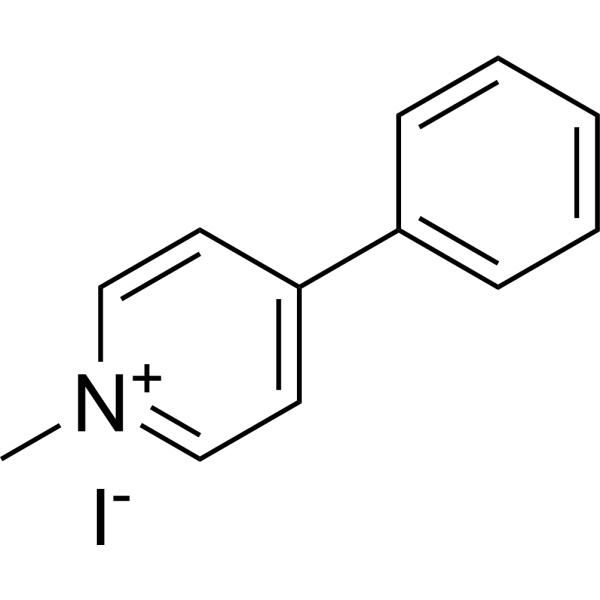
MPP+ iodide, a toxic metabolite of the neurotoxin MPTP, causes symptom of Parkinson's disease in animal models by selectively destroying dopaminergic neurons in substantia nigra. MPP+ iodide is taken up by the dopamine transporter into dopaminergic neurons where it exerts its neurotoxic action on mitochondria by affecting complex I of the respiratory chain. MPP+ iodide is also a high affinity substrate for the serotonin transporter (SERT) .
loading...
    loading...
27
27 Cited Publications
Cat. No.: HY-103586
CAS No.: 1191237-69-0
Purity:  99.89%
Research Areas:  

Infection

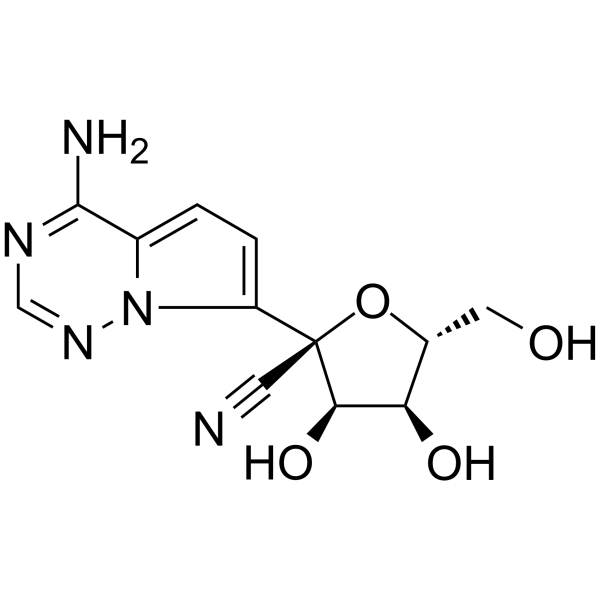
GS-441524 is a potent, orally active and CNS-penetrant viral RNA-dependent RNA polymerase inhibitor. GS-441524 competes with natural nucleosides to block viral RNA transcription as an alternative substrate and RNA chain terminator. GS-441524 inhibits the replication of feline infectious peritonitis virus, African swine fever virus, and severe acute respiratory syndrome coronavirus 2. GS-441524 reduces viral RNA levels in cats. GS-441524 can be used in research related to feline infectious peritonitis, African swine fever, and coronavirus disease 2019 (COVID-19) .
loading...
    loading...
27
27 Cited Publications
Cat. No.: HY-103586A
CAS No.: 2378280-82-9
Research Areas:  

Infection

GS-441524 hydrochloride is a potent, orally active and CNS-penetrant viral RNA-dependent RNA polymerase inhibitor. GS-441524 hydrochloride competes with natural nucleosides to block viral RNA transcription as an alternative substrate and RNA chain terminator. GS-441524 hydrochloride inhibits the replication of feline infectious peritonitis virus, African swine fever virus, and severe acute respiratory syndrome coronavirus 2. GS-441524 hydrochloride reduces viral RNA levels in cats. GS-441524 hydrochloride can be used in research related to feline infectious peritonitis, African swine fever, and coronavirus disease 2019 (COVID-19) .
loading...
    loading...
17
17 Cited Publications
Cat. No.: HY-18260
CAS No.: 80-05-7
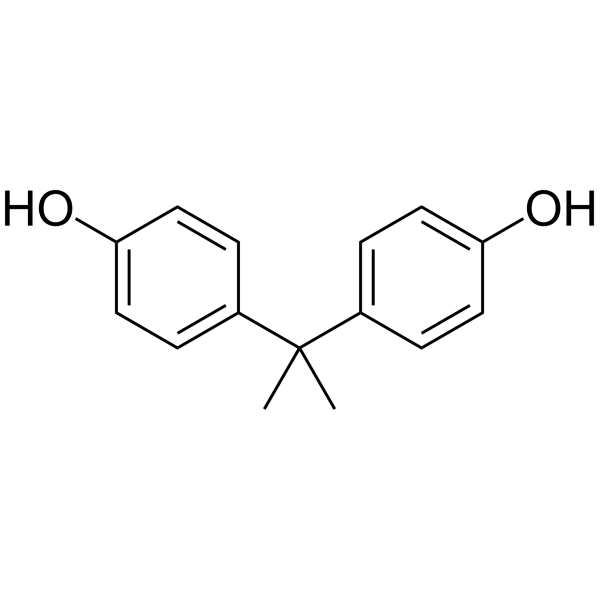
Bisphenol A is a phenolic, organic synthetic compound widely used in the production of polycarbonate plastics and epoxy resins. Bisphenol A is a reproductive, developmental, and systemic toxicant, often classified as an endocrine-disrupting compound (EDC). Bisphenol A is associated with many diseases, including cancers, cardiovascular diseases, respiratory diseases, diabetes, kidney diseases, obesity, and reproductivedisorders .
loading...
    loading...
14
14 Cited Publications
Cat. No.: HY-15136
CAS No.: 193275-84-2
Purity:  99.60%
Synonyms: Sch66336
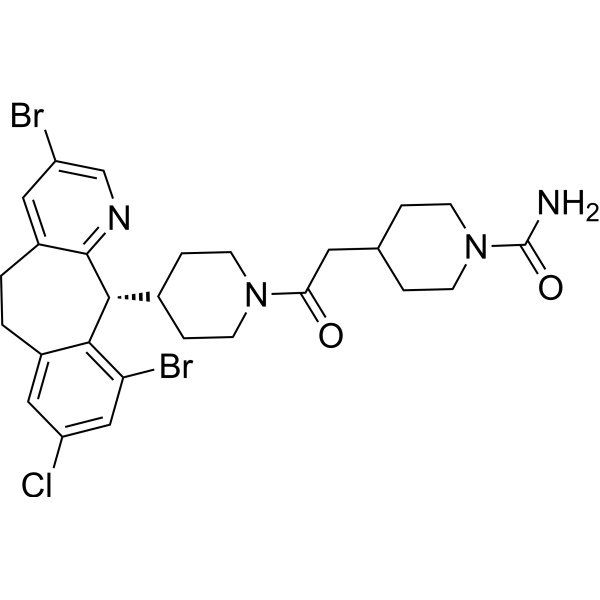
Lonafarnib (Sch66336) is an orally active, blood-brain barrier penetrant farnesyltransferase (FPTase) inhibitor. Lonafarnib increases the phosphorylation levels of Akt, CaMKII and CREB, upregulates BDNF expression in the hippocampus, elevates the content of α7nAChR on cell membranes, and blocks the isoprenylation of H-Ras. Lonafarnib repairs synapses and reverses spatial memory deficits in Aβ1-42 model mice. Lonafarnib inhibits RSV fusion and replication, and alleviates virus-induced lung injury. Lonafarnib activates the lysosomal and autophagic pathways, and reduces the phosphorylation and aggregation of tau. Lonafarnib acts synergistically with Sorafenib (HY-10201) to promote apoptosis, and inhibits the proliferation and invasion of melanoma cells. Lonafarnib inhibits the farnesylation of progerin, repairs nuclear membrane defects, and activates the cGAS-STING-STAT1 signaling pathway. Lonafarnib can be used in research related to diseases including Alzheimer's disease, viral infections, melanoma, and progeria .
loading...
    loading...
8
8 Cited Publications
Cat. No.: HY-19765
CAS No.: 1419609-94-1
Target:  

TRP Channel

Research Areas:  

Cardiovascular Disease

GSK2798745 is a potent, selective, and orally active transient receptor potential vanilloid 4 (TRPV4) ion channel blocker with IC50s of 1.8 and 1.6 nM for hTRPV4 and rTRPV4, respectively. GSK2798745 can be used in cardiac and respiratory diseases research .
loading...
    loading...
6
6 Cited Publications
Cat. No.: HY-P99340
CAS No.: 2423014-07-5
Synonyms: VIR 7831; GSK-4182136

Target:  

SARS-CoV

Research Areas:  

Infection Cancer

Sotrovimab (VIR 7831) is a human IgG1κ pan-sarbecovirus monoclonal antibody (mAb), neutralizes SARS-CoV-2, SARS-CoV-1, and multiple other sarbecoviruses. Sotrovimab is developed based on S309, exhibits a long half-life and great bioavailability in the respiratory mucosa. Sotrovimab could result in immune-mediated viral clearance and prevent progression of Covid-19 early in the course of disease .
loading...
    loading...
5
5 Cited Publications
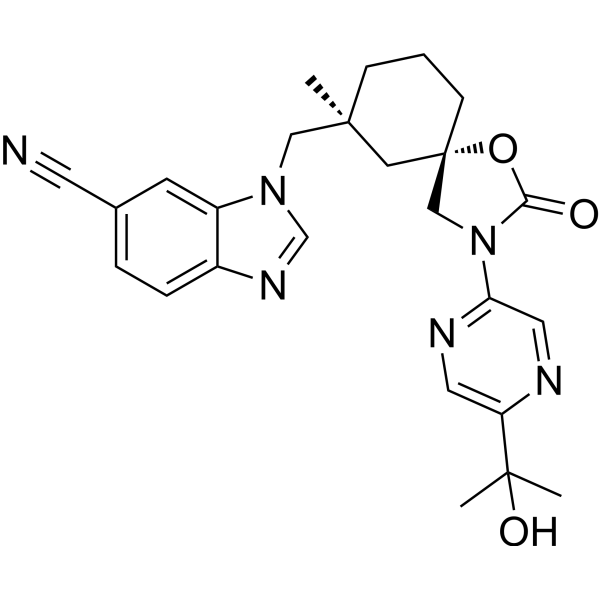
Cat. No.: HY-145603
CAS No.: 2374124-49-7
Purity:  98.19%
Synonyms: VX-121
Target:  

CFTR Chloride Channel

Research Areas:  

Neurological Disease

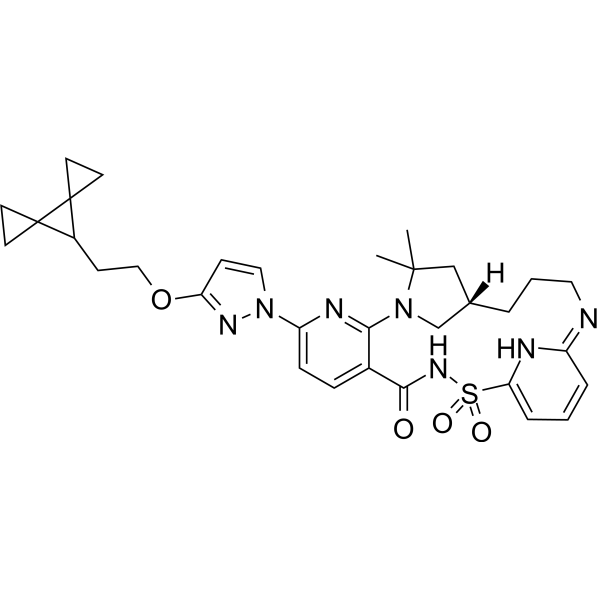
Vanzacaftor (VX-121) is an orally active noval corrector of Cystic fibrosis transmembrane conductance regulator (CFTR). Vanzacaftor improves processing and trafficking of CFTR protein as well as increases chloride transport in triple combined with Tezacaftor (HY-15448) and Deutivacaftor. Vanzacaftor-Tezacaftor-Deutivacaftor is safe and well tolerated, improving lung function, respiratory symptoms, and CFTR function with cystic fibrosis, which is promising for research in the field of cystic fibrosis diseases .
loading...
    loading...
5
5 Cited Publications
Cat. No.: HY-B0905
CAS No.: 108050-54-0
Synonyms: LY-177370; EL-870
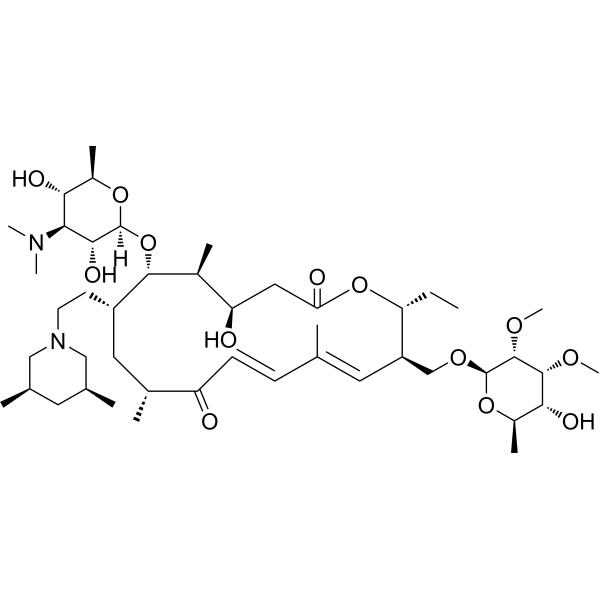
Tilmicosin (LY-177370) is an orally active calcium channel antagonist and macrolide antibiotic with antimicrobial activity. Tilmicosin mainly acts on the 50S subunit of bacterial ribosomes, inhibiting protein synthesis. Tilmicosin is effective in the treatment of respiratory diseases in livestock such as cattle, sheep and pigs. In addition, Tilmicosin has immunomodulatory and anti-inflammatory effects .
loading...
    loading...
5
5 Cited Publications
Cat. No.: HY-B0905A
CAS No.: 137330-13-3
Synonyms: LY-177370 phosphate; EL-870 phosphate
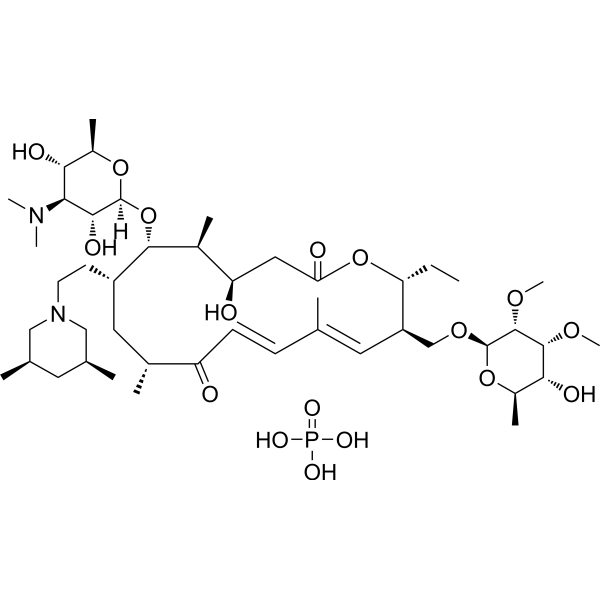
Tilmicosin (LY-177370) phosphate is an orally active calcium channel antagonist and macrolide antibiotic with antimicrobial activity. Tilmicosin phosphate mainly acts on the 50S subunit of bacterial ribosomes, inhibiting protein synthesis. Tilmicosin phosphate is effective in the treatment of respiratory diseases in livestock such as cattle, sheep and pigs. In addition, Tilmicosin phosphate has immunomodulatory and anti-inflammatory effects .
loading...
    loading...
4
4 Cited Publications
Cat. No.: HY-N5034
CAS No.: 1071-23-4
Synonyms: Monoaminoethyl phosphate; NSC 254167; O-Phosphoethanolamine
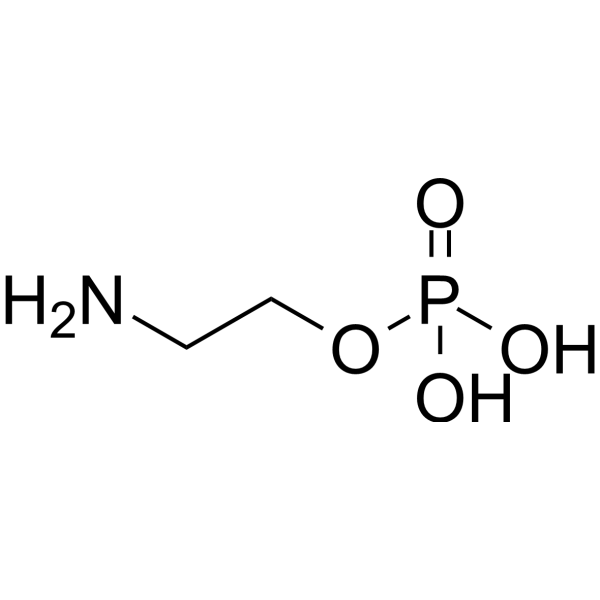
Phosphorylethanolamine (Monoaminoethyl phosphate) is a membrane phospholipid and an important precursor of Phosphatidylcholine (HY-N18891). It is found in most animal tissues and various human extracranial tumors, playing a critical role in membrane integrity, cell division, mitochondrial respiratory function, and more. Studies have shown that changes in the abundance of Phosphorylethanolamine are associated with Alzheimer's disease and Parkinson's disease. Lowering the ratio of Phosphorylethanolamine to Phosphatidylcholine in the liver can improve insulin signaling. Phosphorylethanolamine holds promise for research in the fields of cancer, neurodegenerative disorders, and metabolic diseases .
loading...
    loading...
3
3 Cited Publications
Cat. No.: HY-P99804
CAS No.: 2429913-18-6
Synonyms: MK1654

Target:  

RSV

Research Areas:  

Infection

Clesrovimab (MK1654) is a humanized IgG1 monoclonal antibody targeting the respiratory syncytial virus (RSV) protein F. Clesrovimab binds to pre-fusion and post-fusion forms of RSV-A fusion protein with high affinity, with corresponding KD values of 71 pM and 480 pM, respectively. Clesrovimab is applicable for the research of RSV infection .
loading...
    loading...
3
3 Cited Publications
Cat. No.: HY-W013375
CAS No.: 76721-89-6
Target:  

Neprilysin

Research Areas:  

Neurological Disease

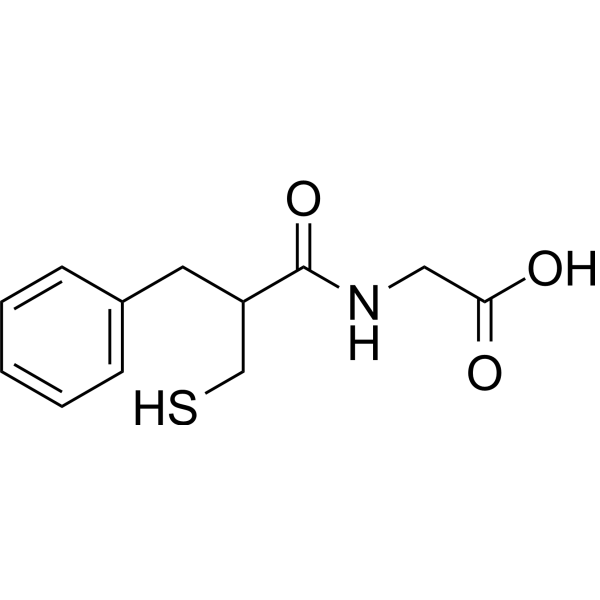
Thiorphan is a selective neprilysin (NEP) inhibitor with an IC50 of 6.9 nM. Thiorphan competitively binds to NEP and blocks its activity, preventing the degradation of neuropeptides such as substance P (SP) and neurokinin NKA. In the field of neonatal brain injury research, Thiorphan can increase the levels of SP and NKA, activate NK1 and NK2 receptors and downstream transduction pathways, and inhibit excessive activation of NMDA receptors. Thus, Thiorphan can protect neocortical neurons from excitotoxic cell death. Thiorphan may also inhibit NEP from enhancing bronchoconstriction and can be used in the study of respiratory diseases .
loading...
    loading...
2
2 Cited Publications
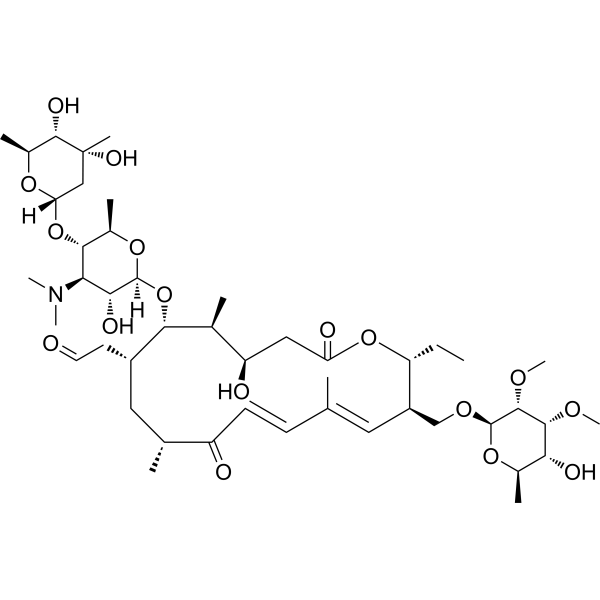
Cat. No.: HY-15662
CAS No.: 217500-96-4
Purity:  ≥98.0%
Synonyms: Tulathromycin; CP 472295
Target:  

Antibiotic Bacterial

Research Areas:  

Infection

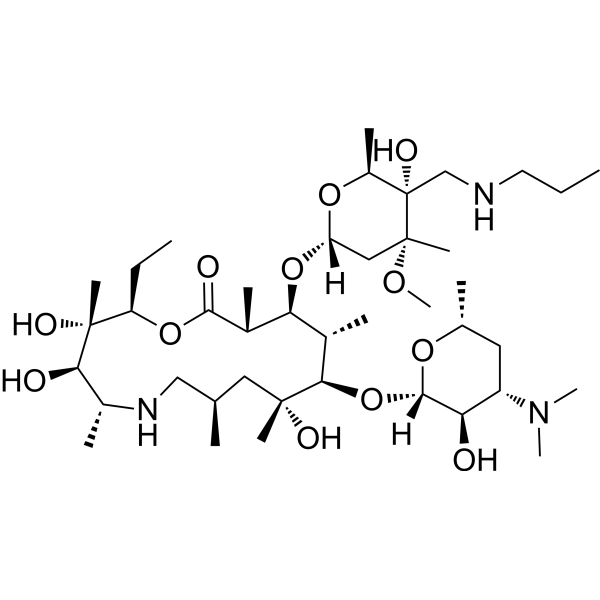
Tulathromycin A (Tulathromycin), a macrolide antibiotic, inhibits protein synthesis (IC50=0.26 µM) by targeting bacterial ribosome. Tulathromycin A is used for the research of respiratory disease in cattle and swine. Immunomodulatory effects .
loading...
    loading...
2
2 Cited Publications
Cat. No.: HY-B0213
CAS No.: 651-06-9
Synonyms: Sulfametoxydiazine; 5-Methoxysulfadiazine; NSC 683528
Target:  

Antibiotic Bacterial

Research Areas:  

Infection

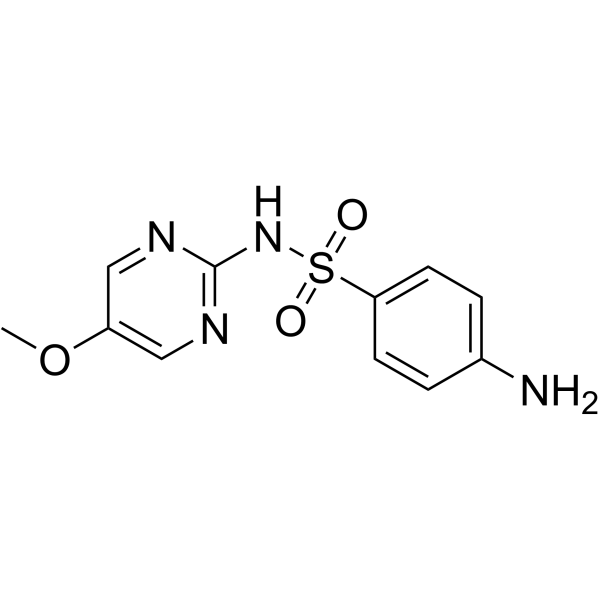
Sulfameter (Sulfametoxydiazine) is an orally active long-acting sulfonamide antibiotic. Sulfameter is active against both Gram-positive and Gram-negative bacteria. Sulfameter can be used for the research of diseases such as respiratory and urinary tract infections .
loading...
    loading...
2
2 Cited Publications
Cat. No.: HY-150217
CAS No.: 1234402-77-7
Synonyms: ODN 10101
CpG ODN 10101 (ODN 10101; CPG 10101) is a selective agonist targeting TLR9, a synthetic oligodeoxynucleotide modified with phosphate thioester. CpG ODN 10101 activates B cells and plasmacytoid dendritic cells (pDCs), inducing the production of cytokines and chemokines such as interferon-IFN-α, interferon-inducible protein IP-10, and 2'5'-oligoadenylate synthase (2'5'-OAS), regulating innate immunity and promoting Th1 adaptive immune responses. CpG ODN 10101 also possesses antiviral properties and enhances vaccine immunogenicity, making it suitable as an immunomodulator and vaccine adjuvant for vaccine development in chronic hepatitis C and infectious diseases such as melioidosis, pertussis, and respiratory syncytial virus (RSV) .
loading...
    loading...
2
2 Cited Publications
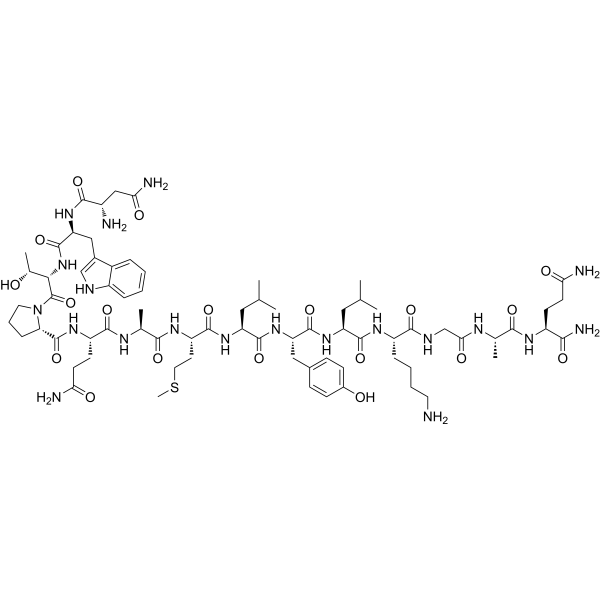
Cat. No.: HY-P1723
CAS No.: 1370290-58-6
Synonyms: Neuropeptide Q
Spexin (Neuropeptide Q) is a selective agonist of galanin receptors GAL2 and GAL3, and is a conserved peptide that functions as a neurotransmitter/neuromodulator and endocrine factor. Spexin can function through both central and peripheral actions. Spexin upregulates Beclin 1 to inhibit ferroptosis induced by excessive autophagy, reduces the uptake of long-chain fatty acids by adipocytes, and regulates energy metabolism by increasing lipid oxidation (e.g., reducing the respiratory exchange ratio in rodents). Spexin improves cardiac function in the Doxorubicin hydrochloride (HY-15142)-induced cardiotoxicity model, protects mitochondrial membrane potential, and reduces iron accumulation and lipid peroxidation. Spexin can be used to study obesity and its related metabolic disorders, cardiovascular diseases (e.g., cardioprotection), and side effects of tumor chemotherapy .
loading...
    loading...
1
1 Cited Publications
Cat. No.: HY-B0519A
CAS No.: 1401-69-0
Tylosin (Tylosin A) is a macrolide antibiotic found naturally as a fermentation product of Streptomyces fradiae. Tylosin exerts potent antimicrobial activity against Gram-positive bacteria. Tylosin is widely used as a feed additive for promoting animal growth. Tylosin is used for veterinary purposes against bacterial dysentery and respiratory diseases in poultry, pigs and cattle .
loading...
    loading...
1
1 Cited Publications
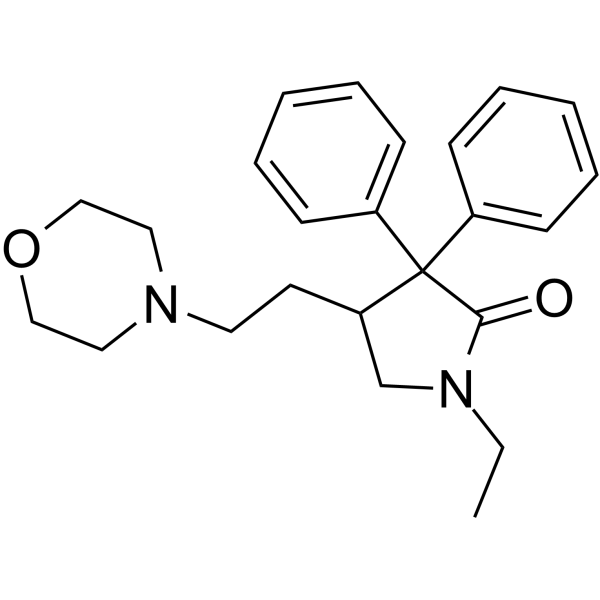
Cat. No.: HY-B0551
CAS No.: 309-29-5
Target:  

Potassium Channel

Research Areas:  

Neurological Disease

Doxapram is a respiratory stimulant. Doxapram increases breathing rate and depth by acting on the brain's respiratory centers and peripheral chemoreceptors. Doxapram inhibits TASK-1, TASK-3, TASK-1/TASK-3 heterodimeric channel function with EC50s of 410 nM, 37 μM, 9 μM, respectively. Doxapram inhibits the Ca²⁺-activated potassium current (IC50 ≈ 13 μM) and Ca²⁺-independent potassium current (IC50 ≈ 20 μM) in type I cells of the carotid body. Doxapram significantly prolongs the effective refractory period of the atrium and has an anti-arrhythmic effect. Doxapram can be used for the study of respiratory depression such as post-anesthesia respiratory depression, chronic obstructive pulmonary disease and apnea of prematurity .
loading...
    loading...

