296 Results for "

skeletal muscle

" in MedChemExpress (MCE) Product Catalog:
Products (296)

296 Results for "skeletal muscle" in MCE Product Catalog:

76
76 Publications Verification
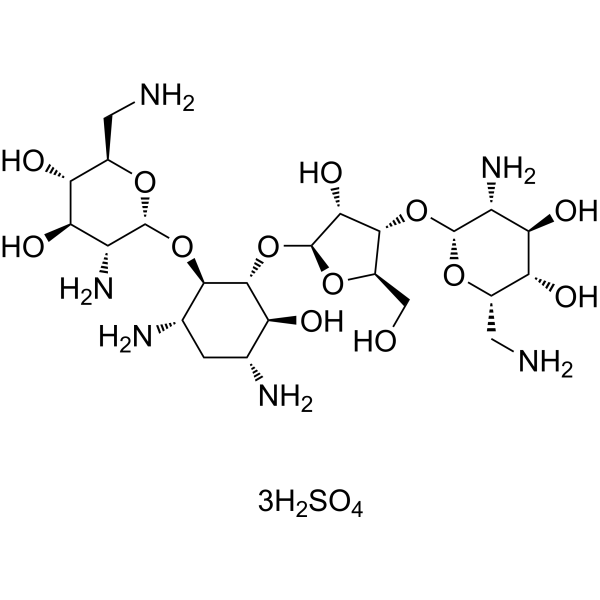
Cat. No.: HY-B0470
CAS No.: 1405-10-3
Neomycin sulfate, an aminoglycoside antibiotic, exerts antibacterial activity through irreversible binding of the nuclear 30S ribosomal subunit, thereby blocking bacterial protein synthesis. Neomycin sulfate is a known phospholipase C (PLC) inhibitor. Neomycin sulfate potently inhibits both the nuclear translocation of angiogenin and angiogenin-induced cell proliferation and angiogenesis. Neomycin sulfate inhibits IP3-mediated Ca 2+ release, MgATP-dependent Ca 2+ uptake, and electrical excitation-evoked skeletal muscle Ca 2+ transients. Neomycin sulfate depletes gut microbiota in specific mouse models, causes hearing impairment, and kidney damage with prolonged exposure. Neomycin sulfate can be used for the research of cancer .
loading...
    loading...
72
72 Cited Publications
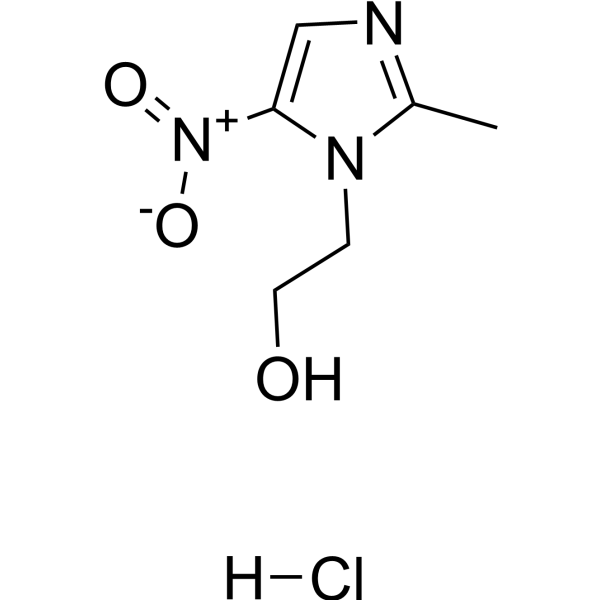
Cat. No.: HY-B0318A
CAS No.: 69198-10-3
Synonyms: SC 326421
Metronidazole hydrochloride (SC 326421) is an orally active nitroimidazole antibiotic, can be used to research anaerobic infections. Metronidazole hydrochloride can cross blood brain barrier and results inflammation and skeletal muscle contraction under long-term application .
loading...
    loading...
36
36 Cited Publications
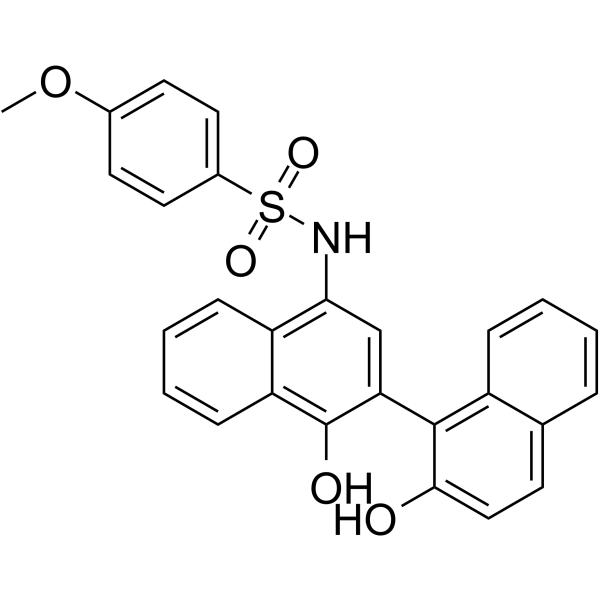
Cat. No.: HY-112288
CAS No.: 432001-19-9
Purity:  99.90%
Synonyms: TTI-101
C188-9 (TTI-101) is a STAT3 inhibitor with a Kd value of 4.7 nM. C188-9 targets the SH2 domain of STAT3, blocks the processes of STAT3 ligand binding, receptor recruitment, homodimerization and phosphorylation, and regulates STAT3-mediated genes associated with tumorigenesis and radioresistance. C188-9 regulates STAT1-mediated genes related to radioresistance and reduces the activation level of STAT1. C188-9 downregulates the expression of DNMT1, enhances DAC-induced demethylation and re-expression of RASSF1A, and simultaneously potentiates the anti-tumor effect of DAC on pancreatic cancer cells. C188-9 inhibits both anchorage-dependent and anchorage-independent growth of cancer cells, induces Apoptosis, blocks the growth of tumor xenografts, and suppresses muscle atrophy. C188-9 maintains muscle mass, increases body weight and improves grip strength in tumor-bearing mice. C188-9 can be used in research related to head and neck squamous cell carcinoma, pancreatic cancer, sepsis-related skeletal muscle wasting, non-small cell lung cancer, acute myeloid leukemia and cancer cachexia .
loading...
    loading...
22
22 Cited Publications
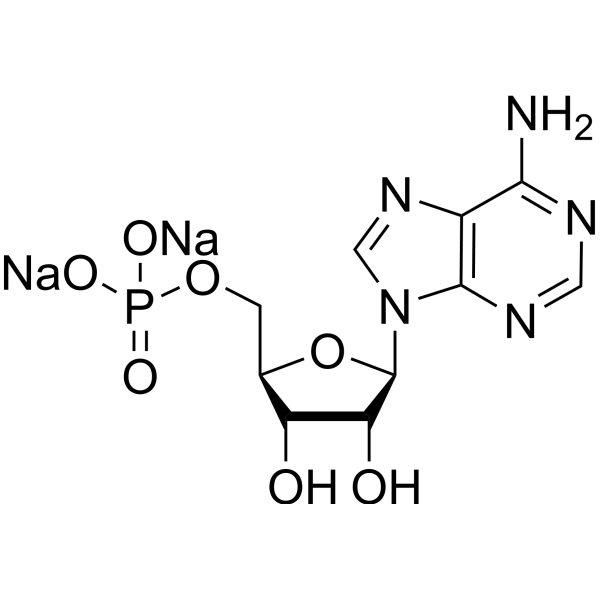
Cat. No.: HY-W011012
CAS No.: 4578-31-8
Adenosine 5'-monophosphate disodium is an orally active purine nucleotide, and participates in ATP metabolism. Adenosine 5'-monophosphate disodium is also a ligand for adenosine 2B receptor. Adenosine 5'-monophosphate disodium can activate AMPK in skeletal muscle, and ameliorates insulin resistance and impaired glucose metabolism. Adenosine 5'-monophosphate disodium can be used for research of diabetes .
loading...
    loading...
11
11 Cited Publications
Cat. No.: HY-15259
CAS No.: 591778-68-6
Purity:  99.72%
Research Areas:  

Metabolic Disease

CP-640186 is an orally active and cell-permeable Acetyl-CoA carboxylase (ACC) inhibitor with IC50s of 53 nM and 61 nM for rat liver ACC1 and rat skeletal muscle ACC2 respectively. Acetyl-CoA carboxylase (ACC) is a key enzyme of fatty acid metabolism that enables the synthesis of malonyl-CoA. CP-640186 can also stimulate muscle fatty acid oxidation .
loading...
    loading...
11
11 Cited Publications
Cat. No.: HY-15259A
CAS No.: 591778-70-0
Purity:  99.90%
Research Areas:  

Metabolic Disease

CP-640186 hydrochloride is an orally active and cell-permeable Acetyl-CoA carboxylase (ACC) inhibitor with IC50s of 53 nM and 61 nM for rat liver ACC1 and rat skeletal muscle ACC2 respectively. Acetyl-CoA carboxylase (ACC) is a key enzyme of fatty acid metabolism that enables the synthesis of malonyl-CoA. CP-640186 hydrochloride can also stimulate muscle fatty acid oxidation .
loading...
    loading...
9
9 Cited Publications
Cat. No.: HY-12695B
CAS No.: 207300-85-4
Purity:  ≥95.0%
Synonyms: 5'-GTP trisodium salt hydrate
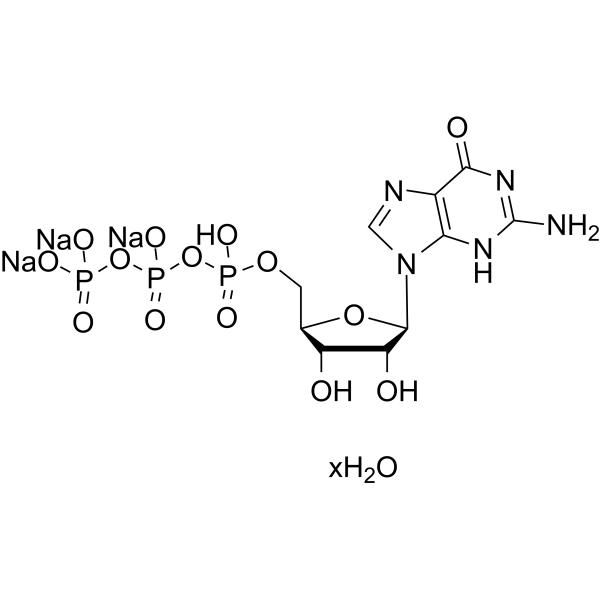
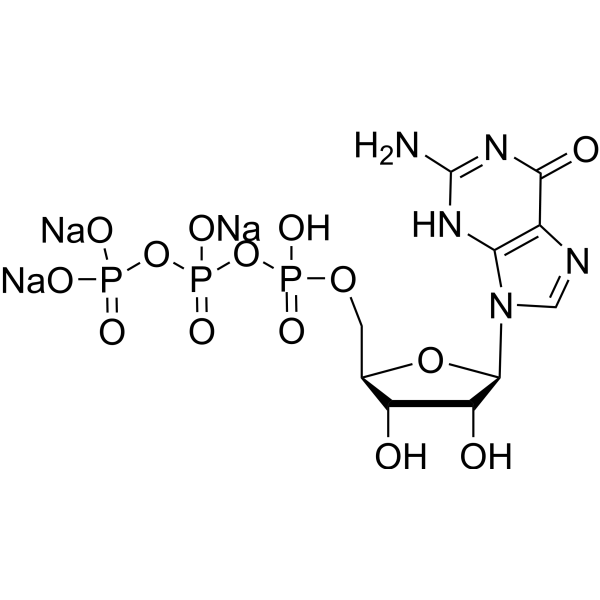
Guanosine 5'-triphosphate (5'-GTP) trisodium salt hydrate is a G protein (G proteins) signaling activator and a high-energy precursor in the biosynthesis of nucleotide units in DNA and RNA. Guanosine 5'-triphosphate trisodium salt hydrate can promote myogenic cell differentiation by upregulating miRNA (miR133a, miR133b) and myogenic regulatory factor expression, and by inducing human myogenic precursor cells to release exosomes containing guanosine molecules. Guanosine-5'-triphosphate disodium salt hydrate holds promise for research in biosynthesis and skeletal muscle regeneration .
loading...
    loading...
9
9 Cited Publications
Cat. No.: HY-W010737
CAS No.: 56001-37-7
Synonyms: 5'-GTP disodium salt
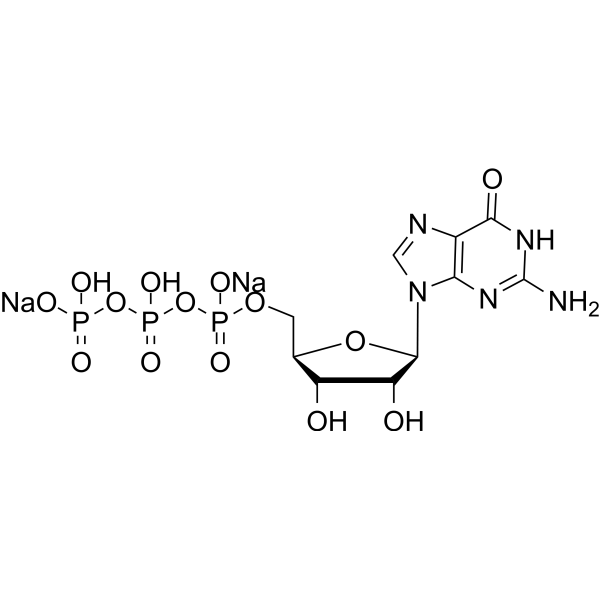
Guanosine 5'-triphosphate (5'-GTP) trisodium salt is a G protein (G proteins) signaling activator and a high-energy precursor in the biosynthesis of nucleotide units in DNA and RNA. Guanosine 5'-triphosphate trisodium salt can promote myogenic cell differentiation by upregulating miRNA (miR133a, miR133b) and myogenic regulatory factor expression, and by inducing human myogenic precursor cells to release exosomes containing guanosine molecules. Guanosine-5'-triphosphate disodium salt holds promise for research in biosynthesis and skeletal muscle regeneration .
loading...
    loading...
6
6 Cited Publications
Cat. No.: HY-12695
CAS No.: 36051-31-7
Purity:  ≥95.0%
Synonyms: 5'-GTP trisodium
Guanosine 5'-triphosphate (5'-GTP) trisodium salt is a G protein (G proteins) signaling activator and a high-energy precursor in the biosynthesis of nucleotide units in DNA and RNA. Guanosine 5'-triphosphate trisodium salt can promote myogenic cell differentiation by upregulating miRNA (miR133a, miR133b) and myogenic regulatory factor expression, and by inducing human myogenic precursor cells to release exosomes containing guanosine molecules. Guanosine-5'-triphosphate trisodium salt holds promise for research in biosynthesis and skeletal muscle regeneration .
loading...
    loading...
6
6 Cited Publications
Cat. No.: HY-B1614
CAS No.: 21898-19-1
Synonyms: NAB-365 hydrochloride
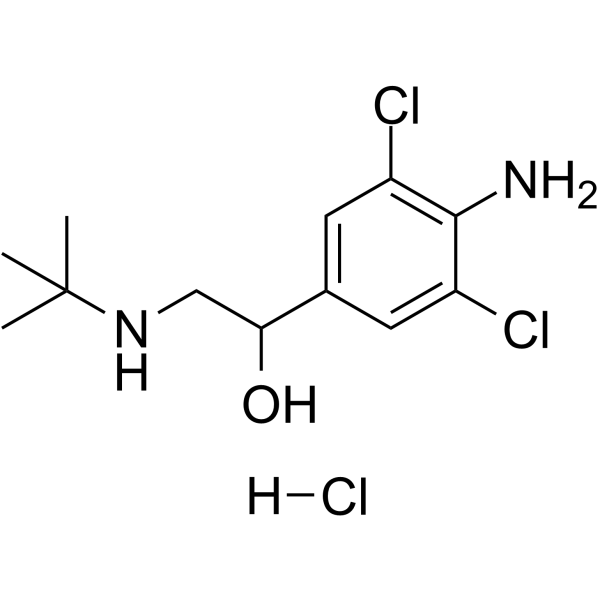
Clenbuterol (NAB-365) hydrochloride, a selective β2-adrenergic agonist, enhances skeletal muscle strength and hypertrophy. Clenbuterol hydrochloride induces growth factor mRNA, activates astrocytes, and protects rat brain tissue against ischemic damage .
loading...
    loading...
5
5 Cited Publications
Cat. No.: HY-113354
CAS No.: 584-85-0
Purity:  99.85%
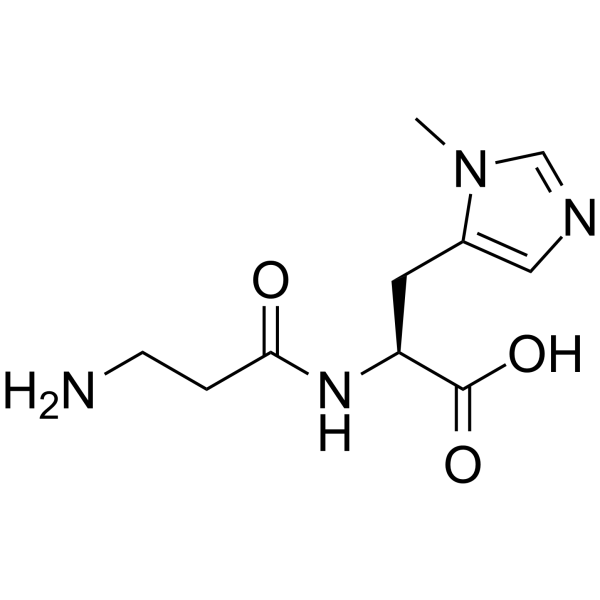
Anserine, a methylated form of Carnosine, is an orally active, natural Histidine-containing dipeptide found in skeletal muscle of vertebrates. Anserine is not cleaved by serum carnosinase and act as biochemical buffers, chelators, antioxidants, and anti-glycation agents. Anserine has blood-brain barrier permeability, and improves memory functions in Alzheimer's disease (AD)-model mice .
loading...
    loading...
5
5 Cited Publications
Cat. No.: HY-W011393
CAS No.: 10030-52-1
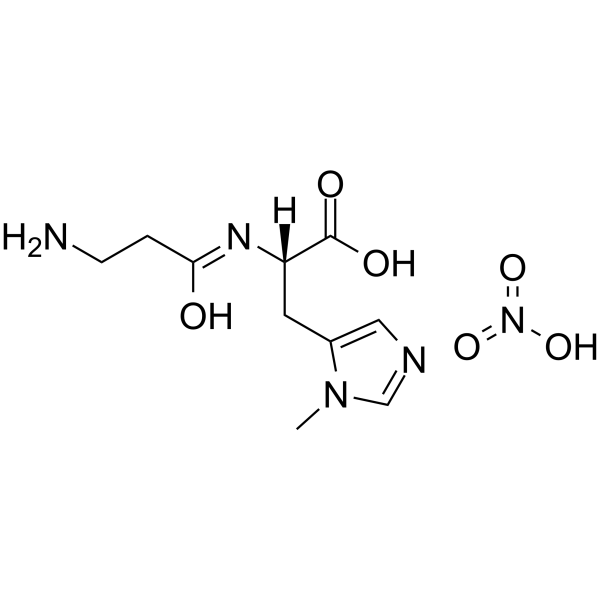
L-Anserine nitrate is a naturally occurring histidine-containing dipeptide that is found in vertebrate skeletal muscle and animal tissues. L-Anserine nitrate serves as a growth-promoting supplement in serum-free HMI-244 medium for bloodstream forms of Trypanosoma brucei and Trypanosoma evansi. L-Anserine nitrate supports the continuous in vitro proliferation of these parasites, and the proliferated parasites retain their morphological characteristics and infectivity to mice. L-Anserine nitrate can be used in studies of African trypanosomiasis .
loading...
    loading...
3
3 Cited Publications
Cat. No.: HY-16690
CAS No.: 1576-37-0
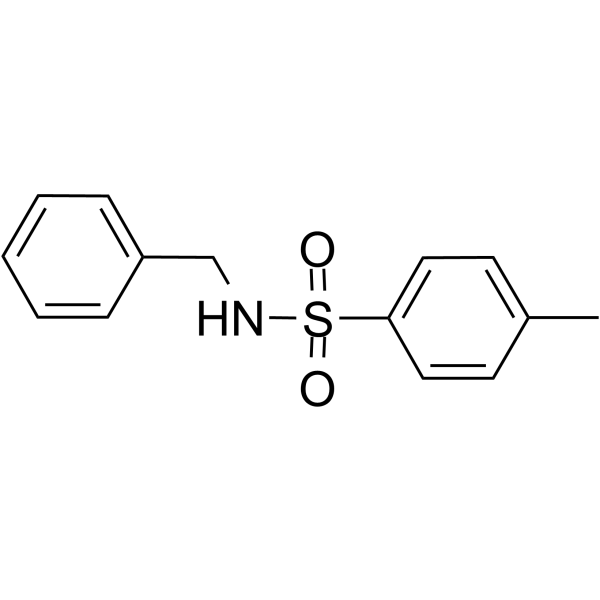
Synonyms: N-Benzyl-p-toluenesulfonamide; N-Tosylbenzylamine
Target:  

Myosin

Research Areas:  

Others

BTS (N-Benzyl-p-toluenesulfonamide) is a potent and selective inhibitor of skeletal muscle myosin II subfragment 1 (S1) ATPase activity, with an IC50s of ~5 µM for actin- and Ca 2+-stimulated myosin S1 ATPase. BTS specifically inhibits the contraction of fast skeletal muscle fibers .
loading...
    loading...
3
3 Cited Publications
Cat. No.: HY-D0885A
CAS No.: 71519-72-7
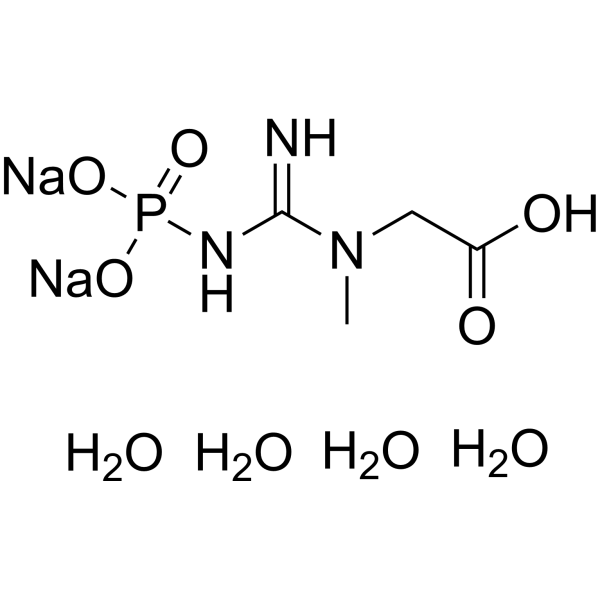
Synonyms: Creatine phosphate disodium tetrahydrate; Creatinephosphoric acid disodium tetrahydrate
Phosphocreatine disodium tetrahydrate, primarily found in the skeletal muscles of vertebrates and one of organic compounds known as alpha amino acids and derivatives, is a substrate for the determination of creatine kinase and used to regenerate ATP during skeletal muscle contraction .
loading...
    loading...
3
3 Cited Publications
Cat. No.: HY-N0597
CAS No.: 32791-84-7
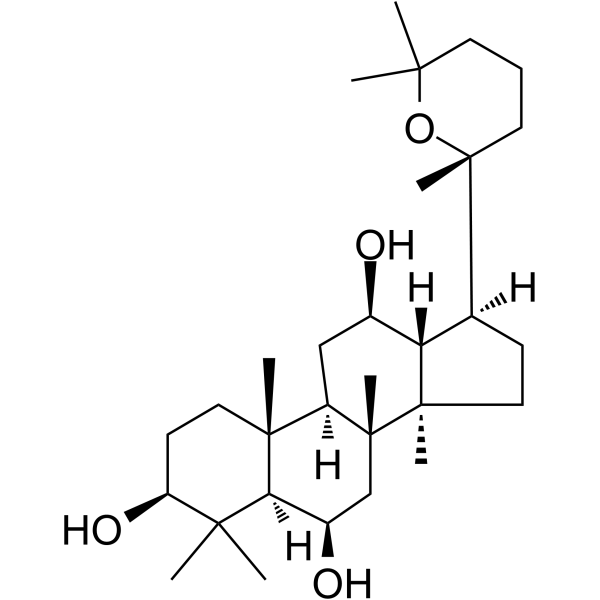
Panaxatriol is an orally active dammarane-type tetracyclic triterpene sapogenin. Panaxatriol enhances the phosphorylation levels of Akt, insulin receptor and p70S6K in skeletal muscle. Panaxatriol reduces the mRNA expression level of Atrogin1 in skeletal muscle. Panaxatriol induces apoptosis, pre-G1 cell cycle arrest and increased intracellular ROS levels in prostate cancer cells, decreases mitochondrial membrane potential, inhibits cell migration and reduces colony formation. Panaxatriol can be used in research related to insulin resistance, myocardial ischemia/reperfusion injury and prostate cancer [1][2][3].
loading...
    loading...
3
3 Cited Publications
Cat. No.: HY-P0222
CAS No.: 99534-03-9
Target:  

PKA

Research Areas:  

Others

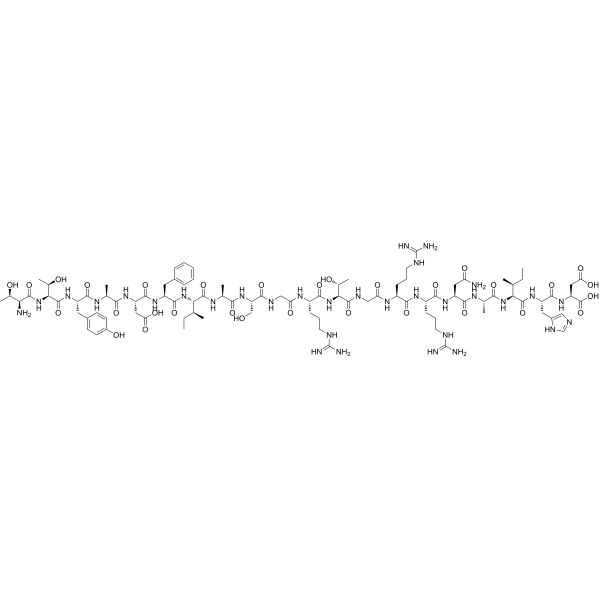
PKI(5-24) is a potent, competitive, and synthetic peptide inhibitor of PKA (cAMP-dependent protein kinase), with a Ki of 2.3 nM. PKI(5-24) corresponds to residues 5-24 in the naturally occurring heat-stable protein kinase inhibitor .
loading...
    loading...
3
3 Cited Publications
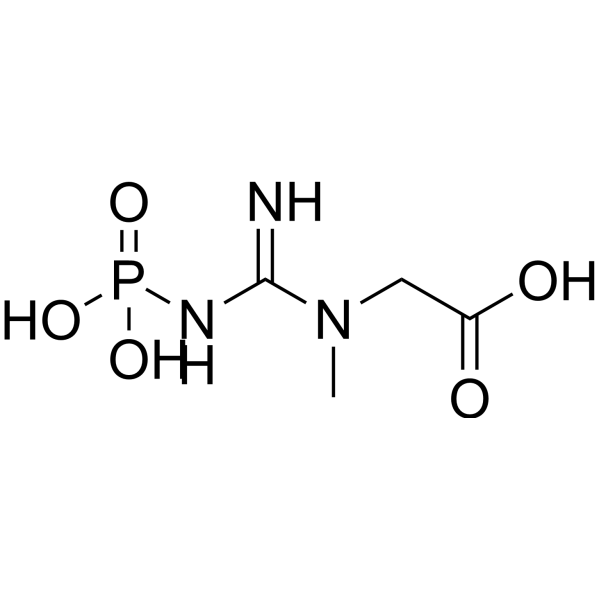
Cat. No.: HY-D0885
CAS No.: 67-07-2
Synonyms: Creatine phosphate; Creatinephosphoric acid
Phosphocreatine (creatine phosphate) is an organic compound found in vertebrate skeletal muscles. Phosphocreatine enhances antioxidant activity, and activates the TAK1 pathway to protect the heart. Phosphocreatine normalizing mitochondrial function and reducing oxidative stress via Akt mediated Nrf2/HO-1 pathway. Phosphocreatine provides renal protection by suppressing Apoptosis and ROS (Reactive Oxygen Species) generation through ERK mediated mediated Nrf-2/HO-1 pathway. .
loading...
    loading...
3
3 Cited Publications
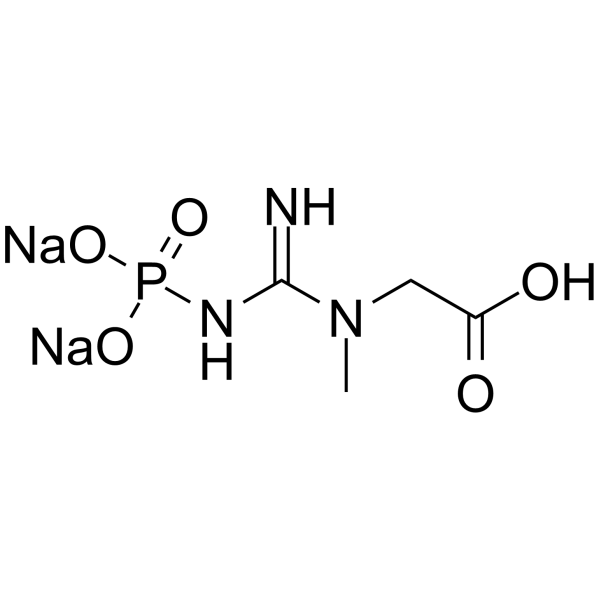
Cat. No.: HY-D0885B
CAS No.: 922-32-7
Synonyms: Disodium creatine phosphate
Phosphocreatine (disodium) is an organic compound found in vertebrate skeletal muscles. Phosphocreatine (disodium) enhances antioxidant activity, and activates the TAK1 pathway to protect the heart. Phosphocreatine (disodium) normalizing mitochondrial function and reducing oxidative stress via Akt mediated Nrf2/HO-1 pathway. Phosphocreatine (disodium) provides renal protection by suppressing Apoptosis and ROS (Reactive Oxygen Species) generation through ERK mediated mediated Nrf-2/HO-1 pathway. .
loading...
    loading...
3
3 Cited Publications
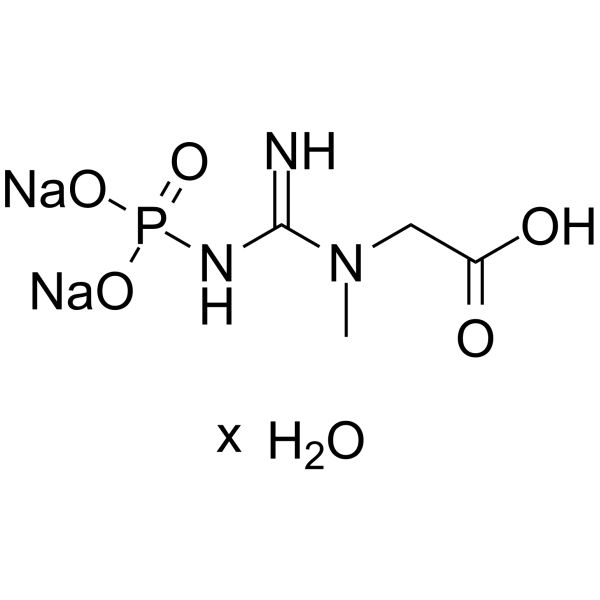
Cat. No.: HY-D0885D
CAS No.: 19333-65-4
Phosphocreatine (disodium hydrate) is an organic compound found in vertebrate skeletal muscles. Phosphocreatine (disodium hydrate) enhances antioxidant activity, and activates the TAK1 pathway to protect the heart. Phosphocreatine (disodium hydrate) normalizing mitochondrial function and reducing oxidative stress via Akt mediated Nrf2/HO-1 pathway. Phosphocreatine (disodium hydrate) Phosphocreatine (disodium hydrate) provides renal protection by suppressing Apoptosis and ROS (Reactive Oxygen Species) generation through ERK mediated mediated Nrf-2/HO-1 pathway. .
loading...
    loading...
3
3 Cited Publications
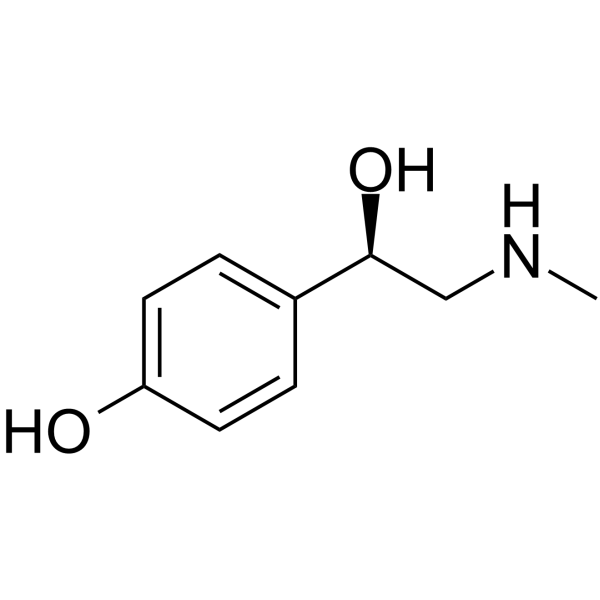
Cat. No.: HY-113236
CAS No.: 614-35-7
Purity:  98.04%
p-Synephrine is an orally active alkaloid dietary supplement without indirect sympathomimetic activity or cardiovascular stimulatory activity. p-Synephrine stimulates AMPK phosphorylation and mediates Glut4 translocation to increase glucose consumption and lactate production in skeletal muscle cells. p-Synephrine also downregulates the p38 MAPK and NF-κB signaling pathways to inhibit pro-inflammatory cytokine production and alter oxidative metabolism. p-Synephrine exhibits low subchronic toxicity in mice. p-Synephrine can be applied to research related to systemic inflammatory response syndrome, obesity, and type 2 diabetes .
loading...
    loading...

