1. Search Result
Search Result
Results for "

tumor immunotherapy

" in MedChemExpress (MCE) Product Catalog:

63

Inhibitors & Agonists

3

Screening Libraries

15

Peptides

6

Inhibitory Antibodies

2

Natural
Products

1

Oligonucleotides

Cat. No. Product Name Target Research Areas Chemical Structure
  • HY-135748
    Polyinosinic-polycytidylic acid sodium
    Maximum Cited Publications
    62 Publications Verification

    Poly(I:C) sodium

    RIG-I-like receptor (RLR) Toll-like Receptor (TLR) Apoptosis Inflammation/Immunology Cancer
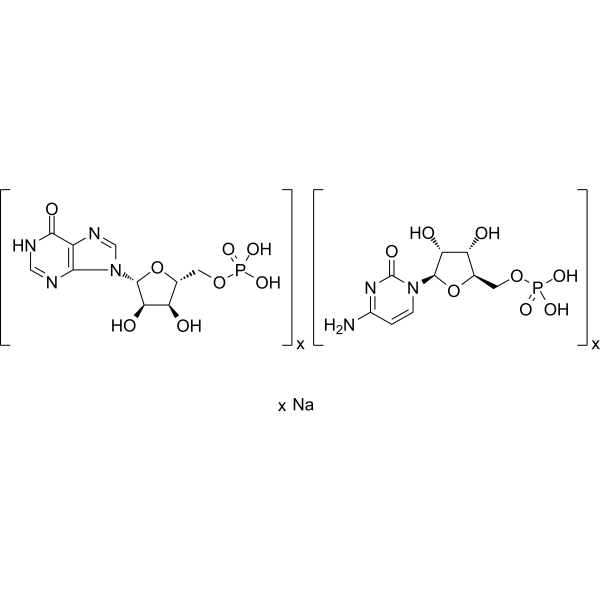
    Polyinosinic-polycytidylic acid (Poly(I:C)) sodium is a synthetic analog of double-stranded RNA and an agonist of toll-like receptor 3 (TLR3) and retinoic acid inducible gene I (RIG-I)-like receptors (RIG-I and MDA5). Polyinosinic-polycytidylic acid sodium can be used as a vaccine adjuvant to enhance innate and adaptive immune responses, and to alter the tumor microenvironment. Polyinosinic-polycytidylic acid sodium can directly trigger cancer cells to undergo apoptosis .
    Polyinosinic-polycytidylic acid sodium
  • HY-119109
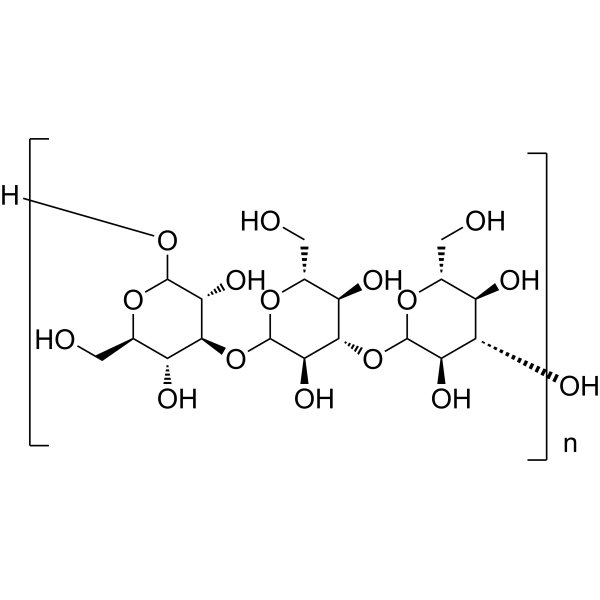
    Laminaran
    1 Publications Verification

    Environmental Pollutants Endogenous Metabolite Cancer
    Laminaran is an β-1-3-glucan and a typical ligand for Dectin-1 from Eisenia Bicyclis, has potent immunomodulating, radioprotective, and anticancer activities . Laminaran is made up of β (1→3)-glucan with β (1→6)-branches and can be catalyzed by enzymes such as laminarinase (EC 3.2.1.6) that breaks the β (1→3) bonds . Laminaran is a promising immune stimulatory molecule for use in cancer immunotherapy .
    Laminaran
  • HY-P990688

    AMG-509

    CD3 Cancer
    Xaluritamig (AMG-509) is a bispecific T cell engager and cytolytic agent with a Kd of 27.6 nM for human CD3ε. Xaluritamig binds to CD3ε via an anti-CD3 single-chain variable fragment (scFv) domain, and to STEAP1 via a bispecific anti-STEAP1 antigen-binding fragment (Fab) domain, thereby recruiting and activating T cells and forming a bridge between T cells and STEAP1-expressing cancer cells. Xaluritamig induces T cell-mediated redirected cytotoxicity, tumor cell lysis, cytokine release, CD8 + T cell activation and expansion, as well as tumor stasis or regression. Xaluritamig contains an Fc domain with no effector function, which prolongs serum half-life, exhibits only minimal activity against cells with low STEAP1 expression and normal cells, and shows extremely low target-related off-tumor toxicity in cynomolgus monkeys. Xaluritamig is used in STEAP1×CD3 XmAb 2+1 immunotherapy and in research on metastatic castration-resistant prostate cancer and Ewing sarcoma .
    Xaluritamig
  • HY-P991097

    PM-8002; BNT-327

    VEGFR PD-1/PD-L1 Cancer
    Pumitamig (PM-8002, BNT-327) is a bispecific antibody targeting PD-L1 and VEGF-A, with immune activation and anti-angiogenic activities. By binding to PD-L1, Pumitamig restores the function of effector T cells, while neutralizing VEGF-A in the tumor microenvironment to reverse its inhibition on the infiltration and activation of immune cells and normalize tumor blood vessels. Pumitamig can also be combined with various ADCs targeting TROP2, B7H3, HER2, HER3 for the research of advanced/metastatic solid tumors, including non-small cell lung cancer, ovarian cancer, triple-negative breast cancer, cervical cancer, etc. Pumitamig also exhibits potential efficacy in "cold" tumors with low PD-L1 expression that are insensitive to immunotherapy .
    Pumitamig
  • HY-163028

    Tim3 Cancer
    ML-T7 is a potent Tim-3 inhibitor. ML-T7 blocks Tim-3 interactions with PtdSer and CEACAM1. ML-T7 not only enhances the antitumor activity of adoptive transfer therapy with cytotoxic T lymphocytes (CTLs) and CAR T cells but also increases the effector function of T cell. ML-T7 promotes NK cells’ killing activity against tumor cells and DC antigen-presenting capacity. ML-T7 directly exerts antitumor efficacy in preclinical tumor models either alone or in combination with Nivolumab (HY-P9903A). ML-T7 can be used for tumor immunotherapy research .
    ML-T7
  • HY-156773
    STM3006
    2 Publications Verification

    Apoptosis METTL3 Cancer
    STM3006 is a highly potent, selective, and orally active inhibitor of METTL3 (IC50: 5 nM). STM3006 can reduce the m6A level, promote the formation of dsRNA, trigger a cell-intrinsic interferon response, and enhance the killing effect of T cells on tumors. STM3006 has anti-tumor activity, and its combination with anti-PD-1 immunotherapy yields better results .
    STM3006
  • HY-164899

    2-aminopyridine-3-carboxylic acid imidazolide

    Transmembrane Glycoprotein Cancer
    2A3 (2-aminopyridine-3-carboxylic acid imidazolide) is a T cell activator that specifically binds to CEACAM6 and CEACAM5. 2A3 exhibits enzymatic activity that catalyzes the glucuronidation of specific substrates (e.g., 1-naphthol), and possesses significant cytotoxic activity. When integrated into CAR T cells or used alone, 2A3 acts by inducing cytokine release, degranulation, and direct cytotoxicity. 2A3 kills pancreatic and breast cancer cells with high target antigen expression in vitro, and significantly inhibits the growth of pancreatic cancer xenografts in vivo. 2A3 broadly targets malignant tumors with overexpressed CEACAM5, CEACAM6, or co-expressed both, and shows high expression mainly in tissues such as the liver and colon. 2A3 serves as an important research tool for the immunotherapy of pancreatic and breast cancer . 2A3 is a novel SHAPE reagent, which can be used for the analysis of RNA structure both in vitro and in vivo . 2A3 is an electrophilic chemical probe that acylates the 2'-OH in the RNA backbone. 2A3 can be used for RNA SHAPE-MaP experiments and is capable of analyzing the RNA secondary structures at single nucleotide resolution.
    2A3
  • HY-129600
    MYCi361
    2 Publications Verification

    NUCC-0196361

    c-Myc Cancer
    MYCi361 (NUCC-0196361) is a MYC inhibitor with the Kd of 3.2 μM for binding to MYC. MYCi361 (NUCC-0196361) suppresses tumor growth and enhances anti-PD1 immunotherapy .
    MYCi361
  • HY-P99175

    CD47 Cancer
    KWAR23 is an anti-human SIRPα antibody. KWAR23 binds human SIRPα with high affinity and disrupts its binding to CD47. KWAR23 shows antitumor activity in combination with tumor-opsonizing antibodies and can be used in cancer immunotherapy research .
    KWAR 23
  • HY-P99834

    IAB22M2C; ImaginAb

    Transmembrane Glycoprotein Cancer
    Crefmirlimab (IAB22M2C; ImaginAb) is a humanized CD8-specific single-domain antibody. Conjugation of Crefmirlimab with radioisotopes (e.g., 89Zr) enables tumor immune infiltration assessment, autoimmune disease detection, and immunotherapy response monitoring. Crefmirlimab is applicable for cancer research .
    Crefmirlimab
  • HY-N5084

    TRP Channel HDAC p38 MAPK JNK ERK NF-κB TNF Receptor Interleukin Related Neurological Disease Inflammation/Immunology Cancer
    Pinocembrin 7-O-[3''-O-galloyl-4'',6''-hexahydroxydiphenoyl]-β-D-glucoside is a TRPV1 antagonist and HDAC7 inhibitor. Pinocembrin 7-O-[3''-O-galloyl-4'',6''-hexahydroxydiphenoyl]-β-D-glucoside blocks TRPV1-mediated calcium influx, suppresses phosphorylation of p65, IκBα, p38, JNK, and ERK1/2, inhibiting NF-κB and MAPK signaling cascades. Pinocembrin 7-O-[3''-O-galloyl-4'',6''-hexahydroxydiphenoyl]-β-D-glucoside reduces production and gene expression of pro-inflammatory cytokines IL-1β, IL-6, and TNF-α. Pinocembrin 7-O-[3''-O-galloyl-4'',6''-hexahydroxydiphenoyl]-β-D-glucoside exhibits potent analgesic activity, elevates thermal pain threshold and mechanical pain threshold in murine models. Pinocembrin 7-O-[3''-O-galloyl-4'',6''-hexahydroxydiphenoyl]-β-D-glucoside restores CD8 + T cell infiltration into bladder cancer tumors and improves bladder cancer immunotherapy efficacy. Pinocembrin 7-O-[3''-O-galloyl-4'',6''-hexahydroxydiphenoyl]-β-D-glucoside can be used for the researches of painand bladder cancer .
    Pinocembrin 7-O-[3''-O-galloyl-4'',6''-hexahydroxydiphenoyl]-β-D-glucoside
  • HY-162080
    METTL1-WDR4-IN-1
    1 Publications Verification

    DNA Methyltransferase Pyruvate Kinase Cancer
    METTL1-WDR4-IN-1 (Compound 1) is a selective competitive inhibitor of the methyltransferase complex METTL1-WDR4 (IC50 = 144 μM). METTL1-WDR4-IN-1 inhibits the m 7G methyltransferase activity of the METTL1-WDR4 complex, blocking m 7G modification of PKM mRNA, reducing PKM2 protein expression, disrupting the METTL1/PKM2/H3K9la positive feedback loop, and simultaneously inhibiting PKM2 nuclear translocation-mediated CD155 transcriptional activation. METTL1-WDR4-IN-1 can inhibit tumor cell proliferation, weaken glycolytic metabolism, reverse tumor immune evasion (restoring NK cell and CD8 + T cell function), and regulate RNA epigenetic modification and the tumor immune microenvironment. METTL1-WDR4-IN-1 can be used in immunotherapy research for cancers such as colorectal cancer, and is particularly suitable for use in combination with PKM2 inhibitors to enhance anti-tumor treatment efficacy .
    METTL1-WDR4-IN-1
  • HY-162275

    Histone Demethylase Histone Methyltransferase STAT Cancer
    JMJD1C-IN-1 is an orally active and selective inhibitor of JMJD1C (IC50 = 0.59 μM, Kd = 1.96 μM). JMJD1C-IN-1 inhibits the binding of JMJD1C to H3K9me2 peptide substrate in the HTRF assay (IC50 = 1.47 μM). JMJD1C-IN-1 disrupts intratumoral regulatory T (Treg) cell fitness by dual mechanisms: promoting H3K9me2 accumulation to downregulate PD1 expression and reducing STAT3 demethylation to enhance STAT3 activation. JMJD1C-IN-1 demonstrates dose-dependent antitumor efficacy in multiple mouse tumor models (MCA205 fibrosarcoma, B16-F10 melanoma, LLC lung cancer, Hepa1-6 hepatocellular carcinoma, CT26 colorectal cancer). JMJD1C-IN-1 can be used for the study of tumor immunotherapy by selectively targeting intratumoral Treg cells .
    JMJD1C-IN-1
  • HY-134958

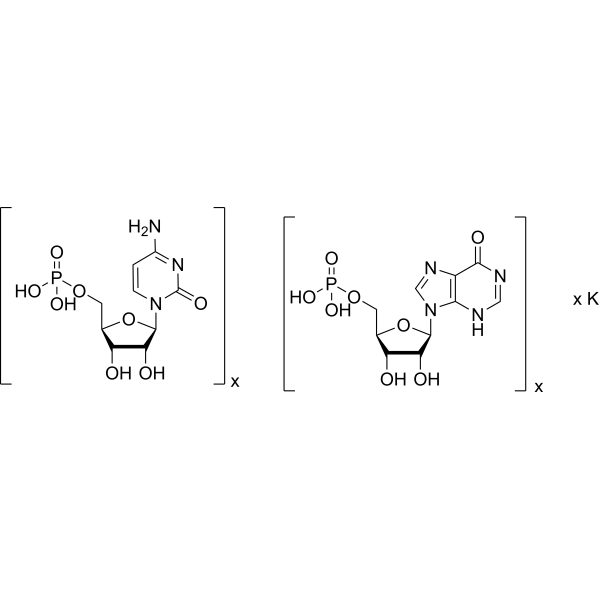
    Poly(I:C) potassium

    Toll-like Receptor (TLR) Apoptosis Inflammation/Immunology Cancer
    Polyinosinic-polycytidylic acid potassium (Poly(I:C) potassium) is a synthetic analog of double-stranded RNA and an agonist of toll-like receptor 3 (TLR3) and retinoic acid inducible gene I (RIG-I)-like receptors (RIG-I and MDA5). Polyinosinic-polycytidylic acid sodium can be used as a vaccine adjuvant to enhance innate and adaptive immune responses, and to alter the tumor microenvironment. Polyinosinic-polycytidylic acid potassium can directly trigger cancer cells to undergoApoptosis .
    Polyinosinic-polycytidylic acid potassium
  • HY-154974

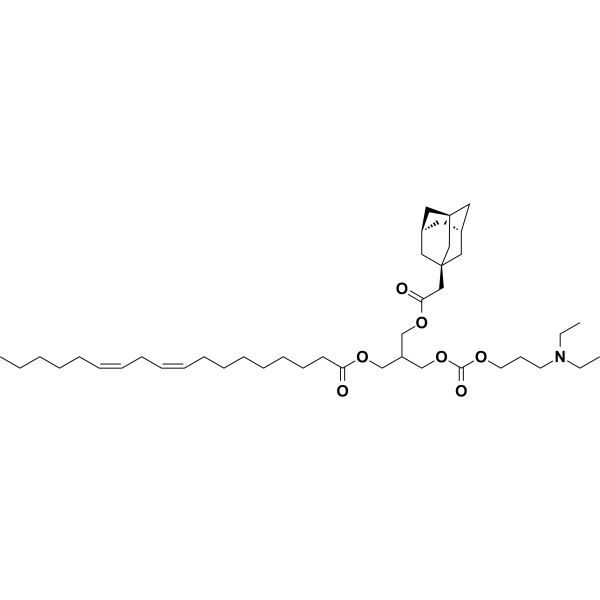
    Liposome Cancer
    LNP Lipid-8 (11-A-M) is an ionizable single-tail multi-head lipid that can be used as a lipid nanoparticle (LNP) to deliver siRNA to T cells without targeting ligands. LNP Lipid-8 is more selective for T cells than other cell types such as hepatocytes. LNP Lipid-8 selectively delivers siRNA/sgRNA to T cells (especially CD8+ T cells) through endogenous lipid transport pathways, and can enter cells and release RNA through endocytosis to achieve gene silencing. LNP Lipid-8 loaded with GFP siRNA (siGFP) significantly led to GFP gene silencing in mouse models. LNP Lipid-8 showed good efficacy and safety in both cells and animals, without obvious liver targeting and toxicity. LNP Lipid-8 can be used for RNA delivery research in the fields of tumor immunotherapy and T cell-mediated autoimmune diseases .
    LNP Lipid-8
  • HY-P10493

    Amino Acid Derivatives Cancer
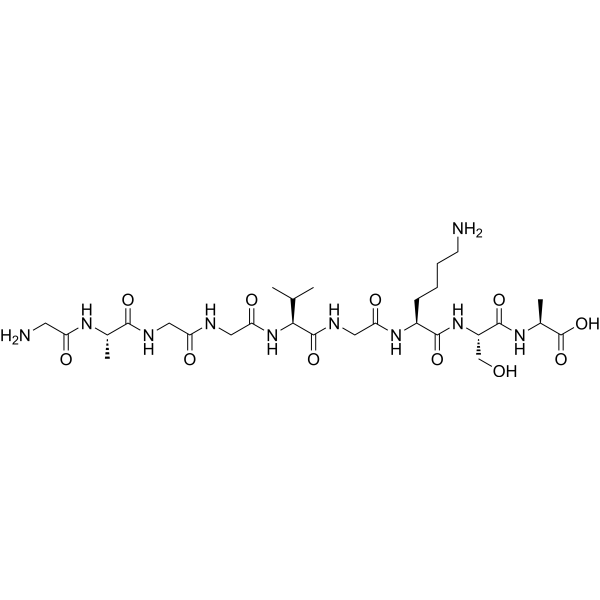
    NY-ESO-1 (157-165) peptide is a peptide fragment from NY-ESO-1 protein. NY-ESO-1 (157-165) peptide can activate the immune system, especially for HLA-A2 positive individuals, it can be recognized by CD8+ T cells, thus triggering an immune response. NY-ESO-1 (157-165) peptide is expressed in a variety of tumors and can be used as a target for tumor immunotherapy .
    NY-ESO-1 (157-165) peptide
  • HY-163719

    PARP Cancer
    PARP7-IN-22 (XLY-1) is a PARP7 inhibitor with an IC50 of 0.6 nM. PARP7-IN-22 (XLY-1) is orally active, enhances type I interferon signaling in vitro, restores type I interferon signaling, promotes T cell infiltration into tumor tissues, and significantly inhibits tumor growth. PARP7-IN-22 shows promise for research in the field of cancer immunotherapy .
    PARP7-IN-22
  • HY-174830

    PD-1/PD-L1 Cancer
    GJ19 is a PD-L1 inhibitor with an IC50 of 32.06 nM. GJ19 can effectively bind to human/murine PD-L1 protein with Kd values of 171 and 290 nM, respectively. GJ19 concentration-dependently promotes HepG2 cell mortality in a co-culture model of HepG2/hPD-L1 and Jurkat T/hPD-1 cells. GJ19 effectively suppresses tumor growth in a B16-F10 melanoma mouse model. GJ19 can be used for the study of tumor immunotherapy .
    GJ19
  • HY-175714

    STING Inflammation/Immunology Cancer
    STING agonist-46 is an orally active STING agonist. STING agonist-46 activates the STING signaling pathway, promoting phosphorylation of TBK1 and IRF3, and secretion of IFN-β and IP-10. STING agonist-46 directly binds to STING and increases its thermal stability. STING agonist-46 demonstrates potent anti-tumor efficacy in B16F10, CT26, and 4T1 mouse models. STING agonist-46 can be used for cancer immunotherapy studies .
    STING agonist-46
  • HY-162382

    PI3K Akt mTOR Cancer
    KTC1101 is an orally active pan-PI3K inhibitor. KTC1101 can inhibit the PI3K signaling pathway, reduce downstream AKT and mTOR phosphorylation, and reduces the expression of Ki67. The anti-tumor effect of KTC1101 has a dual mechanism of action: directly inhibiting tumor cell growth and dynamically enhancing immune response .
    KTC1101
  • HY-135748A

    RIG-I-like receptor (RLR) Toll-like Receptor (TLR) Apoptosis Infection Cancer
    Poly (I:C):Kanamycin (1:1) sodium is an isometric complex of Poly (I:C) (HY-135748) and Kanamycin (HY-16566). Poly(I:C) sodium, a synthetic analog of double-stranded RNA, is a TLR3 and retinoic acid-inducible gene I receptor (RIG-I and b>MDA5) agonist. Poly(I:C) sodium can be used as a vaccine adjuvant to enhance innate and adaptive immune responses and induce apoptosis in cancer cells . Kanamycin is an orally active antibacterial agent (Gram-negative/positive bacteria) that inhibits translocation and causes miscoding by binding to the 70S ribosomal subunit. Kanamycin shows good inhibitory activity against Mycobacterium tuberculosis (susceptible and drug-resistant) and Klebsiella pneumoniae, and can be used in the research of tuberculosis and pneumonia .
    Poly (I:C):Kanamycin (1:1) sodium
  • HY-P1828A

    EGFR Cancer
    EGFRvIII peptide (PEPvIII) TFA is a tumor-specific mutation that is widely expressed in glioblastoma multiforme (GBM) and other neoplasms and its expression enhances tumorigenicity. EGFRvIII peptide TFA represents a truly tumor-specific target for antitumor immunotherapy .
    EGFRvIII peptide (PEPvIII) TFA
  • HY-P10424

    PD-1/PD-L1 Cancer
    OPBP-1 is a D-peptide obtained by phage display screening, molecular docking and molecular dynamics simulation. OPBP-1 has high stability and strong antitumor and oral activity. OPBP-1 can selectively bind PD-L1 protein, significantly block the interaction between PD-1 and PD-L1, and this blocking effect helps to restore and improve the function of T lymphocytes and reduce the proportion of bone marrow derived suppressor cells (MDSCs) to combat tumor-induced immune escape. OPBP-1 can be used in cancer immunotherapy research .
    OPBP-1
  • HY-P1828

    EGFR Cancer
    EGFRvIII peptide (PEPvIII) is a tumor-specific mutation that is widely expressed in glioblastoma multiforme (GBM) and other neoplasms and its expression enhances tumorigenicity. EGFRvIII peptide represents a truly tumor-specific target for antitumor immunotherapy .
    EGFRvIII peptide (PEPvIII)
  • HY-P10493A

    Amino Acid Derivatives Cancer
    NY-ESO-1 (157-165) peptide (TFA) is a peptide fragment from NY-ESO-1 protein. NY-ESO-1 (157-165) peptide (TFA) can activate the immune system, especially for HLA-A2 positive individuals, it can be recognized by CD8+ T cells, thus triggering an immune response. NY-ESO-1 (157-165) peptide (TFA) is expressed in a variety of tumors and can be used as a target for tumor immunotherapy .
    NY-ESO-1 (157-165) peptide TFA
  • HY-175551

    Target Protein Ligand-Linker Conjugates MAP4K Cancer
    HPK1 ligand-Linker Conjugate 1 is a synthesized target protein ligand-linker conjugate that can be used for synthesis of PROTACs, such as PROTAC HPK1 Degrader-5 (HY-175547). PROTAC HPK1 Degrader-5 is a potent and orally active HPK1 PROTAC degrader with anti-tumor activity .
    HPK1 ligand-Linker Conjugate 1
  • HY-160940

    MAP4K Cancer
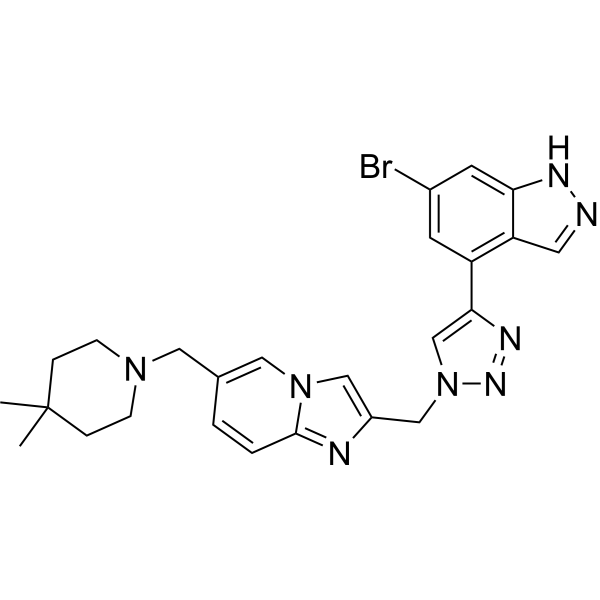
    HPK1-IN-46 (Compound 36) is an efficient and highly selective HPK1 reverse indazole inhibitor with an IC50 value of 1.1 nM. HPK1-IN-46 exhibits high selectivity for CDK2, JAK1, and JAK2. HPK1-IN-46 inhibits SLP76 phosphorylation mediated by HPK1, reverses T-cell inhibition, and enhances anti-tumor immunity. HPK1-IN-46 can be used in immunotherapy research for tumors .
    HPK1-IN-46
  • HY-P10978

    PD-1/PD-L1 Cancer
    NK224 is a peptide-based radiotracer targeting human PD-L1, with dual-radionuclide ( 68Ga and 18F) labeling compatibility enabled by the NOTA chelator. NK224 exhibits high binding affinity to PD-L1, with an IC50 value of 2.45 nM. NK224 visualizes intrapatient tumor heterogeneity and dynamically monitors PD-L1 target occupancy during immunotherapy. NK224 can be used for the study of non-small cell lung cancer (NSCLC) .
    NK224
  • HY-P11379

    Survivin MHC Inflammation/Immunology Cancer
    ELTLGEFLKL is a survivin peptide. ELTLGEFLKL shows significant stabilization of HLA-A*0201. ELTLGEFLKL can be used in the research of tumor immunotherapy .
    ELTLGEFLKL
  • HY-177483

    Oxaliplatin-artesunate

    Ferroptosis Mitochondrial Metabolism Glutathione Peroxidase Transferrin Receptor MMP Dihydroorotate Dehydrogenase Cancer
    OART (Oxaliplatin-artesunate) is a ferroptosis inducer. OART significantly inhibits tumor cell proliferation. OART induces cytoplasmic and mitochondrial LPO to promote tumor ferroptosis, via destroying glutathione-mediated ferroptosis defense system and enhancing iron-dependent Fenton reaction. OART enhances tumor immunogenicity, transforming tumor environment from immunosuppressive to immunosensitive. OART has strong tumor regression in tumor-bearing mouse models. OART can be used for cancer immunotherapy research .
    OART
  • HY-144443

    PD-1/PD-L1 Cancer
    PD-1/PD-L1-IN-16 (Compound M23) is a potent inhibitor of PD-1/PD-L1 with an IC50 value of 53.2 nM. PD-1/PD-L1-IN-16 has the potential for the research of tumor immunoresearch .
    PD-1/PD-L1-IN-16
  • HY-173400

    TAM Receptor Cancer
    UNC8212 is a TAM kinase inhibitor. UNC8212 has potent inhibitory activity against MERTK and AXL (IC50: 1.5 nM and 1.3 nM, respectively), and also inhibits TYRO3 (IC50: 6.7 nM). UNC8212 mediates polypharmacological properties by targeting the structurally diverse "back pocket" region of the TAM kinase family. UNC8212 binds tightly to TAM kinases and potently inhibits MERTK and AXL phosphorylation. UNC8212 has anti-tumor effects and can be used in cancer immunotherapy and tumor cell targeting research .
    UNC8212
  • HY-P10417

    Integrin IFNAR Cancer
    RTDLDSLRTYTL is an Alpha (v) beta (6) integrin (avb6) inhibitor with high affinity and specificity. RTDLDSLRTYTL binds to avb6 integrin, a peptide sequence that activates cytotoxicity and cytokine production in T cells, such as interferon-gamma. RTDLDSLRTYTL is designed through a chimeric T cell antigen receptor (CAR) so that T cells can be redirected to specifically recognize and attack tumor cells. RTDLDSLRTYTL can be used in the research of cancer immunotherapy and targeted drug development .
    RTDLDSLRTYTL
  • HY-176828

    Phosphodiesterase (PDE) Cancer
    Enpp-1-IN-28 is a ENPP1 inhibitor at the molecular and cellular levels, with IC50 values of 0.188 µM and 0.732 µM, respectively. Enpp-1-IN-28 upgrades the expression levels of IFN-β in vivo by preventing the ENPP1 from hydrolyzing the cGAMP to stimulate a more potent innate immune response. Enpp-1-IN-28 can be used for the study of metastatic breast cancer .
    Enpp-1-IN-28
  • HY-169436

    PD-1/PD-L1
    Lon-TK is a glycolysis inhibitor + linker conjugate of LTB (HY-169434). LTB is an intelligent responsive prodrug that connects Lonidamine (Lon) (HY-B0486) and a PD-L1 inhibitor (BMS-1, HY-19991) through a thioketal linker. It significantly inhibits the glycolytic metabolism of tumor cells and blocks the PD-1/PD-L1 immune escape pathway. Lon-TK shows potential for application in photodynamic-enhanced immunotherapy research .
    Lon-TK
  • HY-173462

    IKK Cancer
    TBK1-IN-2 (Compound A1) is a potent TBK1 inhibitor (IC50: 775 pM). TBK1-IN-2 binds to TBK1 through stable hydrogen bonds and π-π stacking, inhibiting IRF3 phosphorylation. TBK1-IN-2 synergizes with TNF/IFNγ to enhance immune-mediated tumor cell death. TBK1-IN-2 can be used in cancer immunotherapy research .
    TBK1-IN-2
  • HY-P11253

    VISTA Inflammation/Immunology
    DOTA-Bn-CA-170 is a molecular probe targeting the VISTA protein, with a Kd value of 0.124 nM. DOTA-Bn-CA-170 is formed by covalently linking the p-SCN-Bn-DOTA ligand with CA-170 (HY-101093). DOTA-Bn-CA-170 labeled with [ 68Ga]Ga successfully achieves specific and high-contrast PET imaging of VISTA expression in various tumor-bearing mouse models. DOTA-Bn-CA-170 can be used for the study of VISTA-targeted immunotherapy .
    DOTA-Bn-CA-170
  • HY-179180

    PD-1/PD-L1 Cancer
    PD-1/PD-L1-IN-59 (Compound MZ51) is a PD-1/PD-L1 inhibitor with an IC50 of 183 nM. PD-1/PD-L1-IN-59 can be used for the study of triple-negative breast cancer (TNBC) .
    PD-1/PD-L1-IN-59
  • HY-175702

    PD-1/PD-L1 Inflammation/Immunology Cancer
    PD-1/PD-L1-IN-57 (Compound J29) is a PD-1/PD-L1 inhibitor with an IC50 of 5.5 nM. PD-1/PD-L1-IN-57 has a strong immunoregulatory activity, effectively promotes T-cell proliferation and restores the killing ability of tumor cells. PD-1/PD-L1-IN-57 can be used for tumor immunotherapy research .
    PD-1/PD-L1-IN-57
  • HY-172594

    MAP4K Interleukin Related Inflammation/Immunology Cancer
    HPK1-IN-57 (Compound 10c) is a hematopoietic progenitor kinase 1 (HPK1) inhibitor with an IC50 value of 0.09 nM. HPK1-IN-57 inhibits the activity of HPK1 kinase, hindering the phosphorylation of the downstream adaptor protein SLP76 (IC50 is 33.74 nM) and effectively stimulating the secretion of the T cell activation marker IL-2 (EC50 is 84.24 nM). HPK1-IN-57 is promising for research of tumor immunotherapy .
    HPK1-IN-57
  • HY-175547

    PROTACs MAP4K ERK Interleukin Related IFNAR Inflammation/Immunology Cancer
    PROTAC HPK1 Degrader-5 is a potent and orally active HPK1 PROTAC degrader (DC50 = 5.0 nM; Dmax ≥ 99%). PROTAC HPK1 Degrader-5 significantly inhibits SLP76 phosphorylation and enhanced ERK pathway activation through degrading HPK1, thereby stimulating IL-2 and IFN-γ release. PROTAC HPK1 Degrader-5 exhibits the ability to overcome the immunosuppressive effects imposed by PGE2, NECA or TGF-β. PROTAC HPK1 Degrader-5 alone efficaciously inhibits tumor growth in an MC38 syngeneic mouse model. PROTAC HPK1 Degrader-5 can be used for the study of tumor (such as colorectal cancer) immunotherapy (Pink: Target protein ligand (HY-175549); Blue: E3 ligand (HY-W023573); Black: Linker; E3 ligand + Linker (HY-175551)) .
    PROTAC HPK1 Degrader-5
  • HY-144442

    PD-1/PD-L1 Cancer
    PD-1/PD-L1-IN-15 (Compound M17) is a potent inhibitor of PD-1/PD-L1 with an IC50 value of 60.1 nM. PD-1/PD-L1-IN-15 has the potential for the research of tumor immunoresearch .
    PD-1/PD-L1-IN-15
  • HY-P991125

    YH-002

    TNF Receptor Inflammation/Immunology Cancer
    Cenzestotug is a monoclonal antibody targeting human tumor necrosis factor receptor superfamily member 4 (TNFRSF4). Cenzestotug activates relevant immune cells by binding to TNFRSF4, exerting immunostimulatory and antitumor activities. Cenzestotug is promising for research of cancer immunotherapy .
    Cenzestotug
  • HY-13735H

    Acriquine acetate

    Parasite Sodium Channel DNA Stain Apoptosis Cancer
    Quinacrine (Acriquine) acetate is a small molecule modulator of the cGAS-STING-TBK1 signaling pathway, possessing immune stimulatory activity. Quinacrine acetate has been explored for its potential therapeutic applications in enhancing anti-tumor immunity. Quinacrine acetate can improve the effectiveness of cancer immunotherapies by addressing the poor immunogenicity of various tumors. Quinacrine acetate also presents a promising strategy for overcoming the limitations associated with immune checkpoint inhibitors in cancer treatment.
    Quinacrine acetate
  • HY-162912

    Phosphodiesterase (PDE) Cancer
    Enpp-1-IN-23 (compound 27) is an Enpp-1 inhibitor, with IC50 of 1.2 nM. Enpp-1-IN-23 can be used in cancer research .
    Enpp-1-IN-23
  • HY-101309A

    5-HT Receptor Cancer
    5-(Nonyloxy)tryptamine oxalate, a high-affinity agonist for the 5-HTIDβ receptor, with an ED50 value of 68 nM. 5-(Nonyloxy)tryptamine oxalate, exhibits antitumor growth activity in vivo and enhances the ability of T cells to target tumor cells .
    5-(Nonyloxy)tryptamine oxalate
  • HY-116604

    PD 139530

    PI3K Akt Cancer
    RLX (PD 139530) is a PI3K/Akt/FoxO3a signaling inhibitor, possessing significant therapeutic potential in experimental colon cancer. RLX can effectively modulate the tumor microenvironment, enhancing the efficacy of cancer immunotherapy. RLX demonstrates the ability to improve the retention time of therapeutic agents within the tumor microenvironment by utilizing advanced nanoparticle delivery systems. RLX can be integrated with various treatment modalities, such as chemotherapy and radiotherapy, to enhance overall tumor therapy effectiveness .
    RLX
  • HY-116604A

    PD 139530 hydrochloride

    PI3K Akt Cancer
    RLX (PD 139530) hydrochloride is the hydrochloride of RLX (HY-116604). RLX is a PI3K/Akt/FoxO3a signaling inhibitor, possessing significant therapeutic potential in experimental colon cancer. RLX can effectively modulate the tumor microenvironment, enhancing the efficacy of cancer immunotherapy. RLX demonstrates the ability to improve the retention time of therapeutic agents within the tumor microenvironment by utilizing advanced nanoparticle delivery systems. RLX can be integrated with various treatment modalities, such as chemotherapy and radiotherapy, to enhance overall tumor therapy effectiveness .
    RLX hydrochloride
  • HY-178097

    MAP4K Cancer
    HPK1-IN-62 is a selective and orally active HPK-1 inhibitor with an IC50 of 1.22 nM. HPK1-IN-62 significantly improves GLK selectivity (> 665-fold) and LCK selectivity (> 1095-fold). HPK1-IN-62 enhances T-cell activation and demonstrated synergistic effects when combined with anti-mPD-1 therapy in the MC38 tumor model, inhibiting a tumor growth. HPK1-IN-62 can be used in the researchs of colon cancer and cancer immunotherapy .
    HPK1-IN-62
  • HY-153544

    Toll-like Receptor (TLR) Cancer
    TLR7/8 agonist 9 (Compound 25a) is a TLR7/8 agonist, with EC50s of 40 nM and 23 nM for hTLR7/8. TLR7/8 agonist 9 has anti-tumor activity and improves the antitumor activity of PD-1/PD-L1 blockade. TLR7/8 agonist 9 can be used for research of cancer immunotherapy .
    TLR7/8 agonist 9

Inquiry Online

Your information is safe with us. * Required Fields.

Salutation


Country or Region *

Applicant Name *


Organization Name *

Department *


Email Address *


Product Name *

Cat. No.


Requested quantity *

Phone Number *


Remarks

Inquiry Online

Inquiry Information

Product Name:
Cat. No.:
Quantity:
MCE Japan Authorized Agent: