

244 Results for "

visceral allergy

" in MedChemExpress (MCE) Product Catalog:
Products (244)

244 Results for "visceral allergy" in MCE Product Catalog:

  • Disease Areas Recommended:
9
9 Publications Verification
Cat. No.: HY-B0303
CAS No.: 58-73-1
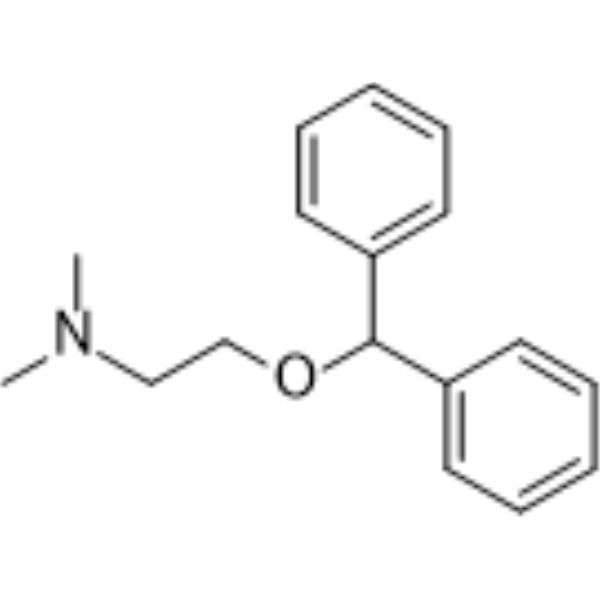
Diphenhydramine is a first-generation histamine H1-receptor antagonist with anti-cholinergic effect. Diphenhydramine hydrochloride can across the ovine blood-brain barrier (BBB) .
loading...
    loading...
8
8 Cited Publications
Cat. No.: HY-N1441
CAS No.: 482-39-3
Synonyms: Kaempferol-3-O-rhamnoside
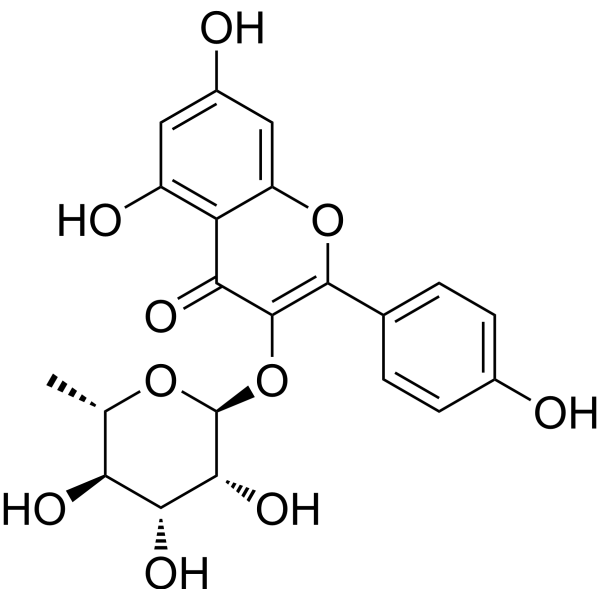
Afzelin (Kaempferol-3-O-rhamnoside)It is a flavonol glycoside that has anti-inflammatory, anti-oxidative stress response, anti-apoptotic, and anti-cardiac cytotoxic effects. AfzelinIt can reduce mitochondrial damage, enhance mitochondrial biosynthesis, and reduce mitochondria-related proteins. Parkinand PTENinduced putative kinase 1 (putative kinase 1)s level. AfzelinCan be improved D-galactosamine(GalN)/LPSSurvival rate of mice treated with doxorubicin prophylaxis (HY-15142A)Induced cardiotoxicity and scopolamine (HY-N0296)-induced neurological injury. AfzelinAlso inhibits asthma and allergies caused by ovalbumin .
loading...
    loading...
5
5 Cited Publications
Cat. No.: HY-100459
CAS No.: 1627856-64-7
Purity:  98.41%
Target:  

RET

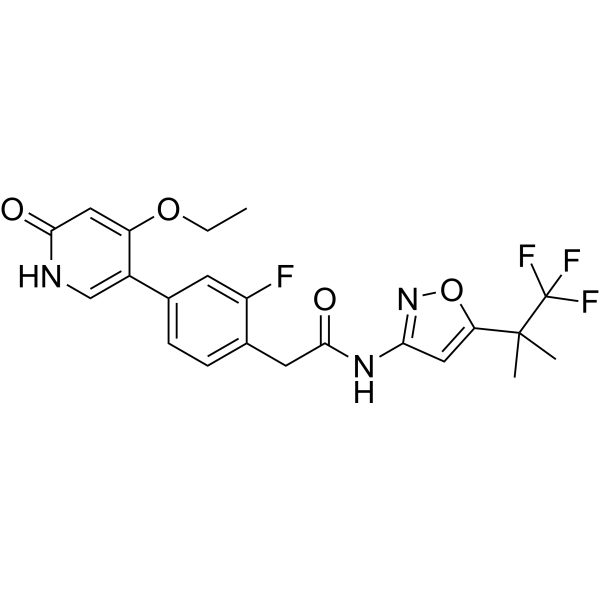
GSK3179106 is an orally active and selective RET kinase inhibitor with IC50s of 0.4 nM, 0.2 nM for human RET and rat RET, respectively. GSK3179106 has the potential for irritable bowel syndrome (IBS) through the attenuation of post-inflammatory and stress-induced visceral hypersensitivity .
loading...
    loading...
5
5 Cited Publications
Cat. No.: HY-145191
CAS No.: 2642162-06-7
Purity:  99.80%
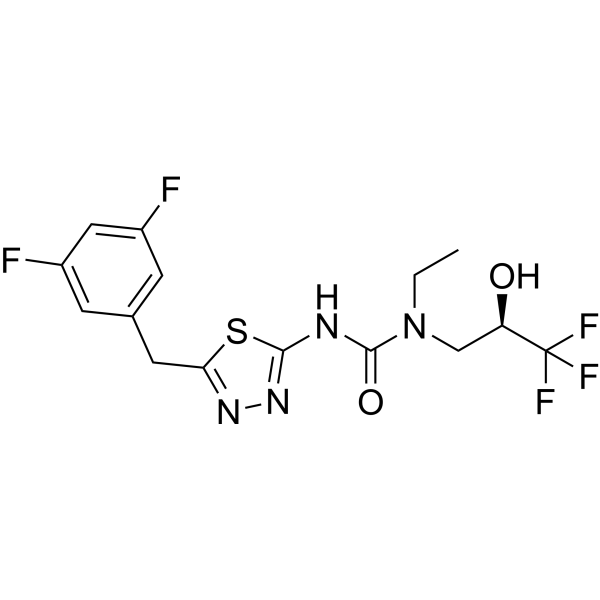
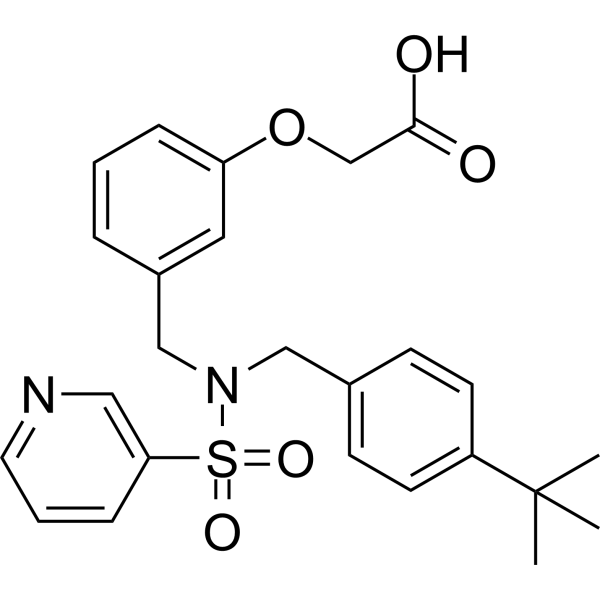
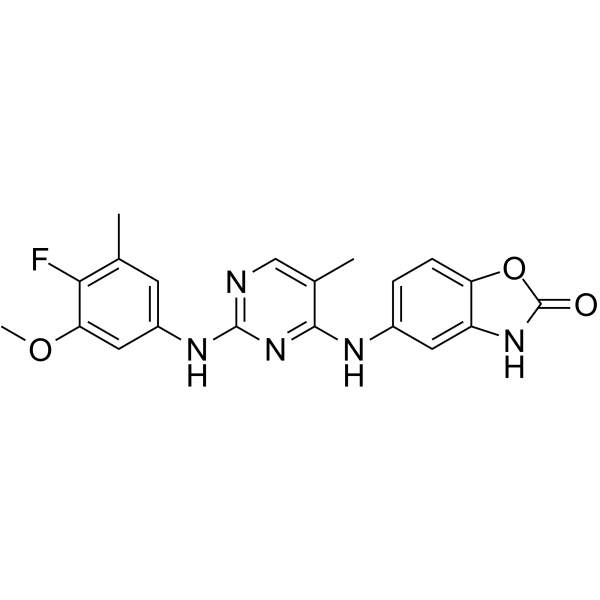
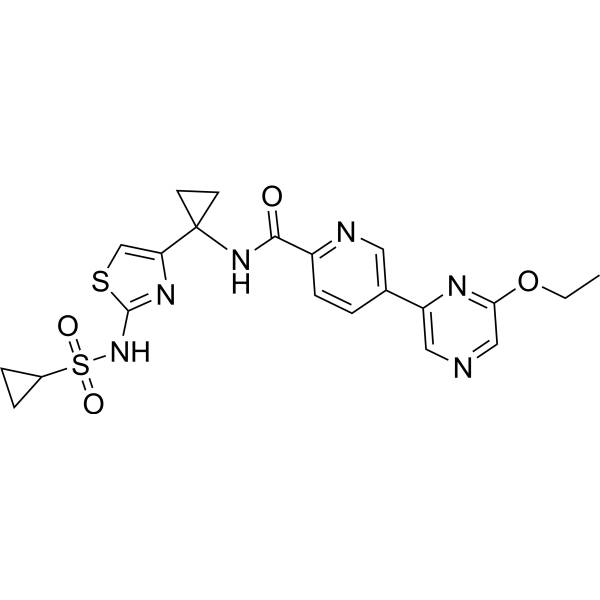
MrgprX2 antagonist-1 is an MrgprX2 antagonist extracted from patent WO2021092264A1, example E23. MrgprX2 antagonist-1 can be used for the research of inflammatory disorders of the skin .
loading...
    loading...
3
3 Cited Publications
Cat. No.: HY-N6871
CAS No.: 514-10-3
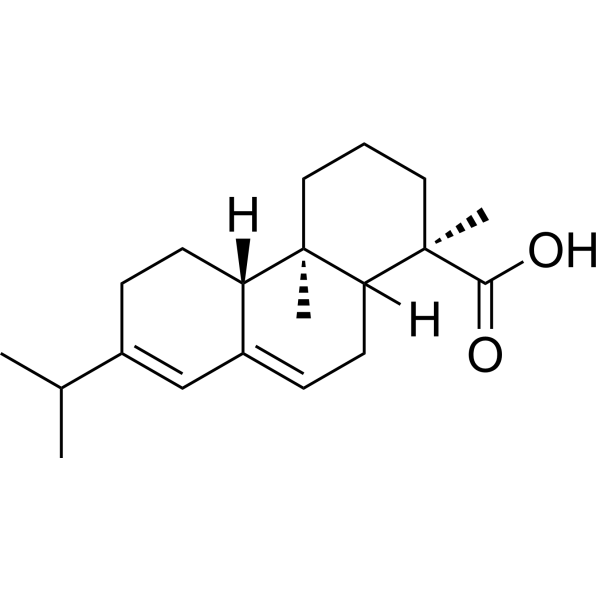
Abietic acid, an orally active diterpene isolated from Colophony, displays significant anti-proliferative, anti-inflammatory, anti-obesity effect, bacteriostatic, cell cycle arresting and pro-apoptotic activities. Abietic acid inhibits lipoxygenase activity for allergy. Abietic acid enhances cell migration and tube formation in HUVECs. Abietic acid induces significant angiogenic potential, which is associated with upregulation of extracellular signal-regulated kinase (ERK) and p38 expression. Abietic acid attenuates sepsis-induced lung injury by inhibiting nuclear factor kappa-light-chain-enhancer of activated B cells (NF-κB) pathway to inhibit M1 macrophage polarization. Abietic acid exhibits a positive effect against liver injury by attenuating inflammation and ferroptosis. Abietic acid shows accelerated wound closure in a mouse model of cutaneous wounds. Abietic acid significantly reduces the proliferation and growth of NSCLC cells by IKKβ inhibition.Additionally, Abietic acid ameliorates psoriasis-like inflammation and modulates gut microbiota in mice. Abietic acid is promising for research in non-small-cell lung cancer (NSCLC), liver injury-related deseases and psoriasis .
loading...
    loading...
2
2 Cited Publications
Cat. No.: HY-P3715
CAS No.: 141312-45-0
Target:  

MHC

Research Areas:  

Inflammation/Immunology

OVA peptide mainly exists in egg white, it is a class I (Kb)-restricted peptide epitope of ovalbumin presented by the class I MHC (major histocompatibility complex) molecule, H-2Kb (class I genes of the mouse MHC). OVA peptide has been widely studied in allergy research .
loading...
    loading...
2
2 Cited Publications
Cat. No.: HY-148983
CAS No.: 7803-49-8
Hydroxylamine (50% w/w in water) is an inorganic highly reactive compound and antibacterial agent. Hydroxylamine (50% w/w in water) acutely activates the transport activity of GLUT1, inhibits Monoamine oxidase activity. Hydroxylamine (50% w/w in water) inhibits nitrite oxidizing bacteria. Hydroxylamine (50% w/w in water) activates glucose uptake. Hydroxylamine (50% w/w in water) can be used in the research of inflammatory diseases and allergies[1][2][3][4] .
loading...
    loading...
2
2 Cited Publications
Cat. No.: HY-14839
CAS No.: 223488-57-1
Purity:  99.78%
Synonyms: CP-533536 free acid
Evatanepag (CP-533536) is a non-prostanoid, potent and selective EP2 receptor agonist. Evatanepag can induce local bone formation in vivo. Evatanepag can be used in the research of fractures, bone defects, asthma .
loading...
    loading...
2
2 Cited Publications
Cat. No.: HY-N0493
CAS No.: 520-12-7
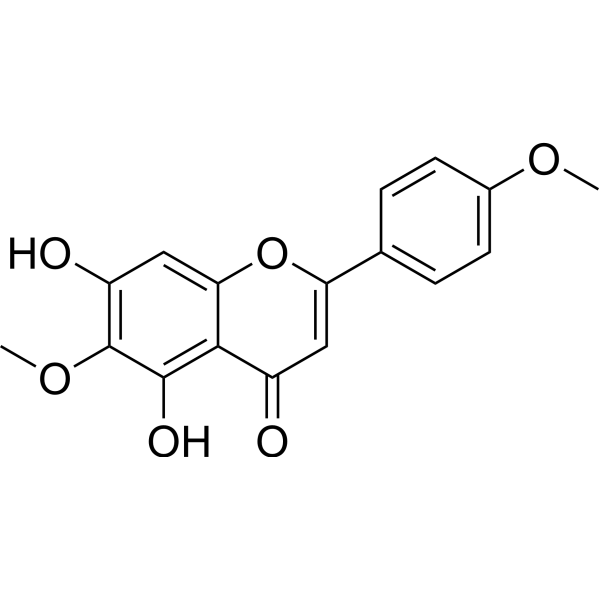
Pectolinarigenin is an orally active dual inhibitor of COX-2/5-LOX with anti-inflammatory, antioxidant, antitumor and neuroprotective activities. Pectolinarigenin exerts neuroprotective and anti-inflammatory effects on astrocyte inflammation via the NFκB and MAPK pathways. Pectolinarigenin inhibits LPS-induced phosphorylation of ERK1/2, N-FκB and p38MAPK, directly inhibits the enzymatic activity or binding of COX-2, 5-LOX and HIF-1α, and reduces the level of XIAP. Pectolinarigenin modifies Keap1 to promote nuclear accumulation of Nrf2, induces ARE-mediated antioxidant enzyme expression, and possesses direct free radical scavenging activity. Pectolinarigenin reduces the release of NO, proinflammatory mediators and leukotrienes, and increases the level of IL-10. Pectolinarigenin induces G2/M cell cycle arrest, apoptosis (Apoptosis) and autophagy (Autophagy) via the PI3K/AKT/mTOR signaling pathway. Pectolinarigenin reduces renal crystal deposition and inhibits melanin synthesis. Pectolinarigenin inhibits inflammation and alleviates allergy in mouse models of inflammation. Pectolinarigenin alleviates renal injury, inflammation and oxidative stress in mice by inhibiting HIF-1α activity. Pectolinarigenin can be used for the research of neurodegenerative diseases, inflammatory/allergic diseases, calcium oxalate nephrocalcinosis, gastric cancer, melasma, post-inflammatory diseases and chloasma .
loading...
    loading...
1
1 Cited Publications
Cat. No.: HY-108610A
CAS No.: 70641-51-9
Purity:  ≥99.0%
Synonyms: ET-18-OCH3
Edelfosine (ET-18-OCH3) is an orally active lipid raft modulator and apoptosis inducer that alters membrane fluidity and preferentially inserts into tumor cell membranes. Edelfosine recruits death receptor ligands (FasL/CD95L, TRAIL) and Bid to lipid rafts to form death-inducing signaling complexes, thereby initiating mitochondria-dependent apoptosis and inducing cytochrome c release. Edelfosine also exerts anti-inflammatory effects, promotes L-Selectin shedding, and causes no gastrointestinal or organ toxicity. In addition, Edelfosine inhibits nucleic acid and protein synthesis in Leishmania donovani and exhibits antiproliferative activity. Edelfosine can be used in research on multiple myeloma, inflammatory bowel diseases (such as ulcerative colitis and Crohn's disease), and visceral leishmaniasis .
loading...
    loading...
1
1 Cited Publications
Cat. No.: HY-B1146
CAS No.: 3734-33-6
Synonyms: THS-839
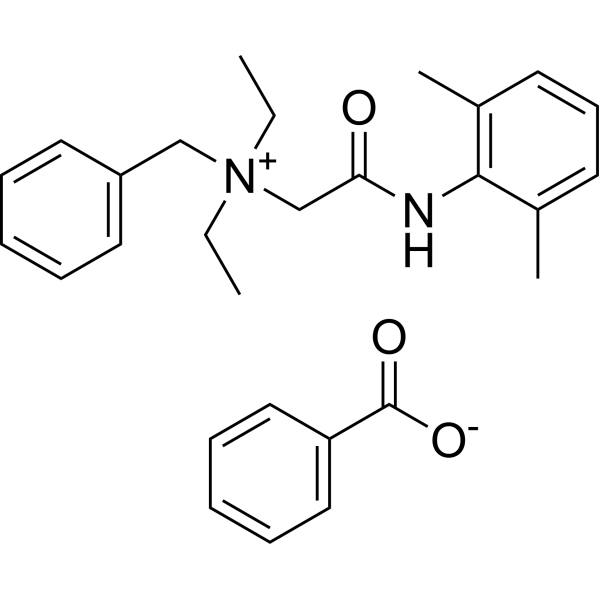
Denatonium benzoate (THS-839) is known as the most bitter compound and is commonly used as a deterrent (bittering agent) to activate different types of bitter taste receptors (TAS2Rs) with oral activity. Denatonium benzoate can enhance insulin secretion, has anti-inflammatory effects, and promotes allergy susceptibility .
loading...
    loading...
1
1 Cited Publications
Cat. No.: HY-N1109
CAS No.: 545-46-0
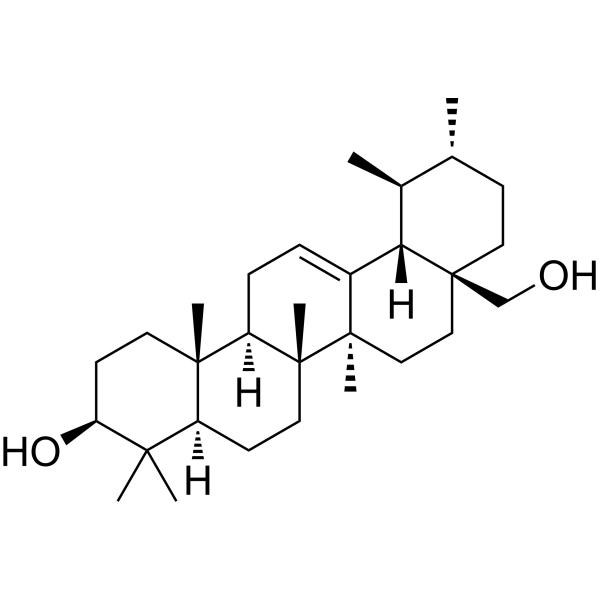
Uvaol, a triterpene present in olives and virgin olive oil, possesses anti-inflammatory properties and antioxidant effects. Uvaol is an orally active inducer of apoptosis in astroglioma cells. Uvaol also has anti-cancer activities. Uvaol attenuates pleuritis and eosinophilic inflammation in ovalbumin-induced allergy in mice .
loading...
    loading...
1
1 Cited Publications
Cat. No.: HY-70050C
CAS No.: 122852-69-1
Synonyms: GR 68755C; GR 68755 Hydrochloride; GR 68755X Hydrochloride
Target:  

5-HT Receptor

Research Areas:  

Neurological Disease

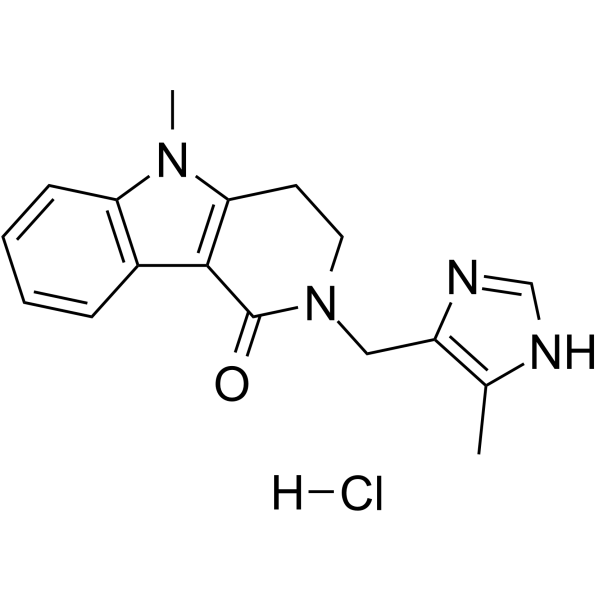
Alosetron Hydrochloride (GR 68755C) is a potent and highly selective serotonin 5-HT3 receptor antagonist. Alosetron Hydrochloride is used for the research of irritable bowel syndrome (IBS). Alosetron blocks the fast 5HT3-mediated depolarisation of guinea-pig myenteric and submucosal neurons, with IC50 at ~55 nM. Alosetron Hydrochloride attenuates the visceral nociceptive effect of rectal distension in conscious or anaesthetised dogs. Anti-inflammatory effects .
loading...
    loading...
1
1 Cited Publications
Cat. No.: HY-70050A
CAS No.: 122852-42-0
Synonyms: GR 68755; GR 68755X
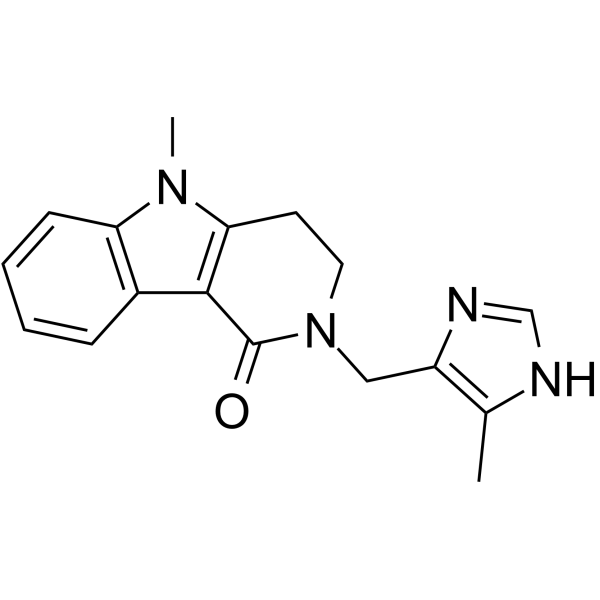
Alosetron (GR 68755) is a potent and highly selective serotonin 5-HT3 receptor antagonist. Alosetron is used for the research of irritable bowel syndrome (IBS). Alosetron blocks the fast 5HT3-mediated depolarisation of guinea-pig myenteric and submucosal neurons, with IC50 at ~55 nM. Alosetron attenuates the visceral nociceptive effect of rectal distension in conscious or anaesthetised dogs. Anti-inflammatory effects .
loading...
    loading...
1
1 Cited Publications
Cat. No.: HY-109178
CAS No.: 1236667-40-5
Purity:  98.01%
Synonyms: ATI-50002; ATI-502
Target:  

JAK

Research Areas:  

Others Inflammation/Immunology

Ifidancitinib (ATI-50002) is an orally available, potent and selective inhibitor of JAK kinase 1/3 that disrupts γc cytokine signaling. Ifidancitinib is used in the research of allergy, asthma, and autoimmune diseases .
loading...
    loading...
1
1 Cited Publications
Cat. No.: HY-157746
CAS No.: 2341943-12-0
Purity:  97.06%
Target:  

DNA/RNA Synthesis

Research Areas:  

Inflammation/Immunology Cancer

CTPS1-IN-1 (compound R80) is a CTPS1 inhibitor. CTPS1-IN-1 has the potential to research cancer (such as promoting vascular injury or surgical recovery) and immune system diseases (such as rejection of transplanted cells and tissues, transplant-related diseases or disorders, allergies, and autoimmune diseases) .
loading...
    loading...
1
1 Cited Publications
Cat. No.: HY-115681
CAS No.: 68682-01-9
Purity:  99.88%
Synonyms: 6-Prenylnaringenin; (±)-6-Prenylnaringenin
Target:  

Calcium Channel

Research Areas:  

Neurological Disease

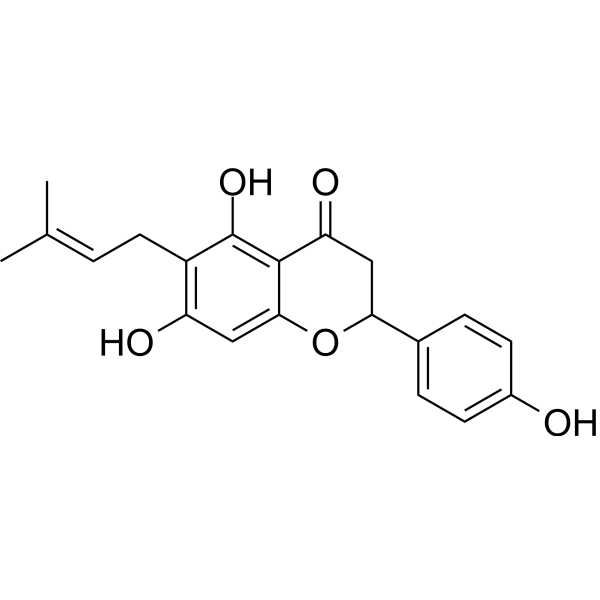
(2R/S)-6-PNG (6-Prenylnaringenin) is a potent and reversible Cav3.2 T-type Ca 2+ channels (T-channels) blocker. (2R/S)-6-PNG can penetrate the blood-brain barrier (BBB). (2R/S)-6-PNG suppresses neuropathic and visceral pain in mice .
loading...
    loading...
1
1 Cited Publications
Cat. No.: HY-17570
CAS No.: 382-67-2
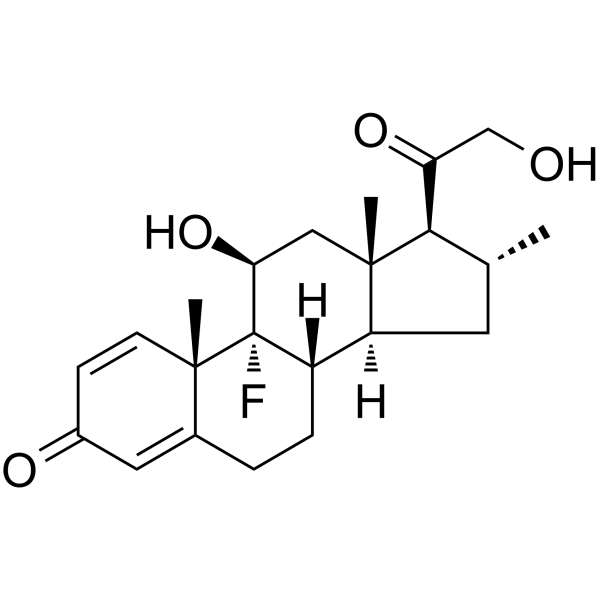
Desoximetasone is a corticosteroid and a substrate of cytochrome P450 3A4. Desoximetasone has anti-inflammatory, anti-allergic, and immunosuppressive effects. Desoximetasone can be used in the research of various skin diseases, such as skin allergies, atopic dermatitis, and psoriasis .
loading...
    loading...
1
1 Cited Publications
Cat. No.: HY-P4058
CAS No.: 83652-28-2
Synonyms: CGRP free acid
Target:  

CGRP Receptor

Research Areas:  

Neurological Disease

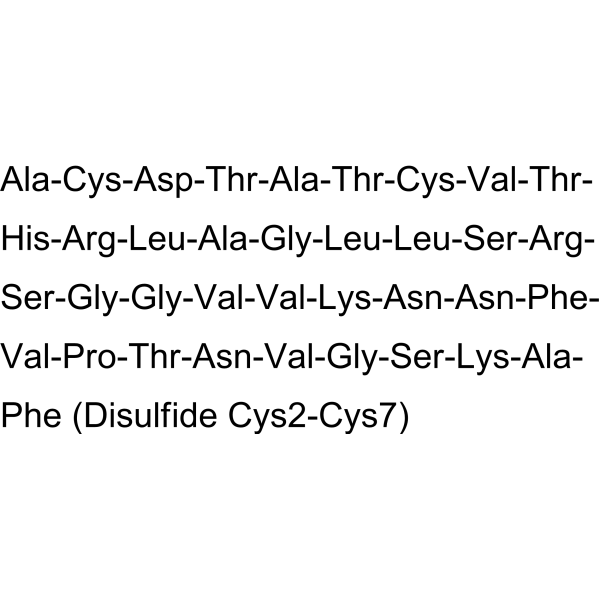
Calcitonin gene-related peptide (CGRP) free acid is a 37-amino acid neuropeptide, which represents the deamidated form of α-CGRP (human) (HY-P1071). Calcitonin gene-related peptide free acid is produced in the central and peripheral nervous systems of rats, and localizes to specific sensory, integrative and motor neuron systems, including those involved in nociception/thermoreception, feeding behavior, olfaction and visceral motor functions .
loading...
    loading...
1
1 Cited Publications
Cat. No.: HY-148236
CAS No.: 2741956-55-6
Purity:  99.74%
Target:  

TRP Channel

Research Areas:  

Inflammation/Immunology

BAY-390, a chemical probe, is a selective, across species active and brain penetrating TRPA1 inhibitor. BAY-390 inhibits hTRPA1 FLIPR, hTRPA1 Ephys, rTRPA1 FLIPR and rDRG Ephys with IC50s of 16, 82, 63 and 35 nM, respectively. BAY-390 can be used for the research of inflammation .
loading...
    loading...

