



Aristolochia debilis Sieb. et Zucc.
-
Aristolochia debilis Sieb. et Zucc. (9)

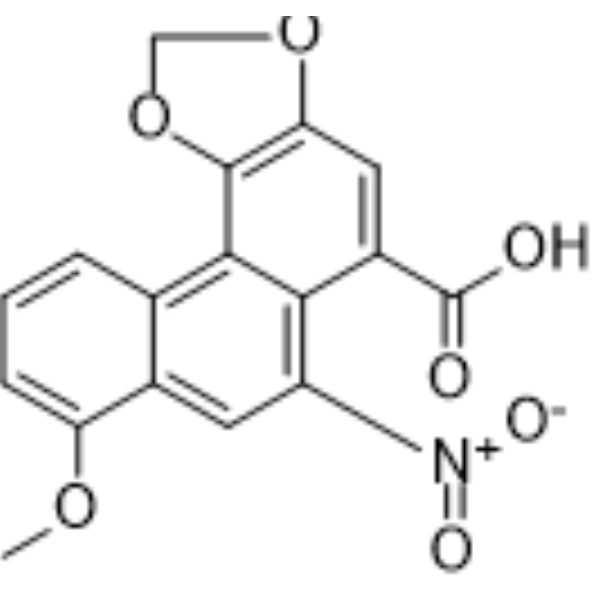
- Formula: C17H11NO7
- Molecular Weight: 341.27
Aristolochic acid A (Aristolochic acid I; TR 1736) is the main component of plant extract Aristolochic acids, which are found in various herbal plants of genus Aristolochia and Asarum. Aristolochic acid A significantly reduces both activator protein 1 (AP-1) and NF-κB activities. Aristolochic acid A reduces BLCAP gene expression in human cell lines.
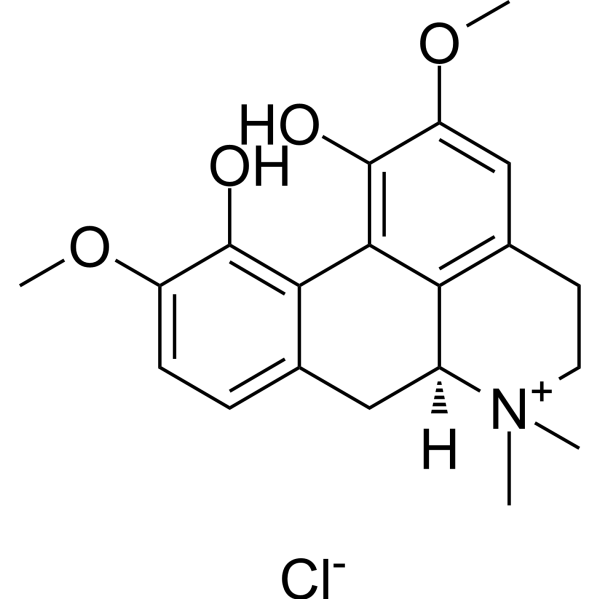
- Formula: C20H24ClNO4
- Molecular Weight: 377.86
(+)-Magnoflorine (α-Magnoflorine) chloride is an orally active aporphine alkaloid with multiple biological activities. (+)-Magnoflorine chloride promotes Parkin/PINK1-mediated mitochondrial autophagy, inhibits the activation of NLRP3/Caspase-1 pathway, regulates the intestinal microbiota, and exhibits significant anti-inflammatory and immunomodulatory activities. (+)-Magnoflorine chloride inhibits JNK and TLR4/NF-κB signaling pathways, activates Sirt1/AMPK pathway, alleviates neuronal oxidative stress and apoptosis. Magnoflorine chloride upregulates miR-410-3p, inhibits HMGB1/NF-κB pathway, and has anti-tumor activity. (+)-Magnoflorine chloride also has significant antifungal activity.
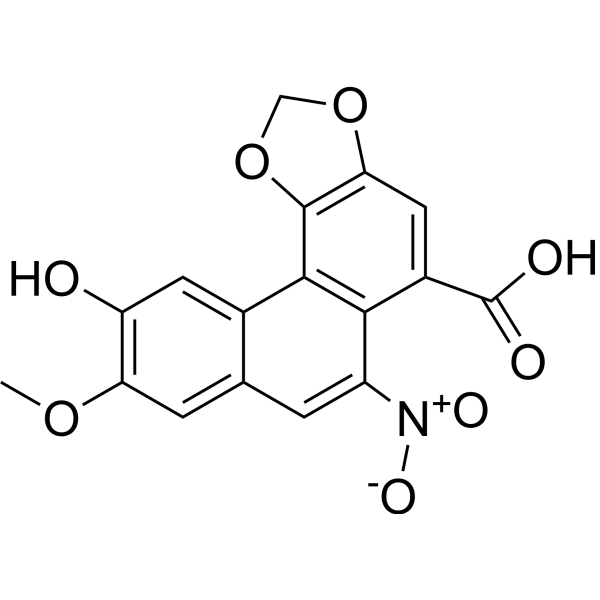
- Formula: C17H11NO8
- Molecular Weight: 357.27
Aristolochic acid Va is a natural compound that can be isolated from Aristolochia plants.
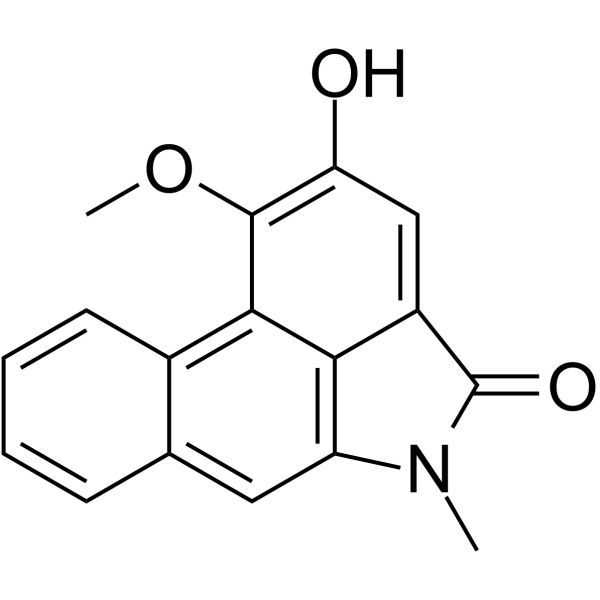
- Formula: C17H13NO3
- Molecular Weight: 279.29
Sauristolactam, a natural aristolactam isolated from aerial portions of Saururus chinensis, has significant neuroprotective activity against glutamate-induced toxicity in primary cultured rat cortical cells. Sauristolactam also inhibits the receptor activator of nuclear factor-κB ligand (RANKL)-induced osteoclastogenesis and has the potential to inhibit osteoclast differentiation.

- Formula: C20H24ClNO4
- Molecular Weight: 377.86
(+)-Magnoflorine (chloride) (Standard) is the analytical standard of (+)-Magnoflorine (chloride). This product is intended for research and analytical applications. Magnoflorine chloride (Magnoflorine chloride), an aporphine alkaloid found in Magnolia or Aristolochia, reduces the formation of C. albicans biofilm. Magnoflorine chloride has anti-fungal, anti-antidiabetic and anti-oxidative activity.

- Formula: C16H9NO7
- Molecular Weight: 327.25
Aristolochic acid Ia is an oxidative metabolite of aristolochic acid I, which can be used to study the detoxification pathway of aristolochic acid metabolism.

- Formula: C22H18N4O
- Molecular Weight: 354.40

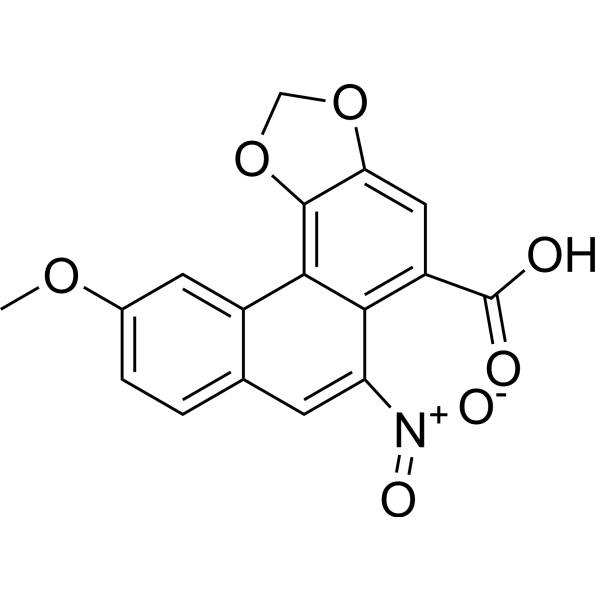
- Formula: C₁₇H₁₁NO₇
- Molecular Weight: 341.27
Aristolochic acid A (Standard) is the analytical standard of Aristolochic acid A. This product is intended for research and analytical applications. Aristolochic acid A (Aristolochic acid I; TR 1736) is the main component of plant extract Aristolochic acids, which are found in various herbal plants of genus Aristolochia and Asarum. Aristolochic acid A significantly reduces both activator protein 1 (AP-1) and NF-κB activities. Aristolochic acid A reduces BLCAP gene expression in human cell lines.



