



Cancer Targeted Therapy
Cancer targeted therapy is the foundation of precision medicine; it uses drugs or other substances to target specific genes and proteins that control cancer cells’ growth, division and spreading. Compared to traditional chemotherapy drugs, targeted-drugs can specifically act on cancer cells with high efficacy without damaging normal cells. Drugs used in cancer targeted therapy mainly includes small molecules and macromolecules (e.g., monoclonal antibodies), which can target cancer cells and constituents in the tumor microenvironment to activate the immune system. Anti-angiogenesis drugs, such as those targeting vascular endothelial growth factor (VEGF), epidermal growth factor receptor (EGFR), transforming growth factor (TGF)-α, TGF-β, Tumor necrosis factor (TNF)-α, and platelet-derived endothelial growth factor (PDGFR) inhibit the proliferation and metastasis of cancer cells. In recent years, the proportion of antibody drugs in cancer treatment has gradually become prominent. Antibody-drug conjugates (ADCs) are a new type of targeted drugs that are composed of monoclonal antibody, cytotoxic drug and linker. ADCs can deliver drugs to tumor cells and minimize the toxicity to normal tissues. Proteolysis-targeting chimera (PROTAC) is a useful technology for targeted protein degradation. PROTAC exploits the ubiquitin-proteasome system and forms a ternary complex with a hijacked E3 ubiquitin ligase and target protein, leading to polyubiquitination and degradation of the target protein.
Targeted therapy is a useful strategy in treatment of cancer either alone or in combination with standard chemotherapy. At present, targeted therapy has proved significant clinical success in the treatment of many types of cancer, including breast cancer, colorectal cancer, leukemia, ovarian cancer and lung cancer.
-
CBB1007 trihydrochloride
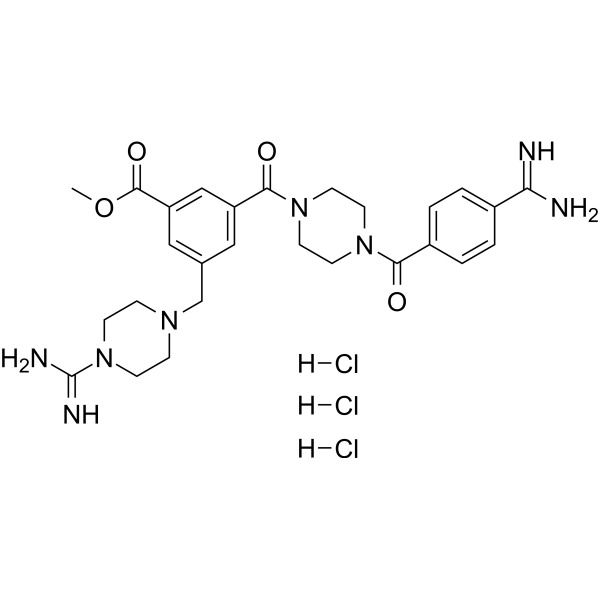 0 ImagesCat. No.: HY-15313CCAS No.: 2070015-03-9
CBB1007 trihydrochloride is a reversible and selective LSD1 inhibitor with an IC50 of 5.27 µM for human LSD1. CBB1007 trihydrochloride significantly blocks the demethylase activity of LSD1 on H3K4Me2 and H3K4Me. CBB1007 trihydrochloride shows selectivity for LSD1 over LSD2 or JARID1A, and induces differentiation-related genes in pluripotent cells. CBB1007 trihydrochloride is studied in non-pluripotent cancer research, targeting teratocarcinoma, embryonic carcinoma, and seminoma.
-
Cbz-NH-PEG2-C2-acid
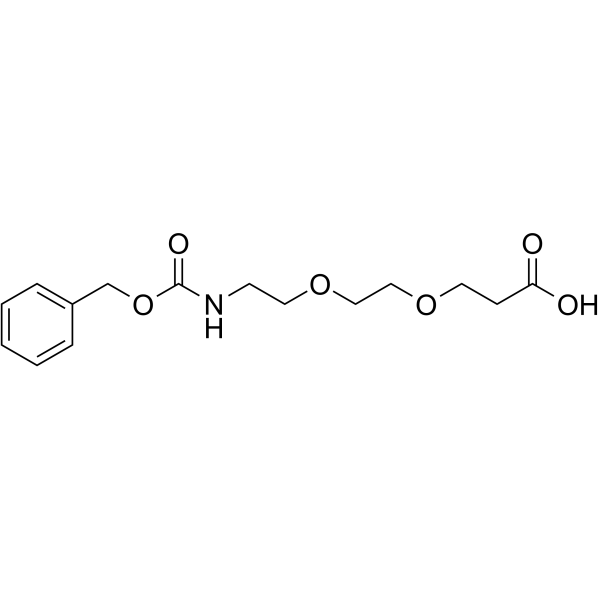 0 ImagesCat. No.: HY-140487CAS No.: 1347750-76-8
-
PRMT7-IN-2
 0 Images
PRMT7-IN-2 (A33) is a selective PRMT7 inhibitor with an IC50 of 0.50 μM. PRMT7-IN-2 arrests cell cycle at G0/G1 phase, induces cell apoptosis, and inhibits cell growth in vivo and in vitro. PRMT7-IN-2 decreases the monomethylarginine level of PRMT7, increases expression of epithelial marker (E-cadherin, and reduces expression of mesenchymal markers such as N-cadherin, Vimentin, and ZEB2.
-
Boc-NH-PEG2-NH-Boc
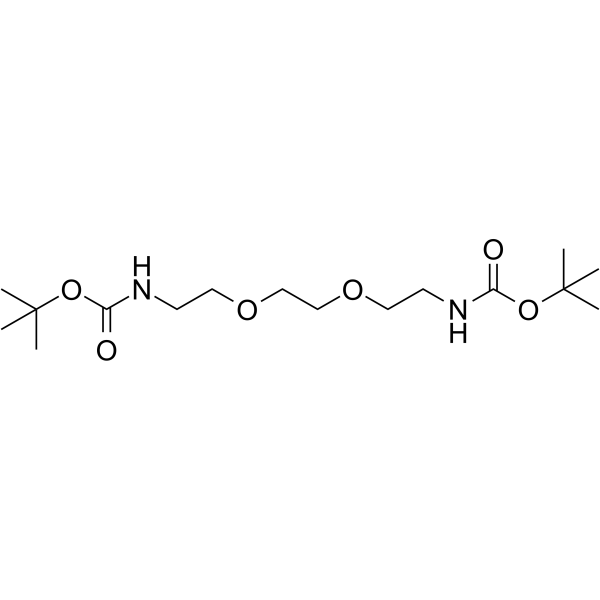 0 ImagesCat. No.: HY-141198CAS No.: 475591-59-4
-
Amino-PEG16-acid
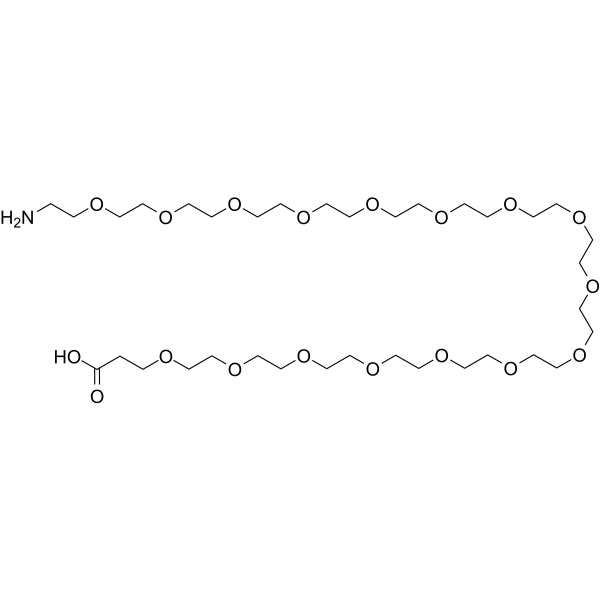 0 ImagesCat. No.: HY-140179CAS No.: 2922656-52-6
-
hsa-miR-212-3p inhibitor
 0 ImagesCat. No.: HY-RI00442
hsa-miR-212-3p inhibitors are chemically-modified oligonucleotides that hybridize with mature miRNAs. The miRNA inhibitors have full-length nucleotide 2'-methoxy modification. The miRNA inhibitors strongly compete with mature miRNAs to prevent the complementary pairing of miRNAs and their target genes, thereby inhibiting miRNAs from functioning.
-
hsa-miR-150-5p antagomir
 0 ImagesCat. No.: HY-RI00301A
hsa-miR-150-5p antagomirs are chemically-modified oligonucleotides that hybridize with mature miRNAs. The miRNA antagomirs have 2 phosphorothioates at the 5' end, 4 phosphorothioates at the 3' end, 1 cholesterol group at the 3' end, and full-length nucleotide 2'-methoxy modification. The miRNA antagomirs strongly compete with mature miRNAs to prevent the complementary pairing of miRNAs and their target genes, thereby inhibiting miRNAs from functioning. Stability of miRNA antagomirs appears to be significantly higher than miRNA inhibitors, they exhibits enhanced cellular uptake, stability and regulatory activity in vivo.
-
Gem-C12
 0 Images
Gem-C12 is a prodrug of Gemcitabine (HY-17026). Gem-C12 terminates DNA chain elongation, inhibits nucleic acid synthesis and induces Apoptosis. Gem-C12 inhibits the proliferation of glioma cells. Gem-C12 and Honokiol (HY-N0003) exhibit synergistic anti-glioblastoma activity. Gem-C12 can be used in research related to glioblastoma multiforme.
-
m-PEG7-Amine
 0 Images
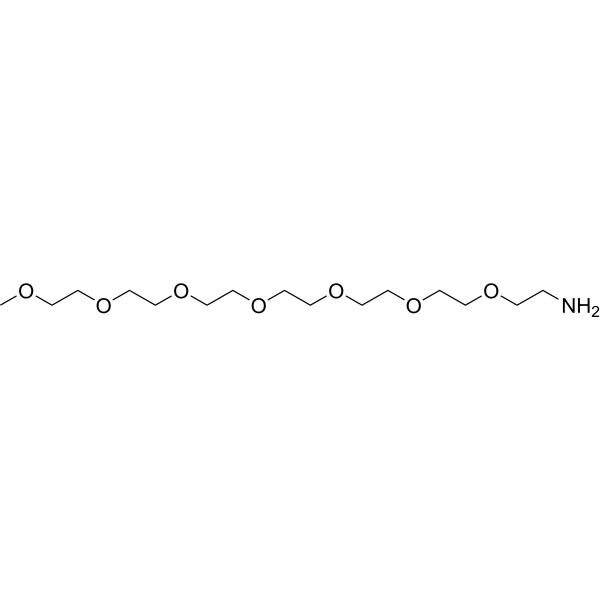
m-PEG7-Amine is a PEG-based PROTAC linker can be used in the synthesis of PROTACs. m-PEG7-Amine is a cleavable ADC linker used in the synthesis of antibody-drug conjugates (ADCs).
-
IS20
 0 Images
IS20 is a Prokineticin receptor 1 (PKR1) agonist. IS20 diminishes Doxorubicin (HY-15142A) mediated apoptosis and ROS production by activating Akt or MAPK pathways. IS20 protects the heart against Doxorubicin-induced cardiovascular toxicity and improves the survival rate and cardiac function in mouse models. IS20 does not alter the cytotoxicity and antitumor activity of acute DOX treatment in breast cancer cells and MDA-MB-231 xenograft mouse models. IS20 can be used for cancers research.
-
Z-DEVD-AMC
 0 ImagesCat. No.: HY-P3363Purity: 98.18%
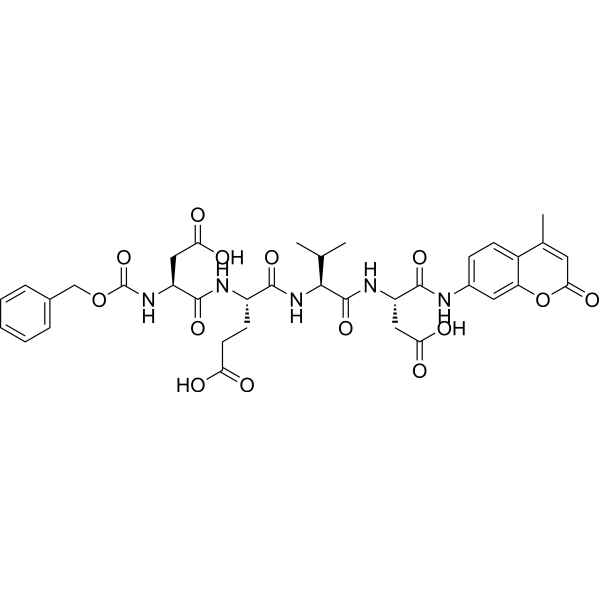
Z-DEVD-AMC is a selective caspase-3 substrate that can be measured by fluorescence spectrometry. AMC can be used as a fluorescence reference standard for AMC-based enzyme substrates including AMC-based caspase substrates.
-
NSC23005 sodium
 0 Images
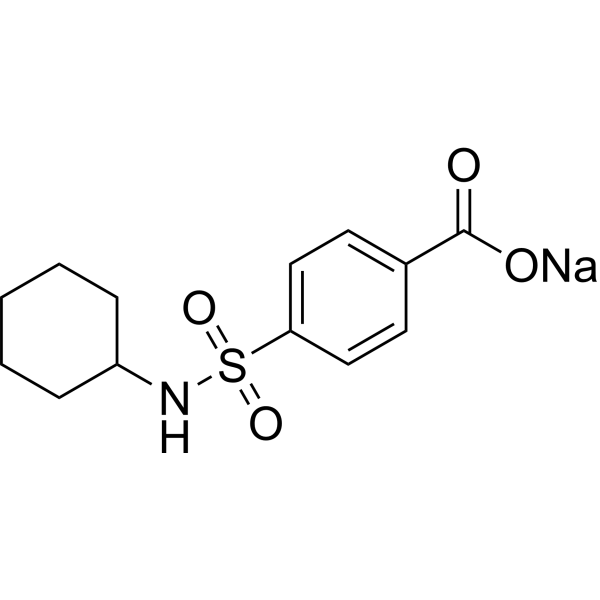
NSC23005 sodium is a novel and effective p18 inhibitor (ED50=5.21 nM) in promoting Hematopoietic stem cells (HSCs) expansion in both murine and human models.
-
BT-O2C
 0 Images
BT-O2C is a p300 PROTAC degrader. BT-O2C induces p300 degradation via proteasome- and ubiquitin-like modification-dependent pathways, downregulates the expression of CIC::DUX4 sarcoma target genes, and exerts cytotoxicity against such sarcoma cells. BT-O2C can be used in CIC::DUX4 sarcoma-related studies.
-
(S,R,S)-AHPC-C5-NH2 dihydrochloride
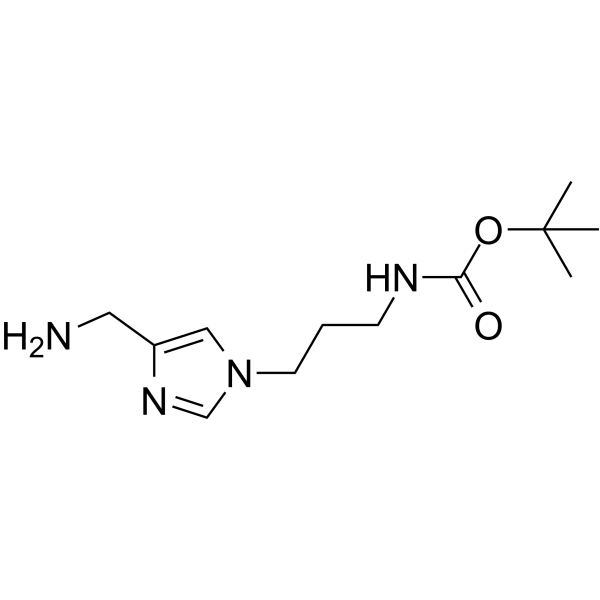
 0 ImagesCat. No.: HY-136187ACAS No.: 2415256-20-9Synonyms: VH032-C5-NH2 dihydrochloride
-
Bizaxofusp
 0 ImagesCat. No.: HY-P990708CAS No.: 1236019-35-4Synonyms: MDNA55; NBI-3001; PRX-321
Bizaxofusp (MDNA55) is a fusion protein formed by the linkage of IL-4 and a truncated Pseudomonas exotoxin. Bizaxofusp can bind to IL-4 receptors on the surface of tumor cells and be internalized, and its exotoxin moiety can inhibit protein synthesis and induce tumor cell apoptosis. Bizaxofusp can be used in the study of cancer.
-
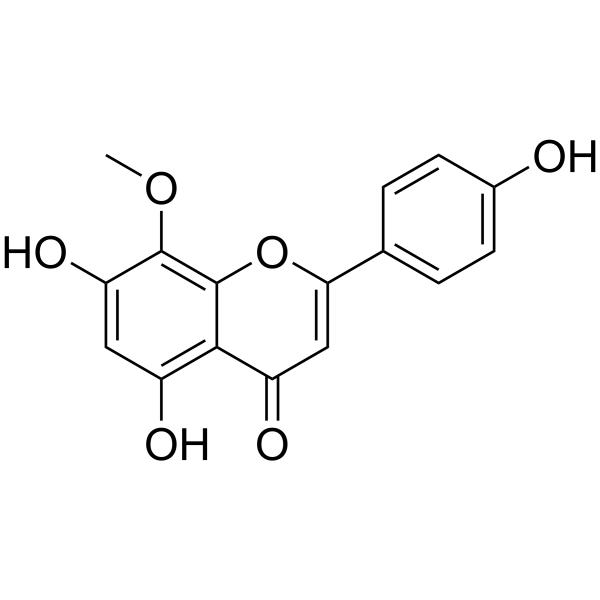
4′-Hydroxywogonin
 0 ImagesSynonyms: 8-Methoxyapigenin
4′-Hydroxywogonin (8-Methoxyapigenin), a flavonoid, could be isolated from a variety of plants including Scutellaria barbata and Verbena littoralis. 4′-Hydroxywogonin has anti-inflammatory activity via TAK1/IKK/NF-κB, MAPKs and PI3/AKT signaling pathways. 4′-Hydroxywogonin inhibits angiogenesis by disrupting PI3K/AKT signaling. 4′-Hydroxywogonin inhibits cell proliferation and induces apoptosis.
-
Ganglioside GT1b (porcine) ammonium
 0 Images
Ganglioside GT1b (porcine) ammonium is a member of the ganglioside family. Ganglioside GT1b (porcine) ammonium acts as a protective signal against nerve injury-induced spinal synapse elimination. Ganglioside GT1b (porcine) ammonium induces HA synthesis and the phosphorylation of Akt/mTOR in orbital fibroblasts. Ganglioside GT1b (porcine) ammonium enhances porcine oocyte maturation and induces activation of EGFR and ERK1/2 signaling. Ganglioside GT1b (porcine) ammonium is a putative host cell receptor for the Merkel cell polyomavirus. Ganglioside GT1b (porcine) ammonium can be used for the researches of cancer, infection, immunology, endocrinology and neurological disease, such as Thyroid eye disease.
-
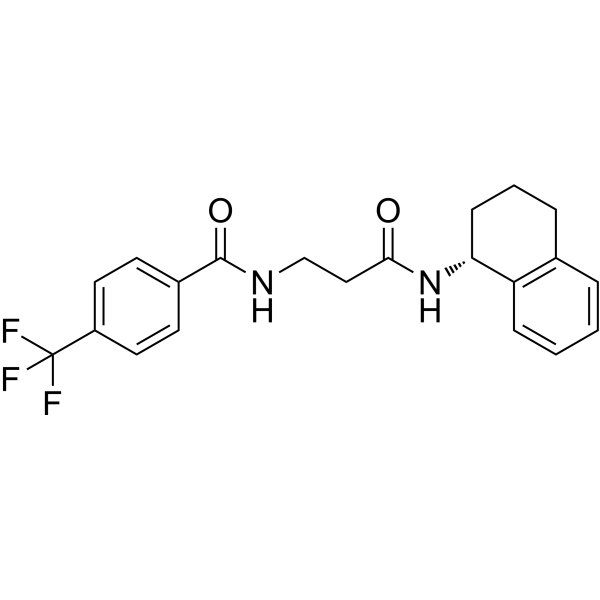
hDHODH-IN-5
 0 Images
DHODH-IN-7 is a human dihydroorotate dehydrogenase (DHODH) inhibitor, with an IC50 of 0.91 μM. DHODH-IN-7 induces differentiation in acute myeloid leukemia.
-
PROTAC G9a/GLP degrader 1
 0 ImagesCat. No.: HY-178065Purity: 98.22%
PROTAC G9a/GLP degrader 1 is a PROTAC degrader targeting G9a/GLP histone methyltransferases, with DC50 values of 336 nM and 988 nM against G9a and GLP, respectively. PROTAC G9a/GLP degrader 1 reduces H3K9me2 levels, inhibits breast cancer cell migration, and has no effect on cell viability. PROTAC G9a/GLP degrader 1 can be used in breast cancer-related research.



