Others
-
Others Related Products (76599)
Related Products (76599)

-
AJ-76 hydrochloride
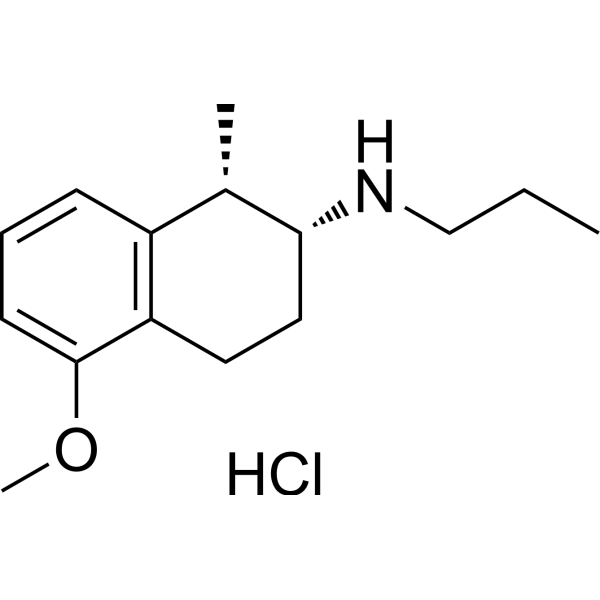 0 ImagesSynonyms: (+)-AJ 76 hydrochloride; (1S,2R)-AJ 76 hydrochloride
AJ-76 hydrochloride ((+)-AJ 76 hydrochloride) is an antagonist of dopamine autoreceptor with pKi values of 6.95, 6.67, 6.37, 6.21 and 6.07 for hD3, hD4, hD2S, hD2L and rD2 receptors, respectively.
-
γ-Glu-Phe TFA
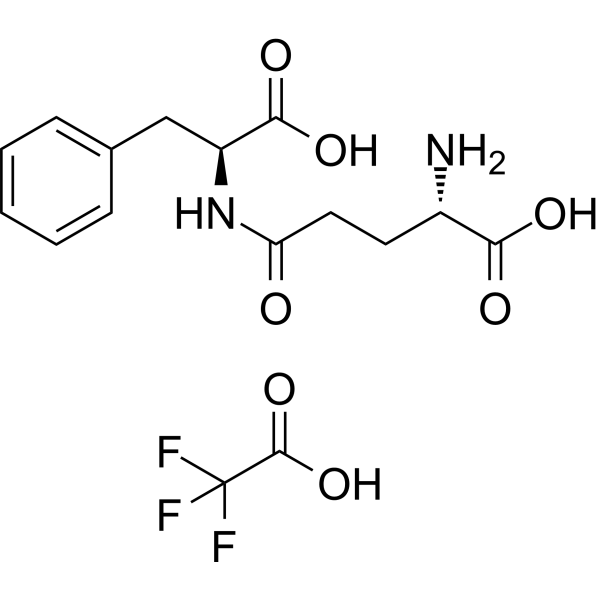 0 ImagesSynonyms: H-γ-Glu-Phe-OH TFA; γ-Glutamylphenylalanine TFA
γ-Glu-Phe TFA (γ-Glutamylphenylalanine TFA) is synthesized by Bacillus amyloliquefaciens (GBA) and Aspergillus oryzae (GAO). γ-Glu-Phe TFA or the post-enzymatic reaction mixture enhances the umami intensity of commercial soy sauce and model chicken broth.
-
γ-Glu-(Phe-13C9,15N)
 0 ImagesCat. No.: HY-101399SSynonyms: H-γ-Glu-Phe-OH-13C9,15N; γ-Glutamylphenylalanine-13C9,15N
-
DL-Homocysteine thiolactone-d4 hydrochloride
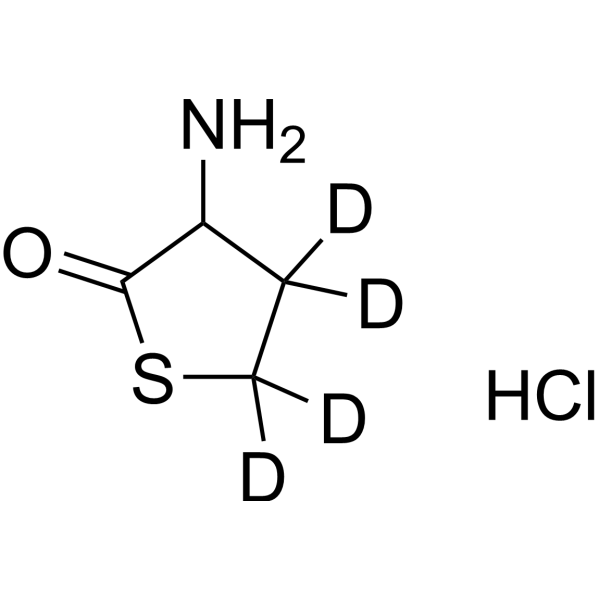 0 Images
DL-Homocysteine thiolactone-d4 hydrochloride is the deuterium labeled DL-Homocysteine thiolactone (hydrochloride). DL-Homocysteine thiolactone hydrochloride is a cyclic amino acid derivative that exhibits root-growth inhibitory activity.
-
4-Acetamidobutanoic acid (Standard)
 0 ImagesSynonyms: N-acetyl GABA (Standard)
Josamycin propionate (Standard) is the analytical standard of Josamycin propionate. This product is intended for research and analytical applications. Josamycin propionate is classified as a macrolide antibiotic.
-
IMS2186
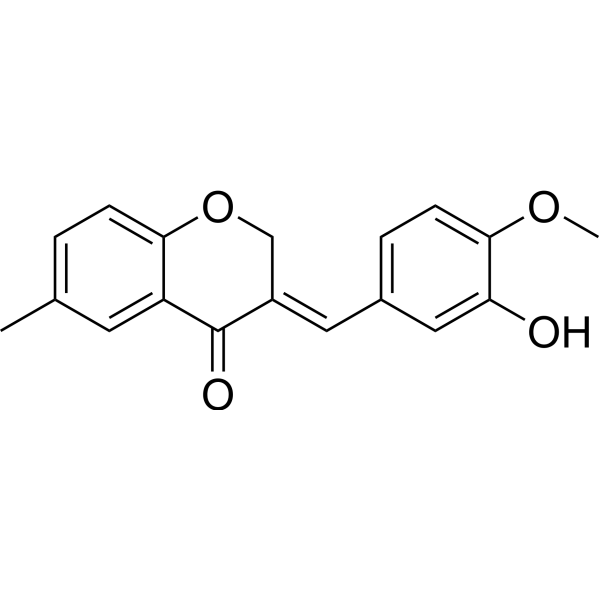 0 Images
IMS2186 is an anti-choroidal neovascularization (CNV) agent that inhibits angiogenesis upstream of VEGF. IMS2186 can arrest cancer cell cycle in G2/M phase, thus exerting anti-proliferation and anti-angiogenesis effects. IMS2186 has no intraocular toxicity and reduces the amount of eye leakage and diseased cells.
-
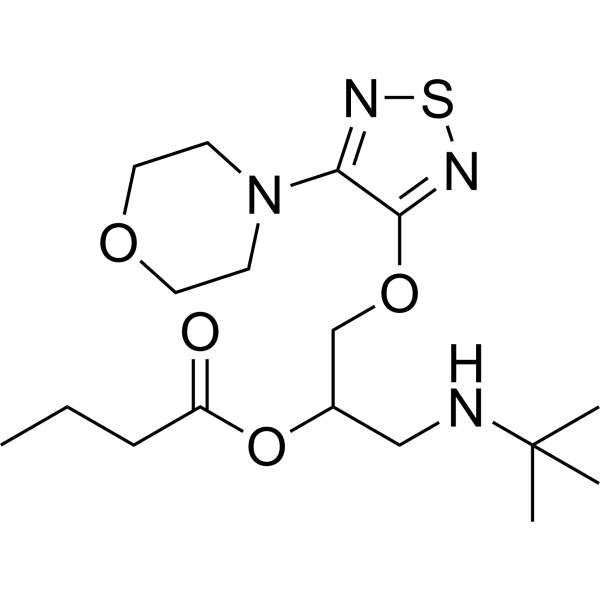
(RS)-Butyryltimolol
 0 Images
(RS)-Butyryltimolol is the racemate of Butyryltimolol. Butyryltimolol, an effective proagent of Timolol, improves the corneal penetration of Timolol. Butyryltimolol is a β-adrenergic blocker.
-
Felcisetrag
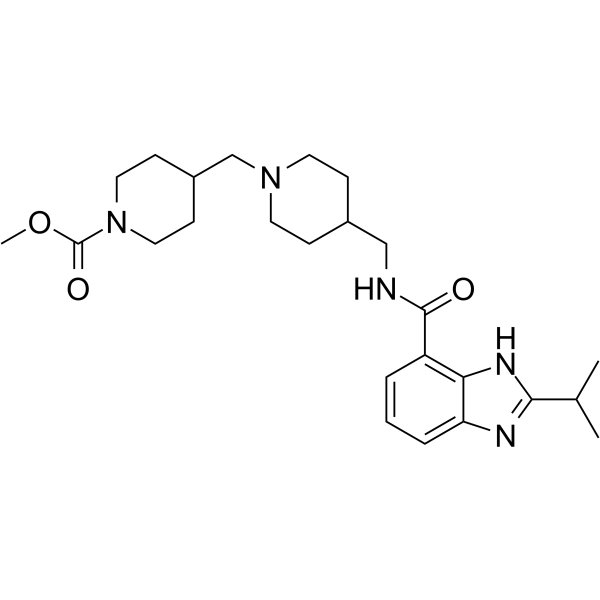 0 ImagesSynonyms: TD-8954
Felcisetrag (TD-8954) is an orally active, potent and selective 5-HT4 receptor agonist with gastrointestinal prokinetic properties. Felcisetrag has high affinity (pKi =9.4) for human 5-HT4(c) receptors.
-
BW B70C
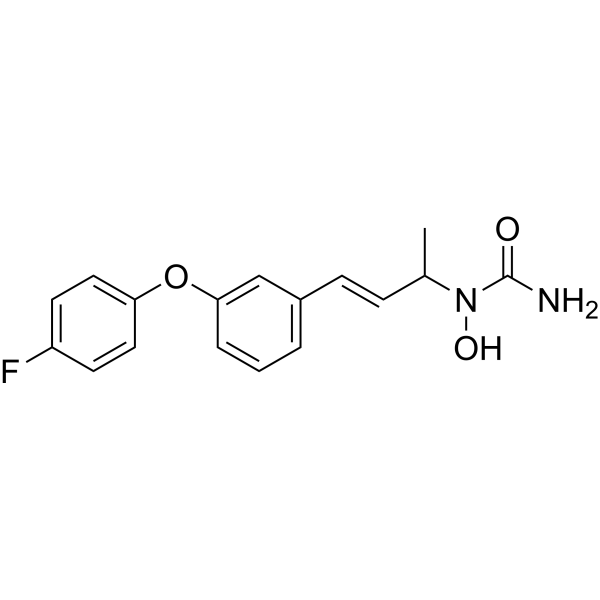 0 ImagesCat. No.: HY-103158CAS No.: 134470-38-5
BW B70C is a potent, selective and orally activearachidonic acid 5-lipoxygenase inhibitor. BW B70C inhibits both acute and allergic bronchoconstriction and late-phase eosinophil accumulation subsequent to allergen inhalation in guinea-pigs. BW B70C prevents leukotriene C4 synthesis and reduces leucocyte migration to the airways lumen as well as albumin microvascular leakage. BW B70C has the potential for the research of anti-asthma agent.
-
(Rac)-Zearalenone-d6
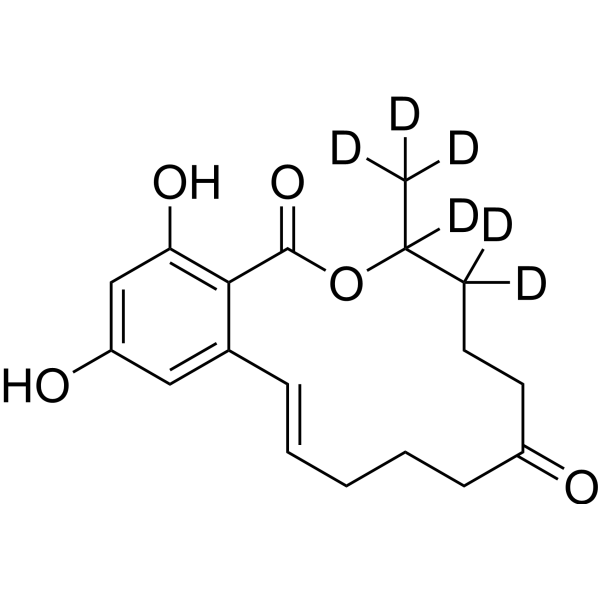 0 ImagesCat. No.: HY-103447SCAS No.: 1185236-04-7
(Rac)-Zearalenone-d6 is the deuterium labled Zearalenone (HY-103447). Zearalenone is a mycotoxin produced mainly by fungi belonging to the genus Fusarium in foods and feeds. Possess oestrogenic activity in pigs, cattle and sheep, with low acute toxicity. Causes precocious development of mammae and other estrogenic effects in young gilts.
-
ZK164015
 0 Images
ZK164015 is an estrogen-glucocorticoid receptor chimera that can be used as a compound screening tool to evaluate tissue-selective estrogen activity. ZK164015 was used to evaluate its effects on ER function in osteoblasts in studies based on green fluorescent protein (GFP)-receptor chimeras. In osteoblast-like (ROS and U2OS) and breast cancer (MCF7) cells, ZK164015 showed different effects in response to ER agonists, including modulation of ERE-luc activity and effects on nuclear mobility.
-
(Rac)-Letermovir-d3
 0 ImagesCat. No.: HY-10360S1CAS No.: 1961287-67-1
(Rac)-Letermovir-d3 is the deuterium labeled (Rac)-Letermovir.
-
Thalidomide-O-amido-C4-NH2 TFA
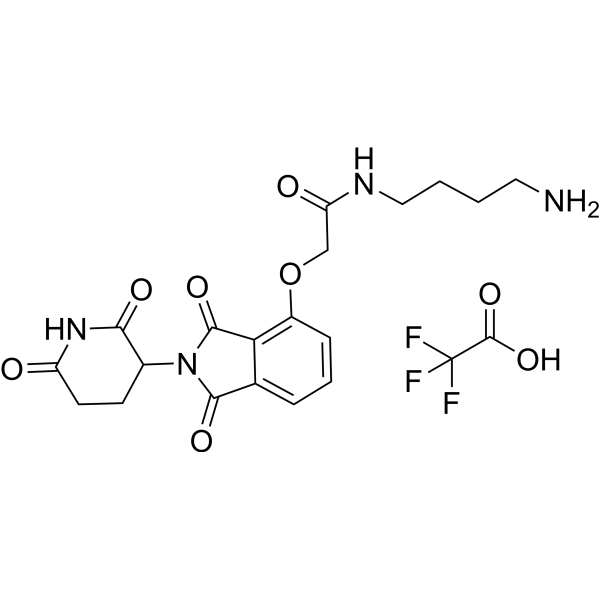 0 ImagesSynonyms: Cereblon Ligand-Linker Conjugates 6 TFA; E3 ligase Ligand-Linker Conjugates 19 TFA
Thalidomide-O-amido-C4-NH2 TFA (Cereblon Ligand-Linker Conjugates 6 TFA) is a synthesized E3 ligase ligand-linker conjugate that incorporates the Thalidomide based cereblon ligand and a linker used in PROTAC technology.
-
Fura Red
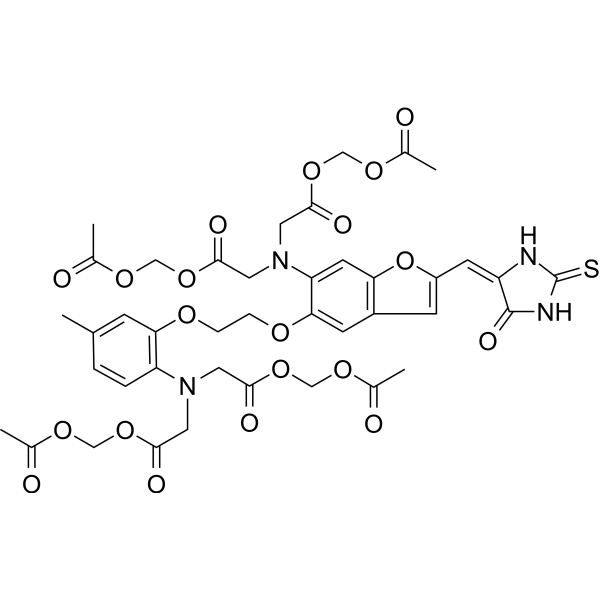 0 ImagesCat. No.: HY-104056CAS No.: 149732-62-7
Fura Red is a Ca2+-sensitive fluorescent dye, which decreases in fluorescence with rising [Ca2+].
-
Ponesimod-d4
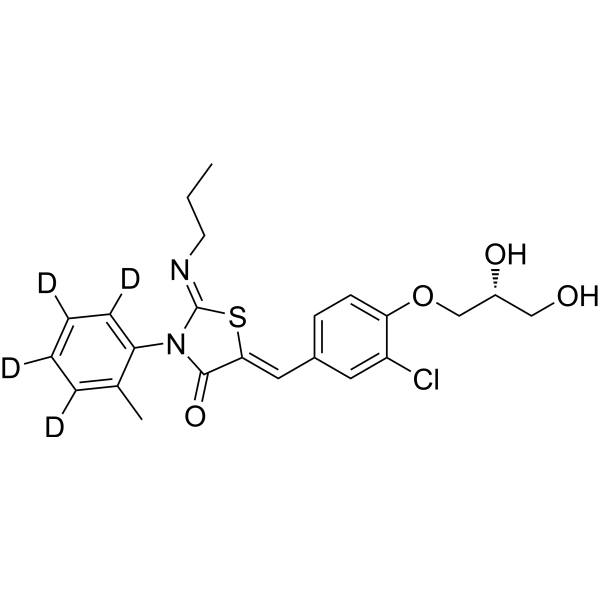 0 ImagesCat. No.: HY-10569SSynonyms: ACT-128800-d4
Ponesimod-d4 (ACT-128800-d4) is the deuterium labeled Ponesimod (HY-10569). Ponesimod (ACT-128800) is a potent, selective and orally active agonist of S1P1, with an IC50 of 6 nM in a radioligand binding assay. Ponesimod activates S1P1-mediated signal transduction with high potency (EC50=5.7 nM). Ponesimod can protect against lymphocyte-mediated tissue inflammation.
-
Ponesimod-d7
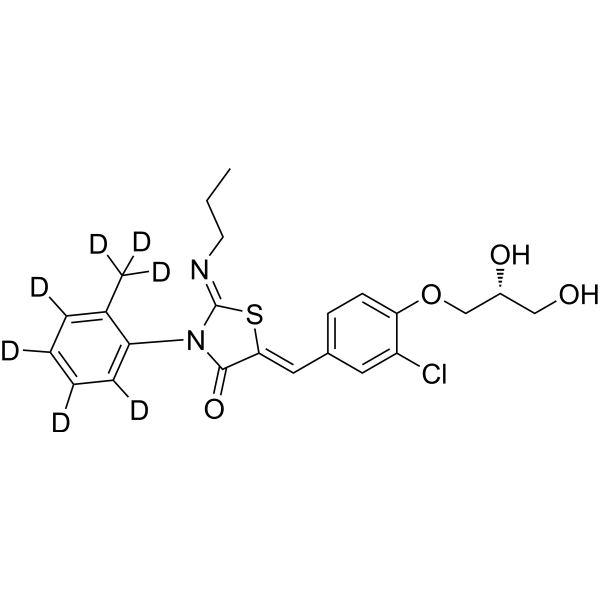 0 ImagesCat. No.: HY-10569S1Synonyms: ACT-128800-d7
Ponesimod-d7 (ACT-128800-d7) is the deuterium-labeled Ponesimod (HY-10569). Ponesimod-d7 (ACT-128800) is a potent, selective and orally active agonist of S1P1, with an IC50 of 6 nM in a radioligand binding assay. Ponesimod-d7 activates S1P1-mediated signal transduction with high potency (EC50=5.7 nM). Ponesimod-d7 can protect against lymphocyte-mediated tissue inflammation.
-
APC 366 TFA
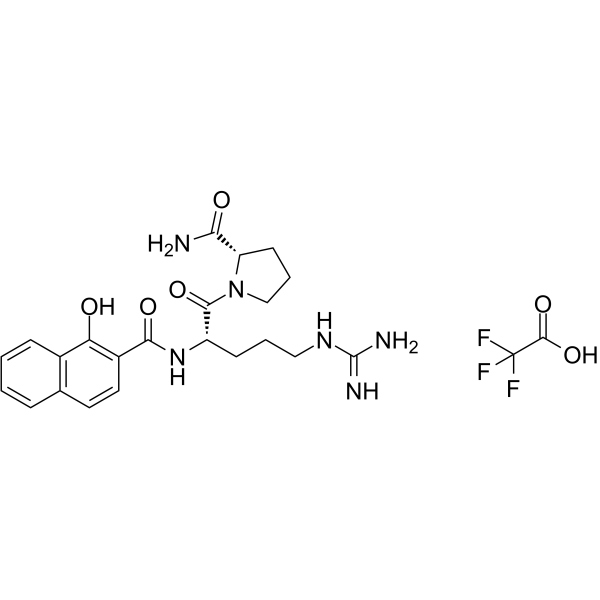 0 ImagesCat. No.: HY-105999BCAS No.: 2421110-28-1
-
Lymecycline-d8
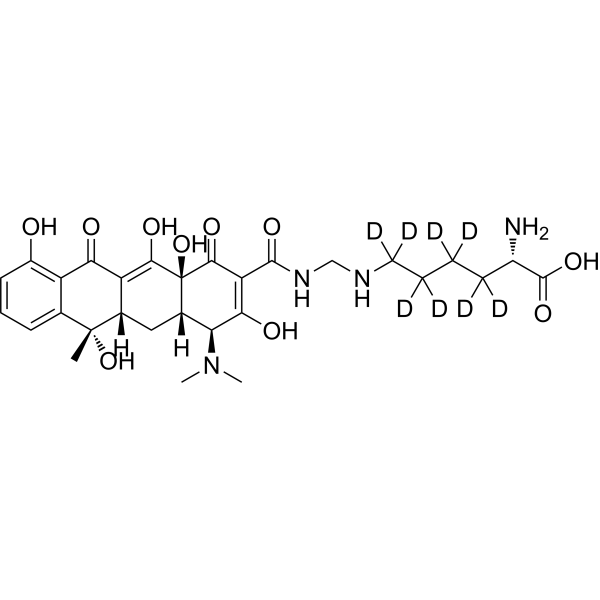 0 ImagesCat. No.: HY-106339SSynonyms: Mucomycin-d8
Lymecycline-d8 is the deuterium labeled Lymecycline.