



Apoptosis
Apoptosis
Apoptosis is a distinctive form of cell death exhibiting specific morphological and biochemical characteristics, including cell membrane blebbing, chromatin condensation, genomic DNA fragmentation, and exposure of specific phagocytosis signaling molecules on the cell surface. Cells undergoing apoptosis differ from those dying through necrosis. Necrotic cells are usually recognized by the immune system as a danger signal and, thus, resulting in inflammation; in contrast, apoptotic death is quiet and orderly.
There are two major pathways of apoptotic cell death induction: The intrinsic pathway, also called the Bcl-2-regulated or mitochondrial pathway, is activated by various developmental cues or cytotoxic insults, such as viral infection, DNA damage and growth-factor deprivation, and is strictly controlled by the BCL-2 family of proteins. The extrinsic or death-receptor pathway is triggered by ligation of death receptors (members of the tumor necrosis factor (TNF) receptor family, such as Fas or TNF receptor-1 (TNFR1)) that contain an intracellular death domain, which can recruit and activate caspase-8 through the adaptor protein Fas-associated death domain (FADD; also known as MORT1) at the cell surface. This recruitment causes subsequent activation of downstream (effector) caspases, such as caspase-3, -6 or -7, without any involvement of the BCL-2 family.
Studies suggest that alterations in cell survival contribute to the pathogenesis of a number of human diseases, including cancer, viral infections, autoimmune diseases, neurodegenerative disorders, and AIDS (acquired immunodeficiency syndrome). Treatments designed to specifically alter the apoptotic threshold may have the potential to change the natural progression of some of these diseases.
All Product Categories
-
Apoptosis Inhibitors
(866)
View all products
-
Apoptosis Agonists
(7)
View all products
-
Apoptosis Antagonists
(9)
View all products
-
Apoptosis Activators
(355)
View all products
-
Apoptosis Modulators
(57)
View all products
-
Apoptosis Inducers
(7661)
View all products
-
Apoptosis Degrader
(1)
View all products
-
Apoptosis Controls
(33)
View all products
-
Apoptosis Related Products (9530)
Related Products (9530)

-
Antibodies (120)
-
MC1742
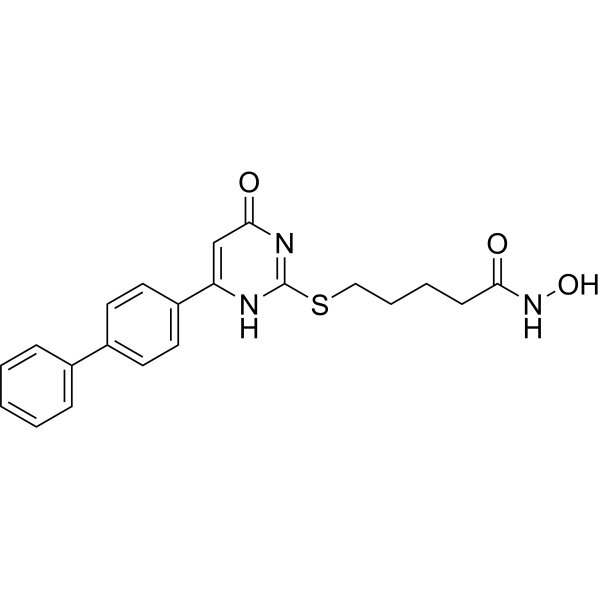 0 ImagesMC1742 is a potent HDAC inhibitor, with IC50s of 0.1 μM, 0.11 μM, 0.02 μM, 0.007 μM, 0.61 μM, 0.04 μM and 0.1 μM for HDAC1, HDAC2, HDAC3, HDAC6, HDAC8, HDAC10 and HDAC11, respectively. MC1742 can increase acetyl-H3 and acetyl-tubulin levels and inhibits cancer stem cells growth. MC1742 can induce growth arrest, apoptosis, and differentiation in sarcoma CSC.
-
Theasaponin E1
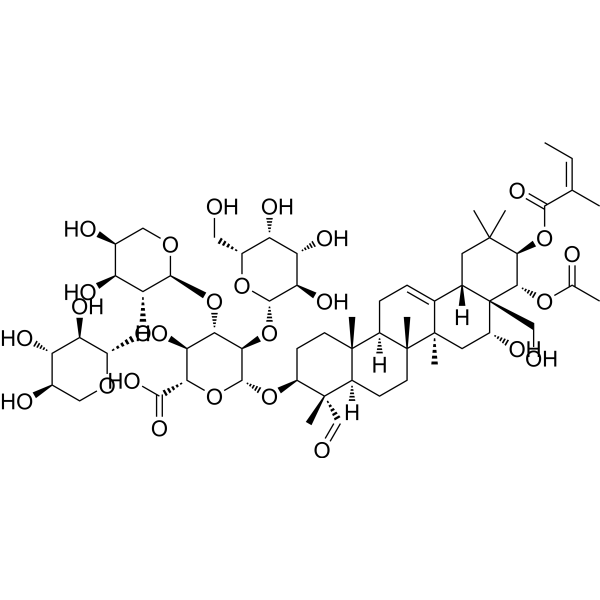 0 ImagesTheasaponin E1 is an orally effective tea saponin. Theasaponin E1 inhibits the proliferation of cancer cells by activating apoptosis. Theasaponin E1 inhibits angiogenesis in ovarian cancer cells and HUVECs by reducing the expression of VEGF. Theasaponin E1 upregulates the phosphorylation level of ATM protein and the expression level of PTEN protein in cancer cells, decreases the phosphorylation levels of Akt, mTOR, p70S6K and 4E-BP1 proteins, downregulates the expression of HIF-1α and NF-κB, and reduces the protein expression of Notch ligands Dll4 and Jagged1. Theasaponin E1 exerts neuroprotective effects by inhibiting the activity of acetylcholinesterase, activating α-secretase and neprilysin, reducing the concentration of Aβ, and inhibiting the activities of β-secretase and γ-secretase. Theasaponin E1 exhibits toxic effects on cancer cells and quinone reductase-inducing activity, and inhibits tumor growth in vivo. Theasaponin E1 induces ferroptosis in Pomacea canaliculata by synergistically disrupting cholesterol homeostasis and sphingolipid metabolism. Theasaponin E1 possesses anti-biofilm activity against Candida albicans. Theasaponin E1 can be used in the research of ovarian cancer, obesity, Alzheimer's disease and fungal infections.
-
β-Amyloid (1-40) (rat)
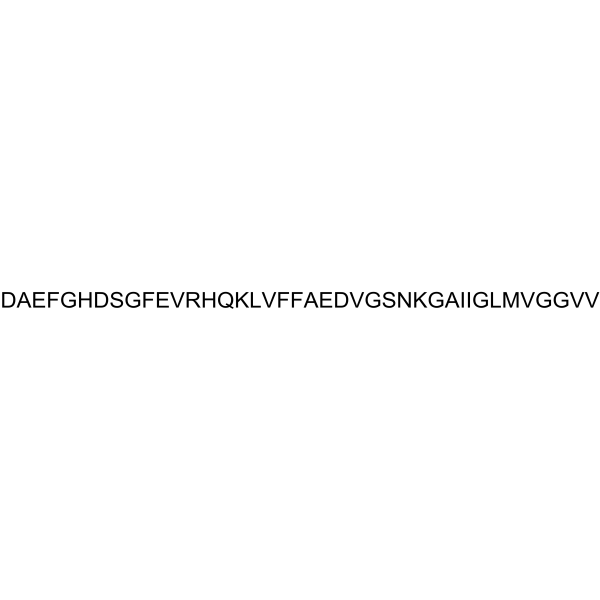 0 ImagesCat. No.: HY-P1387CAS No.: 144409-98-3β-Amyloid (1-40) (rat) is a rat form of the amyloid β-peptide, which accumulates as an insoluble extracellular deposit around neurons, giving rise to the senile plaques associated with Alzheimer's disease (AD). β-Amyloid (1-40) (rat) increases 45Ca2+ influx, induces neurodegeneration in the rat hippocampal neurons of the CA1 subfield. β-Amyloid (1-40) (rat) induces apoptosis. β-Amyloid (1-40) (rat) can be used for the research of Alzheimer's disease.
-
SelSA
 0 ImagesSelSA is a selective, orally active inhibitor for histone deacetylase 6 (HDAC6) with IC50 of 56.9 nM. SelSA inhibits the phosphorylation of ERK1/2. SelSA inhibits the proliferation of breast cancer cells and hepatocellular carcinoma cells with IC50 of 0.58-2.6 μM, inhibits cell migration and invasion of Huh7, and induces apoptosis. SelSA exhibits antitumor activity in mouse model.
-
Farnesylthioacetic acid
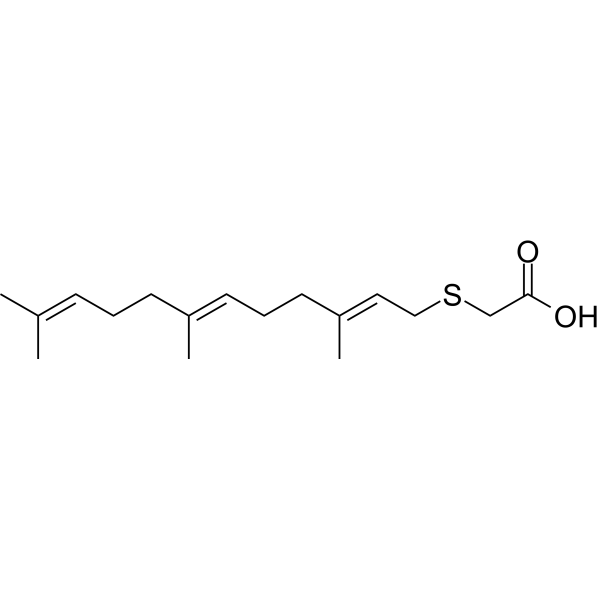 0 ImagesCat. No.: HY-118563CAS No.: 135784-48-4Farnesylthioacetic acid is a competitive, non-substrate inhibitor of Prenylcysteine α-carboxyl methyltransferase. It acts as a non-substrate competitive inhibitor of Arabidopsis thaliana Prenylcysteine α-carboxyl methyltransferase and blocks methyltransferase activity. Farnesylthioacetic acid does not inhibit protein farnesyltransferase activity in Arabidopsis. It induces Apoptosis. Farnesylthioacetic acid regulates the subcellular localization of Ras protein, reducing the proportion of cytoplasmic Ras protein without disrupting membrane binding. It enhances ABA-induced seed dormancy, delays seed germination, and promotes maximum stomatal closure at lower exogenous ABA concentrations. Farnesylthioacetic acid can be used in studies related to promyelocytic leukemia.
-
CDDO-3P-Im
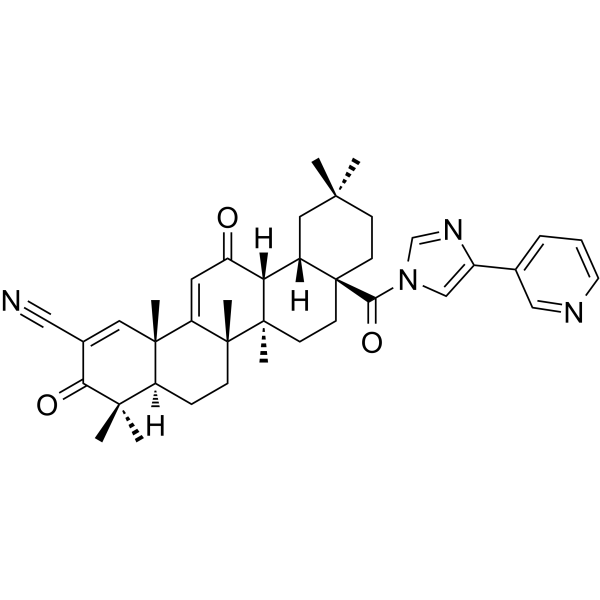 0 ImagesCDDO-3P-Im is an analogue of CDDO-Imidazolide with chemopreventive effect. CDDO-3P-Im can reduce the size and the severity of the lung tumors in mouse lung cancer model. CDDO-3P-Im is a orally active necroptosis inhibitor that can be used for the research of ischemia/reperfusion (I/R).
-
Amantadine-d15
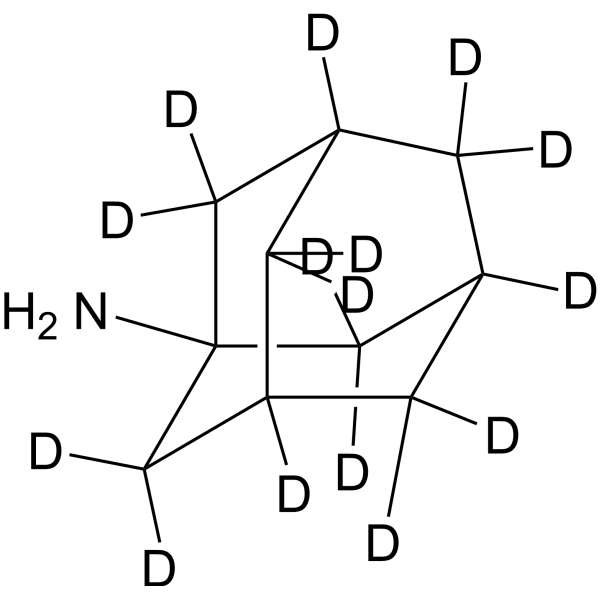 0 ImagesSynonyms: 1-Adamantanamine-d15; 1-Aminoadamantane-d15Amantadine-d15 is the deuterium labeled Amantadine. Amantadine (1-Adamantanamine) is an antiviral agent with activity against influenza A viruses. Amantadine blocks the proton flow through the M2 ion channel (M2 proton channel of influenza A) and thus prevents the release of viral RNA into the cytoplasm of the infected cells. Amantadine is an antiparkinsonian agent.
-
TAI-1
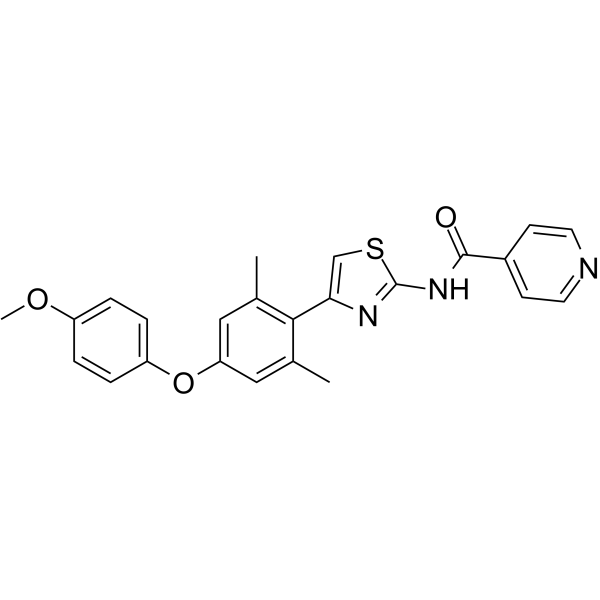 0 ImagesTAI-1, an orally active anticancer agent, is a highly potent first-in-class Hec1 inhibitor, with a GI50 of 13.48 nM in K562 cells.
-
Thalidomide-NH-C10-COOH
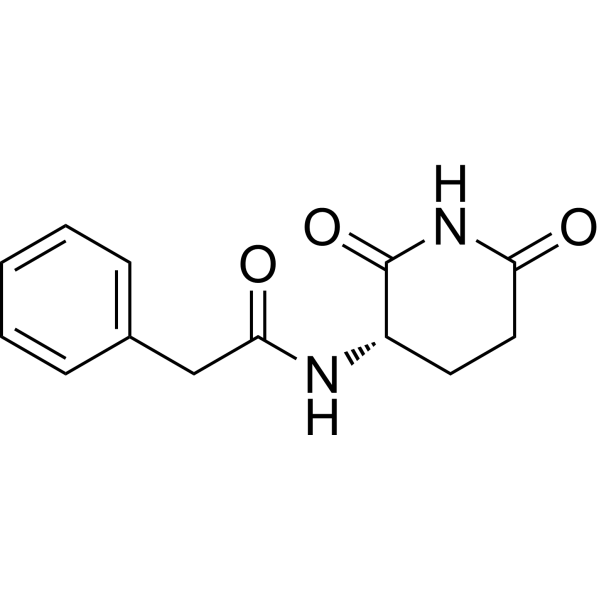
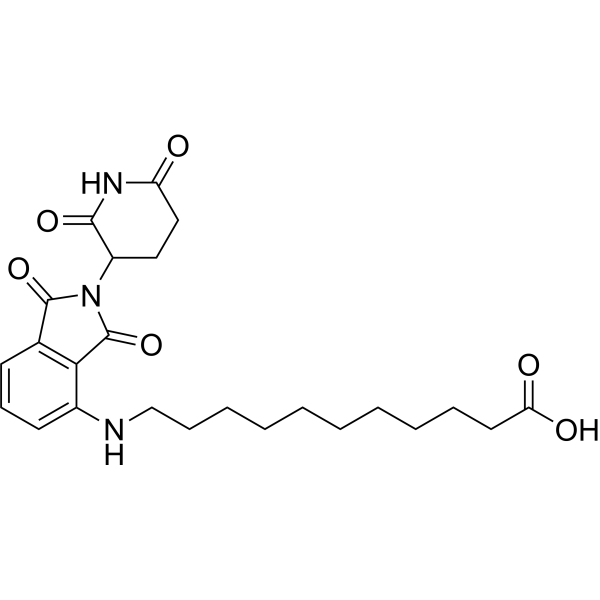 0 ImagesCat. No.: HY-130716CAS No.: 2428400-33-1
-
AZD3470
 0 ImagesAZD3470 is an orally active MTA-cooperative PRMT5 inhibitor, selective for MTAP-deficient tumors. AZD3470 induces cell cycle G2/M phase alterations, DNA damage, apoptosis, and symmetric dimethylarginine reduction. AZD3470 alters alternative splicing, increases skipped exon events in DNA repair and cell cycle pathways, and inhibits cancer cell proliferation and tumor growth. AZD3470 can be used for the research of non-small cell lung cancer and MTAP-deleted solid tumors.
-
Phlorizin dihydrate
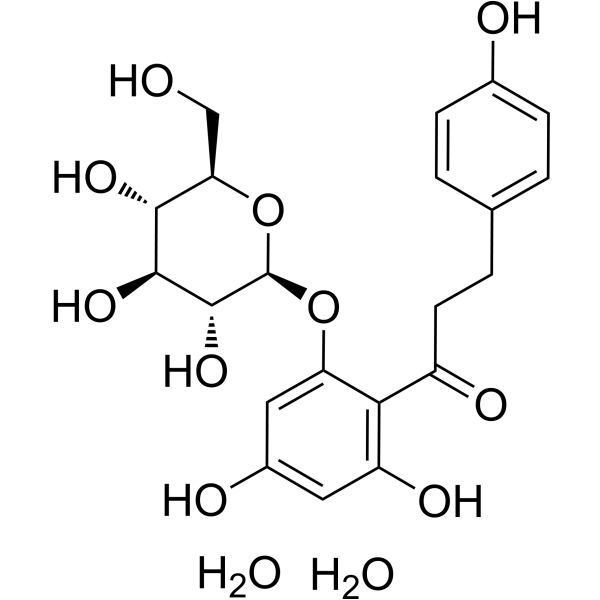 0 ImagesPhlorizin (Floridzin) dihydrate is an orally active non-selective sodium-glucose cotransporter (SGLT) inhibitor, with an IC50 of 0.04 μM and a Ki of 39 nM against hSGLT2, and an IC50 of 0.17 μM and a Ki of 0.31 μM against hSGLT1. Phlorizin dihydrate promotes GLUT4 translocation, inhibits gluconeogenesis and promotes glycogen synthesis by activating the PI3K/Akt/mTOR pathway. Phlorizin dihydrate reduces DNA damage and apoptosis (apoptosis) by inhibiting the NF-κB inflammatory pathway. Phlorizin dihydrate induces apoptosis via activating the Caspase pathway by antagonizing the JAK/STAT3 and PCK pathways. Phlorizin dihydrate also exhibits antibacterial, anti-inflammatory and neuroprotective activities.
-
LL-K9-3
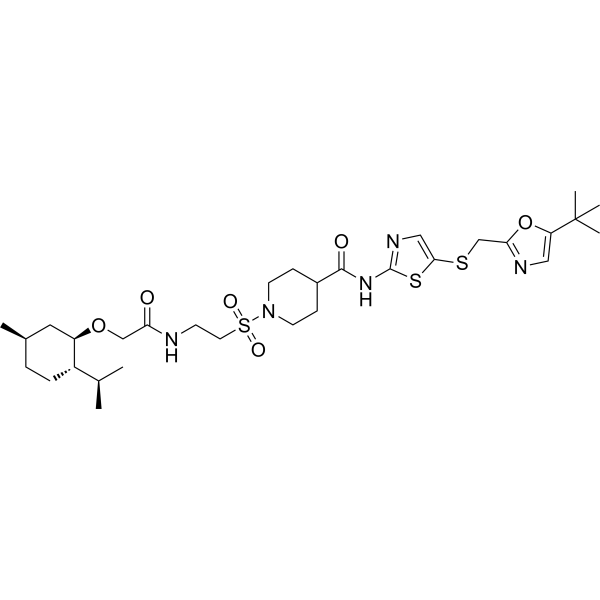 0 ImagesLL-K9-3 is a selective CDK9-cyclin T1 HyT degrader, with DC50 values of 0.662 μM and 0.589 μM for CDK9 and Cyclin T1, respectively. LL-K9-3 lacks an E3 ligand moiety and induces polyubiquitination and proteasome-mediated synchronous degradation of CDK9 and cyclin T1 via a hydrophobic tag-mediated mechanism. LL-K9-3 downregulates the protein levels of androgen receptor (AR) and c-Myc, and exhibits antiproliferative and pro-apoptotic (apoptosis) activity in prostate cancer cells. LL-K9-3 can be used in studies related to prostate cancer.
-
Azaleatin
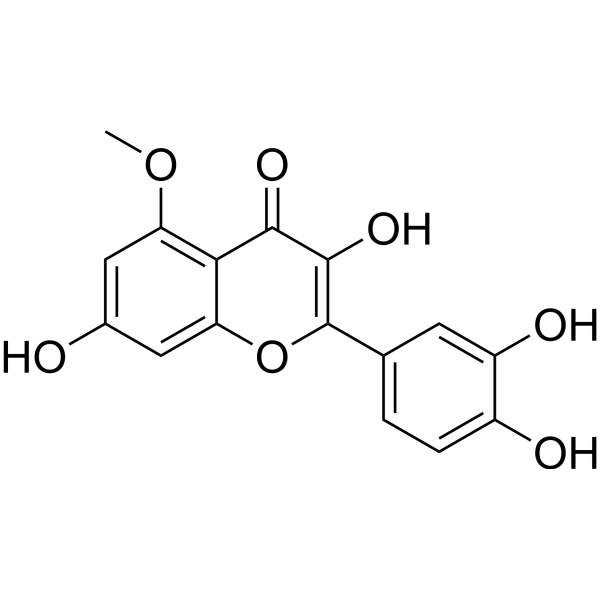 0 ImagesAzaleatin is an orally active inhibitor of hQC, NS2B-NS3 protease and E. coli β-glucuronidase, with IC50 values of 1.1 μM, 38.00 μg/mL and 0.57 μM, respectively. Azaleatin inhibits the activities of NF-κB, MyD88, JAK1, TLR4, STAT3, IL-1β, IL-6, COX-2, TNF-α and β-glucuronidase, blocks pro-inflammatory signaling pathways, reduces the levels of ROS, MDA and uric acid, elevates the levels of GPx, GSR, GST, SOD, CAT, HO-1 and GSH, scavenges free radicals and exerts reducing capacity. Azaleatin inhibits the expression of pro-apoptotic proteins Bax, Caspase-9 and Caspase-3, and upregulates the expression of anti-apoptotic protein Bcl-2. Azaleatin reduces the levels of cardiac injury markers, restores cardiac histological structure, inhibits Aβ aggregation, dengue protease activity, hepatic stellate cell proliferation and cancer cell growth, and also exhibits antibacterial activity. Azaleatin can be used in studies related to subchronic cardiotoxicity, Alzheimer's disease, dengue fever, hyperuricemia, liver fibrosis, gastric cancer and bacterial infections.
-
Aspochalasin D
 0 ImagesCat. No.: HY-126619CAS No.: 71968-02-0Aspochalasin D is a co-metabolite originally isolated from A. microcysticus with aspochalasins A, B, and C, that is initially thought to be inactive. It has antibacterial activity against Gram-positive and Gram-negative bacteria at a concentration of 1 mg/ml.2 Aspochalasin D is more cytotoxic, via apoptosis, to Ba/F3-V12 cells in an IL-3-free medium than in an IL-3-containing medium (IC50s=0.49 and 1.9 μg/mL, respectively).
-
Tigogenin
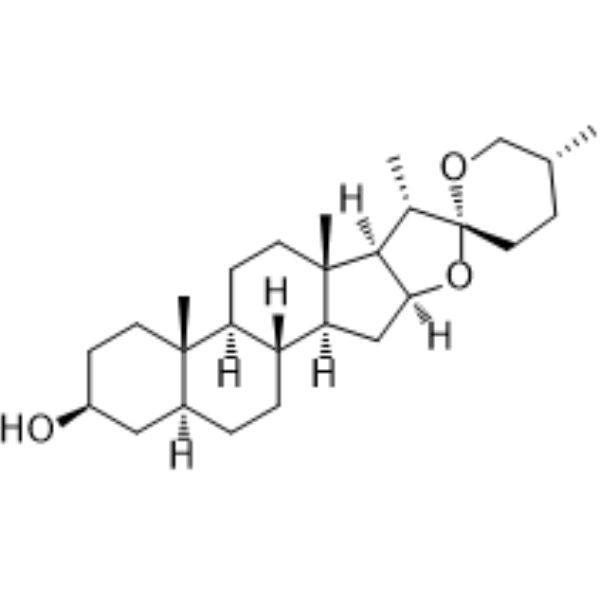 0 ImagesTigogenin is a steroidal sapogenins. Tigogenin can inhibit adipocytic differentiation and induce osteoblastic differentiation in mouse bone marrow stromal cells. Tigogenin can inhibit cells proliferation and induce apoptosis. Tigogenin can be used for the researches of cancer, inflammation, immunology, metabolic and cardiovascular disease, such as mammary gland carcinoma, rheumatoid arthritis, osteoporosis and atherosclerosis.
-
(Z)-Indirubin-d4
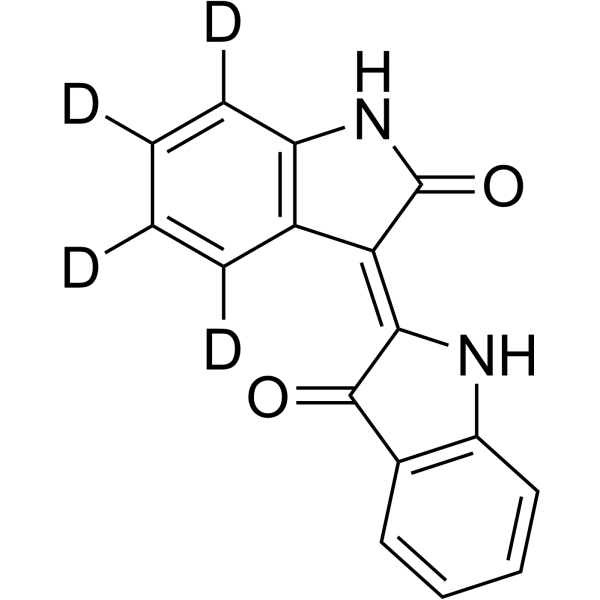 0 ImagesCat. No.: HY-N0117ASPurity: 99.33%(Z)-Indirubin-d4 is the deuterium labeled (Z)-Indirubin.
-
MNK8
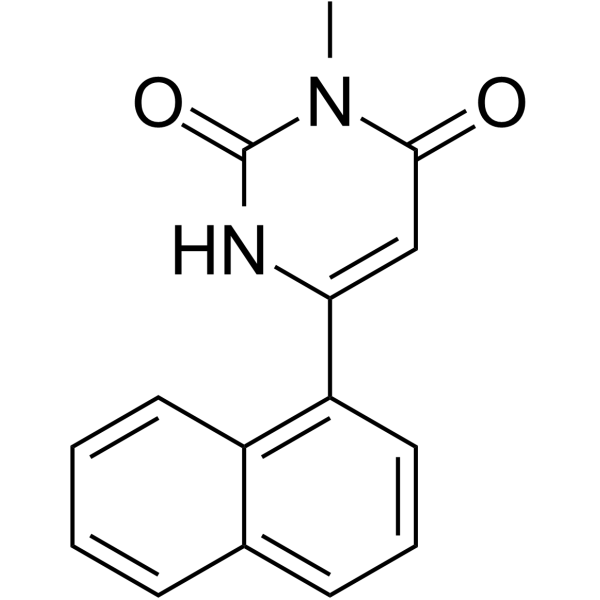 0 ImagesMNK8 is a potent STAT3 (signal transducer and activator of transcription 3) inhibitor. MNK8 inhibits STAT3 activation and reduced its DNA binding ability. MNK8 shows good growth inhibition against hepatocellular carcinoma (HCC) cells. MNK8 induces apoptosis in HCC cells. MNK8 reduces prosurvival proteins expression and migration/invasion of HCC cells.
-
Praeruptorin A
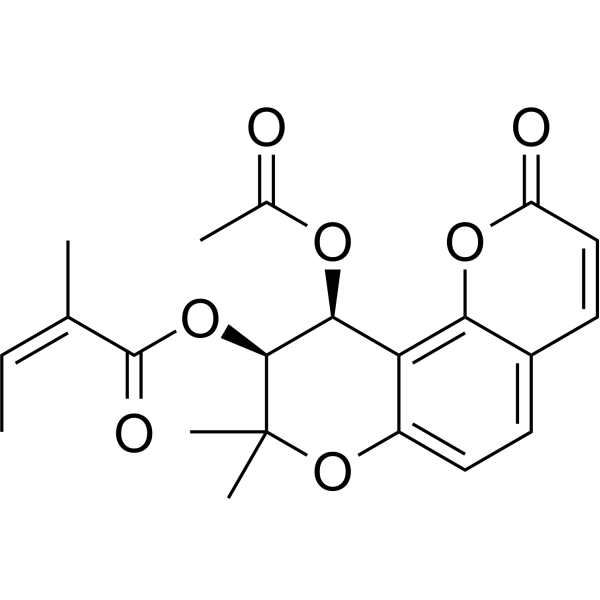 0 ImagesSynonyms: (+)-Praeruptorin APraeruptorin A ((+)-Praeruptorin A) is an orally active isomer of (±)-Praeruptorin A (HY-N0081). Praeruptorin A also acts as a Calcium channel blocker. Praeruptorin A can be isolated from Peucedanum. Praeruptorin A serves as a substrate for CYP3A4. Praeruptorin A downregulates NMDA receptors containing GluN2B and inhibits neuronal Apoptosis. Praeruptorin A mediates vasodilation, inhibits vascular hypertrophy and reduces blood pressure. Praeruptorin A can be used in research related to neurological diseases, myocardial ischemia, heart failure, exertional angina, renovascular hypertension and spontaneous hypertension.
-
S116836
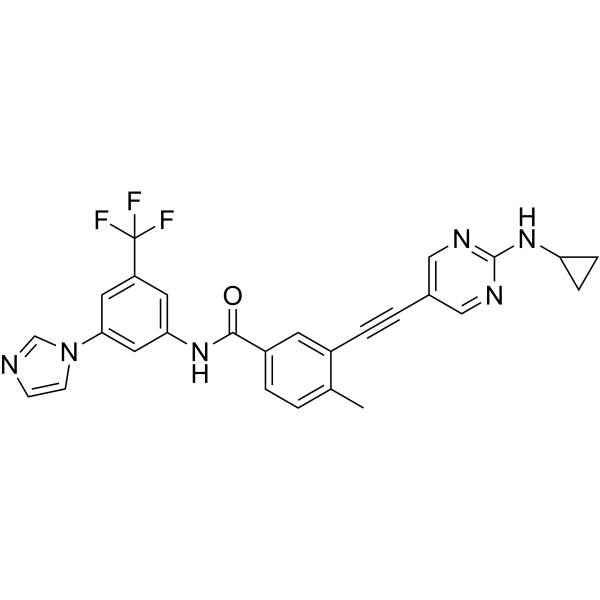 0 ImagesS116836, a potent, orally active BCR-ABL tyrosine kinase inhibitor, blocks both wild-type as well as T315I Bcr-Abl. S116836 arrests the cells in the G0/G1 phase of cell cycle, induces apoptosis, increases ROS production, and decreases GSH production in BaF3/WT and BaF3/T315I cells. S116836 also inhibits SRC, LYN, HCK, LCK and BLK, and receptor tyrosine kinases such as FLT3, TIE2, KIT, PDGFR-β. Antitumor activies. S116836 is a click chemistry reagent, it contains an Alkyne group and can undergo copper-catalyzed azide-alkyne cycloaddition (CuAAc) with molecules containing Azide groups.




