



Arginase
Arginase (ARG) is an enzyme involved in urea cycle, where it catalyzes the hydrolysis of L-arginine into L-ornithine and urea. There are two distinct isoforms of arginase, arginase I and II, which are encoded by separate genes and display differences in tissue distribution, subcellular localization, and molecular regulation. Arginase activity has two major homeostatic purposes: first, to rid the body of ammonia through urea synthesis, and second, to produce ornithine, the precursor for polyamines and prolines. Polyamines produced through ornithine decarboxylase (ODC) are necessary for cell proliferation and regulation of several ion channels. Proline produced through ornithine aminotransferase (OAT) is necessary for production of collagen.
Arginase I is a cytosolic enzyme that is abundantly expressed in the liver and plays an essential role in hepatic urea cycle. In contrast, arginase II is a mitochondrial enzyme that is widely expressed outside the liver, most prominently in the kidney and prostate. Arginase functions important for protection against NH3 toxicity and cell growth and repair. Excessive arginase activity in mammals has been associated with cardiovascular and nervous system dysfunction and disease. Two relevant aspects of this elevated activity may be involved in these disease states. First, excessive arginase activity reduces the supply of L-arginine needed by nitric oxide (NO) synthase to produce NO. Second, excessive production of ornithine leads to vascular structural problems and neural toxicity. In addition, Arginase is a potential therapeutic target for the treatment of sexual arousal disorders in men and women.
All Product Categories
-
Arginase Related Products (65)
Related Products (65)

-
Antibodies (3)
-
nor-NOHA acetate
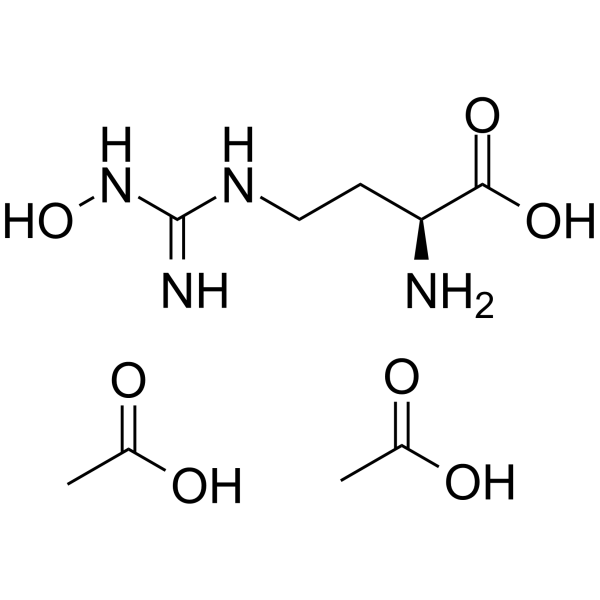 0 ImagesSynonyms: Nω-Hydroxy-nor-L-arginine acetatenor-NOHA acetate is a selective and reversible Arginase inhibitor. nor-NOHA acetate induces Apoptosis in ARG2-expressing cells under hypoxia. nor-NOHA acetate has anti-leukemic activity. nor-NOHA acetate improves liver ischemia-reperfusion injury. nor-NOHA acetate can used in study of tuberculosis, endothelial dysfunction, immunosuppression and metabolism.
-
L-Valine-13C5,15N
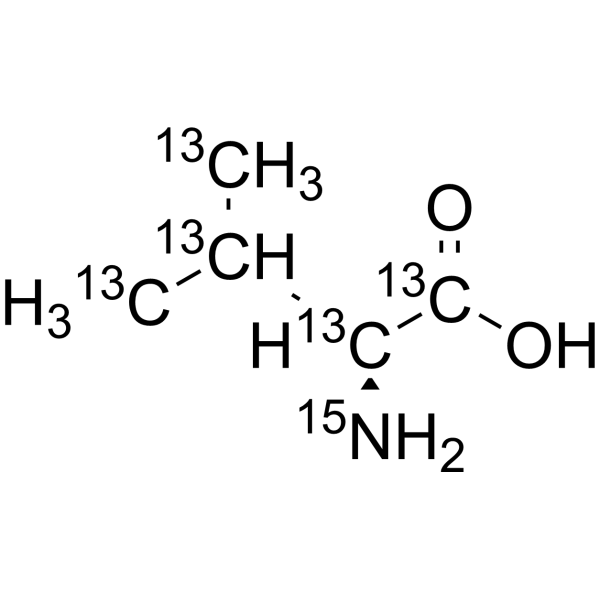 0 ImagesSynonyms: (S)-Valine-13C5,15NL-Valine-13C5,15N ((S)-Valine-13C5,15) is the 13C- and 15N-labeled L-Valine (HY-N0717). L-Valine ((S)-Valine) is a nonlinear semiorganic material. L-Valine causes lipid peroxidation and accumulation of malondialdehyde (MDA), exhibits inhibitory activity against cyanobacteria. L-Valine inhibits multidrug-resistant bacteria through activation of PI3K/Akt signaling pathway and inhibition of arginase.
-
Perfluoroundecanoic acid
 0 ImagesPerfluoroundecanoic acid is a perfluoroalkyl substance (PFAS). Perfluoroundecanoic acid is an orally active oxidative stress inducer. Perfluoroundecanoic acid promotes macrophage M2 polarization, activates Wnt/β-catenin signaling and enhances β-catenin nuclear accumulation. Perfluoroundecanoic acid -induced M2 phenotype macrophage accelerates tumor progression in vitro and in vivo. Perfluoroundecanoic acid induces DNA damage, reproductive and pathophysiological dysfunctions via oxidative stress in male Swiss mice. Perfluoroundecanoic acid inhibits Leydig cell development in pubertal male rats via inducing oxidative stress and autophagy. Perfluoroundecanoic acid accelerates insulitis development in a mouse model of type 1 diabetes. Perfluoroundecanoic acid can be used for the study of ovarian cancer, type 1 diabetes and inflammation.
-
Piceatannol 3'-O-glucoside
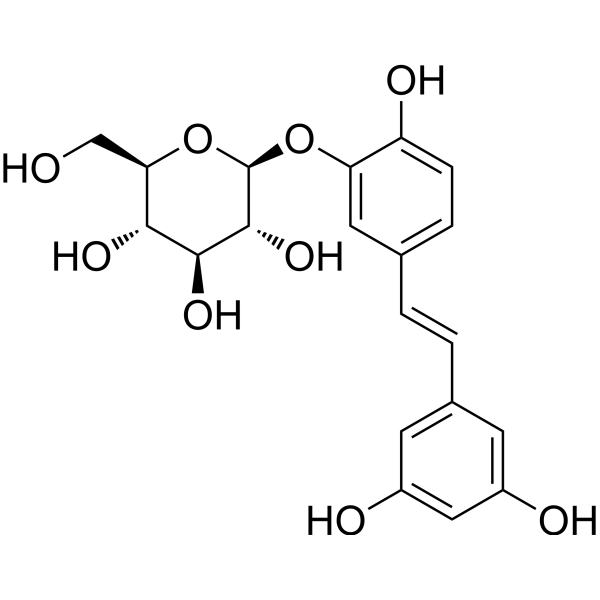 0 ImagesSynonyms: Quzhaqigan
-
L-Valine-1-13C
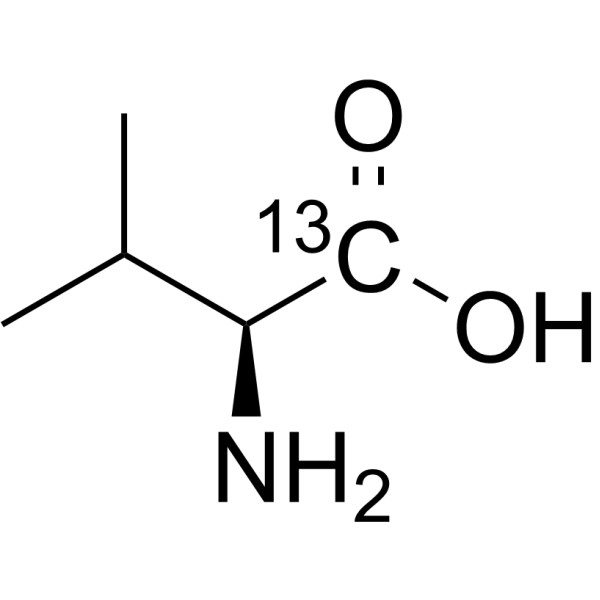 0 ImagesSynonyms: (S)-Valine-1-13CL-Valine-1-13C ((S)-Valine-1-13C) is the 13C-labeled L-Valine (HY-N0717). L-Valine ((S)-Valine) is a nonlinear semiorganic material. L-Valine causes lipid peroxidation and accumulation of malondialdehyde (MDA), exhibits inhibitory activity against cyanobacteria. L-Valine inhibits multidrug-resistant bacteria through activation of PI3K/Akt signaling pathway and inhibition of arginase.
-
ARG1-IN-1 hydrochloride
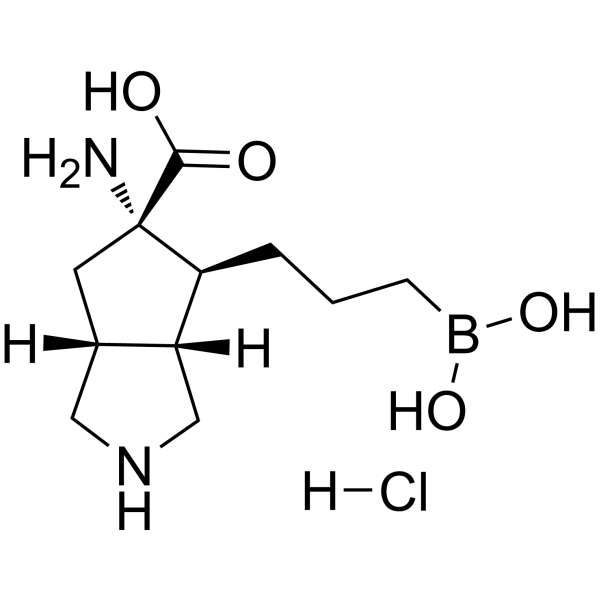 0 ImagesCat. No.: HY-145331A
-
Naamidine J
 0 ImagesNaamidine J is an imidazole-type alkaloids discovered in a sponge. Naamidine J inhibits inflammation by binding to the protein CSE1L (KD = 5.41 μM). Namidine J significantly inhibits the expression of pro-inflammatory factors such as TNF-α, IL-1β, and IL-6, and upregulates anti-inflammatory factors such as CD206 and Arg-1. Namidine J inhibits PD-L1 and shows antitumor activity. Namidine J significantly reduces pulmonary tissue edema, inflammatory cell infiltration and cytokine storm in mice. Namidine J can be used for the research on the immune microenvironment of acute lung injury and tumors.
-
L-Norvaline-d5
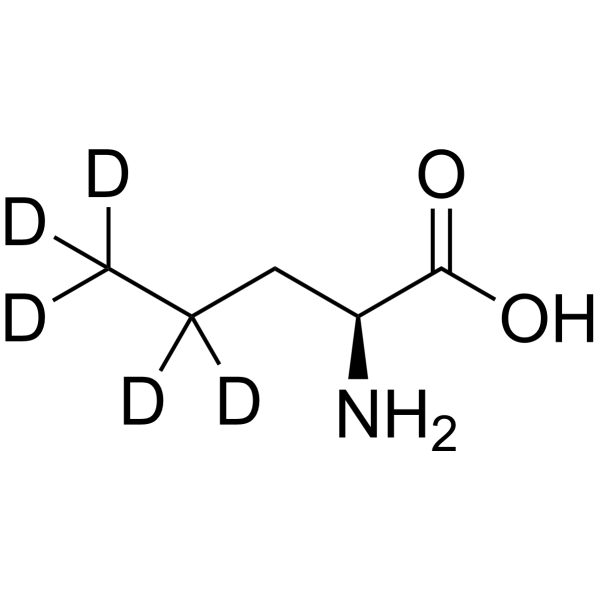 0 ImagesL-Norvaline-d5 is the deuterium labeled L-Norvaline. L-Norvaline is the inhibitor for arginase, that promotes the production of NO, reduces oxidative stress, improves insulin resistance, and exhibits antioxidant and anti-hyperglycemic effects. L-Norvaline can be used in research of Alzheimer’s disease.
-
OATD-02
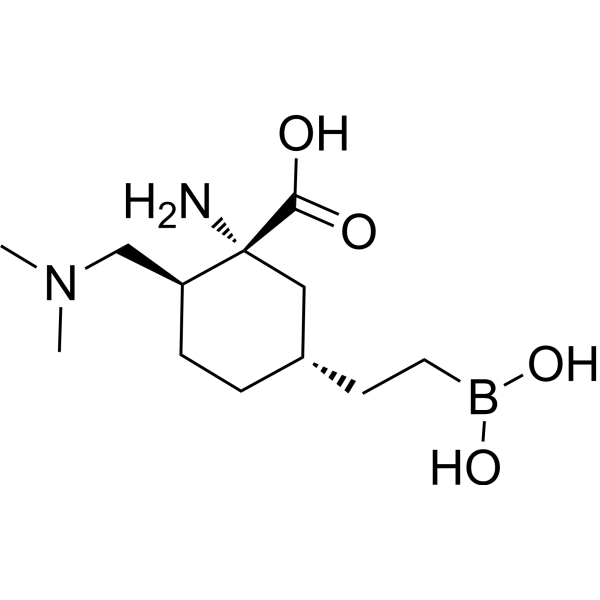 0 ImagesCat. No.: HY-155108CAS No.: 2146132-73-0OATD-02 is an orally active, competitive, reversible, noncovalent dual inhibitor of Arginase1 and 2. OATD-02 is a slow offset inhibitor, blocking intracellular arginases with IC50s of 20 nM (hARG1), 39 nM (hARG2), 39 nM (mARG1), and 28 nM (rARG1), respectively. OATD-02 abolishes tumor immunosuppression induced by both arginases. OATD-02 can be used for melanoma study.
-
ARG1-IN-1
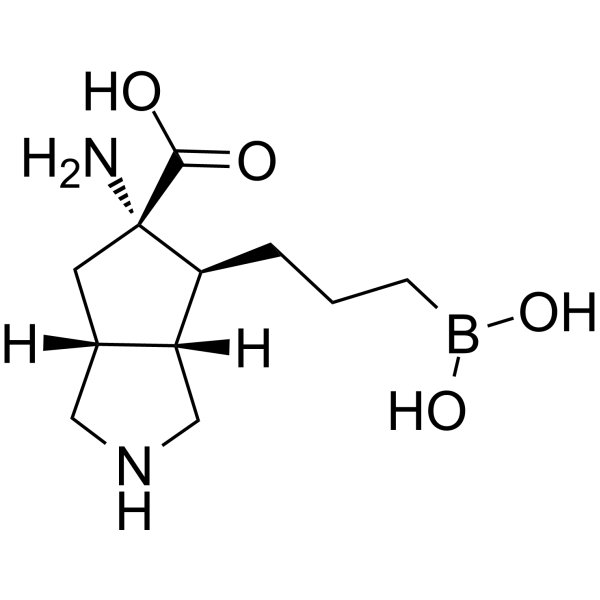 0 ImagesCat. No.: HY-145331CAS No.: 2376189-62-5
-
NED-3238
 0 ImagesCat. No.: HY-126332CAS No.: 2389062-09-1NED-3238 is a highly potent arginase I and II inhibitor with IC50 values of 1.3 nM and 8.1 nM, respectively.
-
Leupeptin
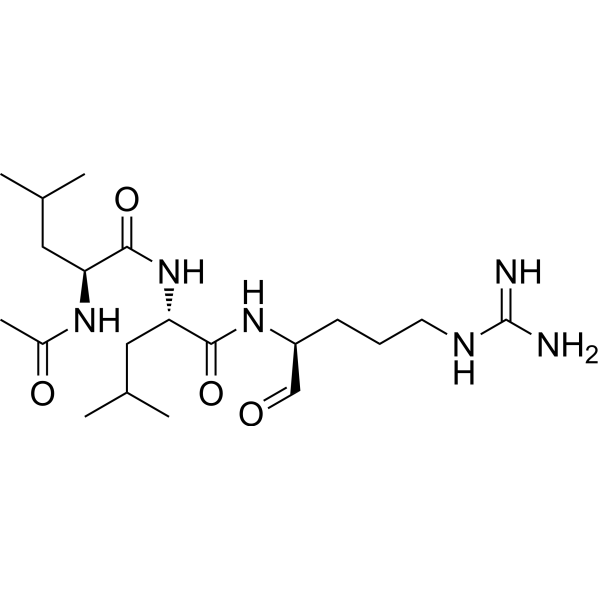 0 ImagesCat. No.: HY-18234CAS No.: 55123-66-5Leupeptin is a broad-spectrum protease inhibitor. By inhibiting the activation of the PTEN/PI3K/Akt/NF-κB/ERK1/2/p38 signaling pathway, Leupeptin significantly reduces LPS-induced NO and ROS production, mitochondrial membrane potential hyperpolarization, phagocytic activity, pro-inflammatory cytokine release, and M1 polarization in mouse peritoneal macrophages, and reverses autophagic flux impairment. It also decreases Concanavalin A (HY-P2149)-induced proliferation index of mouse splenic lymphocytes and the Th1/IL-10 and Th2/IL-10 cytokine ratios, thereby modulating innate and adaptive immune responses. Leupeptin inhibits blood coagulation and tumorigenesis in mouse skin. Leupeptin can be used in research on chronic inflammatory diseases and skin tumorigenesis.
-
Arginase inhibitor 2 (hydrochloride)
 0 ImagesCat. No.: HY-W736902CAS No.: 1345672-75-4
-
L-Valine-15N,d8
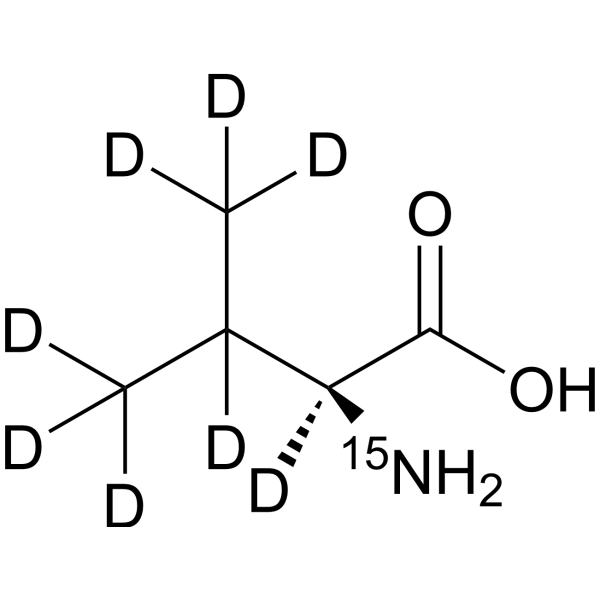 0 ImagesCat. No.: HY-N0717S9Synonyms: (S)-Valine-15N,d8L-Valine-15N,d8 ((S)-Valine-15N,d8) is the deuterium and 15N labeled L-Valine (HY-N0717). L-Valine ((S)-Valine) is a nonlinear semiorganic material. L-Valine causes lipid peroxidation and accumulation of malondialdehyde (MDA), exhibits inhibitory activity against cyanobacteria. L-Valine inhibits multidrug-resistant bacteria through activation of PI3K/Akt signaling pathway and inhibition of arginase.
-
L-Valine-d1
 0 ImagesCat. No.: HY-178305SCAS No.: 79168-22-2L-Valine-d is the deuterium labeled L-Valine (HY-N0717). L-Valine ((S)-Valine) is a nonlinear semiorganic material. L-Valine causes lipid peroxidation and accumulation of malondialdehyde (MDA), exhibits inhibitory activity against cyanobacteria. L-Valine inhibits multidrug-resistant bacteria through activation of PI3K/Akt signaling pathway and inhibition of arginase.
-
L-Valine-13C5,15N,d8
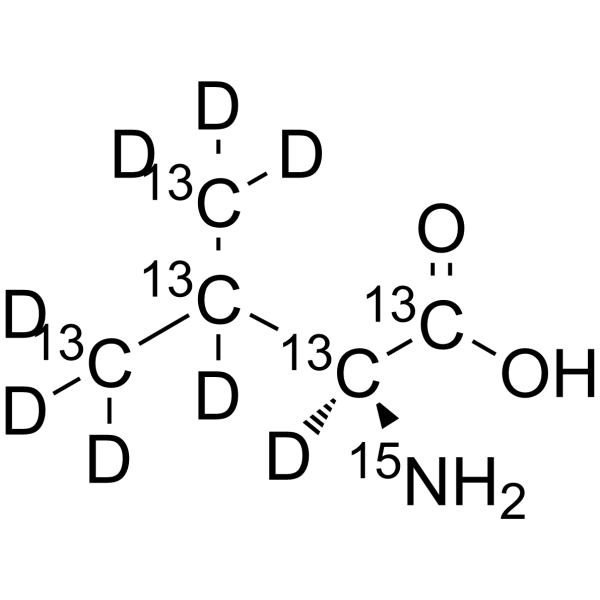 0 ImagesCat. No.: HY-N0717S2CAS No.: 1994261-62-9Synonyms: (S)-Valine-13C5,15N,d8L-Valine-13C5,15N,d8 ((S)-Valine-13C5,15N,d8) is the deuterium, 13C-, and 15N-labeled L-Valine (HY-N0717). L-Valine ((S)-Valine) is a nonlinear semiorganic material. L-Valine causes lipid peroxidation and accumulation of malondialdehyde (MDA), exhibits inhibitory activity against cyanobacteria. L-Valine inhibits multidrug-resistant bacteria through activation of PI3K/Akt signaling pathway and inhibition of arginase.

-
1-Hydroxy-4αH-1,10-secoeudesma-5(6),10(14),11(13)-trien-12,8β-olide
 0 ImagesCat. No.: HY-N20682CAS No.: 2866266-56-81-Hydroxy-4αH-1,10-secoeudesma-5(6),10(14),11(13)-trien-12,8β-olide is a neuroprotective agent. 1-Hydroxy-4αH-1,10-secoeudesma-5(6),10(14),11(13)-trien-12,8β-olide reduces the protein expression levels of iNOS and COX-2, blocks the DNA-binding activity of NF-κB, and inhibits nitric oxide production. 1-Hydroxy-4αH-1,10-secoeudesma-5(6),10(14),11(13)-trien-12,8β-olide promotes the polarization of microglia to the M2 phenotype by inducing the production of Arg-1, and alleviates cell damage induced by H2O2 and 6-Hydroxydopamine (HY-B1081).
-
(-)-3-O-Acetylcatechin
 0 ImagesCat. No.: HY-N18245CAS No.: 116935-88-7(-)-3-O-Acetylcatechin is a Leishmania amazonensis arginase inhibitor with an IC50 of 3.7 μM. (-)-3-O-Acetylcatechin can be used for the research of leishmaniasis.
-
L-Valine-2-13C
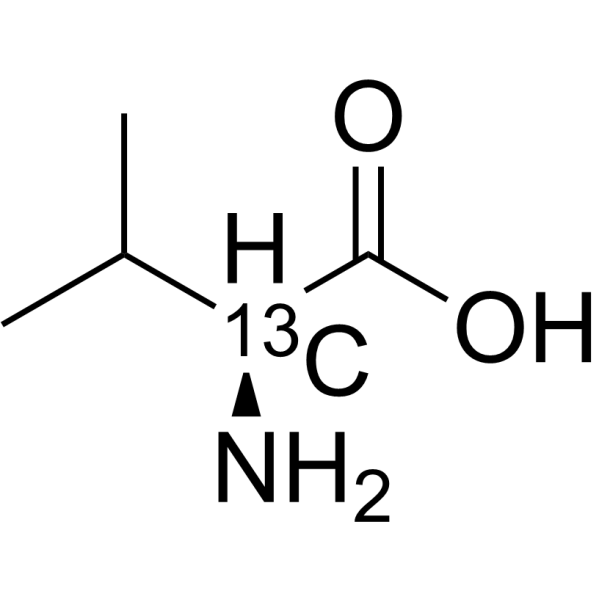 0 ImagesCat. No.: HY-N0717S5CAS No.: 73834-52-3Synonyms: (S)-Valine-13CL-Valine-2-13C ((S)-Valine-2-13C) is the 13C-labeled L-Valine (HY-N0717). L-Valine ((S)-Valine) is a nonlinear semiorganic material. L-Valine causes lipid peroxidation and accumulation of malondialdehyde (MDA), exhibits inhibitory activity against cyanobacteria. L-Valine inhibits multidrug-resistant bacteria through activation of PI3K/Akt signaling pathway and inhibition of arginase.




