



Cathepsin
Cathepsins are protease enzymes, categorized into multiple families. Cathepsins can be serine protease, cysteine protease, or aspartyl protease. There are about 15 classes of cathepsins in humans (Cathepsin A, B, C, D, E, F, G, H, K, L, O, S, V, W, and Z). Cathepsins are active in the low pH milieu of lysosomes and are versatile in their functions. Like other enzymes, they are vital for the normal physiological functions such as digestion, blood coagulation, bone resorption, ion channel activity, innate immunity, complement activation, apoptosis, vesicular trafficking, autophagy, angiogenesis, proliferation, and metastasis, among scores of others.
Numerous pathologies have been attributed to the dysregulated cathepsins, some of which include arthritis, periodontitis, pancreatitis, macular degeneration, muscular dystrophy, atherosclerosis, obesity, stroke, Alzheimer's disease, schizophrenia, tuberculosis, and Ebola.
Cathepsin Isoform Specific Products
All Product Categories
-
Cathepsin Inhibitors
(214)
View all products
-
Cathepsin Antagonist
(1)
View all products
-
Cathepsin Activators
(7)
View all products
-
Cathepsin Inducers
(3)
View all products
-
Cathepsin Degrader
(1)
View all products
-
Cathepsin Control
(1)
View all products
-
Cathepsin Substrates
(21)
View all products
-
Cathepsin Ligand
(1)
View all products
-
Cathepsin Proteins
(35)
View all products
-
Cathepsin B Proteins
(5)
View all products
-
Cathepsin C Proteins
(4)
View all products
-
Cathepsin D Proteins
(5)
View all products
-
Cathepsin E Proteins
(3)
View all products
-
Cathepsin K Proteins
(1)
View all products
-
Cathepsin L1 Proteins
(4)
View all products
-
Cathepsin S Proteins
(2)
View all products
-
Cathepsin Related Products (295)
Related Products (295)

-
Recombinant Proteins (35)
-
Antibodies (6)
-
Cathepsin Isoform Comparison
-
Z-Phe-Ala-diazomethylketone
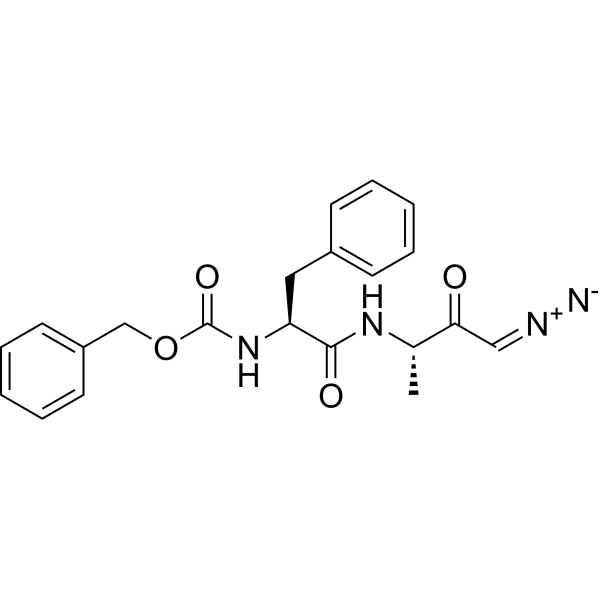 0 ImagesSynonyms: PADKZ-Phe-Ala-diazomethylketone binds directly to Aβ42 monomers and small oligomers. Z-Phe-Ala-diazomethylketone inhibits the formation of Aβ42 dodecamers and inhibits Aβ42 fibril formation in the solution. Z-Phe-Ala-diazomethylketone has the potential for neurodegenerative disorders research.
-
VBY-825
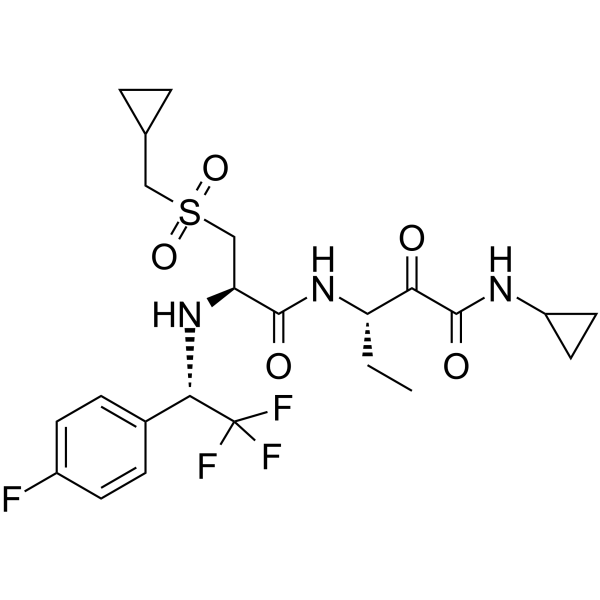 0 ImagesVBY-825 is an orally available novel reversible cathepsin inhibitor that has high inhibitory potency against cathepsin B, L, S and V, and possesses anti-tumor, anti-inflammatory and analgesic effects.
-
N-CBZ-Phe-Arg-AMC hydrochloride
 0 ImagesSynonyms: Z-FR-AMC hydrochloride
-
N-CBZ-Phe-Arg-AMC
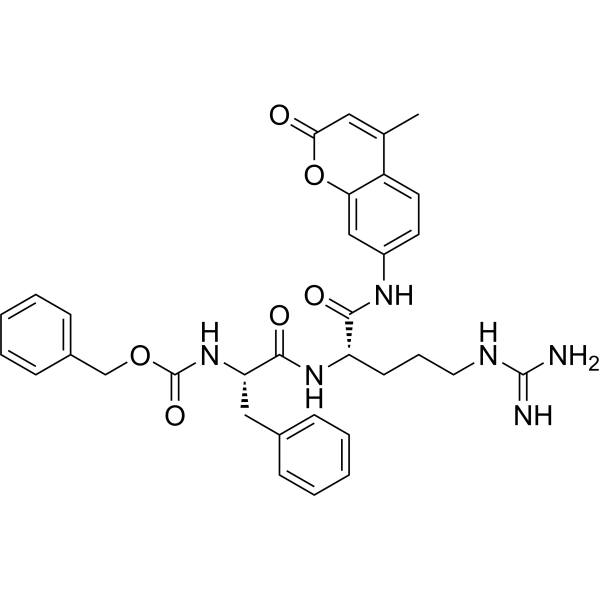 0 ImagesSynonyms: Z-FR-AMC
-
E 64c
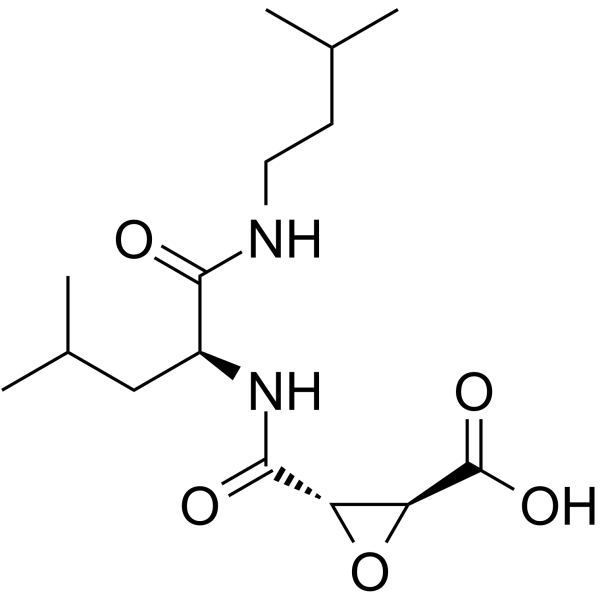 0 ImagesE 64c is a derivative of naturally occurring epoxide inhibitor of cysteine proteases, a Calcium-activated neutral protease (CANP) inhibitor and a very weak irreversible cathepsin C inhibitor. E 64c exhibits entry-blocking effect for MERS-CoV.
-
CatD-IN-1
 0 ImagesCatD-IN-1 (Compound 5) is a Cathepsin D inhibitor with an IC50 of 0.44 μM. CatD-IN-1 holds potential for research in the field of osteoarthritis .
-
GB111-NH2 hydrochloride
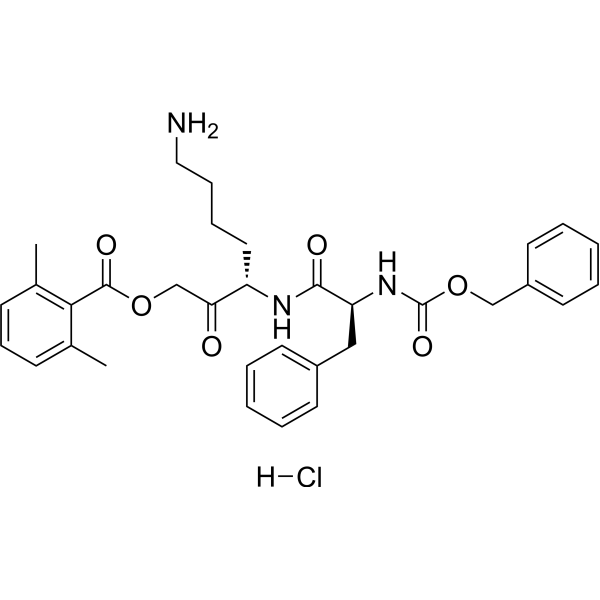 0 ImagesCat. No.: HY-115454APurity: 98.41%
-
PTPσ Inhibitor, ISP
 0 ImagesCat. No.: HY-P5982PTPσ Inhibitor, ISP is a PTPσ intracellular wedge domain mimetic peptide containing a TAT cell-penetrating domain, which acts as a PTPσ inhibitor. PTPσ Inhibitor, ISP binds to and inhibits PTPσ, thereby relieving CSPG-mediated axonal growth inhibition. PTPσ Inhibitor, ISP enhances CSPG degradation by promoting the secretion of Cathepsin B or MMP-2, and promotes DRG axonal growth, OPC migration and remyelination. PTPσ Inhibitor, ISP promotes nerve regeneration and improves sensory, motor and urinary functions in animal models of spinal cord injury, dorsal root injury and multiple sclerosis. PTPσ Inhibitor, ISP also increases the phosphorylation of ERK and AKT in colorectal cancer cells. PTPσ Inhibitor, ISP can be used in studies related to PTPσ/CSPG signaling, nerve regeneration, demyelinating diseases and RAS/ERK signaling.
-
Bz-FVR-AMC
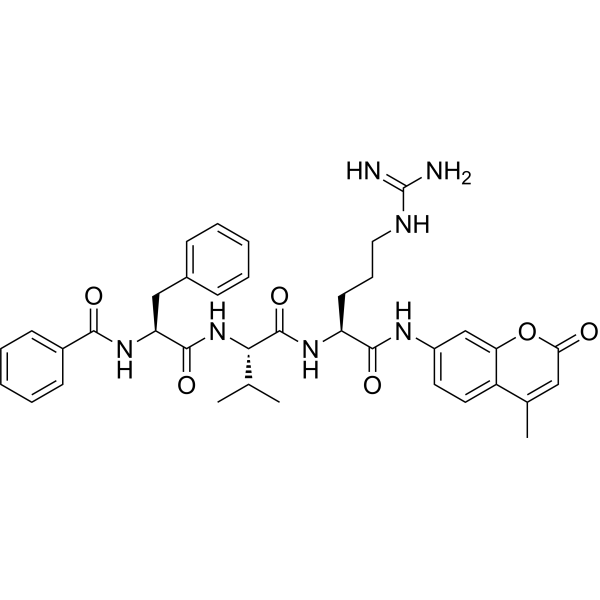 0 ImagesBz-FVR-AMC is a fluorogenic substrate for procathepsin with a kcat/Km value of 1070 mM-1s-1. The high concentration of BZ-FVR-AMC inhibits the substrate.
-
diABZI-V/C-Mal
 0 ImagesdiABZI-V/C-Mal is a STING agonist (with a STING EC50 of 314 nM in TH1 dual reporter cells) and a Cathepsin B substrate. diABZI-V/C-Mal activates STING, thereby triggering the IRF3 signaling pathway. diABZI-V/C-Mal is cleaved by Cathepsin B to regenerate diABZI-NH2.
-
4-Methylesculetin
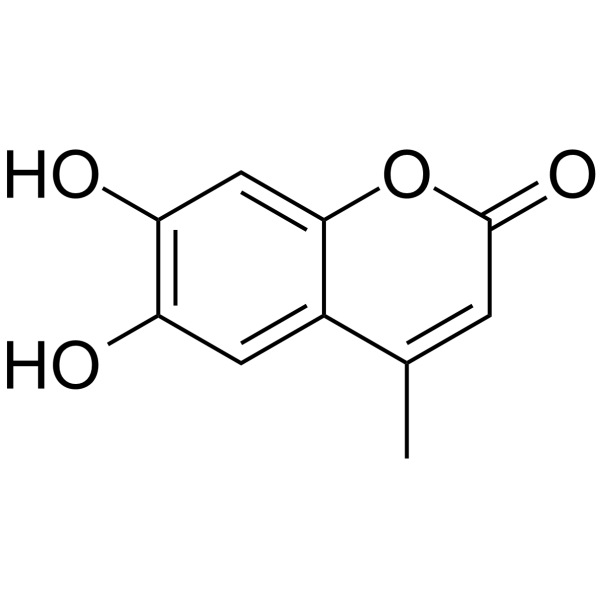 0 Images4-Methylesculetin is an orally active coumarin derivative, with potent anti-oxidant and anti-inflammatory activities. 4-Methylesculetin inhibits myeloperoxidase activity. 4-Methylesculetin protects bone resorption by reducing the elevated levels of bone-joint exoglycosidases, cathepsin-D and tartrate resistant acid phosphatases. 4-Methylesculetin ameliorats the upregulated non-enzymatic inflammatory markers like TNF-α, IL-1β, IL-6, COX-2 and PGE2, which is promising for research of inflammatory diseases.
-
Poly-L-glutamic acid sodium salt (MW 30000)
 0 ImagesCat. No.: HY-W596474DCAS No.: 26247-79-0Poly-L-glutamic acid sodium salt (MW 30000) is a synthetic polypeptide with biocompatibility, biodegradability and non-immunogenicity. Poly-L-glutamic acid sodium salt is an ideal tumor-targeting polymer carrier. Poly-L-glutamic acid sodium salt can be hydrolyzed by cathepsin B during metabolic decomposition.
-
3-Epiursolic Acid
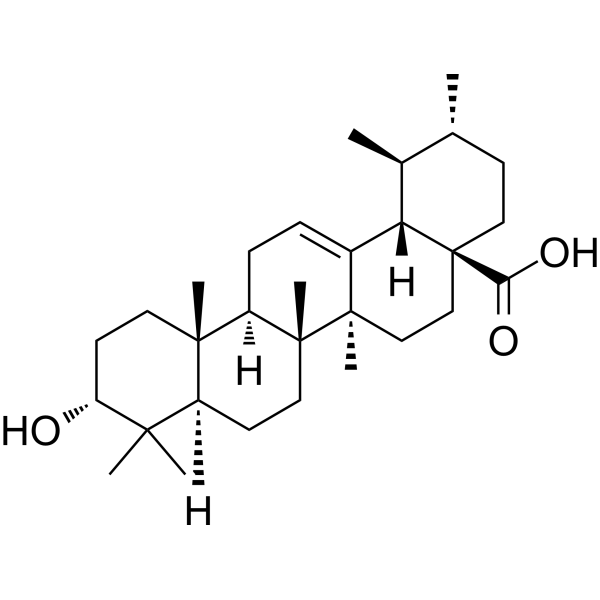 0 Images3-Epiursolic Acid is a triterpenoid that can be isolated from Eriobotrya japonica, acts as a competitive inhibitor of cathepsin L (IC50, 6.5 μM; Ki, 19.5 μM), with no obvious effect on cathepsin B.
-
GSK-2793660
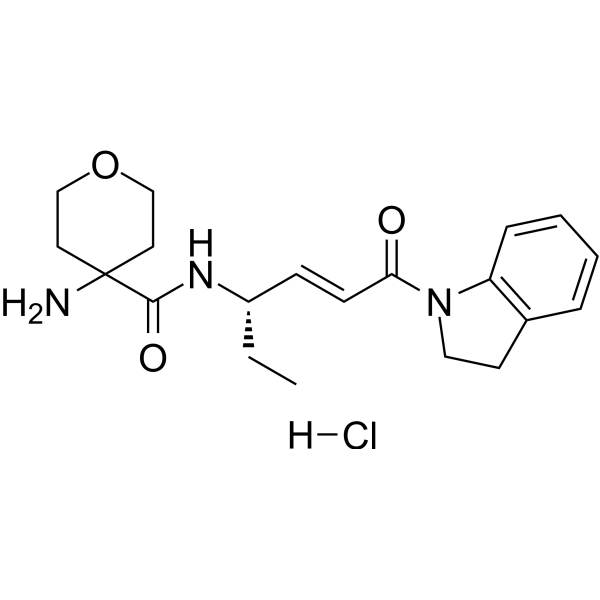 0 ImagesGSK-2793660 is an orally active and irreversible inhibitor of Cathepsin C (CTSC). GSK-2793660 can be used for the research of bronchiectasis.
-
L-Homocysteine-d4
 0 ImagesCat. No.: HY-W653733CAS No.: 331665-12-4L-Homocysteine-d4 is deuterium labeled L-Homocysteine (HY-W010347). L-Homocysteine, an amino acid, is a homocysteine that has L configuration. Homocysteine is an essential intermediate in normal mammalian metabolism of methionine. L-Homocysteine induces upregulation of Cathepsin V that mediates vascular endothelial inflammation in hyperhomocysteinaemia
-
Gardenin B
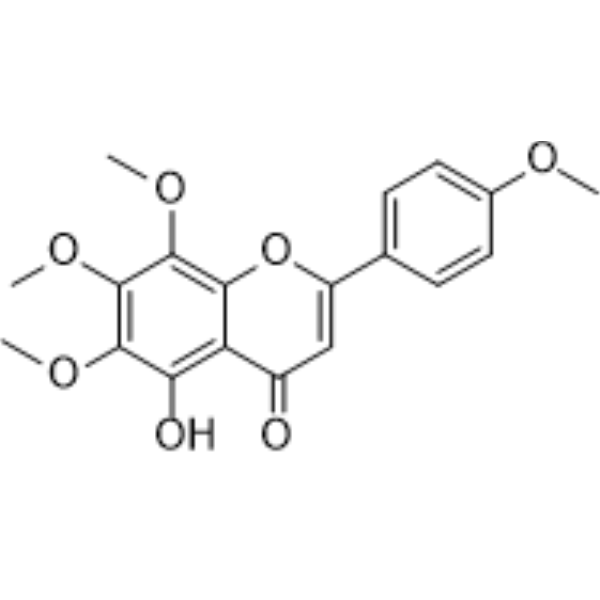 0 ImagesGardenin B is a methoxyflavone compound and an inhibitor of USP7, ODC (IC50: 6.24 μg/mL), and Cathepsin D (IC50: 5.61 μg/mL). Gardenin B exhibits antioxidant and antitumor activities. Gardenin B shows IC50 values of 8.87 and 10.59 μg/mL for DPPH and NO scavenging, respectively, and also possesses ferric ion reducing ability. Additionally, Gardenin B can inhibit tumor cell proliferation, induce cell cycle arrest and apoptosis. Gardenin B can be used in cancer research.

-
Arg-Arg-AMC acetate
 0 ImagesCat. No.: HY-P4340APurity: 99.55%Arg-Arg-AMC acetate is the acetate salt form of Arg-Arg-AMC (HY-P4340). Arg-Arg-AMC acetate is a fluorescent substrate for cathepsin B and used in the cathepsin B activity assay.
-
Cathepsin G
 0 ImagesCat. No.: HY-P3012CAS No.: 107200-92-0Cathepsin G is a pH-dependent serine protease. Cathepsin G hydrolyzes diverse synthetic and protein substrates and remodels extracellular matrix. Cathepsin G exerts immunomodulatory effects via recruiting phagocytes, enhancing T cell motility, activating ERK1/2 and p38 MAPK signaling, and mediating PKCζ membrane translocation. Cathepsin G regulates inflammatory responses by cleaving inflammatory mediators. Cathepsin G participates in vascular regulation by converting angiotensin I to angiotensin II. Cathepsin G induces PAR4-dependent platelet activation, facilitates platelet-neutrophil aggregation, and mediates VITT-related NETosis, thrombus formation. Cathepsin G can be used for the research of immune thrombotic thrombocytopenia, cardiovascular disease, and select autoimmune and inflammatory diseases.




