



Glycosidase
Glycosidase
Glycosidase are a class of enzymes which catalyze the hydrolysis of glycosidic bonds. In living organisms, Glycosidase are involved in carbohydrate metabolism. They can degrade polysaccharides such as starch and glycogen into monosaccharides, providing energy for cells. Glycosidase also participate in the synthesis and modification of biological macromolecules such as glycoproteins and glycolipids, playing a crucial role in cell recognition and signal transduction. Additionally, in plants and microorganisms, Glycosidase are involved in the metabolism of cell wall polysaccharide components, affecting cell growth, differentiation, and morphogenesis. Gene mutations of Glycosidase can trigger genetic diseases, leading to abnormal metabolism in the body and damage to organ functions. Changes in their activity are associated with various diseases such as diabetes, infectious diseases, and tumors, and can influence the occurrence and development of diseases[1][2].
References:
- [1]. Wang X, et al. Metabolites extracted from microorganisms as potential inhibitors of glycosidases (α-glucosidase and α-amylase): A review. Front Microbiol. 2022 Nov 17;13:1050869.
- [2]. Ohtsubo K, et al. Glycosylation in cellular mechanisms of health and disease. Cell. 2006 Sep 8;126(5):855-67. [Content Brief]
All Product Categories
-
Glycosidase Inhibitors
(447)
View all products
-
Glycosidase Antagonist
(1)
View all products
-
Glycosidase Activators
(20)
View all products
-
Glycosidase Modulators
(8)
View all products
-
Glycosidase Chemical
(1)
View all products
-
Glycosidase Inducers
(2)
View all products
-
Glycosidase Degrader
(1)
View all products
-
Glycosidase Controls
(5)
View all products
-
Glycosidase Substrates
(23)
View all products
-
Glycosidase Ligands
(3)
View all products
-
Glycosidase Related Products (686)
Related Products (686)

-
Antibodies (3)
-
N-Boc-3-hydroxy-1,2,3,6-tetrahydropyridine
 0 ImagesCat. No.: HY-W056439CAS No.: 224779-27-5N-Boc-3-hydroxy-1,2,3,6-tetrahydropyridine can increase the activity of β-glucocerebrosidase by 20%. N-Boc-3-hydroxy-1,2,3,6-tetrahydropyridine can be used in the study of lysosomal storage diseases and other protein storage diseases.
-
p-Hydroxyphenethyl trans-ferulate
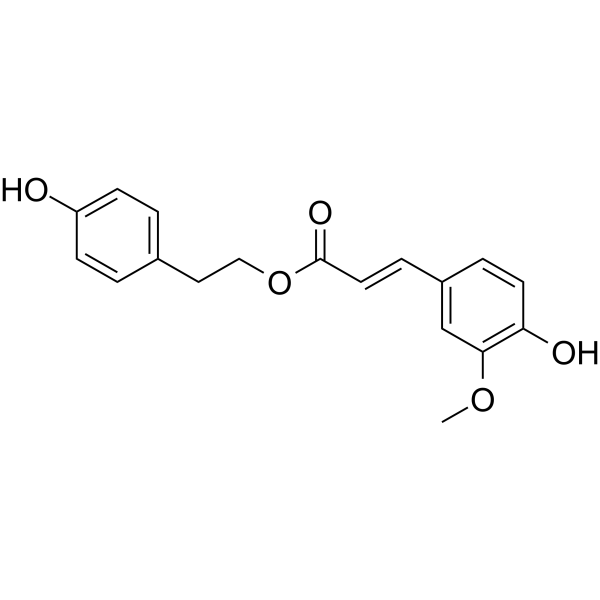 0 Imagesp-Hydroxyphenethyl trans-ferulate has anti-hyperglycemic (yeast α-glucosidase, IC50=19.24 ± 1.73 µM), antioxidant, and anti-inflammatory activities. p-Hydroxyphenethyl trans-ferulate shows inhibiting anticancer and serotonergic activity.
-
α-Amyrenone
 0 Imagesα-Amyrenone is a triterpenoid that occurs naturally in very low concentrations in several oleoresins from Brazilian Amazon species of Protium (Burseraceae). The mixture of α and β-amyrenone inhibits α-glucosidase, and can reduce mechanical hypersensitivity and paw-oedema induced by carrageenan.
-
Nucleoside hydrolase (IAGNH)
 0 ImagesNucleoside hydrolase (IAGNH) is a glycosidase. Nucleoside hydrolase (IAGNH) catalyzes the cleavage of the N-glycosidic bond in nucleosides to enable the recycling of the nucleobases and Rib.
-
UDP-GlcNAz
 0 ImagesCat. No.: HY-145934BCAS No.: 608514-41-6UDP-GlcNAz is the analogue of UDP-GlcNAc disodium (HY-112174). UDP-GlcNAc disodium is the donor substrate of many N-acetylgalactosaminyltransferases, enzymes which transfer GlcNAc from the nucleotide sugar to a saccharide or peptide acceptor. UDP-GlcNAc disodium is a click chemistry reagent, it contains an Azide group and can undergo copper-catalyzed azide-alkyne cycloaddition reaction (CuAAc) with molecules containing Alkyne groups. It can also undergo strain-promoted alkyne-azide cycloaddition (SPAAC) reactions with molecules containing DBCO or BCN groups.
-
D-Threitol (Standard)
 0 ImagesD-Threitol (Standard) is the analytical standard of D-Threitol (HY-W012846). This product is intended for research and analytical applications. D-Threitol is a naturally occurring four-carbon sugar alcohol and an α-glucosidase (α‑glucosidase) inhibitor with an IC50 of 49 mM against yeast α-glucosidase, and it is orally active. D-Threitol modulates gut microbiota composition, increases microbial diversity, enriches beneficial bacterial genera, and restores fecal short-chain fatty acid levels. D-Threitol reduces body weight gain and fat accumulation, improves glucose tolerance and insulin sensitivity, and alleviates liver, kidney, and pancreatic tissue damage. D-Threitol inhibits hepatic accumulation of ceramides and diacylglycerols. D-Threitol preserves glomerular morphology and islet structure in diabetes models. D-Threitol is also a low-calorie sweetener. D-Threitol serves as a cryoprotective polyol that stabilizes protein structure at low temperatures. D-Threitol is used in research on type 2 diabetes and as an antifreeze agent for the Alaskan beetle.
-
Emiglitate
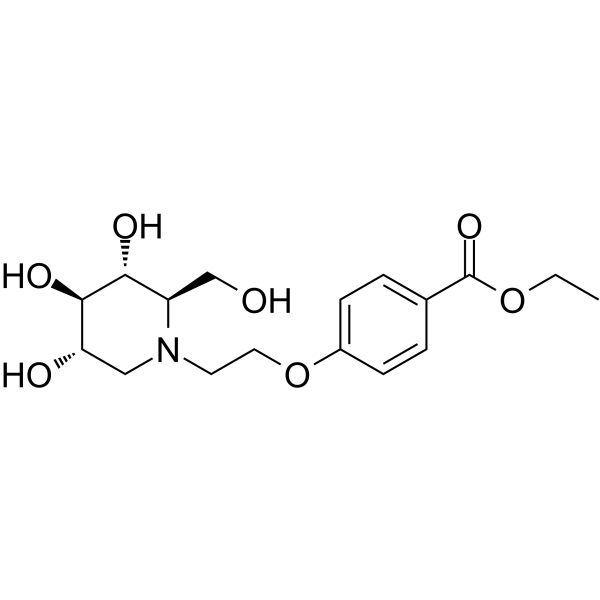 0 ImagesSynonyms: BAY o 1248Emiglitate (BAY o 1248) is a potent, selective and competitive inhibitor of α-glucoside hydrolase.
-
(Z)-2-(Oleoyloxy)propane-1,3-diyl dipalmitate
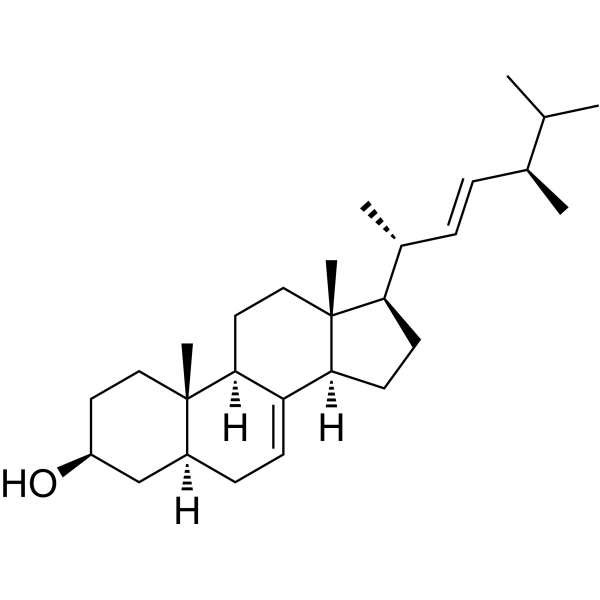
 0 ImagesSynonyms: 1,3-Dipalmitoyl-2-oleoylglycerol; ?1,3-Palmitin-2-Olein; TG(16:0/18:1/16:0)(Z)-2-(Oleoyloxy) propane-1,3-diyl dipalmitate (1,3-Dipalmitoyl-2-oleoylglycerol) is an orally active PTP1B inhibitor with an IC50 of 31.01 μM and a Ki of 16.36 μM. (Z)-2-(Oleoyloxy) propane-1,3-diyl dipalmitate also inhibits α-glucosidase with an IC50 of 163.31 μM. It inhibits phosphorylation of p38 MAPK, activates the PI3K/Akt/CREB pathway, and exhibits antioxidant, anti-apoptosis and anti-inflammatory activities, as well as inhibits peroxynitrite-mediated albumin nitration. (Z)-2-(Oleoyloxy) propane-1,3-diyl dipalmitate can be used in studies related to cerebral ischemia-reperfusion injury and diabetes.
-
2-Methylbutyl β-D-glucopyranoside
 0 Images2-Methylbutyl β-D-glucopyranoside is a glycoside in apple fruit. 2-Methylbutyl β-D-glucopyranoside serves as an aroma precursor that can be enzymatically hydrolyzed to release volatile 2-methylbutanol. 2-Methylbutyl β-D-glucopyranoside is promising for research of food flavor chemistry.
-
Quinoline-2-carboxylic acid (Standard)
 0 ImagesQuinoline-2-carboxylic acid exhibits antidiabetic activity. Quinoline-2-carboxylic acid can be used as drug intermediate for synthesis of various active compounds.
-
Millewanin H
 0 ImagesCat. No.: HY-N3256CAS No.: 874303-34-1Millewanin H is a Flavonoids product that can be isolated from the herbs of Millettia pachycarpa. Millewanin H has antiestrogenic activity and inhibit 17β-estradiol-induced-β-galactosidase activity. Millewanin H showes α-glucosidase inhibition.
-
4,5-Dicaffeoylquinic acid (Standard)
 0 ImagesSynonyms: Isochlorogenic acid C (Standard); 4,5-diCQA (Standard)4,5-Dicaffeoylquinic acid (Standard) is the analytical standard of 4,5-Dicaffeoylquinic acid. This product is intended for research and analytical applications. 4,5-Dicaffeoylquinic acid (Isochlorogenic acid C) is an antioxidant, can be isolated from Gynura divaricata and Laggera alata. 4,5-Dicaffeoylquinic acid reduces islet cell apoptosis and improves pancreatic function in type 2 diabetic mice, and has obvious inhibitory activities against yeast α-glucosidase. 4,5-Dicaffeoylquinic acid inhibits prostate cancer cells through cell cycle arrest. 4,5-Dicaffeoylquinic acid also has anti-apoptotic, anti-injury and anti-hepatitis B virus effects.
-
GCase modulator-1
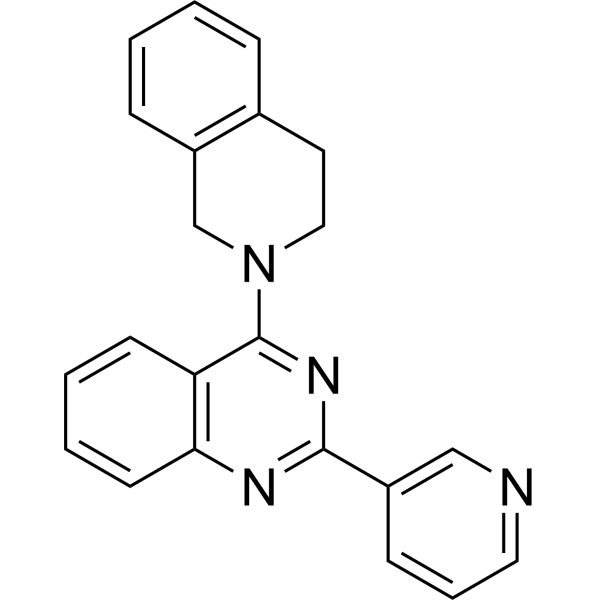 0 ImagesCat. No.: HY-156287CAS No.: 796079-91-9GCase modulator-1 (compound 9g), a derivative of Quinazoline, is a modulator of GCase (Glucosidase) (AC50=2.23 μM).
-
α-Amylase/α-Glucosidase-IN-10
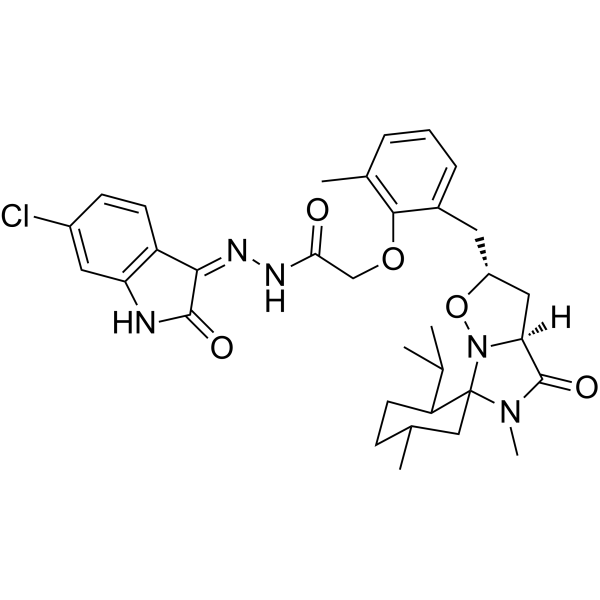 0 ImagesCat. No.: HY-162373α-Amylase/α-Glucosidase-IN-10 (compound 5d) is an α-amylase and α-glucosidase inhibitor (IC50: 30.39 μM and 65.1 μM) with potential diabetes inhibitory effects. α-Amylase/α-Glucosidase-IN-10 exhibits high gastrointestinal (GI) absorption in ADMET (Absorption, Distribution, Metabolism, Excretion and Toxicity) prediction. While α-Amylase/α-Glucosidase-IN-10 acts as a substrate for P-gp and does not cross the blood-brain barrier (BBB), there may be a risk of central nervous system side effects.
-
Rexaceract
 0 ImagesCat. No.: HY-184093CAS No.: 2648407-86-5Synonyms: RexaceractumRexaceract (Rexaceractum) is a heteroaryl compound that binds to β-glucocerebrosidase. Rexaceract maintains the conformational stability of β-glucocerebrosidase and exhibits activating activity. Rexaceract can be used in the research of nervous system-related diseases such as neurodegenerative diseases with Parkinsonism, epilepsy, and schizophrenia.
-
Migalastat
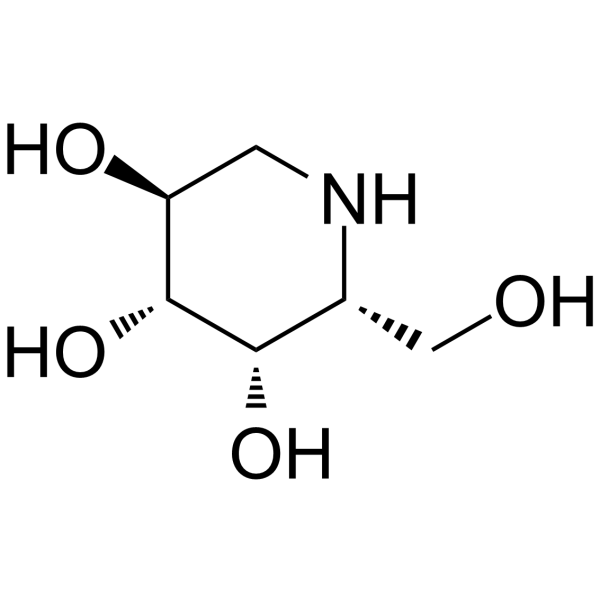 0 ImagesCat. No.: HY-14929CAS No.: 108147-54-2Synonyms: GR181413A free base; 1-DeoxygalactonojirimycinMigalastat (GR181413A free base) is an orally active α-galactosidase A molecular chaperone, with an IC50 value of 0.04 μM for human α-Gal A. Migalastat binds to the active site of certain unstable mutant forms of α-galactosidase A, facilitating their transport to the lysosome. After dissociation in the acidic environment, Migalastat enables the mutant α-galactosidase A to exhibit biological activity.
-
Nagstatin
 0 ImagesCat. No.: HY-165504CAS No.: 126844-81-3Nagstatin is a naturally derived competitive inhibitor of N-acetyl-β-D-glucosaminidase (NAG-ase), with an IC50 of 0.0012 μg/mL and a Ki of 1.7×10⁻⁸ M against porcine-derived enzyme. Nagstatin enhances cellular immune responses in normal mice and reactivates suppressed cellular immune responses in tumor-bearing mice. Nagstatin can be used in the research of various diseases such as diabetes and leukemia.
-
3-Hydroxybakuchiol
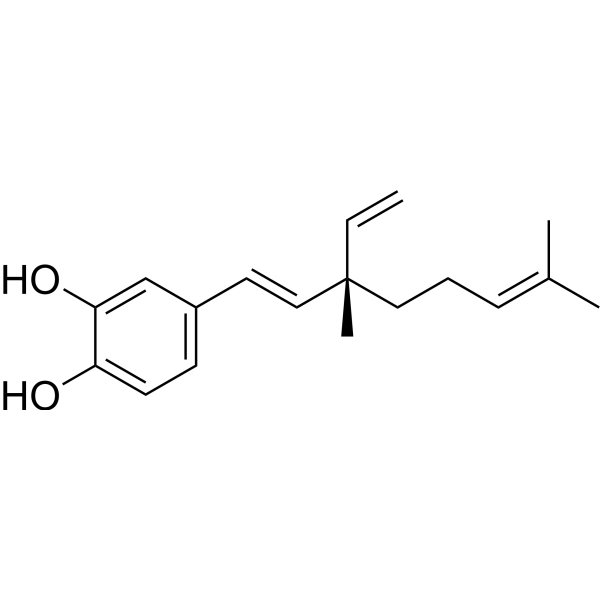 0 ImagesCat. No.: HY-N1839CAS No.: 178765-54-33-Hydroxybakuchiol can be isolated from Otholobium mexicanum J. W. Grimes. 3-Hydroxybakuchiol is an electron transport chain (ETC) inhibitor. 3-Hydroxybakuchiol has antitumor activity, and induces tumor cell apoptosis. 3-Hydroxybakuchiol also has moderate inhibitory activity against α-glucosidase (IC50: 345 μM).
-
EB-0156
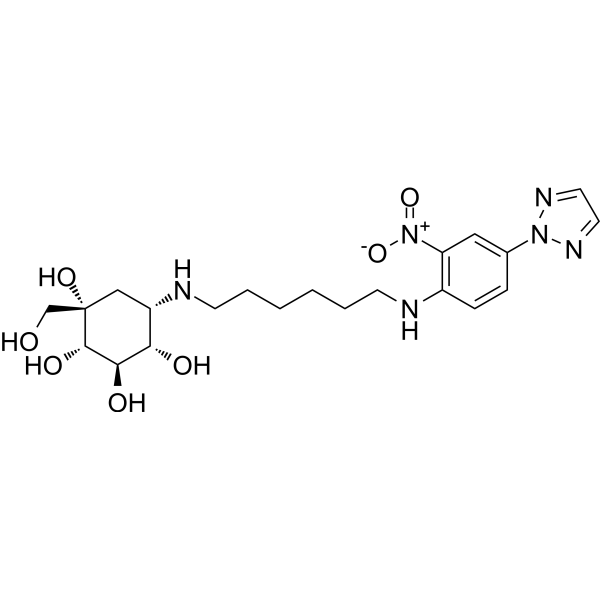 0 ImagesCat. No.: HY-145274CAS No.: 2832824-43-6EB-0156 is a potent inhibitor of ER α-glucosidases (α-Glu) Iand II with IC50s of 0.0479 and less than 0.001 μM, respectively. EB-0156 is a N-substituted derivative of valiolamine with broad-spectrum antiviral. EB-0156 has the potential for the reseach of broad-spectrum agent against the existing and emerging viruses.




