



Microbial Metabolite
Microbial metabolites function as critical mediators between host physiology and microbiome activity, regulating immunity, metabolic homeostasis, and tissue repair[1][2][3]. Mechanistically, these metabolites modulate host cellular signaling through pathways including AMPK, PPARα, and HDAC inhibition, influencing lipid metabolism, bone homeostasis, and epigenetic regulation[4][5][6][7]. In disease models, specific microbial metabolites such as 10-hydroxystearic acid and imidazole propionate demonstrate dual roles in hepatic regeneration and bone dysfunction, respectively, underscoring context-dependent effects[5][6]. Compared with related isoforms, certain microbial metabolites act selectively on target enzymes or receptors, exemplified by butyrate and valeric acid inhibiting class I HDACs without affecting other isoforms[7]. For experimental applications, metabolites have been leveraged as diagnostic markers in gastric cancer, modulators of drug toxicity, and indicators of microbial-host metabolic interactions[2][8][9]. Bioinformatic tools, including MetOrigin, enable precise discrimination of microbial metabolite origins and facilitate pathway enrichment analysis, enhancing identification of functionally relevant compounds[4]. The integration of metagenomics, metabolomics, and metaproteomics supports targeted discovery of microbial metabolites for both mechanistic studies and therapeutic interventions[3][10][11].
References:
- [1]. Fobofou SA, et al. Microbial metabolites: cause or consequence in gastrointestinal disease? Am J Physiol Gastrointest Liver Physiol. 2022 Jun 1;322(6):G535-G552. [Content Brief]
- [2]. Nie S, et al. Microbial-Related Metabolites May Be Involved in Eight Major Biological Processes and Represent Potential Diagnostic Markers in Gastric Cancer. Cancers (Basel). 2023 Nov 3;15(21):5271. [Content Brief]
- [3]. Vélez-Ixta JM, et al. Post Natal Microbial and Metabolite Transmission: The Path from Mother to Infant. Nutrients. 2024 Jun 22;16(13):1990. [Content Brief]
- [4]. Yu G, et al. MetOrigin: Discriminating the origins of microbial metabolites for integrative analysis of the gut microbiome and metabolome. Imeta. 2022 Mar 21;1(1):e10. [Content Brief]
- [5]. Kramer DJ, et al. Microbial biotherapeutic metabolite alleviates liver injury by restoring hepatic lipid metabolism through PPARα across the gut-liver axis. mBio. 2025 Sep 10;16(9):e0171825. [Content Brief]
- [6]. Park SG, et al. The microbial metabolite imidazole propionate dysregulates bone homeostasis by inhibiting AMP-activated protein kinase (AMPK) signaling. Commun Biol. 2024 Dec 19;7(1):1644. [Content Brief]
- [7]. Yuille S, et al. Human gut bacteria as potent class I histone deacetylase inhibitors in vitro through production of butyric acid and valeric acid. PLoS One. 2018 Jul 27;13(7):e0201073. [Content Brief]
- [8]. Kim B, et al. Pathway-Based Integrative Analysis of Metabolome and Microbiome Data from Hepatocellular Carcinoma and Liver Cirrhosis Patients. Cancers (Basel). 2020 Sep 21;12(9):2705. [Content Brief]
- [9]. Lee H, et al. The Discovery of Gut Microbial Metabolites as Modulators of Host Susceptibility to Acetaminophen-Induced Hepatotoxicity. Drug Metab Dispos. 2024 Jul 16;52(8):754-764. [Content Brief]
- [10]. Wang WL, et al. Application of metagenomics in the human gut microbiome. World J Gastroenterol. 2015 Jan 21;21(3):803-14. [Content Brief]
- [11]. Kingkaw A, et al. Analysis of the infant gut microbiome reveals metabolic functional roles associated with healthy infants and infants with atopic dermatitis using metaproteomics. PeerJ. 2020 Sep 25;8:e9988. [Content Brief]
-
Microbial Metabolite Related Products (555)
Related Products (555)

-
Fumiquinazoline D
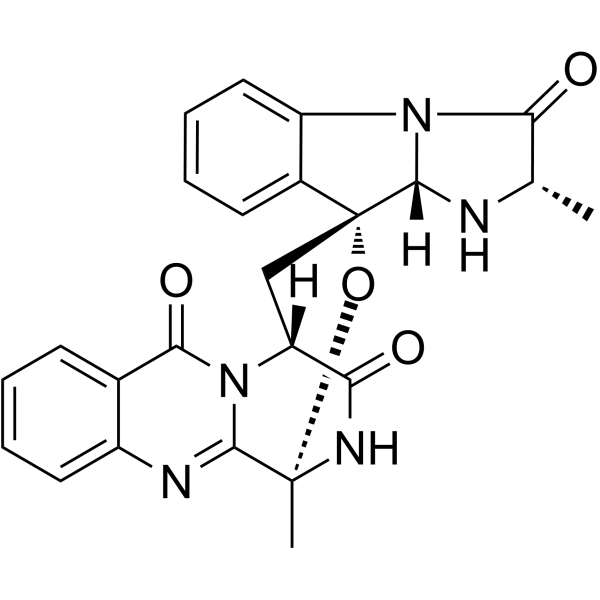 0 ImagesCat. No.: HY-125523CAS No.: 140715-86-2Fumiquinazoline D, a secondary metabolite, is a mycotoxin.
-
Deoxycholic acid sodium hydrate
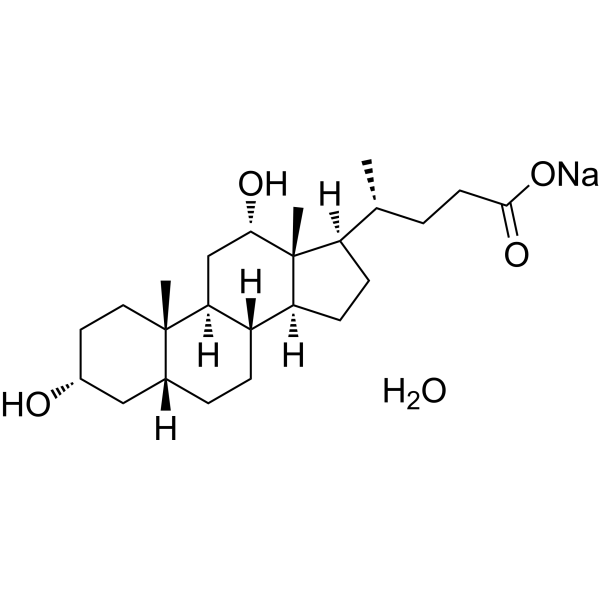 0 ImagesCat. No.: HY-N0593BCAS No.: 145224-92-6Synonyms: Cholanoic Acid sodium hydrate; Desoxycholic acid sodium hydrateDeoxycholic acid (cholanoic acid) sodium hydrate, a bile acid, is a by-product of intestinal metabolism, that activates the G protein-coupled bile acid receptorTGR5.
-
Rostratin C
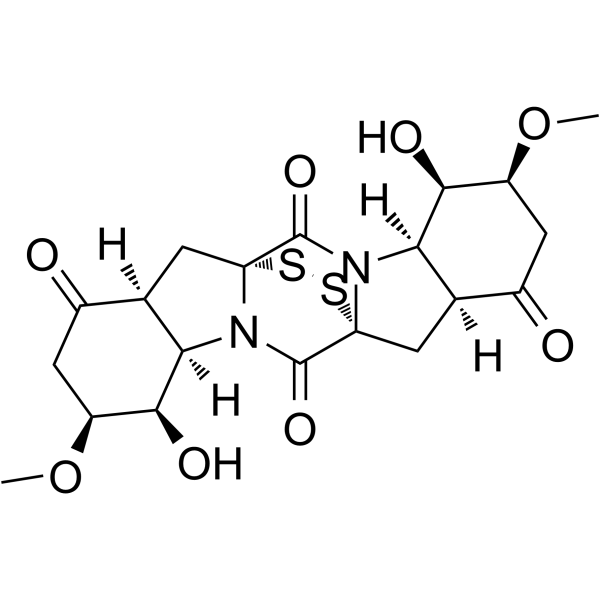 0 ImagesCat. No.: HY-N10205CAS No.: 752236-18-3Rostratin C, a cytotoxic disulfide, shows in vitro cytotoxicity against human colon carcinoma (HCT-116) with IC50 value of 0.76μg /mL.
-
Maximiscin
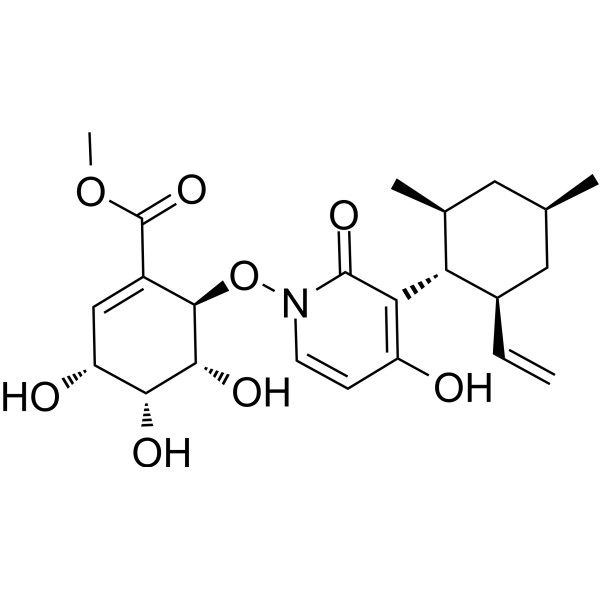 0 ImagesCat. No.: HY-142908CAS No.: 1612154-44-5Maximiscin, a fungal metabolite, induces DNA damage and shows selective cytotoxic activity against a subtype of triple-negative breast cancer.
-
U-62162
 0 ImagesCat. No.: HY-N21846CAS No.: 82516-67-4U-62162 is an Antibiotic. U-62162 is found in Streptomyces verdensis. U-62162 inhibits the growth of Gram-positive bacteria. U-62162 exhibits no in vivo protective effect in animals with experimental S. aureus infection.
-
MBL-1
 0 ImagesCat. No.: HY-N6189CAS No.: 1815632-13-3MBL-1 is an orally active anti-inflammatory agent. MBL-1 can be isolated from the fermentation broth of Aspergillus sp. derived from gorgonians. MBL-1 inhibits the activity of the hCOX-2 protein with an IC50 of 5.77 μM. MBL-1 reduces the production of key pro-inflammatory mediators such as NO, ROS, IL-1β and IL-18 by inhibiting the MAPK/NF-κB and NLRP3 signaling pathways. MBL-1 exerts a protective effect against DSS-induced colitis. MBL-1 can be used for the research of ulcerative colitis.
-
TMC-205
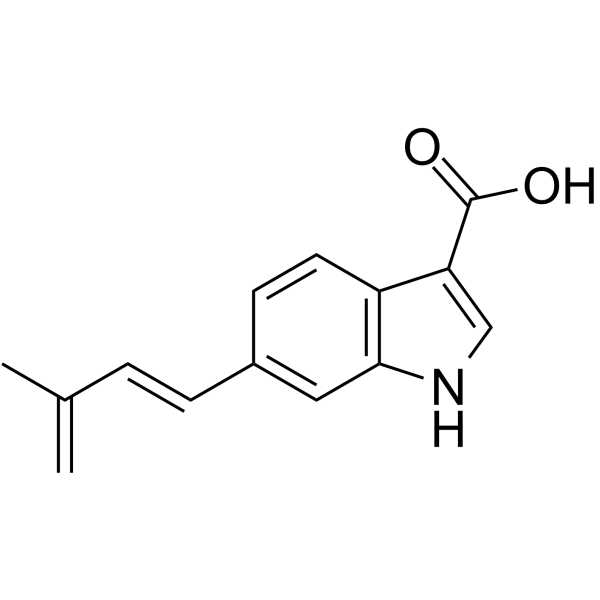 0 ImagesCat. No.: HY-114646CAS No.: 403646-00-4
-
Spirolaxine
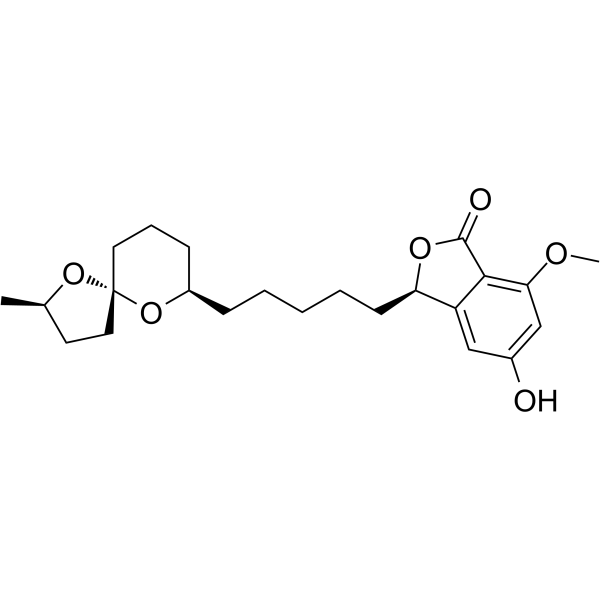 0 ImagesCat. No.: HY-117760CAS No.: 126382-01-2Spirolaxine is a plant growth inhibitor and possess significant anti-Helicobacter pylori activity. Spirolaxine exhibits cholesterol-lowering activity.
-
Beauverolide Ka
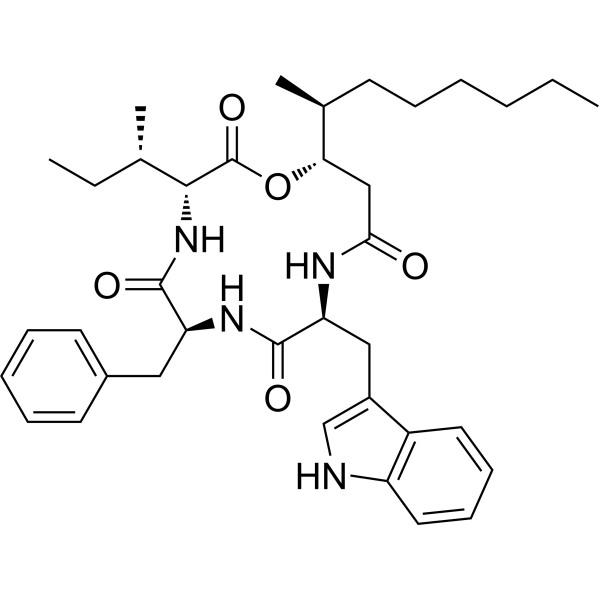 0 ImagesCat. No.: HY-142088CAS No.: 76265-42-4Beauverolide Ka, a cyclotetradepsipeptide, is a metabolite of Beauveria bassiana fungus. Beauverolide Ka stimulates glucose uptake in cultured rat L6 myoblasts at 50 μM. Beauverolide Ka exhibits protecting effects on HEI-OC1 cells at 10 μM and shows dose-dependent activity in both L6 myoblasts and myotubes.
-
Neohydroxyaspergillic acid
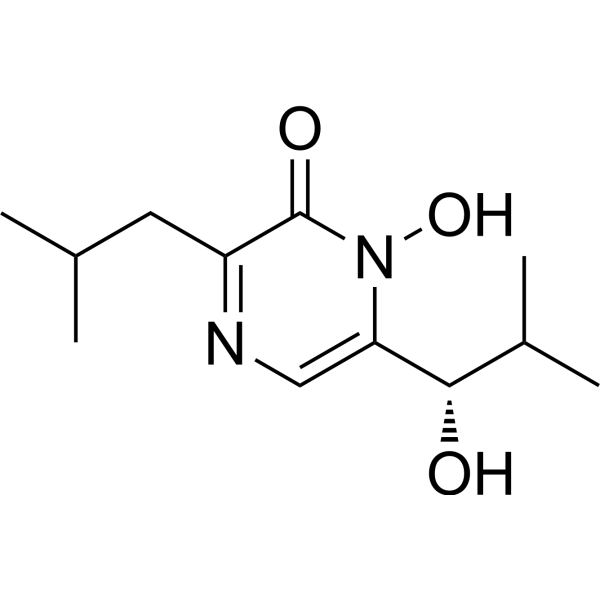 0 ImagesCat. No.: HY-126867CAS No.: 72598-34-6Neohydroxyaspergillic acid, an antibiotic, is active against some bacteriophages.
-
Banksialactone A
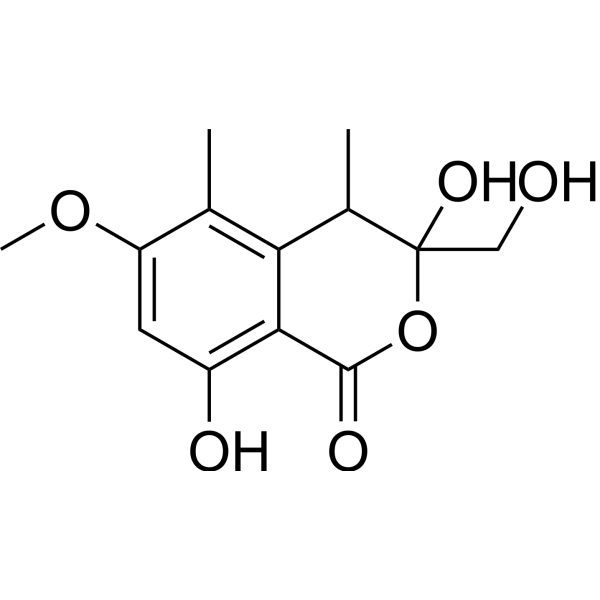 0 ImagesCat. No.: HY-N8552CAS No.: 1135775-06-2Banksialactone A is the metabolite of an Australian fungus, Aspergillus banksianus.
-
Salbostatin
 0 ImagesCat. No.: HY-N21814CAS No.: 128826-89-1Salbostatin is a competitive Trehalase inhibitor, with an IC50 of 8.3 μM against silkworm trehalase and a Ki of 180 nM against porcine trehalase. Salbostatin is isolated from Streptomyces albus. Salbostatin shows no antibacterial activity, and does not inhibit porcine intestinal mucosa sucrase (EC 3.2.1.26) or maltase (EC 3.2.1.20). Salbostatin can be used in studies related to the development of plant protectants.
-
Sodium acetate trihydrate, United States Pharmacopeia (USP) Reference Standard
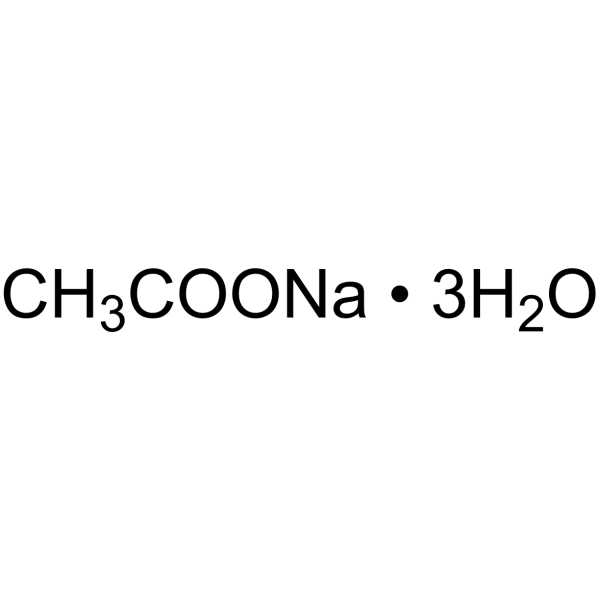 0 ImagesSynonyms: Sodium acetate trihydrate (Pharmaceutical primary standard, USP)Sodium acetate trihydrate, United States Pharmacopeia (USP) Reference Standard (Sodium acetate trihydrate (Pharmaceutical primary standard, USP)) is a carboxylic acid and short-chain fatty acid (SCFAs). Sodium acetate trihydrate activates AMPK, increases ROS, cleaved caspase 9, PPARα, downregulates SREBP-1c, ChREBP expression. Sodium acetate trihydrate exhibits antifungal activity against Saccharomyces cerevisiae W303-1A. Sodium acetate trihydrate regulates energy metabolism. Sodium acetate trihydrate has anticancer activity against gastric cancer. Sodium acetate trihydrate induces writhing reaction and ulcerative colitis. Sodium acetate trihydrate can be used in the researches for gastric cancer, ulcerative colitis, hepatic steatosis, and pain.
-
Fumonisin B3-13C34-1
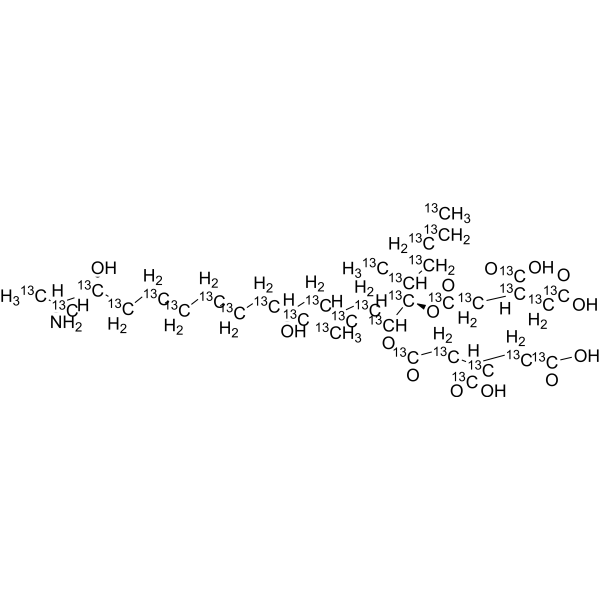 0 ImagesCat. No.: HY-N6726S1CAS No.: 1217494-88-6Fumonisin B3-13C34-1 is the isotopic internal standard of Fumonisin B3 (HY-N6726). Fumonisin B3 is an orally active fumonisin Mycotoxin. Fumonisin B3 can be isolated from Fusarium moniliforme, Fusarium proliferatum and Fusarium nygamai. Fumonisin B3 induces precancerous lesions, triggers embryonic death of chicken embryos, causes severe hemorrhage in dead chicken embryos. Fumonisin B3 can be used in studies related to hepatocellular carcinoma.
-
Butyrolactone II
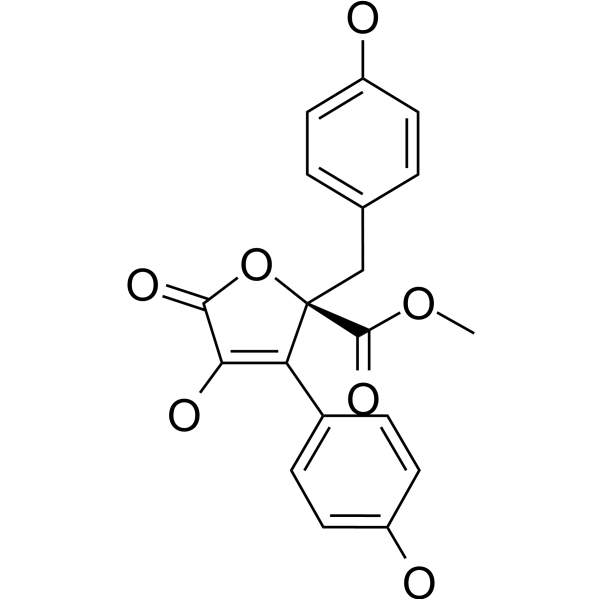 0 ImagesCat. No.: HY-111238CAS No.: 87414-44-6Butyrolactone II is a fungal metabolite isolated from Aspergillus flavipes.
-
5,8-Epidioxyergosta-6,9(11),22-trien-3-ol
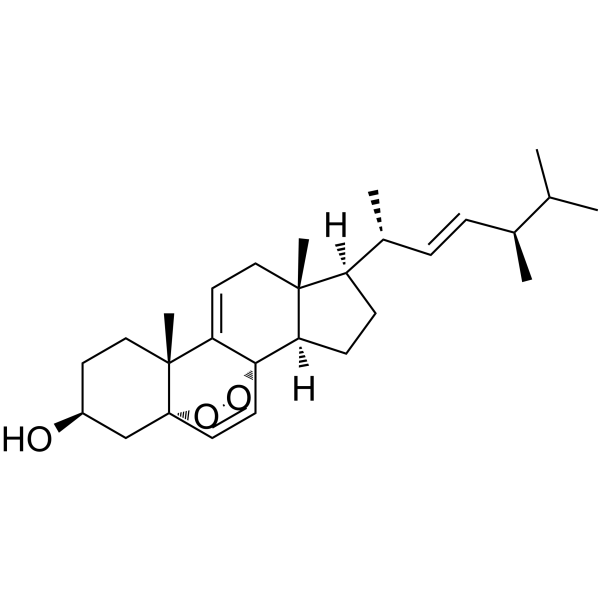 0 ImagesCat. No.: HY-N7175CAS No.: 86363-50-0Synonyms: 9,11-Dehydroergosterol peroxide; 9(11)-DHEP5,8-Epidioxyergosta-6,9(11),22-trien-3-ol (9,11-Dehydroergosterol peroxide), an important steroid from medicinal mushroom, exerts antitumor activity in several tumor types. 5,8-Epidioxyergosta-6,9(11),22-trien-3-ol inhibits HT29 cell growth by inducing CDKN1A expression, thus causing cell cycle arrest and apoptosis.
-
Rapamycin-13C,d3-1
 0 ImagesCat. No.: HY-W765245Synonyms: Sirolimus-13C,d3-1; AY-22989-13C,d3-1Rapamycin-13C,d3-1 (Sirolimus-13C,d3-1) is the deuterated, 13C-labeled Rapamycin (HY-10219). Rapamycin (Sirolimus; AY 22989) is a potent and specific blood-brain barrier-transmissible mTOR inhibitor with an IC50 of 0.1 nM in HEK293 cells. Rapamycin is a molecular glue that binds FKBP12 and mTOR proteins together, thereby inhibiting mTOR kinase activity. Rapamycin binds to FKBP12 and specifically acts as an allosteric inhibitor of mTORC1. Rapamycin is an autophagy activator, an immunosuppressant.
-
Erinacine Q
 0 ImagesCat. No.: HY-N21649CAS No.: 435306-99-3Erinacine Q is a cyathane diterpenoid compound. Erinacine Q is produced by the mycelium of H. erinaceum. Erinacine Q serves as the direct substrate for the biosynthesis of Erinacine P (HY-N11019). Erinacine Q is used in the study of peripheral nerve injury.
-
3,4-Dimethoxyphenylacetic acid (Standard)
 0 Images3,4-Dimethoxyphenylacetic acid (Standard) is the analytical standard of 3,4-Dimethoxyphenylacetic acid (HY-Y0771). This product is intended for research and analytical applications. 3,4-Dimethoxyphenylacetic acid is a phenylacetic acid class urinary metabolite of 3,4-dimethoxyphenethylamine and also a building block in chemical synthesis. 3,4-Dimethoxyphenylacetic acid is produced by the gut microbiota during colonic fermentation of phenolic compounds from Achillea millefolium L. and Origanum majorana L. 3,4-Dimethoxyphenylacetic acid can be used in studies related to gut microbiota metabolism.
-
(S)-3-Hydroxyhexanoyl-CoA
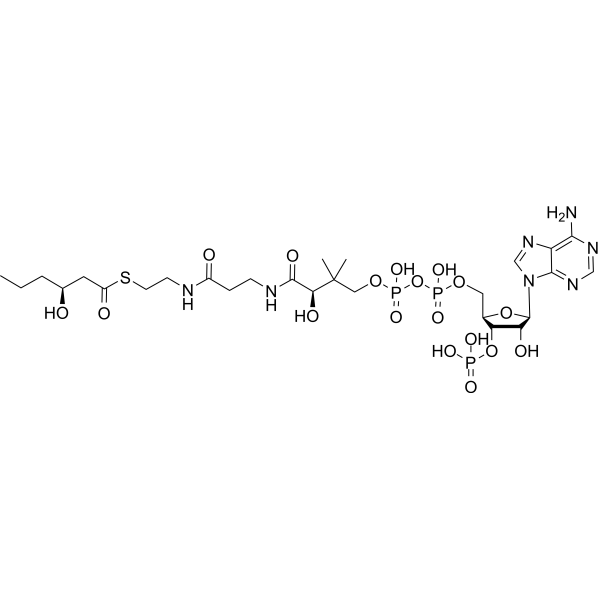 0 ImagesCat. No.: HY-E70247CAS No.: 79171-47-4Synonyms: L-3-Hydroxyhexanoyl-CoA(S)-3-Hydroxyhexanoyl-CoA (L-3-Hydroxyhexanoyl-CoA) is a hydroxy fatty acyl-CoA.



