



Potassium Channel
KcsA
Potassium channels are the most widely distributed type of ion channel and are found in virtually all living organisms. They form potassium-selective pores that span cell membranes. Potassium channels are found in most cell types and control a wide variety of cell functions. Potassium channels function to conduct potassium ions down their electrochemical gradient, doing so both rapidly and selectively. Biologically, these channels act to set or reset the resting potential in many cells. In excitable cells, such asneurons, the delayed counterflow of potassium ions shapes the action potential. By contributing to the regulation of the action potential duration in cardiac muscle, malfunction of potassium channels may cause life-threatening arrhythmias. Potassium channels may also be involved in maintaining vascular tone.
All Product Categories
-
Potassium Channel Inhibitors
(686)
View all products
-
Potassium Channel Agonists
(31)
View all products
-
Potassium Channel Antagonists
(39)
View all products
-
Potassium Channel Activators
(243)
View all products
-
Potassium Channel Modulators
(44)
View all products
-
Potassium Channel Chemical
(1)
View all products
-
Potassium Channel Controls
(11)
View all products
-
Potassium Channel Related Products (1149)
Related Products (1149)

-
Antibodies (6)
-
Related Compound Screening Libraries (1)
-
QO 58
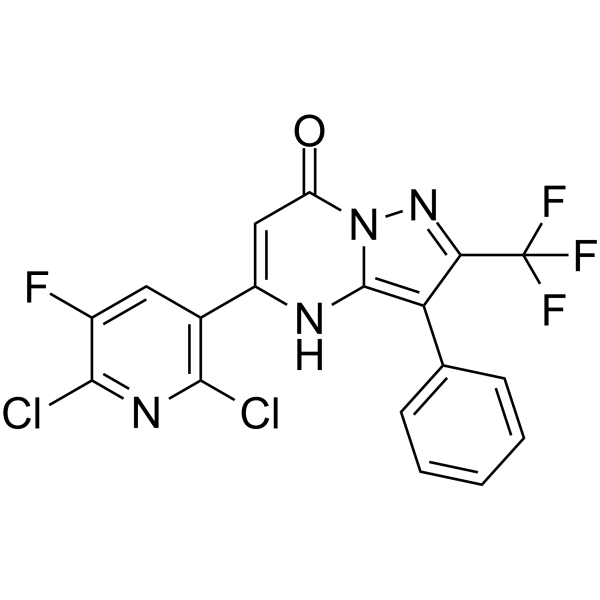 0 ImagesQO 58 is a potent modulator of K(v)7 channels. QO-58 increases the current amplitudes, shifts the voltage-dependent activation curve in a more negative direction and slows the deactivation of K(v)7.2/K(v)7.3 currents. QO-58 has the potential for the research of diseases associated with neuronal hyperexcitability.
-
Rosuvastatin Calcium (Standard)
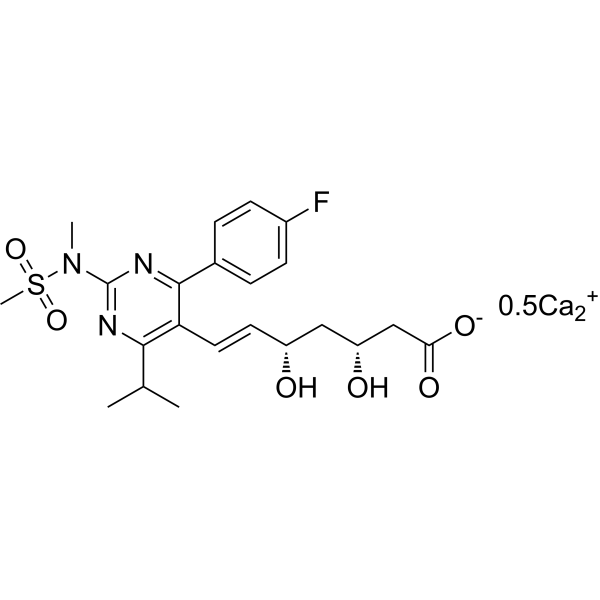 0 ImagesSynonyms: Rosuvastatin hemicalcium (Standard); ZD 4522 Calcium (Standard)Rosuvastatin (Calcium) (Standard) is the analytical standard of Rosuvastatin (Calcium). This product is intended for research and analytical applications. Rosuvastatin Calcium is a competitive HMG-CoA reductase (HMGCR) inhibitor, with an IC50 of 11 nM. Rosuvastatin Calcium potently blocks hERG current with an IC50 of 195 nM. Rosuvastatin Calcium reduces the expression of the mature hERG and the interaction of heat shock protein 70 (Hsp70) with the hERG protein. Rosuvastatin Calcium effectively lowers low-density lipoprotein (LDL) cholesterol, triglycerides, and C-reactive protein levels.
-
VU041
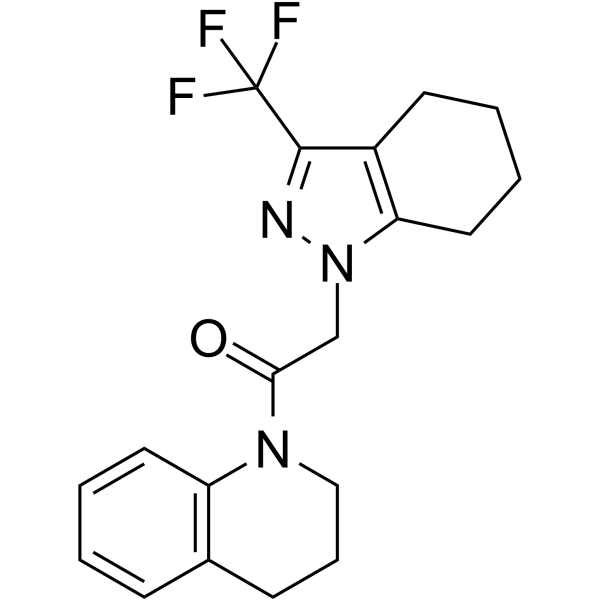 0 ImagesVU041 is a first submicromolar-affinity inhibitor of Anopheles (An.) gambiae and Aedes (Ae.) aegypti inward rectifier potassium 1 (Kir1) channels with IC50 values of 2.5 μM and 1.7 μM, respectively. VU041 inhibits appreciably is mammalian Kir2.1 (IC50 of 12.7 μM), and has less inhibitory effect on mammalian Kir1.1, Kir4.1, Kir6.2/SUR1, and Kir7.1. VU041 also induces impaired Malpighian tubule function.
-
Rosuvastatin-d3 sodium
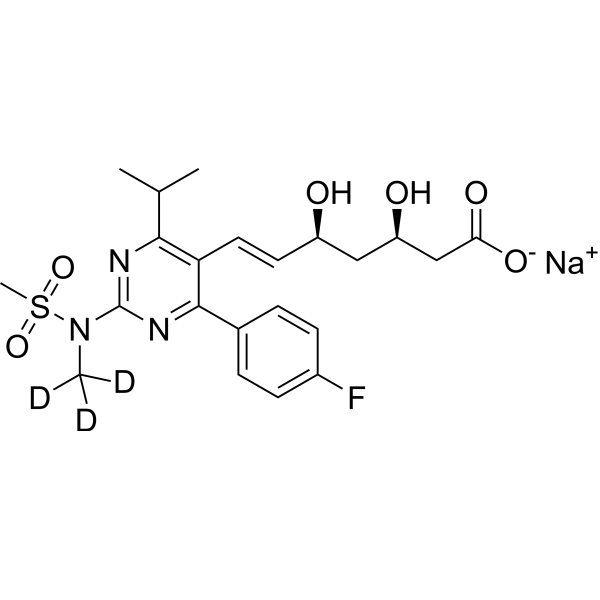 0 ImagesRosuvastatin-d3 sodium is the deuterated-labeled Rosuvastatin Sodium (HY-17504B). Rosuvastatin Sodium is a competitive HMG-CoA reductase (HMGCR) inhibitor, with an IC50 of 11 nM. Rosuvastatin Sodium potently blocks hERG current with an IC50 of 195 nM. Rosuvastatin Sodium reduces the expression of the mature hERG and the interaction of heat shock protein 70 (Hsp70) with the hERG protein. Rosuvastatin Sodium effectively lowers low-density lipoprotein (LDL) cholesterol, triglycerides, and C-reactive protein levels.
-
Guangxitoxin 1E TFA
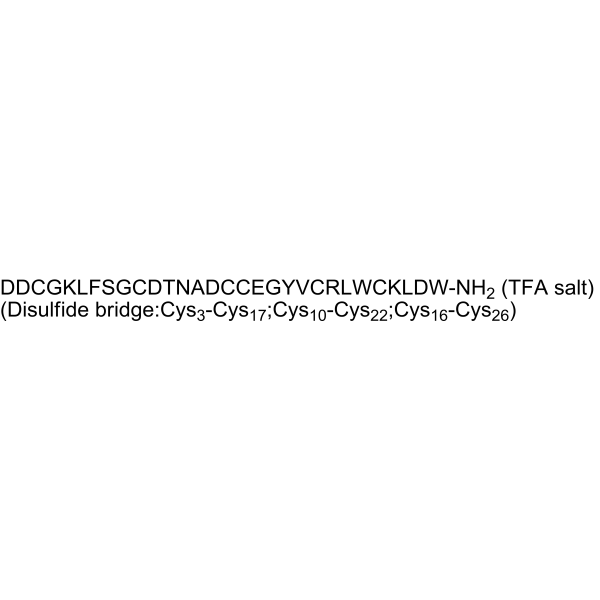
 0 ImagesCat. No.: HY-P1427AGuangxitoxin 1E TFA is the TFA salt form of Guangxitoxin 1E (HY-P1427). Guangxitoxin 1E TFA is a peptide toxin and a selective inhibitor for voltage-gated potassium channel KV2.1 and KV2.2 with IC50 of 1-3 nM. Guangxitoxin 1E TFA enhances glucose-stimulated intracellular calcium ion oscillations and increases insulin secretion in a glucose-dependent manner.
-
Flindokalner
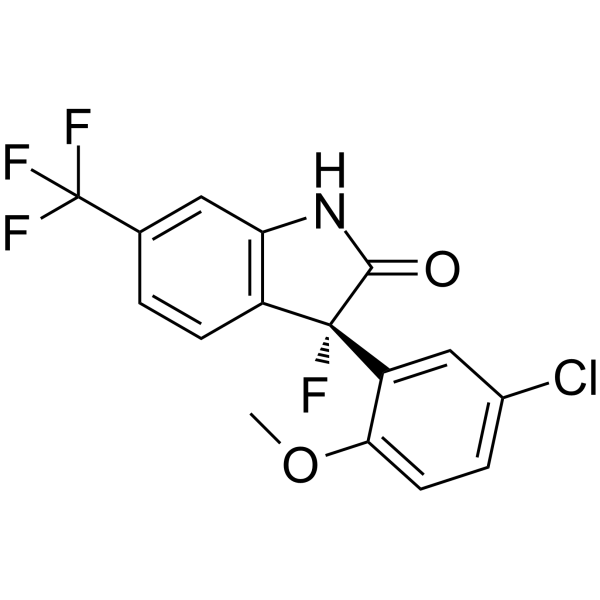 0 ImagesSynonyms: BMS-204352Flindokalner (BMS-204352) is a potassium channel modulator. Flindokalner is a positive modulator of all neuronal Kv7 channel subtypes expressed in HEK293 cells. Flindokalner is also a large conductance calcium-activated K channel (BKca) positive modulator. Flindokalner shows a negative modulatory activity at Kv7.1 channels (Ki=3.7 μM), and acts as a negative modulator of GABAA receptors. Flindokalner shows anxiolytic efficacy in vivo.
-
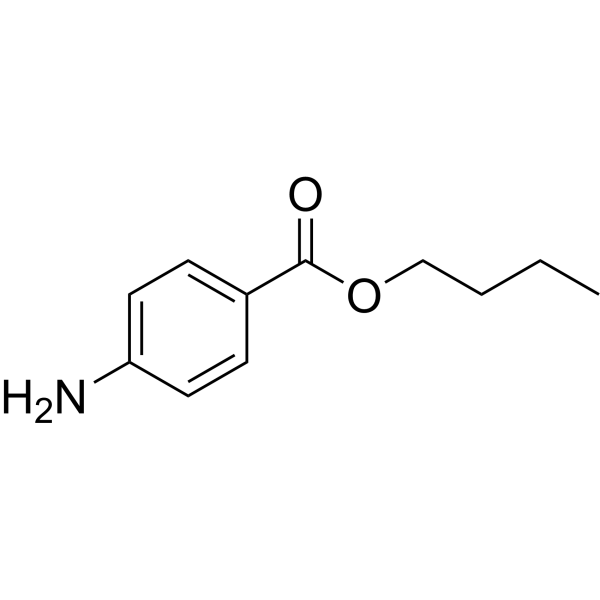
Quinine sulfate hydrate
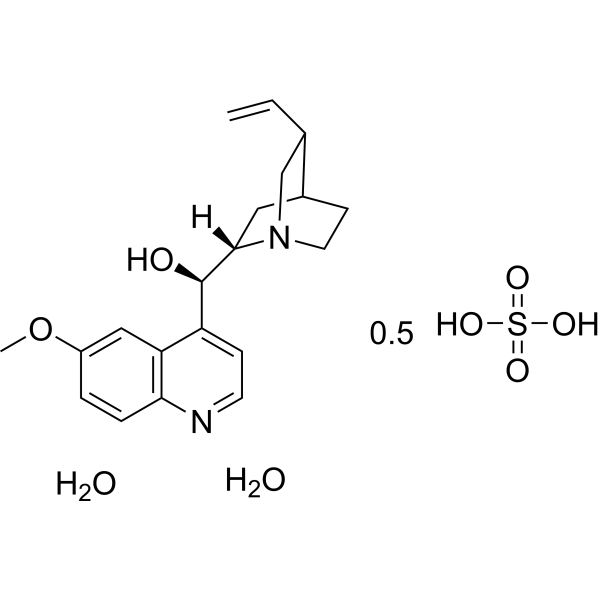 0 ImagesQuinine sulfate hydrate (2:1:4) is an orally active alkaloid extracted from cinchona bark and can be used in anti-malarial studies. Quinine sulfate hydrate (2:1:4) is a potassium channel inhibitor that inhibits WT mouse Slo3 (KCa5.1) channel currents evoked by voltage pulses to +100 mV with an IC50 of 169 μM.
-
NS3623
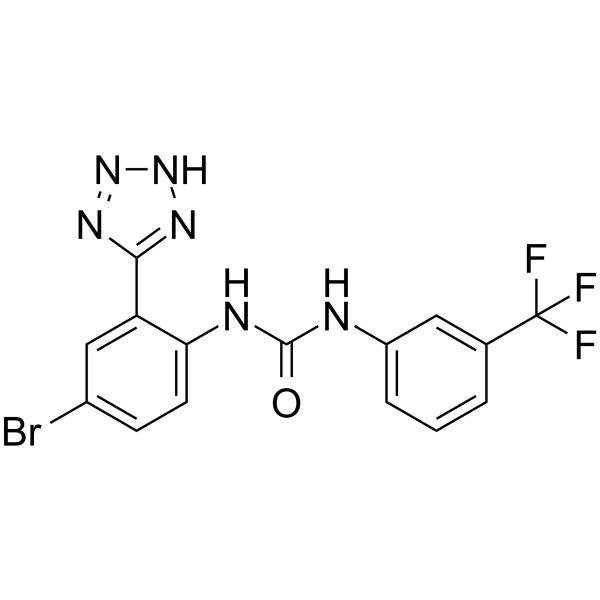 0 ImagesNS3623 is an activator of human ether-a-go-go-related gene (hERG1/KV11.1) potassium channels. NS3623 activates the IKr and Ito currents and has antiarrhythmic effect. NS3623 has a dual mode of action, being an inhibitor of hERG1 channels.
-
Drofenine hydrochloride
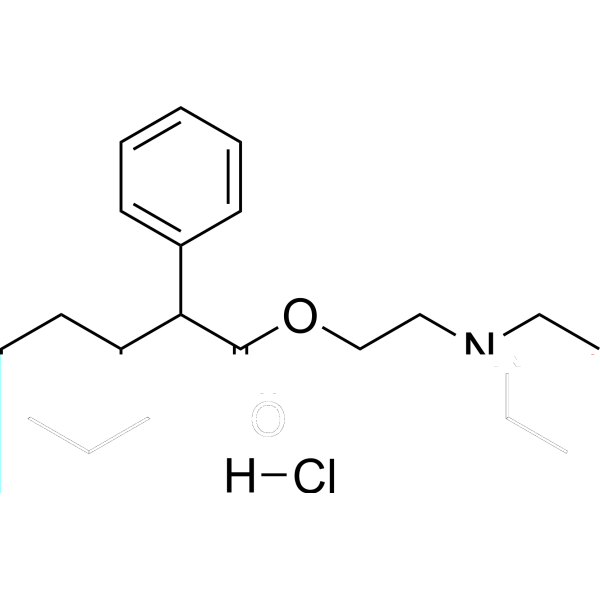 0 ImagesDrofenine (Cycloadiphene; Hexahydroadiphenine) hydrochloride is an brain-penetrant antispasmodic agent. Drofenine hydrochloride is a Kv2.1 channel inhibitor with human IC50 of 9.53 μM. Drofenine hydrochloride is a butyrylcholinesterase (BChE) inhibitor with Ki of 0.003 mM, and is a TRPV3 activator. Drofenine hydrochloride blocks Kv2.1-dependent potassium efflux, inhibits Kv2.1/JNK/NF-κB and IkBa/NF-kB signaling, suppresses Kv2.1 mRNA/protein expression. Drofenine suppresses oligomeric Aβ-induced microglial NLRP3 inflammasome activation and neuronal Tau hyperphosphorylation, improves cognitive impairment, promotes neurite outgrowth. Drofenine hydrochloride induces calcium influx in keratinocytes and exert cytotoxicity against keratinocytes. Drofenine hydrochloride ameliorates diabetic peripheral neuropathy -like pathology. Drofenine hydrochloride can be used for the researches of Alzheimer's disease, diabetic peripheral neuropathy and smooth muscle spasm.
-
Cromakalim
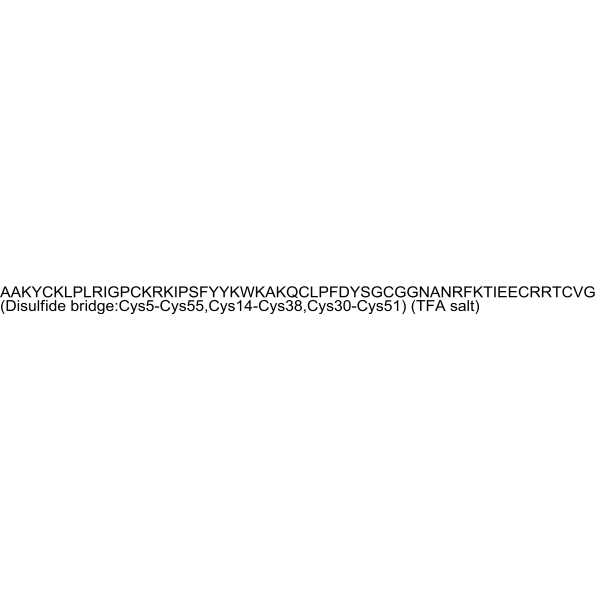
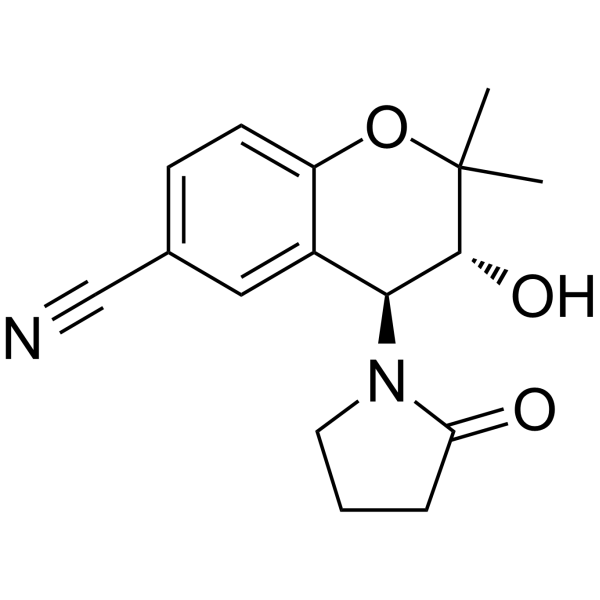 0 ImagesSynonyms: BRL 34915Cromakalim is a potassium channel opener. Cromakalim can be used as a bronchodilator in asthma. Cromakalim inhibits the spontaneous tone of human isolated bronchi in a concentration-related manner being nearly as effective as isoprenaline or theophylline.
-
UCL 1684 dibromide
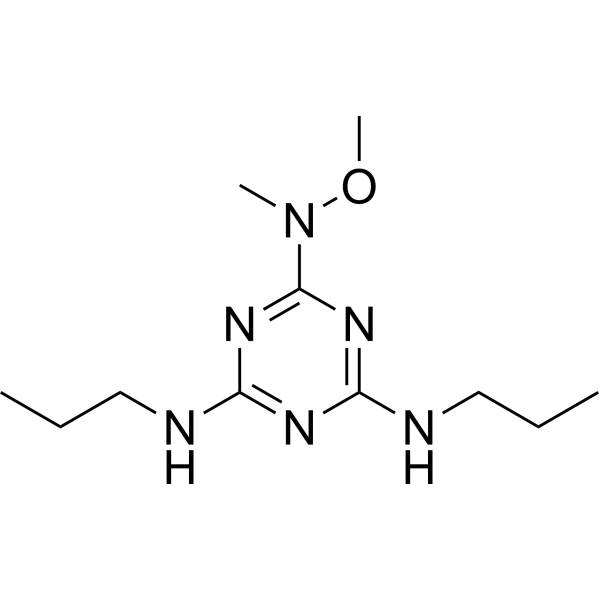
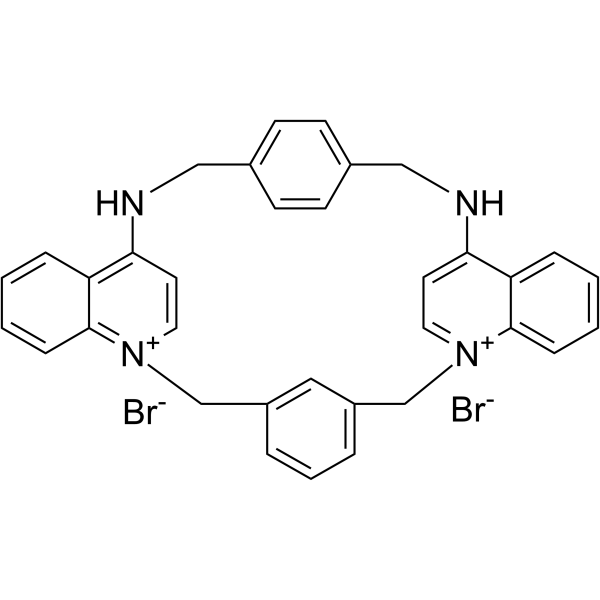 0 ImagesUCL 1684 (dibromide) is a first nanomolar, non-peptidic small conductance calcium-activated potassium (SK) channel blocker. UCL 1684 (dibromide) is effective in preventing the development of atrial fibrillation due to potent atrial-selective inhibition of INa. UCL 1684 (dibromide) causes atrial-selective prolongation of ERP secondary to induction of postrepolarization refractoriness.
-
Spadin TFA
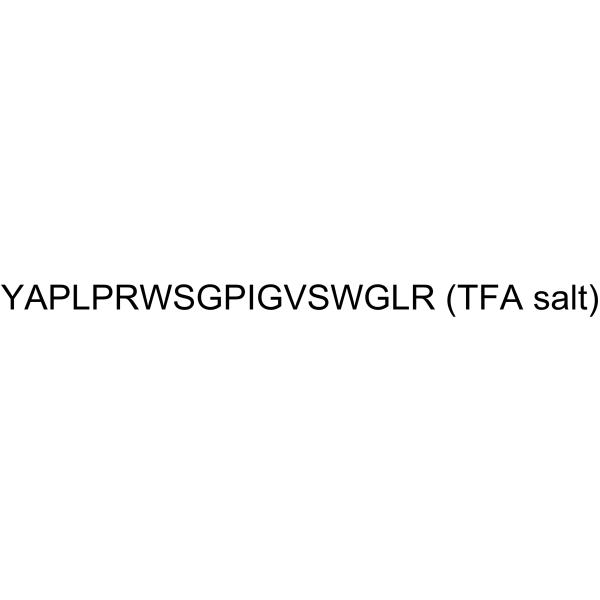 0 ImagesCat. No.: HY-P1422APurity: 99.73%Spadin TFA, a natural peptide derived from a propeptide released in blood, is a potent TREK-1 channel blocker with an IC50 value of 10 nM. Spadin TFA enhances dorsal raphe nucleus 5-HT neurotransmission in mice and induces hippocampal CREB activation and neurogenesis. Spadin TFA can be used for antidepressant research.
-
VU590
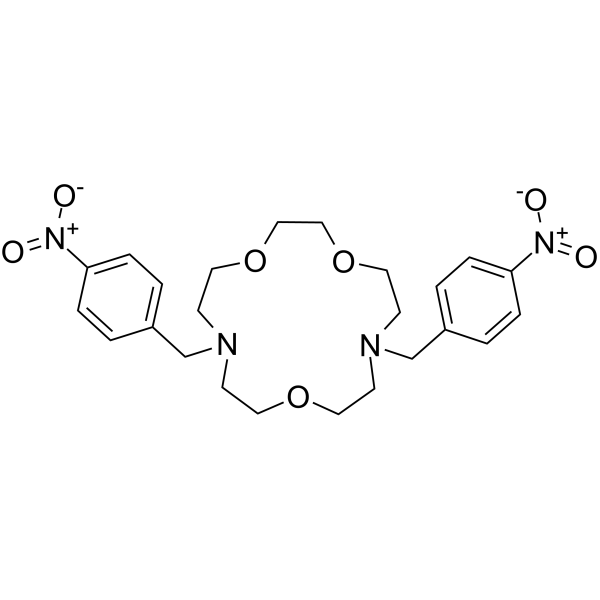 0 ImagesVU590 is a potent and moderately selective ROMK (Kir1.1) inhibitor, with an IC50 of 290 nM. VU590 also inhibits Kir7.1, with an IC50 of 8 μM. VU590 is not a good probe of ROMK function in the kidney.
-
Uridine 5'-monophosphate-13C9,15N2 disodium
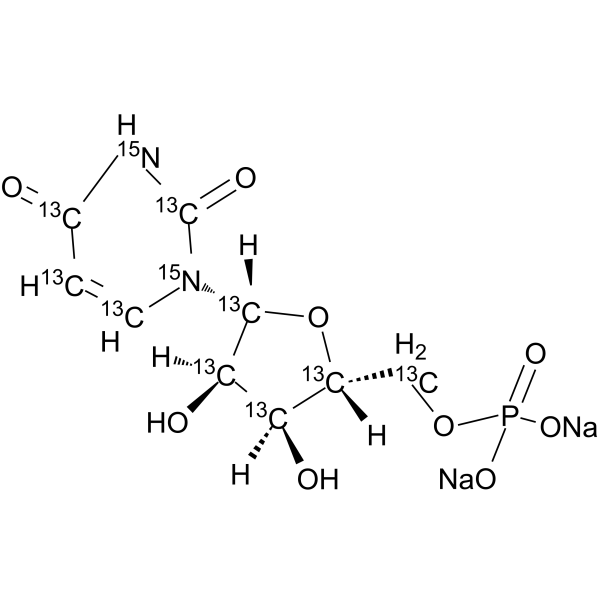 0 ImagesCat. No.: HY-W013175S2Purity: 99.77%Synonyms: 5'-Uridylic acid-13C9,15N2 disodiumUridine 5'-monophosphate-13C9,15N2 disodium is the 13C and 15N labeled Uridine 5'-monophosphate disodium salt (HY-W013175). Uridine 5'-monophosphate (5'-Uridylic acid) disodium salt is an orally active mitochondrial ATP-dependent potassium channel activator that has a protective effect on the heart. Uridine 5'-monophosphate disodium salt can promote the synthesis of CDP-choline and induce apoptosis in intestinal epithelial cells, which is beneficial for gut development and reduces diarrhea.
-
1,2,4-Trihydroxybenzene
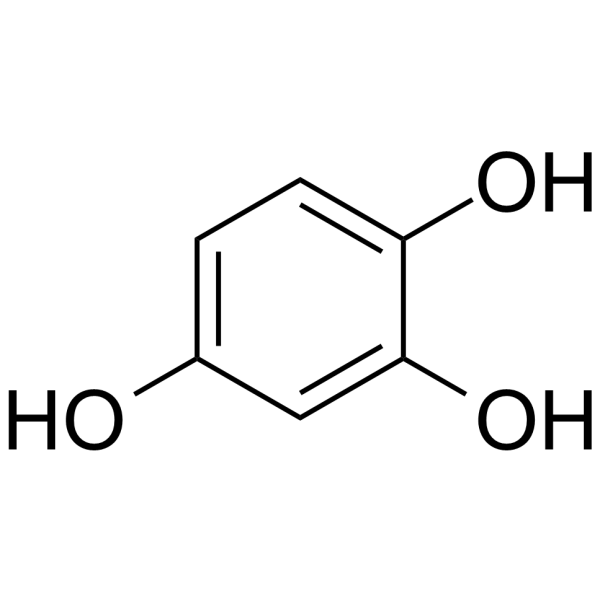 0 ImagesSynonyms: Hydroxyhydroquinone1,2,4-Trihydroxybenzene (Hydroxyhydroquinone) is an ER stress inducer that targets proteins such as PKR-like ER kinase PERK to induce cytotoxicity. 1,2,4-Trihydroxybenzene selectively activates eIF2α phosphorylation, activates the PERK-eIF2α signaling pathway and induces stress granule formation. 1,2,4-Trihydroxybenzene subsequently exacerbates oxidative stress and causes DNA double-strand breaks, destroying organelles such as mitochondria and ER, and inducing cell death. 1,2,4-Trihydroxybenzene also has the potential to exhibit anti-tumor effect, increase blood pressure, and relieve spasm.




