



TGF-β Receptor
Transforming growth factor beta receptors
TGF-β receptors (Transforming growth factor-β receptors) are single pass serine/threonine kinase receptors. Transforming growth factor beta (TGF-beta) is a member of a large family of pleiotropic cytokines that are involved in many biological processes, including growth control, differentiation, migration, cell survival, adhesion, and specification of developmental fate, in both normal and diseased states. TGF-beta superfamily members signal through a receptor complex comprising a type II and type I receptor, both serine/threonine kinases.
The type I receptors, referred to as activin receptor-like kinases (ALK), lie at the epicenter of the signaling cascade as they transduce TGF-beta signals to intracellular regulators of transcription known as Smad proteins. ALKs possess an extracellular binding domain, a transmembrane domain, a GS domain that serves as the site of activation by type II receptors, and a kinase domain that activates downstream signaling molecules. ALKs mediate the effect of TGF-beta superfamily on a variety of cellular processes such as proliferation, differentiation, apoptosis, adhesion and migration, and therefore play important roles in many biological processes. Some ALKs have been implicated in several disorders, including tumorigenesis and immune diseases, suggesting that these receptors can be used as drug targets.
TGF-β Receptor Isoform Specific Products
-
TGF-β Receptor
(208)
View all products
-
ALK1
(9)
View all products
-
ALK2
(31)
View all products
-
ALK3
(12)
View all products
-
ALK4
(10)
View all products
-
ALK5
(31)
View all products
-
ALK6
(7)
View all products
-
ALK7
(7)
View all products
-
TGFβR2
(6)
View all products
-
ACVR2A
(5)
View all products
-
ACVR2B
(3)
View all products
-
BMP
(1)
View all products
-
GDF15
(12)
View all products
All Product Categories
-
TGF-β Receptor Inhibitors
(234)
View all products
-
TGF-β Receptor Agonists
(10)
View all products
-
TGF-β Receptor Antagonists
(9)
View all products
-
TGF-β Receptor Activators
(21)
View all products
-
TGF-β Receptor Modulators
(2)
View all products
-
TGF-β Receptor Inducer
(1)
View all products
-
TGF-β Receptor Degraders
(2)
View all products
-
TGF-β Receptor Controls
(6)
View all products
-
TGF-beta Receptor Proteins
(22)
View all products
-
ALK-3 Proteins
(4)
View all products
-
ALK-6 Proteins
(3)
View all products
-
BMP Type II Receptor (BMPR2) Proteins
(5)
View all products
-
ALK-2/ACVR1 Proteins
(14)
View all products
-
ALK-4/Activin RIB Proteins
(7)
View all products
-
ALK-7 Proteins
(6)
View all products
-
Activin A Receptor Type 2A (ACTR-IIA) Proteins
(9)
View all products
-
Activin A Receptor Type 2B (ACVR2B) Proteins
(10)
View all products
-
ALK-1/ACVRL1 Proteins
(9)
View all products
-
Anti-Muellerian Hormone Type-2 Receptor (AMHR2) Proteins
(8)
View all products
-
TGF-β Receptor 1 Proteins
(6)
View all products
-
TGF-beta Receptor 2 Proteins
(12)
View all products
-
Type III TGF-β Receptor Proteins
(3)
View all products
-
ALK-3/CD292 Proteins
(4)
View all products
-
TGF-β Receptor Related Products (332)
Related Products (332)

-
Recombinant Proteins (97)
-
Antibodies (16)
-
TGF-β Receptor Isoform Comparison
-
Stamulumab
 0 ImagesCat. No.: HY-P99588CAS No.: 705287-60-1Synonyms: MYO-029Stamulumab (MYO-029) is a recombinant human IgG1λ antibody that binds to myostatin and neutralizes its activity by preventing binding to its endogenous high-affinity receptor ActRIIB. Stamulumab leads to muscle fiber hypertrophy and not hyperplasia in SCID mice. Stamulumab has the potential for Becker muscular dystrophy (BMD), facioscapulohumeral dystrophy (FSHD), and limb-girdle muscular dystrophy (LGMD) research.
-
IN-1130
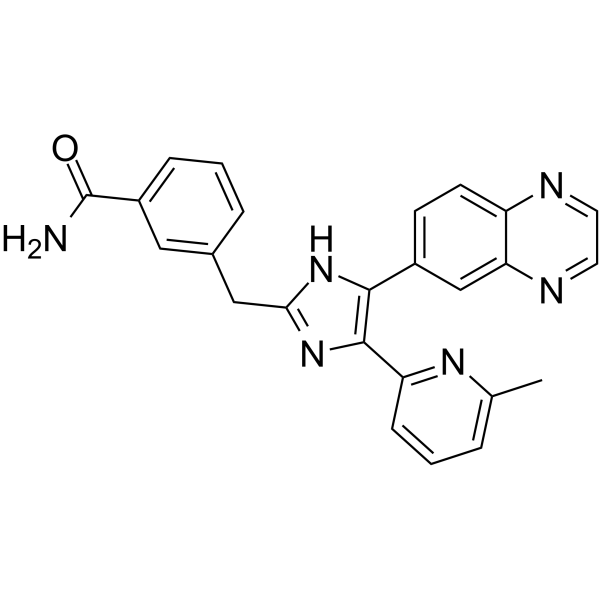 0 ImagesIN-1130 is a highly selective transforming growth factor-β type I receptor kinase (ALK5) inhibitor with an IC50 of 5.3 nM for ALK5-mediated Smad3 phosphorylation. IN-1130 inhibits ALK5 phosphorylation of casein (IC50=36 nM) and p38α mitogen-activated protein kinase (IC50=4.3 μM). IN-1130 suppresses renal fibrosis in obstructive nephropathy and blocks breast cancer lung metastasis.
-
NGM-120
 0 ImagesCat. No.: HY-P990635Purity: 99.28%NGM-120 is a fully humanized IgG1 monoclonal antibody targeting GFRAL, which functions by blocking the GDF15-GFRAL axis. NGM-120 reduces serum GDF15 levels, increases body weight, expands central memory and proliferative CD8+ T cell populations, and decreases immunosuppressive and naive regulatory T cell populations. NGM-120 can be used for research on advanced prostate cancer.
-
LDN193189 hydrochloride
 0 ImagesSynonyms: DM-3189 hydrochlorideLDN193189 (DM-3189) hydrochloride is a potent selective BMP type I receptor (BMP I) inhibitor. LDN193189 efficiently inhibits transcriptional activity of the BMP type I receptors ALK2 and ALK3 with IC50 values of 5 nM and 30 nM, respectively. LDN193189 can be used for the research of bone morphogenetic protein signalling, such as fibrodysplasia ossificans progressiva.
-
Unasnemab
 0 ImagesSynonyms: MT-3921; rH116A3Unasnemab (MT-3921) is a humanised IgG1 monoclonal antibody that binds to repulsive guidance molecule A (RGMa). Unasnemab improves locomotor function and promotes neuroregeneration. Unasnemab exerts ameliorative effects on hippocampal neurogenesis impairment and cognitive decline in db/db mice, Streptozotocin (STZ) (HY-13753)-induced type 1 diabetic and bilateral common carotid artery stenosis (BCAS)-induced mice. Unasnemab can be used for the research of spinal cord injury, diabetes-induced neurological impairments.
-
ALK5-IN-8
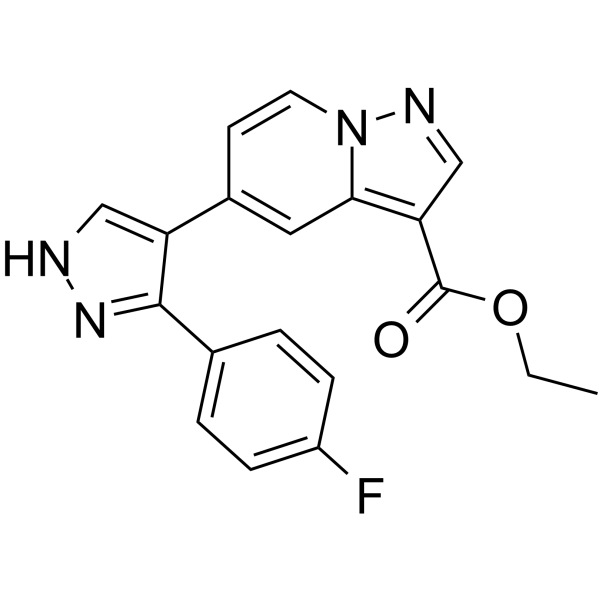 0 ImagesALK5-IN-8 is a potent inhibitor of TGFβRI (ALK5). ALK5-IN-8 Inhibits the phosphorylation of ALK5 on its downstream signaling proteins (Smad2 or Smad3) by blocking the binding of TGFβRI to ligands, thereby affecting or blocking TGF-β signaling. ALK5-IN-8 has the potential for the research of various ALK5-mediated related diseases (extracted from patent WO2021190425A1, compound 1).
-
Pentachloropseudilin
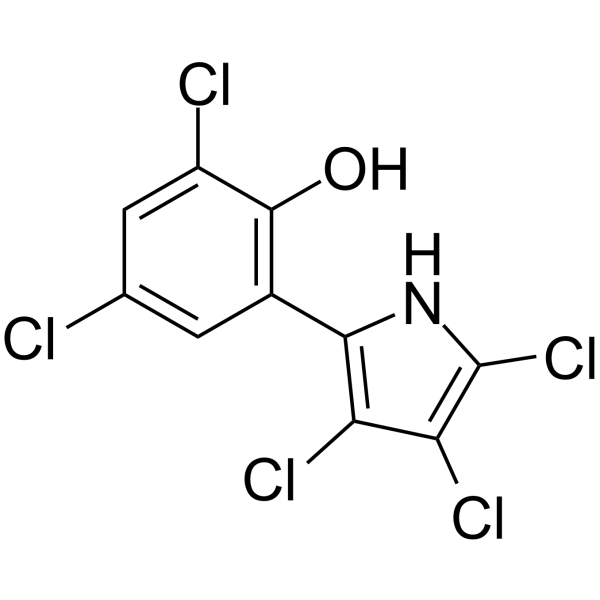 0 ImagesSynonyms: Antibiotic A 15104 Y; PClPPentachloropseudilin (Antibiotic A 15104 Y; PClP) is a reversible and allosteric potent inhibitor of Myo1s (class 1 myosins) with IC50s range from 1 to 5 μM for mammalian class-1 myosins and greater than 90 μM for class-2 and class-5 myosins. Pentachloropseudilin is a potent inhibitor of transforming growth factor-β (TGF-β)-stimulated signaling, with an IC50 of 0.1 to 0.2 μM for TGF-β.
-
Orcinol glucoside
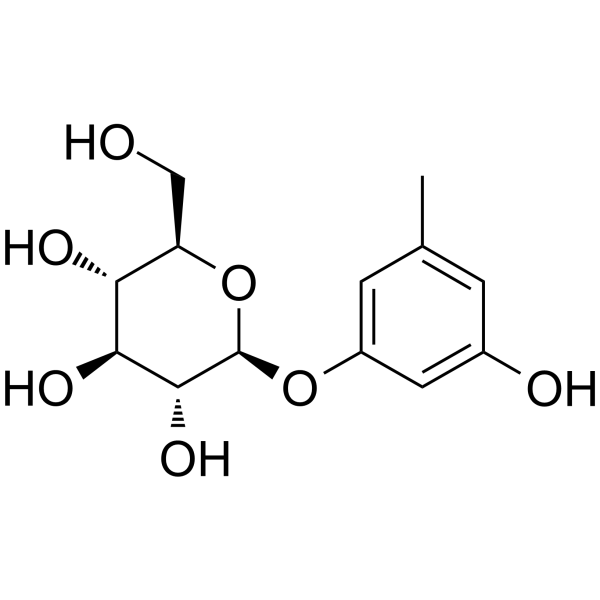 0 ImagesOrcinol glucoside is an orally active, blood-brain barrier permeable osteoblast proliferation promoter that targets the Nrf2/Keap1, mTOR and p38 signaling pathways. Orcinol glucoside promotes Nrf2 nuclear translocation, upregulates antioxidant enzyme levels, enhances the phosphorylation of mTOR and p70S6K, and inhibits the enzymatic activity of HAS2 as well as the nuclear translocation of GR. Orcinol glucoside also alleviates oxidative stress, inhibits autophagic flux, osteoclastogenesis and TGF-β1-induced M2 polarization, while reducing collagen deposition and effectively promoting the proliferation, differentiation and mineralization of osteoblasts. Orcinol glucoside also exhibits anti-pulmonary fibrosis, anxiolytic and antidepressant activities. Orcinol glucoside can be used in the research of senile and glucocorticoid-induced osteoporosis, idiopathic pulmonary fibrosis (IPF), anxiety and other related diseases.
-
NSC 90469
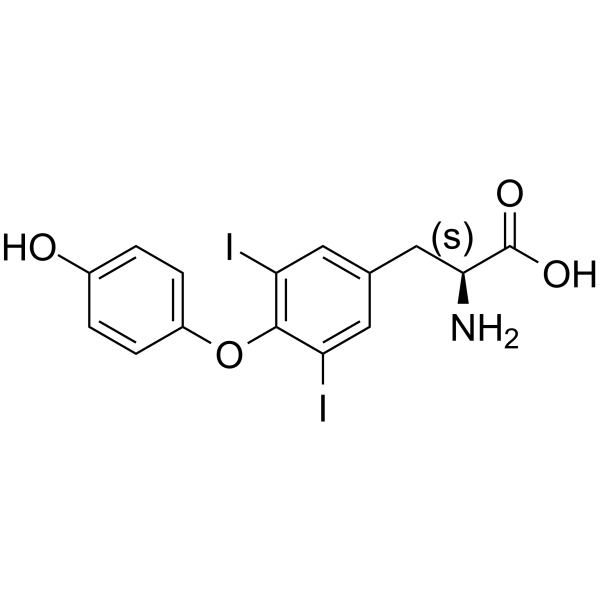 0 ImagesNSC 90469 (3,5-Diiodo-L-thyronine) is an orally active thyroid hormone derivative. NSC 90469 inhibits JNK phosphorylation and NF-κB acetylation, blocks SIRT1 protein expression, induces elevated PGC-1α levels, and stimulates COX activity. NSC 90469 enhances UCP1-mediated thermogenesis, increases hepatic Dio1 activity, inhibits TSH levels and hypothalamic-pituitary-thyroid axis function, enhances lipid metabolism, and regulates energy metabolism via the mitochondrial pathway. NSC 90469 prevents blood glucose reduction, reduces urinary albumin excretion, inhibits renal matrix expansion, decreases TGF-β1 expression, and reduces renal fibronectin and type Ⅳ collagen deposition. NSC 90469 also increases energy expenditure and prevents diet-induced overweight. NSC 90469 can be used in studies related to diabetic nephropathy, hypothyroidism, non-alcoholic fatty liver disease, and diet-induced obesity.
-
Skimmin
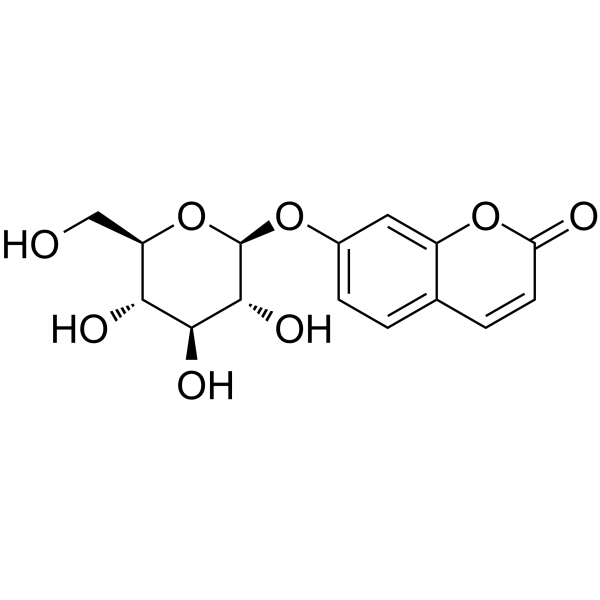 0 ImagesSkimmin (Umbelliferone glucoside) is a major pharmacologically active and orally active molecule present in Hydrangea paniculata, a medical herb used in traditional Chinese medicine as an anti-inflammatory agent. Skimmin has renal protective activity. Skimmin can improve creatinine clearance, and reduce plasma creatinine, and kidney injuries. Skimmin has good anti-amoebic activity against the HM1:IMMS strain of Entamoeba histolytica. Skimmin has anti-cancer and neuroprotective activities. Skimmin reduces cardiac fibrosis as well as decreasing TNF-α, IL-6, IL1β, and TGFβ1 in cardiac tissues. Skimmin can be studied in research for diabetes and diabetes-related diseases.
-
A 83-01 (Standard)
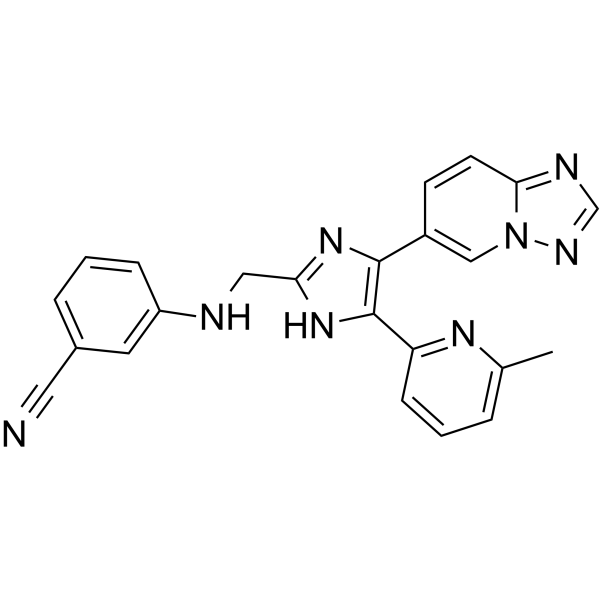
 0 ImagesCat. No.: HY-10432RCAS No.: 909910-43-6A 83-01 (Standard) is the analytical standard of A 83-01 (HY-10432). This product is intended for research and analytical applications. A 83-01 is a potent inhibitor of TGF-β type I receptor ALK5 kinase, type I nodal receptor ALK4 and type I nodal receptor ALK7, with IC50s of 12 nM, 45 nM and 7.5 nM against the transcription induced by ALK5, ALK4 and ALK7, respectively.
-
Arecaidine
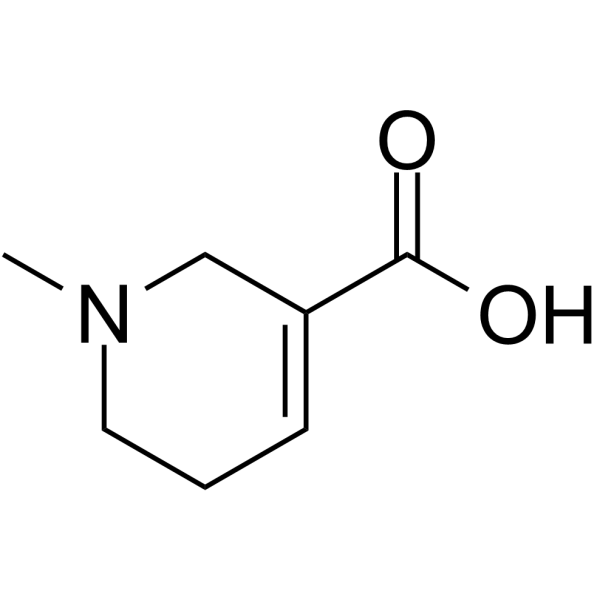 0 ImagesArecaidine is a GABA transport system inhibitor. Arecaidine inhibits the proliferation of oral mucosal fibroblasts, increases the secretion of IL-6, TGF-β and TNF-α in cells, downregulates the expression of PPAR-γ and PCK1 in cells, and upregulates the expression of TGF-β1. Arecaidine inhibits the uptake of γ-aminobutyric acid and β-alanine by the central nervous system of cats. Arecaidine inhibits hPAT1-mediated L-[3H]proline uptake in cells. Arecaidine can be used in research related to neurological diseases.
-
Isotoosendanin
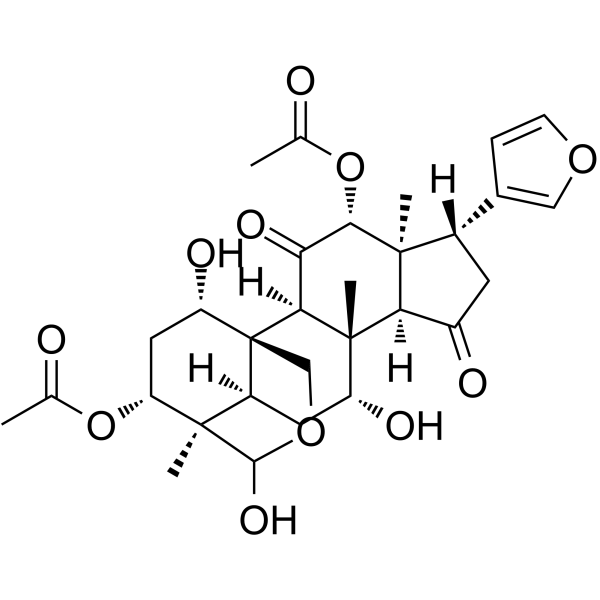 0 ImagesIsotoosendanin is an orally active TGFβR1 inhibitor and abrogating its kinase activity (IC50 = 6732 nM). Isotoosendanin inhibits the JAK/STAT3 signaling pathway by directly targeting SHP-2, enhancing its stability, and reducing its ubiquitination. Isotoosendanin inhibits TGF-β-induced reduces the migration, invasion, and metastasis in triple-negative breast cancer (TNBC) cells. Isotoosendanin exhibits anti-tumor efficacy in TNBC xenograft models and A549 xenograft tumors. Isotoosendanin exhibits significant anti-inflammatory effects in acetic acid-induced vascular permeability and λ-carrageenan-induced hind paw edema tests. Isotoosendanin can be used for the study of non-small cell lung cancer (NSCLC), TNBC and inflammation.
-
Klotho-derived peptide 1 hydrochloride
 0 ImagesCat. No.: HY-P10414APurity: 99.67%Synonyms: KP1 (human) hydrochlorideKlotho-derived peptide 1 hydrochloride (KP1 (human) hydrochloride) is a polypeptide with multiple activities including senescence inhibition and renal protection. Klotho-derived peptide 1 hydrochloride binds to TβR2 and ATAD3A, with a Kd value of 1.41 μM for binding to human TβR2 and a Kd value of 0.319 μM for binding to ATAD3A. By binding to TβR2, Klotho-derived peptide 1 hydrochloride blocks the TGF-β/Smad3 and downstream TGF-β signaling pathways, inhibits the expression of miR-223-3p, induces the expression of lncRNA-TUG1, restores endogenous Klotho at the post-transcriptional level, inhibits cellular senescence markers, fibroblast activation and renal tubular epithelial cell apoptosis, blocks cytochrome c release and caspase activation, maintains the integrity of mitochondrial ultrastructure, and restores mitochondrial protein levels. Klotho-derived peptide 1 hydrochloride enters renal tubular epithelial cells via endocytosis, protects against nephrotoxic and hypoxic injuries, and recapitulates the renal protective and anti-fibrotic effects of full-length Klotho. Klotho-derived peptide 1 hydrochloride can be used in research related to kidney diseases such as chronic kidney disease and SARS-CoV-2-associated acute kidney injury.
-
Lariciresinol
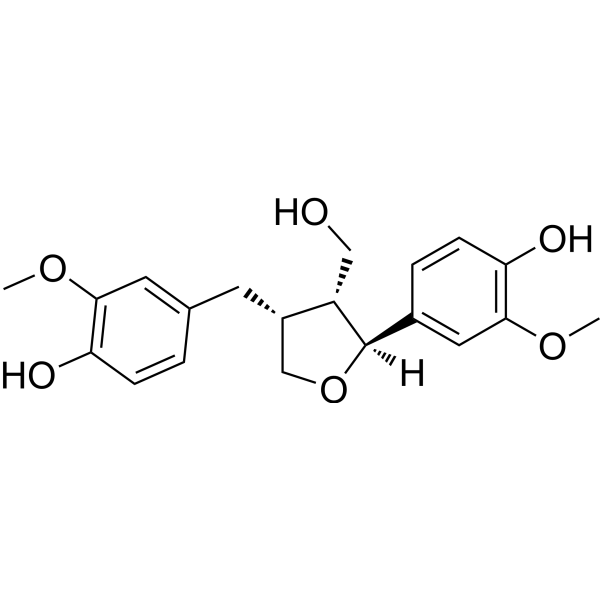 0 ImagesLariciresinol is an orally active ingredient. Lariciresinol can be isolated from Arabidopsis thaliana. Lariciresinol inhibits α-glucosidase activity (IC50 of 6.97 μM; Ki of 0.046 μM). Lariciresinol dereases Bcl-2, upregulates Bax and induces Apoptosis. Lariciresinol regulates TGF-β and NF-κB pathways. Lariciresinol has antitumor activity against liver cancer, gastric cancer, and breast cancer. Lariciresinol shows antifungal activity and anti-diabetic activity.




