



Tyrosinase
Tyrosinase is a copper-containing metalloprotein belonging to the type-3 copper protein family, together with haemocyanins and catechol oxidases. Tyrosinases are the catalysts in mammals responsible for the formation of melanin in skin and hair color, as well as browning in fruit and vegetables following cell damage.
Tyrosinases are found in various prokaryotes as well as in plants, fungi, arthropods, and mammals and are responsible for pigmentation, wound healing, radiation protection, and primary immune response. Tyrosinases perform two sequential enzymatic reactions: hydroxylation of monophenols and oxidation of diphenols to form quinones which polymerize spontaneously to melanin. In plants, sponges, and many invertebrates, tyrosinases are important for wound healing and primary immune responses; in arthropods, they play a role in sclerotization, and in bacteria, tyrosinases protect DNA from UV damage.
All Product Categories
-
Tyrosinase Inhibitors
(273)
View all products
-
Tyrosinase Antagonist
(1)
View all products
-
Tyrosinase Activators
(10)
View all products
-
Tyrosinase Modulator
(1)
View all products
-
Tyrosinase Inducer
(1)
View all products
-
Tyrosinase Degrader
(1)
View all products
-
Tyrosinase Substrates
(7)
View all products
-
Tyrosinase Ligand
(1)
View all products
-
Tyrosinase Related Products (319)
Related Products (319)

-
Antibodies (9)
-
Mulberroside A
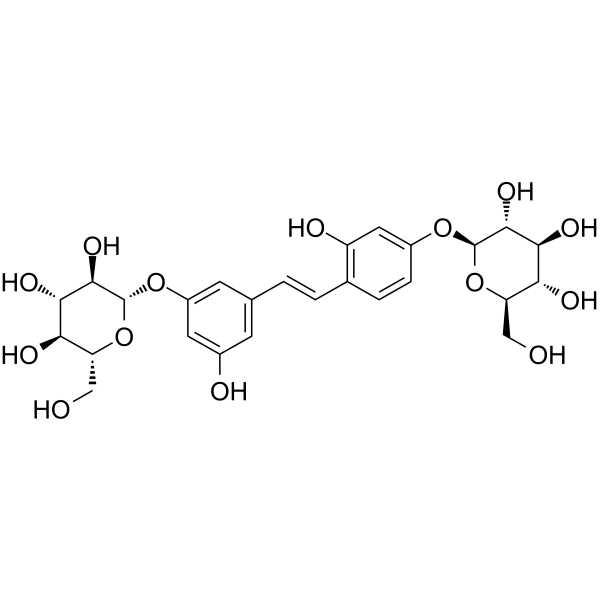 0 ImagesMulberroside A is one of the main bioactive constituent in mulberry (Morus alba L.). Mulberroside A decreases the expressions of TNF-α, IL-1β, and IL-6 and inhibits the activation of NALP3, caspase-1, and NF-κB and the phosphorylation of ERK, JNK, and p38, exhibiting anti-inflammatory antiapoptotic effects. Mulberroside A shows inhibitory activity against mushroom tyrosinase with an IC50 of 53.6 μM.
-
α-Arbutin
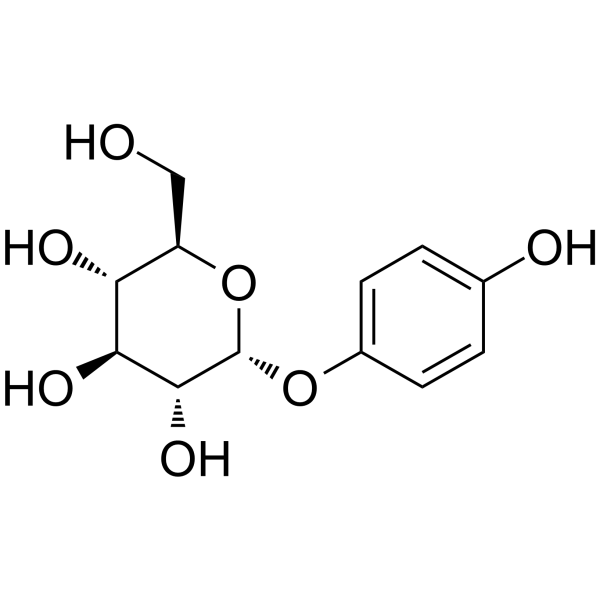 0 ImagesSynonyms: 4-Hydroxyphenyl α-D-glucopyranosideα-Arbutin (4-Hydroxyphenyl α-D-glucopyranoside) is a tyrosinase inhibitor, which is used as an effective skin whiteners. α-Arbutin is promising for research of various diseases such as hyperpigmentation disorders, types of cancers, central nervous system disorders, osteoporosis, diabetes.
-
3-O-Ethyl-L-ascorbic acid
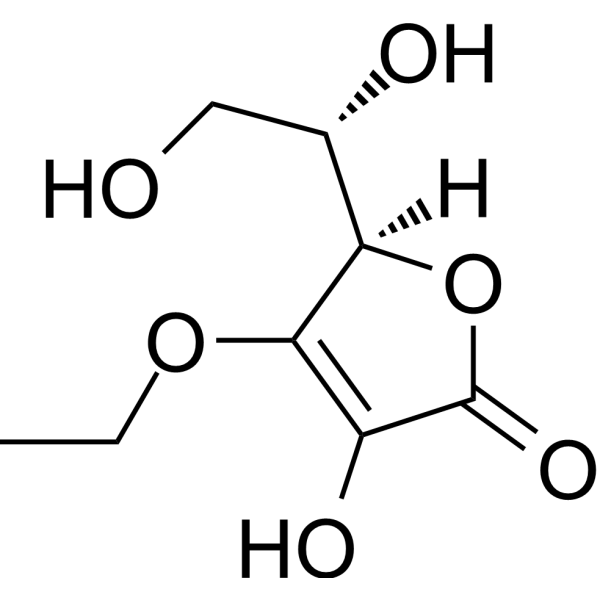 0 Images3-O-Ethyl-L-ascorbic acid is a stable derivative of vitamin C and a cosmetic tyrosinase inhibitor. 3-O-Ethyl-L-ascorbic acid has antioxidant, anti-aging, and skin-whitening activities. 3-O-Ethyl-L-ascorbic acid is often used in the study of cosmetic.
-
3,5-Dihydroxybenzoic acid
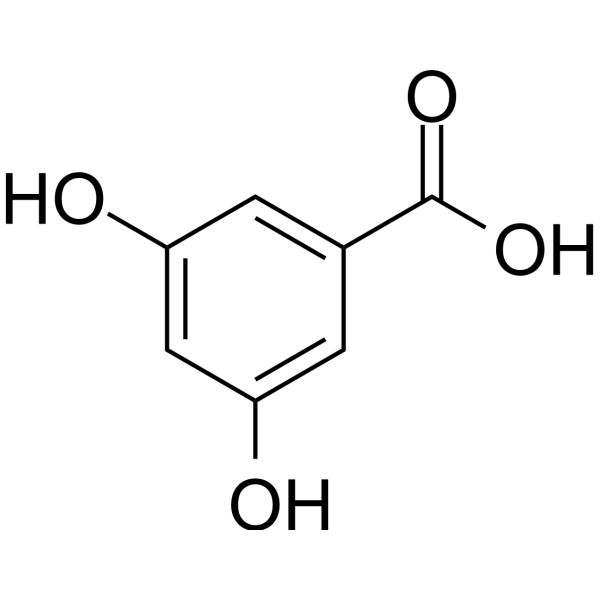 0 Images3,5-Dihydroxybenzoic acid a potential biomarker for the consumption of many food products, including beer, nuts, peanut, and pulses. 3,5-Dihydroxybenzoic acid is the agonist for hydroxycarboxylic acid receptor 1 (HCA1, also known as GPR81) that inhibits lipolysis in adipocytes. 3,5-Dihydroxybenzoic acid is the competitive inhibitor for tyrosine phenol-lyase (TPL), exhibits an affinity of Ki=25.7 μM. 3,5-Dihydroxybenzoic acid is orally active.
-
Norartocarpetin
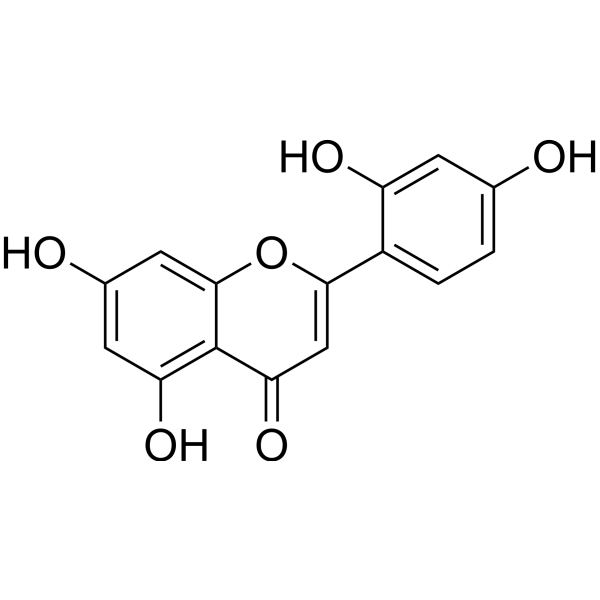 0 ImagesNorartocarpetin is a tyrosinase inhibitor. Norartocarpetin has strong tyrosinase inhibitory activity with an IC50 value of 0.47 μM. Norartocarpetin as an antibrowning agent can be used for the research of food systems. Norartocarpetin also has a significant anticancer activity in lung carcinoma cells (NCI-H460) with an IC50 value of 22 μM. Norartocarpetin has antiproliferative effects are mediated via targeting Ras/Raf/MAPK signalling pathway, mitochondrial mediated apoptosis, S-phase cell cycle arrest and suppression of cell migration and invasion in human lung carcinoma cells.
-
2-Hydroxy-4-methoxybenzaldehyde
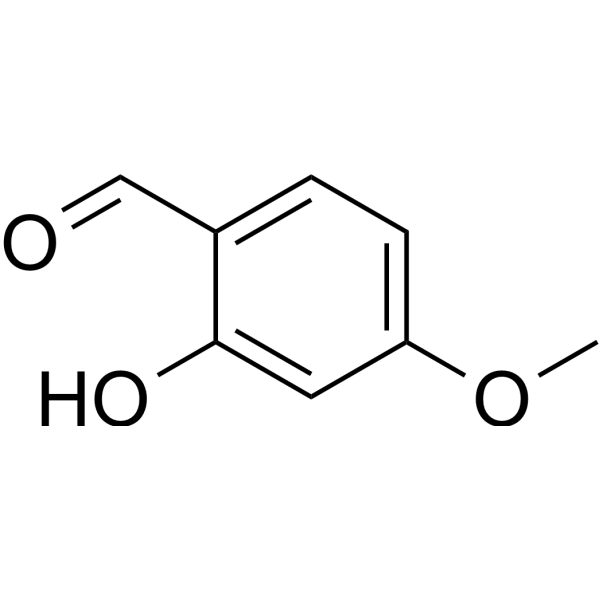 0 Images2-hydroxy-4-methoxybenzaldehyde is a potent tyrosinase inhibitor. 2-Hydroxy-4-methoxybenzaldehyde, an isomer of Vanillin, could be used to synthesis Urolithin M7
-
Validamycin A
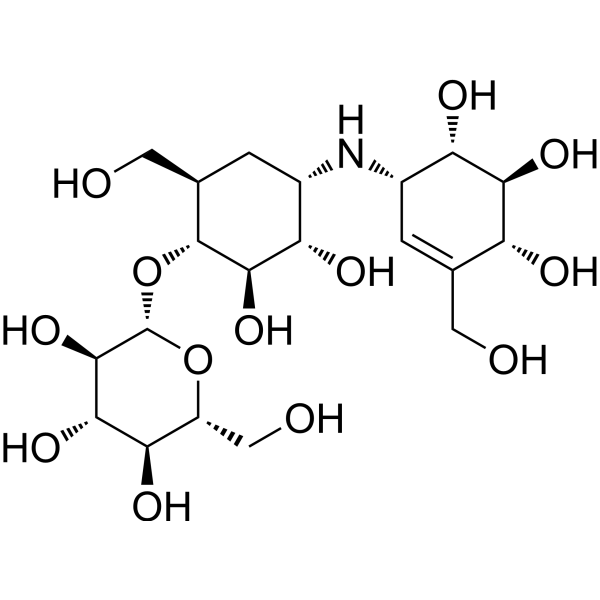 0 ImagesCat. No.: HY-B0856CAS No.: 37248-47-8Validamycin A, a fungicidal, is an agricultural antibiotic. Validamycin A is originally isolated from Streptomyces hygroscopicus var. limoneus. Validamycin A inhibits the growth of A. flavus, with a MIC of 1?μg/mL. Validamycin A shows potent inhibitory activity against trehalase of Rhizoctonia solani, with an IC50 of 72 μM. Validamycin A is a reversible tyrosinase inhibitor, with a Ki of 5.893 mM.
-
p-Anisic acid
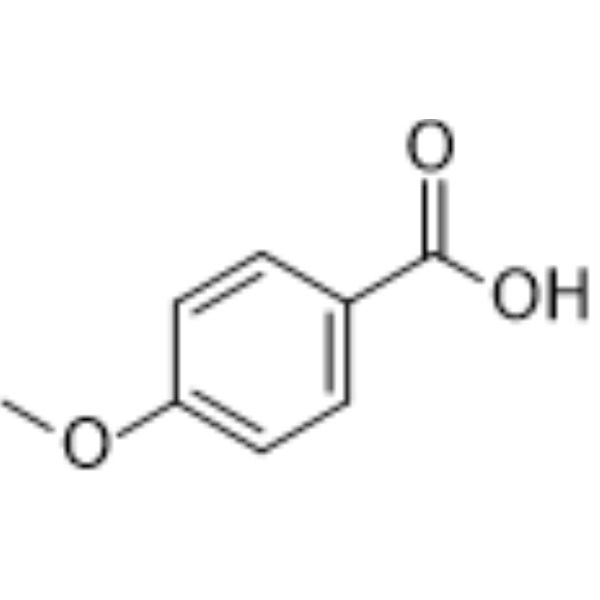 0 Imagesp-Anisic acid (4-Methoxybenzoic acid) is an orally available tyrosinase inhibitor that has antioxidant, anti-anxiety, anti-inflammatory, anti-tumor, anti-diabetic, and preservative properties. p-Anisic acid can be used as a preservative in the cosmetics field.
-
Orcinol
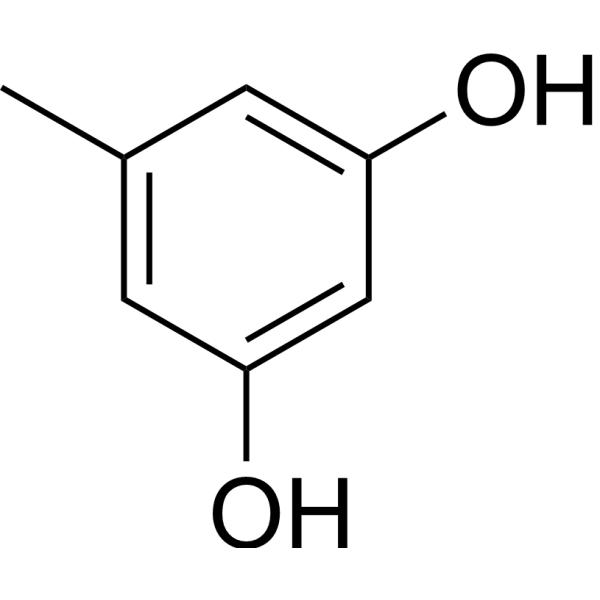 0 ImagesOrcinol (3,5-Dihydroxytoluene) is an organic compound used in biological dyeing and proteomics research. Orcinol inhibits melanogenesis in B16F10 cells by upregulating the MAPK/ERK signaling pathway, and suppresses the expression of MITF, tyrosinase (TYR), TRP1, and DCT. Orcinol exhibits certain DPPH radical scavenging activity. In addition, Orcinol can alter nitrogen balance in animals. Orcinol holds promise for research in cancer and metabolic diseases.
-
Trifolirhizin
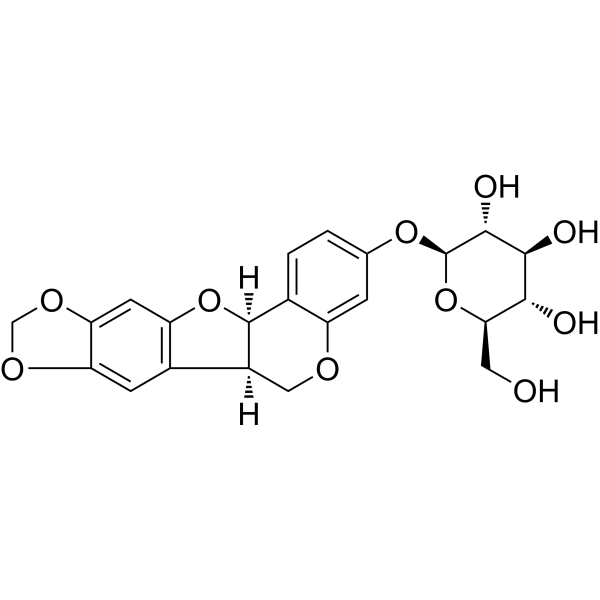 0 ImagesTrifolirhizin is a pterocarpan flavonoid found in the roots of Sophora flavescens. Trifolirhizin is a tyrosinase inhibitor with an IC50 value of 506.77 μM. Trifolirhizin reduces intracellular melanin production and modulates multiple signaling pathways including NFκB-MAPK, AMPK/mTOR, PI3K/Akt, MAPK-NFATc1 and EGFR-MAPK. Trifolirhizin targets biological molecules including PTK6 and COX-2, inhibits the activities of hyaluronidase, collagenase and elastase, induces apoptosis, autophagy and cell cycle arrest, and suppresses the proliferation, migration and invasion of cancer cells. Trifolirhizin exerts diverse pharmacological effects including anti-inflammatory, anti-asthmatic, bone-protective, renoprotective, antibacterial, antifungal, hepatoprotective, antiplatelet, estrogenic and wound-healing activities. Trifolirhizin can be used to investigate a broad range of malignant, inflammatory, metabolic and infectious disorders.
-
SBB-Analogue (GL13) Biotin
 0 ImagesSynonyms: GL13; SBB-A-BSBB-Analogue (GL13) Biotin (GL13; SBB-A-B) consists of a Sudan Black B (SBB) (HY-D0213) derivative conjugated with biotin. SBB-Analogue (GL13) Biotin potently detects senescent cells and eliminates the drawback of false-positive staining caused by serum starvation and cell fusion in SA-β-gal assays. SBB-Analogue (GL13) Biotin can be used in flow cytometry, immunofluorescence analysis, and other applications.
-
3',4'-Dihydroxyacetophenone
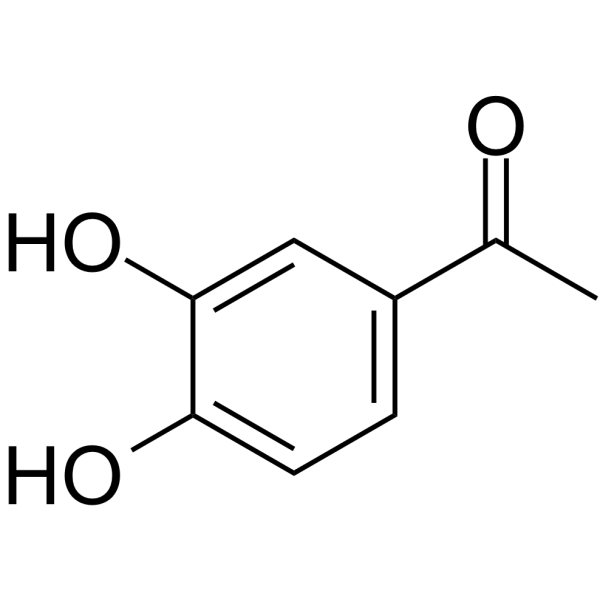 0 Images3',4'-Dihydroxyacetophenone (3,4-DHAP) is a phenolic compound with oral bioavailability, possessing potent antioxidant, anti-inflammatory, anticancer and cardiovascular protective activities. 3',4'-Dihydroxyacetophenone inhibits mushroom Tyrosinase activity with an IC50 of 10 μM, thereby suppressing melanogenesis. 3',4'-Dihydroxyacetophenone inhibits platelet aggregation in platelet-rich plasma. 3',4'-Dihydroxyacetophenone reduces ROS levels in human umbilical vein endothelial cells treated with high glucose, upregulates the expression of Nrf2, HO-1 and PARP-1 in cells, and promotes the nuclear translocation of Nrf2. 3',4'-Dihydroxyacetophenone induces autophagy and apoptosis. 3',4'-Dihydroxyacetophenone inhibits seed germination/growth in most plants. 3',4'-Dihydroxyacetophenone can be used in the research of cancer, neurodegenerative diseases, non-alcoholic steatohepatitis, diabetes, obesity, skin pigmentation disorders, and cardiovascular and cerebrovascular diseases.
-
Ethyl linoleate
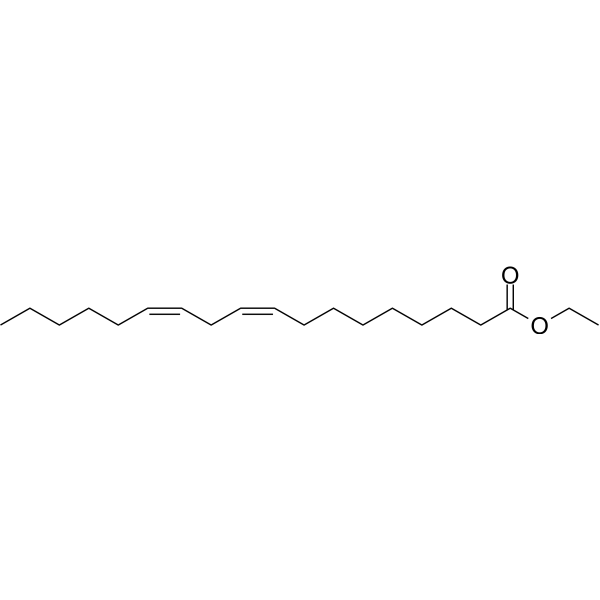 0 ImagesSynonyms: Linoleic Acid ethyl ester; MandenolEthyl linoleate (Linoleic Acid ethyl ester) is an orally active unsaturated fatty acid. Ethyl linoleate inhibits the Akt/GSK3β/β-catenin signaling pathway and the activation of NF-κB. Ethyl linoleate induces heme oxygenase-1 and inhibits tyrosinase. Ethyl linoleate has whitening and anti-inflammatory effects. Ethyl linoleate promotes compound absorption. Ethyl linoleate has a significant influence on atherosclerosis. Ethyl linoleate is used in the research of inflammatory diseases. Ethyl linoleate can be used in cosmetics
-
mTRP-2 (180-188)
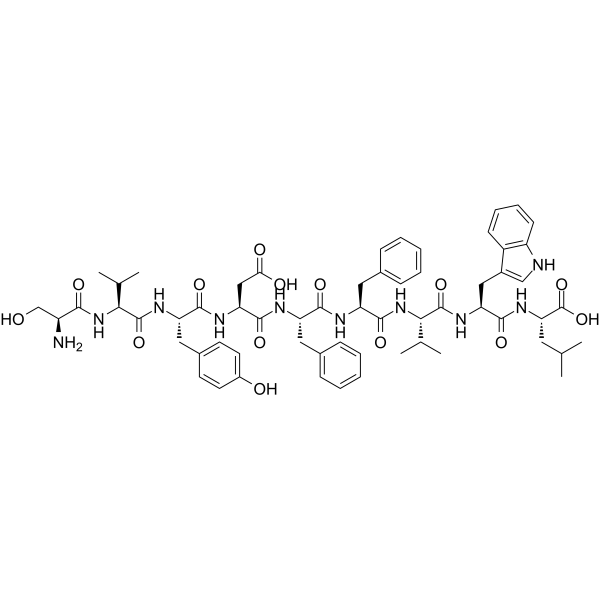 0 ImagesmTRP-2 (180-188) is an MHC class I-restricted tumor-associated antigenic peptide derived from mouse tyrosinase-related protein 2 (TRP-2). mTRP-2 (180-188) binds to HLA-A*0201 with an ID50 of 36 nM. mTRP-2 (180-188) can be presented by H-2Kb molecules and activate TRP-2-specific cytotoxic T lymphocytes (CTL). mTRP-2 (180-188) induces immune responses against B16 melanoma by promoting antigen-specific T cell proliferation, cytokine release, and CTL-mediated tumor cell killing. mTRP-2 (180-188) can be used in studies related to melanoma, glioma, and tumor immunology.
-
Methyl cinnamate
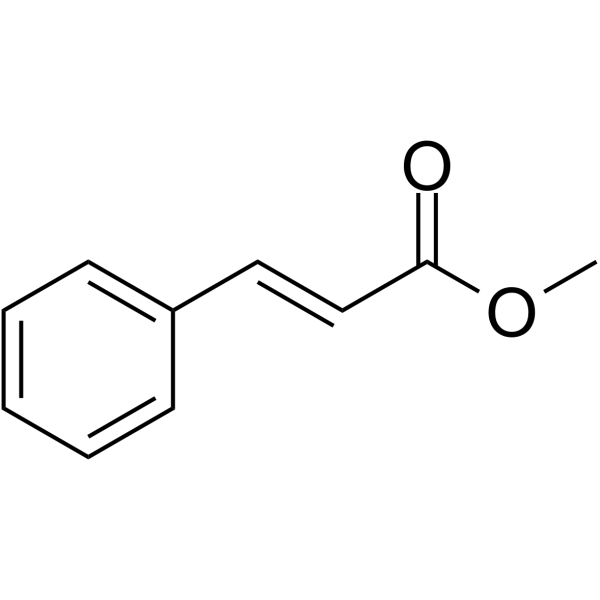 0 ImagesSynonyms: Methyl 3-phenylpropenoateMethyl cinnamate (Methyl 3-phenylpropenoate), an active component of Zanthoxylum armatum, is a widely used natural flavor compound. Methyl cinnamate (Methyl 3-phenylpropenoate) possesses antimicrobial activity and is a tyrosinase inhibitor that can prevent food browning. Methyl cinnamate (Methyl 3-phenylpropenoate) has antiadipogenic activity through mechanisms mediated, in part, by the CaMKK2-AMPK signaling pathway.
-
PDRN
 0 ImagesCat. No.: HY-W250160CAS No.: 100403-24-5Synonyms: PolydeoxyribonucleotidePDRN (Polydeoxyribonucleotide) is a deoxynucleotide polymer mainly derived from the sperm of rainbow trout or salmon. PDRN inhibits pro-inflammatory factors and promotes VEGF expression via the cAMP-PKA pathway by activating the adenosine A2A receptor (A2AR), thereby driving angiogenesis and collagen deposition in fibroblasts. Degradation products of PDRN provide DNA raw materials for proliferating cells through the salvage synthesis pathway, accelerating re-epithelialization. PDRN reduces melanin synthesis and cell apoptosis by upregulating ERK/AKT phosphorylation and inhibiting the activities of MITF and tyrosinase, and resists skin aging by attenuating nuclear autophagy and blocking the interaction between LC3-SIRT1. PDRN is mainly used for wound repair, post-aesthetic surgery recovery and anti-aging research.
-
Glycolic acid-d2
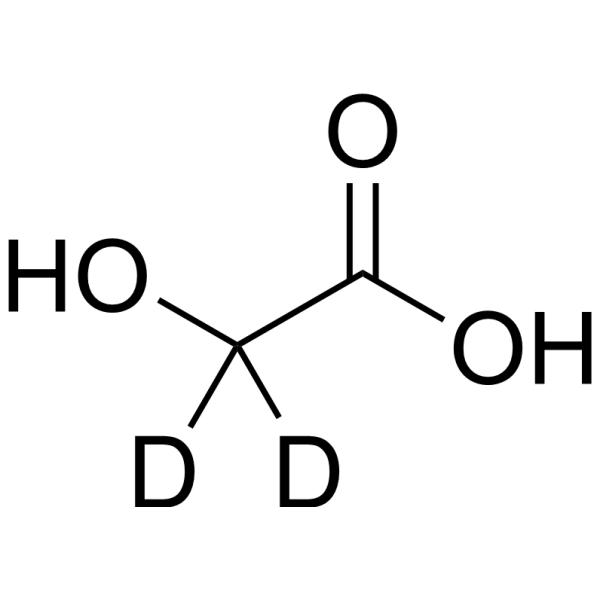 0 ImagesGlycolic acid-d2 is the deuterium labeled Glycolic acid. Glycolic acid is an inhibitor of tyrosinase, suppressing melanin formation and lead to a lightening of skin colour.
-
Moracin N
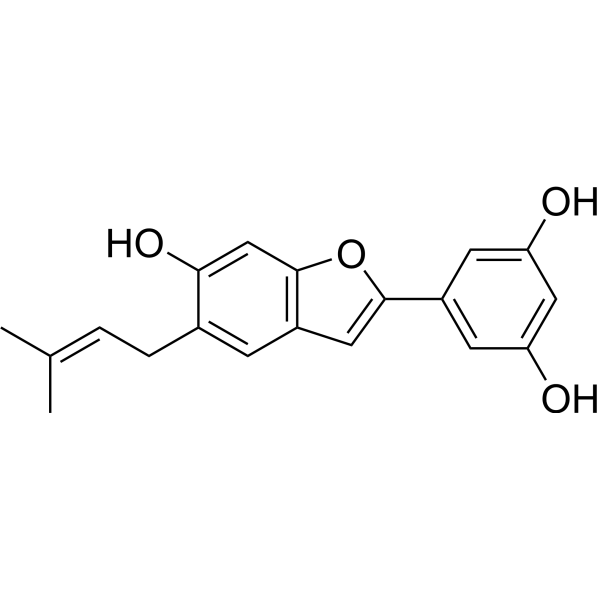 0 ImagesMoracin N is a benzofuran compound. At low concentrations, Moracin N activates the Keap1/Nrf2 pathway, downregulates the expression of FTH1 and ACSL4, enhances glutathione synthesis, and inhibits neuronal ferroptosis. At high concentrations, Moracin N induces ROS accumulation, activates mitochondrial apoptosis, and triggers autophagy-mediated cell death by inhibiting the AKT/mTOR pathway. Moracin N can be used in research related to non-small cell lung cancer, hepatocellular carcinoma and ischemic brain injury.
-
2-Ketoglutaric acid Sodium
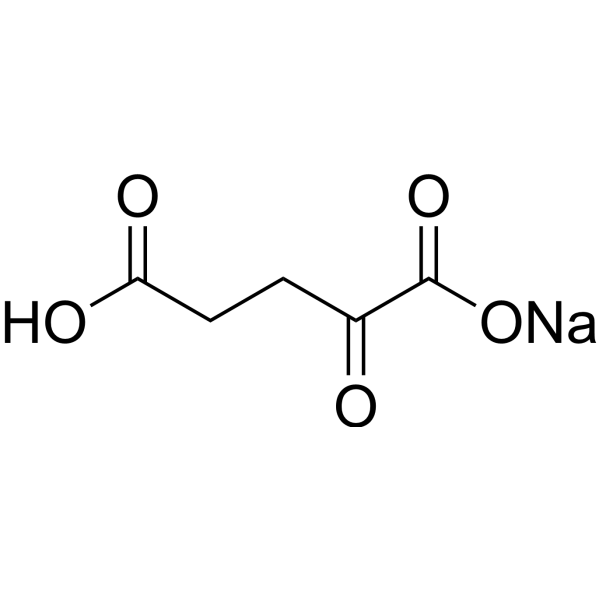 0 ImagesSynonyms: Alpha-Ketoglutaric acid Sodium2-Ketoglutaric acid Sodium (Alpha-Ketoglutaric acid Sodium) is an intermediate in the production of ATP or GTP in the Krebs cycle. 2-Ketoglutaric acid Sodium also acts as the major carbon skeleton for nitrogen-assimilatory reactions. 2-Ketoglutaric acid Sodium is a reversible inhibitor of tyrosinase (IC50=15 mM).
-
(R)-Trolox
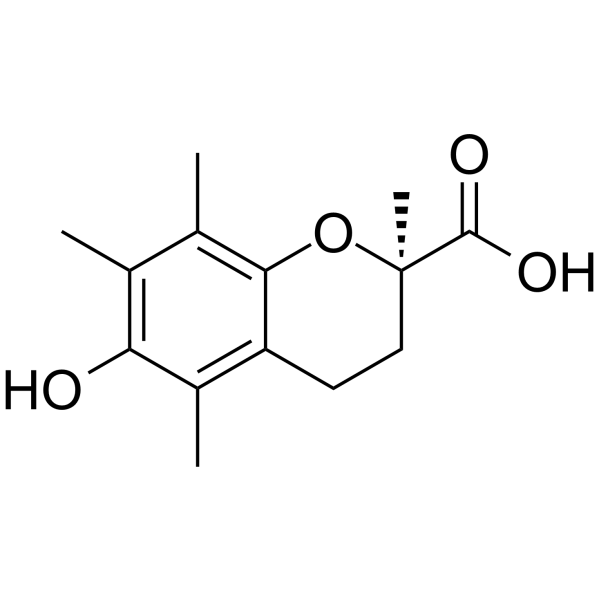 0 Images(R)-Trolox is a vitamin E analogue and a competitive tyrosinase inhibitor with a Ki value of 0.83 mM and a ID50 value of 1.88 mM. The (R)-Trolox has stronger tyrosinase affinity than the (S) enantiomer (Ki value of 0.61 mM).




