



Beclin1 Inhibitor
-
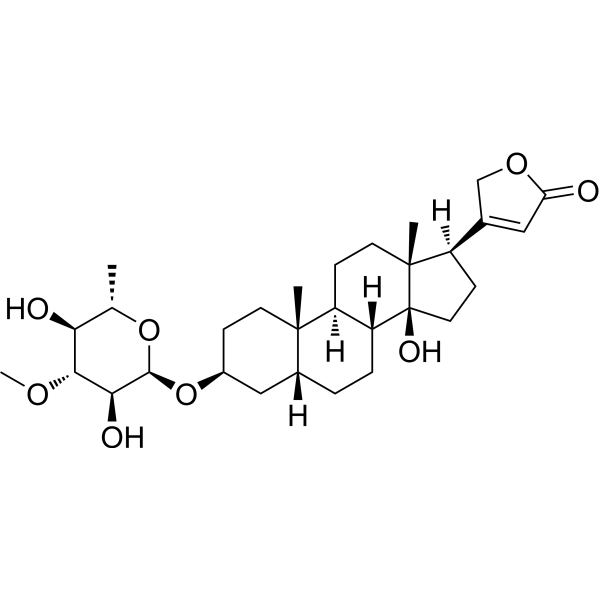
Neriifolin
 0 Images
Neriifolin, a CNS-penetrating cardiac glycoside, is an inhibitor of the Na+, K+-ATPase. Neriifolin can target beclin 1, inhibits the formation of LC3-associated phagosomes and ameliorates experimental autoimmune encephalomyelitis (EAE) development. Neriifolin induces cell cycle arrest and apoptosis in human hepatocellular carcinoma HepG2 cells[2.
-
Zaptuzumab
 0 ImagesSynonyms: AD5-10; oba-01 Antibody
Zaptuzumab (AD5-10) is a DR5-specific humanized monoclonal antibody that selectively binds to DR5 with high affinity. Zaptuzumab specifically induces cancer cell death by both caspase-apoptosis and autophagic cell death (ACD). Zaptuzumab activates both ADCC and CDC. Zaptuzumab induces ROS generation and GSH level reduction. Zaptuzumab shows a significant suppression of the tumor growth and good safety in various xenografts mice tumor models.
-
Beclin1-Bcl-2 interaction inhibitor 1
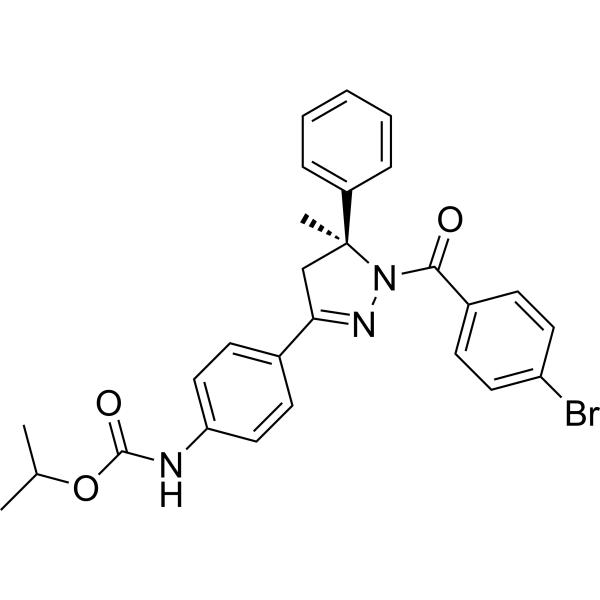 0 ImagesCat. No.: HY-149681
Beclin1-Bcl-2 interaction inhibitor 1 is a Beclin1 and Bcl-2 interaction inhibitor with an IC50 value of 4.4 nM. Beclin1-Bcl-2 interaction inhibitor 1 disrupts the binding of the Bcl-2-Beclin 1 BH3 domain. Beclin1-Bcl-2 interaction inhibitor 1 can be used in the research of cancer and neurodegenerative diseases.
-
BRD1991
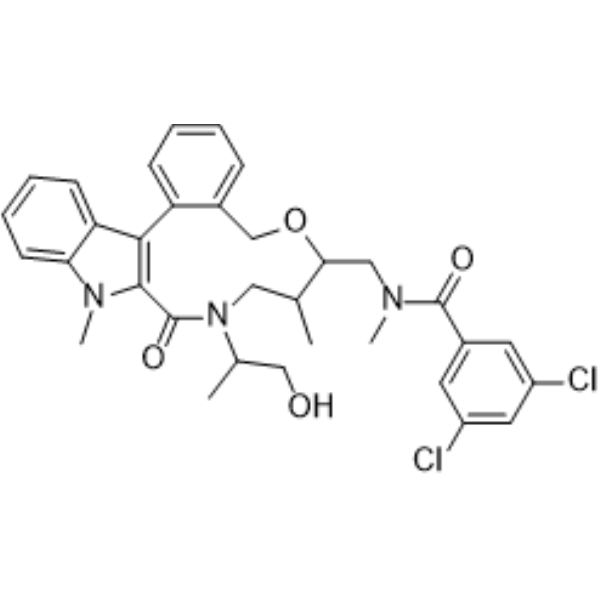 0 ImagesCat. No.: HY-125191CAS No.: 2235468-02-5
-
SBP-5147
 0 ImagesCat. No.: HY-181815CAS No.: 1884222-37-0
SBP-5147 is an orally active ULK1/ULK2 inhibitor, with an IC50 of 2 nM against ULK1 and an IC50 of 53 nM against ULK2. SBP-5147 inhibits the phosphorylation of Beclin-1 and Vps34, reduces autophagy flux, downregulates the expression of ATG13 and ATG101, upregulates the expression of MHC-I, induces caspase-dependent apoptosis, and decreases the viability of non-small cell lung cancer cells. SBP-5147 is applicable to research related to non-small cell lung cancer[1].



