



mGluR
Metabotropic glutamate receptors
mGluR (metabotropic glutamate receptor) is a type of glutamate receptor that are active through an indirect metabotropic process. They are members of thegroup C family of G-protein-coupled receptors, or GPCRs. Like all glutamate receptors, mGluRs bind with glutamate, an amino acid that functions as an excitatoryneurotransmitter. The mGluRs perform a variety of functions in the central and peripheral nervous systems: mGluRs are involved in learning, memory, anxiety, and the perception of pain. mGluRs are found in pre- and postsynaptic neurons in synapses of the hippocampus, cerebellum, and the cerebral cortex, as well as other parts of the brain and in peripheral tissues. Eight different types of mGluRs, labeled mGluR1 to mGluR8, are divided into groups I, II, and III. Receptor types are grouped based on receptor structure and physiological activity.
mGluR Isoform Specific Products
All Product Categories
-
mGluR Related Products (399)
Related Products (399)

-
Antibodies (8)
-
mGluR Isoform Comparison
-
VU0650786
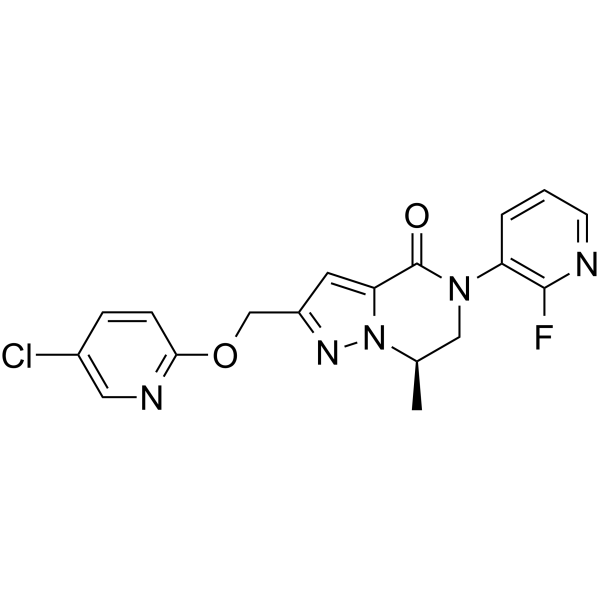 0 ImagesVU0650786 is a potent and selective CNS penetrant negative allosteric modulator of metabotropic glutamate receptor subtype 3 (mGlu3 NAM), with an IC50 of 392 nM. VU0650786 has antidepressant and anxiolytic activity in rodents.
-
Troriluzole
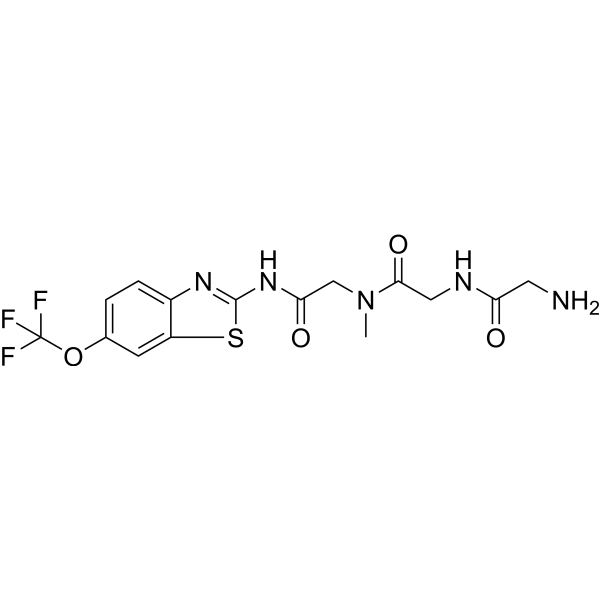 0 ImagesSynonyms: BHV-4157Troriluzole, a third-generation, tripeptide proagent of Riluzole (HY-B0211), is an orally active glutamate modulator. Troriluzole reduces synaptic glutamate level and increases the synaptic glutamate absorption. Troriluzole has the potential for Alzheimer disease and generalized anxiety disorder (GAD).
-
ADX88178
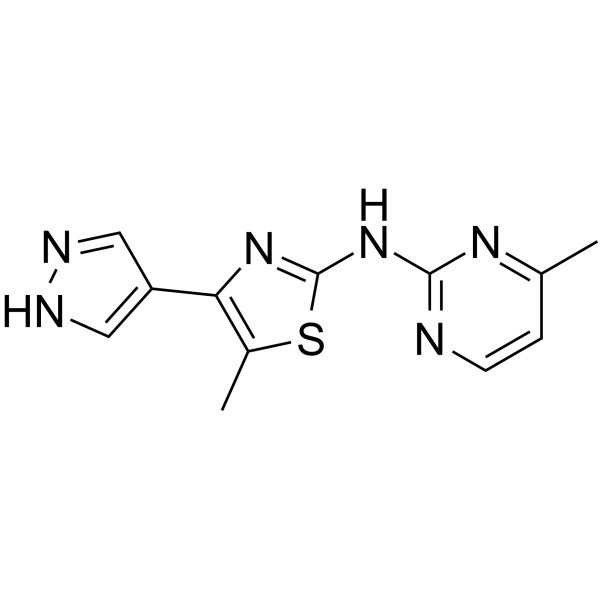 0 ImagesADX88178 is an orally active, blood-brain barrier-penetrant, selective positive allosteric modulator of mGluR4, with an EC50 of 3.5 nM against hmGluR4. ADX88178 modulates mGlu4 activity, enhances glutamate-mediated receptor activation, and increases the apparent affinity of glutamate for the receptor. ADX88178 reverses haloperidol-induced catalepsy, potentiates the effects of levodopa (L-DOPA) and quinpirole, but fails to alleviate established abnormal involuntary movements, does not exacerbate L-DOPA-induced dyskinesia, and does not affect forelimb akinesia when administered alone. ADX88178 can be used in research related to L-DOPA-induced dyskinesia and Parkinson's disease.
-
Xanthurenic acid-d4
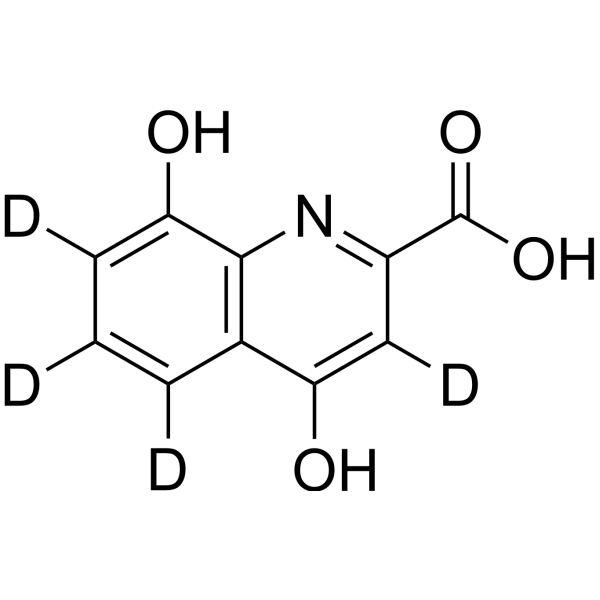 0 ImagesXanthurenic acid-d4 is the deuterium labeled Xanthurenic acid. Xanthurenic acid is a putative endogenous Group II metabotropic glutamate receptor agonist, on sensory transmission in the thalamus.
-
Nefiracetam
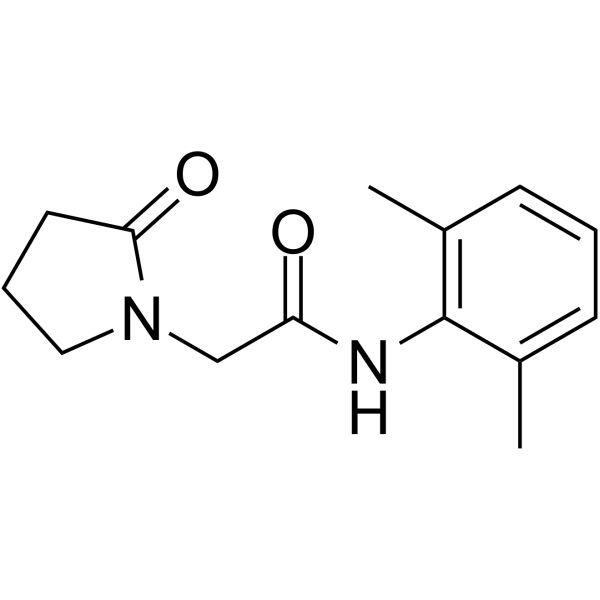 0 ImagesSynonyms: DM9384; DZL-221Nefiracetam is a cognition-enhancing agent. Nefiracetam is an activator of nAChR, N-methyl-D-aspartate receptor (NMDAR), mGluR5, PKC, gamma-aminobutyric acid (GABA), and N/L-type Ca2+ channels. Nefiracetam promotes neuroplasticity and enhances neuroprotection. Nefiracetam can be used in Alzheimer's disease, epilepsy, and cerebral ischemia research.
-
JNJ-40411813
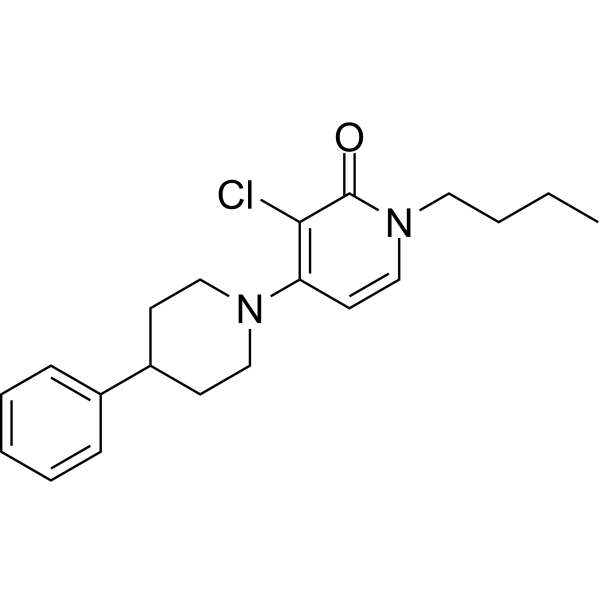 0 ImagesSynonyms: ADX-71149JNJ-40411813 (ADX-71149) is a novel positive allosteric modulator of the metabotropic Glutamate 2 receptor (mGlu2R) with EC50 of 147 nM. JNJ-40411813 has orally bioactivity and penetrate the blood-brain barriers. JNJ-40411813 has the potential property of anti-depression.
-
VU6010572
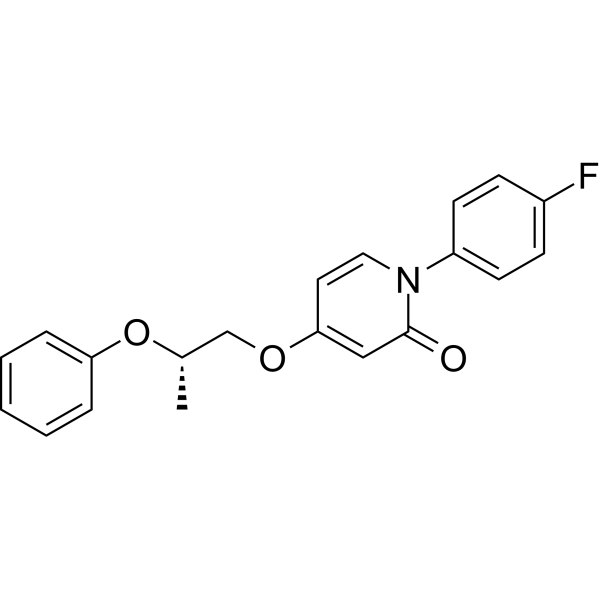 0 ImagesVU6010572 is a potent, selective and brain-penetrant mGlu3 negative allosteric modulator with IC50 of 245 nM. VU6010572 is highly CNS penetrant.
-
L-Glutamine-1-13C
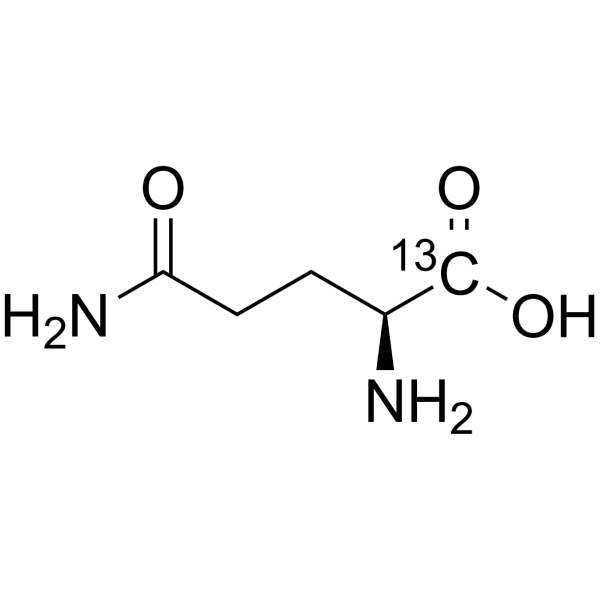 0 ImagesSynonyms: L-Glutamic acid 5-amide-1-13CL-Glutamine-1-13C is the 13C-labeled L-Glutamine (HY-N0390). L-Glutamine is an orally active nutritional agent and cellular metabolism regulator. L-Glutamine is taken up in a Na+-dependent manner and targets multiple key molecules including glutaminase, mTORC1, NF-κB, STAT-3 and HIF-1α. L-Glutamine enhances glutaminolytic catabolism, drives the conversion of glutamate to α-ketoglutarate, thereby regulating gene expression, integrating metabolic signals, mediating glutamine flux and maintaining redox homeostasis. L-Glutamine also promotes cell proliferation, osteogenic differentiation and fracture healing, exerts neuroprotective and cardioprotective effects, and inhibits osteoarthritis. L-Glutamine can be applied to research related to osteoporosis, osteoarthritis, ischemic stroke and acute cantharidin-induced cardiotoxicity.
-
VU0483605
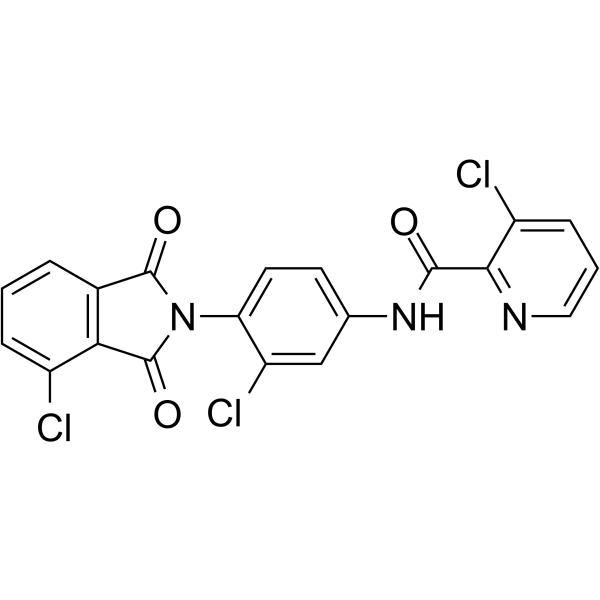 0 ImagesCat. No.: HY-100605CAS No.: 1623101-11-0VU0483605 is a potent and brain-penetrated mGlu1 receptor positive allosteric modulator (PAM). VU0483605 shows excellent mGlu1 PAM activity at both human and rat, with EC50 values of 390 and 356 nM, respectively.
-
Fenobam
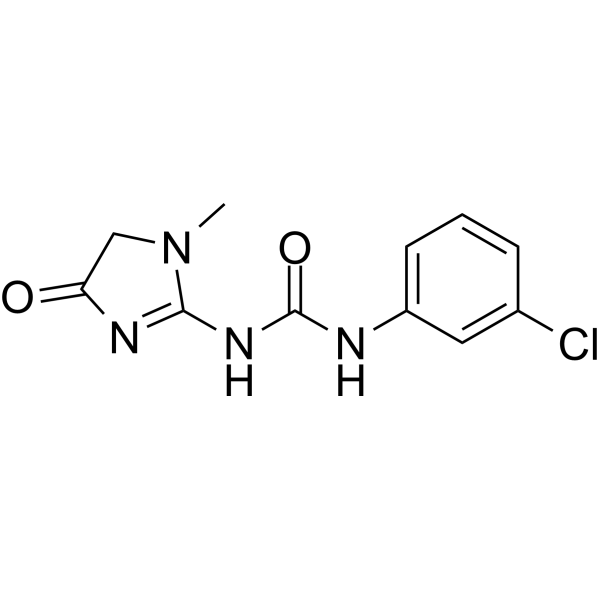 0 ImagesFenobam is a selective and orally active mGluR5 antagonist (IC50=84 nM) that can penetrate the blood-brain barrier. Fenobam shows the Kd values of 54 nM and 31 nM on rat and human recombinant mGlu5 receptors, respectively. Fenobam has anxiolytic activity, inhibits self-administration behavior in mice, and induces apoptosis in cancer cells. Fenobam can be used for research on neurological diseases, cancer and drug addiction.
-
VU6005649
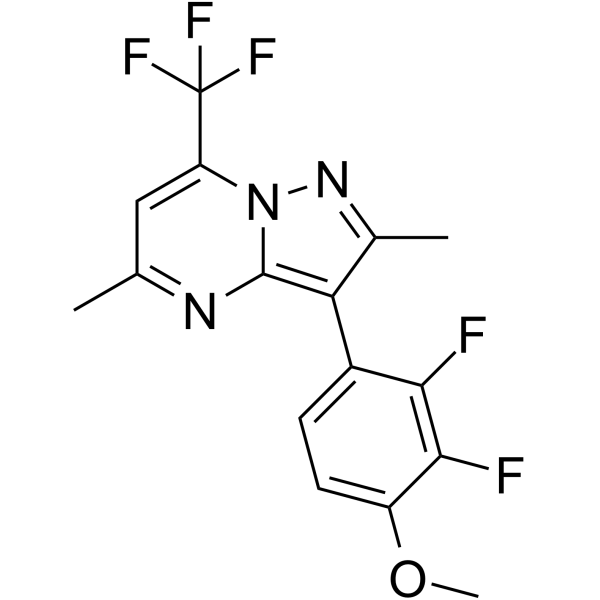 0 ImagesVU6005649 is a blood-brain-barrier penetrant mGlu7/8 receptor agonist with EC50s of 0.65 μM and 2.6 μM for mGlu7 receptor and mGlu8 receptor, respectively.
-
DL-AP4
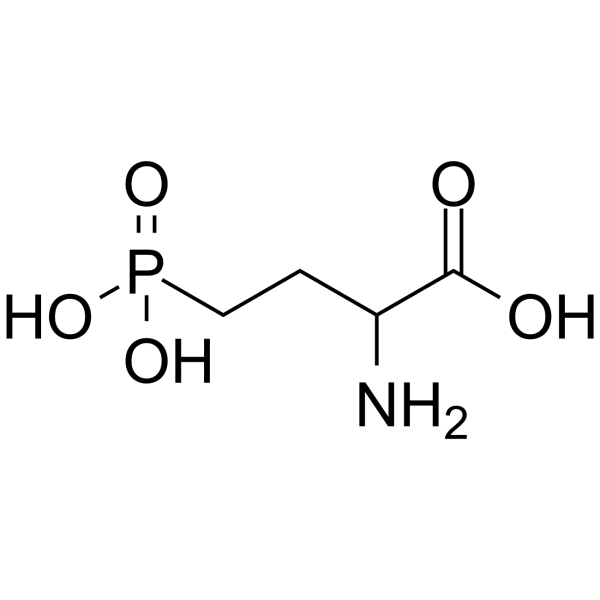 0 ImagesDL-AP4 (2-Amino-4-phosphonobutyric acid) is a glutamate antagonist. DL-AP4 behaves as a competitive inhibitor of glutamate binding with an apparent Kd of 66 μM. DL-AP4 can be used for the research of central nervous system and visual system.
-
NPS 2390
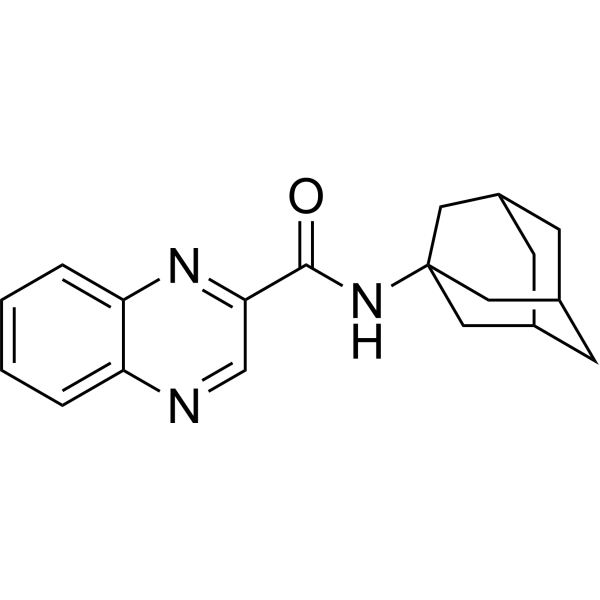 0 ImagesNPS 2390 is an allosteric antagonist of calcium-sensing receptor (CaSR) and mGluR1/5. NPS 2390 inhibits the PI3K/Akt/mTOR signaling pathway, reduces hypoxia-induced intracellular calcium elevation, decreases the expression of autophagy (autophagy) proteins, regulates the expression of phenotypic marker proteins, and inhibits the proliferation of pulmonary artery smooth muscle cells. NPS 2390 attenuates the endogenous apoptosis (apoptosis) pathway, increases the expression level of Bcl-2, downregulates the expression levels of Bax, cytochrome c and caspase-3, alleviates cerebral edema and improves neurological function in rat models. NPS 2390 can be used in studies related to hypoxic pulmonary hypertension, traumatic brain injury, stroke and pain.
-
β-Spaglumic acid
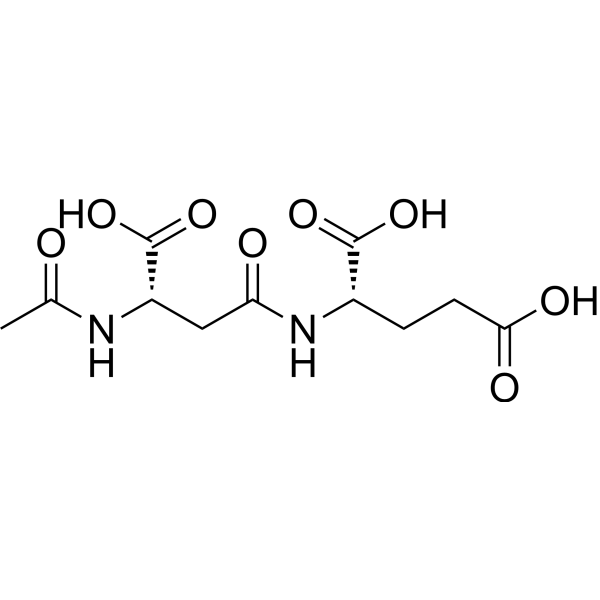 0 ImagesSynonyms: β-NAAG; β-N-Acetylaspartylglutamic acidβ-Spaglumic acid (β-NAAG) is a competitive NAAG peptidase inhibitor (Ki=1 µM) that protects spinal cord neurons from excitotoxicity and hypoxic damage. β-Spaglumic acid is also a selective mGluR3 antagonist (mGluR3 receptor functions to regulate activity-dependent synaptic potentiation in the hippocampus). β-Spaglumic acid can be used in neuroprotection-related studies.




